01
Bowed head and cap
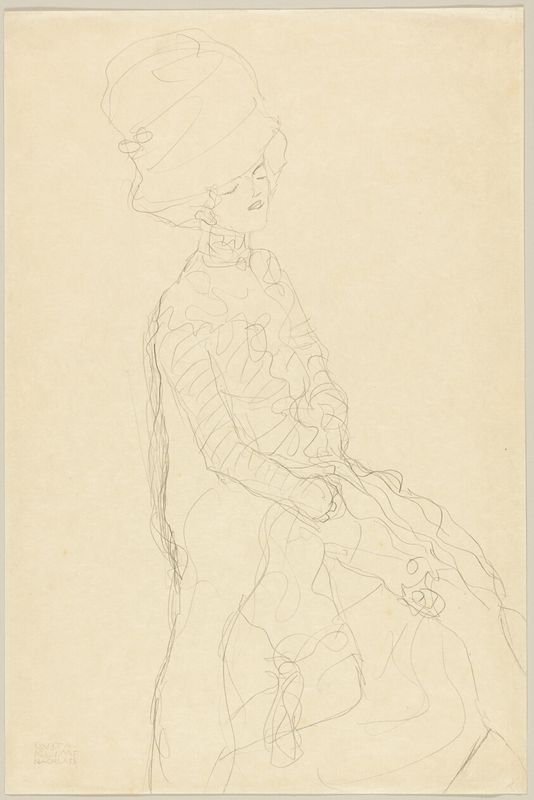
Start at the upper left, where the woman's head drops into a soft cap and a draped cloth. Her face is hidden from view, so the bowed pose carries the mood.
1 of 5 on the painting
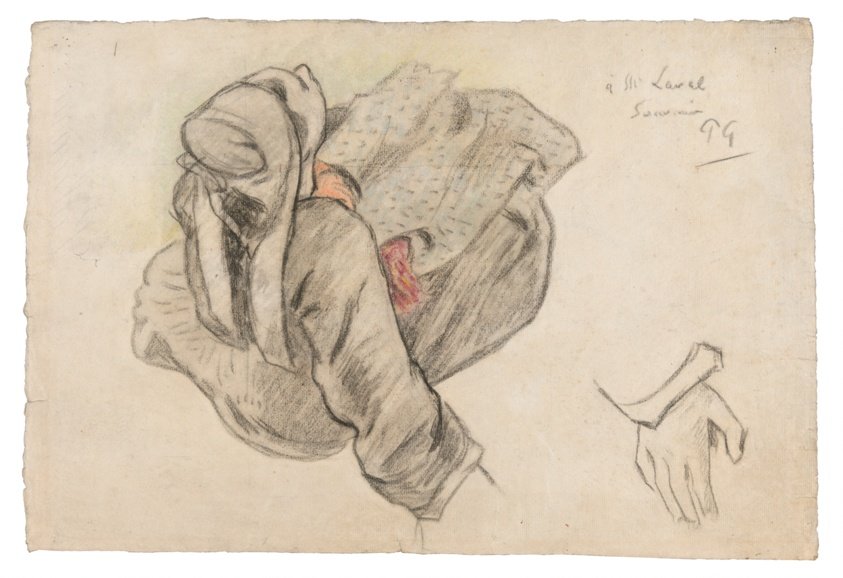
“Stop to appreciate the quiet dignity of this Breton woman, captured with striking simplicity. The artist's use of chalk and pastel creates a powerful, almost sculptural portrait that draws you into her contemplative world.”
A woman in traditional Breton dress sits pensively, her head tilted slightly, her gaze cast downwards. This work, rendered with black chalk and pastel, captures a quiet moment, emphasizing the texture of her cap and the folds of her apron. The heavy, dark lines of the chalk give her figure a sculptural presence, while subtle touches of pastel hint at the color of her clothing and the light on her face. Created in 1886, this drawing reflects a period when the artist was exploring a more simplified, less overtly Impressionistic style, focusing on the essential forms and emotional resonance of his subjects. The starkness of the medium lends a timeless quality to the scene, inviting contemplation of the woman's inner world.
Five details hide in plain sight. Pick one and we’ll show you exactly where to look.
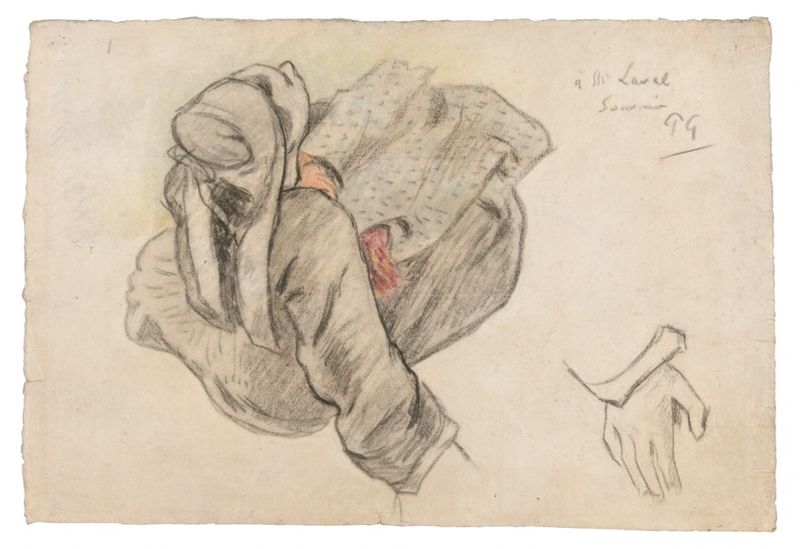
Start at the upper left, where the woman's head drops into a soft cap and a draped cloth. Her face is hidden from view, so the bowed pose carries the mood.
Look at the pale shawl at the top center, patterned with short dashes of chalk. A few quick marks suggest a woven or printed cloth.
Small patches of orange and red pastel show between the folds near the center. They are the only strong color on a mostly gray page.
The dark sleeve sweeps diagonally from the shoulder down to the lower right, a bold shape that anchors the folded body and pulls the eye downward.
At the right, a lightly drawn hand and cuff sit alone on the page. It reads as a separate study, set apart from the main figure.
The full narration walks you through Seated Breton Woman — the story behind it, the details most visitors miss, and why it matters. Free in the Art Whisper app.
Paul Gauguin, the French Post-Impressionist, abandoned a stockbroker's life for art, famously seeking 'refuge from Western civilization' in Tahiti.
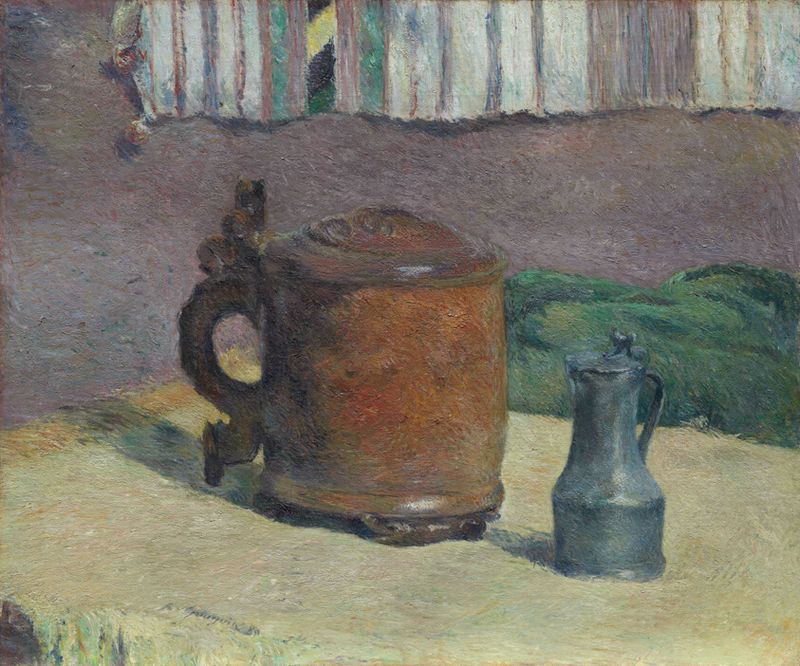 Still Life: Wood Tankard and Metal Pitcher
1880 · Art Institute of Chicago
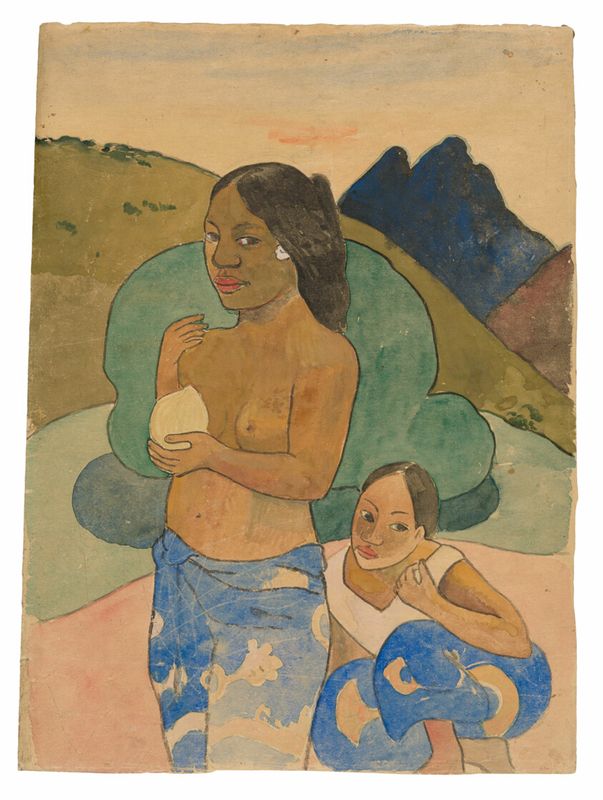 Two Tahitian Women in a Landscape
1887 · Art Institute of Chicago
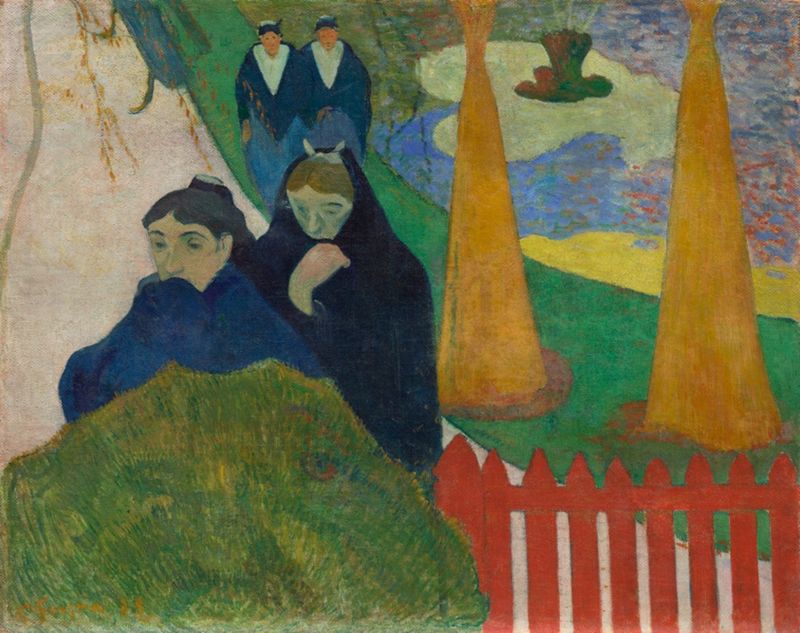 Arlésiennes (Mistral)
1888 · Art Institute of Chicago
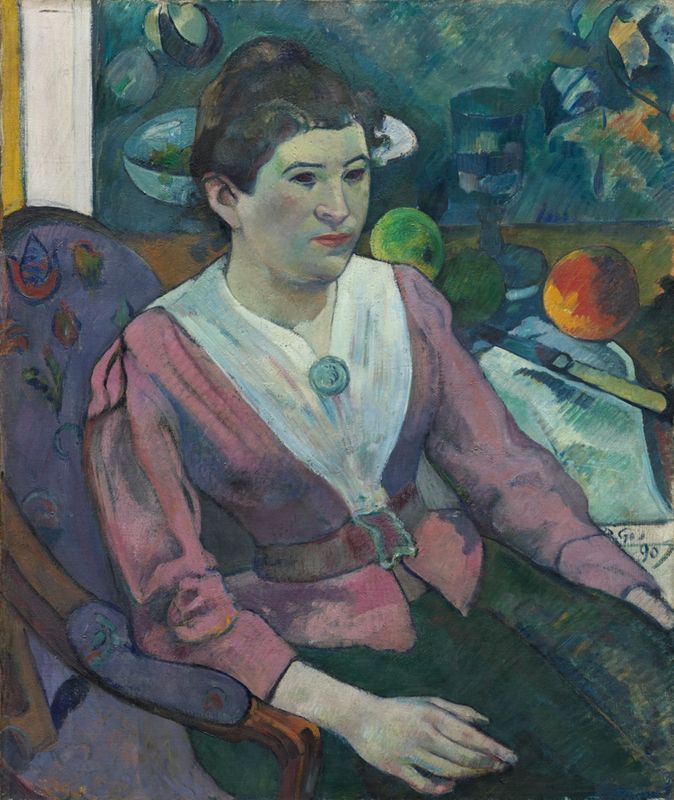 Woman in Front of a Still Life by Cezanne
1890 · Art Institute of Chicago
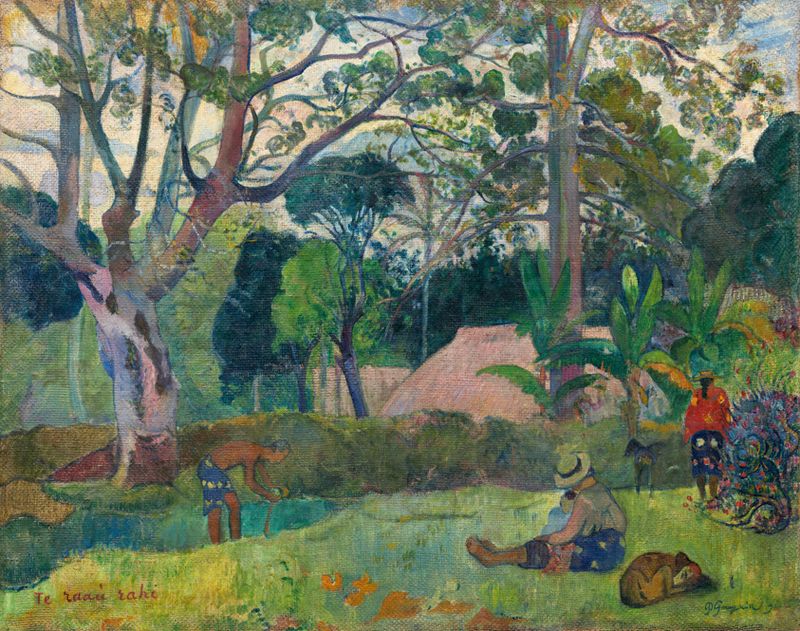 Te raau rahi (The Big Tree)
1891 · Art Institute of Chicago
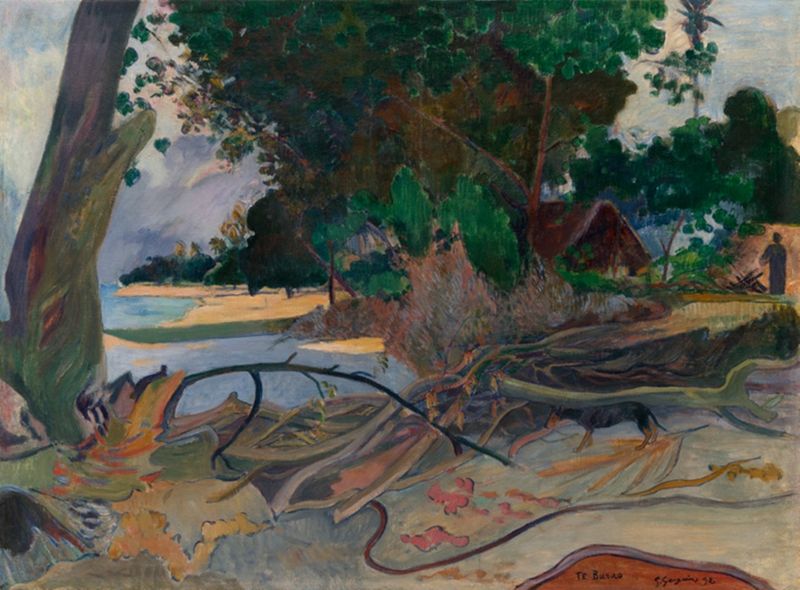 Te burao (The Hibiscus Tree)
1892 · Art Institute of Chicago
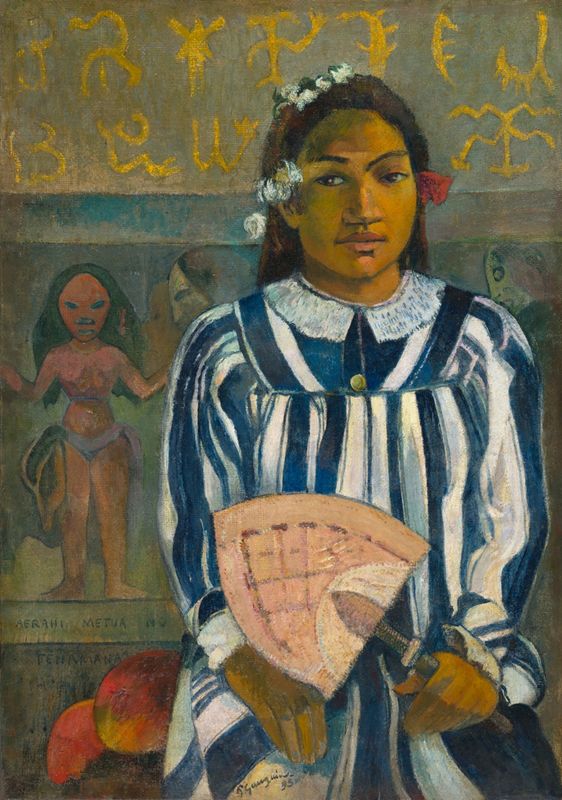 Merahi metua no Tehamana (Tehamana Has Many Parents or The Ancestors of Tehamana)
1893 · Art Institute of Chicago
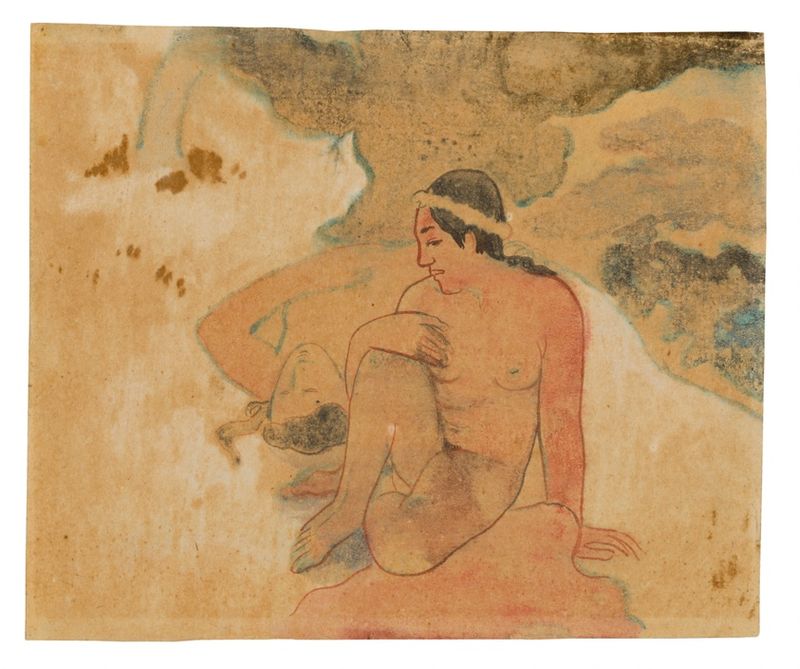 Aha oe feii? (What! Are You Jealous?)
1894 · Art Institute of Chicago
Beyond Gauguin and Symbolism: works from the same years, and from the other movements Seated Breton Woman belongs to.
 Same movement · Post-Impressionism
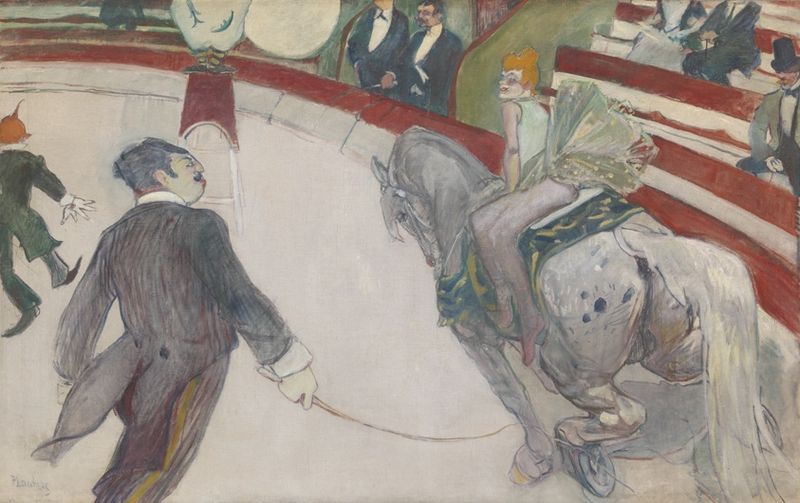
Equestrienne (At the Cirque Fernando)
Henri de Toulouse-Lautrec · 1887 · Art Institute of Chicago
 Same era · 1870s–1900s
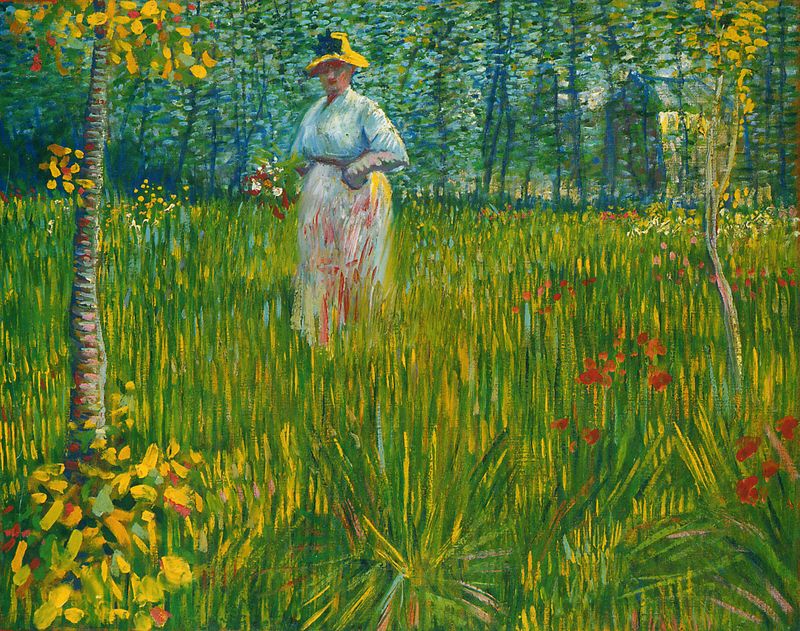
A Woman Walking in a Garden
Vincent van Gogh · 1887 · Frans Buffa & sons
 Same movement · Impressionism
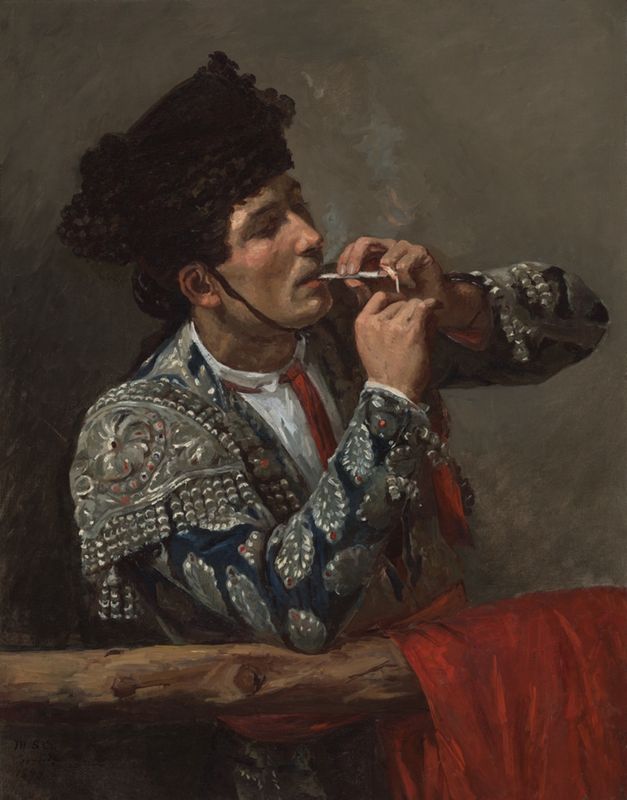
After the Bullfight
Mary Cassatt · 1873 · Art Institute of Chicago
 Same era · 1870s–1900s
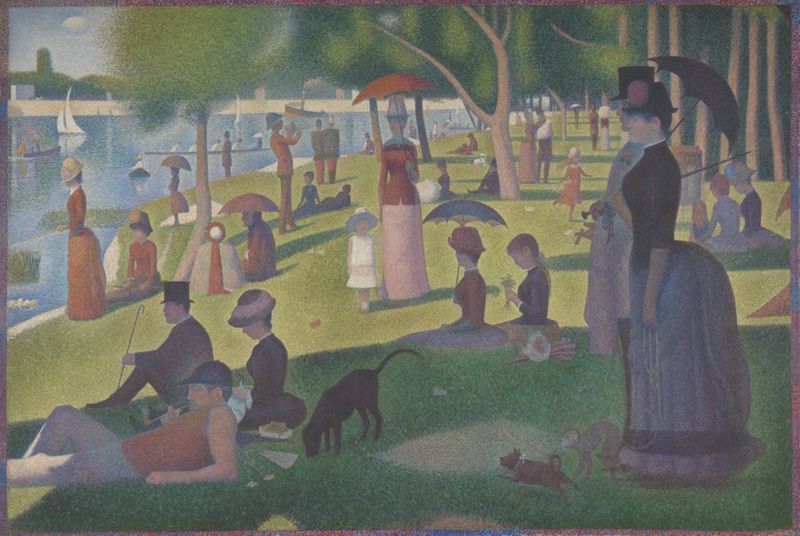
A Sunday on La Grande Jatte — 1884
Okada Saburosuke · 1884 · Art Institute of Chicago
 Same movement · Impressionism
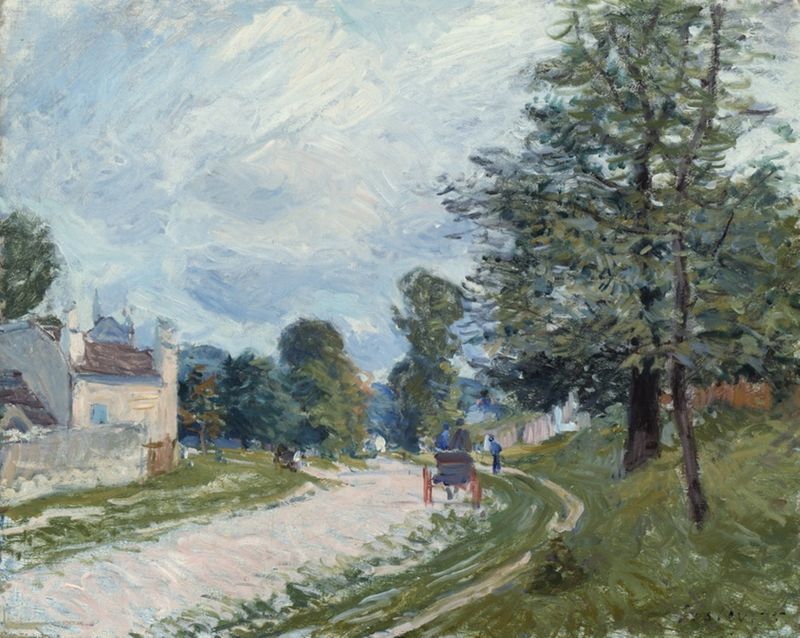
A Turn in the Road
Alfred Sisley · 1873 · Art Institute of Chicago
 Same era · 1870s–1900s
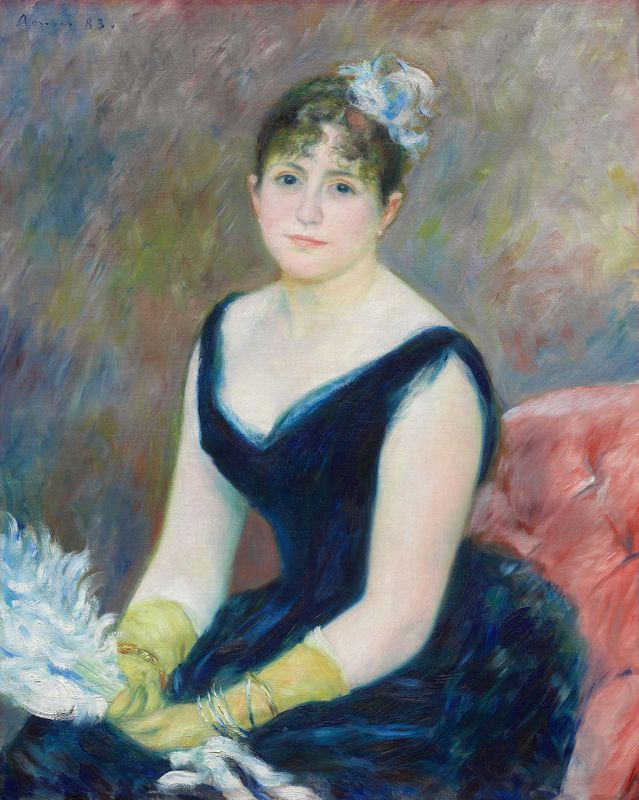
Madame Léon Clapisson
Léon-Victor Dupré · 1883 · Art Institute of Chicago
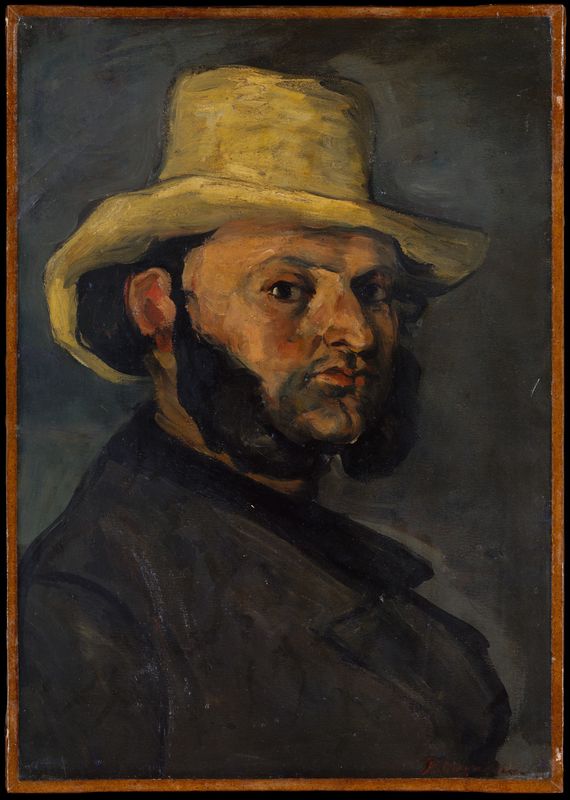 Same movement · Post-Impressionism
Gustave Boyer (b. 1840) in a Straw Hat
Paul Cézanne · 1870 · The Metropolitan Museum of Art
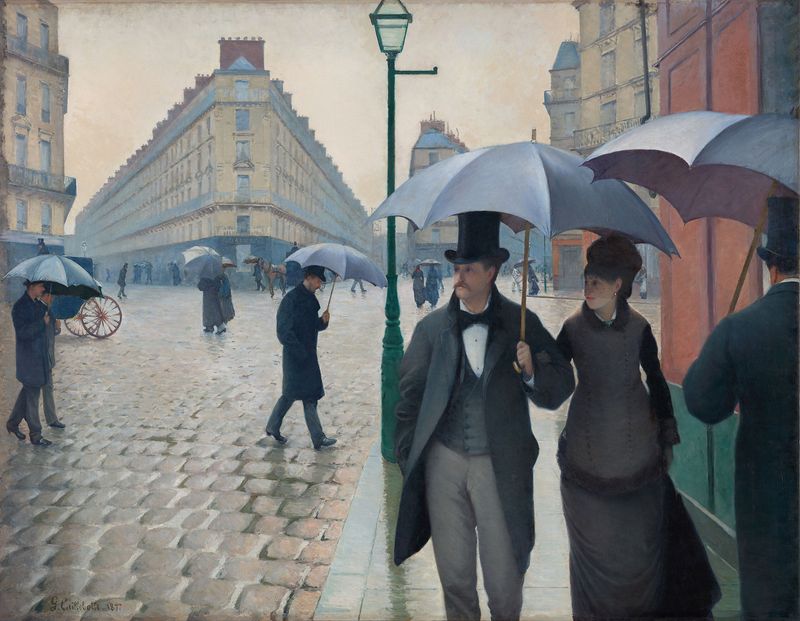 Same era · 1870s–1900s
Paris Street; Rainy Day
Kawabata Gyokushō · 1877 · Art Institute of Chicago
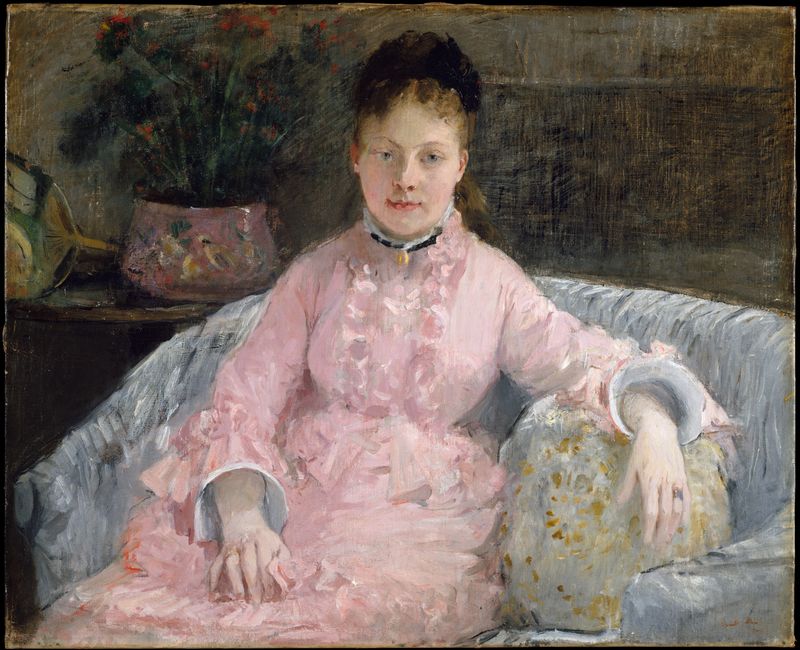 Same movement · Impressionism
The Pink Dress (Albertie-Marguerite Carré, later Madame Ferdinand-Henri Himmes, 1854–1935)
Berthe Morisot · 1870 · Metropolitan Museum of Art
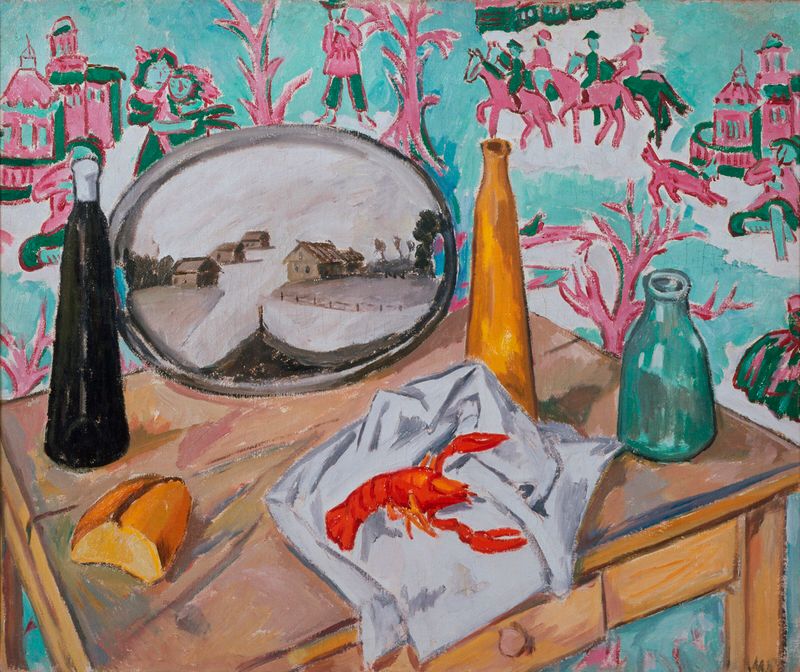 Same era · 1870s–1900s
Still Life with Crayfish
Mikhail Larionov · 1900 · Museum Ludwig
 Same movement · Post-Impressionism
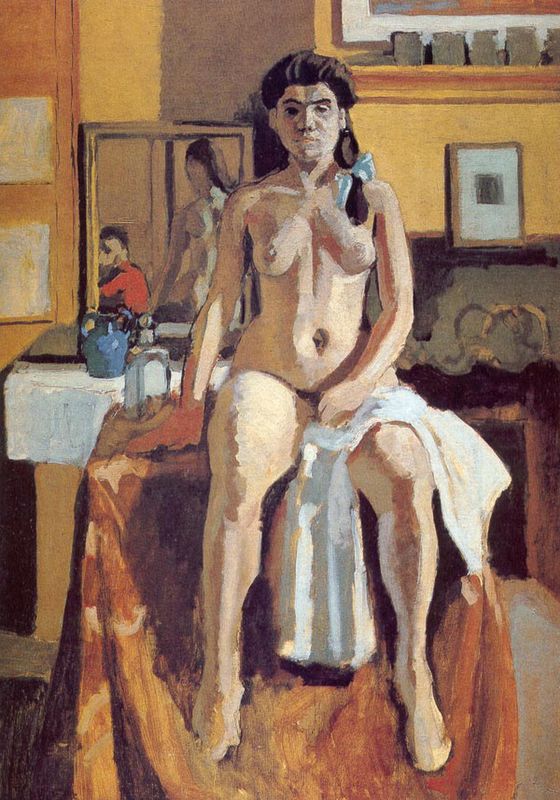
Carmelina
Henri Matisse · 1903 · Museum of Fine Arts Boston
 Same era · 1870s–1900s
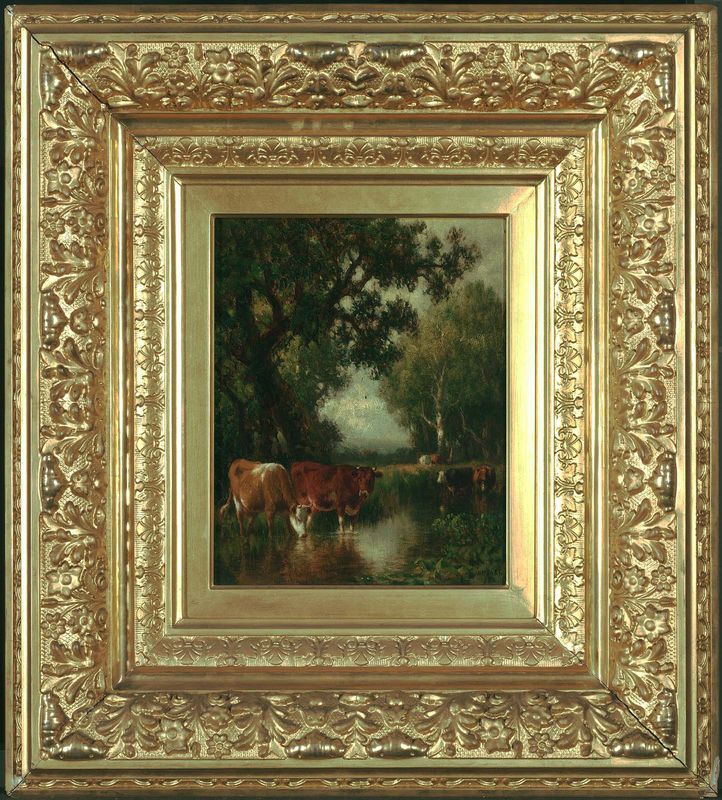
Cows Drinking at a Pool
William Hart · 1886 · Museum of Fine Arts Boston
 Same movement · Post-Impressionism
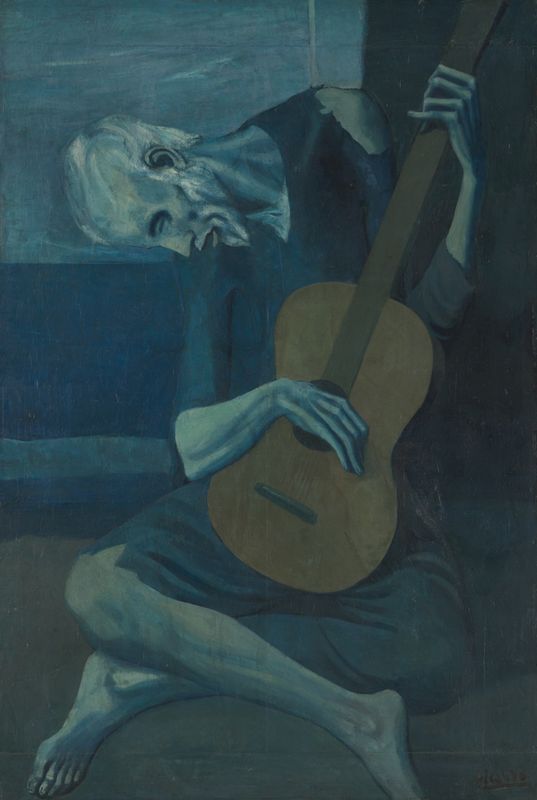
The Old Guitarist
Pablo Picasso · 1903 · Art Institute of Chicago
 Same era · 1870s–1900s
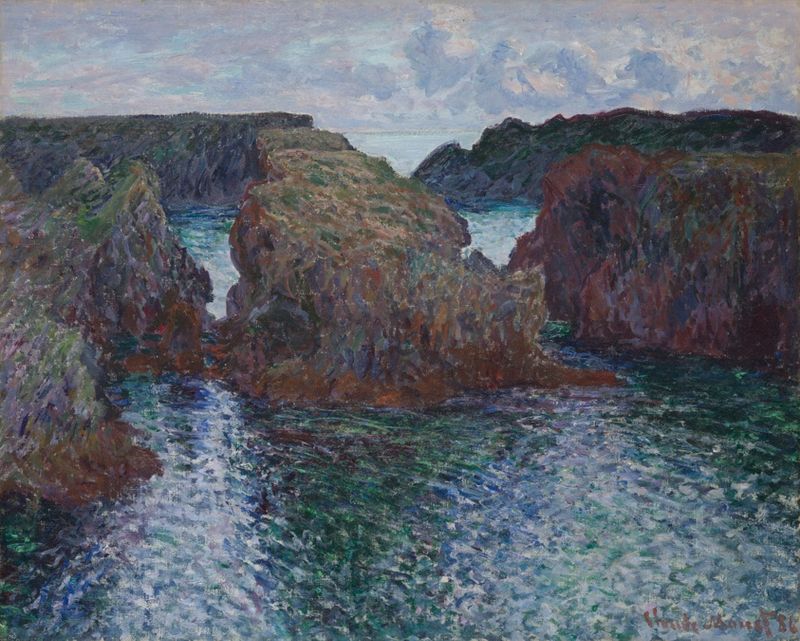
Rocks at Port-Goulphar, Belle-Île
Claude Monet · 1886 · Art Institute of Chicago
 Same movement · Impressionism
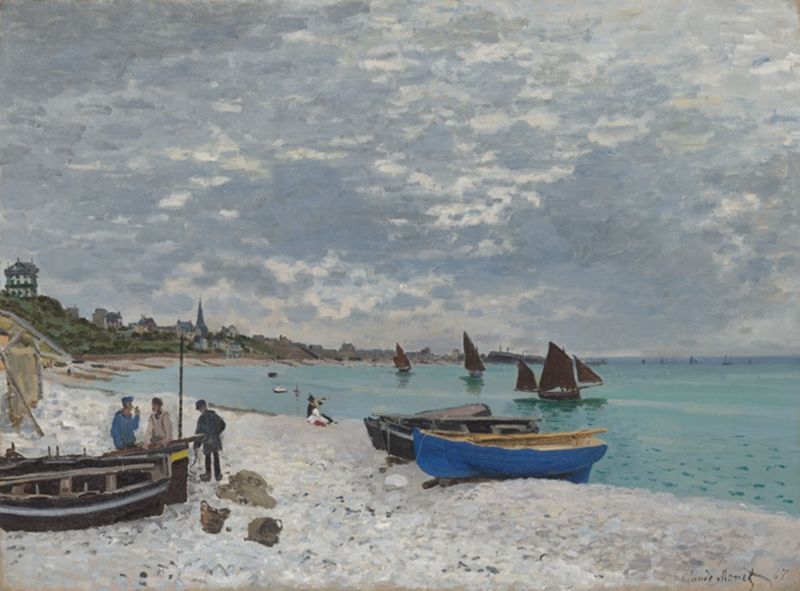
The Beach at Sainte-Adresse
Claude Monet · 1867 · Art Institute of Chicago
 Same era · 1870s–1900s
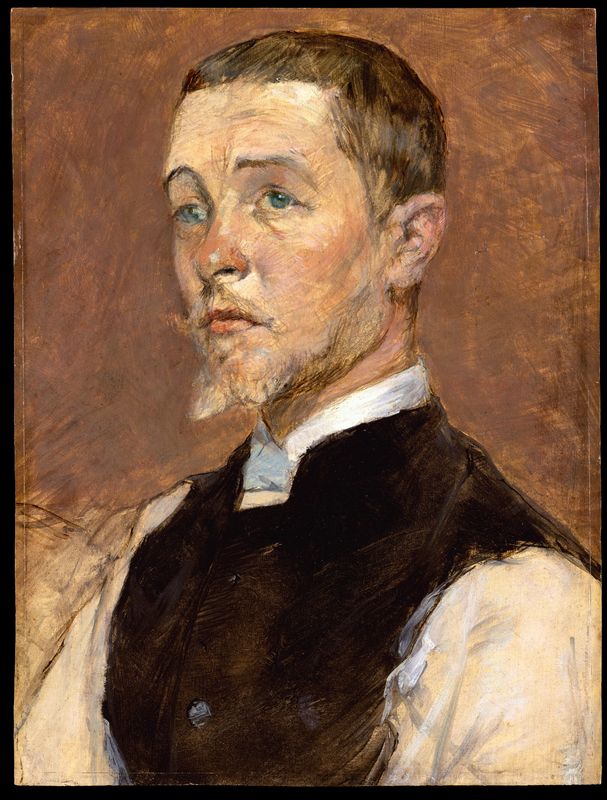
Albert (René) Grenier (1858–1925)
Henri de Toulouse-Lautrec · 1887 · The Metropolitan Museum of Art
 Same movement · Impressionism
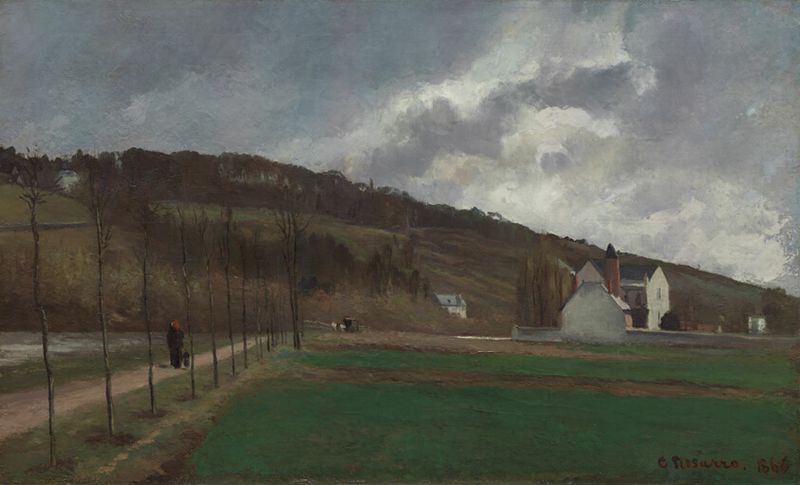
The Banks of the Marne in Winter
Camille Pissarro · 1866 · Art Institute of Chicago
 Same era · 1870s–1900s
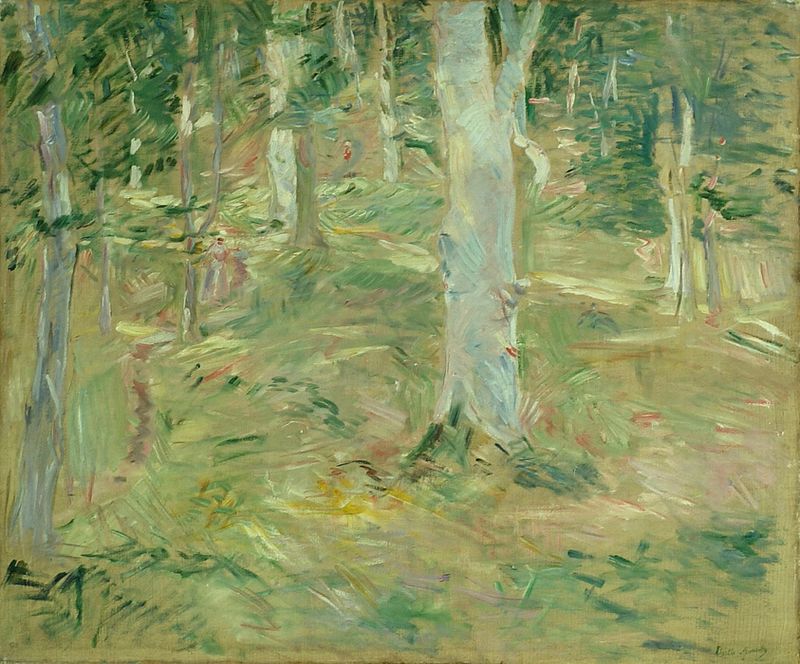
Forêt de Compiègne
Berthe Morisot · 1885 · Art Institute of Chicago
 Same movement · Impressionism
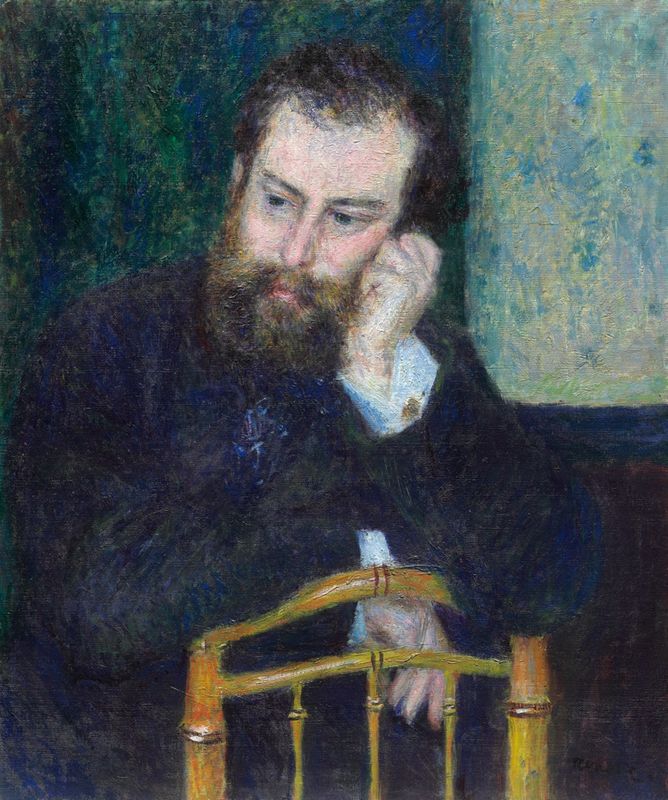
Alfred Sisley
Pierre-Auguste Renoir · 1864 · Foundation E.G. Bührle Collection
 Same era · 1870s–1900s
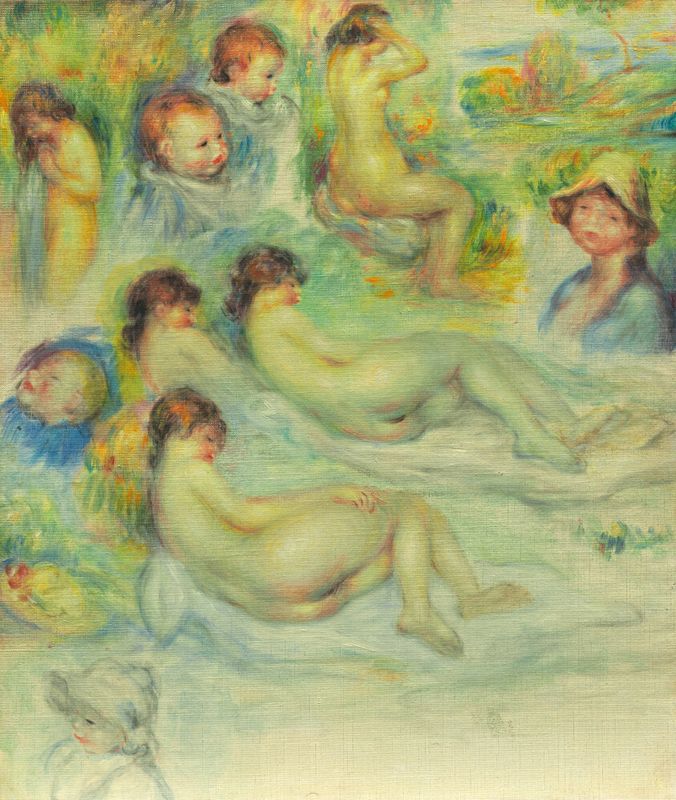
Studies of Pierre Renoir; His Mother, Aline Charigot; Nudes; and Landscape
Pierre-Auguste Renoir · 1885 · Art Institute of Chicago
 Same movement · Impressionism
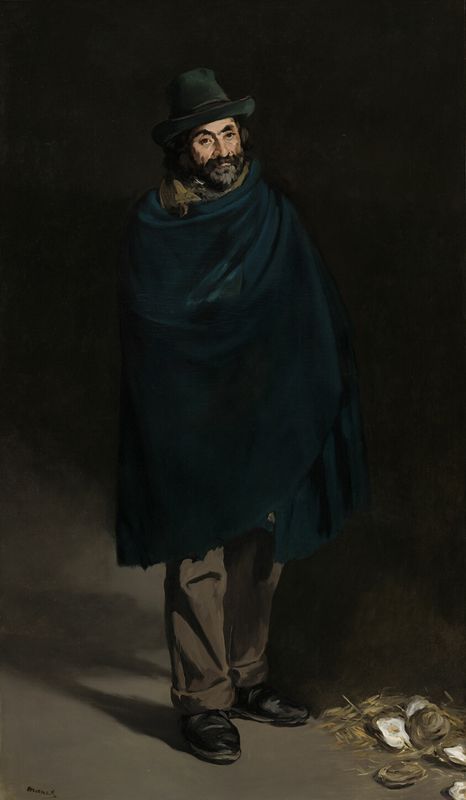
Beggar with Oysters (Philosopher)
Édouard Manet · 1864 · Art Institute of Chicago
 Same era · 1870s–1900s
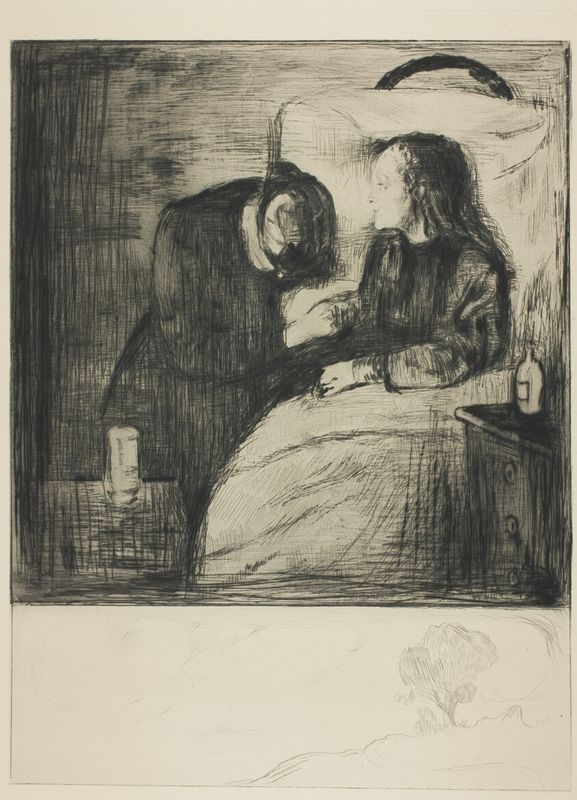
The Sick Child
Edvard Munch · 1885 · National Museum of Art, Architecture and Design
 Same movement · Impressionism
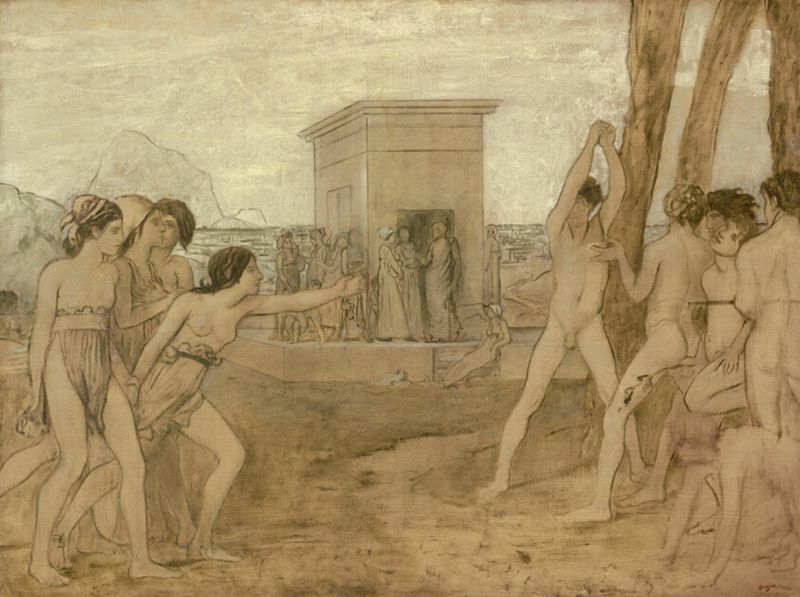
Young Spartan Girls Challenging Boys
Edgar Degas · 1860 · Art Institute of Chicago
 Same era · 1870s–1900s
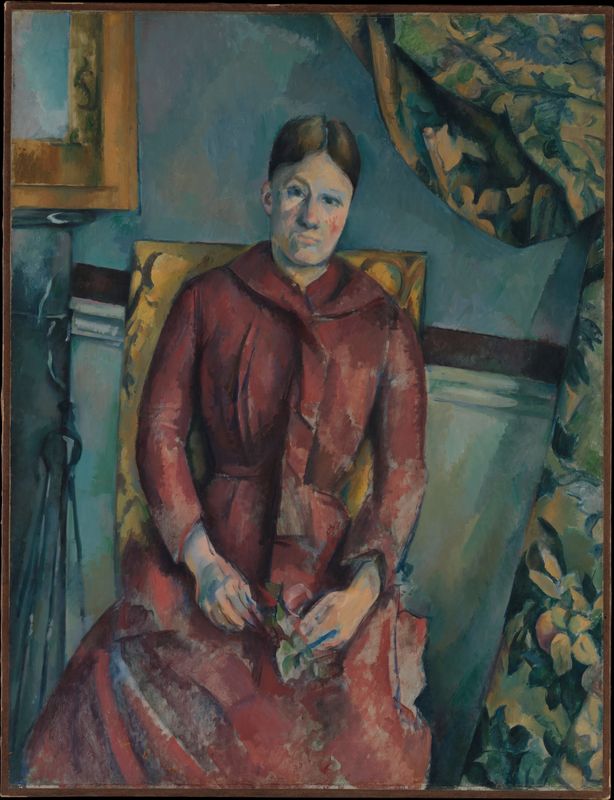
Madame Cézanne (Hortense Fiquet, 1850–1922) in a Red Dress
Paul Cézanne · 1888 · The Metropolitan Museum of Art