01
Striped clay pot
The pot fills most of the picture. Its cream bands wrap around the rusty red body and follow the curve, giving it real weight.
1 of 4 on the painting
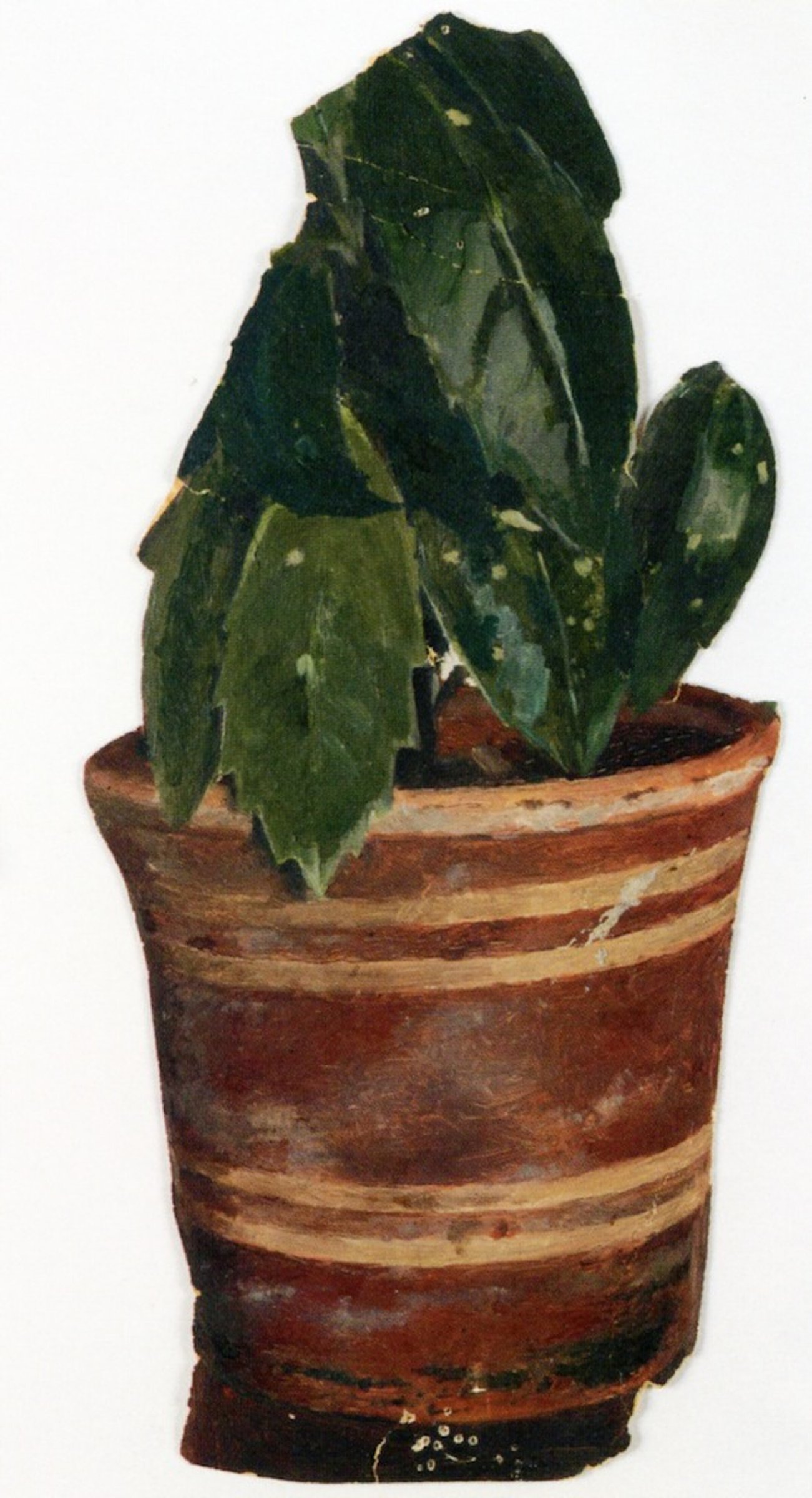
“Stop to appreciate this unexpectedly serene early work by Edvard Munch. It's a quiet study of a potted plant, offering a glimpse into the artist's foundational years before his iconic Expressionist paintings.”
A simple potted plant takes center stage in this early work, rendered with a directness that belies the artist's later, more dramatic style. The plant itself, with its broad, dark leaves, is painted with a surprising solidity, almost sculptural in its presence. It sits on what appears to be a light-colored surface, perhaps a windowsill or a table, against a muted background. The composition is stark, focusing entirely on the botanical subject, a departure from the emotional narratives that would define much of Edvard Munch's subsequent career. Created when Munch was just 18, this painting offers a rare glimpse into his formative years, before he became known for the Symbolist and Expressionist movements.
Five details hide in plain sight. Pick one and we’ll show you exactly where to look.
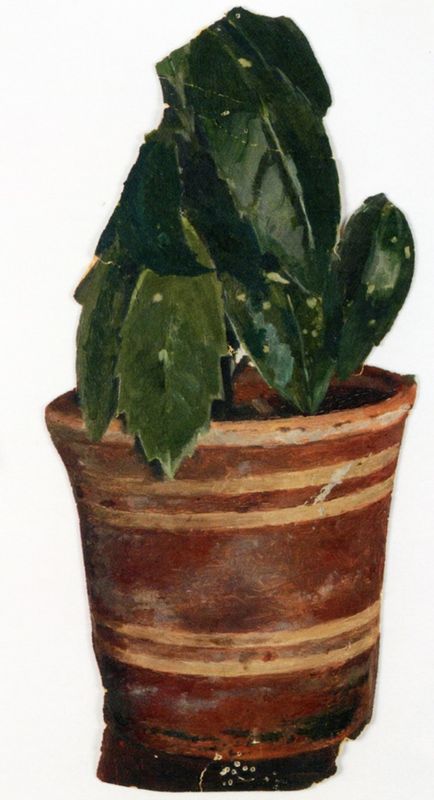
The pot fills most of the picture. Its cream bands wrap around the rusty red body and follow the curve, giving it real weight.
Look at the leaves bunched at the top. Their heavy, slumped shapes in deep green give the plant a tired, wilting look, yet the paint keeps them full of life.
On the large front leaf at lower left, lighter green strokes and a few small cream dabs catch the light. A handful of quick marks suggest the whole leaf surface.
Near the upper right of the pot, a streak of white cuts across the stripes. It could be a chip, a crack or a stray paint mark, but either way it gives the pot a worn look.
The plant is trimmed to its own outline and floats on empty white. With no table or room, your eye stays on the pot and leaves alone.
The full narration walks you through Potted Plant — the story behind it, the details most visitors miss, and why it matters. Free in the Art Whisper app.
Norwegian painter whose 1893 work The Scream became one of Western art's most iconic images.
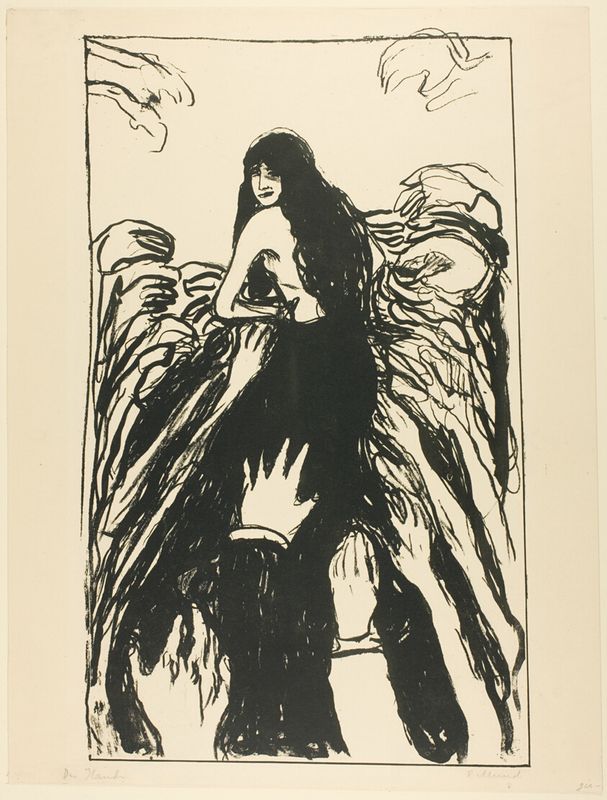 The Hands
1893 · Munch Museum
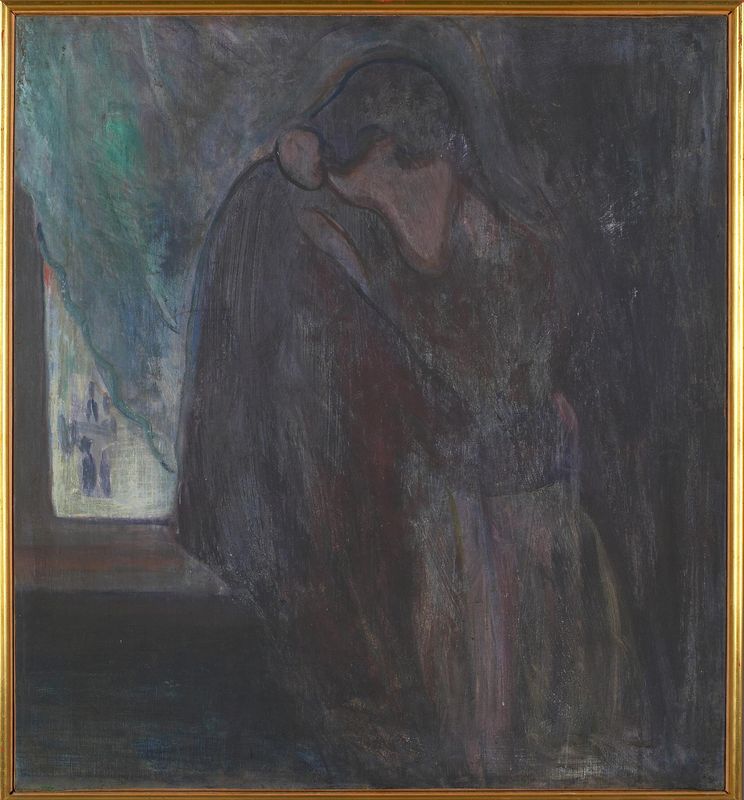 The Kiss
1897 · Munch Museum
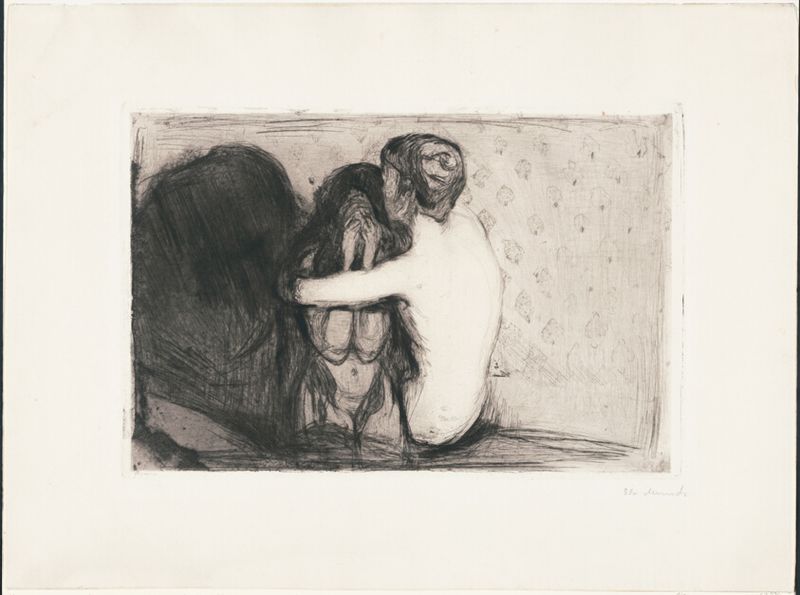 Consolation
1907 · Munch Museum
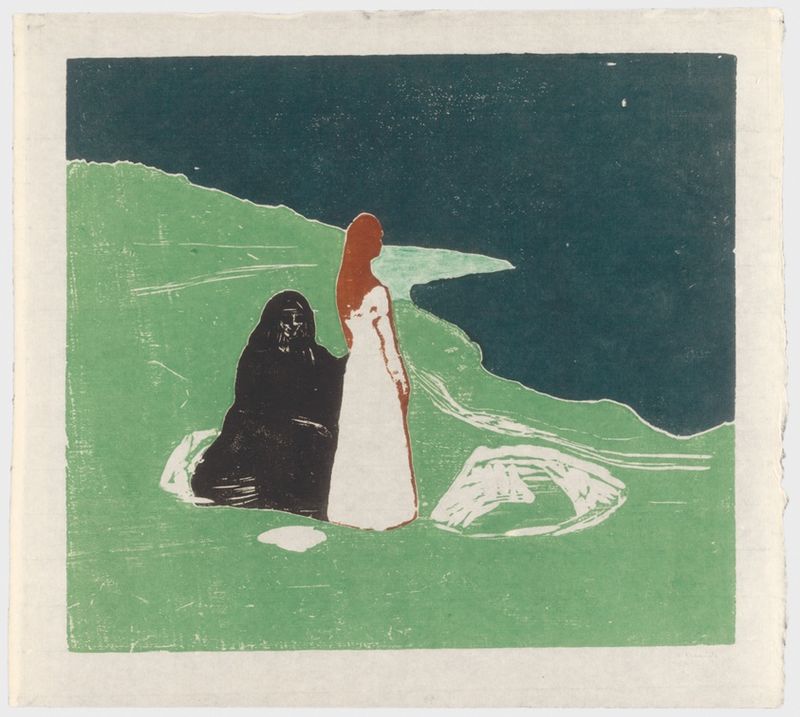 Two Women on the Shore
1935 · Munch Museum
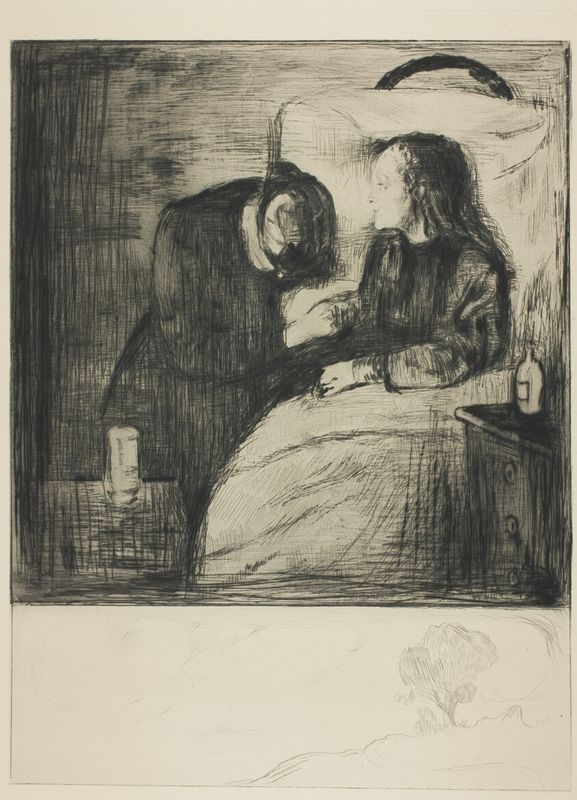 The Sick Child
1885 · National Museum of Art, Architecture and Design
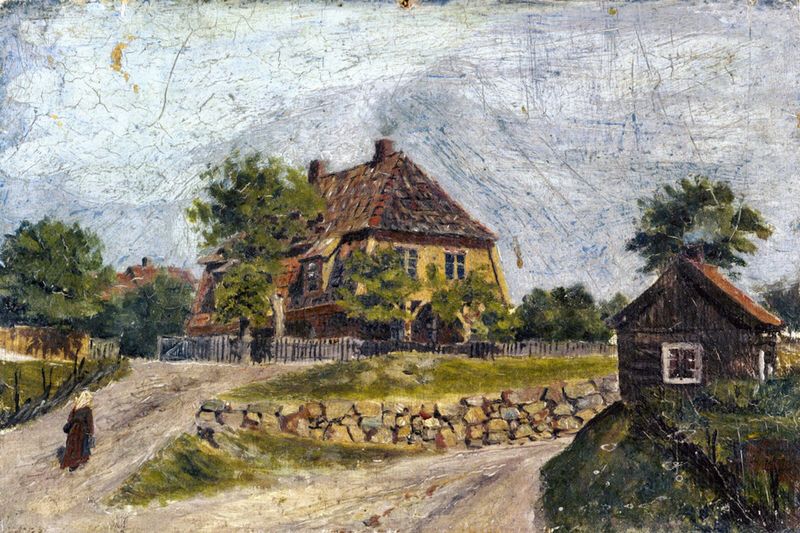 Øvre Foss
1880 · Munch Museum
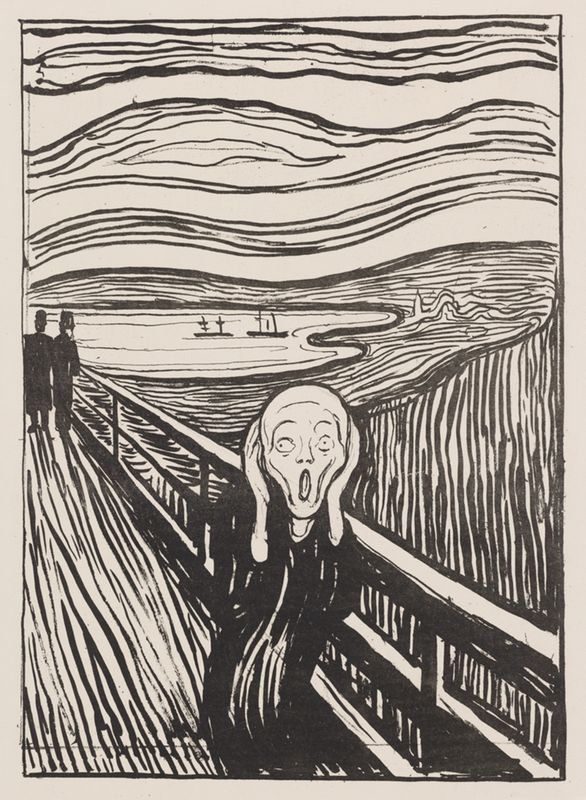 The Scream
1910 · Munch Museum
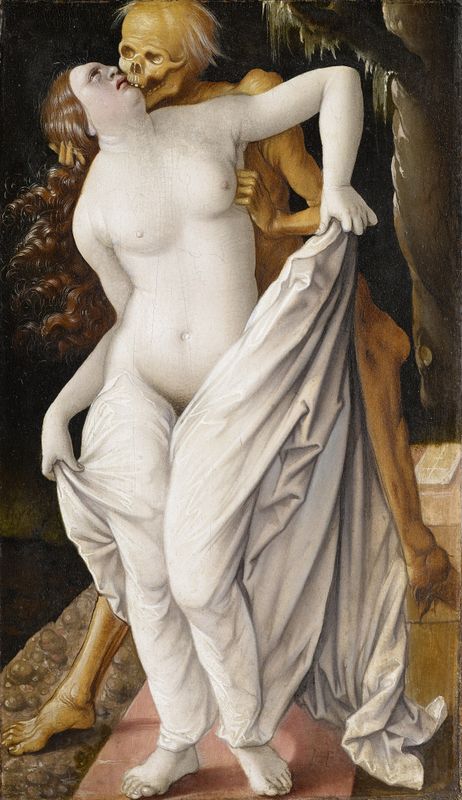 Death and the Woman
1894 · The Metropolitan Museum of Art
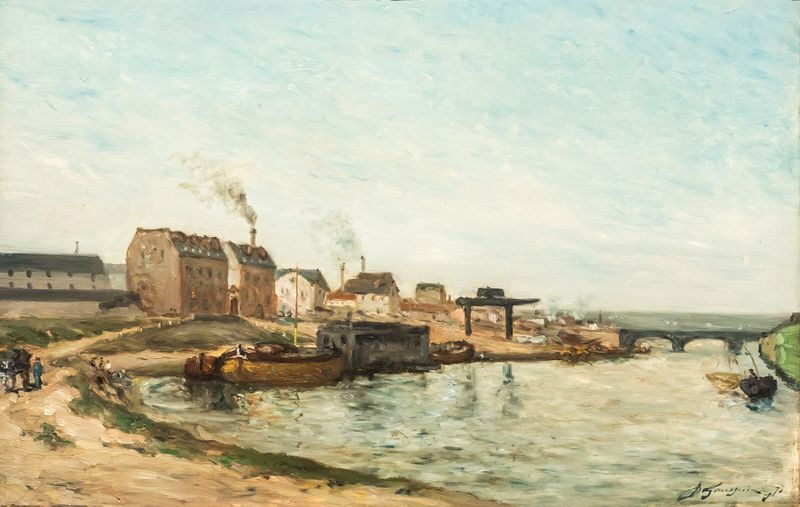 The Seine at Pont de Grenelle
Gauguin · 1875 · Wallraf–Richartz Museum
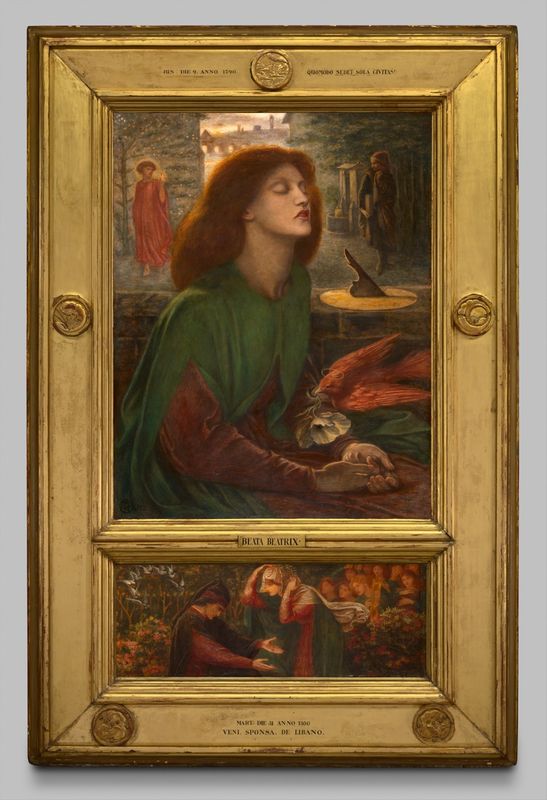 Beata Beatrix
Rossetti · 1877 · Birmingham Museums Trust
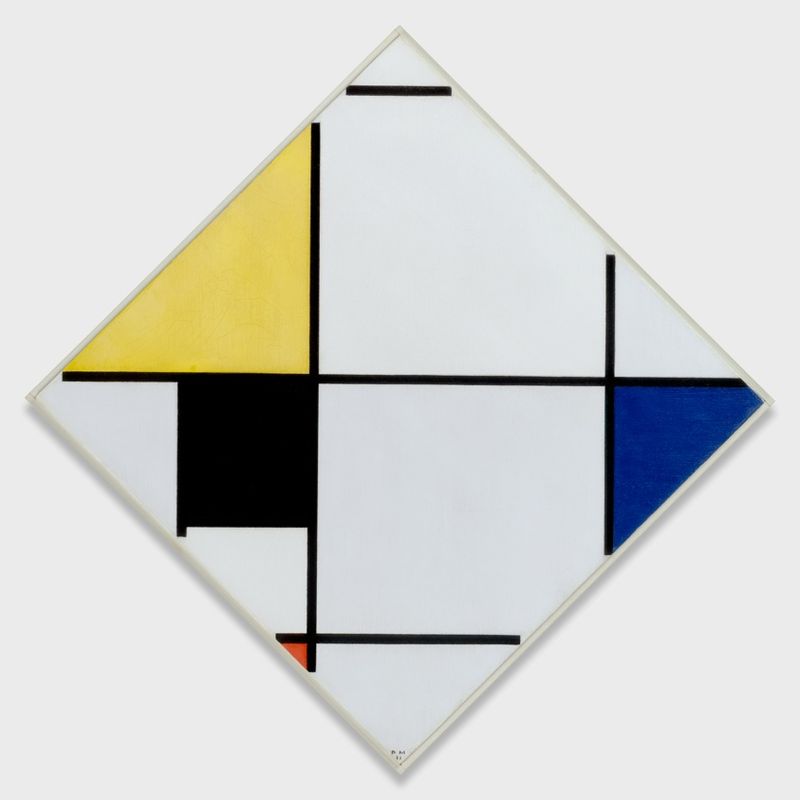 Lozenge Composition with Yellow, Black, Blue, Red, and Gray
Mondrian · 1921 · Art Institute of Chicago
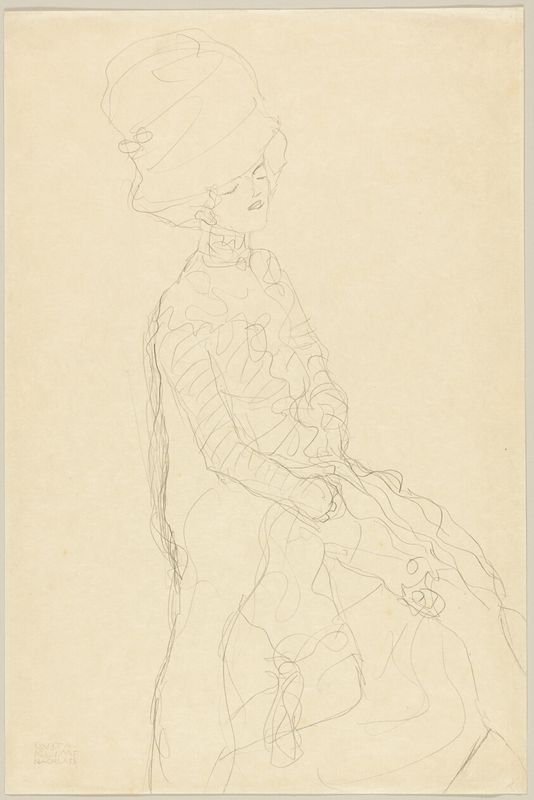 Portrait of a Lady in a High Hat
Klimt · 1882 · Art Institute of Chicago
Beyond Munch and Symbolism: works from the same years, and from the other movements Potted Plant belongs to.
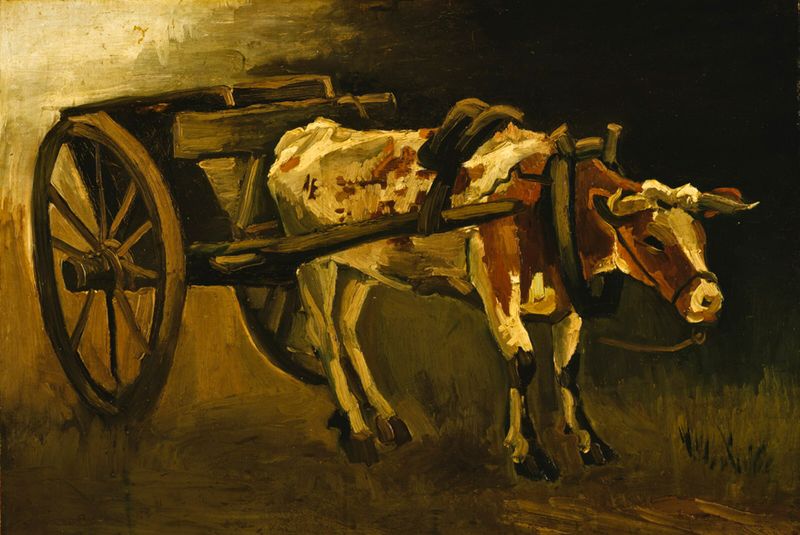 Same movement · Expressionism
Cart with Red and White Ox
Vincent van Gogh · 1884 · Kröller-Müller Museum
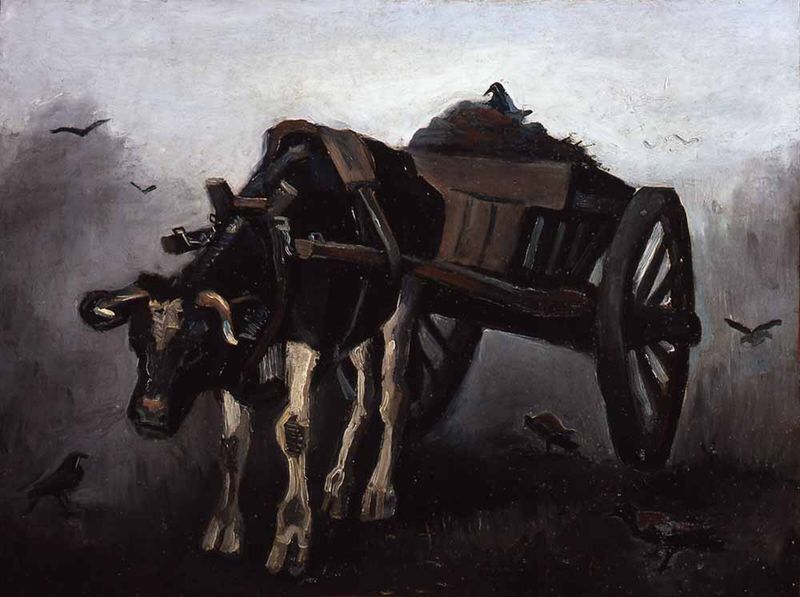 Same era · 1860s–1890s
Cart with Black Ox
Vincent van Gogh · 1884 · Portland Art Museum
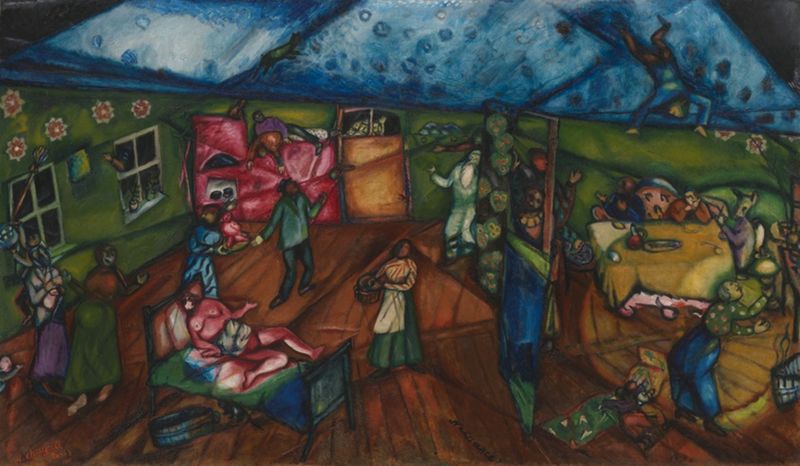 Same movement · Expressionism
Birth
Marc Chagall · 1911 · Art Institute of Chicago
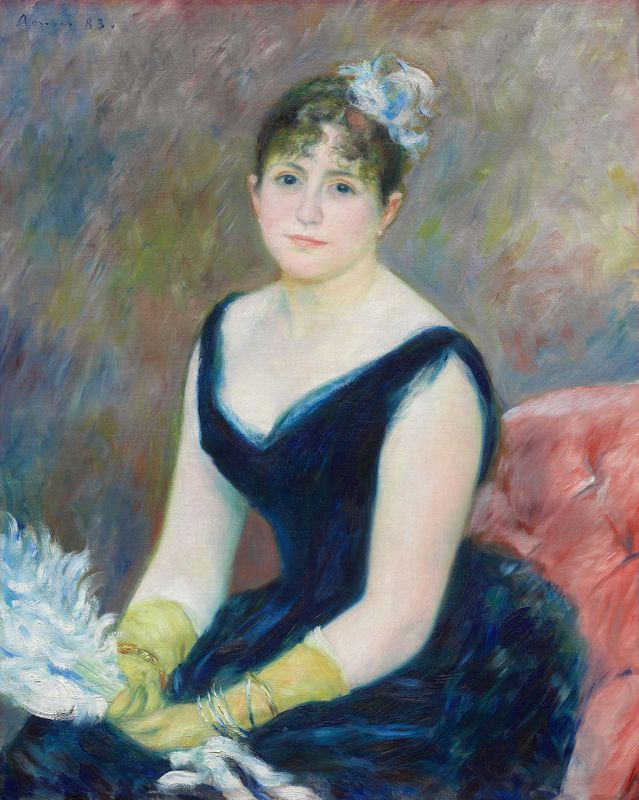 Same era · 1860s–1890s
Madame Léon Clapisson
Léon-Victor Dupré · 1883 · Art Institute of Chicago
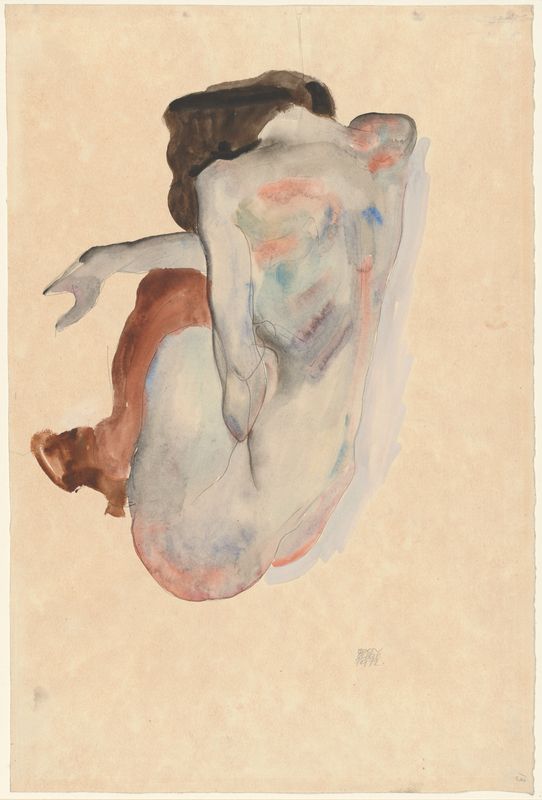 Same movement · Expressionism
Crouching Nude in Shoes and Black Stockings, Back View
Egon Schiele · 1912 · The Metropolitan Museum of Art
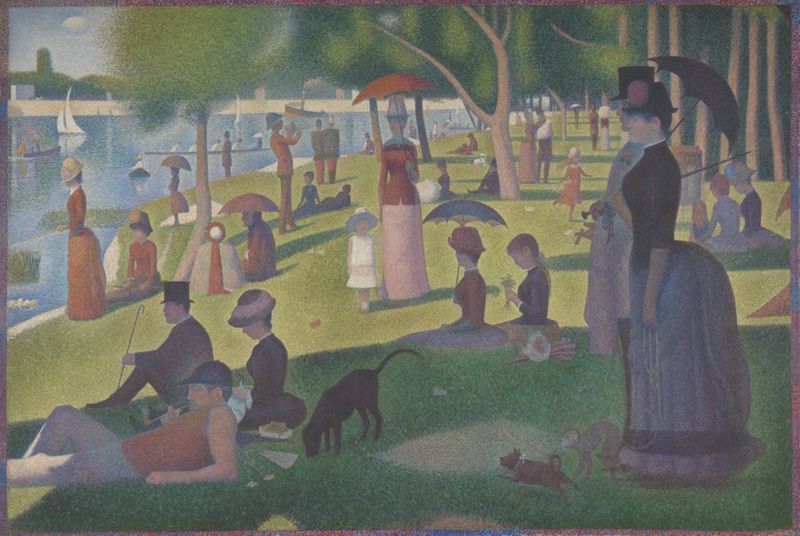 Same era · 1860s–1890s
A Sunday on La Grande Jatte — 1884
Okada Saburosuke · 1884 · Art Institute of Chicago
 Same movement · Expressionism
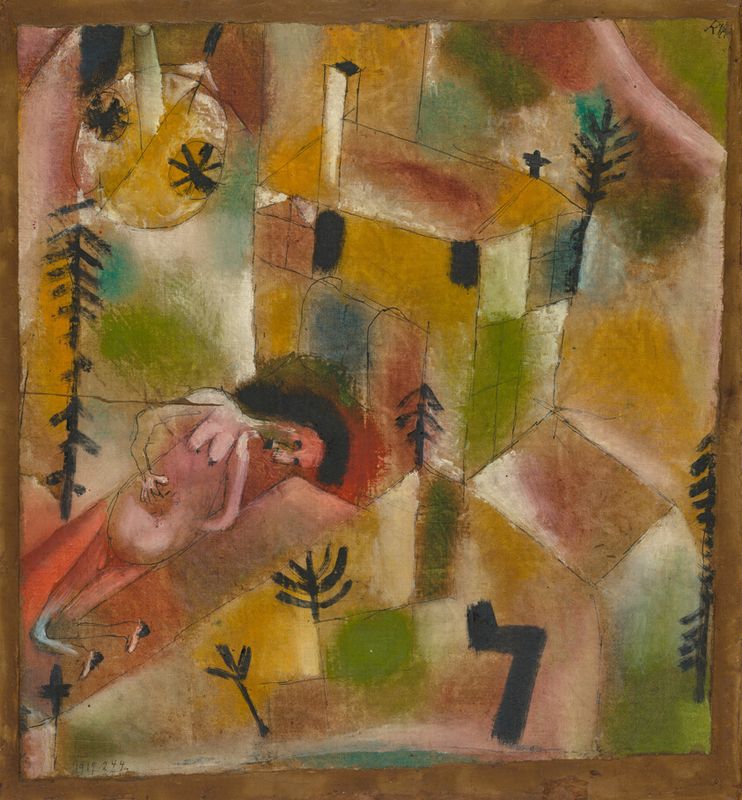
Death in the Garden (Legend)
Paul Klee · 1919 · Art Institute of Chicago
 Same era · 1860s–1890s
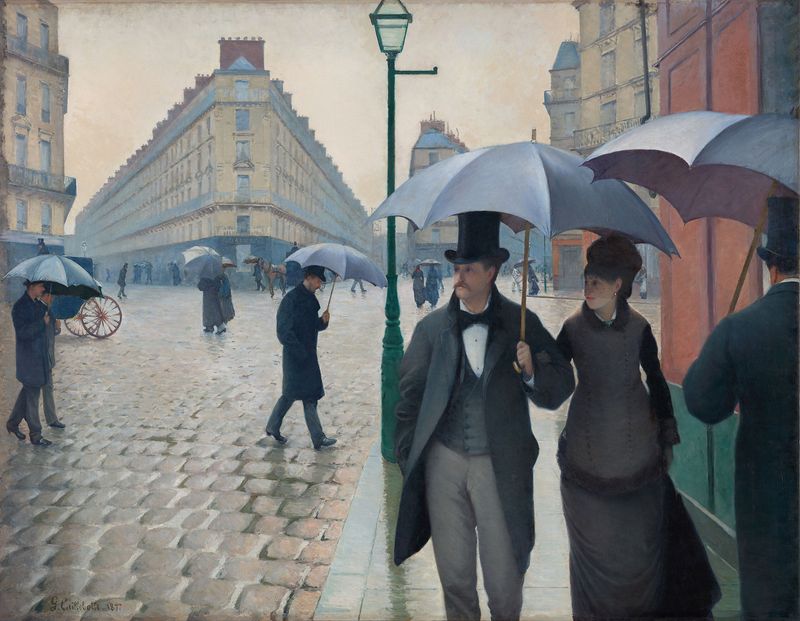
Paris Street; Rainy Day
Kawabata Gyokushō · 1877 · Art Institute of Chicago
 Same movement · Expressionism
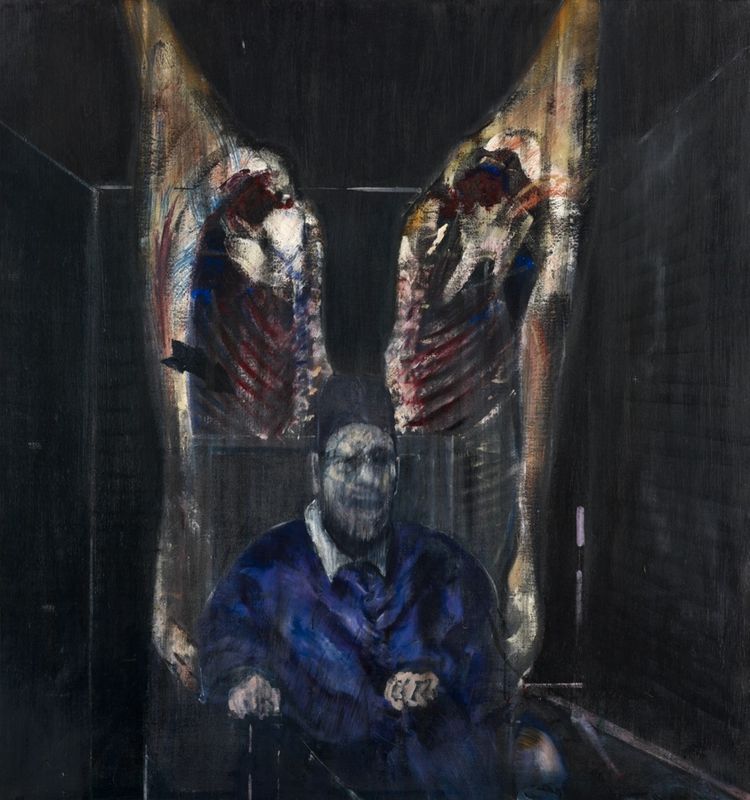
Figure with Meat
Francis Bacon · 1954 · Art Institute of Chicago
 Same era · 1860s–1890s
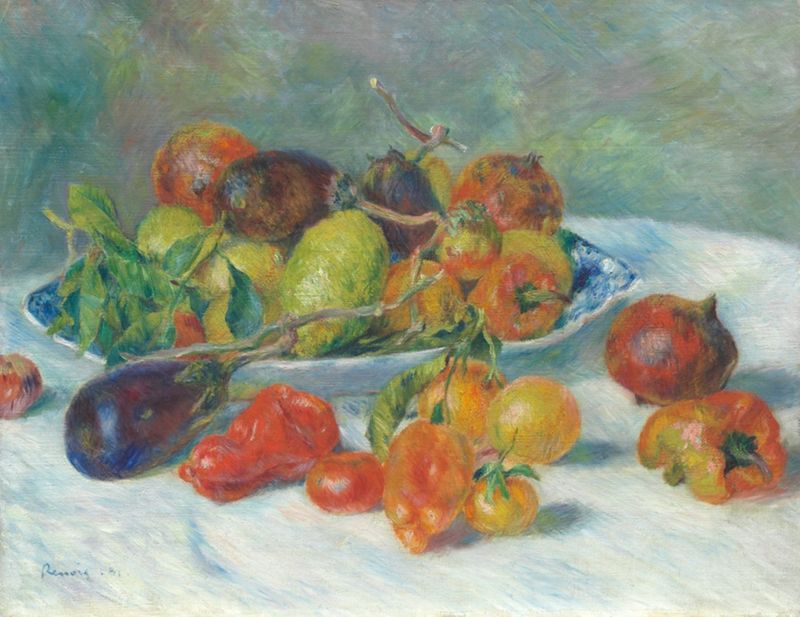
Fruits of the Midi
Pierre-Auguste Renoir · 1881 · Art Institute of Chicago
 Same era · 1860s–1890s
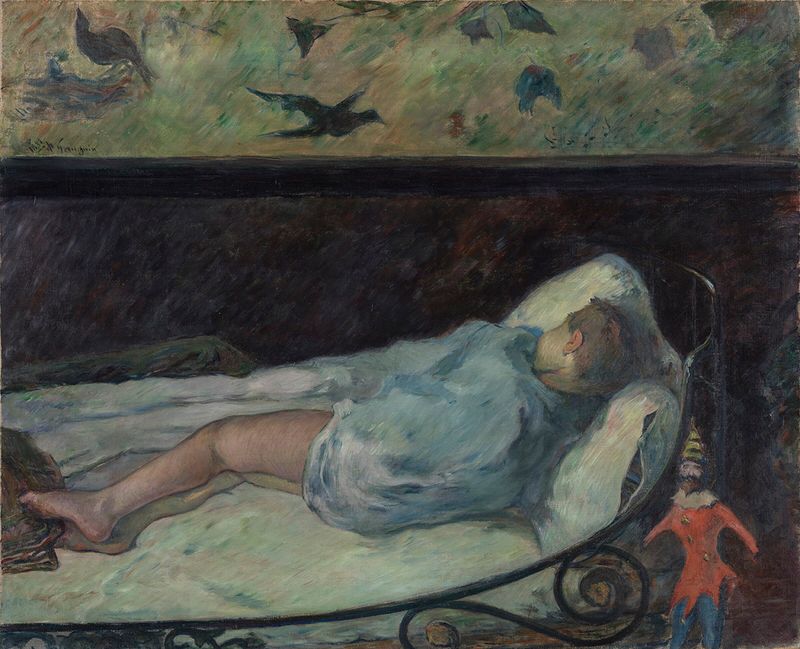
The Little One Is Dreaming, Etude
Paul Gauguin · 1881 · Ordrupgaard
 Same era · 1860s–1890s
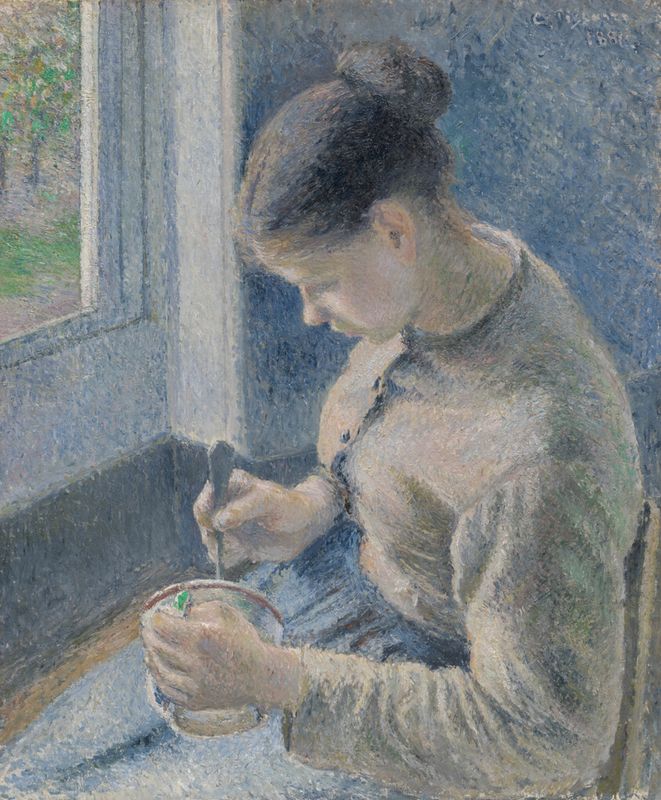
Young Peasant Having Her Coffee
Camille Pissarro · 1881 · Art Institute of Chicago
 Same era · 1860s–1890s
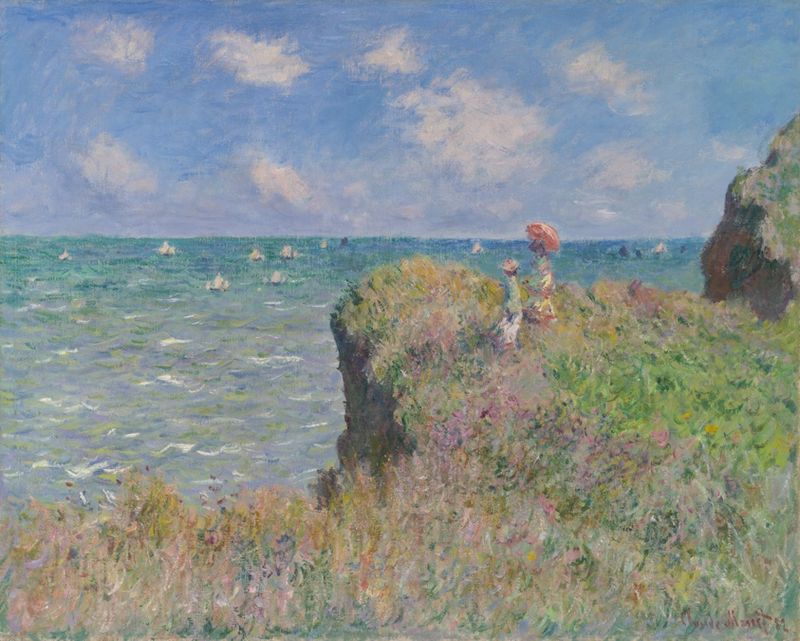
Cliff Walk at Pourville
Claude Monet · 1882 · Art Institute of Chicago
 Same era · 1860s–1890s
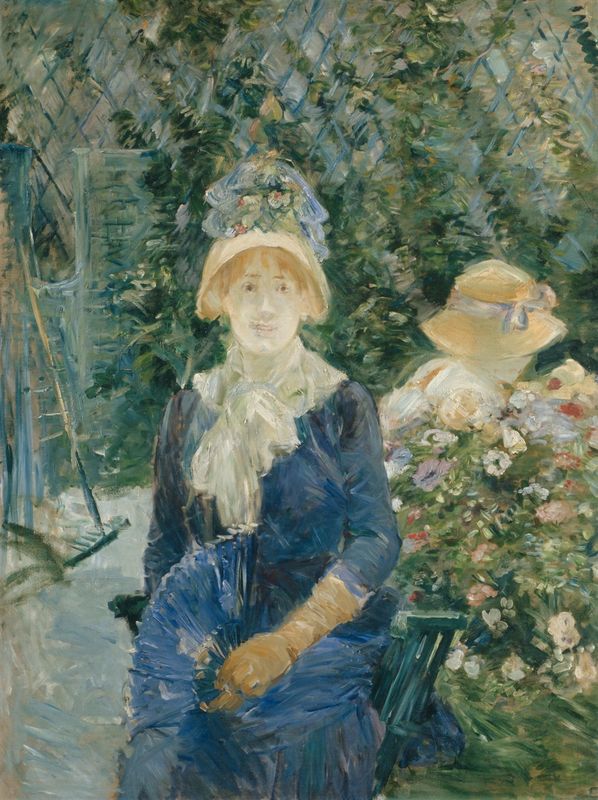
Woman in a Garden
Berthe Morisot · 1882 · Art Institute of Chicago
 Same era · 1860s–1890s
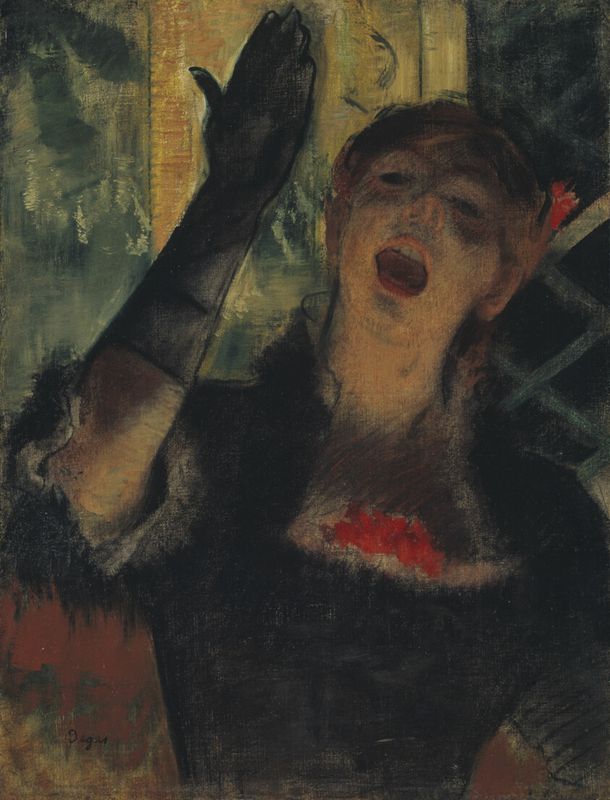
Café Singer
Edgar Degas · 1879 · Art Institute of Chicago
 Same era · 1860s–1890s
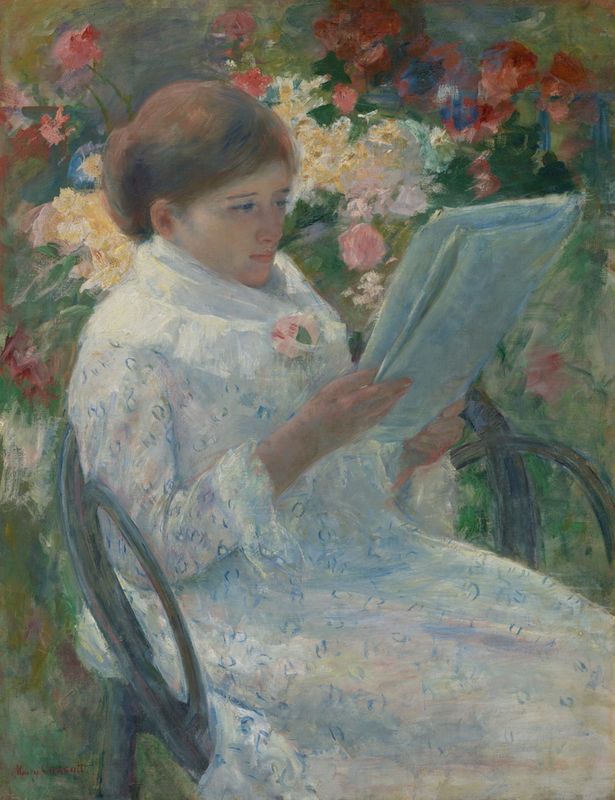
On a Balcony
Mary Cassatt · 1879 · Art Institute of Chicago
 Same era · 1860s–1890s
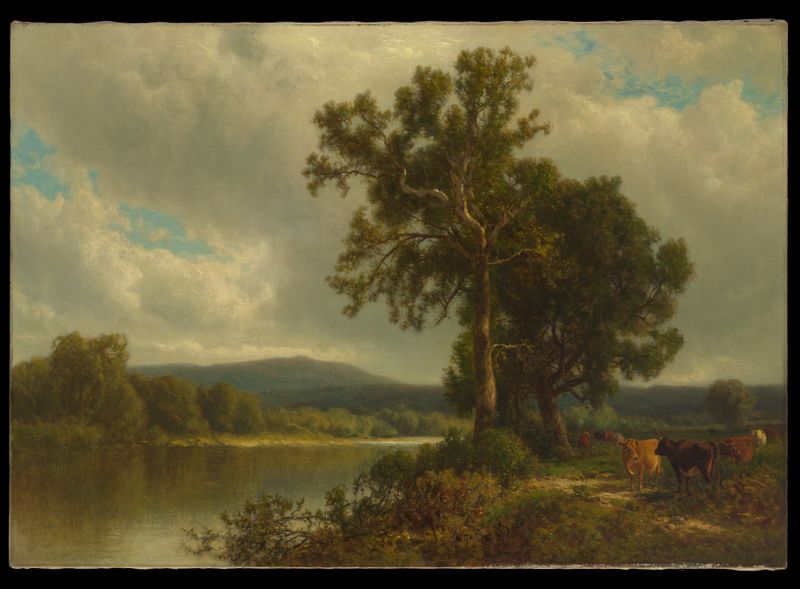
Scene at Napanoch
William Hart · 1883 · The Metropolitan Museum of Art
