01
Cows at the water
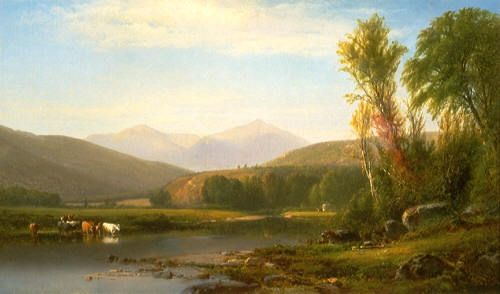
Two cows stand in the shallows at lower left, one reddish-brown facing us, one pale-flanked and bending to drink. They anchor the whole scene.
1 of 5 on the painting
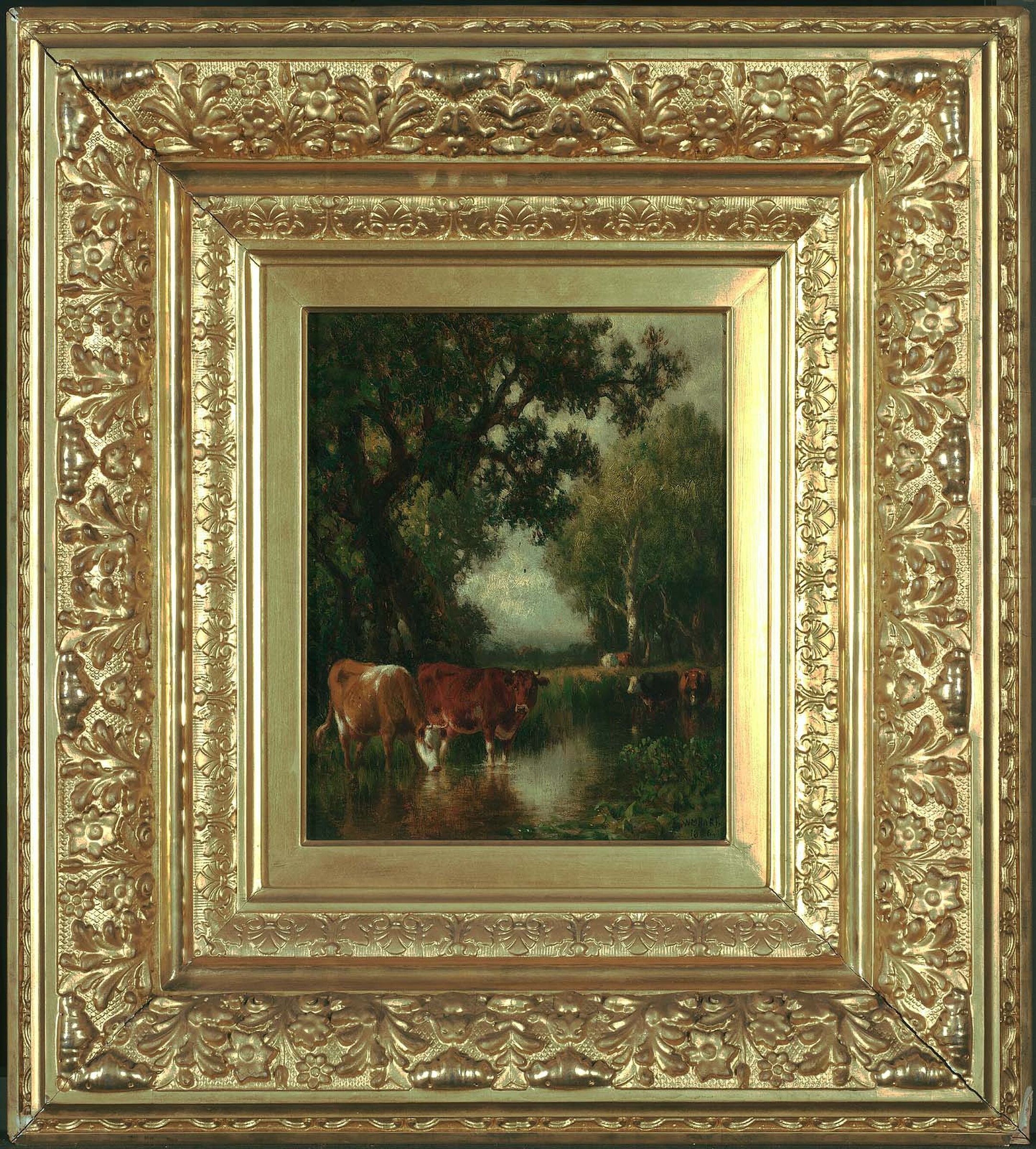
“Stop to appreciate this peaceful scene where cows drink from a sun-dappled pool. It's a beautiful example of how a simple moment in nature can be rendered with such luminous detail and quiet grace.”
A serene moment unfolds as three cows gather at the edge of a tranquil pool, their reflections shimmering on the water's surface. The animal in the foreground dips its head, seemingly drinking, while another gazes out at the viewer, its coat catching the soft, angled light. This painting captures a quiet pastoral scene, with a stand of trees framing the background and hints of a distant, hazy landscape under a luminous sky. The artist, William Hart, often depicted cattle in his later works, but here they are not just symbols; they are the central focus, portrayed with a gentle realism that invites contemplation. This work exemplifies the late Hudson River School's emphasis on light and atmosphere, creating a sense of calm and natural harmony.
Five details hide in plain sight. Pick one and we’ll show you exactly where to look.
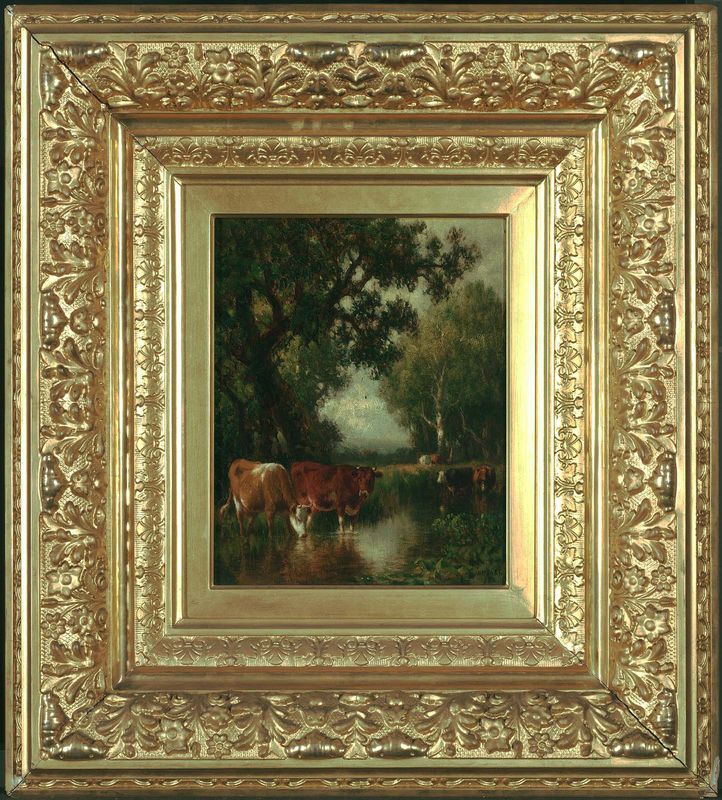
Two cows stand in the shallows at lower left, one reddish-brown facing us, one pale-flanked and bending to drink. They anchor the whole scene.
Look at the still water below the cows. Soft, smudged strokes of warm brown and pale gray echo their bodies and the bright sky, so the pool feels glassy and calm.
A pale gap of cloudy light breaks through the dark trees at center. It pulls the eye into the distance and makes the shade around it feel deeper.
The big oak at upper left is built from dense, dark greens with ragged leaf clusters against the sky. Its twisting limbs frame the scene like a heavy curtain.
Far back near the right edge, a few more cattle stand almost lost in the grass and shadow. They hint that the meadow stretches back beyond the pool.
The full narration walks you through Cows Drinking at a Pool — the story behind it, the details most visitors miss, and why it matters. Free in the Art Whisper app.
William Hart, a Scottish-born American landscape and cattle painter, became a prominent figure in the Hudson River School, known for his atmospheric depictions of light and shadow.
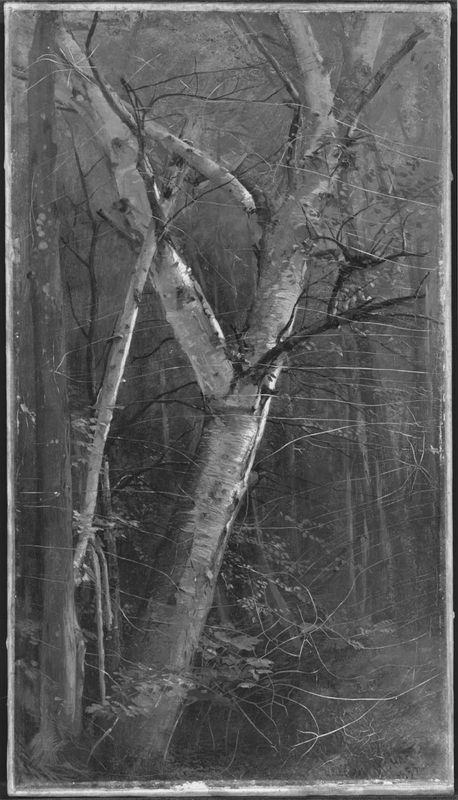 Birches
1855 · Museum of Fine Arts Boston
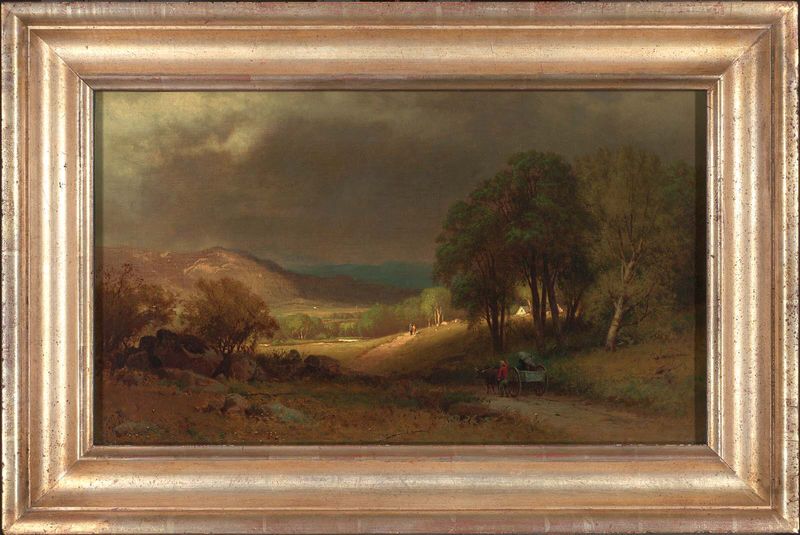 After the Storm
Museum of Fine Arts Boston
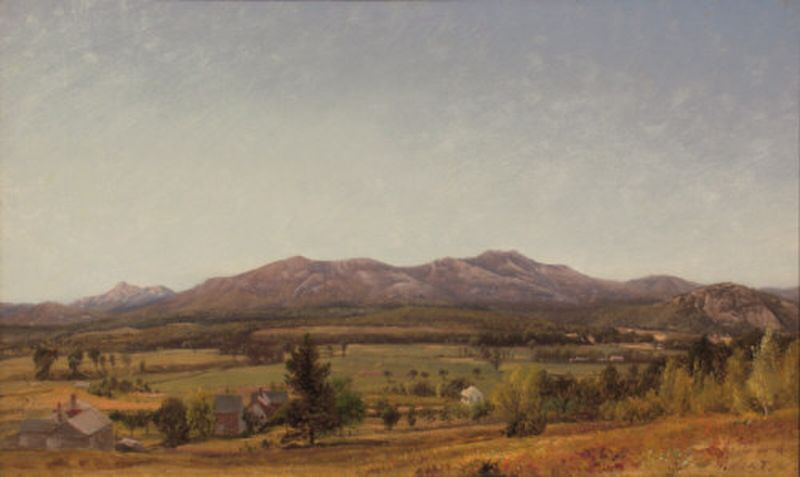 Mount Chocorua and Moat Mountain from North Conway
1850
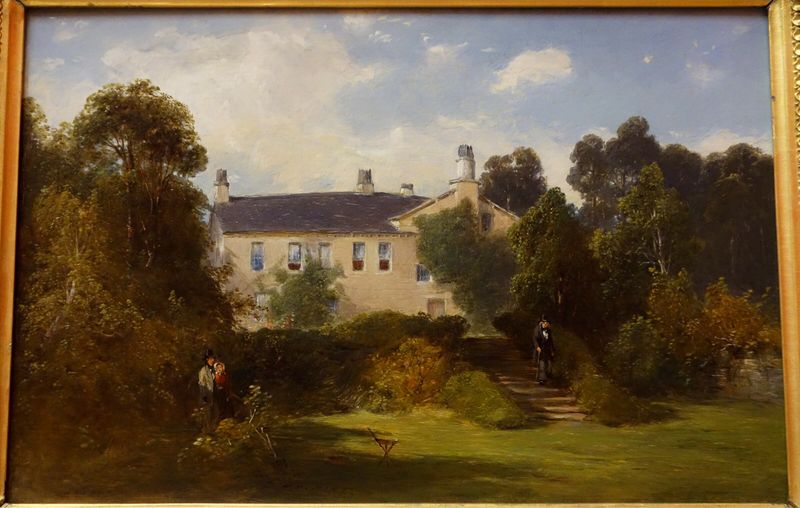 Wordsworth Manor
1852
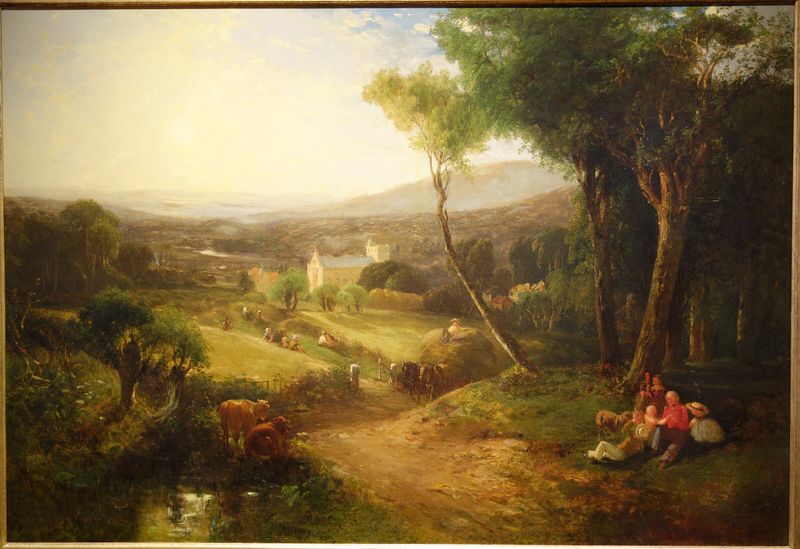 Peace and Plenty
1855 · New Britain Museum of American Art
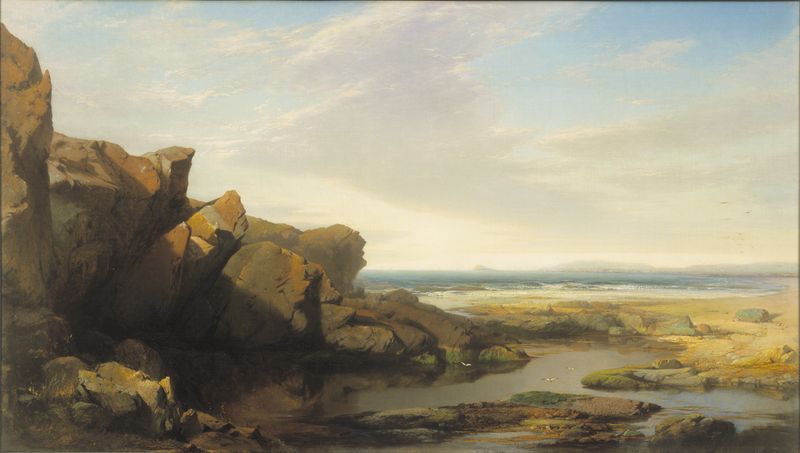 Pools by the Seaside
1861 · Buffalo AKG Art Museum
 Mount Madison from the Androscoggin River
1862
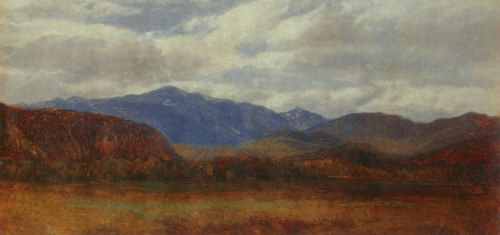 Mount Washington from the Intervale
1865
Beyond Hart: works from the same years.
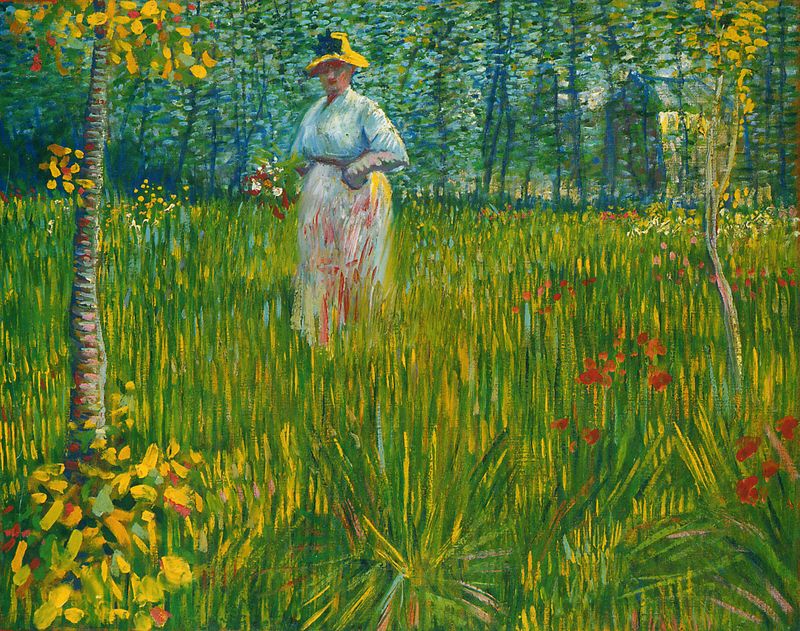 Same era · 1870s–1900s
A Woman Walking in a Garden
Vincent van Gogh · 1887 · Frans Buffa & sons
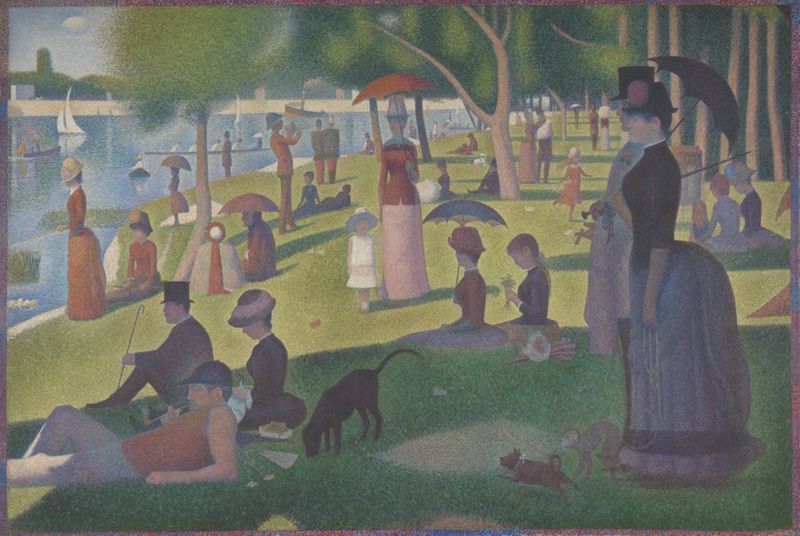 Same era · 1870s–1900s
A Sunday on La Grande Jatte — 1884
Okada Saburosuke · 1884 · Art Institute of Chicago
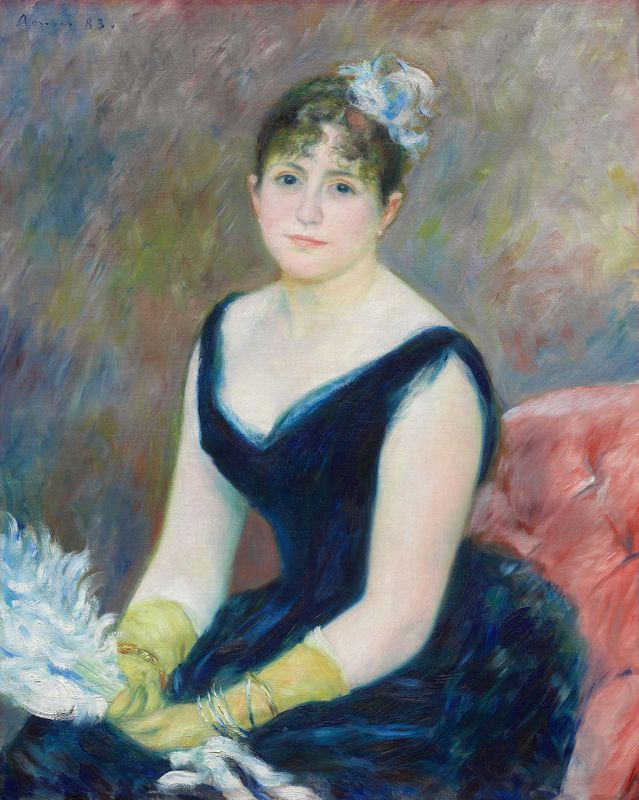 Same era · 1870s–1900s
Madame Léon Clapisson
Léon-Victor Dupré · 1883 · Art Institute of Chicago
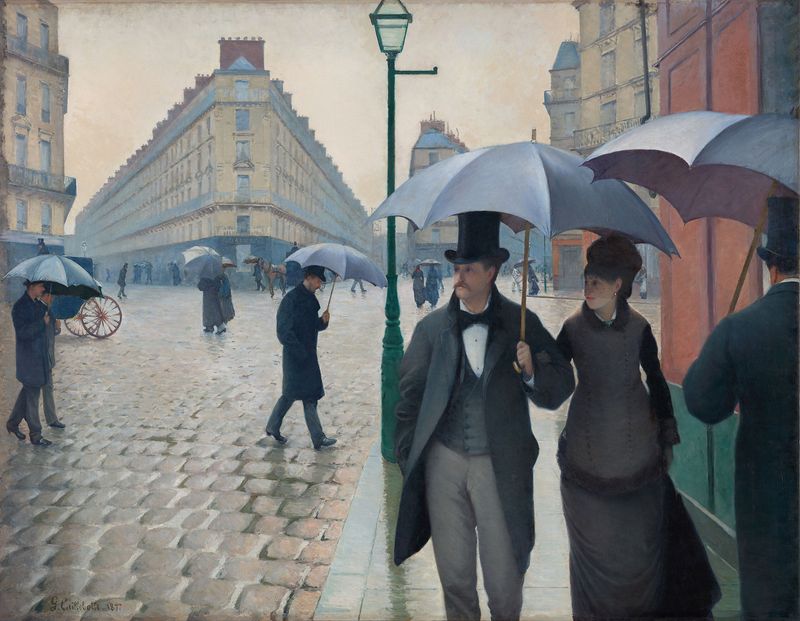 Same era · 1870s–1900s
Paris Street; Rainy Day
Kawabata Gyokushō · 1877 · Art Institute of Chicago
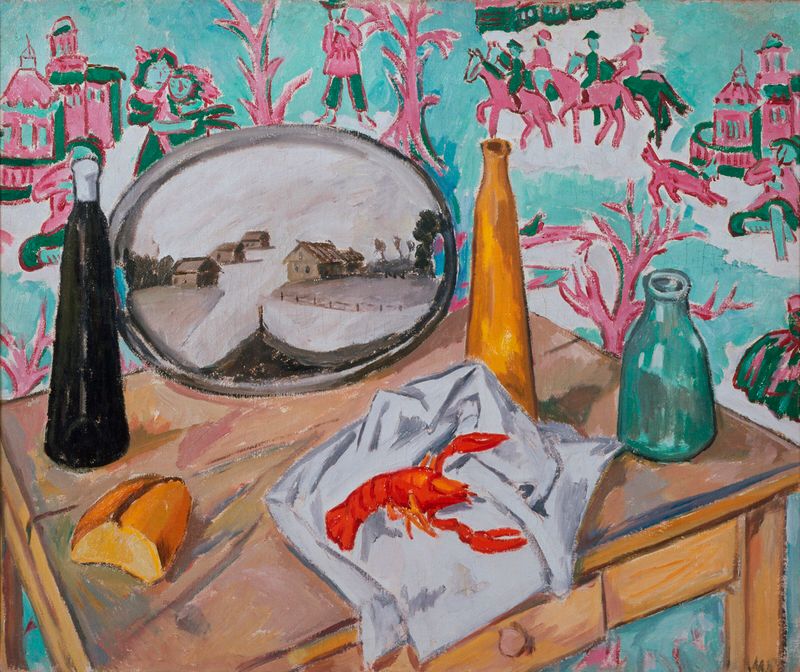 Same era · 1870s–1900s
Still Life with Crayfish
Mikhail Larionov · 1900 · Museum Ludwig
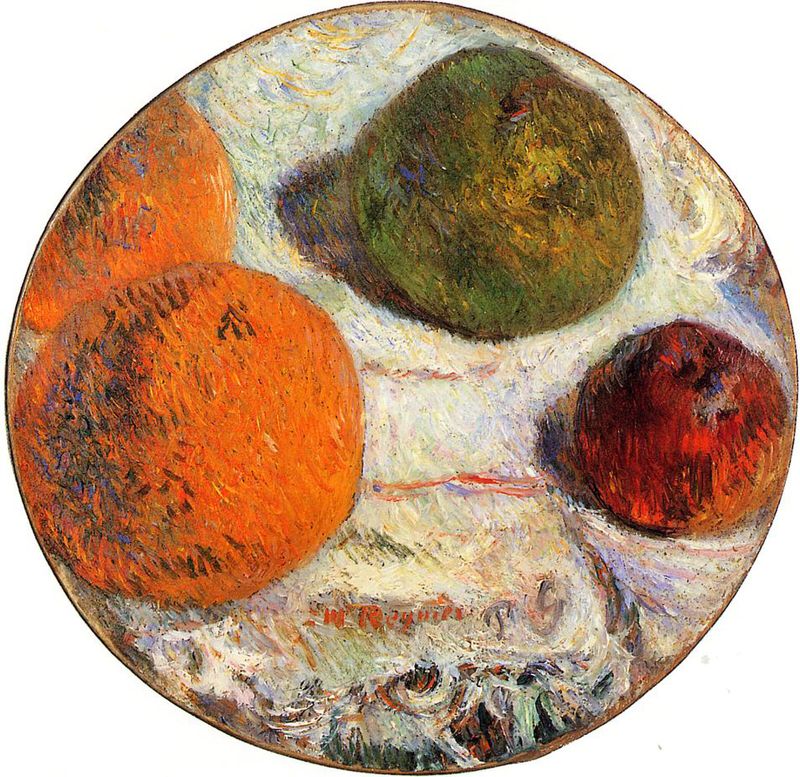 Same era · 1870s–1900s
Fruit
Paul Gauguin · 1886
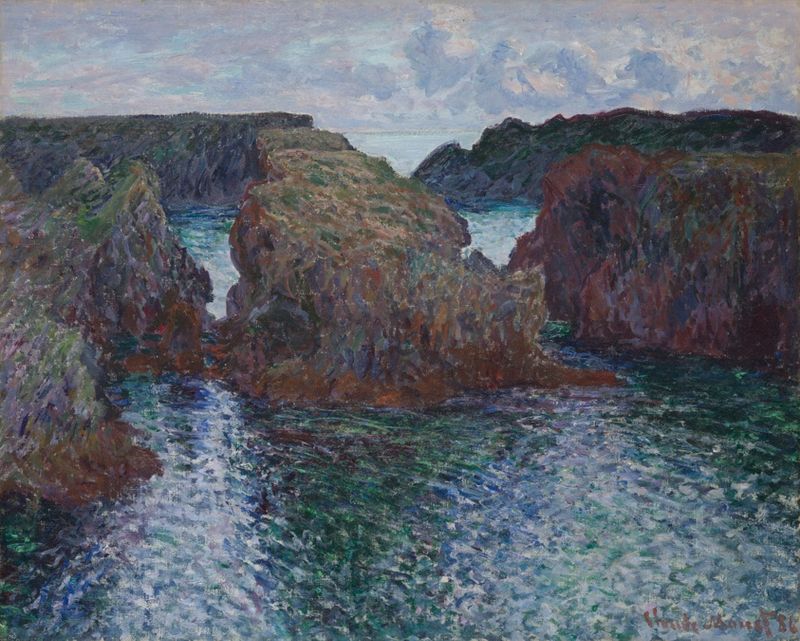 Same era · 1870s–1900s
Rocks at Port-Goulphar, Belle-Île
Claude Monet · 1886 · Art Institute of Chicago
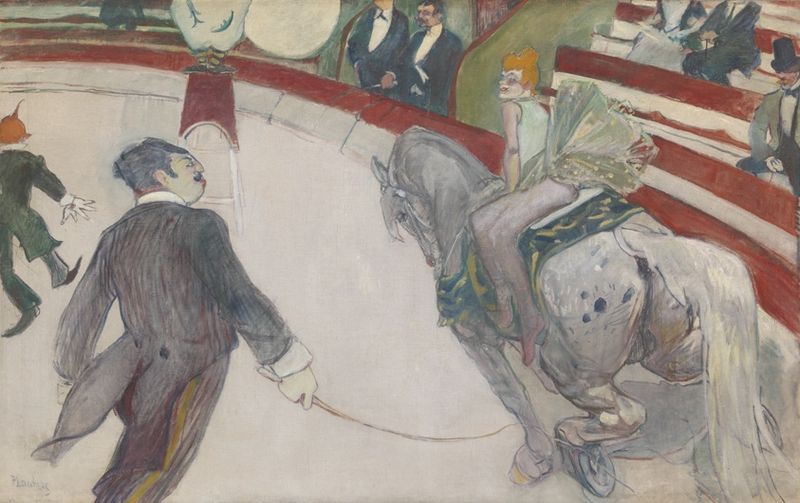 Same era · 1870s–1900s
Equestrienne (At the Cirque Fernando)
Henri de Toulouse-Lautrec · 1887 · Art Institute of Chicago
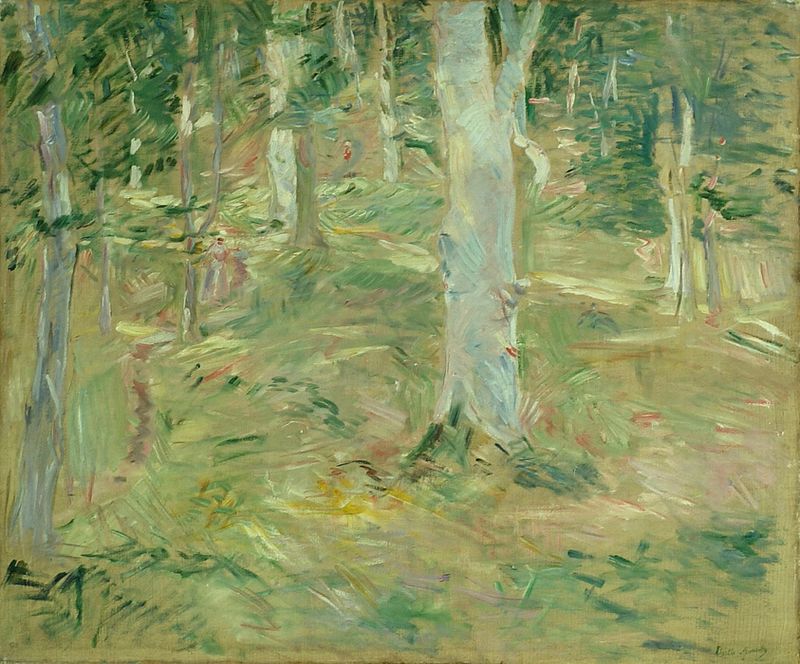 Same era · 1870s–1900s
Forêt de Compiègne
Berthe Morisot · 1885 · Art Institute of Chicago
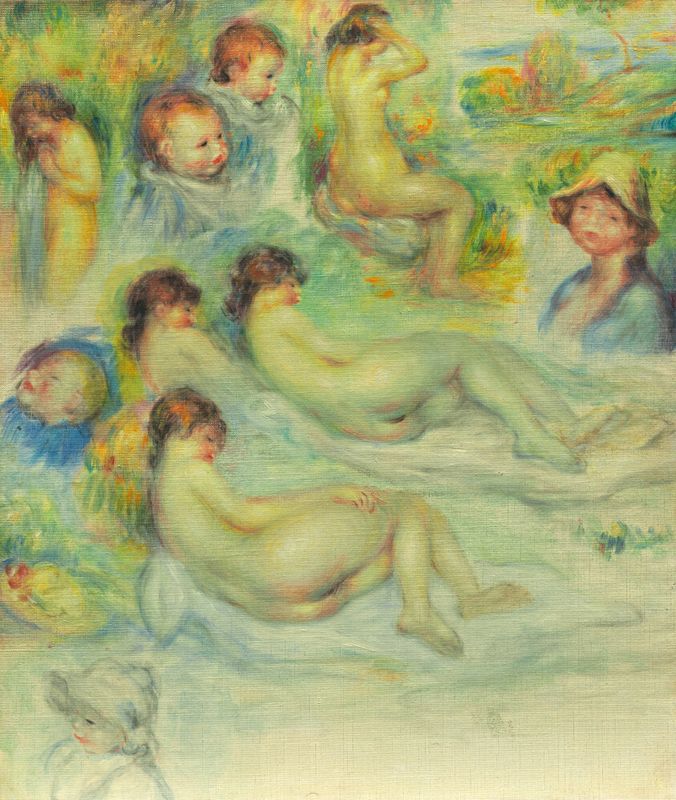 Same era · 1870s–1900s
Studies of Pierre Renoir; His Mother, Aline Charigot; Nudes; and Landscape
Pierre-Auguste Renoir · 1885 · Art Institute of Chicago
 Same era · 1870s–1900s
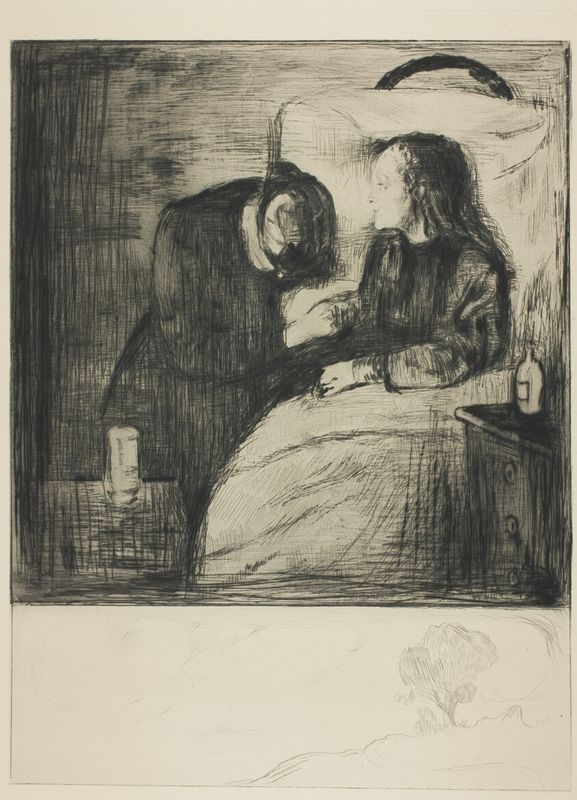
The Sick Child
Edvard Munch · 1885 · National Museum of Art, Architecture and Design
 Same era · 1870s–1900s
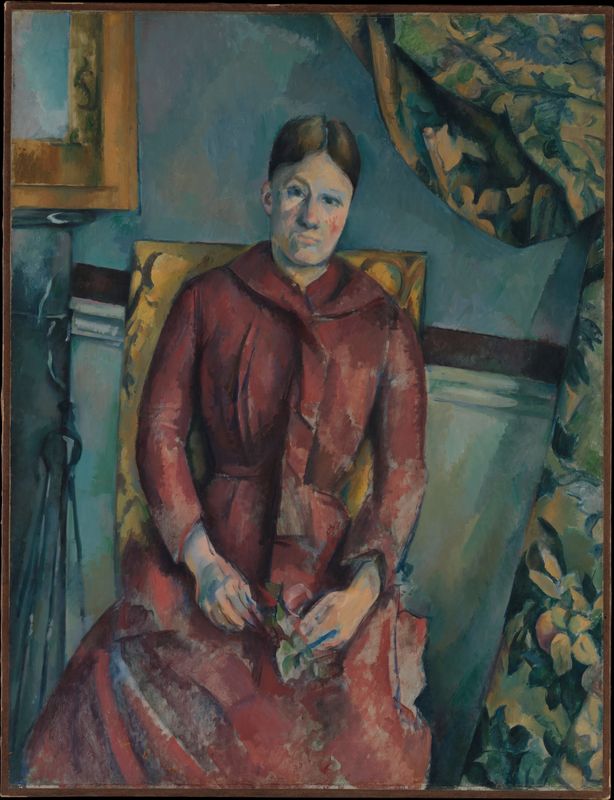
Madame Cézanne (Hortense Fiquet, 1850–1922) in a Red Dress
Paul Cézanne · 1888 · The Metropolitan Museum of Art
