
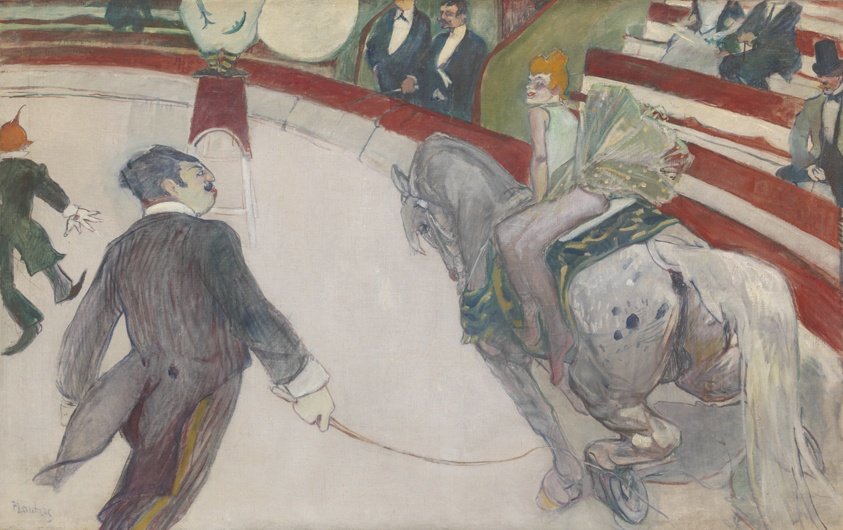
“Step into the vibrant, tense world of a 19th-century Parisian circus. This painting captures a dramatic moment between a trick rider and ringmaster, revealing the human drama behind the spectacle.”
A spotlight illuminates the center of the ring, capturing a tense moment in the Cirque Fernando. A female trick rider, dressed in a sparkling tutu of gauze and sequins, prepares to stand on her horse, ready to leap through a paper hoop. The horse, a blur of motion, is spurred on by the whip of the famous ringmaster, Monsieur Loyal. The rider’s face, garishly made up, seems to snarl at the ringmaster, who glares back at her, creating a charged dynamic between the two. This painting, created in 1887, plunges viewers into the raw energy and dramatic undercurrents of the Parisian circus world, a subject that fascinated artists of the time. The composition, with its high vantage point and dynamic lines, pulls you into the heart of the performance, highlighting the fleeting, intense drama of the scene.
- Artist
- Henri de Toulouse-Lautrec
- Date
- 1887
- Medium
- Oil on canvas
- Location
- Art Institute of Chicago
- Dimensions
- 100.3 × 161.3 cm (39 1/2 × 63 1/2 in.); Framed: 123.2 × 181 × 8.3 cm (48 1/2 × 71 1/4 × 3 1/4 in.)
- Collection
- Painting and Sculpture of Europe
- Culture
- France
- Credit line
- Joseph Winterbotham Collection
What to Notice
Four details hide in plain sight. Here’s where to look.
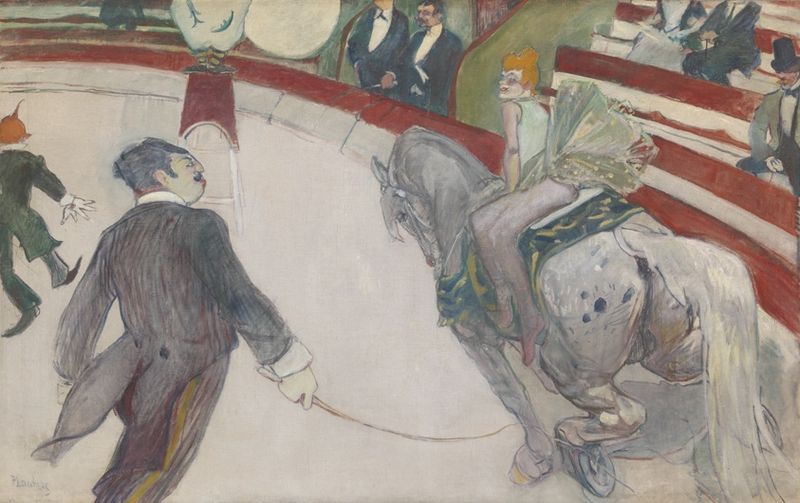
The rider's snarling expression and the ringmaster's glare.
The horse's blurred legs, conveying speed and movement.
The vibrant colors of the rider's costume and the paper hoop.
The stark contrast between the illuminated center and the shadowy background.
Stand in front of it and listen
The full narration walks you through Equestrienne (At the Cirque Fernando) — the story behind it, the details most visitors miss, and why it matters. Free in the Art Whisper app.
Henri de Toulouse-Lautrec
1864–1901 · FranceHenri de Toulouse-Lautrec, the aristocratic artist of fin-de-siècle Paris, immortalized the vibrant, often scandalous, life of Montmartre's cabarets and brothels.
Further Works by de Toulouse-Lautrec
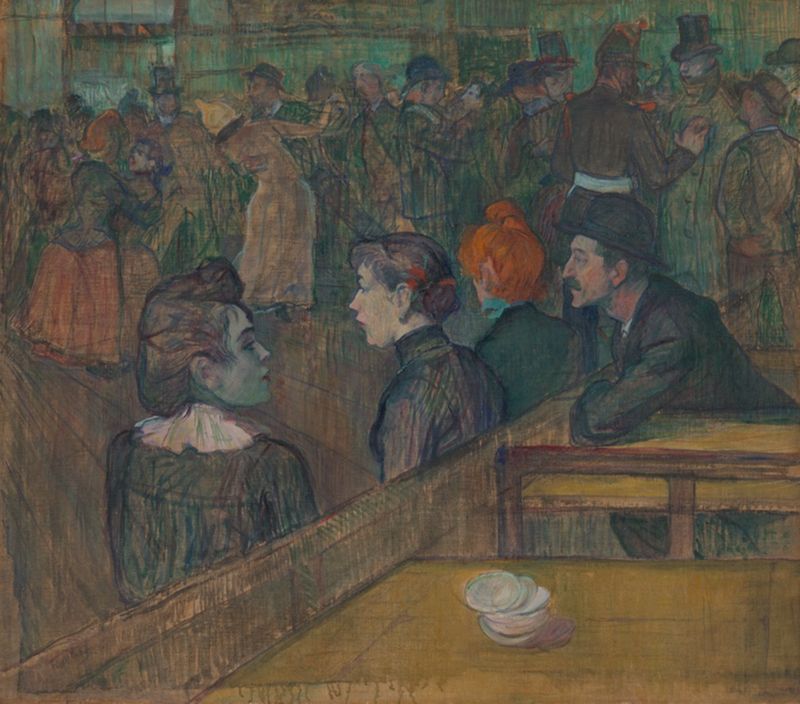 Moulin de la Galette
1889 · Art Institute of Chicago
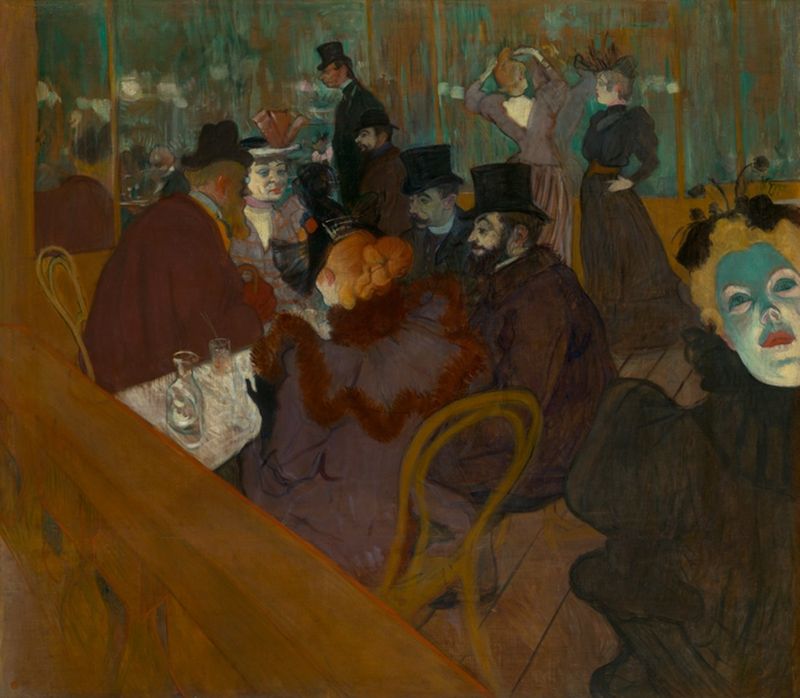 At the Moulin Rouge
1892 · Art Institute of Chicago
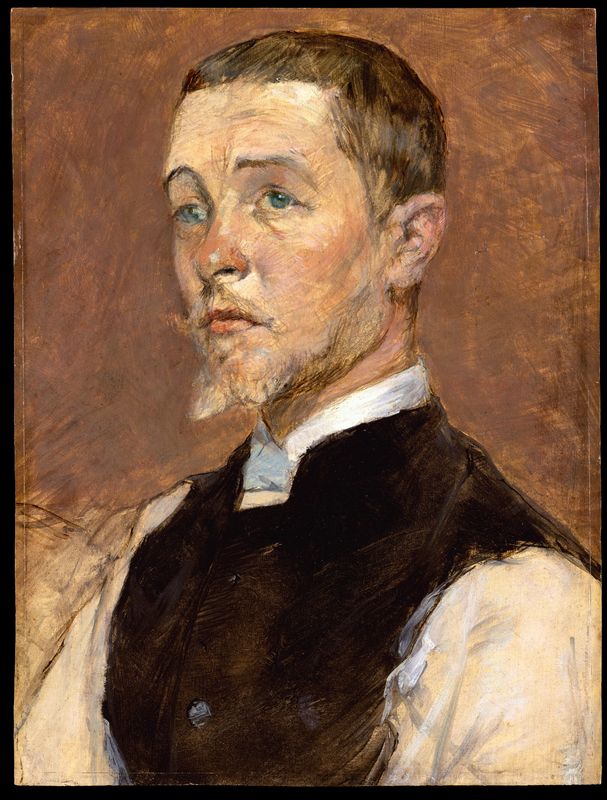 Albert (René) Grenier (1858–1925)
1887 · The Metropolitan Museum of Art
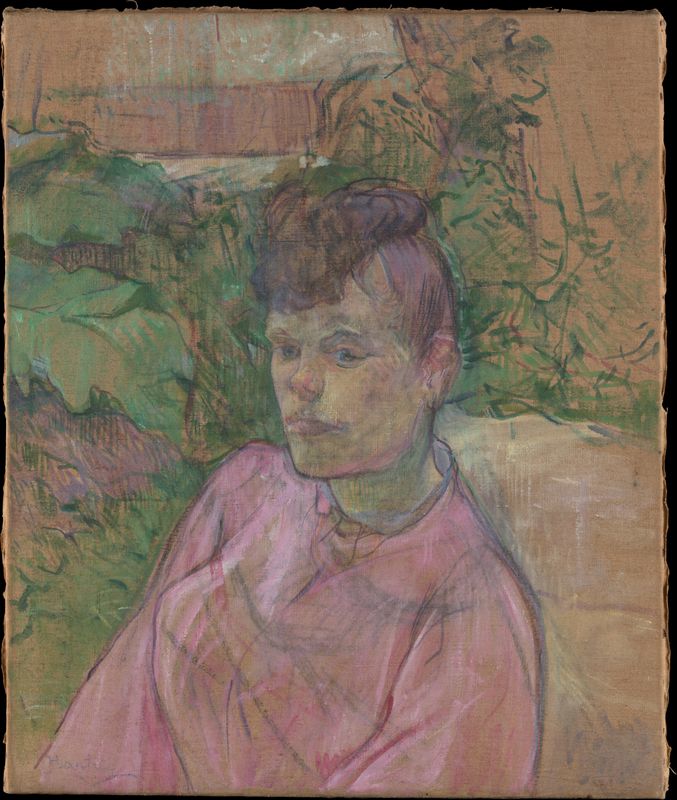 Woman in the Garden of Monsieur Forest
1889 · The Metropolitan Museum of Art
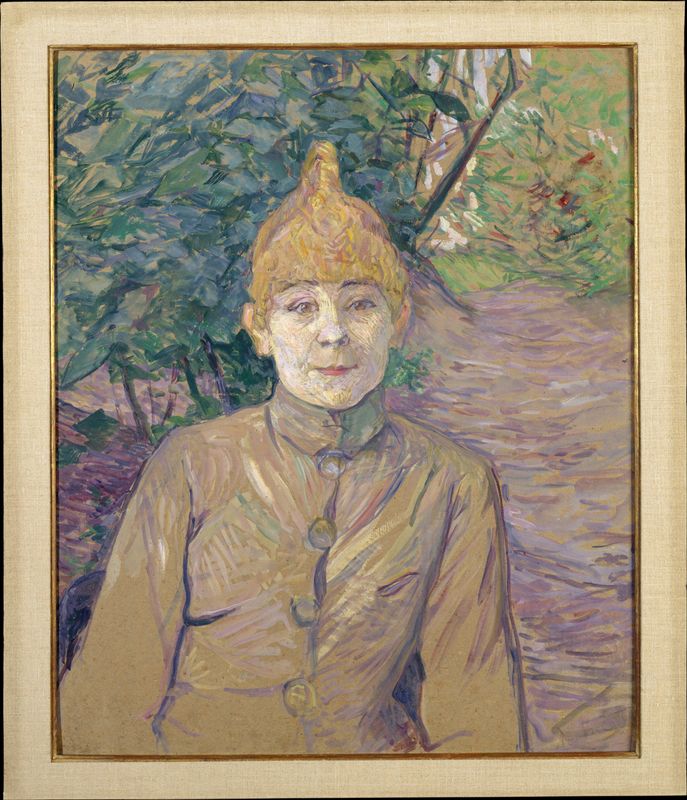 The Streetwalker
1890 · The Metropolitan Museum of Art
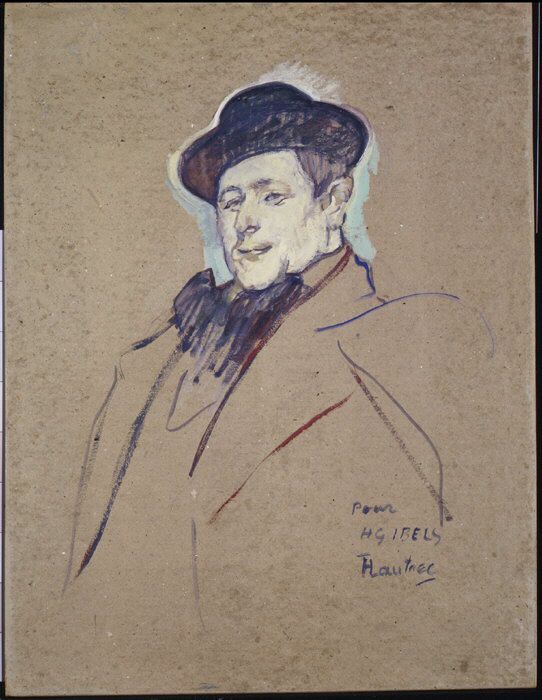 Henri-Gabriel Ibels (1867–1936)
1892 · The Metropolitan Museum of Art
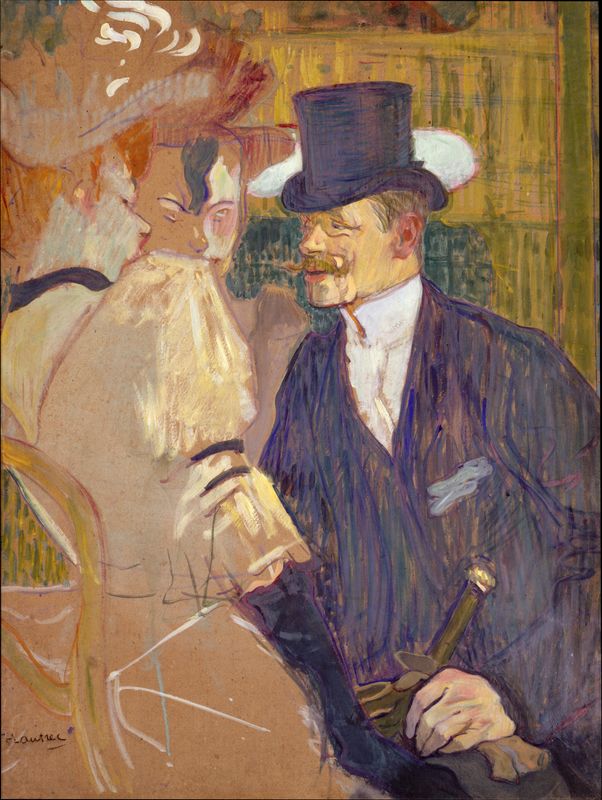 The Englishman (William Tom Warrener, 1861–1934) at the Moulin Rouge
1892 · The Metropolitan Museum of Art
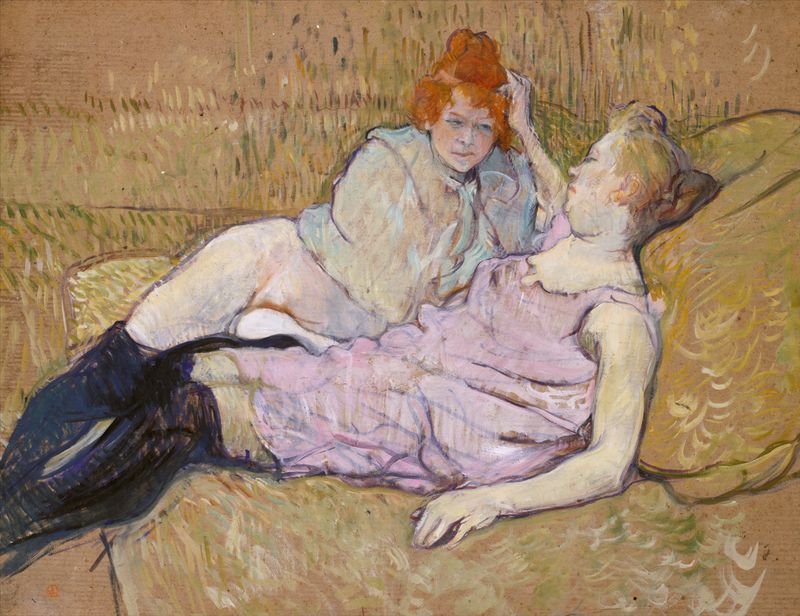 The Sofa
1894 · The Metropolitan Museum of Art
More from Post-Impressionism
More works to explore
Beyond de Toulouse-Lautrec and Post-Impressionism: works from the same years.
 Same era · 1870s–1900s
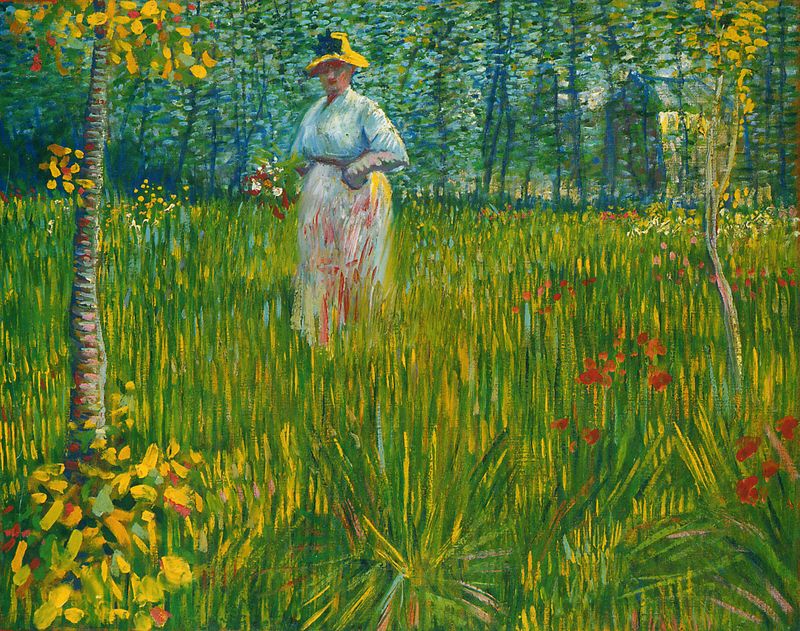
A Woman Walking in a Garden
Vincent van Gogh · 1887 · Frans Buffa & sons
 Same era · 1870s–1900s
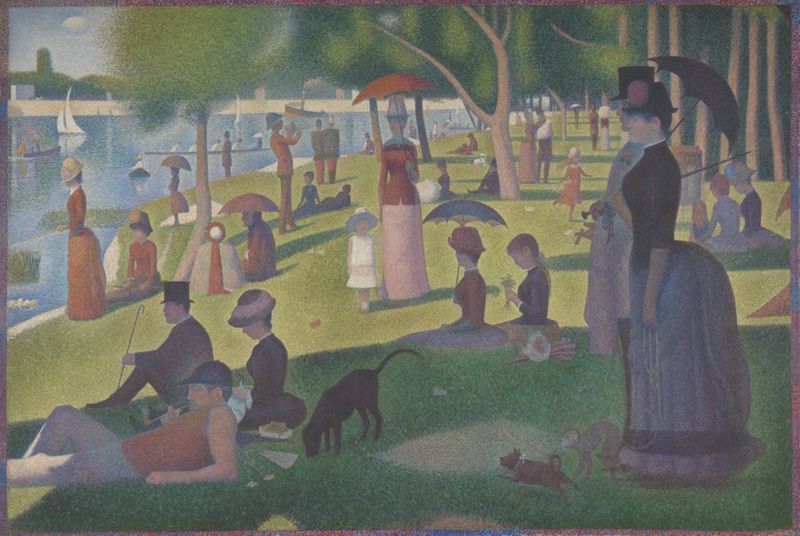
A Sunday on La Grande Jatte — 1884
Okada Saburosuke · 1884 · Art Institute of Chicago
 Same era · 1870s–1900s
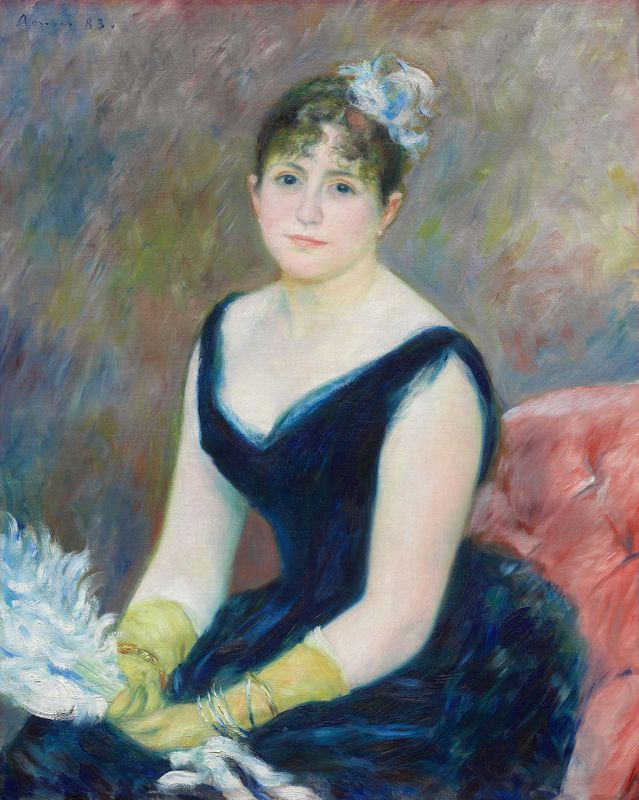
Madame Léon Clapisson
Léon-Victor Dupré · 1883 · Art Institute of Chicago
 Same era · 1870s–1900s
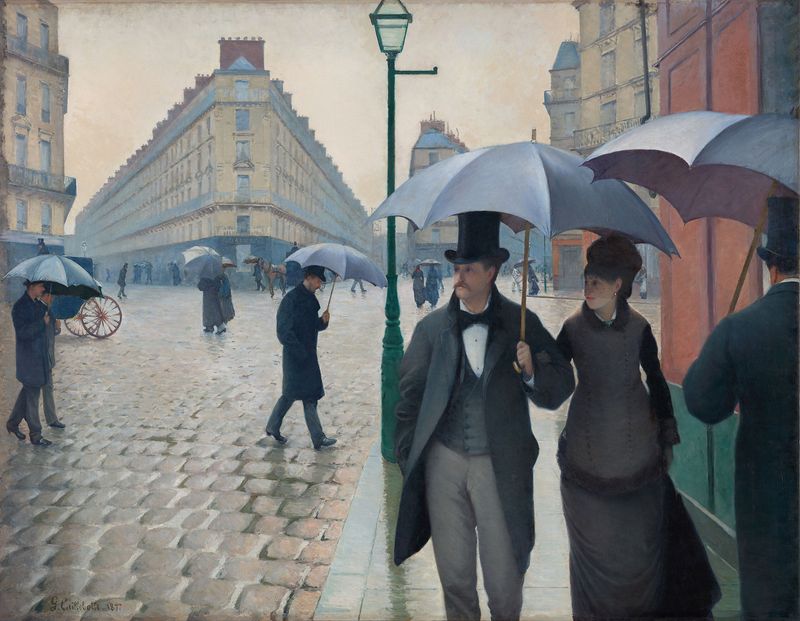
Paris Street; Rainy Day
Kawabata Gyokushō · 1877 · Art Institute of Chicago
 Same era · 1870s–1900s
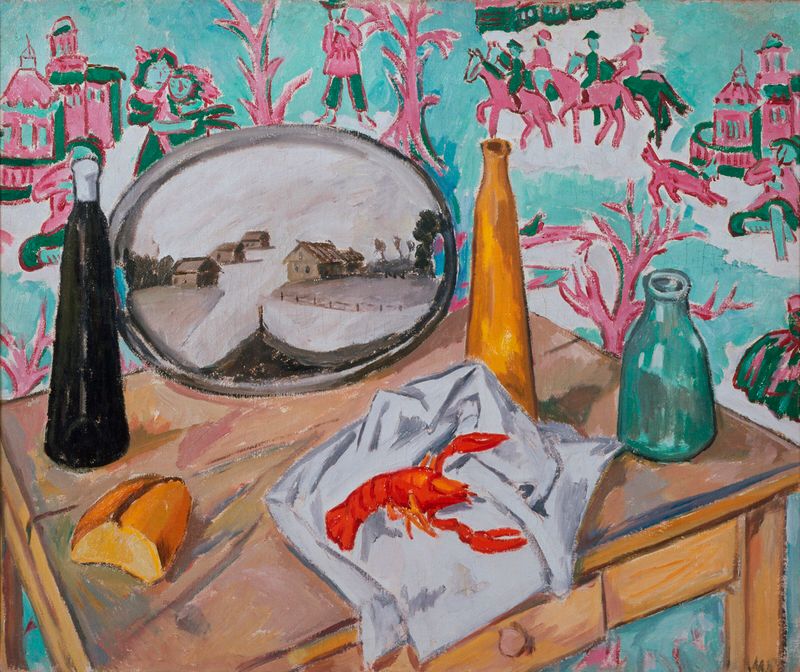
Still Life with Crayfish
Mikhail Larionov · 1900 · Museum Ludwig
 Same era · 1870s–1900s
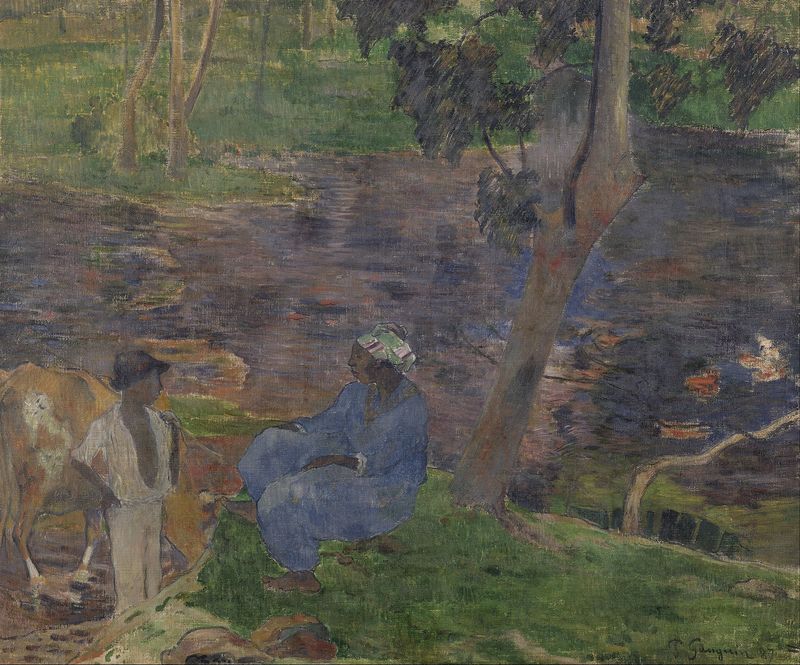
On the Banks of the River at Martinique
Paul Gauguin · 1887 · Van Gogh Museum
 Same era · 1870s–1900s
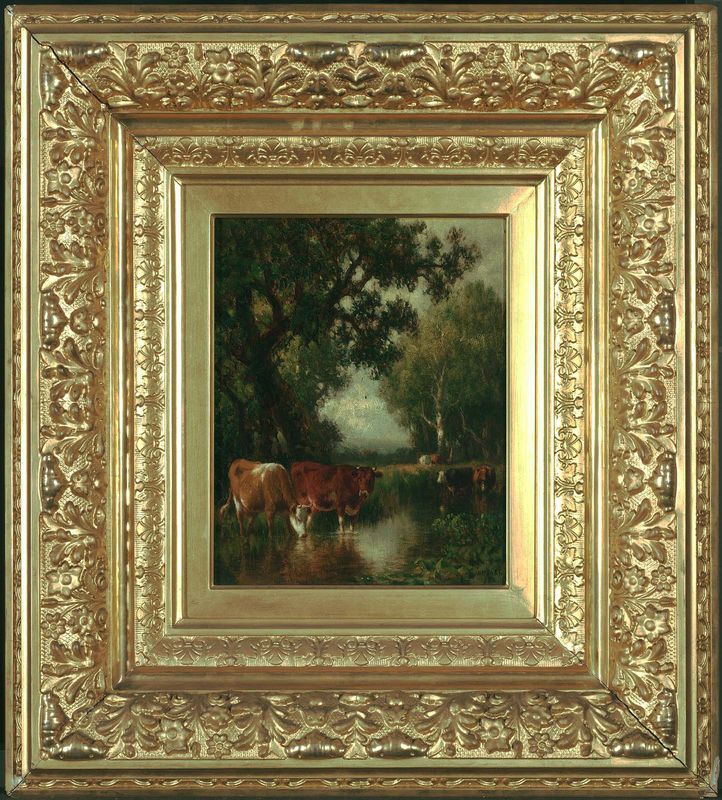
Cows Drinking at a Pool
William Hart · 1886 · Museum of Fine Arts Boston
 Same era · 1870s–1900s
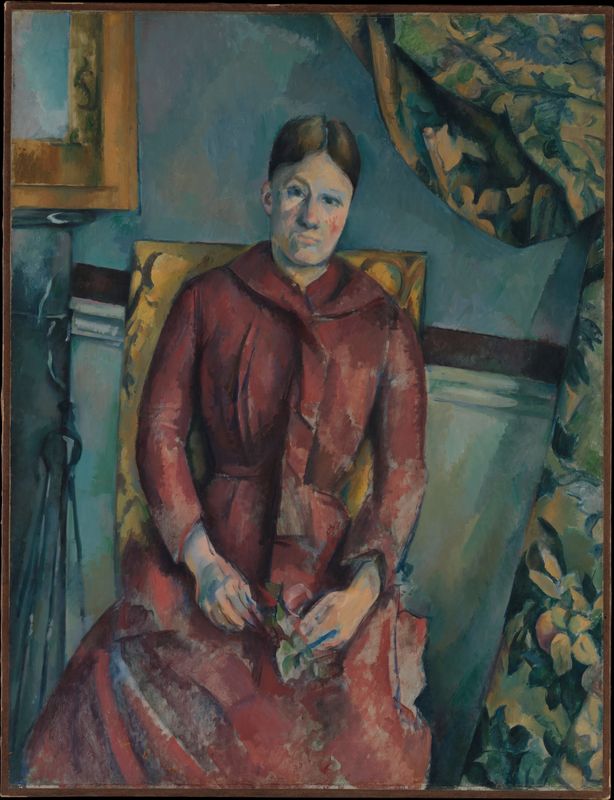
Madame Cézanne (Hortense Fiquet, 1850–1922) in a Red Dress
Paul Cézanne · 1888 · The Metropolitan Museum of Art
 Same era · 1870s–1900s
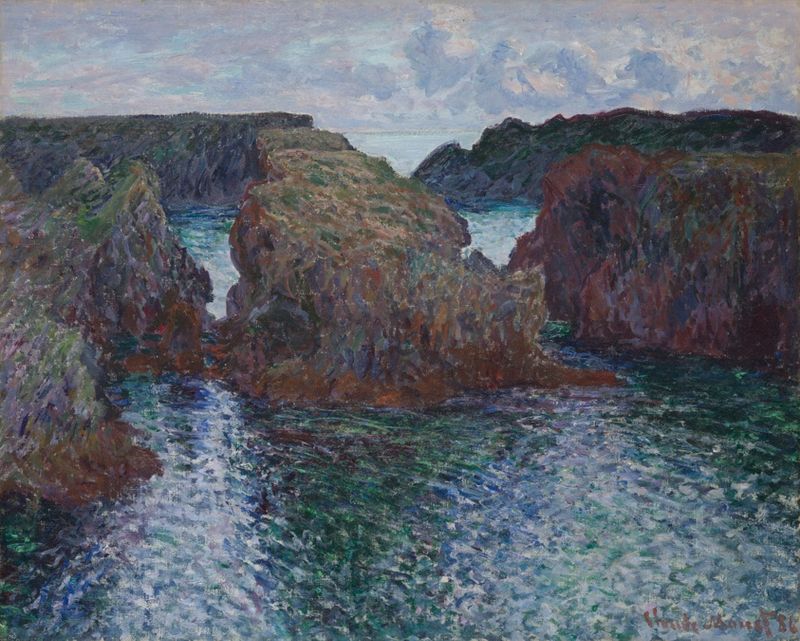
Rocks at Port-Goulphar, Belle-Île
Claude Monet · 1886 · Art Institute of Chicago
 Same era · 1870s–1900s
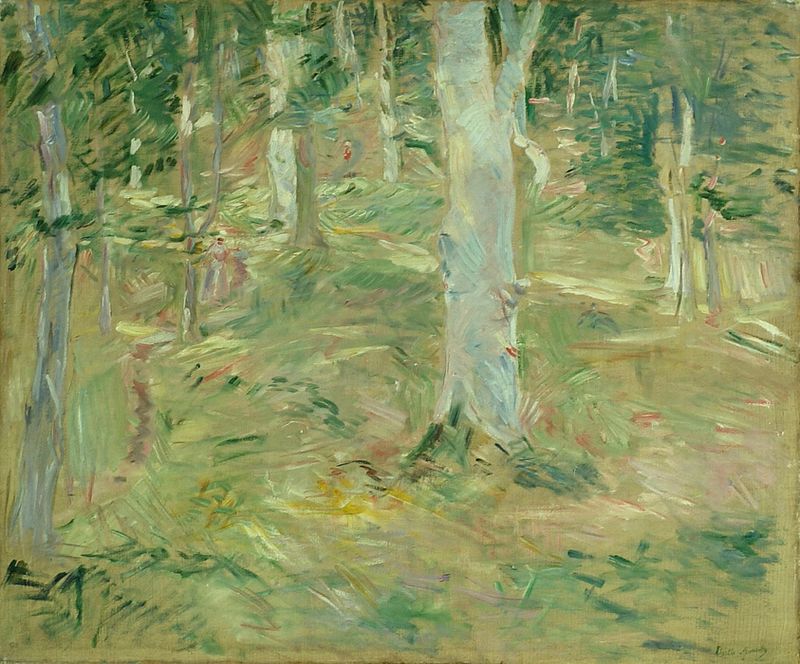
Forêt de Compiègne
Berthe Morisot · 1885 · Art Institute of Chicago
 Same era · 1870s–1900s
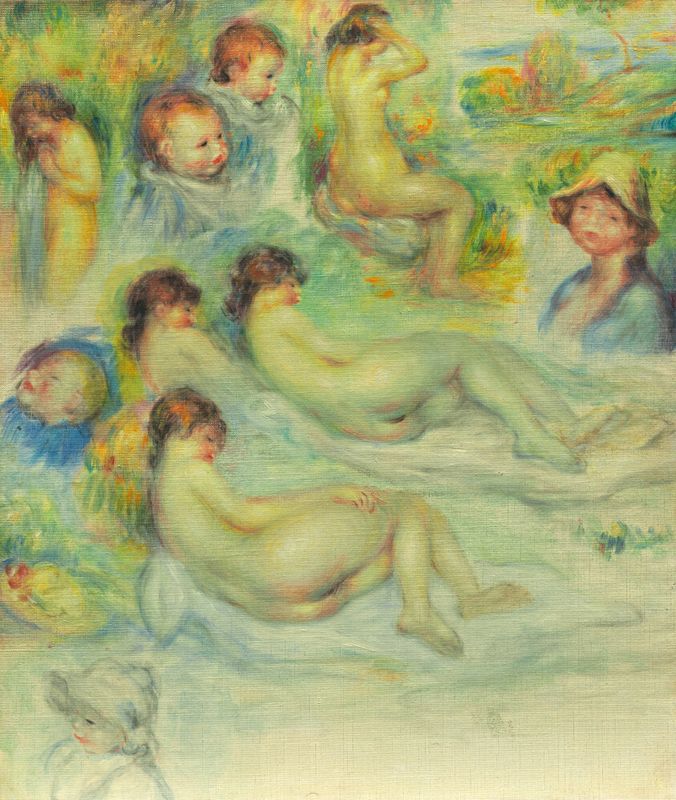
Studies of Pierre Renoir; His Mother, Aline Charigot; Nudes; and Landscape
Pierre-Auguste Renoir · 1885 · Art Institute of Chicago
 Same era · 1870s–1900s
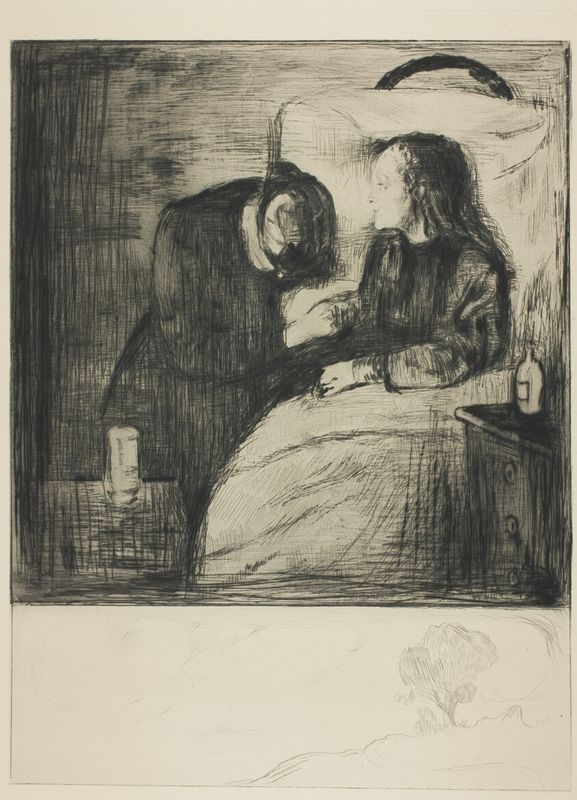
The Sick Child
Edvard Munch · 1885 · National Museum of Art, Architecture and Design