01
The direct stare
Find the dark eyes under the hat brim. They look straight out at you from a shadowed face, giving the portrait a wary, intense presence.
1 of 4 on the painting
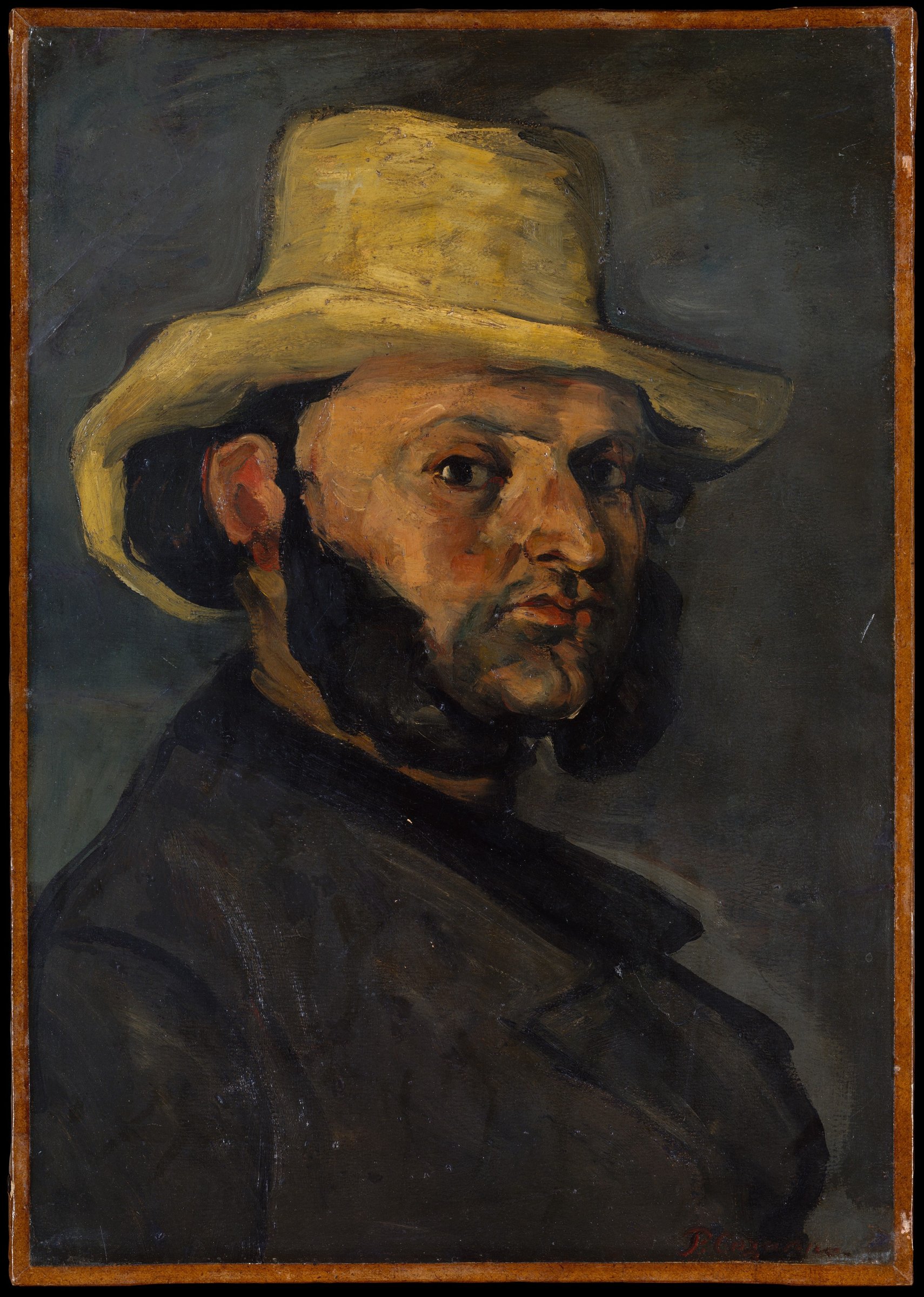
“Stop and observe the stark intensity of Gustave Boyer's gaze in this early portrait. It's a powerful example of how Cézanne began to build forms with paint, moving beyond mere surface impression to capture a deeper sense of presence.”
A man in a straw hat, Gustave Boyer, gazes out from this early portrait by Paul Cézanne. His face, rendered with a directness that borders on the confrontational, is framed by the wide brim of his hat and a dark, indistinct background. The brushstrokes are thick and deliberate, especially visible in the texture of his jacket and the ruddy tones of his skin. This intensity in the sitter’s expression and the raw application of paint mark a departure from the more delicate touch of Impressionism, aligning with the artist's developing interest in solid forms and emotional depth. Painted around 1870, this work captures a moment of transition, showing a young artist exploring a more robust, almost sculptural approach to portraiture. The focus here is on the sitter's presence, conveyed through a powerful simplicity.
Five details hide in plain sight. Pick one and we’ll show you exactly where to look.
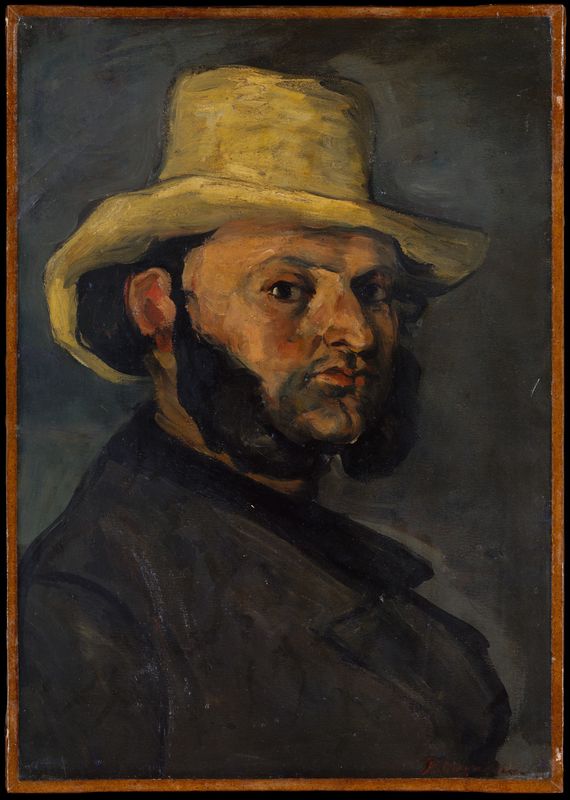
Find the dark eyes under the hat brim. They look straight out at you from a shadowed face, giving the portrait a wary, intense presence.
Look at the hat crown, built from heavy, buttery strokes of yellow. The paint sits in ridges, so the straw feels more like sculpted material than woven fibre.
The skin is made of chunky patches of pink, ochre and brown laid side by side, with little blending. The face reads as solid, almost carved.
The coat fills the lower half in broad, murky strokes with dark outlines. Its bulk makes the bright head seem to push forward from a heavy base.
The pale hat and face stand out against the grey-green background and black clothing. The turned shoulders and head give the figure a tense twist.
The full narration walks you through Gustave Boyer (b. 1840) in a Straw Hat — the story behind it, the details most visitors miss, and why it matters. Free in the Art Whisper app.
Paul Cézanne, the French Post-Impressionist, built a bridge from Impressionism to Cubism, transforming how we see apples and landscapes.
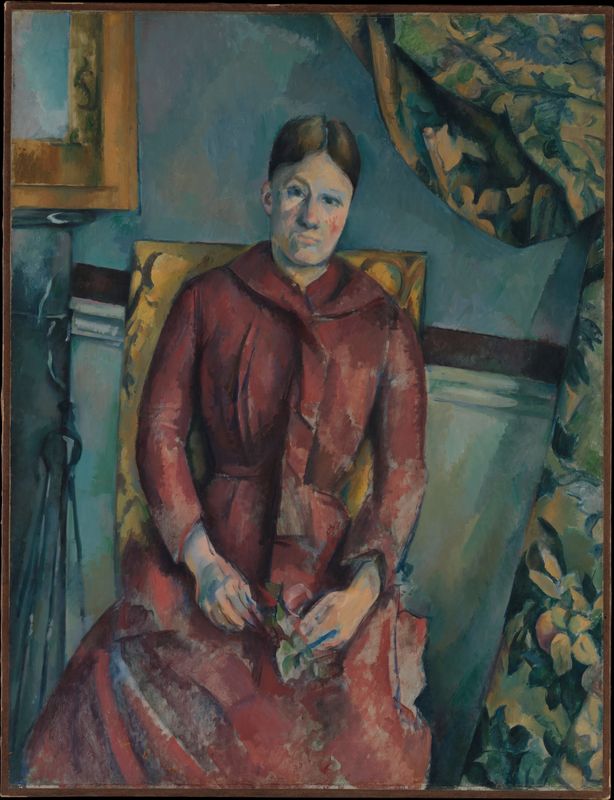 Madame Cézanne (Hortense Fiquet, 1850–1922) in a Red Dress
1888 · The Metropolitan Museum of Art
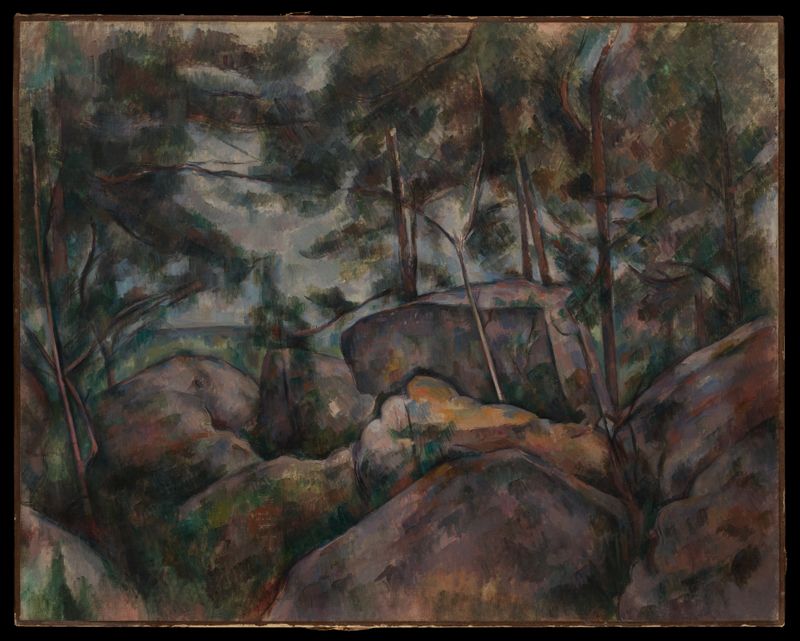 Rocks at Fontainebleau
1890 · The Metropolitan Museum of Art
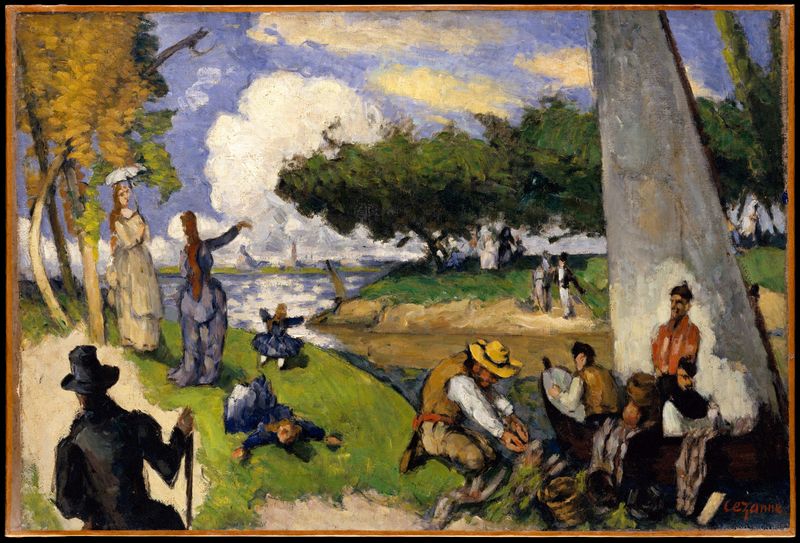 The Fishermen (Fantastic Scene)
1875 · Metropolitan Museum of Art
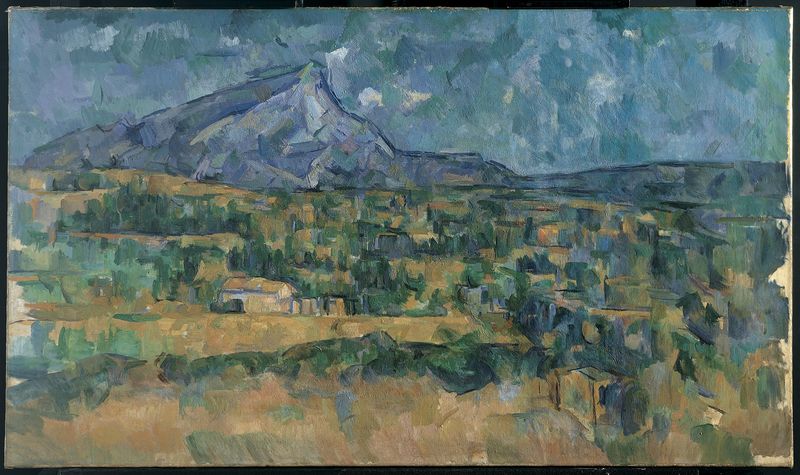 Mont Sainte-Victoire
1904 · Detroit Institute of Arts
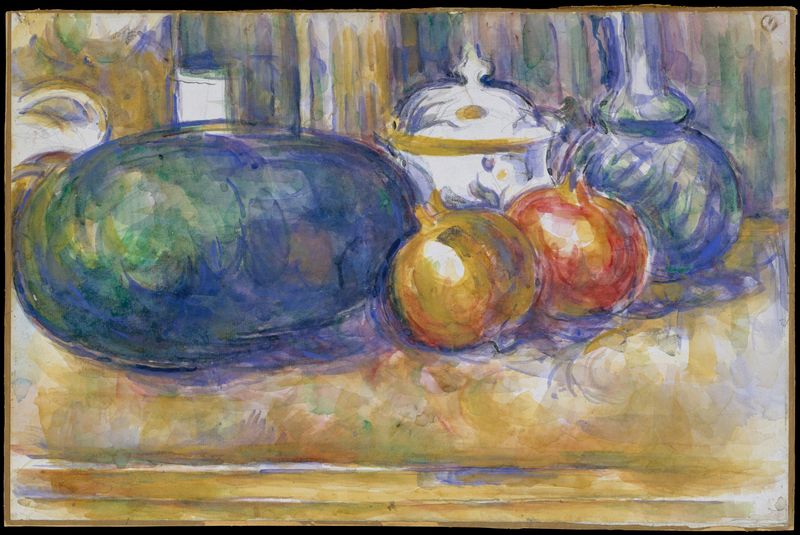 Still-Life with a Watermelon and Pomegranates
1900 · The Metropolitan Museum of Art
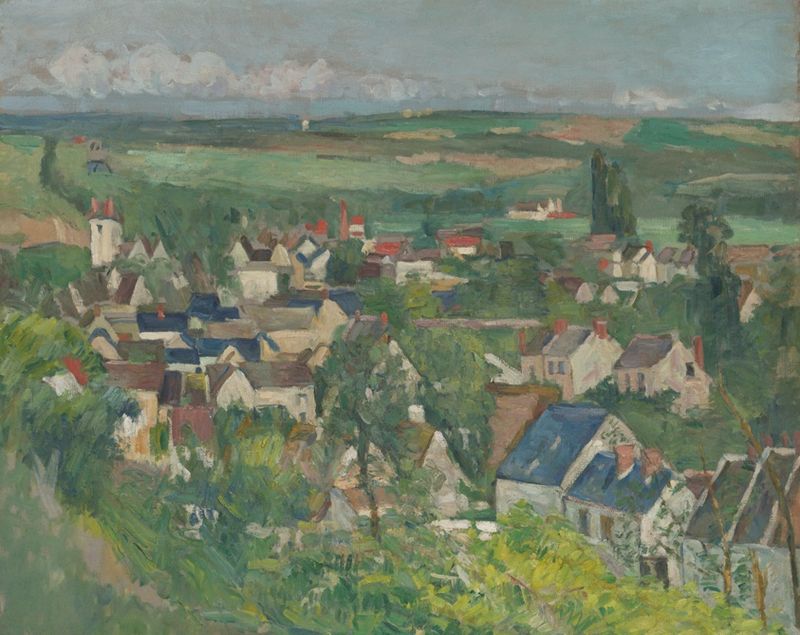 Auvers, Panoramic View
1874 · Art Institute of Chicago
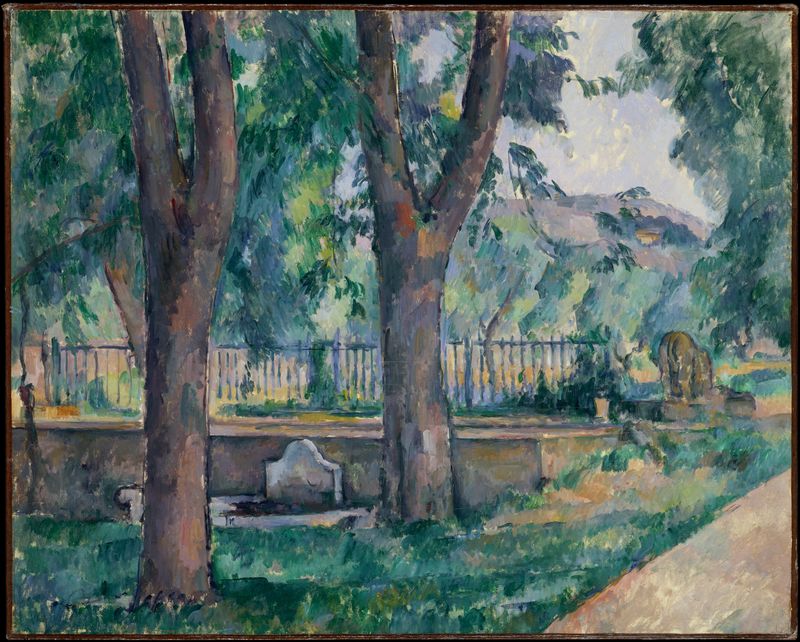 The Pool at Jas de Bouffan
1876 · Hermitage Museum
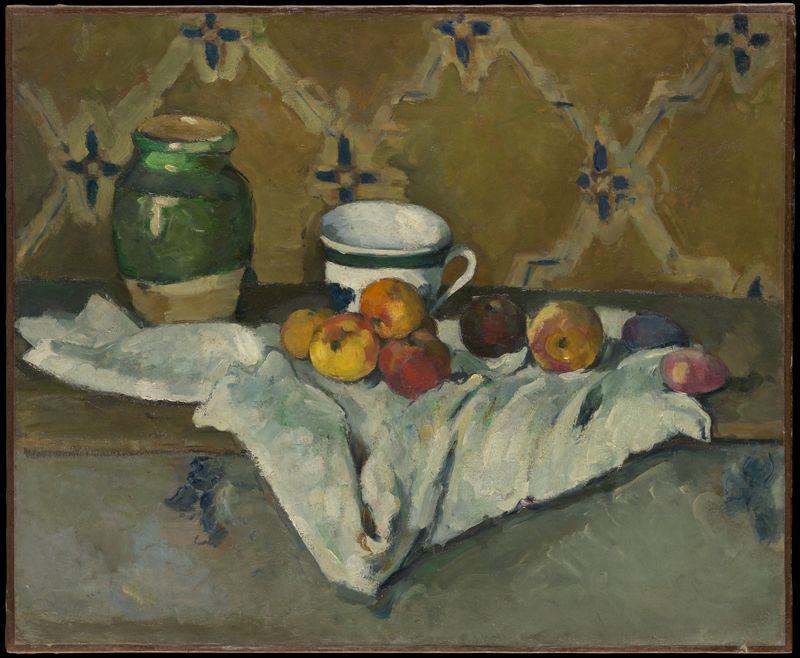 Still Life with Jar, Cup, and Apples
1877 · Metropolitan Museum of Art
Beyond Cézanne and Post-Impressionism: works from the same years.
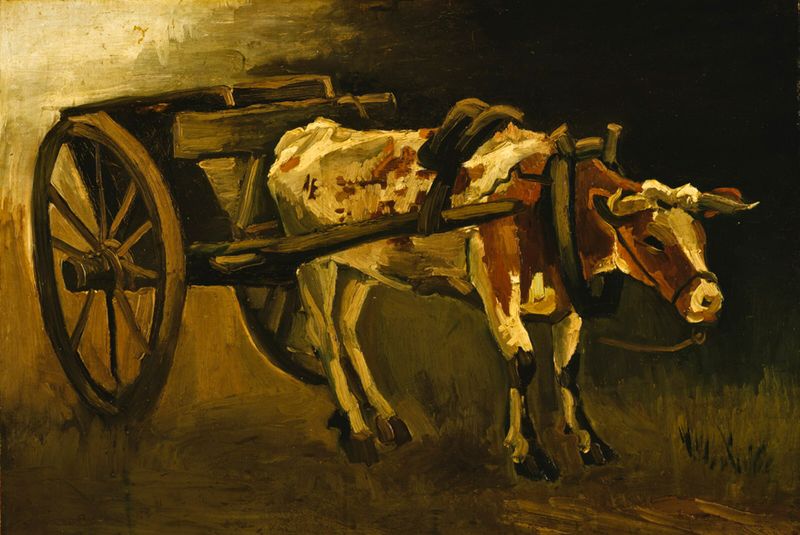 Same era · 1850s–1880s
Cart with Red and White Ox
Vincent van Gogh · 1884 · Kröller-Müller Museum
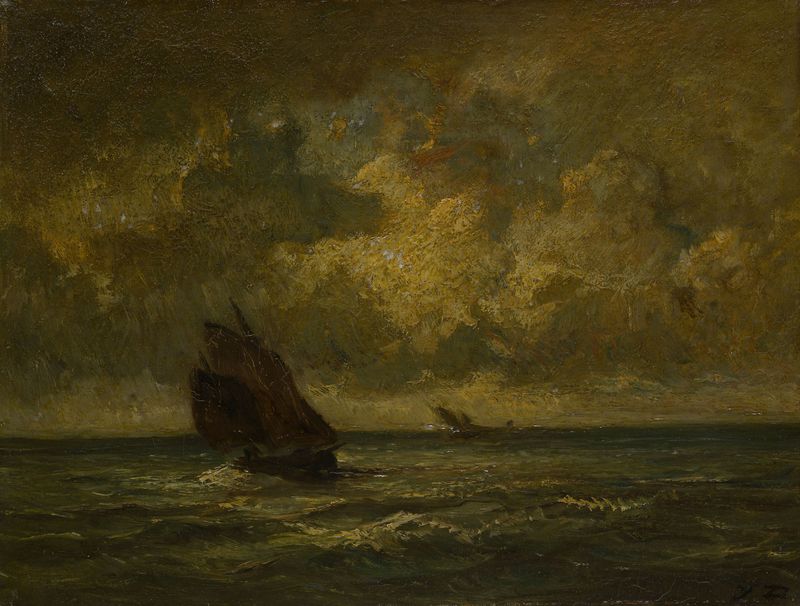 Same era · 1850s–1880s
Two Boats in a Storm
Léon-Victor Dupré · 1870 · Art Institute of Chicago
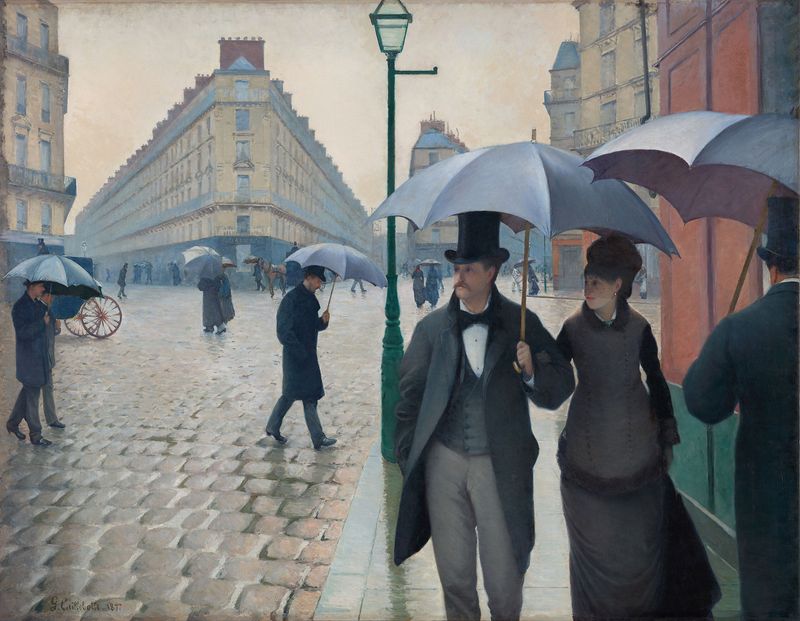 Same era · 1850s–1880s
Paris Street; Rainy Day
Kawabata Gyokushō · 1877 · Art Institute of Chicago
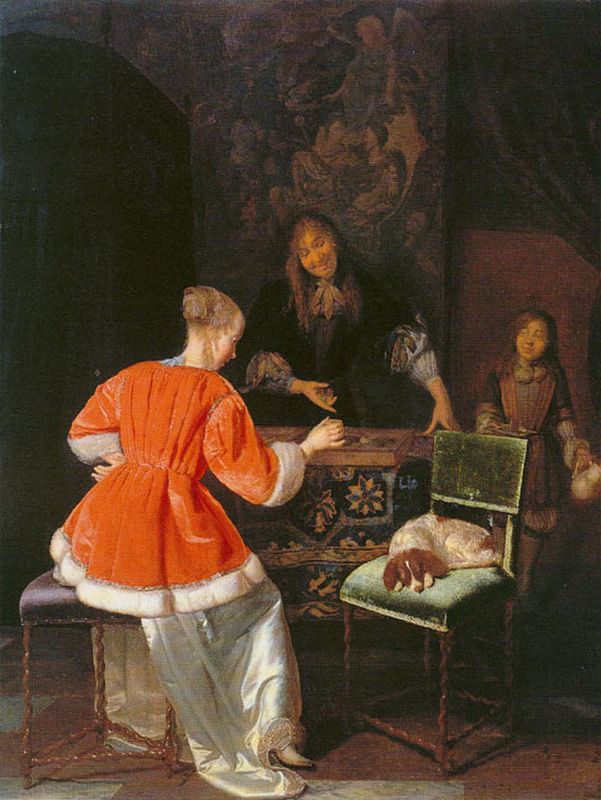 Same era · 1850s–1880s
The Backgammon Players
Philip Webb · 1861 · The Metropolitan Museum of Art
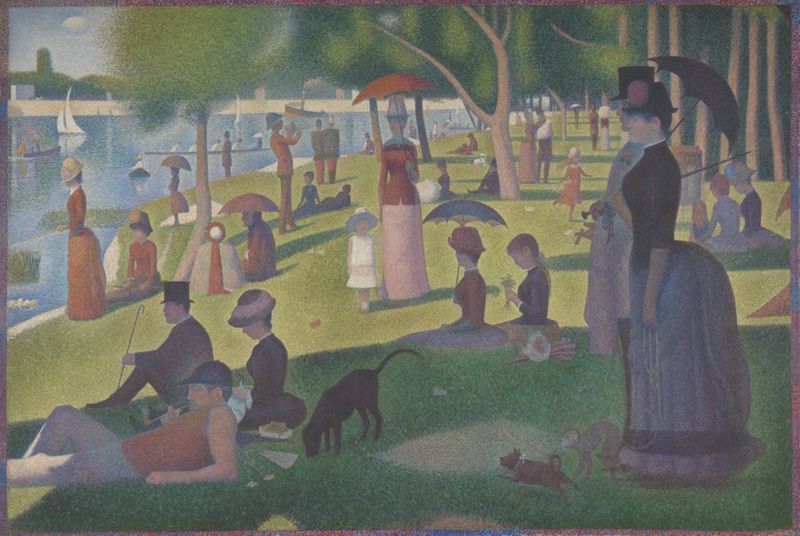 Same era · 1850s–1880s
A Sunday on La Grande Jatte — 1884
Okada Saburosuke · 1884 · Art Institute of Chicago
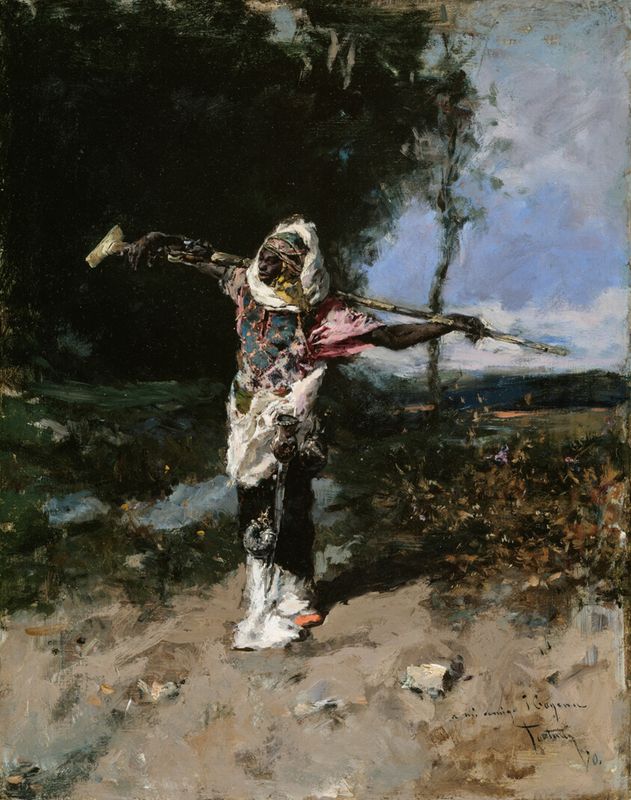 Same era · 1850s–1880s
African Chief
Mariano Fortuny Marsal · 1870 · Art Institute of Chicago
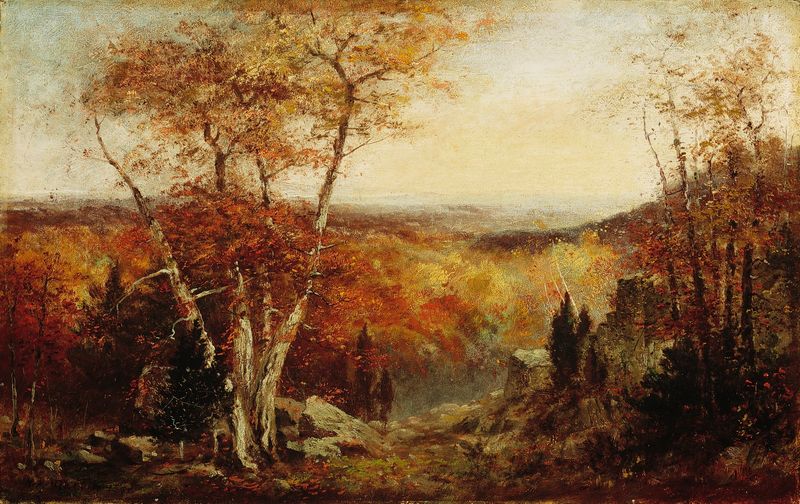 Same era · 1850s–1880s
In the Adirondacks
William Hart · 1870 · Q847508
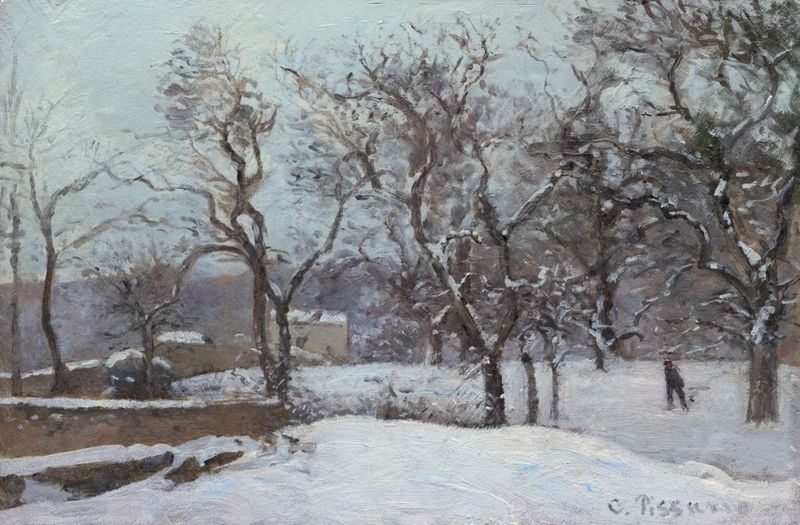 Same era · 1850s–1880s
Snow at Louveciennes
Camille Pissarro · 1870 · Art Institute of Chicago
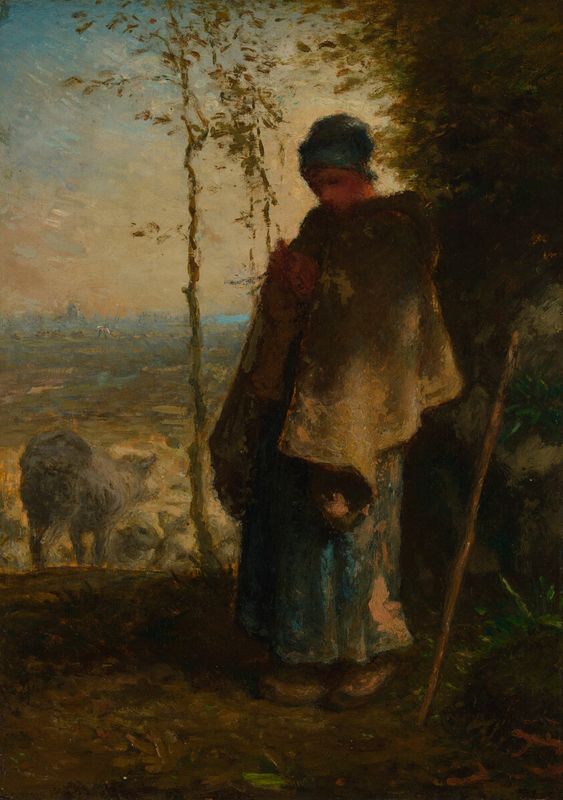 Same era · 1850s–1880s
The Little Shepherdess
Jean-François Millet · 1870 · Art Institute of Chicago
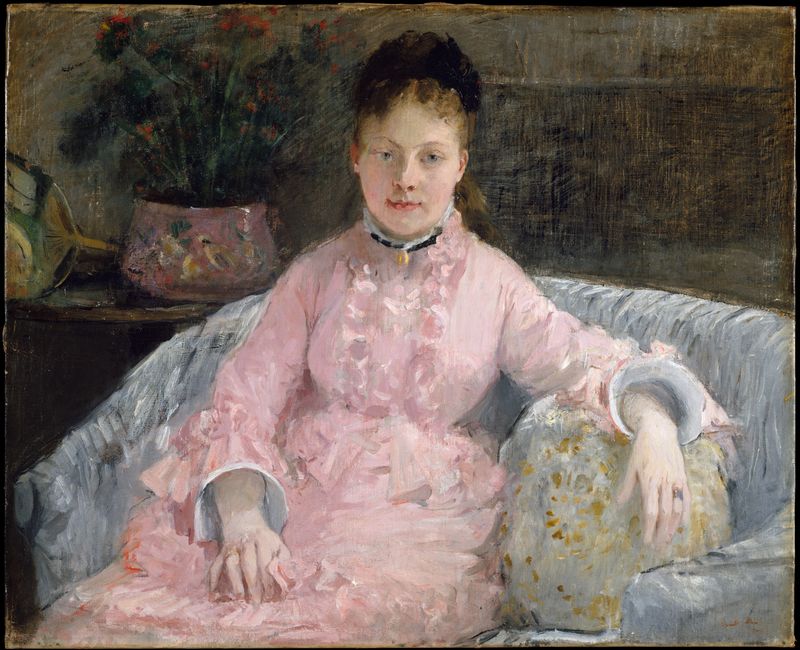 Same era · 1850s–1880s
The Pink Dress (Albertie-Marguerite Carré, later Madame Ferdinand-Henri Himmes, 1854–1935)
Berthe Morisot · 1870 · Metropolitan Museum of Art
 Same era · 1850s–1880s
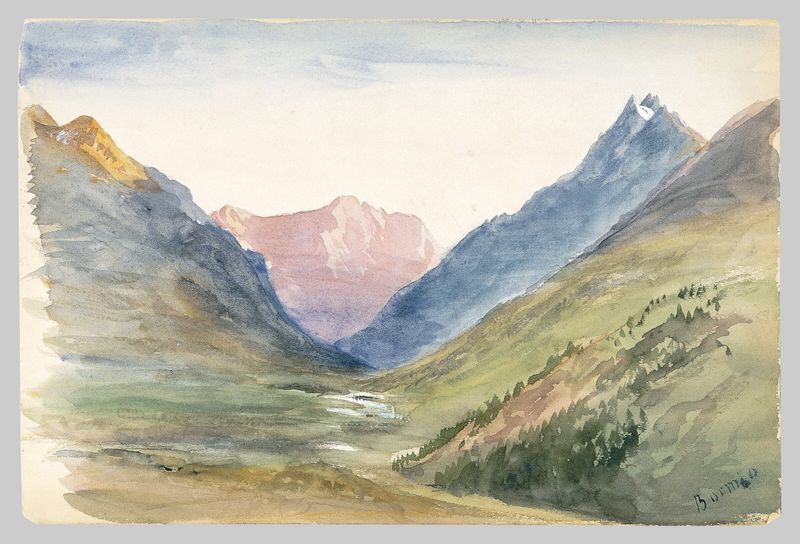
Mountain View at Bormio (from Switzerland 1869 Sketchbook)
John Singer Sargent · 1869 · The Metropolitan Museum of Art
 Same era · 1850s–1880s
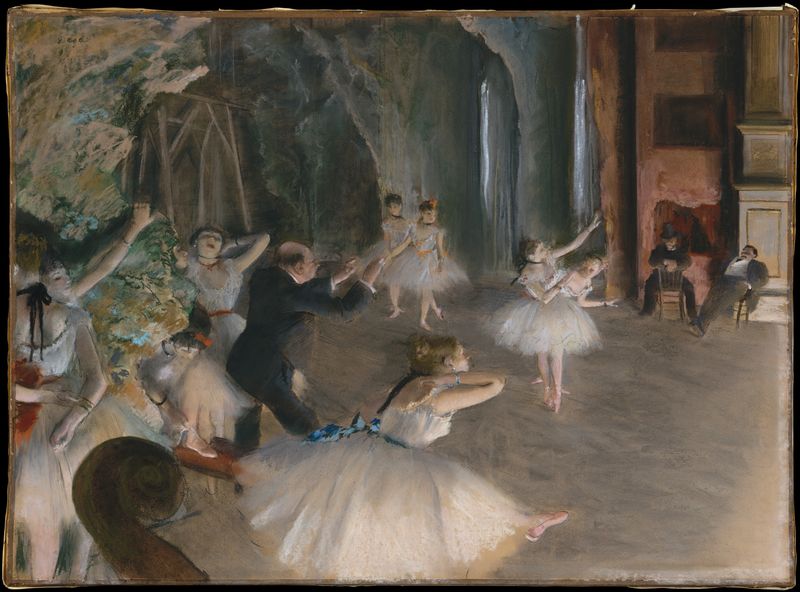
The Rehearsal Onstage
Edgar Degas · 1871 · The Metropolitan Museum of Art