
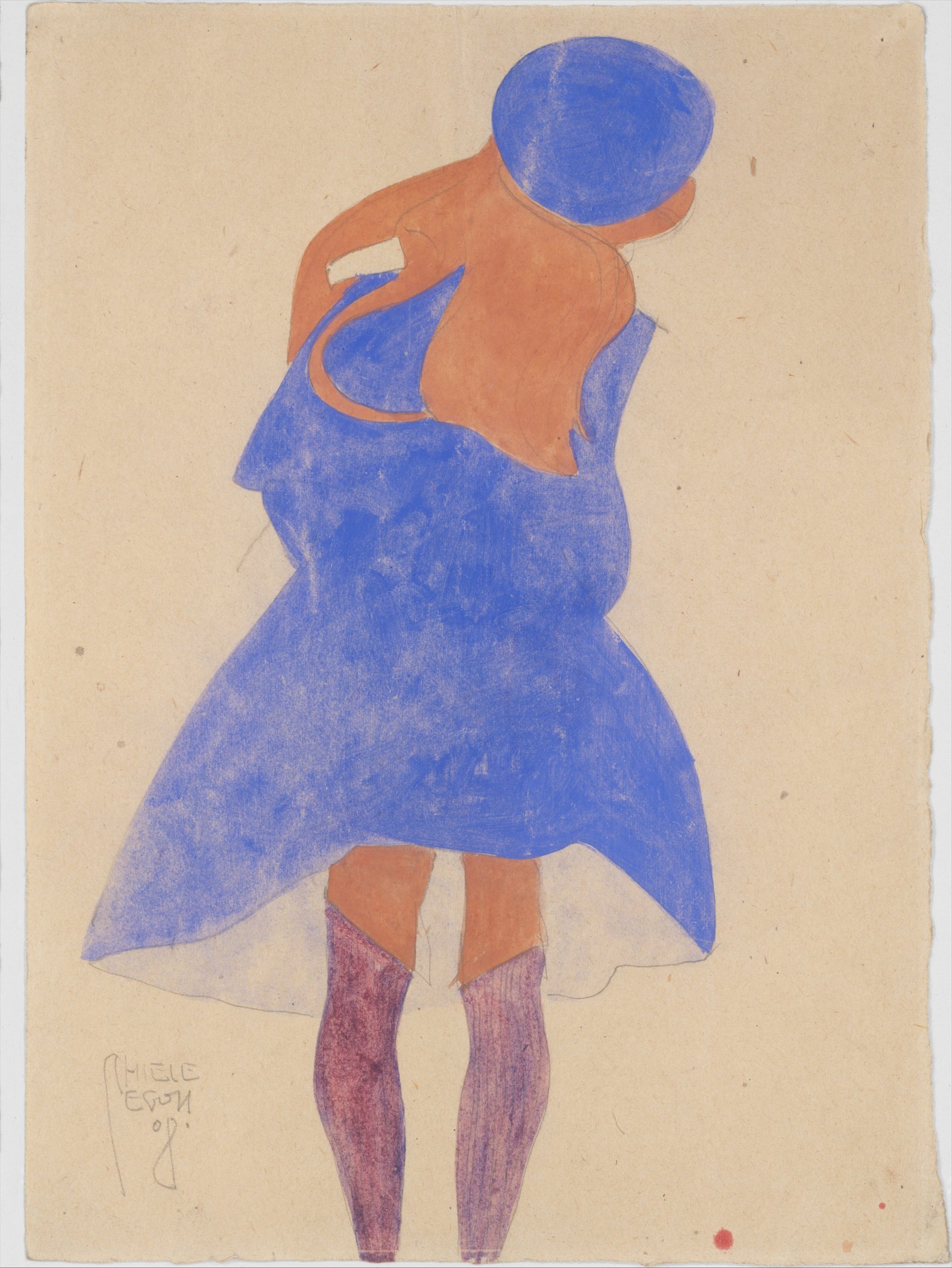
“This early work by Egon Schiele captures a young girl in a moment of quiet introspection, using expressive lines and a muted palette to hint at the intense psychological depth of his emerging Expressionist style.”
A young girl stands with her back to us, her head turned slightly as if caught in a moment of quiet introspection. Her long, dark hair, rendered with loose, expressive strokes, cascades down her back, almost merging with the deep shadows that define her form. The artist uses opaque watercolor and graphite to create a sense of both solidity and vulnerability. The muted palette, dominated by earthy tones and deep blues, emphasizes the figure's isolation against a sparse, undefined background. This early work, created when the artist was just eighteen, already hints at the intense psychological depth and raw emotion that would characterize his later Expressionist style, focusing on the human figure not just as a subject, but as a vessel for inner states.
- Artist
- Egon Schiele
- Date
- 1908
- Medium
- Opaque watercolor, watercolor, and graphite on paper
- Location
- The Metropolitan Museum of Art
- Dimensions
- 12 3/8 x 9 1/8 in. (31.4 x 23.2 cm)
- Collection
- Modern and Contemporary Art
- Credit line
- Bequest of Scofield Thayer, 1982
What to Notice
Five details hide in plain sight. Here’s where to look.
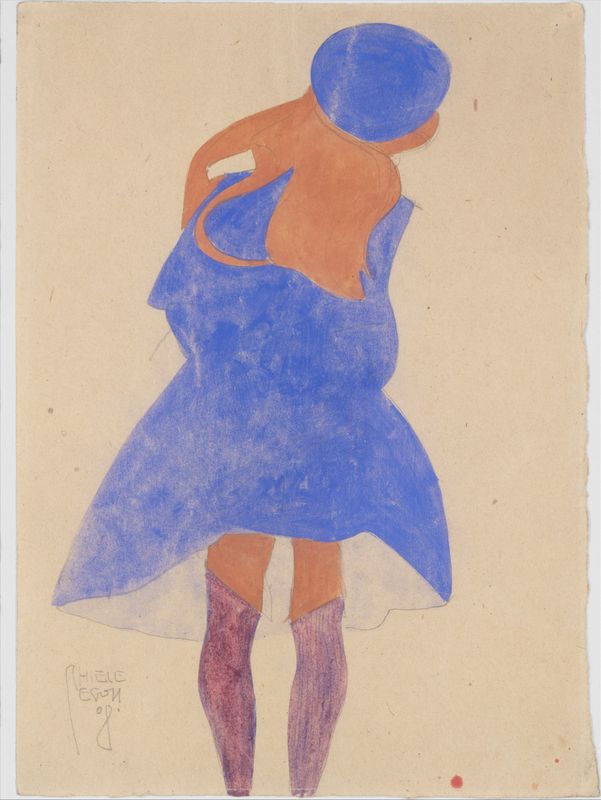
The way her dark hair blends into the shadowy form of her back.
The slight turn of her head, suggesting a moment of contemplation.
The visible graphite lines beneath the watercolor, adding texture and depth.
The deep blue tones in her dress that create a sense of volume.
1 more detail is waiting.
See all 5 in Art Whisper →Stand in front of it and listen
The full narration walks you through Standing Girl, Back View — the story behind it, the details most visitors miss, and why it matters. Free in the Art Whisper app.
Egon Schiele
1890–1918 · CisleithaniaEgon Schiele, an Austrian Expressionist, captured raw human emotion and twisted forms, often in stark self-portraits.
Further Works by Schiele
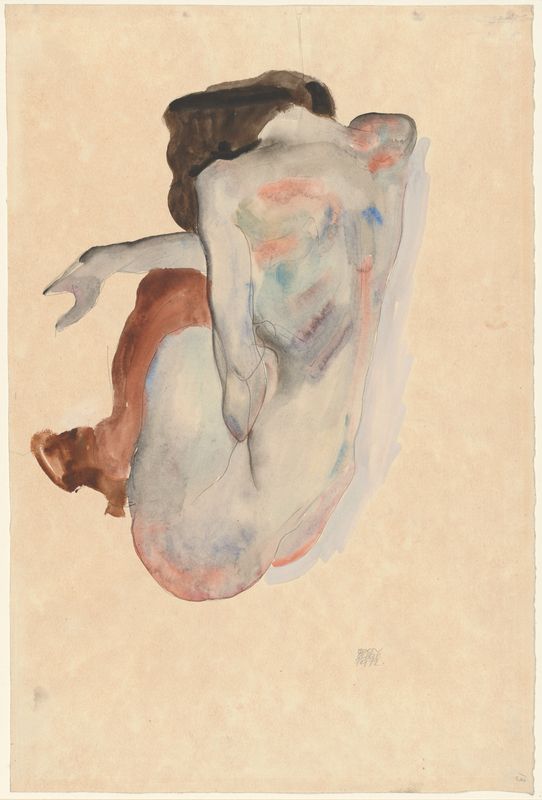 Crouching Nude in Shoes and Black Stockings, Back View
1912 · The Metropolitan Museum of Art
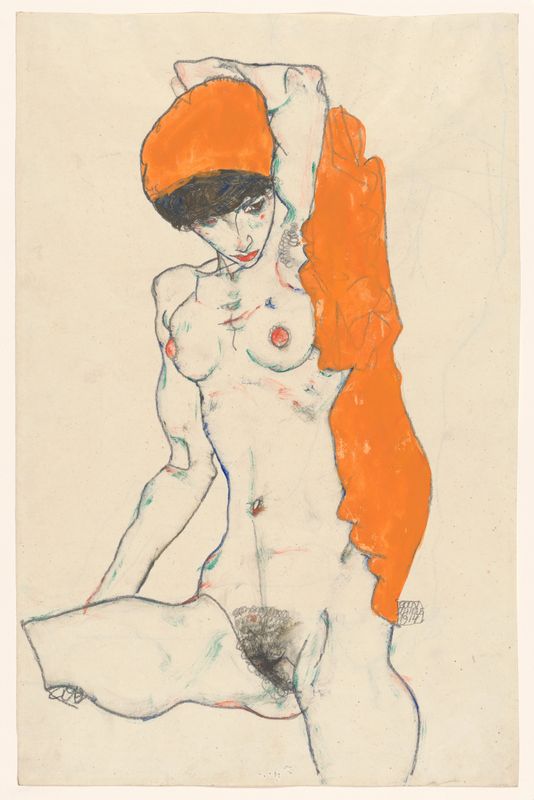 Standing Nude with Orange Drapery (recto): Study of Nude with Arms Raised (verso)
1914 · The Metropolitan Museum of Art
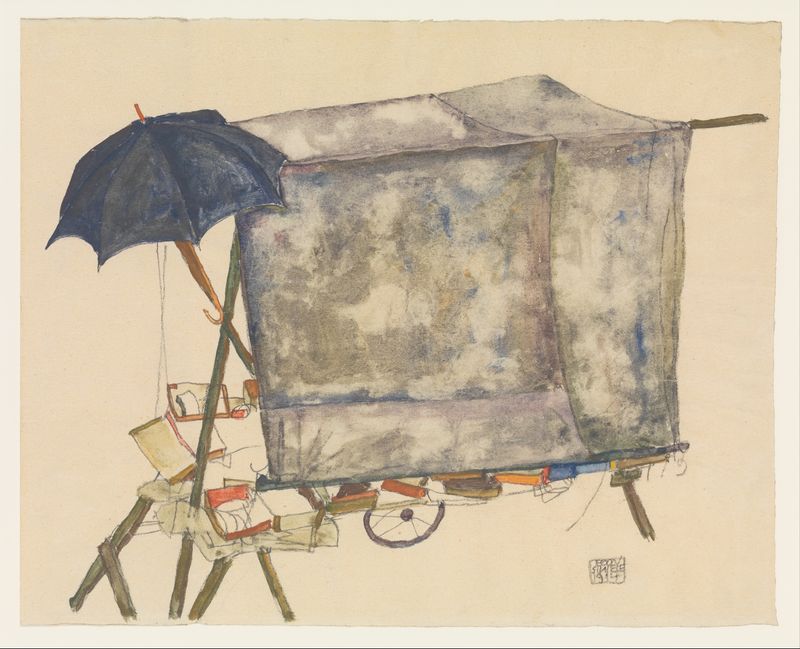 Street Cart
1914 · The Metropolitan Museum of Art
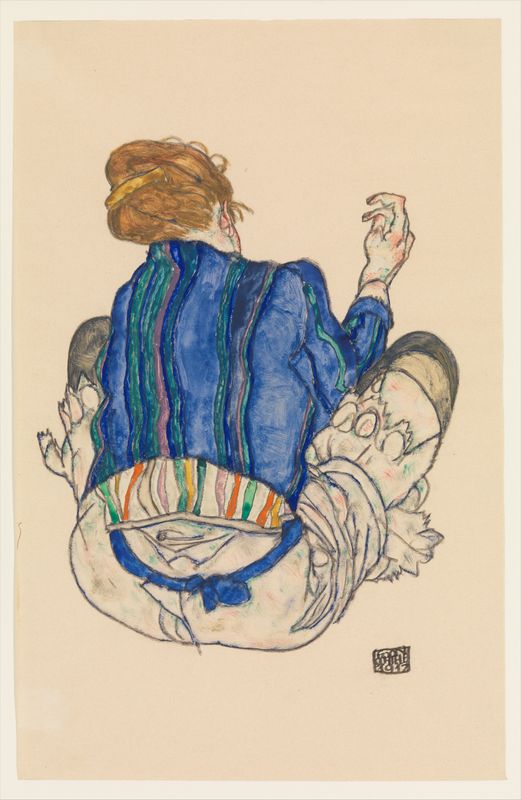 Seated Woman, Back View
1917 · The Metropolitan Museum of Art
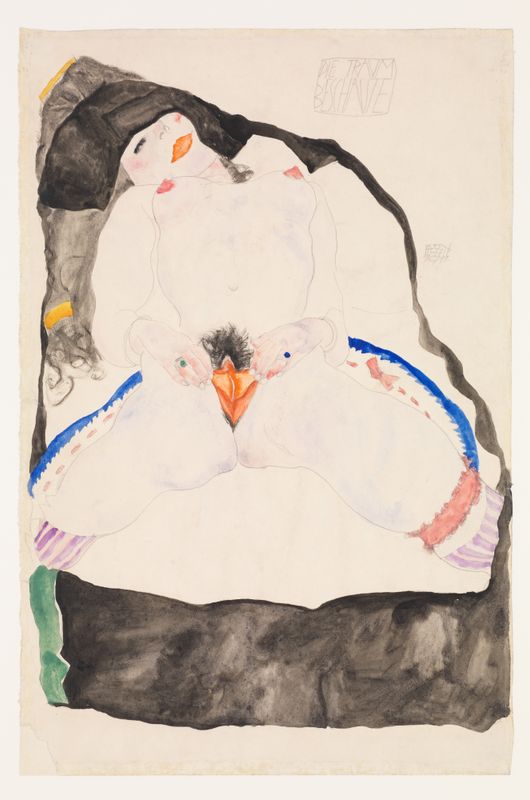 Observed in a Dream
1911 · The Metropolitan Museum of Art
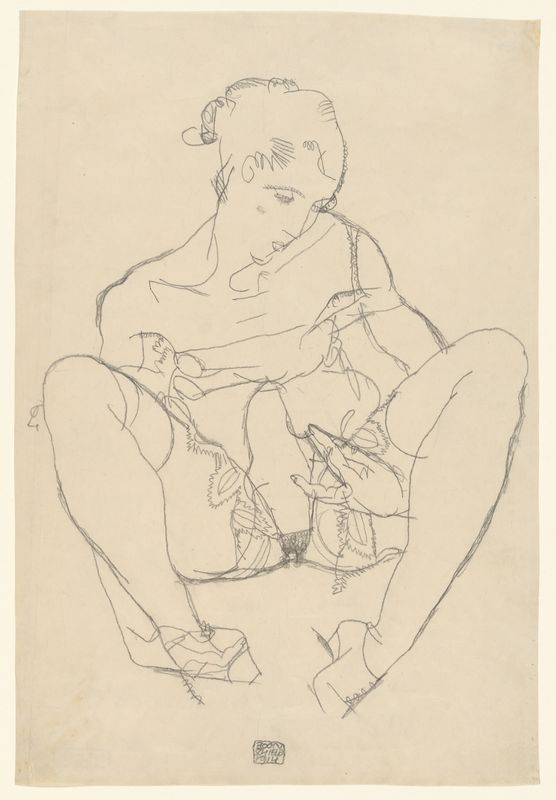 Seated Woman in Chemise
1914 · The Metropolitan Museum of Art
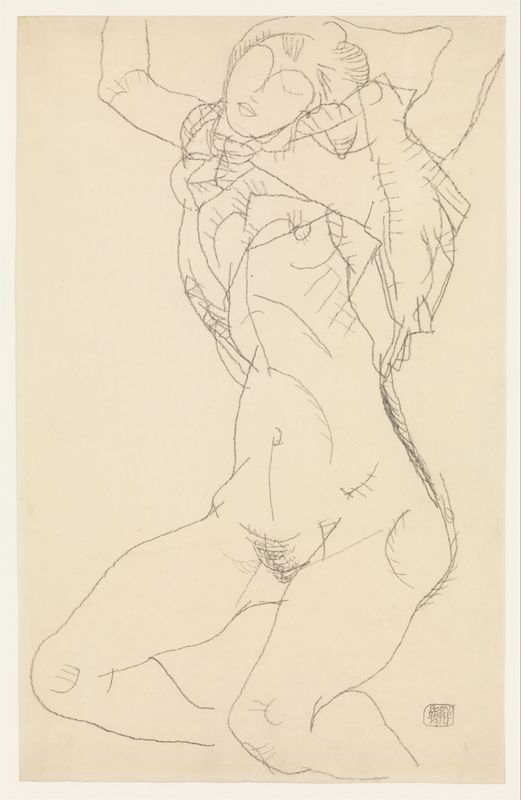 Seminude with Arms Raised
1914 · The Metropolitan Museum of Art
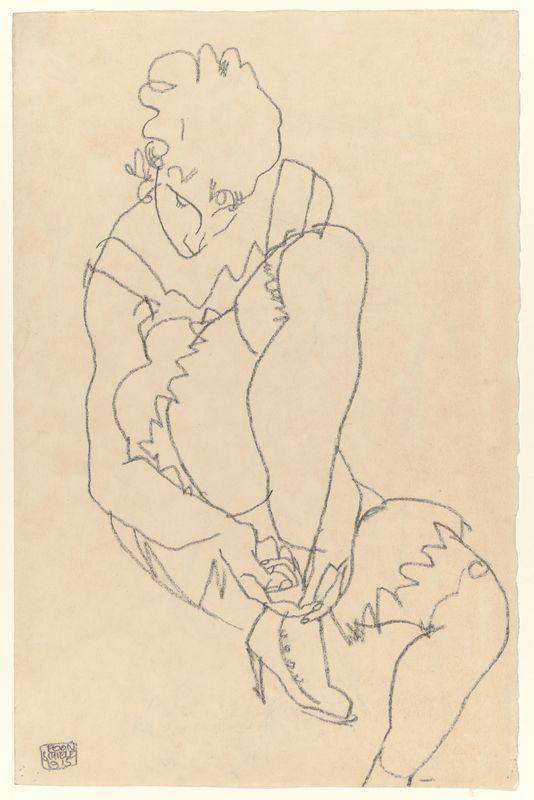 Woman Buttoning Her Shoes (recto); Study for Reclining Nude with Arms Raised (verso)
1915 · The Metropolitan Museum of Art
More from Expressionism
More works to explore
Beyond Schiele and Expressionism: works from the same years, and from the other movements Standing Girl, Back View belongs to.
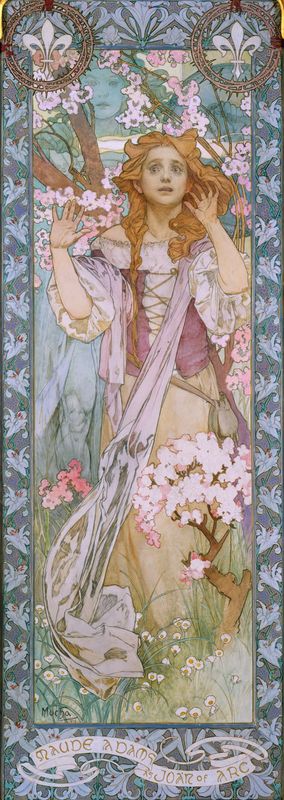 Same movement · Vienna Secession
Maude Adams (1872–1953) as Joan of Arc
Alphonse Mucha · 1909 · The Metropolitan Museum of Art
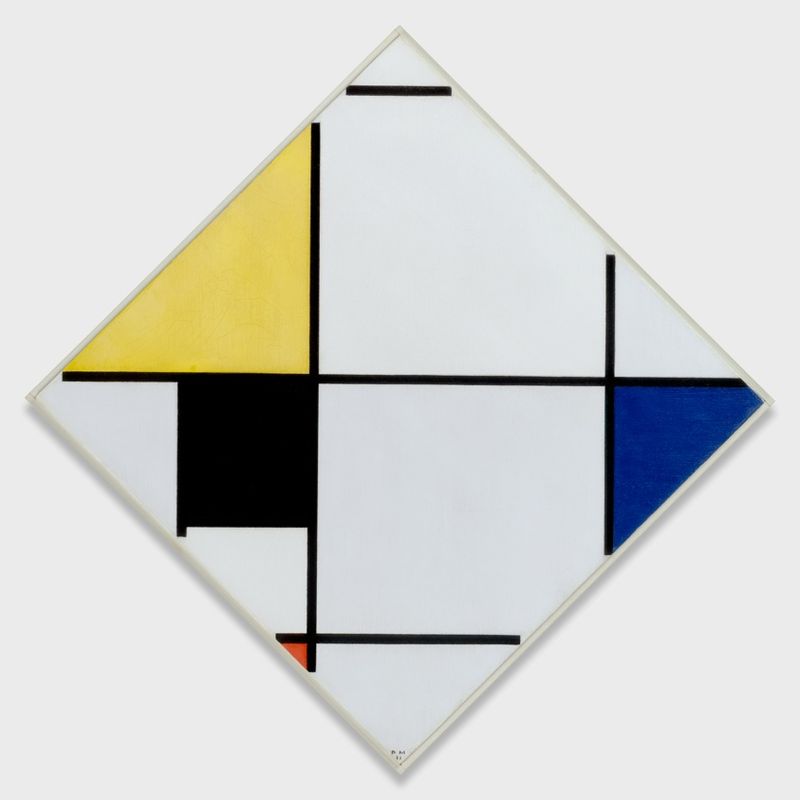 Same era · 1890s–1920s
Lozenge Composition with Yellow, Black, Blue, Red, and Gray
Piet Mondrian · 1921 · Art Institute of Chicago
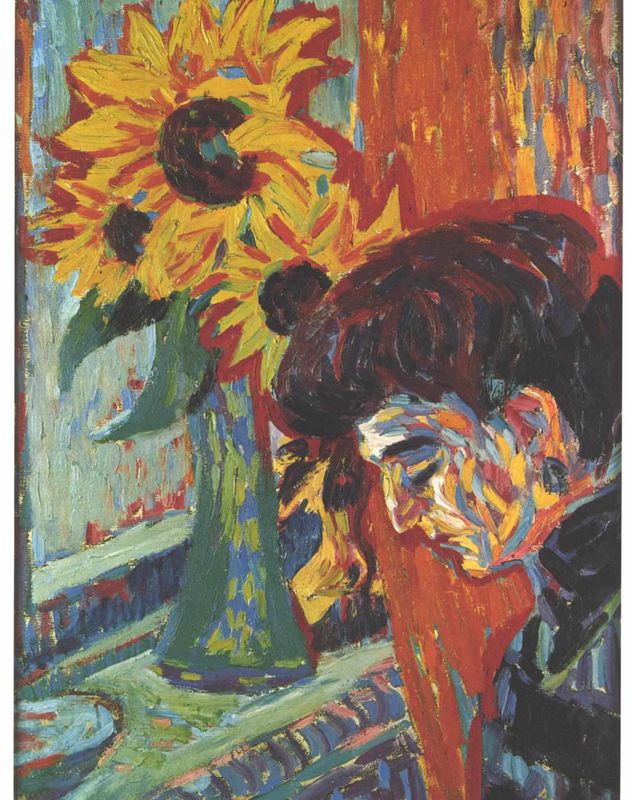 Same movement · Die Brucke
Frauenkopf vor Sonnenblumen
Ernst Ludwig Kirchner · 1906 · Museum Frieder Burda
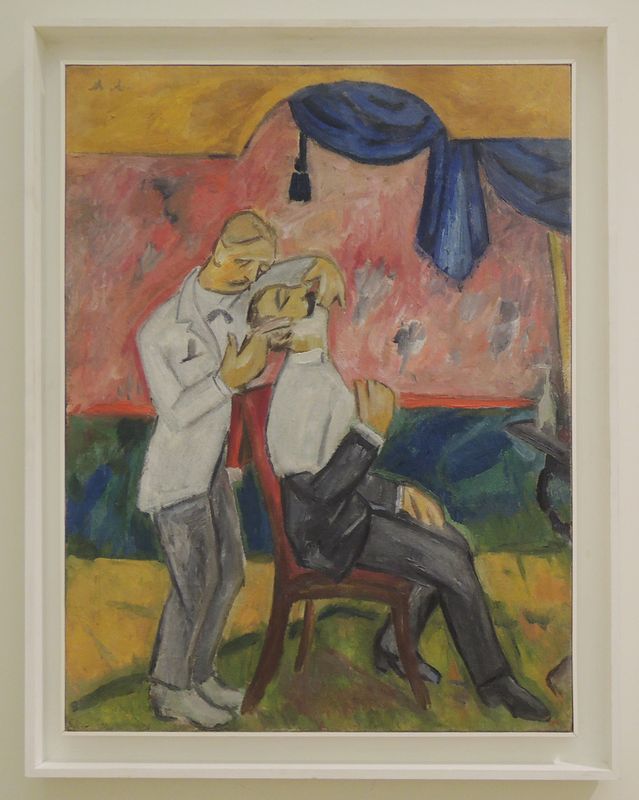 Same era · 1890s–1920s
Barber
Mikhail Larionov · 1907 · Russian Museum
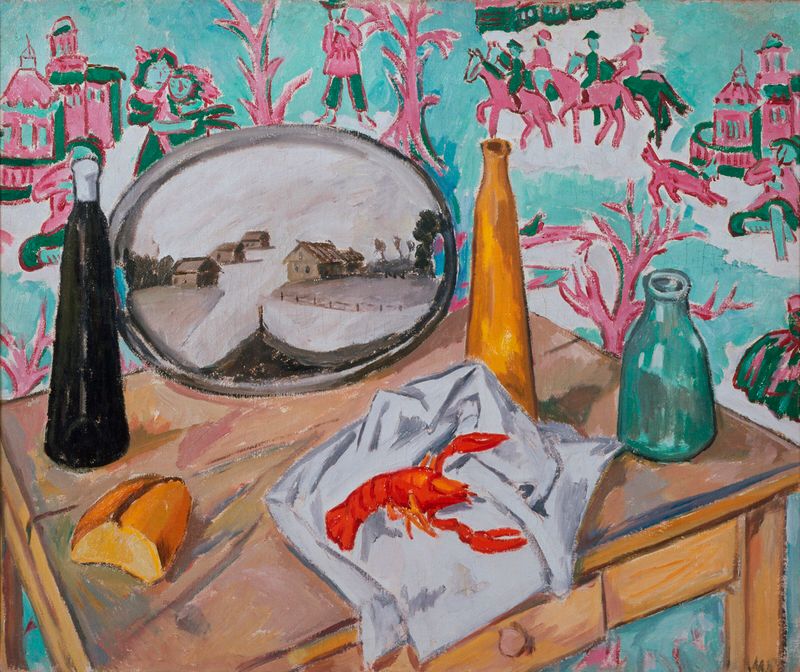 Same movement · Der Blaue Reiter
Still Life with Crayfish
Mikhail Larionov · 1900 · Museum Ludwig
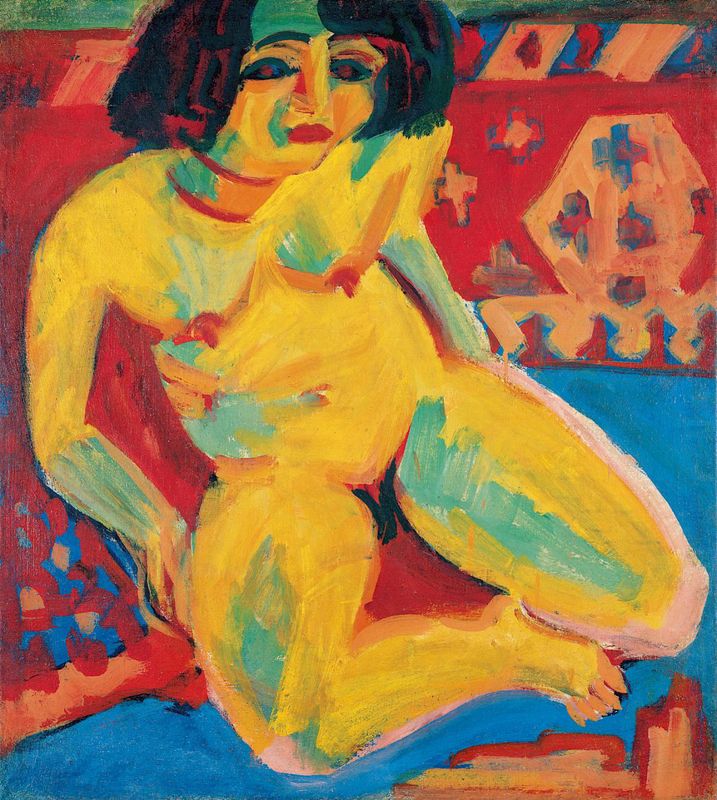 Same era · 1890s–1920s
Female Nude (Dodo)
Ernst Ludwig Kirchner · 1909 · Albertina
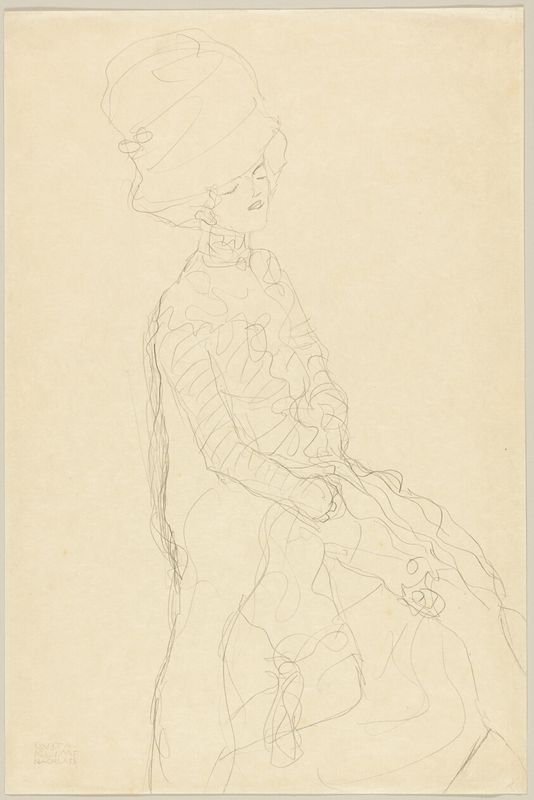 Same movement · Jugendstil
Portrait of a Lady in a High Hat
Gustav Klimt · 1882 · Art Institute of Chicago
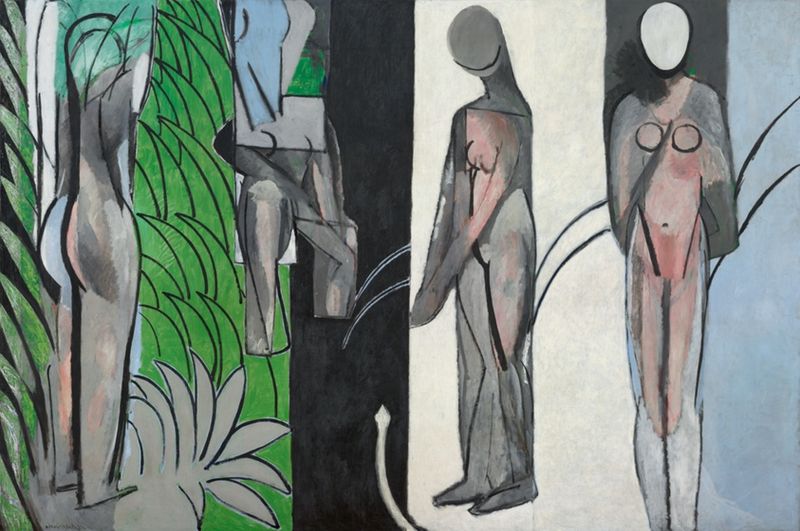 Same era · 1890s–1920s
Bathers by a River
Henri Matisse · 1909 · Art Institute of Chicago
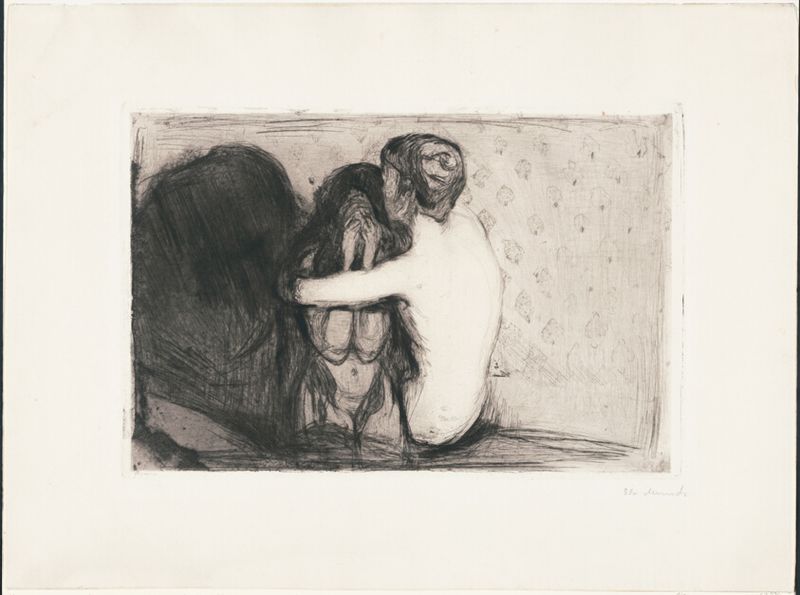 Same era · 1890s–1920s
Consolation
Edvard Munch · 1907 · Munch Museum
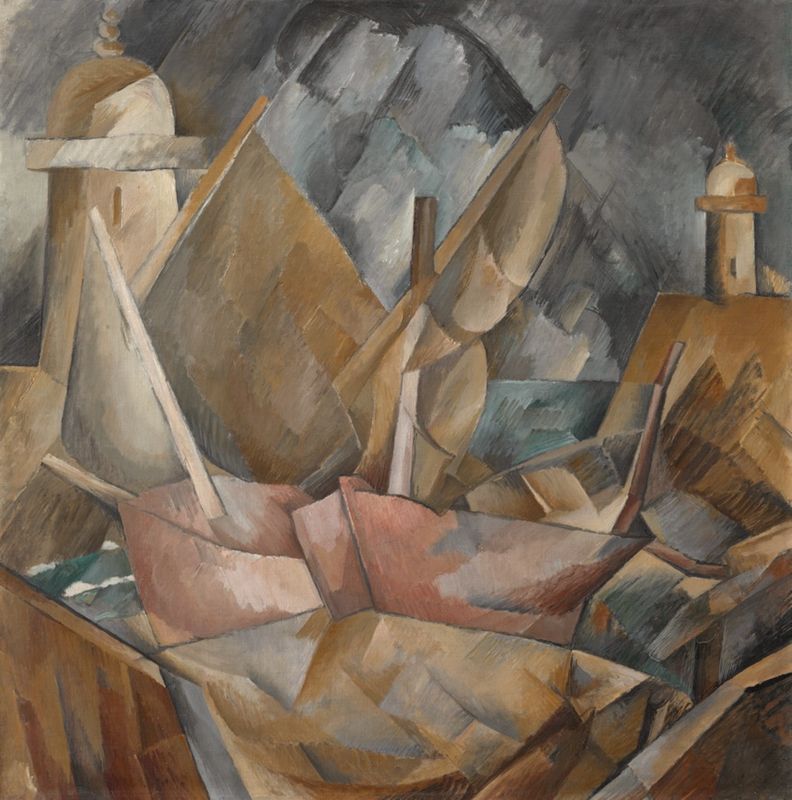 Same era · 1890s–1920s
Little Harbor in Normandy
Georges Braque · 1909 · Art Institute of Chicago
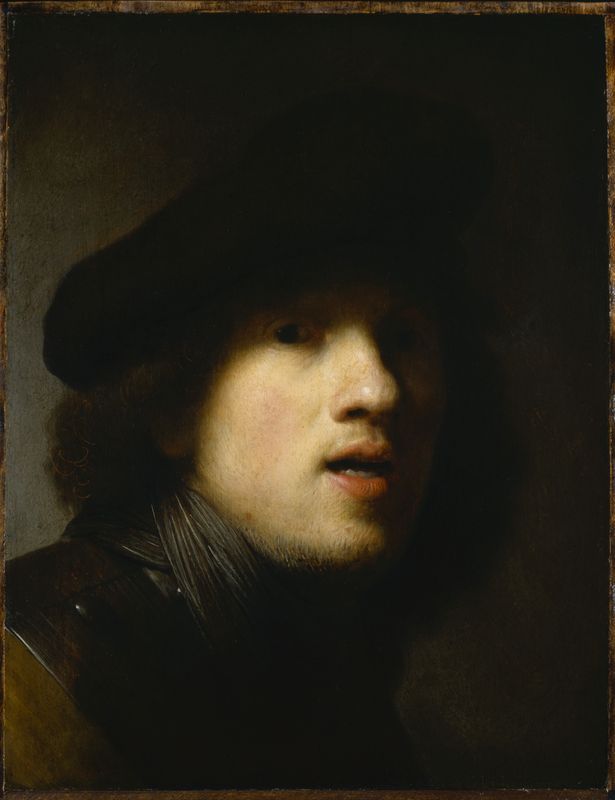 Same era · 1890s–1920s
Self-Portrait
Pablo Picasso · 1906 · The Metropolitan Museum of Art
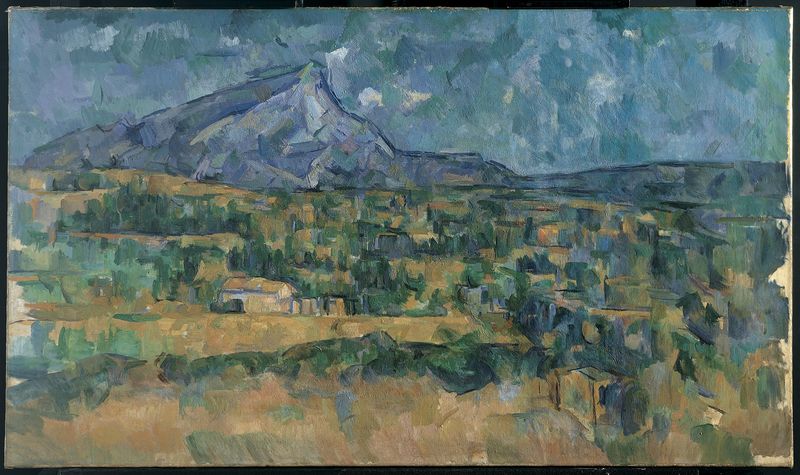 Same era · 1890s–1920s
Mont Sainte-Victoire
Paul Cézanne · 1904 · Detroit Institute of Arts
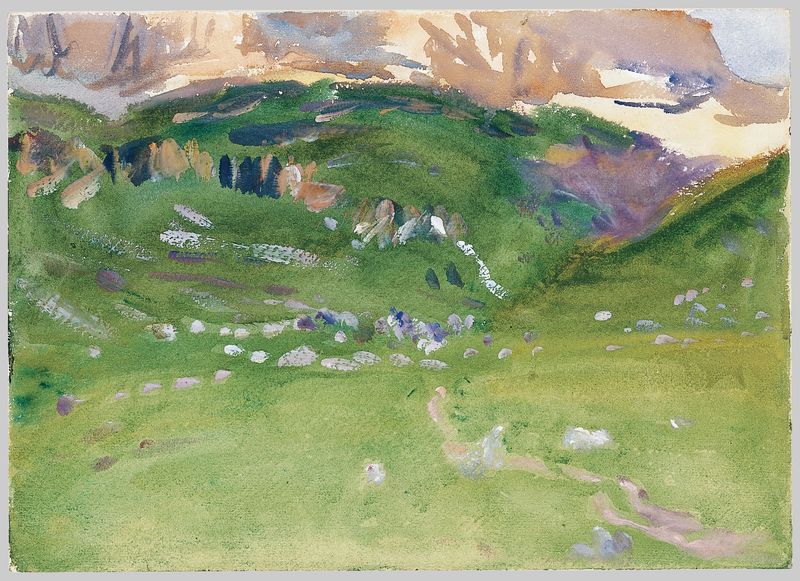 Same era · 1890s–1920s
Sellar Alp, Dolomites
John Singer Sargent · 1913 · The Metropolitan Museum of Art
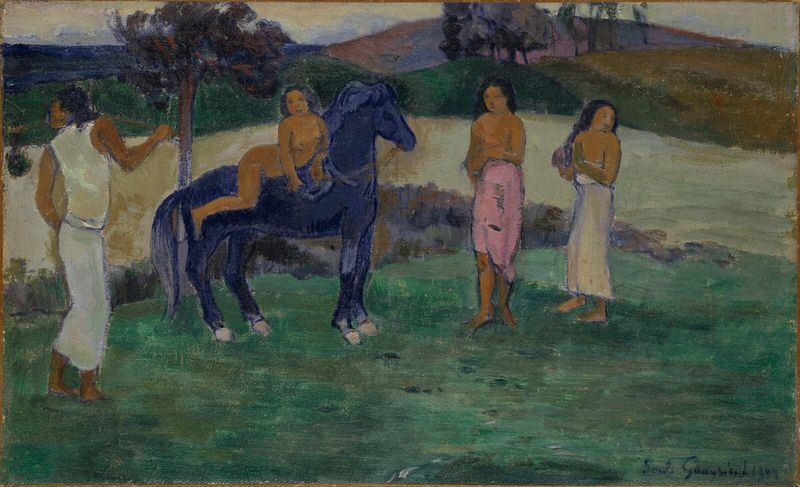 Same era · 1890s–1920s
Composition with Figures and a Horse
Paul Gauguin · 1902 · Nationalmuseum
 Same era · 1890s–1920s
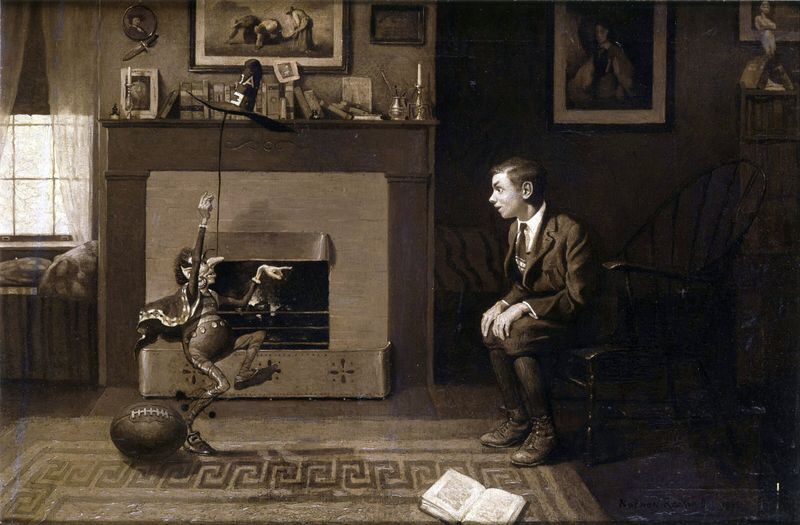
The Magic Foot-ball, 'I thought you were wrong,' he said in triumph. 'You said it was nine! Stupid!'
Norman Rockwell · 1914 · Norman Rockwell Museum
 Same era · 1890s–1920s
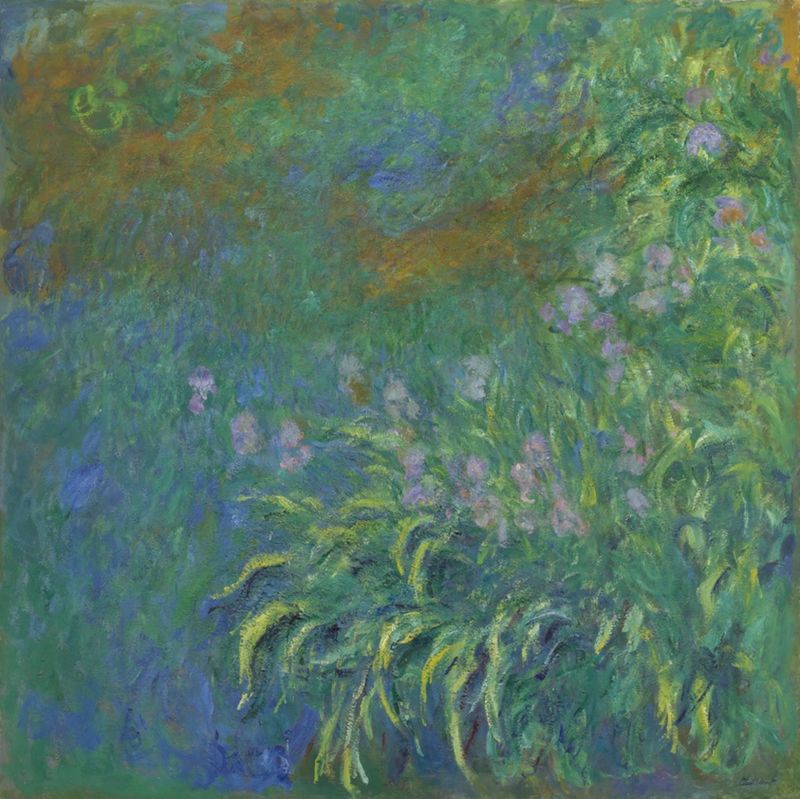
Irises
Claude Monet · 1915 · National Gallery