
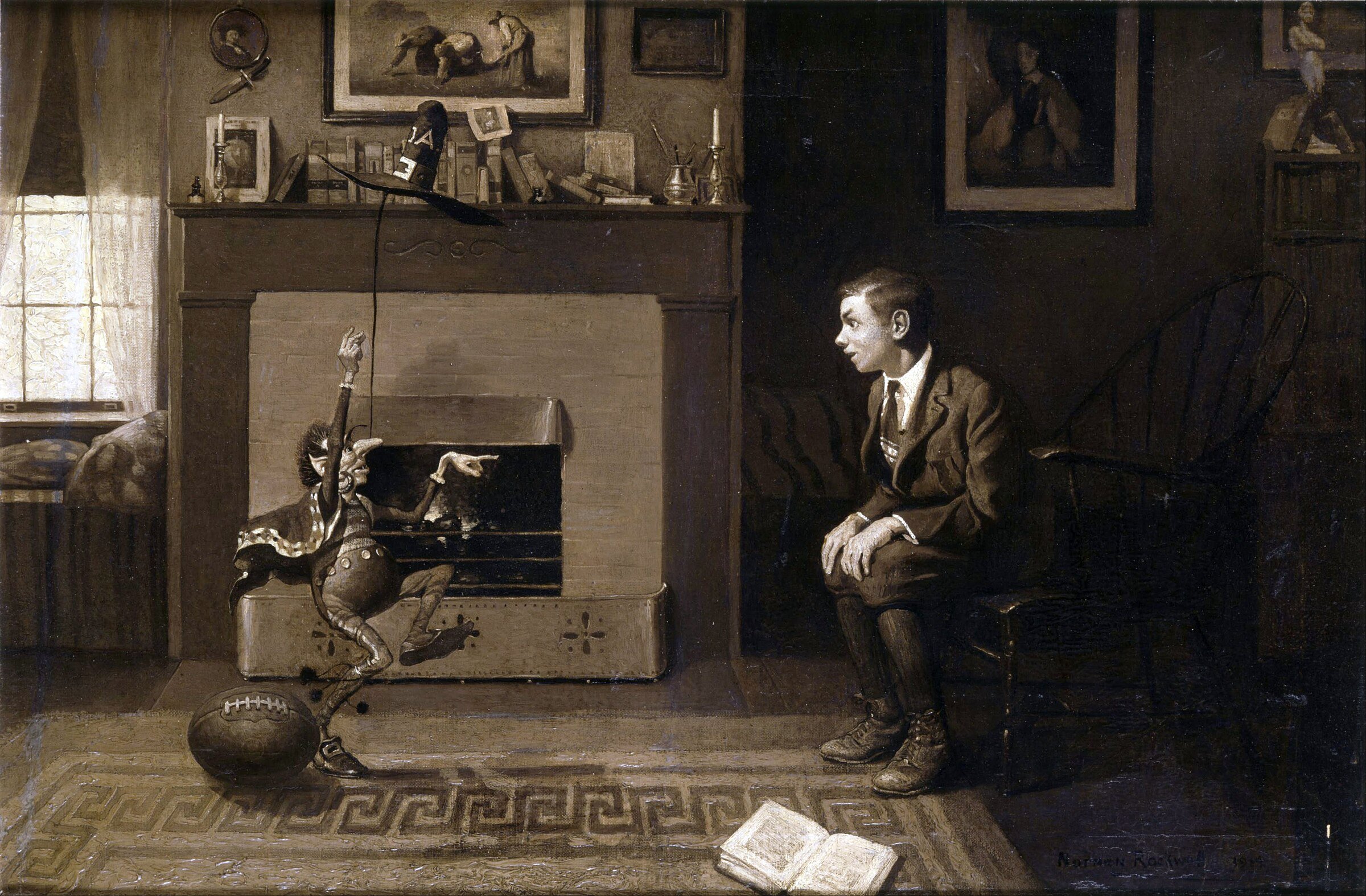
“Stop to appreciate this early Norman Rockwell painting that captures a universal moment of childhood triumph and playful banter, focusing on a boy's expressive face and a well-loved football.”
A dramatic moment unfolds in "The Magic Foot-ball," as a young boy, triumphant and slightly smug, holds a football aloft. His declaration, "I thought you were wrong,' he said in triumph. 'You said it was nine! Stupid!'" is captured in the painting's full title, hinting at a playful dispute. The scene is brightly lit, focusing on the boy's expressive face and the worn football, suggesting a recent game or a mischievous discovery. This early work, painted in 1914, demonstrates a keen interest in capturing candid, everyday interactions and youthful energy, a theme that would recur throughout the artist's career. The setting, possibly a backyard or a casual outdoor space, is rendered with enough detail to ground the narrative without distracting from the central figures, allowing the viewer to easily connect with the boy's moment of victory.
- Artist
- Norman Rockwell
- Date
- 1914
- Medium
- Oil on canvas
- Location
- Norman Rockwell Museum
What to Notice
Four details hide in plain sight. Here’s where to look.
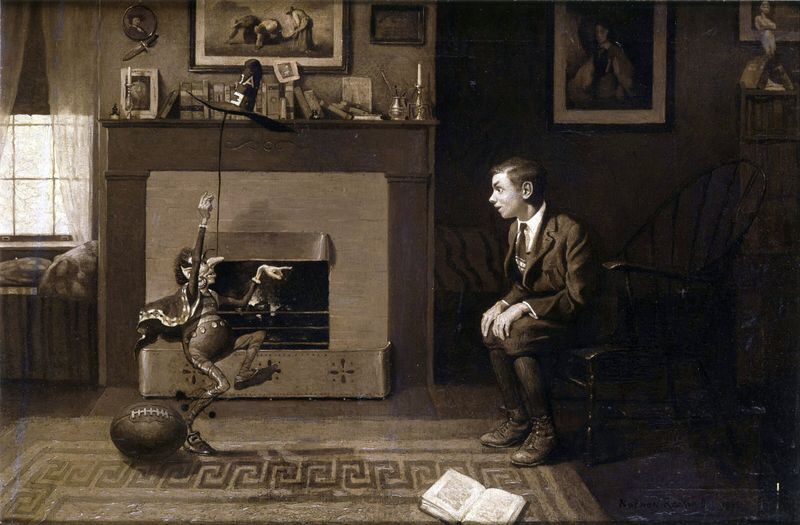
The boy's wide grin and raised eyebrows, conveying his triumphant mood.
The way the light catches the scuff marks and laces on the football.
The subtle background details suggesting an outdoor, possibly autumnal, setting.
The expressive gesture of the boy's left hand, emphasizing his point.
Stand in front of it and listen
The full narration walks you through The Magic Foot-ball, 'I thought you were wrong,' he said in triumph. 'You said it was nine! Stupid!' — the story behind it, the details most visitors miss, and why it matters. Free in the Art Whisper app.
Norman Rockwell
1894–1978 · United StatesThe man who painted 323 Saturday Evening Post covers also depicted a six-year-old Ruby Bridges integrating a New Orleans school.
Further Works by Rockwell
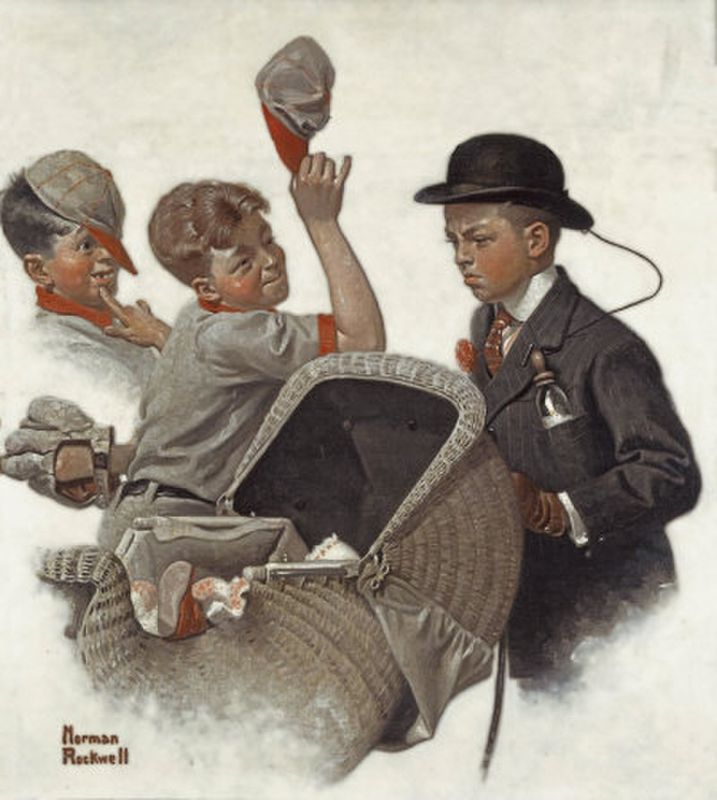 Boy with Baby Carriage
1916 · Norman Rockwell Museum
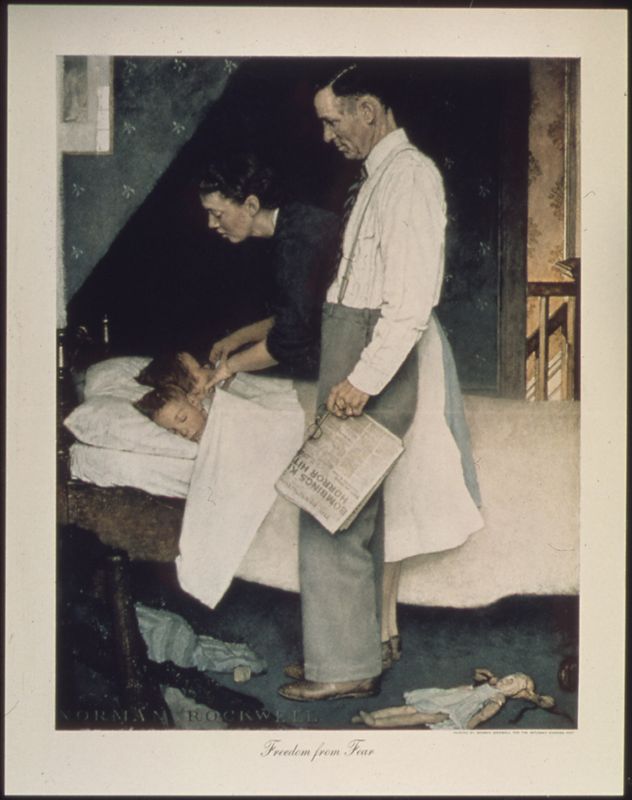 Freedom from Fear
1943 · Norman Rockwell Museum
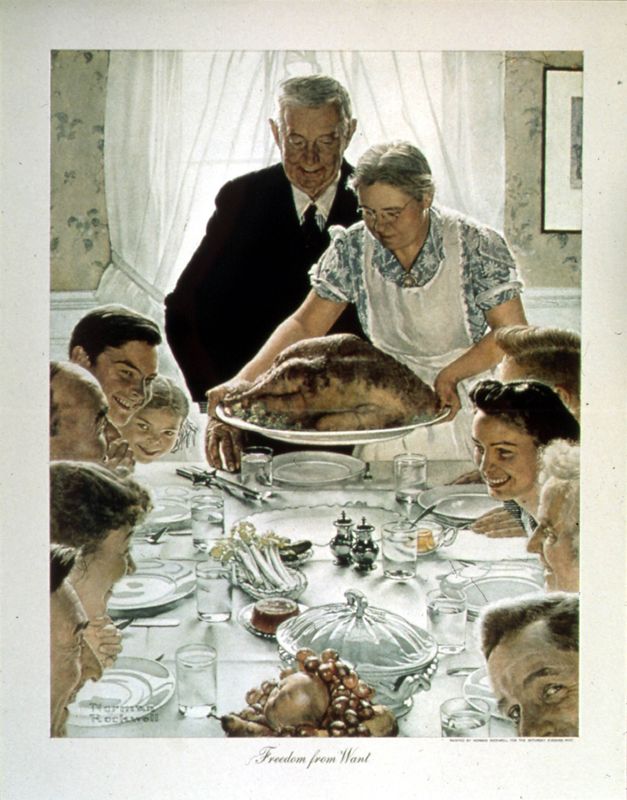 Freedom from Want
1943 · Norman Rockwell Museum
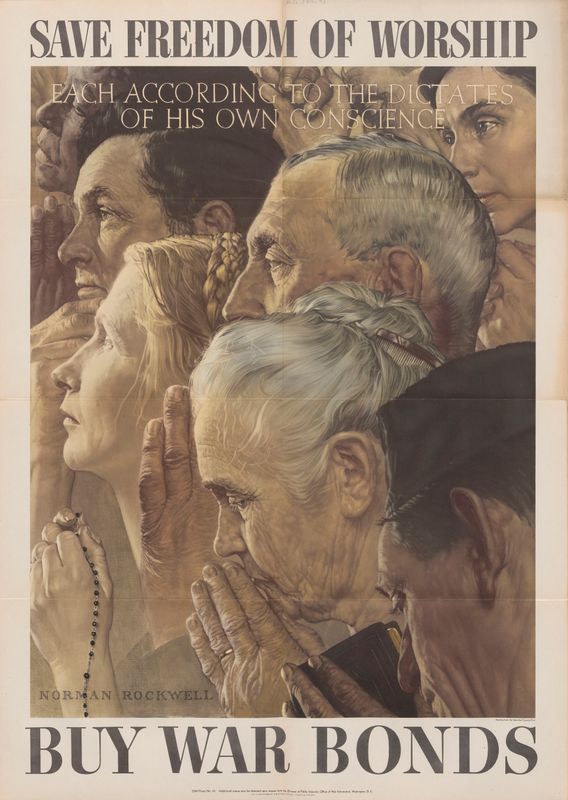 Freedom of Worship
1943 · Norman Rockwell Museum
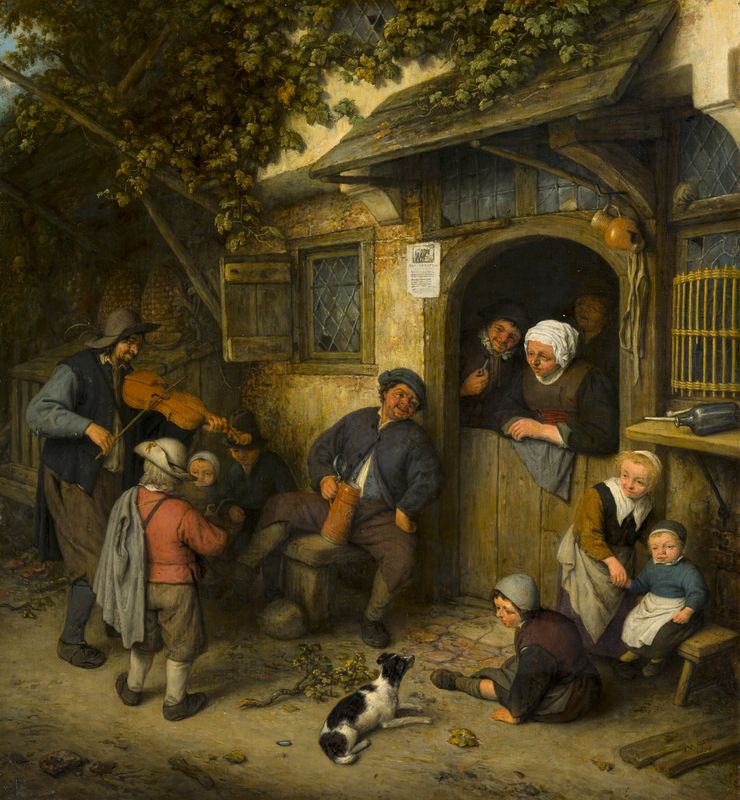 The Fiddler
1921 · Brandywine Museum of Art
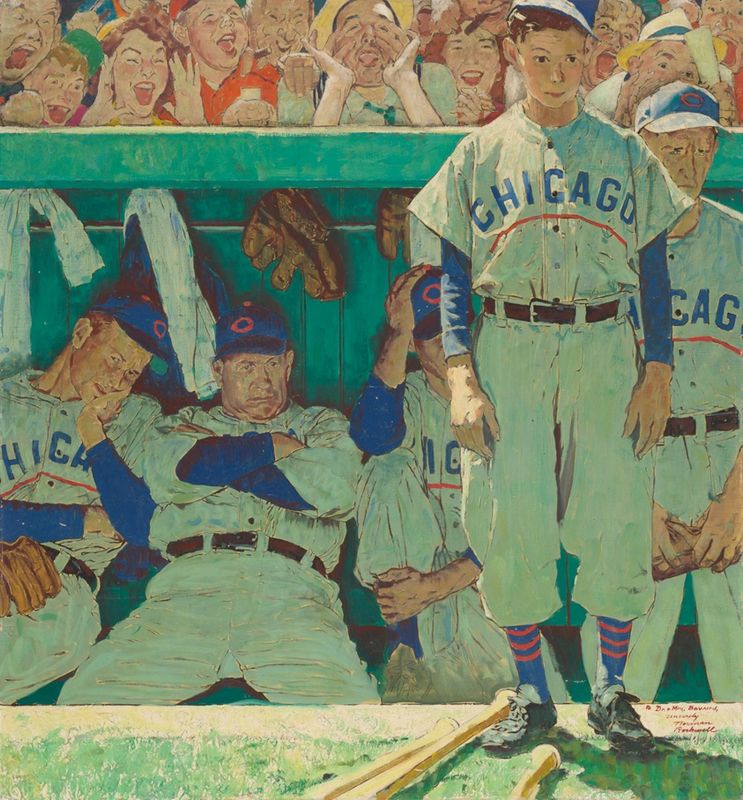 The Dugout
1948 · Art Institute of Chicago
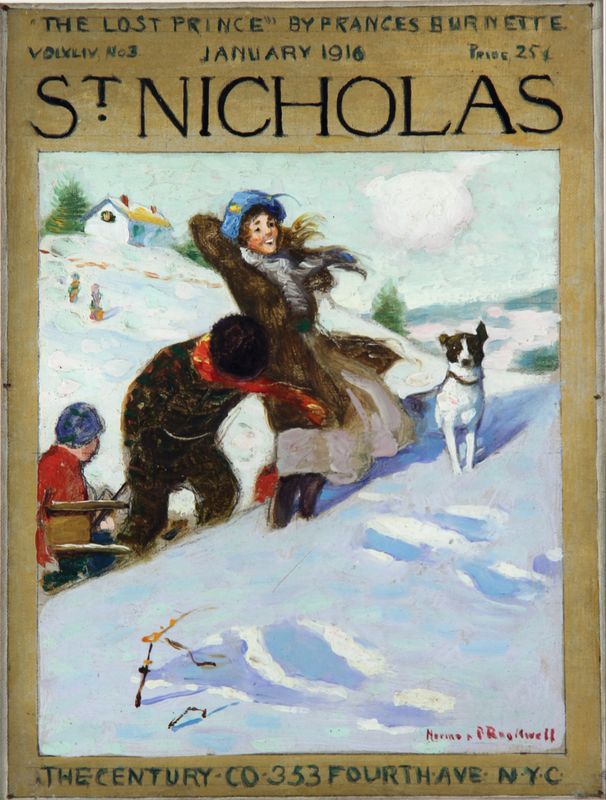 Girl in Snow With Dog
1916 · Norman Rockwell Museum
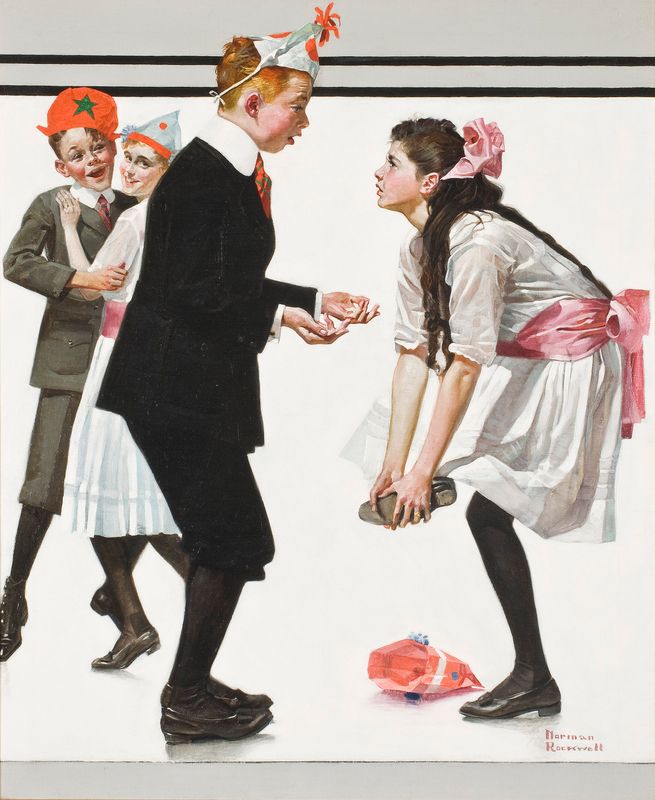 Children Dancing at a Party
1918 · Steven Spielberg
More from Realism
More works to explore
Beyond Rockwell and Realism: works from the same years.
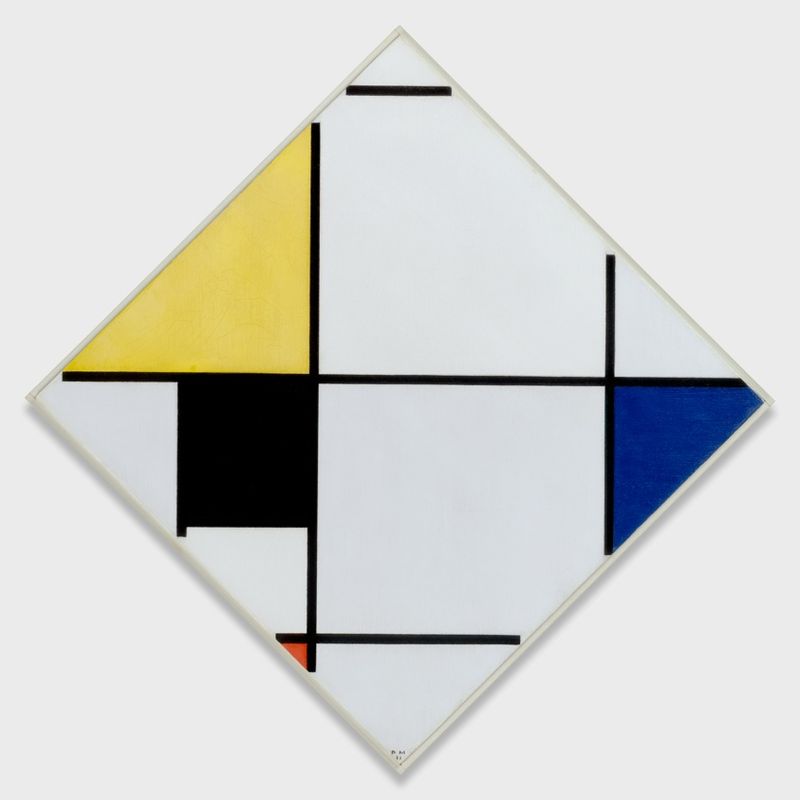 Same era · 1890s–1920s
Lozenge Composition with Yellow, Black, Blue, Red, and Gray
Piet Mondrian · 1921 · Art Institute of Chicago
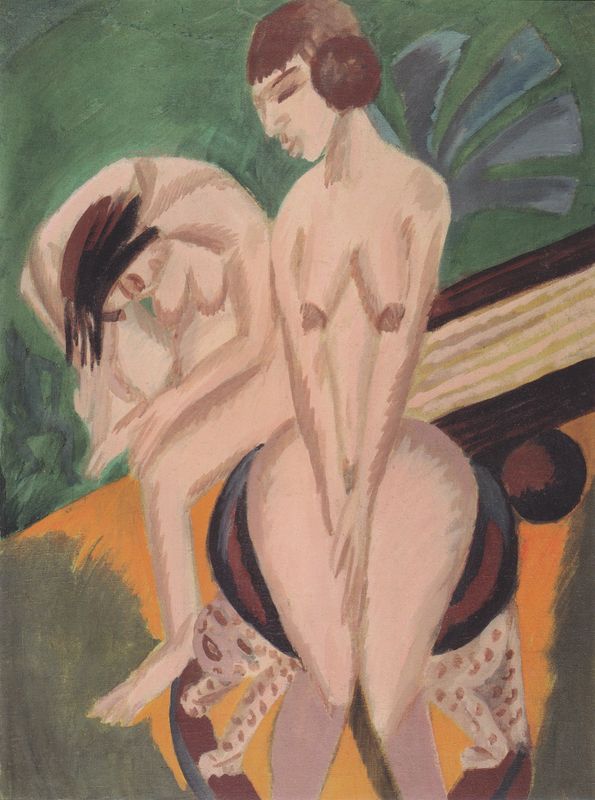 Same era · 1890s–1920s
Zwei Akte im Raum
Ernst Ludwig Kirchner · 1914 · Albertina
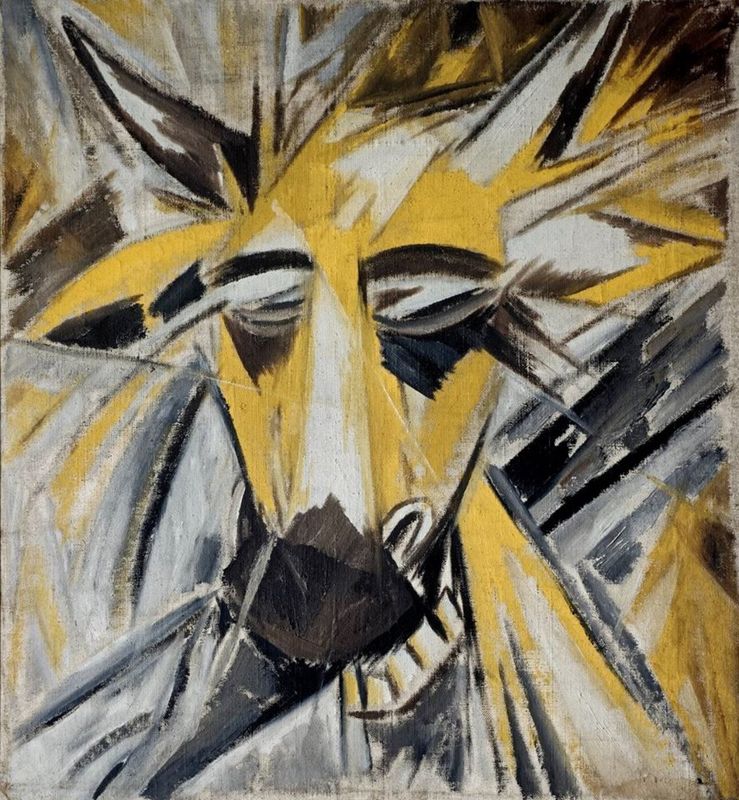 Same era · 1890s–1920s
Bull's Head
Mikhail Larionov · 1913 · Tretyakov Gallery
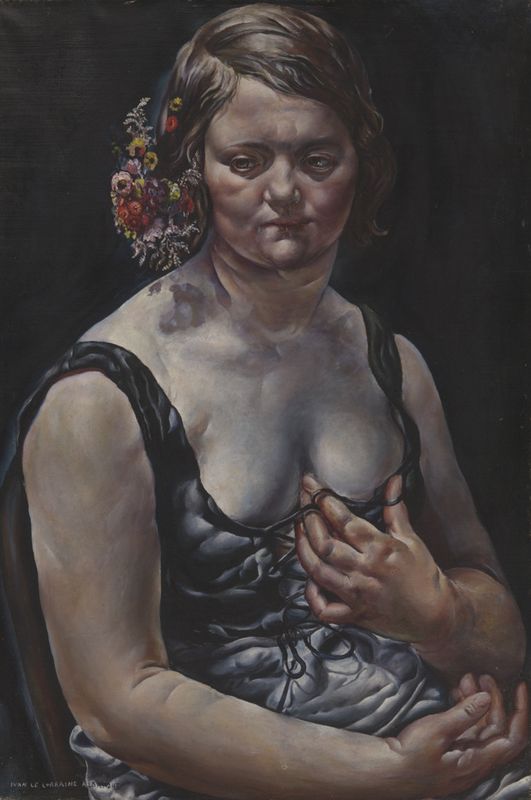 Same era · 1890s–1920s
Memories of the Past
Ivan Puni · 1927 · Art Institute of Chicago
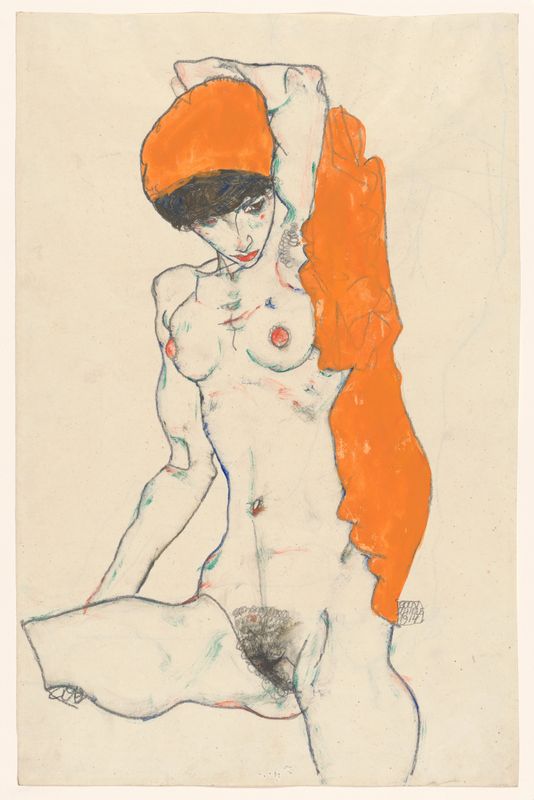 Same era · 1890s–1920s
Standing Nude with Orange Drapery (recto): Study of Nude with Arms Raised (verso)
Egon Schiele · 1914 · The Metropolitan Museum of Art
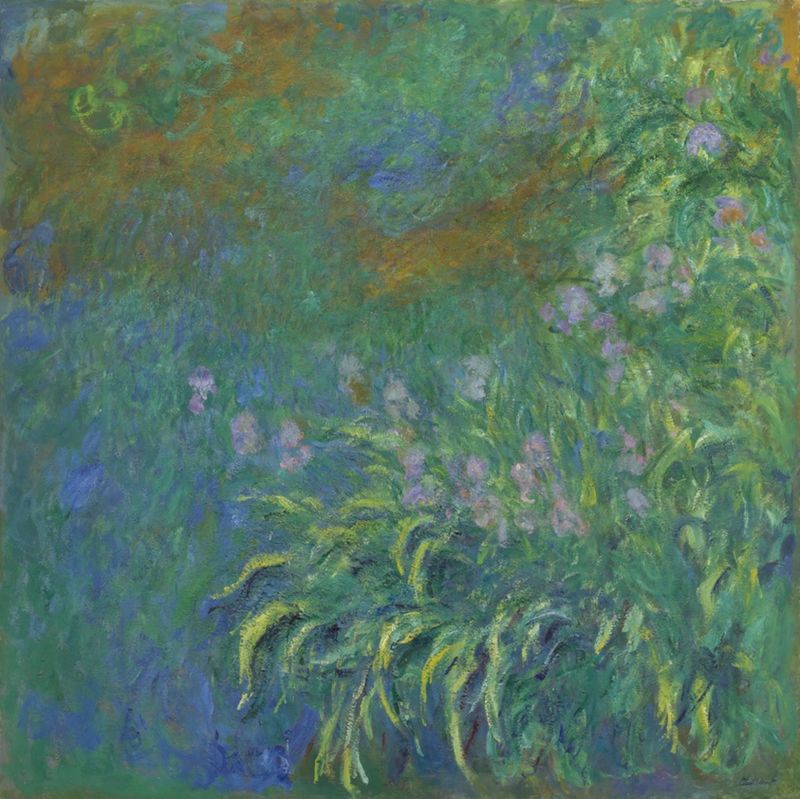 Same era · 1890s–1920s
Irises
Claude Monet · 1915 · National Gallery
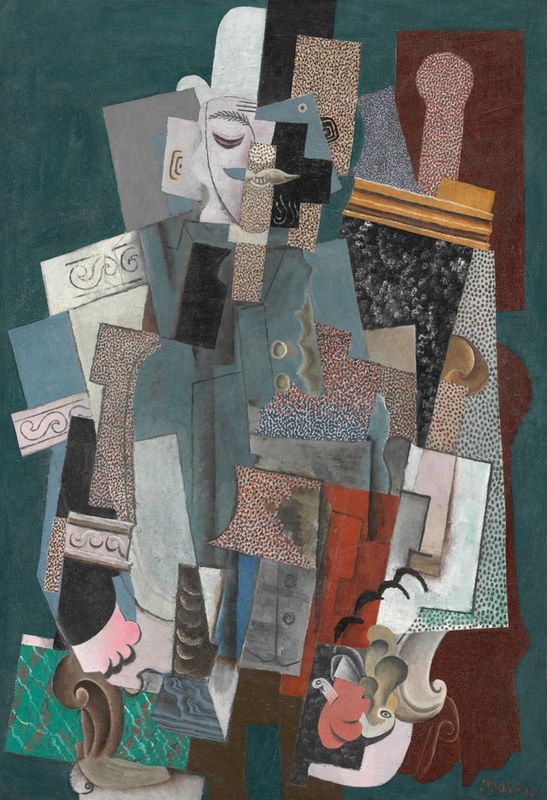 Same era · 1890s–1920s
Man with a Pipe
Pablo Picasso · 1915 · Art Institute of Chicago
 Same era · 1890s–1920s
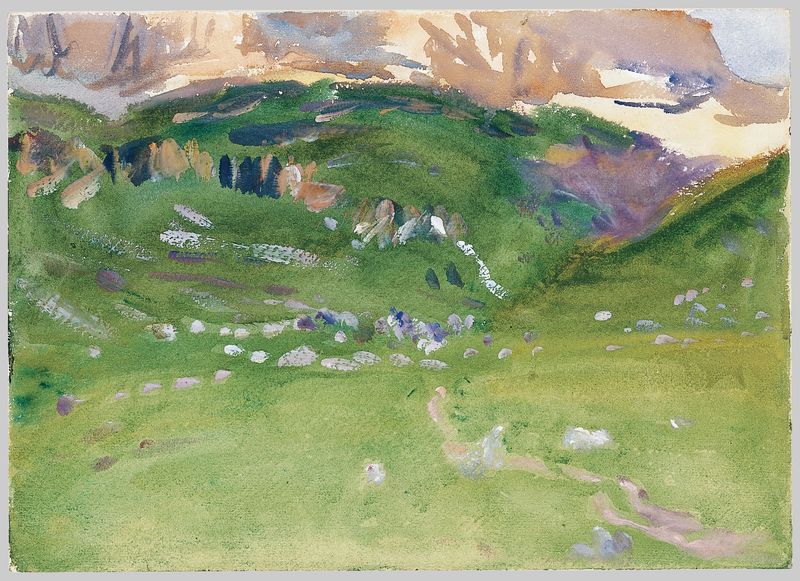
Sellar Alp, Dolomites
John Singer Sargent · 1913 · The Metropolitan Museum of Art
 Same era · 1890s–1920s
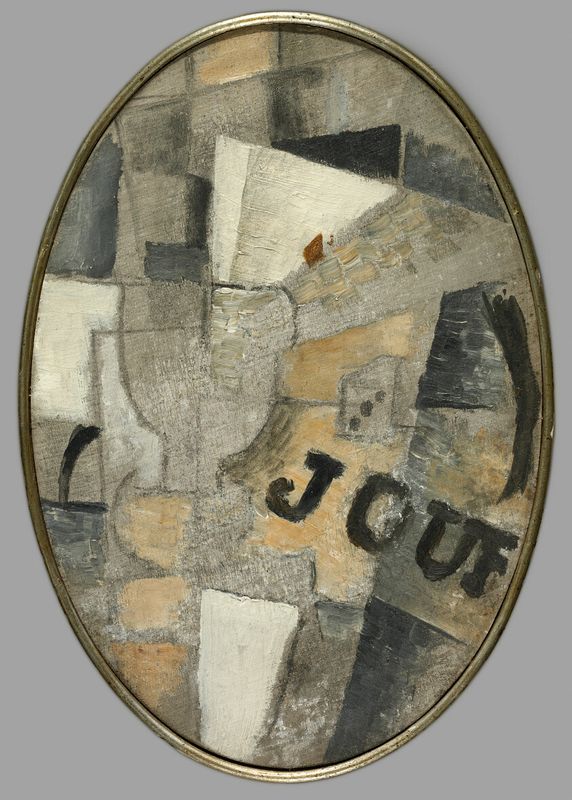
Still Life with Glass, Dice, Newspaper and Playing Card
Georges Braque · 1913 · Art Institute of Chicago
 Same era · 1890s–1920s
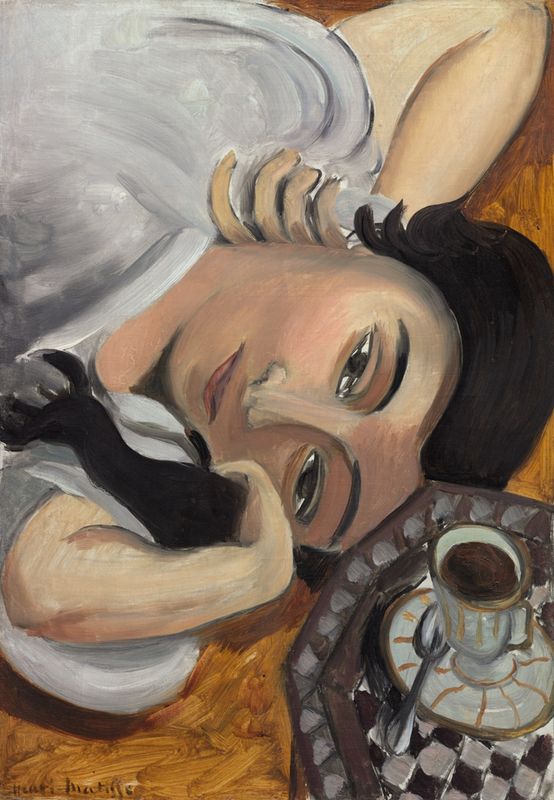
Laurette with a Cup of Coffee
Henri Matisse · 1916 · Art Institute of Chicago
 Same era · 1890s–1920s
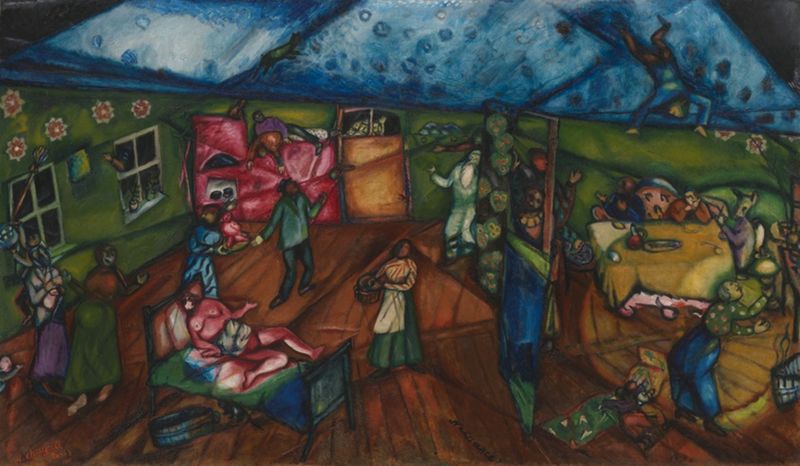
Birth
Marc Chagall · 1911 · Art Institute of Chicago
 Same era · 1890s–1920s
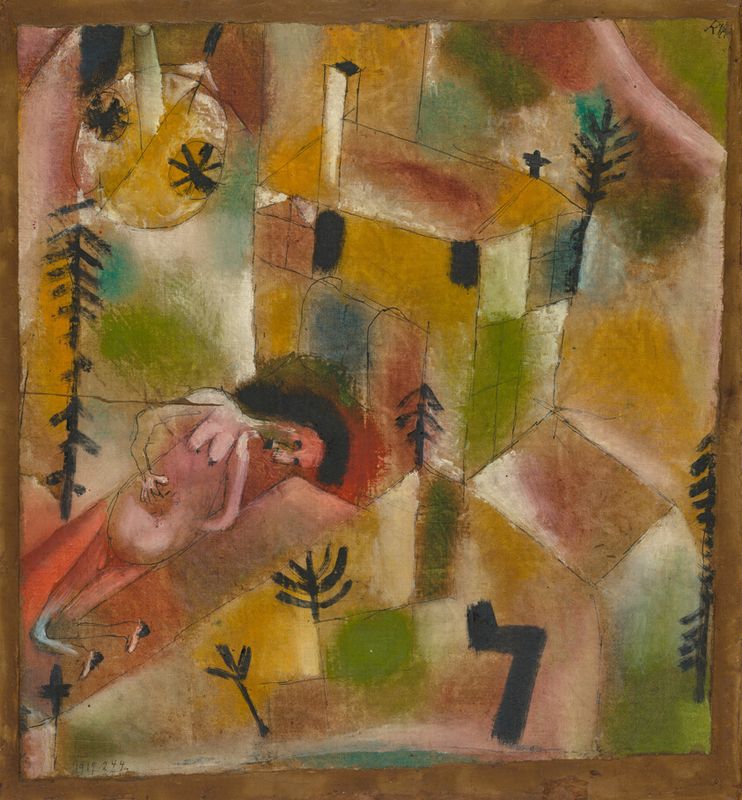
Death in the Garden (Legend)
Paul Klee · 1919 · Art Institute of Chicago