01
The woman in labor
On the bed at left, a pink, bare-skinned woman lies stretched out across the bedding. She is the focus of the scene, yet her body looks limp and exposed.
1 of 5 on the painting
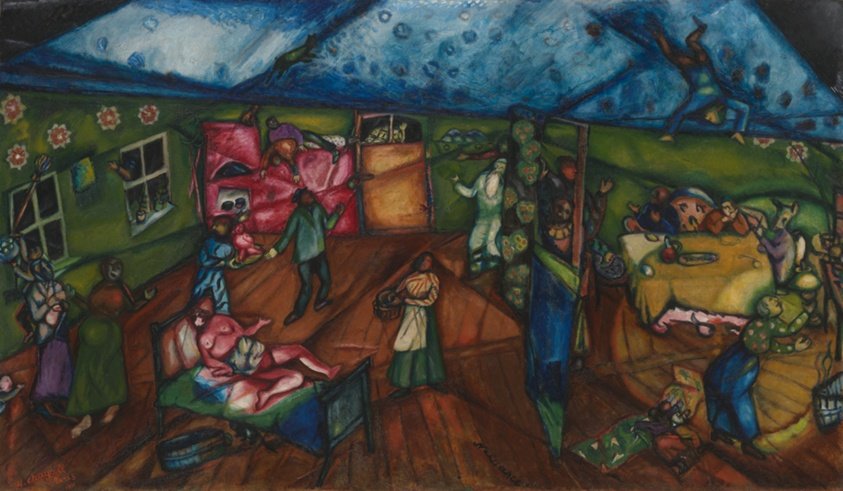
“This early painting by Marc Chagall plunges you into a vivid, dreamlike world where the miracle of birth is depicted with startling green light and floating figures, capturing intense emotion through distorted forms.”
In this vibrant and unsettling scene, a newborn baby, glowing with an otherworldly green light, lies in the arms of a woman, presumably the mother, who is herself bathed in a similar sickly hue. The figures are rendered with a raw, almost primitive energy, their forms distorted and simplified, emphasizing emotion over anatomical accuracy. Around them, the space collapses into a jumble of floating figures and architectural fragments, suggesting a dreamlike or hallucinatory state rather than a literal depiction of a birth. The entire composition pulses with a sense of the miraculous and the grotesque, capturing the profound and often overwhelming experience of new life through a distinctly Expressionist lens. This work, created early in the artist's career, already showcases the intensely personal and symbolic visual language that would define his later output.
Five details hide in plain sight. Pick one and we’ll show you exactly where to look.
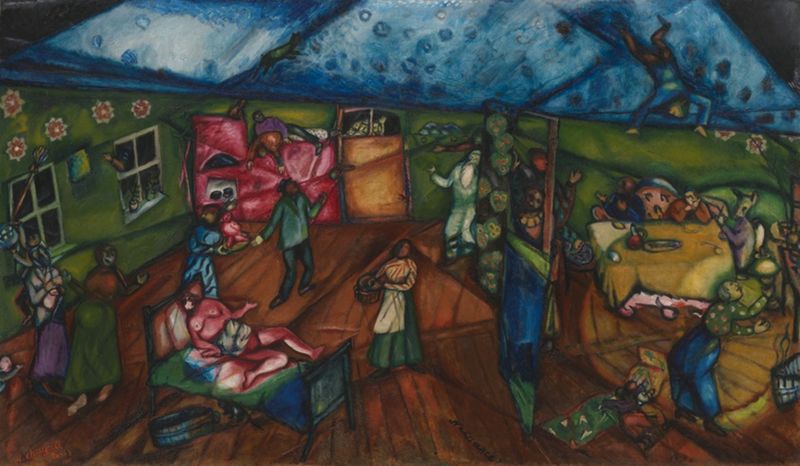
On the bed at left, a pink, bare-skinned woman lies stretched out across the bedding. She is the focus of the scene, yet her body looks limp and exposed.
Near the bed, a figure in blue seems to hold a small pink bundle while a green-coated man reaches toward it. The new life appears to pass between hands amid the crowd.
The brown planks fan out in sharp diagonals, tipping the floor toward us. The room feels unstable, as if the whole house were shifting around the birth.
At center, a tall woman in a white blouse and green skirt stands calmly with a basket. Her upright pose steadies the swirl of movement around her.
Up in the blue ceiling at right, a tiny figure tumbles through the air. It turns the room into a dreamlike space where ordinary rules fall away.
The full narration walks you through Birth — the story behind it, the details most visitors miss, and why it matters. Free in the Art Whisper app.
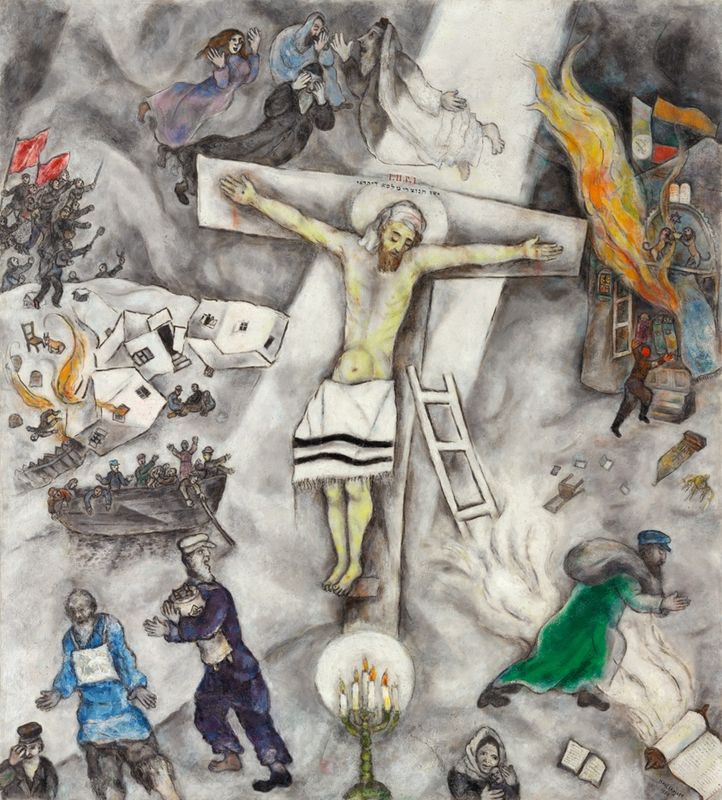
Marc Chagall fused Russian folk art, Jewish symbolism, and modernist styles, creating dreamlike narratives like "White Crucifixion."
Beyond Chagall and Expressionism: works from the same years.
 Same era · 1890s–1920s
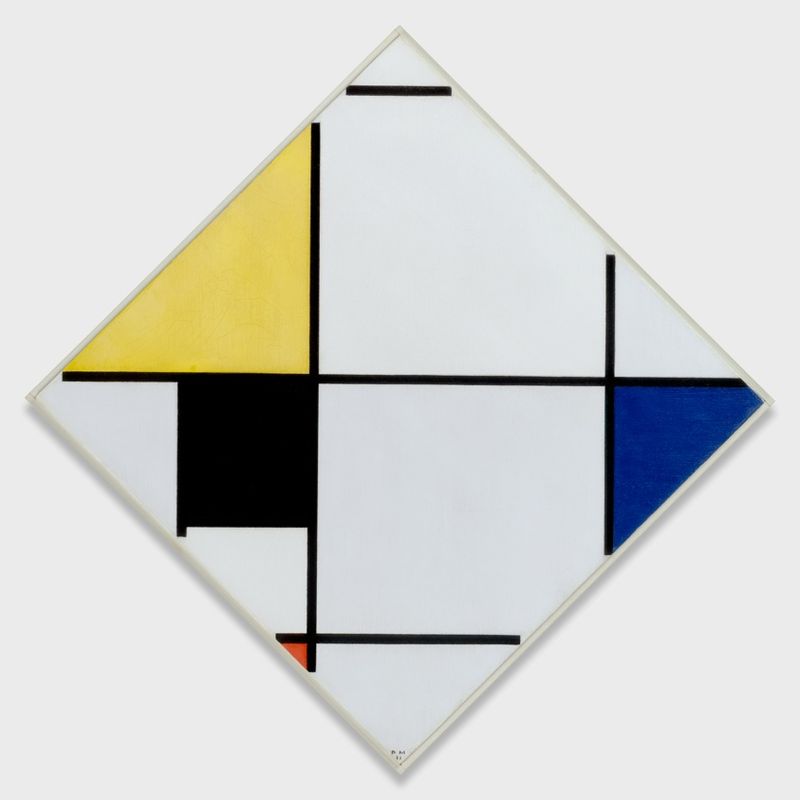
Lozenge Composition with Yellow, Black, Blue, Red, and Gray
Piet Mondrian · 1921 · Art Institute of Chicago
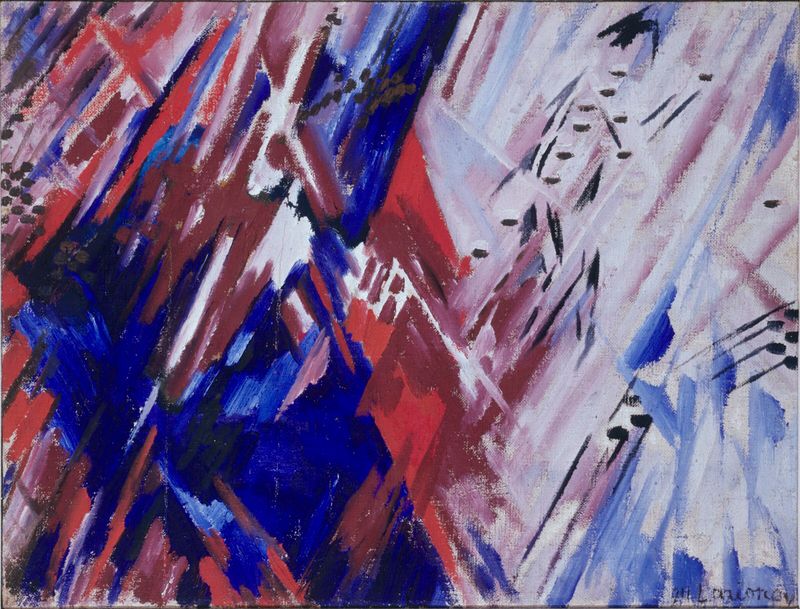 Same era · 1890s–1920s
Red and Blue Rayonism (Beach)
Mikhail Larionov · 1911 · Museum Ludwig
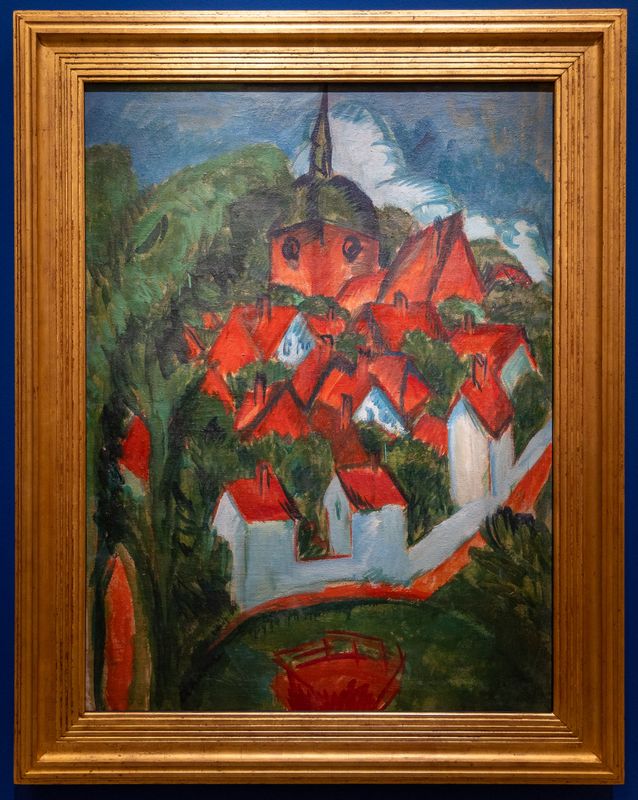 Same era · 1890s–1920s
Burg on Fehmarn
Ernst Ludwig Kirchner · 1912 · Westphalian State Museum of Art and Cultural History
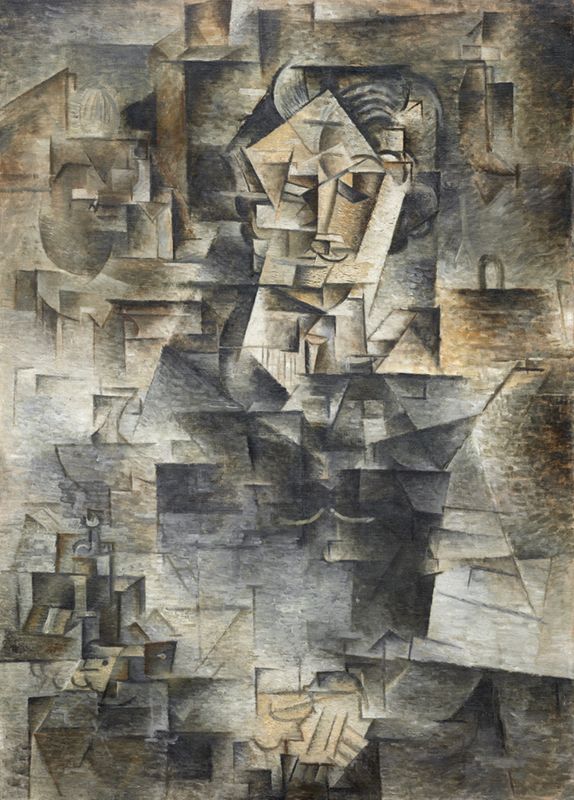 Same era · 1890s–1920s
Daniel-Henry Kahnweiler
Pablo Picasso · 1910 · Art Institute of Chicago
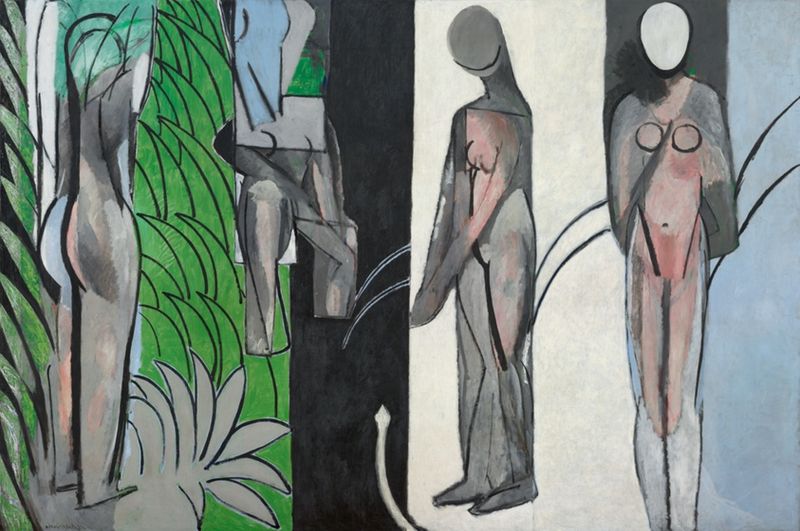 Same era · 1890s–1920s
Bathers by a River
Henri Matisse · 1909 · Art Institute of Chicago
 Same era · 1890s–1920s
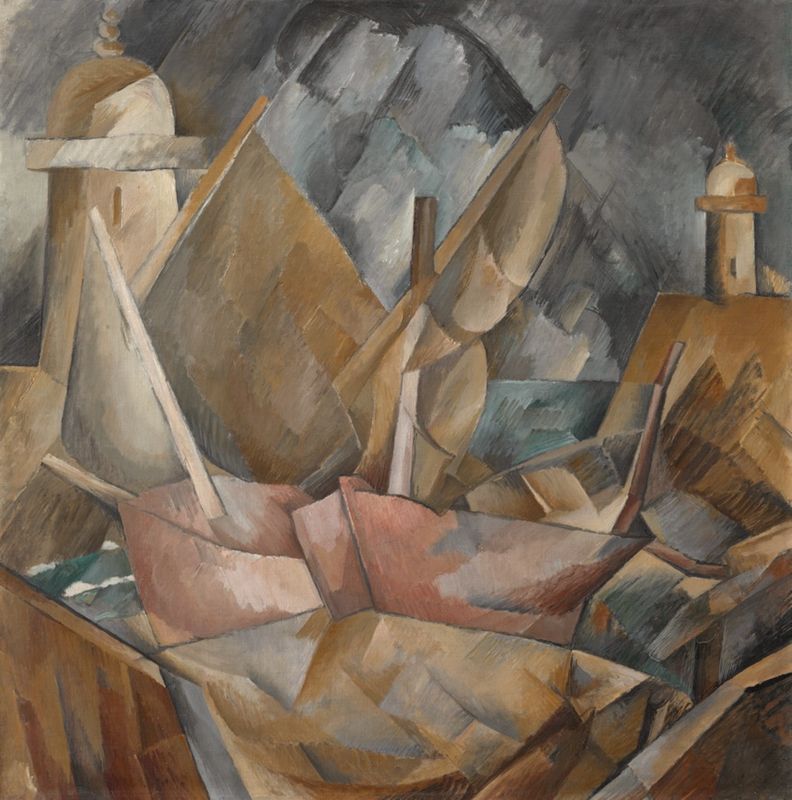
Little Harbor in Normandy
Georges Braque · 1909 · Art Institute of Chicago
 Same era · 1890s–1920s
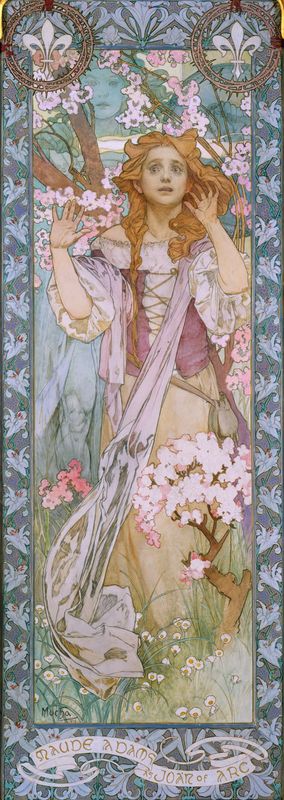
Maude Adams (1872–1953) as Joan of Arc
Alphonse Mucha · 1909 · The Metropolitan Museum of Art
 Same era · 1890s–1920s
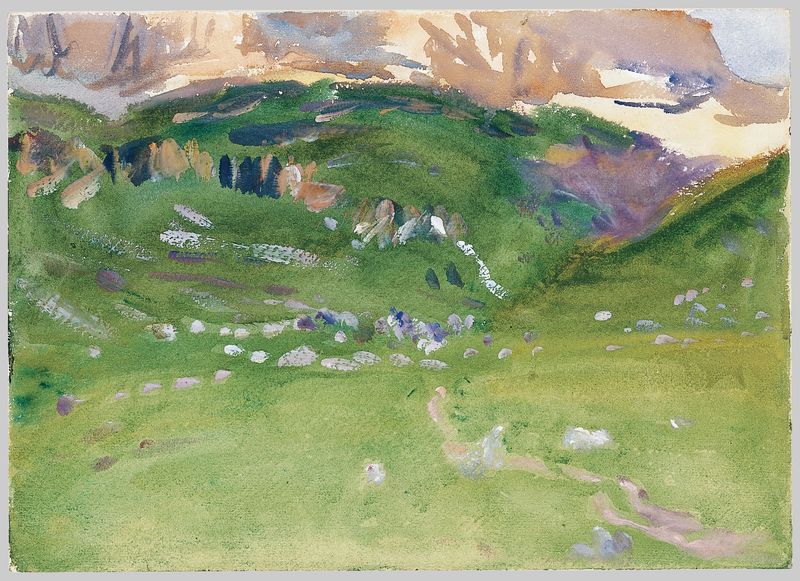
Sellar Alp, Dolomites
John Singer Sargent · 1913 · The Metropolitan Museum of Art
 Same era · 1890s–1920s
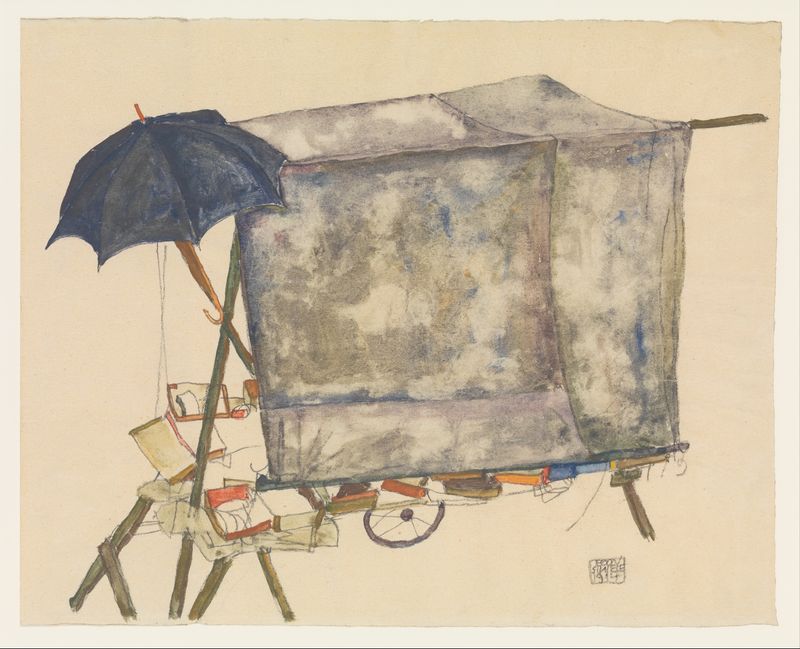
Street Cart
Egon Schiele · 1914 · The Metropolitan Museum of Art
 Same era · 1890s–1920s
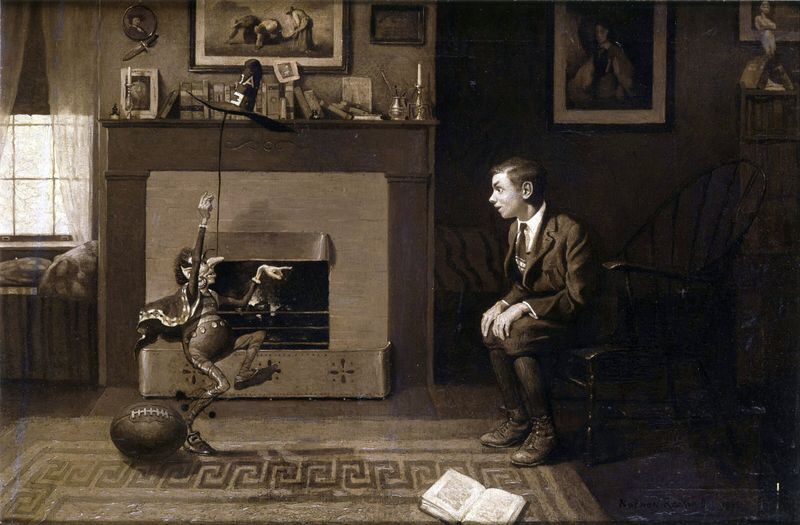
The Magic Foot-ball, 'I thought you were wrong,' he said in triumph. 'You said it was nine! Stupid!'
Norman Rockwell · 1914 · Norman Rockwell Museum
 Same era · 1890s–1920s
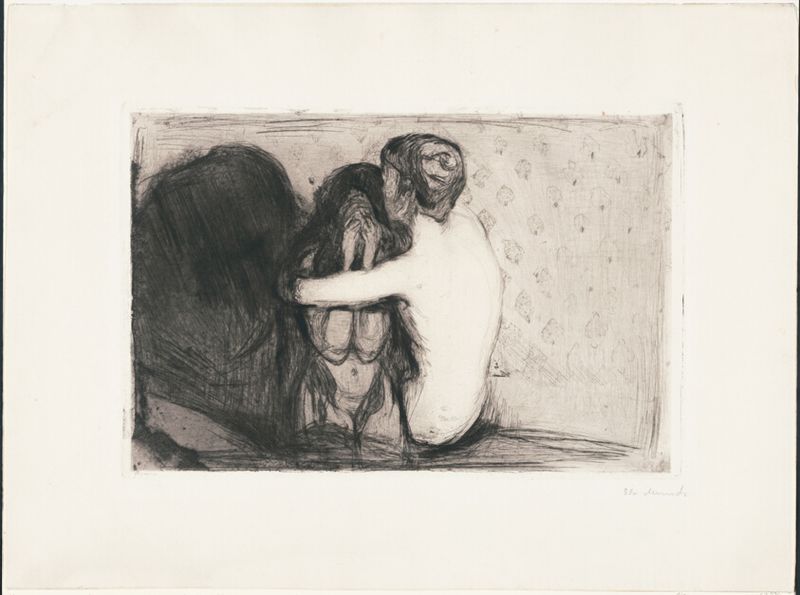
Consolation
Edvard Munch · 1907 · Munch Museum
 Same era · 1890s–1920s
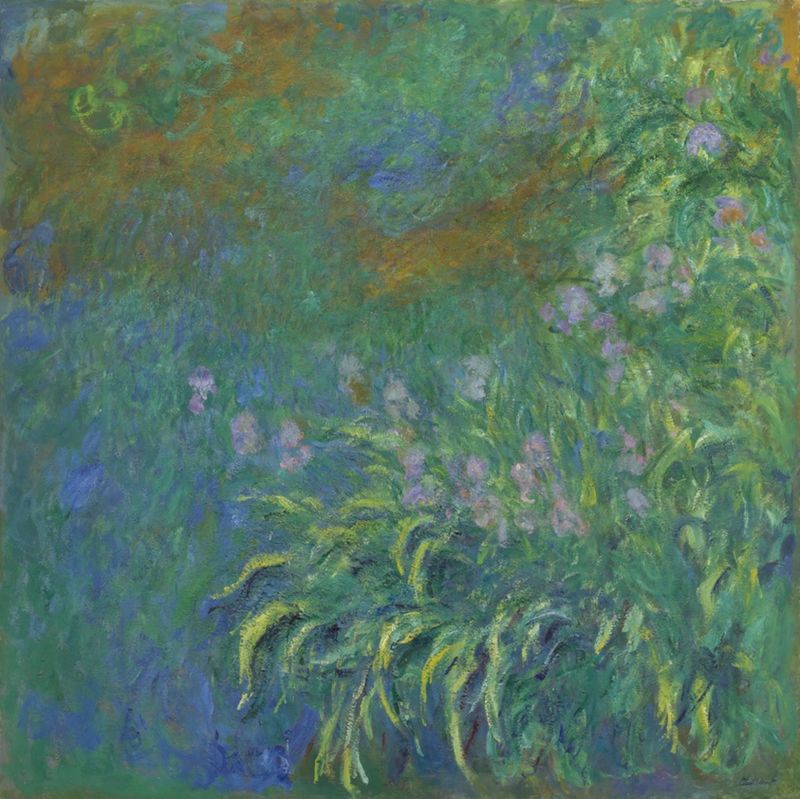
Irises
Claude Monet · 1915 · National Gallery