01
Hair with golden band
The copper hair is pinned up and tied with a yellow band. Her face is turned away, so the hair and neck are what we see of her head.
1 of 4 on the painting
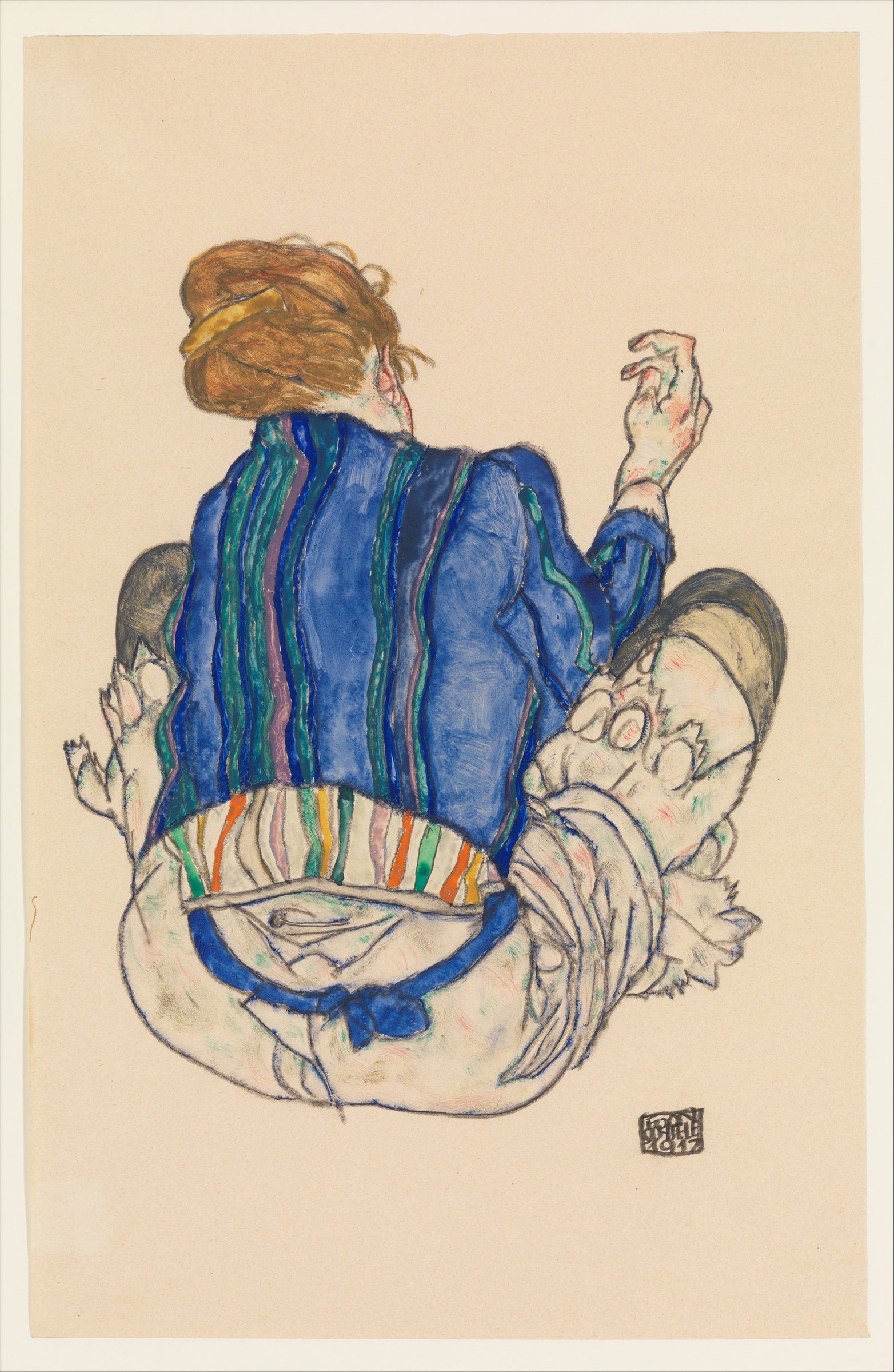
“Observe the raw, expressive lines and delicate washes that define this seated figure. It's a powerful example of Expressionism, focusing on the sitter's inner world through her posture and the artist's distinctive style.”
A woman sits with her back to us, her head turned slightly to the side, revealing a glimpse of her profile. Her body is rendered with Schiele's characteristic expressive line, appearing slender and almost fragile. The delicate watercolor and gouache washes create a sense of translucency, particularly in the way the light seems to catch the contours of her back and shoulders. Though the pose is simple, there's an underlying tension in the way her body is angled, suggesting a moment of quiet introspection or perhaps a subtle discomfort. This work, made in 1917, reflects the Expressionist movement's focus on inner psychological states rather than objective reality, inviting us to consider the emotional landscape of the sitter through her posture and the artist's distinctive style.
Five details hide in plain sight. Pick one and we’ll show you exactly where to look.
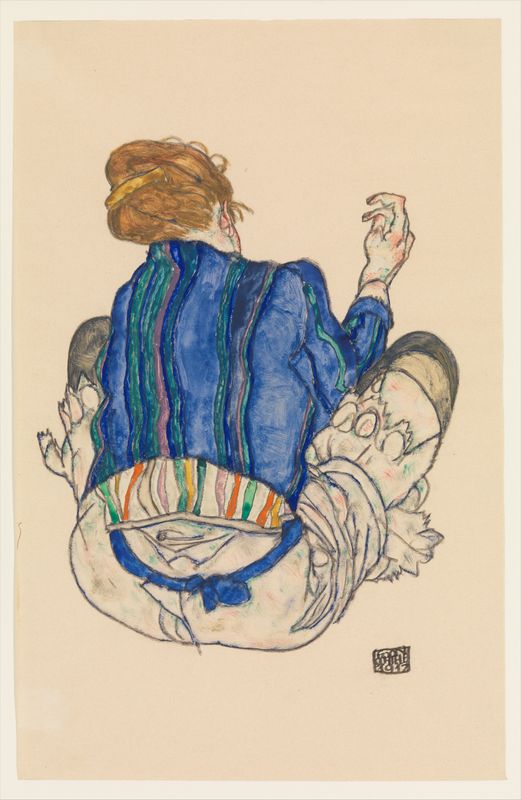
The copper hair is pinned up and tied with a yellow band. Her face is turned away, so the hair and neck are what we see of her head.
Look at the blue jacket across her back. Streaks of green, violet and navy run down it, and the pooled paint gives the cloth a glossy sheen.
The right hand floats up with fingers bent, almost like a gesture left unfinished. Its pink-tinged skin stands out against the plain paper.
Just below the jacket, a band of cloth flashes orange, green, yellow and pink stripes. It is a small burst of bright color you could easily skip past.
The woman fills the center while the bare tan paper surrounds her. With no chair or floor drawn, she seems to hover, and her twisted pose feels close and a little awkward.
The full narration walks you through Seated Woman, Back View — the story behind it, the details most visitors miss, and why it matters. Free in the Art Whisper app.
Egon Schiele, an Austrian Expressionist, captured raw human emotion and twisted forms, often in stark self-portraits.
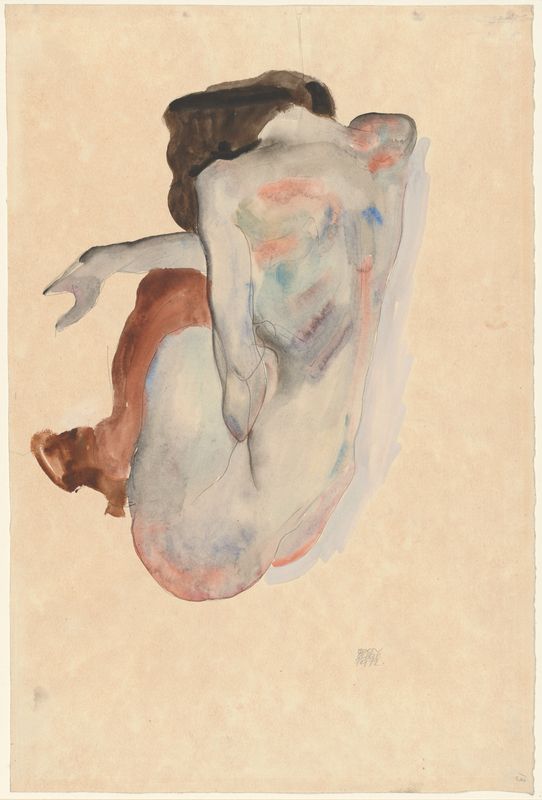 Crouching Nude in Shoes and Black Stockings, Back View
1912 · The Metropolitan Museum of Art
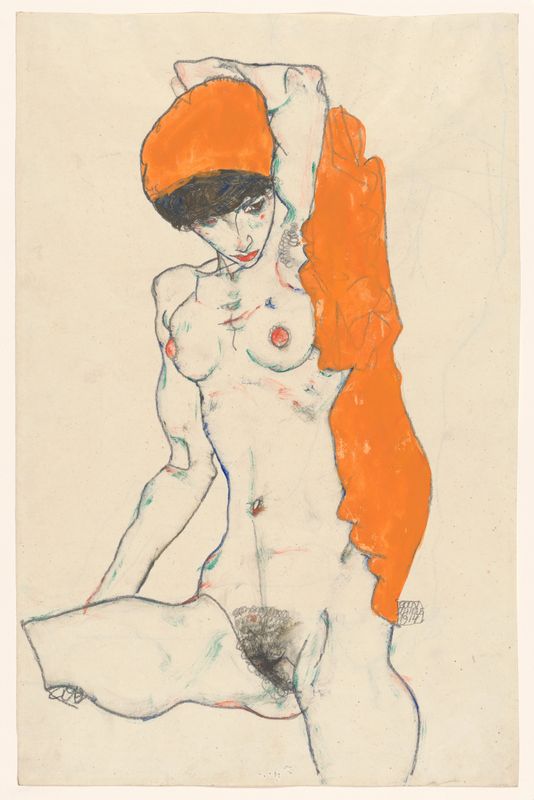 Standing Nude with Orange Drapery (recto): Study of Nude with Arms Raised (verso)
1914 · The Metropolitan Museum of Art
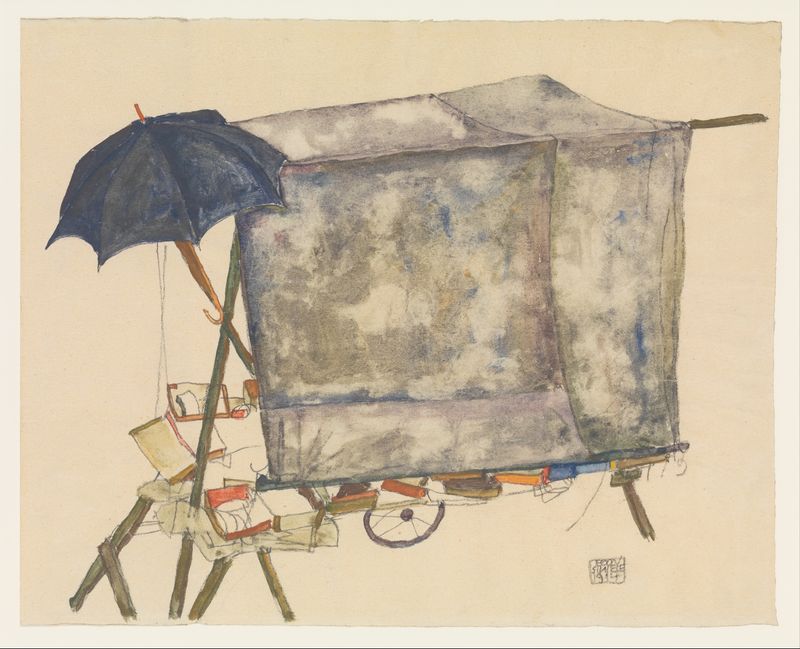 Street Cart
1914 · The Metropolitan Museum of Art
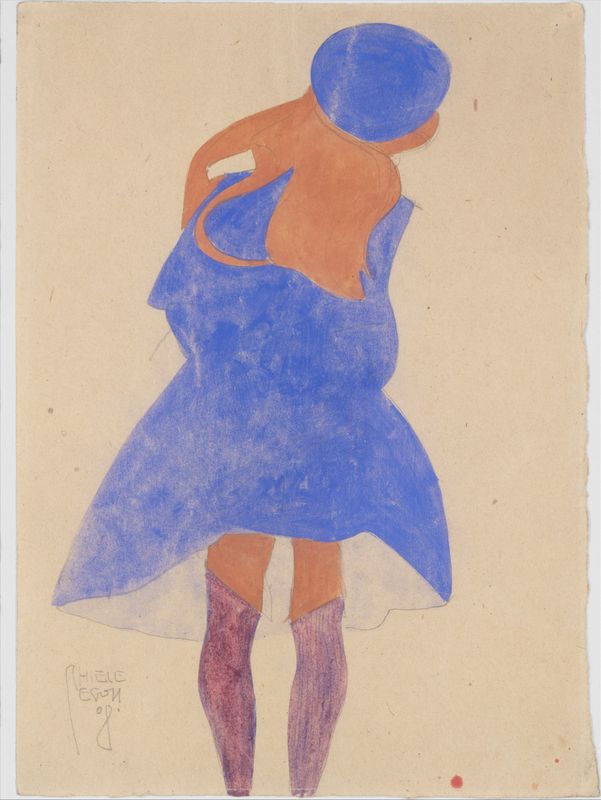 Standing Girl, Back View
1908 · The Metropolitan Museum of Art
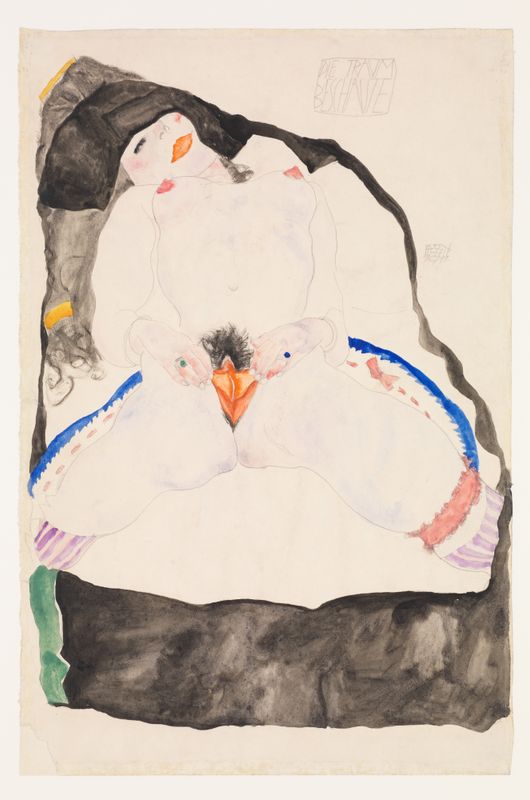 Observed in a Dream
1911 · The Metropolitan Museum of Art
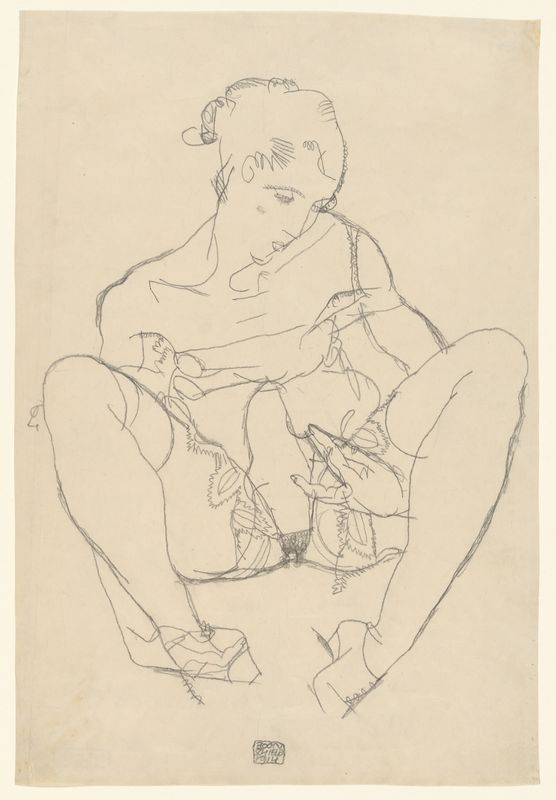 Seated Woman in Chemise
1914 · The Metropolitan Museum of Art
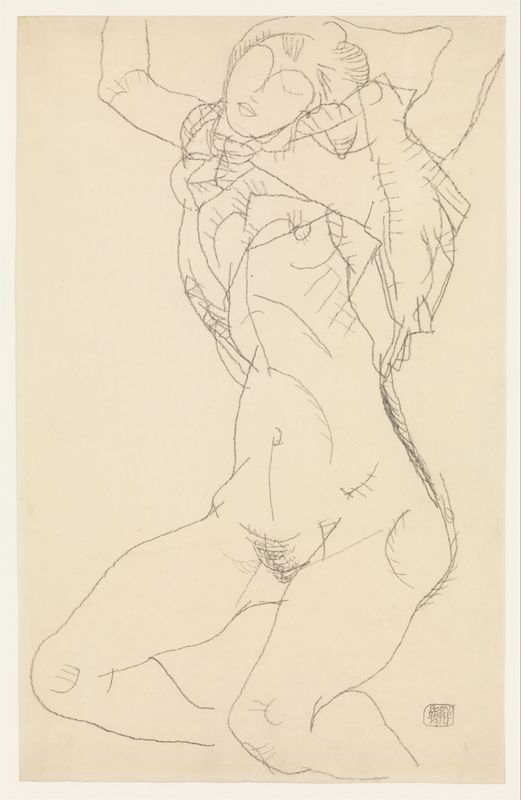 Seminude with Arms Raised
1914 · The Metropolitan Museum of Art
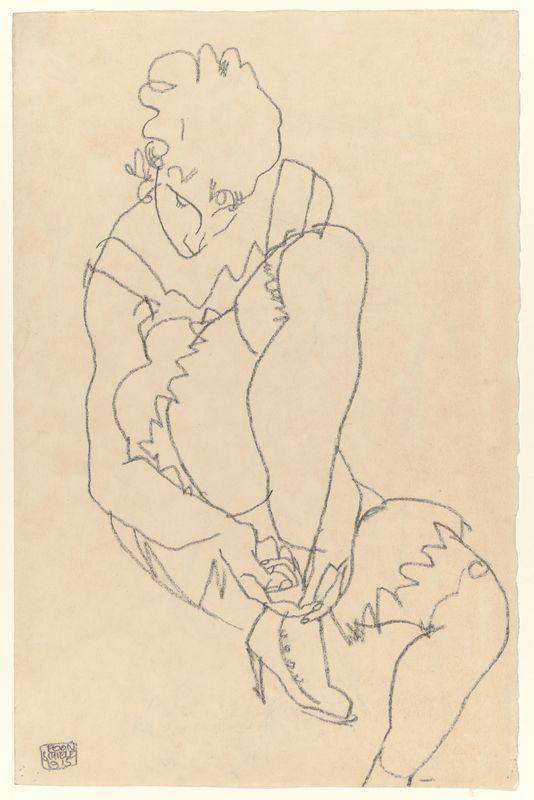 Woman Buttoning Her Shoes (recto); Study for Reclining Nude with Arms Raised (verso)
1915 · The Metropolitan Museum of Art
Beyond Schiele and Expressionism: works from the same years, and from the other movements Seated Woman, Back View belongs to.
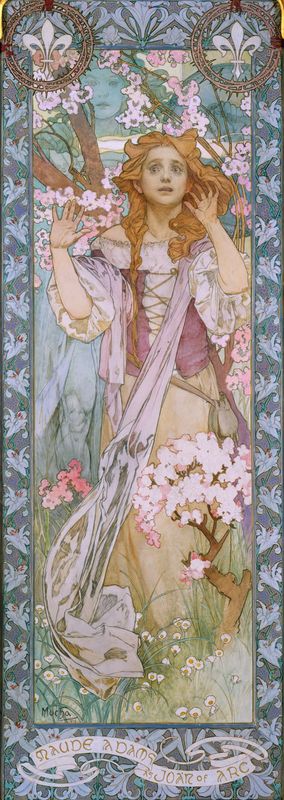 Same movement · Vienna Secession
Maude Adams (1872–1953) as Joan of Arc
Alphonse Mucha · 1909 · The Metropolitan Museum of Art
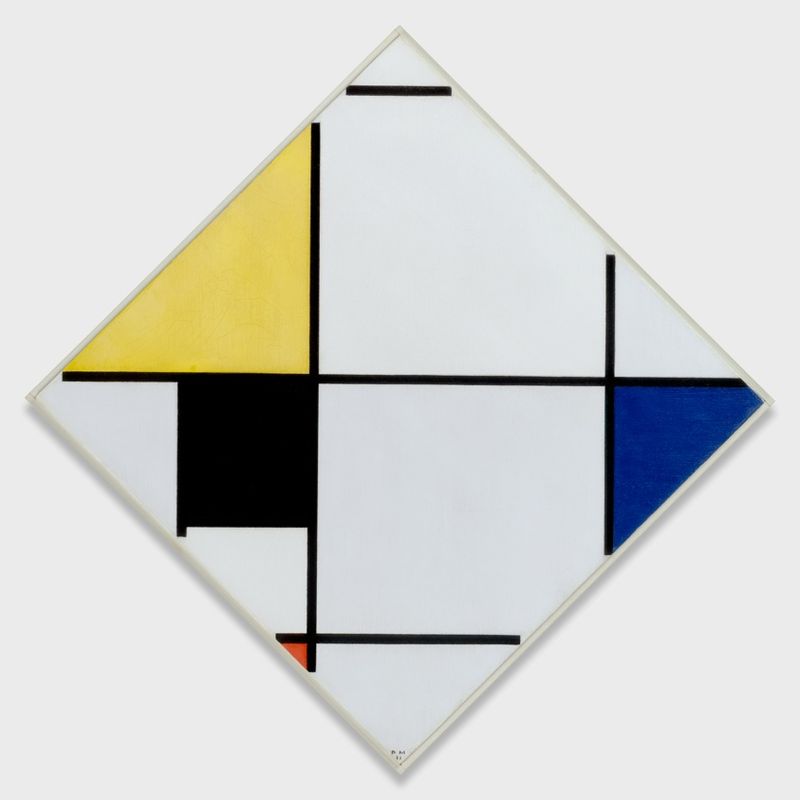 Same era · 1900s–1930s
Lozenge Composition with Yellow, Black, Blue, Red, and Gray
Piet Mondrian · 1921 · Art Institute of Chicago
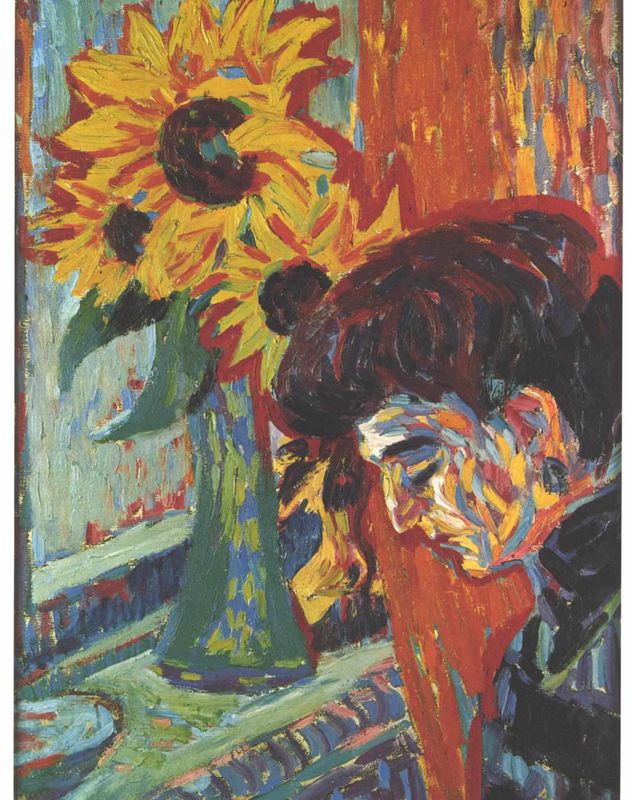 Same movement · Die Brucke
Frauenkopf vor Sonnenblumen
Ernst Ludwig Kirchner · 1906 · Museum Frieder Burda
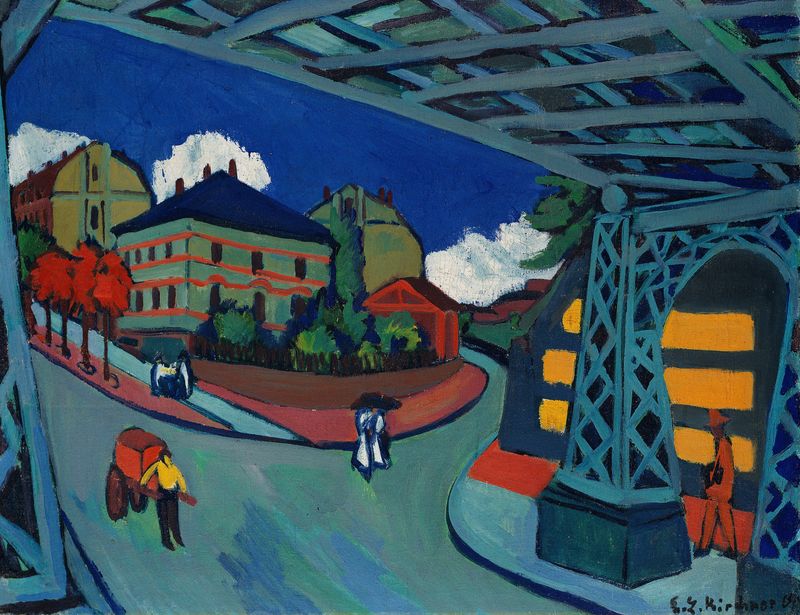 Same era · 1900s–1930s
Railway Bridge on Löbtauer Strasse in Dresden
Ernst Ludwig Kirchner · 1918 · Galerie Neue Meister
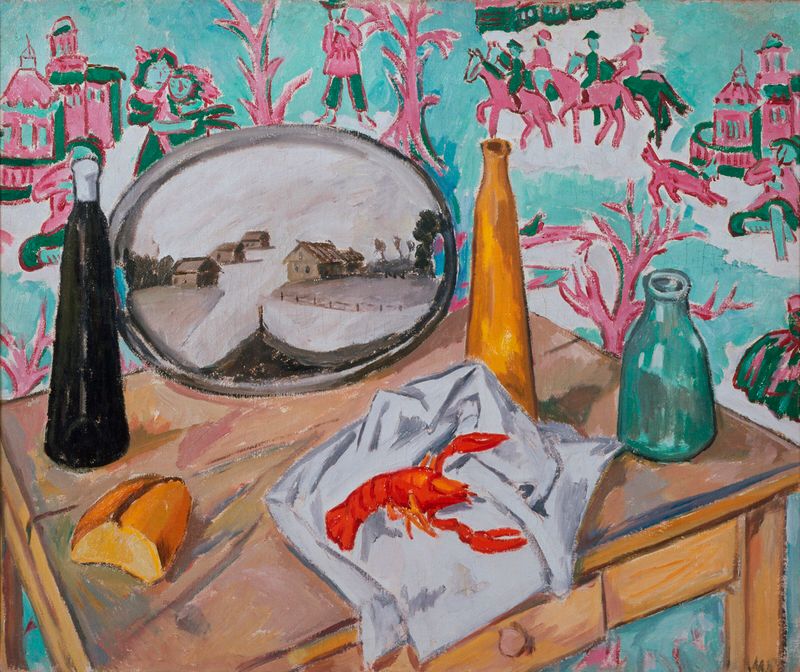 Same movement · Der Blaue Reiter
Still Life with Crayfish
Mikhail Larionov · 1900 · Museum Ludwig
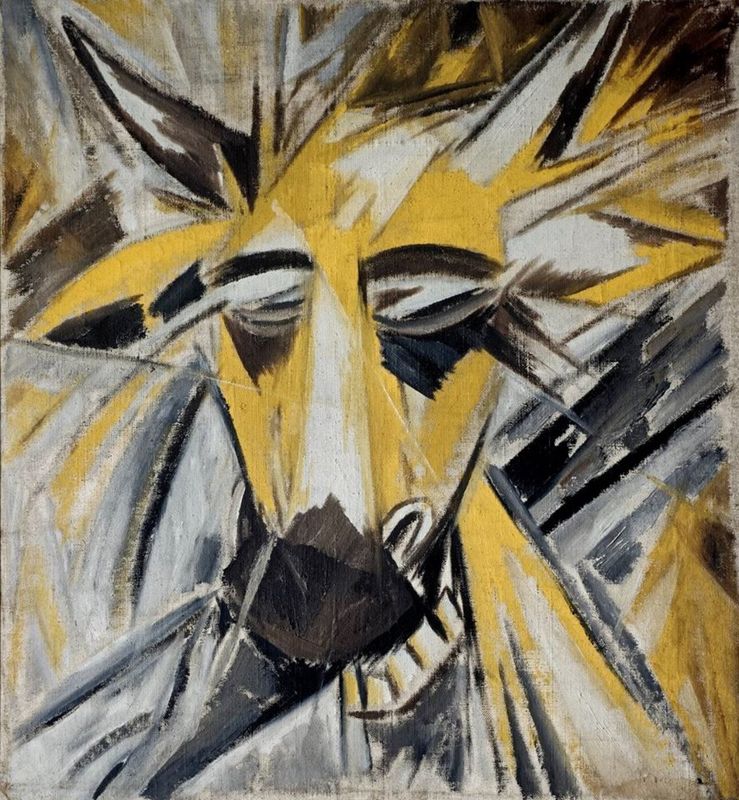 Same era · 1900s–1930s
Bull's Head
Mikhail Larionov · 1913 · Tretyakov Gallery
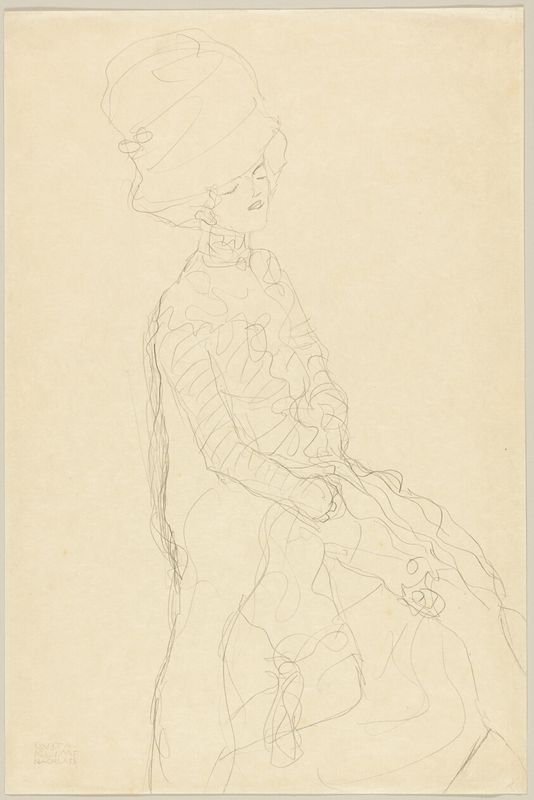 Same movement · Jugendstil
Portrait of a Lady in a High Hat
Gustav Klimt · 1882 · Art Institute of Chicago
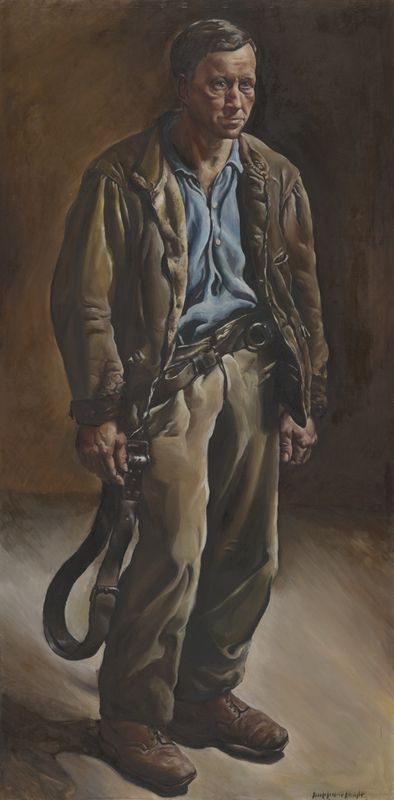 Same era · 1900s–1930s
The Lineman
Ivan Puni · 1927 · Art Institute of Chicago
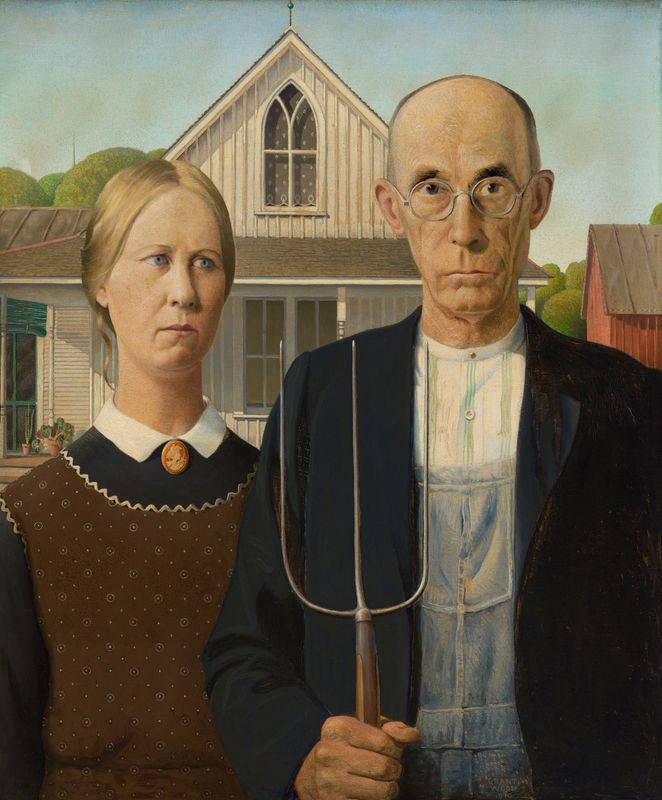 Same era · 1900s–1930s
American Gothic
Okada Saburosuke · 1930 · Art Institute of Chicago
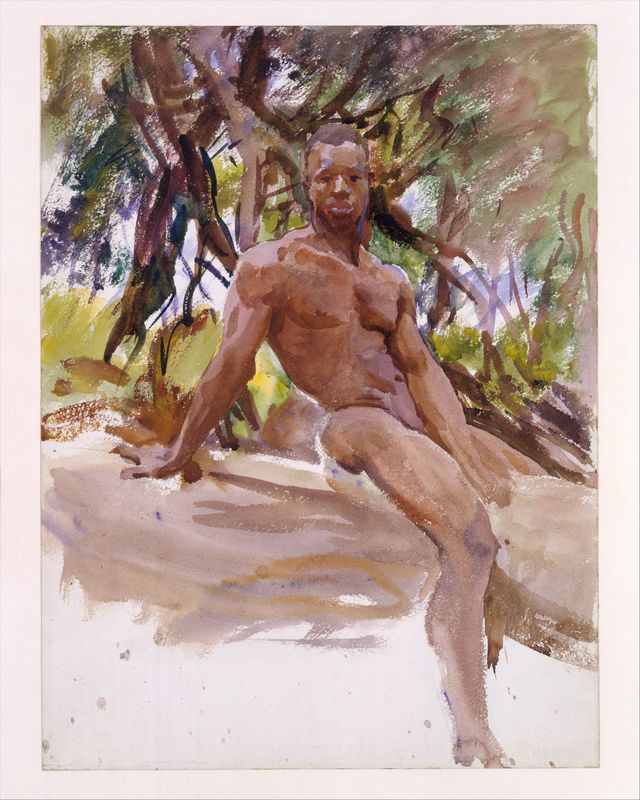 Same era · 1900s–1930s
Man and Trees, Florida
John Singer Sargent · 1917 · The Metropolitan Museum of Art
 Same era · 1900s–1930s
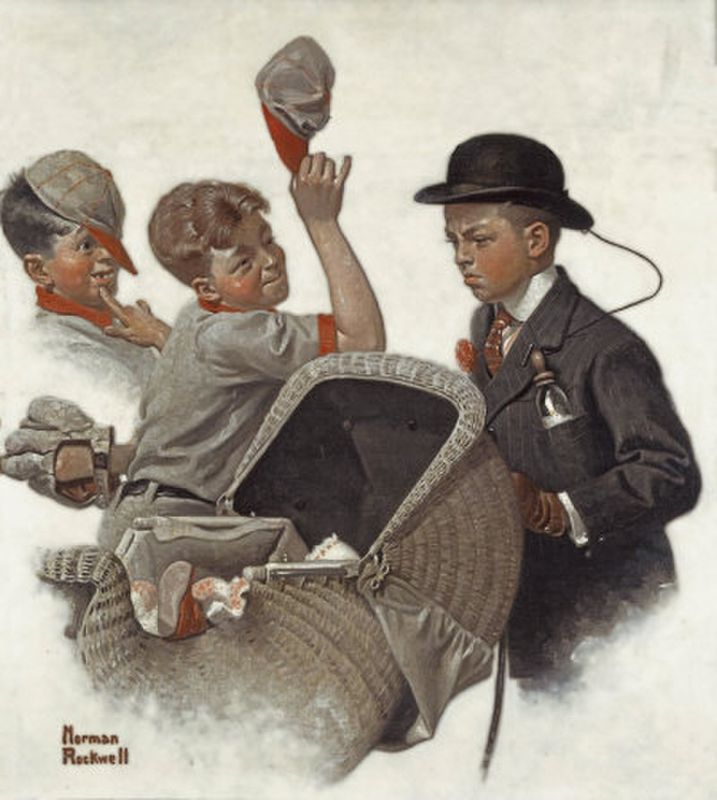
Boy with Baby Carriage
Norman Rockwell · 1916 · Norman Rockwell Museum
 Same era · 1900s–1930s
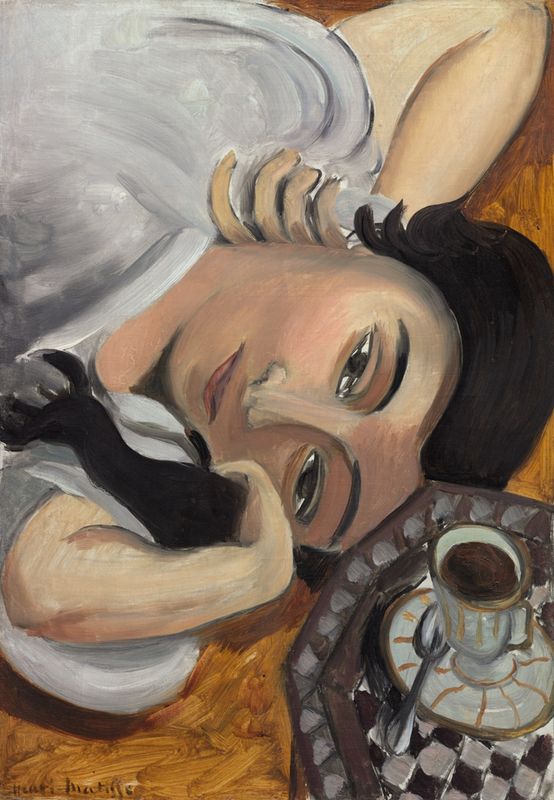
Laurette with a Cup of Coffee
Henri Matisse · 1916 · Art Institute of Chicago
 Same era · 1900s–1930s
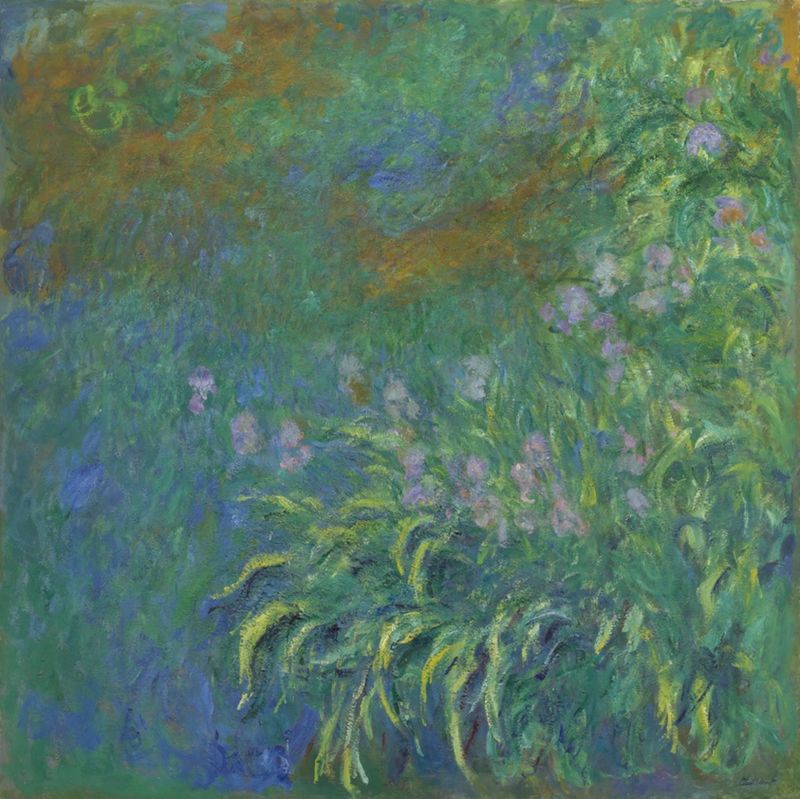
Irises
Claude Monet · 1915 · National Gallery
 Same era · 1900s–1930s
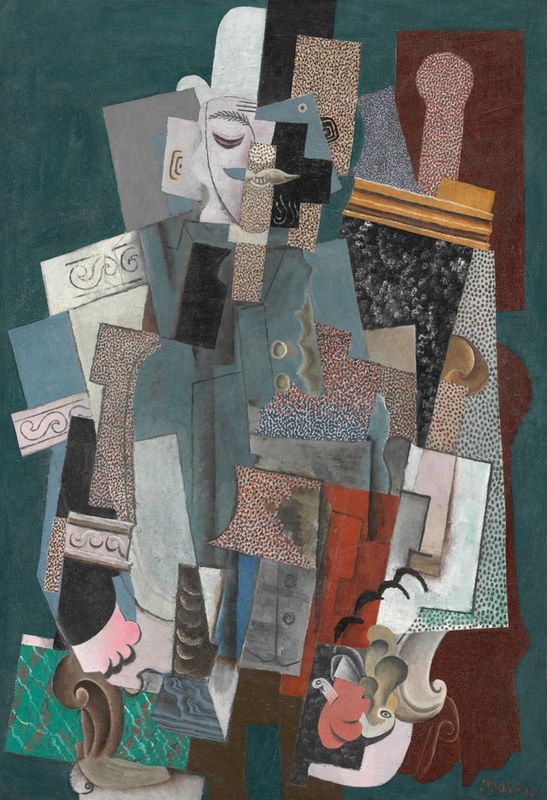
Man with a Pipe
Pablo Picasso · 1915 · Art Institute of Chicago
 Same era · 1900s–1930s
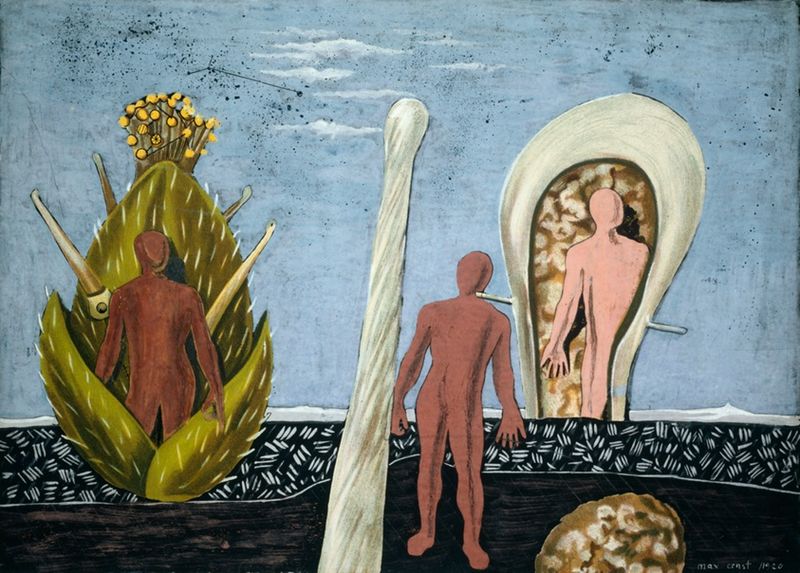
Dada Gauguin
Max Ernst · 1920 · Art Institute of Chicago
 Same era · 1900s–1930s
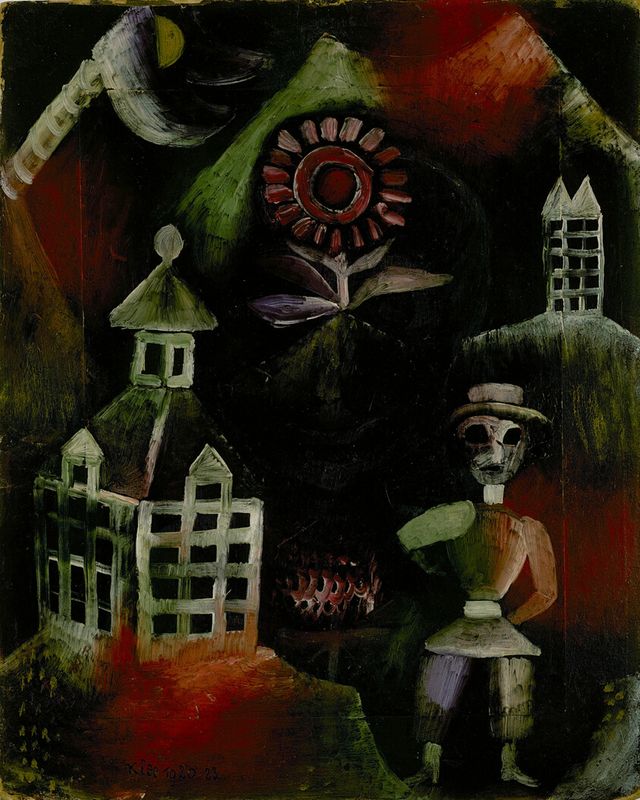
Schoolhouse
Paul Klee · 1920 · Art Institute of Chicago