01
The bending digger
Look at the man bent almost double over his spade in the center. His curved back and heavy boots make the effort of the work feel physical.
1 of 5 on the painting
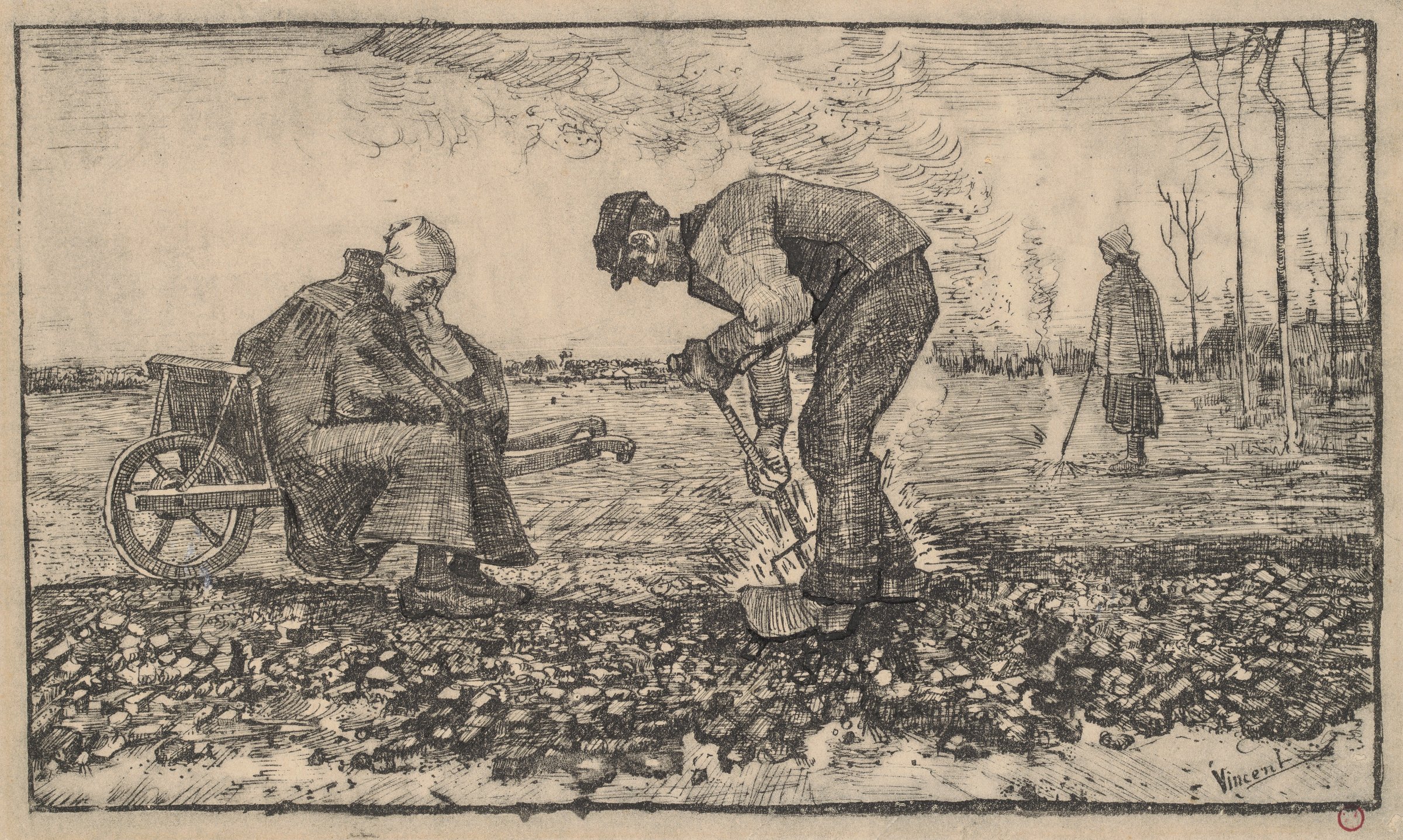
“This early Van Gogh lithograph offers a rare glimpse into his formative years, depicting the quiet, smoky toil of rural life with a stark realism that predates his iconic colorful canvases. It's a powerful portrayal of human labor against a vast, open landscape.”
In "Burning Weeds," a lone figure toils in a field, the smoke from burning vegetation curling into the sky. This early work by Vincent van Gogh, created in 1883, captures a moment of arduous rural labor. The scene is rendered with a stark immediacy, reflecting the artist's focus on the lives of peasants and the harsh realities of their daily existence. The rough, almost raw quality of the lithograph emphasizes the earthiness of the subject, far removed from the vibrant colors and swirling brushstrokes that would characterize his later, more famous paintings. Here, the focus is on the elemental struggle between humanity and nature, a theme Van Gogh explored extensively in his early Dutch period. The controlled lines and dense shading create a sense of weight and gravity, drawing the viewer into the quiet, smoky atmosphere of the field.
Five details hide in plain sight. Pick one and we’ll show you exactly where to look.
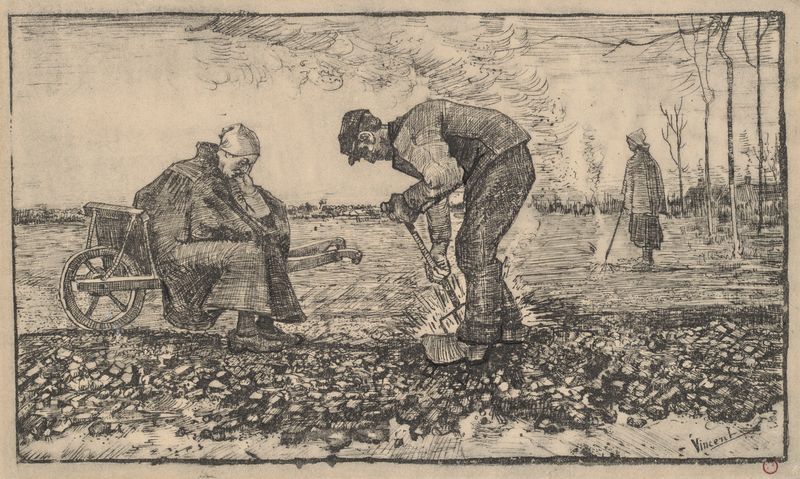
Look at the man bent almost double over his spade in the center. His curved back and heavy boots make the effort of the work feel physical.
On the left, a woman in a headcloth and long coat sits in a wheelbarrow with her hand raised to her face. Her slumped pose reads as tired or lost in thought, a quiet pause beside the man's effort.
Short, radiating lines flicker around the spade blade and the man's feet. They may suggest flying earth or rising smoke, and they link the digging to the burning.
Far to the right, a small figure stands holding a long rake beside thin wisps of smoke. Easy to miss, but this is the burning of weeds the title names.
The foreground is built from dense little marks and blocky shapes that read as clods and stones. The rough texture makes the soil feel hard to break.
The full narration walks you through Burning Weeds — the story behind it, the details most visitors miss, and why it matters. Free in the Art Whisper app.
Vincent van Gogh, whose vibrant brushwork and bold colors transformed landscapes and portraits, created 2,100 artworks in just over a decade.
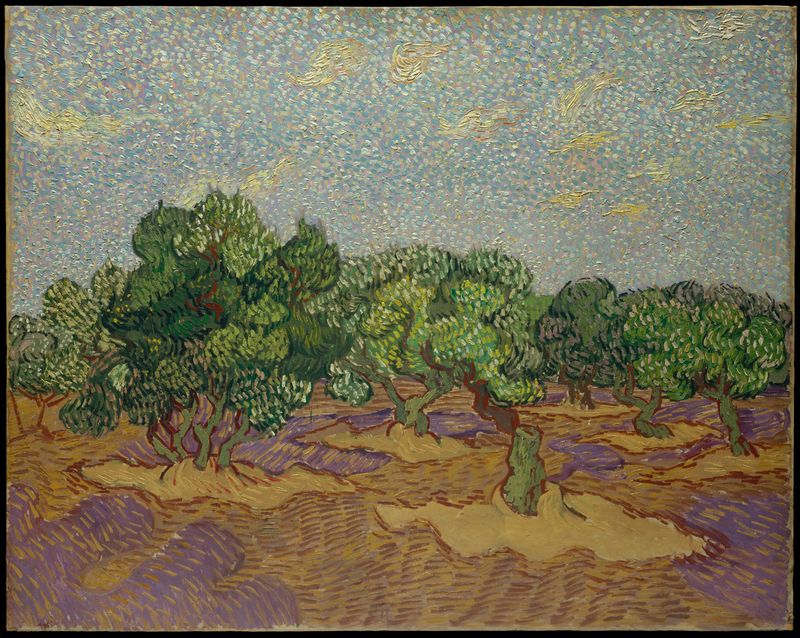 Olive Trees
1853 · The Metropolitan Museum of Art
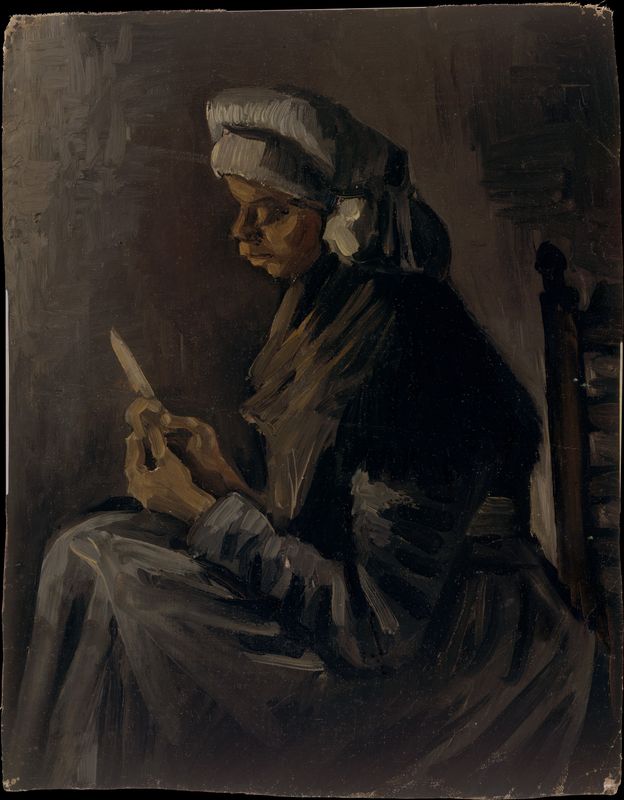 The Potato Peeler (reverse: Self-Portrait with a Straw Hat)
1885 · The Metropolitan Museum of Art
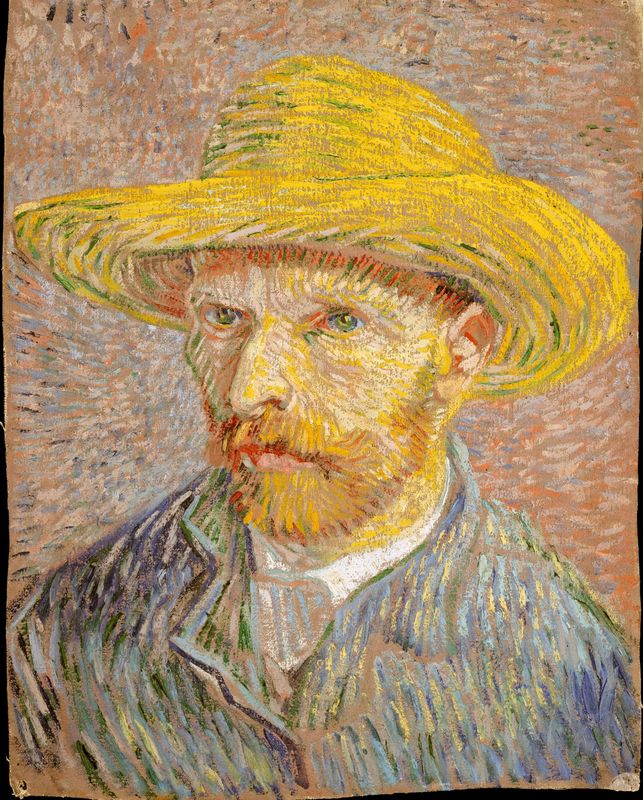 Self-Portrait with a Straw Hat (obverse: The Potato Peeler)
1887 · The Metropolitan Museum of Art
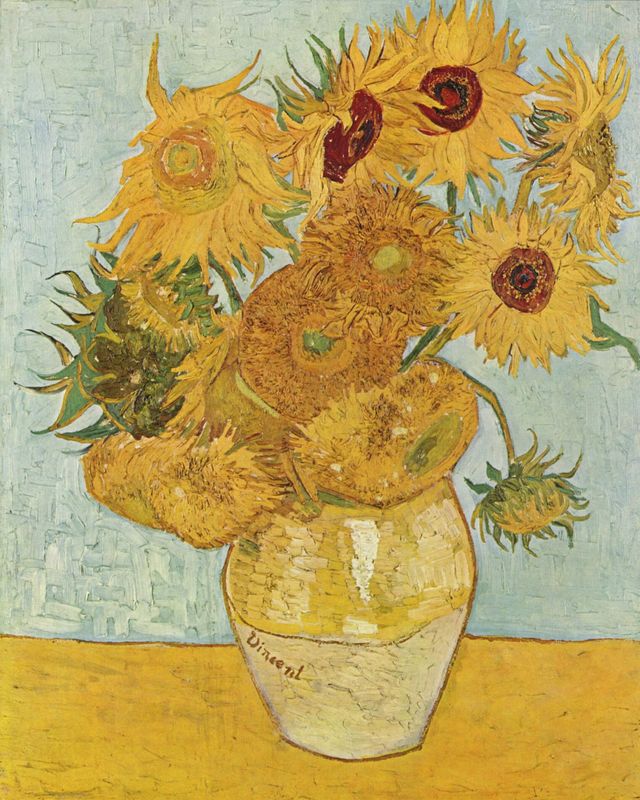 Sunflowers
1887 · The Metropolitan Museum of Art
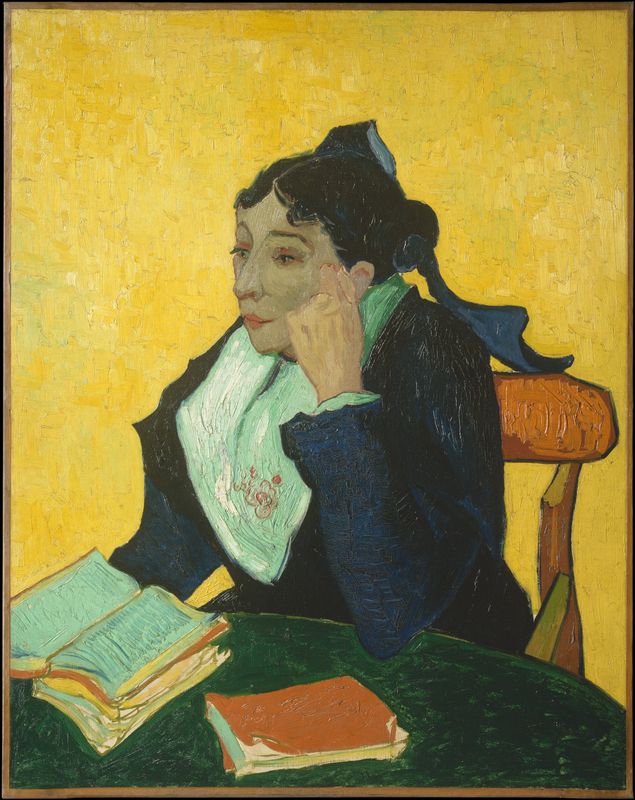 L'Arlésienne: Madame Joseph-Michel Ginoux (Marie Julien, 1848–1911)
1888 · The Metropolitan Museum of Art
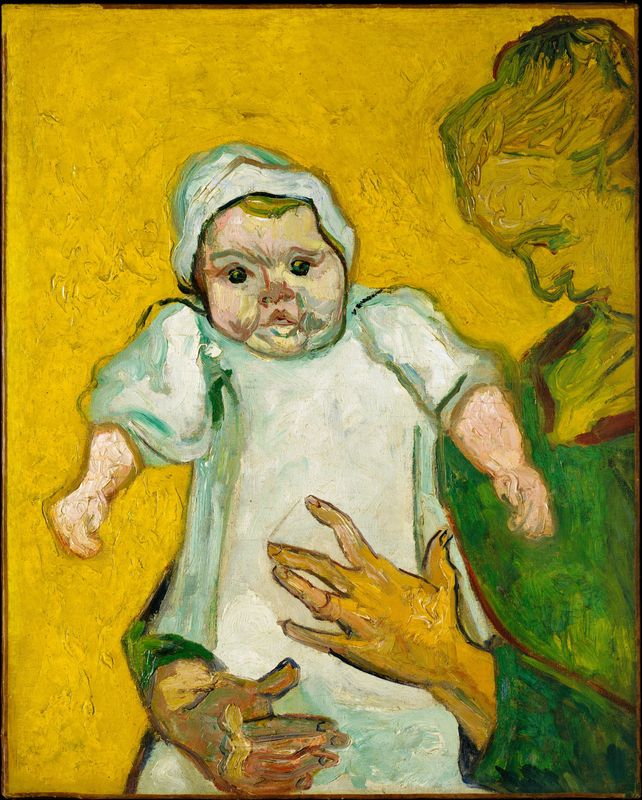 Madame Roulin and Her Baby
1888 · The Metropolitan Museum of Art
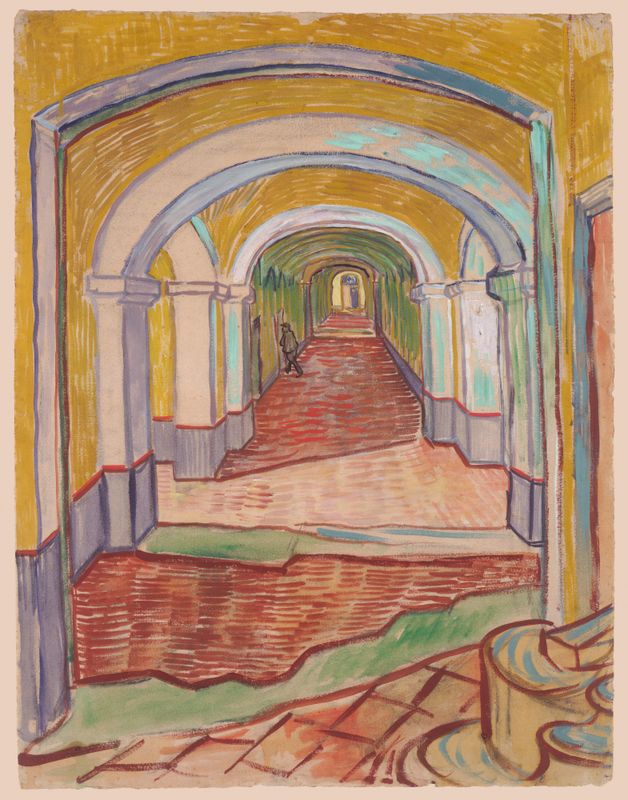 Corridor in the Asylum
1889 · The Metropolitan Museum of Art
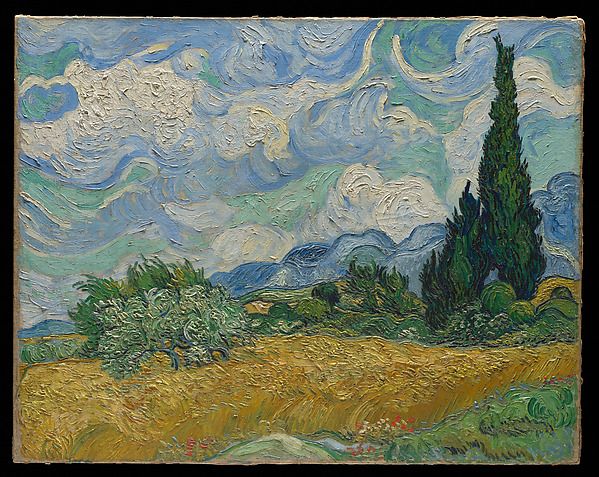 Wheat Field with Cypresses
1889 · The Metropolitan Museum of Art
Beyond van Gogh and Expressionism: works from the same years, and from the other movements Burning Weeds belongs to.
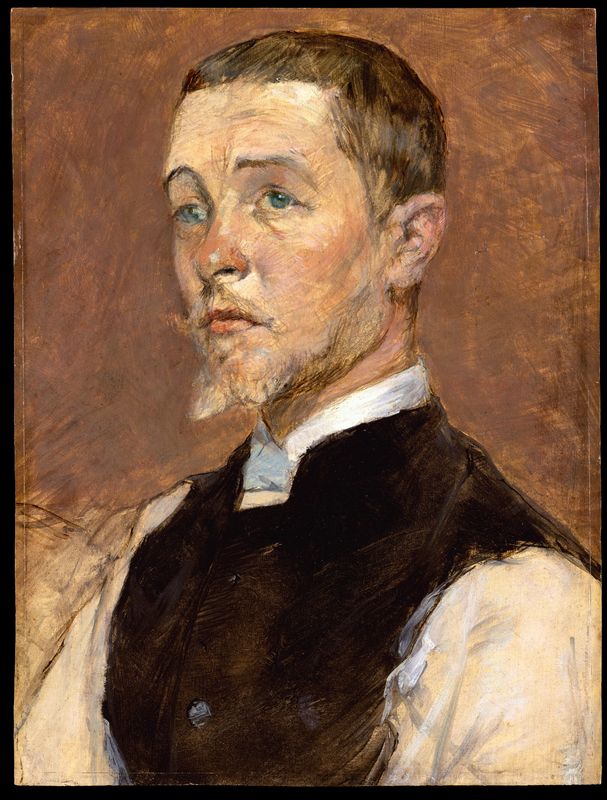 Same movement · Post-Impressionism
Albert (René) Grenier (1858–1925)
Henri de Toulouse-Lautrec · 1887 · The Metropolitan Museum of Art
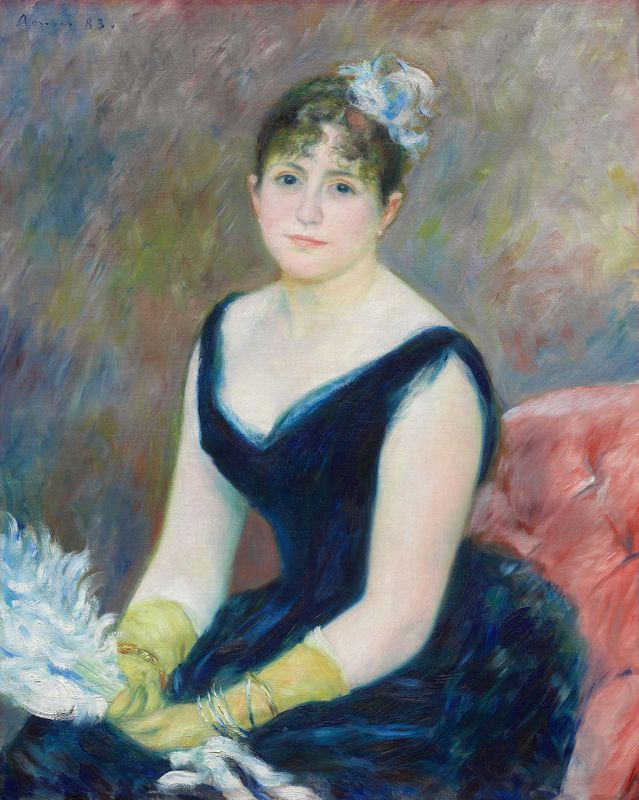 Same era · 1860s–1890s
Madame Léon Clapisson
Léon-Victor Dupré · 1883 · Art Institute of Chicago
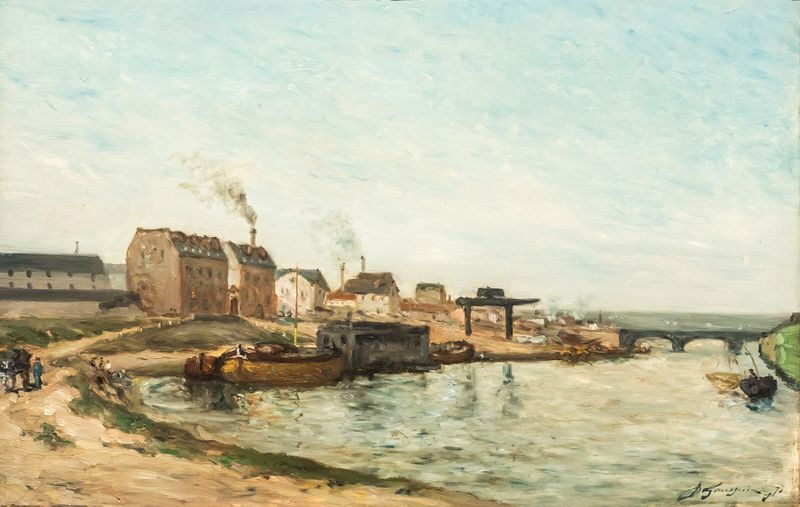 Same movement · Post-Impressionism
The Seine at Pont de Grenelle
Paul Gauguin · 1875 · Wallraf–Richartz Museum
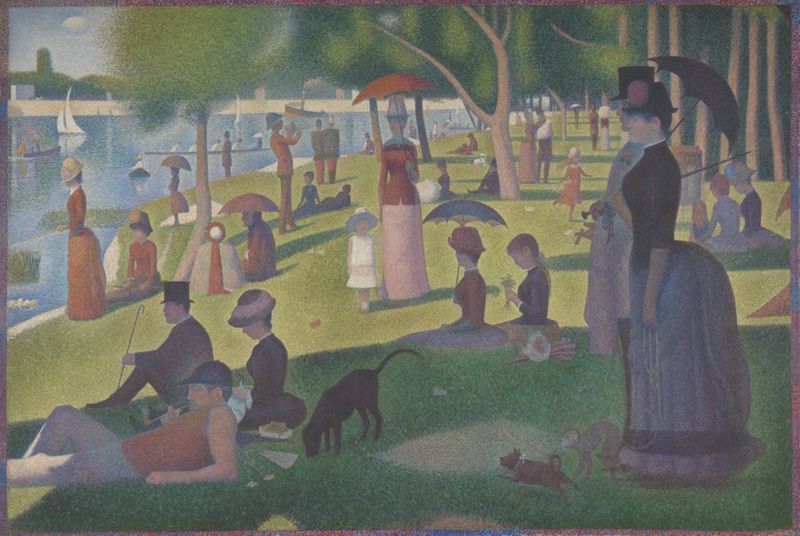 Same era · 1860s–1890s
A Sunday on La Grande Jatte — 1884
Okada Saburosuke · 1884 · Art Institute of Chicago
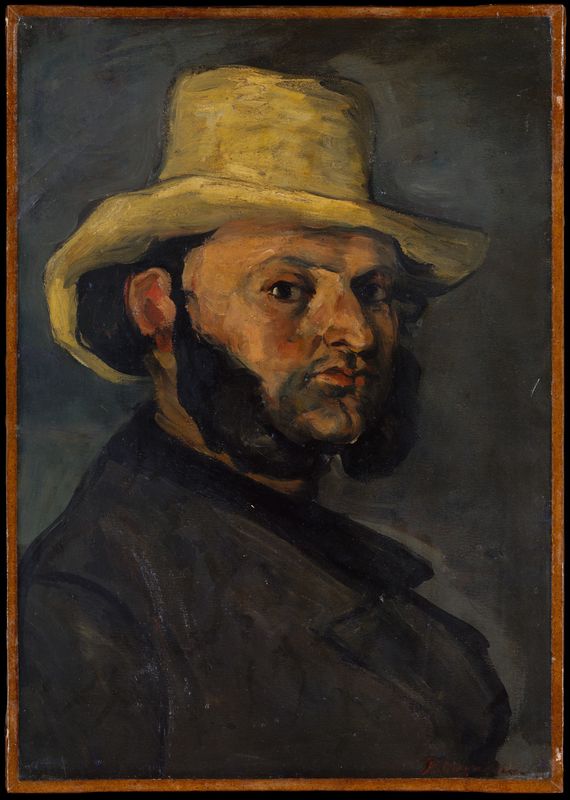 Same movement · Post-Impressionism
Gustave Boyer (b. 1840) in a Straw Hat
Paul Cézanne · 1870 · The Metropolitan Museum of Art
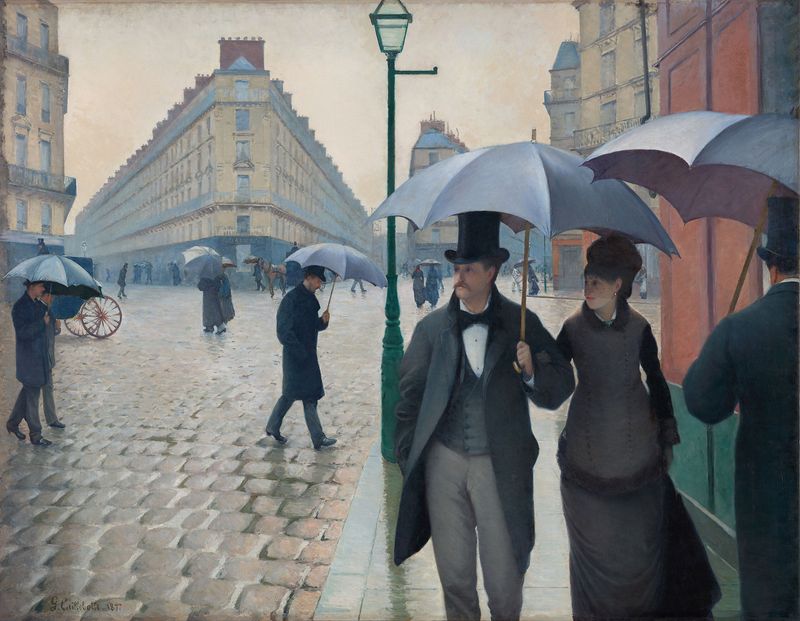 Same era · 1860s–1890s
Paris Street; Rainy Day
Kawabata Gyokushō · 1877 · Art Institute of Chicago
 Same movement · Post-Impressionism
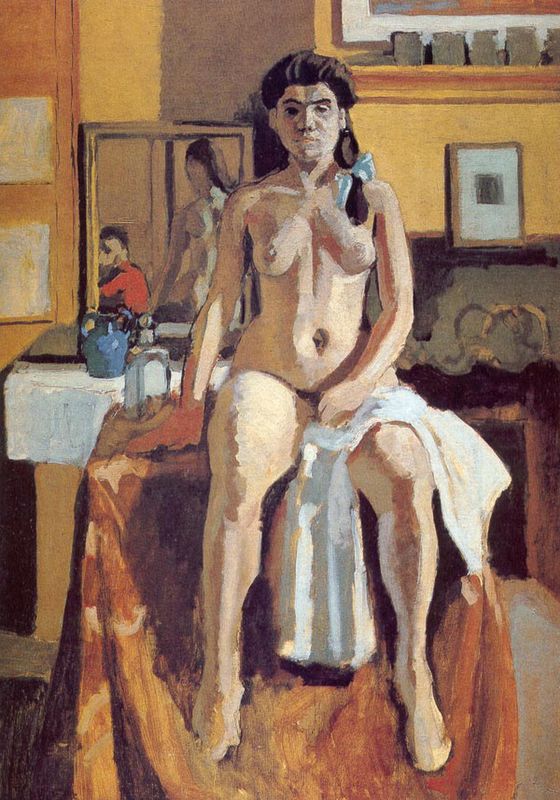
Carmelina
Henri Matisse · 1903 · Museum of Fine Arts Boston
 Same era · 1860s–1890s
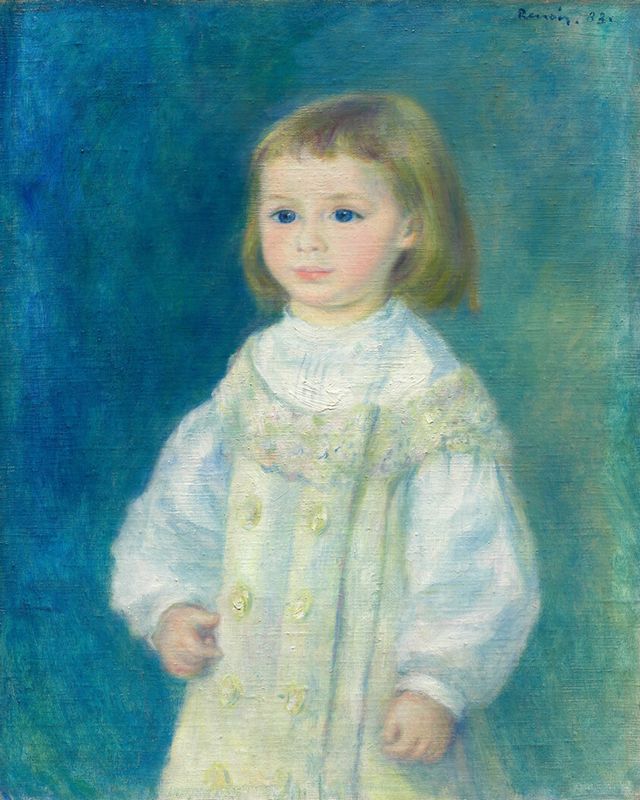
Lucie Berard (Child in White)
Pierre-Auguste Renoir · 1883 · Art Institute of Chicago
 Same movement · Post-Impressionism
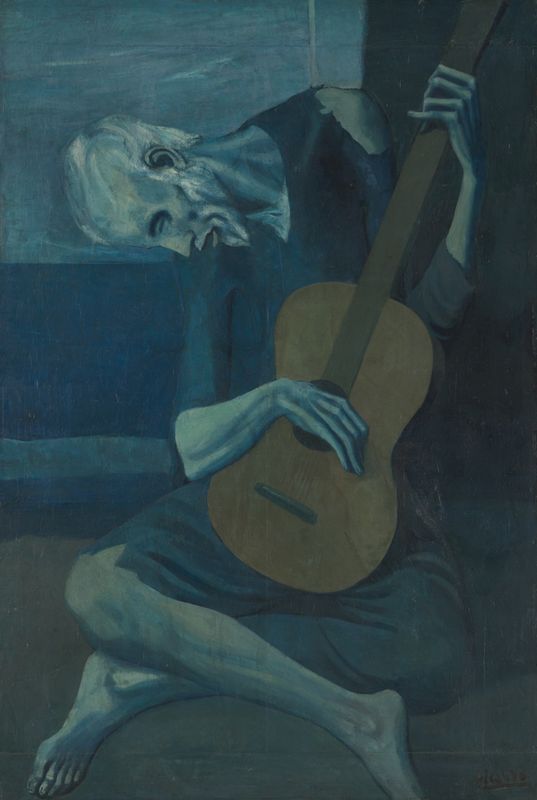
The Old Guitarist
Pablo Picasso · 1903 · Art Institute of Chicago
 Same era · 1860s–1890s
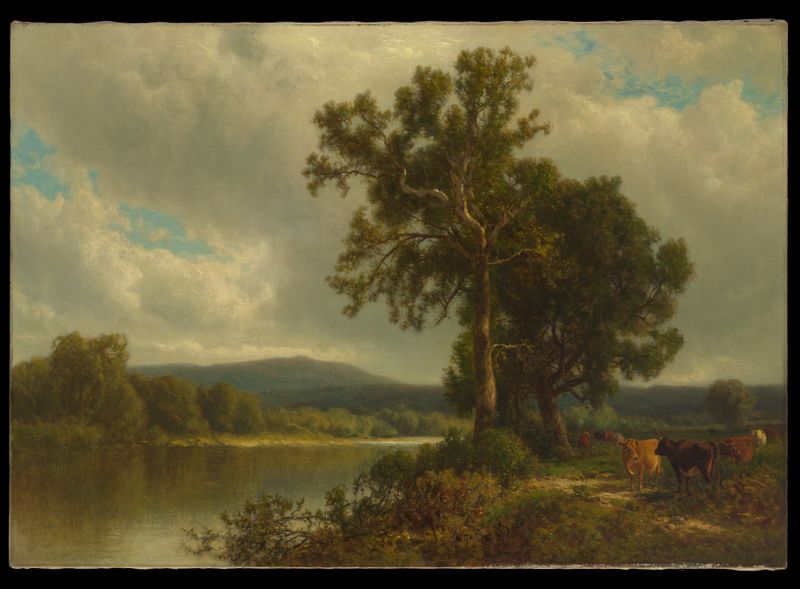
Scene at Napanoch
William Hart · 1883 · The Metropolitan Museum of Art
 Same movement · Post-Impressionism
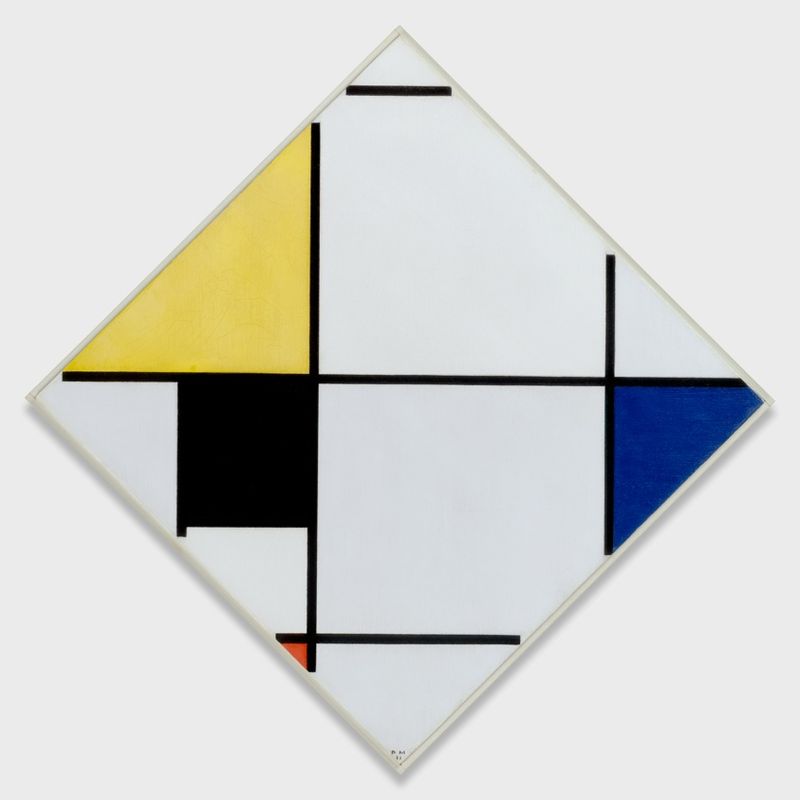
Lozenge Composition with Yellow, Black, Blue, Red, and Gray
Piet Mondrian · 1921 · Art Institute of Chicago
 Same era · 1860s–1890s
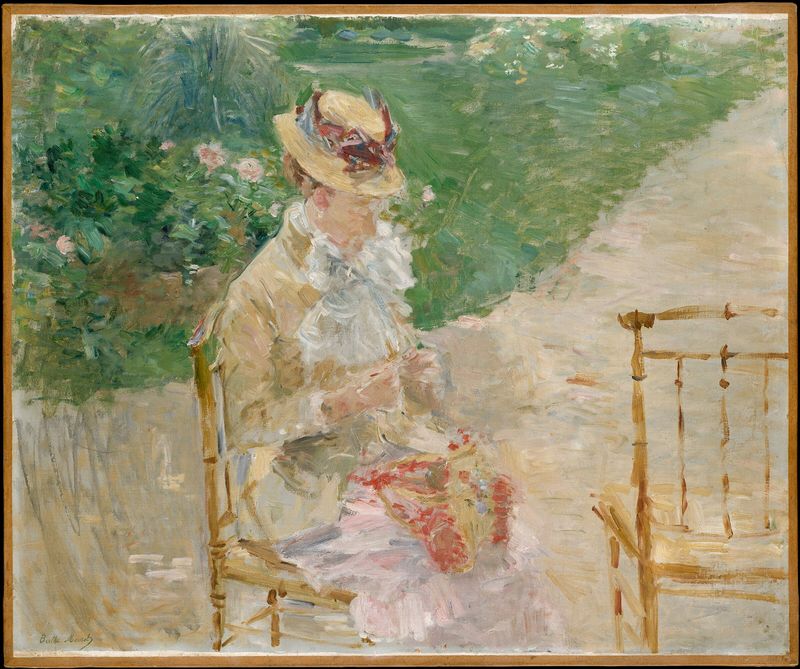
Young Woman Knitting
Berthe Morisot · 1883 · Metropolitan Museum of Art
 Same era · 1860s–1890s
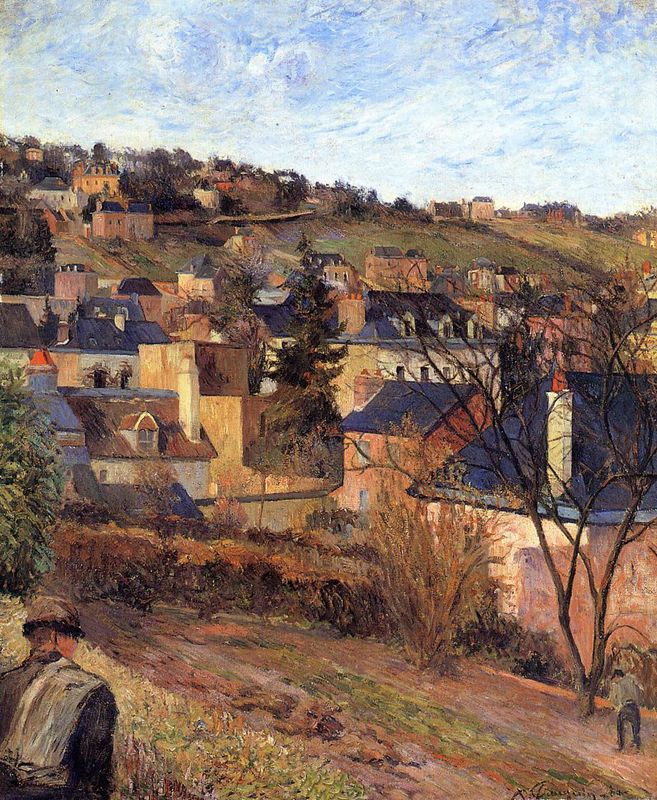
Blue roofs of Rouen
Paul Gauguin · 1884 · Museum collection Am Römerholz
 Same era · 1860s–1890s
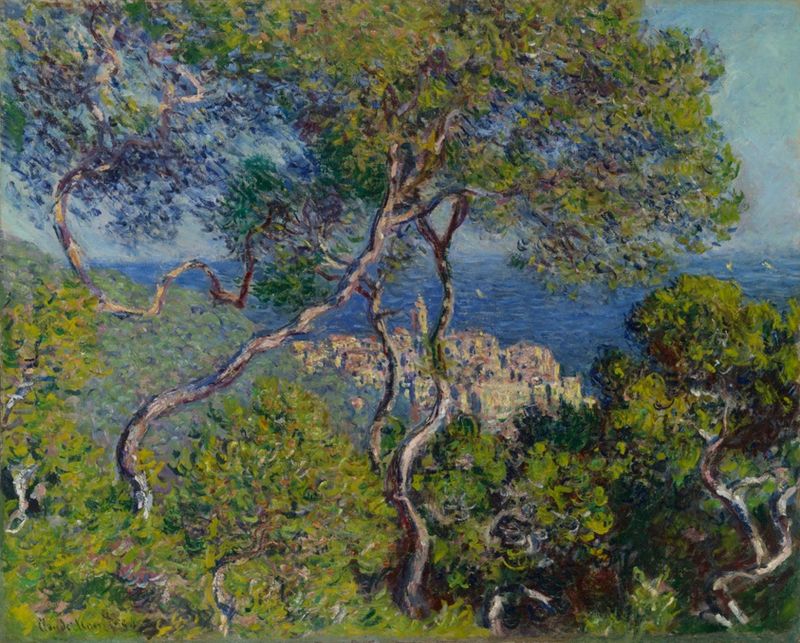
Bordighera
Claude Monet · 1884 · Art Institute of Chicago
 Same era · 1860s–1890s
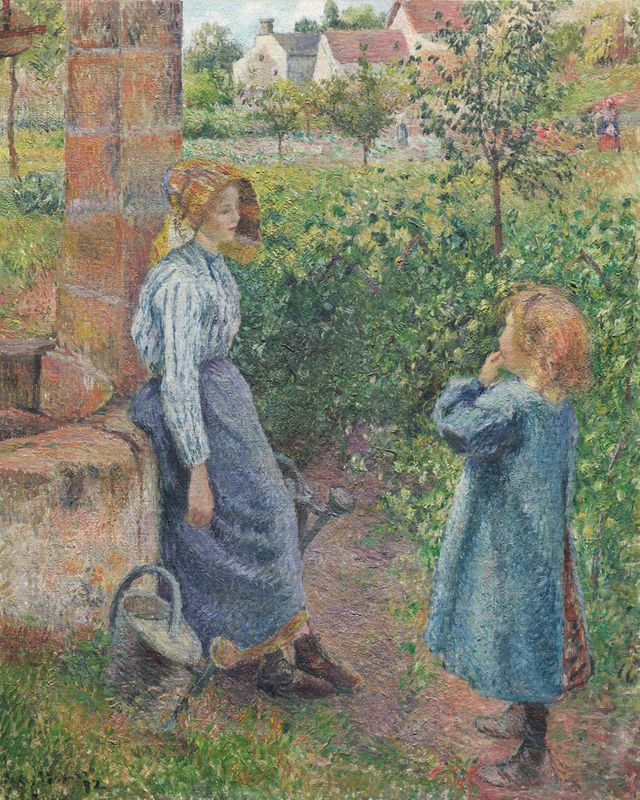
Woman and Child at the Well
Camille Pissarro · 1882 · Art Institute of Chicago
 Same era · 1860s–1890s
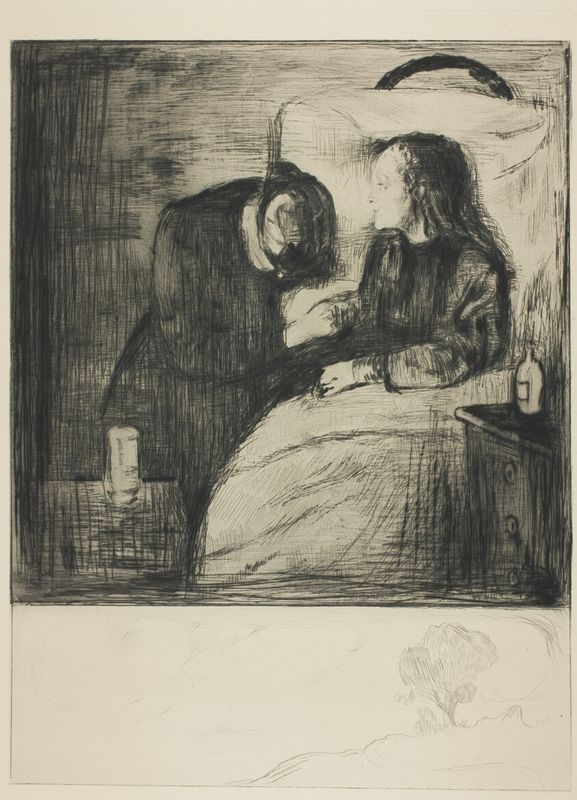
The Sick Child
Edvard Munch · 1885 · National Museum of Art, Architecture and Design
 Same era · 1860s–1890s
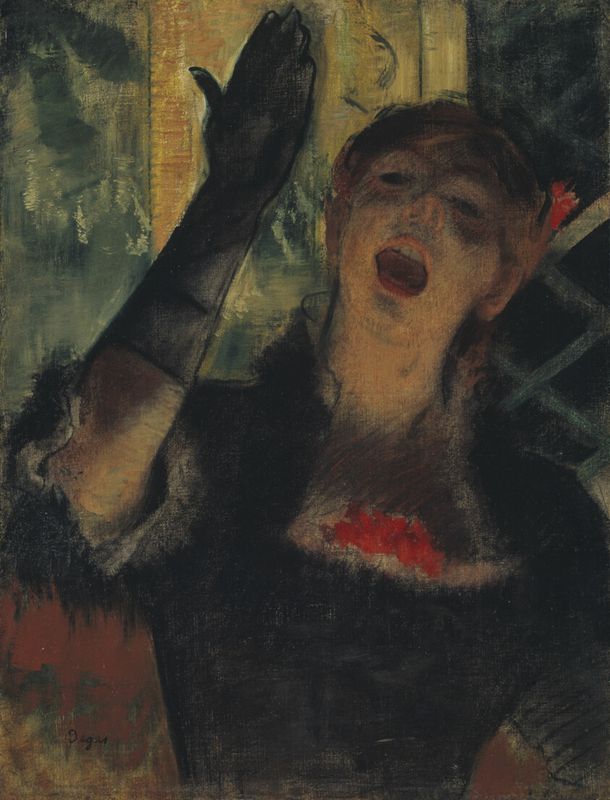
Café Singer
Edgar Degas · 1879 · Art Institute of Chicago
 Same era · 1860s–1890s
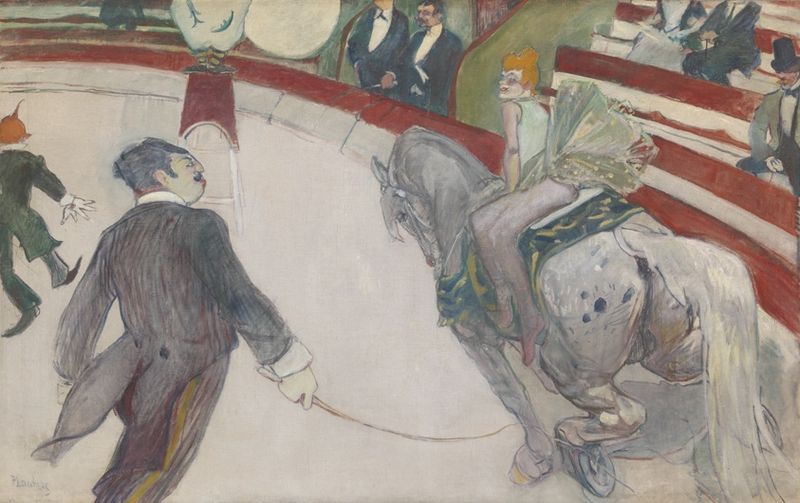
Equestrienne (At the Cirque Fernando)
Henri de Toulouse-Lautrec · 1887 · Art Institute of Chicago