01
Swirling leaf strokes
In the big tree at left, leaves are tiny curved strokes of light and dark green. They swirl in clusters, so the foliage seems to move.
1 of 5 on the painting
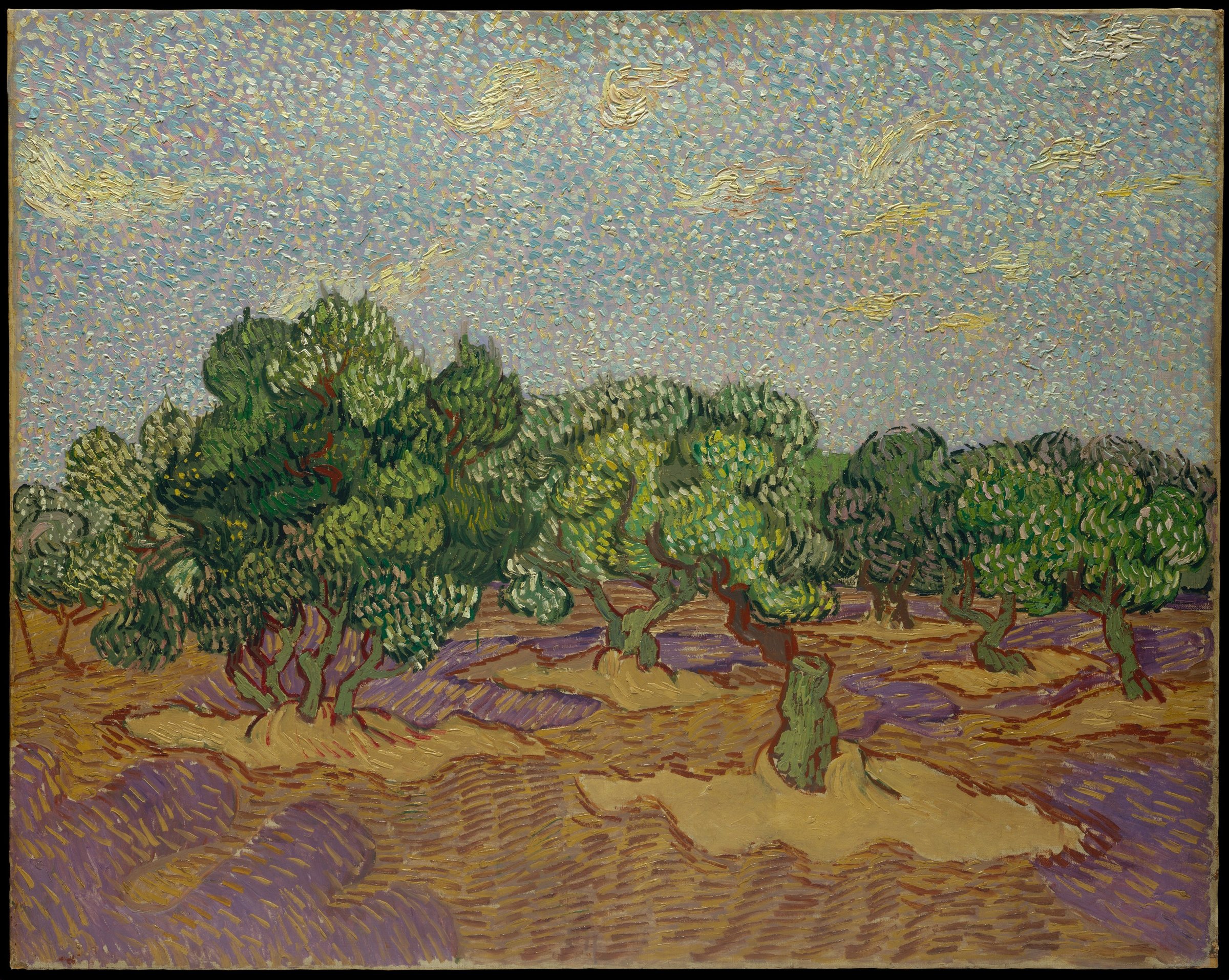
“Stop and observe the intense, almost living quality of these olive trees, rendered with Van Gogh's signature expressive brushwork that makes the landscape hum with energy.”
Twisting, gnarled trunks and vibrant, restless foliage dominate this canvas, painted during a period of intense artistic output. The olive trees, a subject Van Gogh explored in a series, pulse with an almost human energy, their forms rendered with thick, expressive brushstrokes that capture the light and movement of the Provençal landscape. The ground beneath them is a riot of color, a mix of ochre, green, and blue, suggesting the earth's fertility and the warmth of the sun. Even the sky, often a placid backdrop, swirls with a dynamic rhythm, echoing the vitality of the trees below. This painting offers a profound vision of nature, imbued with a deep emotional resonance that goes beyond mere representation.
Five details hide in plain sight. Pick one and we’ll show you exactly where to look.
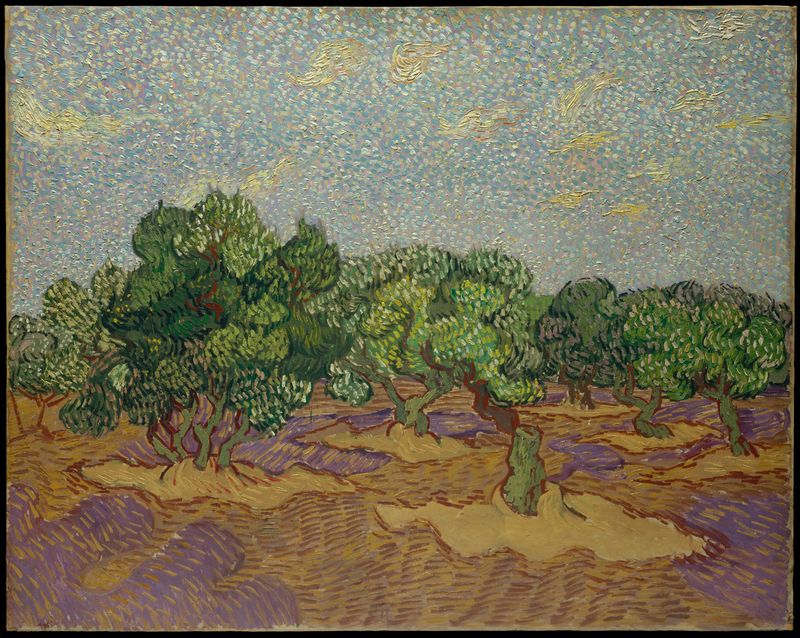
In the big tree at left, leaves are tiny curved strokes of light and dark green. They swirl in clusters, so the foliage seems to move.
The sawn green trunk in the center is a clear stopping point for the eye. Its flat cut top and heavy reddish outline set it apart from the twisting trees around it.
Look at the sky, built from thousands of short dabs in blue, pink and cream. The paint sits thick, so the air seems to shimmer.
Many of the shadows on the ground are painted purple, not gray. Their cool color plays against the orange and yellow soil and helps the sunlight feel strong.
The foreground earth is made of short, rhythmic strokes in orange, gold and brown. They run in rows like furrows and give the ground a woven feel.
The full narration walks you through Olive Trees — the story behind it, the details most visitors miss, and why it matters. Free in the Art Whisper app.
Vincent van Gogh, whose vibrant brushwork and bold colors transformed landscapes and portraits, created 2,100 artworks in just over a decade.
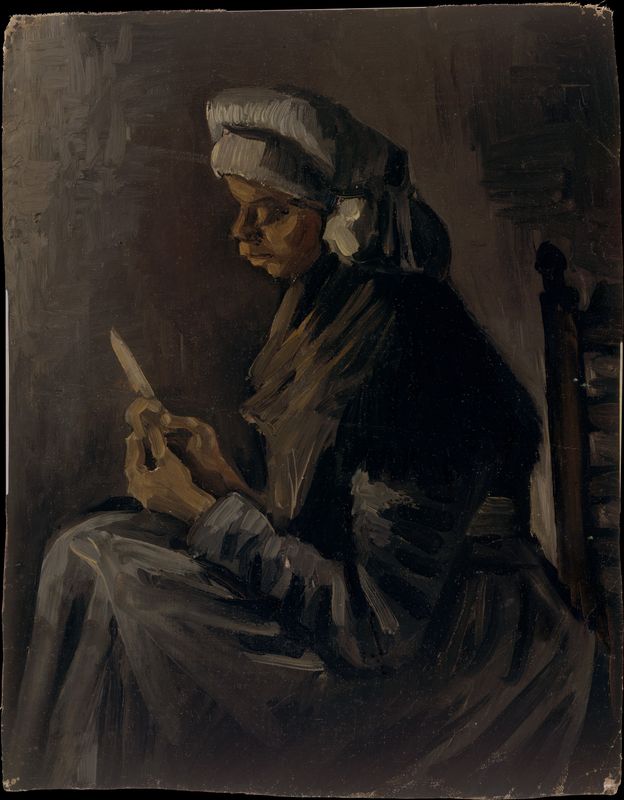 The Potato Peeler (reverse: Self-Portrait with a Straw Hat)
1885 · The Metropolitan Museum of Art
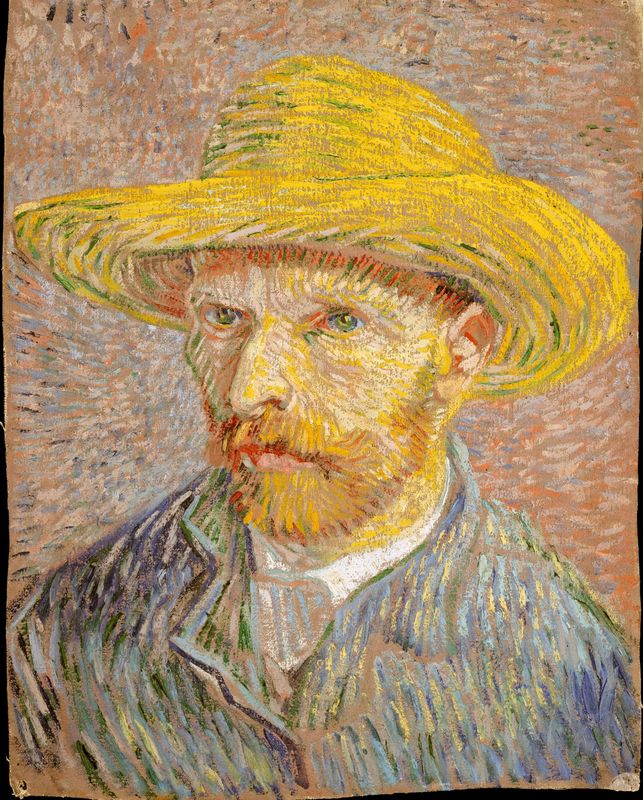 Self-Portrait with a Straw Hat (obverse: The Potato Peeler)
1887 · The Metropolitan Museum of Art
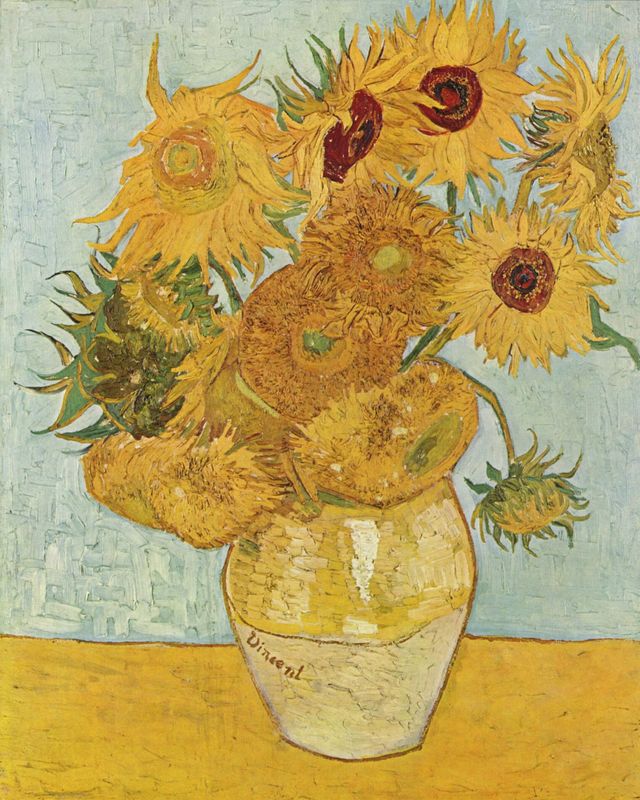 Sunflowers
1887 · The Metropolitan Museum of Art
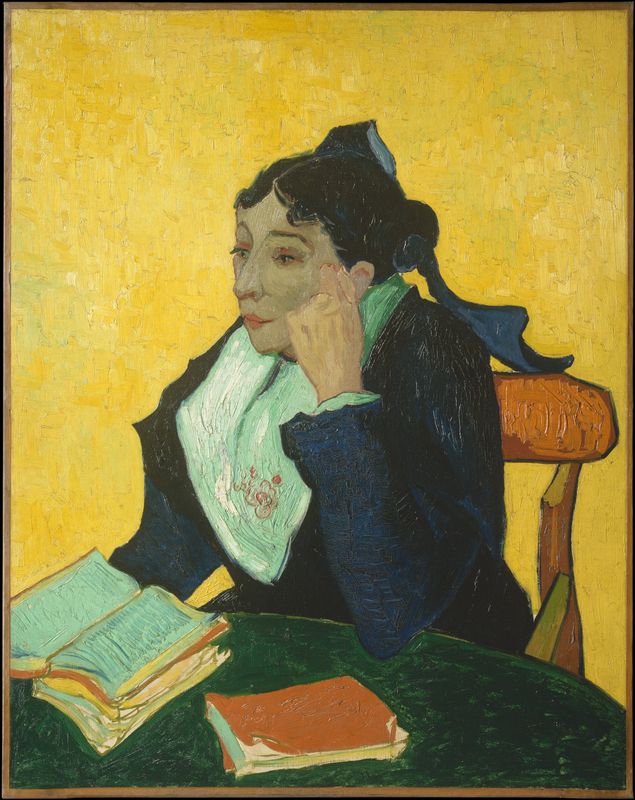 L'Arlésienne: Madame Joseph-Michel Ginoux (Marie Julien, 1848–1911)
1888 · The Metropolitan Museum of Art
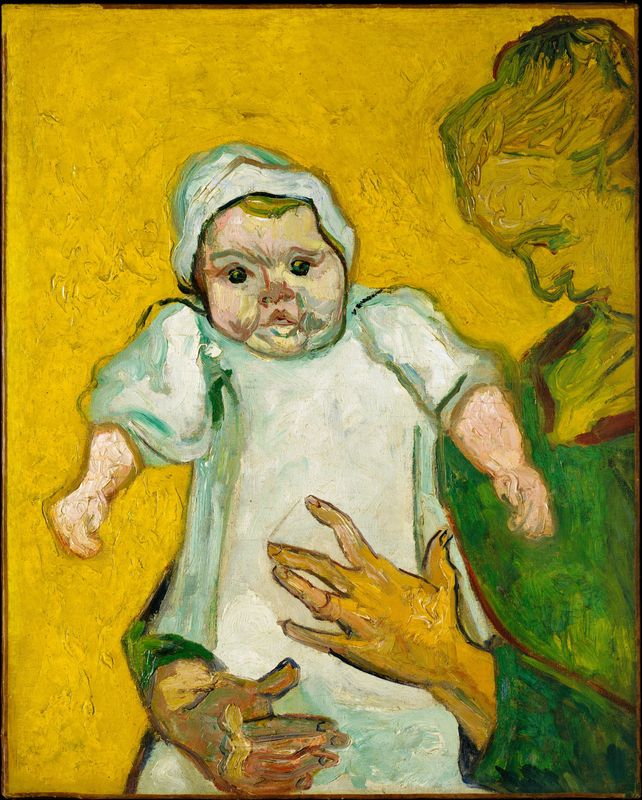 Madame Roulin and Her Baby
1888 · The Metropolitan Museum of Art
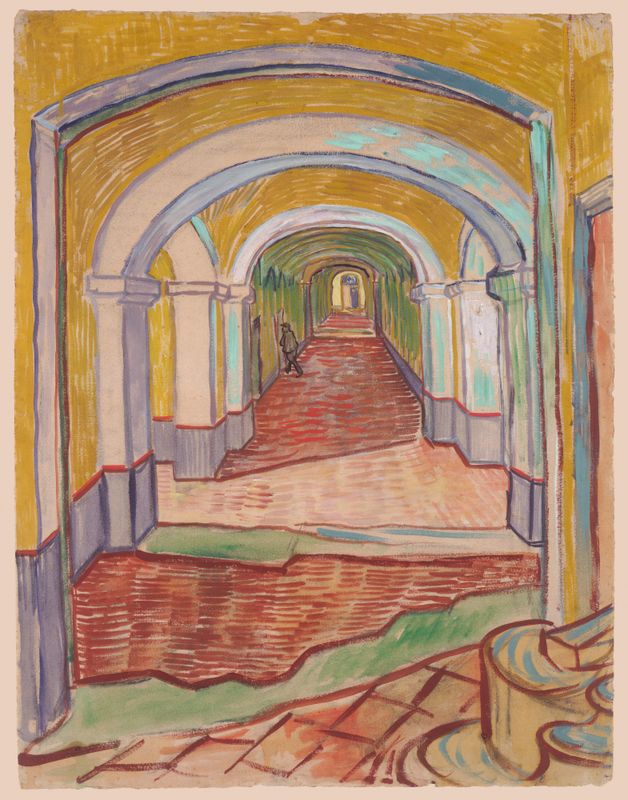 Corridor in the Asylum
1889 · The Metropolitan Museum of Art
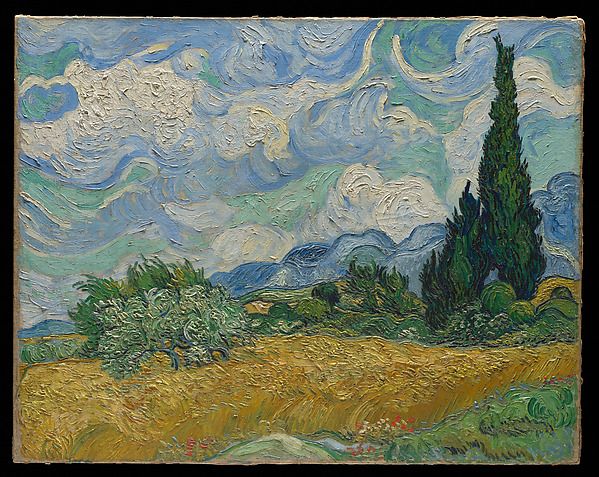 Wheat Field with Cypresses
1889 · The Metropolitan Museum of Art
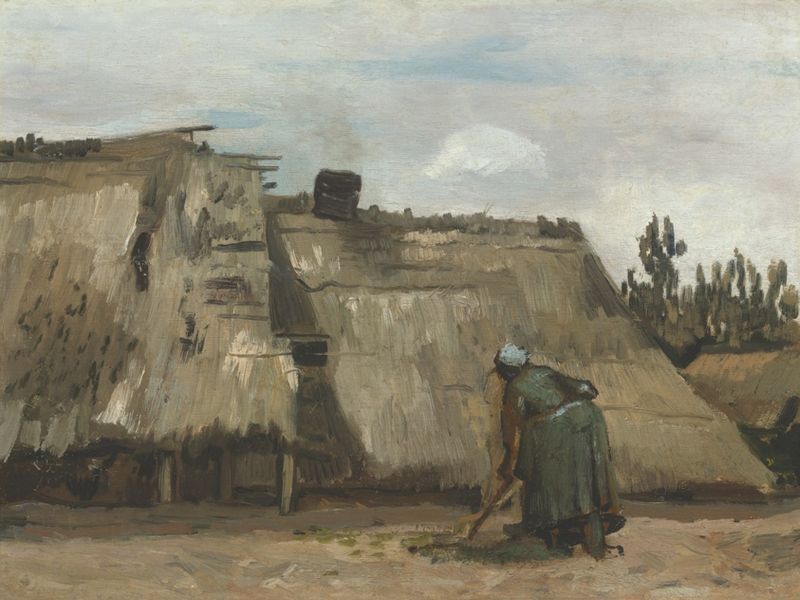 A Peasant Woman Digging in Front of Her Cottage
1880 · Art Institute of Chicago
Beyond van Gogh and Expressionism: works from the same years, and from the other movements Olive Trees belongs to.
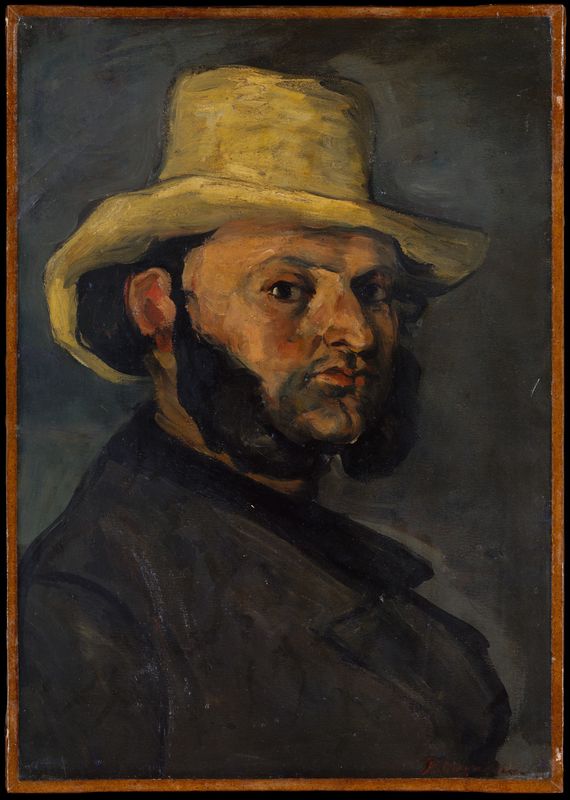 Same movement · Post-Impressionism
Gustave Boyer (b. 1840) in a Straw Hat
Paul Cézanne · 1870 · The Metropolitan Museum of Art
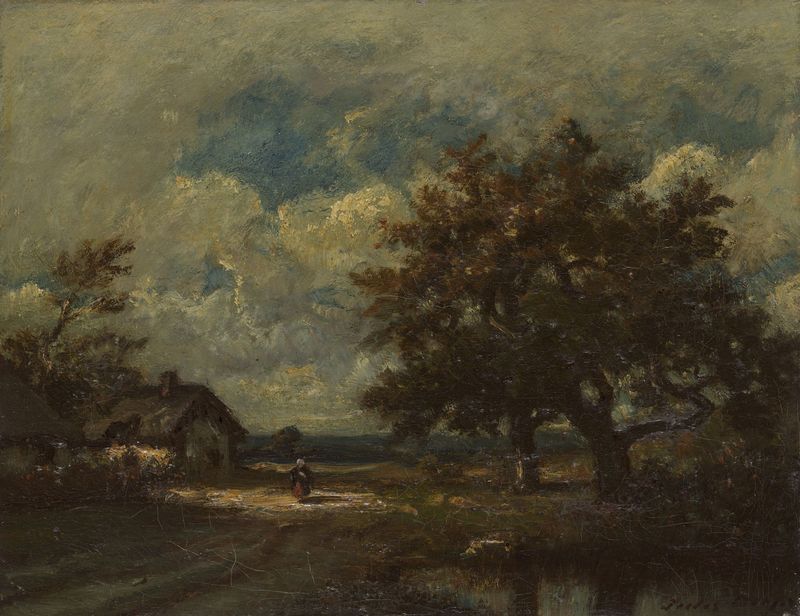 Same era · 1830s–1860s
The Cottage by the Roadside, Stormy Sky
Léon-Victor Dupré · 1855 · Art Institute of Chicago
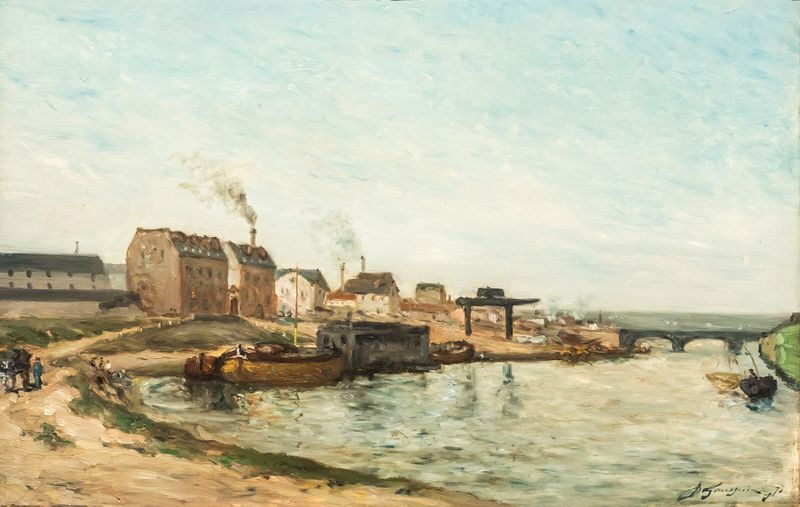 Same movement · Post-Impressionism
The Seine at Pont de Grenelle
Paul Gauguin · 1875 · Wallraf–Richartz Museum
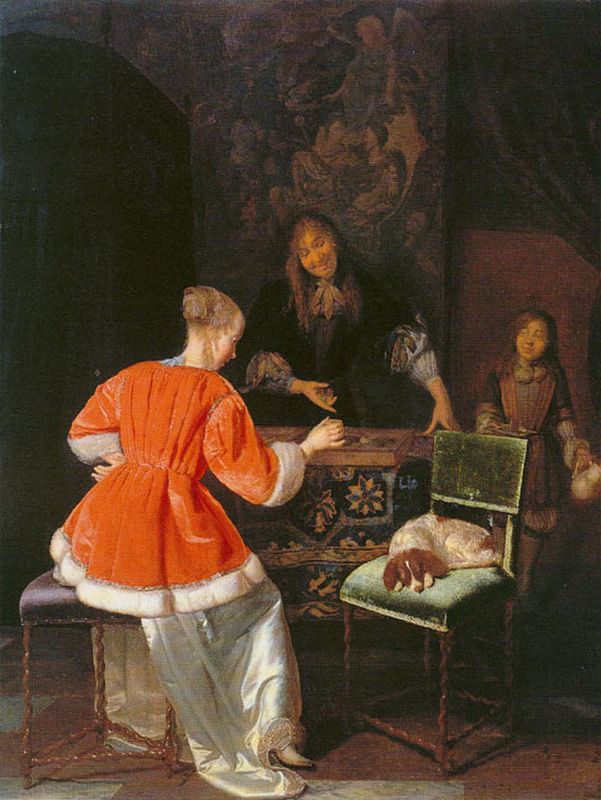 Same era · 1830s–1860s
The Backgammon Players
Philip Webb · 1861 · The Metropolitan Museum of Art
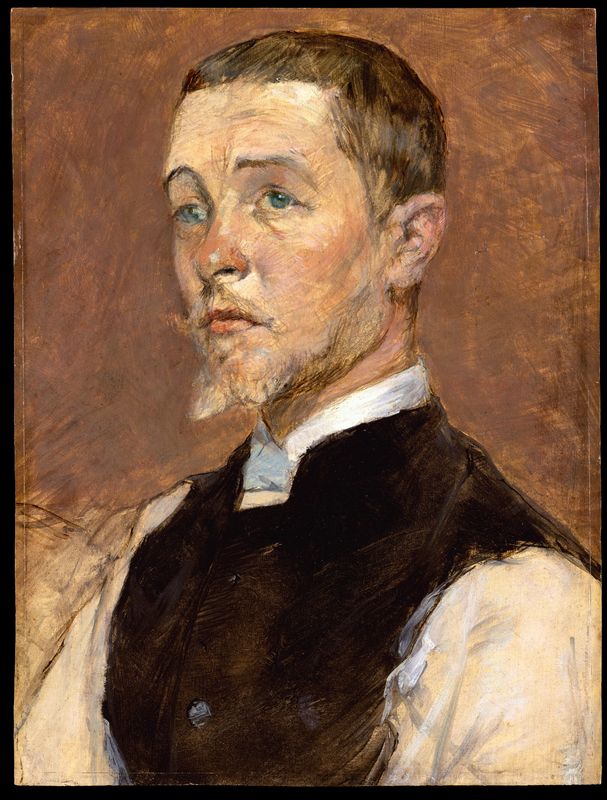 Same movement · Post-Impressionism
Albert (René) Grenier (1858–1925)
Henri de Toulouse-Lautrec · 1887 · The Metropolitan Museum of Art
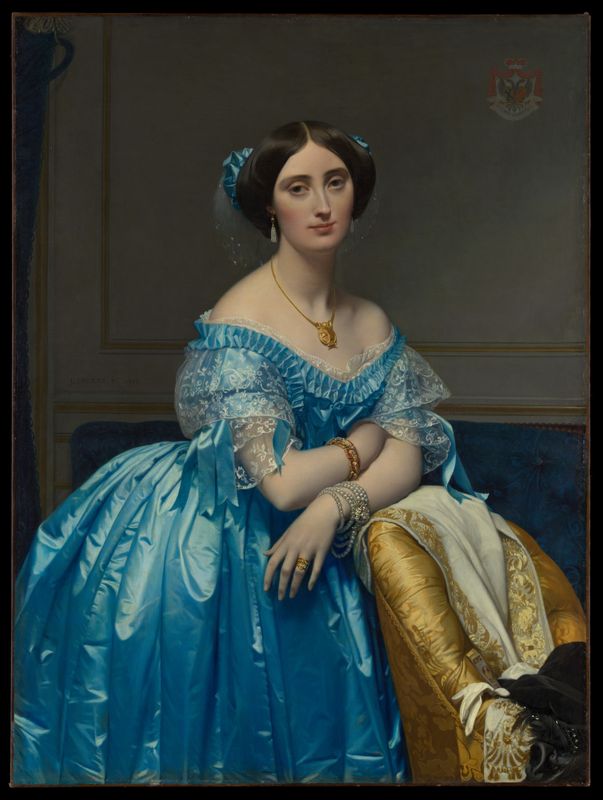 Same era · 1830s–1860s
Joséphine-Éléonore-Marie-Pauline de Galard de Brassac de Béarn (1825–1860), Princesse de Broglie
Jean-Auguste-Dominique Ingres · 1853 · Metropolitan Museum of Art
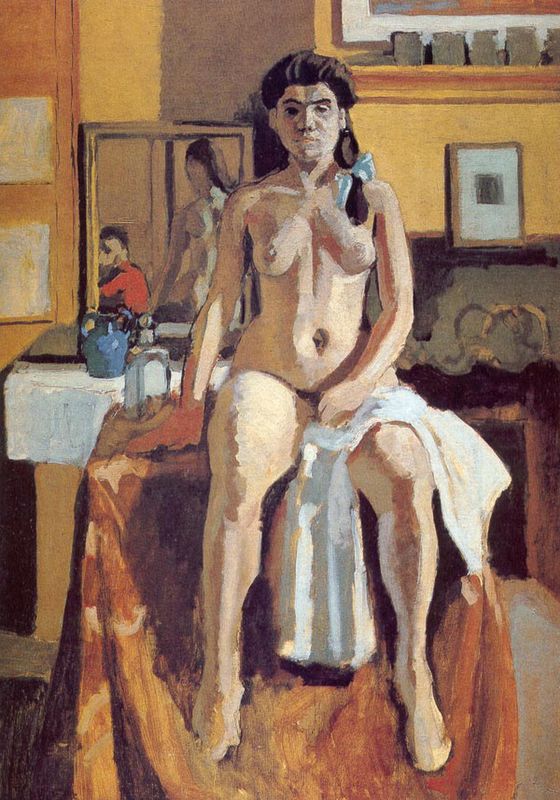 Same movement · Post-Impressionism
Carmelina
Henri Matisse · 1903 · Museum of Fine Arts Boston
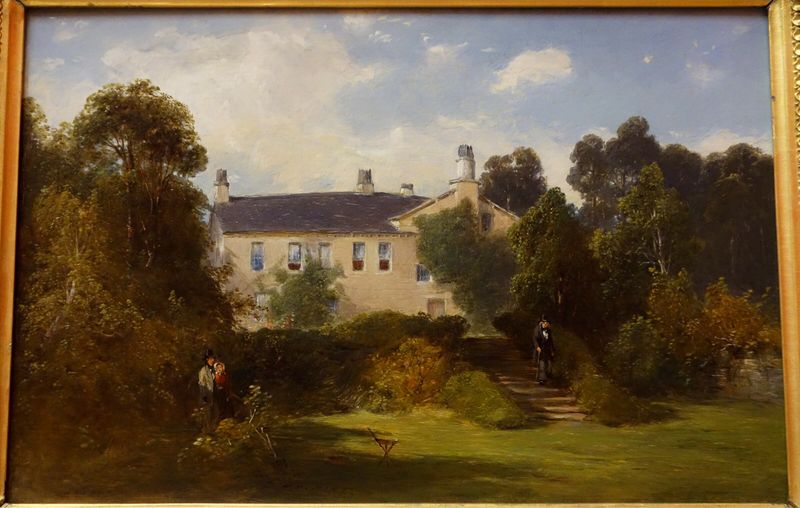 Same era · 1830s–1860s
Wordsworth Manor
William Hart · 1852
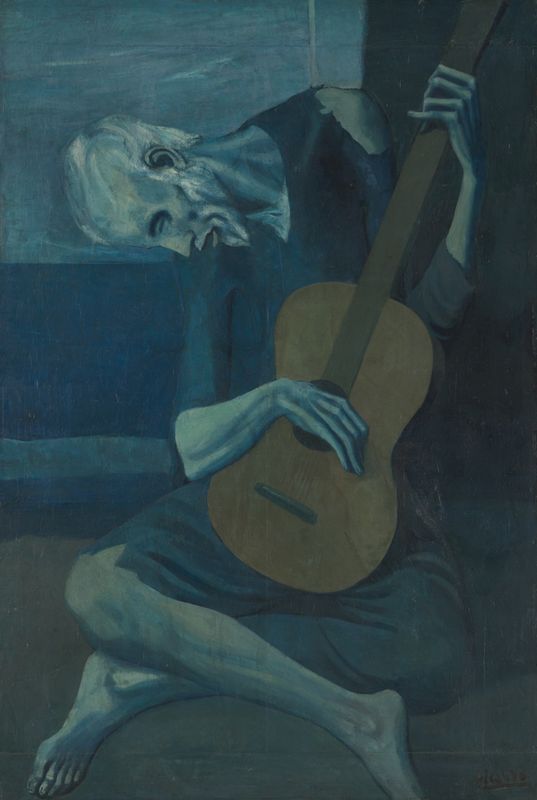 Same movement · Post-Impressionism
The Old Guitarist
Pablo Picasso · 1903 · Art Institute of Chicago
 Same era · 1830s–1860s
Spring Flowers
Gustave Courbet · 1855 · The Metropolitan Museum of Art
 Same movement · Post-Impressionism
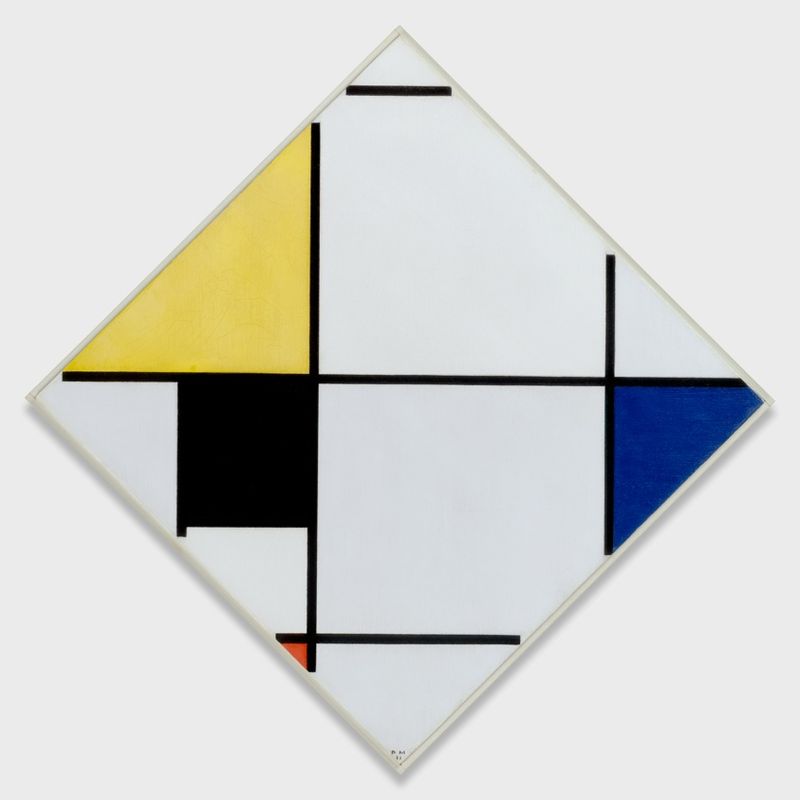
Lozenge Composition with Yellow, Black, Blue, Red, and Gray
Piet Mondrian · 1921 · Art Institute of Chicago
 Same era · 1830s–1860s
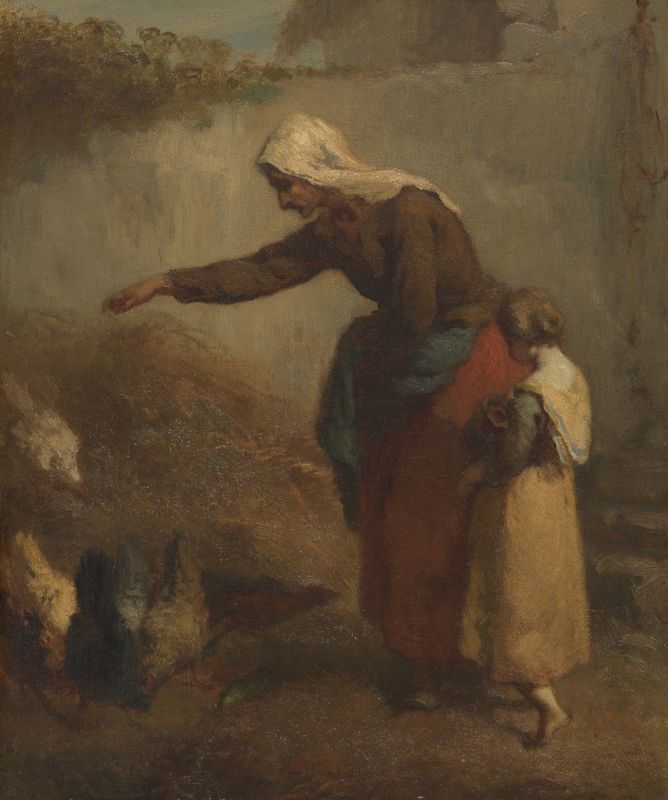
Woman Feeding Chickens
Jean-François Millet · 1850 · Art Institute of Chicago
 Same era · 1830s–1860s
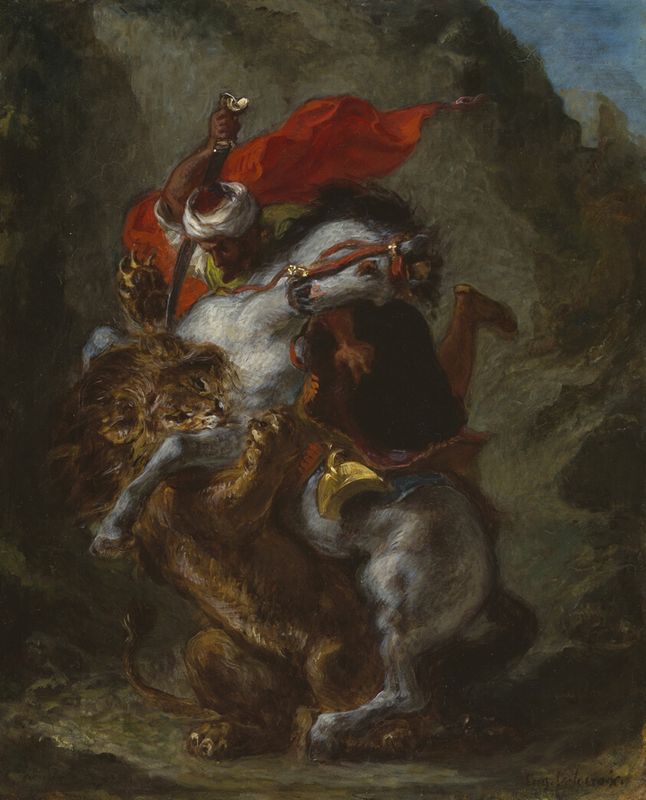
Arab Horseman Attacked by a Lion
Eugène Delacroix · 1849 · Art Institute of Chicago
 Same era · 1830s–1860s
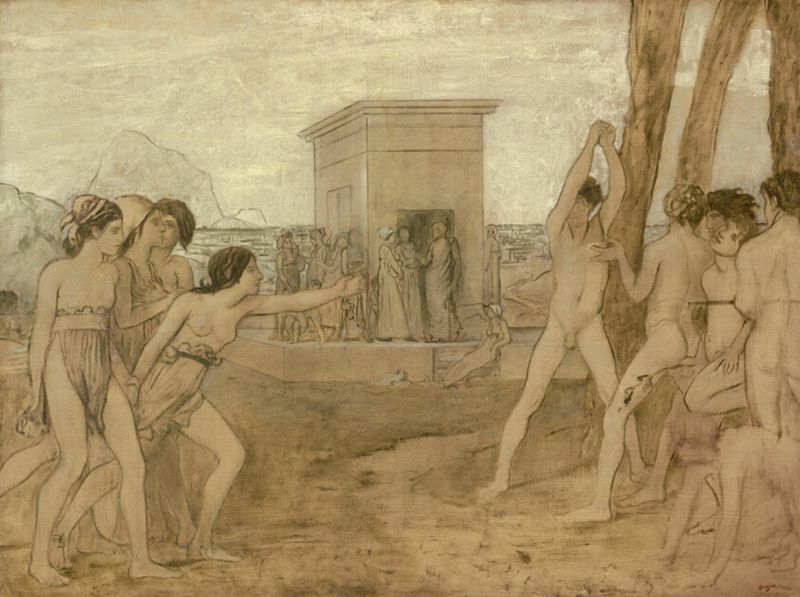
Young Spartan Girls Challenging Boys
Edgar Degas · 1860 · Art Institute of Chicago
 Same era · 1830s–1860s
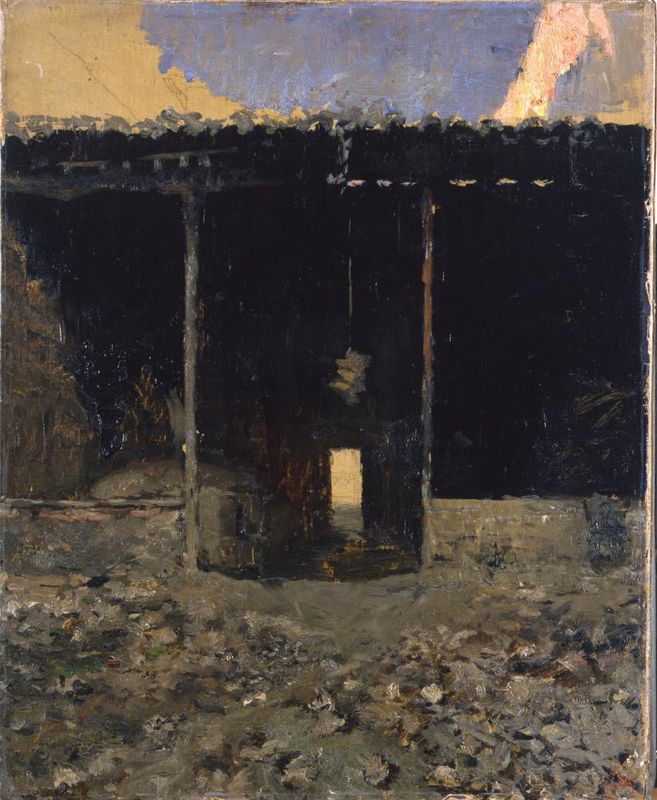
A Sketch
Mariano Fortuny Marsal · 1862 · Hispanic Society of America
 Same era · 1830s–1860s
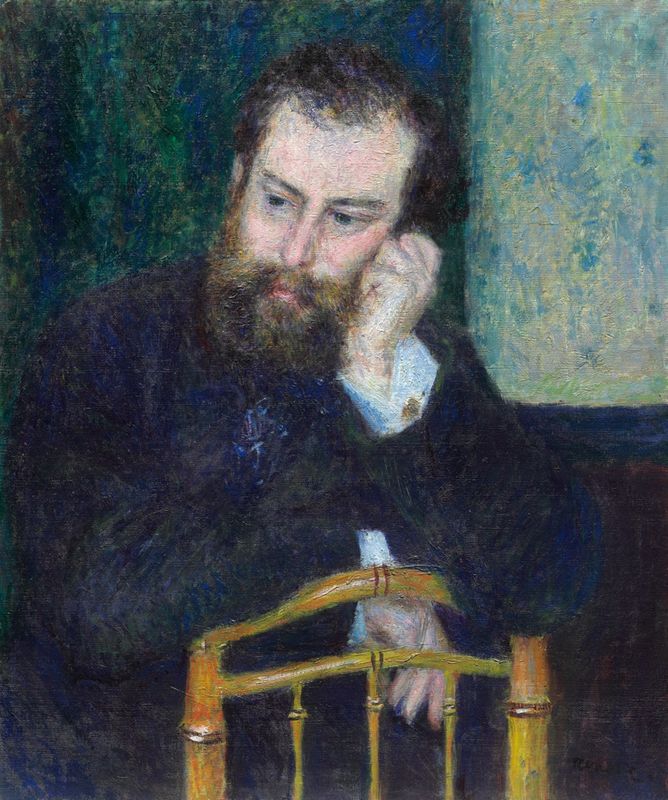
Alfred Sisley
Pierre-Auguste Renoir · 1864 · Foundation E.G. Bührle Collection
 Same era · 1830s–1860s
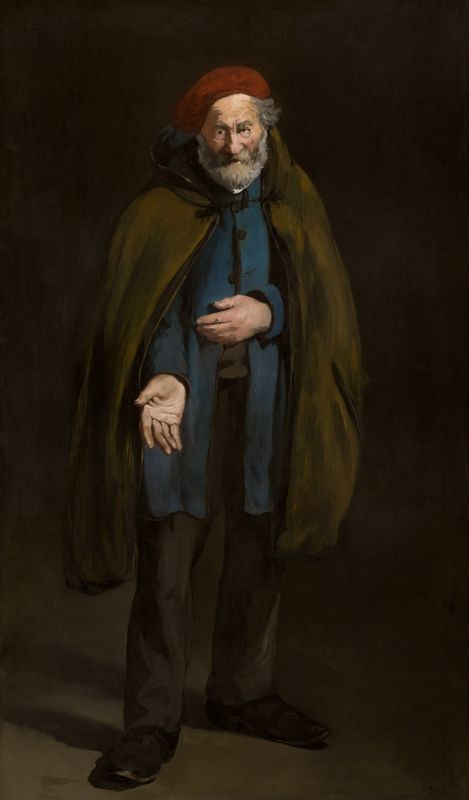
Beggar with a Duffle Coat (Philosopher)
Édouard Manet · 1864 · Art Institute of Chicago
 Same era · 1830s–1860s
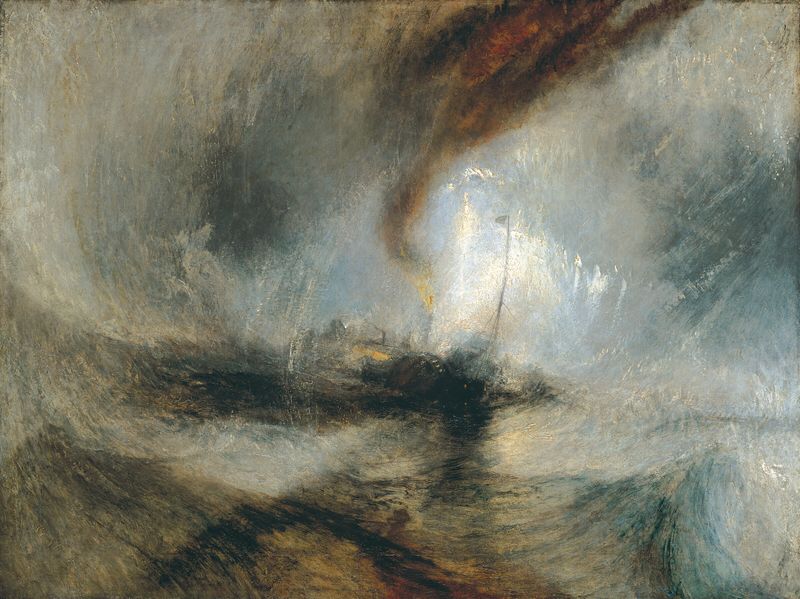
Snow Storm: Steam-Boat off a Harbour's Mouth
J. M. W. Turner · 1842 · National Gallery