01
Bright blue eyes
Look at the two small blue eyes in the soft pink face. They are the sharpest color accents here and hold the child's gaze just off to the side.
1 of 4 on the painting
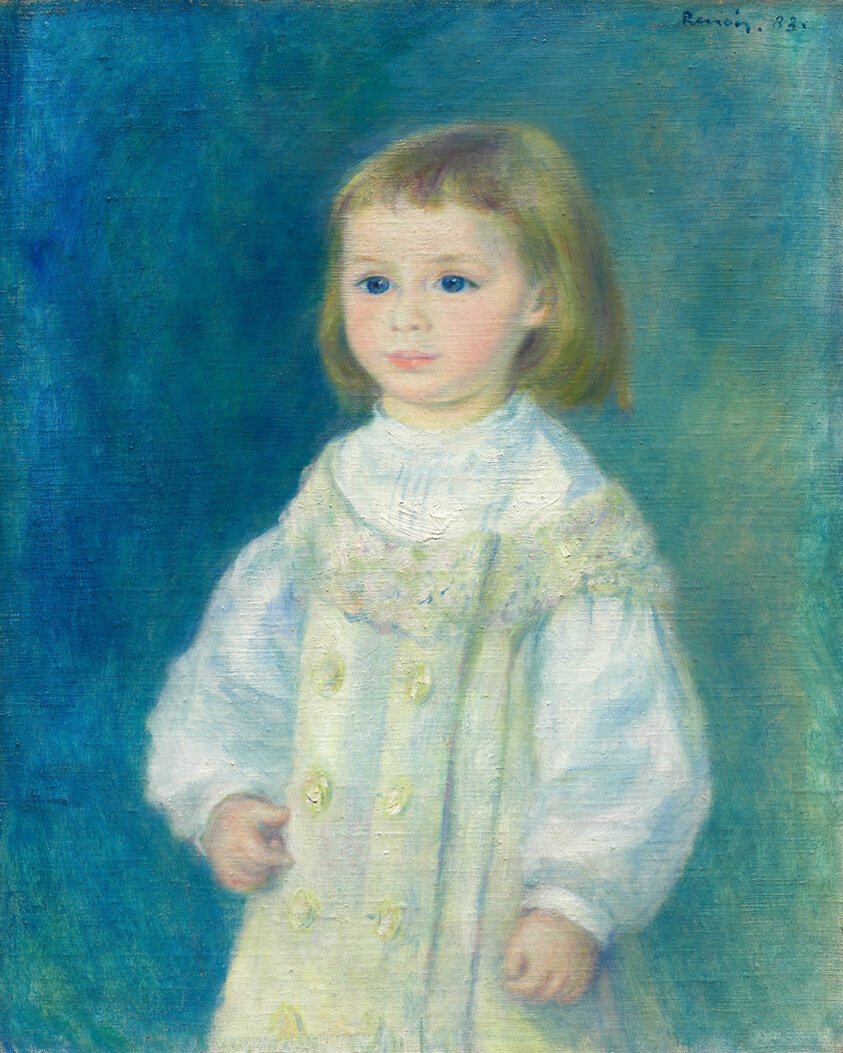
“Stop to appreciate the tender portrait of young Lucie Berard, where Pierre-Auguste Renoir captures the luminous innocence of childhood with a soft, glowing palette and delicate brushwork, making her white dress seem to radiate light.”
A young Lucie Berard, around seven years old, gazes out at us with an expression that is both direct and slightly reserved. She is dressed in a crisp white dress with a blue sash, a common formal attire for children of the era. The artist, Pierre-Auguste Renoir, renders her with a soft, almost glowing quality, emphasizing the delicate features of her face and the luminous fabric of her clothing. This portrait, painted in 1883, captures a moment of childhood innocence, yet hints at the burgeoning personality of its subject. The brushstrokes, particularly in the background, are loose and fluid, characteristic of the Impressionist style that Renoir helped to define, creating a vibrant, atmospheric setting that complements the child's bright presence.
Five details hide in plain sight. Pick one and we’ll show you exactly where to look.
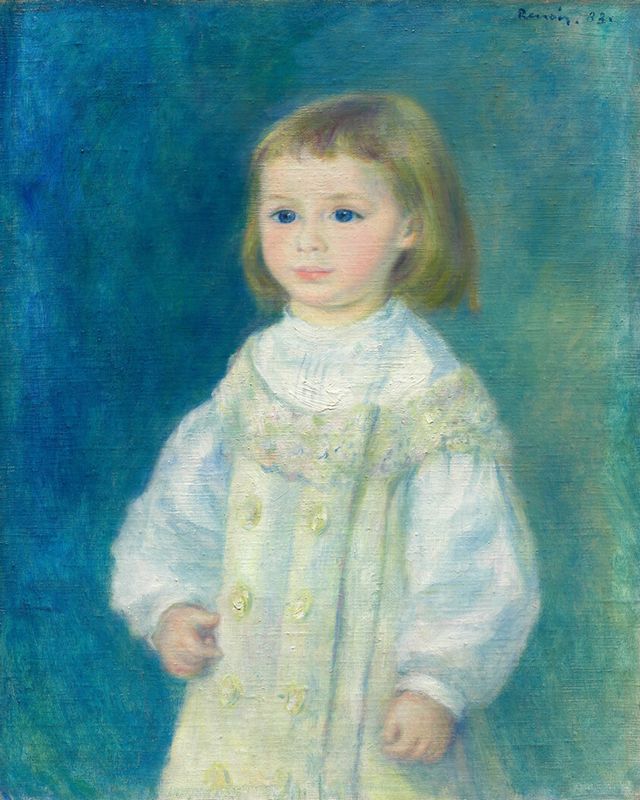
Look at the two small blue eyes in the soft pink face. They are the sharpest color accents here and hold the child's gaze just off to the side.
The blond bob is built from soft, blended strokes of yellow, ochre and pink, so it melts into the blue behind it instead of having a hard outline.
The swirling blue and teal background has no room or furniture. Its cool color makes the warm face and pale dress glow and keeps all attention on the child.
Across the shoulders, small flecks of pink, lilac and green suggest lace or trim without drawing it. Your eye mixes the dabs into frills.
The paint looks thicker in the high white collar, where ridges of brushwork catch the light. The background around it is thinner and more scrubbed.
The full narration walks you through Lucie Berard (Child in White) — the story behind it, the details most visitors miss, and why it matters. Free in the Art Whisper app.
Pierre-Auguste Renoir, a leading Impressionist, painted lively scenes of Parisian life and celebrated feminine beauty.
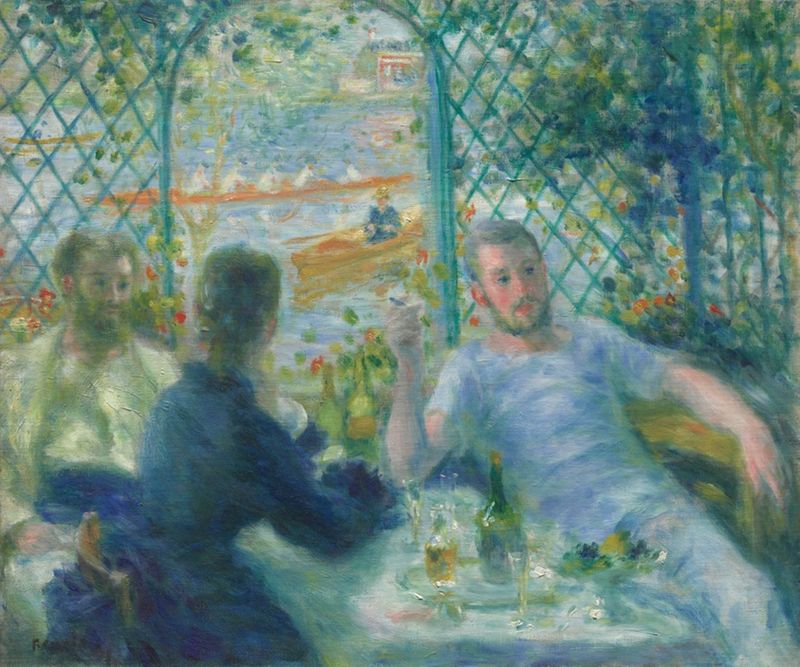 Lunch at the Restaurant Fournaise (The Rowers' Lunch)
1875 · Art Institute of Chicago
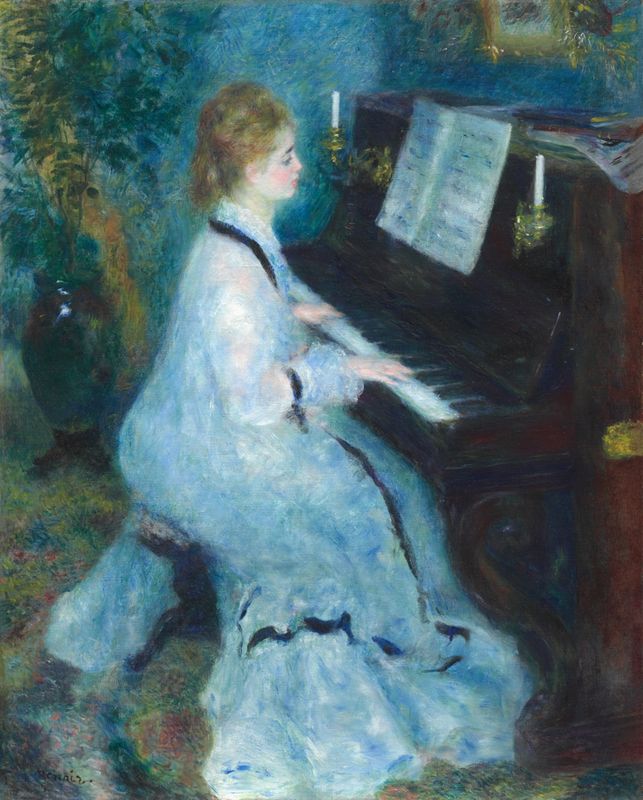 Woman at the Piano
1875 · Art Institute of Chicago
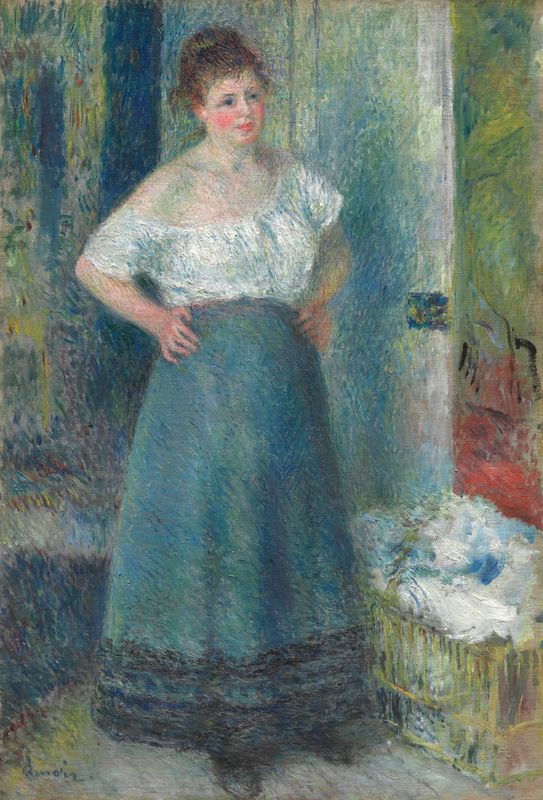 The Laundress
1877 · Art Institute of Chicago
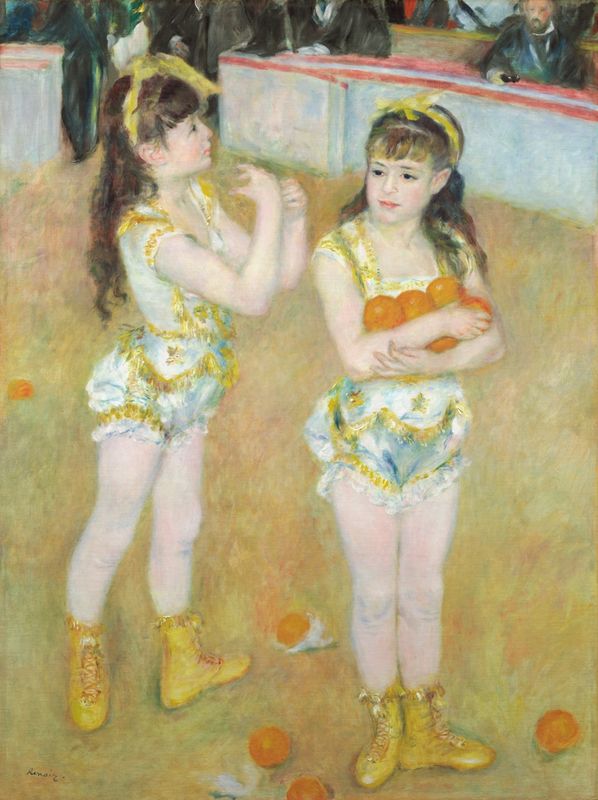 Acrobats at the Cirque Fernando (Francisca and Angelina Wartenberg)
1879 · Art Institute of Chicago
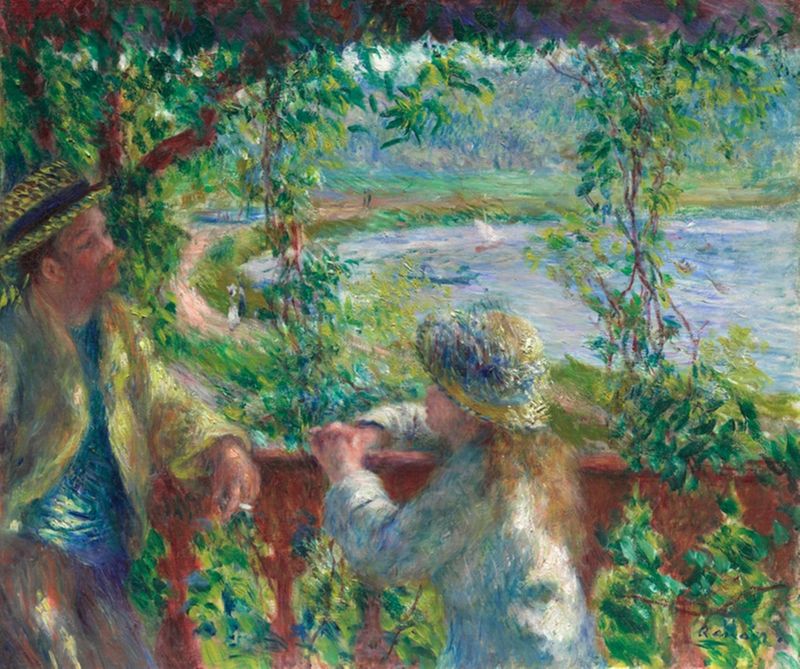 Near the Lake
1879 · Art Institute of Chicago
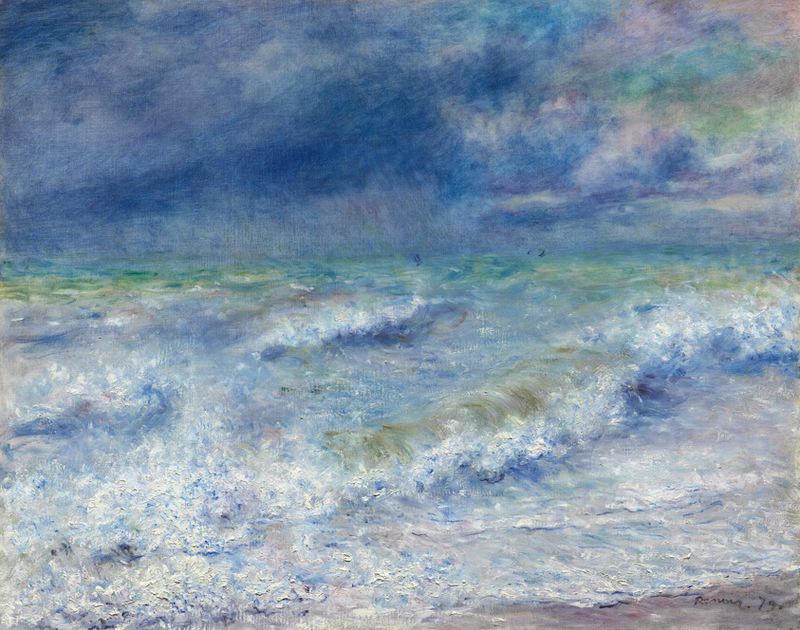 Seascape
1879 · Art Institute of Chicago
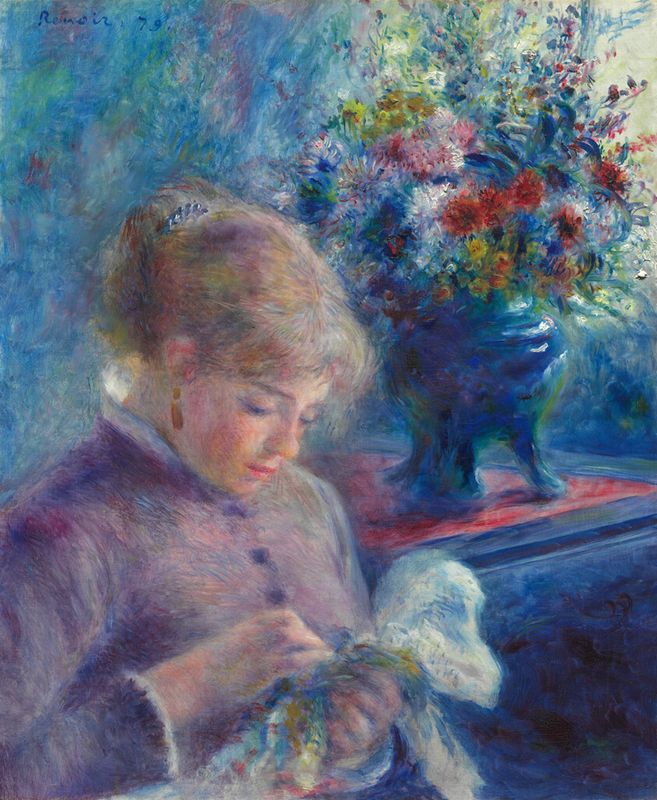 Young Woman Sewing
1879 · Art Institute of Chicago
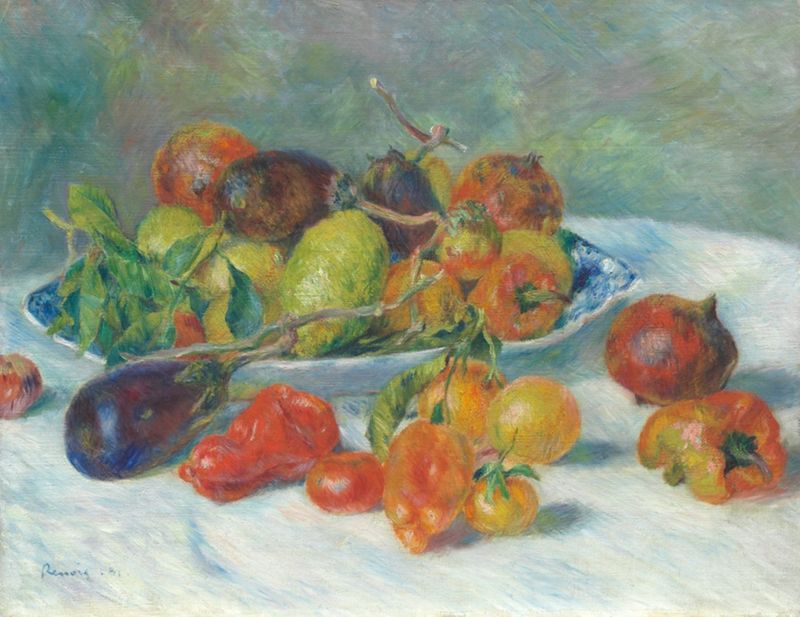 Fruits of the Midi
1881 · Art Institute of Chicago
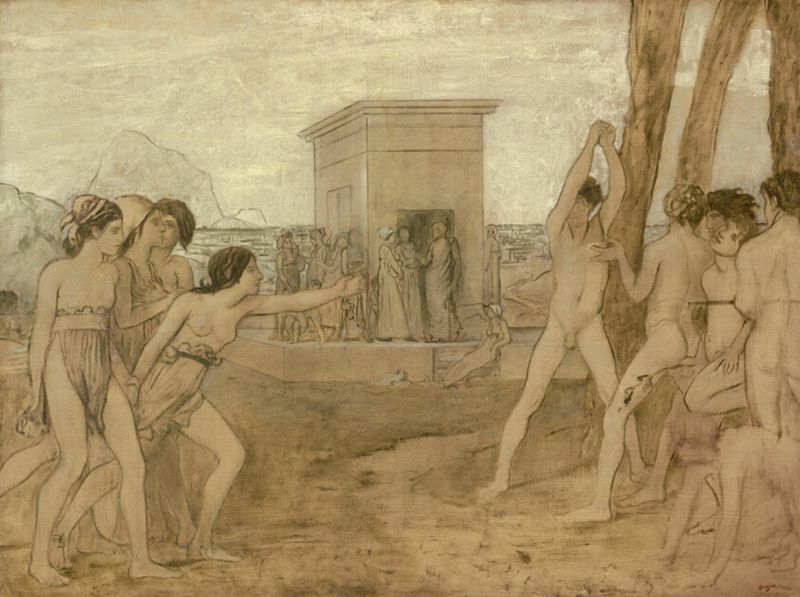 Young Spartan Girls Challenging Boys
Degas · 1860 · Art Institute of Chicago
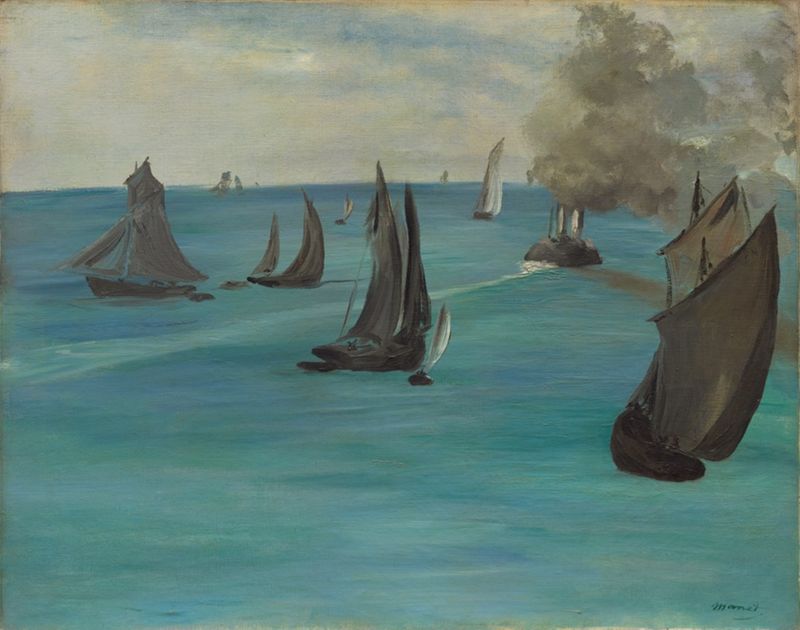 Sea View, Calm Weather (Vue de mer, temps calme)
Manet · 1864 · Art Institute of Chicago
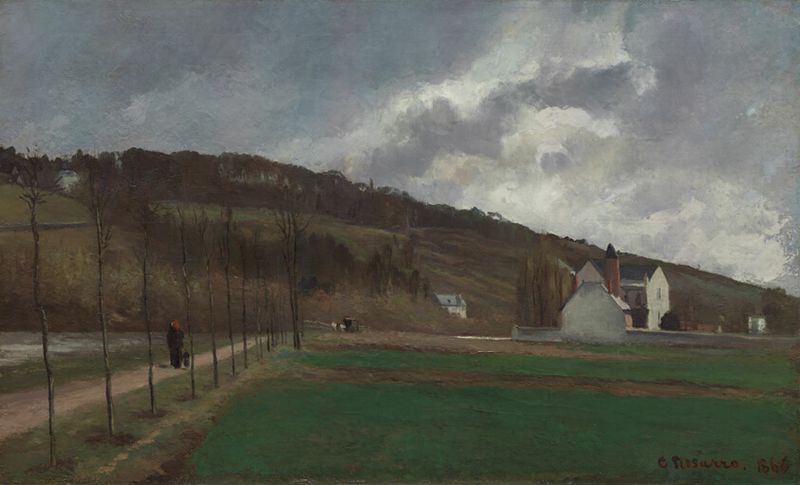 The Banks of the Marne in Winter
Pissarro · 1866 · Art Institute of Chicago
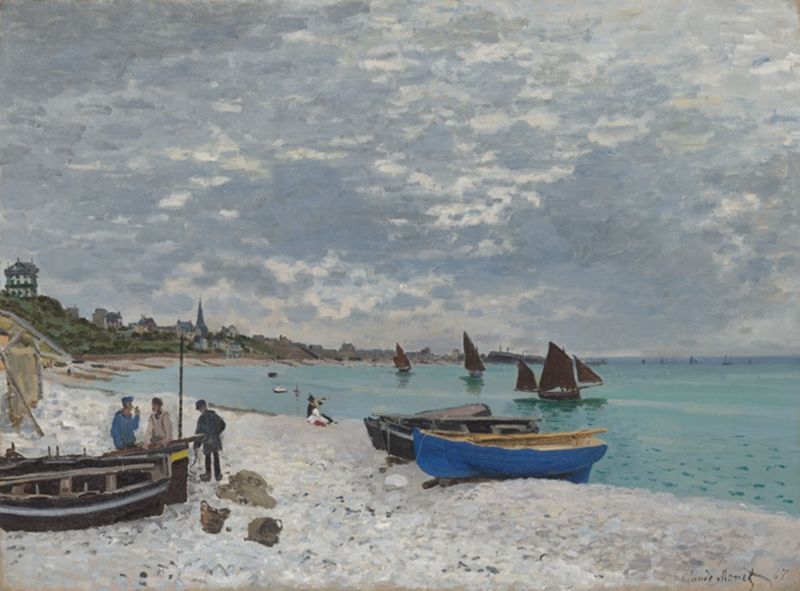 The Beach at Sainte-Adresse
Monet · 1867 · Art Institute of Chicago
Beyond Renoir and Impressionism: works from the same years.
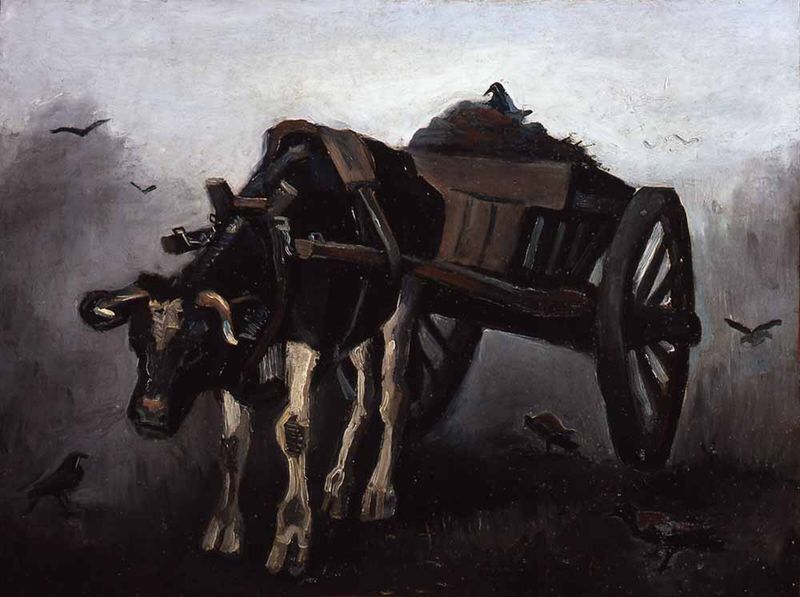 Same era · 1860s–1890s
Cart with Black Ox
Vincent van Gogh · 1884 · Portland Art Museum
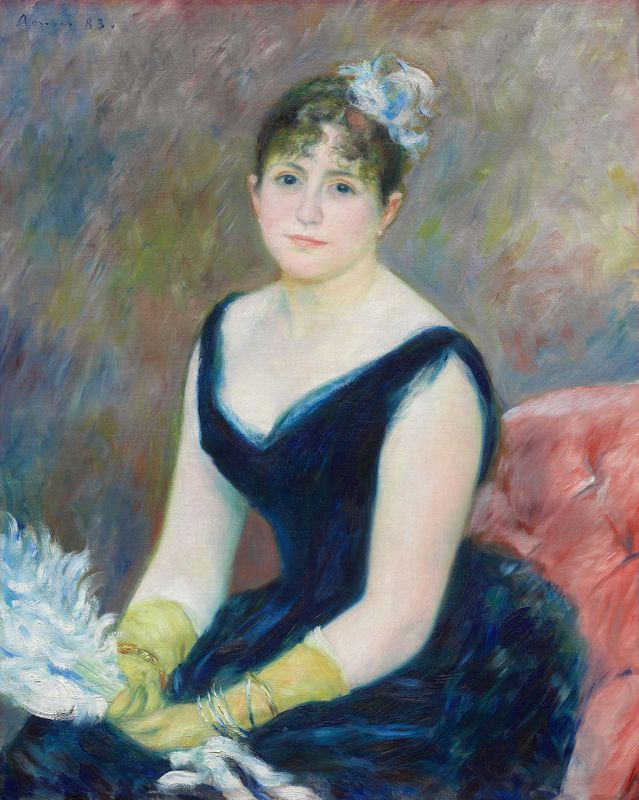 Same era · 1860s–1890s
Madame Léon Clapisson
Léon-Victor Dupré · 1883 · Art Institute of Chicago
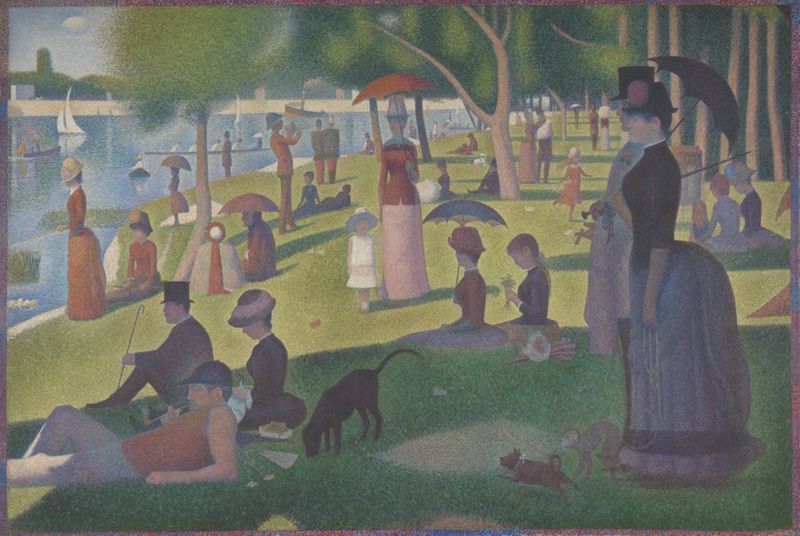 Same era · 1860s–1890s
A Sunday on La Grande Jatte — 1884
Okada Saburosuke · 1884 · Art Institute of Chicago
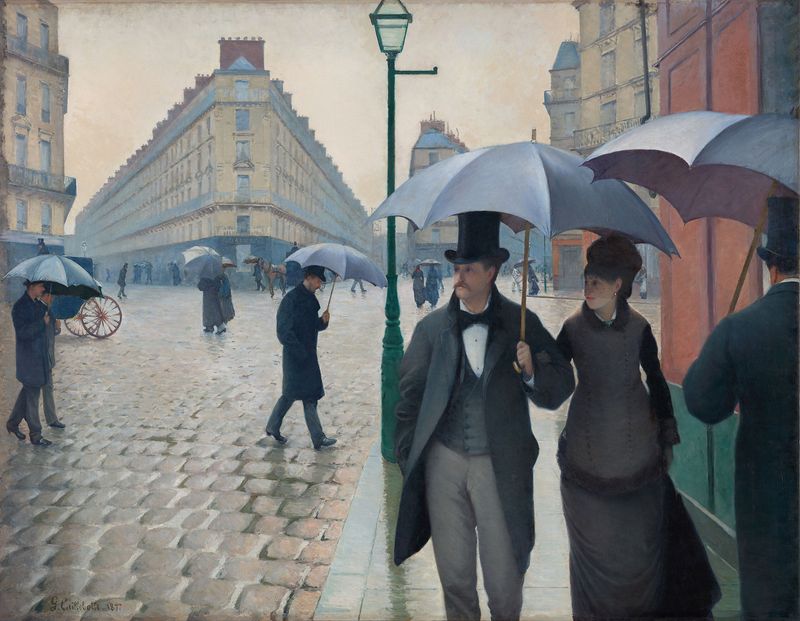 Same era · 1860s–1890s
Paris Street; Rainy Day
Kawabata Gyokushō · 1877 · Art Institute of Chicago
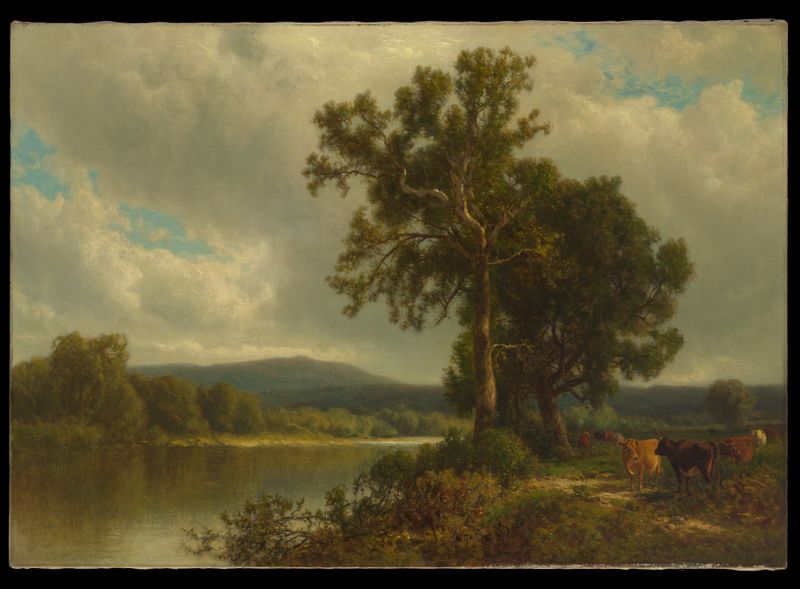 Same era · 1860s–1890s
Scene at Napanoch
William Hart · 1883 · The Metropolitan Museum of Art
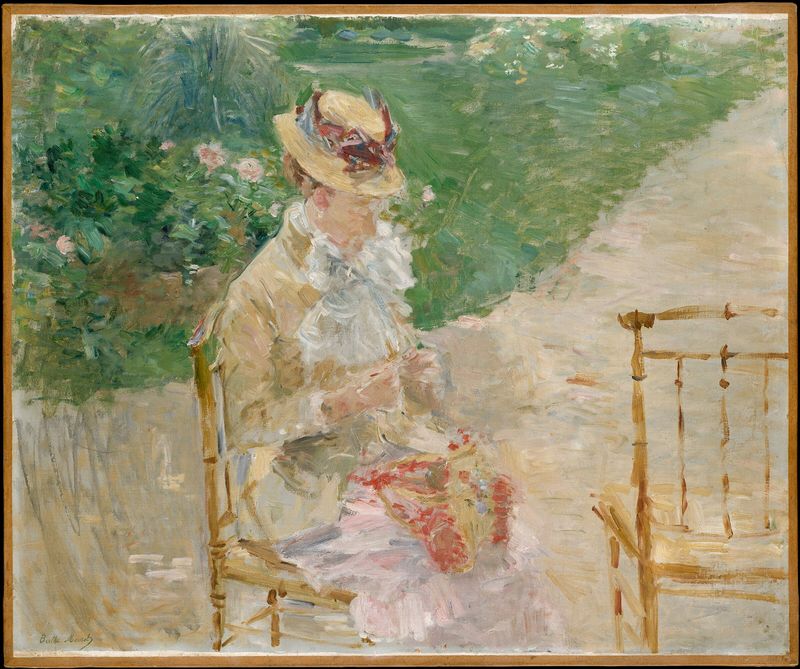 Same era · 1860s–1890s
Young Woman Knitting
Berthe Morisot · 1883 · Metropolitan Museum of Art
 Same era · 1860s–1890s
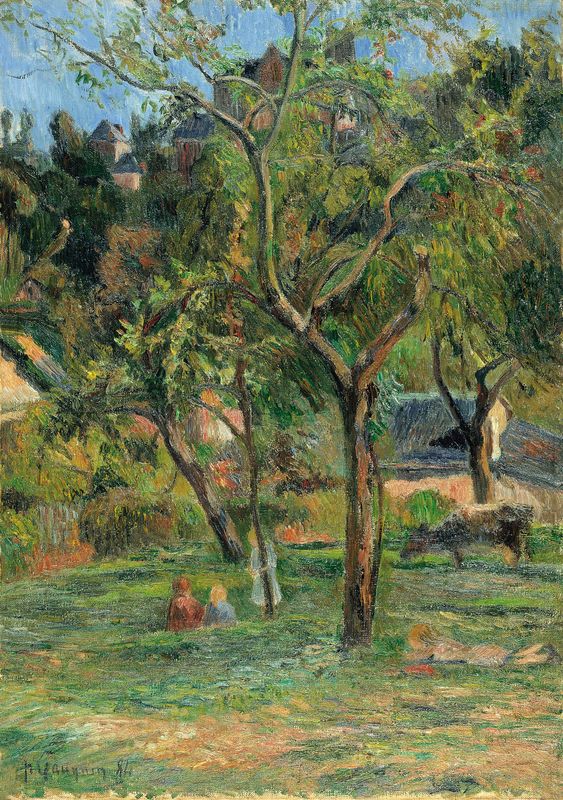
An Orchard under the Church of Bihorel
Paul Gauguin · 1884 · Thyssen-Bornemisza Museum
 Same era · 1860s–1890s
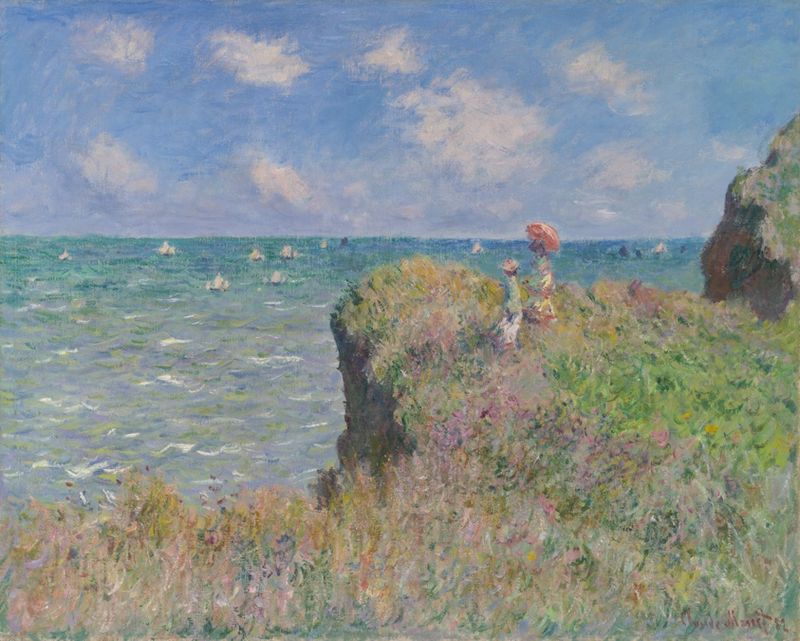
Cliff Walk at Pourville
Claude Monet · 1882 · Art Institute of Chicago
 Same era · 1860s–1890s
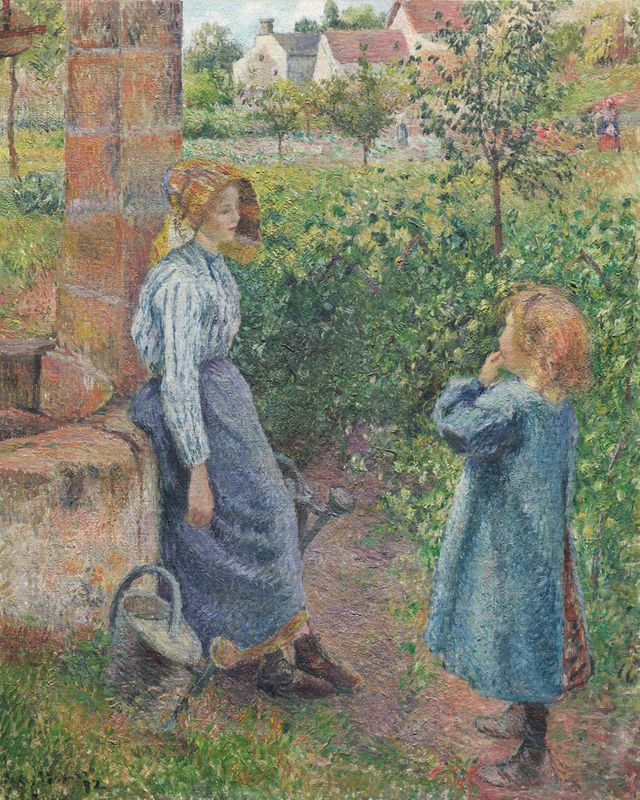
Woman and Child at the Well
Camille Pissarro · 1882 · Art Institute of Chicago
 Same era · 1860s–1890s
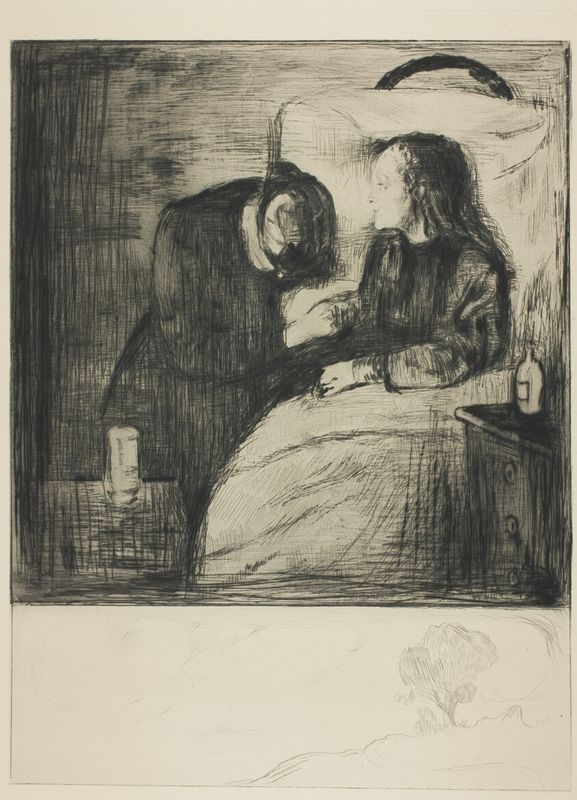
The Sick Child
Edvard Munch · 1885 · National Museum of Art, Architecture and Design
 Same era · 1860s–1890s
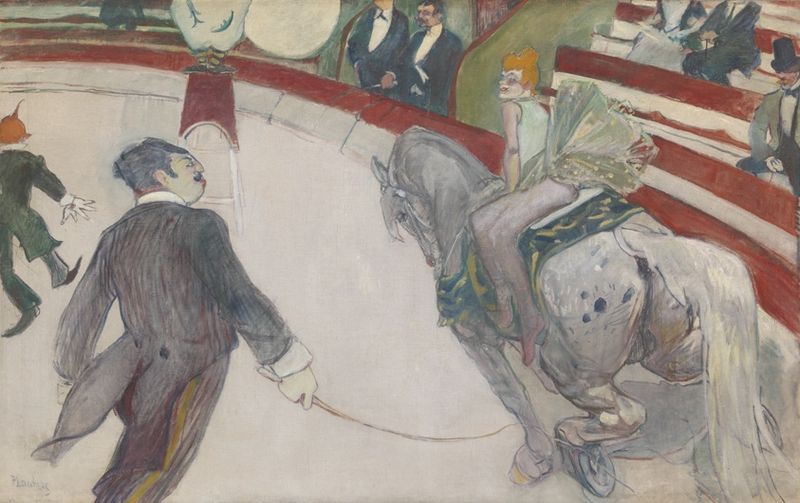
Equestrienne (At the Cirque Fernando)
Henri de Toulouse-Lautrec · 1887 · Art Institute of Chicago
 Same era · 1860s–1890s
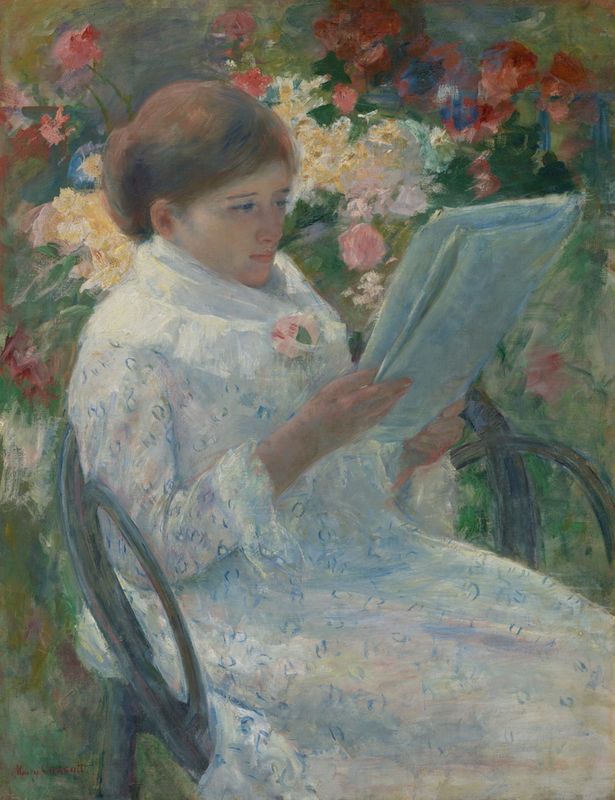
On a Balcony
Mary Cassatt · 1879 · Art Institute of Chicago
