
“Stop and look at this striking figure, a vibrant blend of human and machine, created by a Dada pioneer. It challenges traditional art with its bold colors and fragmented form, inviting you to question what a portrait can be.”
A boldly colored figure, part human, part machine, dominates the center of Max Ernst's "Dada Gauguin." The artwork, created with gouache and ink on printed paper, features a starkly geometric body in shades of green, red, and yellow, set against a backdrop of what appears to be a fragmented map or diagram. This figure's head, a simplified profile, is adorned with a headdress that echoes the angularity of its form. The entire composition feels like a playful yet pointed deconstruction of traditional portraiture, characteristic of the Dada movement's irreverence towards established artistic norms. Ernst, a primary pioneer of Dada, used collage and found imagery to challenge conventional artmaking, and here, he transforms the printed paper into a canvas for a new, almost robotic, identity. The work invites viewers to consider the fragmented nature of identity and art in the aftermath of World War I.
- Artist
- Max Ernst
- Date
- 1920
- Medium
- Gouache and ink on printed paper
- Location
- Art Institute of Chicago
What to Notice
Five details hide in plain sight. Here’s where to look.
The figure's sharply angled, almost mechanical limbs.
The vibrant green, red, and yellow colors used for the body.
The headdress that mirrors the geometric shapes of the figure.
The underlying printed paper, visible through the paint.
1 more detail is waiting.
See all 5 in Art Whisper →Stand in front of it and listen
The full narration walks you through Dada Gauguin — the story behind it, the details most visitors miss, and why it matters. Free in the Art Whisper app.
Max Ernst
1891–1976 · CubaMax Ernst, a pioneer of Dada and Surrealism, invented techniques like frottage and grattage, transforming everyday textures into visionary art.
Further Works by Ernst
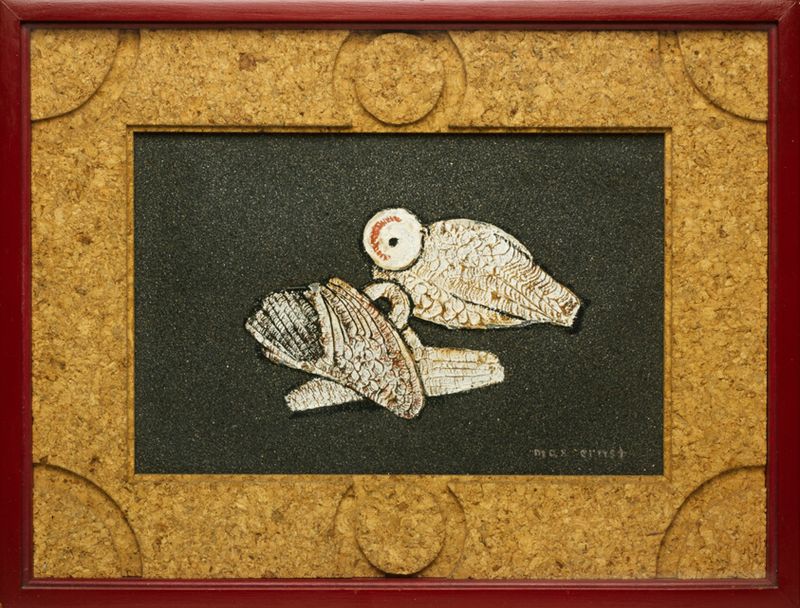 Untitled (Birds)
1924 · Art Institute of Chicago
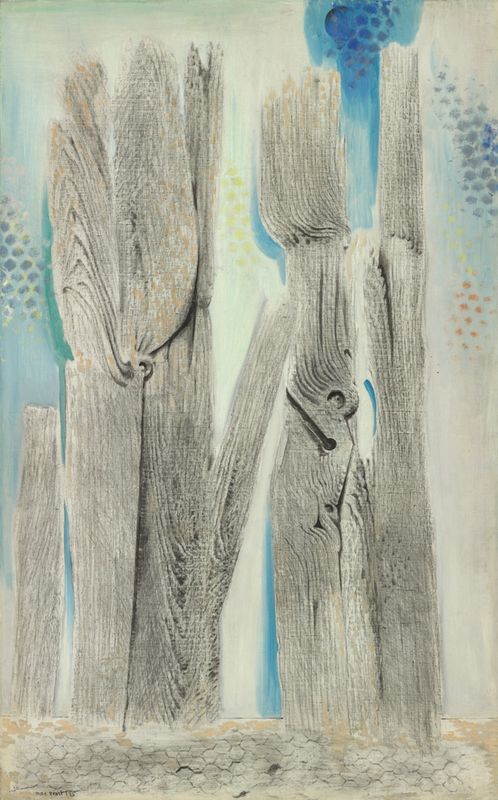 The Blue Forest
1925 · Art Institute of Chicago
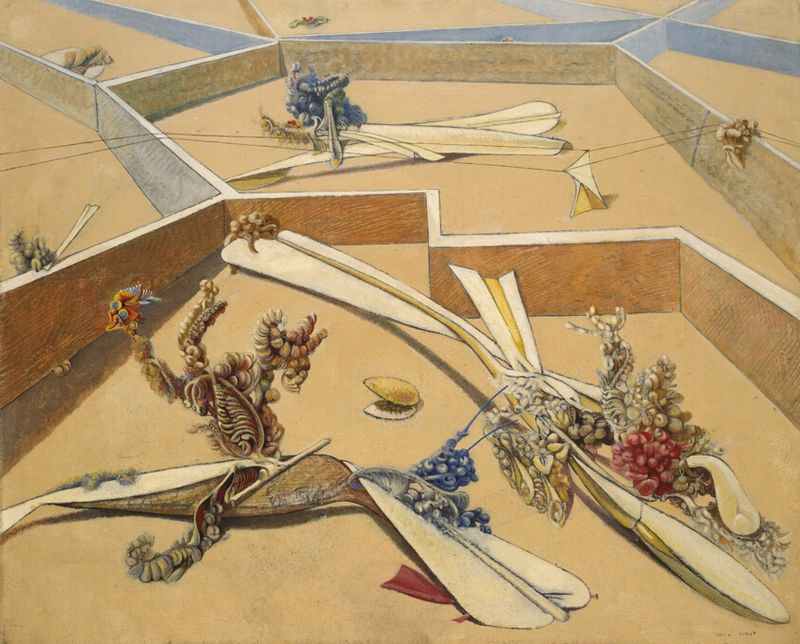 Garden Airplane-Trap
1935 · Art Institute of Chicago
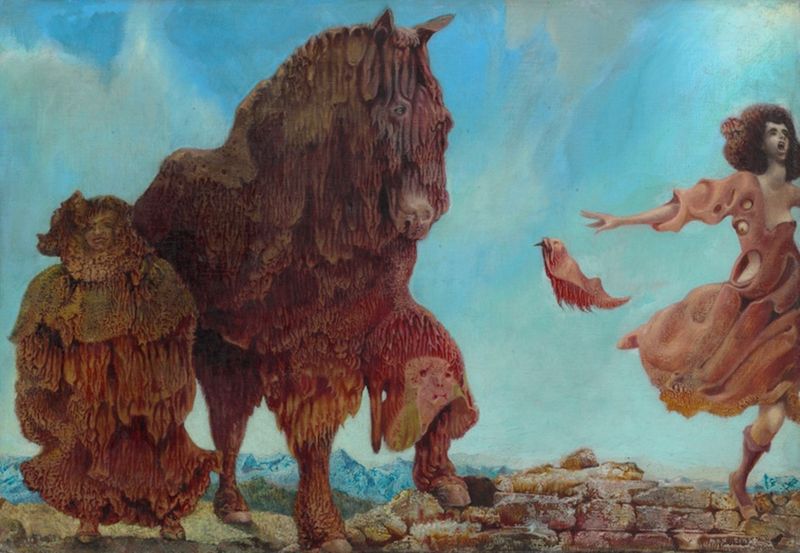 Spanish Physician
1940 · Art Institute of Chicago
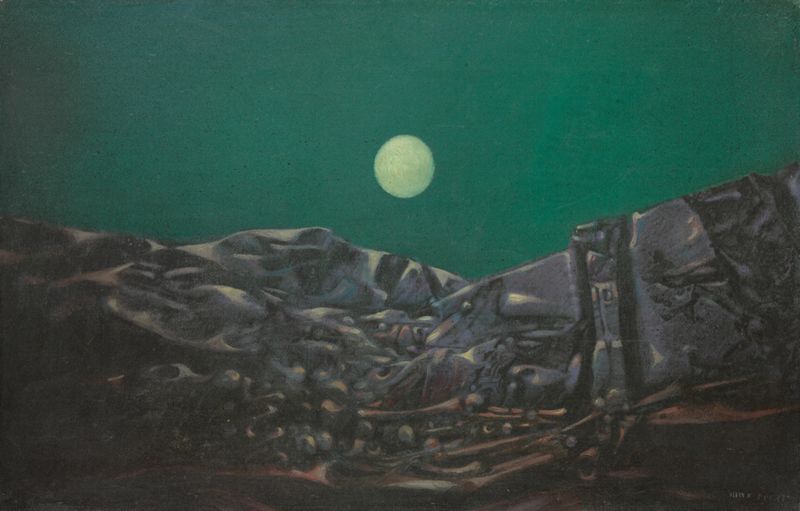 Summer Night in Arizona
1944 · Art Institute of Chicago
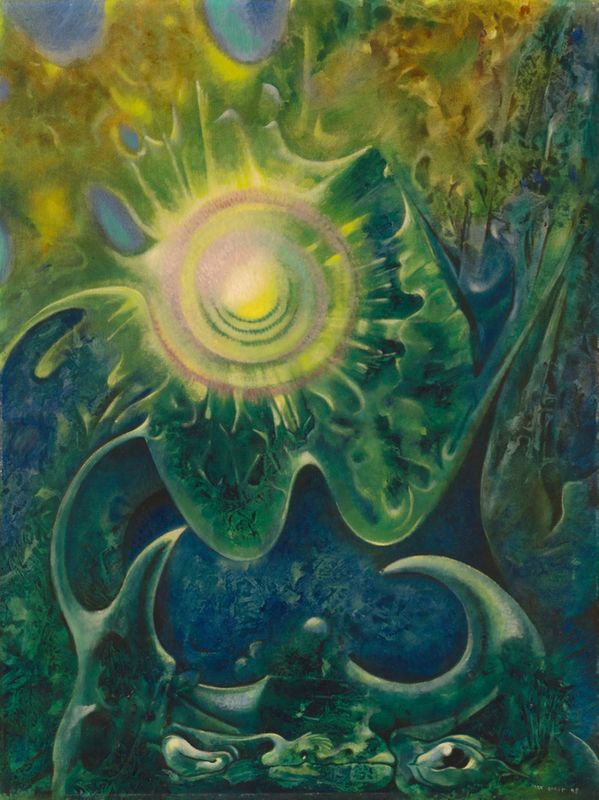 Halleluiah
1948 · Art Institute of Chicago
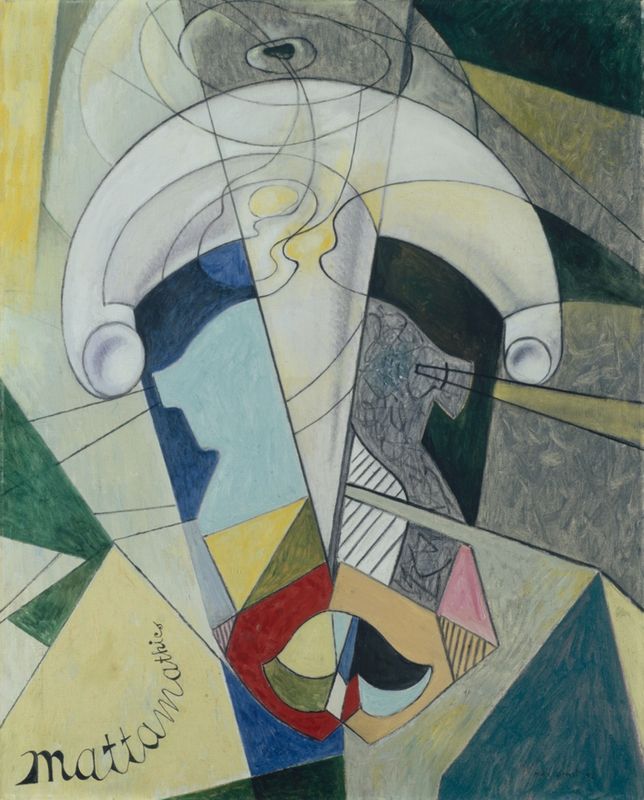 Mattamathics
1948 · Art Institute of Chicago
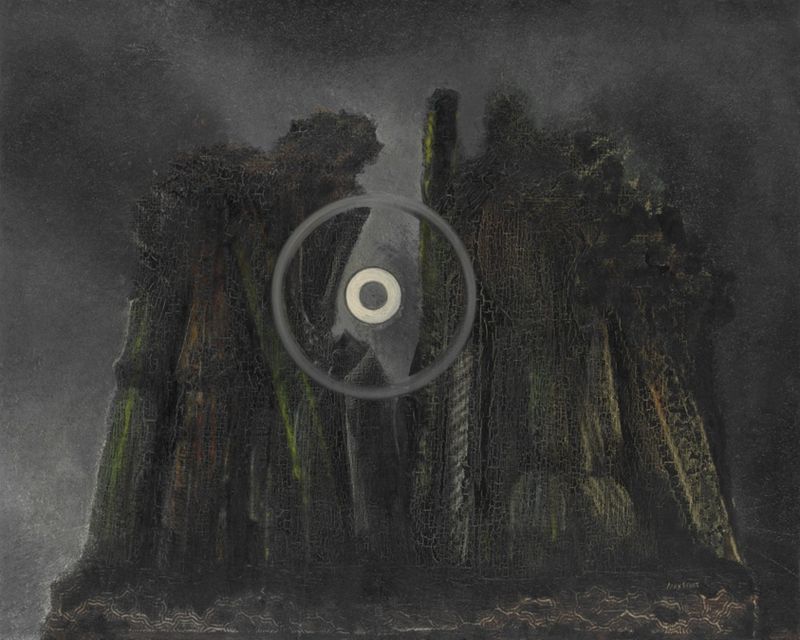 Forest and Sun
National Gallery of Victoria
More from Surrealism
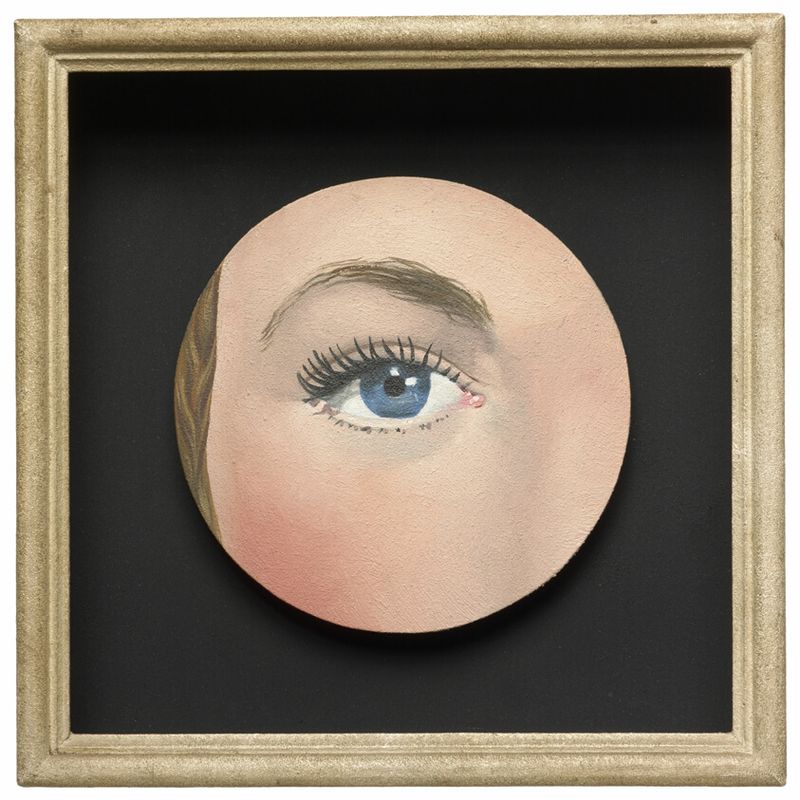
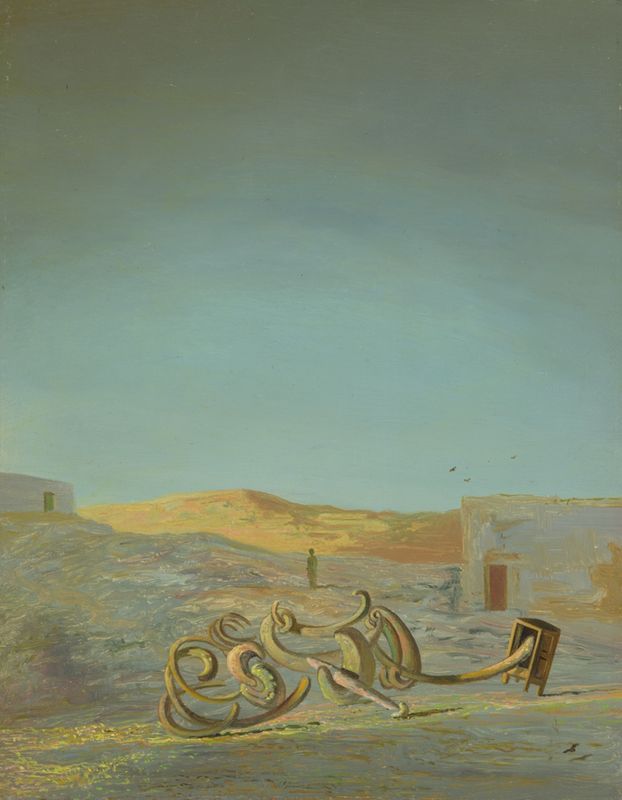
More works to explore
Beyond Ernst and Surrealism: works from the same years.
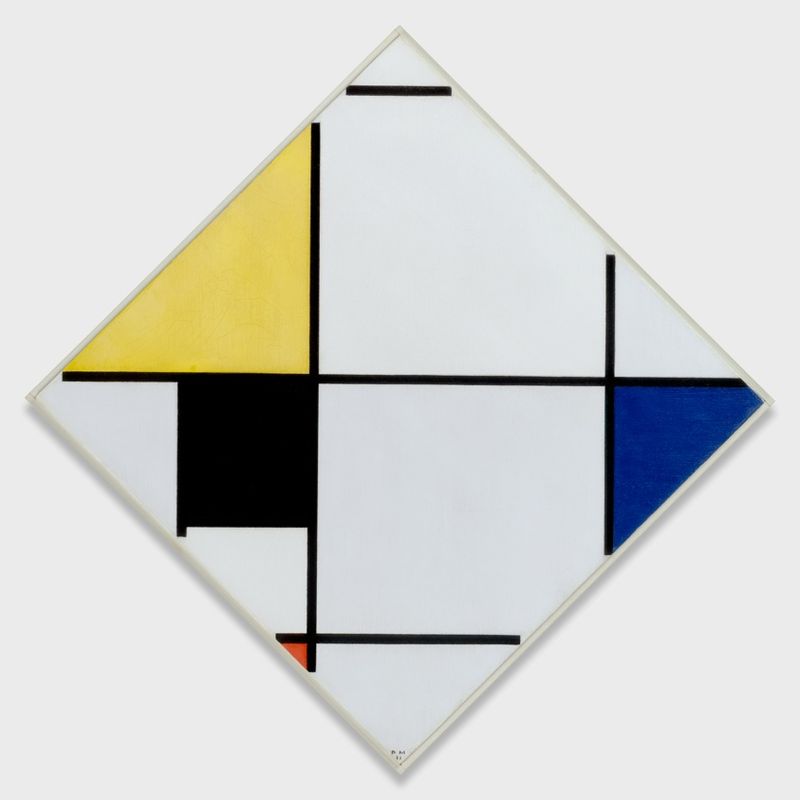 Same era · 1900s–1930s
Lozenge Composition with Yellow, Black, Blue, Red, and Gray
Piet Mondrian · 1921 · Art Institute of Chicago
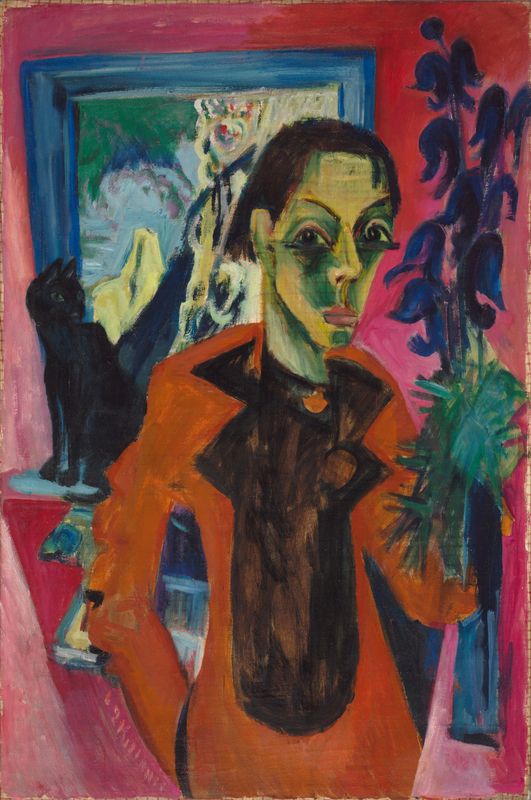 Same era · 1900s–1930s
Self-Portrait with Cat
Ernst Ludwig Kirchner · 1920 · Museum Folkwang
 Same era · 1900s–1930s
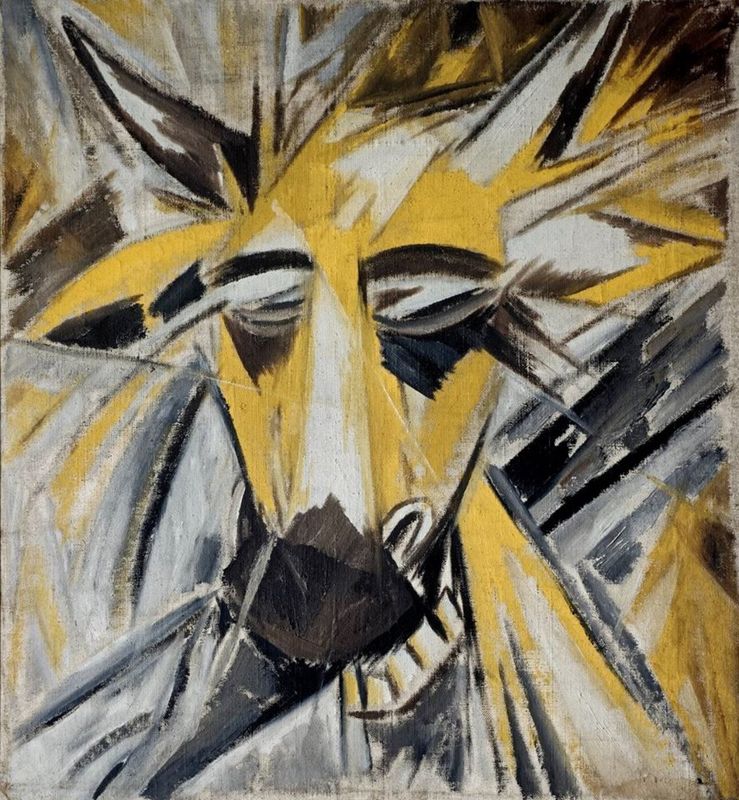
Bull's Head
Mikhail Larionov · 1913 · Tretyakov Gallery
 Same era · 1900s–1930s
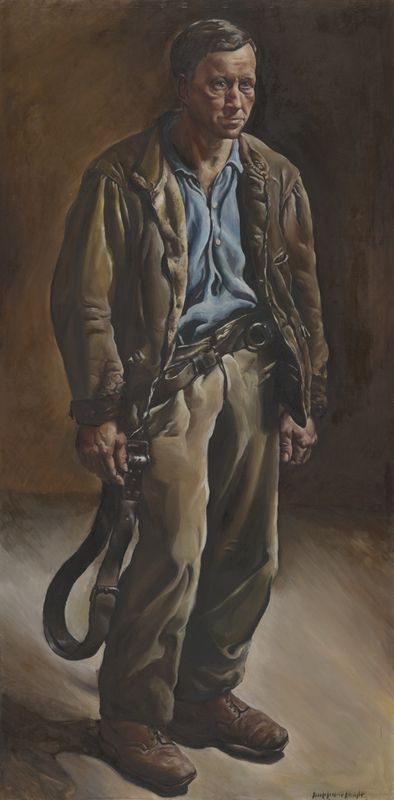
The Lineman
Ivan Puni · 1927 · Art Institute of Chicago
 Same era · 1900s–1930s
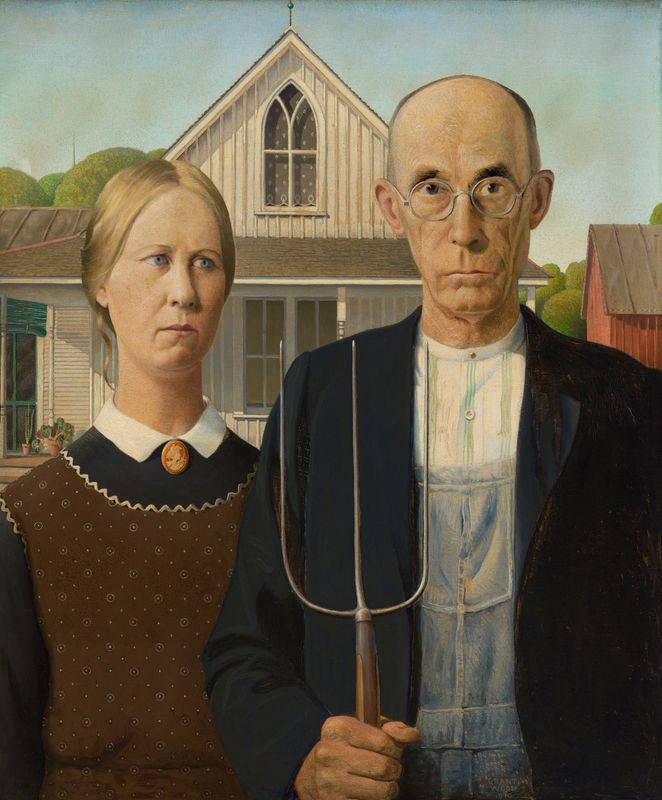
American Gothic
Okada Saburosuke · 1930 · Art Institute of Chicago
 Same era · 1900s–1930s
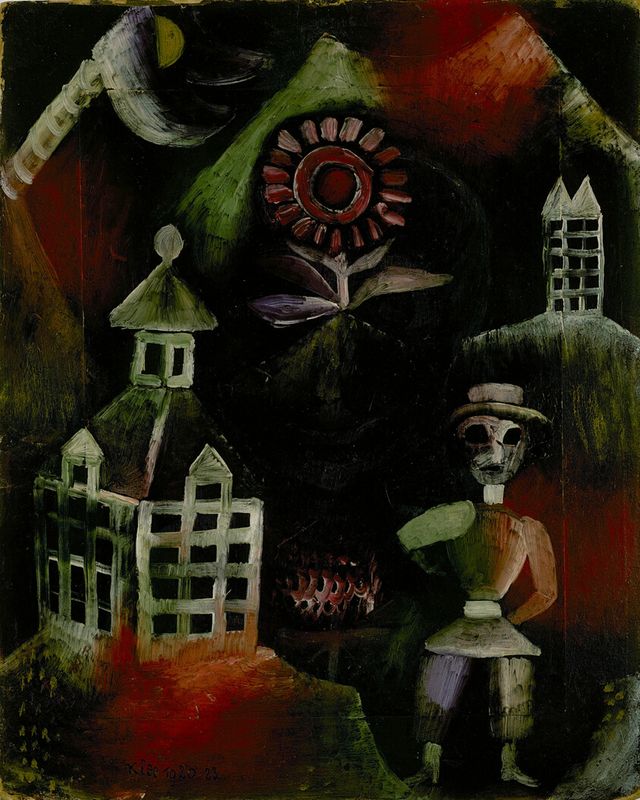
Schoolhouse
Paul Klee · 1920 · Art Institute of Chicago
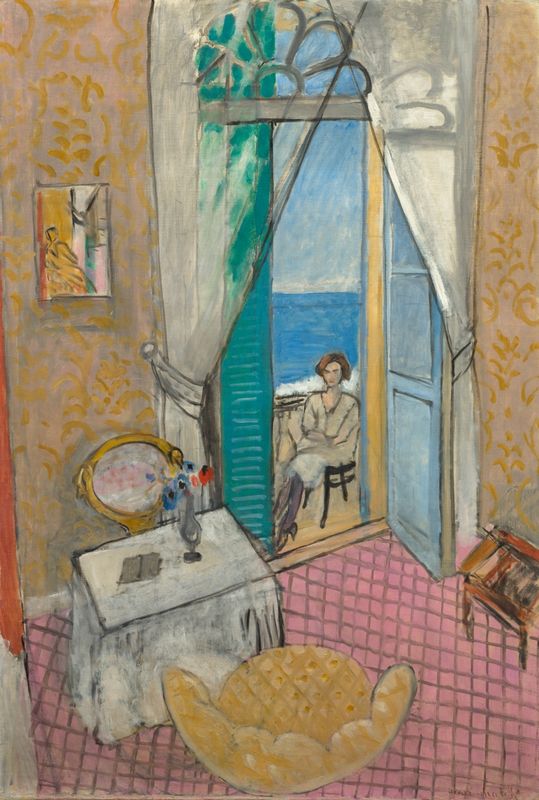 Same era · 1900s–1930s
Interior at Nice
Henri Matisse · 1919 · Art Institute of Chicago
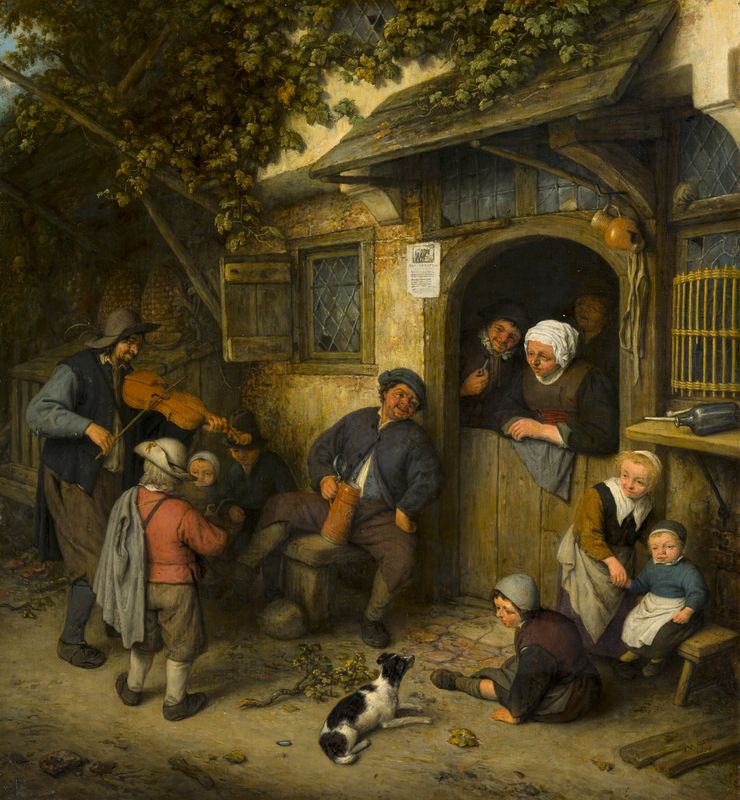 Same era · 1900s–1930s
The Fiddler
Norman Rockwell · 1921 · Brandywine Museum of Art
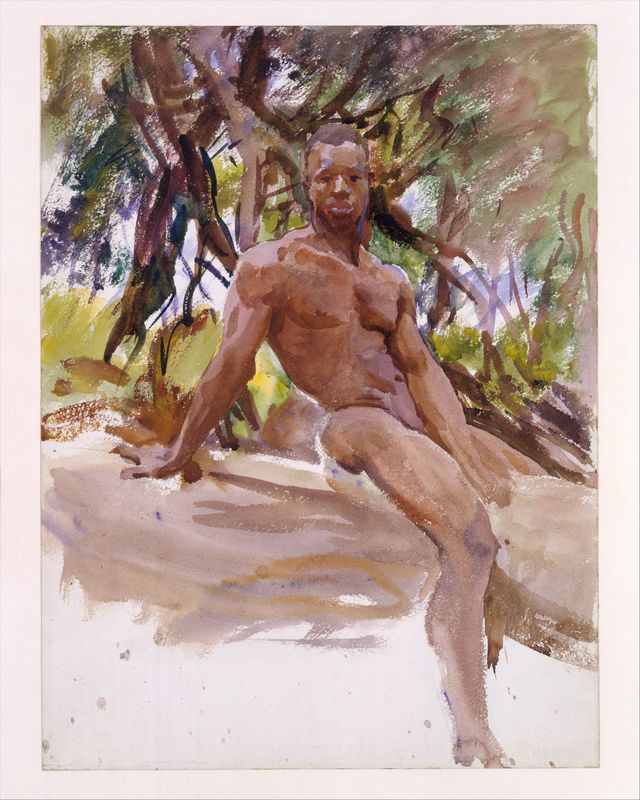 Same era · 1900s–1930s
Man and Trees, Florida
John Singer Sargent · 1917 · The Metropolitan Museum of Art
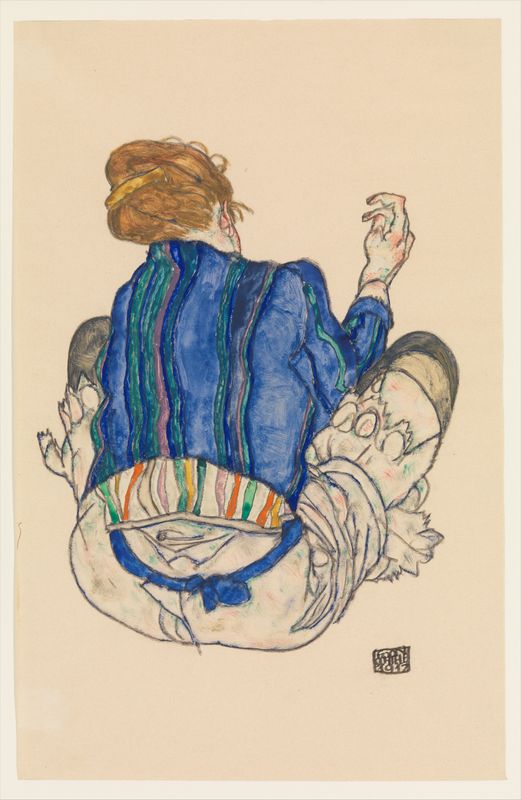 Same era · 1900s–1930s
Seated Woman, Back View
Egon Schiele · 1917 · The Metropolitan Museum of Art
 Same era · 1900s–1930s
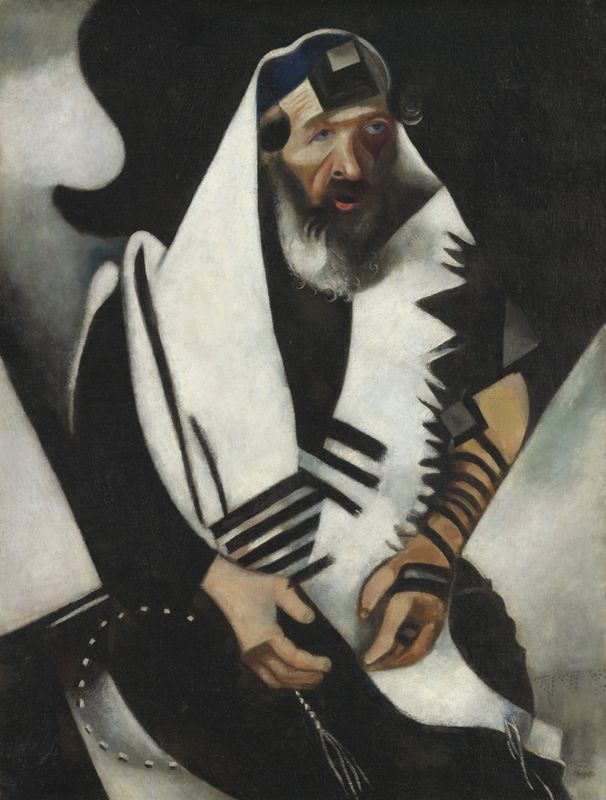
The Praying Jew
Marc Chagall · 1923 · Art Institute of Chicago
 Same era · 1900s–1930s
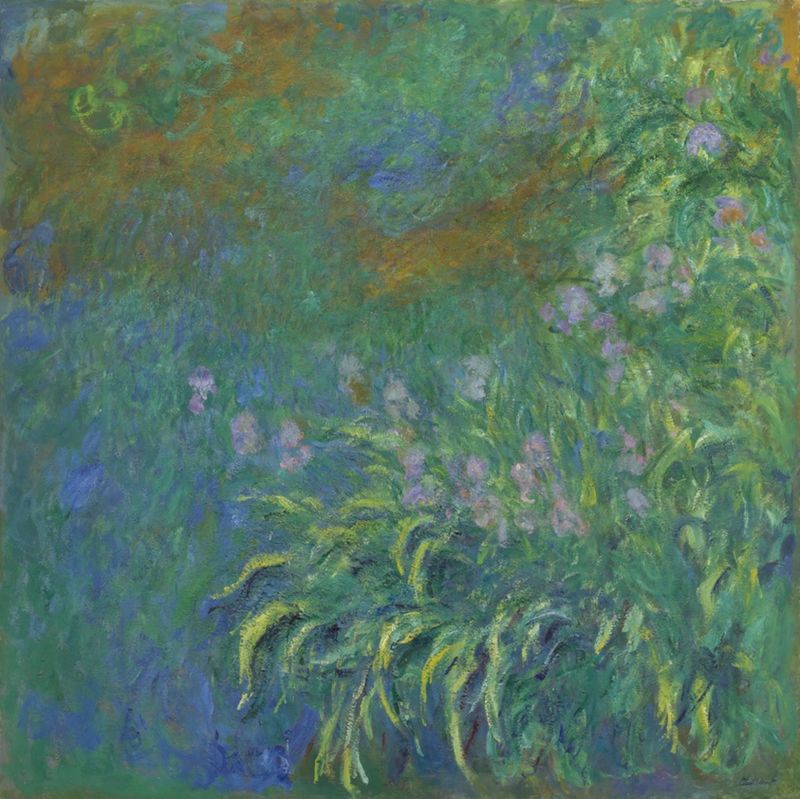
Irises
Claude Monet · 1915 · National Gallery