01
Tilted face
Look at the narrow face turned sideways against the raised arm, with lowered, heavy-looking lids and pink touches on the cheeks. The expression reads as private and tense.
1 of 4 on the painting
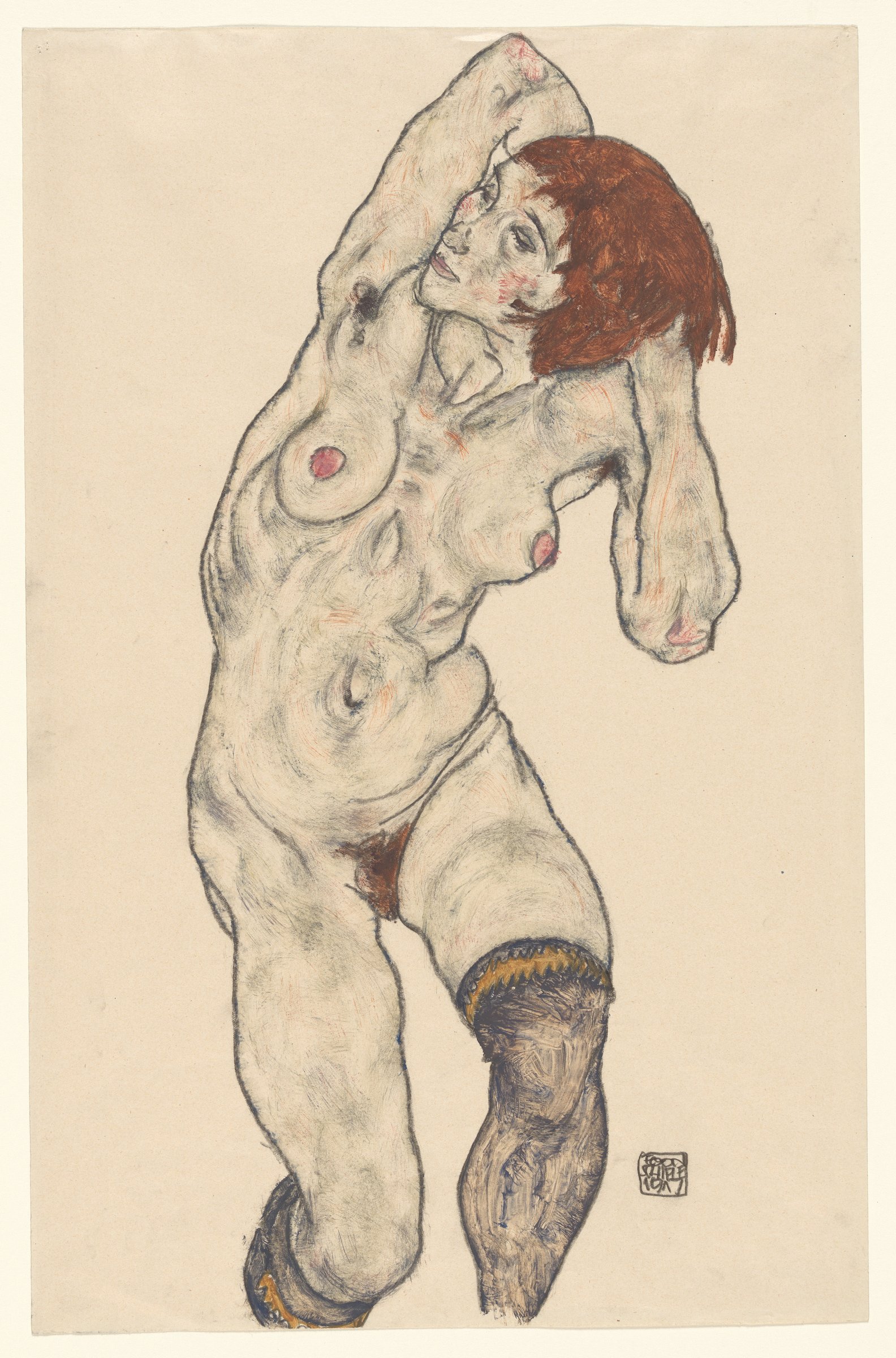
“Stop to see this powerful drawing of a nude figure, whose direct gaze and contorted pose challenge traditional beauty standards, revealing the raw intensity characteristic of Expressionism.”
A woman sits, her body contorted and exposed, against a stark, unadorned background. She faces us directly, her gaze intense and unwavering, while her left arm crosses her chest, drawing attention to her lean torso. Her right arm is bent sharply at the elbow, hand resting on her thigh. The black stockings that give the work its title are pulled high, creating a striking contrast with her pale skin and the raw, almost unfinished quality of the paper around her. This drawing, created in 1917, exemplifies the Expressionist movement's focus on inner psychological states over traditional beauty, using distorted forms and an expressive line to convey emotion. The deliberate awkwardness of her pose and the visible brushstrokes of opaque watercolor and charcoal emphasize a sense of vulnerability and directness.
Five details hide in plain sight. Pick one and we’ll show you exactly where to look.
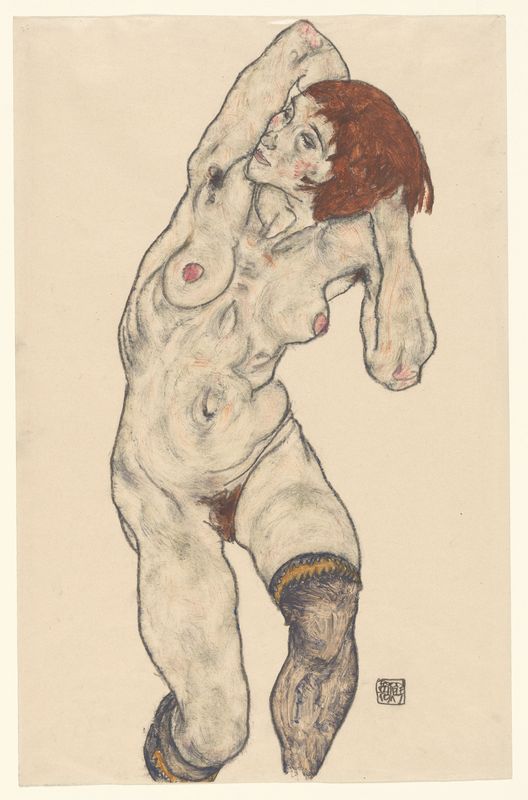
Look at the narrow face turned sideways against the raised arm, with lowered, heavy-looking lids and pink touches on the cheeks. The expression reads as private and tense.
The thick, opaque patch of rust red hair is the strongest colour on the page. It frames the tilted face and pulls your eye up first.
A broken black line wraps the arms and body, thickening and thinning as it goes. It makes the figure feel angular and edgy rather than smooth.
The murky stocking with its yellow-gold band is the only clothing, and it is painted thickly. Its dark weight sets off the pale body. A second stocking top shows at the bottom edge.
The body is cropped at the knees and floats on bare beige paper, with no setting. The arms and legs make a zigzag that pushes the pose toward the edges.
The full narration walks you through Nude in Black Stockings — the story behind it, the details most visitors miss, and why it matters. Free in the Art Whisper app.
Egon Schiele, an Austrian Expressionist, captured raw human emotion and twisted forms, often in stark self-portraits.
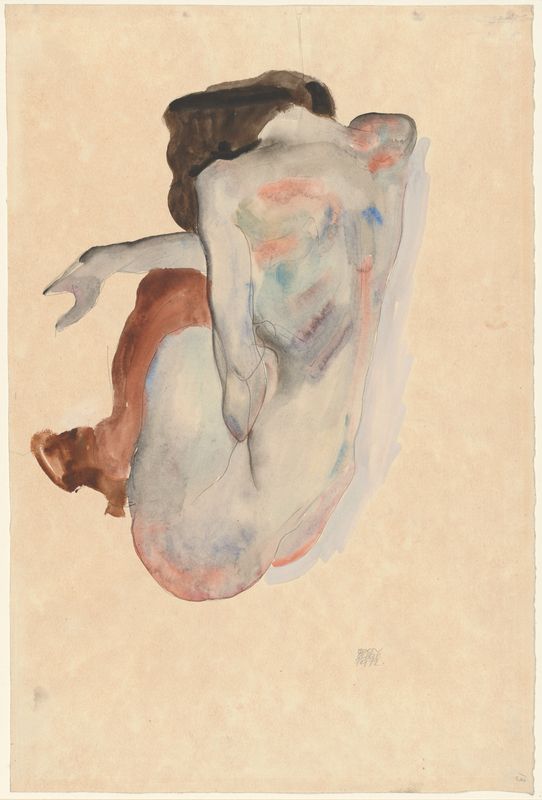 Crouching Nude in Shoes and Black Stockings, Back View
1912 · The Metropolitan Museum of Art
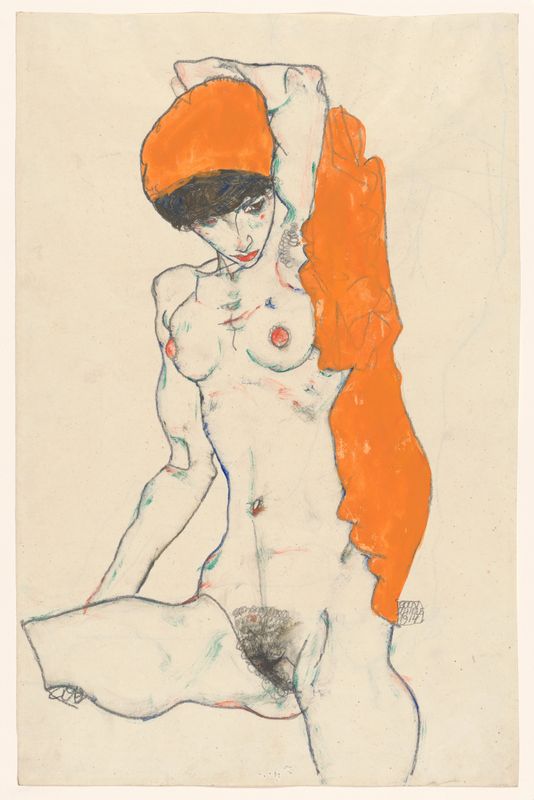 Standing Nude with Orange Drapery (recto): Study of Nude with Arms Raised (verso)
1914 · The Metropolitan Museum of Art
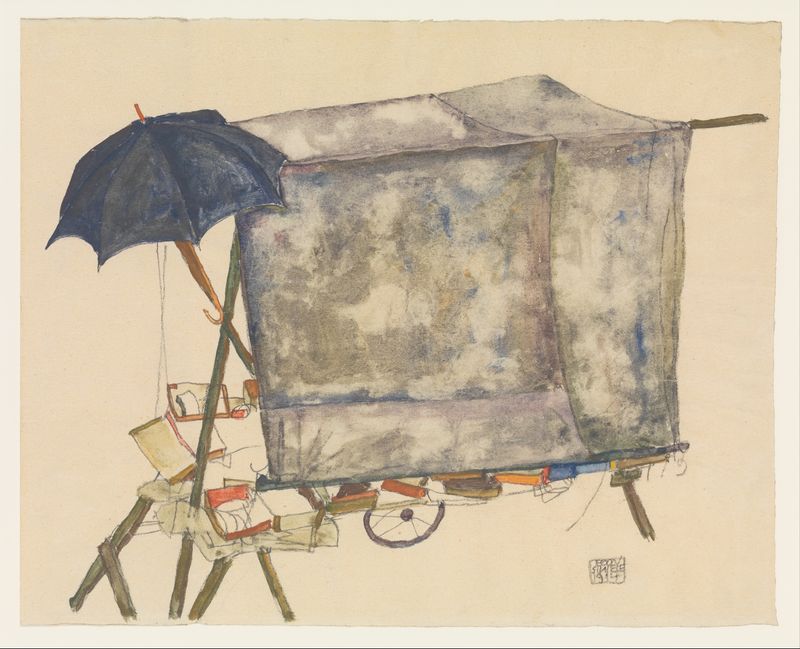 Street Cart
1914 · The Metropolitan Museum of Art
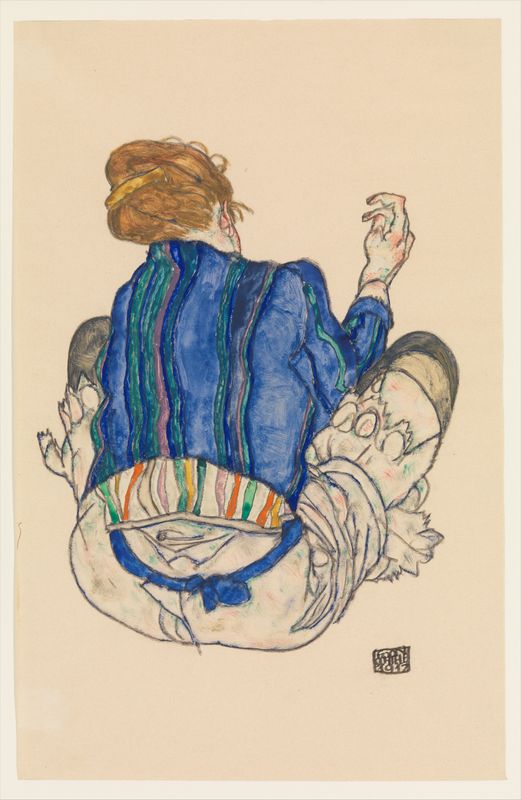 Seated Woman, Back View
1917 · The Metropolitan Museum of Art
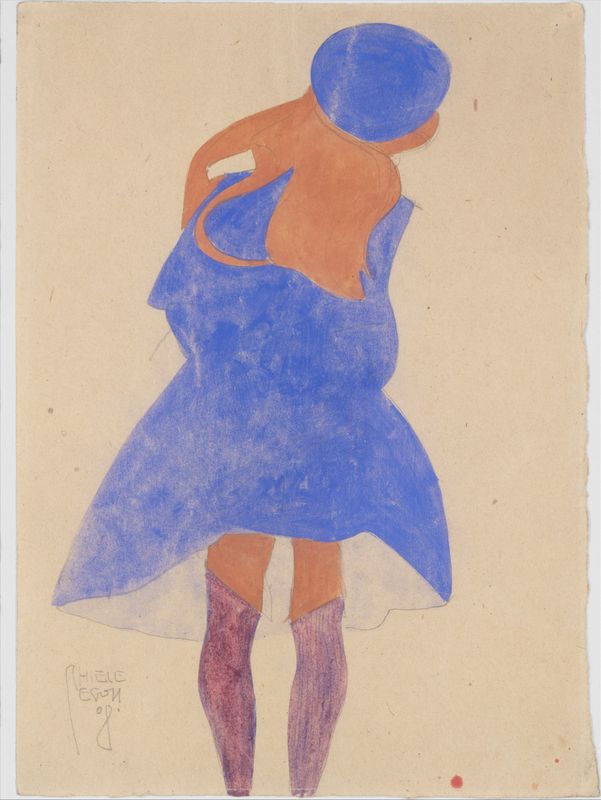 Standing Girl, Back View
1908 · The Metropolitan Museum of Art
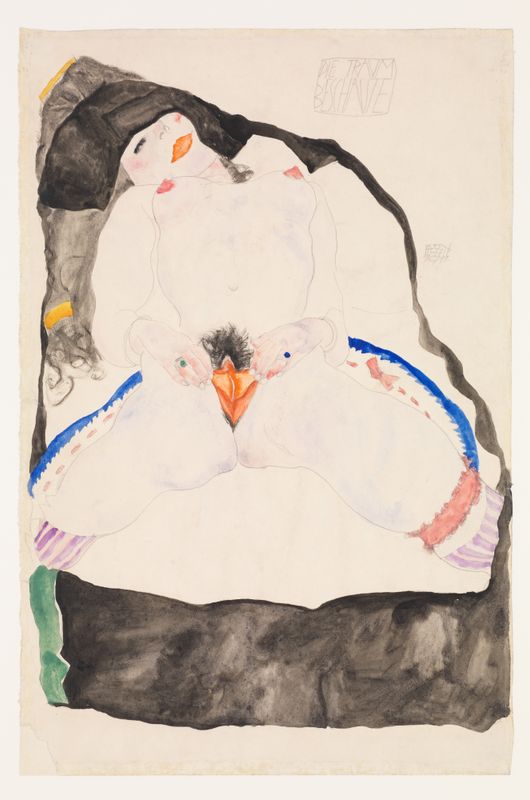 Observed in a Dream
1911 · The Metropolitan Museum of Art
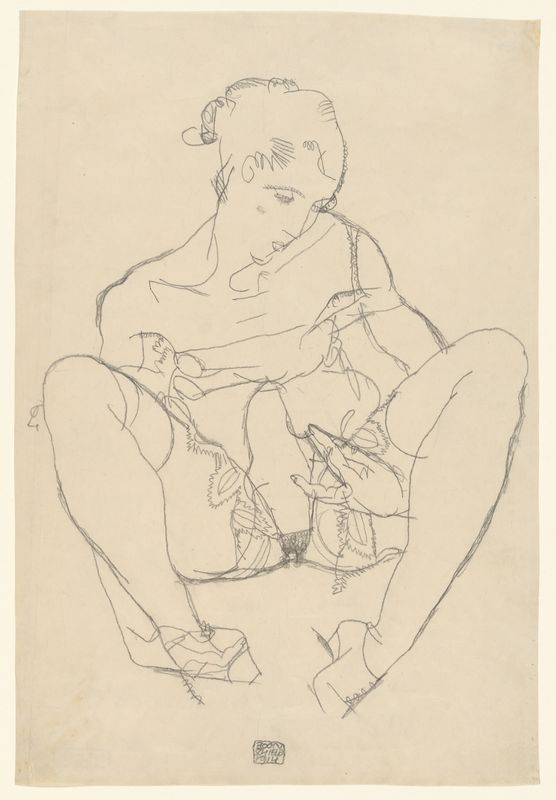 Seated Woman in Chemise
1914 · The Metropolitan Museum of Art
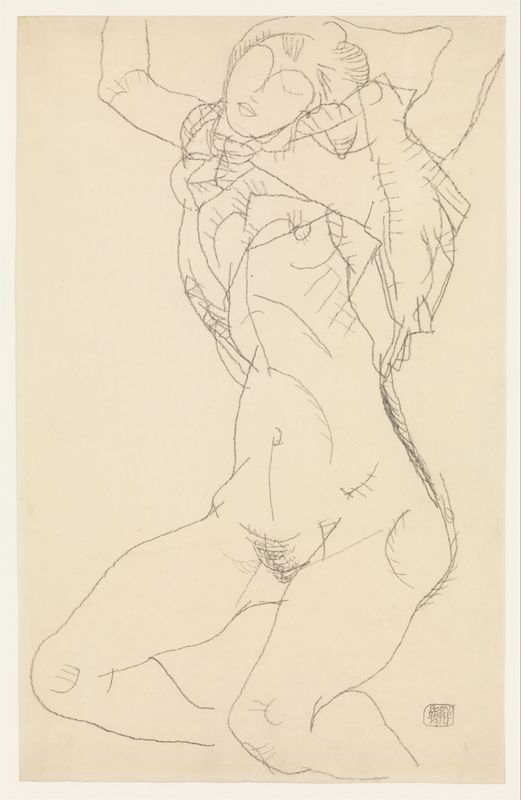 Seminude with Arms Raised
1914 · The Metropolitan Museum of Art
Beyond Schiele and Expressionism: works from the same years, and from the other movements Nude in Black Stockings belongs to.
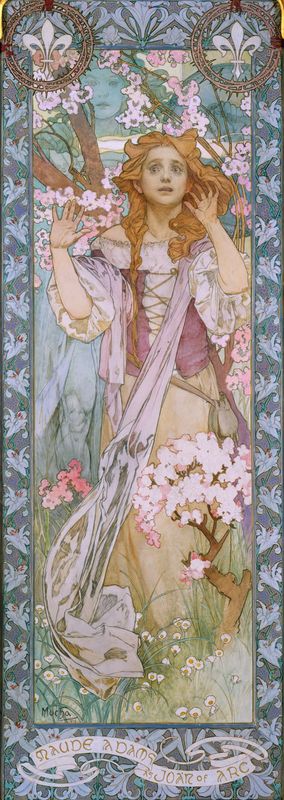 Same movement · Vienna Secession
Maude Adams (1872–1953) as Joan of Arc
Alphonse Mucha · 1909 · The Metropolitan Museum of Art
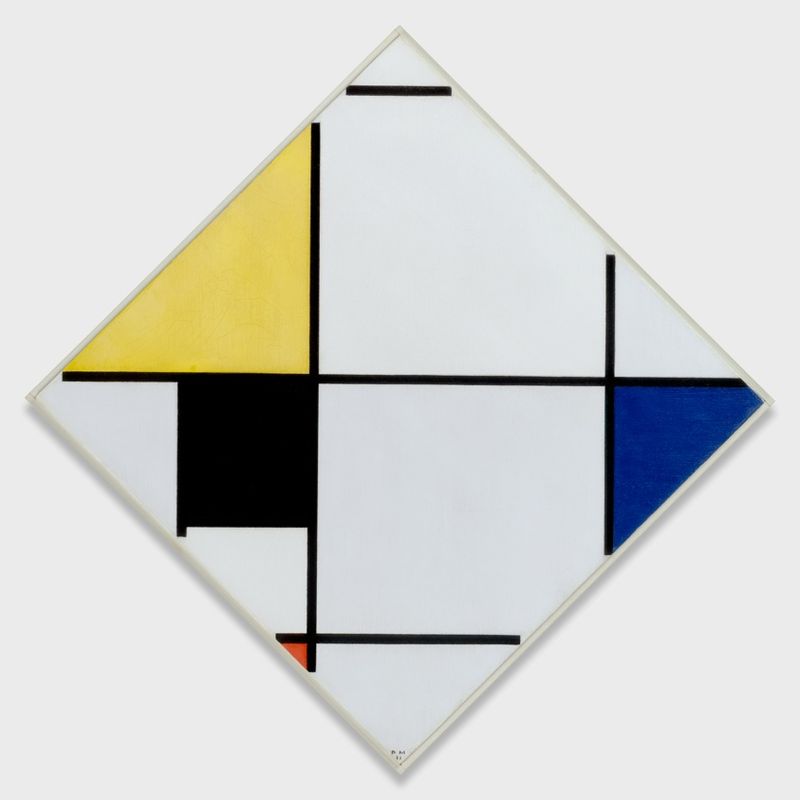 Same era · 1900s–1930s
Lozenge Composition with Yellow, Black, Blue, Red, and Gray
Piet Mondrian · 1921 · Art Institute of Chicago
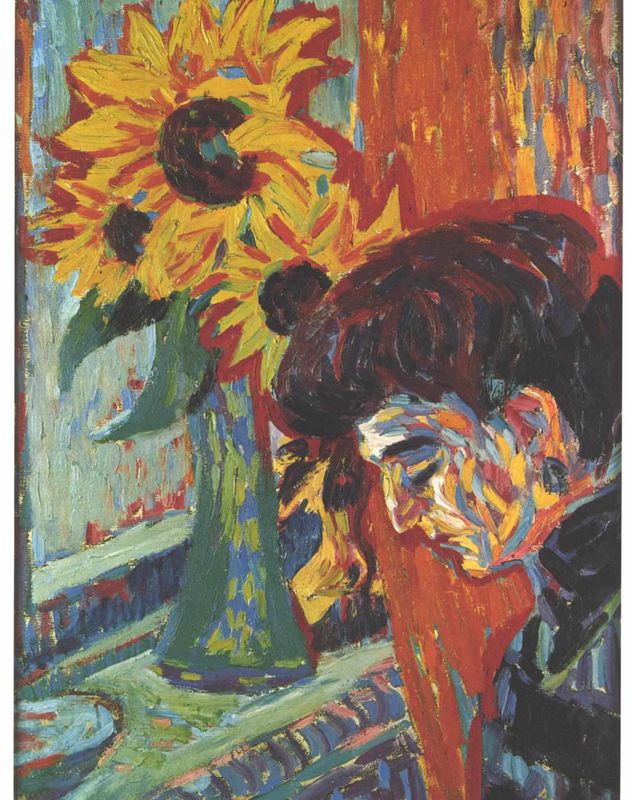 Same movement · Die Brucke
Frauenkopf vor Sonnenblumen
Ernst Ludwig Kirchner · 1906 · Museum Frieder Burda
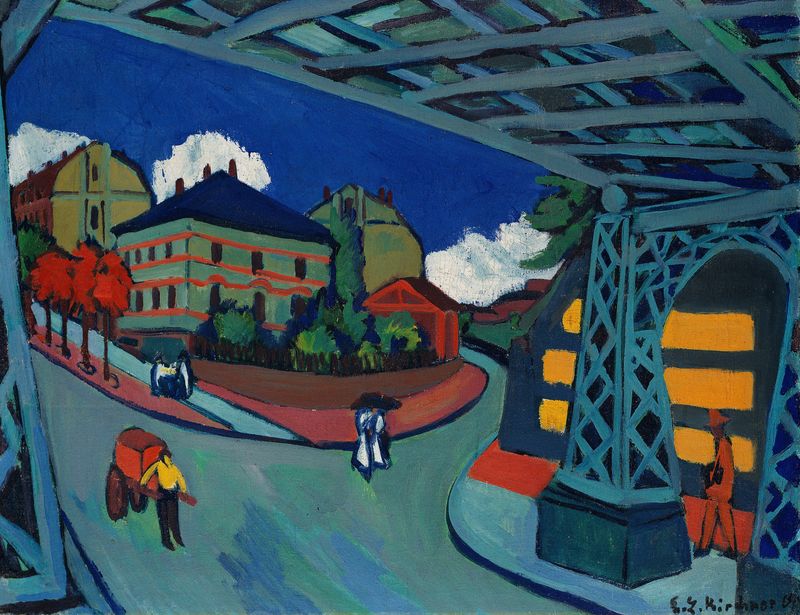 Same era · 1900s–1930s
Railway Bridge on Löbtauer Strasse in Dresden
Ernst Ludwig Kirchner · 1918 · Galerie Neue Meister
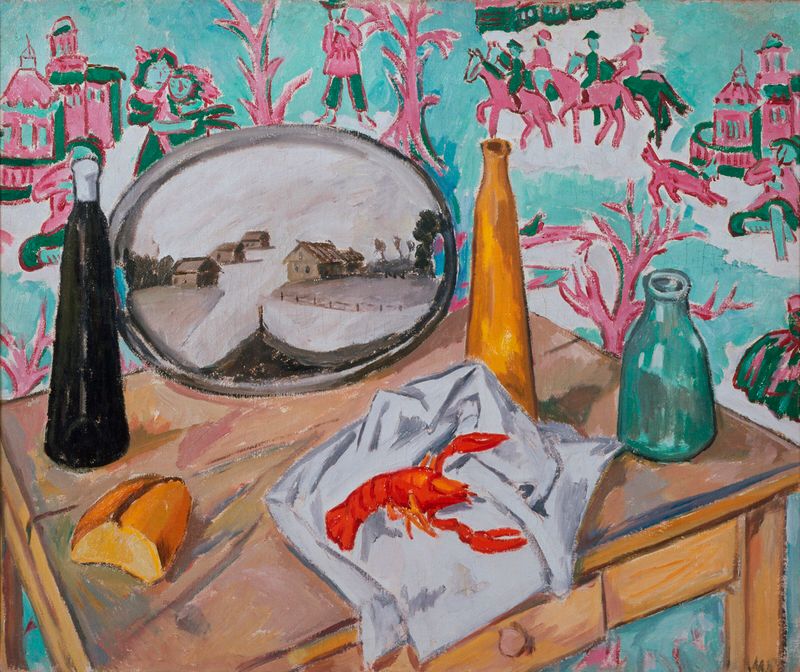 Same movement · Der Blaue Reiter
Still Life with Crayfish
Mikhail Larionov · 1900 · Museum Ludwig
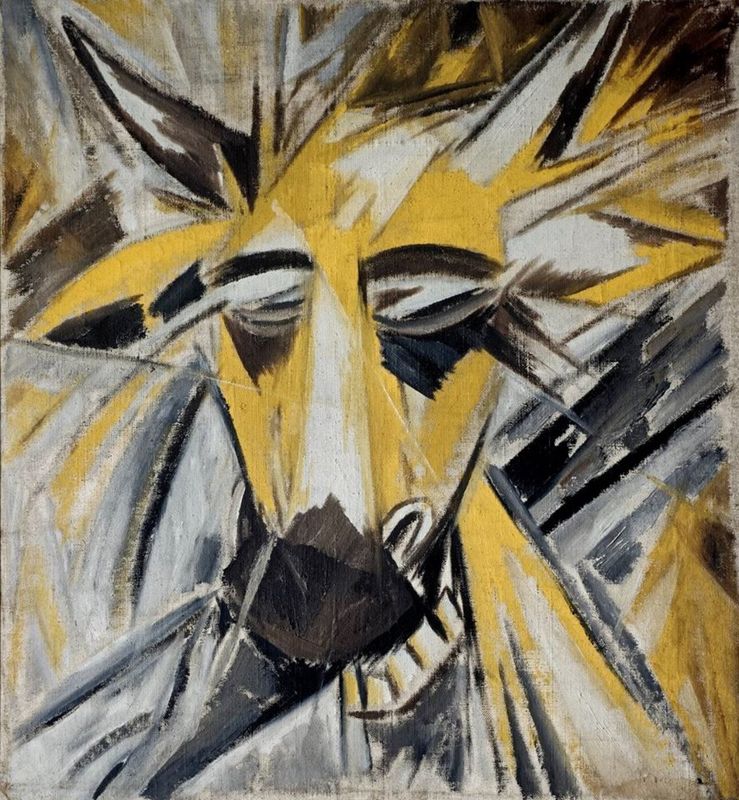 Same era · 1900s–1930s
Bull's Head
Mikhail Larionov · 1913 · Tretyakov Gallery
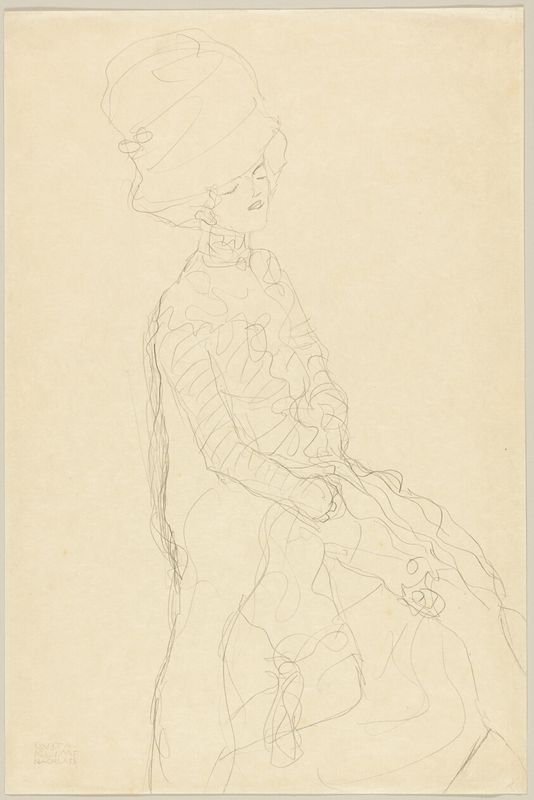 Same movement · Jugendstil
Portrait of a Lady in a High Hat
Gustav Klimt · 1882 · Art Institute of Chicago
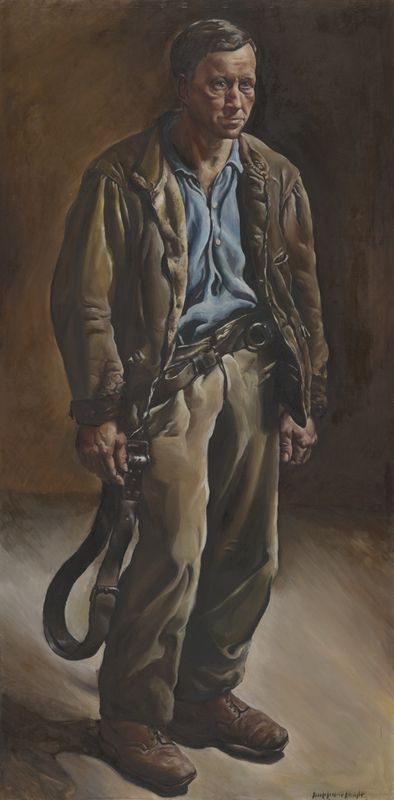 Same era · 1900s–1930s
The Lineman
Ivan Puni · 1927 · Art Institute of Chicago
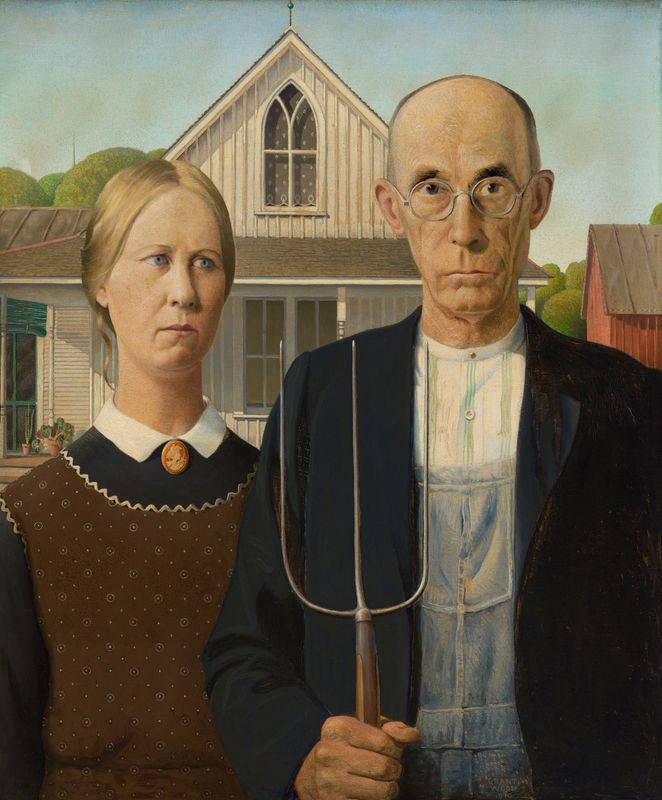 Same era · 1900s–1930s
American Gothic
Okada Saburosuke · 1930 · Art Institute of Chicago
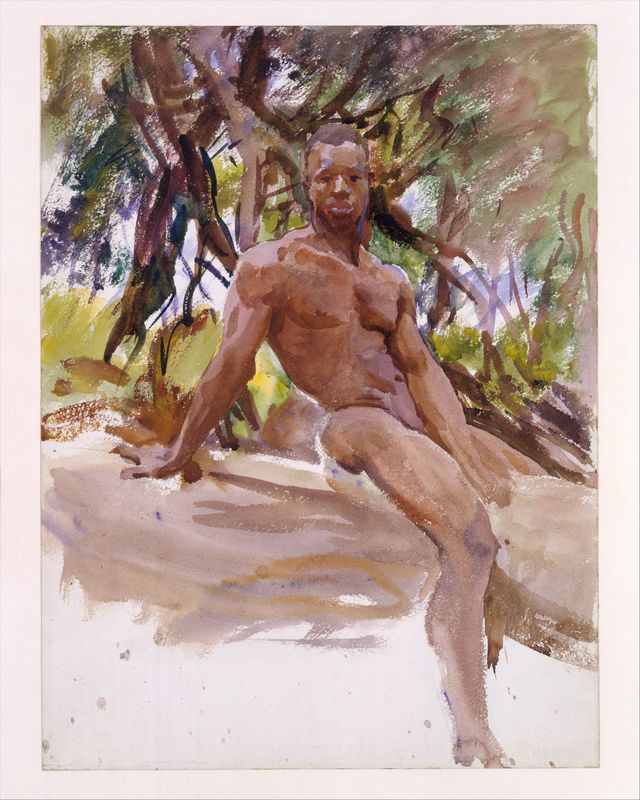 Same era · 1900s–1930s
Man and Trees, Florida
John Singer Sargent · 1917 · The Metropolitan Museum of Art
 Same era · 1900s–1930s
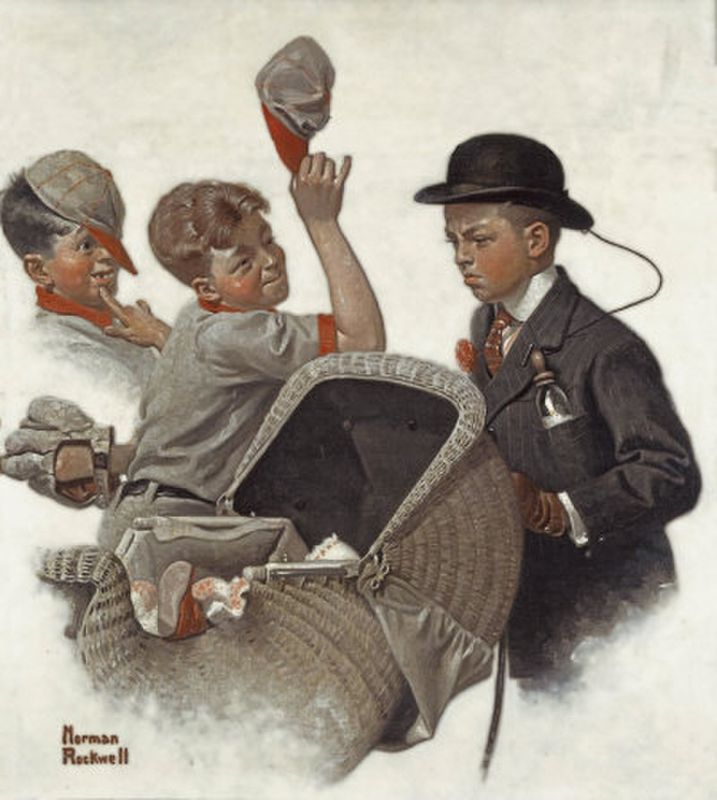
Boy with Baby Carriage
Norman Rockwell · 1916 · Norman Rockwell Museum
 Same era · 1900s–1930s
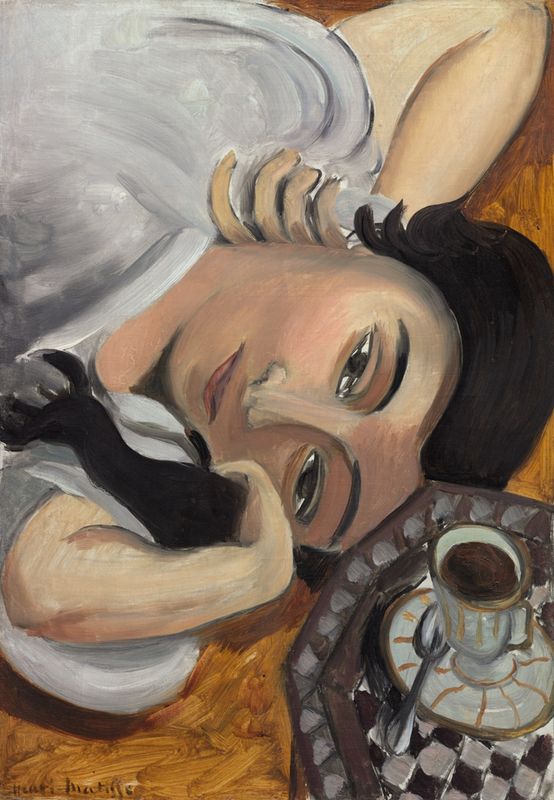
Laurette with a Cup of Coffee
Henri Matisse · 1916 · Art Institute of Chicago
 Same era · 1900s–1930s
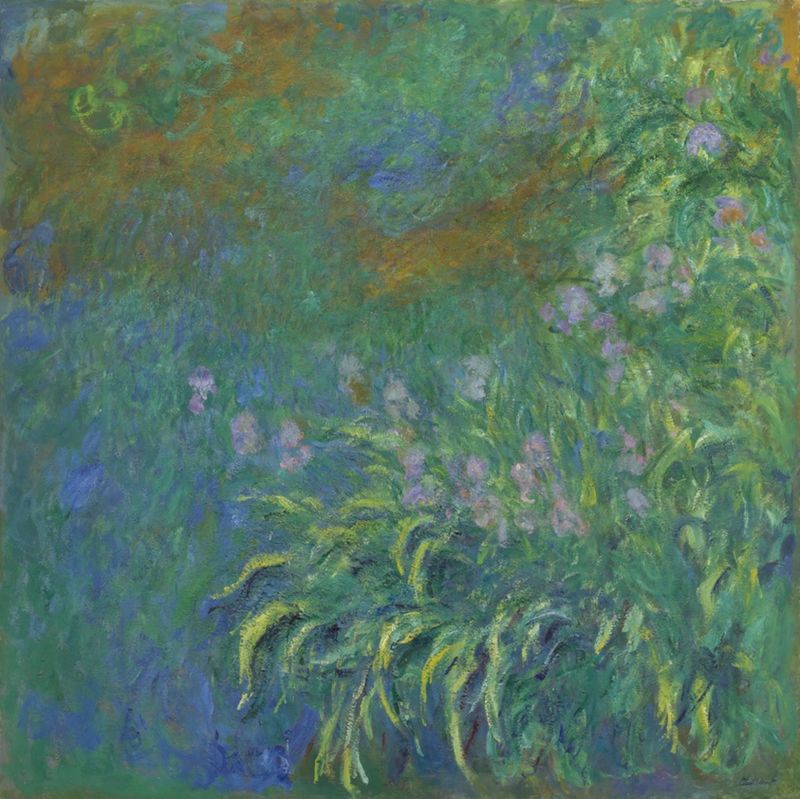
Irises
Claude Monet · 1915 · National Gallery
 Same era · 1900s–1930s
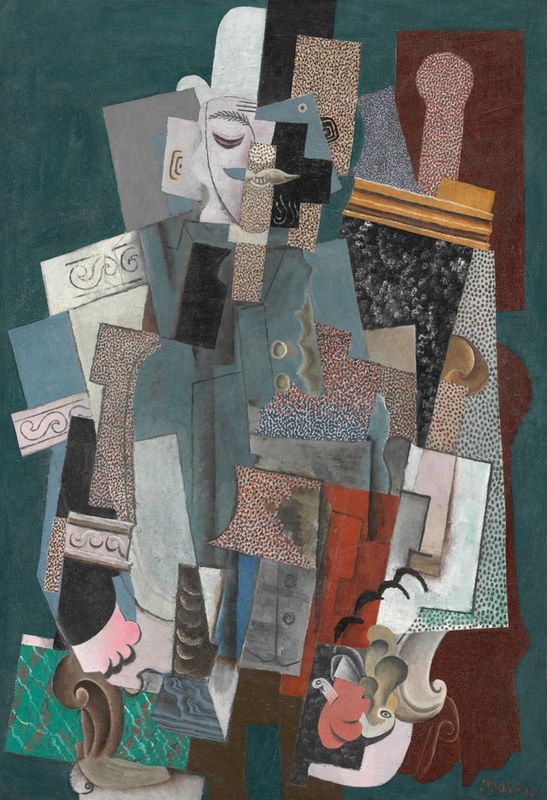
Man with a Pipe
Pablo Picasso · 1915 · Art Institute of Chicago
 Same era · 1900s–1930s
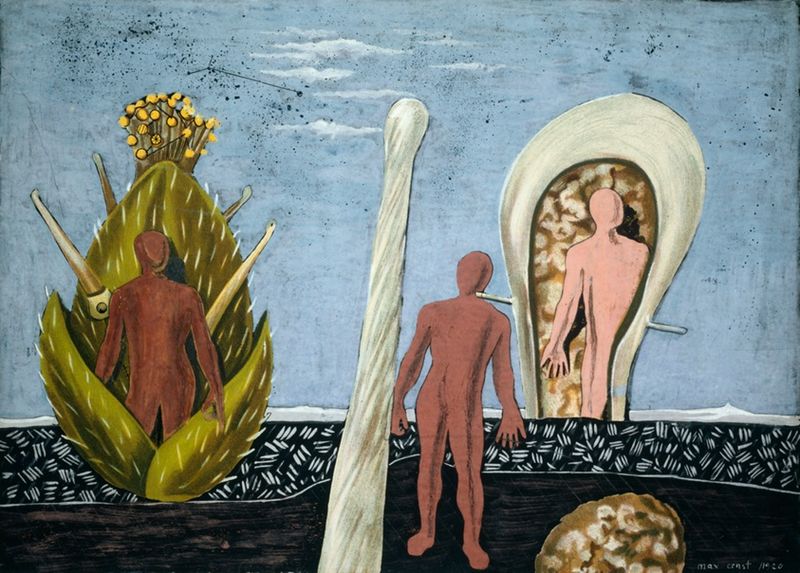
Dada Gauguin
Max Ernst · 1920 · Art Institute of Chicago
 Same era · 1900s–1930s
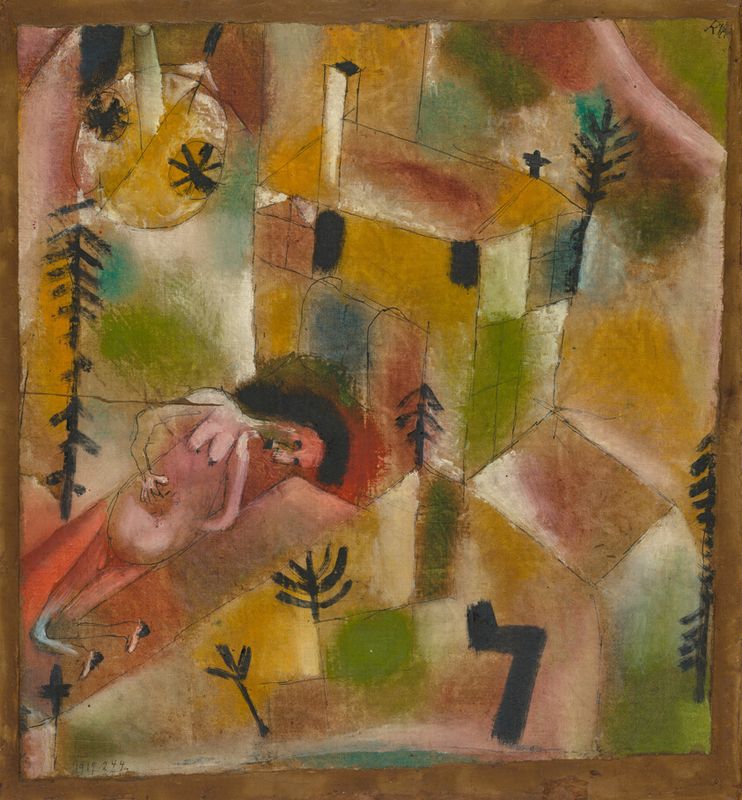
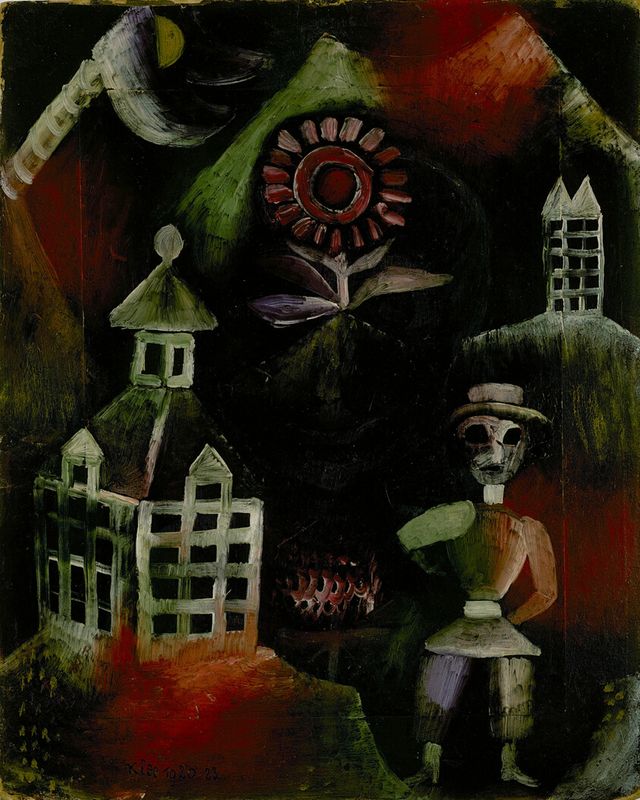
Schoolhouse
Paul Klee · 1920 · Art Institute of Chicago