01
Her self-absorbed gaze
Her face tilts down and to the side, cool and distant, and her eyes seem fixed on the mirror rather than on us. The pose gives her self-regard a quiet, commanding presence.
1 of 5 on the painting
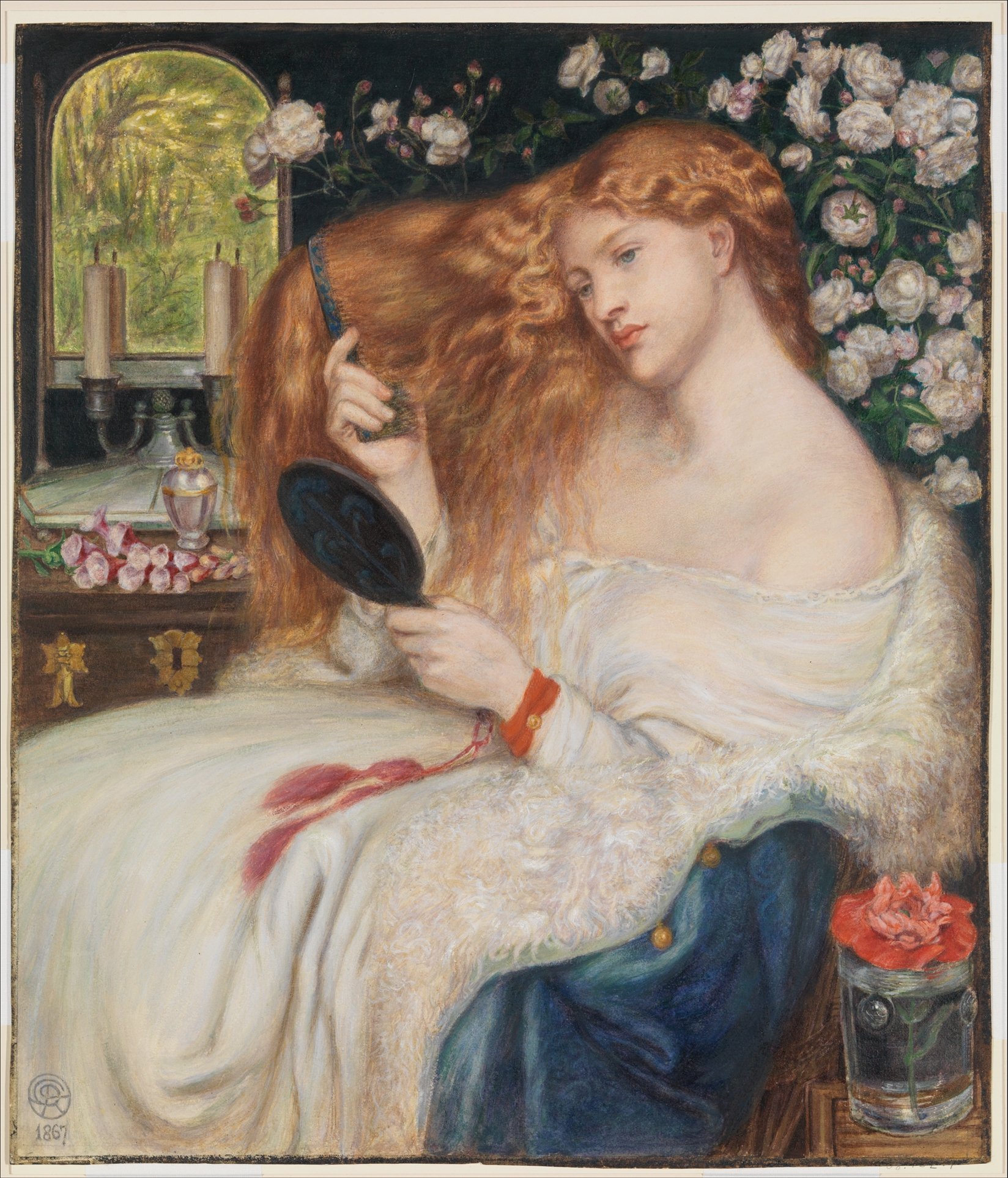
“Stop for this painting to see a Pre-Raphaelite vision of Lilith, a mythical temptress, captivated by her own beauty. It's a key example of the "mirror picture" genre, full of symbolic details and a striking cascade of golden hair.”
A cascade of golden hair dominates this striking watercolor, as a woman gazes into a hand-mirror, seemingly lost in her own reflection. This is Lady Lilith, a figure from ancient Judaic myth, traditionally known as Adam's first wife and a powerful temptress. The painting, originally begun in oil in 1866 with Rossetti's mistress Fanny Cornforth as the model, was later revised to feature the face of Alexa Wilding. Rossetti created this large watercolor replica in 1867, retaining Cornforth's face. The work is considered a prime example of the "mirror picture" genre, where women contemplate their own beauty, a theme that influenced many artists of the period. The crowded, almost depthless space, with its blend of interior and exterior elements reflected in the mirror, creates an unreal atmosphere.
Five details hide in plain sight. Pick one and we’ll show you exactly where to look.
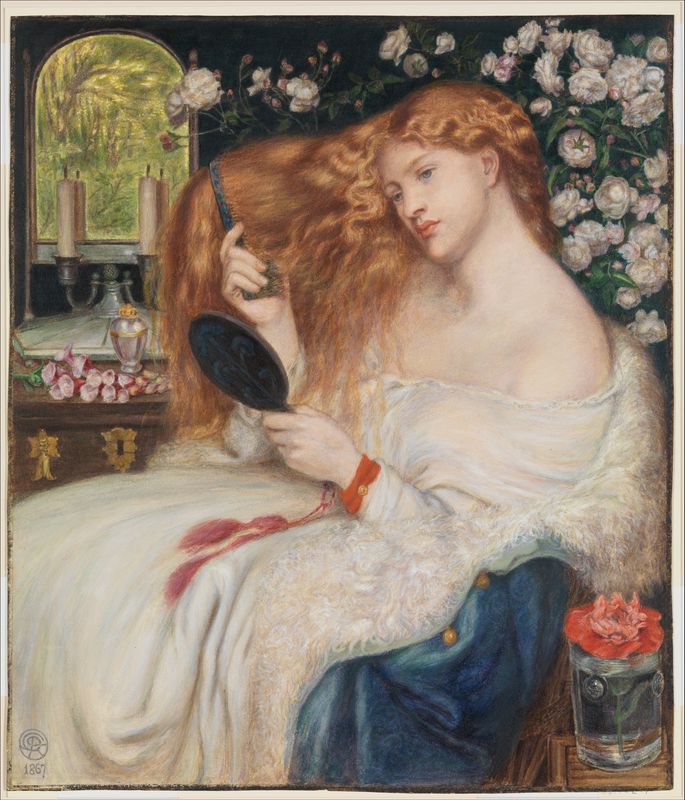
Her face tilts down and to the side, cool and distant, and her eyes seem fixed on the mirror rather than on us. The pose gives her self-regard a quiet, commanding presence.
Follow the heavy waves of copper hair spilling over her shoulder as she drags a comb through it. Rossetti makes the hair the main event, and it ties to the idea of seductive beauty in Lilith's legend.
The dark oval hand mirror in her lowered hand shows only a blank, inky surface with a faint pattern on its back. It fits the theme of beauty absorbed in itself.
A dense bank of pale roses crowds the upper right. They fill the space behind her so there is little sense of depth, and the flowers add to the lush, sensual mood.
In the arched mirror at upper left, candles stand in front of a green garden. Room and outdoors are squeezed into one flattened, dreamlike view.
The full narration walks you through Lady Lilith — the story behind it, the details most visitors miss, and why it matters. Free in the Art Whisper app.
Dante Gabriel Rossetti, a founding member of the Pre-Raphaelite Brotherhood, blended poetry and painting to create evocative, symbolic works like "Beata Beatrix."
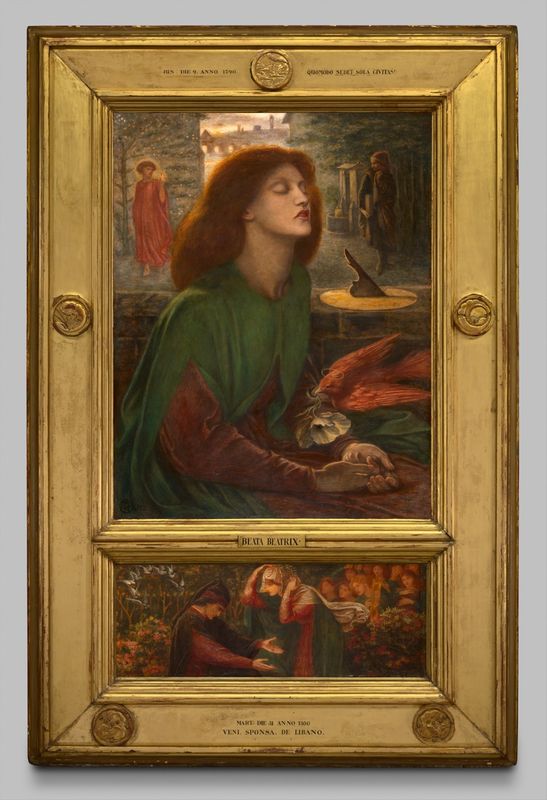 Beata Beatrix
1877 · Birmingham Museums Trust
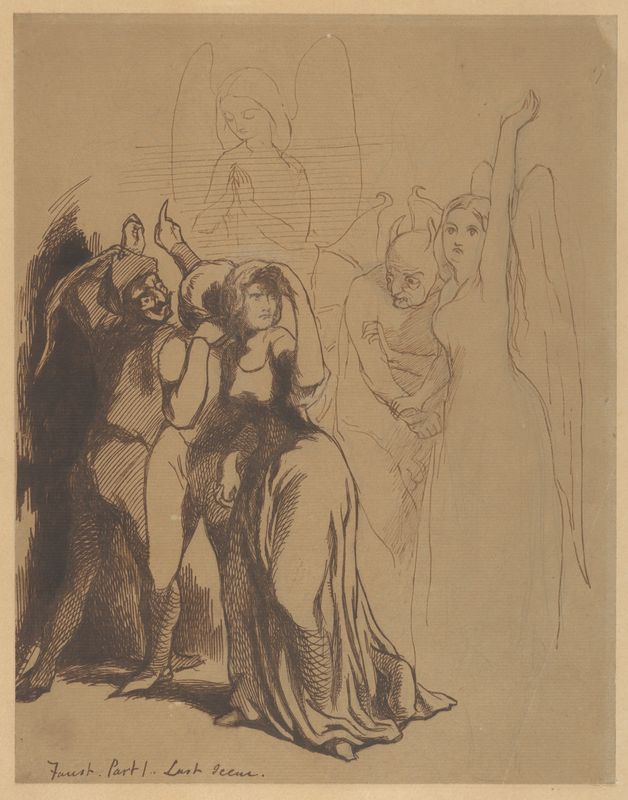 Faust: Part 1. Last Scene
1846 · The Metropolitan Museum of Art
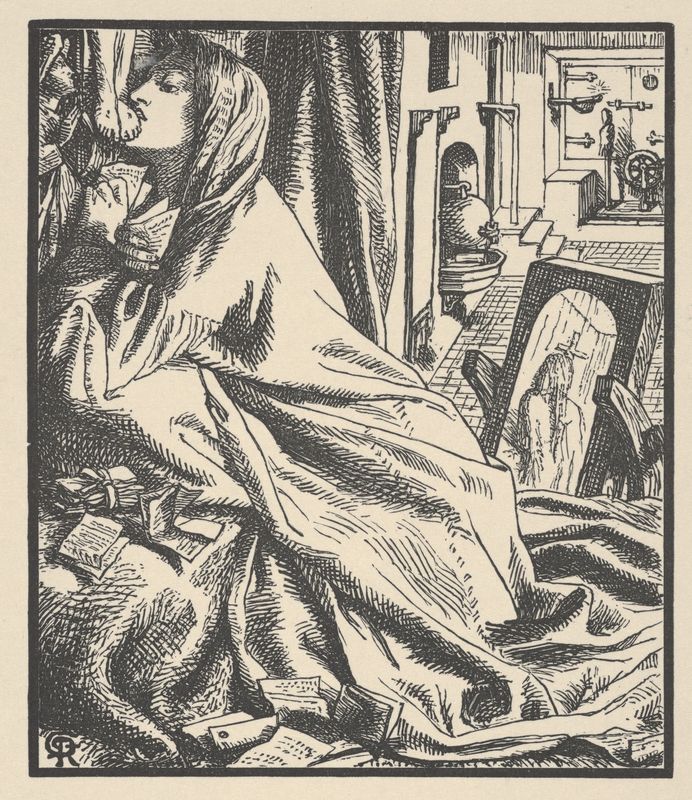 Mariana in the South (Illustration for "The Palace of Art" in Tennyson's Poems, New York, 1903)
1857 · The Metropolitan Museum of Art
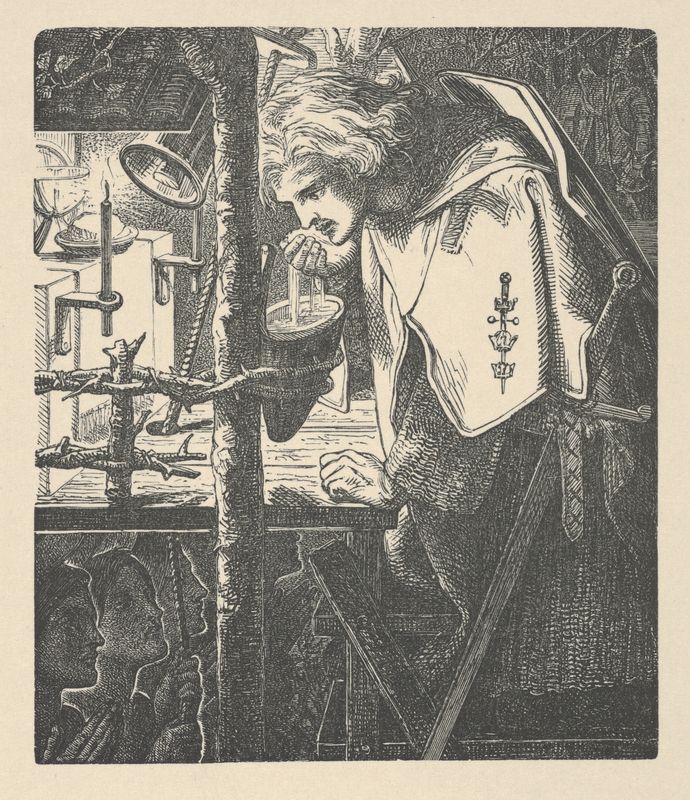 Sir Galahad (from Tennyson's Poems, New York, 1903)
1857 · The Metropolitan Museum of Art
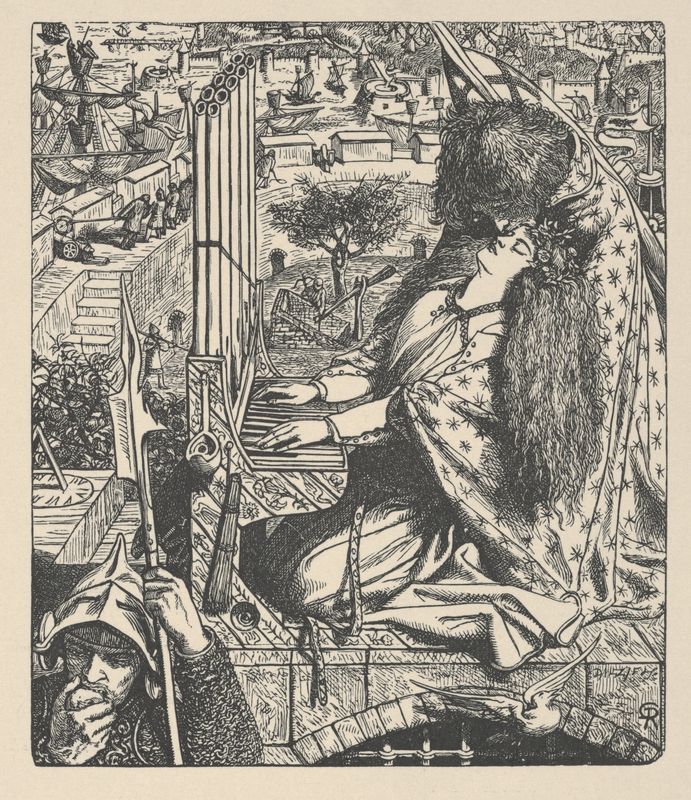 St. Cecily / Cecilia (Illustration for The Palace of Art in Tennyson's Poems, New York, 1903)
1857 · The Metropolitan Museum of Art
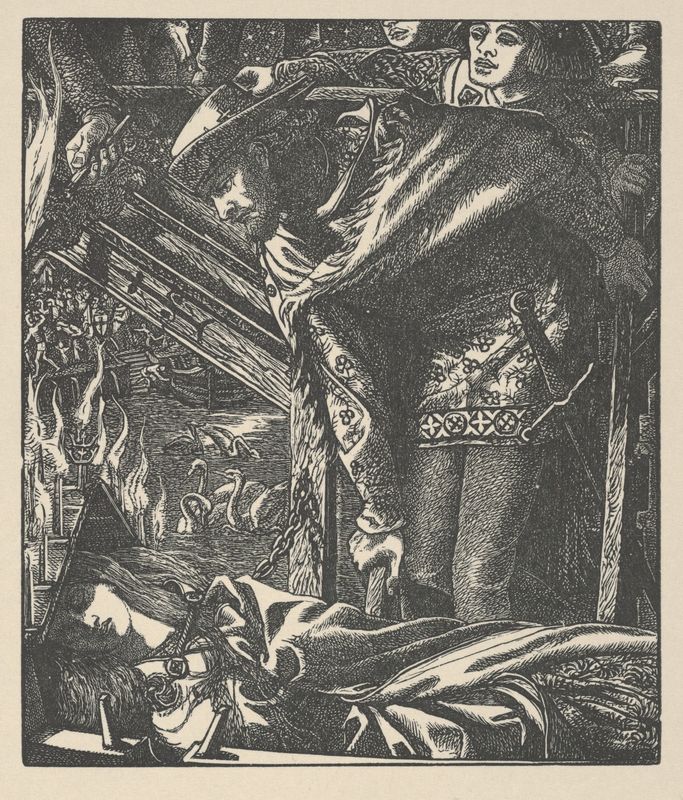 The Lady of Shalott (from Tennyson's Poems, New York, 1903)
1857 · The Metropolitan Museum of Art
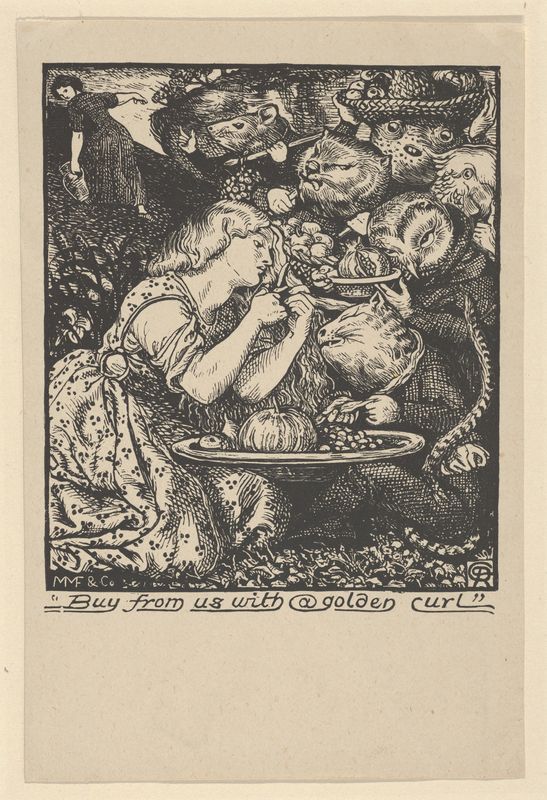 Buy from Us with a Golden Curl (frontispiece to "Goblin Market and other Poems" by Christina Rossetti)
1862 · The Metropolitan Museum of Art
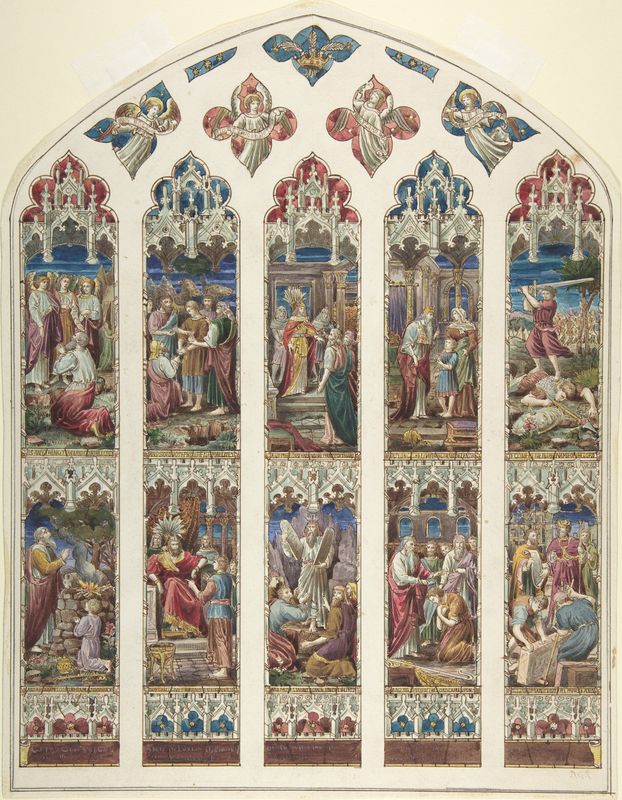 Design for Old Testament Window
1865 · The Metropolitan Museum of Art
Beyond Rossetti and Symbolism: works from the same years, and from the other movements Lady Lilith belongs to.
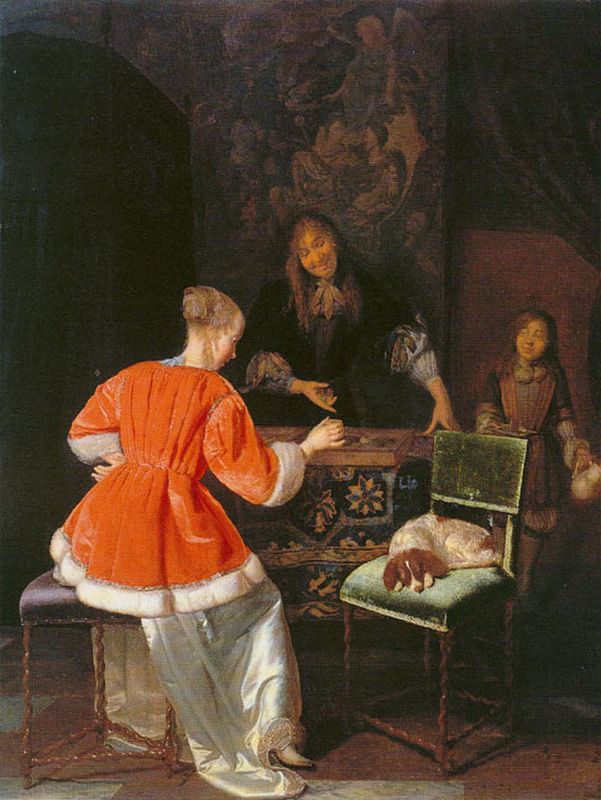 Same movement · Arts and Crafts movement
The Backgammon Players
Philip Webb · 1861 · The Metropolitan Museum of Art
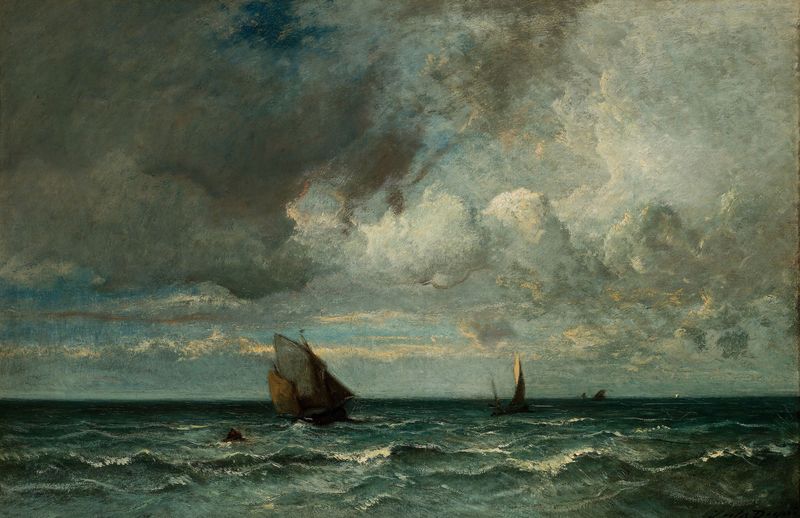 Same era · 1850s–1880s
Barks Fleeing Before the Storm
Léon-Victor Dupré · 1870 · Art Institute of Chicago
 Same movement · Aestheticism
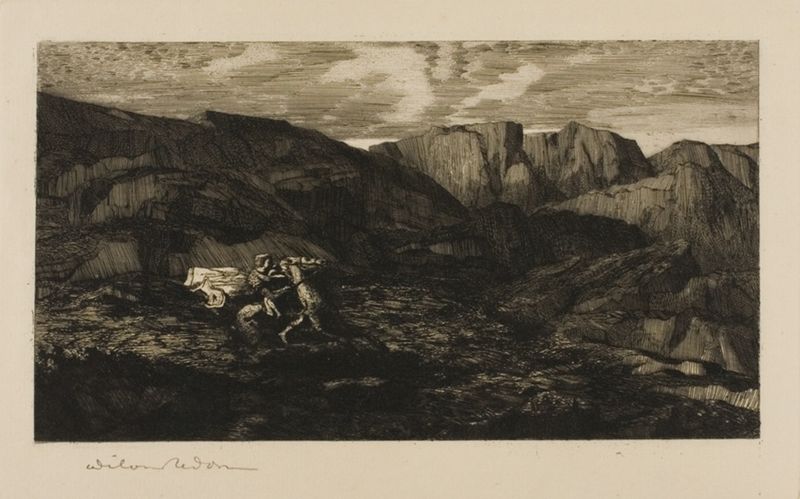
Fear
Odilon Redon · 1866 · Cleveland Museum of Art
 Same era · 1850s–1880s
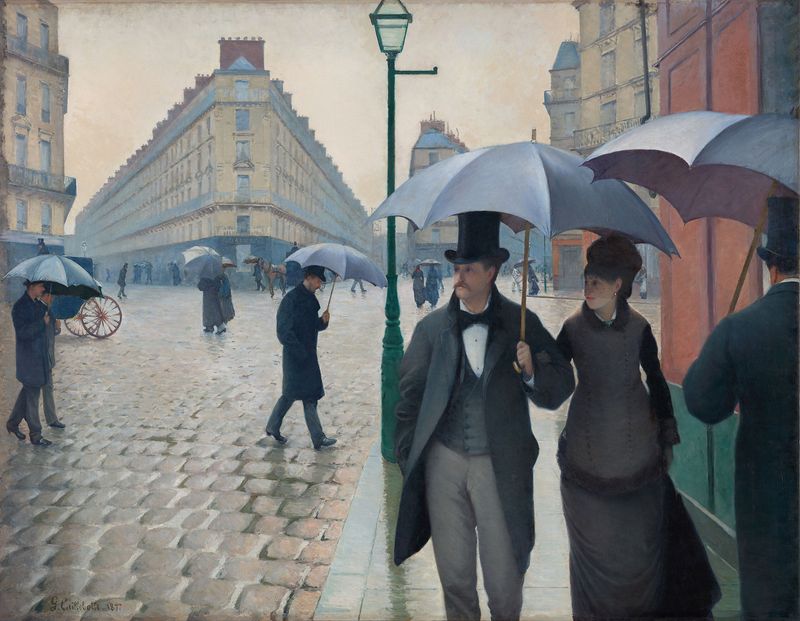
Paris Street; Rainy Day
Kawabata Gyokushō · 1877 · Art Institute of Chicago
 Same movement · Arts and Crafts movement
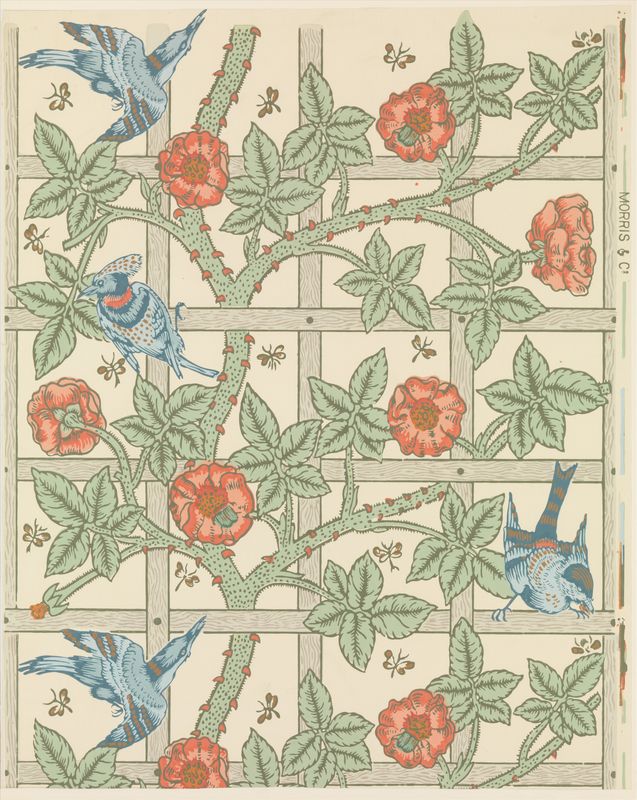
Trellis
William Morris · 1864 · The Metropolitan Museum of Art
 Same era · 1850s–1880s
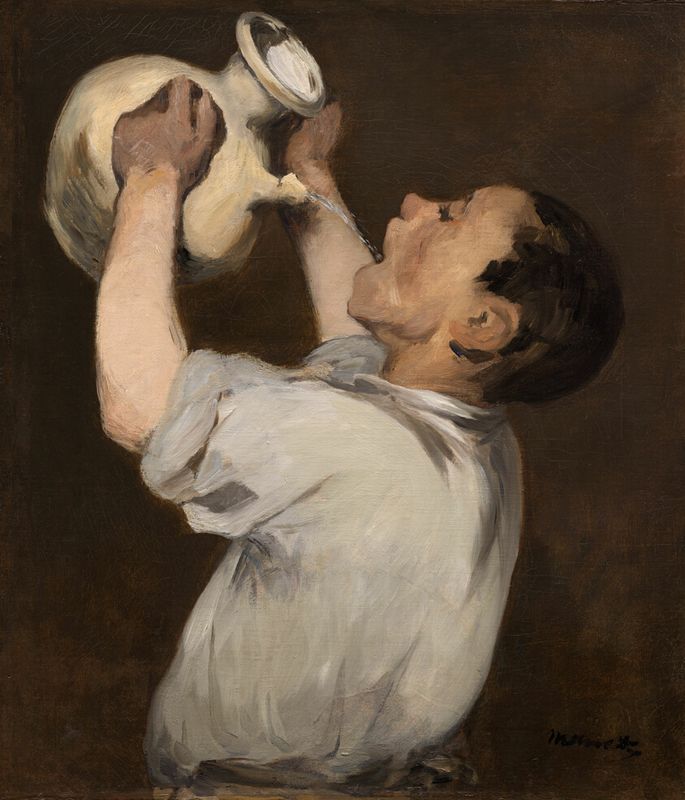
Boy with Pitcher (La Régalade)
Édouard Manet · 1866 · Art Institute of Chicago
 Same movement · Aestheticism
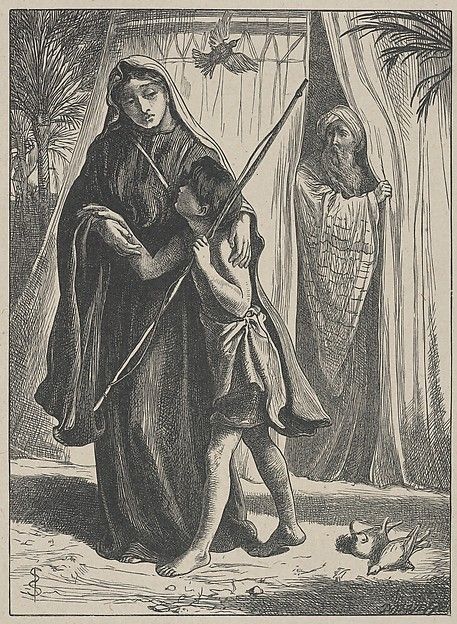
Hagar and Ishmael, from "Dalziels' Bible Gallery"
Simeon Solomon · 1863 · The Metropolitan Museum of Art
 Same era · 1850s–1880s
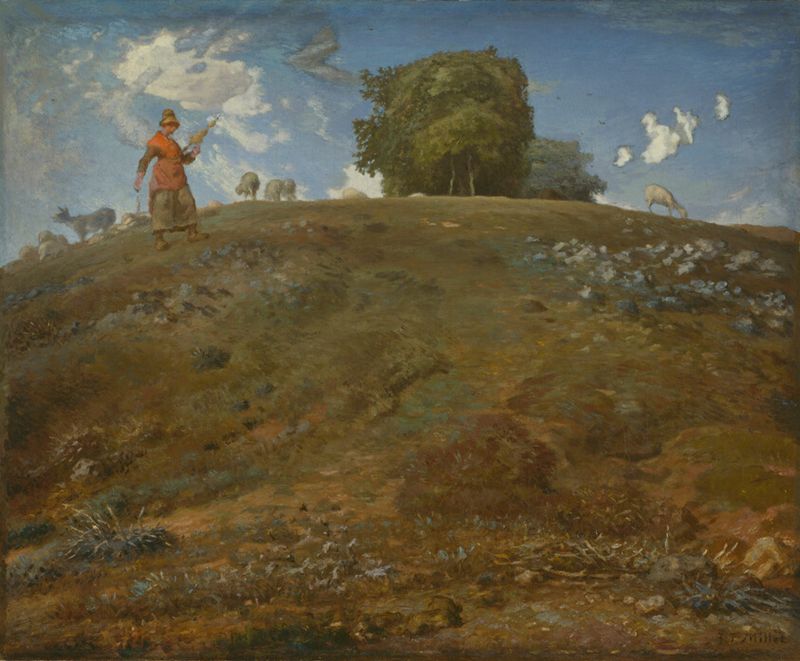
In the Auvergne
Jean-François Millet · 1866 · Art Institute of Chicago
 Same era · 1850s–1880s
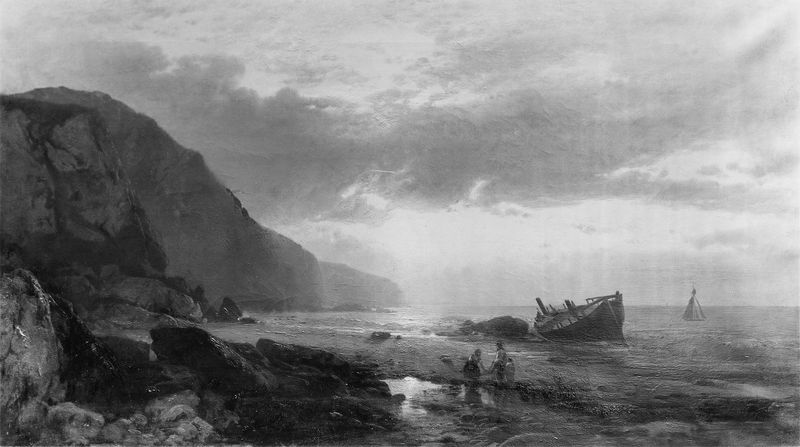
Seashore, Morning
William Hart · 1866 · The Metropolitan Museum of Art
 Same era · 1850s–1880s
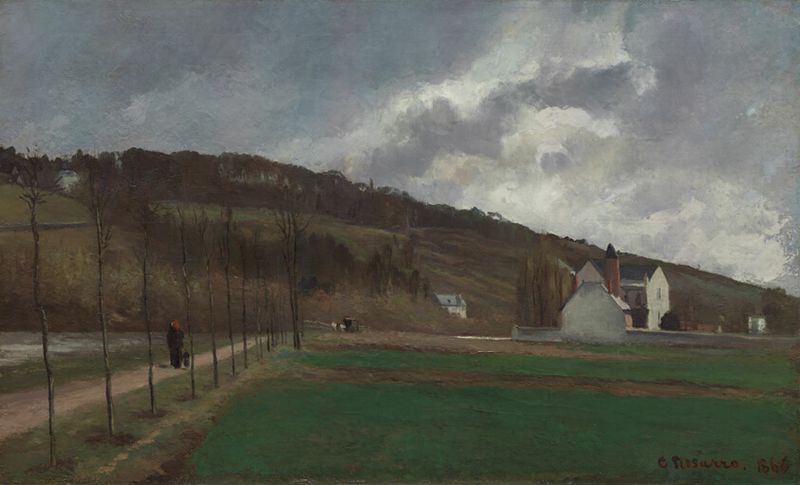
The Banks of the Marne in Winter
Camille Pissarro · 1866 · Art Institute of Chicago
 Same era · 1850s–1880s
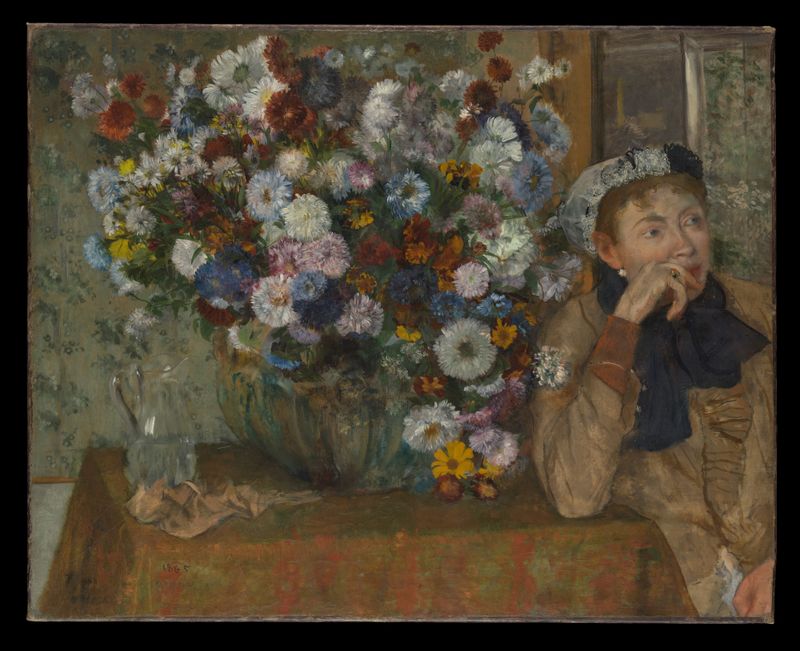
A Woman Seated beside a Vase of Flowers (Madame Paul Valpinçon?)
Edgar Degas · 1865 · The Metropolitan Museum of Art
 Same era · 1850s–1880s
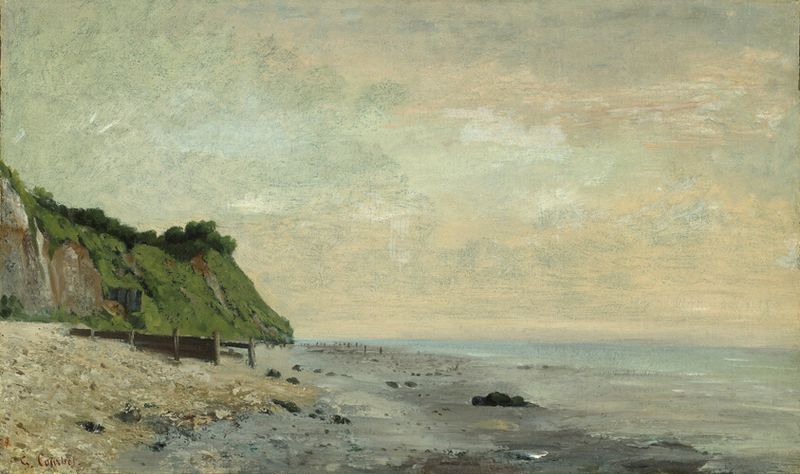
Cliffs on the Sea Coast: Small Beach, Sunrise (Falaise au bord de la mer, vu Petite Plage, soleil levant)
Gustave Courbet · 1865 · Art Institute of Chicago
 Same era · 1850s–1880s
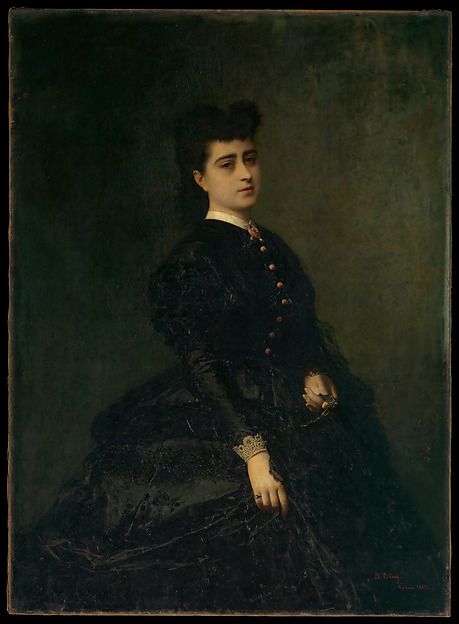
Mirope Savati Gaye
Mariano Fortuny Marsal · 1865 · The Metropolitan Museum of Art
 Same era · 1850s–1880s
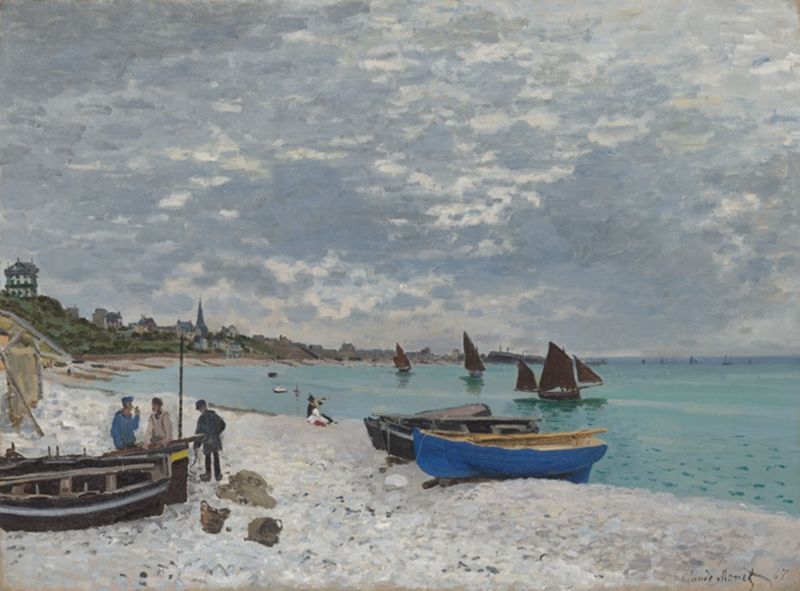
The Beach at Sainte-Adresse
Claude Monet · 1867 · Art Institute of Chicago
 Same era · 1850s–1880s
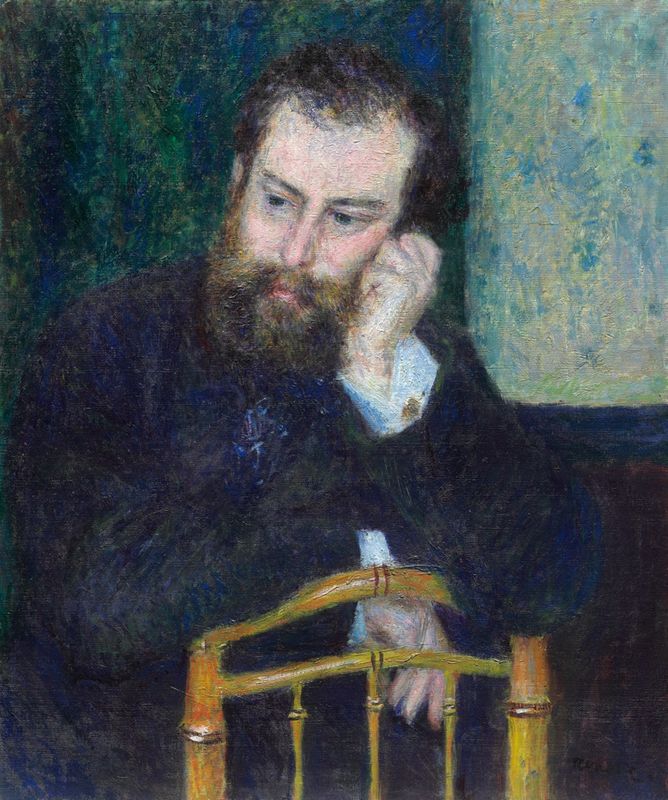
Alfred Sisley
Pierre-Auguste Renoir · 1864 · Foundation E.G. Bührle Collection
 Same era · 1850s–1880s
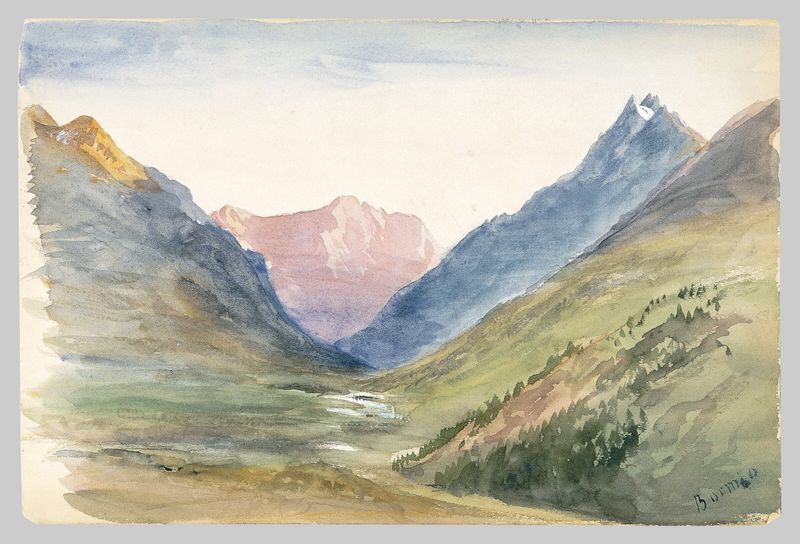
Mountain View at Bormio (from Switzerland 1869 Sketchbook)
John Singer Sargent · 1869 · The Metropolitan Museum of Art