
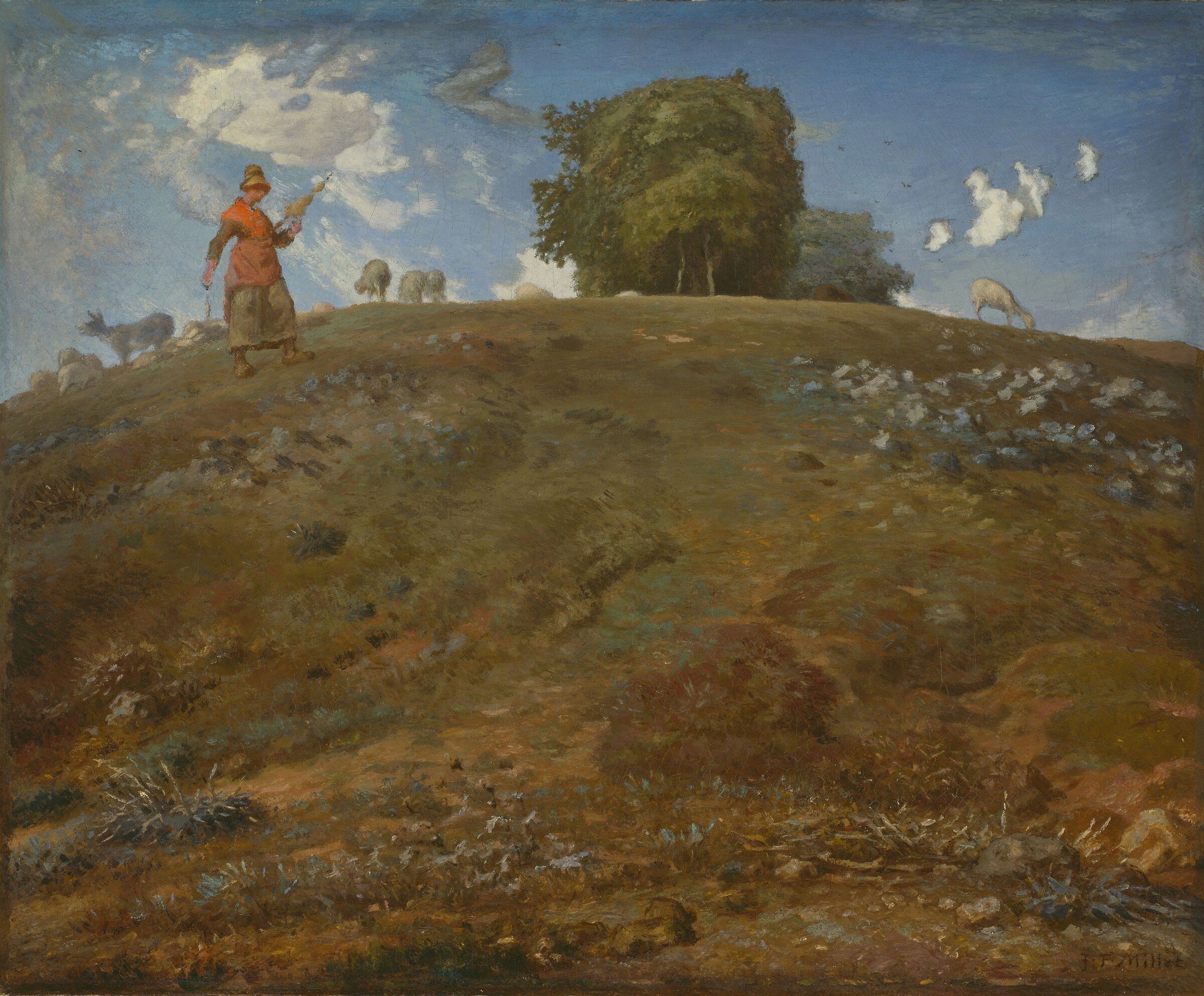
“Stop and observe how this painting captures the vast, dramatic landscape of rural France, with a lone figure and sheep underscoring humanity's small but enduring presence within nature's grandeur. It's a powerful example of Realism's focus on authentic, unidealized scenes.”
In this expansive landscape, the Auvergne region of central France unfolds under a vast sky, dominated by dramatic, cloud-filled light. A lone figure, perhaps a shepherd or farmer, guides a small flock of sheep across a sun-dappled field, their presence a quiet counterpoint to the grandeur of nature. The scene captures a moment of everyday life, imbued with a sense of timelessness and the profound connection between humanity and the land. Millet, known for his depictions of rural life, renders the rolling hills and distant mountains with a palpable sense of weight and atmosphere. The earthy palette, punctuated by touches of light, emphasizes the rugged beauty of the terrain and the arduous yet dignified existence of those who work it. This painting exemplifies the Realist movement's focus on unidealized, authentic portrayals of the natural world and its inhabitants.
- Artist
- Jean-François Millet
- Date
- 1866
- Medium
- Oil on canvas
- Location
- Art Institute of Chicago
What to Notice
Five details hide in plain sight. Here’s where to look.
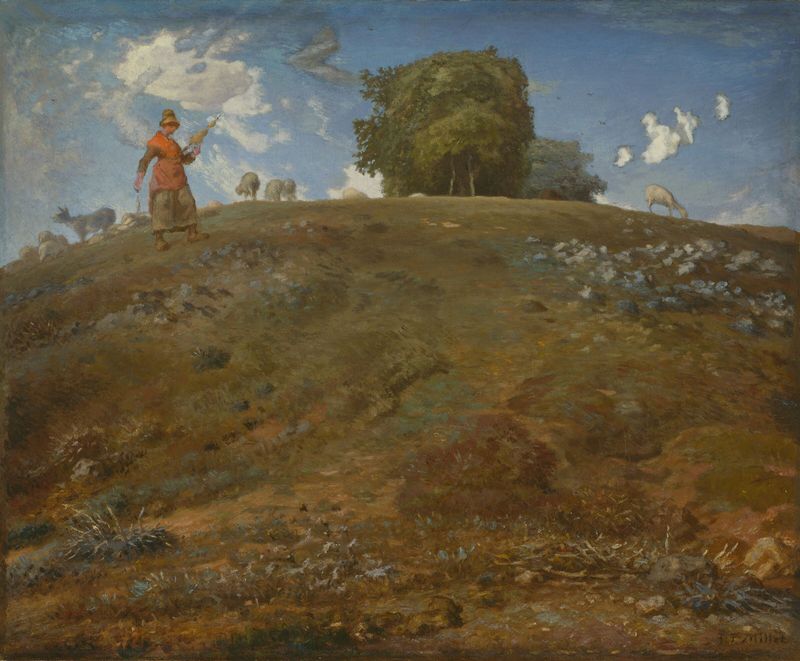
The way sunlight breaks through the clouds, illuminating parts of the landscape.
The small, solitary figure herding sheep in the middle ground.
The texture of the distant mountains, almost merging with the sky.
The subtle variations in green and brown in the foreground fields.
1 more detail is waiting.
See all 5 in Art Whisper →Stand in front of it and listen
The full narration walks you through In the Auvergne — the story behind it, the details most visitors miss, and why it matters. Free in the Art Whisper app.
Jean-François Millet
1814–1875 · FranceJean-François Millet was a French artist and one of the founders of the Barbizon school in rural France. Millet is noted for his paintings of peasant farmers and can be categorized as part of the Realism art movement. Toward the end of his career, he became increasingly interested in painting pure landscapes. He is known best for his oil paintings but is also noted for his pastels, Conté crayon drawings, and etchings.
Further Works by Millet
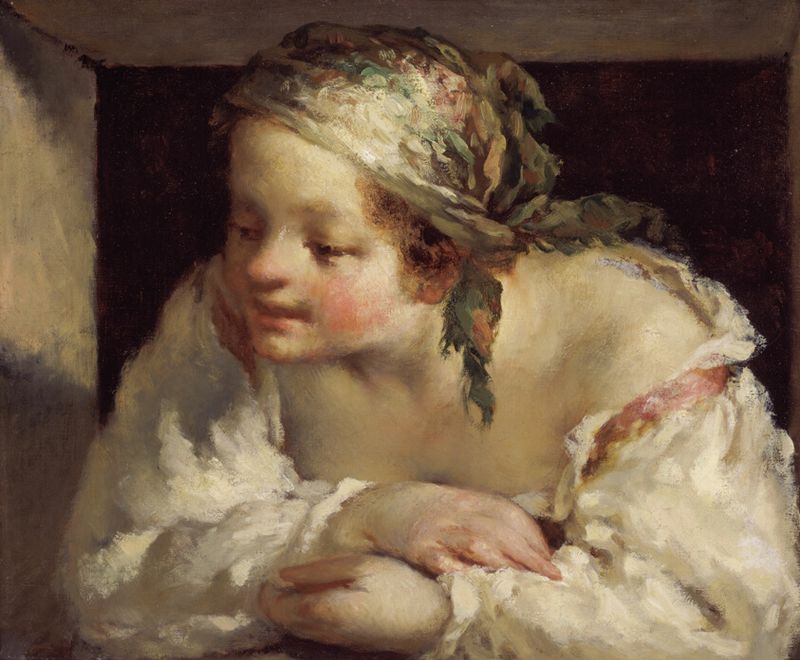 Young Woman
1844 · Art Institute of Chicago
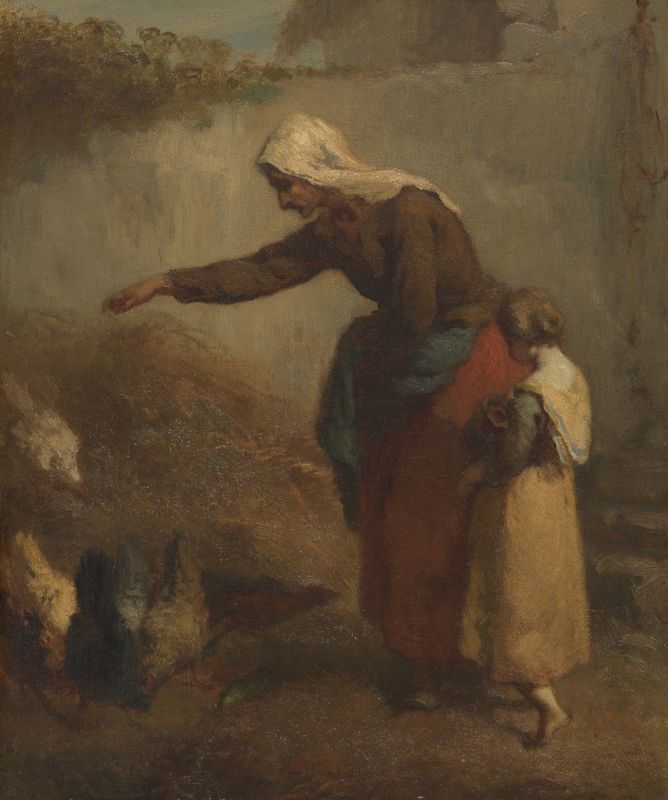 Woman Feeding Chickens
1850 · Art Institute of Chicago
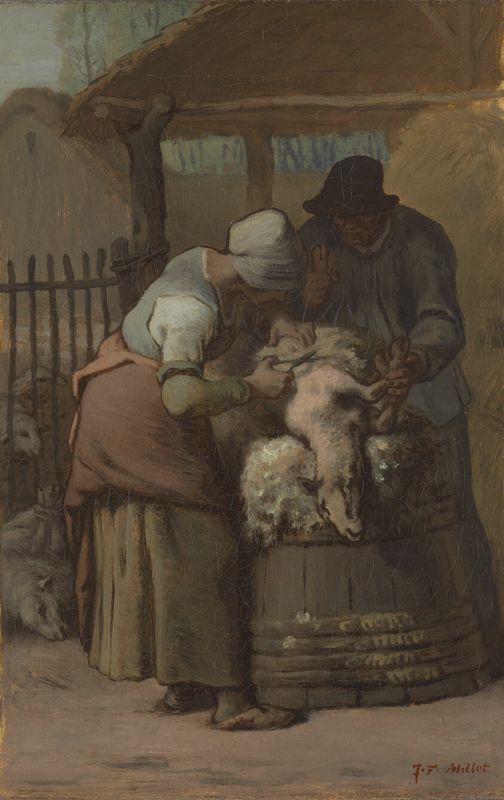 The Sheepshearers
1857 · Art Institute of Chicago
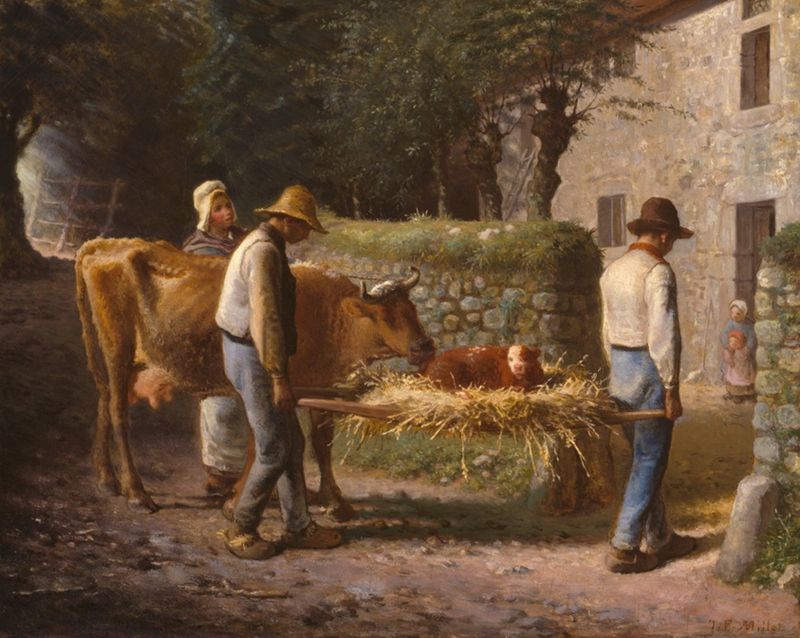 Peasants Bringing Home a Calf Born in the Fields
1864 · Art Institute of Chicago
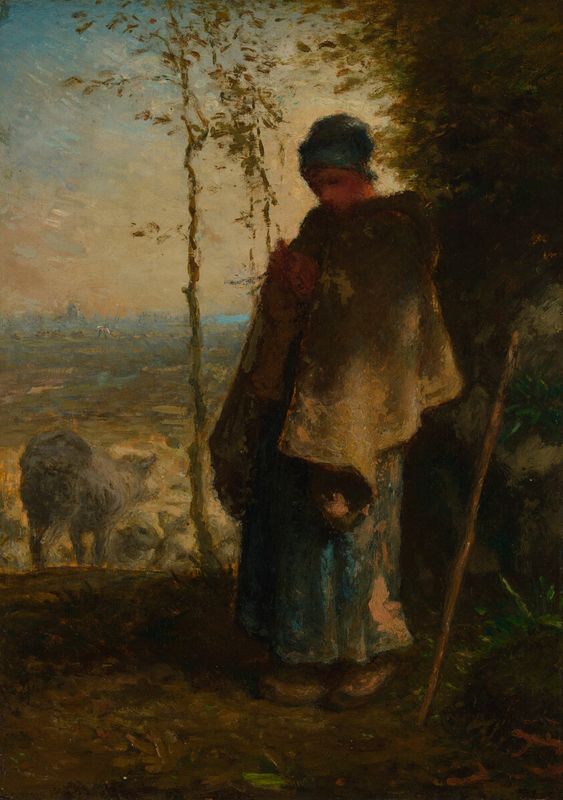 The Little Shepherdess
1870 · Art Institute of Chicago
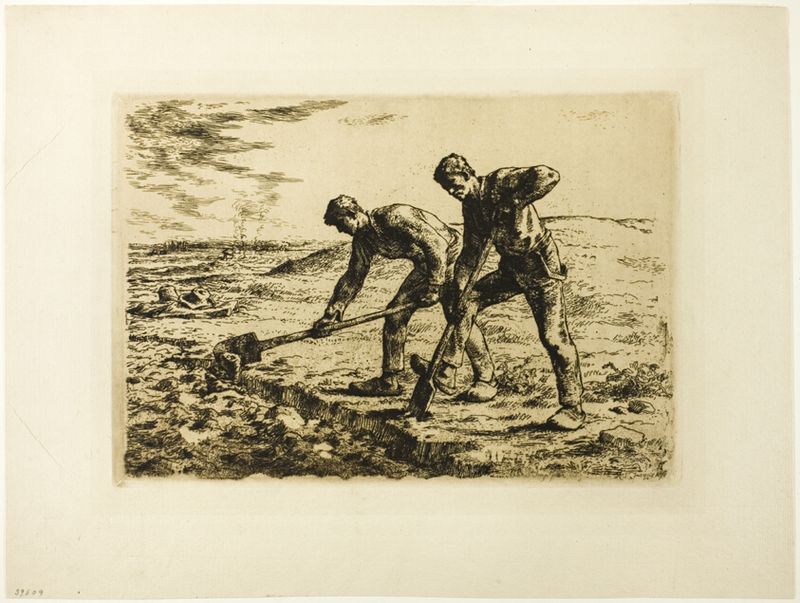 Two Men Digging
1855 · Art Institute of Chicago
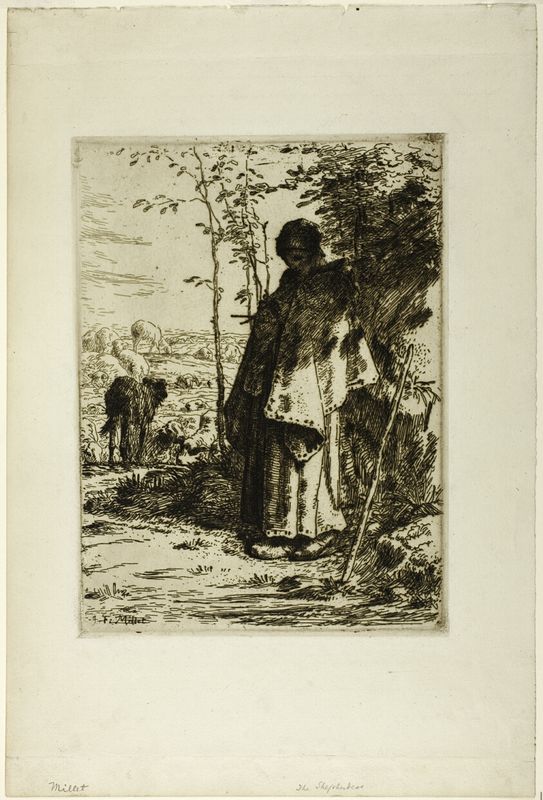 The Shepherdess Knitting
1862 · Art Institute of Chicago
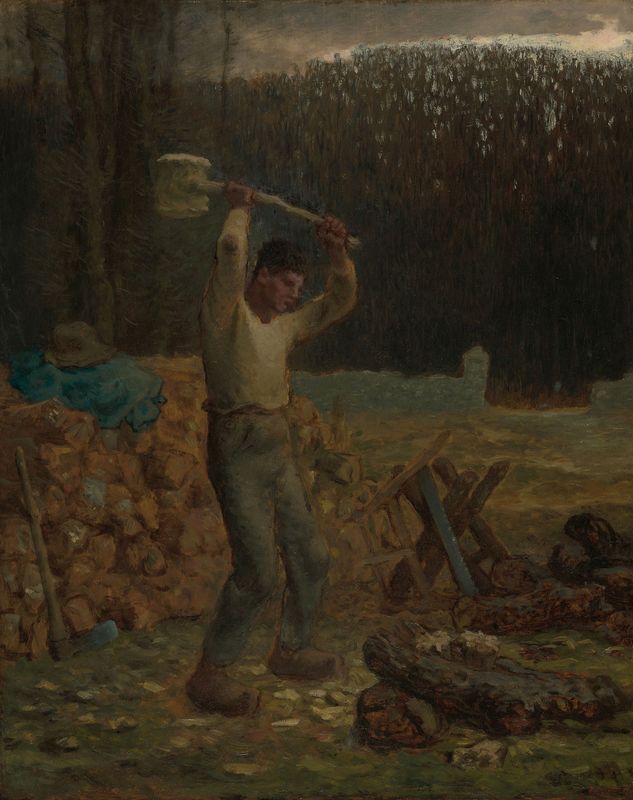 The Woodchopper
1862 · Art Institute of Chicago
More from Realism
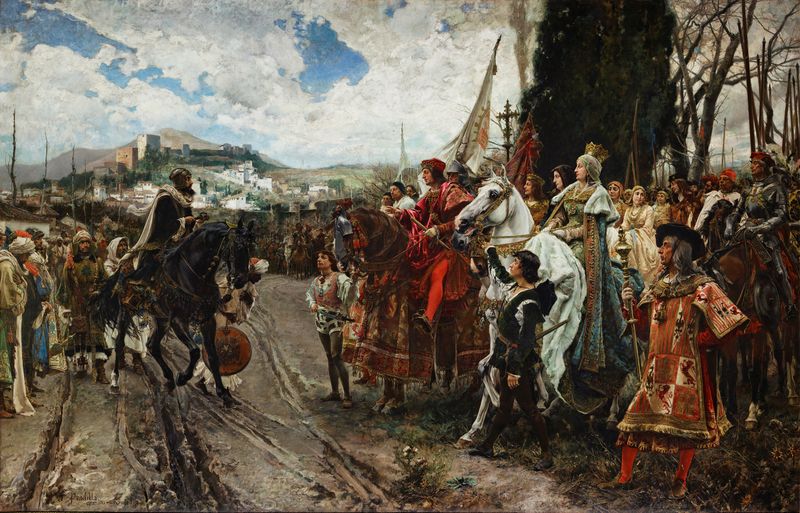
More works to explore
Beyond Millet and Realism: works from the same years, and from the other movements In the Auvergne belongs to.
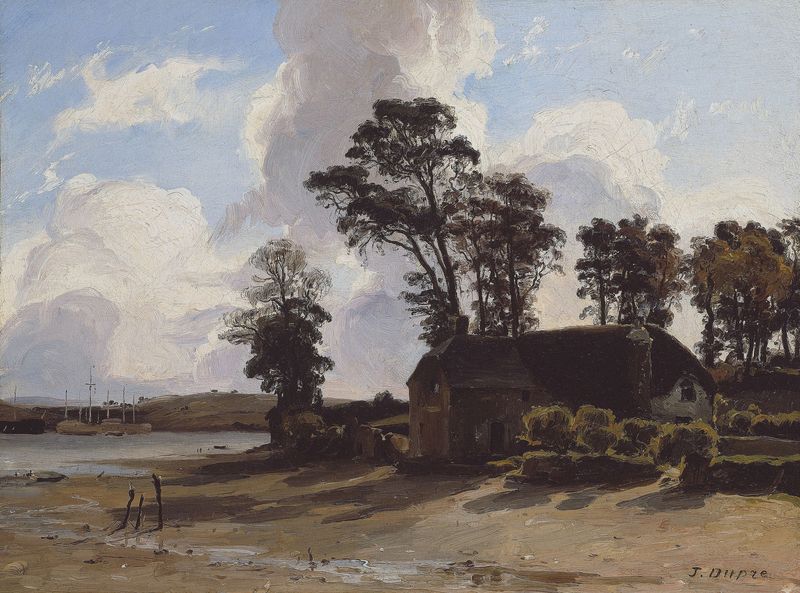 Same movement · Barbizon school
The Estuary Farm
Léon-Victor Dupré · 1831 · Art Institute of Chicago
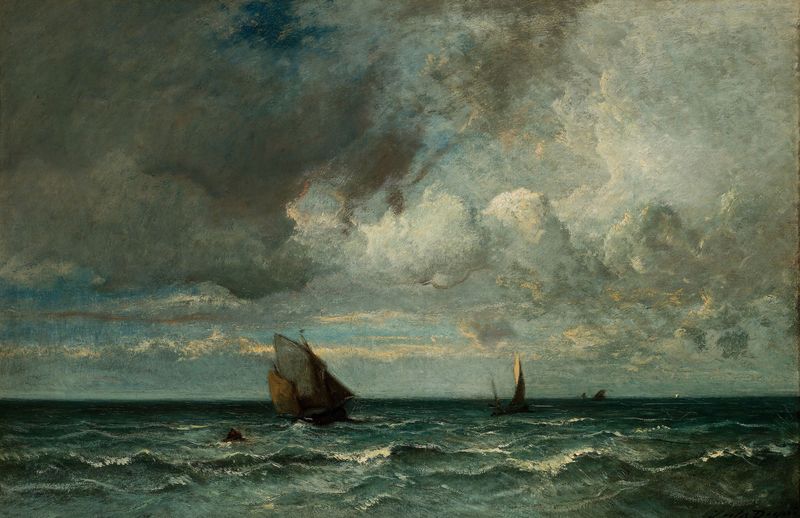 Same era · 1850s–1880s
Barks Fleeing Before the Storm
Léon-Victor Dupré · 1870 · Art Institute of Chicago
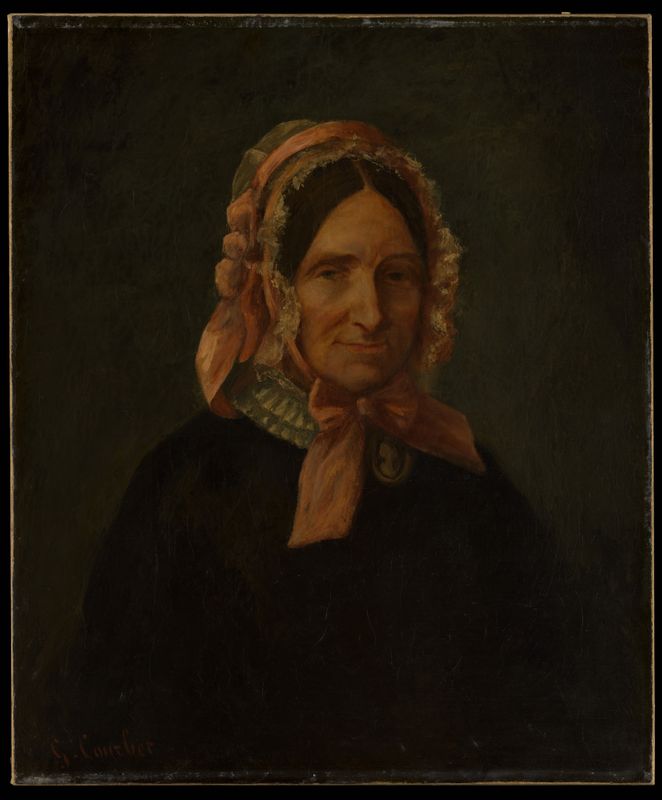 Same movement · Naturalism
Portrait of a Woman, Called Héloïse Abélard
Gustave Courbet · 1850 · The Metropolitan Museum of Art
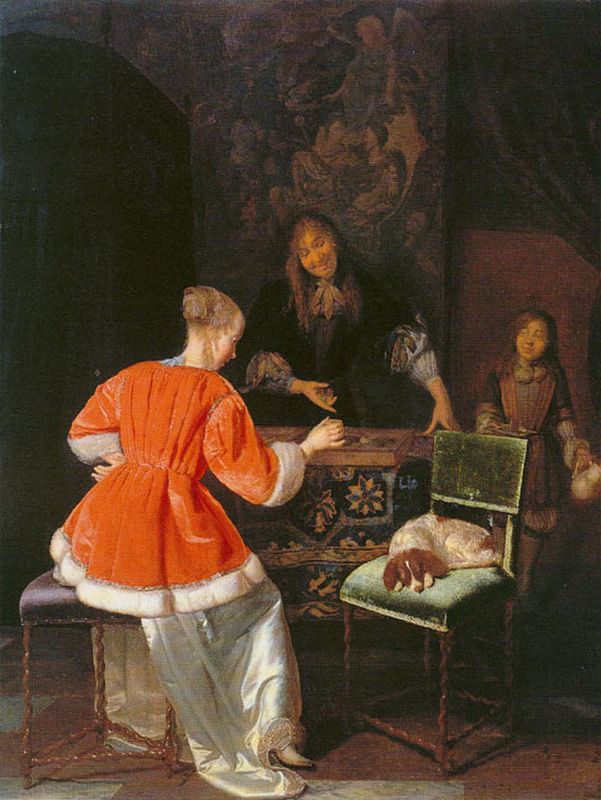 Same era · 1850s–1880s
The Backgammon Players
Philip Webb · 1861 · The Metropolitan Museum of Art
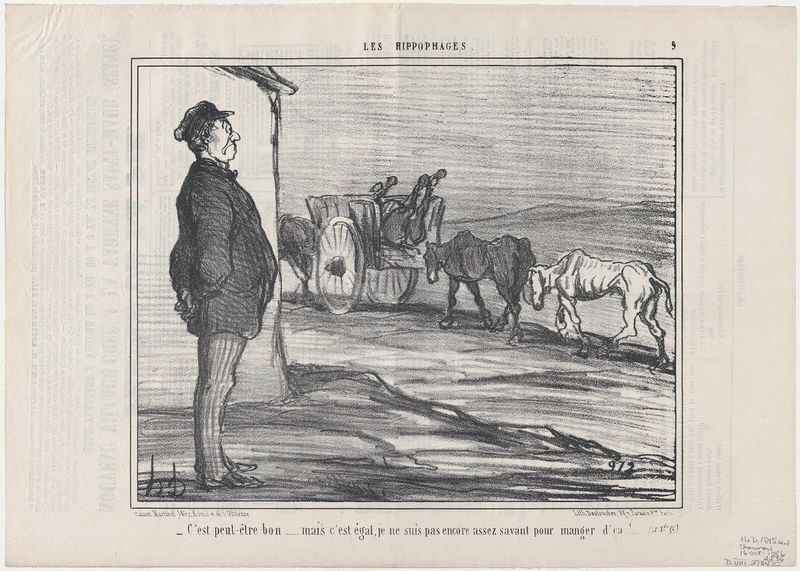 Same movement · Naturalism
C'est peut-être bon...mais c'est égal..., from Les Hippophages, published in Le Charivari, October 23, 1856
Honoré Daumier · 1856 · The Metropolitan Museum of Art
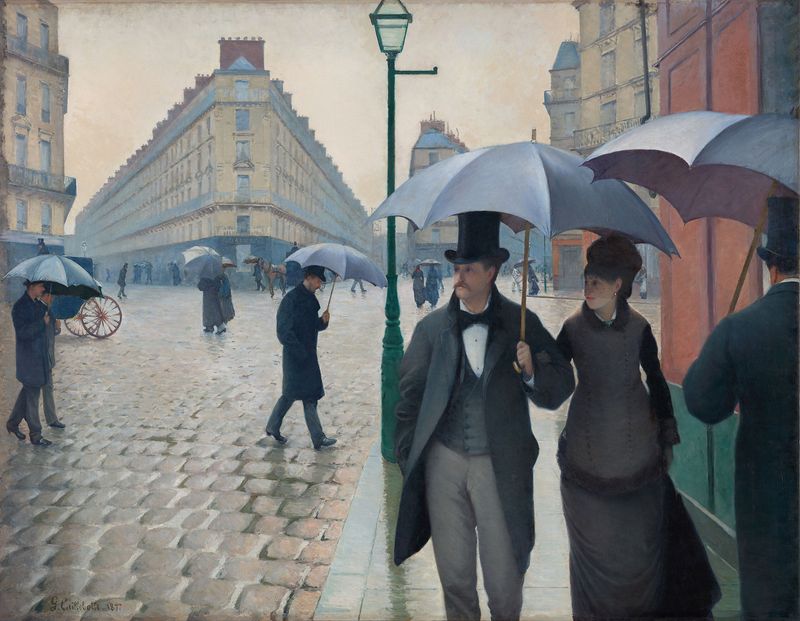 Same era · 1850s–1880s
Paris Street; Rainy Day
Kawabata Gyokushō · 1877 · Art Institute of Chicago
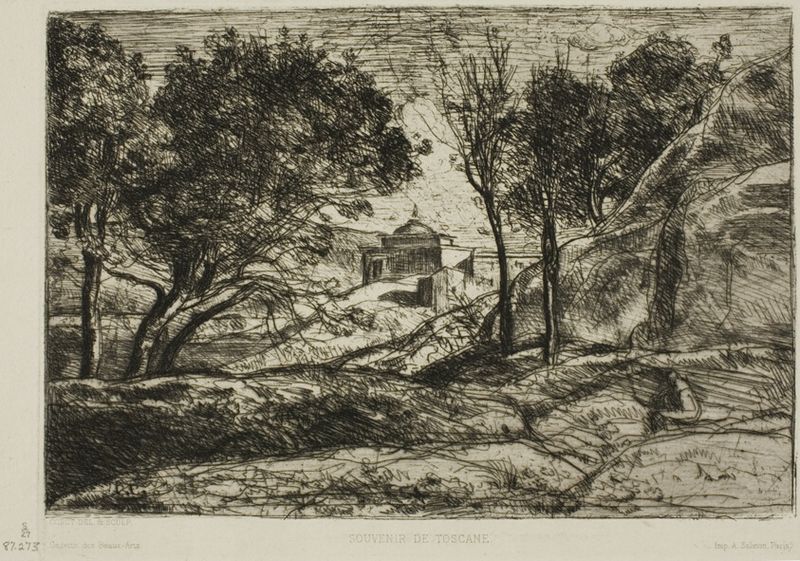 Same movement · Naturalism
Souvenir of Tuscany
Jean Baptiste Camille Corot · 1845 · Art Institute of Chicago
 Same era · 1850s–1880s
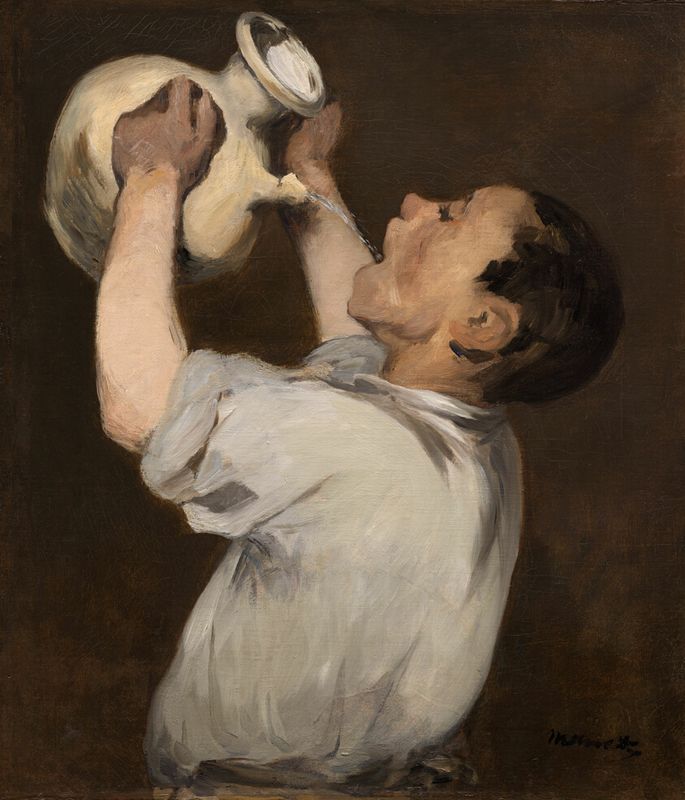
Boy with Pitcher (La Régalade)
Édouard Manet · 1866 · Art Institute of Chicago
 Same era · 1850s–1880s
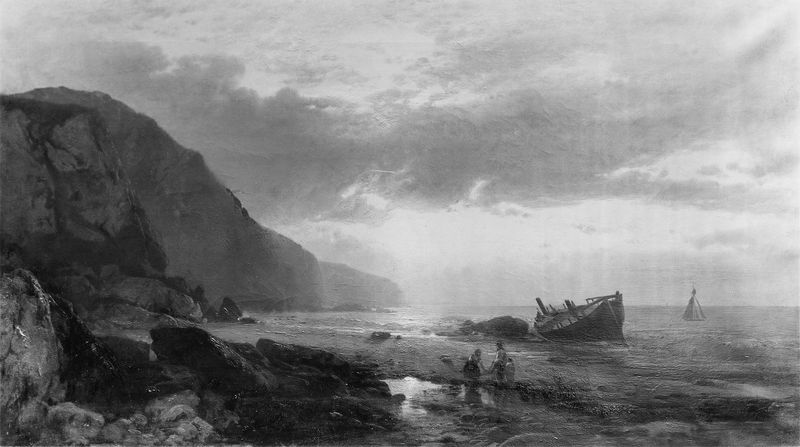
Seashore, Morning
William Hart · 1866 · The Metropolitan Museum of Art
 Same era · 1850s–1880s
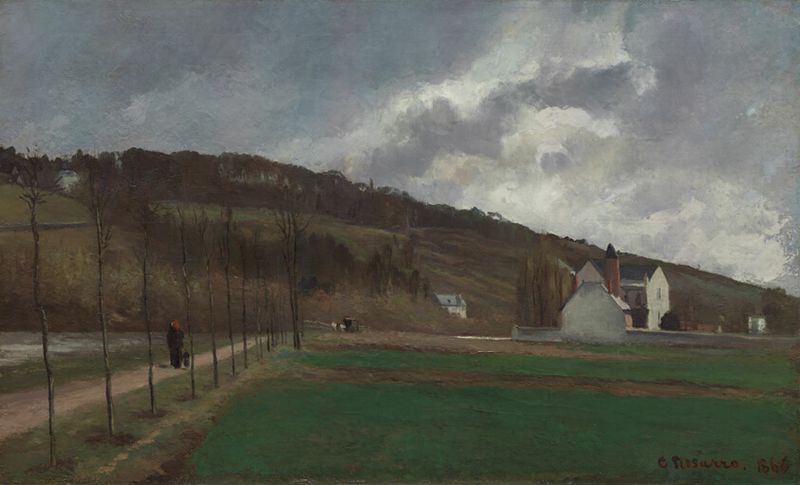
The Banks of the Marne in Winter
Camille Pissarro · 1866 · Art Institute of Chicago
 Same era · 1850s–1880s
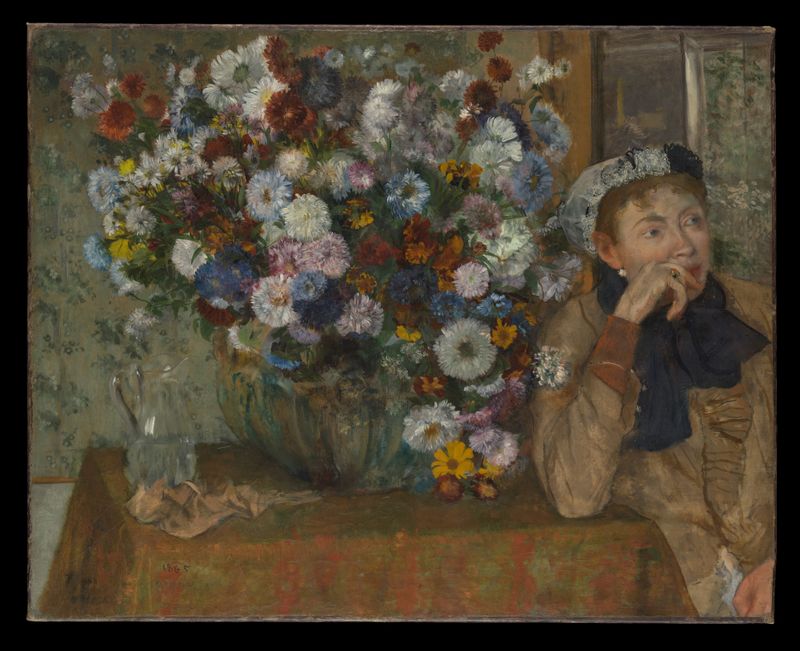
A Woman Seated beside a Vase of Flowers (Madame Paul Valpinçon?)
Edgar Degas · 1865 · The Metropolitan Museum of Art
 Same era · 1850s–1880s
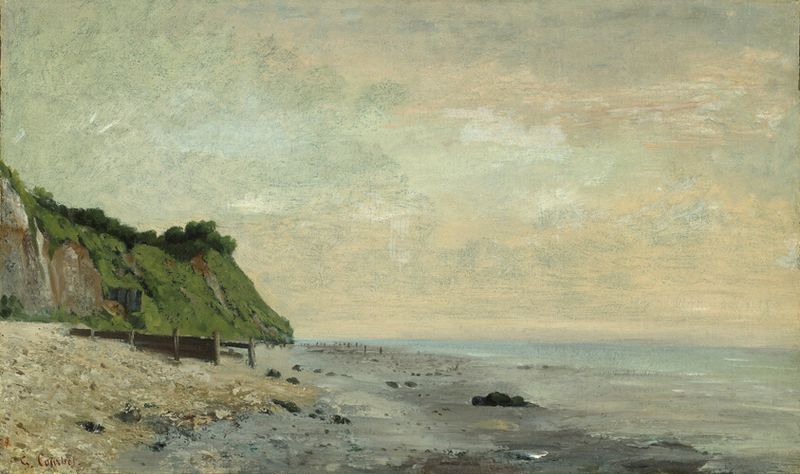
Cliffs on the Sea Coast: Small Beach, Sunrise (Falaise au bord de la mer, vu Petite Plage, soleil levant)
Gustave Courbet · 1865 · Art Institute of Chicago
 Same era · 1850s–1880s
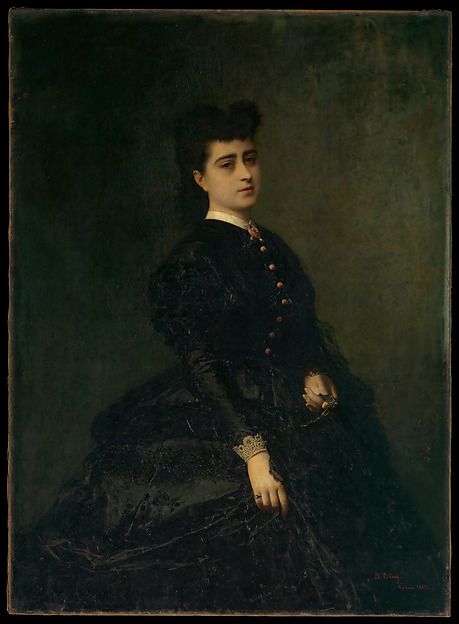
Mirope Savati Gaye
Mariano Fortuny Marsal · 1865 · The Metropolitan Museum of Art
 Same era · 1850s–1880s
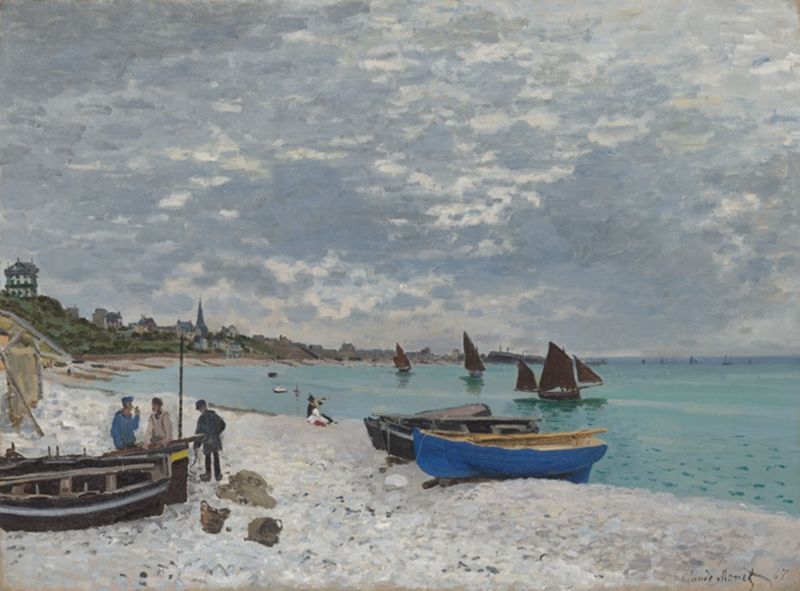
The Beach at Sainte-Adresse
Claude Monet · 1867 · Art Institute of Chicago
 Same era · 1850s–1880s
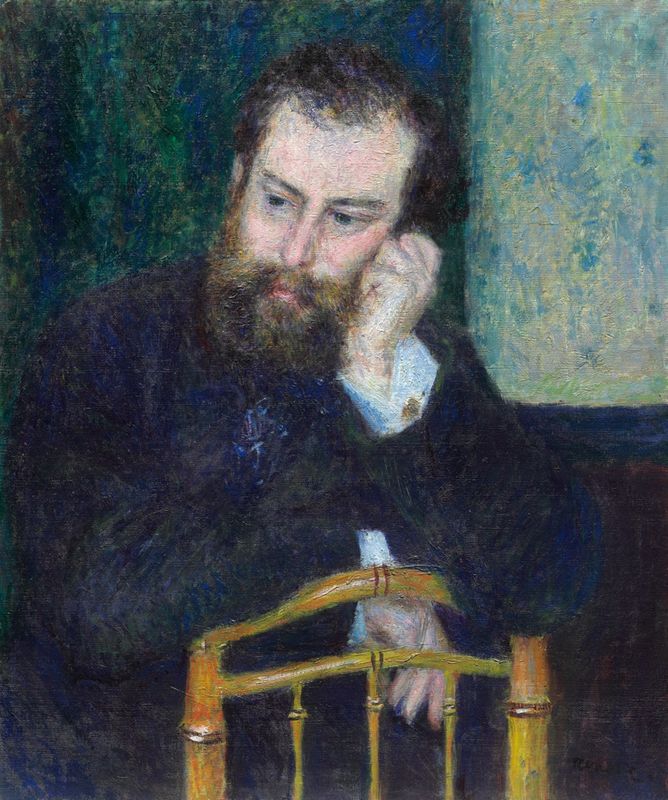
Alfred Sisley
Pierre-Auguste Renoir · 1864 · Foundation E.G. Bührle Collection
 Same era · 1850s–1880s
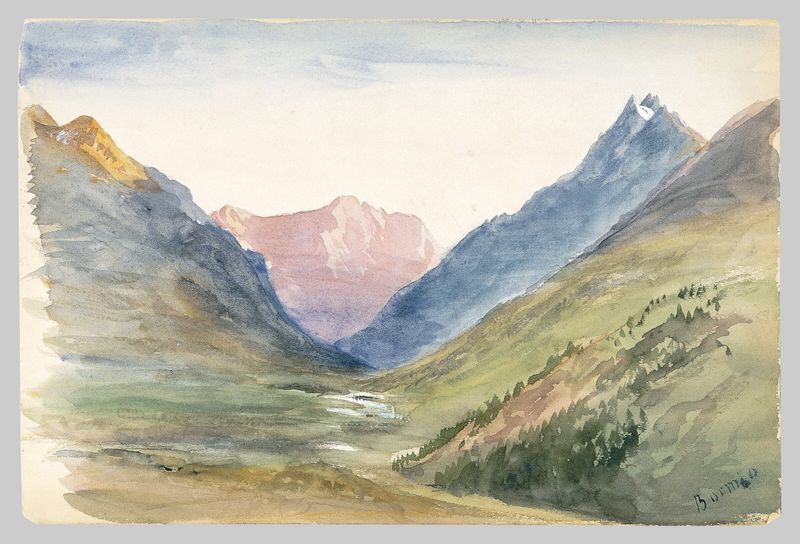
Mountain View at Bormio (from Switzerland 1869 Sketchbook)
John Singer Sargent · 1869 · The Metropolitan Museum of Art