01
Galahad drinking
Look at the knight's cupped hand raised to his mouth, with a small vessel held just below it. Thin streams of water run down through the vessel's rim, a quiet, private moment.
1 of 5 on the painting
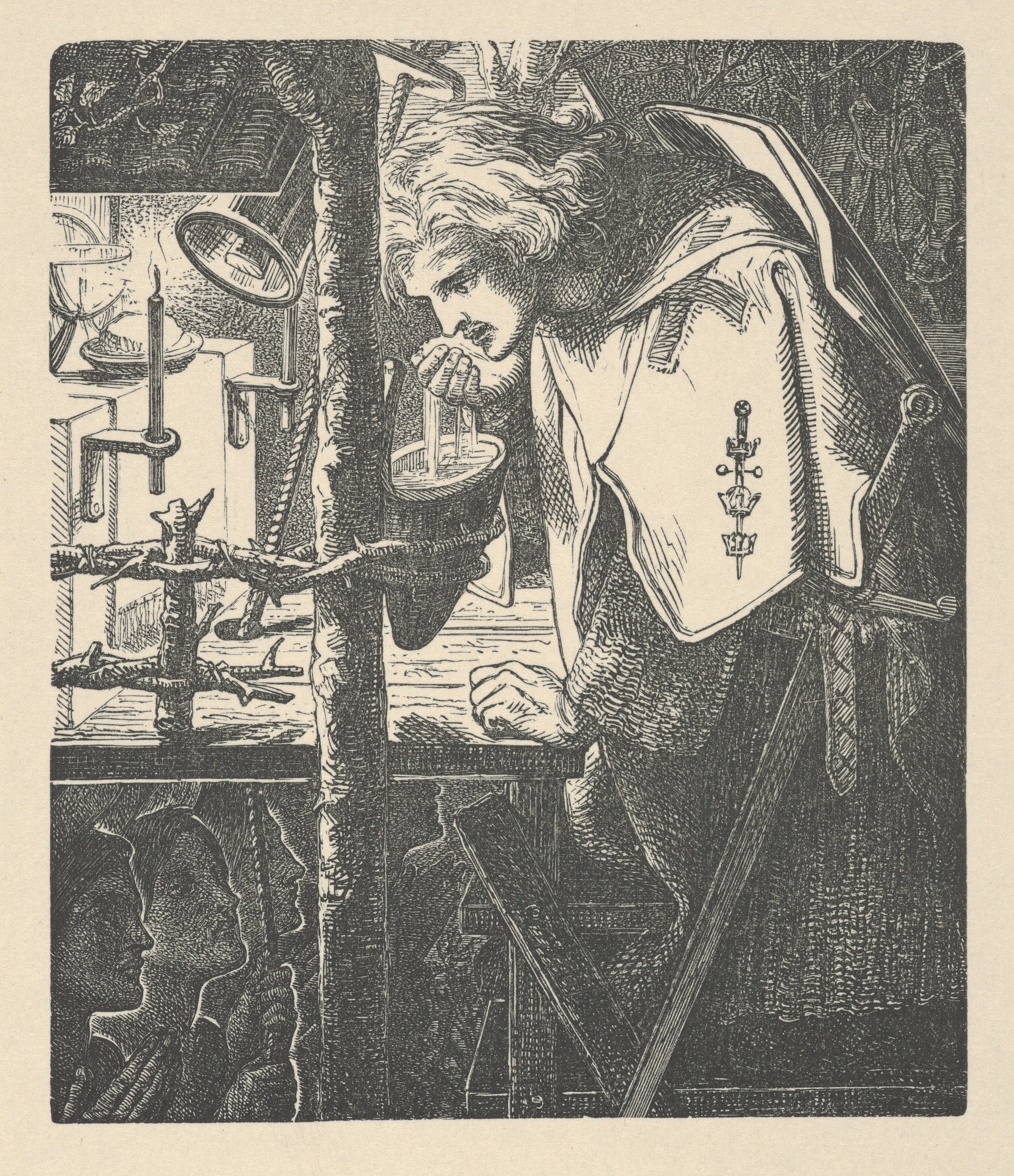
“This small, detailed engraving draws you into the solitary world of Sir Galahad, capturing a moment of profound spiritual quest amidst a meticulously rendered medieval forest. It's a key example of the Pre-Raphaelite fascination with Arthurian legend and inner contemplation.”
A lone knight, Sir Galahad, stands in a forest, his gaze directed upward and outward, suggesting a vision or a spiritual quest. This small wood engraving, created in 1857, captures a moment of quiet contemplation, far removed from the clang of battle. The intricate lines of the engraving define the folds of his armor and the textures of the surrounding nature, from the gnarled tree trunks to the delicate foliage. The scene evokes the romanticized medievalism that was a hallmark of the Pre-Raphaelite Brotherhood, a movement Rossetti co-founded. Here, the emphasis is on the inner life of the legendary figure, his purity and devotion, rather than heroic action. The composition draws the viewer into Galahad's reverie, inviting reflection on the timeless themes of faith and destiny.
Five details hide in plain sight. Pick one and we’ll show you exactly where to look.
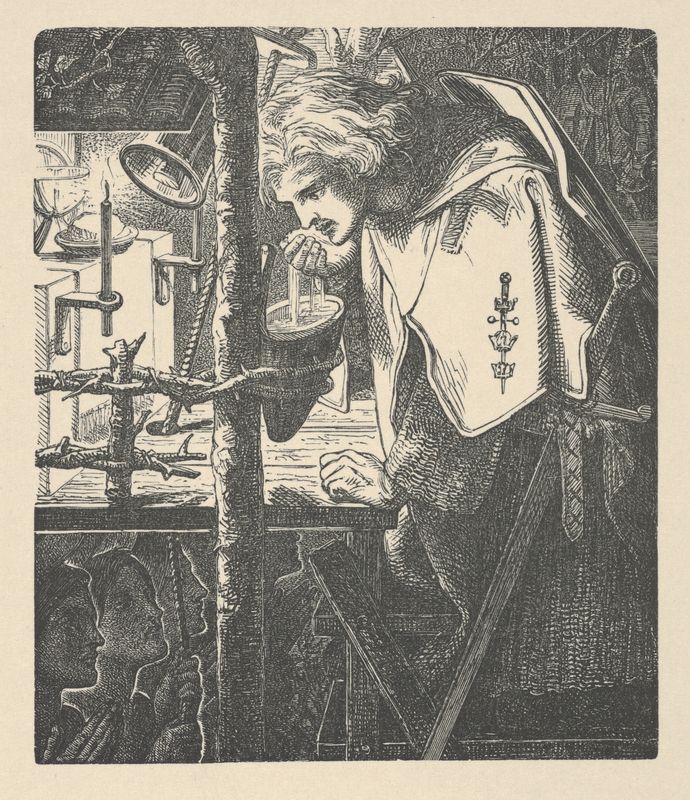
Look at the knight's cupped hand raised to his mouth, with a small vessel held just below it. Thin streams of water run down through the vessel's rim, a quiet, private moment.
On the white surcoat, a small sword topped with crowns is set in a tall vertical column. The emblem suggests a knight with a higher, spiritual purpose.
At left, bare, thorny branches are lashed together in a rough upright, cross-like form on the table. They may bring thoughts of suffering and sacrifice into this humble room.
Bottom left, a few pale faces in profile emerge from the dark below the table. They are easy to miss, and they read as onlookers or visions, adding a haunting presence.
Look at the dark robe on the right, built from dense crossing lines. The engraver carved light and shadow into texture, with white left only for the tunic.
The full narration walks you through Sir Galahad (from Tennyson's Poems, New York, 1903) — the story behind it, the details most visitors miss, and why it matters. Free in the Art Whisper app.
Dante Gabriel Rossetti, a founding member of the Pre-Raphaelite Brotherhood, blended poetry and painting to create evocative, symbolic works like "Beata Beatrix."
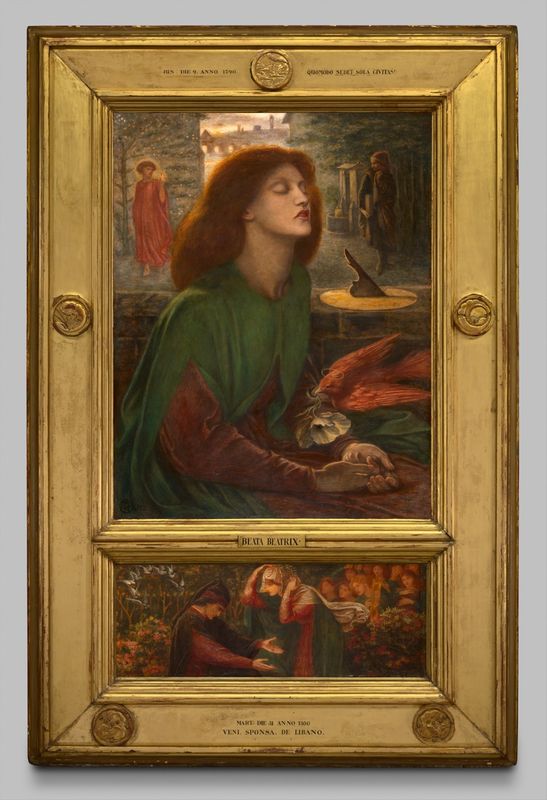 Beata Beatrix
1877 · Birmingham Museums Trust
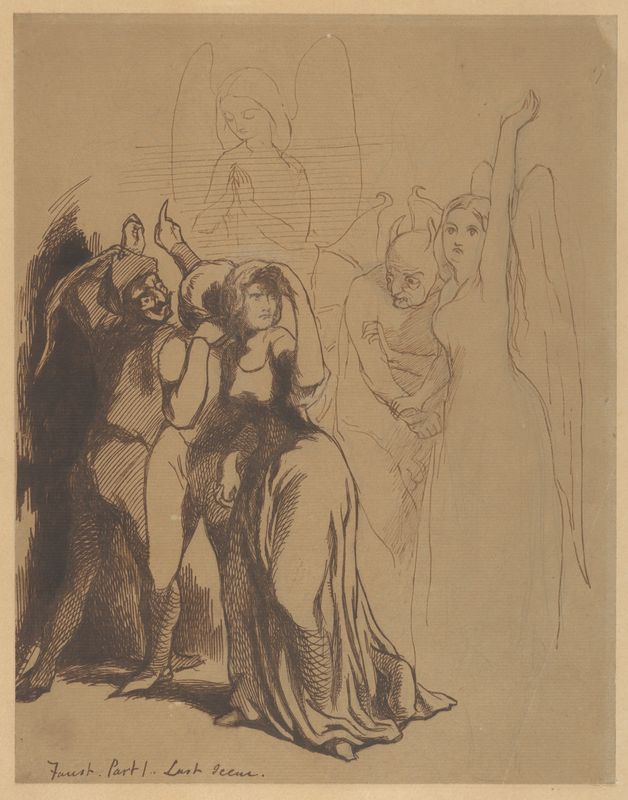 Faust: Part 1. Last Scene
1846 · The Metropolitan Museum of Art
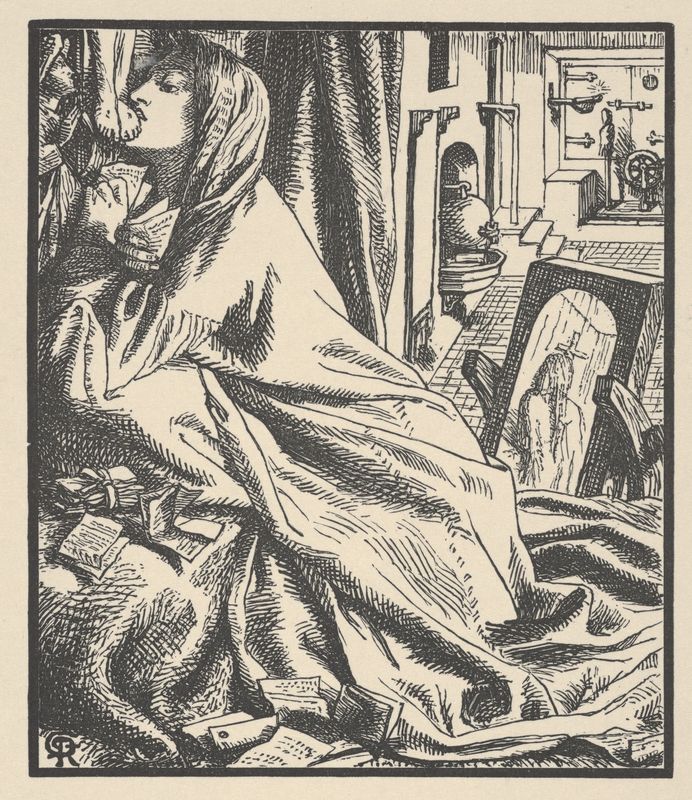 Mariana in the South (Illustration for "The Palace of Art" in Tennyson's Poems, New York, 1903)
1857 · The Metropolitan Museum of Art
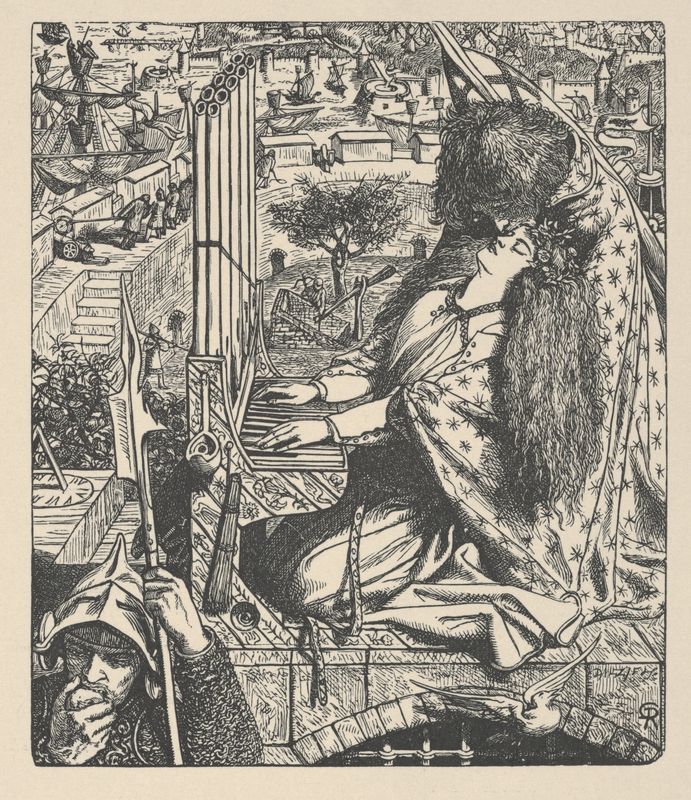 St. Cecily / Cecilia (Illustration for The Palace of Art in Tennyson's Poems, New York, 1903)
1857 · The Metropolitan Museum of Art
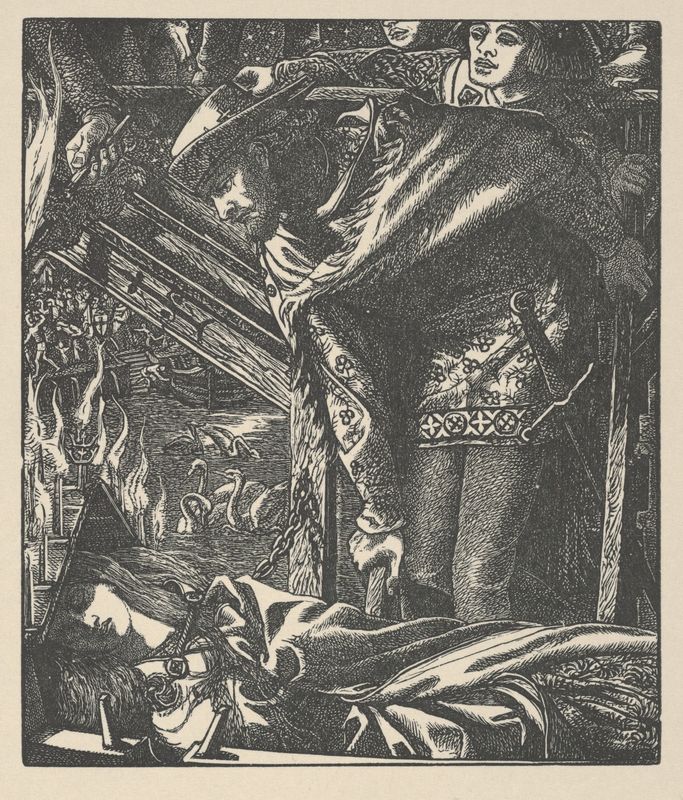 The Lady of Shalott (from Tennyson's Poems, New York, 1903)
1857 · The Metropolitan Museum of Art
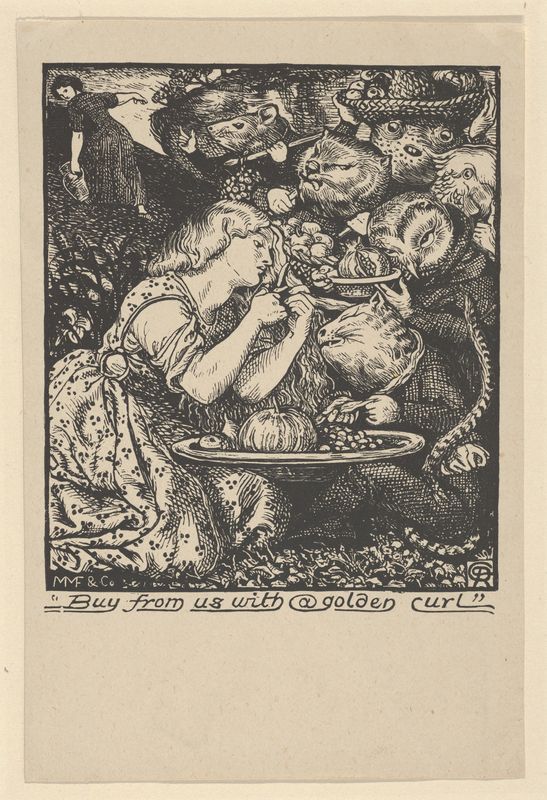 Buy from Us with a Golden Curl (frontispiece to "Goblin Market and other Poems" by Christina Rossetti)
1862 · The Metropolitan Museum of Art
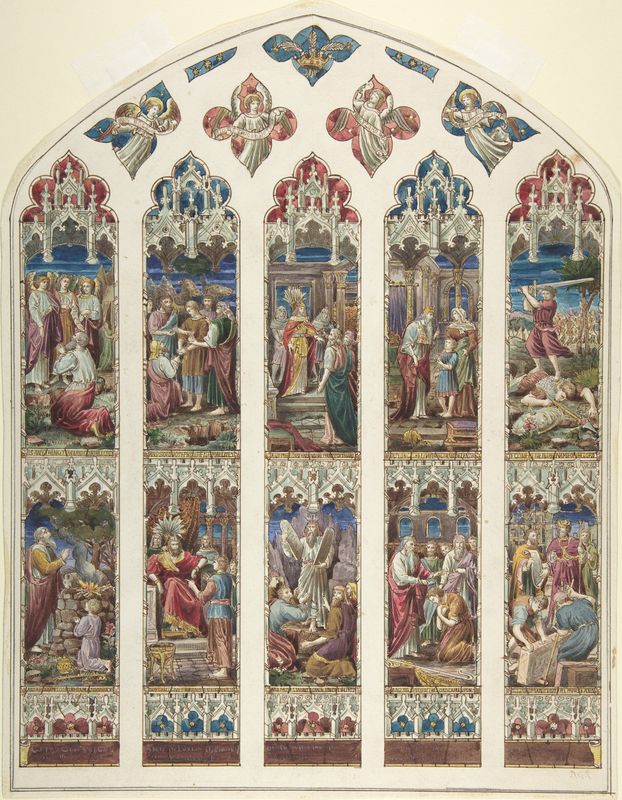 Design for Old Testament Window
1865 · The Metropolitan Museum of Art
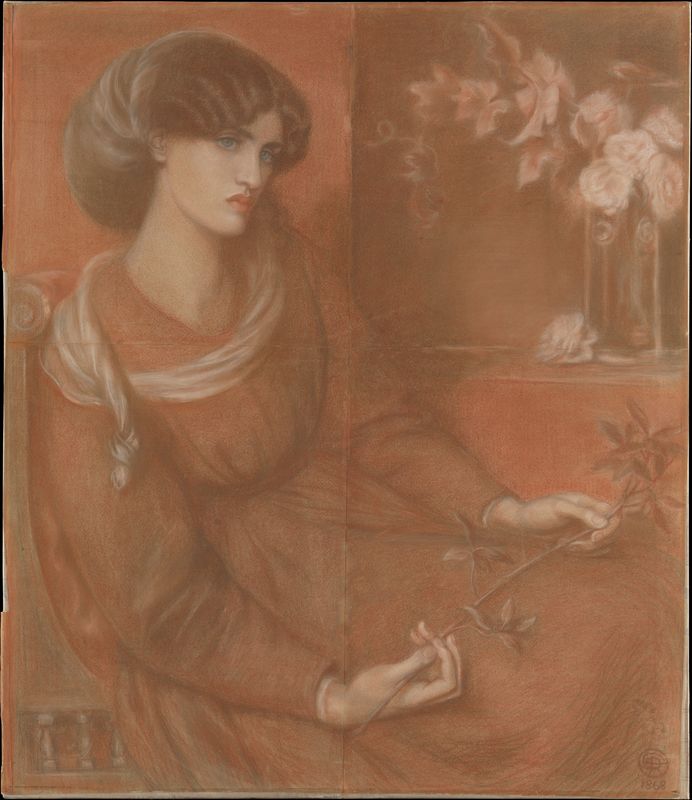 Jane Morris: Study for "Mariana"
1868 · The Metropolitan Museum of Art
Beyond Rossetti and Symbolism: works from the same years, and from the other movements Sir Galahad (from Tennyson's Poems, New York, 1903) belongs to.
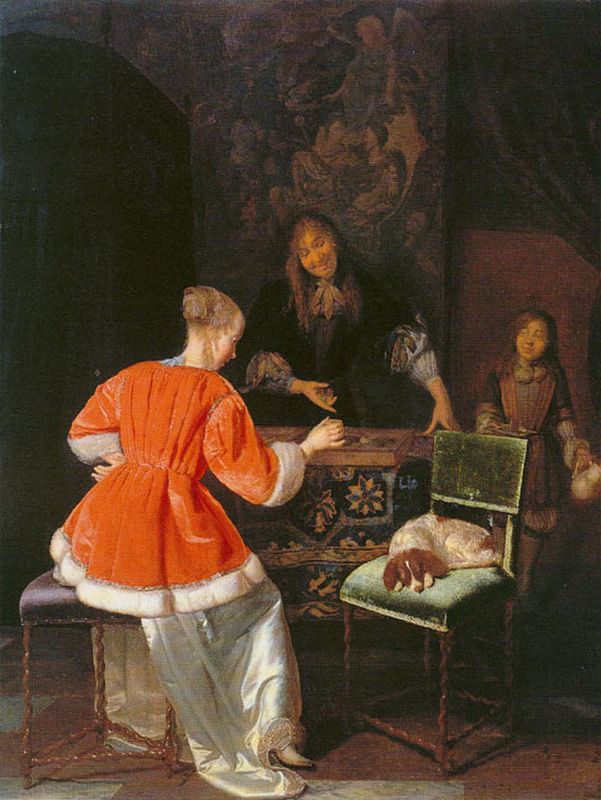 Same movement · Arts and Crafts movement
The Backgammon Players
Philip Webb · 1861 · The Metropolitan Museum of Art
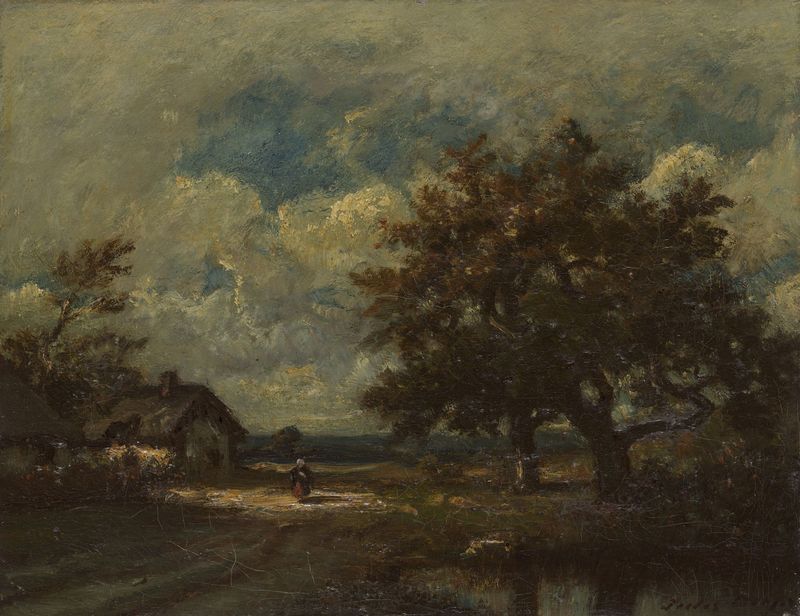 Same era · 1840s–1870s
The Cottage by the Roadside, Stormy Sky
Léon-Victor Dupré · 1855 · Art Institute of Chicago
 Same movement · Aestheticism
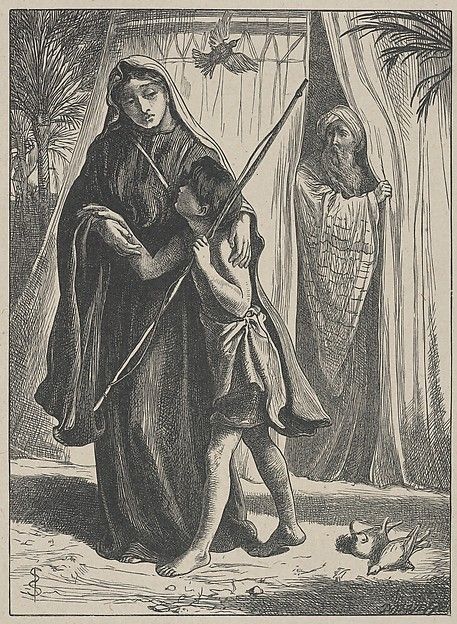
Hagar and Ishmael, from "Dalziels' Bible Gallery"
Simeon Solomon · 1863 · The Metropolitan Museum of Art
 Same era · 1840s–1870s
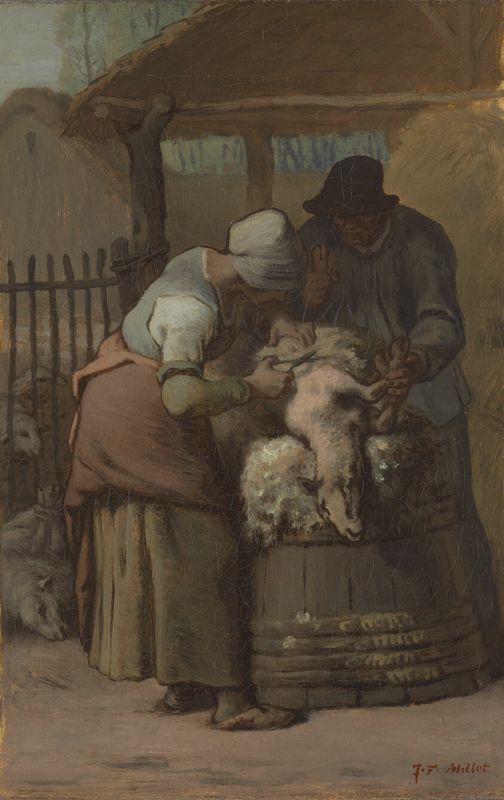
The Sheepshearers
Jean-François Millet · 1857 · Art Institute of Chicago
 Same movement · Arts and Crafts movement
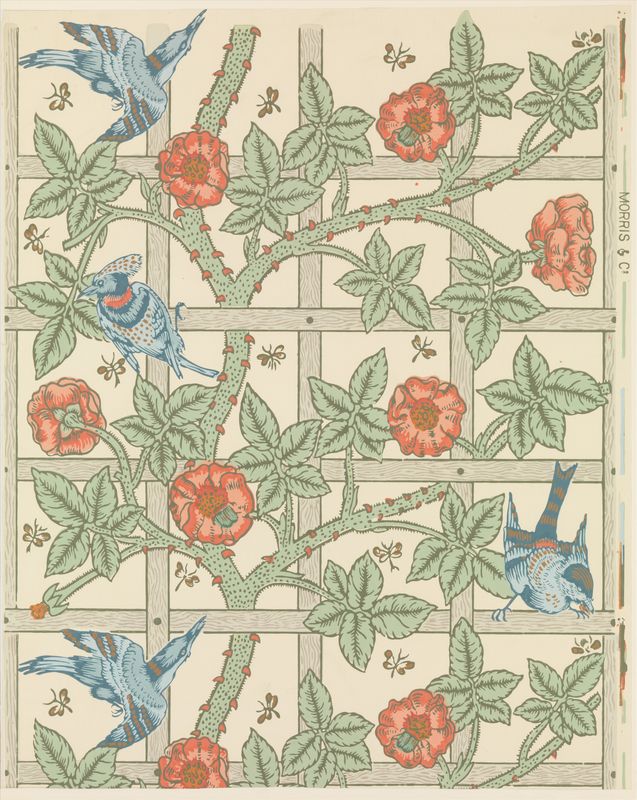
Trellis
William Morris · 1864 · The Metropolitan Museum of Art
 Same era · 1840s–1870s
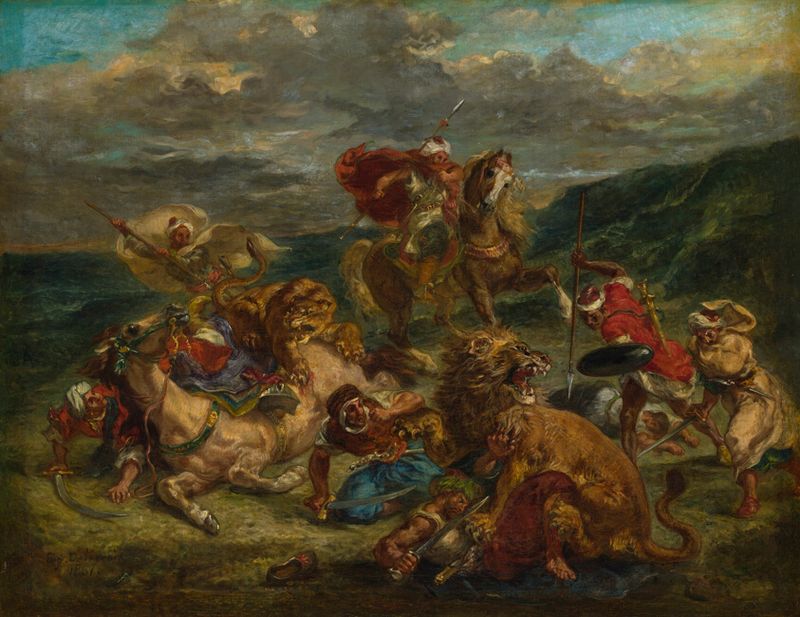
Lion Hunt
Eugène Delacroix · 1858 · Museum of Fine Arts Boston
 Same movement · Aestheticism
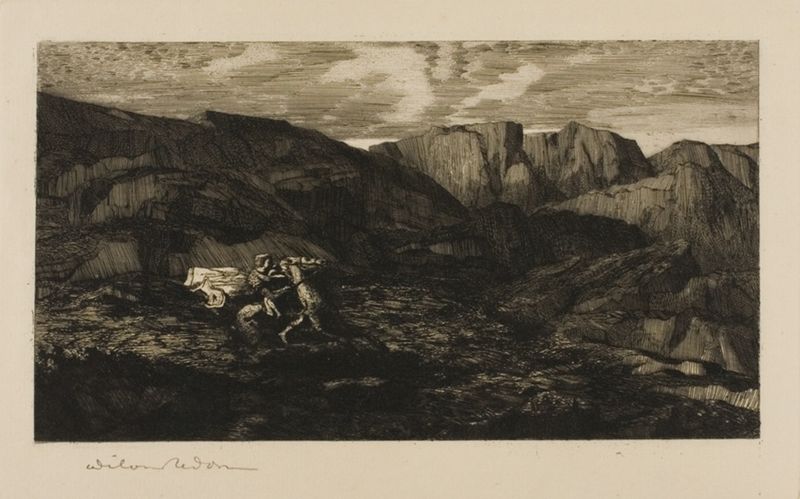
Fear
Odilon Redon · 1866 · Cleveland Museum of Art
 Same era · 1840s–1870s
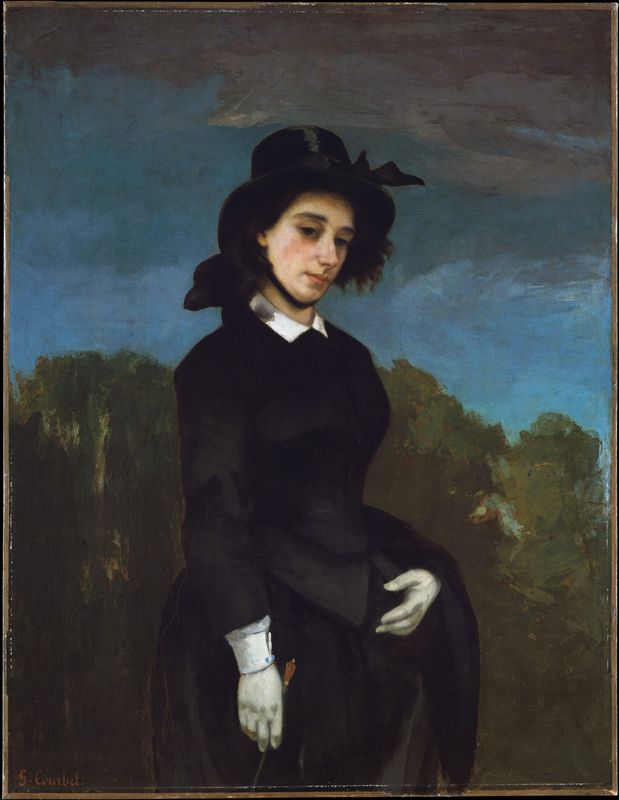
Woman in a Riding Habit (L'Amazone)
Gustave Courbet · 1856 · Metropolitan Museum of Art
 Same era · 1840s–1870s
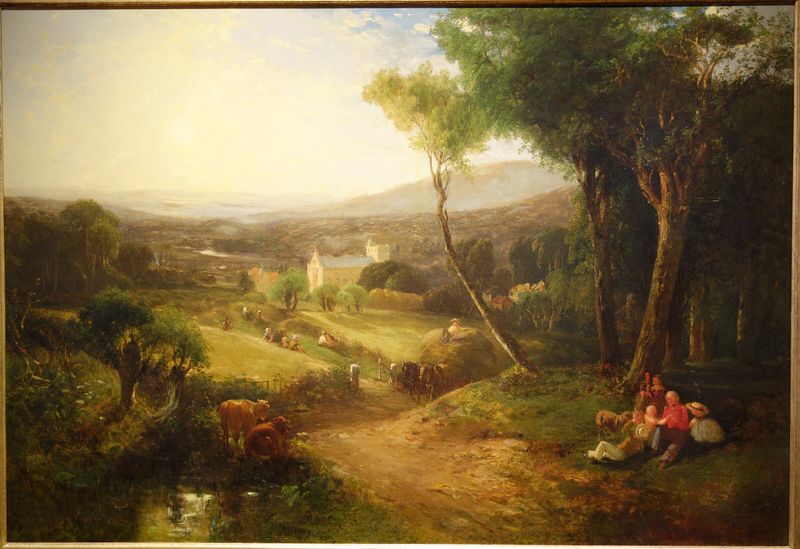
Peace and Plenty
William Hart · 1855 · New Britain Museum of American Art
 Same era · 1840s–1870s
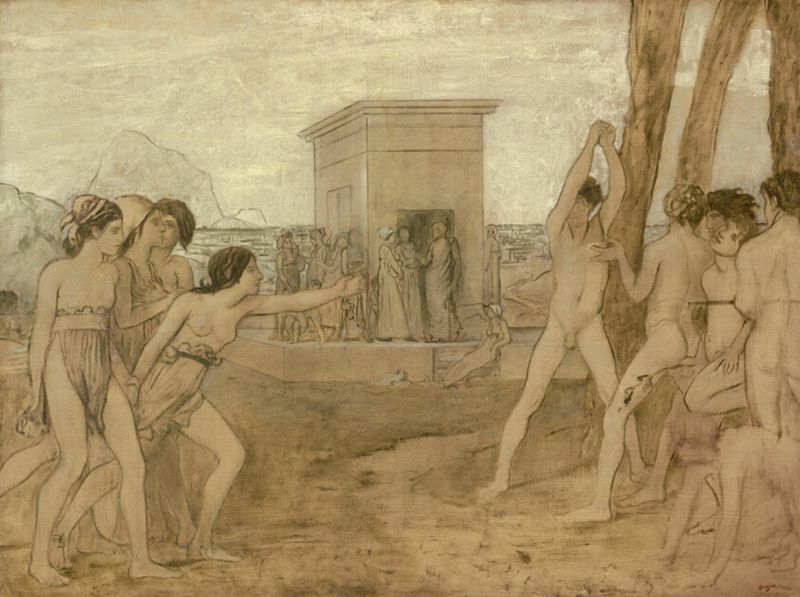
Young Spartan Girls Challenging Boys
Edgar Degas · 1860 · Art Institute of Chicago
 Same era · 1840s–1870s
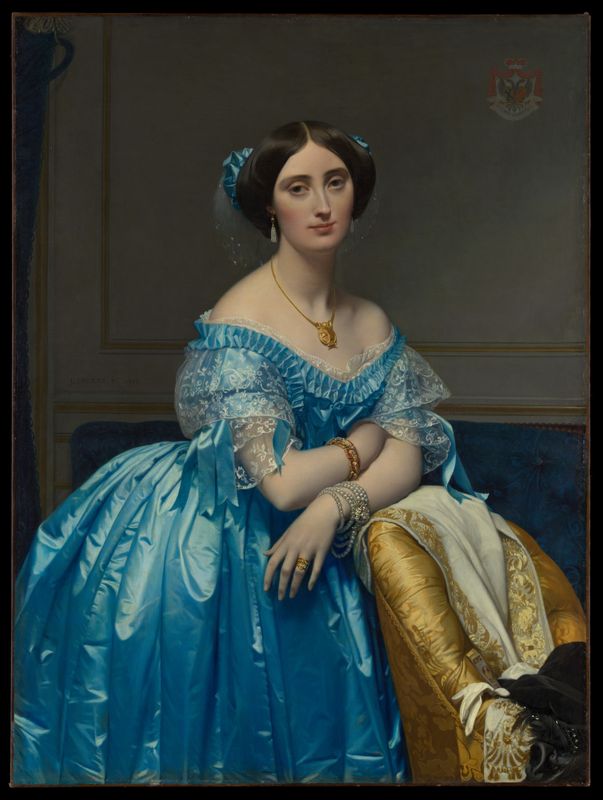
Joséphine-Éléonore-Marie-Pauline de Galard de Brassac de Béarn (1825–1860), Princesse de Broglie
Jean-Auguste-Dominique Ingres · 1853 · Metropolitan Museum of Art
 Same era · 1840s–1870s
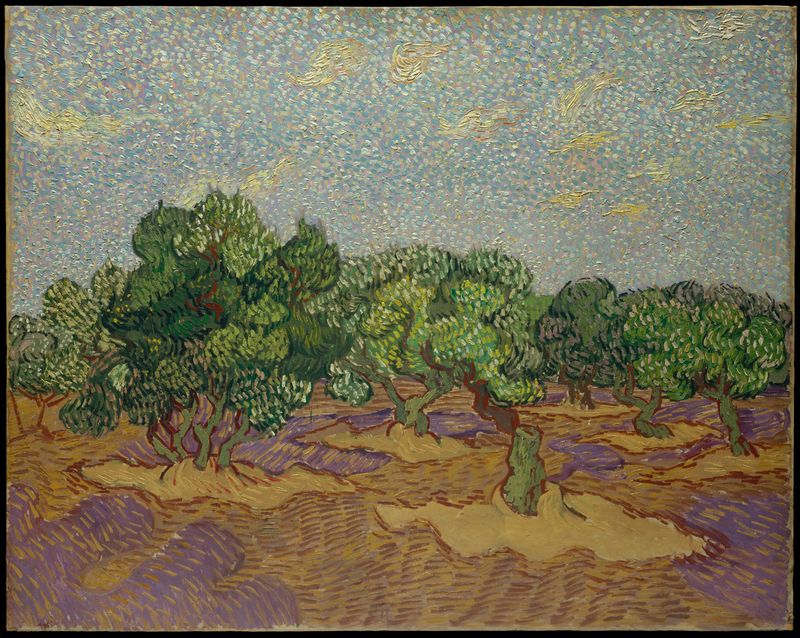
Olive Trees
Vincent van Gogh · 1853 · The Metropolitan Museum of Art
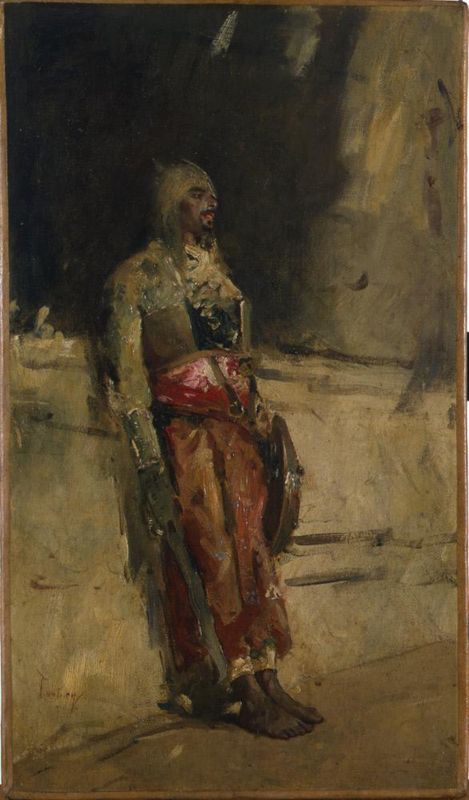 Same era · 1840s–1870s
An Arab Warrior
Mariano Fortuny Marsal · 1862 · Hispanic Society of America
 Same era · 1840s–1870s
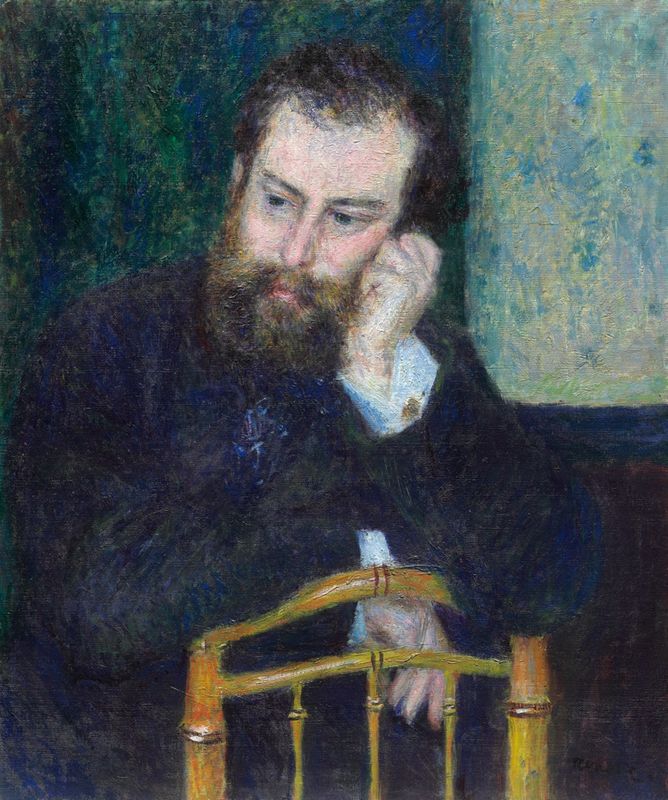
Alfred Sisley
Pierre-Auguste Renoir · 1864 · Foundation E.G. Bührle Collection
 Same era · 1840s–1870s
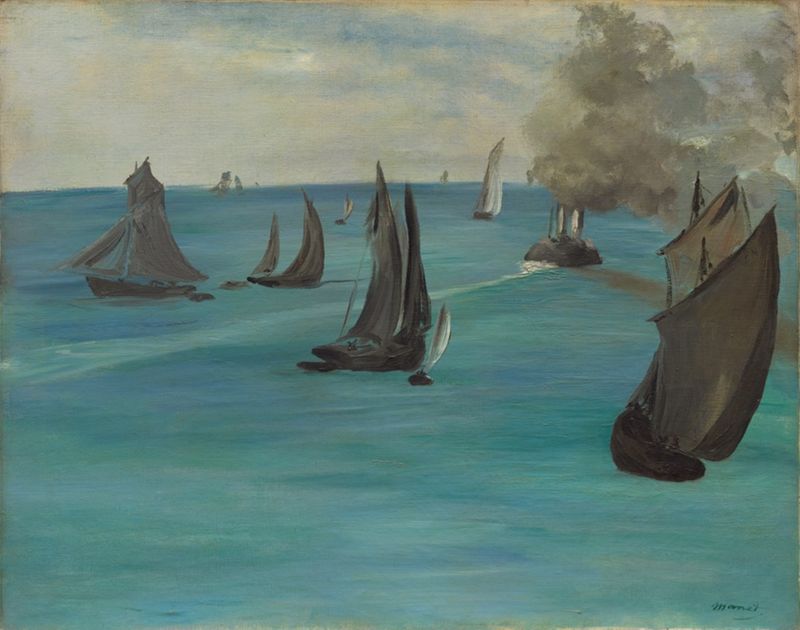
Sea View, Calm Weather (Vue de mer, temps calme)
Édouard Manet · 1864 · Art Institute of Chicago
 Same era · 1840s–1870s
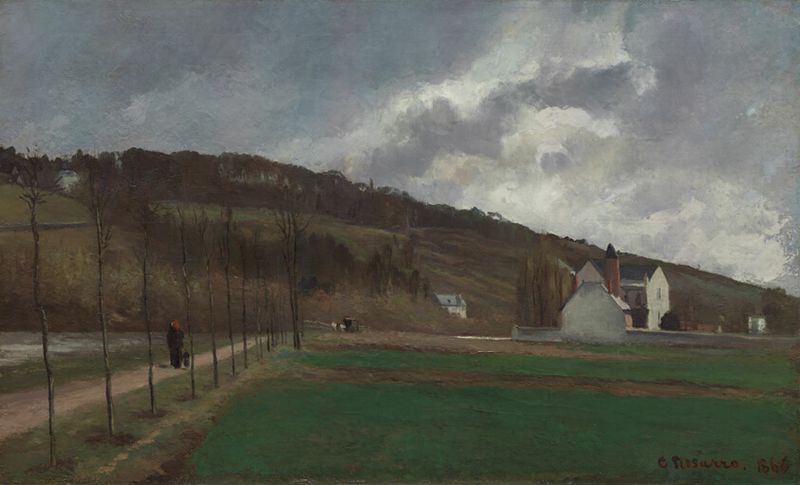
The Banks of the Marne in Winter
Camille Pissarro · 1866 · Art Institute of Chicago