01
Man in the foreground
Start with the dark-haired man at left, leaning on the table. His heavy profile and the fist resting on the tabletop anchor the scene.
1 of 5 on the painting
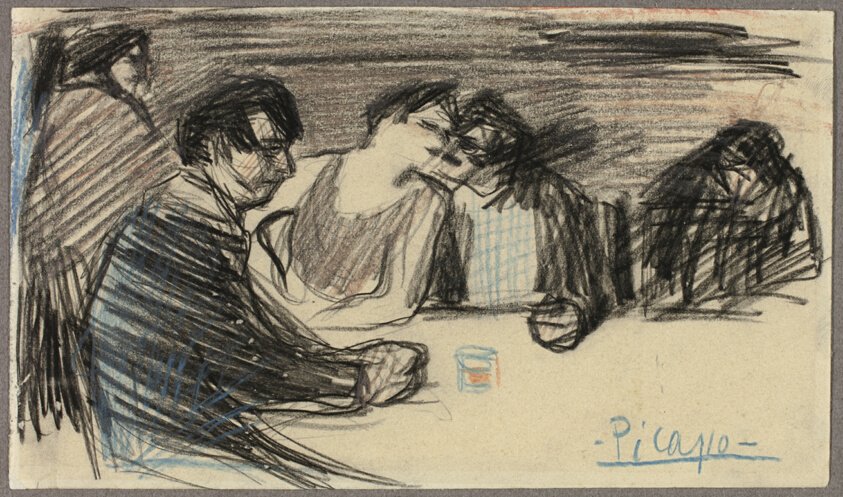
“Stop and look at this lively etching, "At the Cabaret." It captures the bustling energy of a night out, with a sharply dressed woman at its heart, rendered in striking contrasts of light and shadow.”
In "At the Cabaret," a woman with a dramatic hat and fur stole dominates the scene, her gaze directed off to the side, perhaps at a performer or a companion. The etching's stark contrasts of light and shadow create a lively, almost boisterous atmosphere typical of a cabaret setting. Her heavy makeup and elaborate attire suggest a woman of a certain social standing, enjoying an evening out. The frenetic energy of the lines, particularly in the background figures, captures the bustling environment. This 1961 work, created late in the artist's career, shows a return to figuration with a raw, expressive quality, characteristic of his explorations of the human form and social scenes throughout his life.
Five details hide in plain sight. Pick one and we’ll show you exactly where to look.
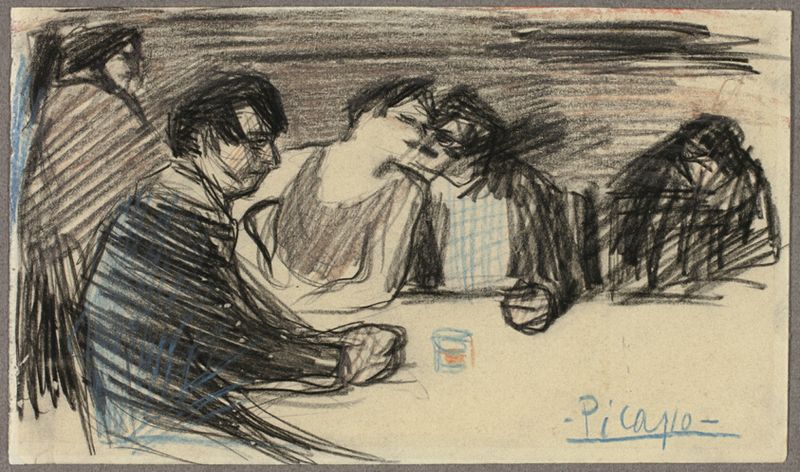
Start with the dark-haired man at left, leaning on the table. His heavy profile and the fist resting on the tabletop anchor the scene.
Two heads press close at the center, one tipped toward the other. Their blurred, overlapping faces suggest closeness, though the sketch leaves the mood open.
Look at the coat at lower left, built from fast, dense black strokes with a few blue lines. The speed gives weight and mood.
A tiny glass with a touch of orange sits on the bare table. It is the one small spot of warm color, and it hints at a cafe or cabaret setting.
At right, a dark figure bows over the table, nearly lost in scribbled shadow. It balances the group on the other side of the composition.
The full narration walks you through At the Cabaret — the story behind it, the details most visitors miss, and why it matters. Free in the Art Whisper app.
Pablo Picasso, the Spanish painter who co-founded Cubism, revolutionized 20th-century art with a career spanning over 76 years.
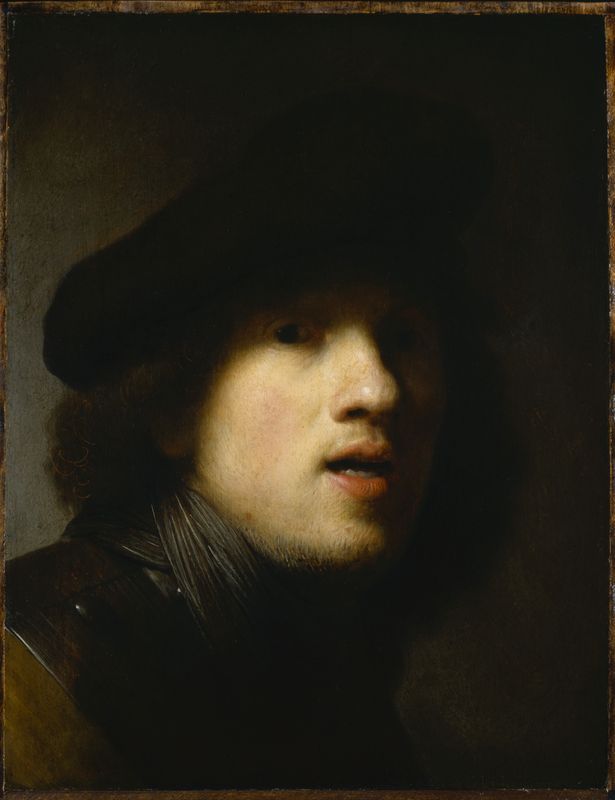 Self-Portrait
1906 · The Metropolitan Museum of Art
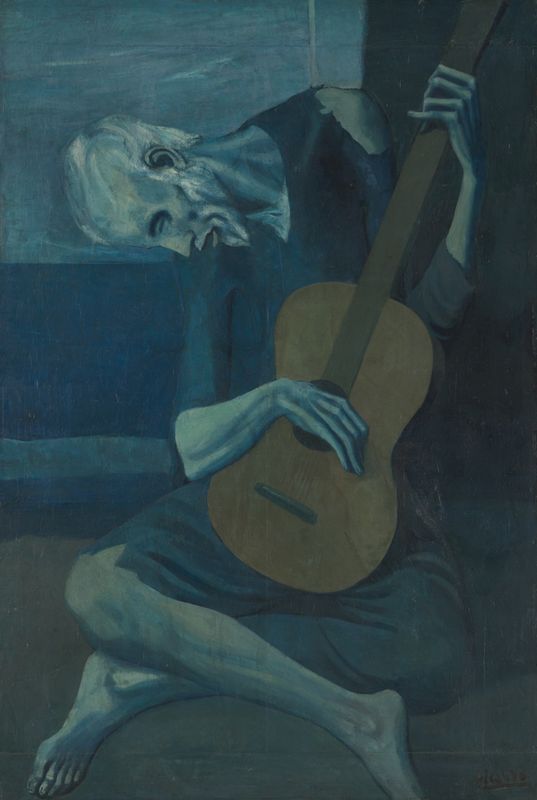 The Old Guitarist
1903 · Art Institute of Chicago
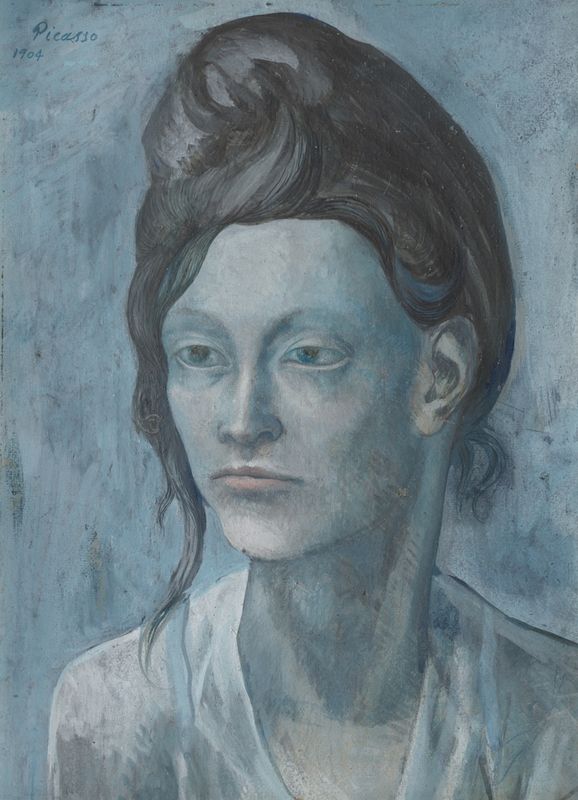 Woman with a Helmet of Hair
1904 · Art Institute of Chicago
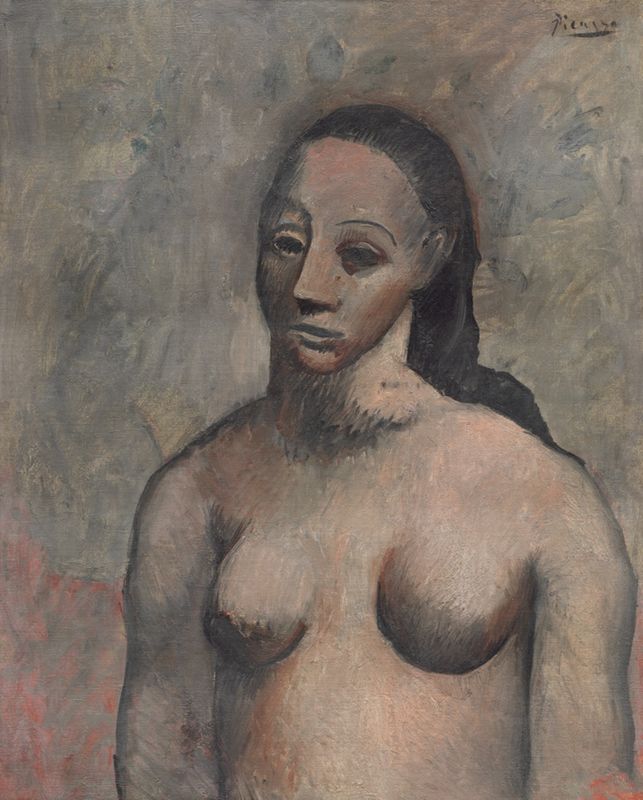 Half-Length Female Nude
1906 · Art Institute of Chicago
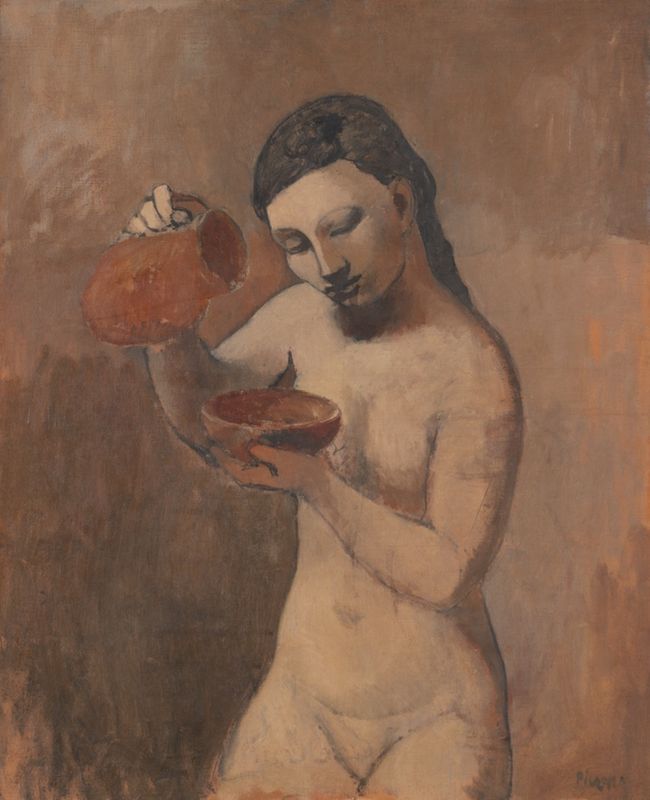 Nude with a Pitcher
1906 · Art Institute of Chicago
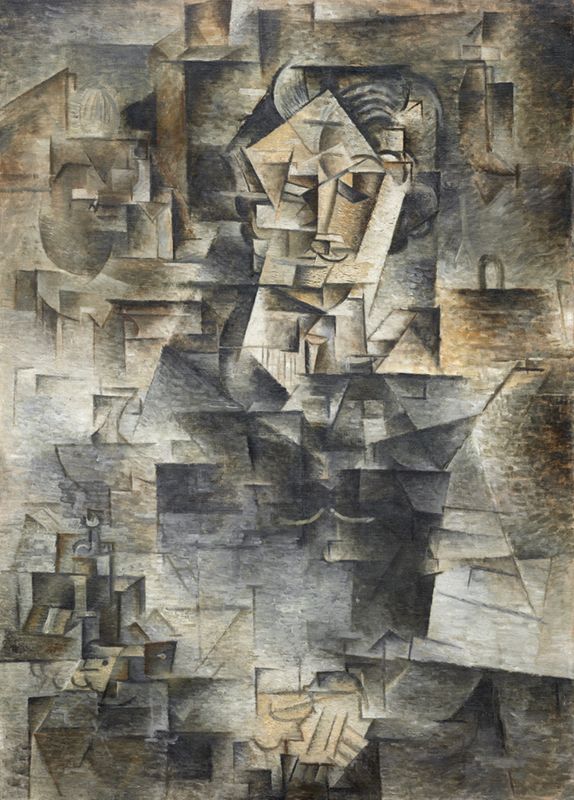 Daniel-Henry Kahnweiler
1910 · Art Institute of Chicago
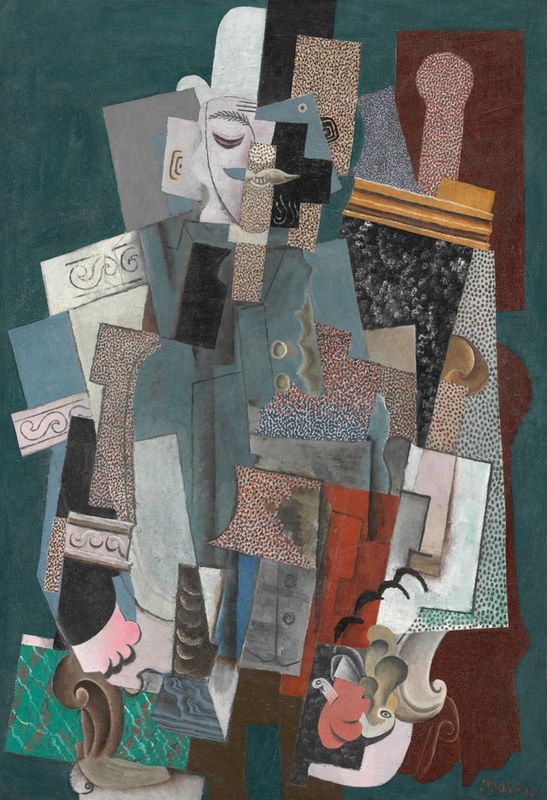 Man with a Pipe
1915 · Art Institute of Chicago
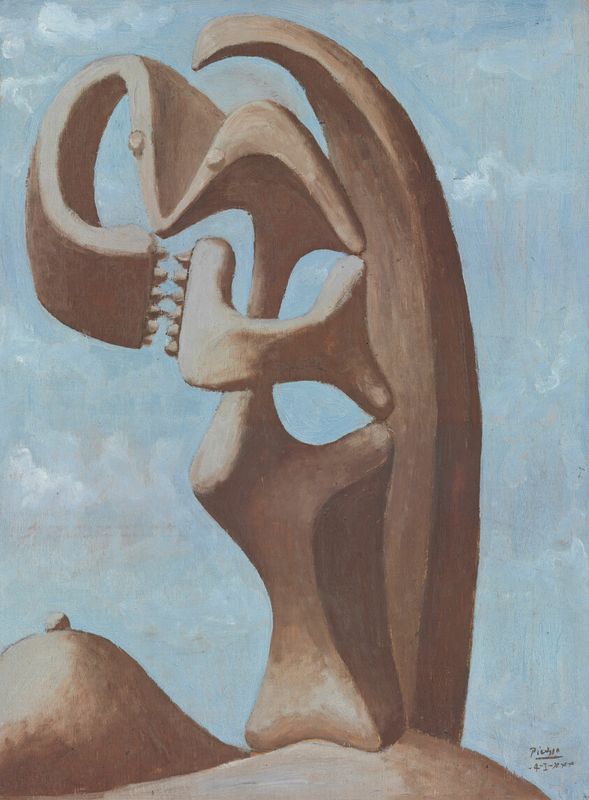 Abstraction: Background with Blue Cloudy Sky
1930 · Art Institute of Chicago
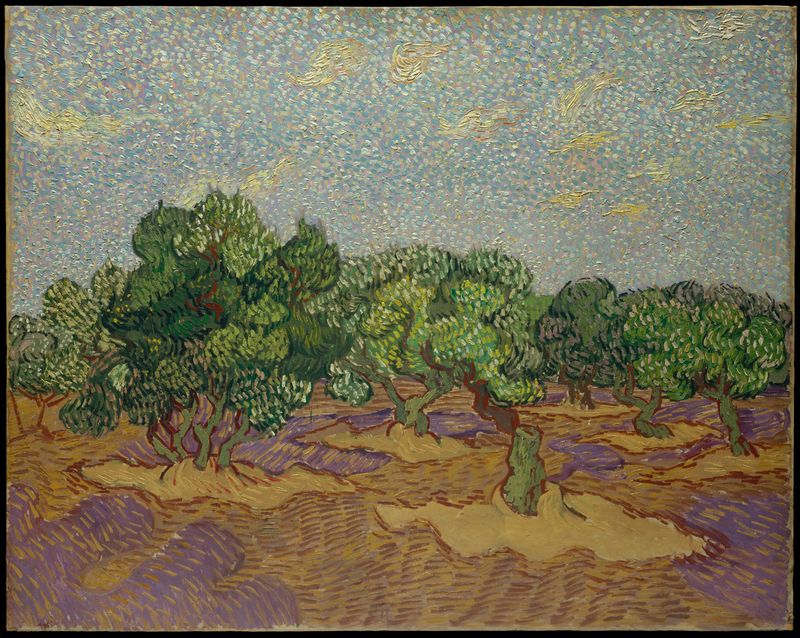 Olive Trees
van Gogh · 1853 · The Metropolitan Museum of Art
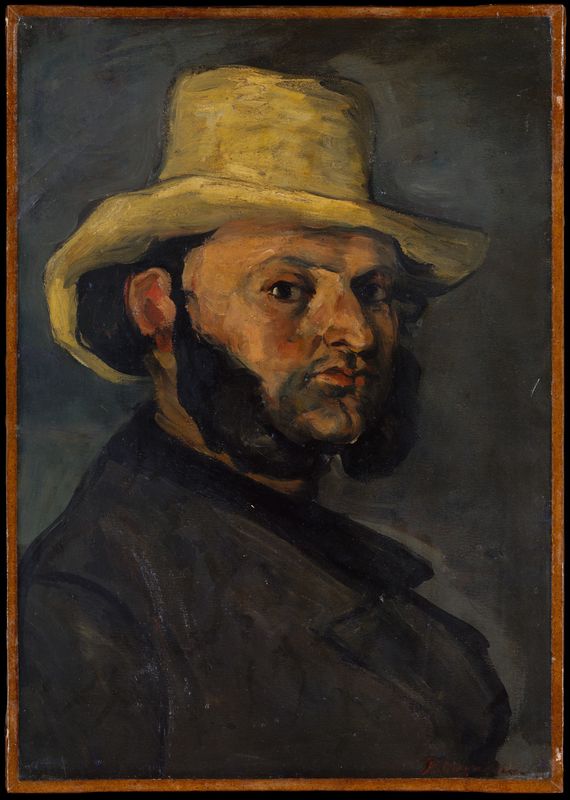 Gustave Boyer (b. 1840) in a Straw Hat
Cézanne · 1870 · The Metropolitan Museum of Art
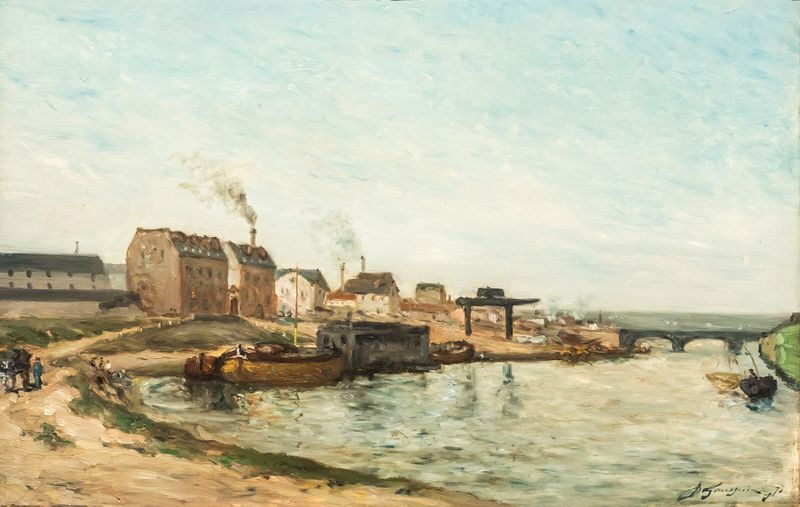 The Seine at Pont de Grenelle
Gauguin · 1875 · Wallraf–Richartz Museum
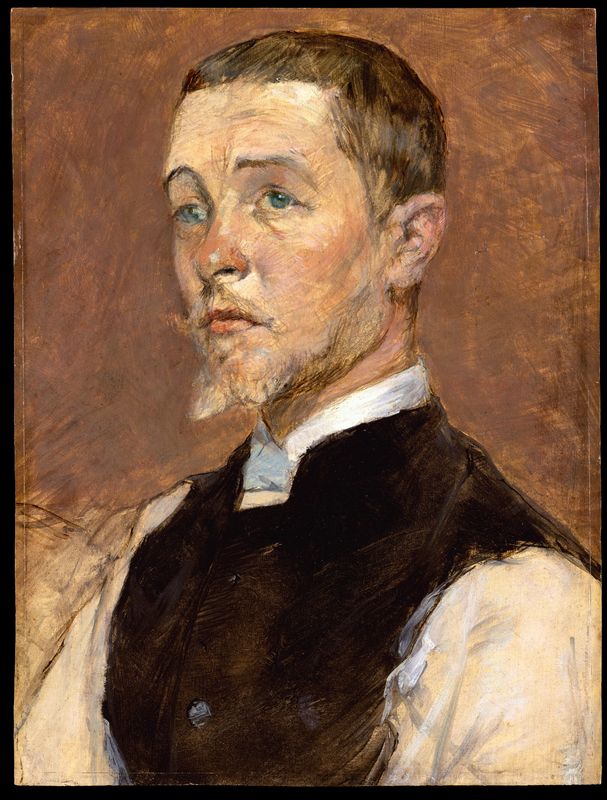 Albert (René) Grenier (1858–1925)
de Toulouse-Lautrec · 1887 · The Metropolitan Museum of Art
Beyond Picasso and Post-Impressionism: works from the same years, and from the other movements At the Cabaret belongs to.
 Same movement · Cubism
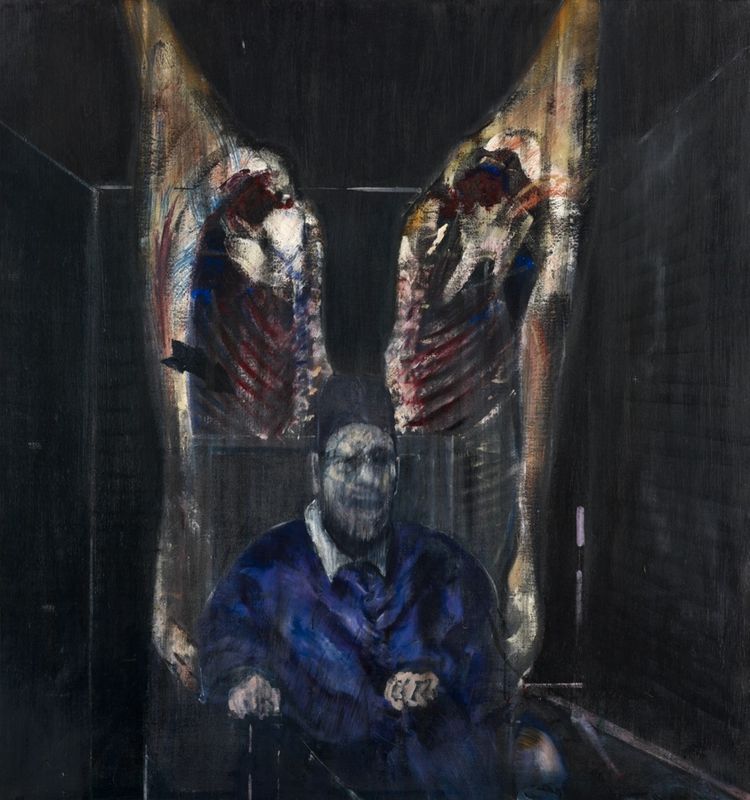
Figure with Meat
Francis Bacon · 1954 · Art Institute of Chicago
 Same era · 1940s–1970s
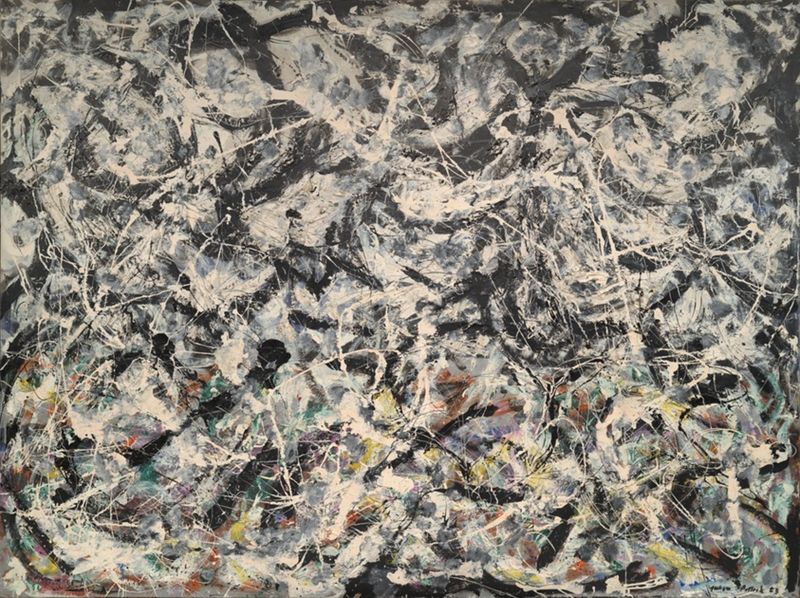
Greyed Rainbow
Jackson Pollock · 1953 · Art Institute of Chicago
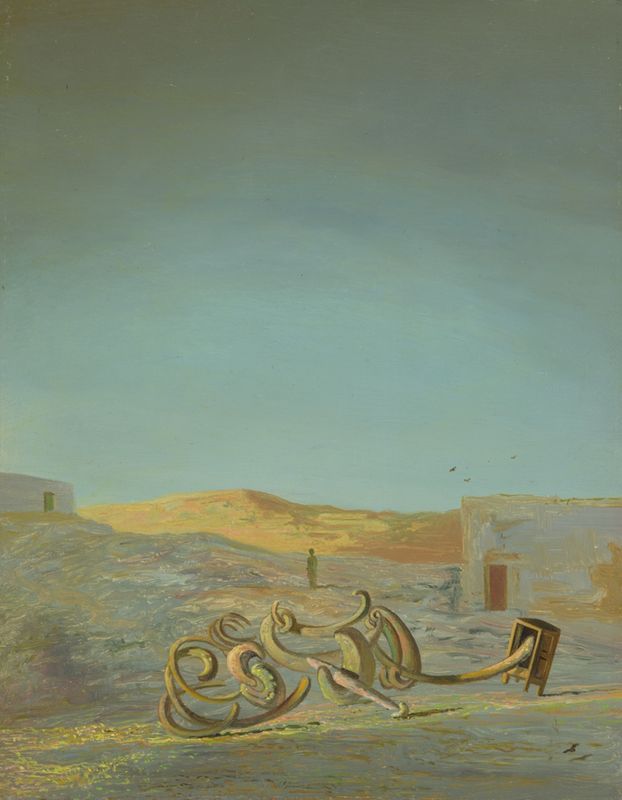 Same movement · Surrealism
Untitled (Desert Landscape)
Salvador Dalí · 1934 · Art Institute of Chicago
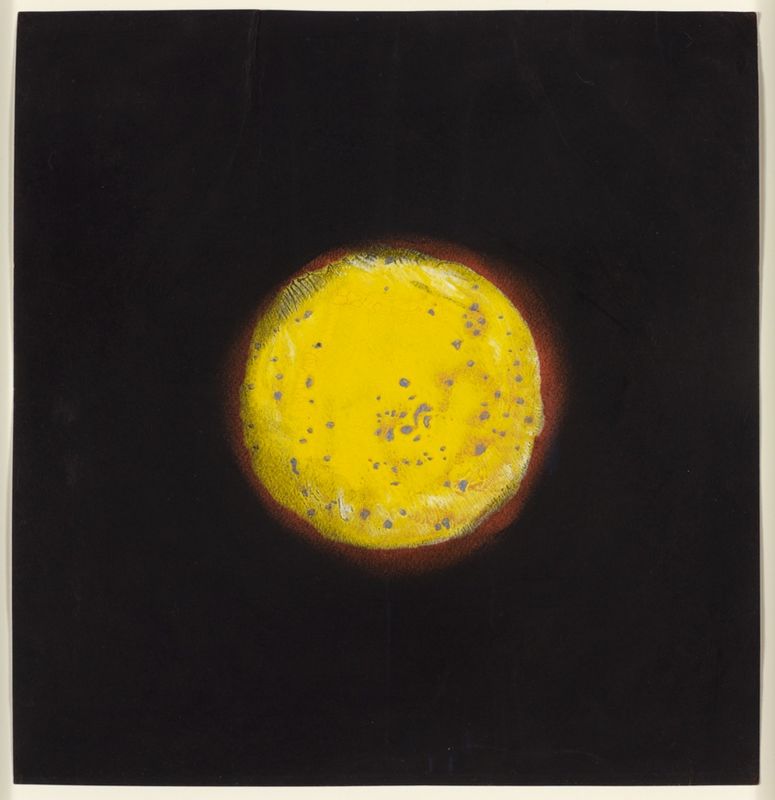 Same era · 1940s–1970s
Sun Spot
Yayoi Kusama · 1953 · Art Institute of Chicago
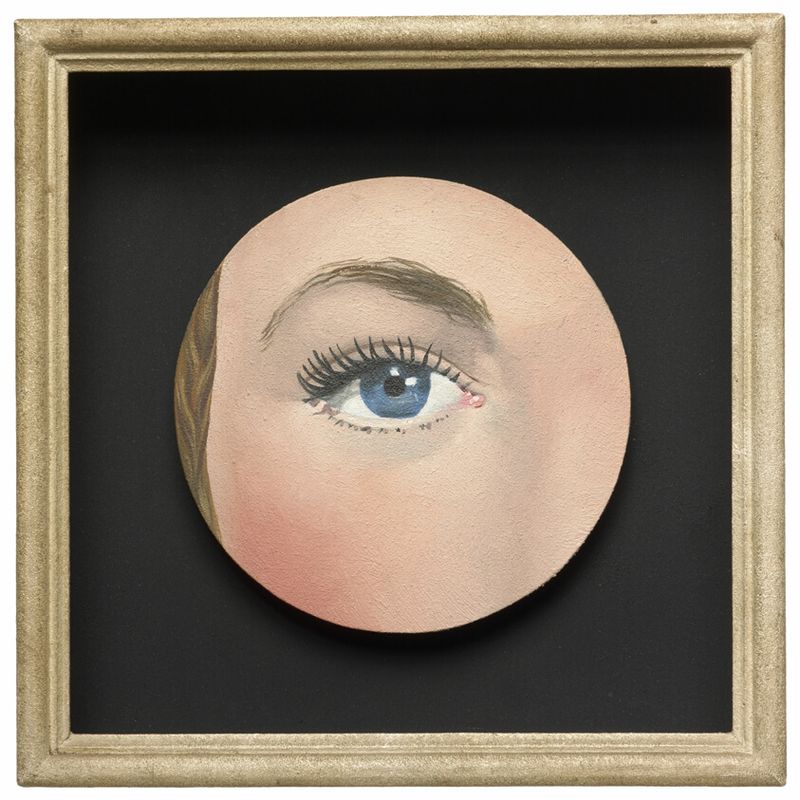 Same movement · Surrealism
The Eye
René Magritte · 1932 · Art Institute of Chicago
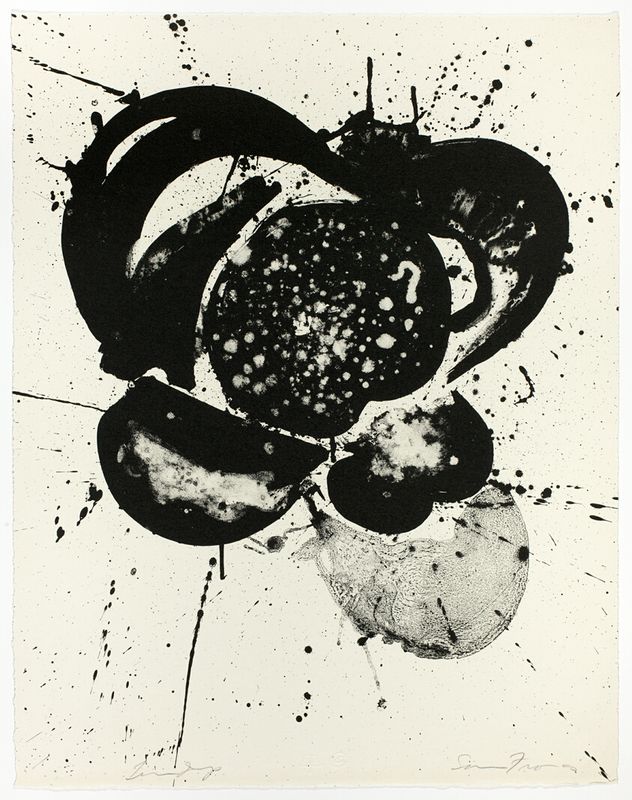 Same era · 1940s–1970s
Essai
Sam Francis · 1963 · Art Institute of Chicago
 Same movement · Surrealism
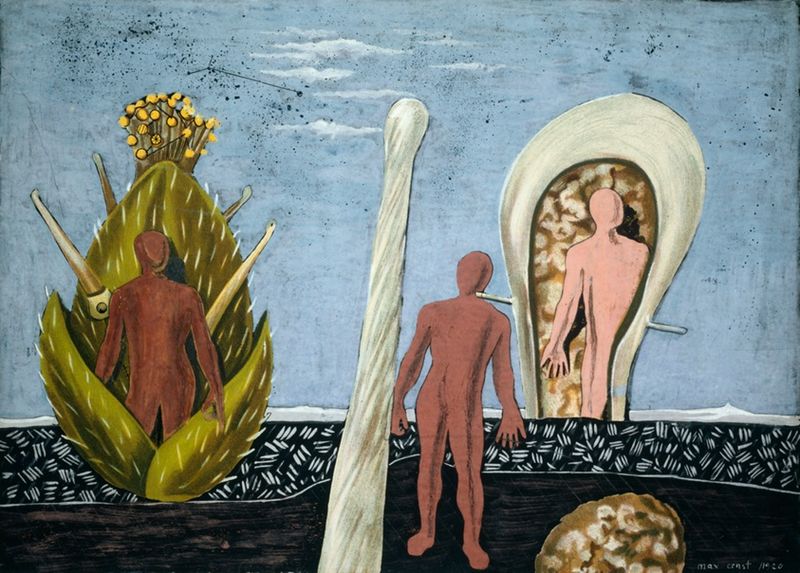
Dada Gauguin
Max Ernst · 1920 · Art Institute of Chicago
 Same era · 1940s–1970s
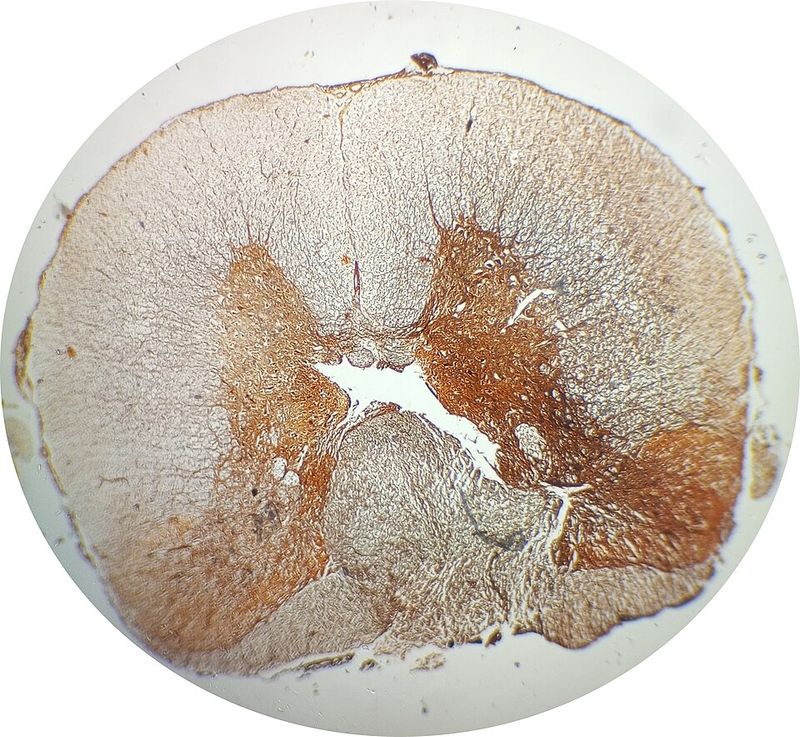
Impregnazione
Piero Manzoni · 1958
 Same movement · Surrealism
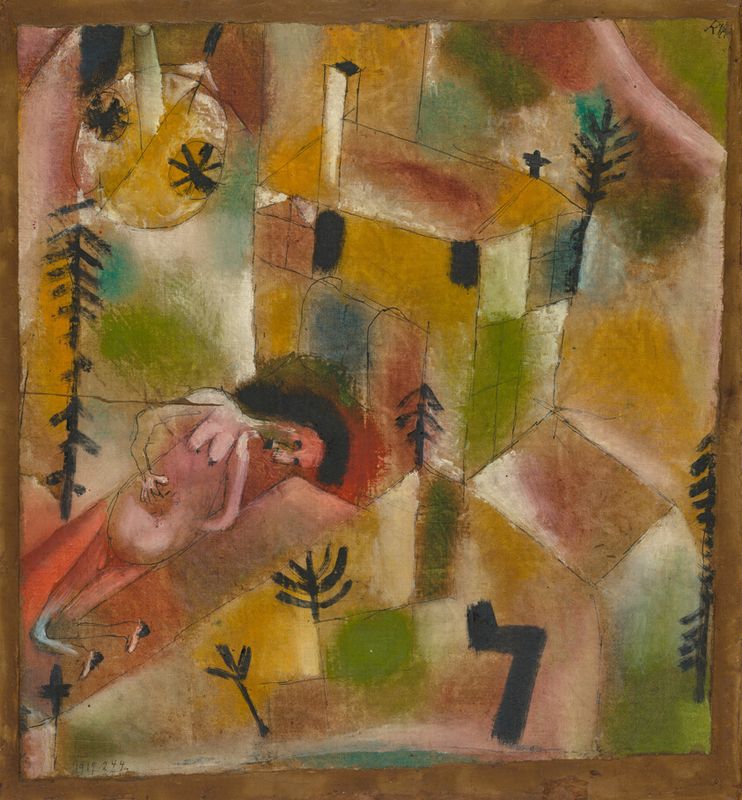
Death in the Garden (Legend)
Paul Klee · 1919 · Art Institute of Chicago
 Same era · 1940s–1970s
La grande bellezza
Pierre Alechinsky · 1965
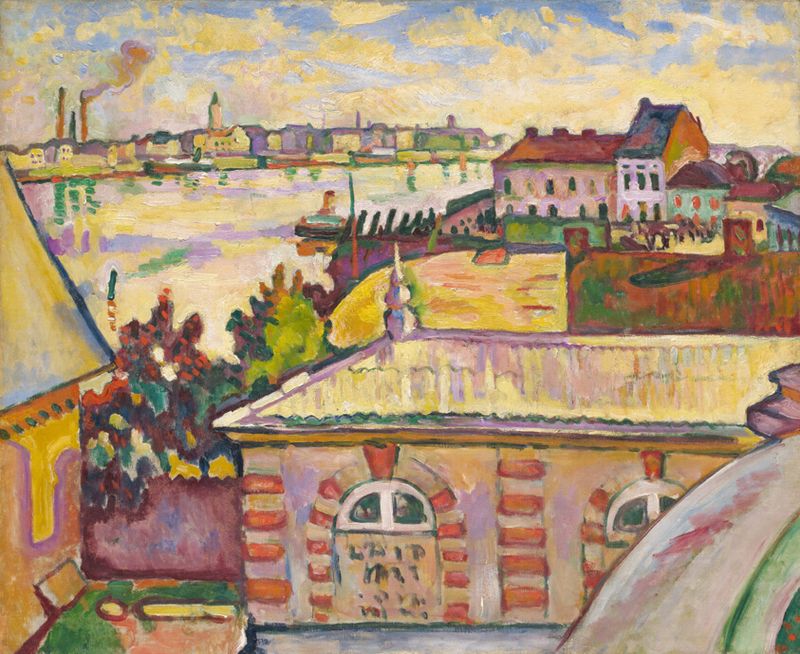 Same movement · Cubism
Antwerp
Georges Braque · 1906 · Art Institute of Chicago
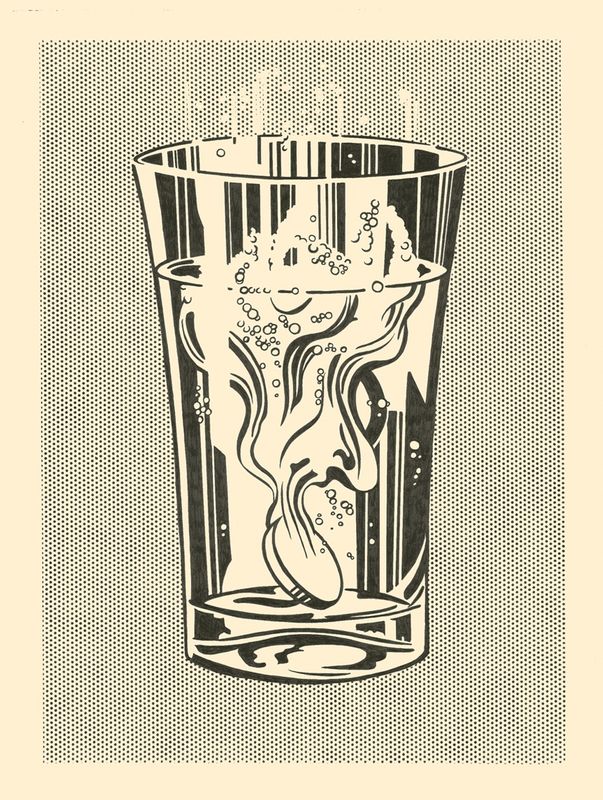 Same era · 1940s–1970s
Alka Seltzer
Roy Lichtenstein · 1966 · Art Institute of Chicago
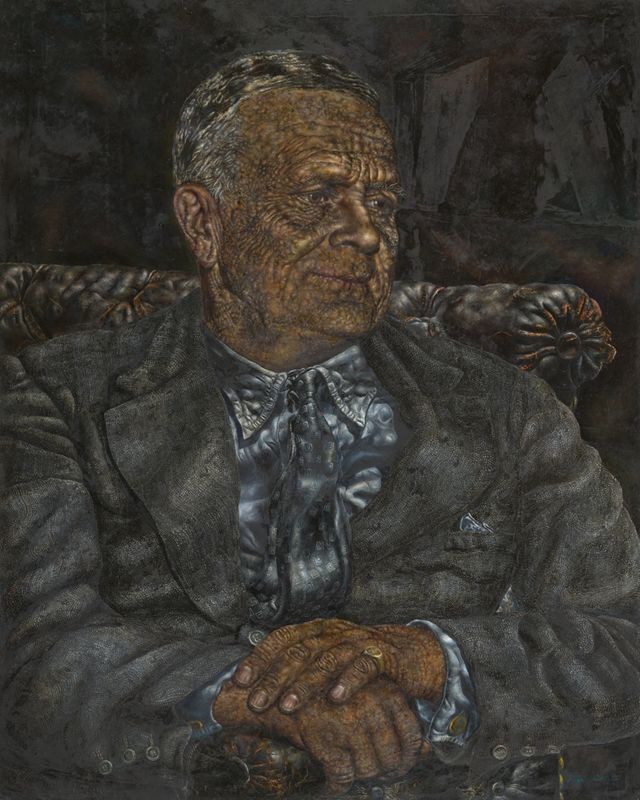 Same era · 1940s–1970s
Captain Joseph Medill Patterson
Ivan Puni · 1962 · Art Institute of Chicago
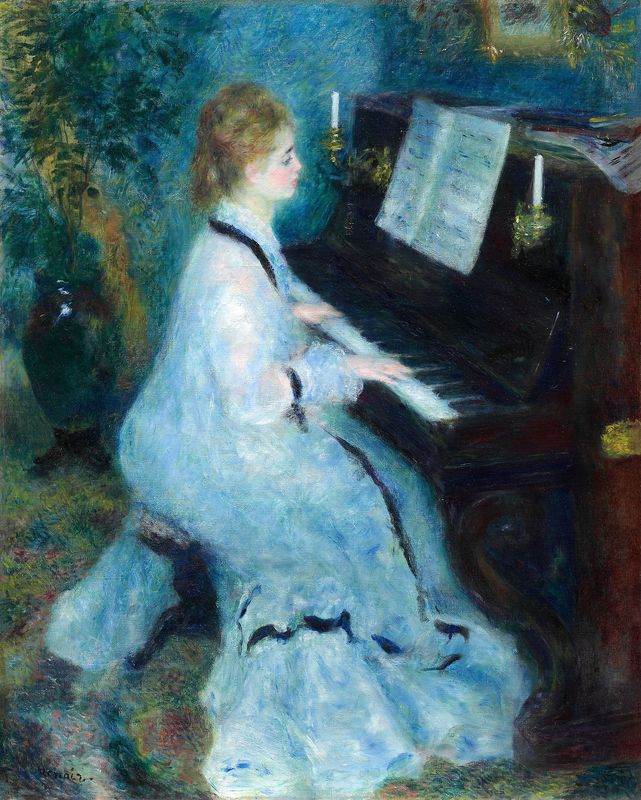 Same era · 1940s–1970s
Woman at the Piano
Philip Evergood · 1955 · Smithsonian American Art Museum
 Same era · 1940s–1970s
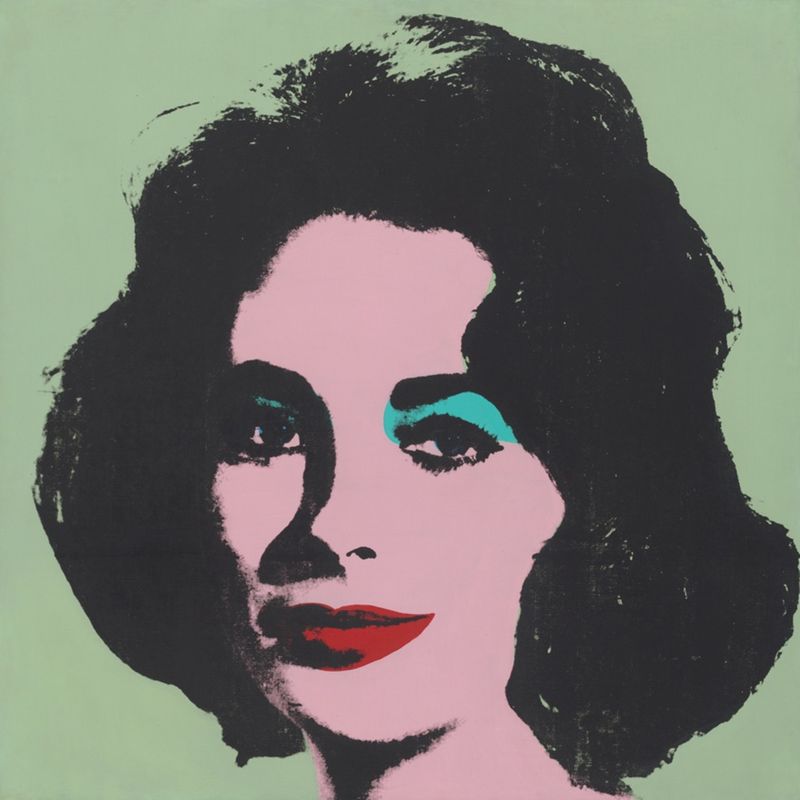
Liz #3 [Early Colored Liz]
Andy Warhol · 1963 · Art Institute of Chicago
 Same era · 1940s–1970s
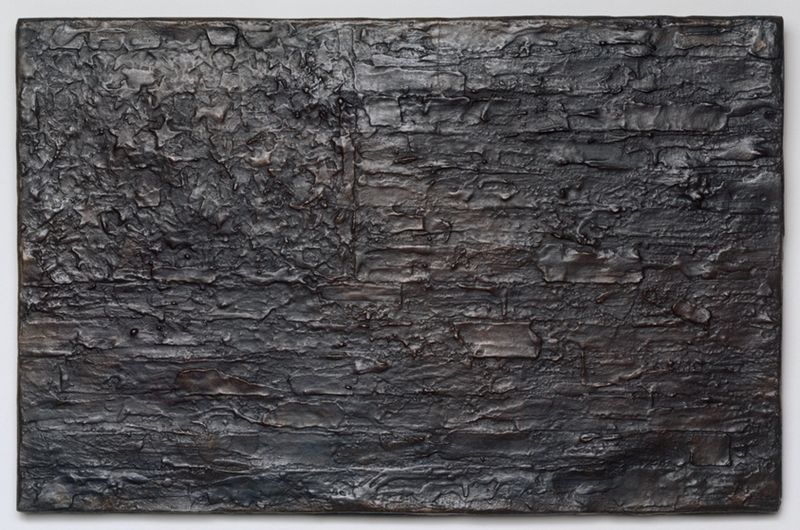
Flag
Jasper Johns · 1958
 Same era · 1940s–1970s
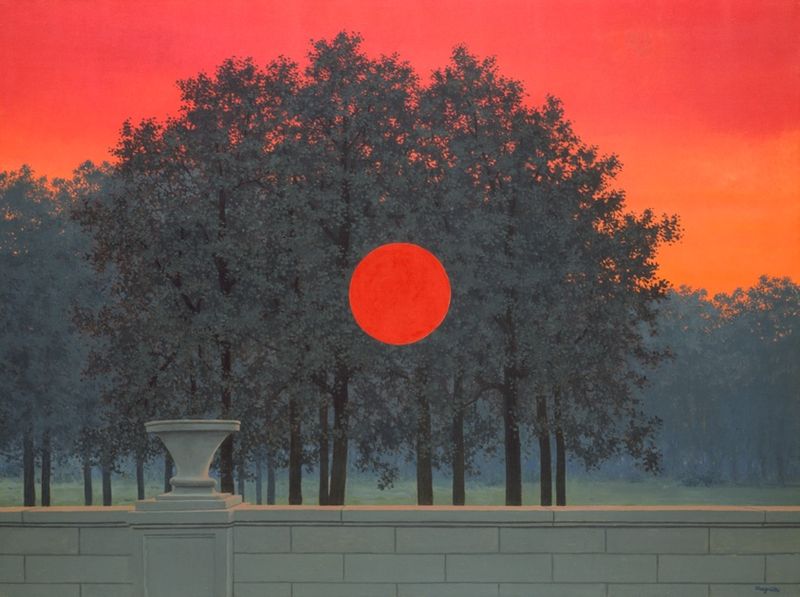
The Banquet
René Magritte · 1958 · Art Institute of Chicago
 Same era · 1940s–1970s
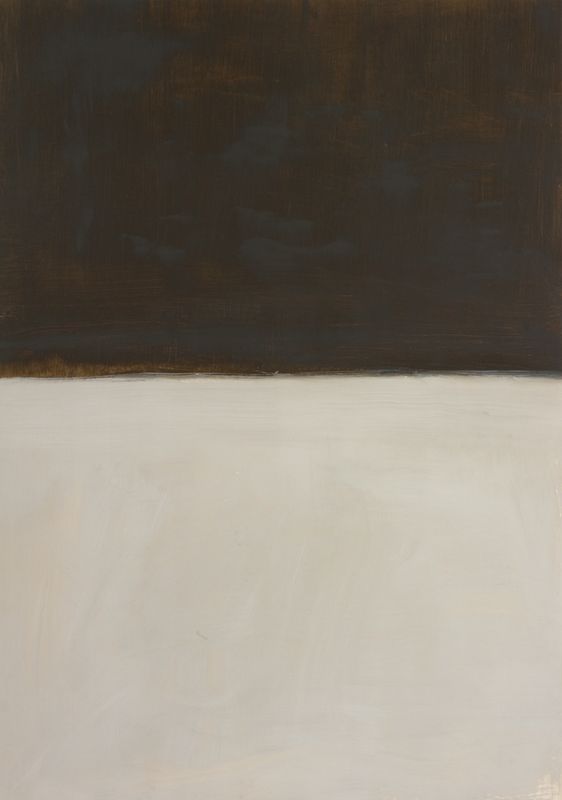
Untitled (Brown and Gray)
Mark Rothko · 1969 · The Metropolitan Museum of Art
