01Whole painting
Ragged black hair
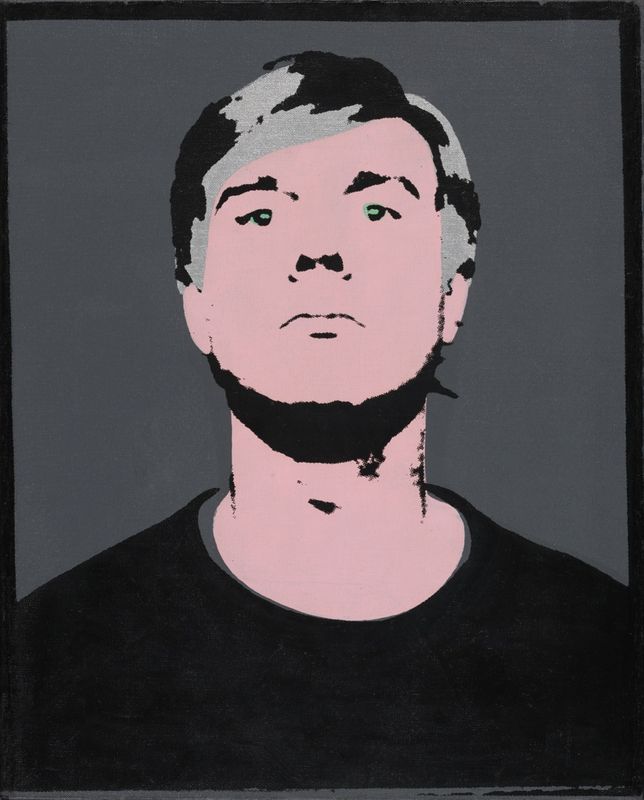
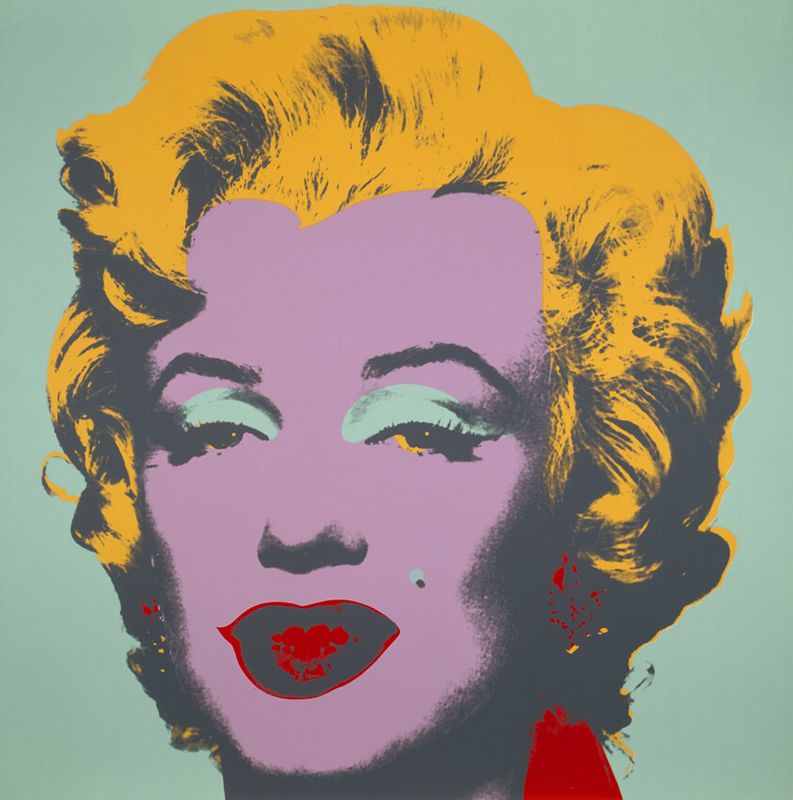
Study the edges of the hair, where black ink breaks into speckles and dry streaks. This is the silkscreen process showing, not a painter's brushwork.
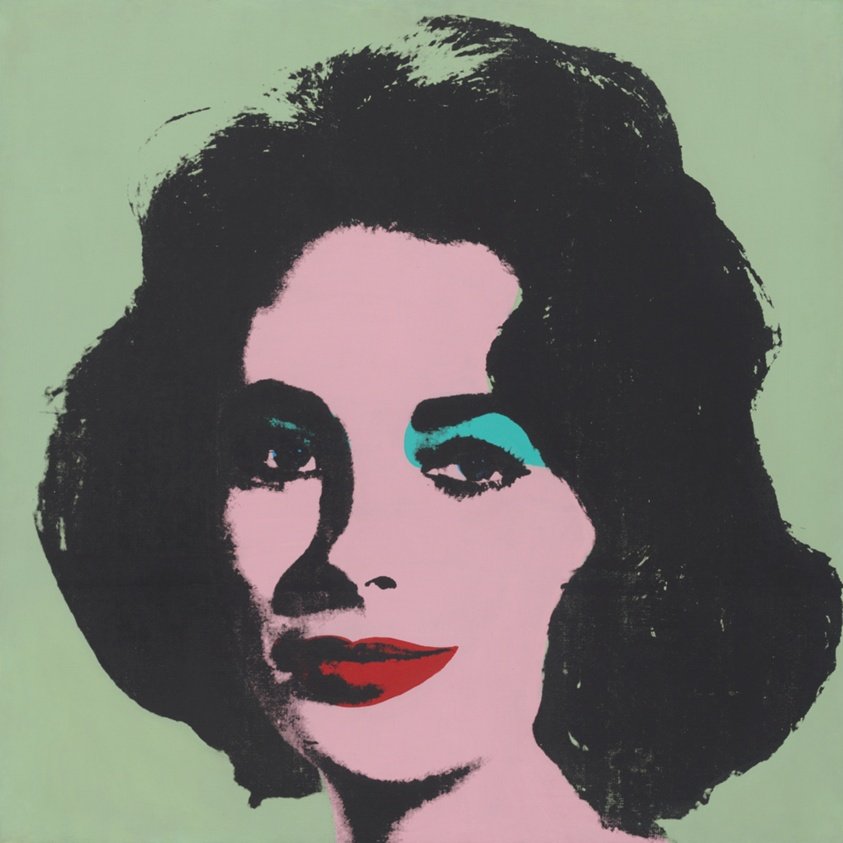
“This striking portrait of Elizabeth Taylor uses bold colors and silkscreen printing to transform a Hollywood icon into a pop art symbol, exploring the nature of celebrity in the age of mass media.”
A vibrant portrait of Elizabeth Taylor, this painting captures the movie star at a moment when her image was inescapable, a symbol of Hollywood glamour and scandal. Her face, a silkscreen print, is repeated across the canvas, each iteration slightly different due to the printing process, creating a sense of mass production. The colors are bold and almost garish, with bright blues, yellows, and reds replacing natural skin tones, emphasizing the artificiality of celebrity. This approach transforms a recognizable face into a graphic icon, reflecting how media transformed individuals into commodities. The raw, unblended quality of the paint, applied with a directness that mirrors the mechanical reproduction, makes the surface feel immediate and impactful, much like the fleeting yet powerful presence of a star on screen.
Five details hide in plain sight. Pick one and we’ll show you exactly where to look.
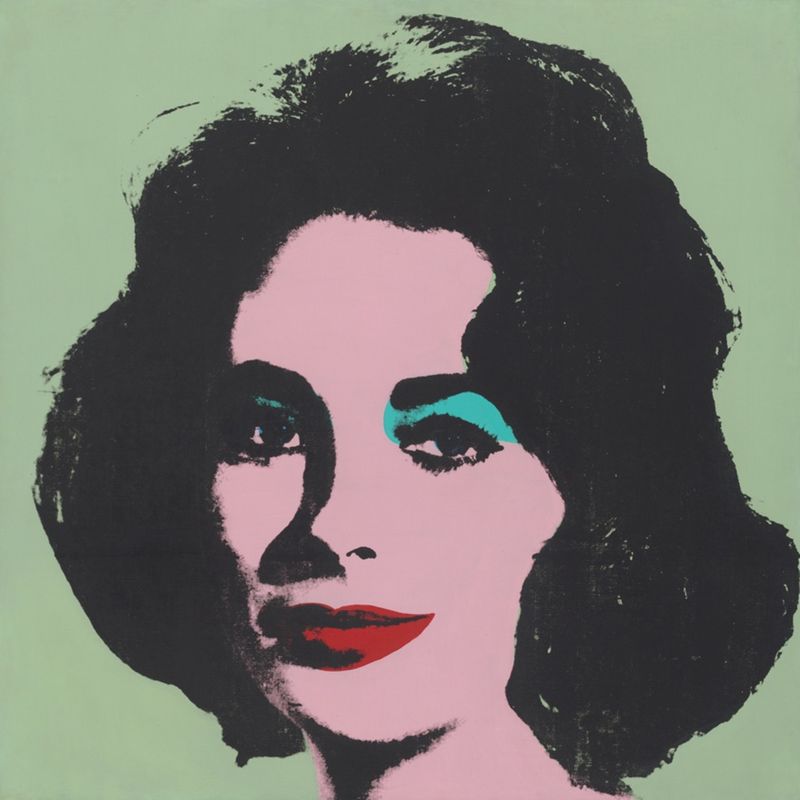
Study the edges of the hair, where black ink breaks into speckles and dry streaks. This is the silkscreen process showing, not a painter's brushwork.
Find the bright turquoise streak above the eye on the right. It is the coolest, loudest color in the face and pulls you straight to her gaze.
On the left side of the picture, the other eye nearly disappears into dark ink, with only a faint touch of turquoise above it. The shadow weighs down that side of the face.
Look low on the face for the red mouth. The one hot color sits half inside black shadow, so it reads like lipstick in a harsh flash.
The soft gray-green background is flat and empty, with no room or setting. With nothing else to look at, the face becomes the whole subject.
The full narration walks you through Liz #3 [Early Colored Liz] — the story behind it, the details most visitors miss, and why it matters. Free in the Art Whisper app.
Andy Warhol transformed everyday objects and celebrity portraits into iconic art, blurring the lines between high culture and mass media.
Beyond Warhol and Postmodernism: works from the same years, and from the other movements Liz #3 [Early Colored Liz] belongs to.
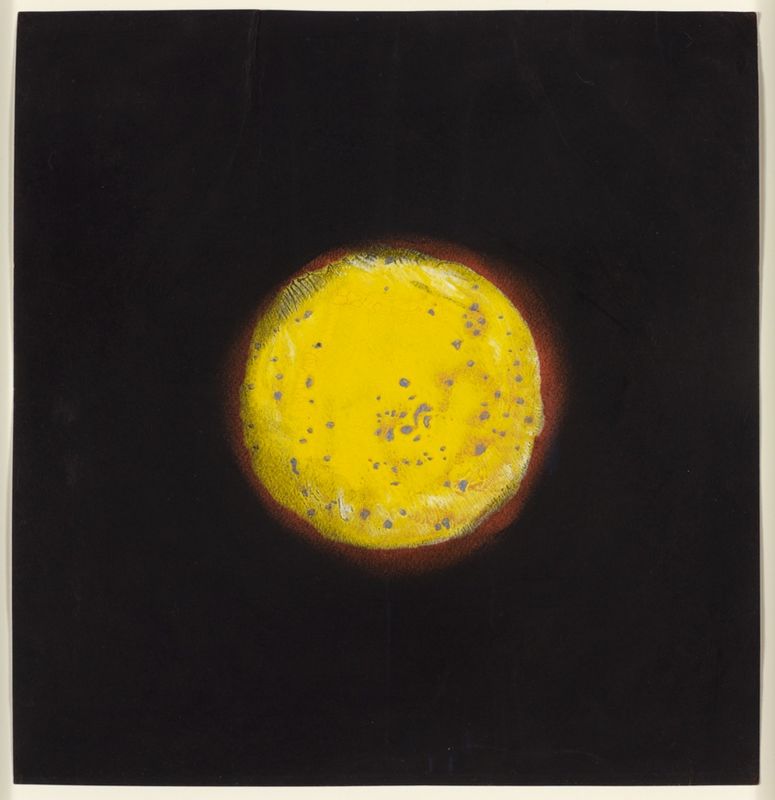 Same movement · Pop Art
Sun Spot
Yayoi Kusama · 1953 · Art Institute of Chicago
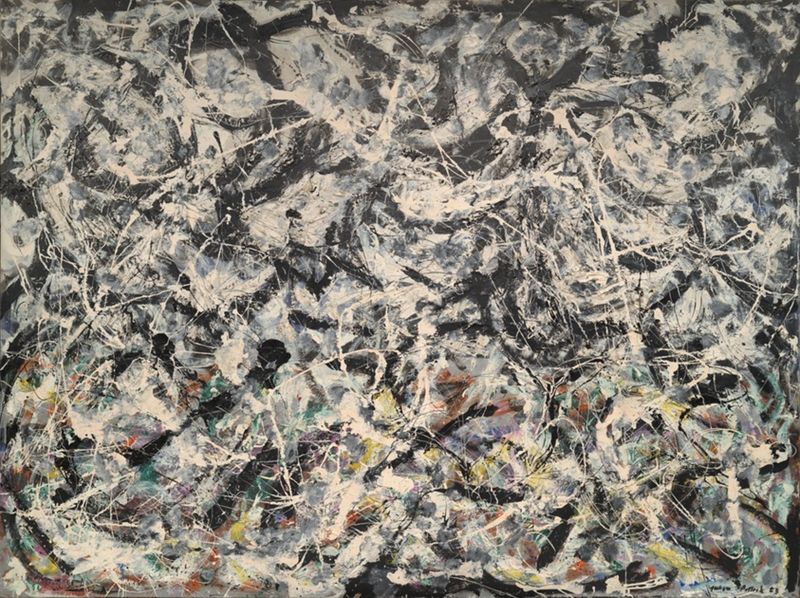 Same era · 1940s–1970s
Greyed Rainbow
Jackson Pollock · 1953 · Art Institute of Chicago
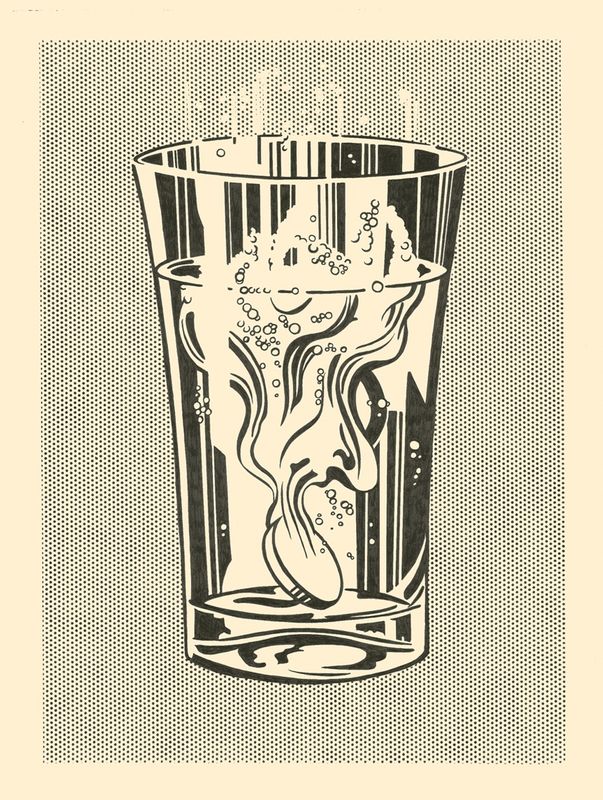 Same movement · Pop Art
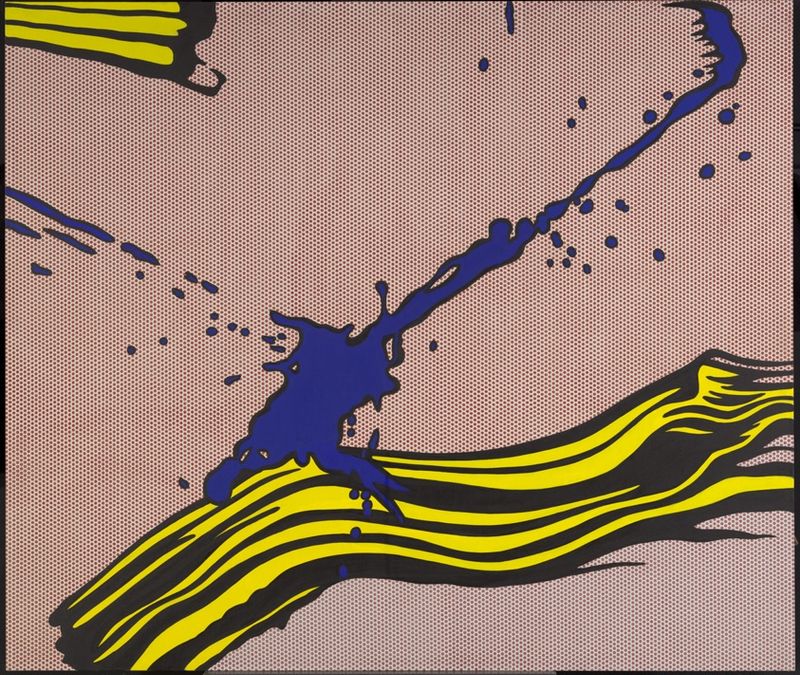
Alka Seltzer
Roy Lichtenstein · 1966 · Art Institute of Chicago
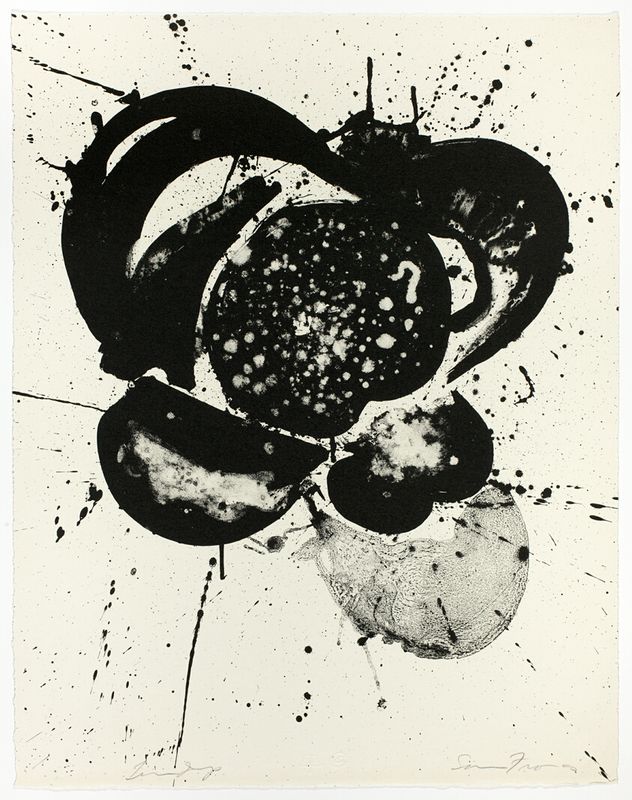 Same era · 1940s–1970s
Essai
Sam Francis · 1963 · Art Institute of Chicago
 Same era · 1940s–1970s
La grande bellezza
Pierre Alechinsky · 1965
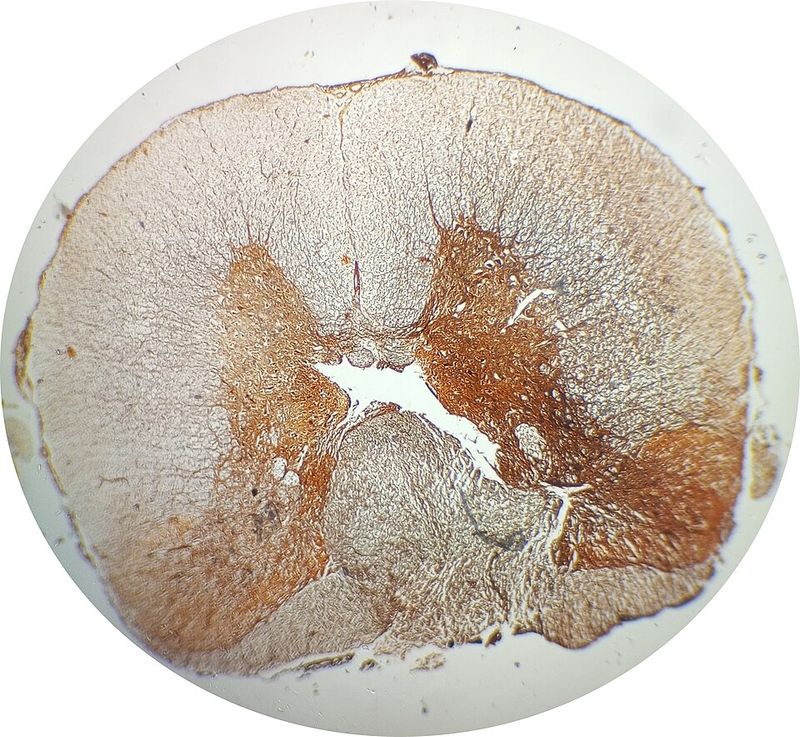 Same era · 1940s–1970s
Impregnazione
Piero Manzoni · 1958
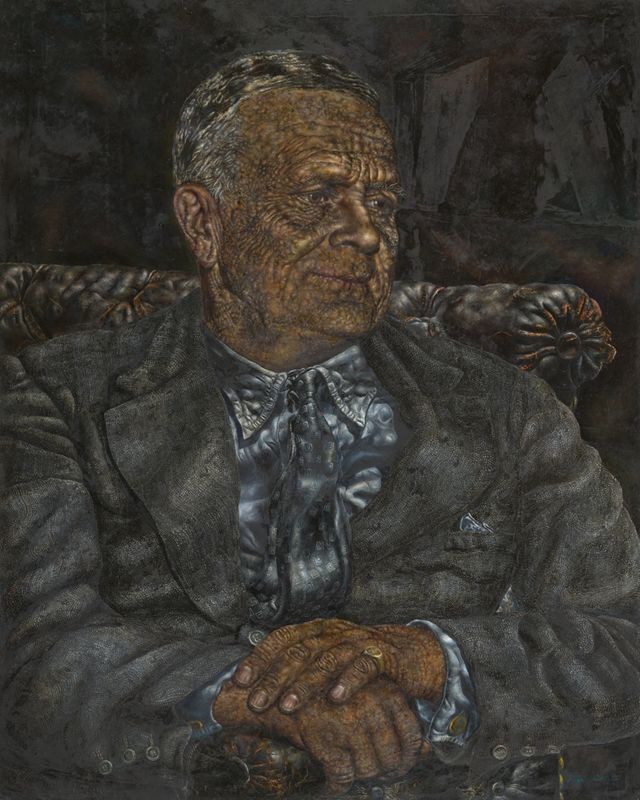 Same era · 1940s–1970s
Captain Joseph Medill Patterson
Ivan Puni · 1962 · Art Institute of Chicago
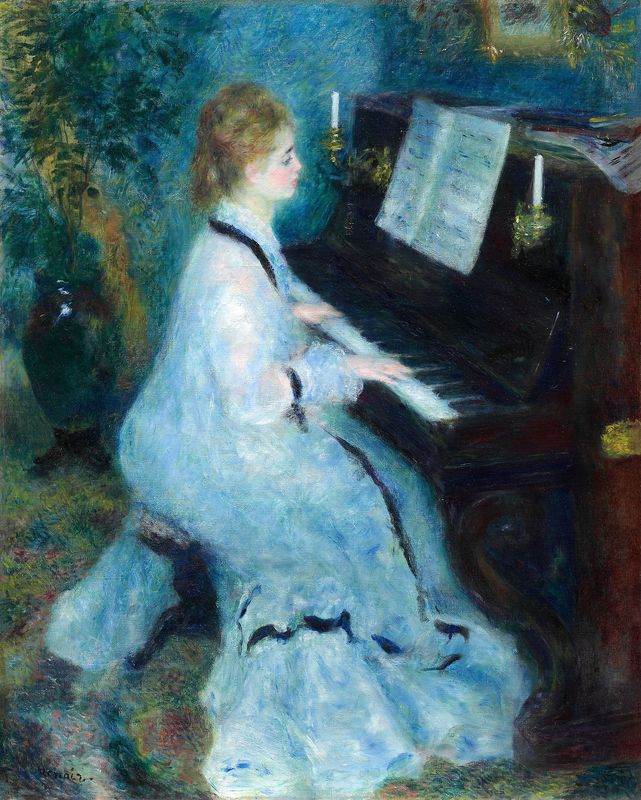 Same era · 1940s–1970s
Woman at the Piano
Philip Evergood · 1955 · Smithsonian American Art Museum
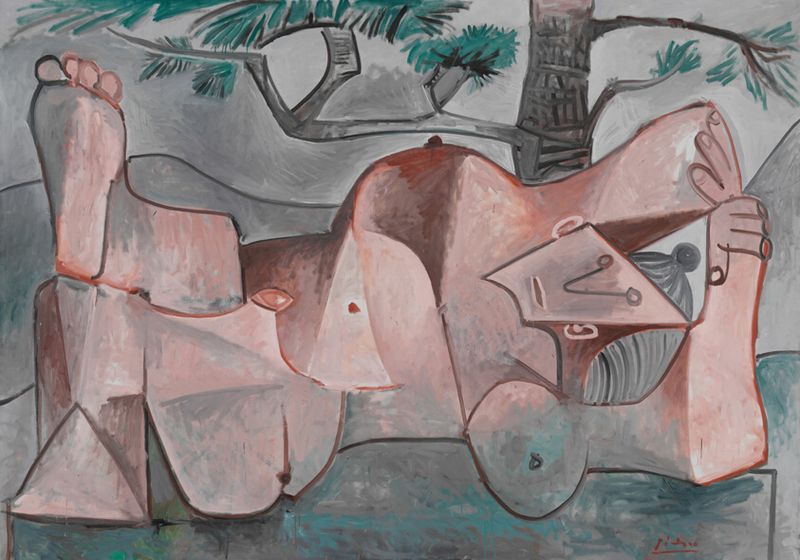 Same era · 1940s–1970s
Nude under a Pine Tree
Pablo Picasso · 1959 · Art Institute of Chicago
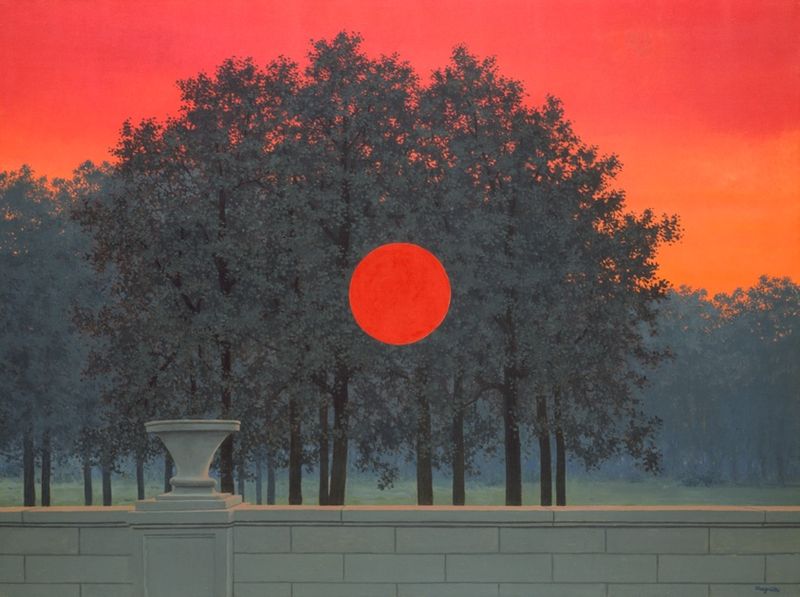 Same era · 1940s–1970s
The Banquet
René Magritte · 1958 · Art Institute of Chicago
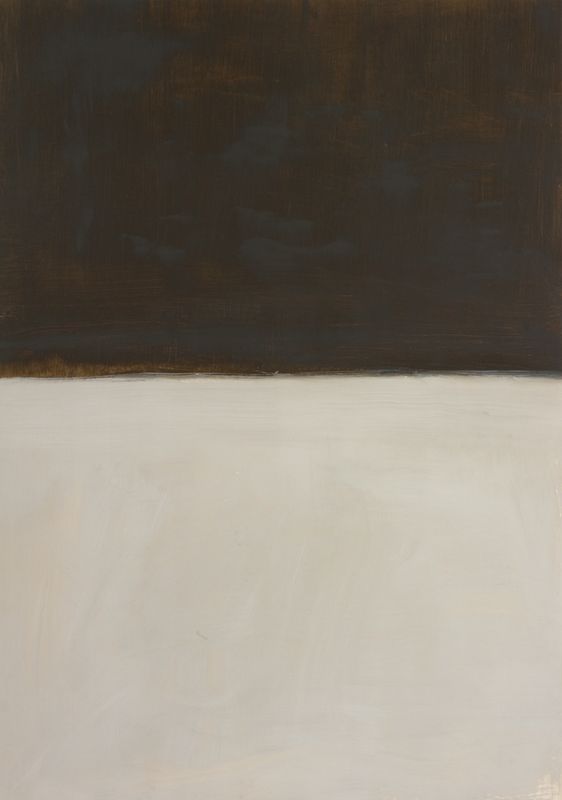 Same era · 1940s–1970s
Untitled (Brown and Gray)
Mark Rothko · 1969 · The Metropolitan Museum of Art
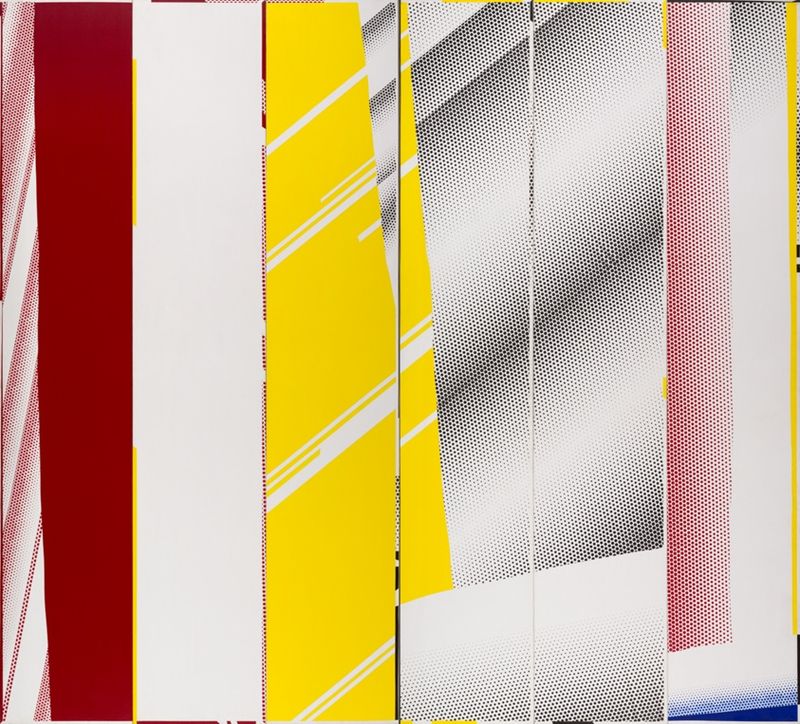 Same era · 1940s–1970s
Mirror #3 (Six Panels)
Roy Lichtenstein · 1971 · Art Institute of Chicago
 Same era · 1940s–1970s
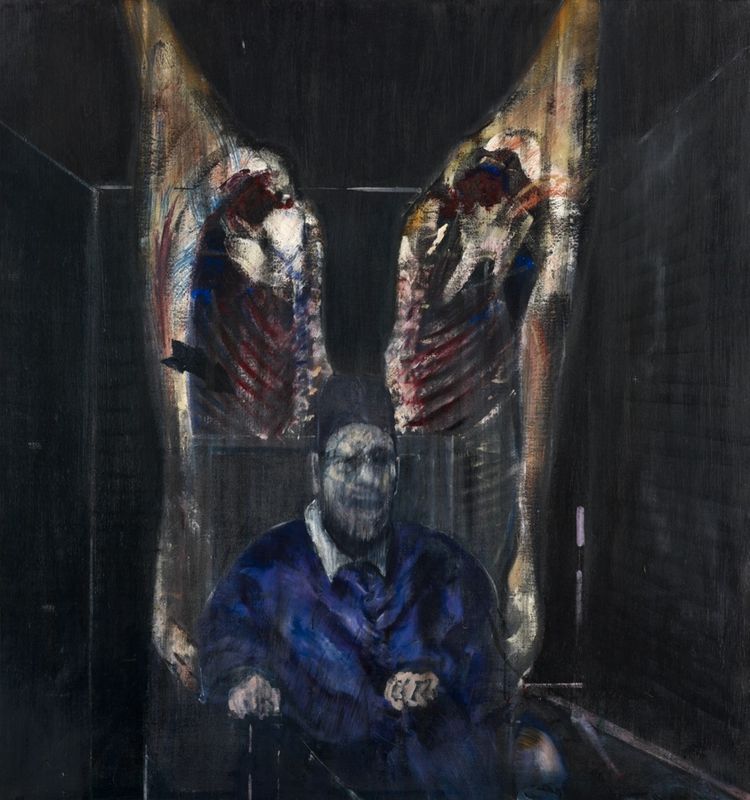
Figure with Meat
Francis Bacon · 1954 · Art Institute of Chicago
 Same era · 1940s–1970s
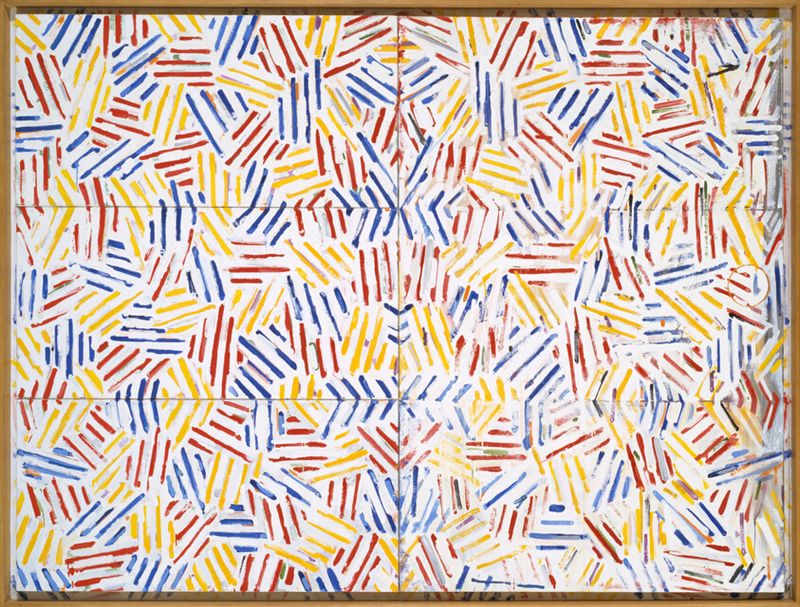
Corpse and Mirror II
Jasper Johns · 1974 · Art Institute of Chicago