
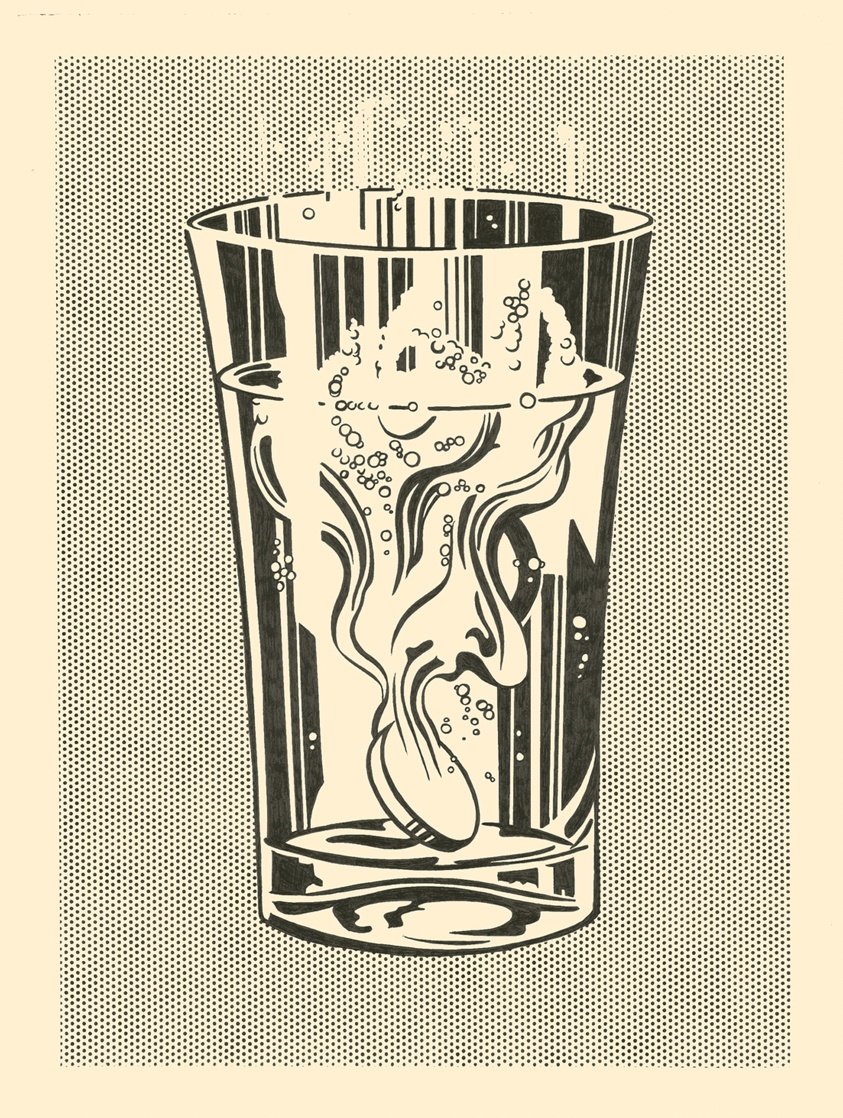
“This striking black-and-white drawing transforms a common Alka-Seltzer tablet into a monumental image, using commercial printing techniques to elevate the everyday to art. It's an early example of Pop Art, playing with how we see and consume images.”
A glass of fizzy Alka-Seltzer dominates this stark black-and-white drawing, its bubbles meticulously rendered as they rise. Created in 1966, this piece showcases a key moment in Pop Art, where everyday commercial imagery was elevated to fine art. The artist used commercial illustration techniques, magnifying them to create a subversive effect. Notice how the gas bubbles are indicated by carefully scraping away extra spaces from a field of hand-stenciled Benday dots. The reflective surface of the glass is signified by flat black graphite shapes, a deliberate parody of the simplified, line-cut style found in pulp advertising. This work brings together early graphic techniques, introducing formal preoccupations that would define much of the artist's later output.
- Artist
- Roy Lichtenstein
- Date
- 1966
- Medium
- Graphite and lithographic rubbing crayon pochoir, with scraping, on cream wove paper, fixed
- Location
- Art Institute of Chicago
- Dimensions
- 76.3 × 56.7 cm (30 1/16 × 22 3/8 in.)
- Collection
- Prints and Drawings
- Culture
- United States
- Credit line
- Margaret Fisher Endowment
What to Notice
Four details hide in plain sight. Here’s where to look.
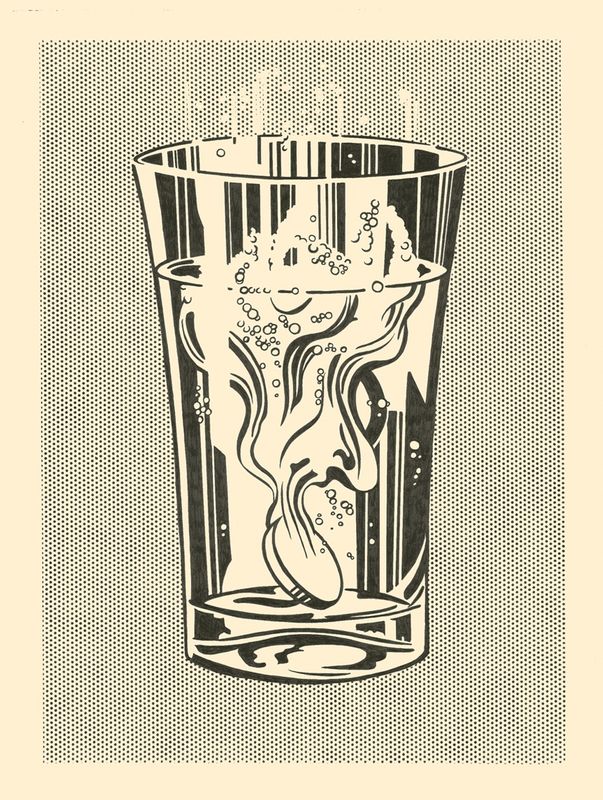
The meticulous scraping to create the rising gas bubbles.
The hand-stenciled Benday dots that form the background.
The flat black graphite shapes that signify the glass's reflection.
The stark black-and-white palette, mimicking commercial prints.
Stand in front of it and listen
The full narration walks you through Alka Seltzer — the story behind it, the details most visitors miss, and why it matters. Free in the Art Whisper app.
Roy Lichtenstein
1923–1997 · United StatesRoy Fox Lichtenstein was an American artist. A leading figure of the Pop Art movement, he is best known for his large-scale paintings inspired by comic books, advertisements, and mass-produced imagery. Lichtenstein's art is represented in major museum collections worldwide, and he remains one of the most influential and recognizable artists of the 20th century.
Further Works by Lichtenstein
More from Postmodernism
More works to explore
Beyond Lichtenstein and Postmodernism: works from the same years, and from the other movements Alka Seltzer belongs to.
 Same movement · Pop Art
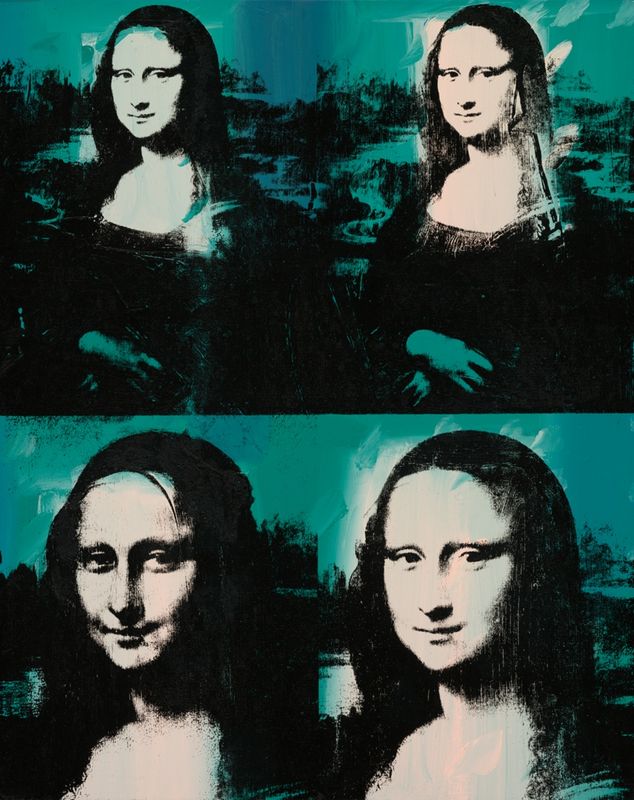
Four Mona Lisas
Andy Warhol · 1978 · Art Institute of Chicago
 Same era · 1950s–1980s
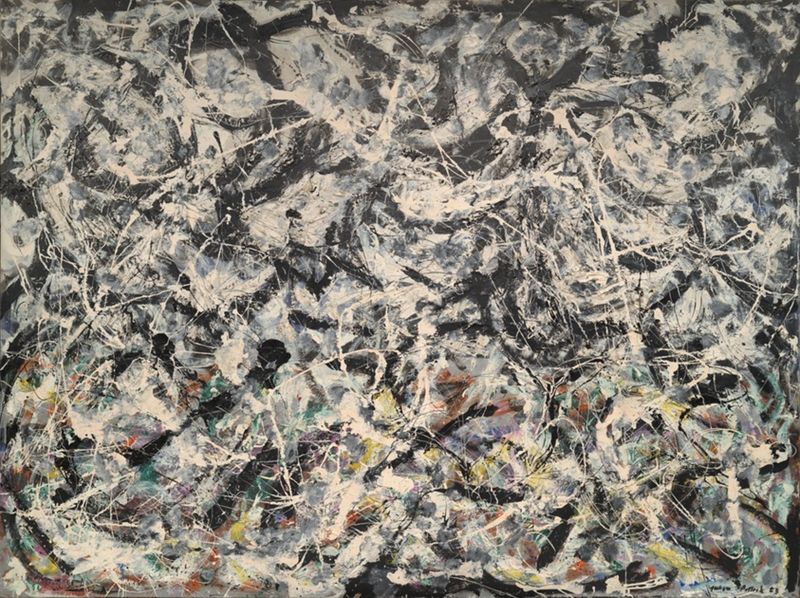
Greyed Rainbow
Jackson Pollock · 1953 · Art Institute of Chicago
 Same movement · Pop Art
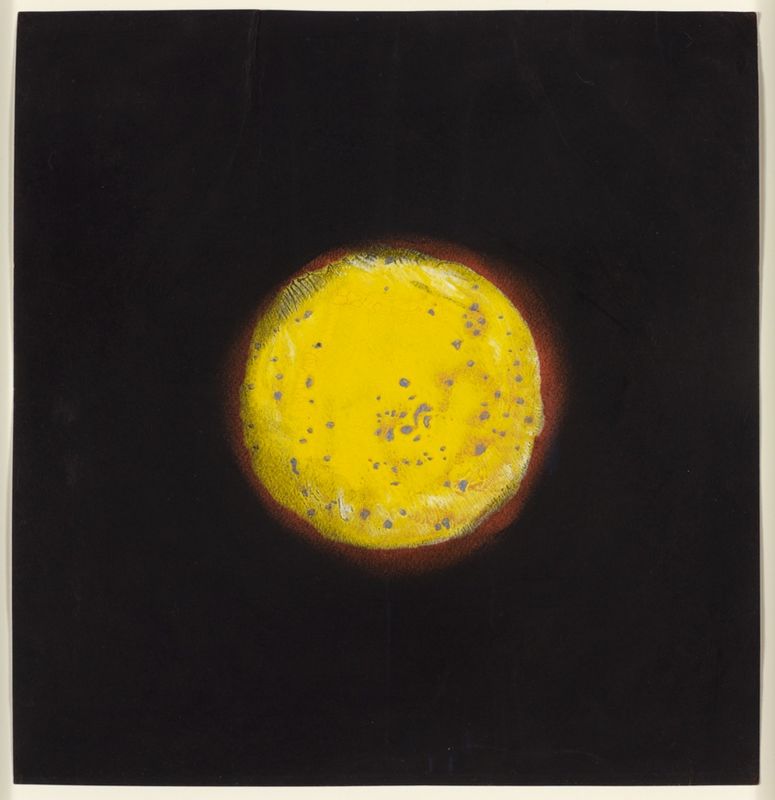
Sun Spot
Yayoi Kusama · 1953 · Art Institute of Chicago
 Same era · 1950s–1980s
La grande bellezza
Pierre Alechinsky · 1965
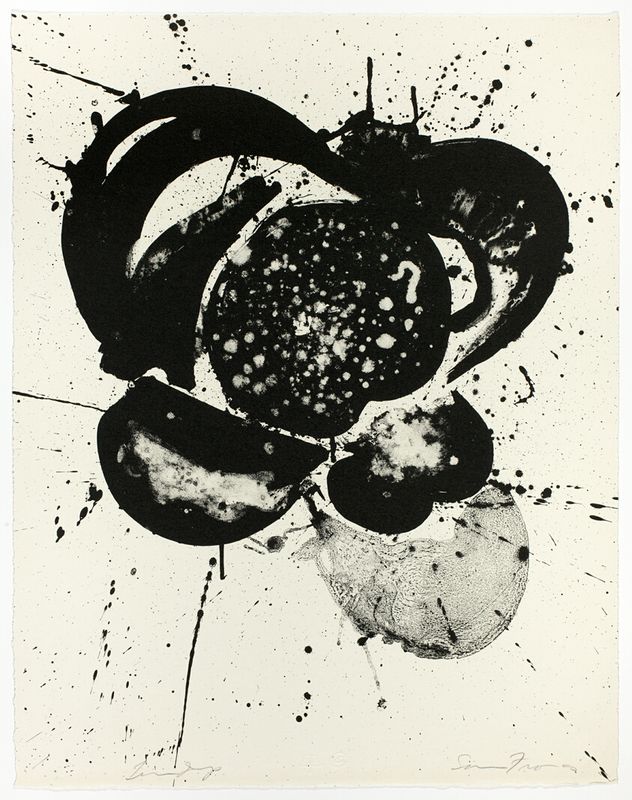 Same era · 1950s–1980s
Essai
Sam Francis · 1963 · Art Institute of Chicago
 Same era · 1950s–1980s
Impregnazione
Piero Manzoni · 1958
 Same era · 1950s–1980s
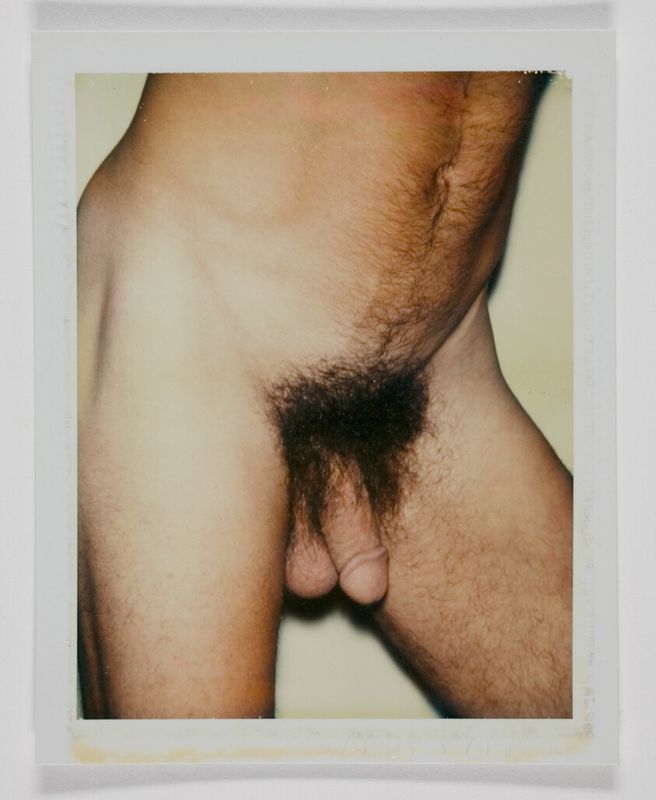
Nude Model (Male)
Andy Warhol · 1977 · Art Institute of Chicago
 Same era · 1950s–1980s
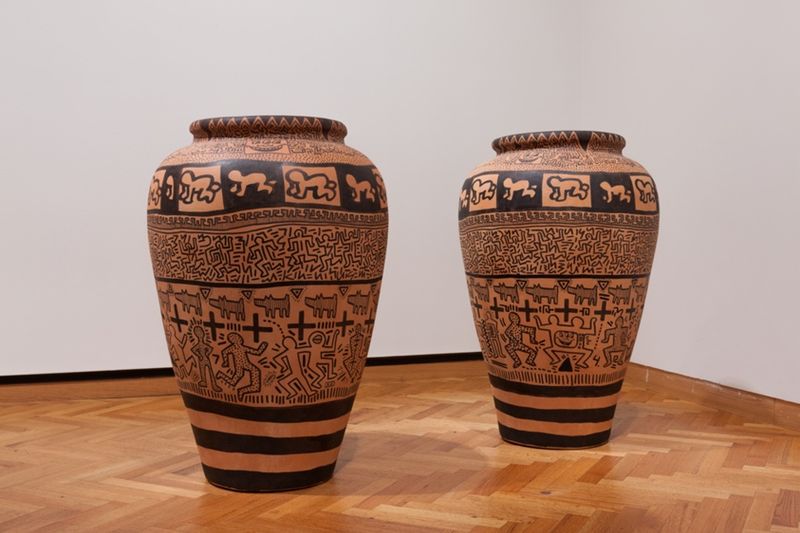
Untitled (Pair of Vases)
Keith Haring · 1981 · Art Institute of Chicago
 Same era · 1950s–1980s
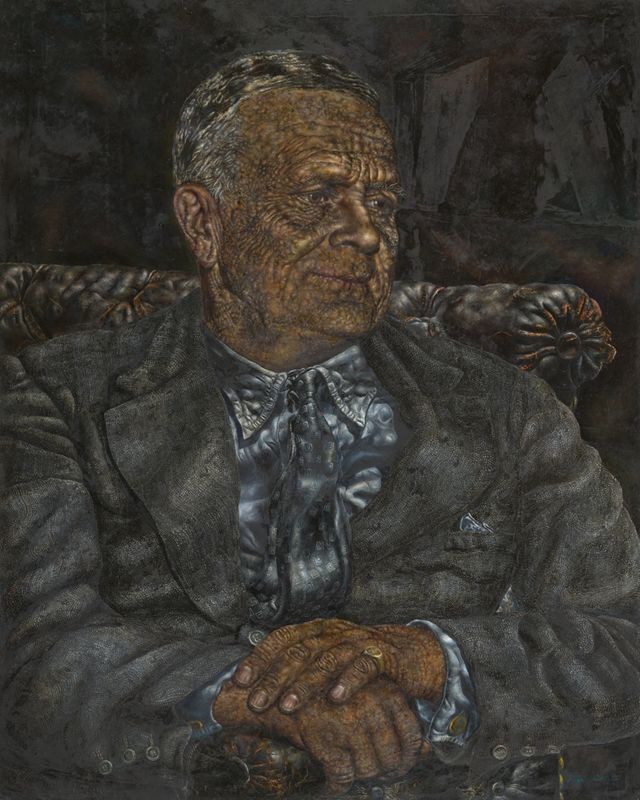
Captain Joseph Medill Patterson
Ivan Puni · 1962 · Art Institute of Chicago
 Same era · 1950s–1980s
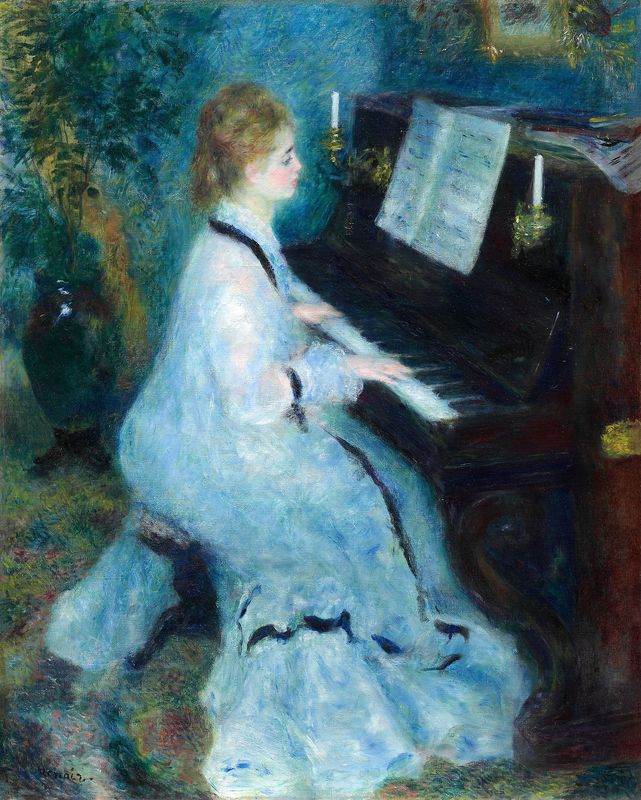
Woman at the Piano
Philip Evergood · 1955 · Smithsonian American Art Museum
 Same era · 1950s–1980s
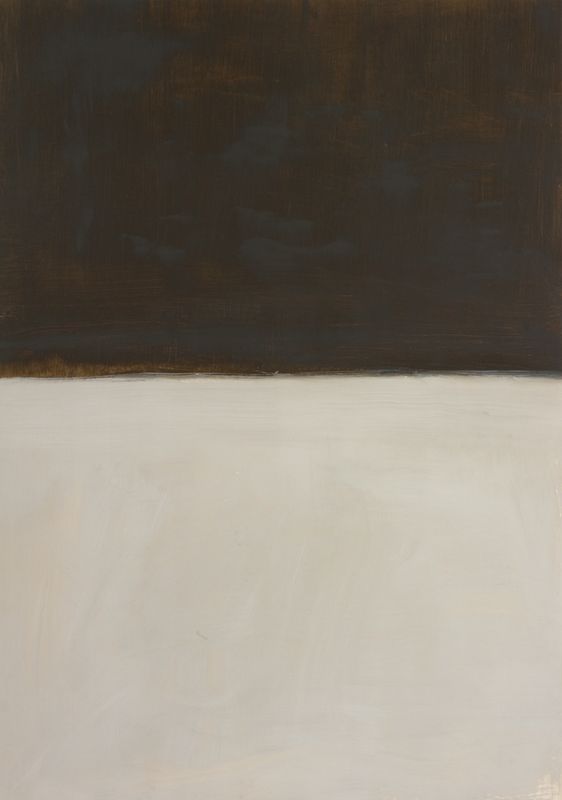
Untitled (Brown and Gray)
Mark Rothko · 1969 · The Metropolitan Museum of Art
 Same era · 1950s–1980s
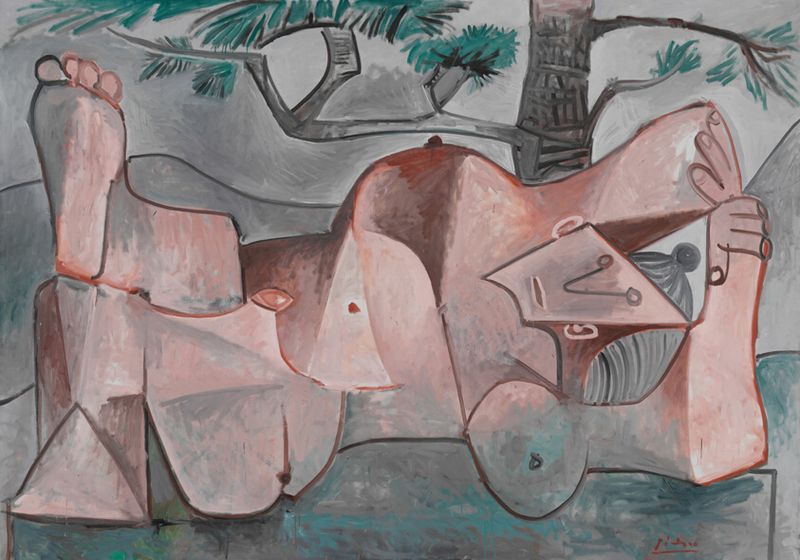
Nude under a Pine Tree
Pablo Picasso · 1959 · Art Institute of Chicago
 Same era · 1950s–1980s
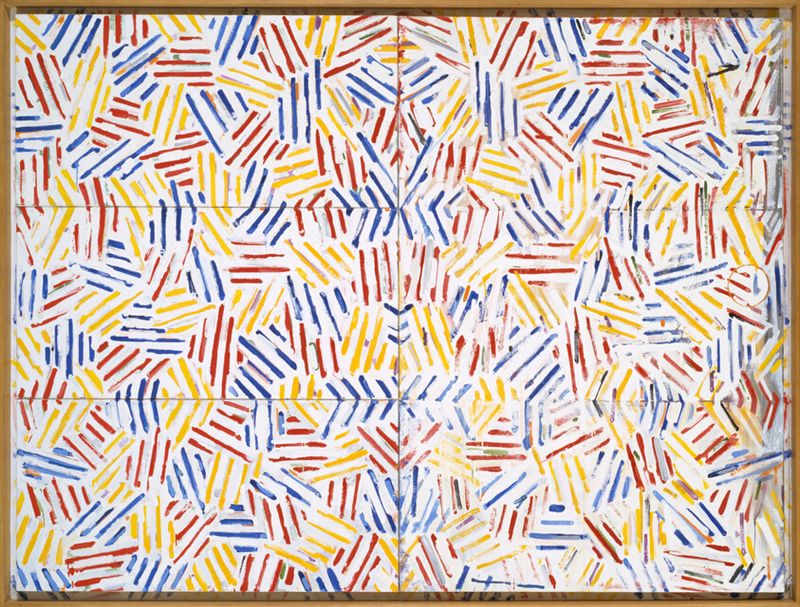
Corpse and Mirror II
Jasper Johns · 1974 · Art Institute of Chicago
 Same era · 1950s–1980s
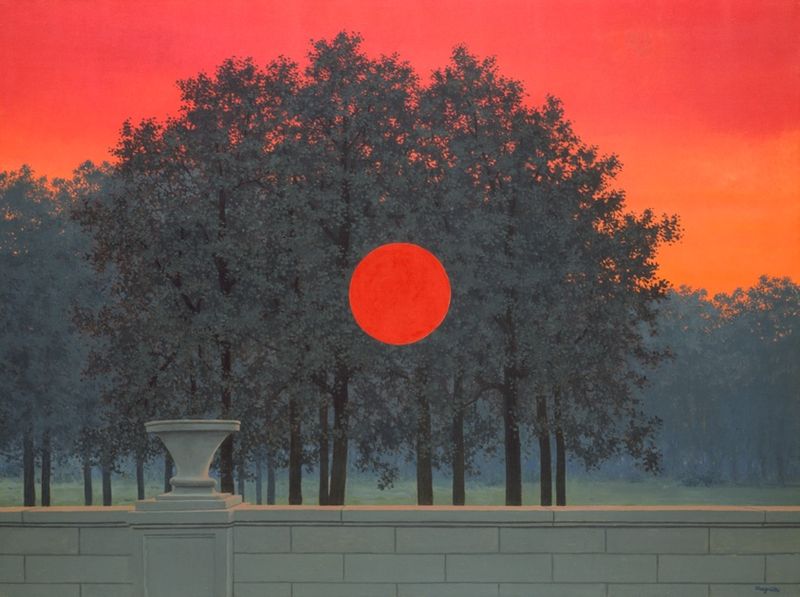
The Banquet
René Magritte · 1958 · Art Institute of Chicago