01
The blue iris
Start at the blue iris and black pupil. A tiny white highlight makes it look wet and alive, so the eye seems to look back at you.
1 of 4 on the painting
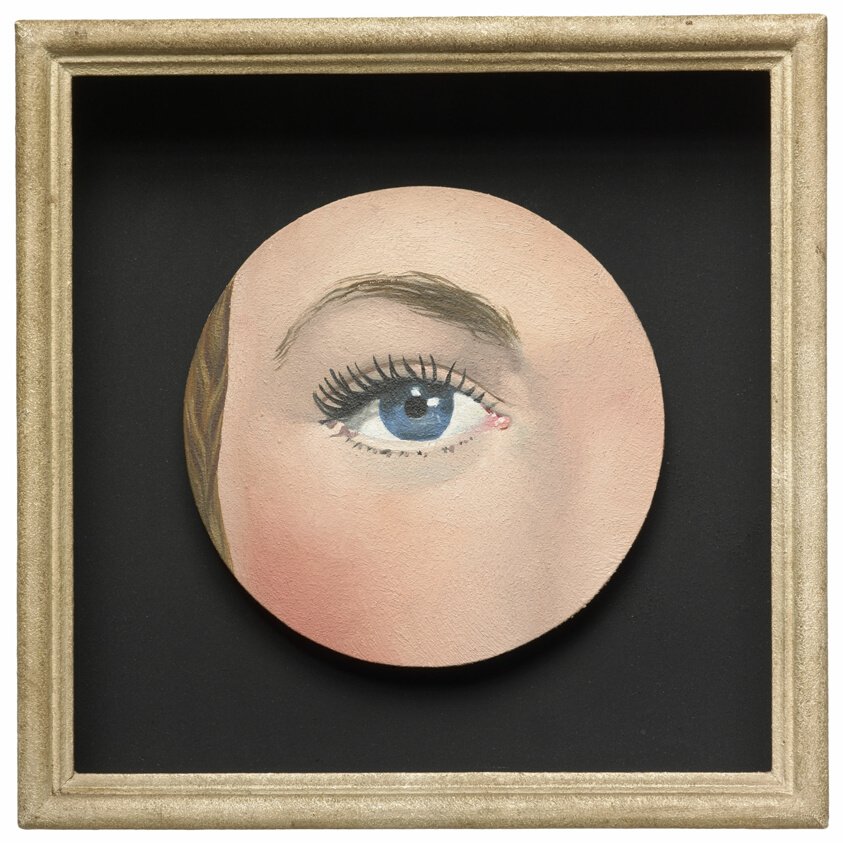
“Stop and look closely at this painting. A single eye stares out, but instead of an iris, you'll find a miniature landscape of mountains and sky. It's a classic example of surrealism, making you question what you see.”
A single, disembodied eye floats against a cloudy blue sky in this enigmatic painting. The iris is replaced by a detailed depiction of a summer landscape, complete with a bright blue sky, fluffy white clouds, and a distant, snow-capped mountain range. The surrounding white of the eye is rendered with a smooth, almost porcelain-like quality, making the surreal substitution even more striking. This work, created by René Magritte, plays with perception, inviting us to question what we see and how we interpret it. It challenges the conventional understanding of an eye as a window to the soul, instead making it a window onto a landscape, collapsing interior and exterior worlds into one unsettling image. The painting’s surreal quality, where familiar elements are recontextualized, is a hallmark of the Belgian surrealist movement.
Five details hide in plain sight. Pick one and we’ll show you exactly where to look.
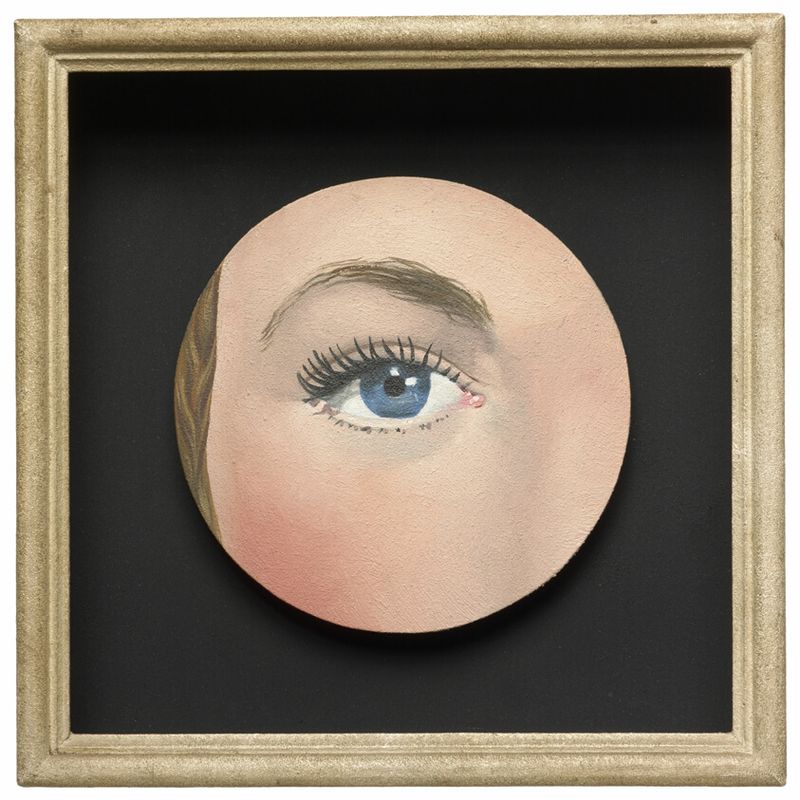
Start at the blue iris and black pupil. A tiny white highlight makes it look wet and alive, so the eye seems to look back at you.
The circle of skin floats on a black square, like a porthole or a peephole. Everything else about the person is cut away, so the eye is all you get.
Look at the upper lashes, each one a crisp black stroke fanning out. They are far sharper than the soft skin around them.
At the far left edge, a band of golden-brown hair curves in along the rim of the disc. It is the one clue that this is part of a head, not just skin.
Near the inner corner of the eye, on the right, a pink tear duct sits beside tiny dark dots along the lower lid. These small touches give the eye a strikingly lifelike feel.
The full narration walks you through The Eye — the story behind it, the details most visitors miss, and why it matters. Free in the Art Whisper app.
René Magritte was a Belgian surrealist master who painted familiar objects in dreamlike, often unsettling, unexpected contexts.
Beyond Magritte and Surrealism: works from the same years.
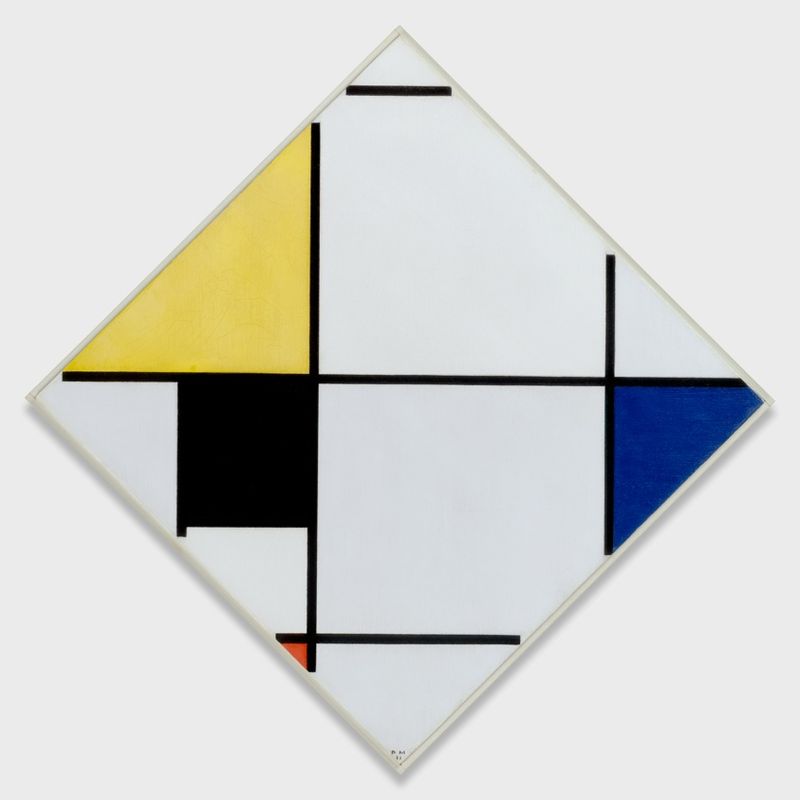 Same era · 1910s–1940s
Lozenge Composition with Yellow, Black, Blue, Red, and Gray
Piet Mondrian · 1921 · Art Institute of Chicago
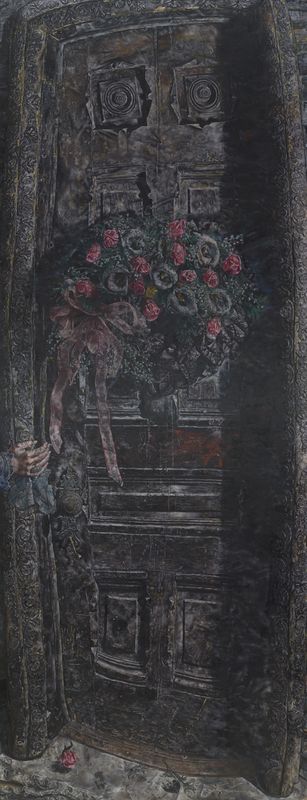 Same era · 1910s–1940s
That Which I Should Have Done I Did Not Do (The Door)
Ivan Puni · 1931 · Art Institute of Chicago
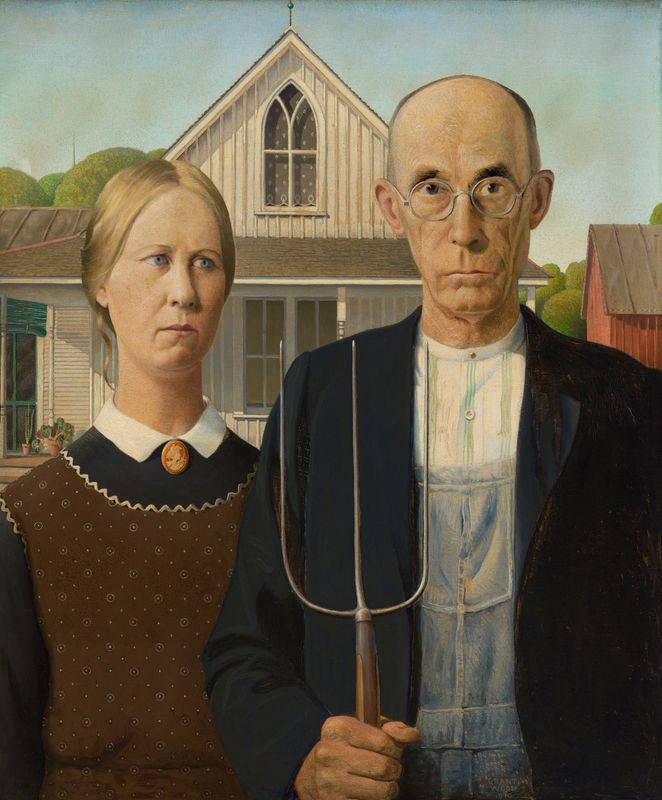 Same era · 1910s–1940s
American Gothic
Okada Saburosuke · 1930 · Art Institute of Chicago
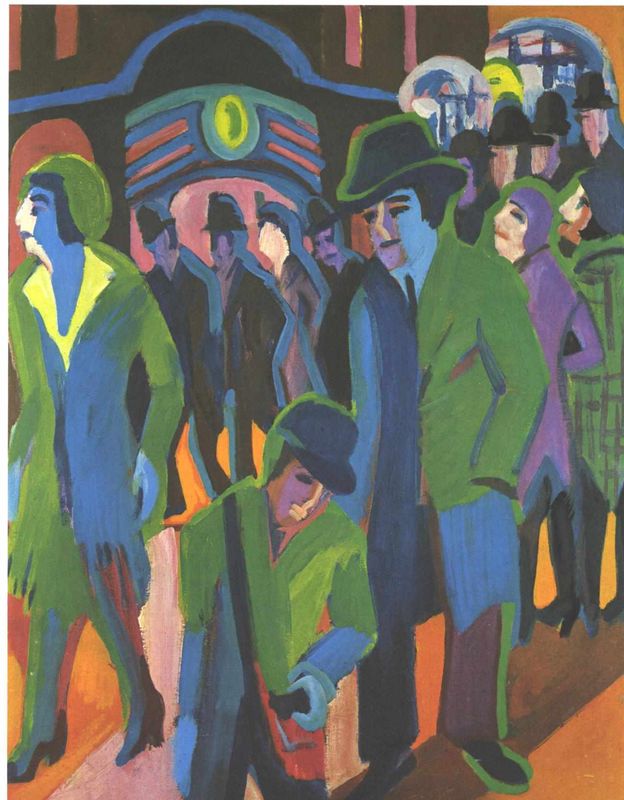 Same era · 1910s–1940s
Straße mit Passanten bei Nachtbeleuchtung
Ernst Ludwig Kirchner · 1927 · Museum Frieder Burda
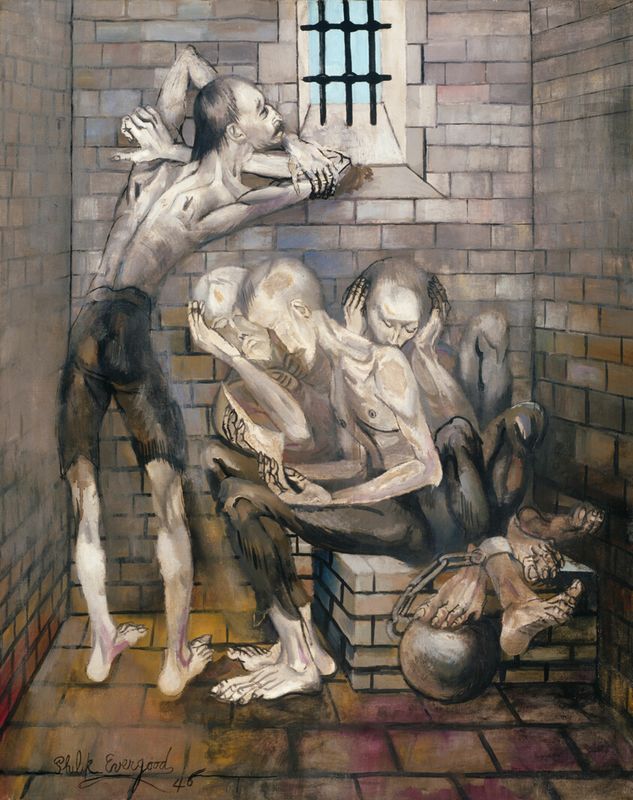 Same era · 1910s–1940s
The Indestructibles
Philip Evergood · 1946 · Art Institute of Chicago
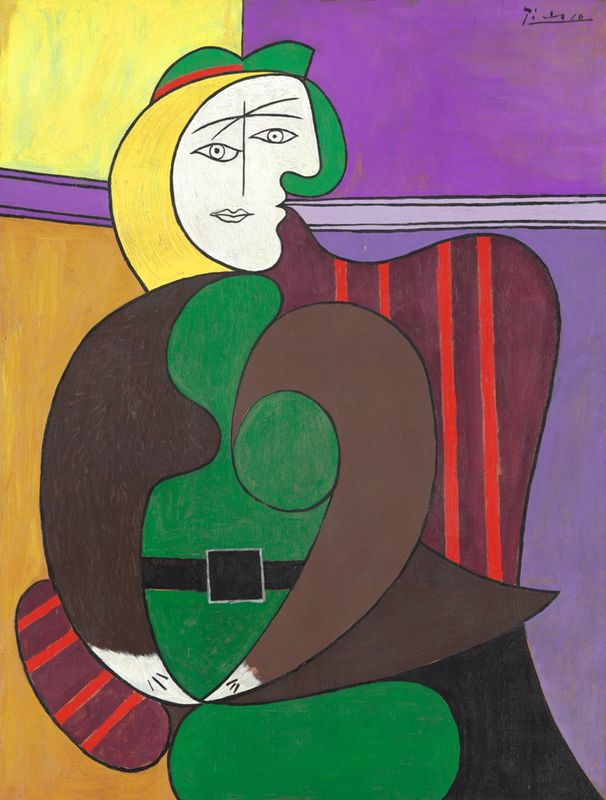 Same era · 1910s–1940s
The Red Armchair
Pablo Picasso · 1931 · Art Institute of Chicago
 Same era · 1910s–1940s
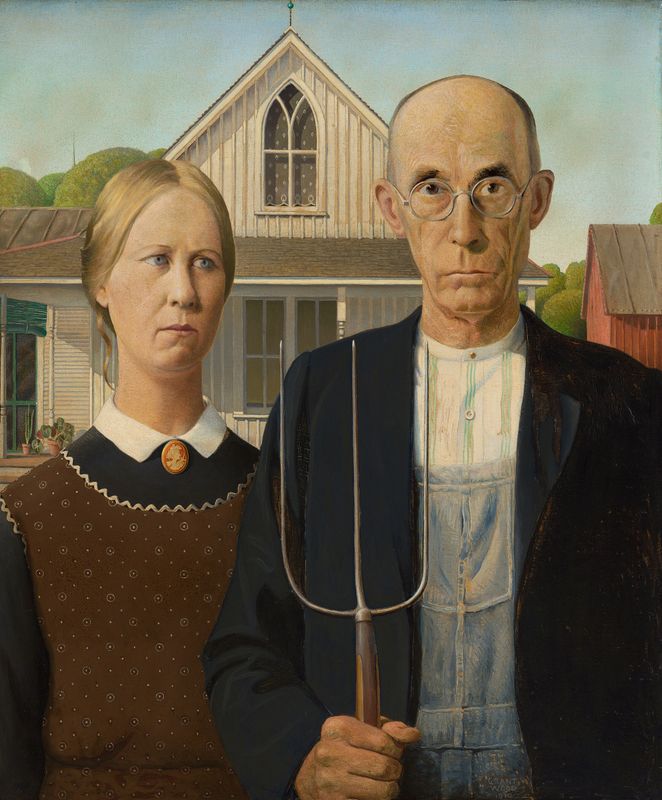
American Gothic
Grant Wood · 1930 · Art Institute of Chicago
 Same era · 1910s–1940s
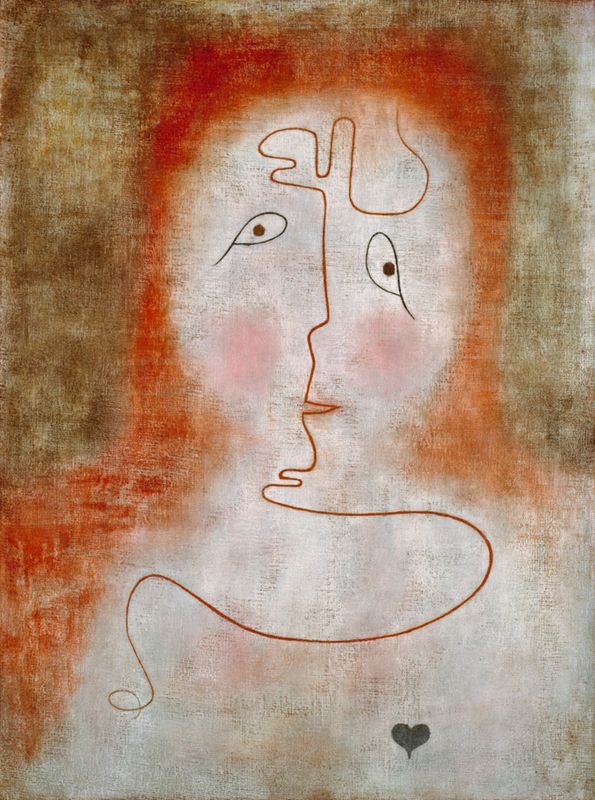
In the Magic Mirror
Paul Klee · 1934 · Art Institute of Chicago
 Same era · 1910s–1940s
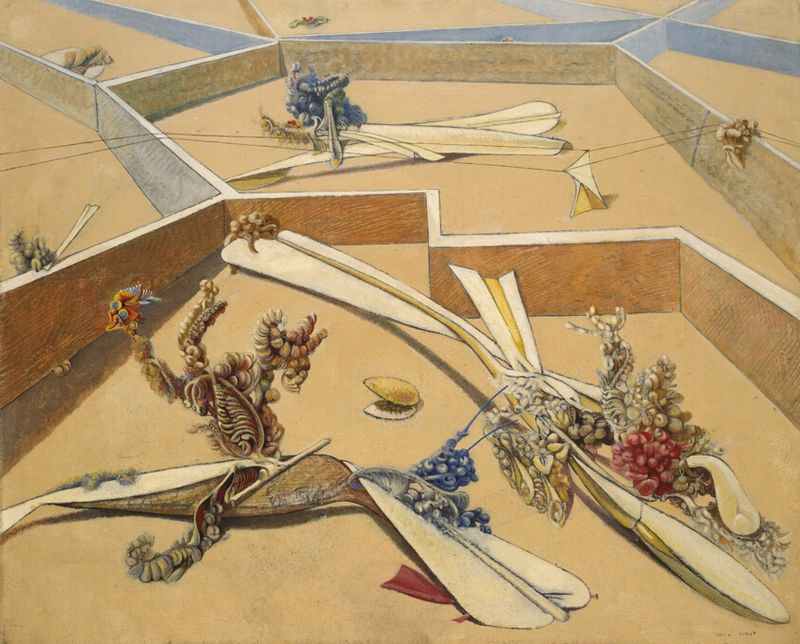
Garden Airplane-Trap
Max Ernst · 1935 · Art Institute of Chicago
 Same era · 1910s–1940s
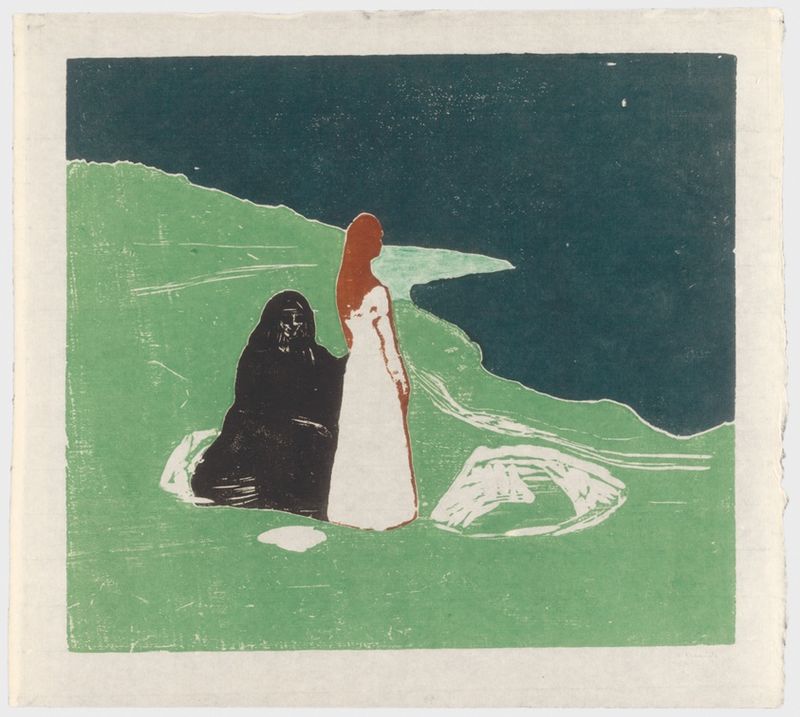
Two Women on the Shore
Edvard Munch · 1935 · Munch Museum
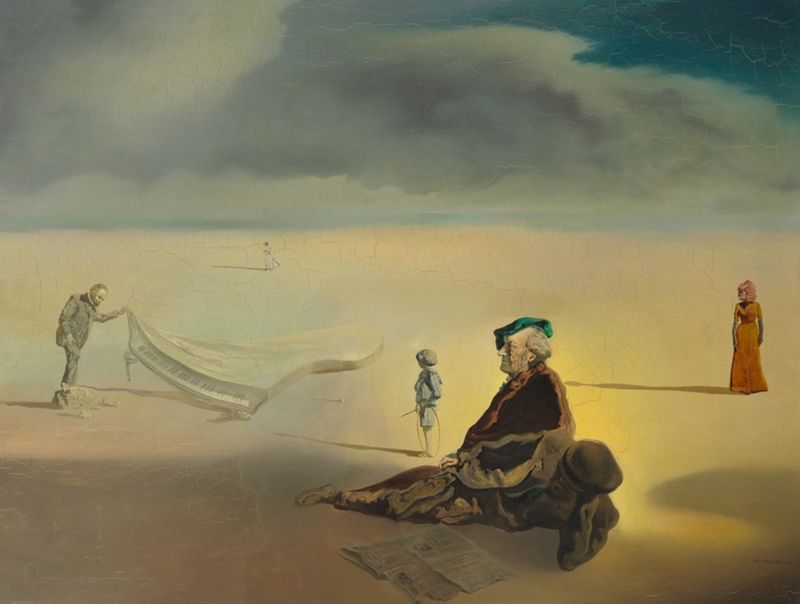 Same era · 1910s–1940s
A Chemist Lifting with Extreme Precaution the Cuticle of a Grand Piano
Salvador Dalí · 1936 · Art Institute of Chicago
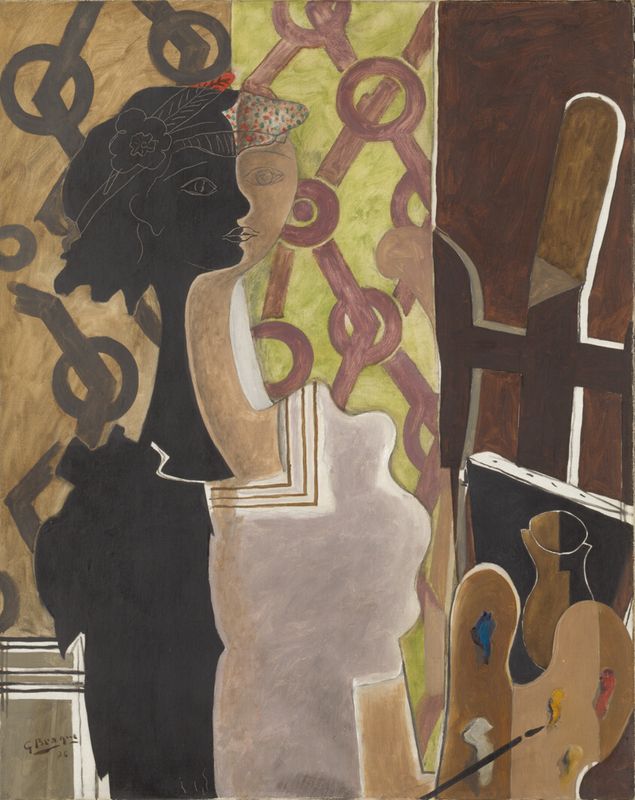 Same era · 1910s–1940s
Woman at an Easel (Green Screen)
Georges Braque · 1936 · Art Institute of Chicago