01Whole painting
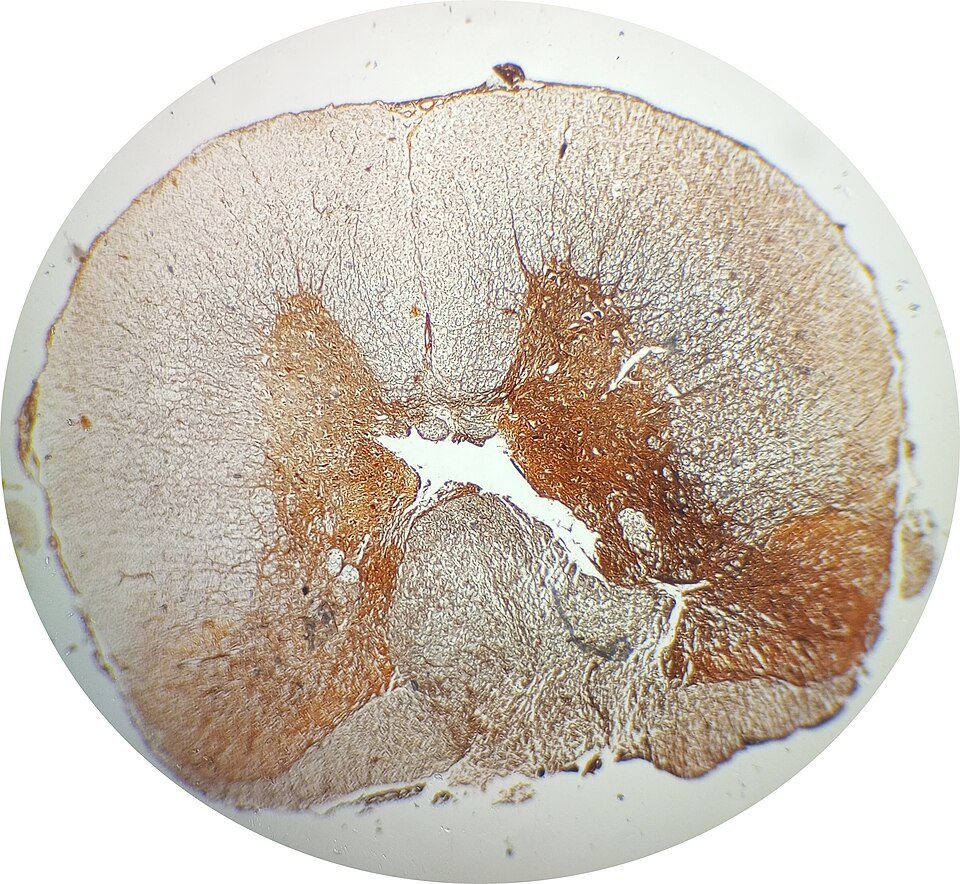
A circular, near-symmetrical form
The pale circular frame holds a rounded form that roughly mirrors left and right, a bit like a butterfly. The two sides are close but not identical.
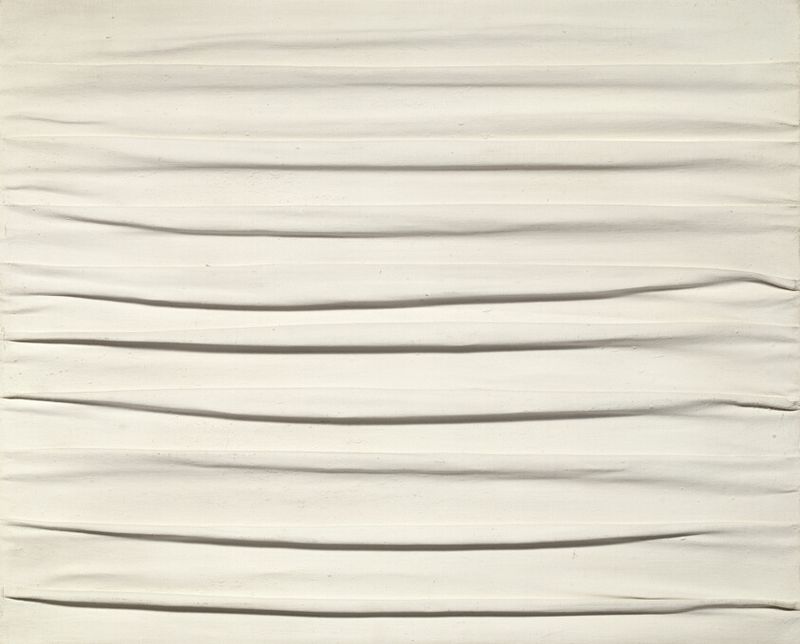
“This "Achrome" by Piero Manzoni strips painting down to its bare essentials, using a folded, kaolin-treated canvas to explore texture and the absence of color, challenging what art can be.”
In "Impregnazione," Piero Manzoni challenges traditional notions of art by presenting a stark, unembellished white canvas. This work, created in 1958, belongs to his series of "Achromes," literally meaning "without color." Instead of applying paint in a conventional manner, Manzoni treated the canvas with kaolin, a white clay, and then folded it. The result is a surface that plays with light and shadow, creating subtle textures and patterns purely through its physical manipulation. Manzoni's approach here questions the very essence of painting, moving away from illusionistic representation or expressive brushwork towards an object that asserts its own material presence. It invites us to consider what constitutes an artwork and how meaning can be found in absence and raw materiality, anticipating later conceptual art movements.
Five details hide in plain sight. Pick one and we’ll show you exactly where to look.
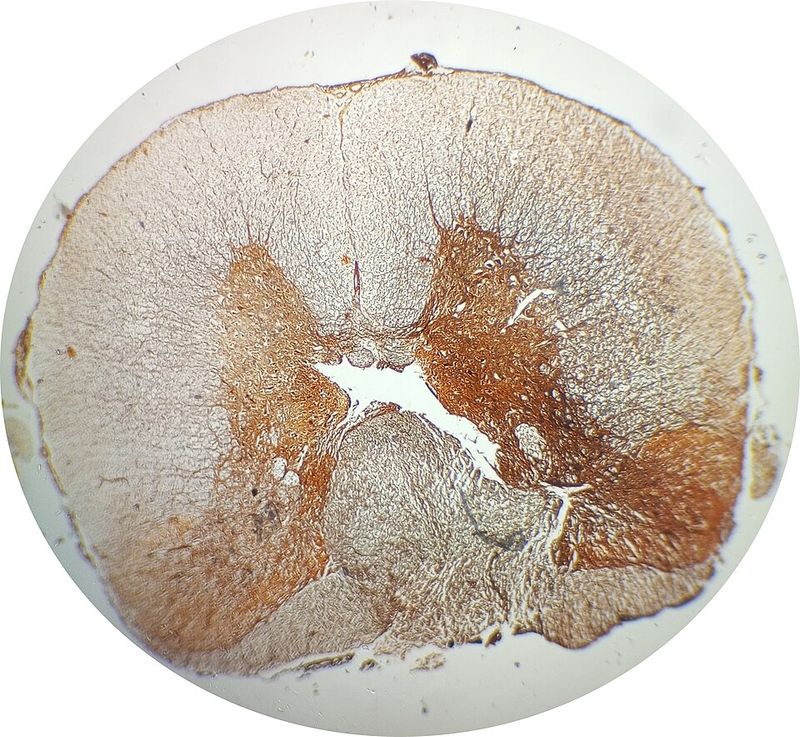
The pale circular frame holds a rounded form that roughly mirrors left and right, a bit like a butterfly. The two sides are close but not identical.
Find the bright, jagged white opening at the center. It is the emptiest spot, and it pulls the eye in first.
Look at the dense orange-brown on the right, where the color pools and darkens. It reads as soaked into the surface rather than sitting on top.
On the left, a smaller orange patch mirrors the right one, but it is lighter and more broken up. Compare the two sides for the slight imbalance.
Near the top, thin dark streaks fan out from the orange areas into the paler surface, like roots or fine cracks spreading outward.
The full narration walks you through Impregnazione — the story behind it, the details most visitors miss, and why it matters. Free in the Art Whisper app.
Piero Manzoni challenged the very definition of art with audacious works like 'Artist's Shit,' turning everyday objects and even bodily functions into conceptual statements.
Beyond Manzoni: works from the same years.
 Same era · 1940s–1970s
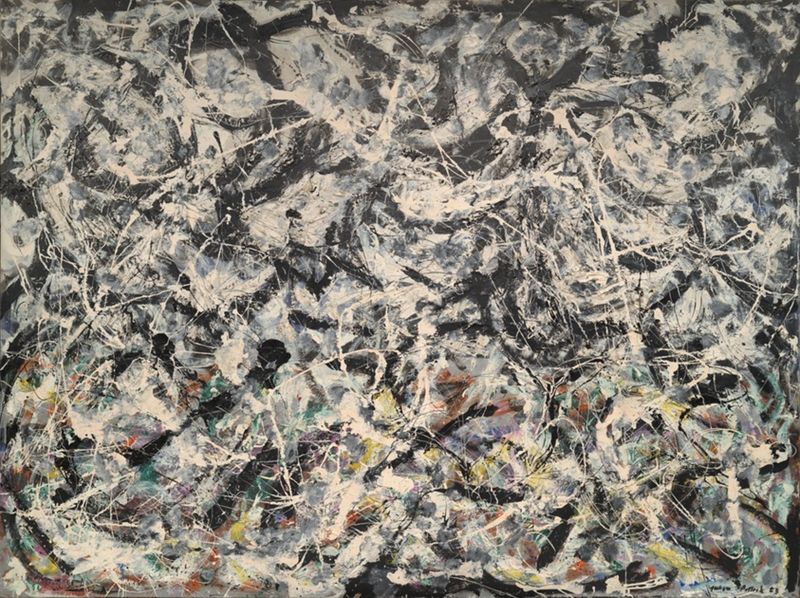
Greyed Rainbow
Jackson Pollock · 1953 · Art Institute of Chicago
 Same era · 1940s–1970s
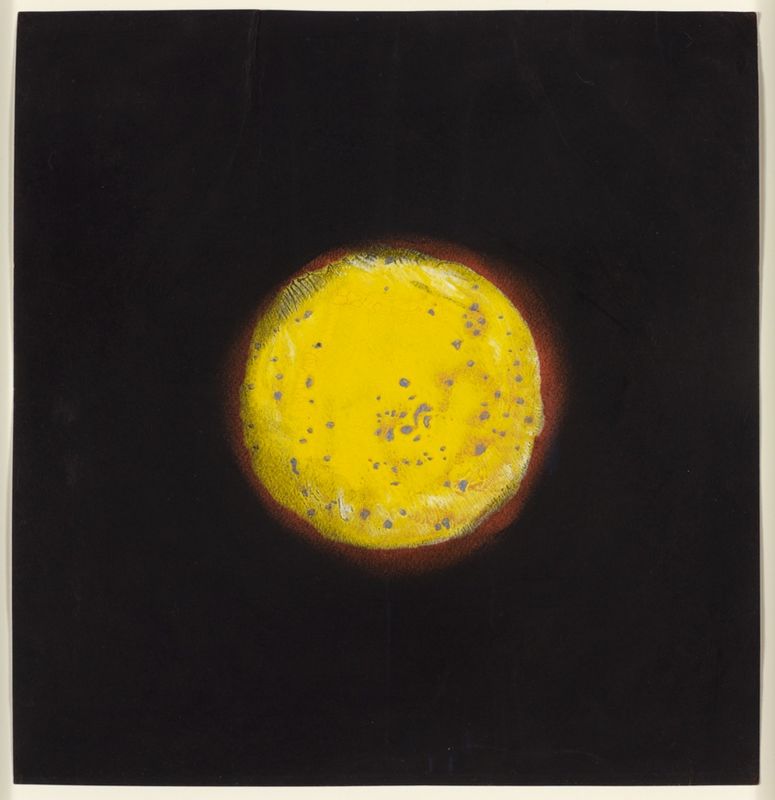
Sun Spot
Yayoi Kusama · 1953 · Art Institute of Chicago
 Same era · 1940s–1970s
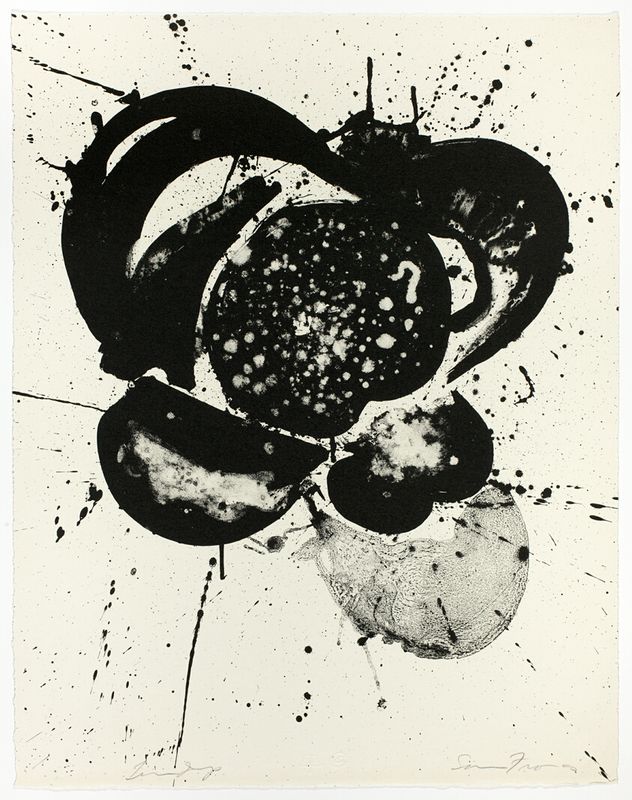
Essai
Sam Francis · 1963 · Art Institute of Chicago
 Same era · 1940s–1970s
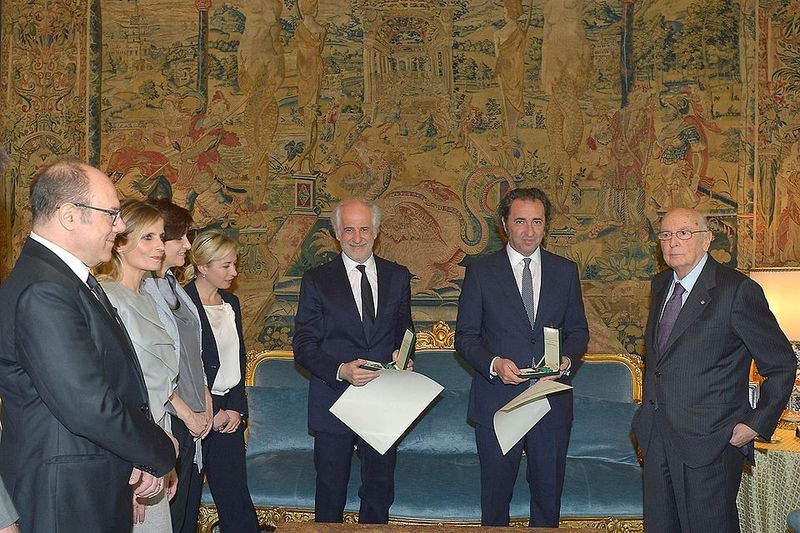
La grande bellezza
Pierre Alechinsky · 1965
 Same era · 1940s–1970s
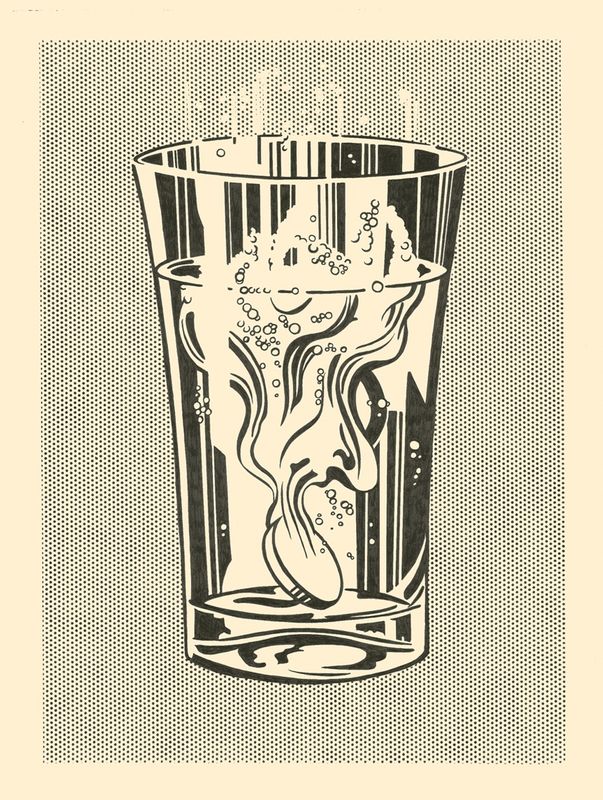
Alka Seltzer
Roy Lichtenstein · 1966 · Art Institute of Chicago
 Same era · 1940s–1970s
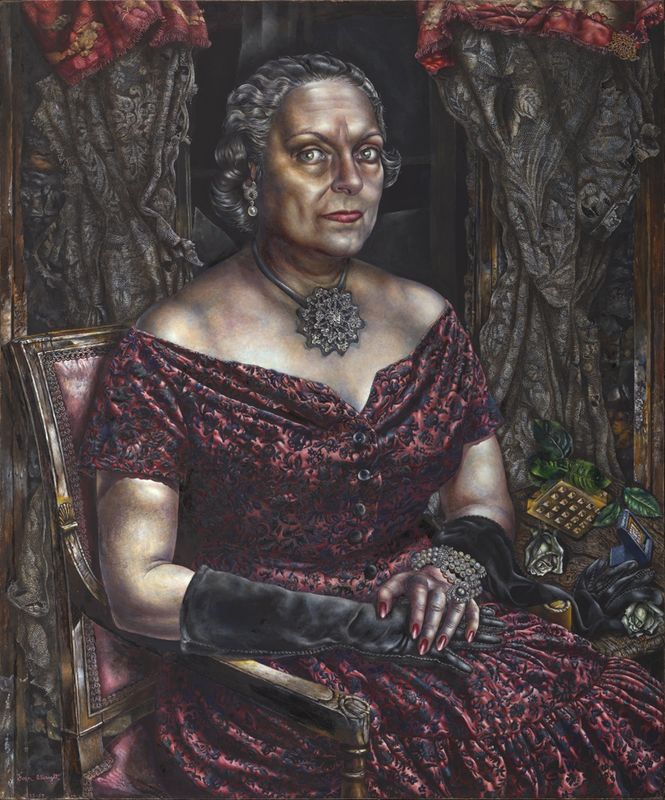
Portrait of Mary Block
Ivan Puni · 1955 · Art Institute of Chicago
 Same era · 1940s–1970s
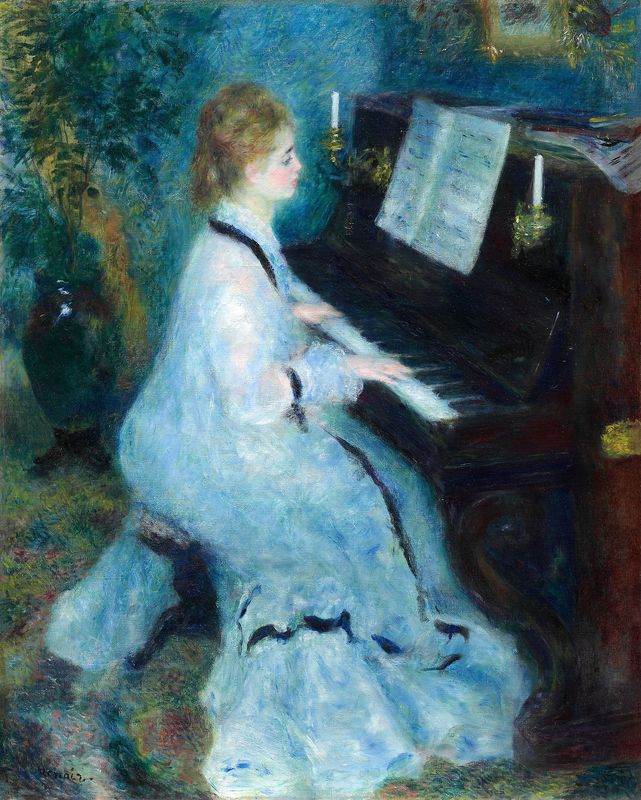
Woman at the Piano
Philip Evergood · 1955 · Smithsonian American Art Museum
 Same era · 1940s–1970s
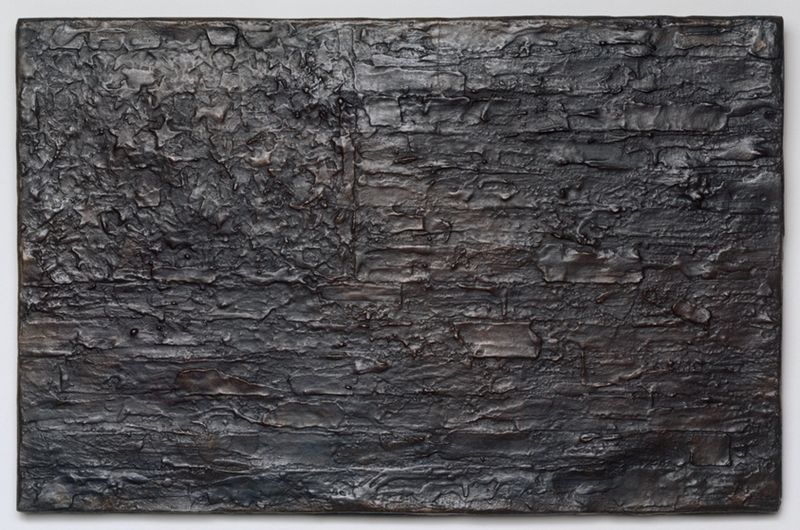
Flag
Jasper Johns · 1958
 Same era · 1940s–1970s
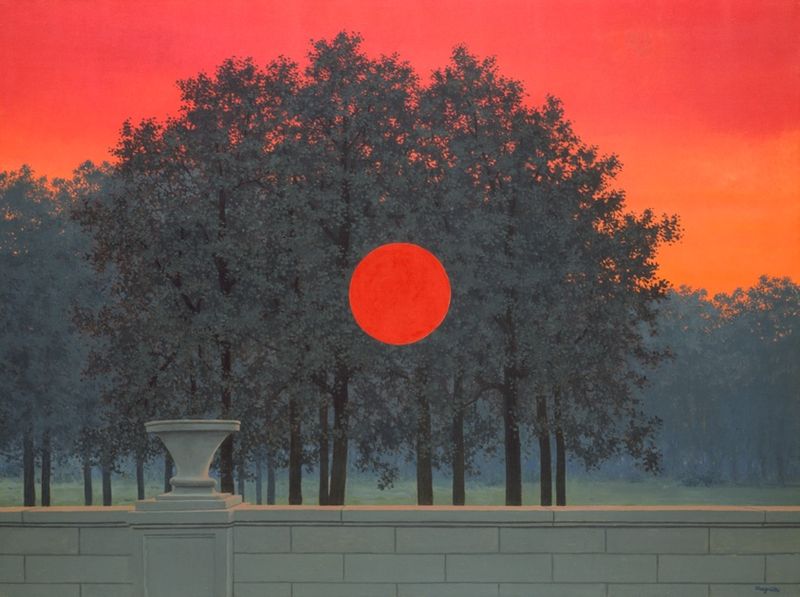
The Banquet
René Magritte · 1958 · Art Institute of Chicago
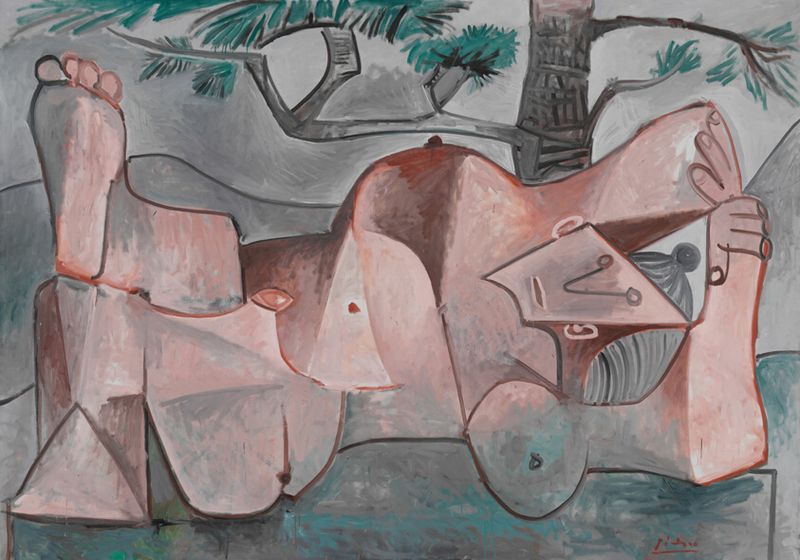 Same era · 1940s–1970s
Nude under a Pine Tree
Pablo Picasso · 1959 · Art Institute of Chicago
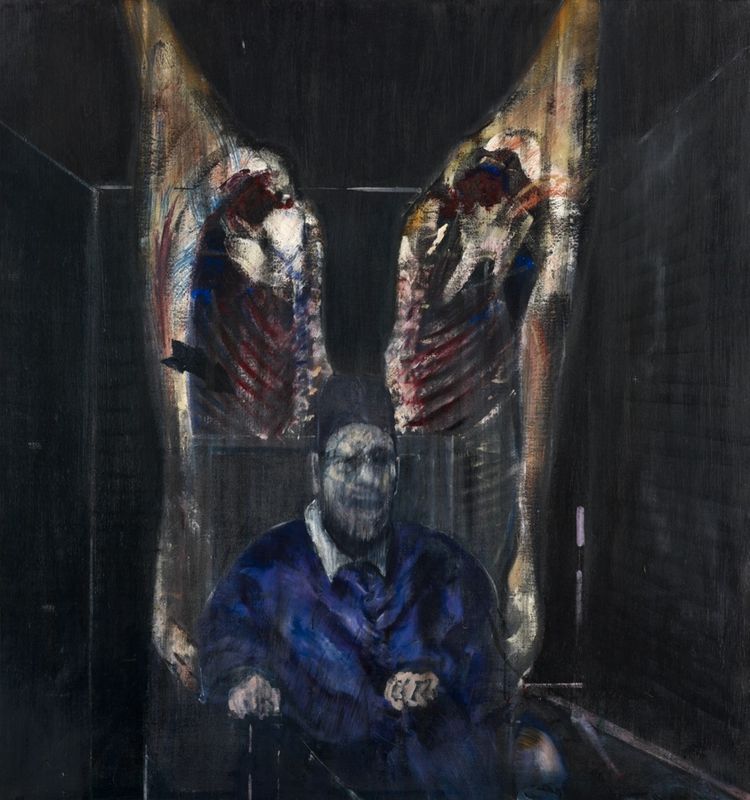 Same era · 1940s–1970s
Figure with Meat
Francis Bacon · 1954 · Art Institute of Chicago
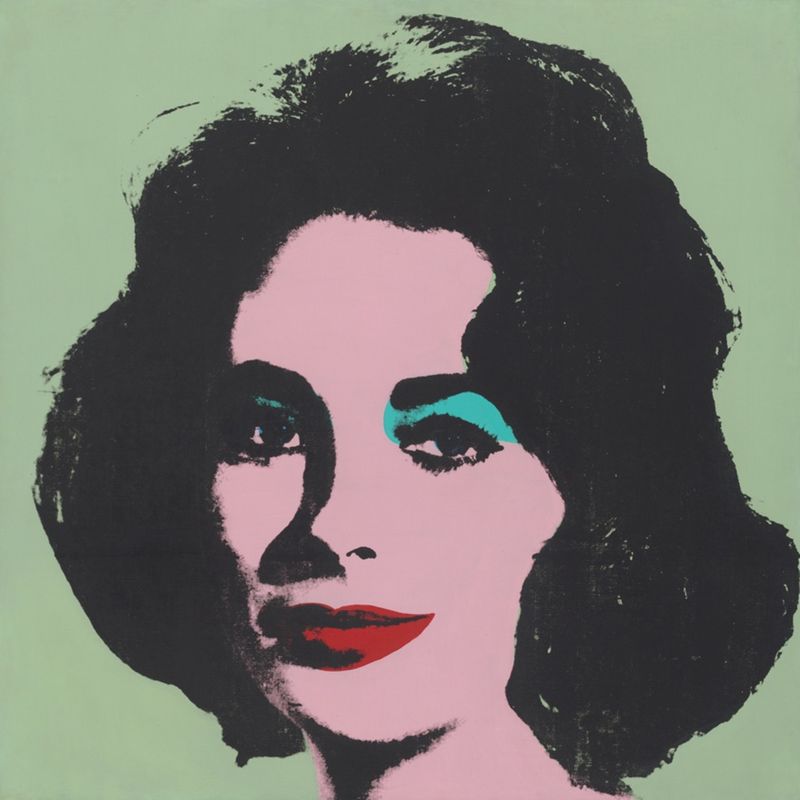 Same era · 1940s–1970s
Liz #3 [Early Colored Liz]
Andy Warhol · 1963 · Art Institute of Chicago