
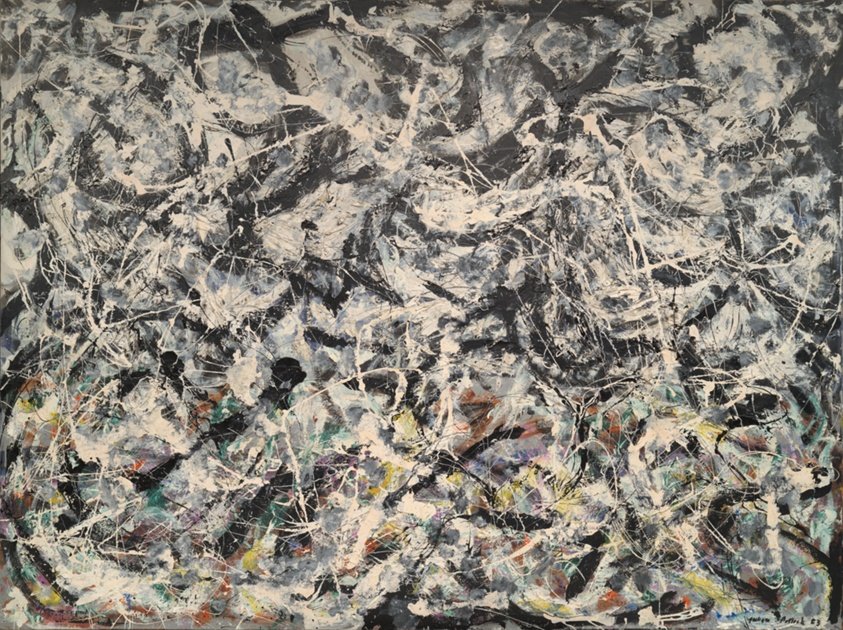
“This powerful painting shows Pollock's famous 'drip technique' with a surprising twist: a subtle, almost hidden rainbow emerging from a storm of grey and black, hinting at a shift in his artistic approach.”
A swirling vortex of muted color and energetic lines greets you in Jackson Pollock's "Greyed Rainbow." This painting, from 1953, marks a fascinating moment in his career, as it reintroduces a sense of structure and even a hint of figuration into his signature drip technique. While the canvas is still a dense field of flung and poured paint, you can discern vertical bands of color, almost like a spectral, deconstructed rainbow. These soft blues, yellows, and oranges are largely obscured by a web of black, white, and grey, giving the work its melancholic title. The raw, unprimed linen peeks through in places, grounding the chaotic surface and adding to the painting's textural complexity. It feels both spontaneous and deeply considered, a dynamic interplay between control and chance that pulls you into its depths.
- Artist
- Jackson Pollock
- Date
- 1953
- Medium
- Oil on linen
- Location
- Art Institute of Chicago
What to Notice
Four details hide in plain sight. Here’s where to look.
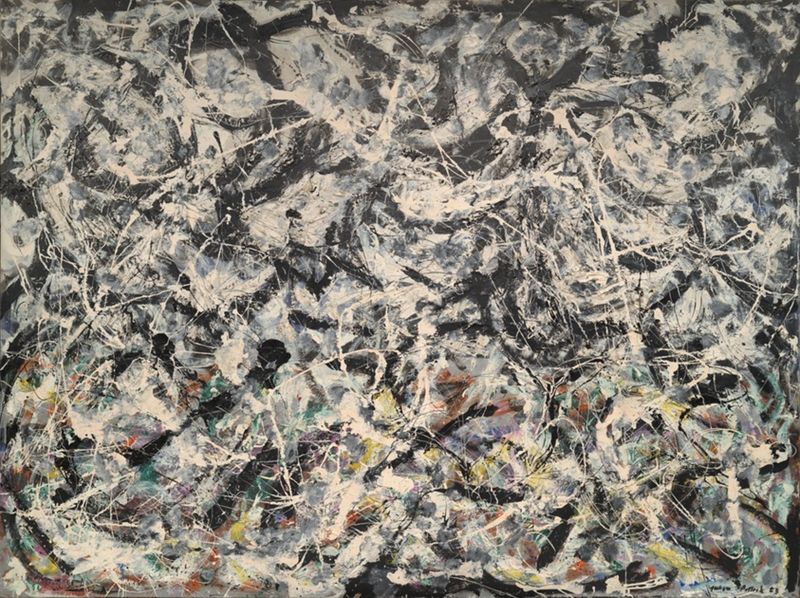
Look for faint vertical bands of color beneath the grey and black.
Notice how the raw, unprimed linen shows through in several areas.
Trace the paths of individual drips and splatters across the surface.
Observe the interplay between dense, layered paint and sparser sections.
Stand in front of it and listen
The full narration walks you through Greyed Rainbow — the story behind it, the details most visitors miss, and why it matters. Free in the Art Whisper app.
Jackson Pollock
1912–1956 · United StatesPaul Jackson Pollock was an American painter. A major figure in the abstract expressionist movement, he was widely noticed for his "drip technique" of pouring or splashing liquid household paint onto a horizontal surface, enabling him to view and paint his canvases from all angles. It was called all-over painting and action painting, because Pollock covered the entire canvas and used the force of his whole body to paint, often in a frenetic dancing style. This extreme form of abstraction divided critics: some praised the immediacy of the creation, while others derided the random effects.
Further Works by Pollock
More from Tachisme
More works to explore
Beyond Pollock and Tachisme: works from the same years.
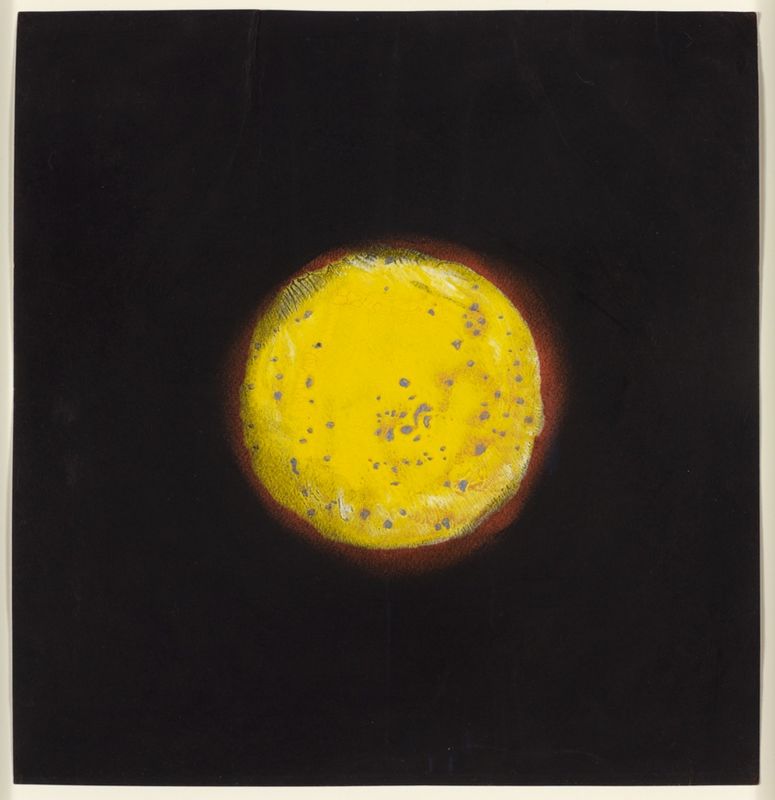 Same era · 1930s–1960s
Sun Spot
Yayoi Kusama · 1953 · Art Institute of Chicago
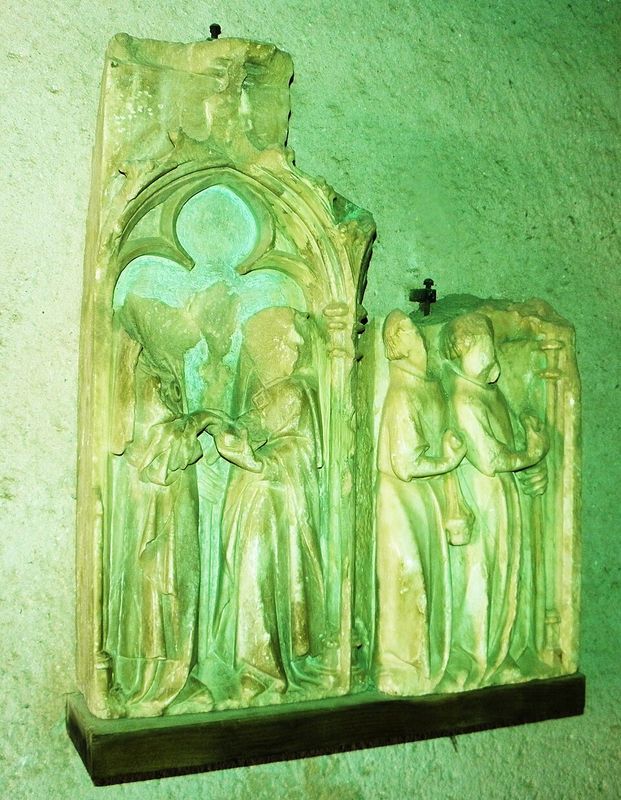 Same era · 1930s–1960s
Deux personnages
Pierre Alechinsky · 1950
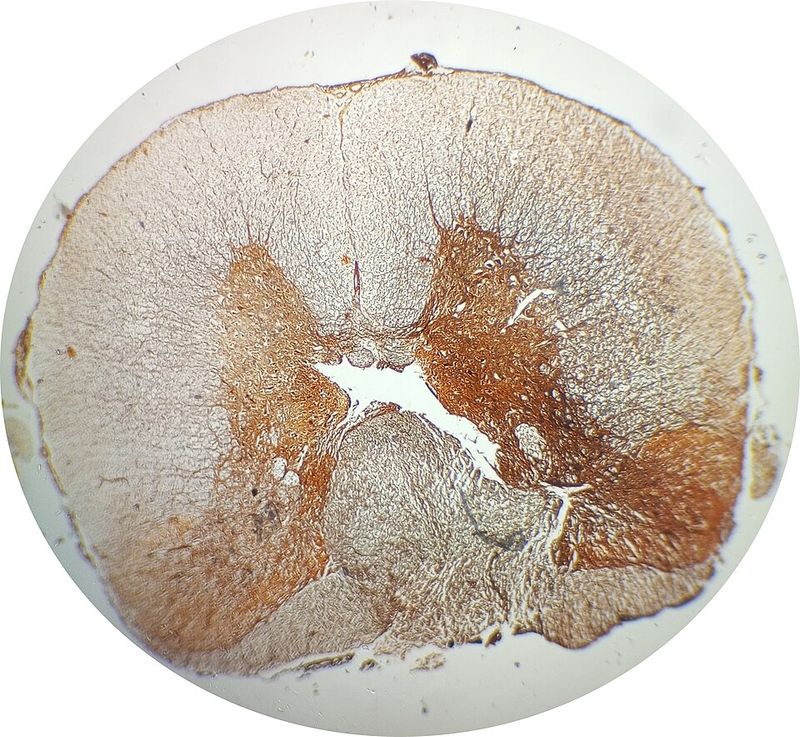 Same era · 1930s–1960s
Impregnazione
Piero Manzoni · 1958
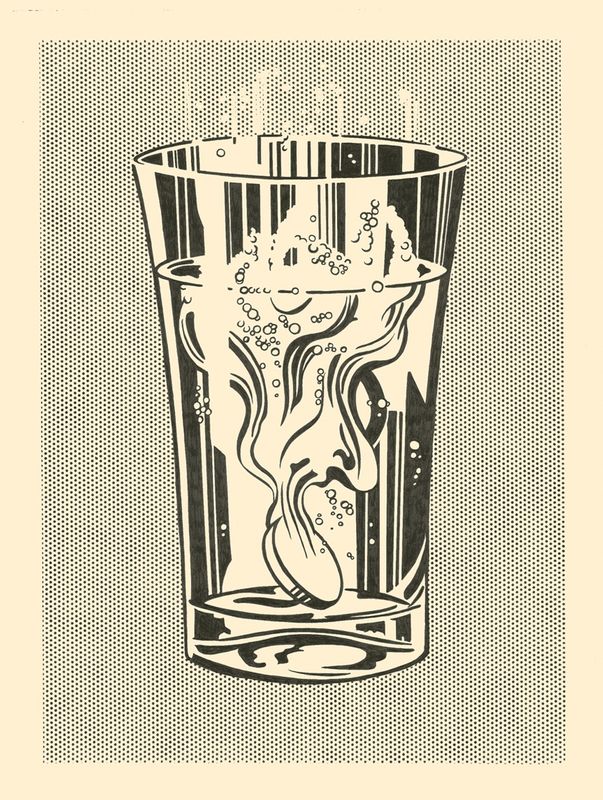 Same era · 1930s–1960s
Alka Seltzer
Roy Lichtenstein · 1966 · Art Institute of Chicago
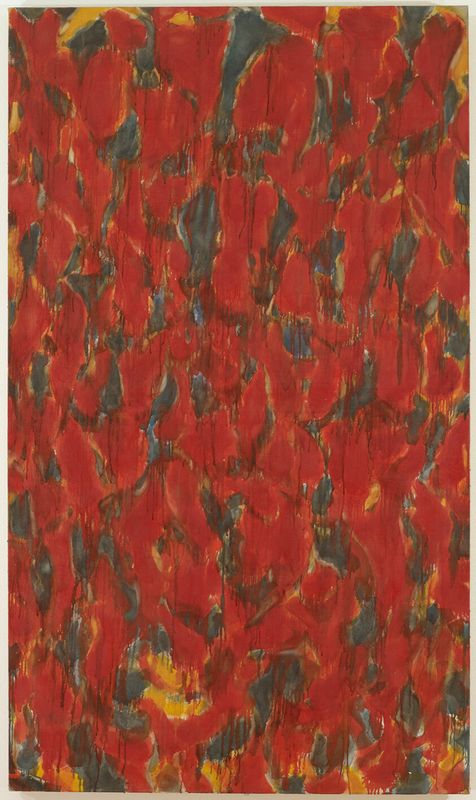 Same era · 1930s–1960s
Red No. 2
Sam Francis · 1954 · Art Institute of Chicago
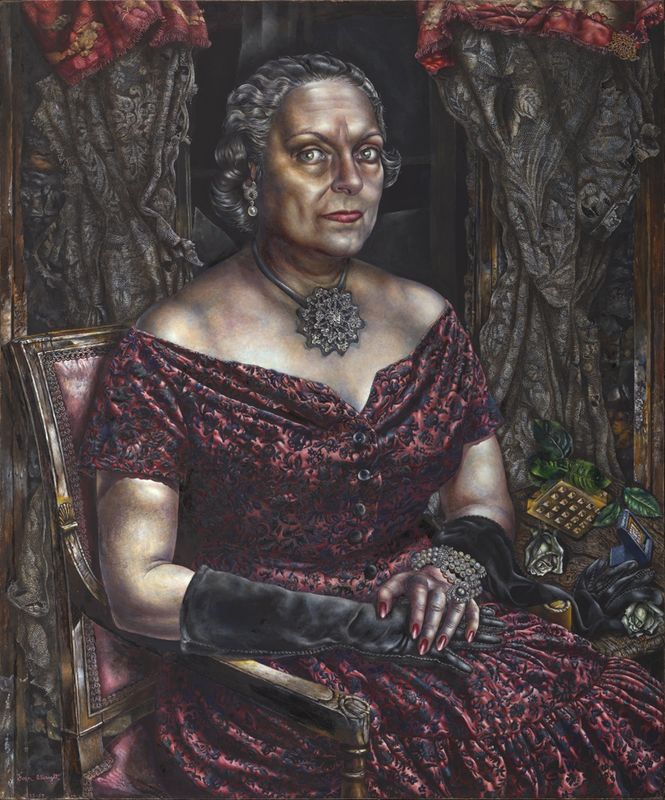 Same era · 1930s–1960s
Portrait of Mary Block
Ivan Puni · 1955 · Art Institute of Chicago
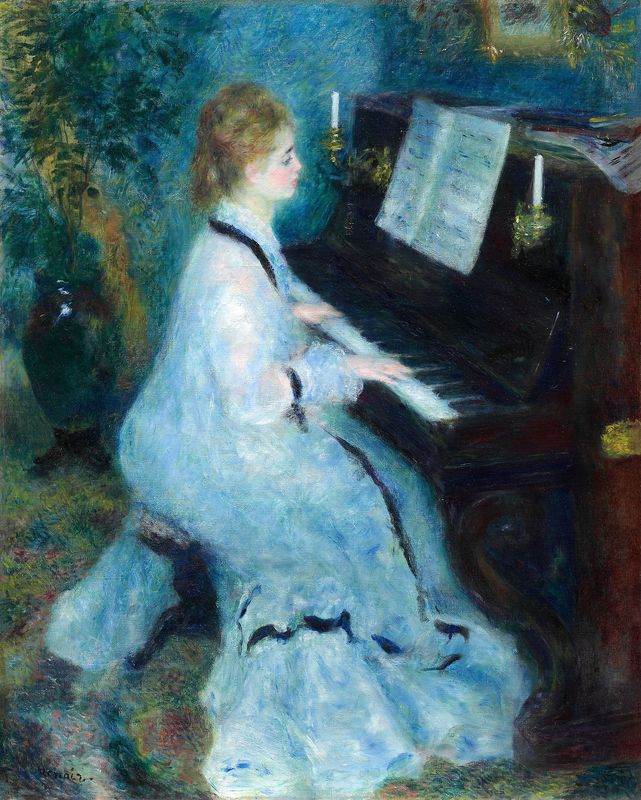 Same era · 1930s–1960s
Woman at the Piano
Philip Evergood · 1955 · Smithsonian American Art Museum
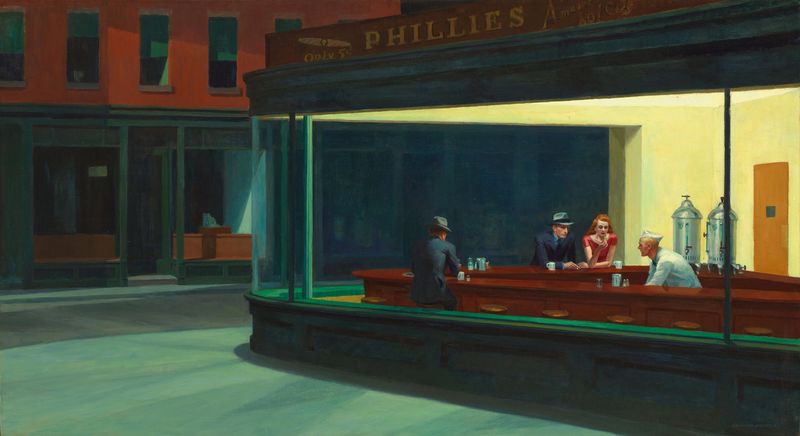 Same era · 1930s–1960s
Nighthawks
Okada Saburosuke · 1942 · Art Institute of Chicago
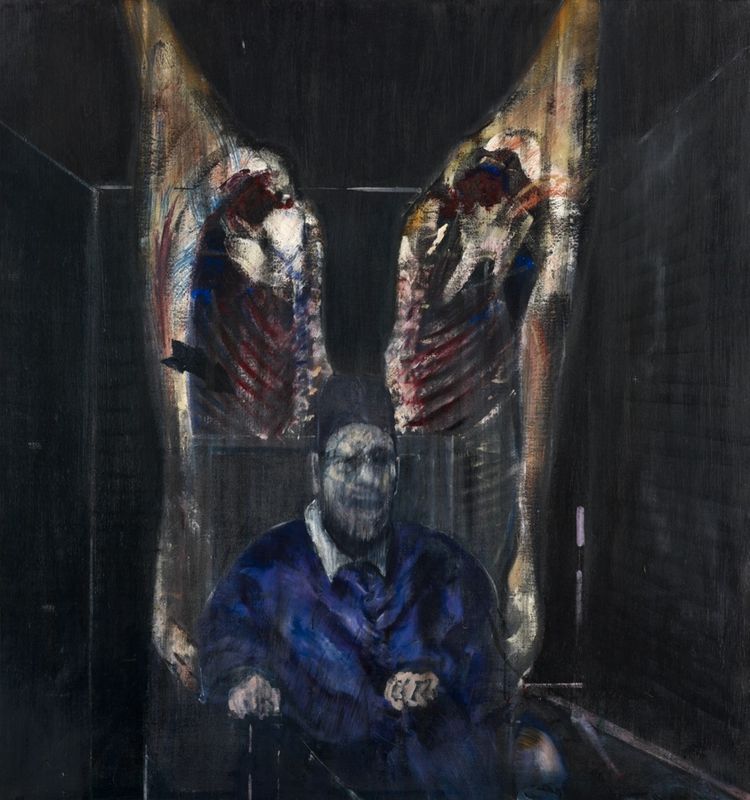 Same era · 1930s–1960s
Figure with Meat
Francis Bacon · 1954 · Art Institute of Chicago
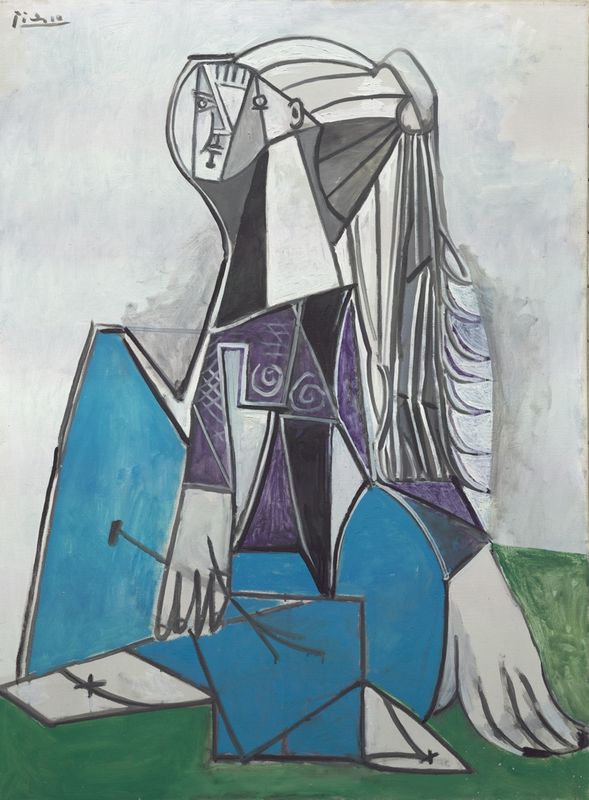 Same era · 1930s–1960s
Portrait of Sylvette David
Pablo Picasso · 1954 · Art Institute of Chicago
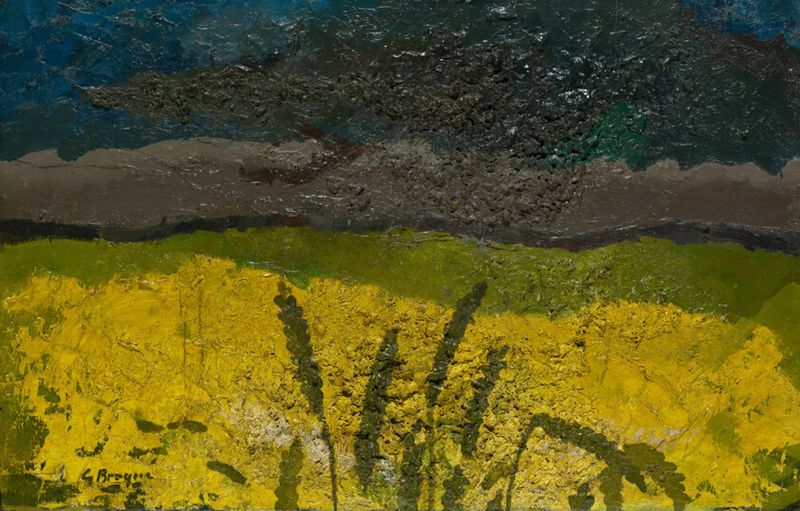 Same era · 1930s–1960s
Wheatfield
Georges Braque · 1951 · Art Institute of Chicago
 Same era · 1930s–1960s
Flag
Jasper Johns · 1958