01
Pink and lilac river
Look at the river in the middle distance. Braque paints the water in patches of pale yellow, lilac and pink, with green reflections, instead of blue.
1 of 5 on the painting
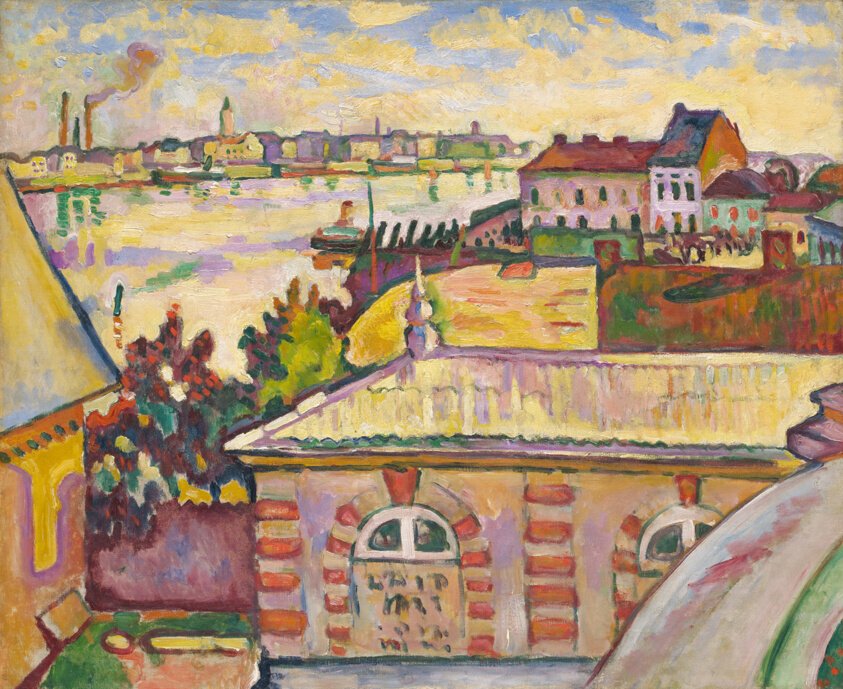
“Stop to see how Georges Braque transforms the city of Antwerp into a riot of pure, unmixed color, reflecting his early exploration of Fauvism. It’s a dynamic, almost aggressive use of color that makes the whole scene pulse with energy.”
Georges Braque painted this vibrant scene of Antwerp in 1906, a pivotal year for him and for modern art. Here, the city is transformed into a dazzling array of bold, unmixed colors, typical of the Fauvist movement he was exploring at the time. Notice how the buildings and boats aren't rendered with traditional realism, but rather as blocks of intense, almost aggressive hues: fiery reds, deep blues, and electric greens. This isn't a serene cityscape; it pulses with an energetic, almost raw quality. The brushwork is visible and direct, emphasizing the artist's hand and the materiality of the paint itself. This approach liberates color from its descriptive function, allowing it to convey emotion and structure independently, making the entire composition feel alive with a dynamic, almost musical rhythm.
Five details hide in plain sight. Pick one and we’ll show you exactly where to look.
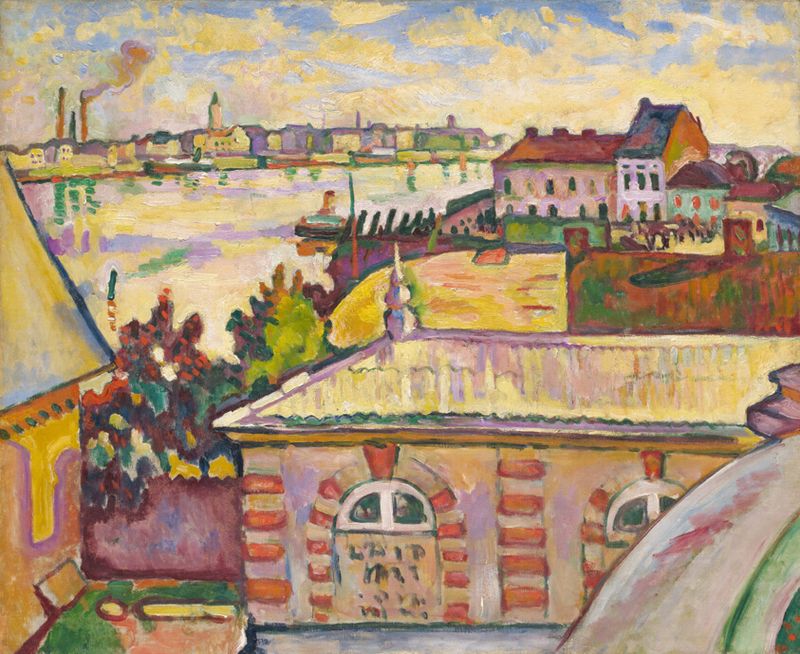
Look at the river in the middle distance. Braque paints the water in patches of pale yellow, lilac and pink, with green reflections, instead of blue.
The big pale roof cuts across the foreground like a wall. It blocks an easy path into the view, so your eye climbs over it toward the far shore.
The tree at left is built from dabs of red, orange, green and cream. The colors sit side by side, unblended, so the leaves seem to flicker.
In the lower center, an arched window is framed by stripes of orange-red brick. The thick outlines and flat, simplified shapes make the wall feel graphic rather than realistic.
On the far left skyline, two thin chimneys send up a trail of pinkish smoke. They hint at the busy, working side of the port.
The full narration walks you through Antwerp — the story behind it, the details most visitors miss, and why it matters. Free in the Art Whisper app.
Co-invented Cubism with Picasso, creating works so similar experts couldn't tell them apart for years.
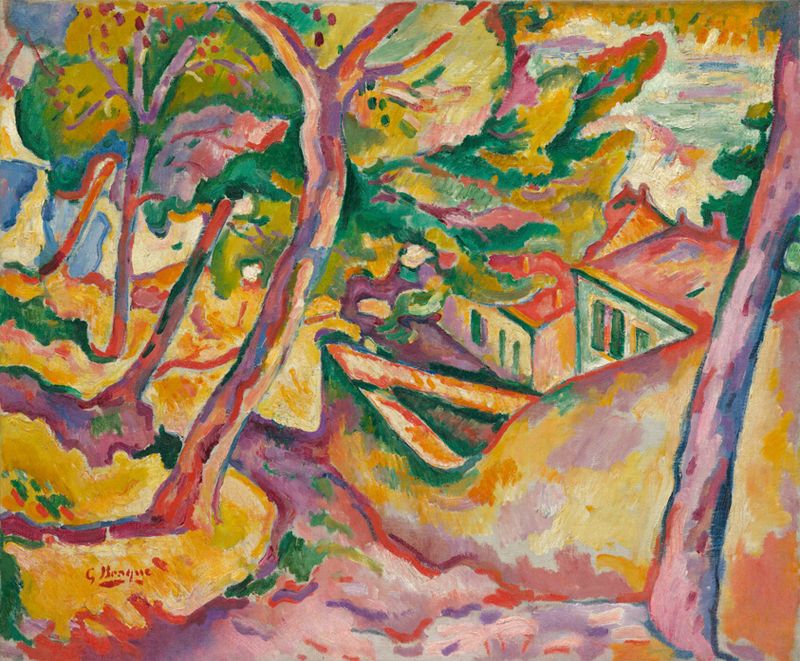 Landscape at L'Estaque
1906 · Art Institute of Chicago
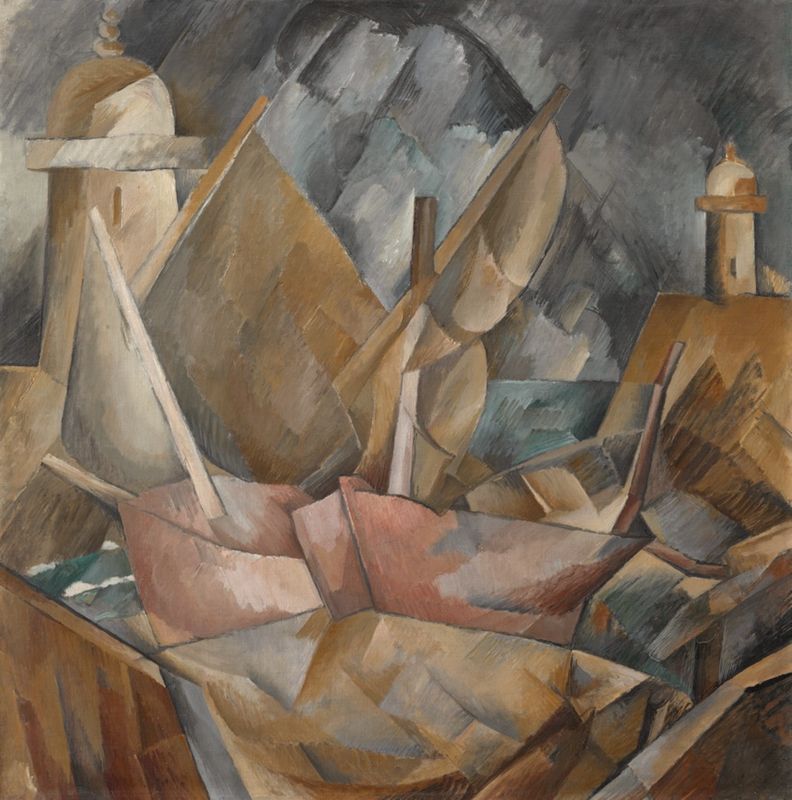 Little Harbor in Normandy
1909 · Art Institute of Chicago
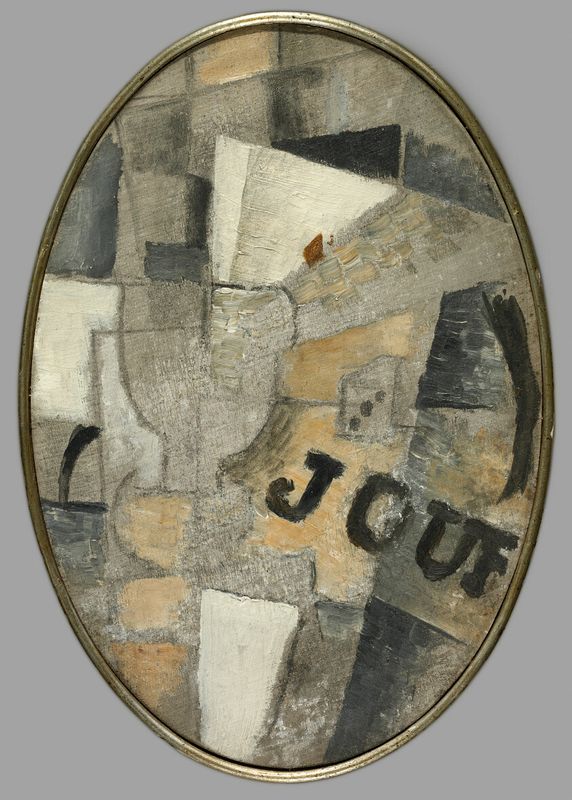 Still Life with Glass, Dice, Newspaper and Playing Card
1913 · Art Institute of Chicago
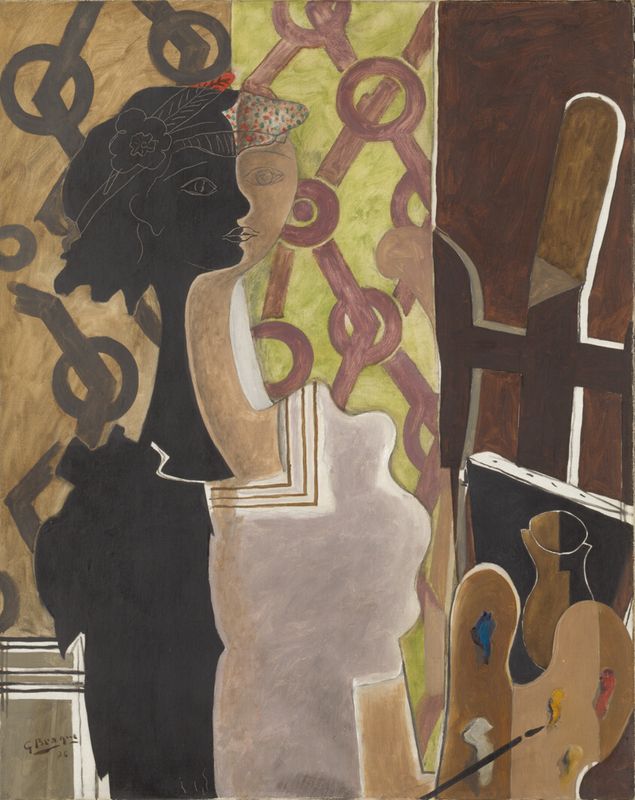 Woman at an Easel (Green Screen)
1936 · Art Institute of Chicago
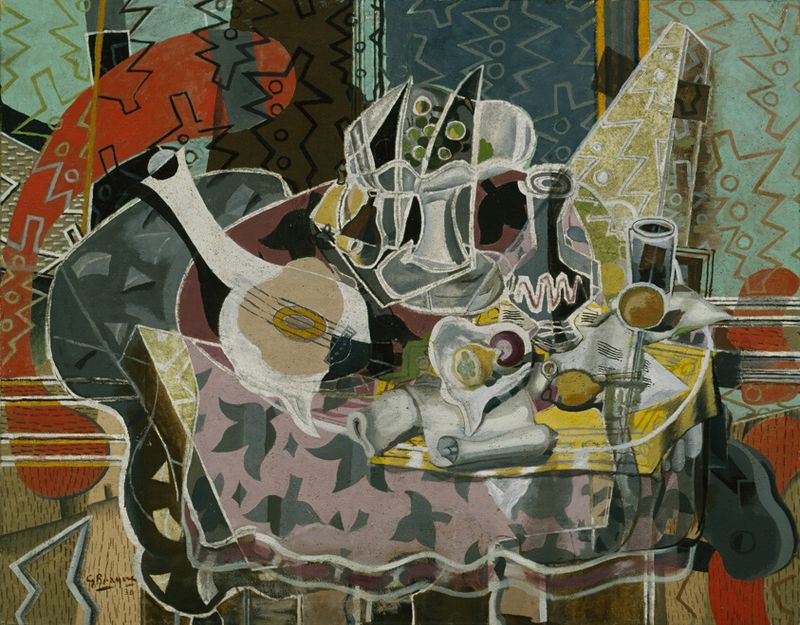 Still Life with Fruits and Stringed Instrument
1938 · Art Institute of Chicago
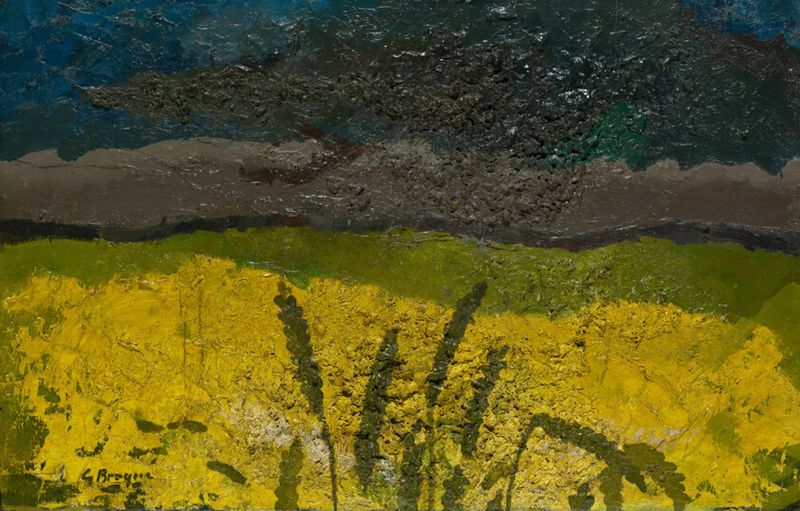 Wheatfield
1951 · Art Institute of Chicago
Beyond Braque and Cubism: works from the same years, and from the other movements Antwerp belongs to.
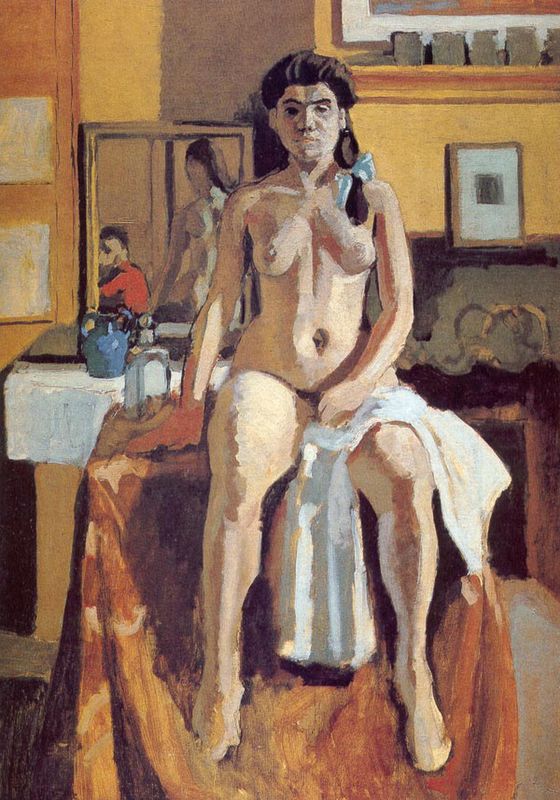 Same movement · Fauvism
Carmelina
Henri Matisse · 1903 · Museum of Fine Arts Boston
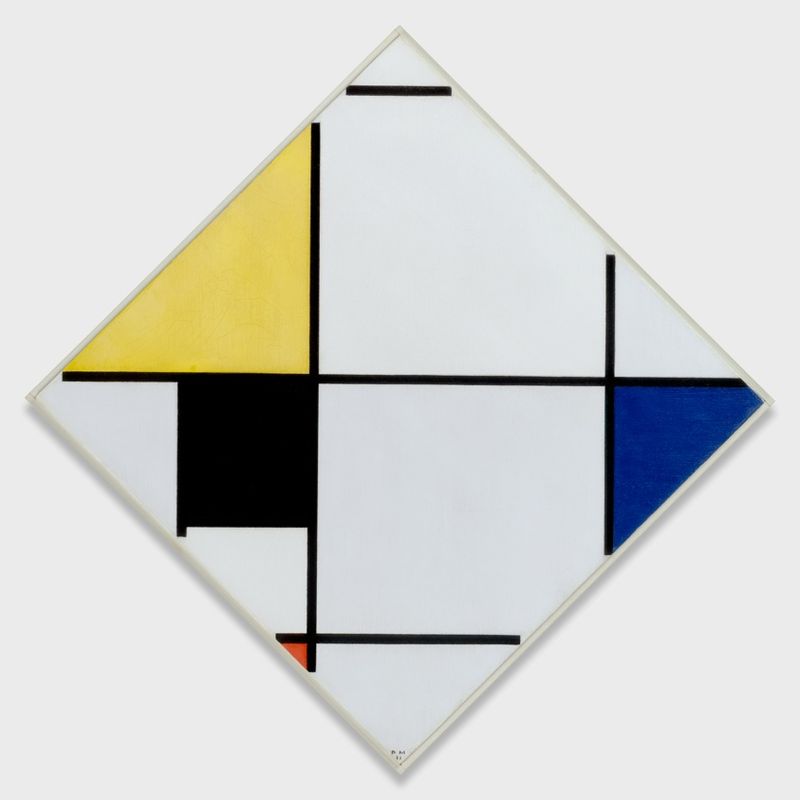 Same era · 1890s–1920s
Lozenge Composition with Yellow, Black, Blue, Red, and Gray
Piet Mondrian · 1921 · Art Institute of Chicago
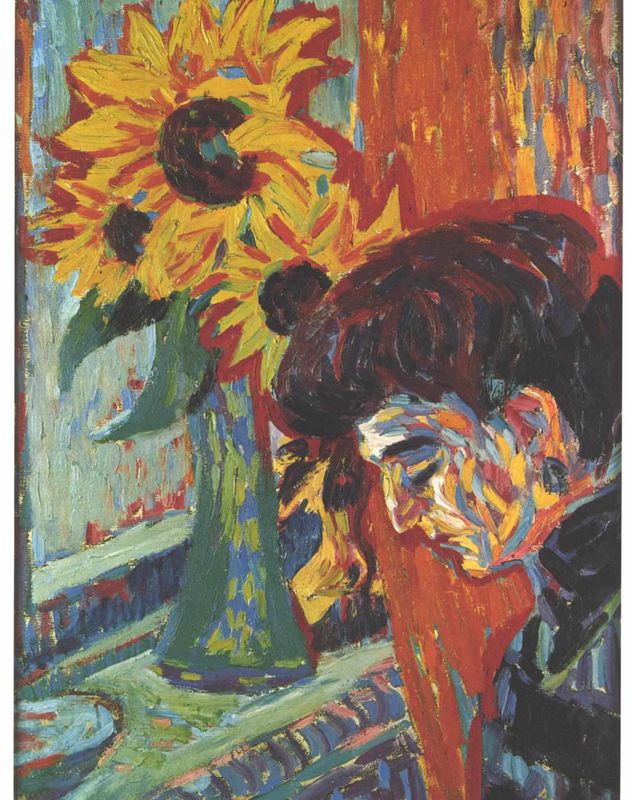 Same era · 1890s–1920s
Frauenkopf vor Sonnenblumen
Ernst Ludwig Kirchner · 1906 · Museum Frieder Burda
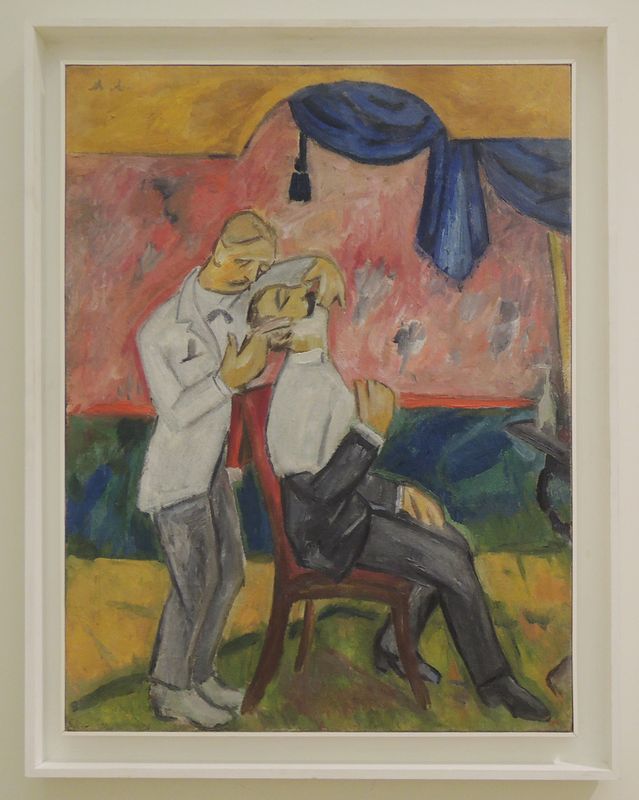 Same era · 1890s–1920s
Barber
Mikhail Larionov · 1907 · Russian Museum
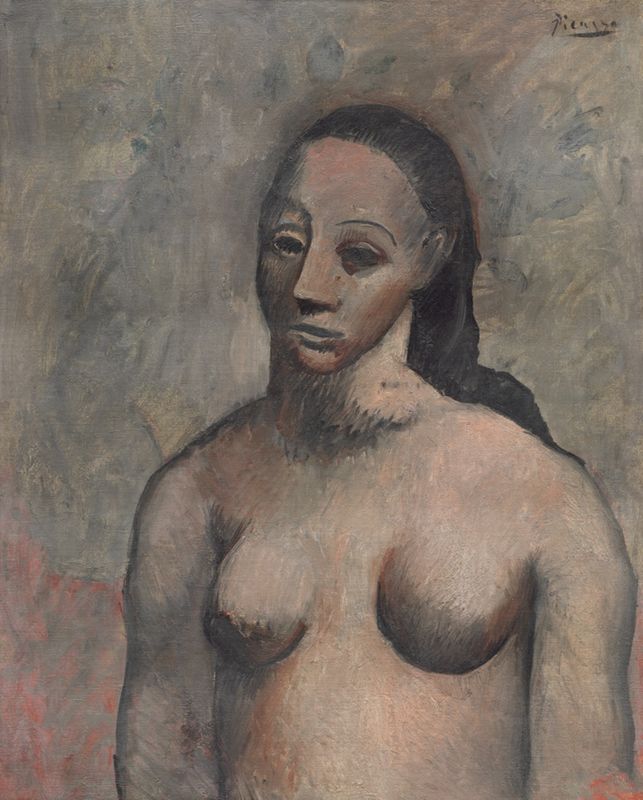 Same era · 1890s–1920s
Half-Length Female Nude
Pablo Picasso · 1906 · Art Institute of Chicago
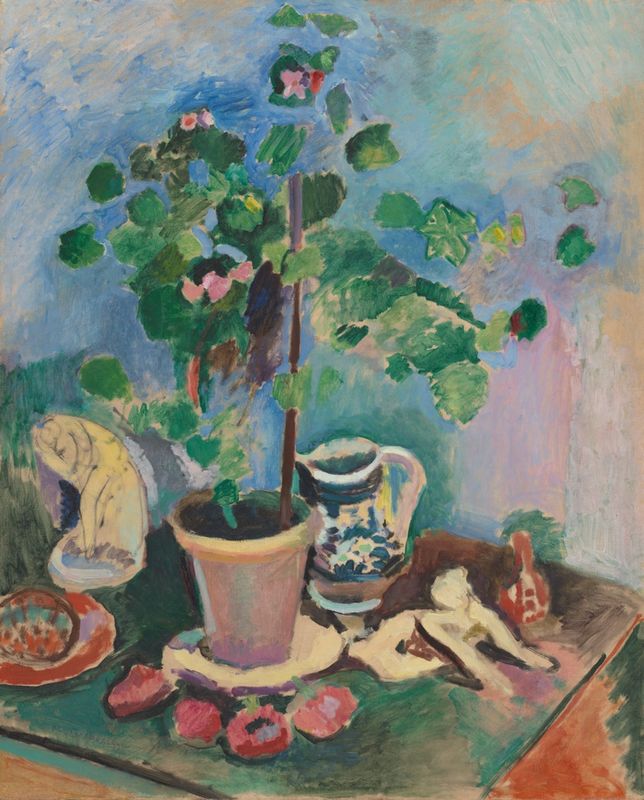 Same era · 1890s–1920s
Still Life with Geranium
Henri Matisse · 1906 · Art Institute of Chicago
 Same era · 1890s–1920s
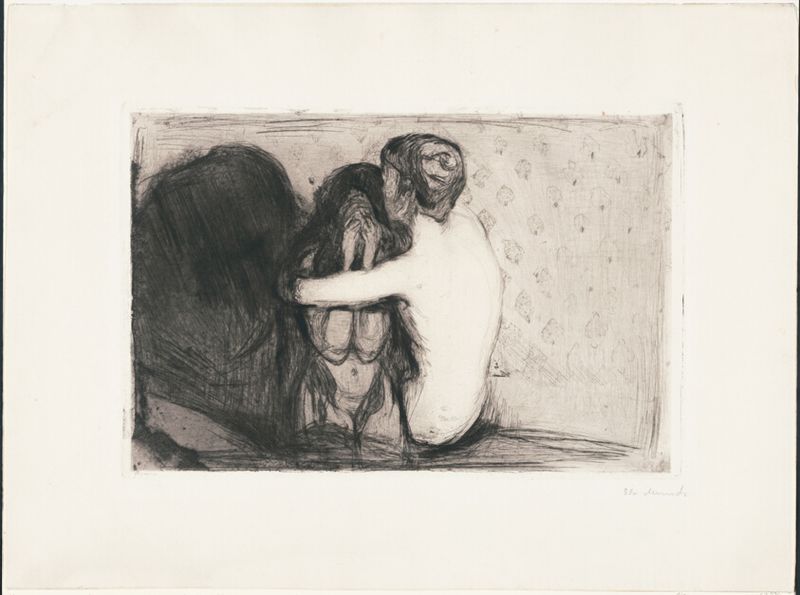
Consolation
Edvard Munch · 1907 · Munch Museum
 Same era · 1890s–1920s
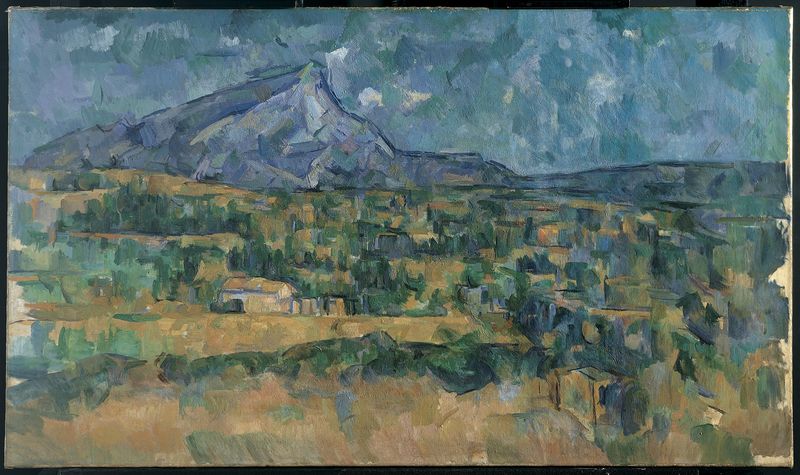
Mont Sainte-Victoire
Paul Cézanne · 1904 · Detroit Institute of Arts
 Same era · 1890s–1920s
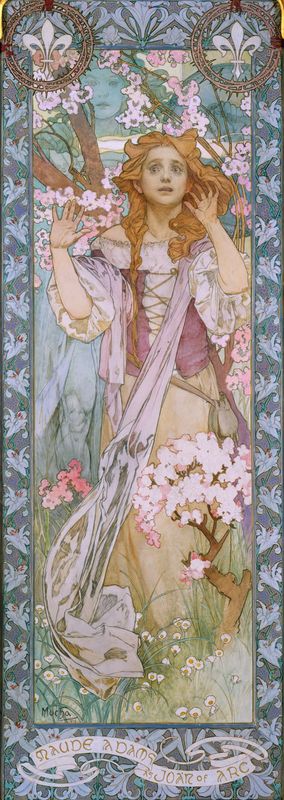
Maude Adams (1872–1953) as Joan of Arc
Alphonse Mucha · 1909 · The Metropolitan Museum of Art
 Same era · 1890s–1920s
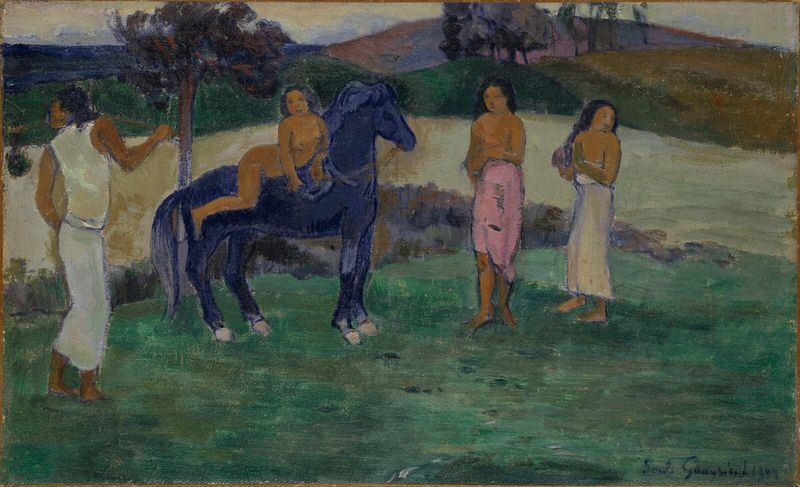
Composition with Figures and a Horse
Paul Gauguin · 1902 · Nationalmuseum
 Same era · 1890s–1920s
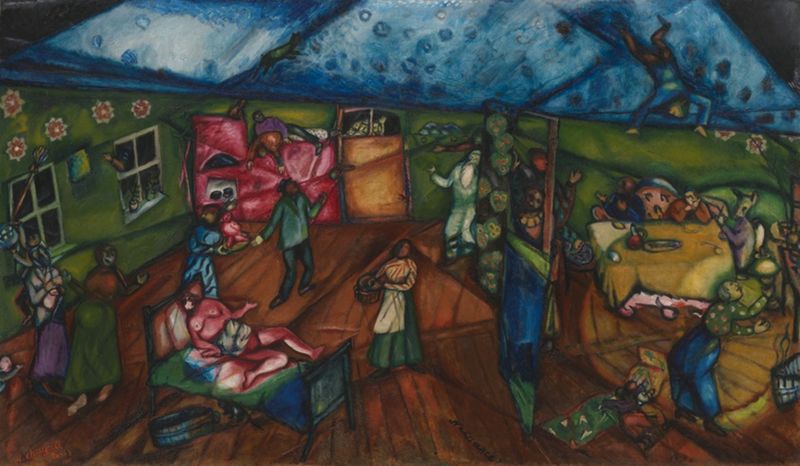
Birth
Marc Chagall · 1911 · Art Institute of Chicago
 Same era · 1890s–1920s
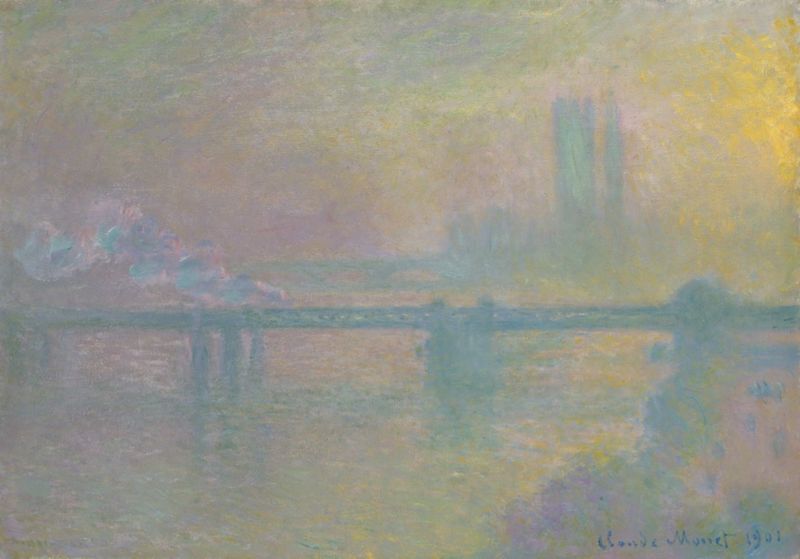
Charing Cross Bridge, London
Claude Monet · 1901 · Art Institute of Chicago
 Same era · 1890s–1920s
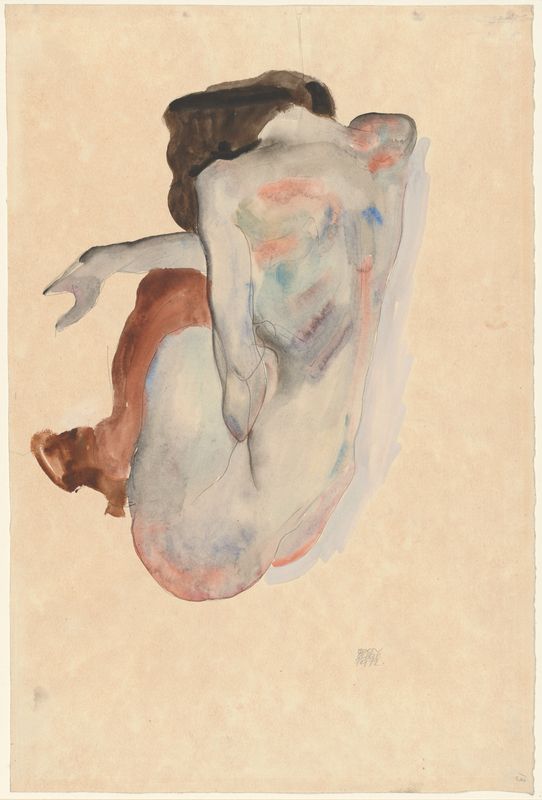
Crouching Nude in Shoes and Black Stockings, Back View
Egon Schiele · 1912 · The Metropolitan Museum of Art