
“Surrealism exploded onto the art scene in 1920s Paris like a dream bursting into waking life—which is exactly what its founders intended.”
Led by poet André Breton, Surrealists believed the unconscious mind held truths that rational thought couldn't reach. They wanted to unlock the imagination by bypassing logic entirely, creating art that felt like walking through someone else's dream. Picture melting clocks, floating apples, and lobster telephones—objects you recognize, but behaving in ways that defy all reason.
What makes Surrealism instantly recognizable is this strange collision between the familiar and the impossible. These artists painted with meticulous, often photographic precision, but they used that technical skill to depict utterly irrational scenes. A train emerging from a fireplace, elephants on spider legs, men in bowler hats raining from the sky—Surrealists took the visual language of realism and twisted it into something uncanny. They were heavily influenced by Freud's theories about dreams and the subconscious, and many used techniques like automatic drawing (letting the hand move without conscious control) to tap into deeper psychological truths.
As you walk through a Surrealist gallery, you might feel unsettled, amused, or mysteriously moved—often all at once. That's intentional. Surrealism wasn't just an art style; it was a revolution against rationalism, conventional morality, and the horror of World War I. These artists believed that by liberating the imagination, they could transform society itself. From the 1920s through the 1950s, Surrealism spread from Paris across Europe and to the Americas, influencing everything from film to fashion, and its dreamlike imagery still permeates popular culture today.
- Period
- c. 1924–1950
- Peak
- around 1930
- Born in
- Paris, France
- Key artists
- Francis Bacon, Frida Kahlo, Louise Bourgeois, Max Ernst
- Came before
- Dada
- Came after
- Abstract Expressionism
When it happened
- CAME BEFOREDada
- ~1924 · STARTED
- ~1930 · PEAKED
- ~1950 · ENDED
- CAME AFTERAbstract Expressionism
What makes it Surrealism
Dreamlike Impossible Combinations
Realistic objects placed in bizarre contexts or illogical arrangements that feel like scenes from dreams or nightmares.
e.g. The Persistence of Memory by Salvador DalíHyper-Realistic Painting Technique
Meticulously detailed, almost photographic rendering that makes the impossible scenes feel disturbingly plausible.
e.g. The Son of Man by René MagritteSymbolic and Psychological Imagery
Recurring symbols like eyes, keys, doors, or metamorphosing figures that suggest hidden psychological meanings.
e.g. The Elephants by Salvador DalíDistorted Scale and Gravity
Objects floating, disproportionate sizes, or figures defying physics create disorienting spatial relationships.
e.g. The Listening Room by René MagritteJuxtaposition of Unrelated Objects
Unexpected pairings—lobsters with telephones, trains in fireplaces—that create poetic or unsettling meanings.
e.g. Object (Le Déjeuner en fourrure) by Meret OppenheimHow to spot Surrealism
Three signs you’re standing in front of one — all easy to see in Mountains of Málaga.
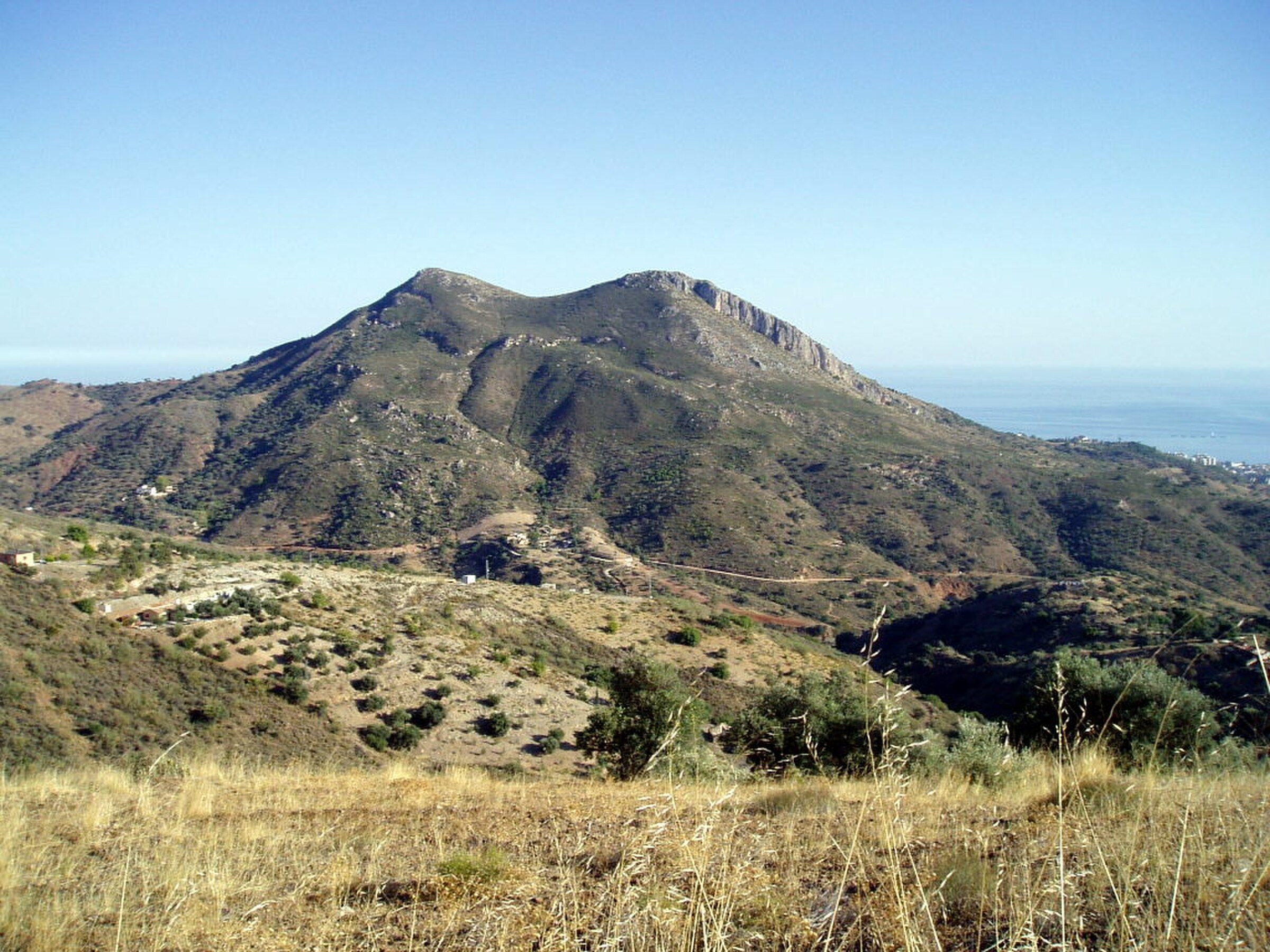
Look for realistic painting style depicting completely unrealistic scenes—if it's painted like a photograph but shows something impossible, it's likely Surrealist.
Check for dream logic: recognizable objects in strange places, distorted scales, or things defying gravity without explanation.
Notice recurring motifs like eyes, bowler hats, apples, melting forms, or metamorphosing figures that hint at psychological symbolism.
Salvador Dalí designed the Chupa Chups lollipop logo in 1969, proving Surrealism could sell candy as well as challenge reality.
André Breton 'expelled' members from Surrealism like a cult leader—Dalí was kicked out for being too commercial and politically problematic.
Surrealists held 'exquisite corpse' drawing parties where each person added to a hidden drawing, creating collaborative dream-monsters.
The artists who defined it
Works to know
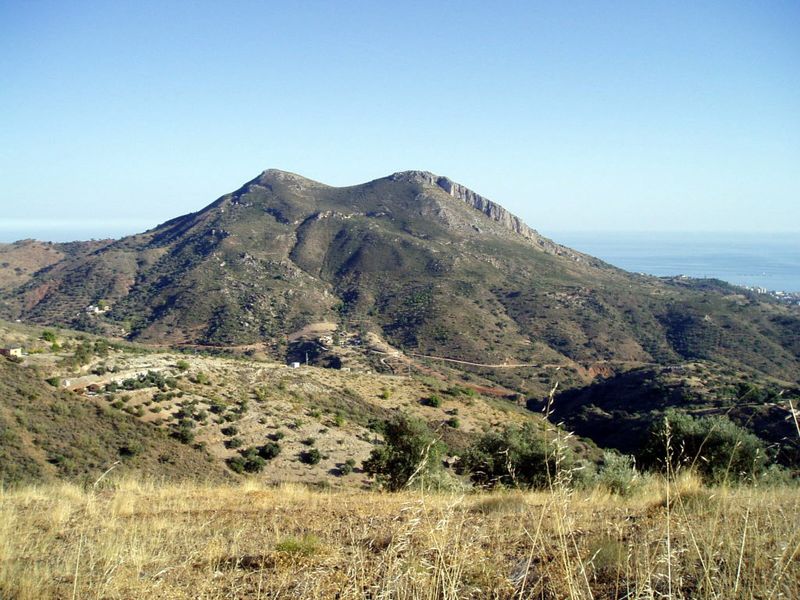 Mountains of Málaga
1896 · Museu Picasso
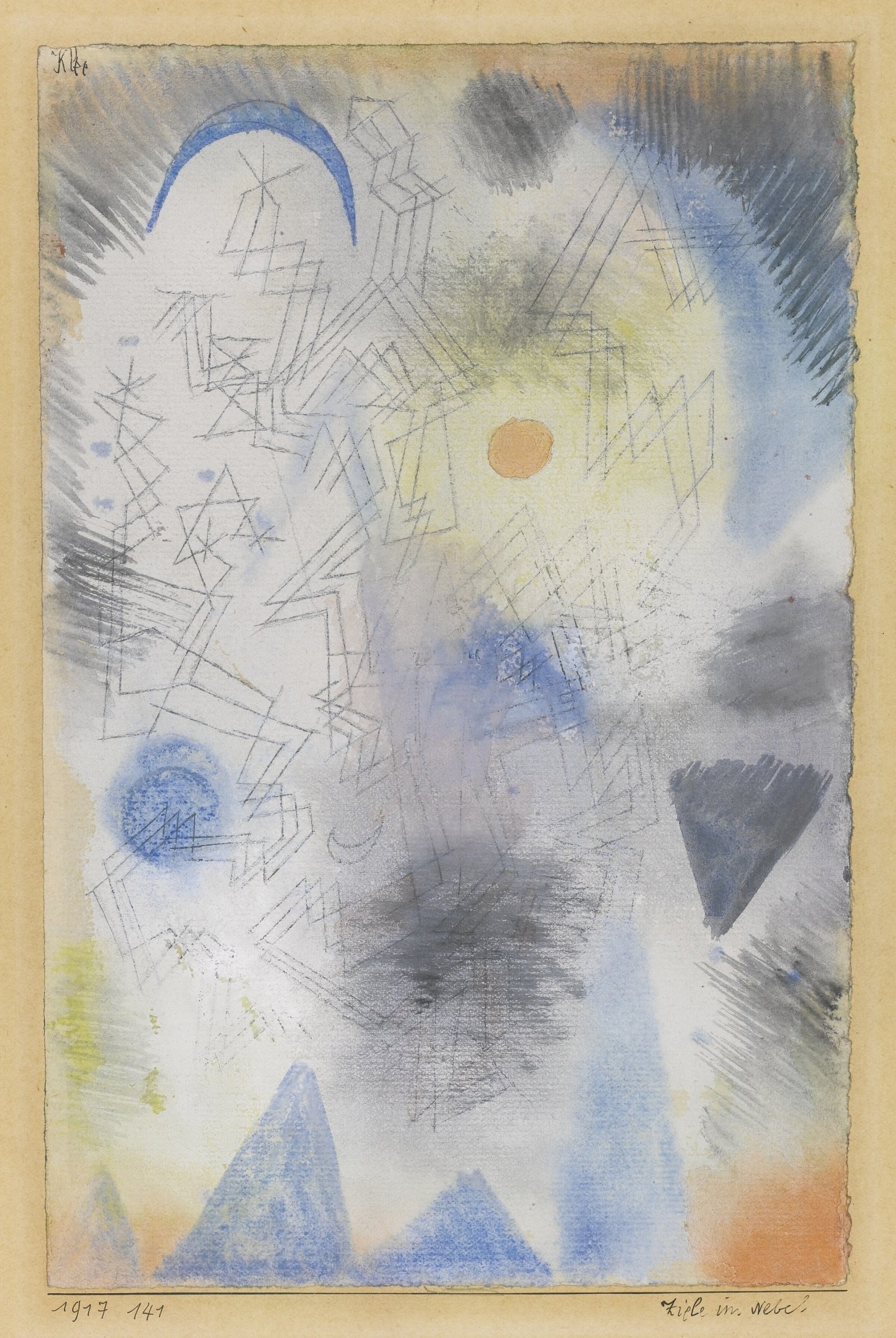
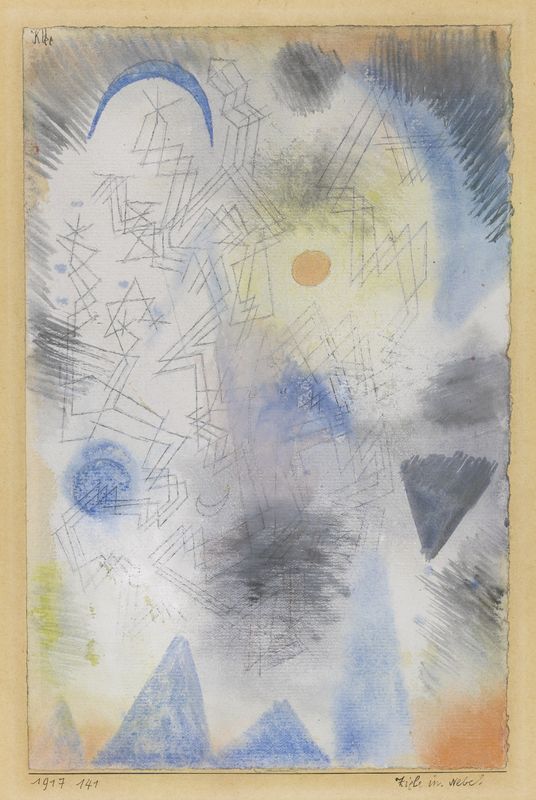 Targets in the fog
1917
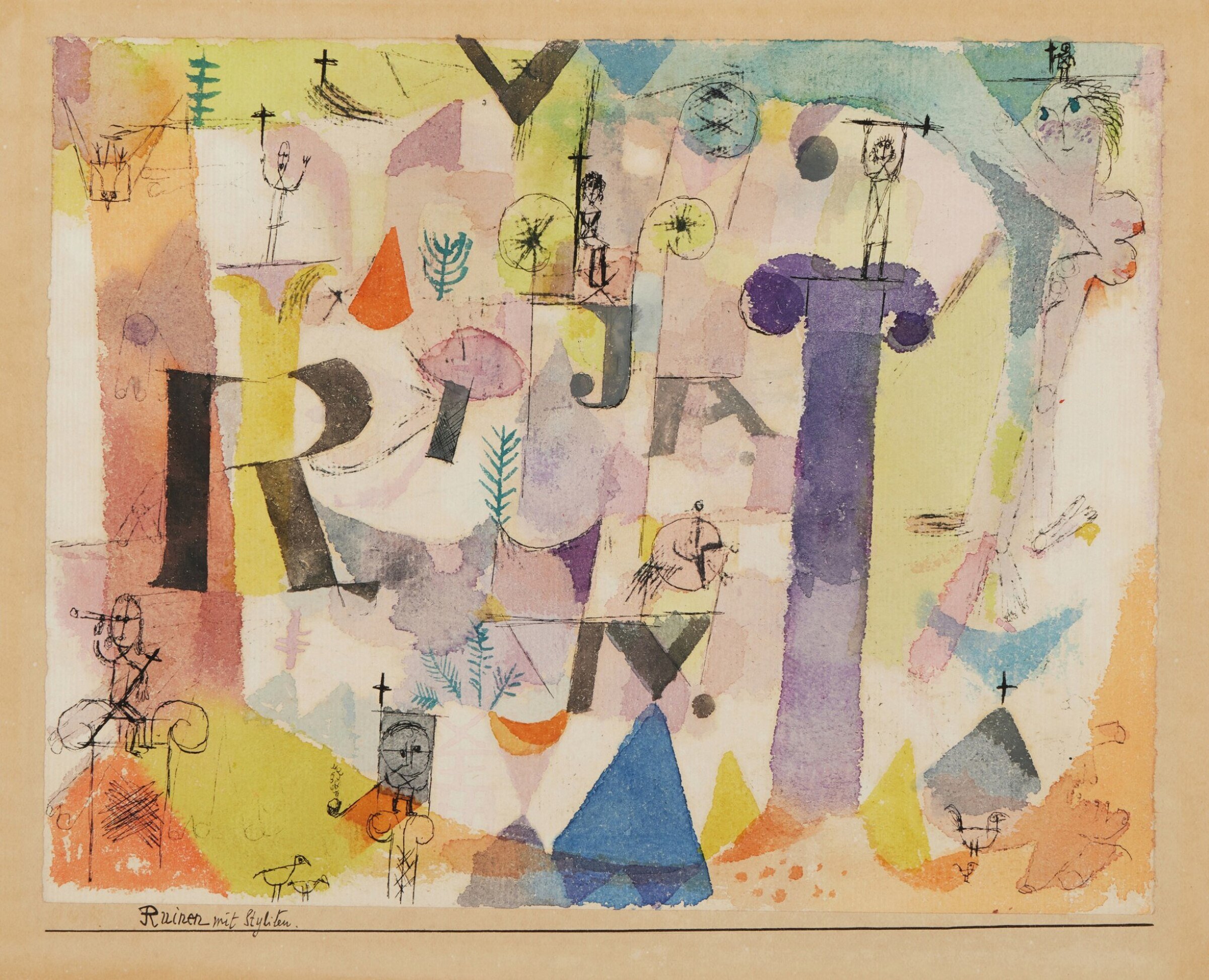
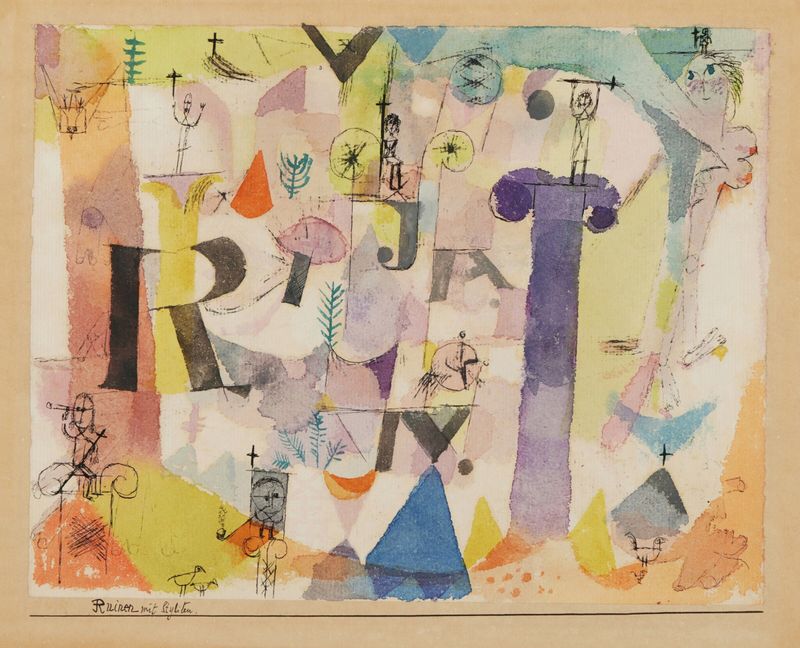 Ruins with Stylites
1918
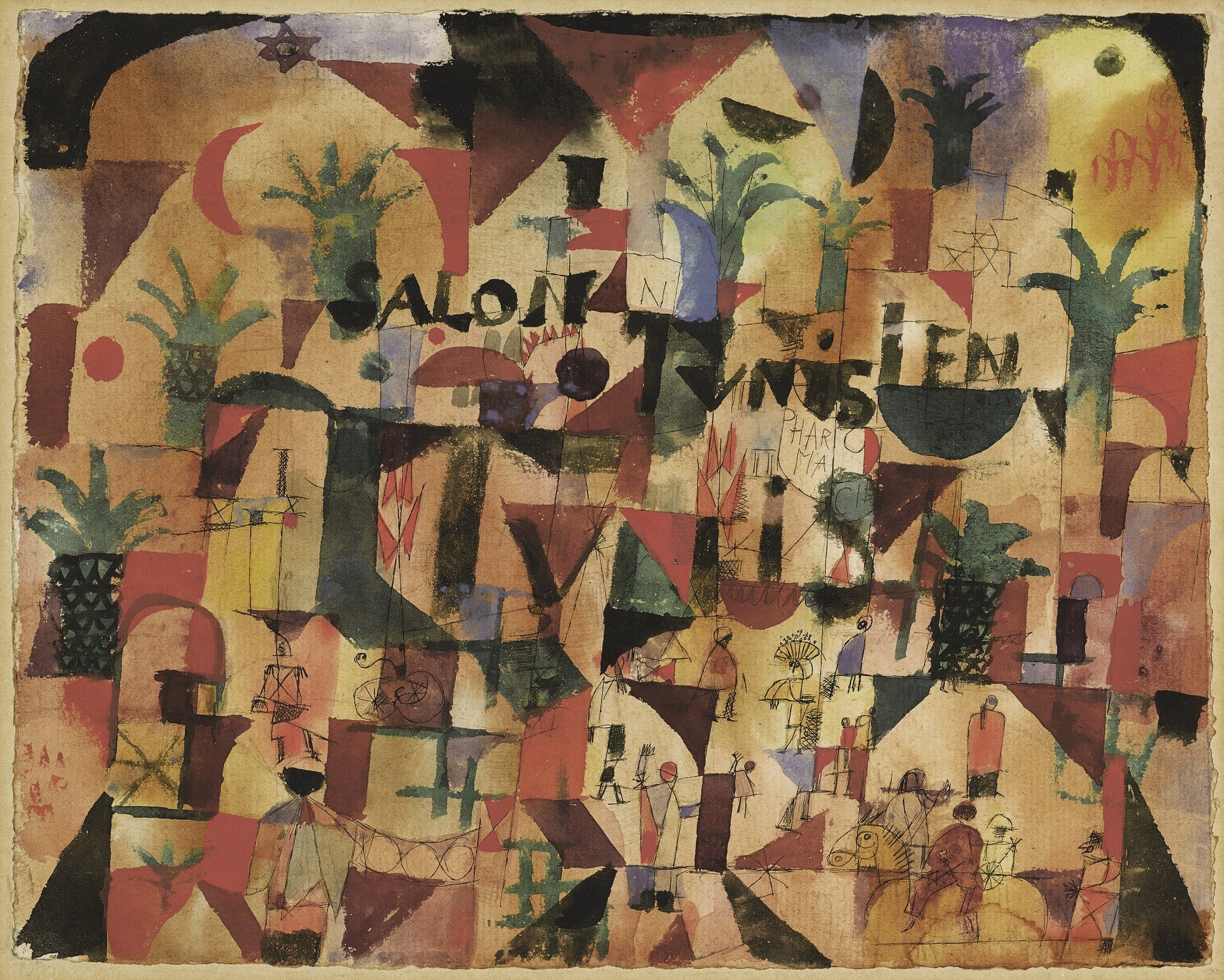
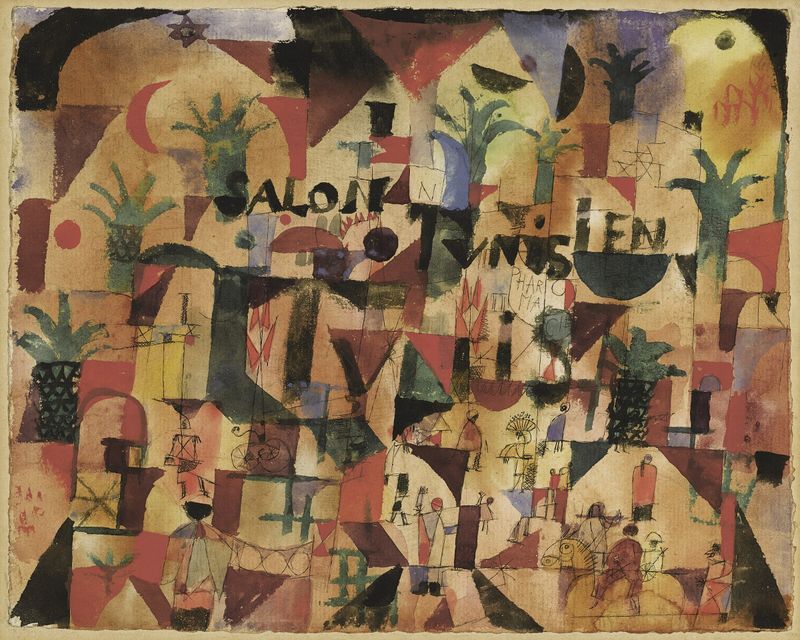 Salon Tunisien (Traffic on the Boulevard Tunis)
1918
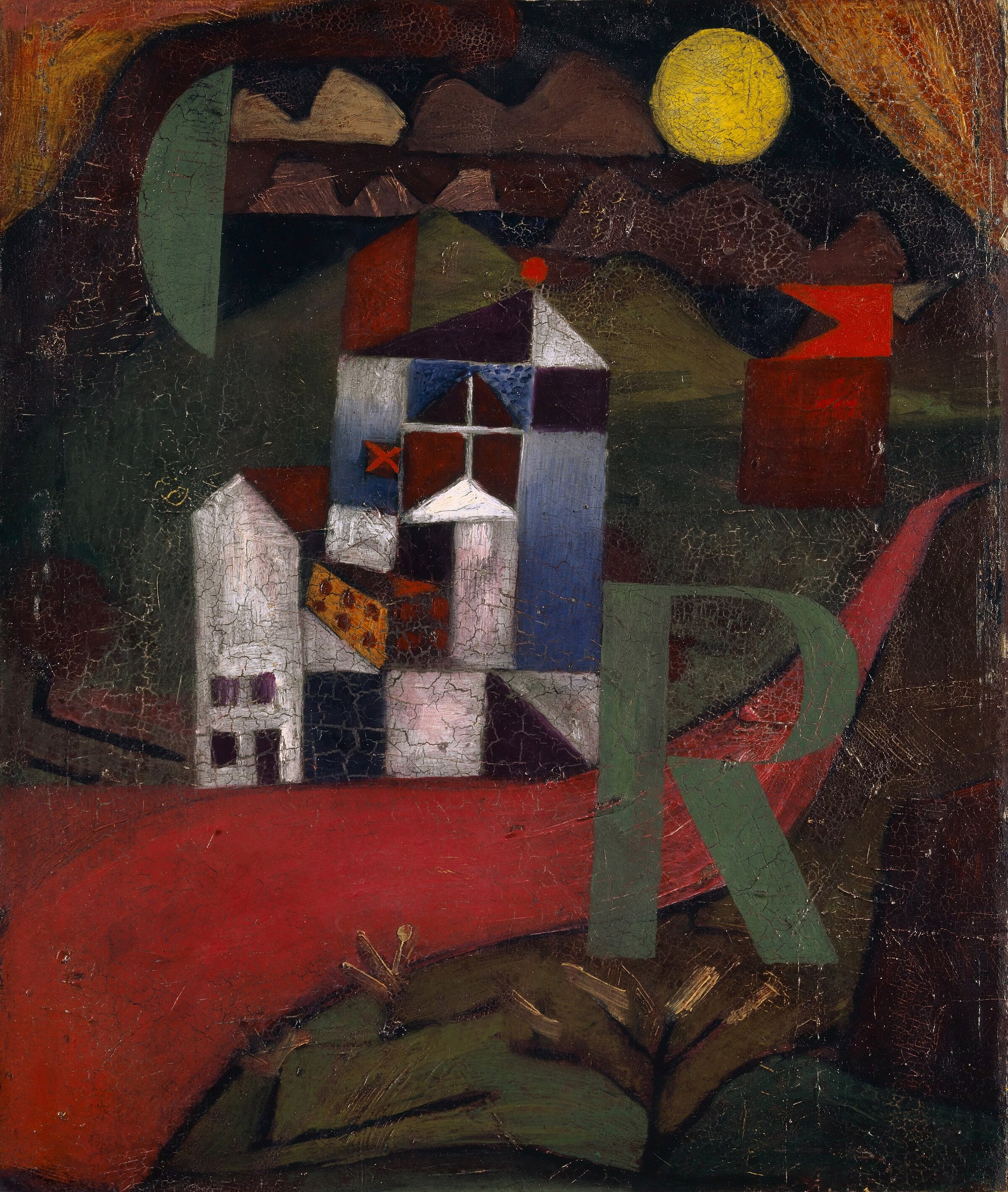
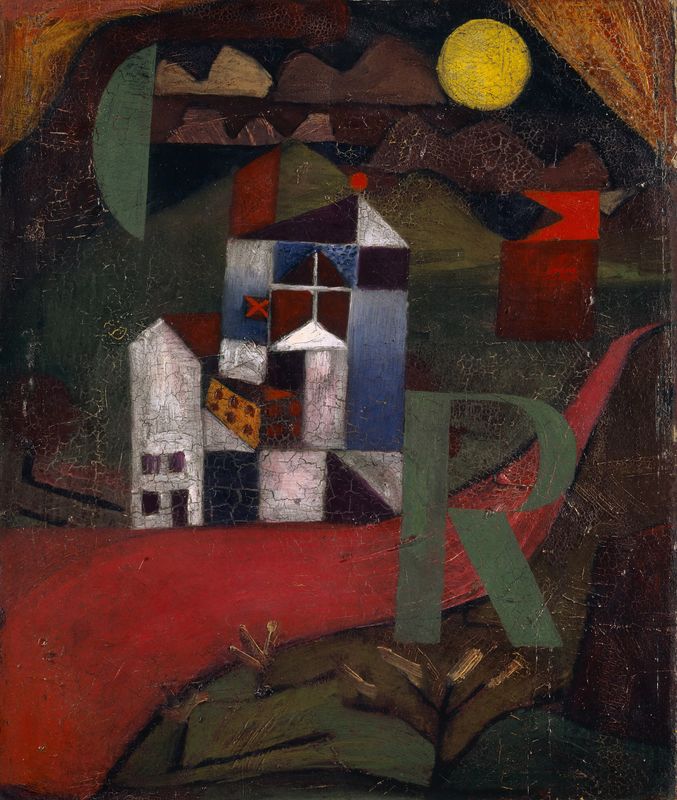 Villa R
1919 · Kunstmuseum Basel
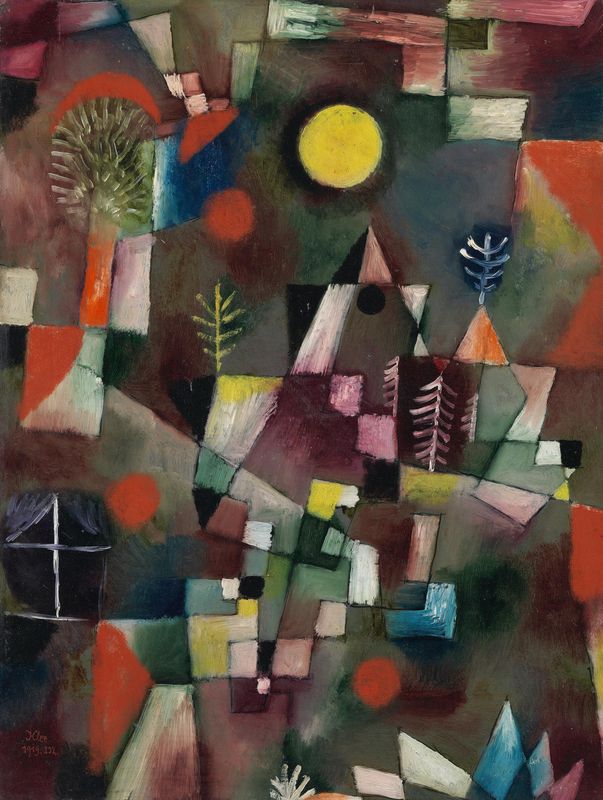 The Full Moon
1919 · Bavarian State Painting Collections
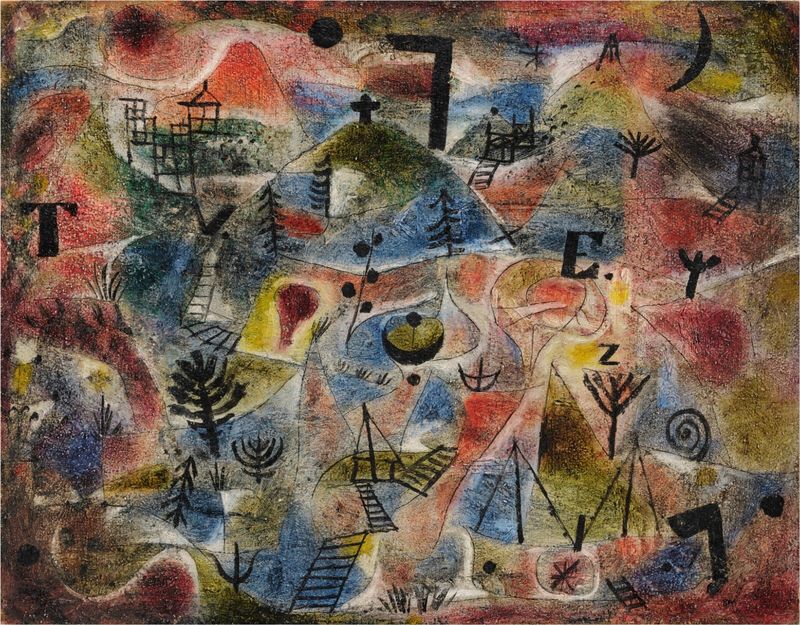 Landscape with Gallows
1919
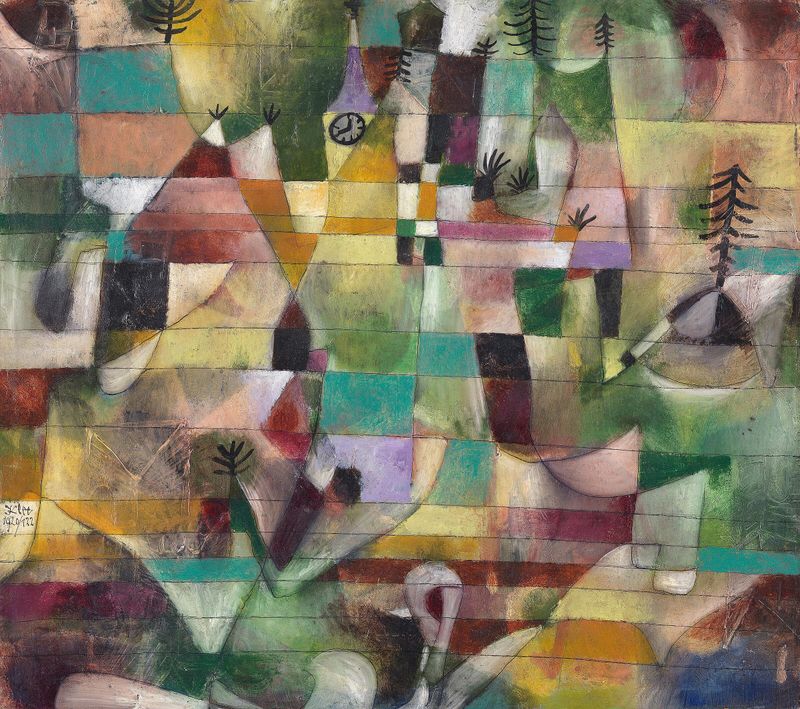 Landscape with yellow church tower
1920 · Bavarian State Painting Collections
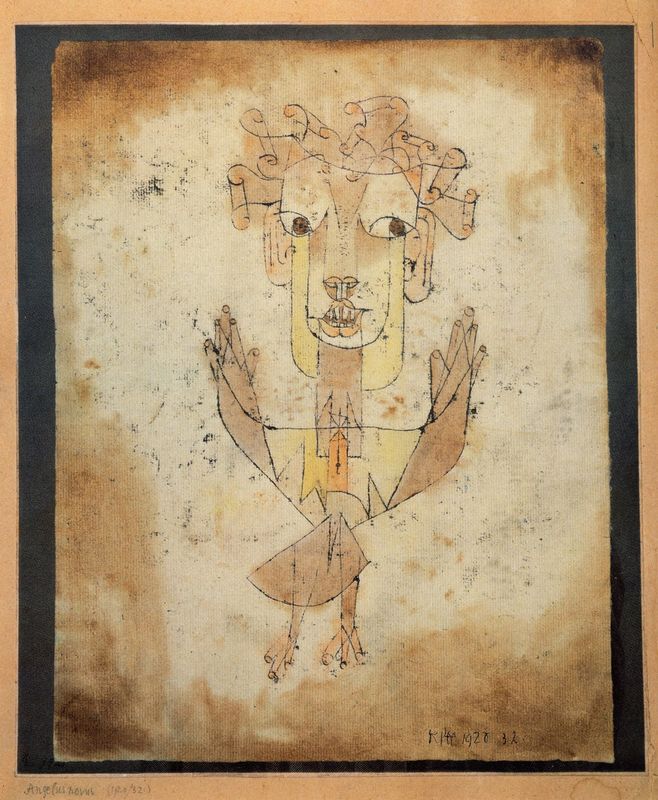 Angelus Novus
1920 · Israel Museum
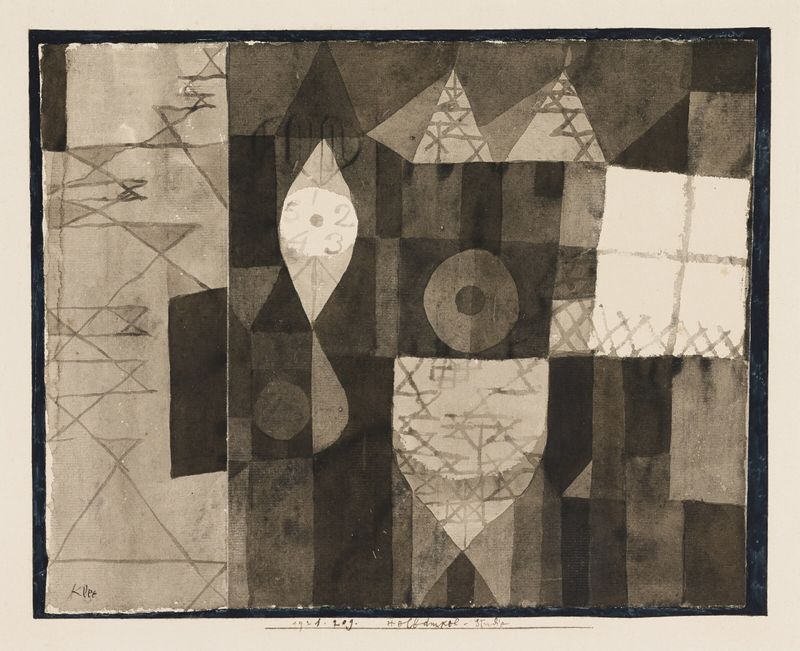 Chiaroscuro study
1921
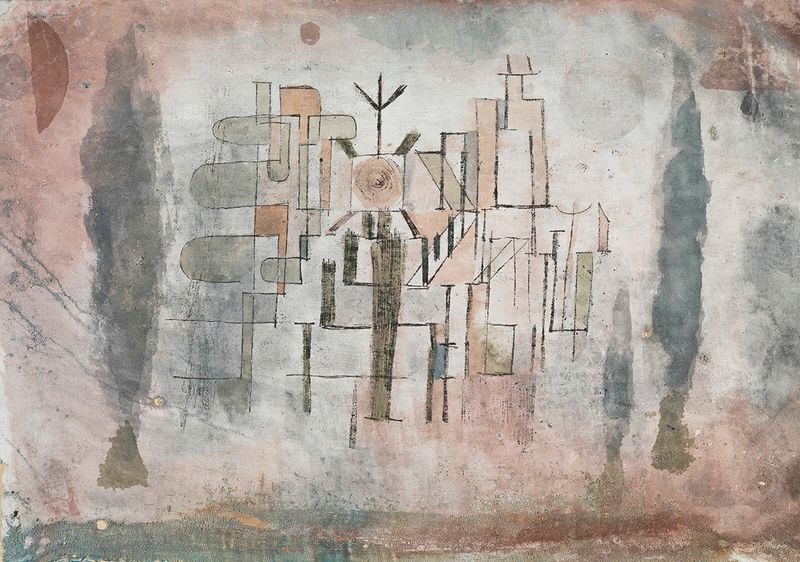 Monument in a Cemetery
1922 · Bavarian State Painting Collections
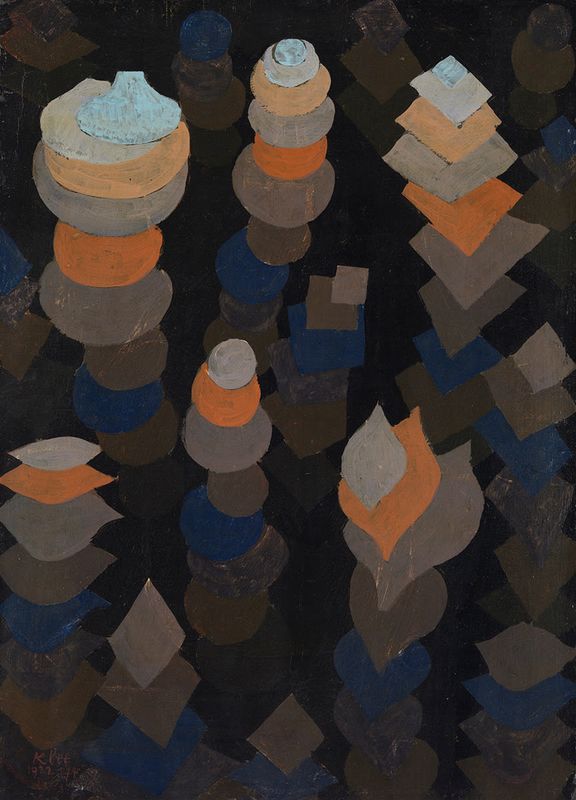 Growth of Night Plants
1922 · Bavarian State Painting Collections
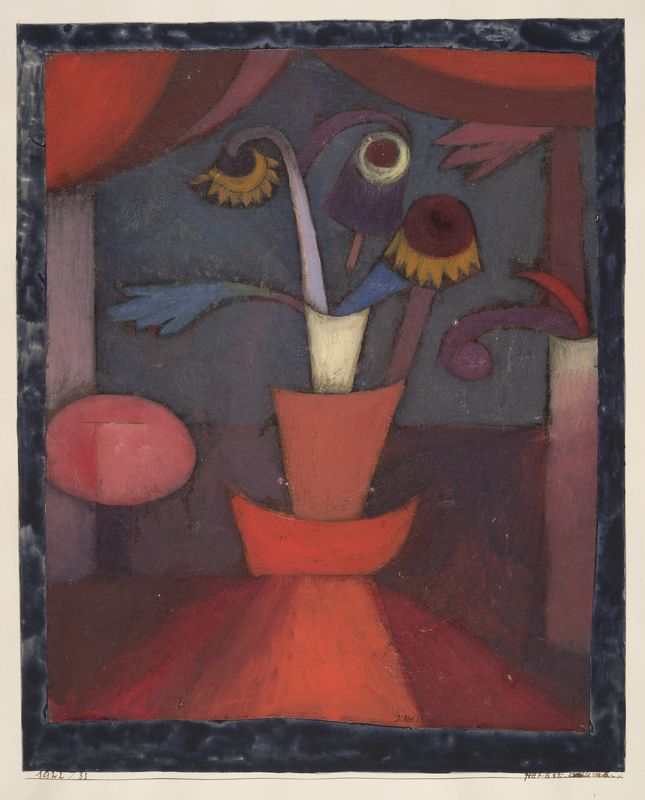 Autumn Flower
1922 · Yale University Art Gallery
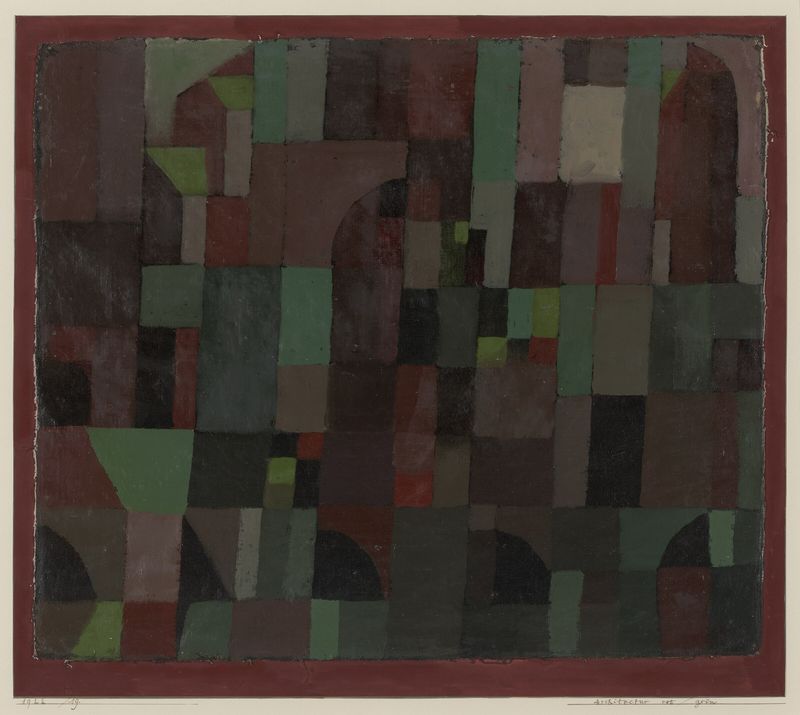 Red/Green Architecture (yellow/violet gradation)
1922 · Yale University Art Gallery
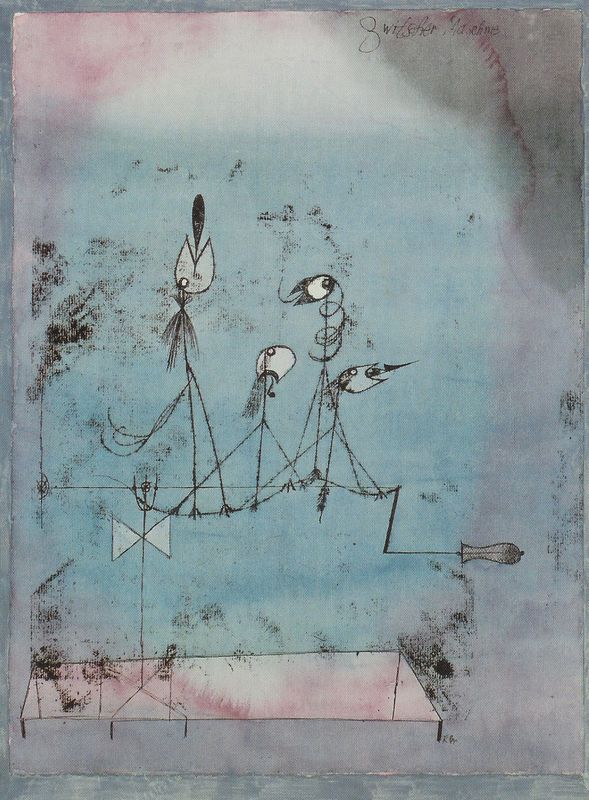 Twittering Machine
1922 · Museum of Modern Art
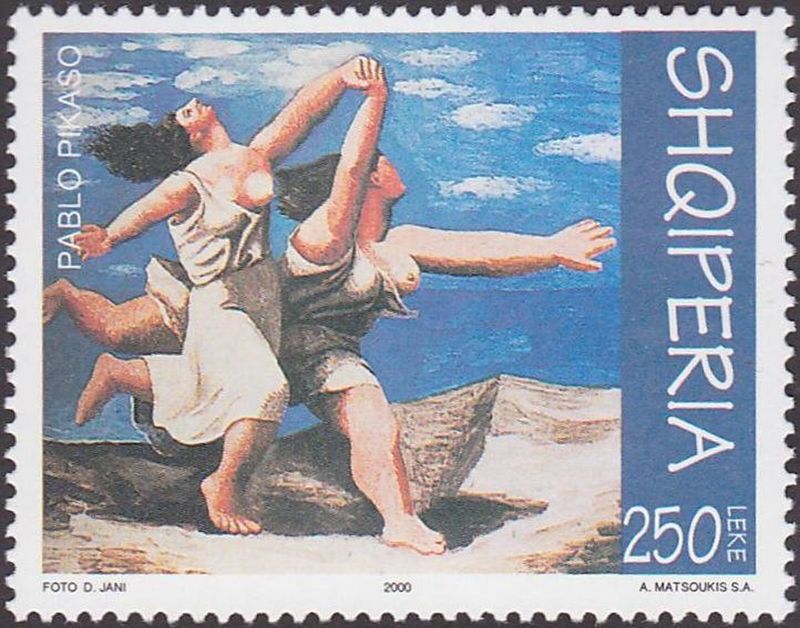 Two women running on the beach
1922 · Musée Picasso
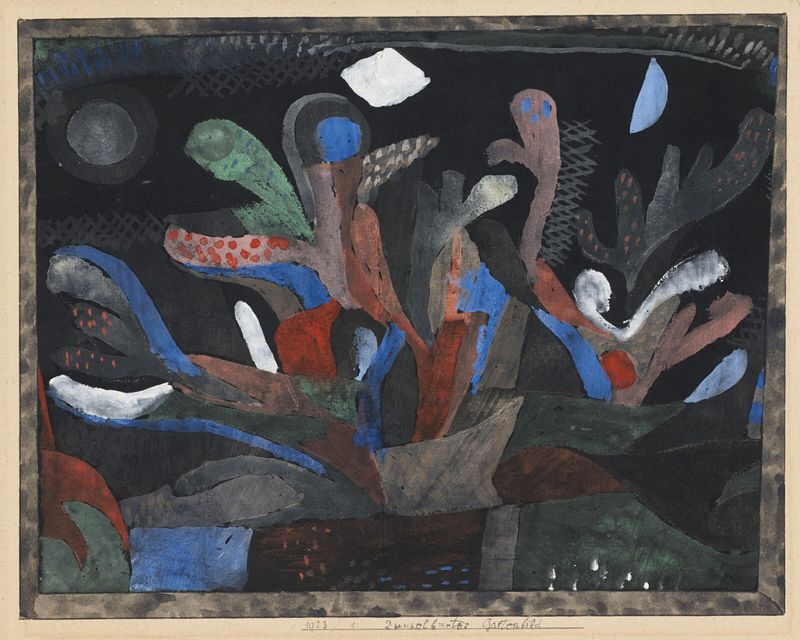 Picture of a garden in dark colours
1923
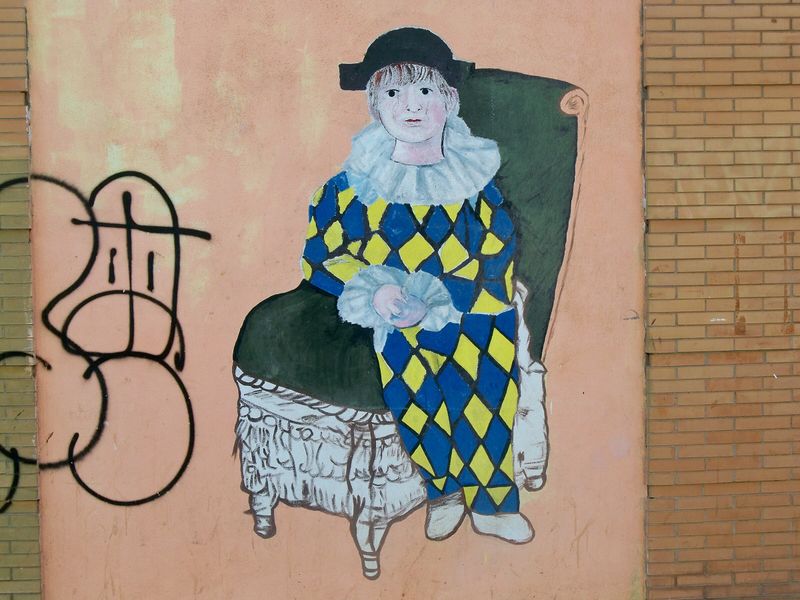 Paul en Arlequin
1924 · Musée Picasso
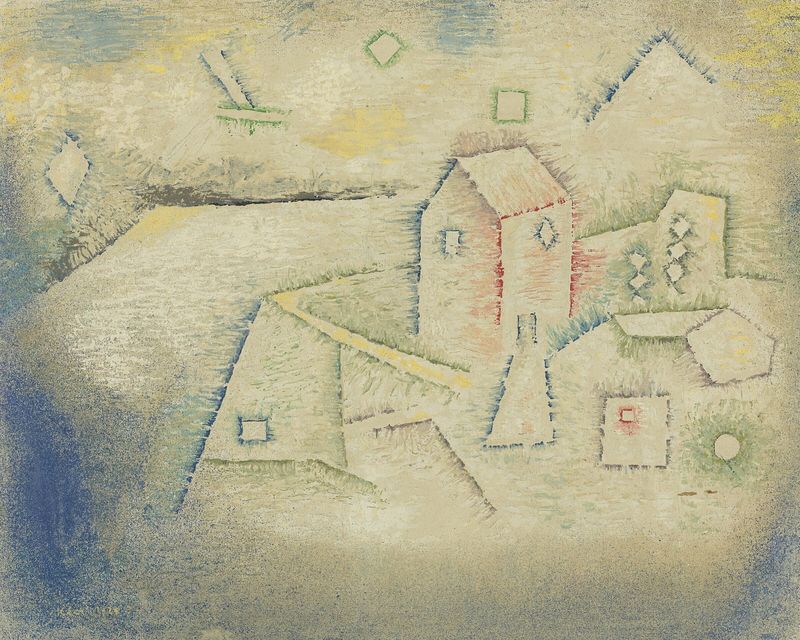 Country House in the North
1925
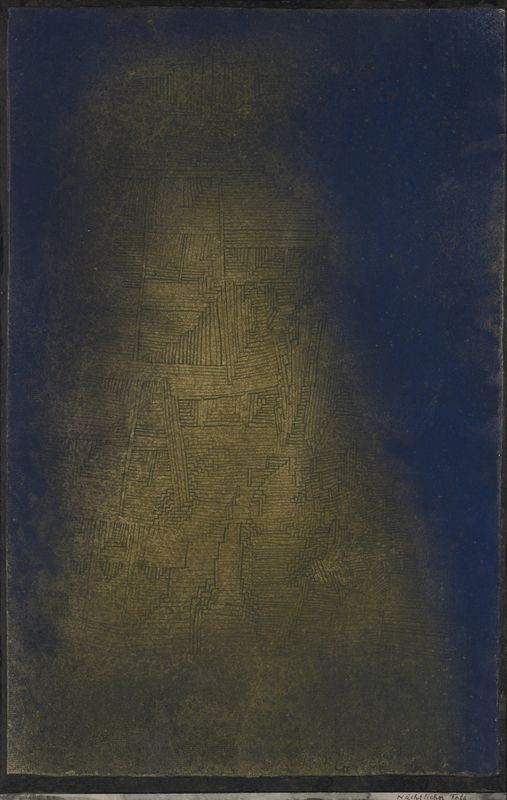 Nocturnal Rock
1927
Take Surrealism to the museum
Point your phone at any painting and Art Whisper tells you its story — who made it, what to notice, and why it matters. Free to start.