01
Woman sewing in doorway
Look at the woman in the white cap, bent over her work in the dark doorway on the right. She is the quiet heart of the street.
1 of 4 on the painting
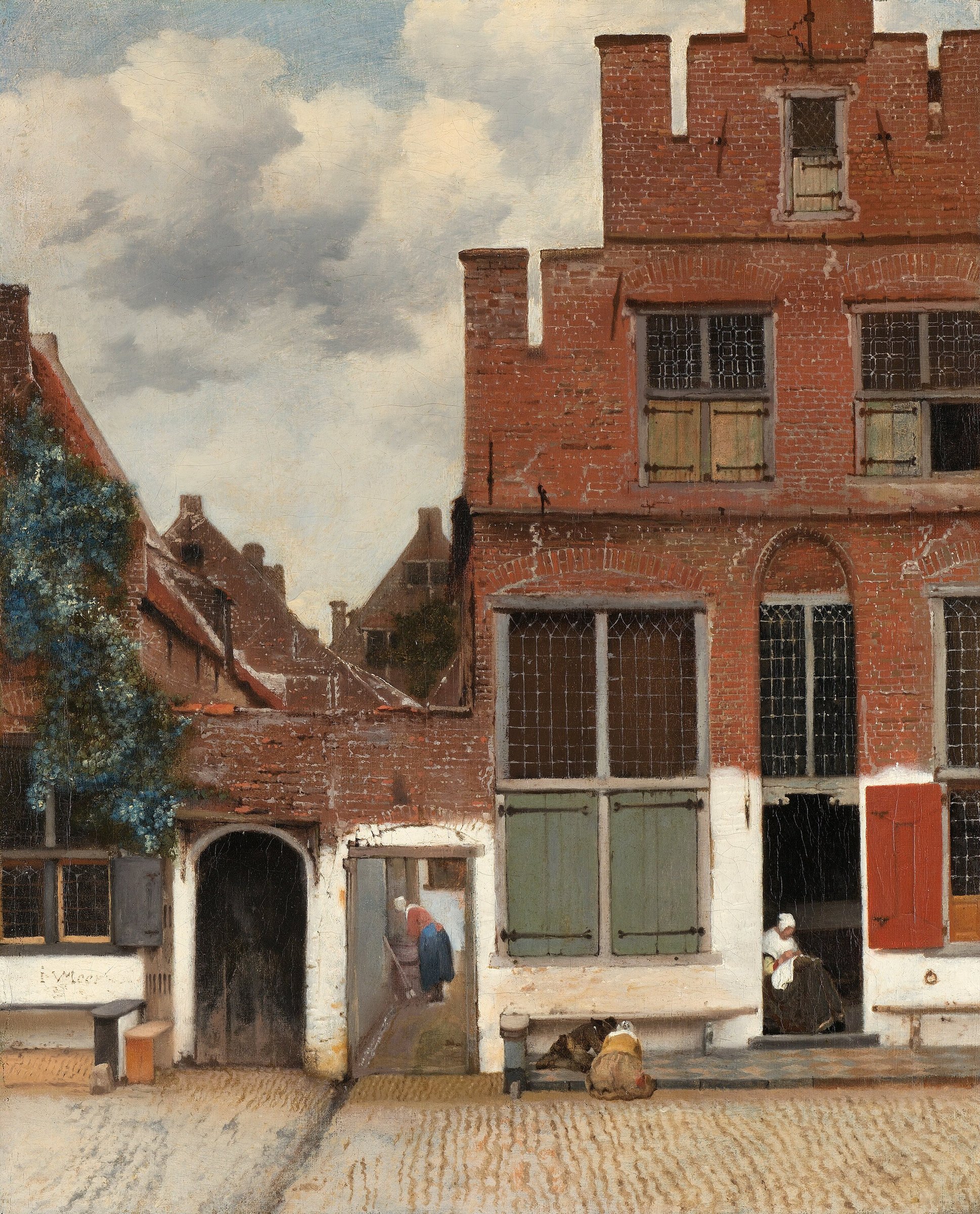
“Step into a remarkably lifelike 17th-century Dutch street scene, where sunlight brings every brick and detail to vivid life. This rare exterior view by Johannes Vermeer offers a glimpse into the everyday domestic world of Delft.”
A quiet moment unfolds on a narrow Dutch street, rendered with an almost tactile quality. The brickwork of the houses, painted with a thicker layer of pigment, feels palpable, inviting the eye to trace every imperfection. Sunlight illuminates the scene from the left, highlighting the textures of the facades and casting soft shadows that define the architectural forms. This intimate cityscape, one of only a few by the painter, captures a typical aspect of life in a 17th-century Dutch town. The composition, with its interplay of straight angles and the triangular shapes of the house and sky, creates a sense of lively balance. Recent research suggests this is a specific street in Delft, Vlamingstraat, with the house on the right belonging to the artist's aunt, adding a personal connection to this serene depiction.
Five details hide in plain sight. Pick one and we’ll show you exactly where to look.
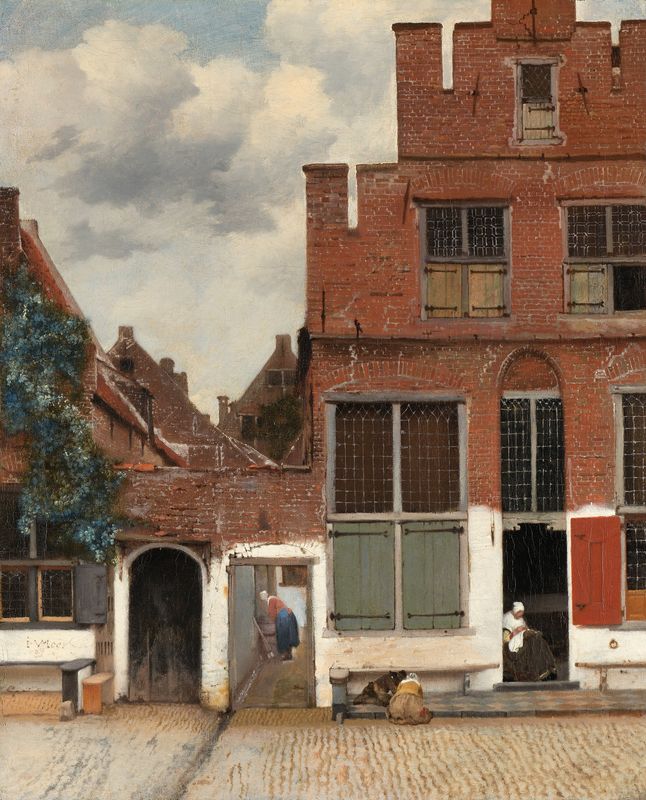
Look at the woman in the white cap, bent over her work in the dark doorway on the right. She is the quiet heart of the street.
Two children crouch on the pavement by the bench, seen from behind and absorbed in what looks like a game. They are easy to miss but give the street its human scale.
Down the narrow side passage, a woman in red and blue bends over her work, with a broom leaning nearby. This small, half-hidden chore adds a second layer of life to the street.
Study the gabled wall, where chipped bricks and pale mortar are picked out in dabs of paint. The surface looks almost rough enough to touch.
Rigid vertical walls and stepped gables sit against a billowing cloudy sky. This contrast makes a calm, balanced scene where the ordinary feels monumental.
The full narration walks you through The Little Street — the story behind it, the details most visitors miss, and why it matters. Free in the Art Whisper app.
Vermeer painted just 34 known works, yet became one of history's most beloved masters of light.
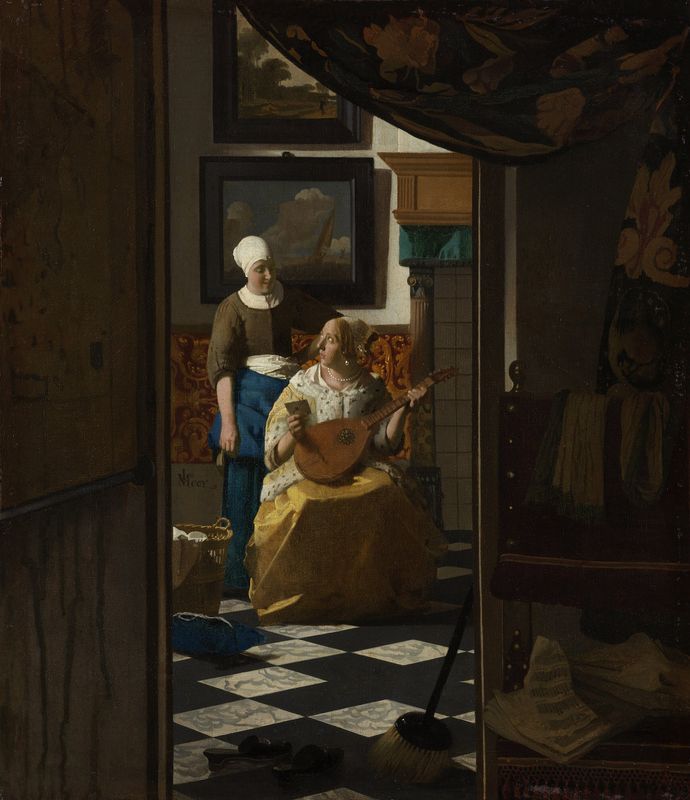 The Love Letter
1668 · Rijksmuseum
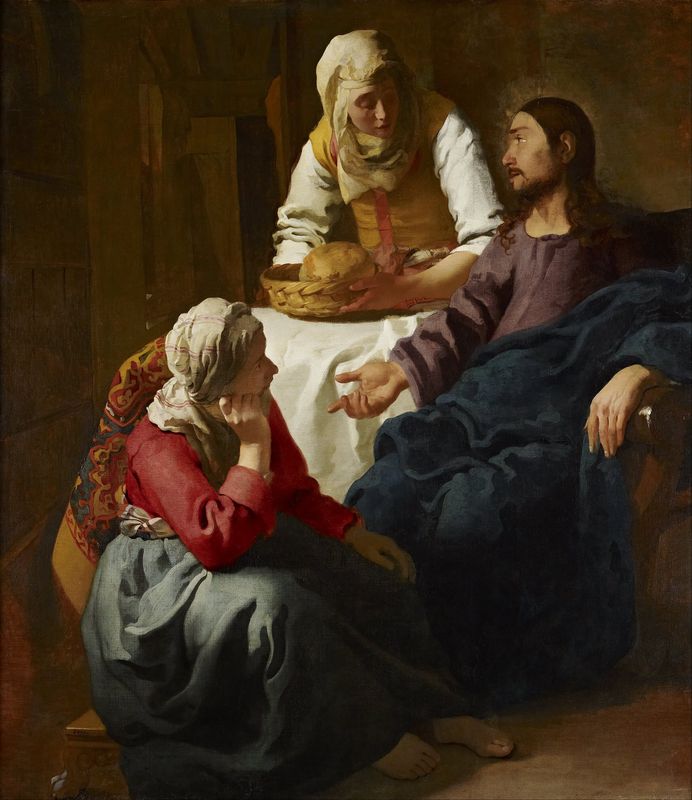 Christ in the House of Martha and Mary
1650 · Scottish National Gallery
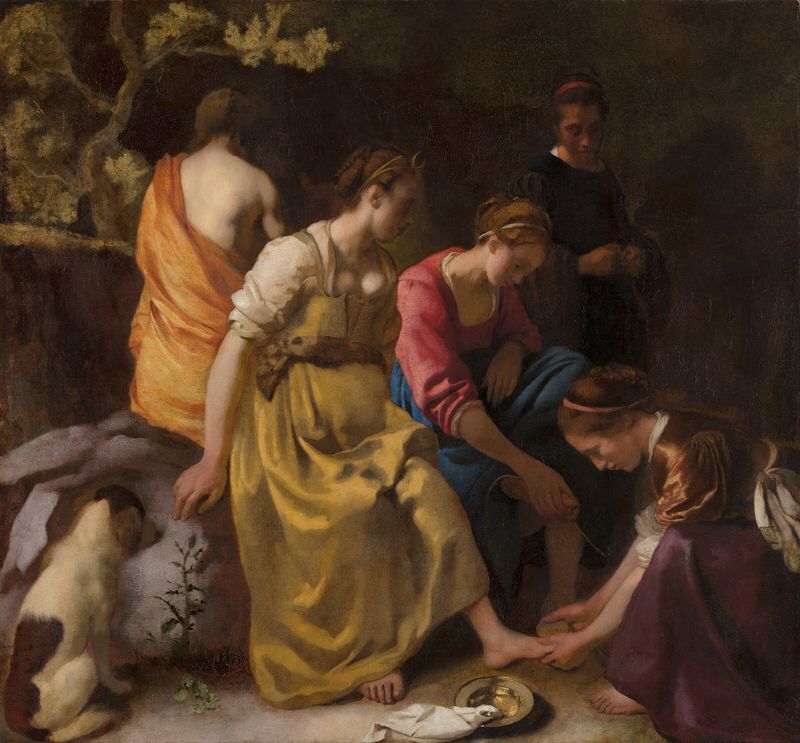 Diana and her Nymphs
1650 · Mauritshuis
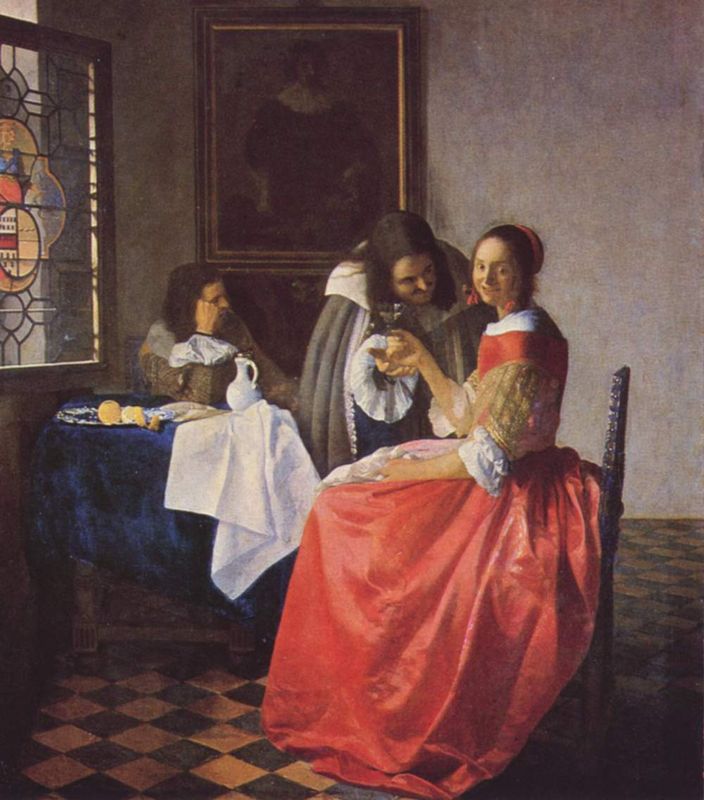 The Girl with the Wine Glass
1650 · Herzog Anton Ulrich Museum
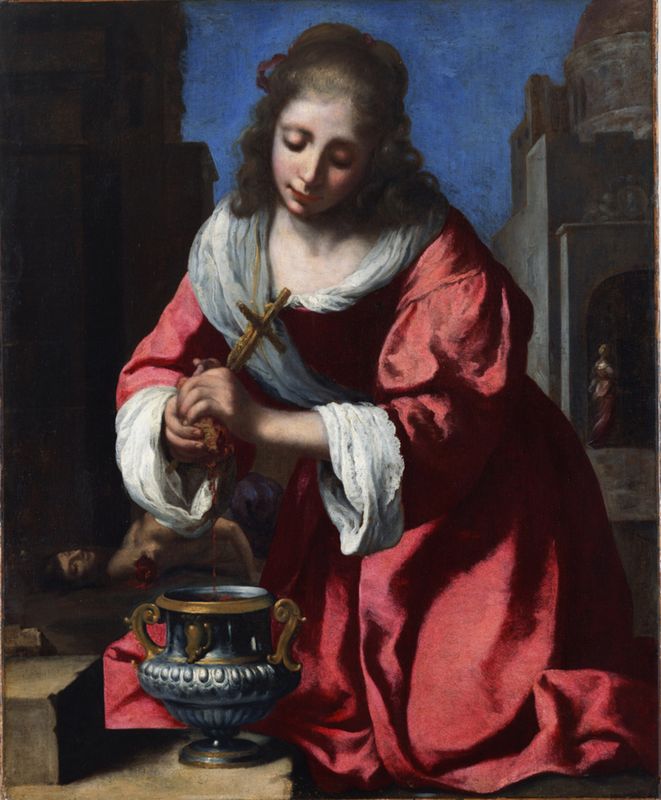 Saint Praxedis
1655 · National Museum of Western Art
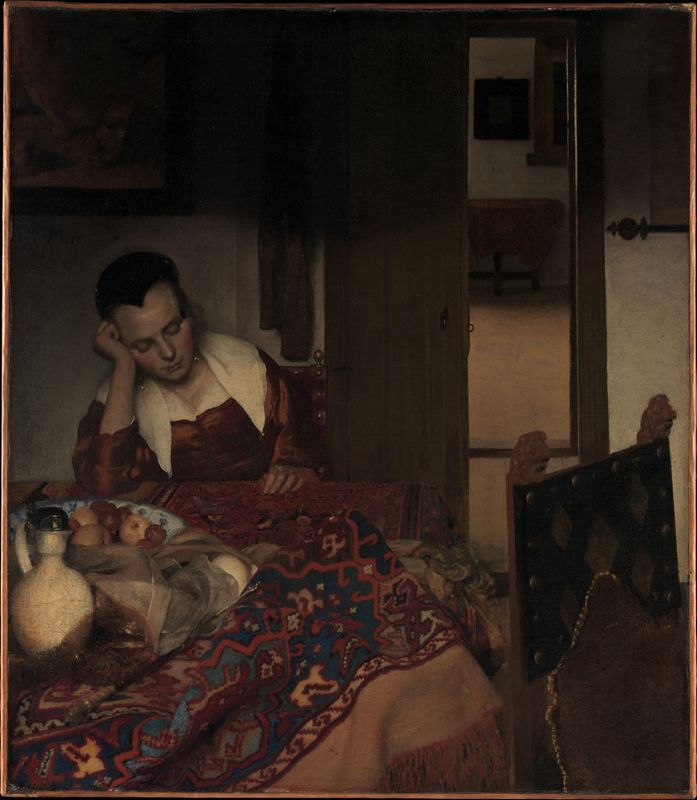 A Maid Asleep
1656 · The Metropolitan Museum of Art
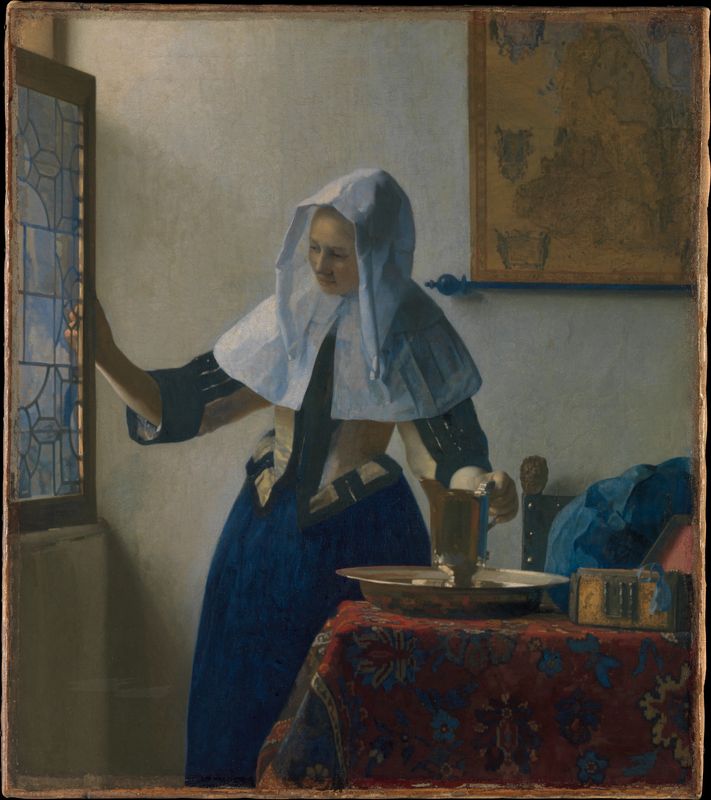 Young Woman with a Water Pitcher
1657 · The Metropolitan Museum of Art
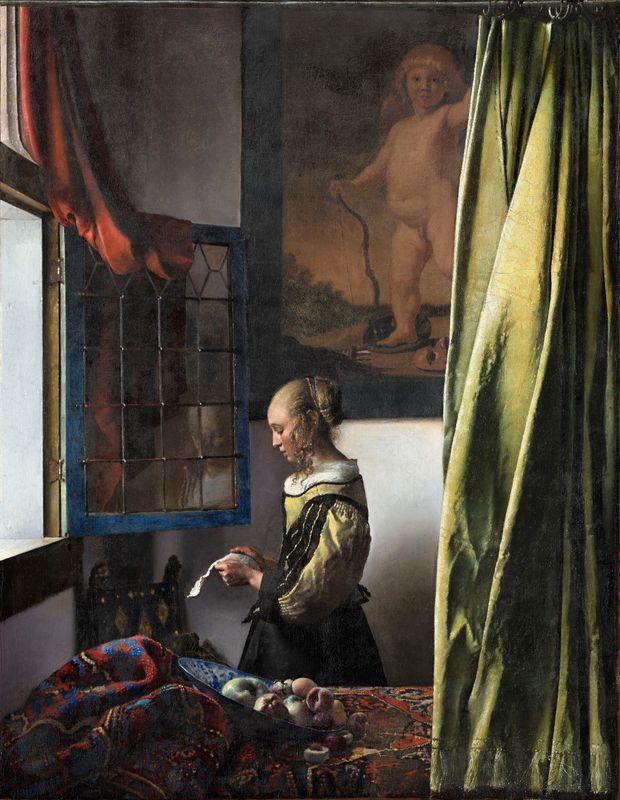 Girl Reading a Letter at an Open Window
1658 · Staatliche Kunstsammlungen Dresden
Beyond Vermeer and Baroque: works from the same years, and from the other movements The Little Street belongs to.
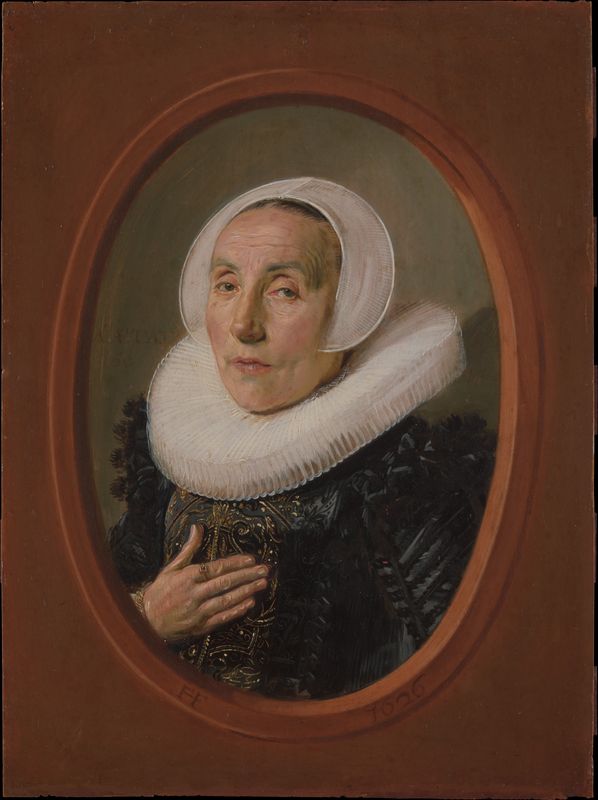 Same movement · Dutch Golden Age painting
Anna van der Aar (born 1576/77, died after 1626)
Frans Hals · 1626 · The Metropolitan Museum of Art
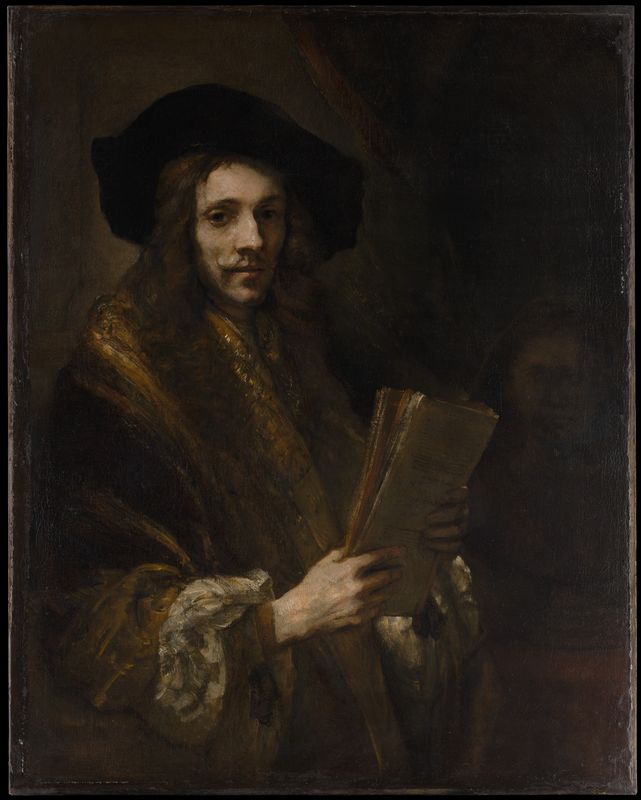 Same era · 1640s–1670s
Portrait of a Man ("The Auctioneer")
Rembrandt · 1658 · The Metropolitan Museum of Art
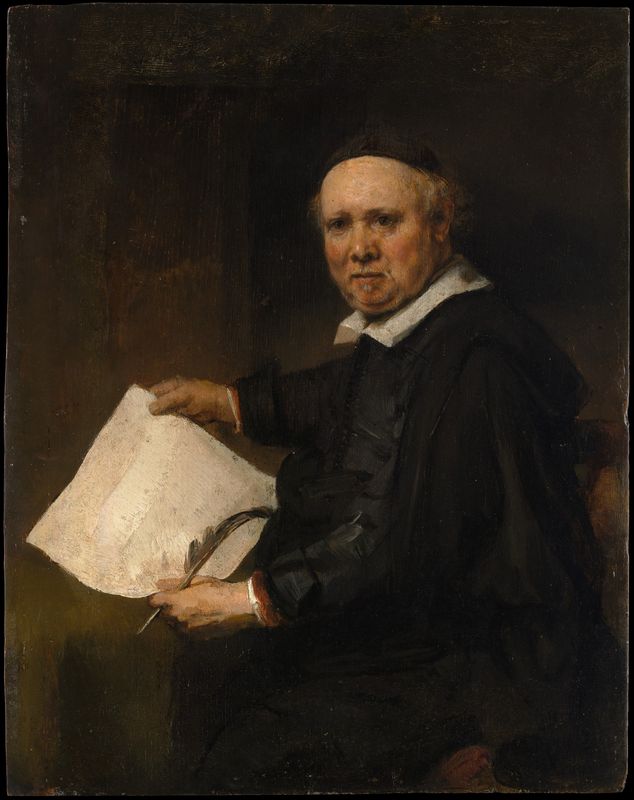 Same movement · Dutch Golden Age painting
Lieven Willemsz van Coppenol (born about 1599, died 1671 or later)
Rembrandt · 1626 · The Metropolitan Museum of Art
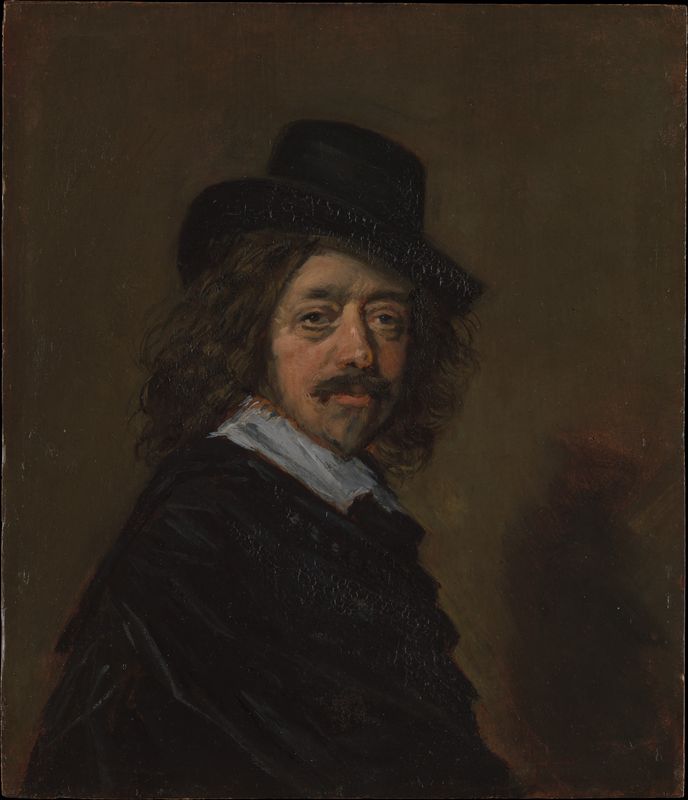 Same era · 1640s–1670s
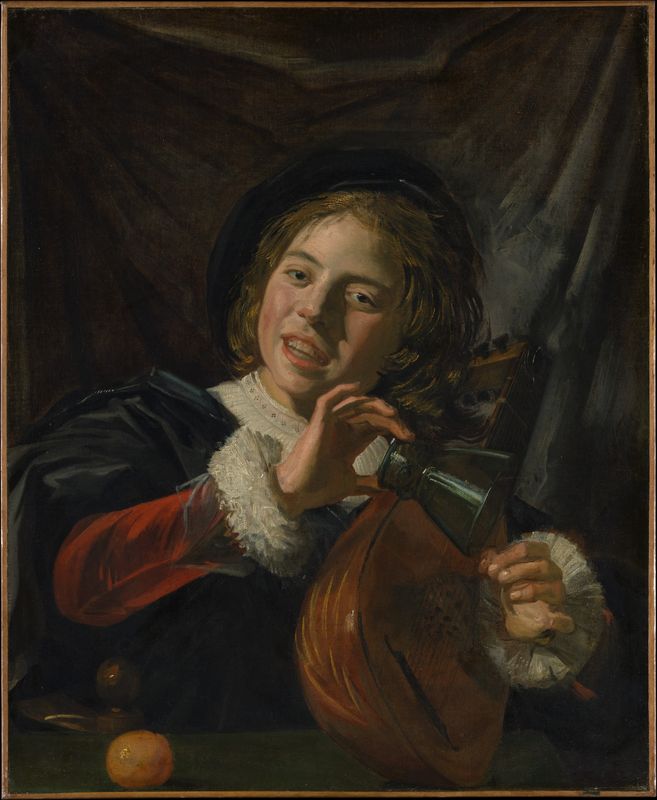
Frans Hals (1582/83–1666)
Frans Hals · 1650 · The Metropolitan Museum of Art
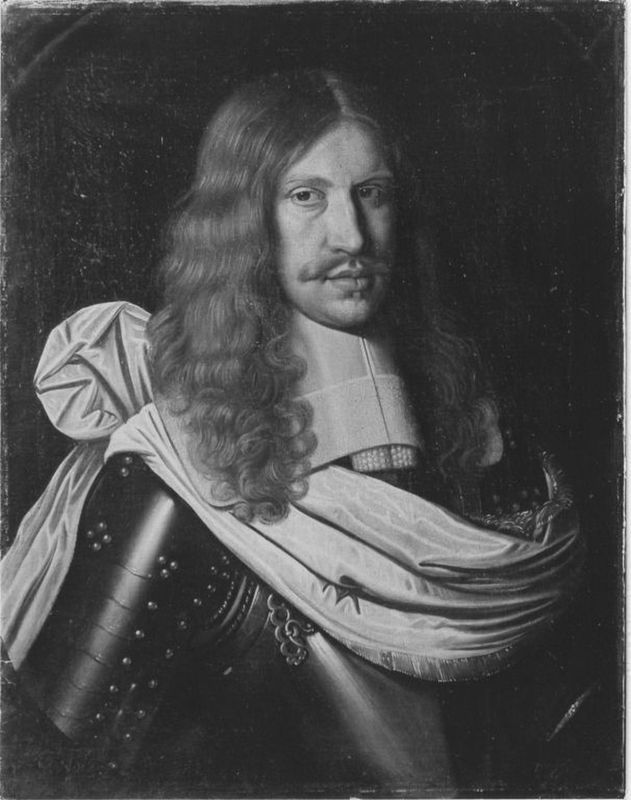 Same era · 1640s–1670s
portrait of Count Ludwig VI. von Hessen-Darmstadt
Salomon Duarte · 1660 · Bavarian State Painting Collections
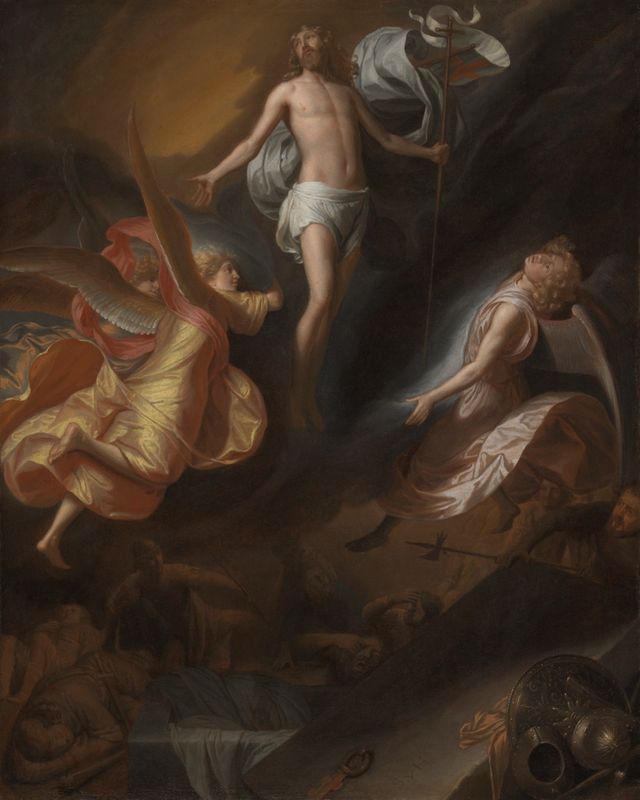 Same era · 1640s–1670s
Resurrection of Christ
Samuel van Hoogstraten · 1665 · Art Institute of Chicago
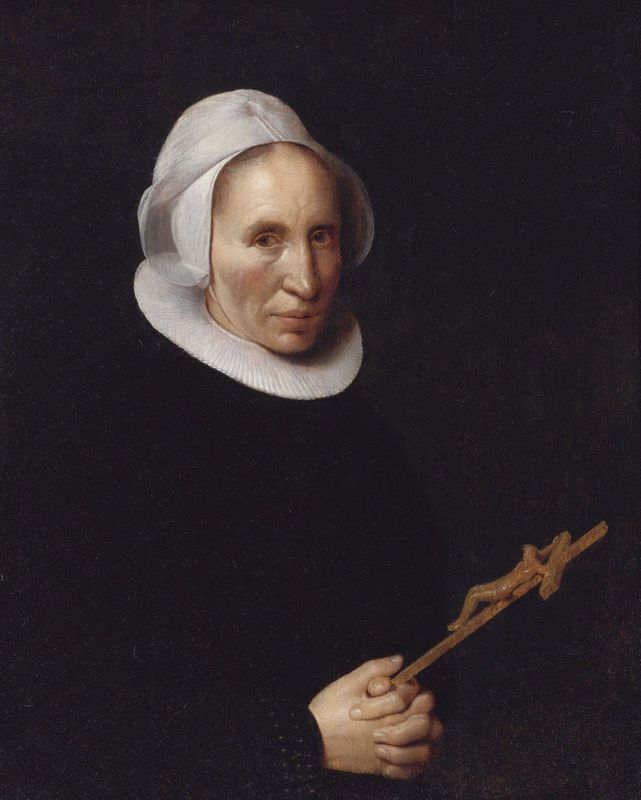 Same era · 1640s–1670s
A lady holding a crucifix
Willem van der Vliet · 1650
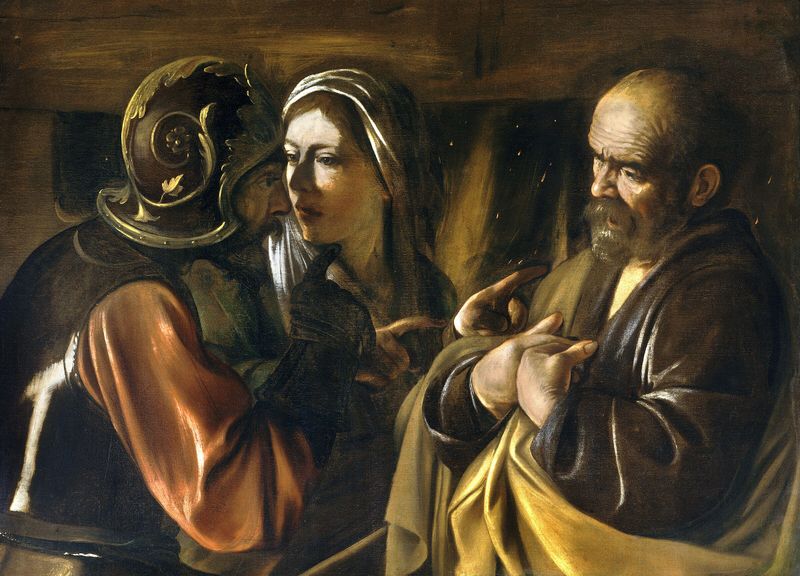 Same era · 1640s–1670s
The Denial of Saint Peter
Georges de La Tour · 1650 · Nantes Museum of Arts
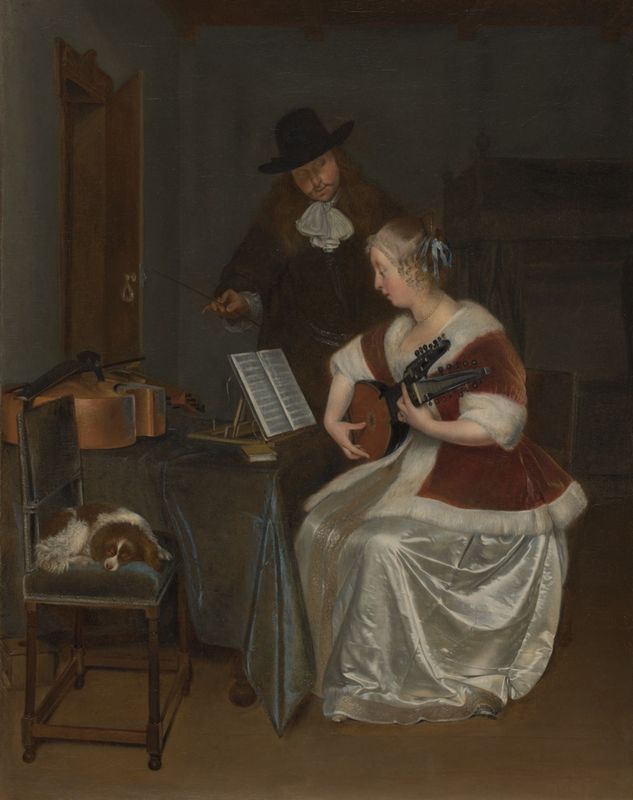 Same era · 1640s–1670s
The Music Lesson
Gerard ter Borch the Younger · 1670 · Art Institute of Chicago
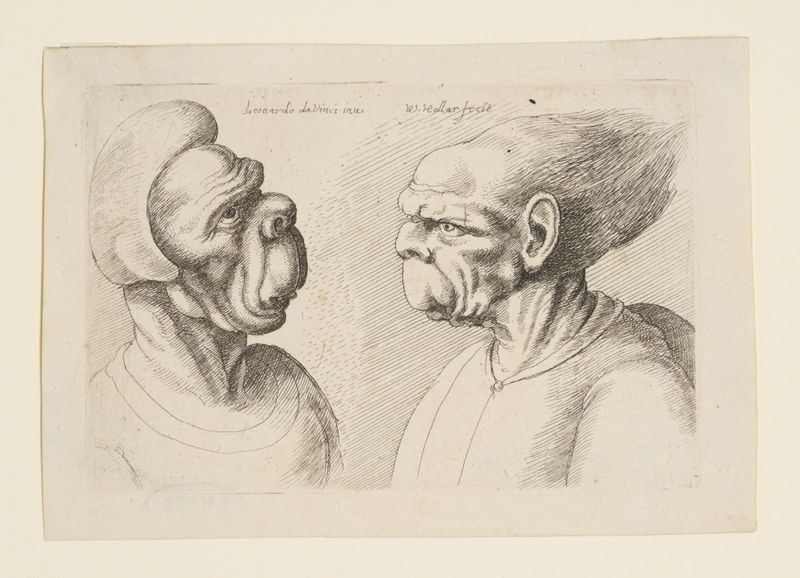 Same era · 1640s–1670s
Two Deformed Heads with Very Long Upper Lips
Leonardo da Vinci · 1645 · The Metropolitan Museum of Art
 Same era · 1640s–1670s
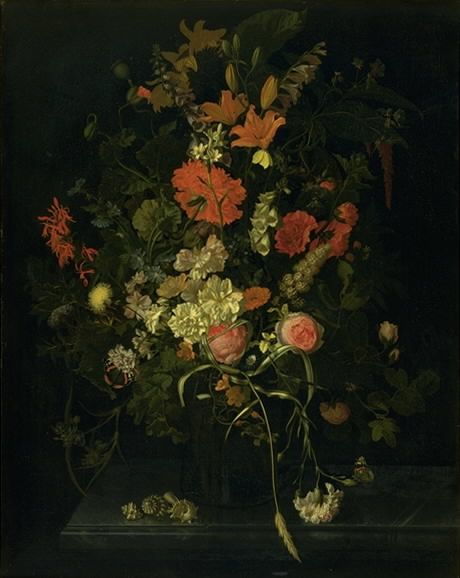
Bouquet of flowers in a glass vase
Jan van Kessel the Elder · 1659 · Suermondt-Ludwig-Museum
 Same era · 1640s–1670s
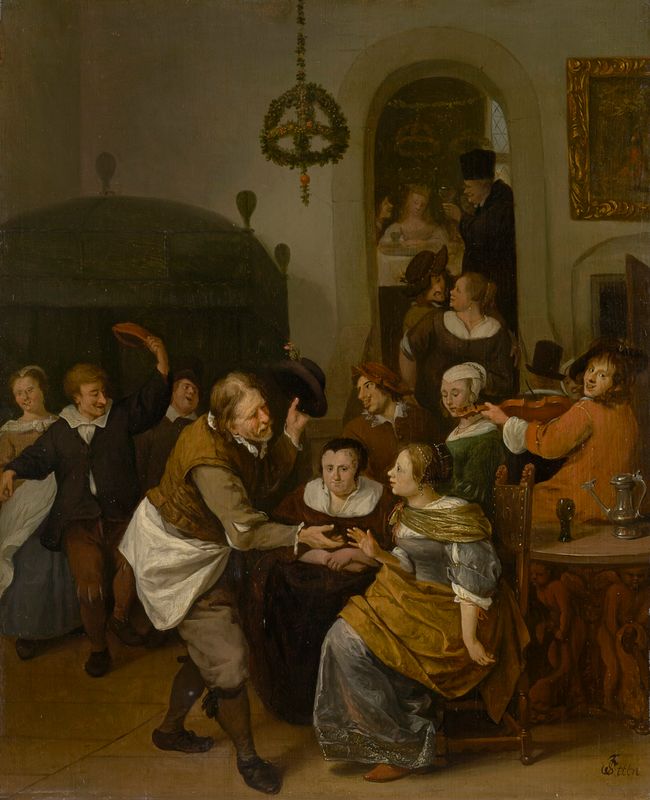
The wedding party
Jan Steen · 1660 · Museum Boijmans Van Beuningen
 Same era · 1640s–1670s
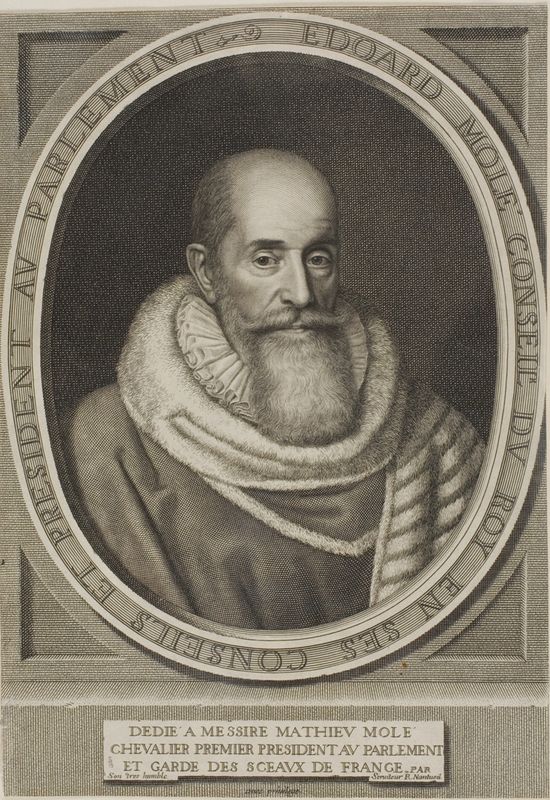
Portrait of Edouard Molé
Robert Nanteuil · 1653 · Art Institute of Chicago
 Same era · 1640s–1670s
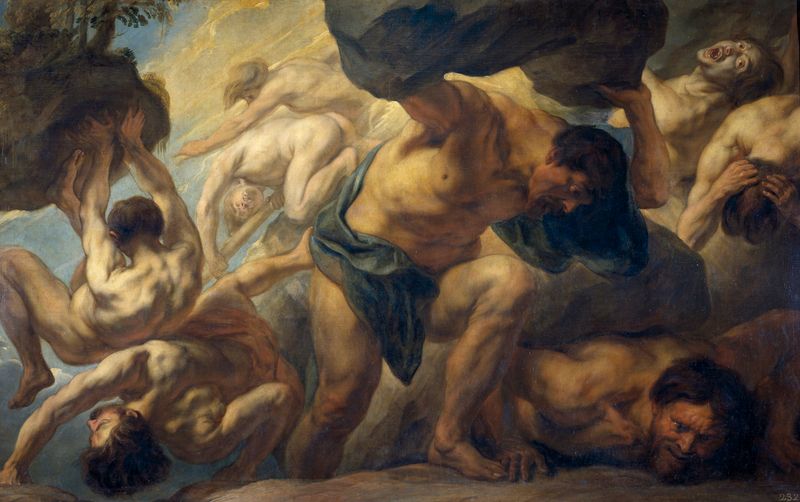
The Fall of the Giants
Jacob Jordaens · 1663 · Art Institute of Chicago