01
Christ's limp face
Look at the head tipped back at the lower left, eyes closed and hair hanging. Death here is quiet and heavy, with no halo or glow.
1 of 4 on the painting

“Caravaggio’s "The Entombment of Christ" dramatically depicts a moment of intense grief and human vulnerability, using stark lighting and realistic figures to draw you into the scene. It’s a powerful example of Counter-Reformation art designed to evoke deep emotional connection.”
In this powerful painting, a diagonal cascade of figures descends, carrying the limp body of Christ towards a bare stone slab. Rather than a moment of transfiguration, this is a scene of profound mourning, with emotions ranging from the raw grief of Mary of Clopas, her arms flung wide, to the subdued sorrow of the Virgin Mary, and finally to the quiet stillness of death itself. The body of Jesus is not the ethereal, bony figure often depicted, but that of a muscled laborer, his thick limbs and visible veins emphasizing a tangible humanity. Created for the second chapel on the right in Santa Maria in Vallicella (the Chiesa Nuova) in Rome, this work exemplifies the Counter-Reformation's call for art that moved viewers through intense emotional realism. The painting was universally admired by critics of its time and has been widely copied by subsequent artists.
Five details hide in plain sight. Pick one and we’ll show you exactly where to look.
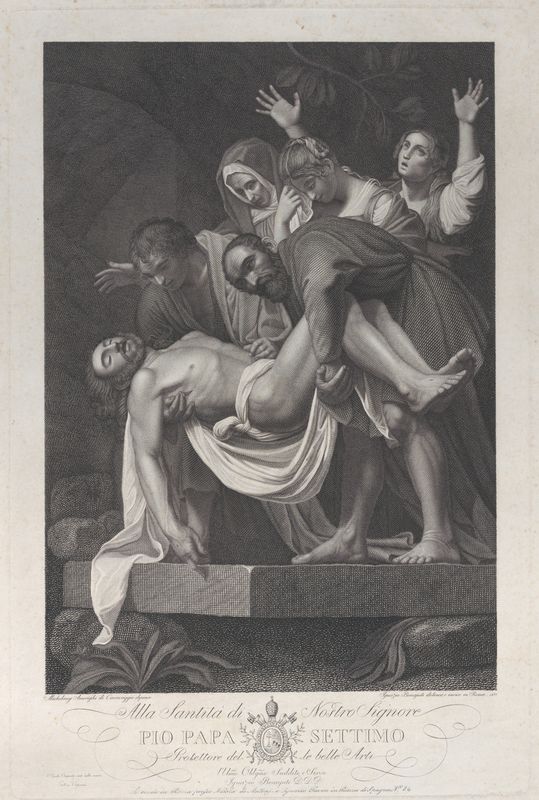
Look at the head tipped back at the lower left, eyes closed and hair hanging. Death here is quiet and heavy, with no halo or glow.
Find the bearded man bending low as he takes Christ's weight under the thighs, his shoulders hunched and his face turned toward us. His stooped posture shows how heavy the body is.
At top right, two women raise open hands, and one looks upward with parted lips. Their grief spills out, while the men below stay focused on carrying the body.
Your eye slides from the raised hands at top right down the bodies to Christ's hand at lower left. The slant makes the weight of the body felt.
Follow the arm down to the fingers that point toward the slab's edge. The hand hangs close to the stone, pulling the viewer into the tomb's space.
The full narration walks you through The Entombment of Christ — the story behind it, the details most visitors miss, and why it matters. Free in the Art Whisper app.
Caravaggio, the fiery Italian painter, revolutionized art with his dramatic use of light and shadow, capturing raw human emotion directly on canvas.
Beyond Caravaggio and Baroque: works from the same years, and from the other movements The Entombment of Christ belongs to.
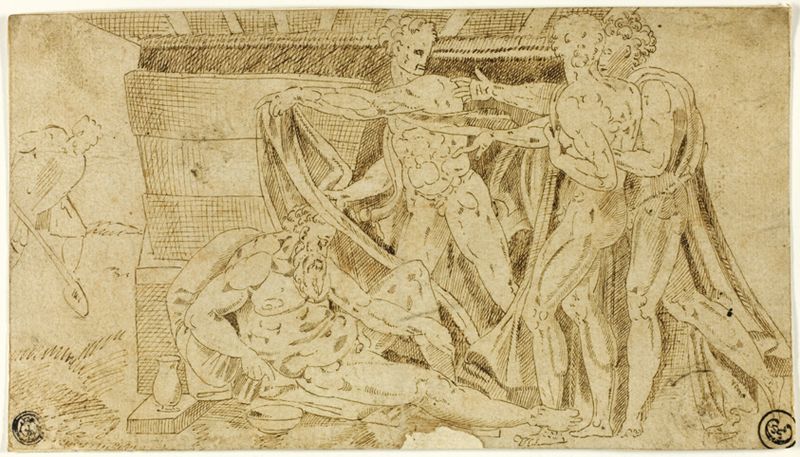 Same movement · Academic art
Drunkenness of Noah
Michelangelo · 1509 · Sistine Chapel
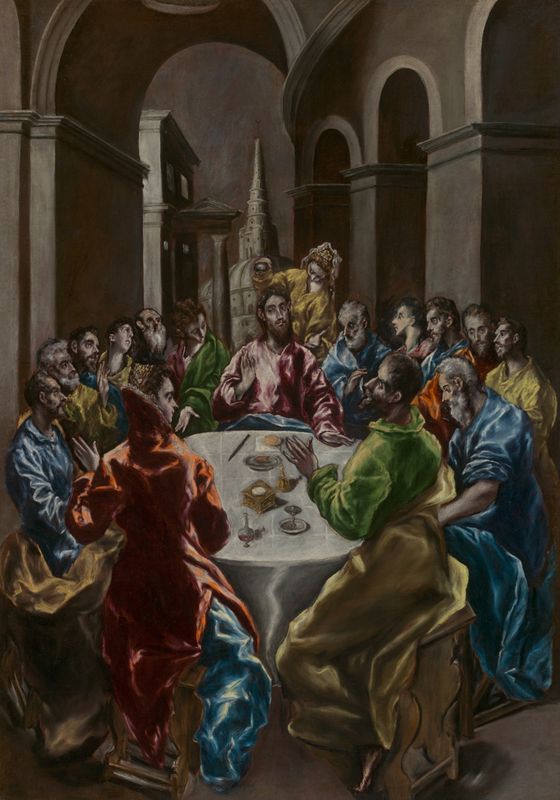 Same era · 1580s–1610s
The Feast in the House of Simon
El Greco · 1600 · Art Institute of Chicago
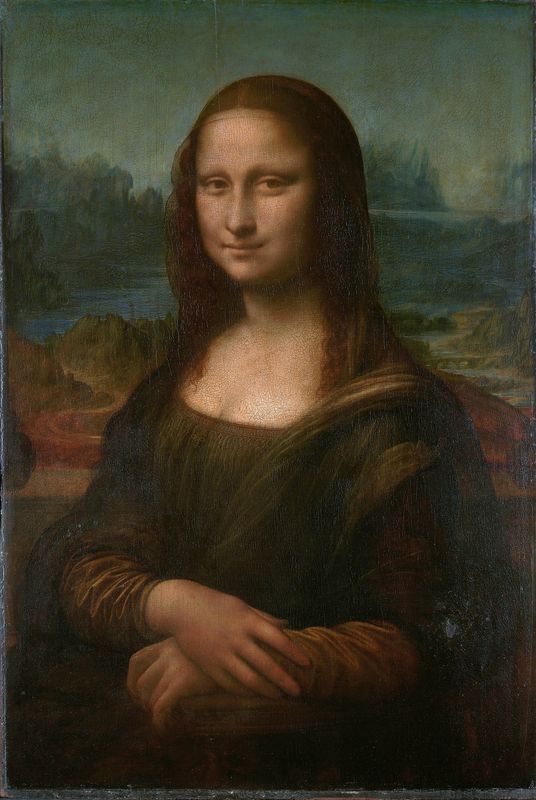 Same movement · Academic art
Mona Lisa
Leonardo da Vinci · 1503 · Department of Paintings of the Louvre
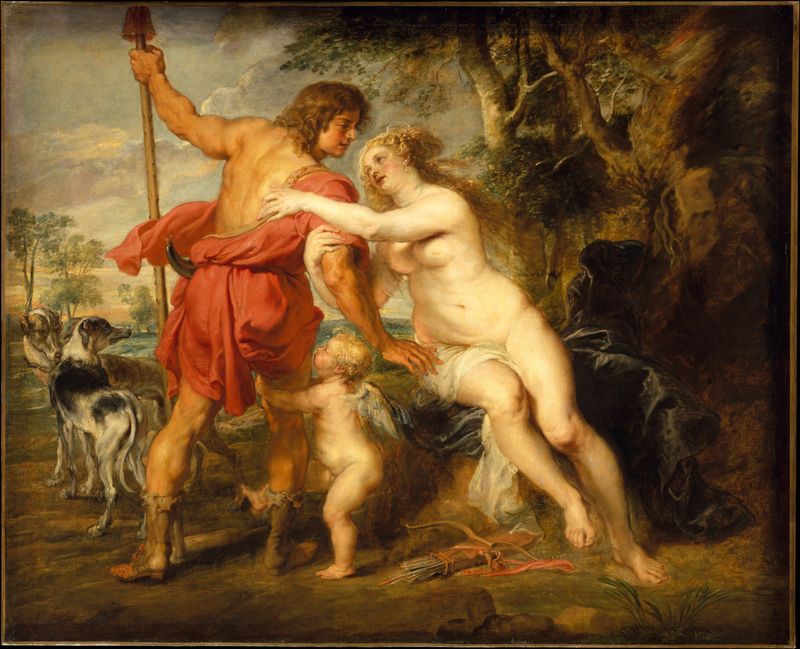 Same era · 1580s–1610s
Venus and Adonis
Peter Paul Rubens · 1610 · Museum Kunstpalast
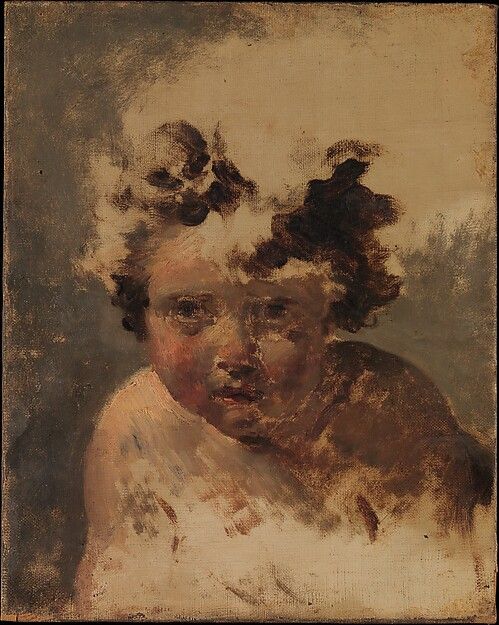 Same movement · Academic art
Head of a Child
Jacques-Louis David · 1768 · The Metropolitan Museum of Art
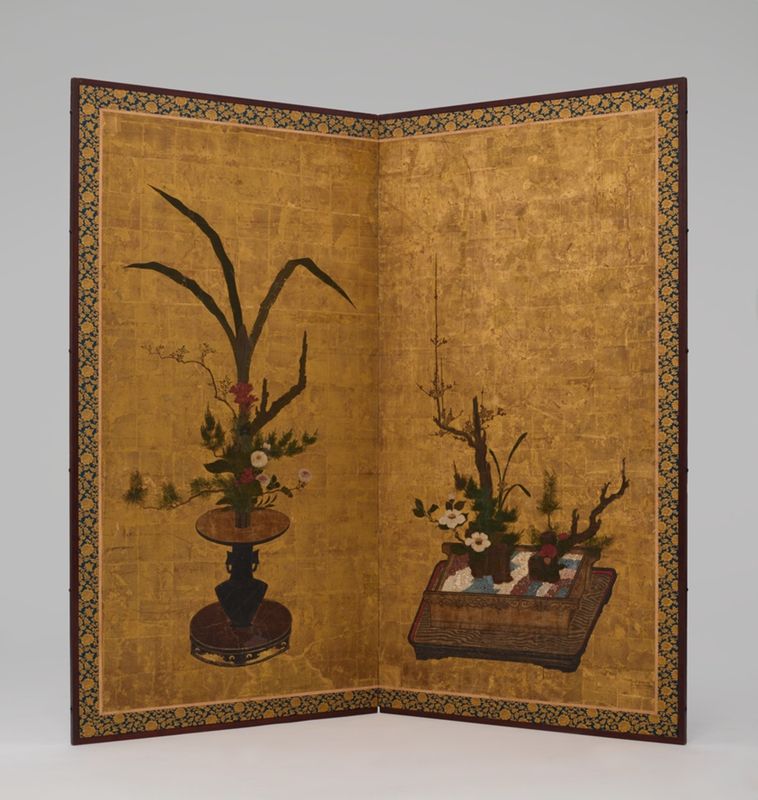 Same era · 1580s–1610s
Flower Arrangements
Artist Unknown - The Mercat Cross, Aberdeen · 1595 · Art Institute of Chicago
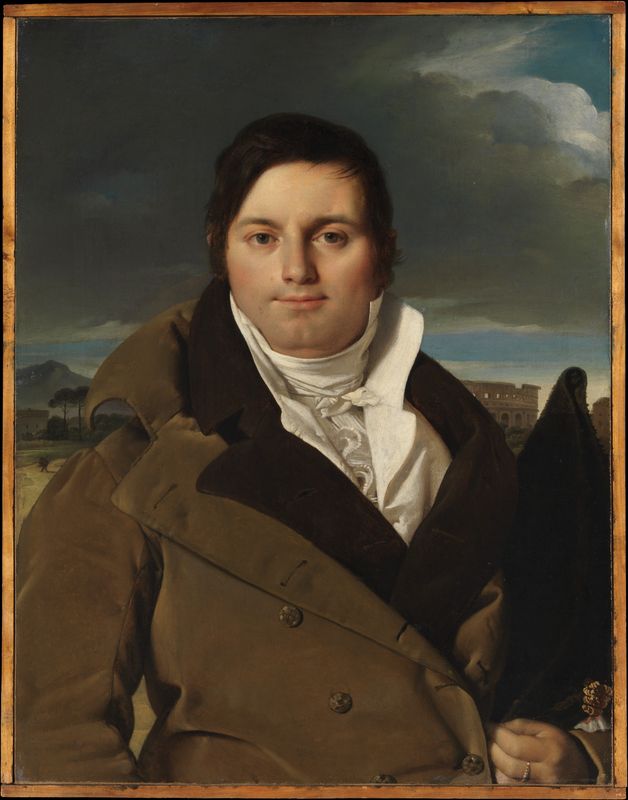 Same movement · Academic art
Joseph-Antoine Moltedo (born 1775)
Jean-Auguste-Dominique Ingres · 1805 · The Metropolitan Museum of Art
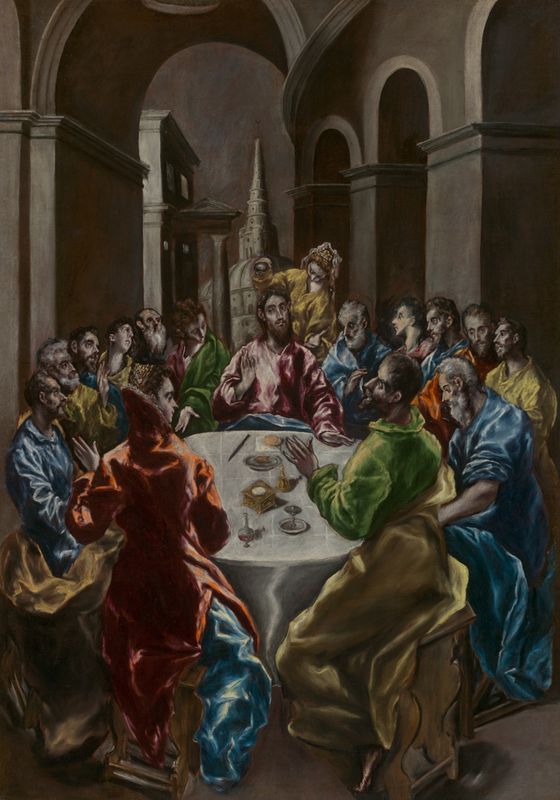 Same era · 1580s–1610s
The Feast in the House of Simon
El Greco (Doménikos Theotokópoulos) and workshop · 1608 · Art Institute of Chicago
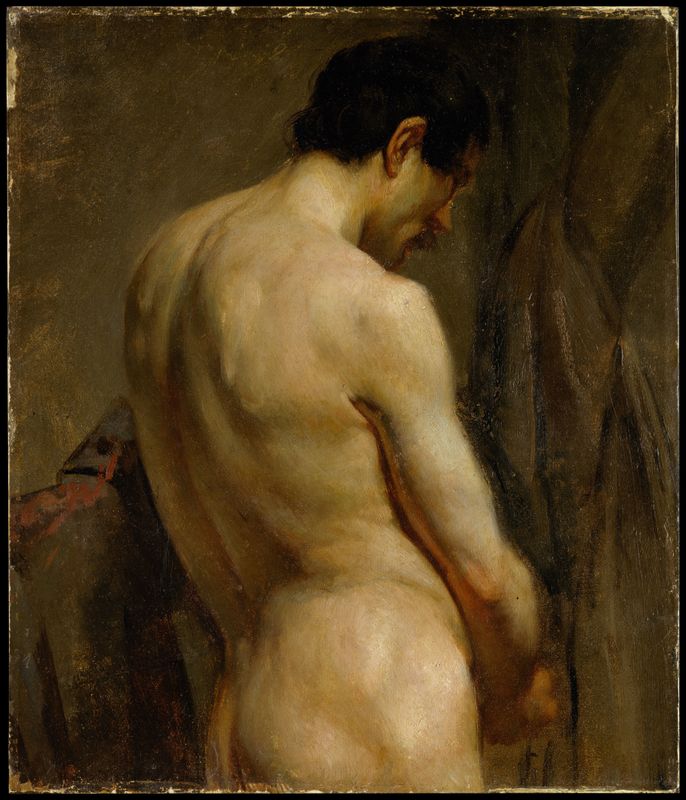 Same movement · Academic art
Male Academy Figure: Half-Length, Side View
Eugène Delacroix · 1819 · Karen B. Cohen Collection
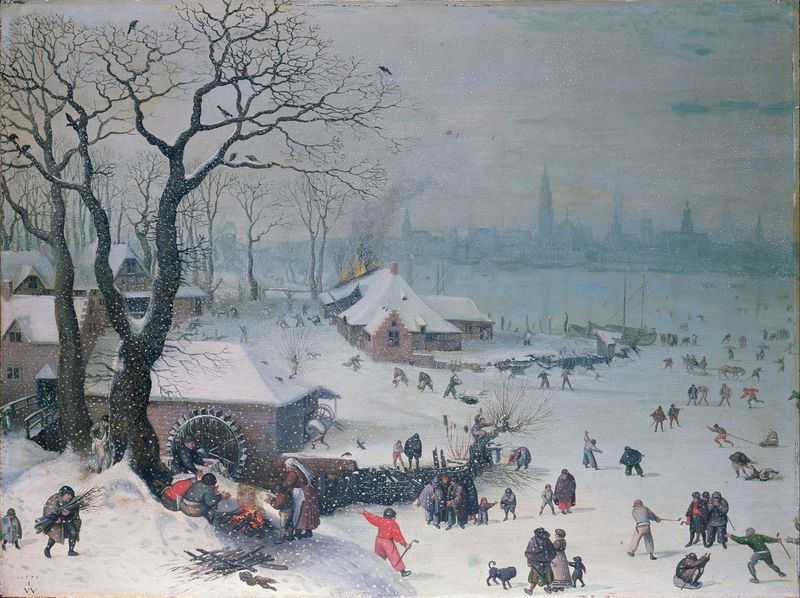 Same era · 1580s–1610s
Winter Landscape with Snowfall near Antwerp
Jan Brueghel the Elder · 1610
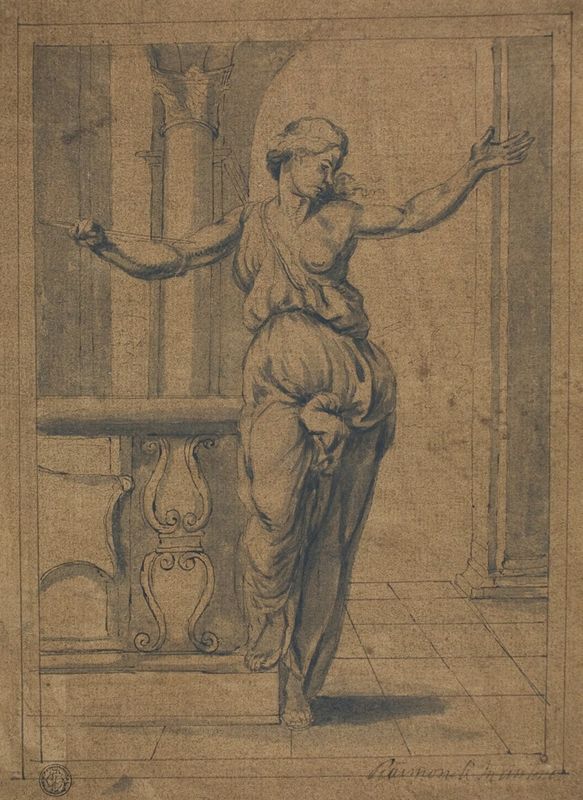 Same movement · Academic art
Lucretia
Raphael · Metropolitan Museum of Art
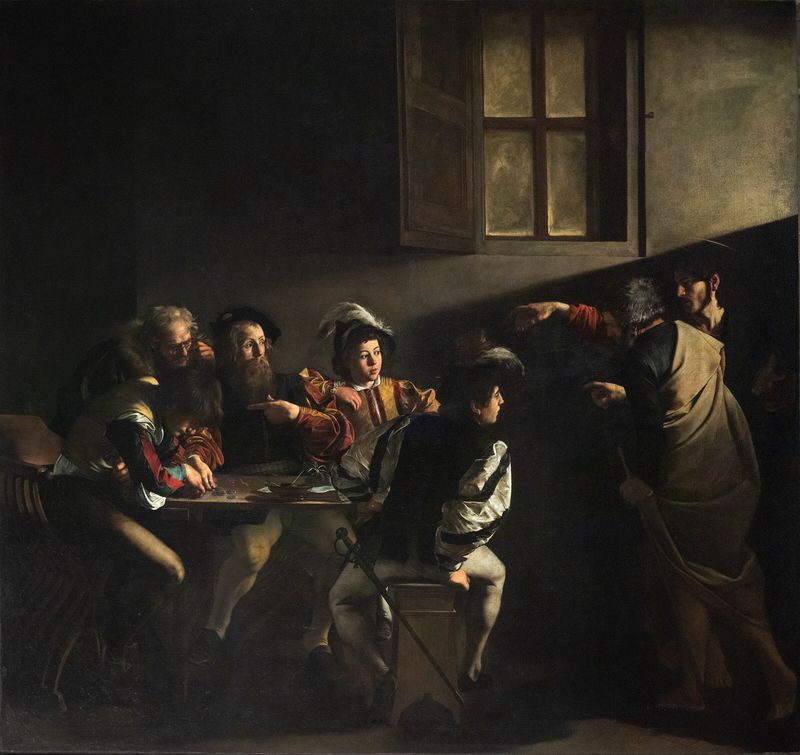 Same era · 1580s–1610s
The Calling of Saint Matthew
Hendrick ter Brugghen · 1609 · Museum of Fine Arts, Budapest
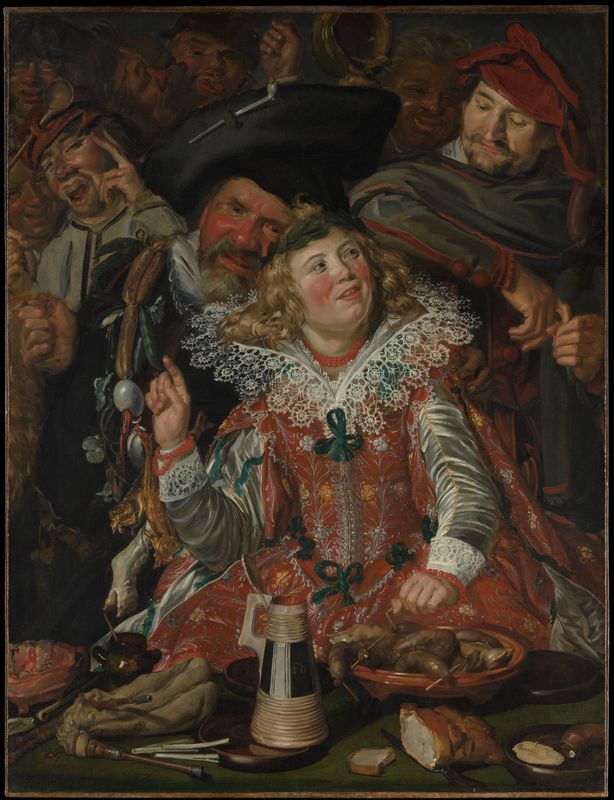 Same era · 1580s–1610s
Merrymakers at Shrovetide
Frans Hals · 1610 · Metropolitan Museum of Art
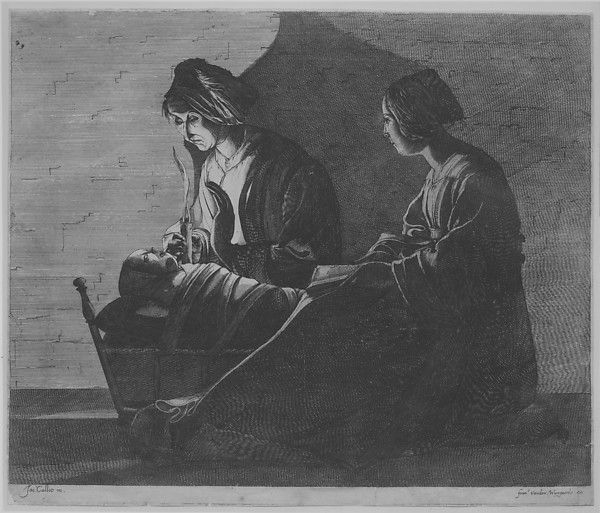 Same era · 1580s–1610s
The Virgin and Child with Saint Anne
Georges de La Tour · 1600 · The Metropolitan Museum of Art
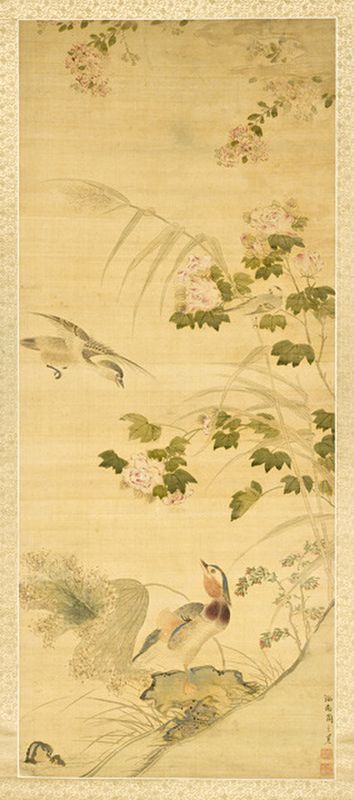 Same era · 1580s–1610s
Flowers and Birds
Zhou Zhimian · 1595 · Los Angeles County Museum of Art
 Same era · 1580s–1610s
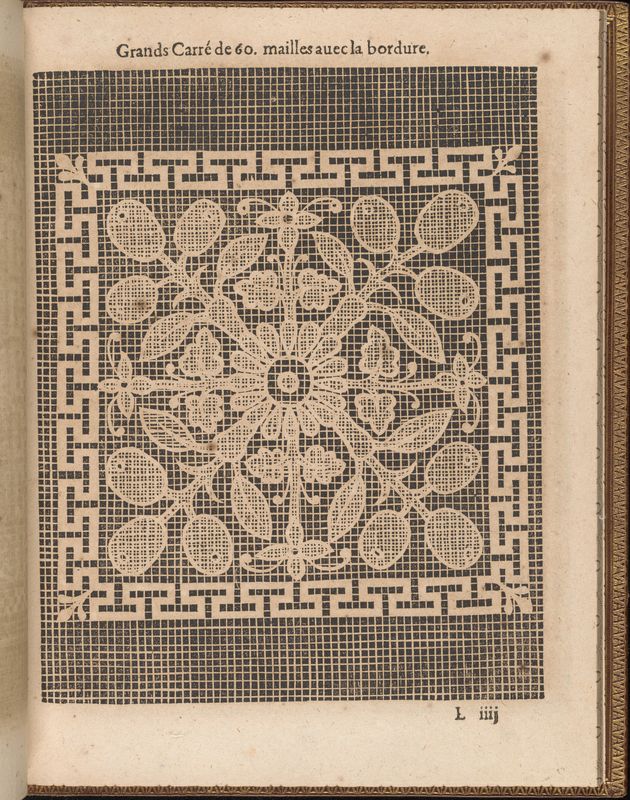
La Pratique de l'Aiguille, page 43 (recto)
Matthias Mignerak · 1605 · The Metropolitan Museum of Art
 Same era · 1580s–1610s
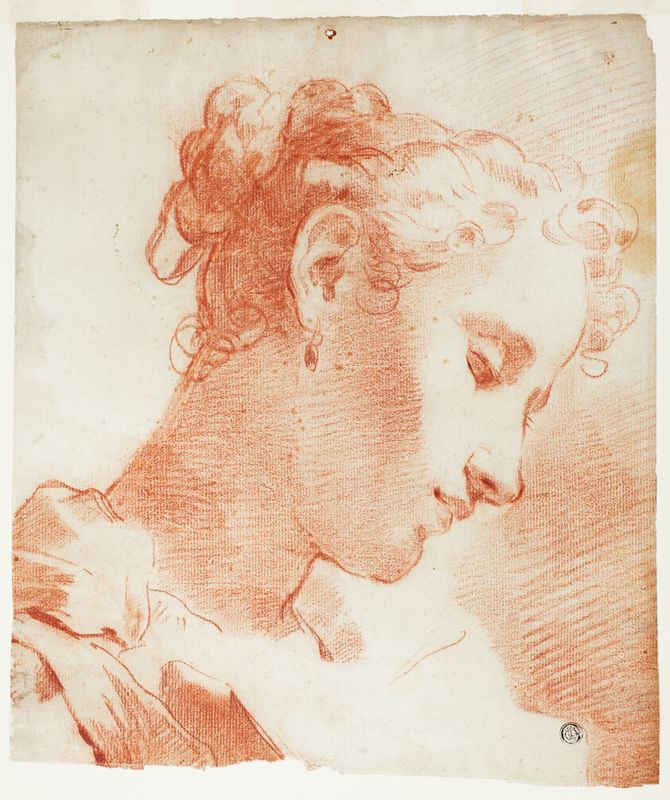
Female Head
Gaetano Gandolfi · 1592 · Art Institute of Chicago
 Same era · 1580s–1610s
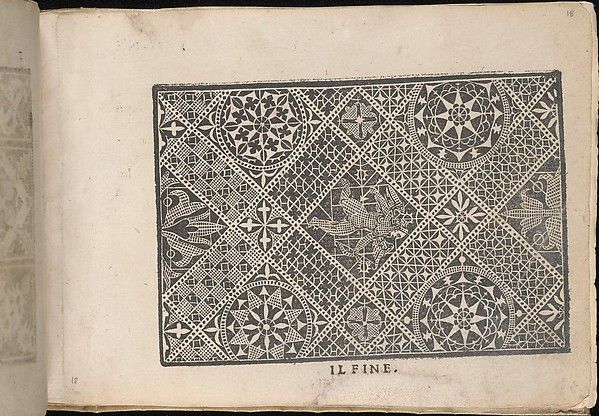
Fiori di Ricami Nuovamente Posti in Luce, page 18 (recto)
Matteo Florimi · 1591 · The Metropolitan Museum of Art