

“Stop to see the dramatic moment of Christ's resurrection, where a blinding light and divine power send Roman guards sprawling. This painting captures the intense emotion and movement characteristic of the Baroque era.”
In this dramatic painting, Jesus Christ rises from his tomb, bathed in a brilliant, almost blinding light. His left arm is raised in a gesture of blessing or triumph, while his right hand gently grasps the shroud. Below him, three Roman soldiers are thrown into disarray by the divine intervention. One soldier shields his eyes from the intense glow, another tumbles backward, and a third lies prone, seemingly unconscious. The tomb itself is a dark, cavernous space, contrasting sharply with the radiant figure of Christ. This work, painted around 1665, captures a moment of profound spiritual power and physical upheaval, typical of the Baroque style. The artist, Samuel van Hoogstraten, was a student of Rembrandt and traveled extensively, absorbing various artistic influences before returning to his hometown of Dordrecht.
- Artist
- Samuel van Hoogstraten
- Date
- 1665
- Medium
- Oil on canvas
- Location
- Art Institute of Chicago
- Dimensions
- 81 × 64.9 cm (31 7/8 × 25 1/2 in.); Framed: 100.1 × 84.8 × 8.6 cm (39 3/8 × 33 3/8 × 3 3/8 in.)
- Collection
- Painting and Sculpture of Europe
- Culture
- Holland
- Credit line
- Sophia P. Morton Purchase Fund
What to Notice
Five details hide in plain sight. Here’s where to look.
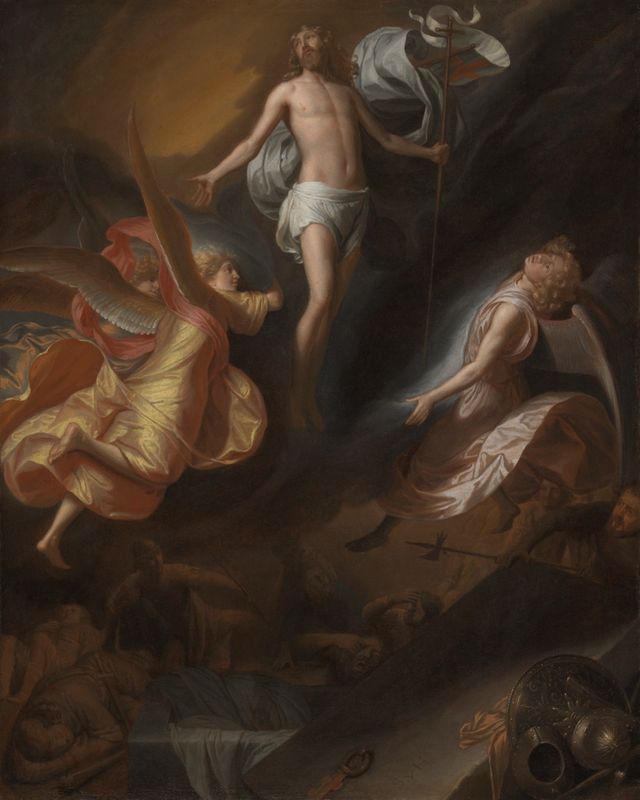
The intense light emanating from Christ, illuminating the scene.
The varied reactions of the Roman soldiers to the resurrection.
The dark, rocky tomb contrasting with the heavenly light.
Christ's raised hand, a gesture of blessing or victory.
1 more detail is waiting.
See all 5 in Art Whisper →Stand in front of it and listen
The full narration walks you through Resurrection of Christ — the story behind it, the details most visitors miss, and why it matters. Free in the Art Whisper app.
Samuel van Hoogstraten
Samuel van Hoogstraten was a versatile Dutch Golden Age artist, known for his Rembrandt-like portraits, architectural views, and ingenious 'peepshow' perspective boxes.
More works to explore
Beyond van Hoogstraten: works from the same years.
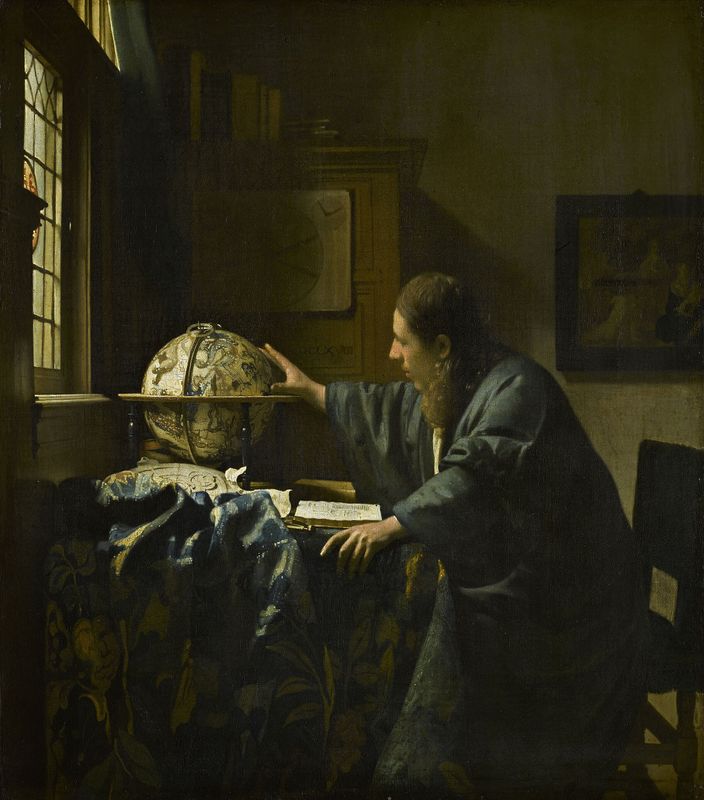 Same era · 1650s–1680s
The Astronomer
Johannes Vermeer · 1664 · Department of Paintings of the Louvre
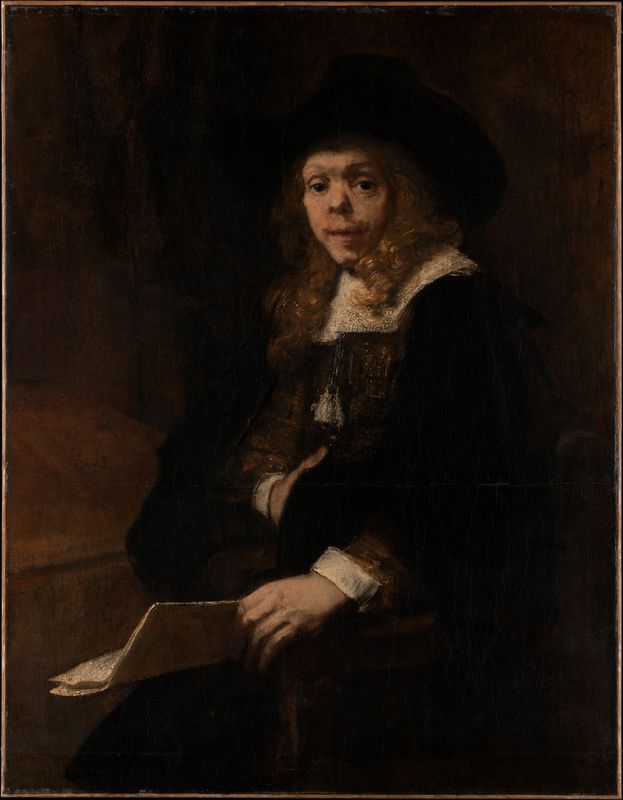 Same era · 1650s–1680s
Portrait of Gerard de Lairesse
Rembrandt · 1663 · The Metropolitan Museum of Art
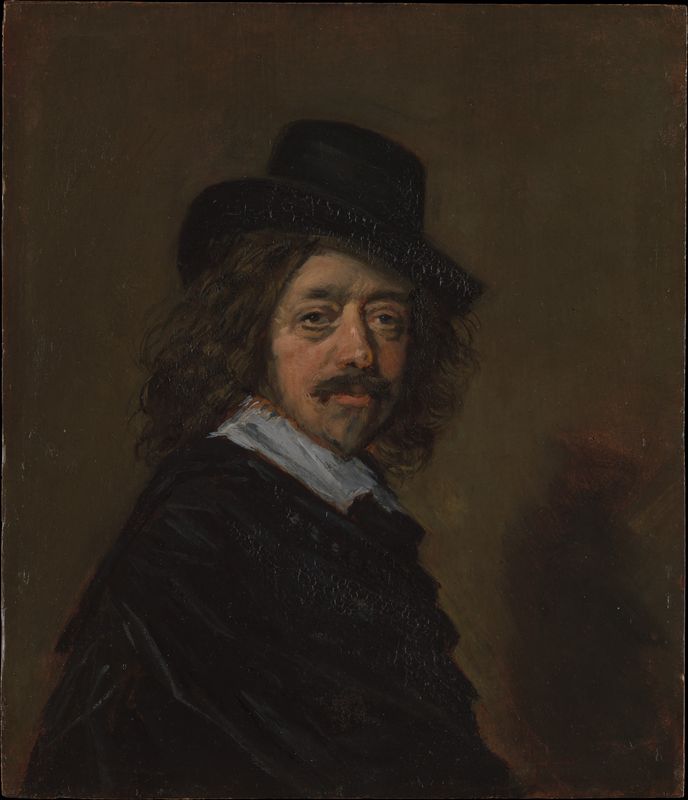 Same era · 1650s–1680s
Frans Hals (1582/83–1666)
Frans Hals · 1650 · The Metropolitan Museum of Art
 Same era · 1650s–1680s
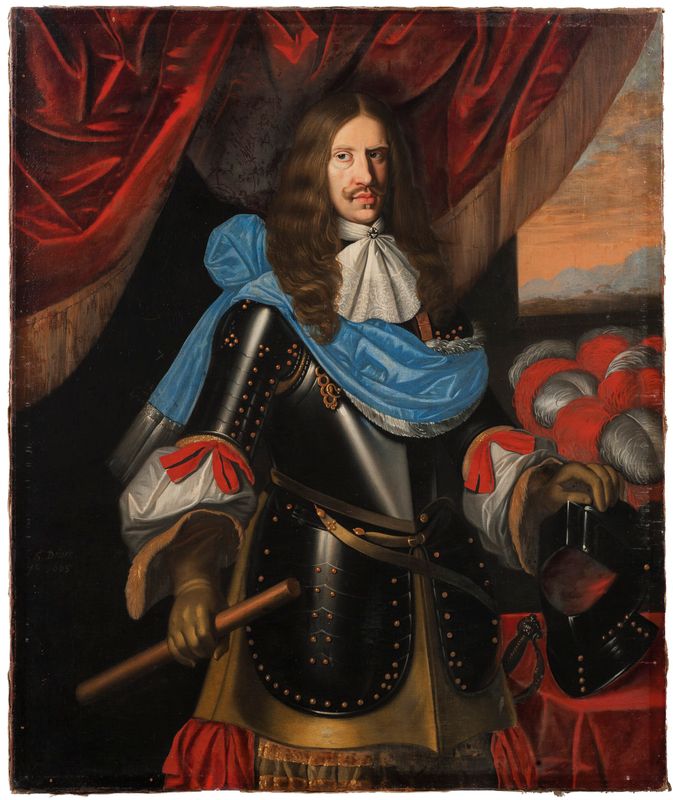
Ludvig VI, 1630-78, lantgreve av Hessen-Darmstadt
Salomon Duarte · 1665 · Nationalmuseum
 Same era · 1650s–1680s
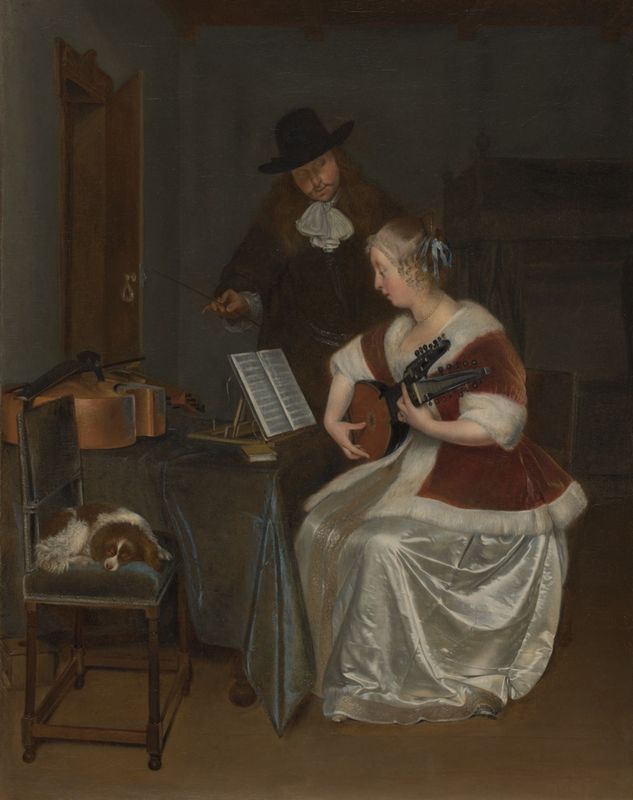
The Music Lesson
Gerard ter Borch the Younger · 1670 · Art Institute of Chicago
 Same era · 1650s–1680s
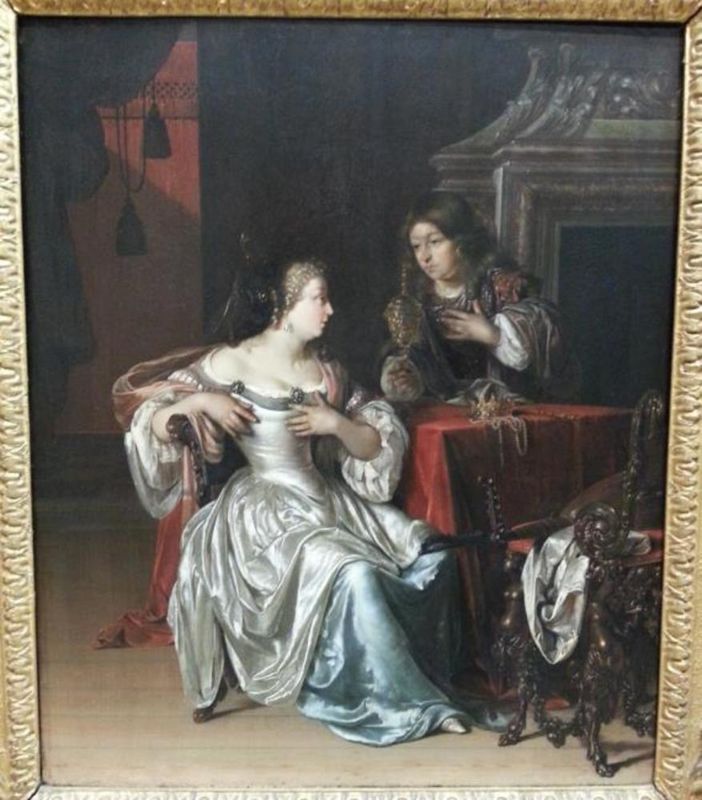
Tancred's servant presenting the heart of Guiscard in a golden cup to Guismond
Adriaen van der Werff · 1678 · Fitzwilliam Museum
 Same era · 1650s–1680s
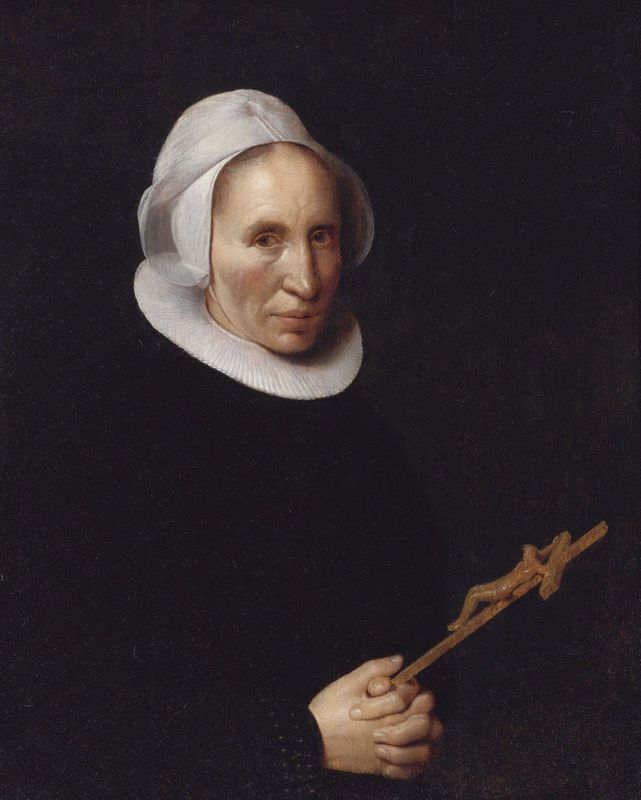
A lady holding a crucifix
Willem van der Vliet · 1650
 Same era · 1650s–1680s
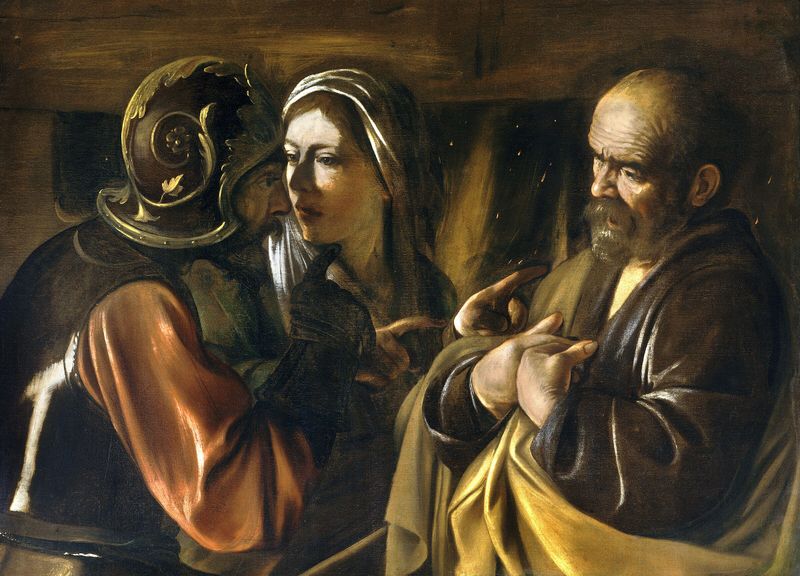
The Denial of Saint Peter
Georges de La Tour · 1650 · Nantes Museum of Arts
 Same era · 1650s–1680s
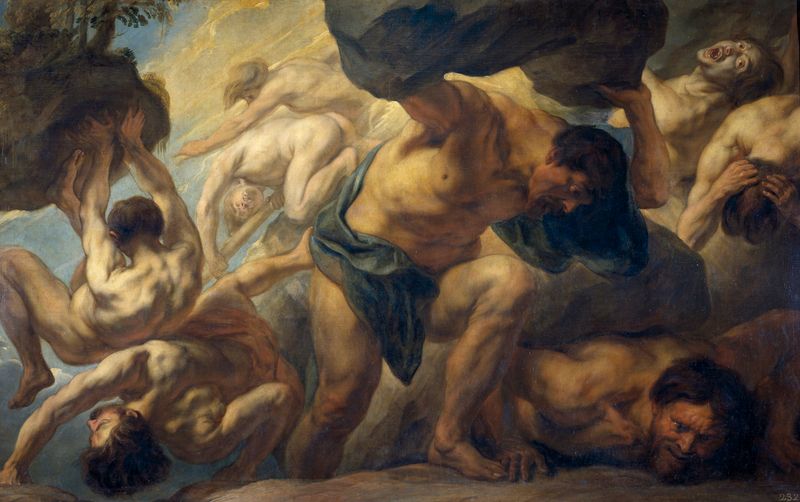
The Fall of the Giants
Jacob Jordaens · 1663 · Art Institute of Chicago
 Same era · 1650s–1680s
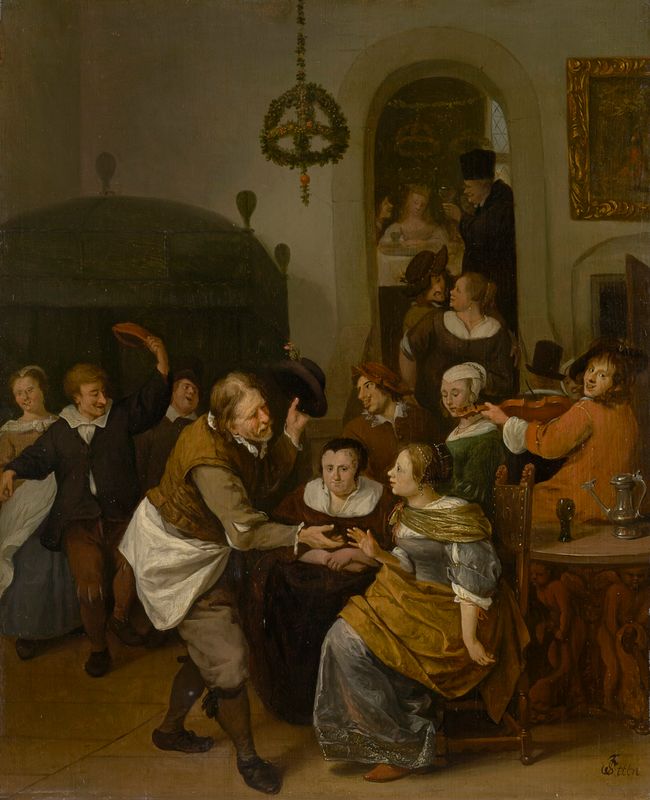
The wedding party
Jan Steen · 1660 · Museum Boijmans Van Beuningen
 Same era · 1650s–1680s
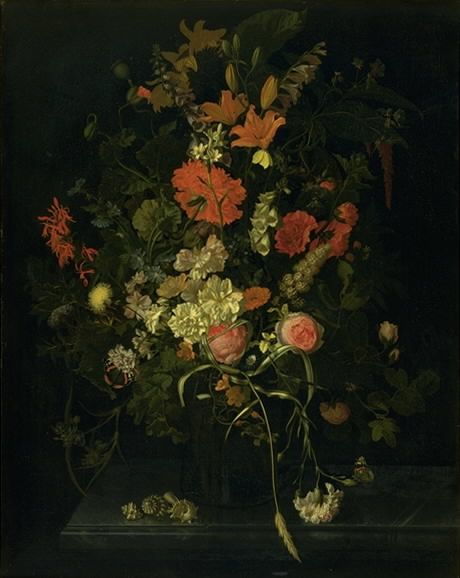
Bouquet of flowers in a glass vase
Jan van Kessel the Elder · 1659 · Suermondt-Ludwig-Museum
 Same era · 1650s–1680s
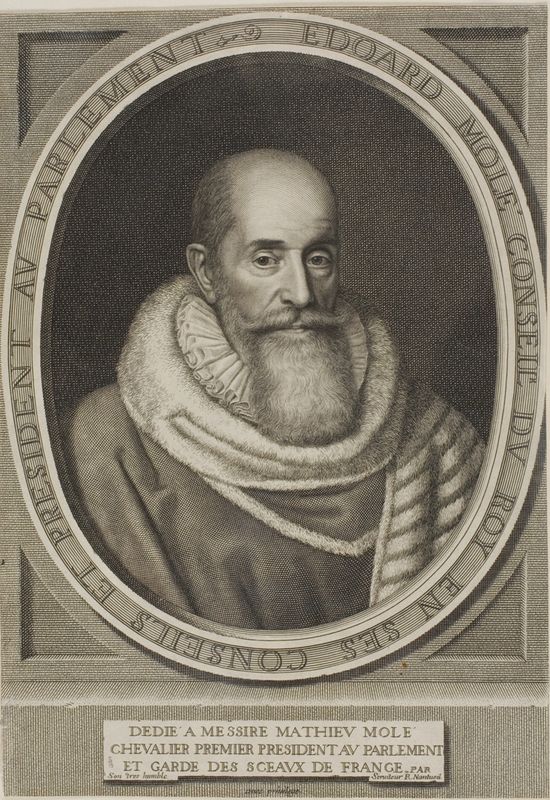
Portrait of Edouard Molé
Robert Nanteuil · 1653 · Art Institute of Chicago