01
White headscarf
Look at the woman's pale headcovering and collar at the center. Its soft folds catch the light and make the brightest, most solid shape in the picture.
1 of 5 on the painting
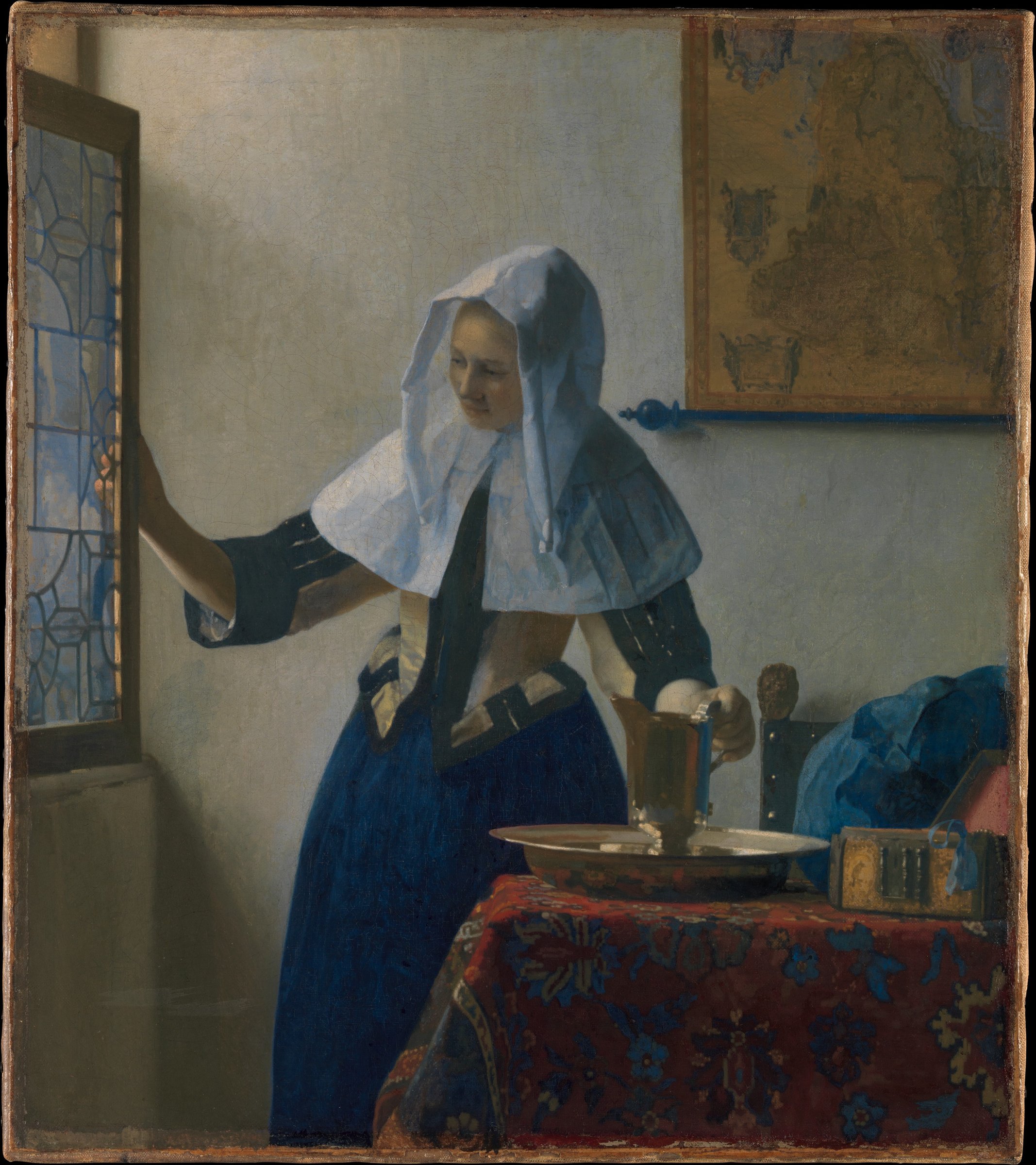
“Stop and observe this exquisite painting, where Johannes Vermeer transforms a simple domestic scene into a study of light, texture, and quiet contemplation. It's a prime example of the beauty found in everyday moments.”
A young woman stands bathed in soft morning light, holding a heavy water pitcher. Her gaze, directed out of the frame, suggests a momentary pause in her domestic routine. The rich blue of her jacket, likely made with expensive ultramarine pigment, catches the light, creating a focal point against the muted tones of the room. This intimate scene, set within a typical Dutch interior, captures a quiet dignity in everyday life. The painting invites us to consider the significance of ordinary moments and the hidden stories within them, a common theme in Dutch Golden Age genre painting. The meticulous rendering of textures and the play of light across surfaces create a sense of profound stillness and observation.
Five details hide in plain sight. Pick one and we’ll show you exactly where to look.
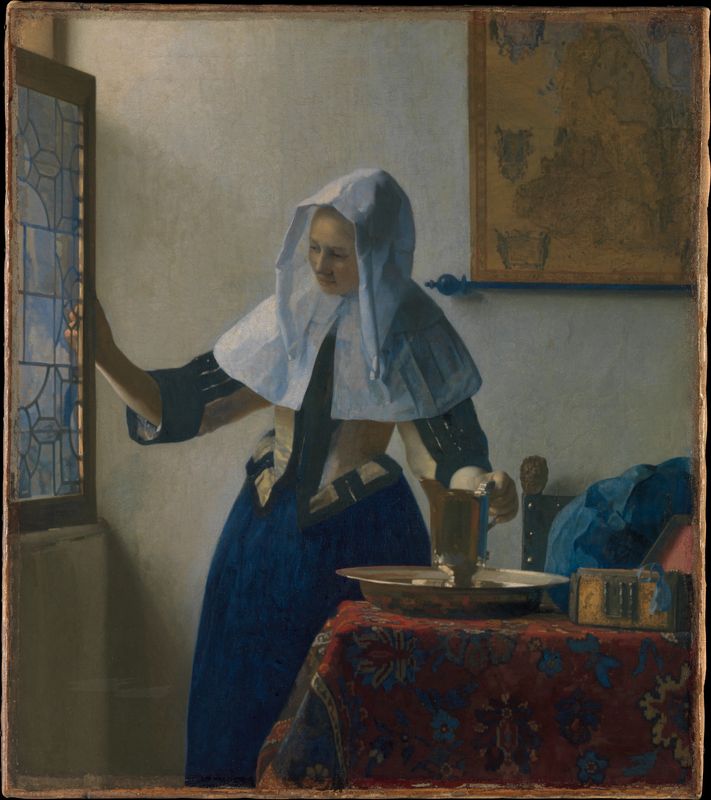
Look at the woman's pale headcovering and collar at the center. Its soft folds catch the light and make the brightest, most solid shape in the picture.
Study the diamond and hexagon patterns in the window panes at far left. The blue-gray glass, divided by thin lead lines, lets in the cool light that seems to fill the room.
Follow her outstretched arm to the left, where her hand rests on the open window frame. Her other hand holds the pitcher, so one gesture reaches toward the light and the other toward the water.
Look at the metal pitcher and the wide basin beneath it. Soft highlights make the polished metal gleam, and her gaze and hand seem tied to the vessel.
The big map at upper right is painted in dull gold and brown, and it looks like a map of the Netherlands. A map like this hints at the wider Dutch world beyond this quiet room.
The full narration walks you through Young Woman with a Water Pitcher — the story behind it, the details most visitors miss, and why it matters. Free in the Art Whisper app.
Vermeer painted just 34 known works, yet became one of history's most beloved masters of light.
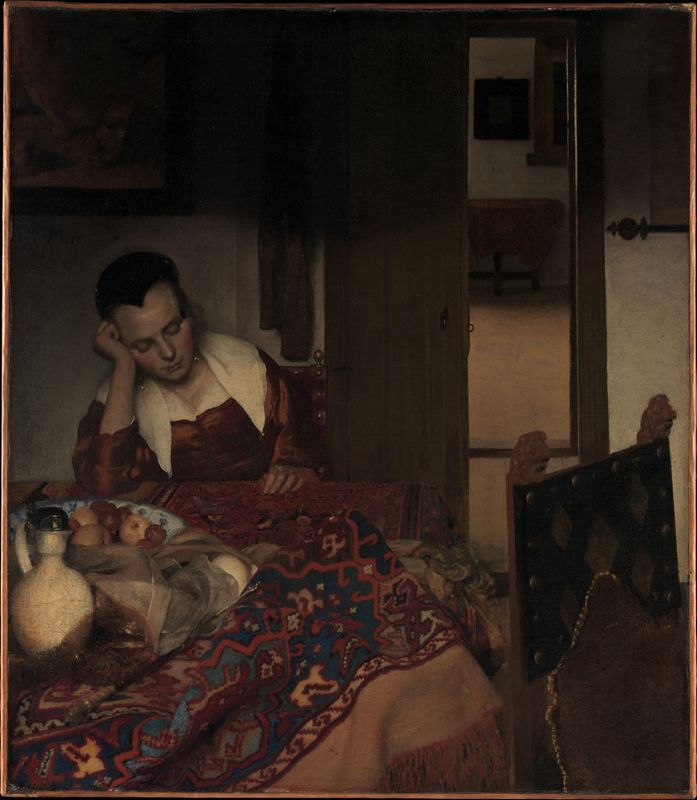 A Maid Asleep
1656 · The Metropolitan Museum of Art
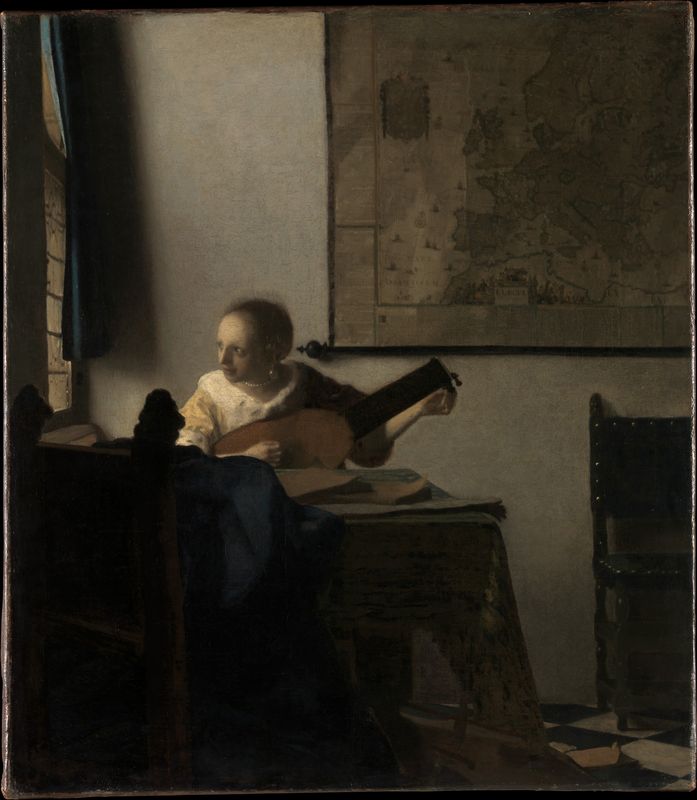 Young Woman with a Lute
1662 · The Metropolitan Museum of Art
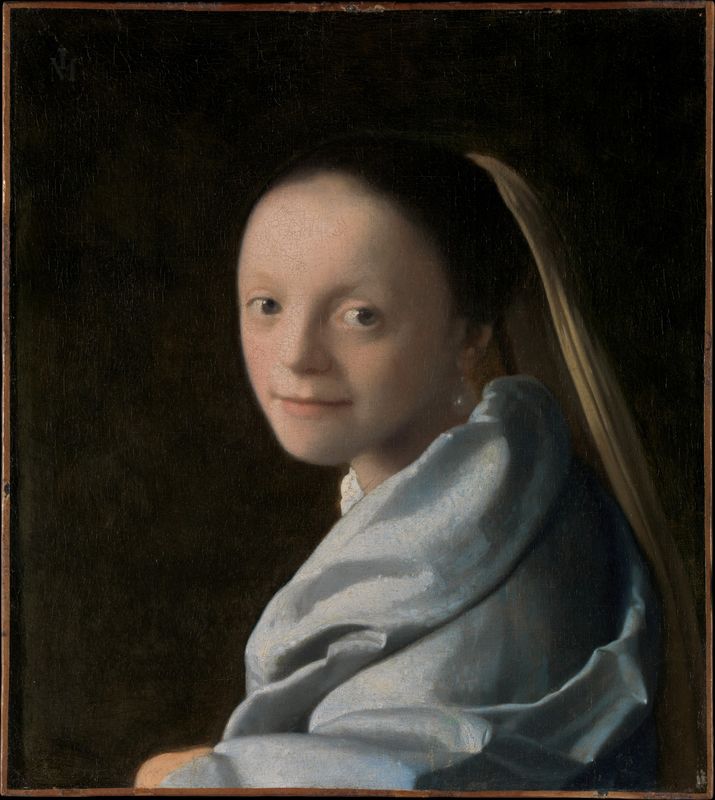 Study of a Young Woman
1665 · The Metropolitan Museum of Art
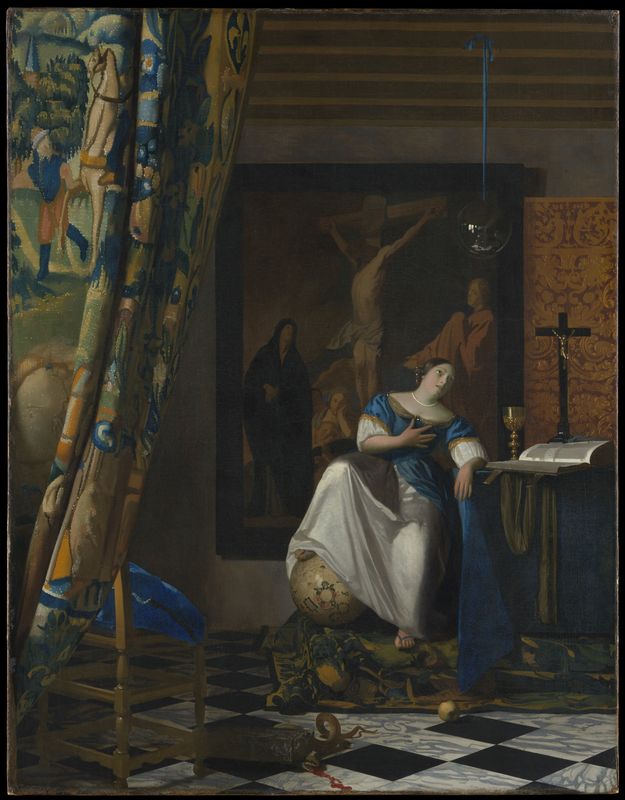 Allegory of the Catholic Faith
1670 · The Metropolitan Museum of Art
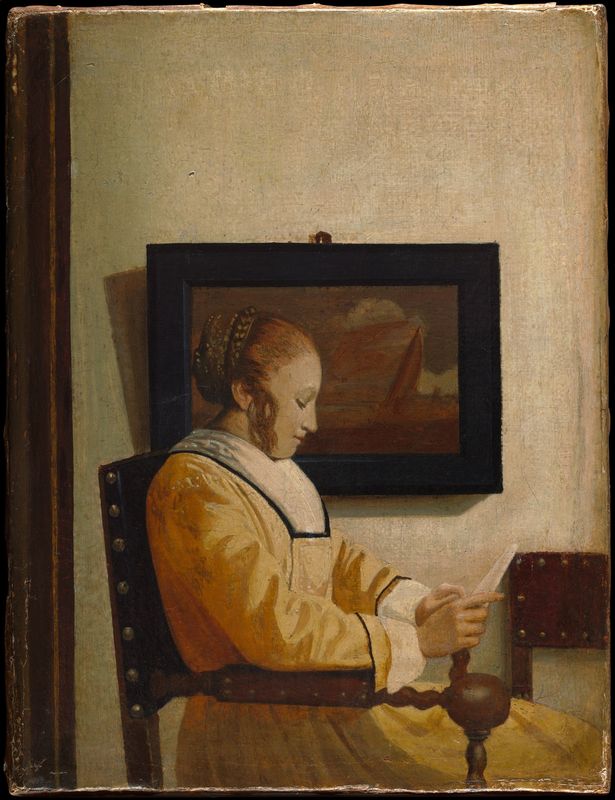 A Young Woman Reading
The Metropolitan Museum of Art
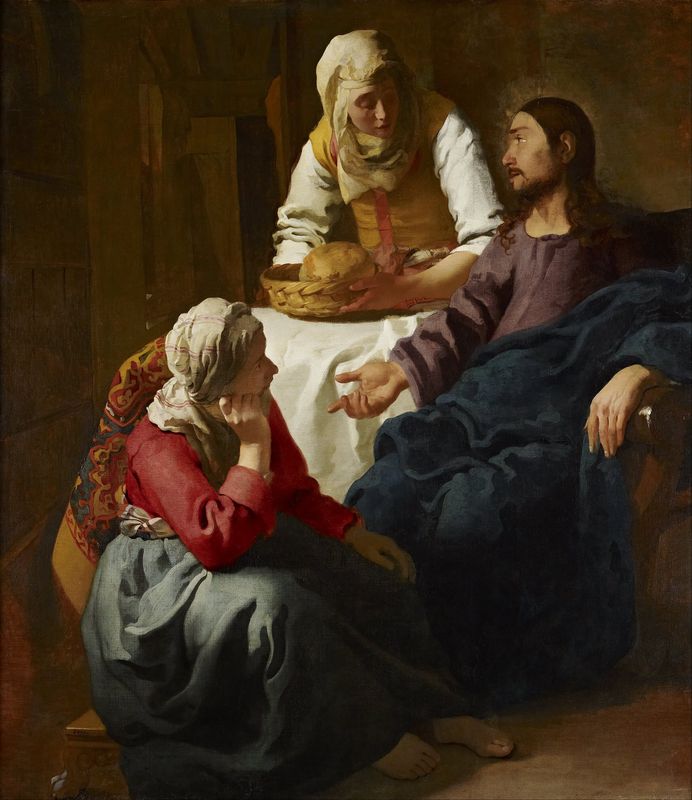 Christ in the House of Martha and Mary
1650 · Scottish National Gallery
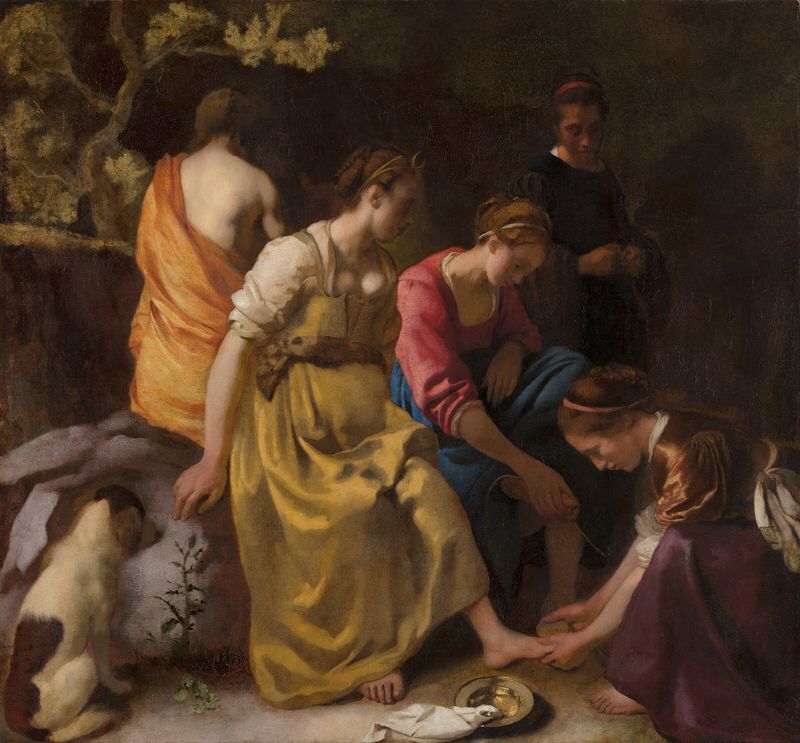 Diana and her Nymphs
1650 · Mauritshuis
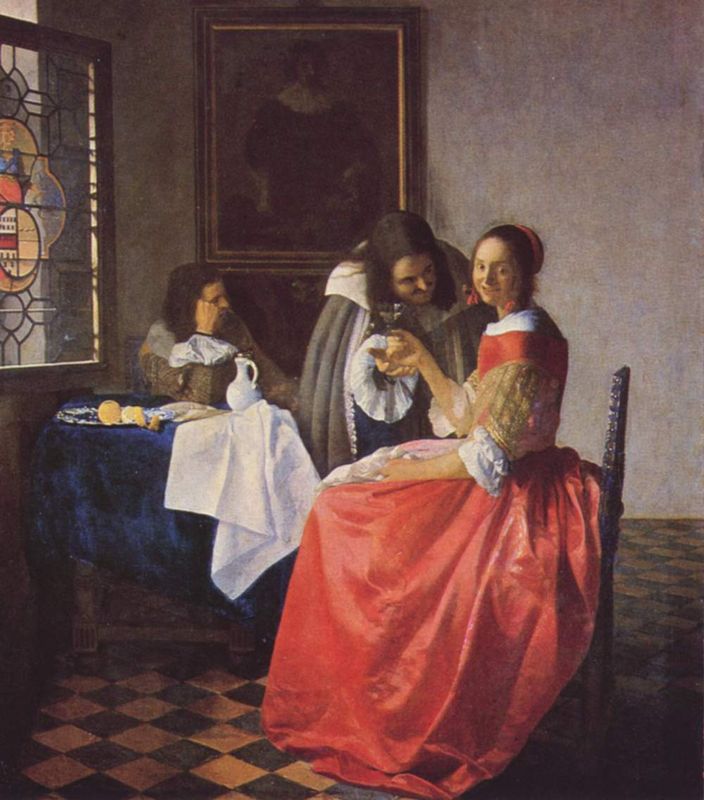 The Girl with the Wine Glass
1650 · Herzog Anton Ulrich Museum
Beyond Vermeer and Baroque: works from the same years, and from the other movements Young Woman with a Water Pitcher belongs to.
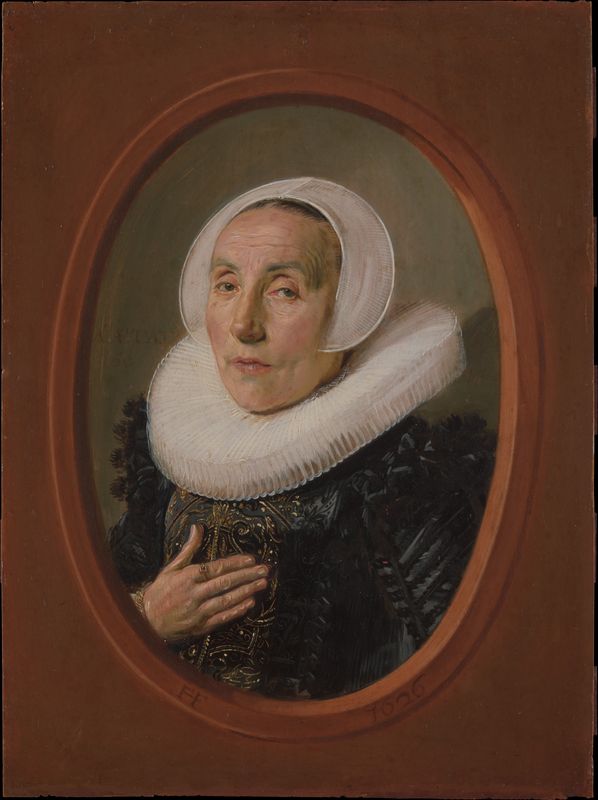 Same movement · Dutch Golden Age painting
Anna van der Aar (born 1576/77, died after 1626)
Frans Hals · 1626 · The Metropolitan Museum of Art
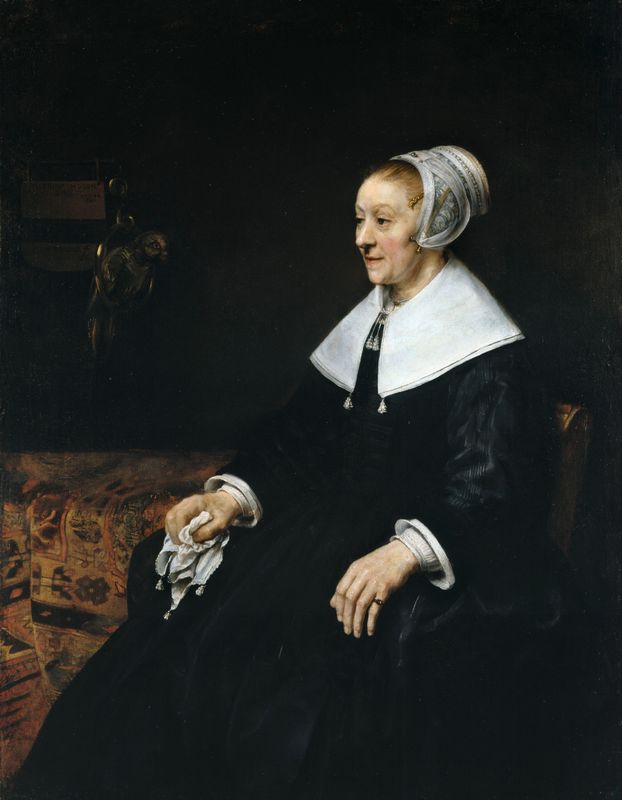 Same era · 1640s–1670s
Portrait of Catrina Hoogsaet
Rembrandt · 1657 · National Trust
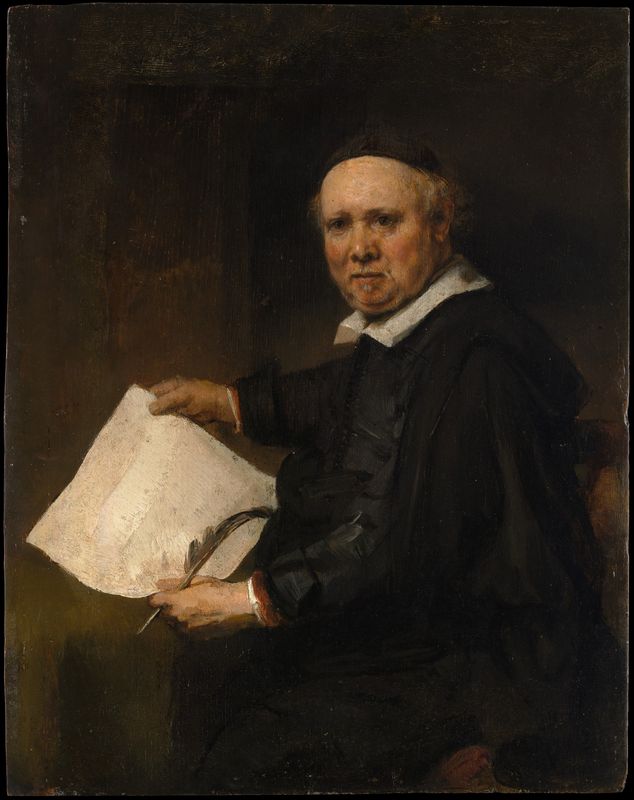 Same movement · Dutch Golden Age painting
Lieven Willemsz van Coppenol (born about 1599, died 1671 or later)
Rembrandt · 1626 · The Metropolitan Museum of Art
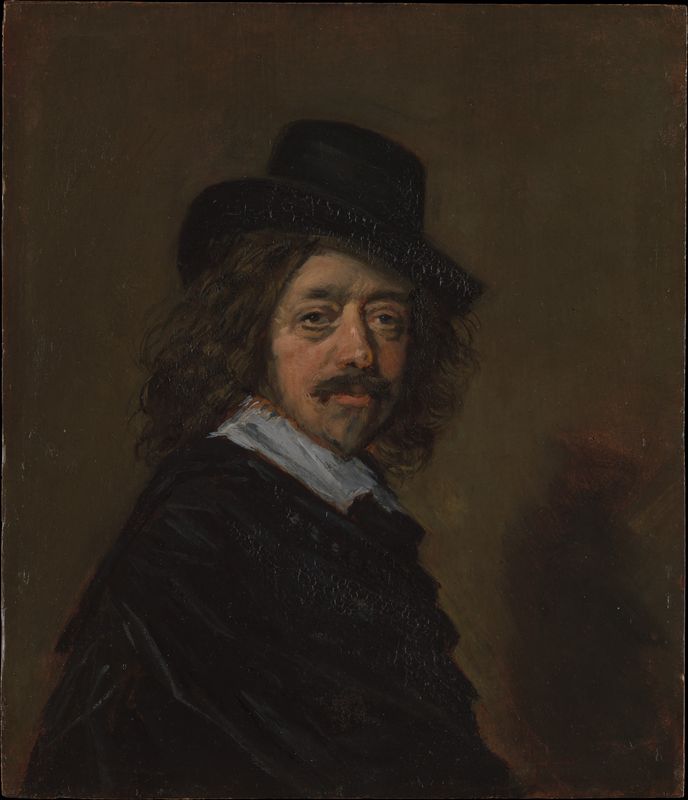 Same era · 1640s–1670s
Frans Hals (1582/83–1666)
Frans Hals · 1650 · The Metropolitan Museum of Art
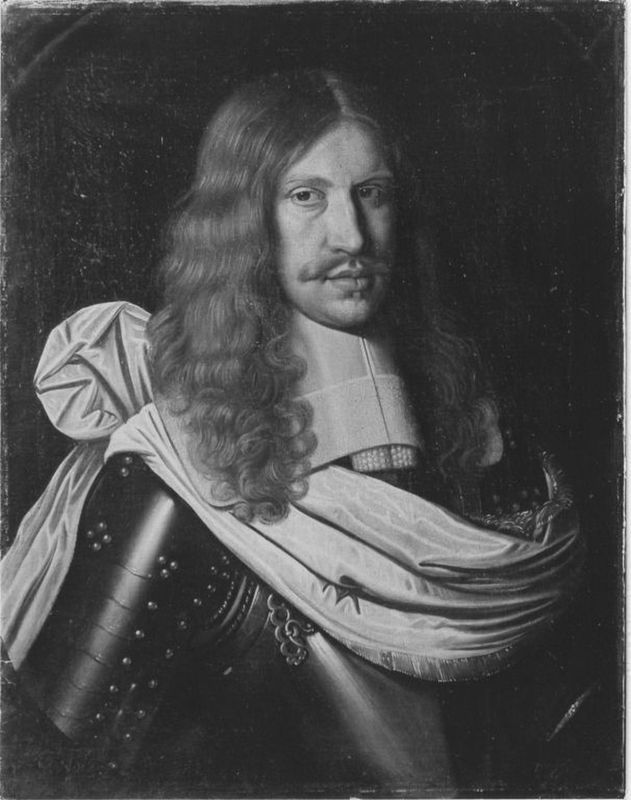 Same era · 1640s–1670s
portrait of Count Ludwig VI. von Hessen-Darmstadt
Salomon Duarte · 1660 · Bavarian State Painting Collections
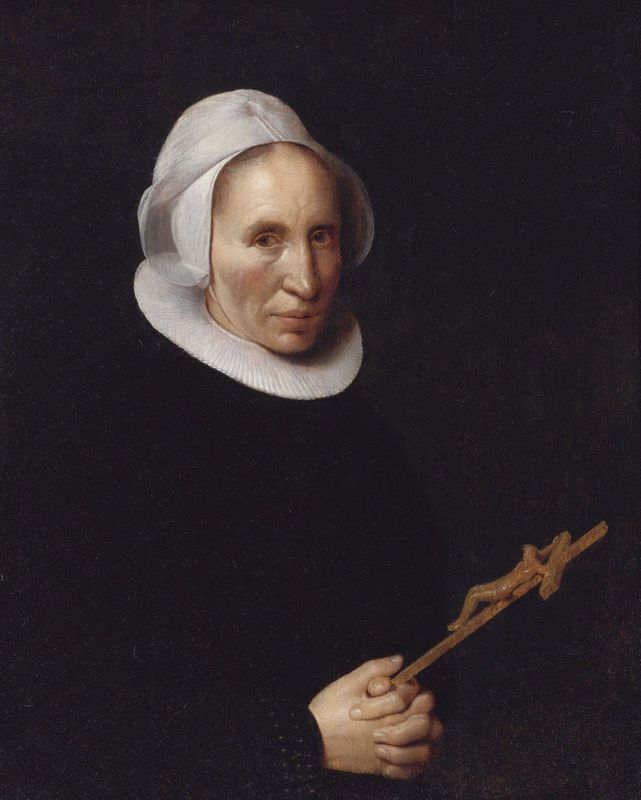 Same era · 1640s–1670s
A lady holding a crucifix
Willem van der Vliet · 1650
 Same era · 1640s–1670s
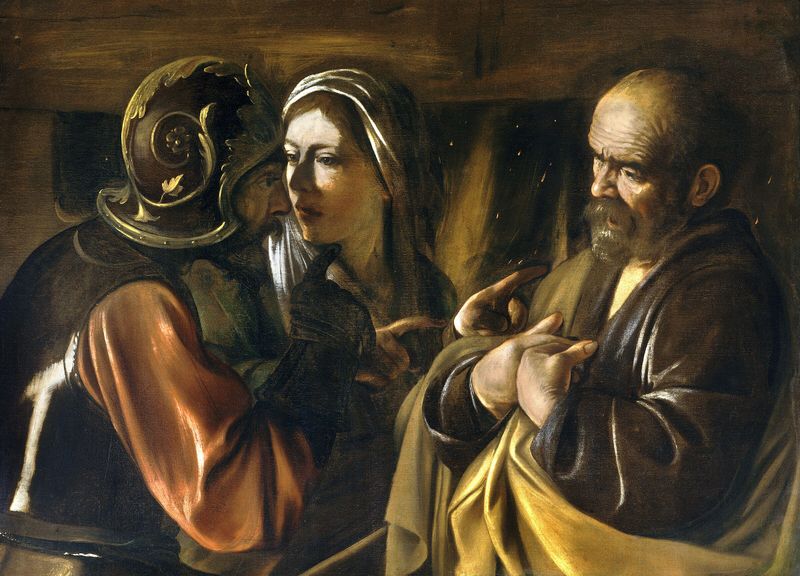
The Denial of Saint Peter
Georges de La Tour · 1650 · Nantes Museum of Arts
 Same era · 1640s–1670s
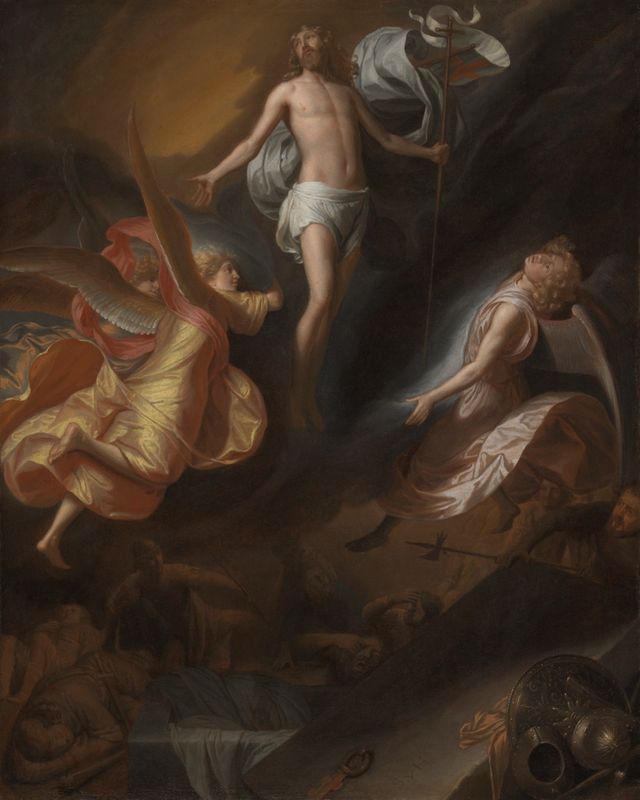
Resurrection of Christ
Samuel van Hoogstraten · 1665 · Art Institute of Chicago
 Same era · 1640s–1670s
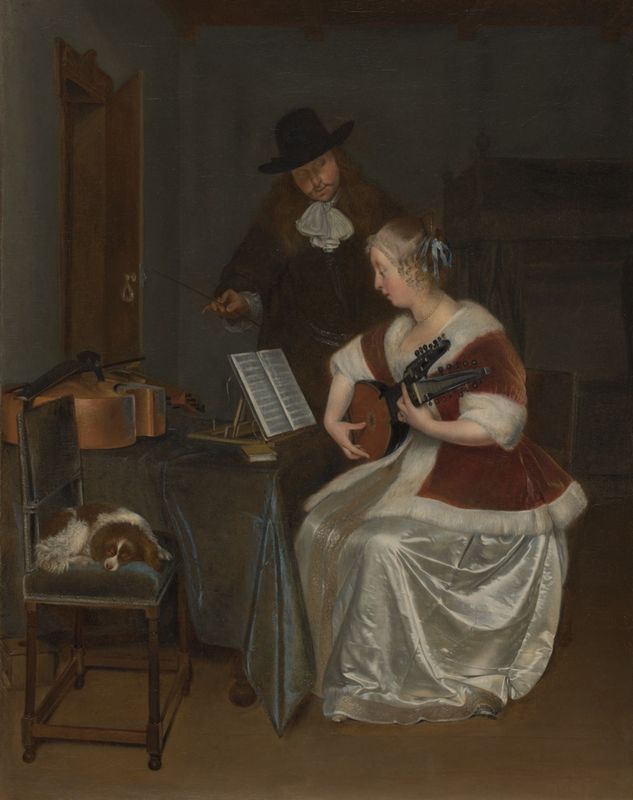
The Music Lesson
Gerard ter Borch the Younger · 1670 · Art Institute of Chicago
 Same era · 1640s–1670s
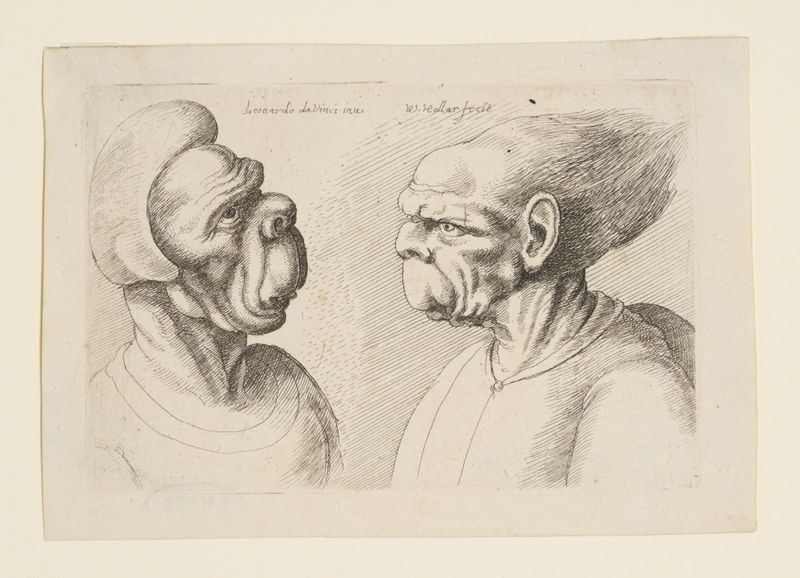
Two Deformed Heads with Very Long Upper Lips
Leonardo da Vinci · 1645 · The Metropolitan Museum of Art
 Same era · 1640s–1670s
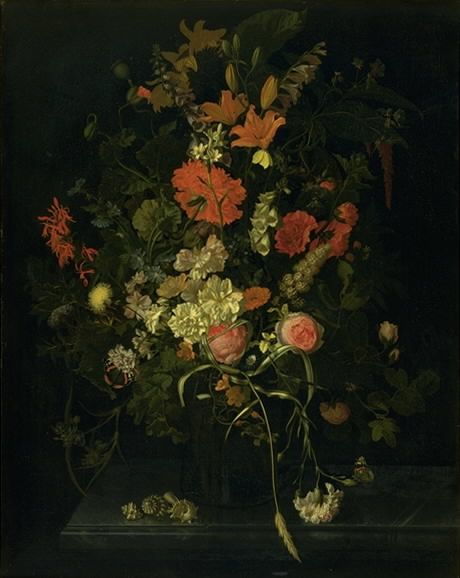
Bouquet of flowers in a glass vase
Jan van Kessel the Elder · 1659 · Suermondt-Ludwig-Museum
 Same era · 1640s–1670s
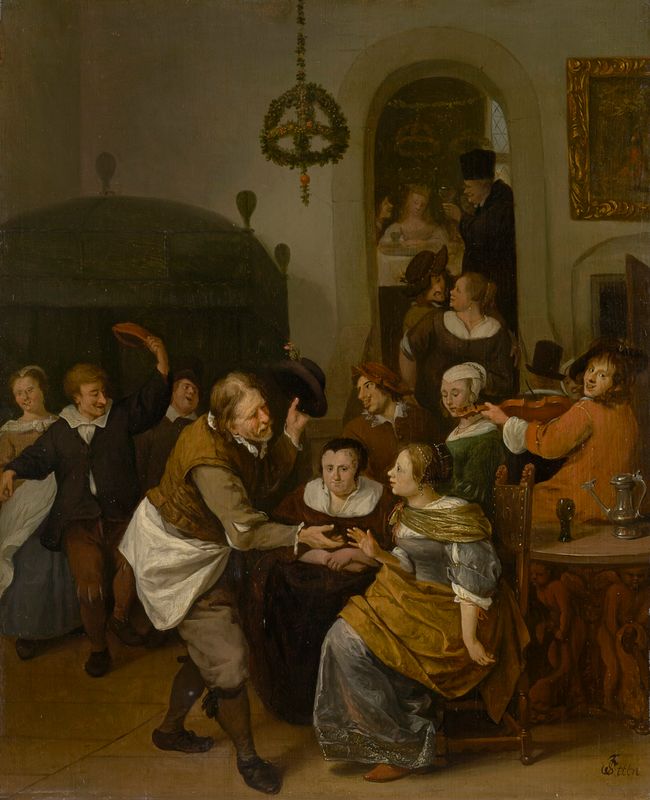
The wedding party
Jan Steen · 1660 · Museum Boijmans Van Beuningen
 Same era · 1640s–1670s
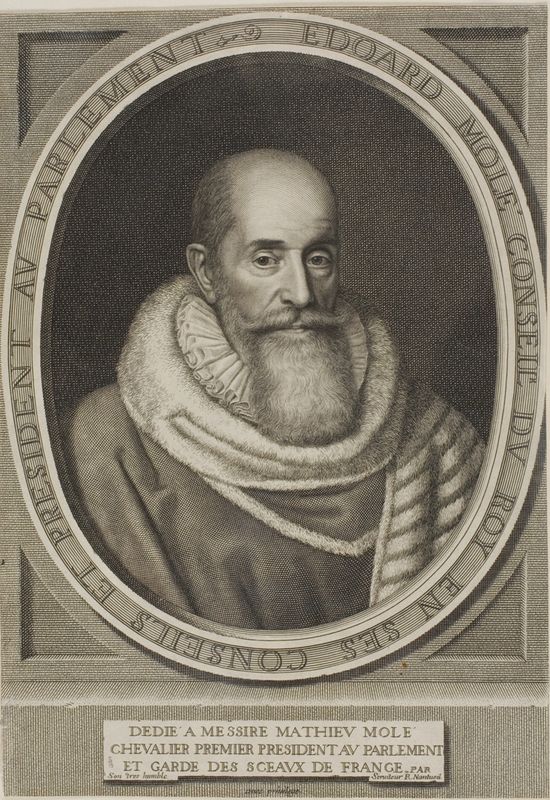
Portrait of Edouard Molé
Robert Nanteuil · 1653 · Art Institute of Chicago
 Same era · 1640s–1670s
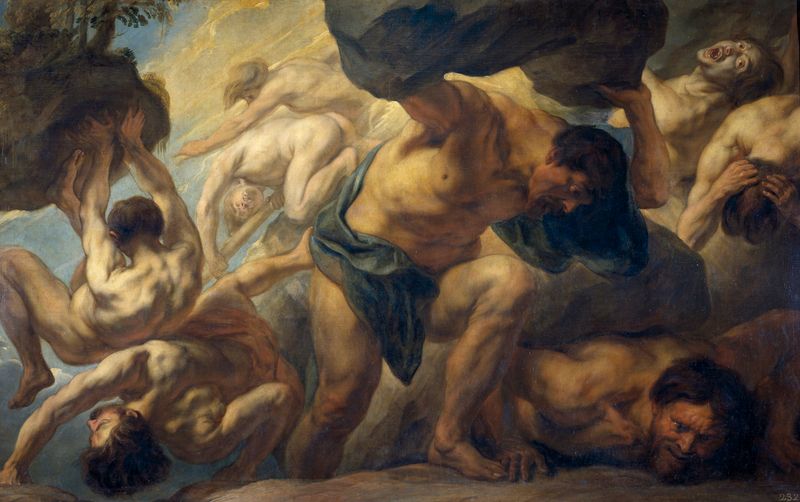
The Fall of the Giants
Jacob Jordaens · 1663 · Art Institute of Chicago