01
The wary face
Look at the face, with its heavy-lidded eyes, a sideways glance and slightly pursed mouth. Hals paints a sitter who looks alert and a little wary, caught in the moment rather than stiffly posed.
1 of 5 on the painting
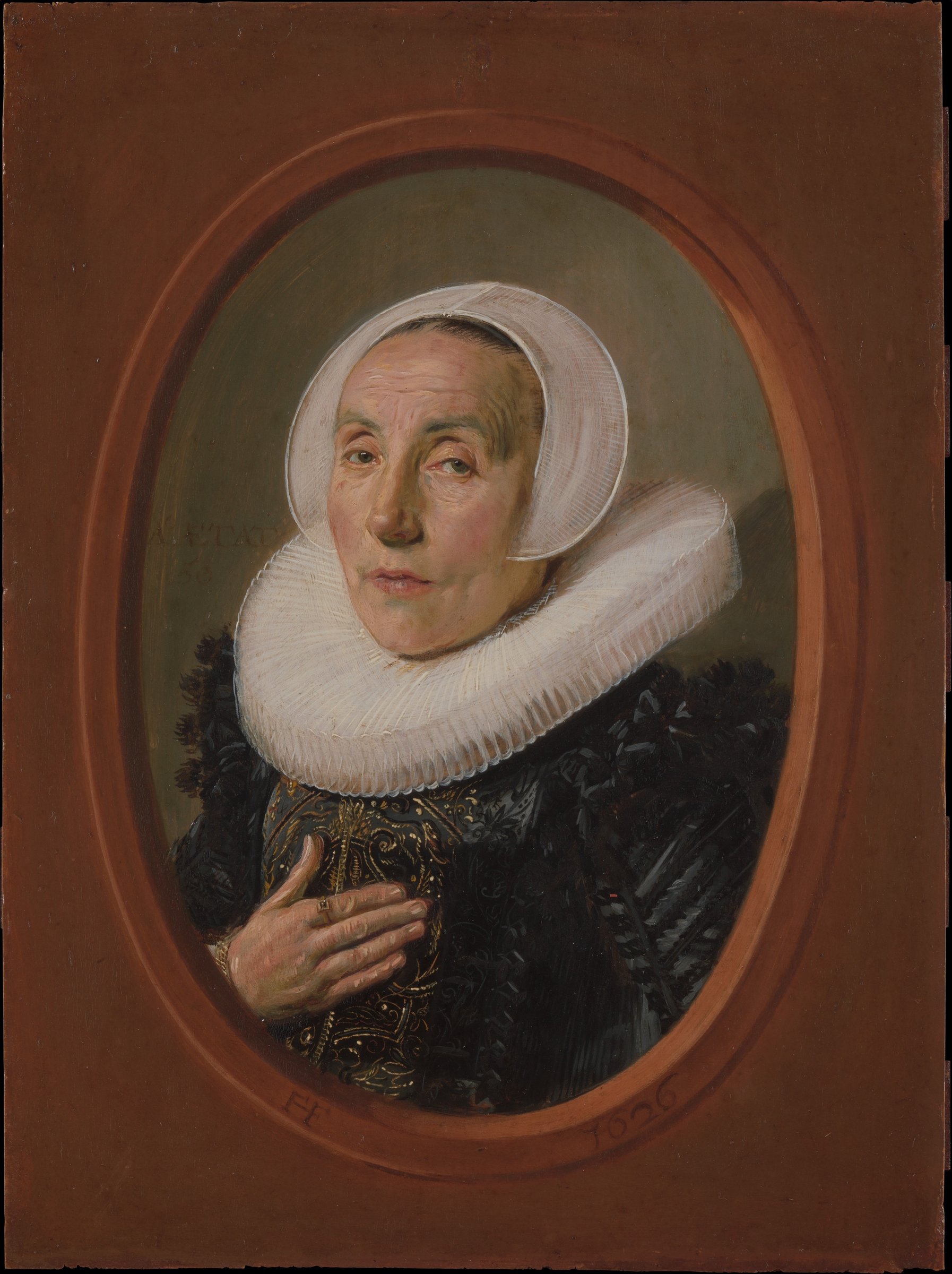
“Stop and look at this striking portrait of Anna van der Aar. Her direct gaze and the artist's energetic brushwork bring her to life, offering a glimpse into the personality of a 17th-century Dutch woman.”
Anna van der Aar, depicted here in a small but vibrant portrait, gazes out with a direct, almost challenging expression. Her face is framed by a starched white ruff and a dark cap, typical attire for a woman of her standing in early 17th-century Haarlem. The artist captures her with a remarkable immediacy, a hallmark of Dutch Golden Age portraiture, where individual character was increasingly valued. The brushwork, particularly in her ruff and the subtle highlights on her face, is lively and visible, giving the impression of a moment caught rather than a static pose. This intimate scale suggests it might have been part of a diptych, perhaps paired with a portrait of her husband, designed for private contemplation in a home.
Five details hide in plain sight. Pick one and we’ll show you exactly where to look.
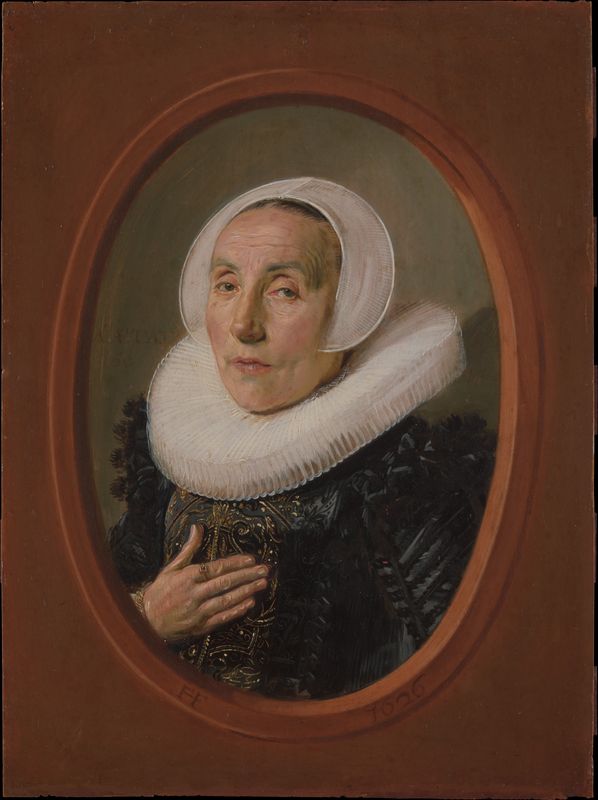
Look at the face, with its heavy-lidded eyes, a sideways glance and slightly pursed mouth. Hals paints a sitter who looks alert and a little wary, caught in the moment rather than stiffly posed.
Follow the ruff's folds, built from quick white strokes with thin shadows between. It reads as crisp starched linen without any fussy detail.
Her hand rests on her bodice, with a ring on one finger. It comes forward into our space and adds a personal, direct gesture.
Find the gold scrollwork on the dark bodice. A few flicks of yellow paint suggest rich thread against the black without being counted stitch by stitch.
At the bottom of the painted oval, the monogram FH and the date 1626 are painted into the frame as if carved, a playful touch.
The full narration walks you through Anna van der Aar (born 1576/77, died after 1626) — the story behind it, the details most visitors miss, and why it matters. Free in the Art Whisper app.
Master of spontaneous brushwork who captured Dutch burghers with unrivaled liveliness and psychological insight.
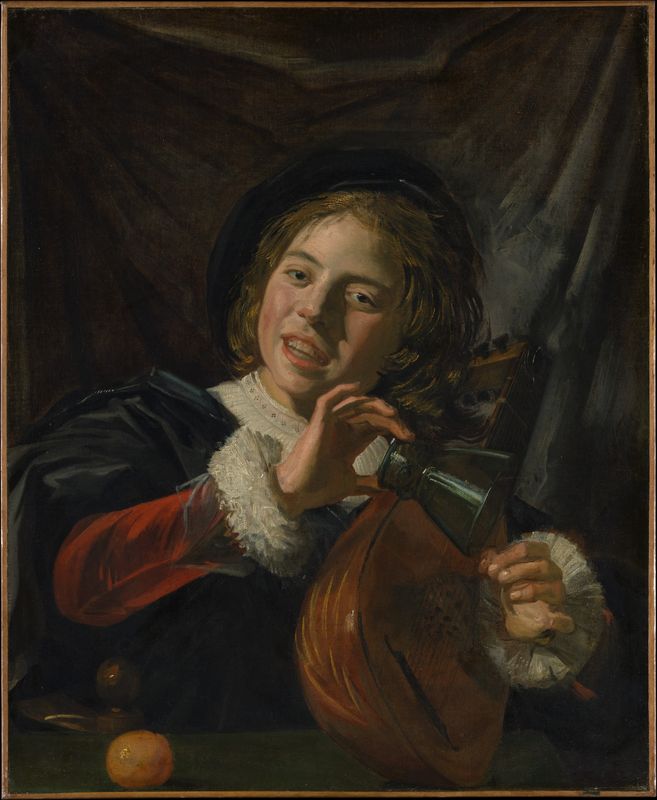 Boy with a Lute
1620 · The Metropolitan Museum of Art
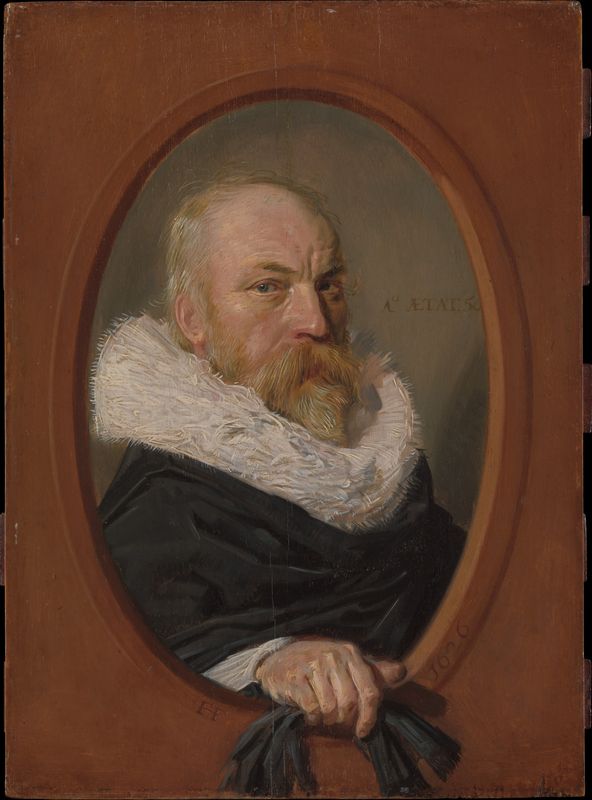 Petrus Scriverius (1576–1660)
1626 · The Metropolitan Museum of Art
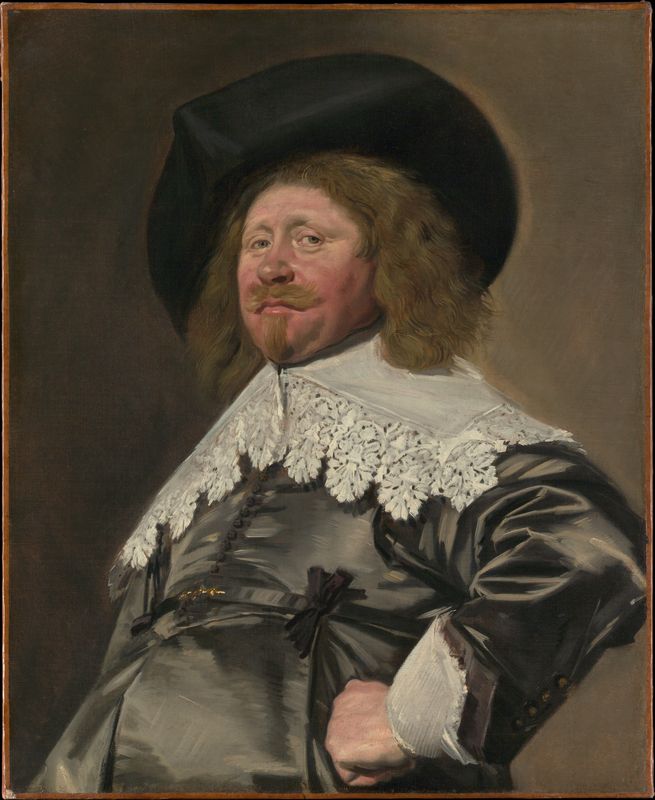 Portrait of a Man, Possibly Nicolaes Pietersz Duyst van Voorhout (born about 1600, died 1650)
1636 · The Metropolitan Museum of Art
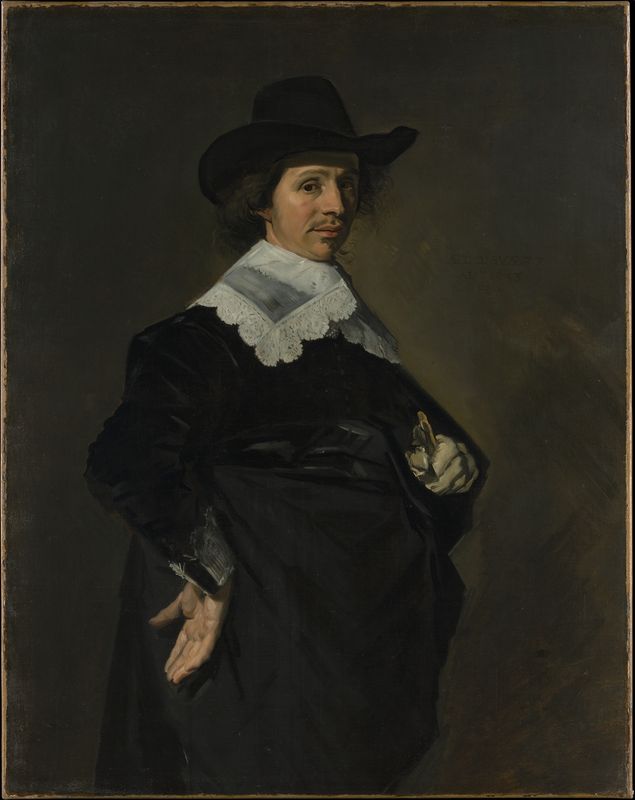 Paulus Verschuur (1606–1667)
1643 · The Metropolitan Museum of Art
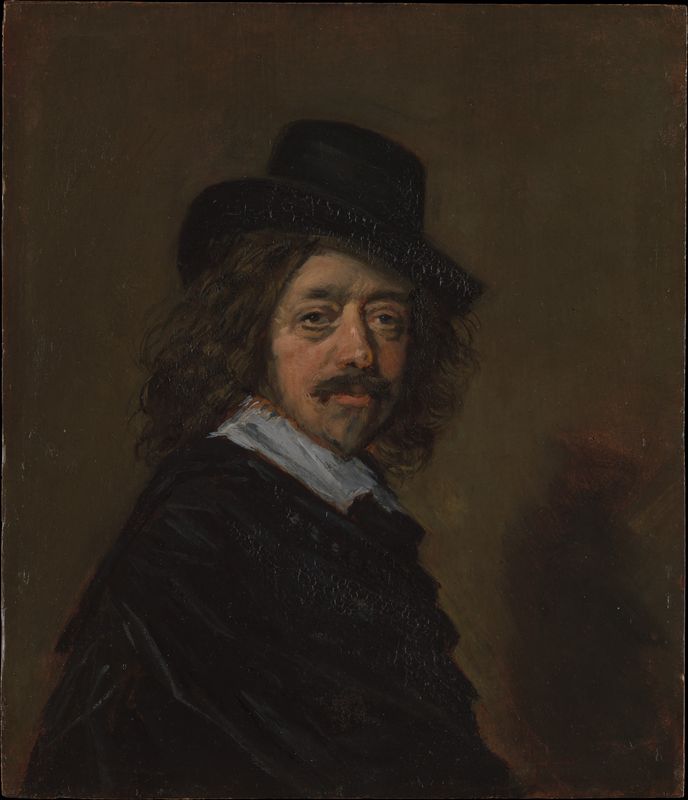 Frans Hals (1582/83–1666)
1650 · The Metropolitan Museum of Art
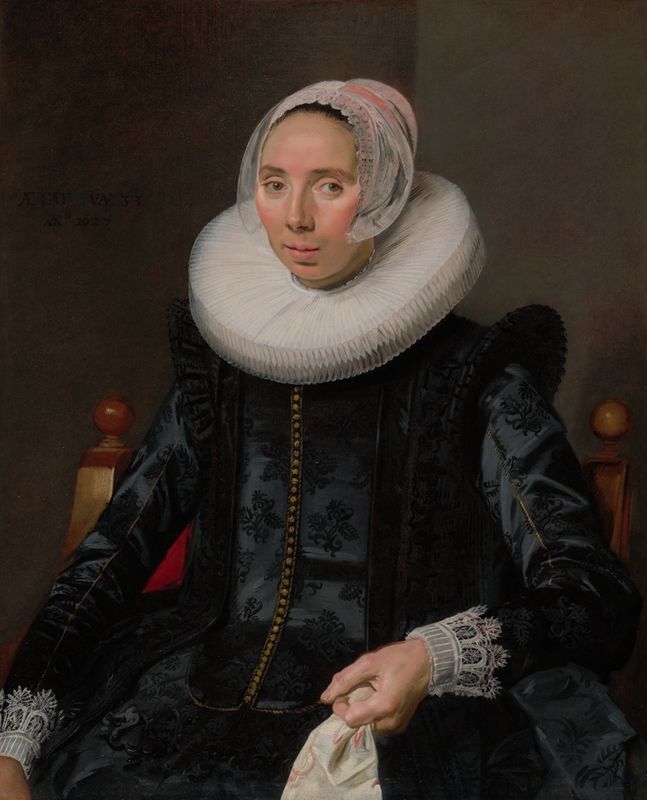 Portrait of a Lady
1627 · Art Institute of Chicago
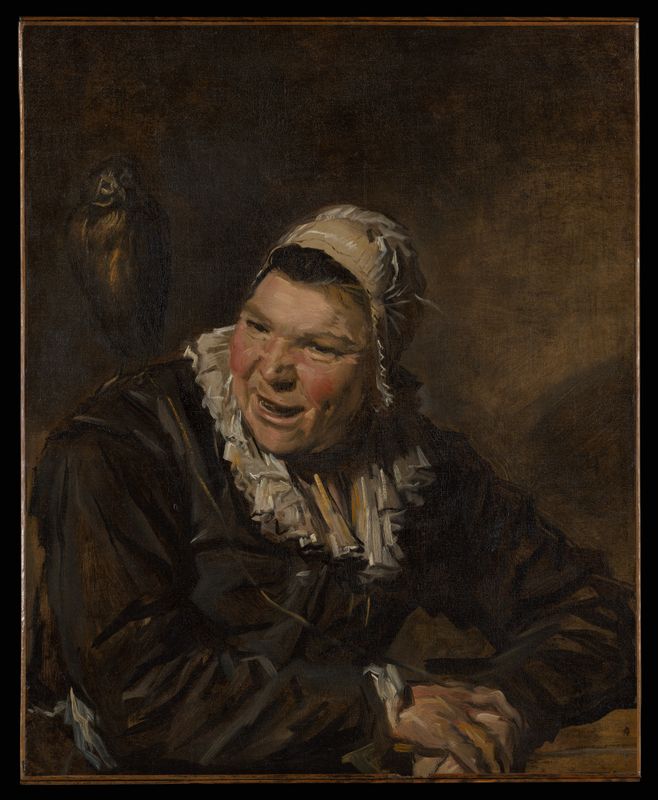 Malle Babbe
1640 · Gemäldegalerie Berlin
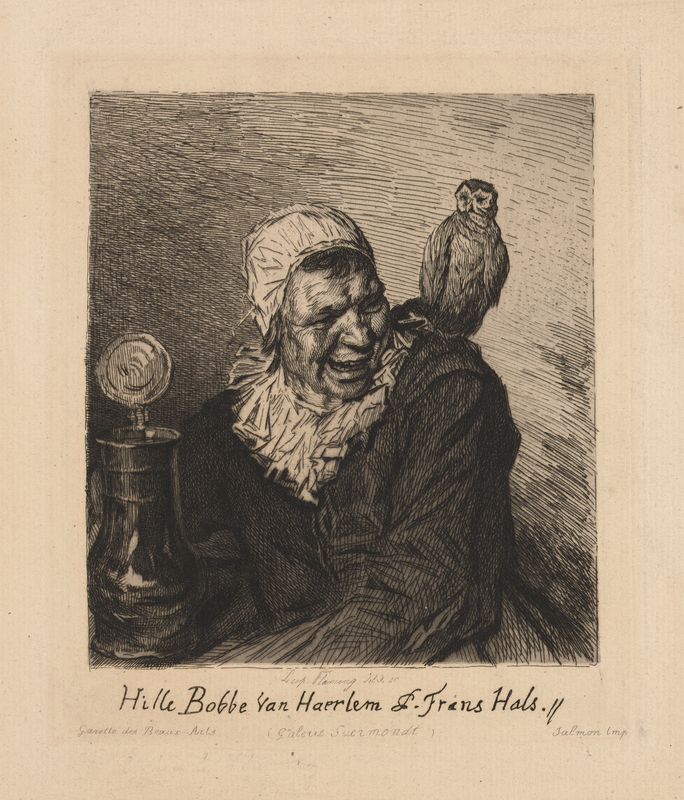 Hille Bobbe
The Metropolitan Museum of Art
Beyond Hals and Baroque: works from the same years, and from the other movements Anna van der Aar (born 1576/77, died after 1626) belongs to.
 Same movement · Dutch Golden Age painting
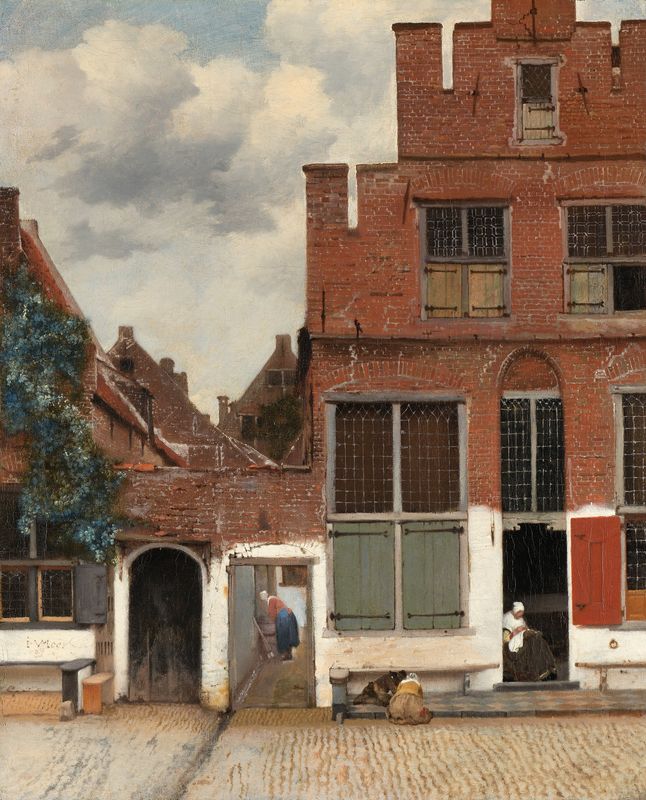
The Little Street
Johannes Vermeer · 1658 · Rijksmuseum
 Same era · 1610s–1640s
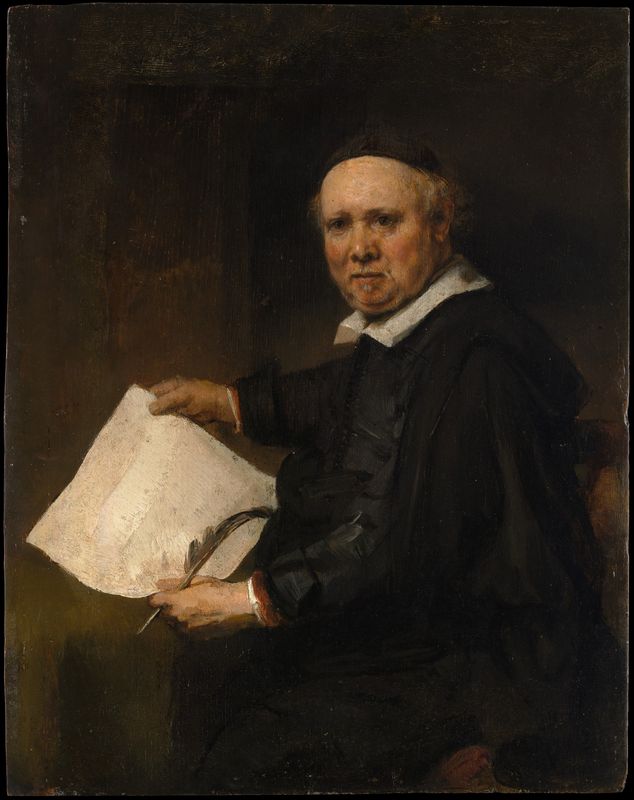
Lieven Willemsz van Coppenol (born about 1599, died 1671 or later)
Rembrandt · 1626 · The Metropolitan Museum of Art
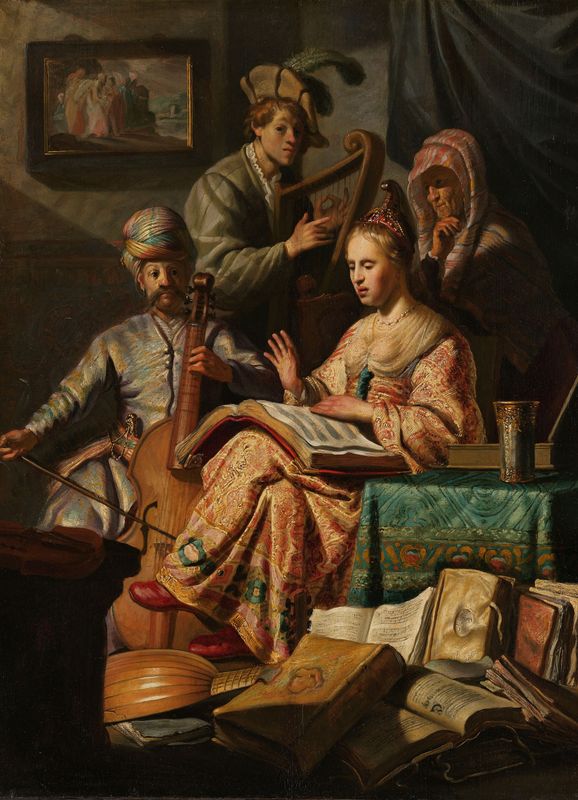 Same movement · Dutch Golden Age painting
Musical Company
Rembrandt · 1626 · Museum De Lakenhal
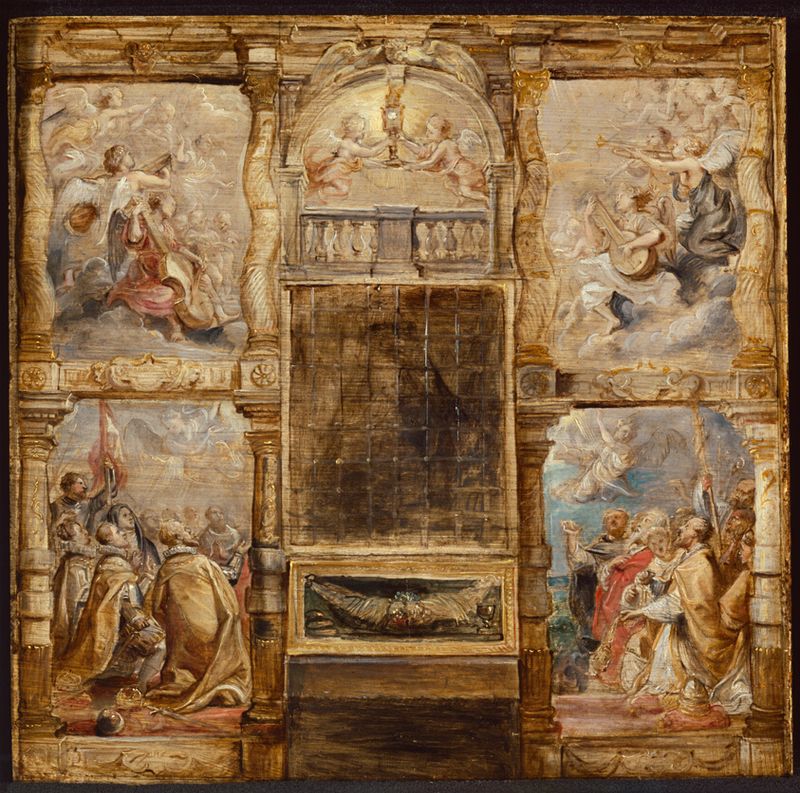 Same era · 1610s–1640s
The Adoration of the Eucharist
Peter Paul Rubens · 1626 · Art Institute of Chicago
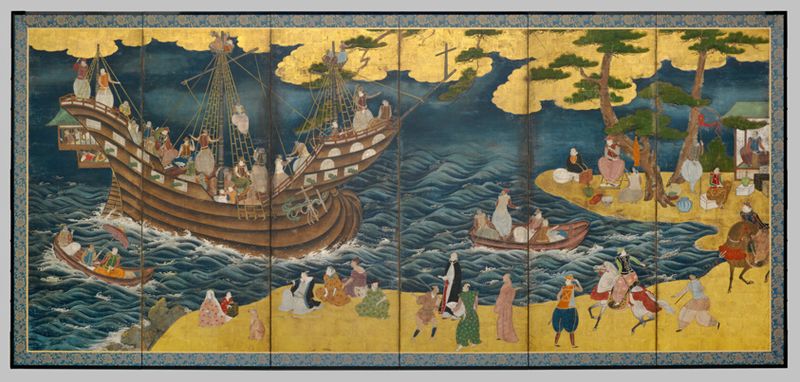 Same era · 1610s–1640s
Southern Barbarians
Artist Unknown - The Mercat Cross, Aberdeen · 1625 · Art Institute of Chicago
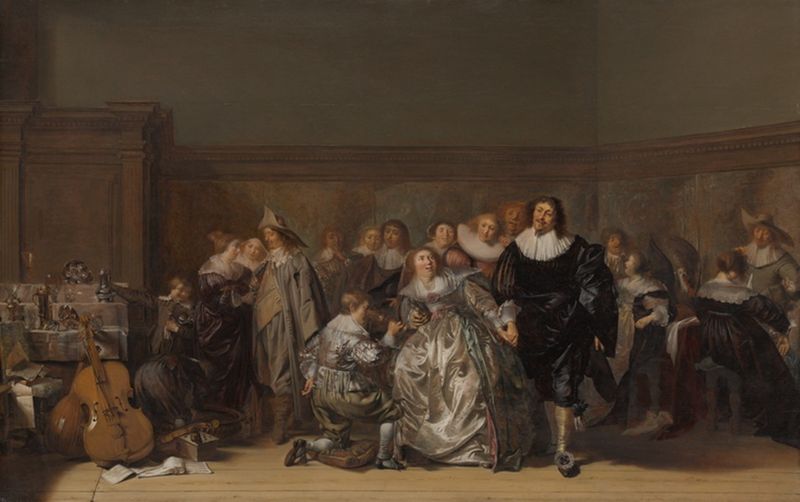 Same era · 1610s–1640s
An Elegant Company
Samuel Alcock & Company · 1632 · Art Institute of Chicago
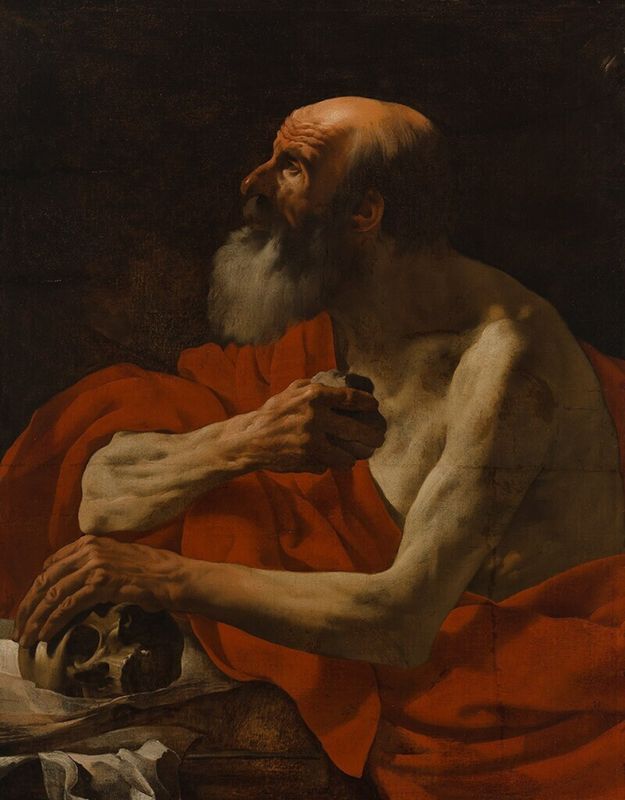 Same era · 1610s–1640s
Saint Jerome
Hendrick ter Brugghen · 1624 · Museum Boijmans Van Beuningen
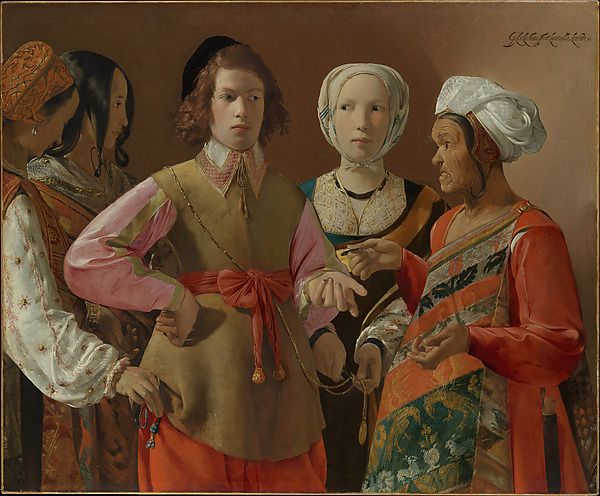 Same era · 1610s–1640s
The Fortune-Teller
Georges de La Tour · 1630 · The Metropolitan Museum of Art
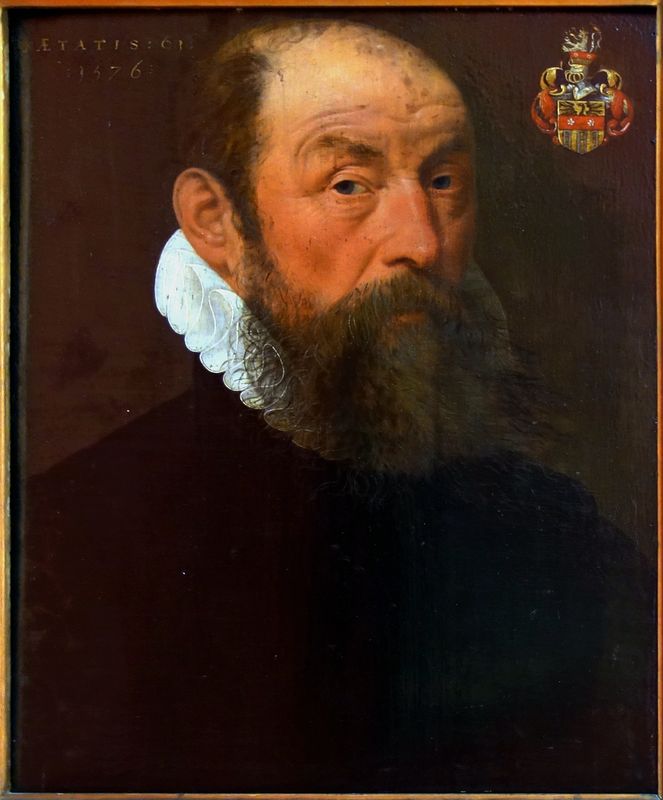 Same era · 1610s–1640s
Portrait of a man
Willem van der Vliet · 1634 · Pushkin Museum of Fine Arts
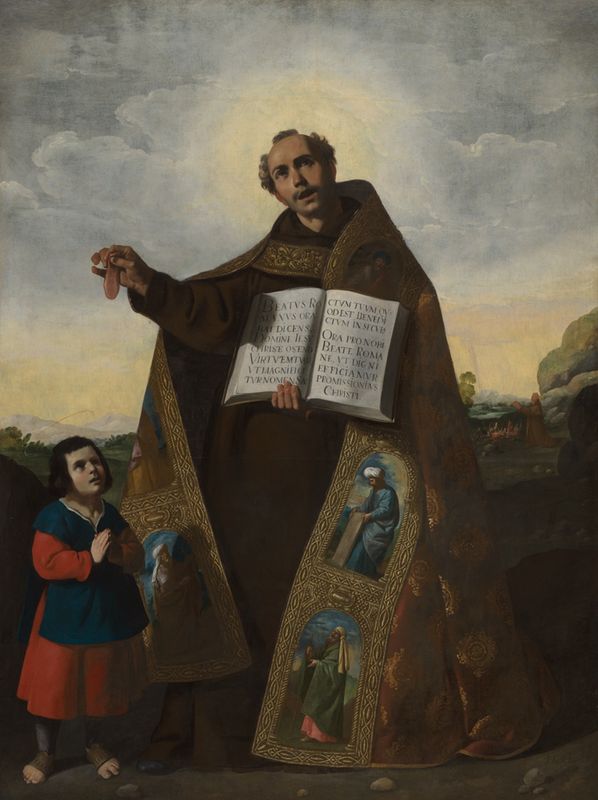 Same era · 1610s–1640s
Saint Romanus of Antioch and Saint Barulas
Master of the View of Saint Gudula · 1638 · Art Institute of Chicago
 Same era · 1610s–1640s
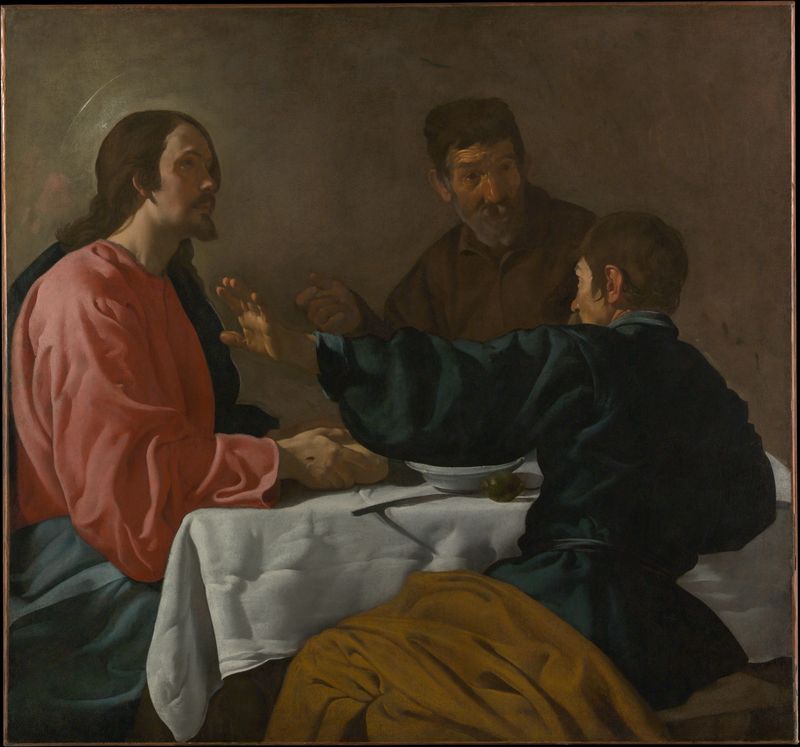
The Supper at Emmaus
Diego Velázquez · 1618 · Metropolitan Museum of Art
 Same era · 1610s–1640s
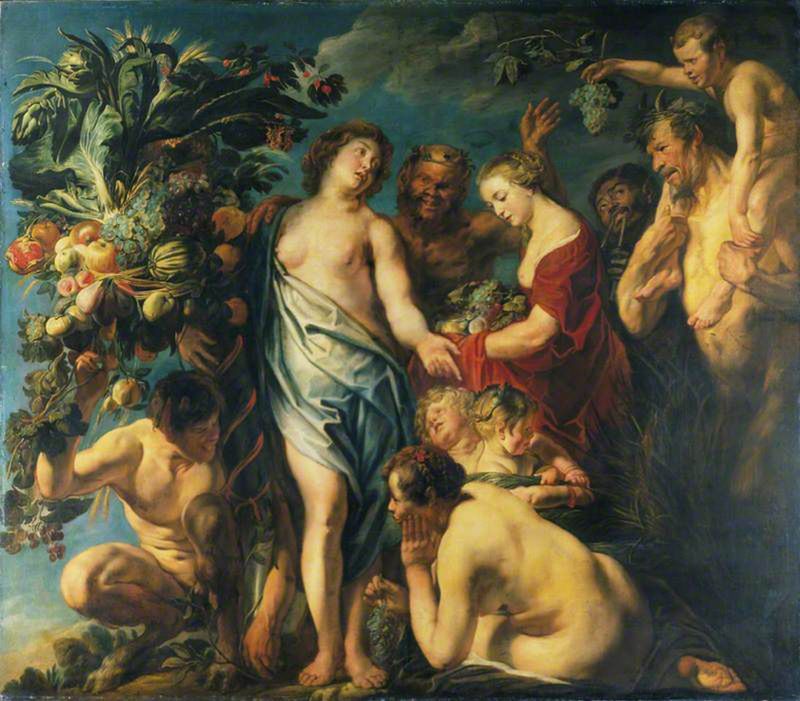
An Allegory of Fruitfulness
Jacob Jordaens · 1620 · Wallace Collection
 Same era · 1610s–1640s
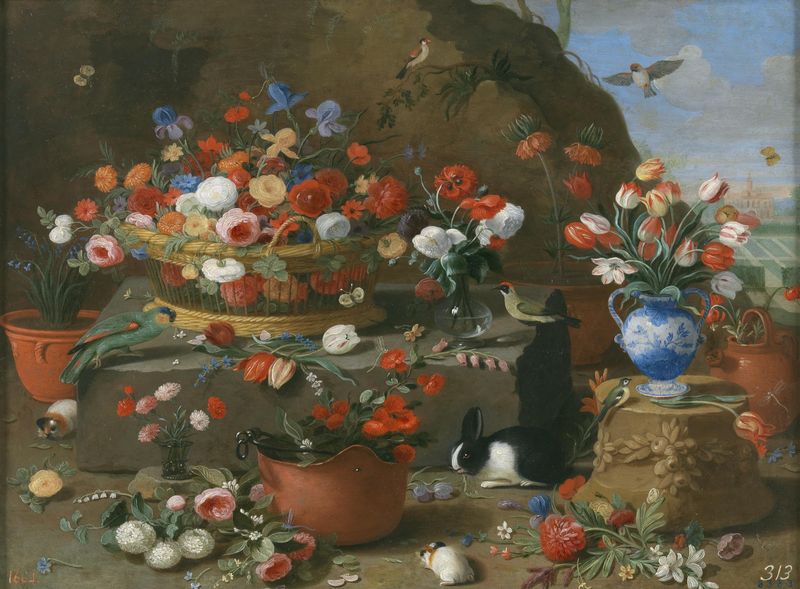
Floral Still Life
Jan van Kessel the Elder · 1633 · Museo del Prado
 Same era · 1610s–1640s
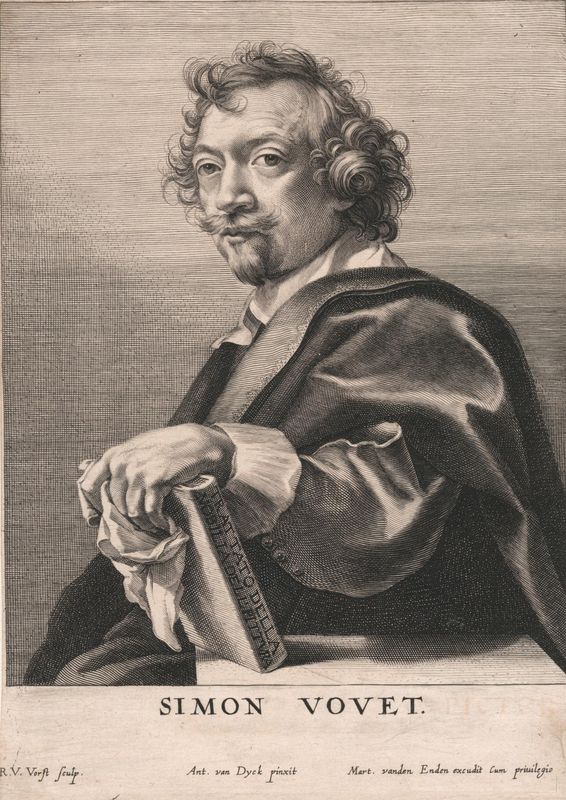
Simon Vouet
Noriega · 1630 · Art Institute of Chicago