
“Picture yourself walking into a 17th-century Dutch home—wealthy but not aristocratic, cozy but refined.”
That's exactly what Dutch Golden Age painting captures. While Italian artists were painting mythological gods and Spanish masters were creating intense religious scenes, Dutch painters were doing something revolutionary: they were painting everyday life. We're talking about quiet domestic interiors with women reading letters, tavern scenes with rowdy drinkers, meticulously arranged breakfast tables, and landscapes that capture the unique light filtering through cloudy Dutch skies.
This was the age when the Netherlands was the richest trading nation in the world, and the newly wealthy merchant class wanted art that reflected their values—hard work, prosperity, cleanliness, and an appreciation for the beauty in ordinary things. Unlike most European art of the time, which was commissioned by the Catholic Church or royal courts, Dutch paintings were sold on the open market. This means artists had to appeal to middle-class buyers who wanted paintings to hang in their homes. The result? An explosion of specialized genres—some artists painted only still lifes, others focused exclusively on seascapes or architectural interiors.
What makes these paintings unmistakable is their incredible attention to detail and mastery of light. Dutch painters were obsessed with rendering textures so realistically you feel like you could reach out and touch the velvet, the pewter, the bread crust. They perfected the use of chiaroscuro (dramatic light and shadow) and developed techniques for capturing the way light reflects, refracts, and glows. Despite their subjects being 'ordinary,' there's nothing ordinary about the skill involved—these paintings celebrate the miracle of seeing itself.
- Period
- c. 1610–1702
- Peak
- around 1650
- Born in
- Netherlands
- Key artists
- Frans Hals, Johannes Vermeer, Rembrandt
- Came before
- Flemish Baroque and Dutch Renaissance
- Came after
- Rococo and Dutch Romanticism
When it happened
- CAME BEFOREFlemish Baroque and Dutch Renaissance
- ~1610 · STARTED
- ~1650 · PEAKED
- ~1702 · ENDED
- CAME AFTERRococo and Dutch Romanticism
What makes it Dutch Golden Age painting
Dramatic Light Through Windows
Watch for strong side-lighting streaming through windows, creating bold shadows and illuminating details with theatrical precision.
e.g. The Milkmaid by Johannes VermeerObsessive Texture Rendering
Every surface is distinct—fuzzy peach skin, gleaming metal, translucent grapes. You can almost feel the materials.
e.g. Still Life with Cheeses, Almonds and Pretzels by Clara PeetersIntimate Domestic Scenes
People doing everyday things: reading, playing music, cooking, or drinking in taverns. No dramatic action, just life.
e.g. Woman Holding a Balance by Johannes VermeerLow Horizons in Landscapes
In landscape paintings, the horizon sits very low, giving massive emphasis to the dramatic Dutch cloud-filled skies.
e.g. View of Haarlem with Bleaching Grounds by Jacob van RuisdaelHidden Moral Messages
Seemingly simple scenes often contain symbols: skulls for mortality, overturned glasses for excess, oysters for luxury.
e.g. Vanitas Still Life by Pieter ClaeszHow to spot Dutch Golden Age painting
Three signs you’re standing in front of one — all easy to see in Portrait of a General.
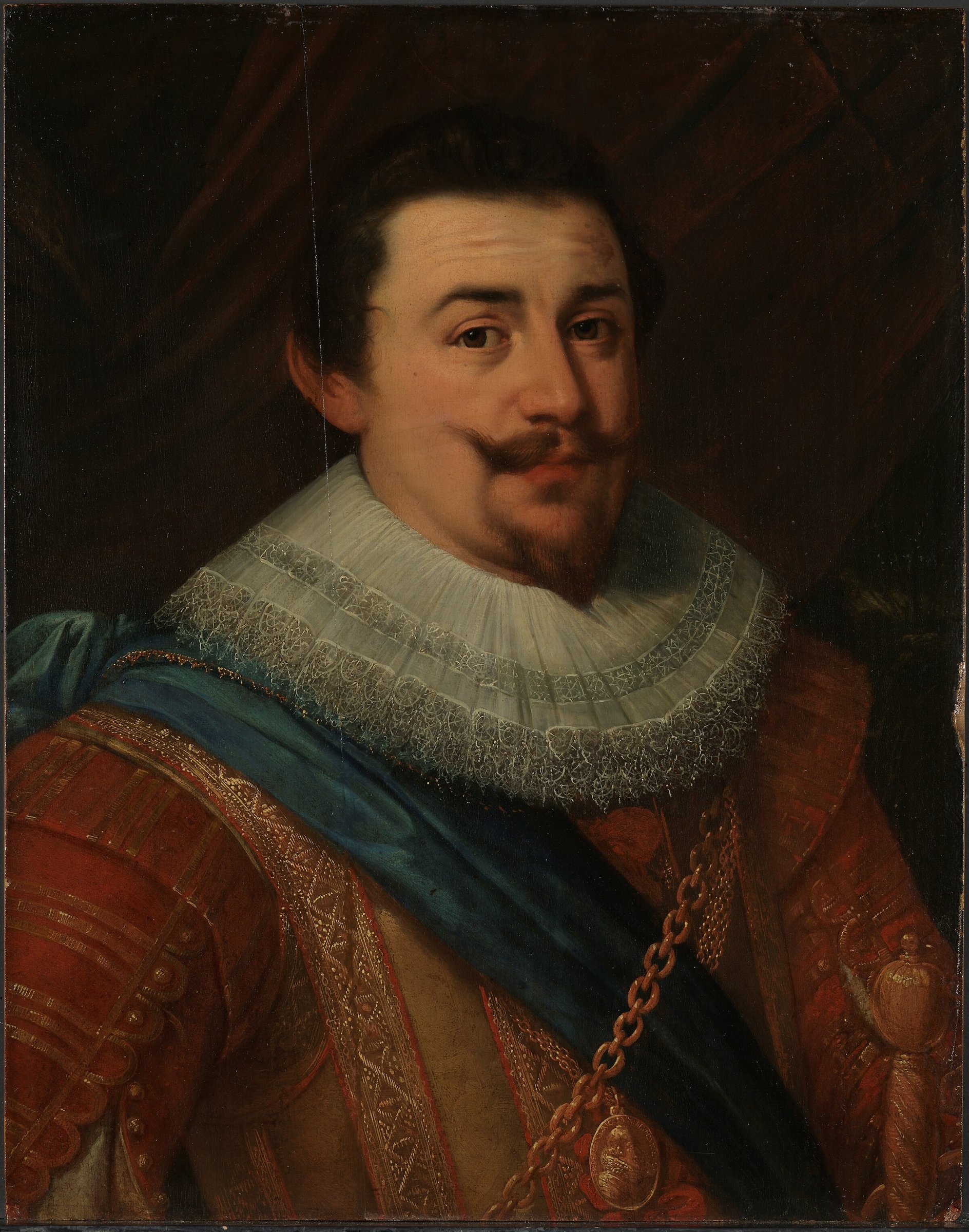
Look for paintings where light seems to pour from one direction, creating pools of illumination against darker backgrounds—very theatrical.
Check if the subject matter is ordinary: domestic interiors, food, regular people, or flat Dutch landscapes with huge skies dominating the canvas.
Notice the almost photographic detail—if you can count individual threads in fabric or see condensation on glasses, you're likely looking at Dutch work.
Vermeer only painted about 2-3 works per year because of his painstaking technique—he likely used a camera obscura to achieve such precise realism.
Tulip mania was so intense during this period that a single tulip bulb could cost as much as a house—and yes, painters documented it in still lifes.
Dutch painters specialized so intensely that some artists painted only winter scenes, while others exclusively painted church interiors their entire careers.
The artists who defined it
Works to know
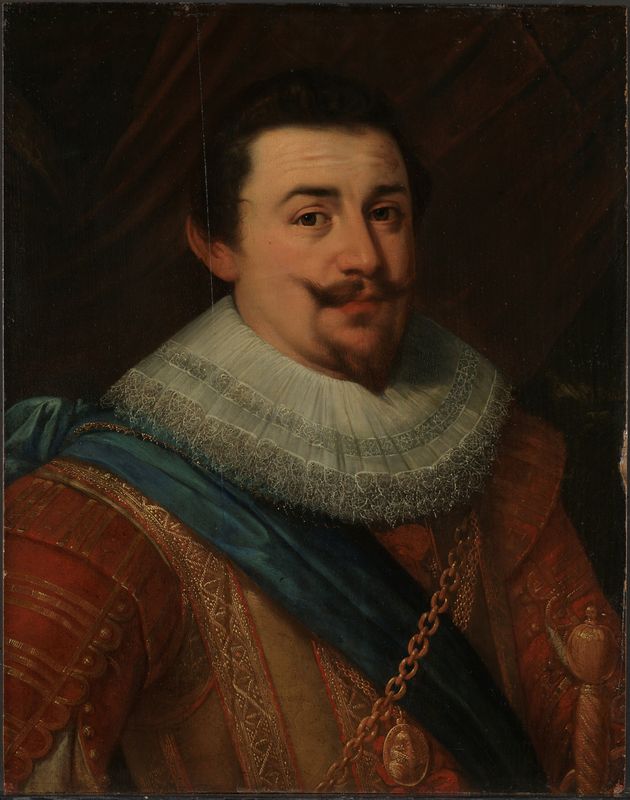 Portrait of a General
1620 · National Museum of Art, Architecture and Design
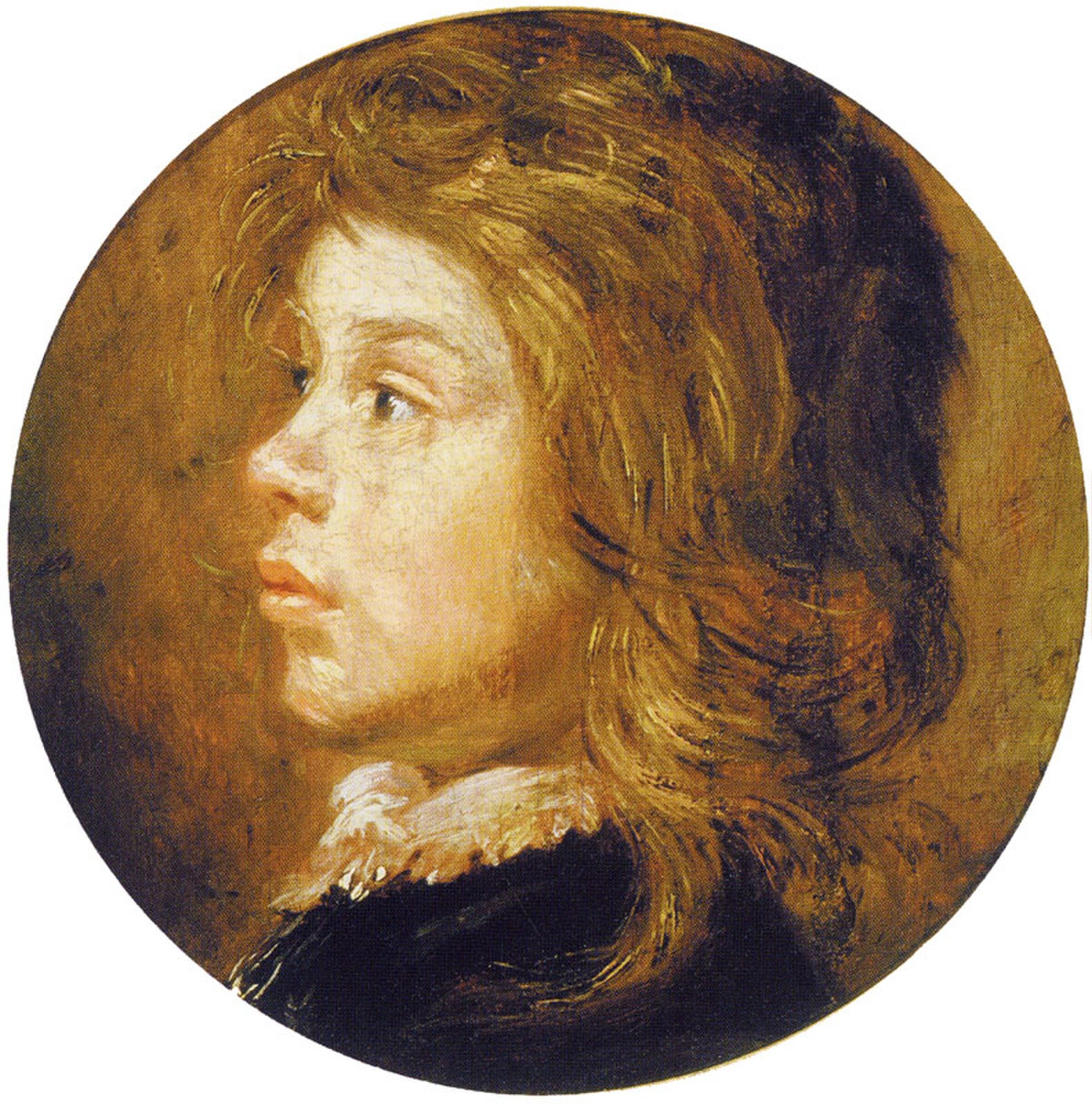
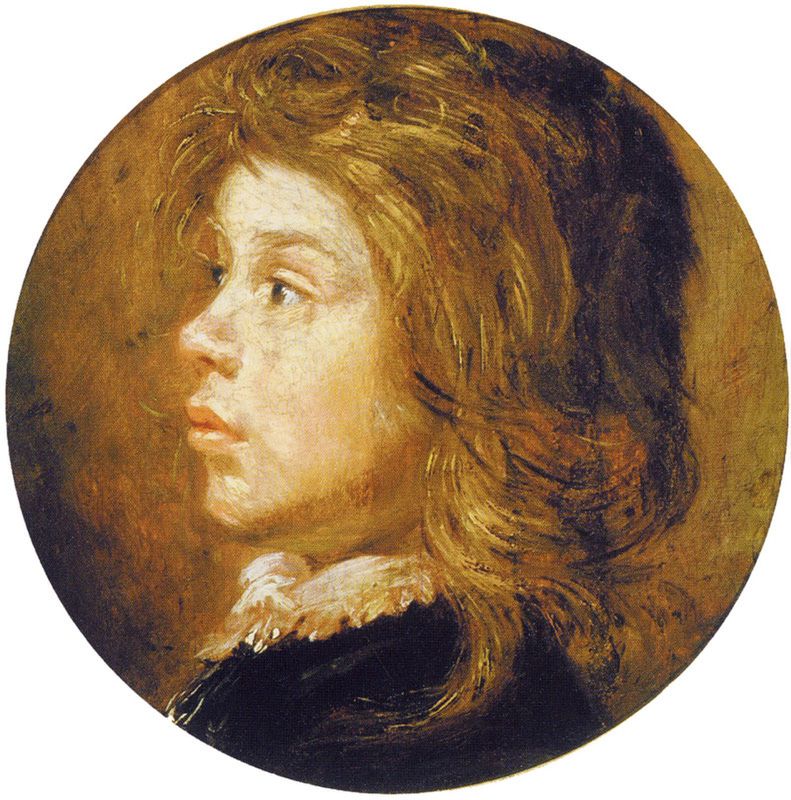 Head of a Boy Facing Left
1620 · Museum Mayer van den Bergh
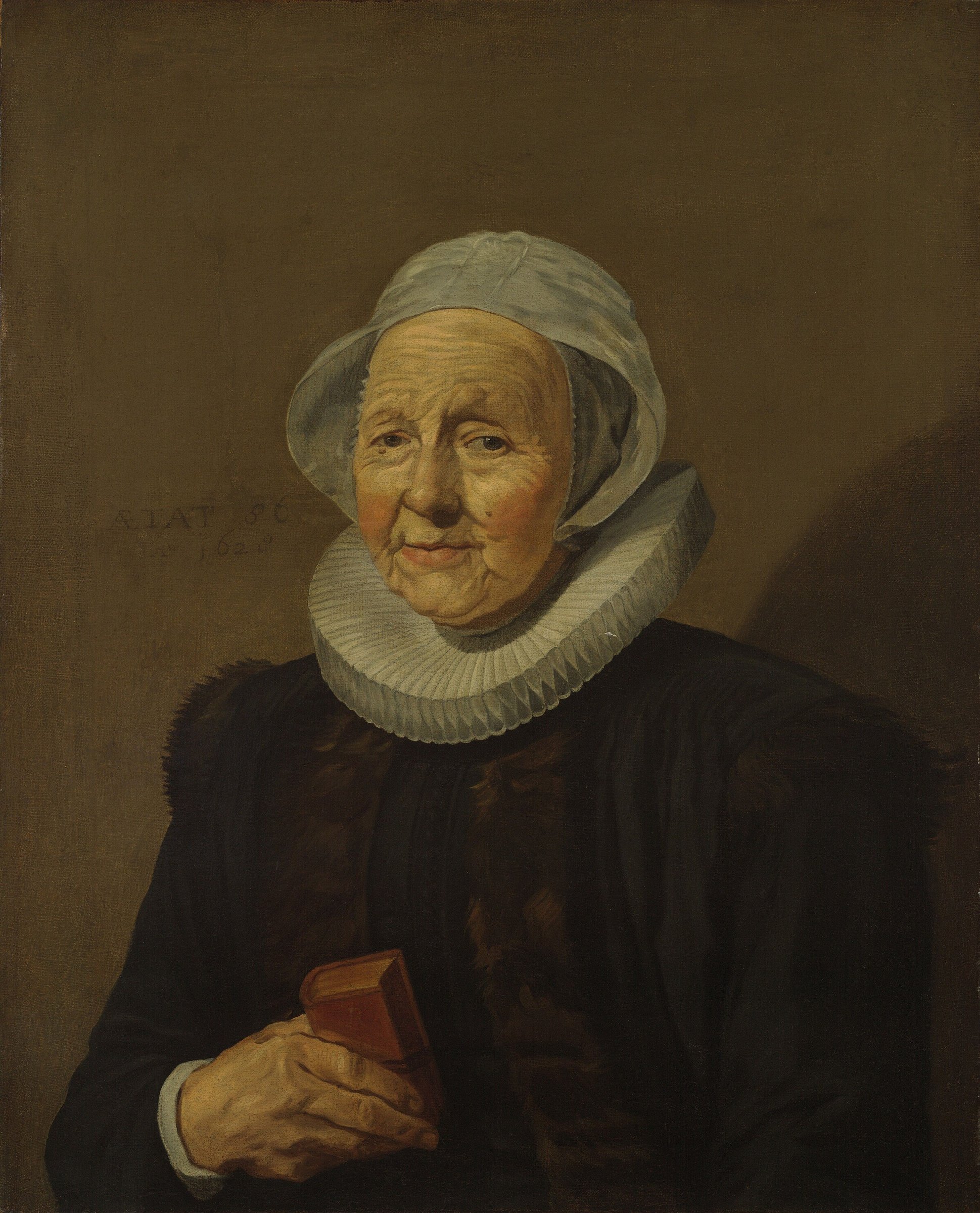
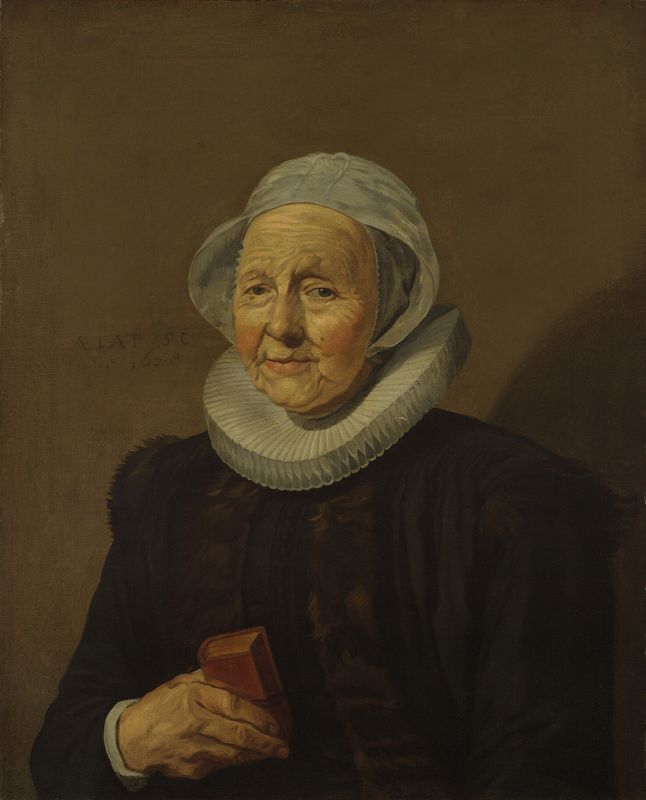 An Old Lady
1628 · Yale University Art Gallery
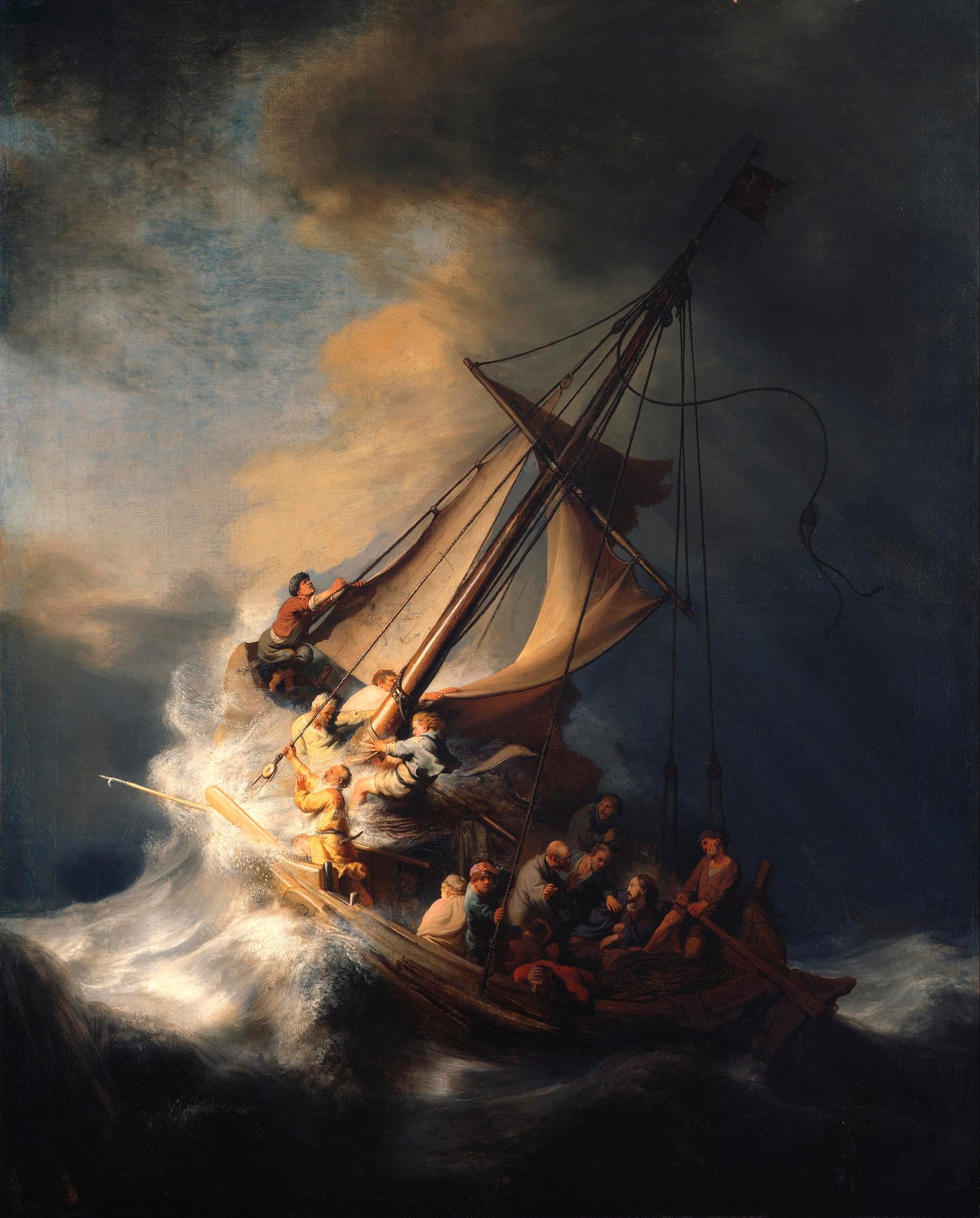
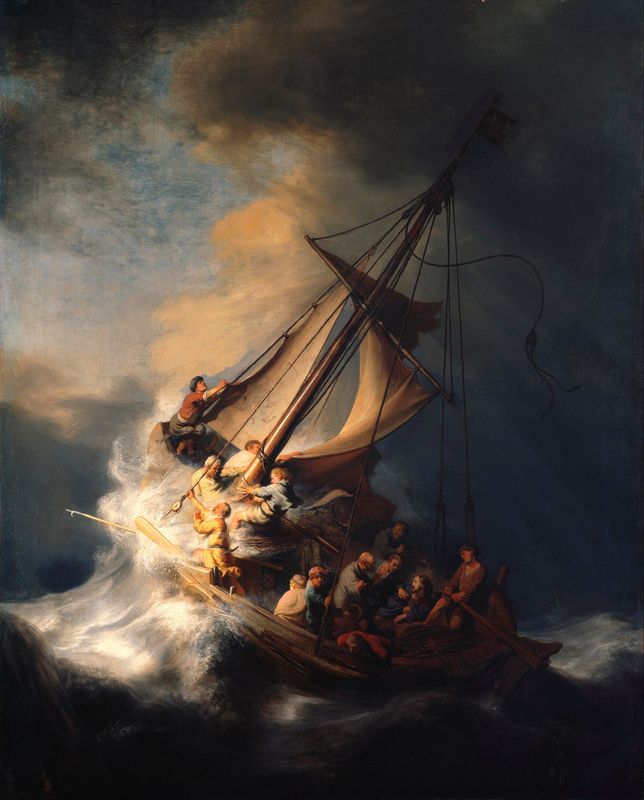 The Storm on the Sea of Galilee
1633
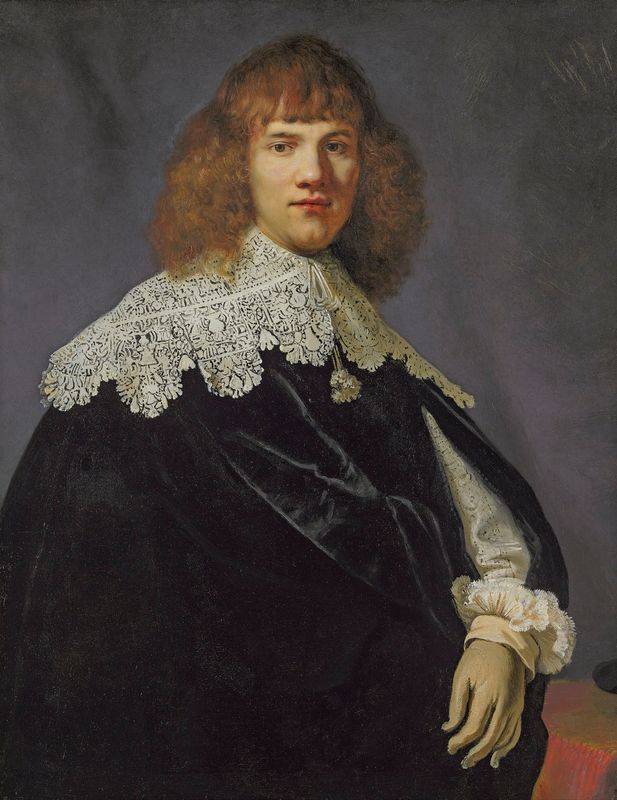 Portrait of a gentleman, half-length, in a black velvet cloak and white lace collar and cuffs
1635 · Six Collection
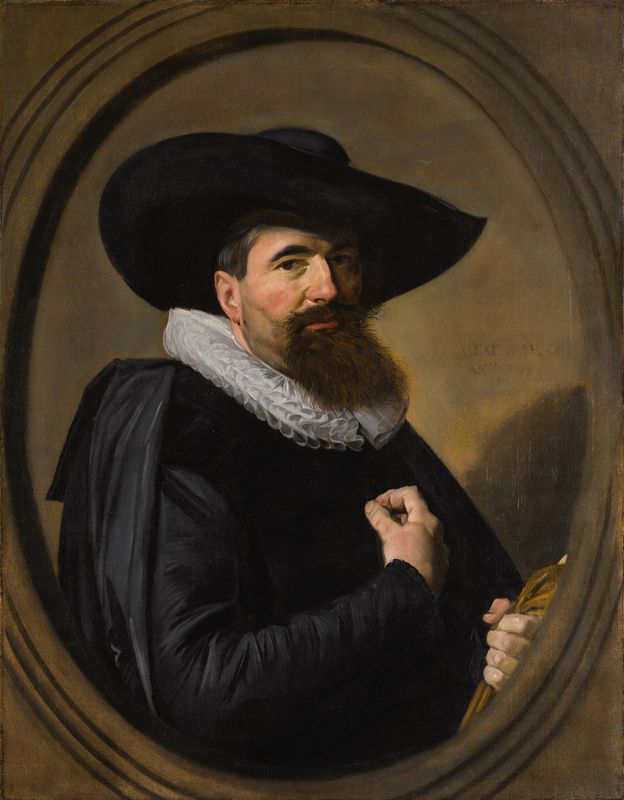 Portrait of a man with hat and ruff collar
1635 · Charles Sedelmeyer collection
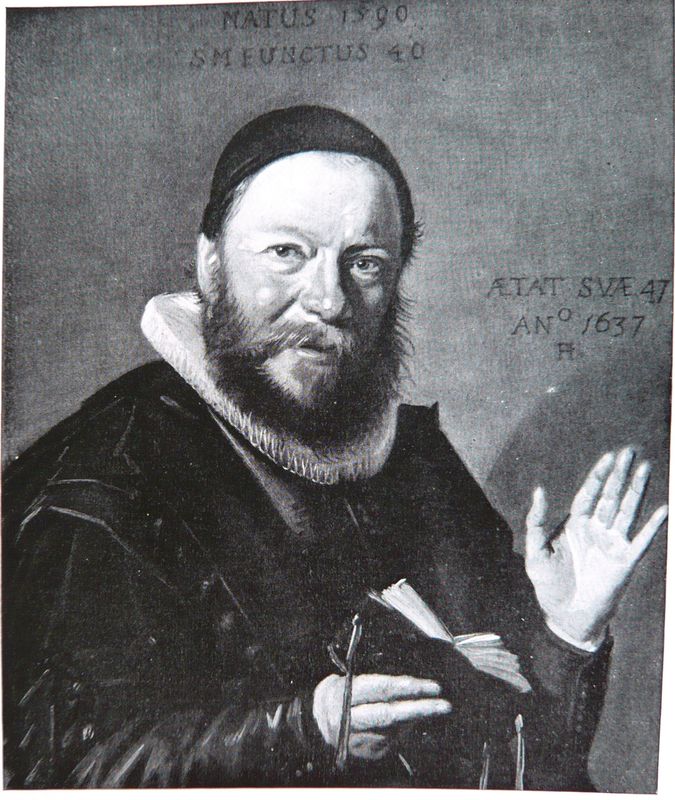 Portrait of Caspar Sibelius
1637
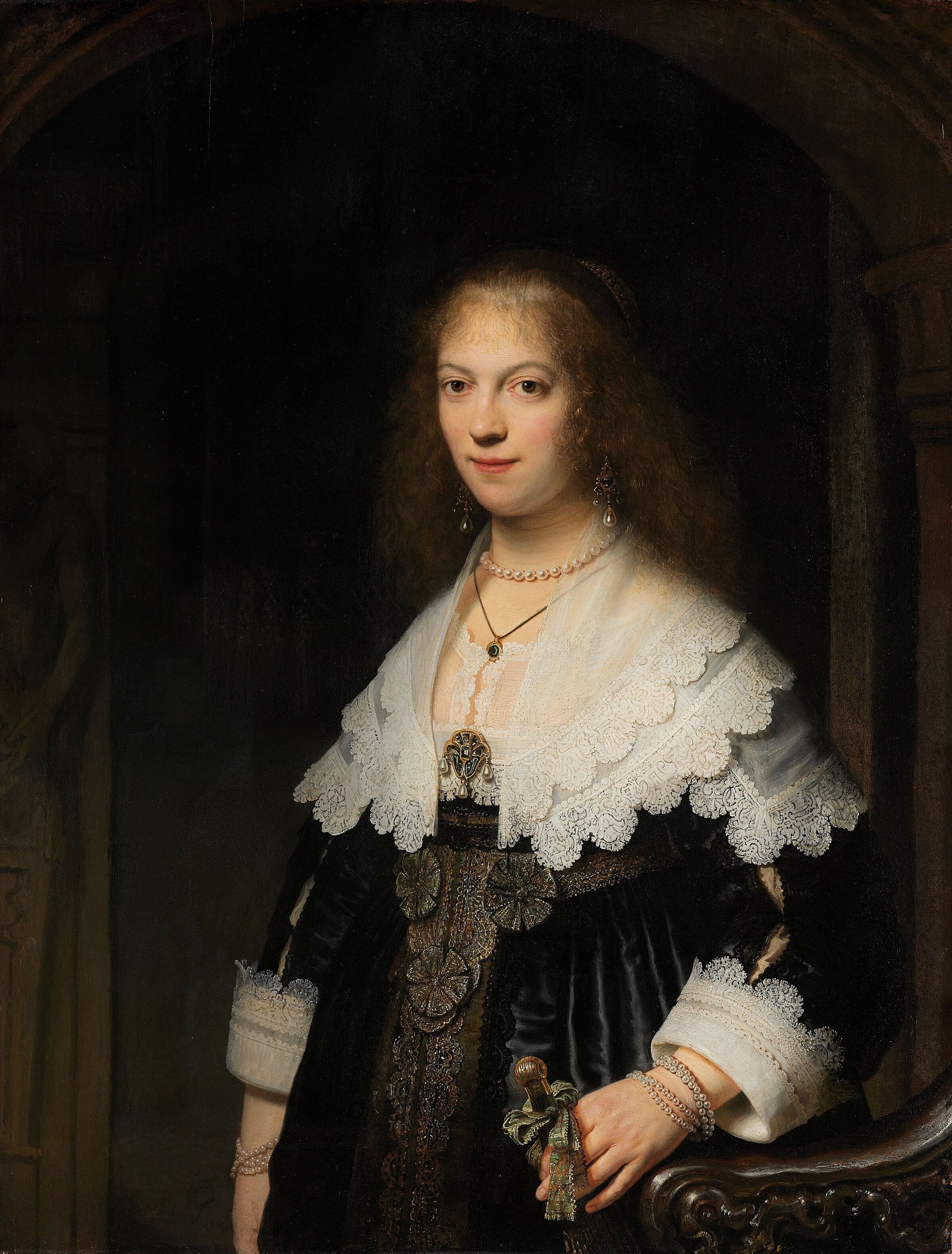
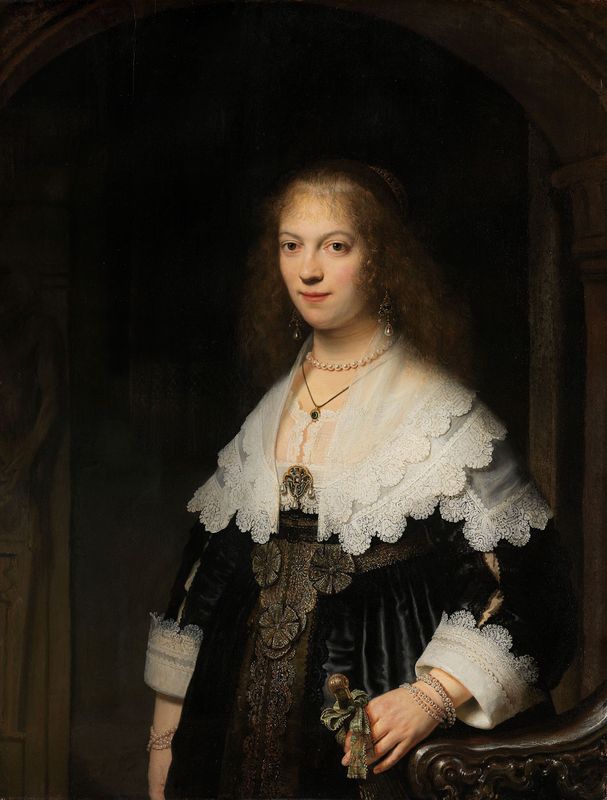 Portrait of Maria Trip
1639 · Rijksmuseum
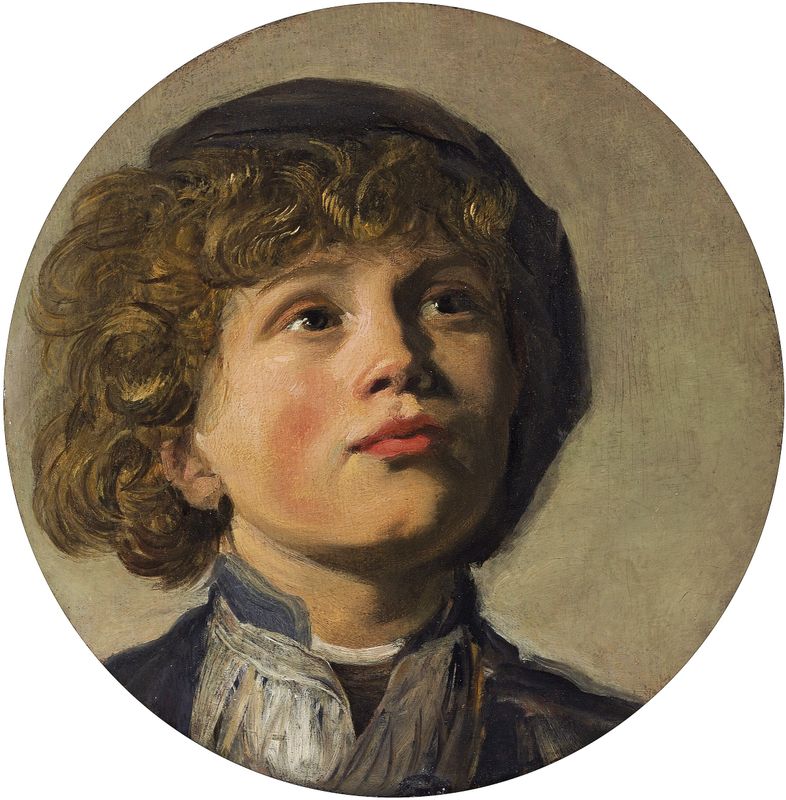 Head of a boy in a beret
1640
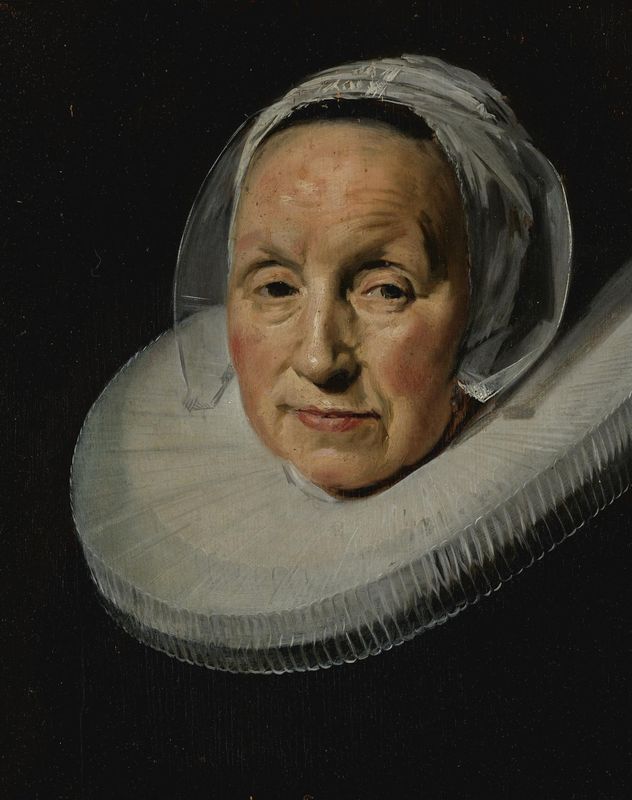 portrait of a woman with enlarged ruff and cut down from original size
1640
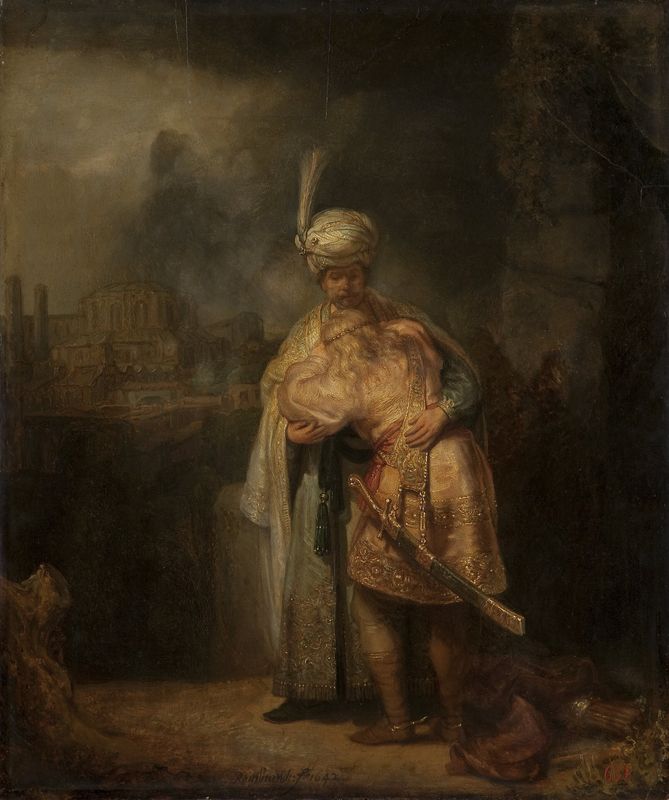 Separation of David and Jonathan
1642 · Hermitage Museum
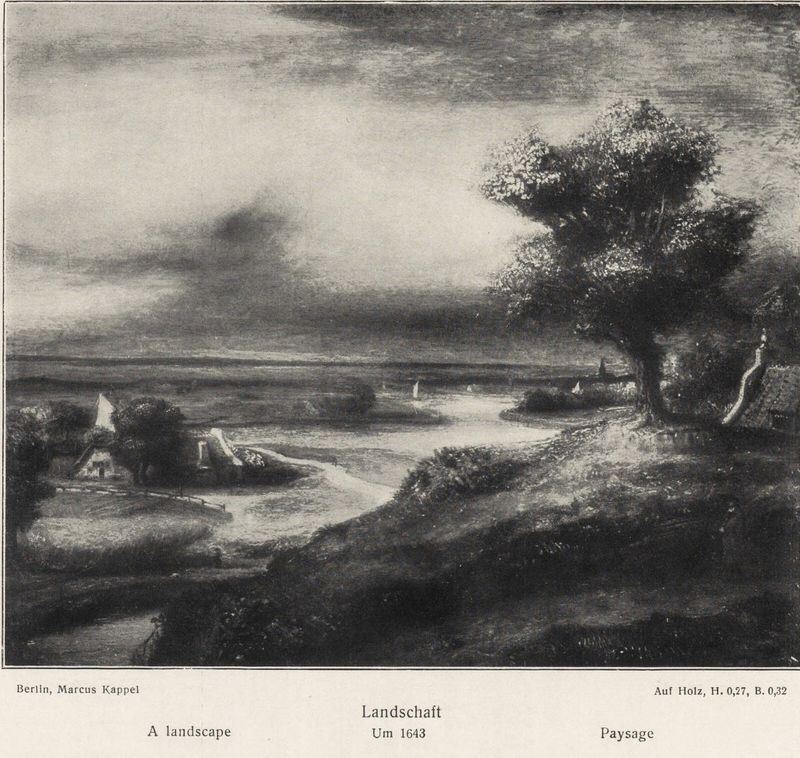 Landscape with a River Valley
1643
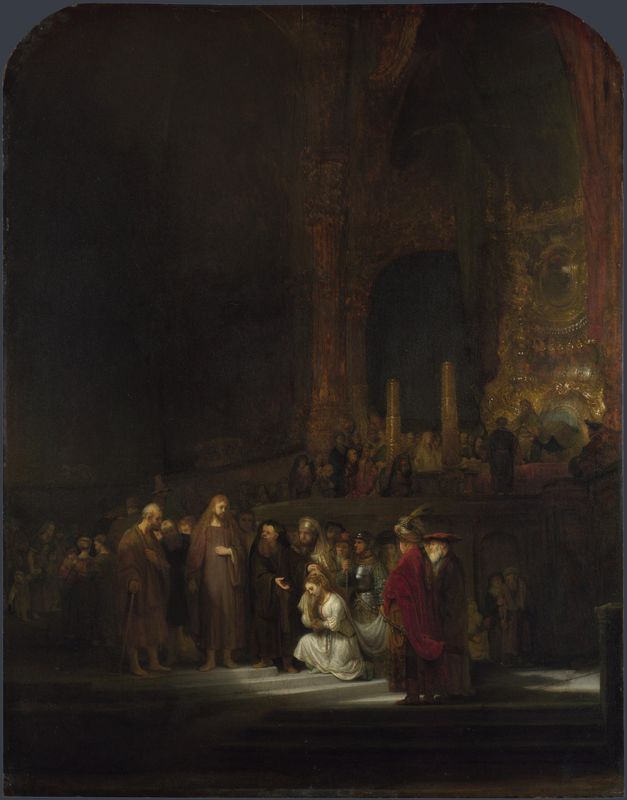 The Woman Taken in Adultery
1644 · National Gallery
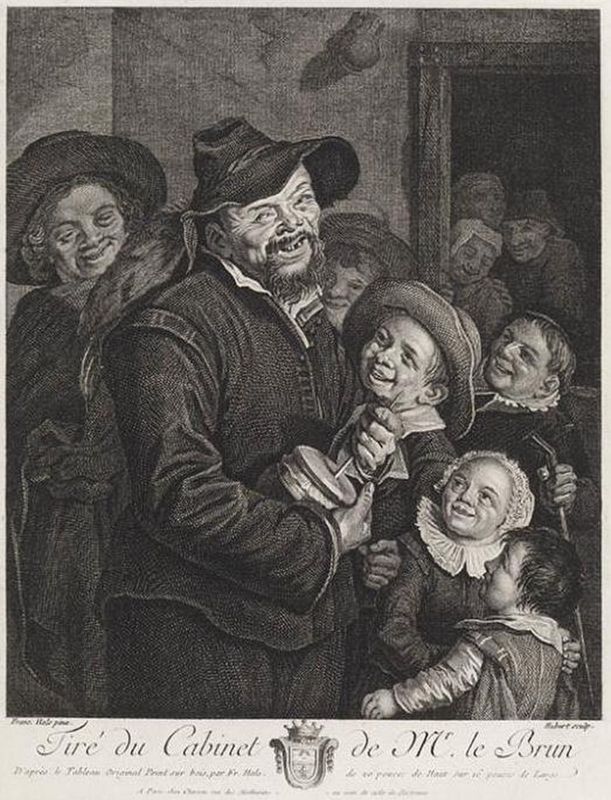 Rommelpot Player (Hubert)
1645
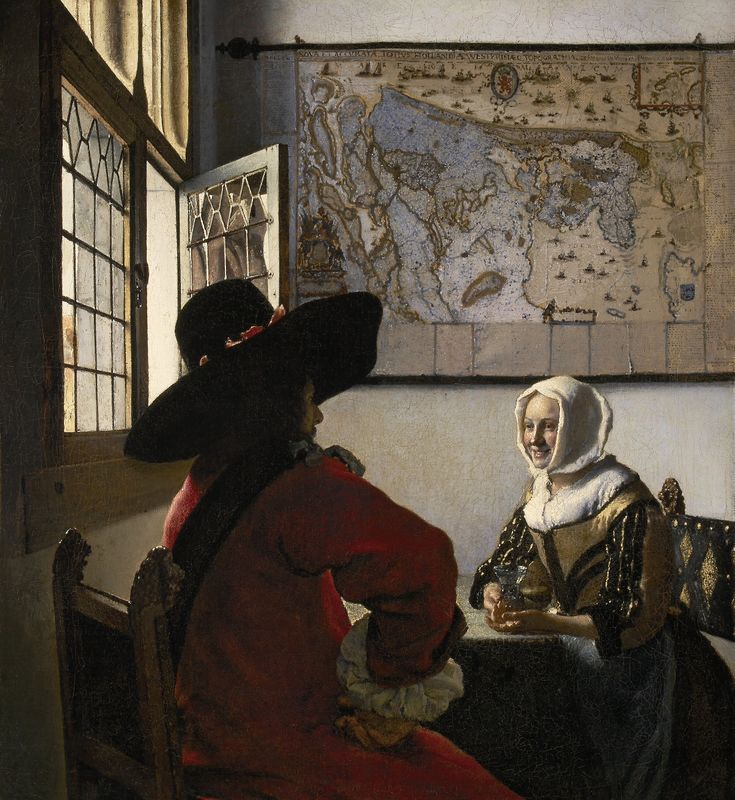 Officer and Laughing Girl
1658 · The Frick Collection
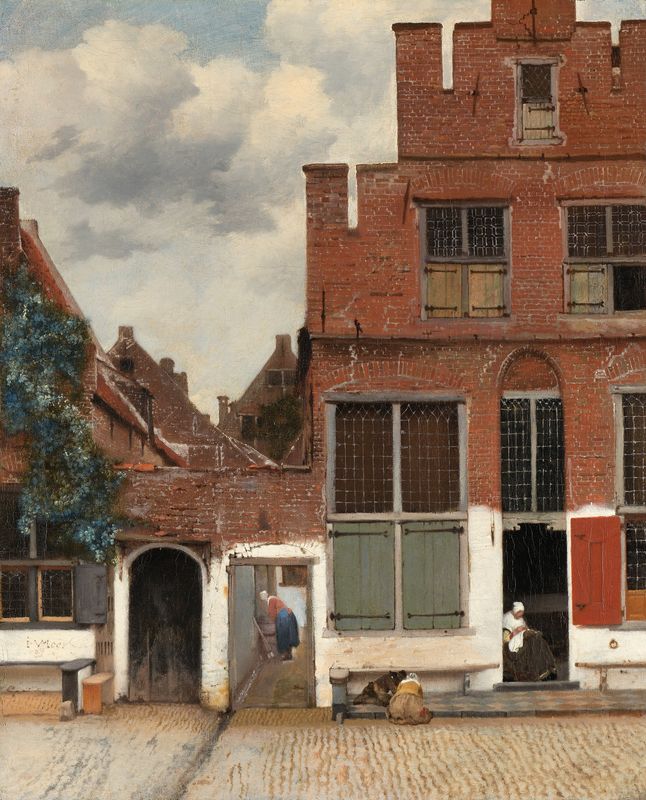 The Little Street
1658 · Rijksmuseum
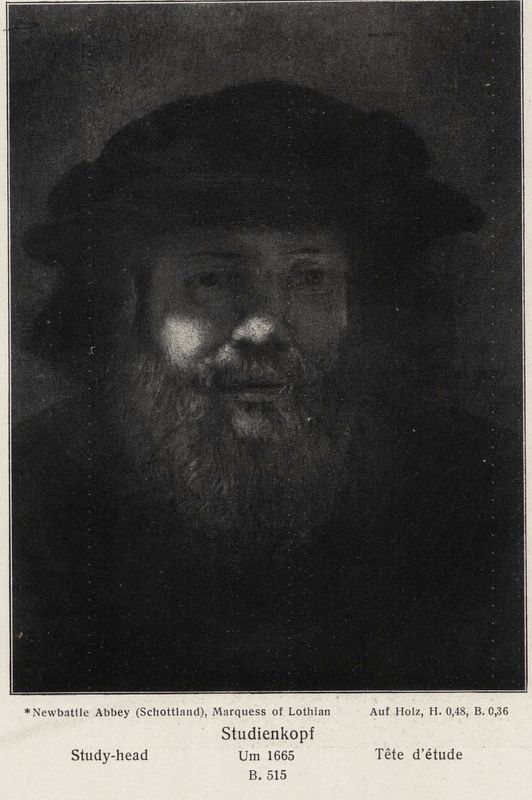 Portrait of a Man aged about 40
1660
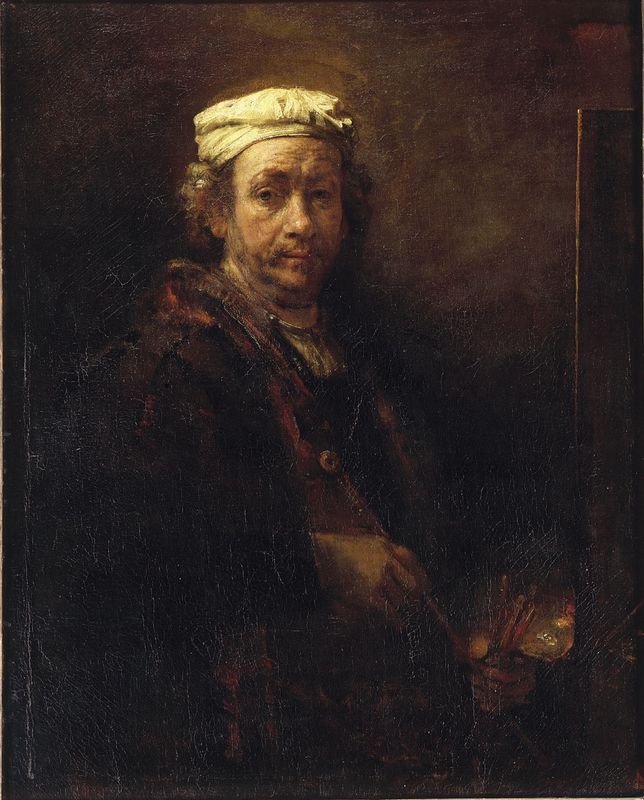 Self-portrait with easel
1660 · Department of Paintings of the Louvre
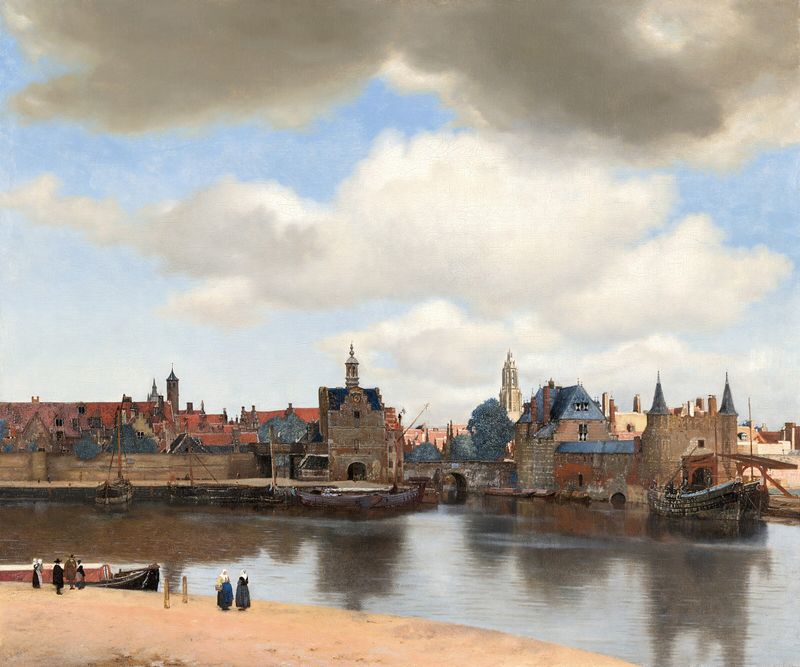 View of Delft
1661 · Mauritshuis
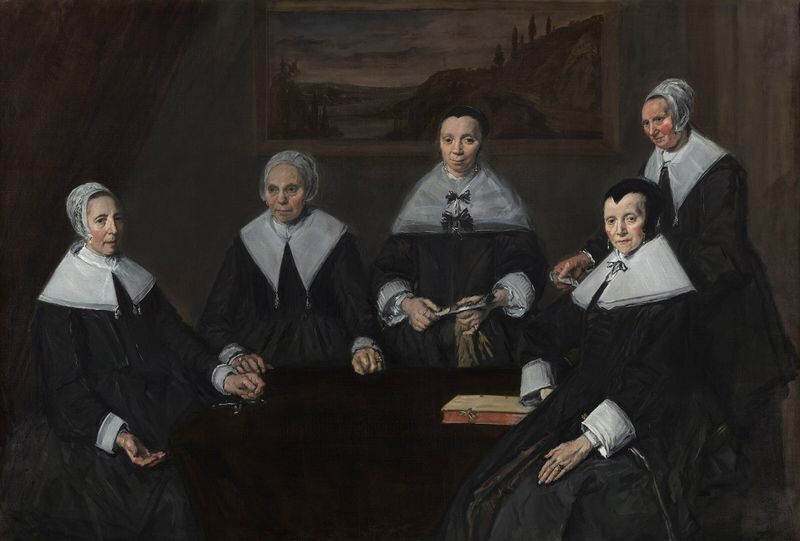 Regentesses of the Old Men's Alms House
1664 · Frans Hals Museum
Take Dutch Golden Age painting to the museum
Point your phone at any painting and Art Whisper tells you its story — who made it, what to notice, and why it matters. Free to start.