
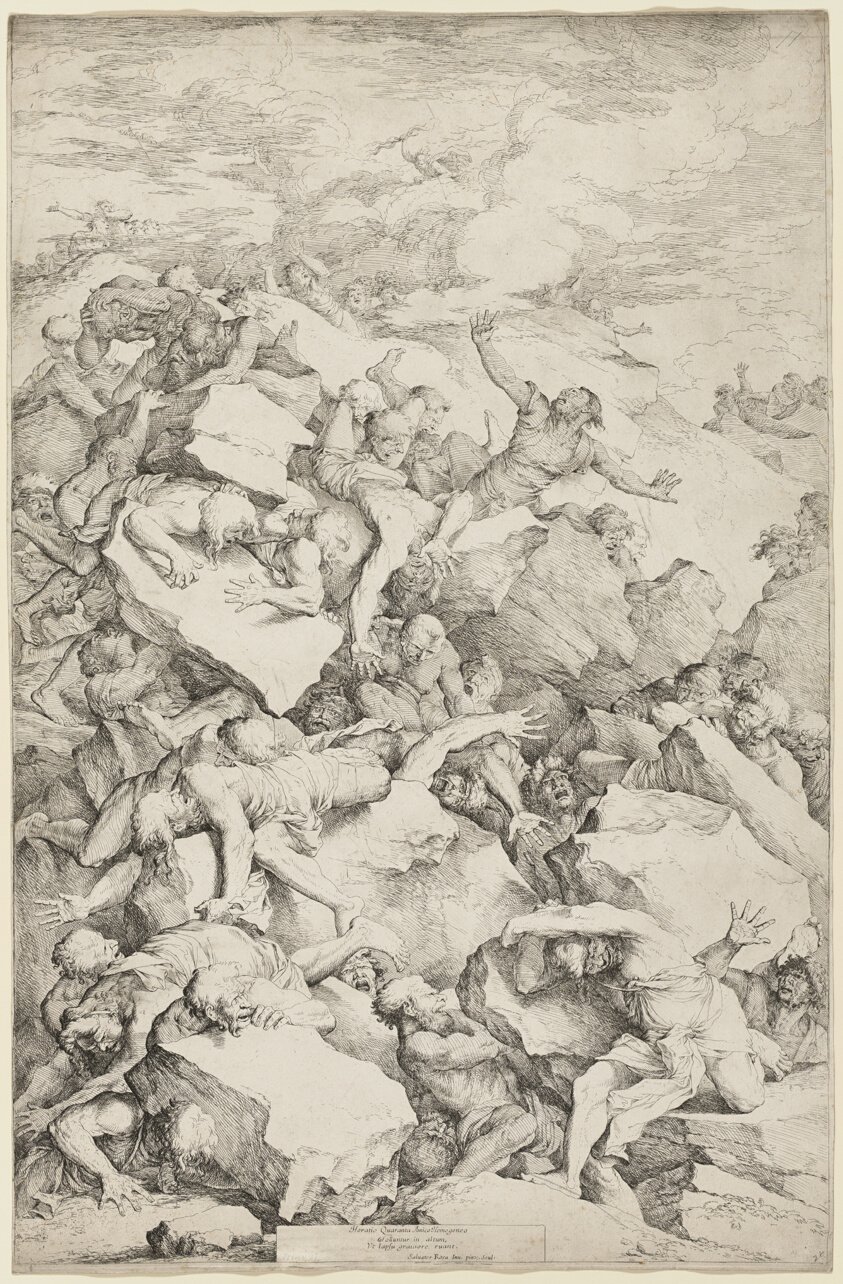
“Stop to witness the dramatic moment the Giants are struck down by Jupiter's thunderbolt. This etching captures immense power and a moralizing message in its colossal composition.”
In this dramatic print, the colossal Giants, children of Gaia, are in mid-fall, brought crashing down by Jupiter's thunderbolt. Look closely at the top, and you can just make out Jupiter himself amidst the stormy clouds, a powerful, almost ethereal figure. This isn't just a battle scene; it's a monumental composition, filled with dynamic figures tumbling through space. The artist, Jacob Jordaens, executed this etching with drypoint in 1663, a testament to the period's fascination with classical mythology and grand narrative. The print's sheer scale and the intricate detail of the falling figures suggest a powerful ambition behind its creation, perhaps even as a proposal for a much larger painting. The inscription at the bottom, "They are raised up high that they may be hurled down in more terrible ruin," adds a layer of somber warning to the chaotic scene.
- Artist
- Jacob Jordaens
- Date
- 1663
- Medium
- Etching with drypoint in black on ivory laid paper
- Location
- Art Institute of Chicago
- Dimensions
- 72.8 × 47.4 cm (28 11/16 × 18 11/16 in.)
- Collection
- Prints and Drawings
- Culture
- Italy
- Credit line
- Elizabeth Hammond Stickney Collection
What to Notice
Five details hide in plain sight. Here’s where to look.
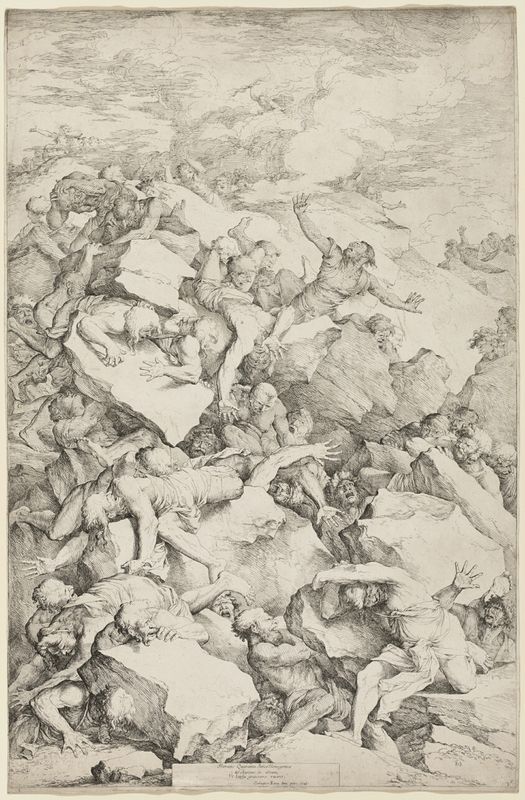
Jupiter, tiny but mighty, at the very top amidst the swirling clouds.
The varied expressions of terror and pain on the Giants' faces.
The sheer muscle and bulk of the falling figures.
The jagged, energetic lines of the drypoint that define the chaos.
1 more detail is waiting.
See all 5 in Art Whisper →Stand in front of it and listen
The full narration walks you through The Fall of the Giants — the story behind it, the details most visitors miss, and why it matters. Free in the Art Whisper app.
Jacob Jordaens
1593–1678 · Spanish NetherlandsJacob Jordaens, a prolific Flemish Baroque painter, became Antwerp's leading artist after Rubens and van Dyck, despite never traveling to Italy.
Further Works by Jordaens
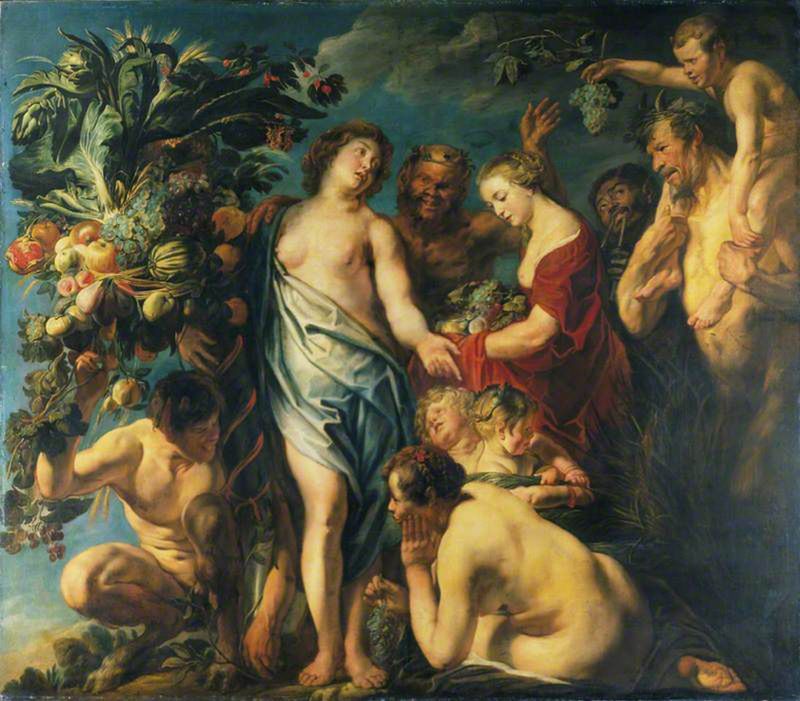
More works to explore
Beyond Jordaens: works from the same years.
 Same era · 1640s–1670s
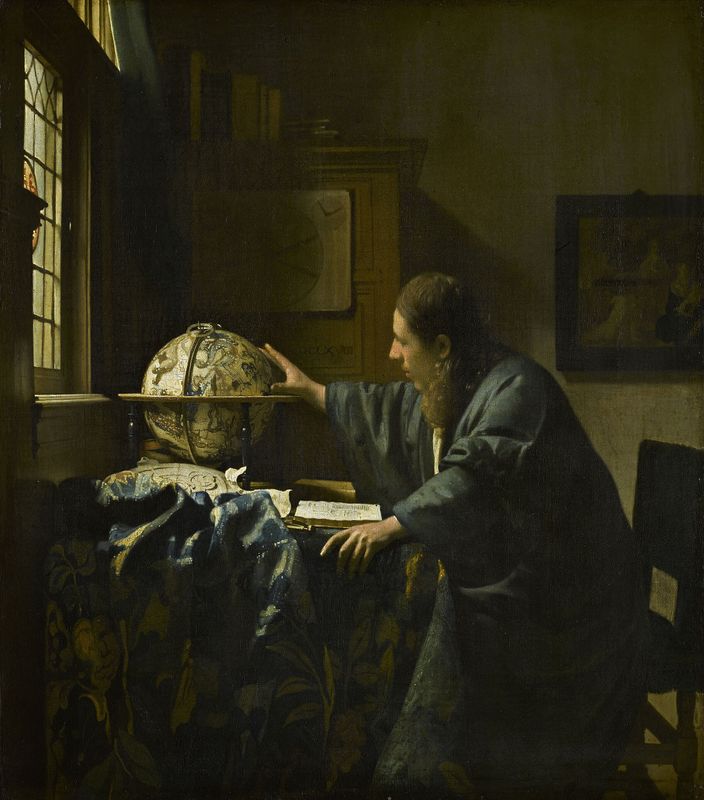
The Astronomer
Johannes Vermeer · 1664 · Department of Paintings of the Louvre
 Same era · 1640s–1670s
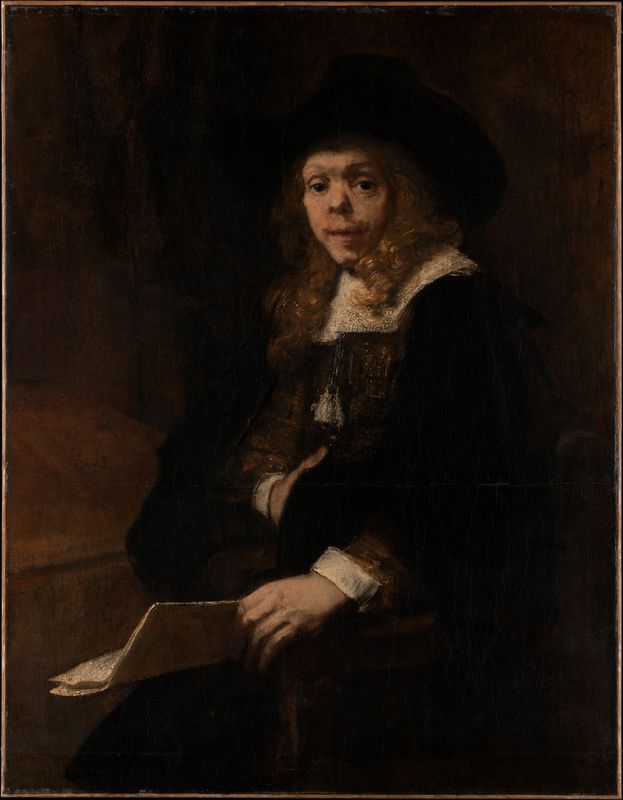
Portrait of Gerard de Lairesse
Rembrandt · 1663 · The Metropolitan Museum of Art
 Same era · 1640s–1670s
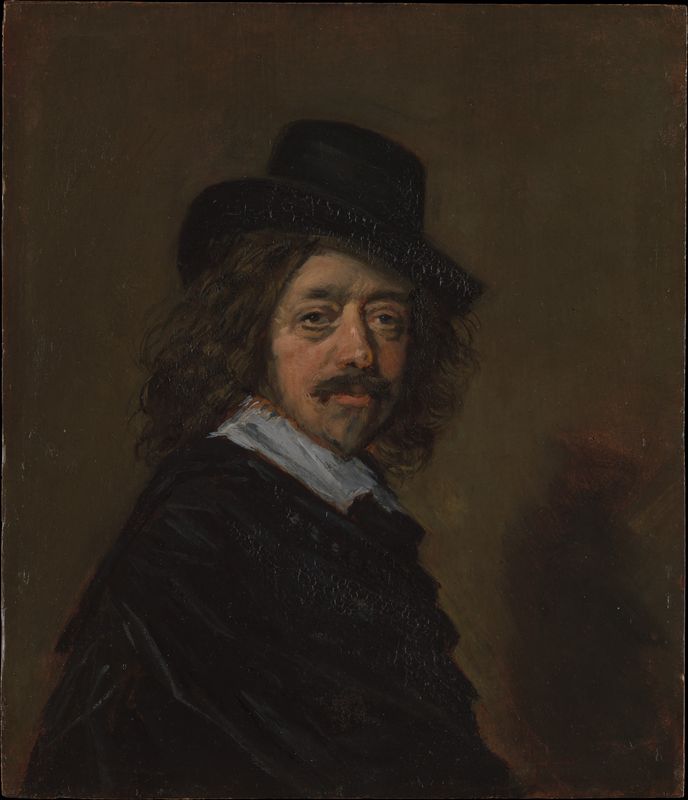
Frans Hals (1582/83–1666)
Frans Hals · 1650 · The Metropolitan Museum of Art
 Same era · 1640s–1670s
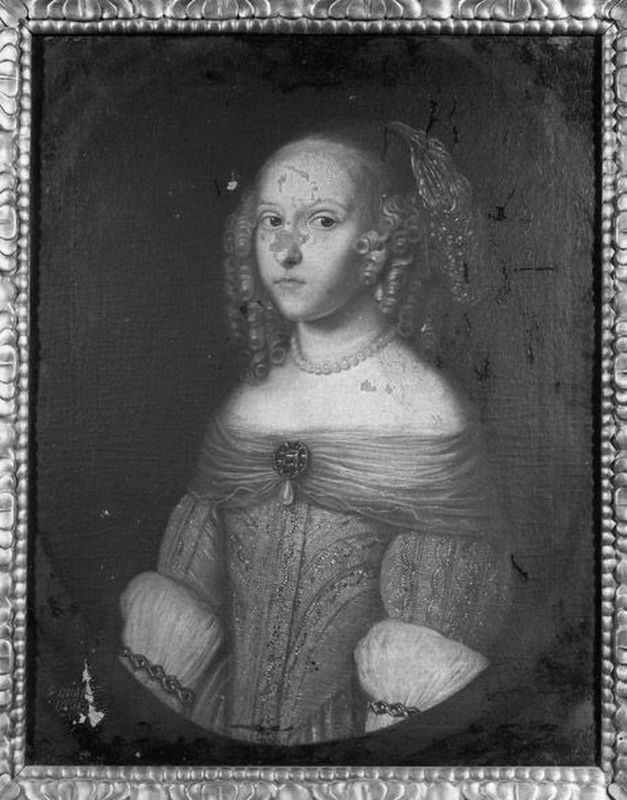
Portrait of a woman, possibly Sophia Eleonore of Hesse-Darmstadt, Landgravine of Hesse-Homburg (1634-1663)
Salomon Duarte · 1661 · Bavarian State Painting Collections
 Same era · 1640s–1670s
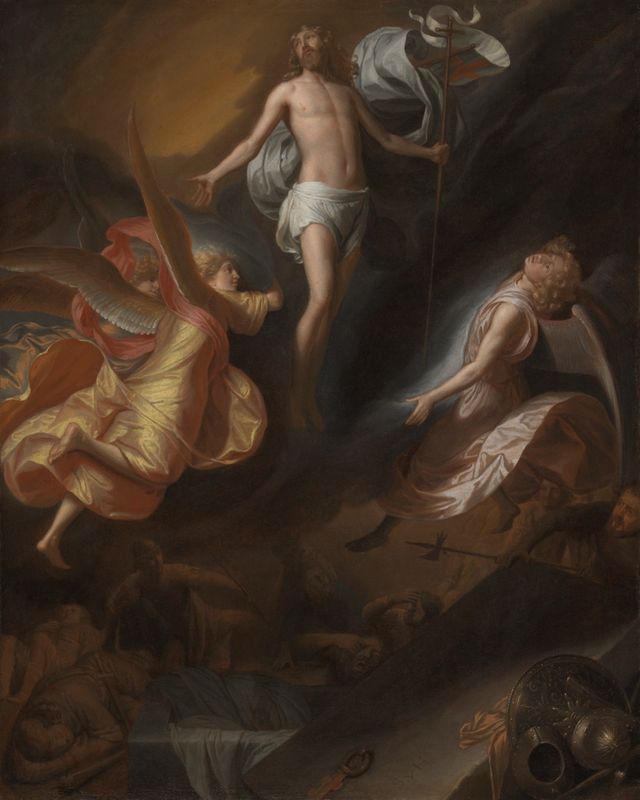
Resurrection of Christ
Samuel van Hoogstraten · 1665 · Art Institute of Chicago
 Same era · 1640s–1670s
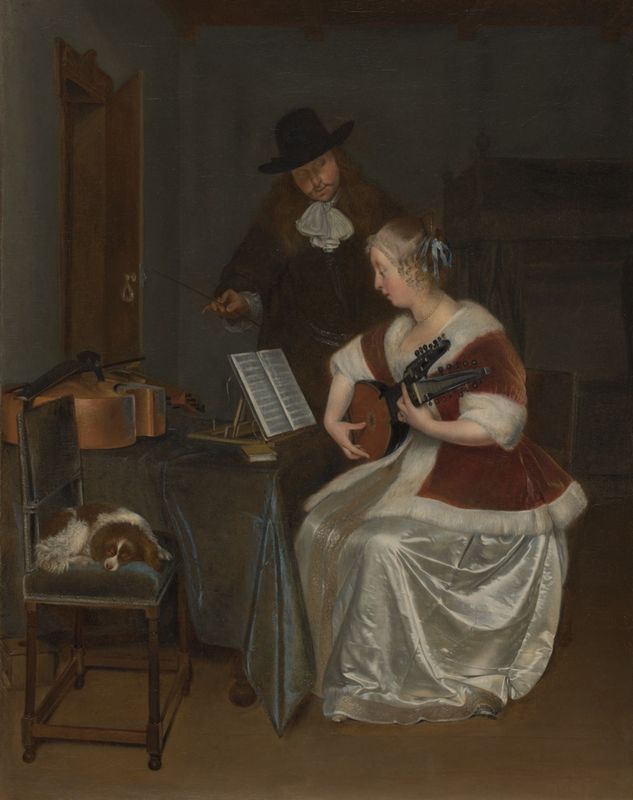
The Music Lesson
Gerard ter Borch the Younger · 1670 · Art Institute of Chicago
 Same era · 1640s–1670s
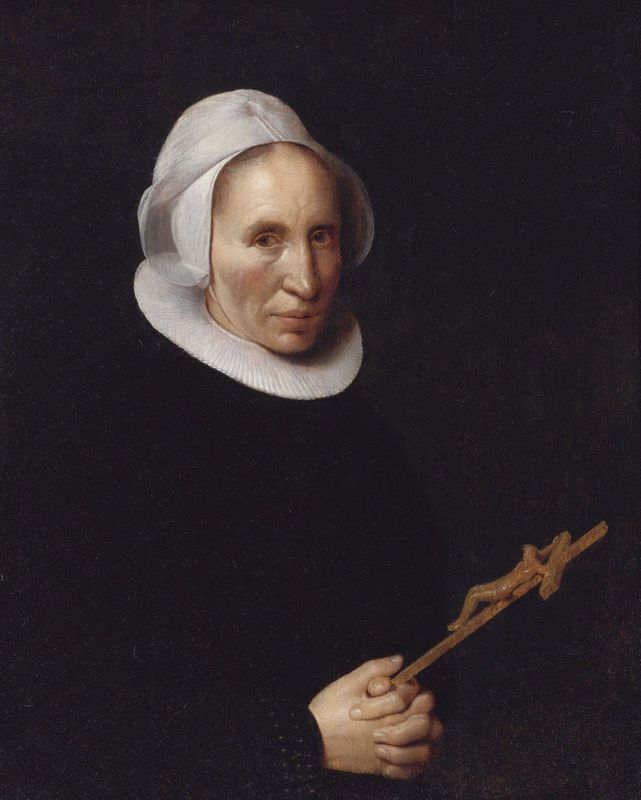
A lady holding a crucifix
Willem van der Vliet · 1650
 Same era · 1640s–1670s
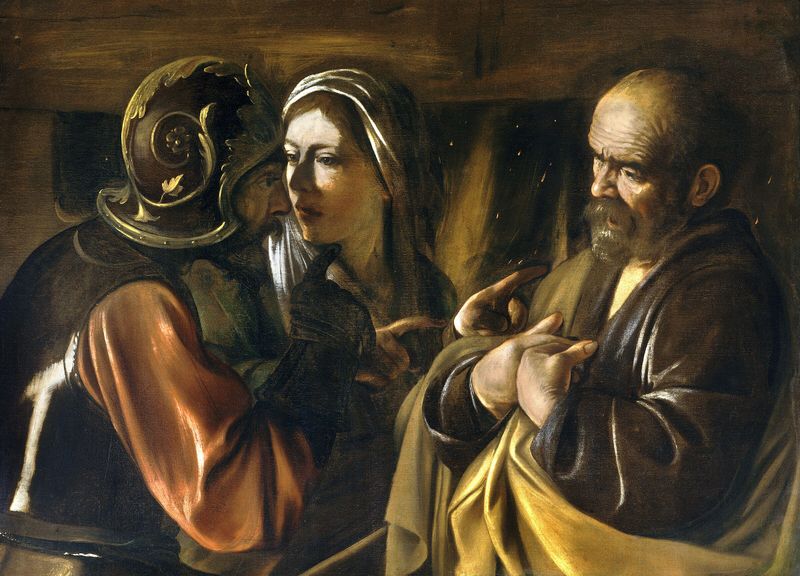
The Denial of Saint Peter
Georges de La Tour · 1650 · Nantes Museum of Arts
 Same era · 1640s–1670s
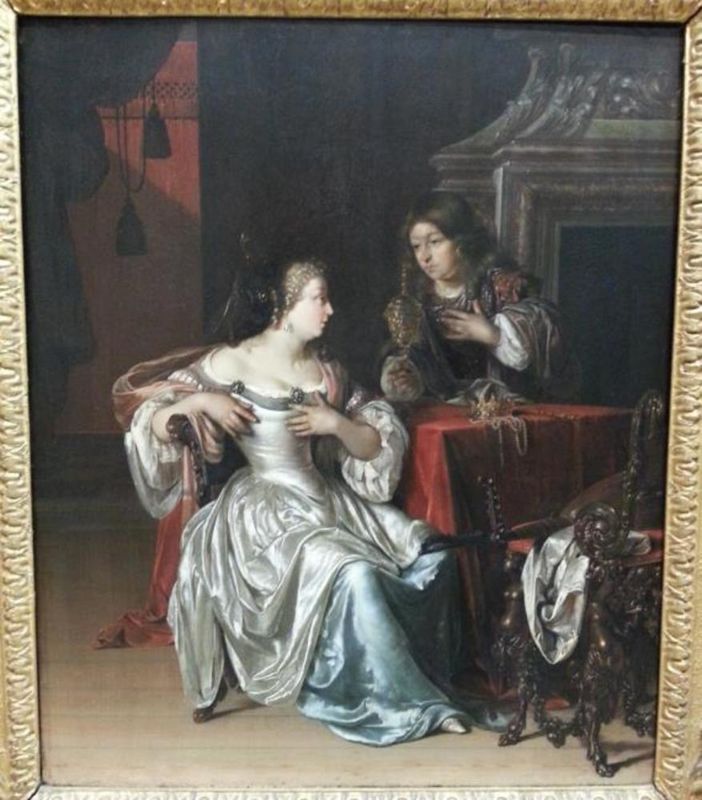
Tancred's servant presenting the heart of Guiscard in a golden cup to Guismond
Adriaen van der Werff · 1678 · Fitzwilliam Museum
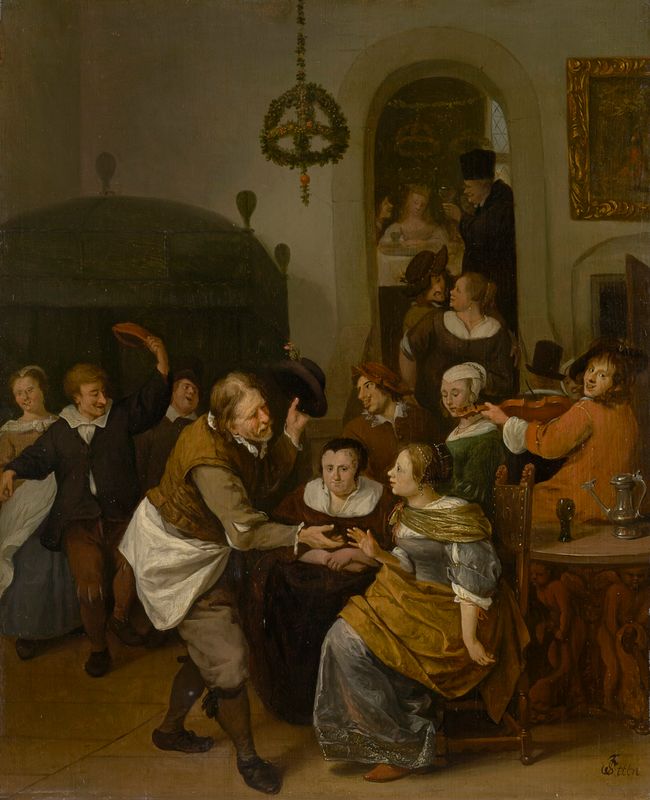 Same era · 1640s–1670s
The wedding party
Jan Steen · 1660 · Museum Boijmans Van Beuningen
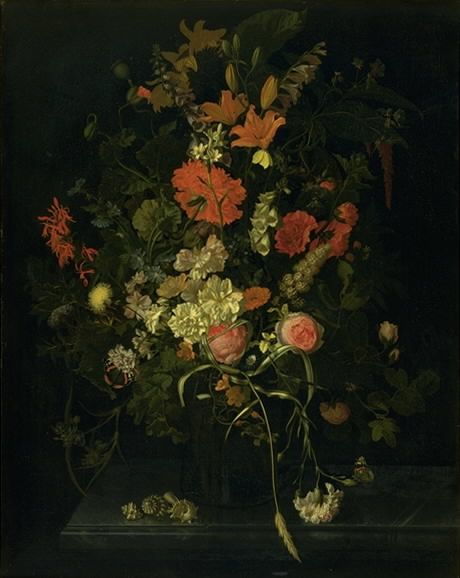 Same era · 1640s–1670s
Bouquet of flowers in a glass vase
Jan van Kessel the Elder · 1659 · Suermondt-Ludwig-Museum
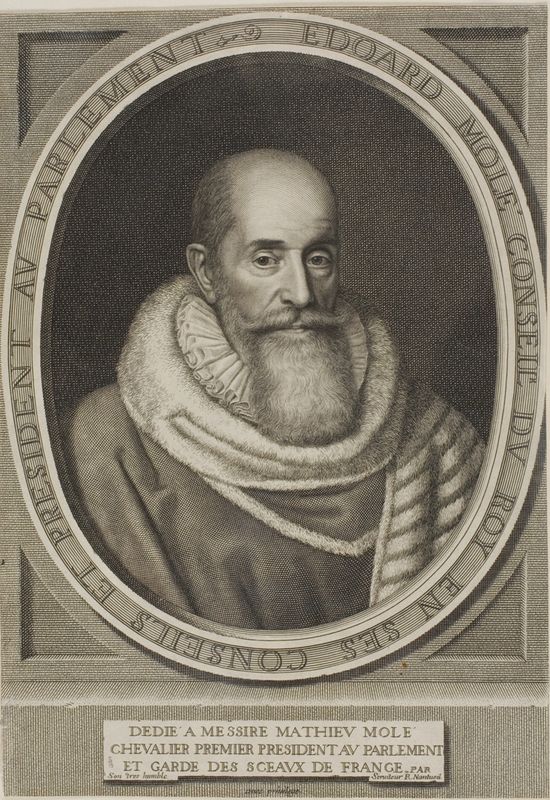 Same era · 1640s–1670s
Portrait of Edouard Molé
Robert Nanteuil · 1653 · Art Institute of Chicago