01
The downcast face
Look at the young woman's lowered face, lit from the left. Her gaze drops away from us, so she seems absorbed in her own thoughts.
1 of 5 on the painting
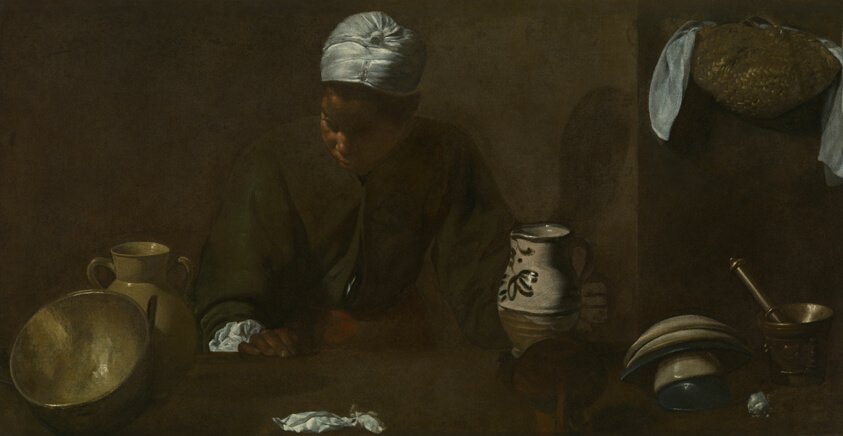
“Stop and observe this "Kitchen Scene" by Diego Velázquez. It’s an early, compelling example of a Spanish bodegón, capturing a quiet, everyday moment with striking realism and dramatic light, making the mundane feel monumental.”
In this early work, a young woman stands at a table, her hands busy preparing food in what appears to be a humble kitchen. The scene is illuminated by a strong, raking light that emphasizes the textures of the various objects: the rough clay pots, the glistening fish, and the worn fabric of her headscarf. We see a common, everyday moment, yet it is rendered with a striking sense of dignity and presence. The composition draws our eye to her focused expression and the quiet intensity of her labor, transforming a mundane task into a compelling subject. This painting is a powerful example of a bodegón, a Spanish genre that elevates scenes of daily life, often featuring kitchen or tavern settings, with a remarkable realism and dramatic lighting, a style popular in Spain during the Baroque period.
Five details hide in plain sight. Pick one and we’ll show you exactly where to look.
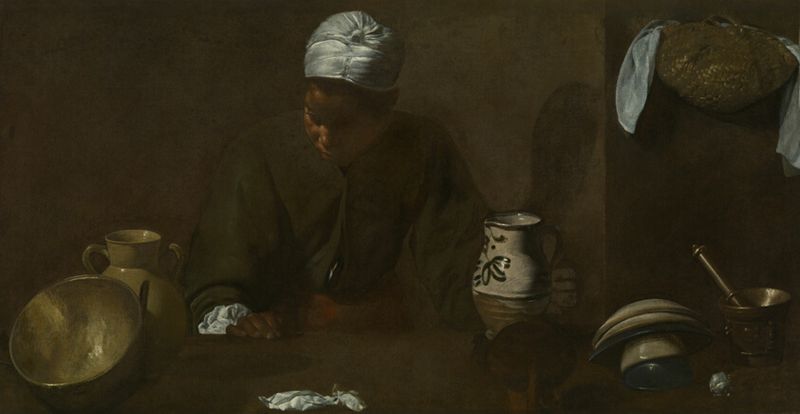
Look at the young woman's lowered face, lit from the left. Her gaze drops away from us, so she seems absorbed in her own thoughts.
The pale wrapped cloth on her head is the brightest patch near the top. Soft folds are built from a few quick light strokes against the dark wall.
The jug beside her has a bold dark leaf pattern on a creamy glaze. Its sharp light and detail make it nearly as present as the person.
At lower left, the big metal bowl turns its hollow inside toward us and catches soft light. The smudgy highlights make the worn metal feel heavy.
On the far right, a brass mortar holds a pestle that angles up and out. The dim, warm metal is easy to miss in the shadow.
The full narration walks you through Kitchen Scene — the story behind it, the details most visitors miss, and why it matters. Free in the Art Whisper app.
Court painter to Philip IV whose mastery of light and realism changed Western art forever.
Beyond Velázquez and Baroque: works from the same years.
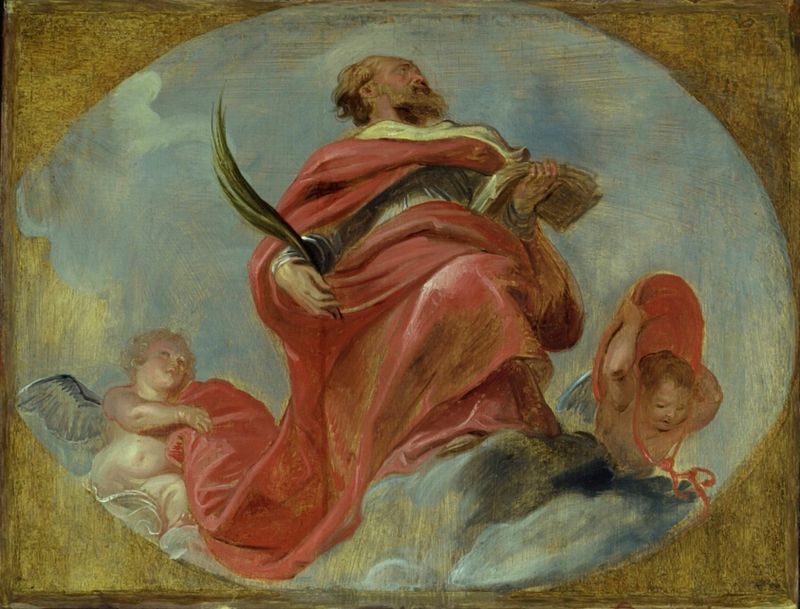 Same era · 1600s–1630s
St. Albert of Louvain
Peter Paul Rubens · 1620 · Art Institute of Chicago
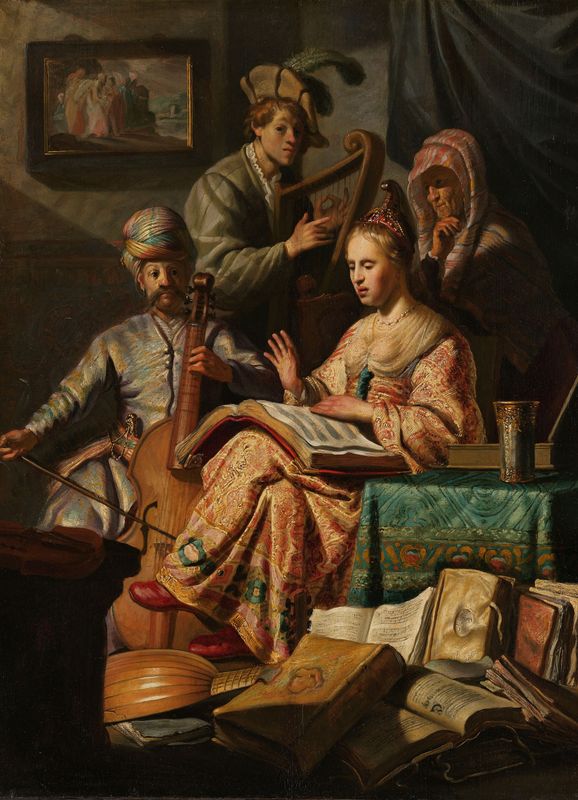 Same era · 1600s–1630s
Musical Company
Rembrandt · 1626 · Museum De Lakenhal
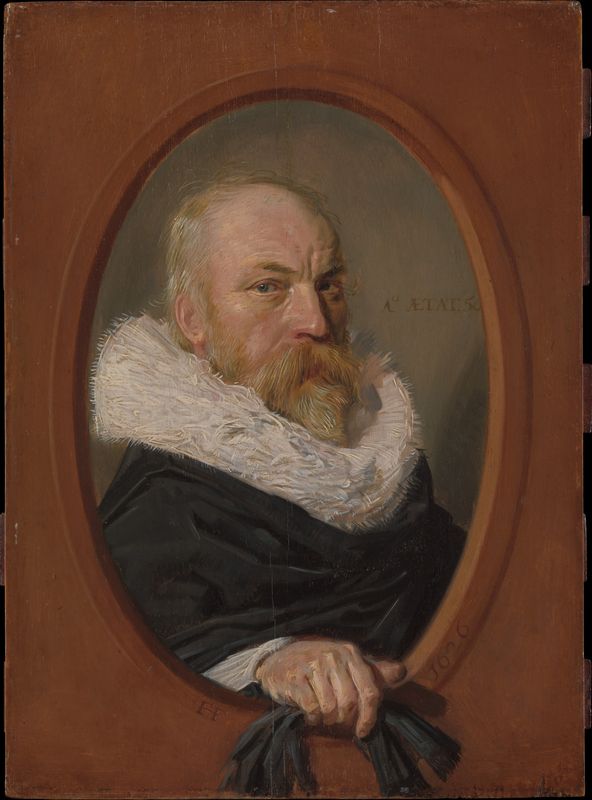 Same era · 1600s–1630s
Petrus Scriverius (1576–1660)
Frans Hals · 1626 · The Metropolitan Museum of Art
 Same era · 1600s–1630s
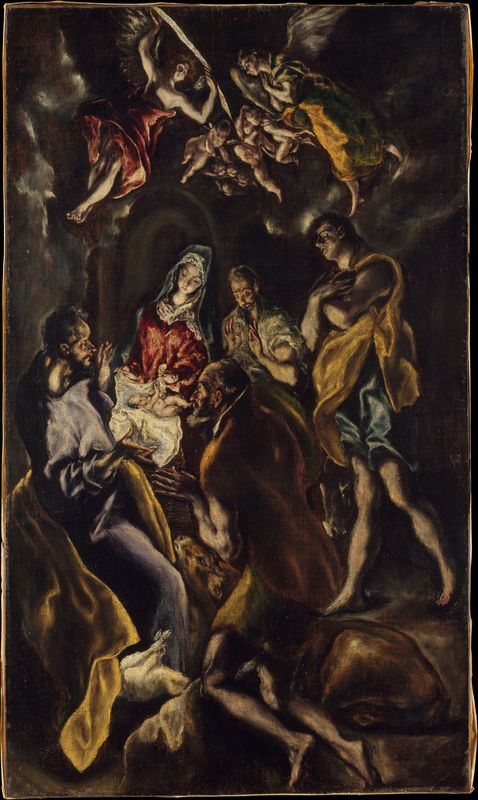
The Adoration of the Shepherds
El Greco · 1610
 Same era · 1600s–1630s
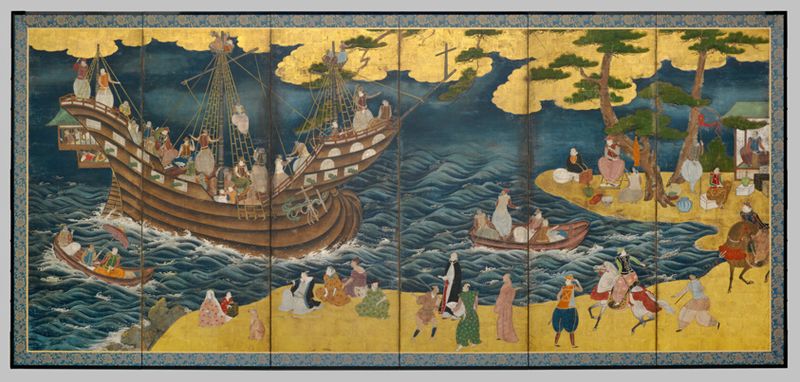
Southern Barbarians
Artist Unknown - The Mercat Cross, Aberdeen · 1625 · Art Institute of Chicago
 Same era · 1600s–1630s
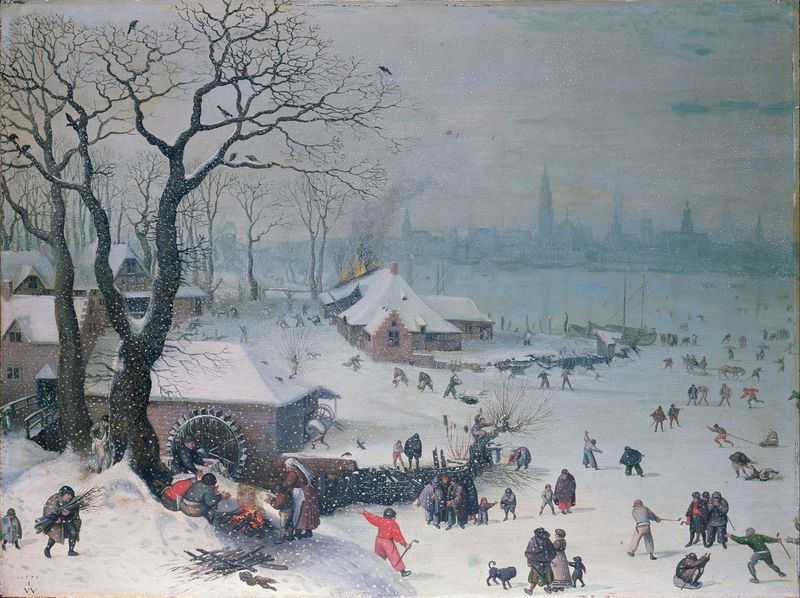
Winter Landscape with Snowfall near Antwerp
Jan Brueghel the Elder · 1610
 Same era · 1600s–1630s
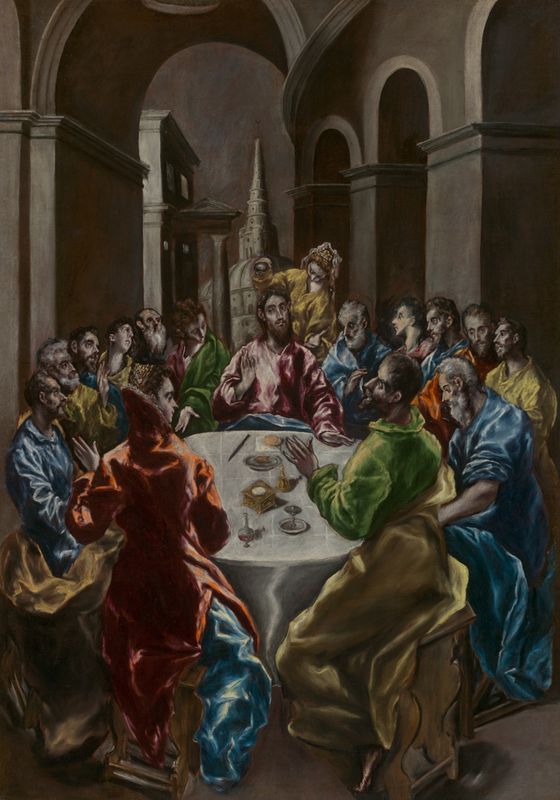
The Feast in the House of Simon
El Greco (Doménikos Theotokópoulos) and workshop · 1608 · Art Institute of Chicago
 Same era · 1600s–1630s
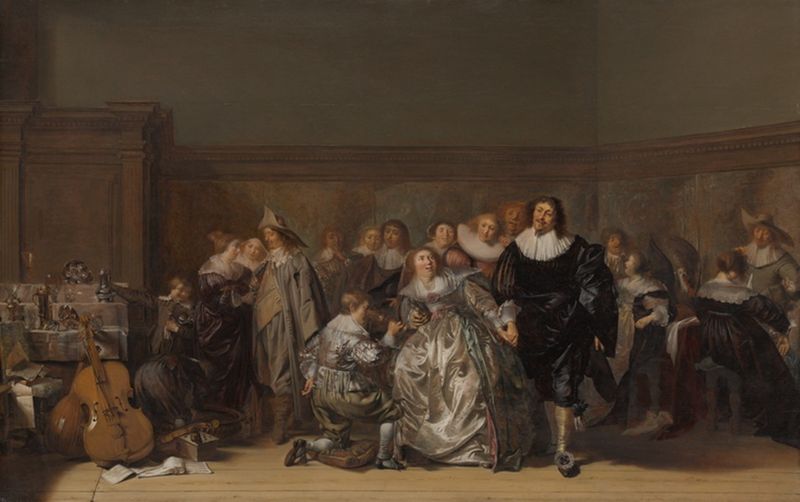
An Elegant Company
Samuel Alcock & Company · 1632 · Art Institute of Chicago
 Same era · 1600s–1630s
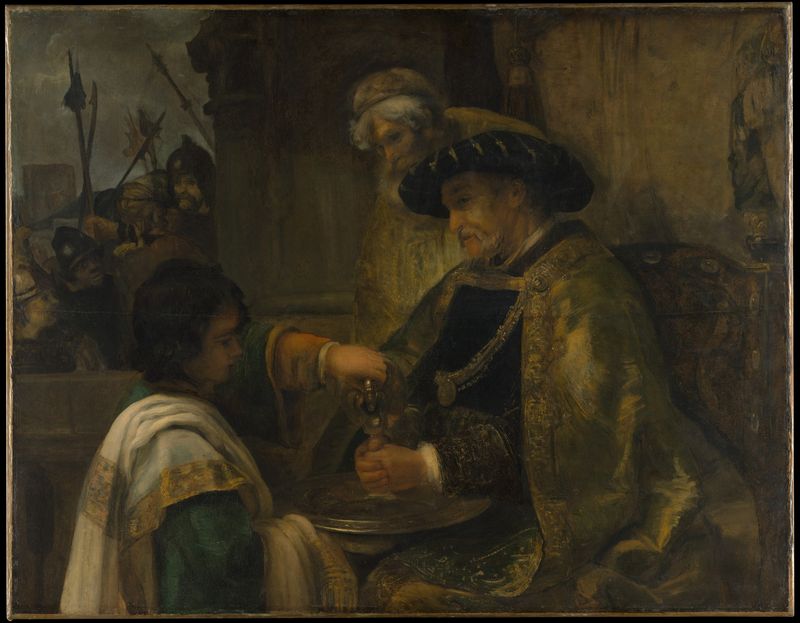
Pilate washing his hands
Hendrick ter Brugghen · 1617 · National Museum in Lublin
 Same era · 1600s–1630s
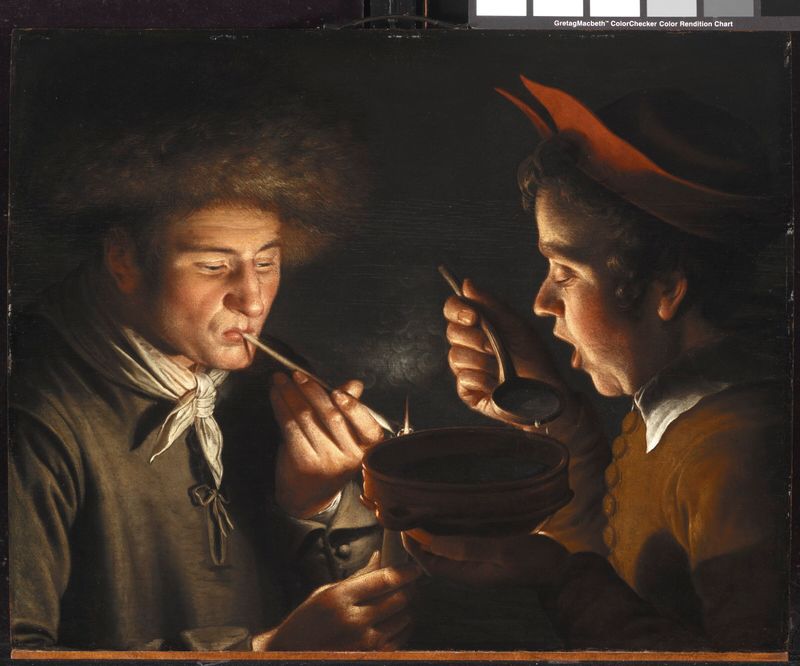
A Man Smoking and Another Man Eating by Candlelight
Willem van der Vliet · 1624 · Detroit Institute of Arts
 Same era · 1600s–1630s
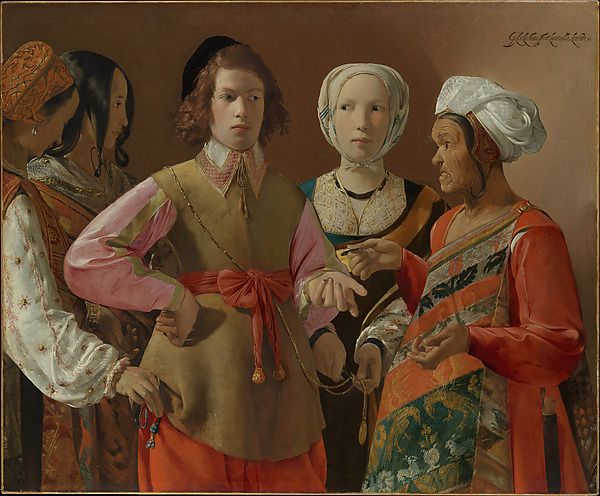
The Fortune-Teller
Georges de La Tour · 1630 · The Metropolitan Museum of Art
 Same era · 1600s–1630s
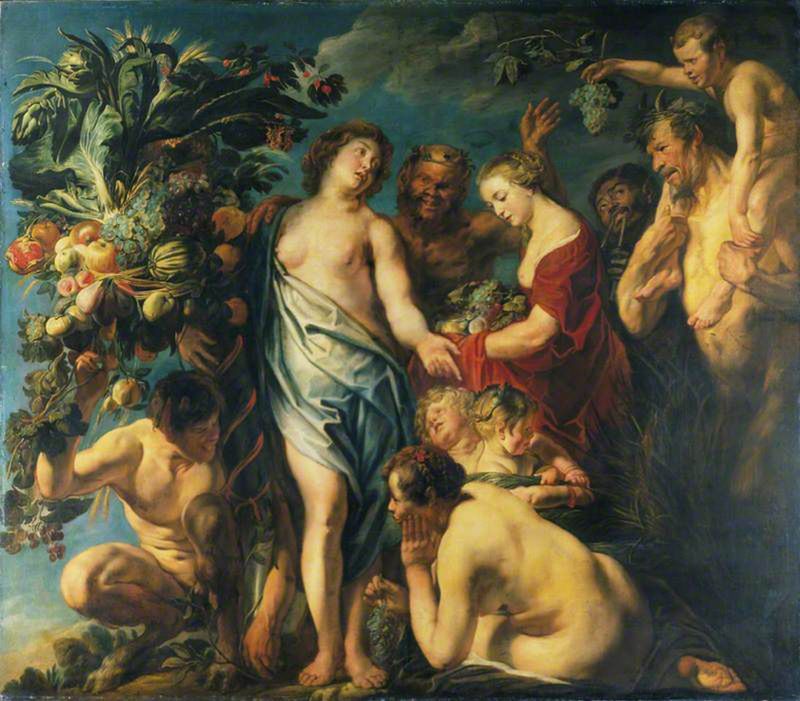
An Allegory of Fruitfulness
Jacob Jordaens · 1620 · Wallace Collection