
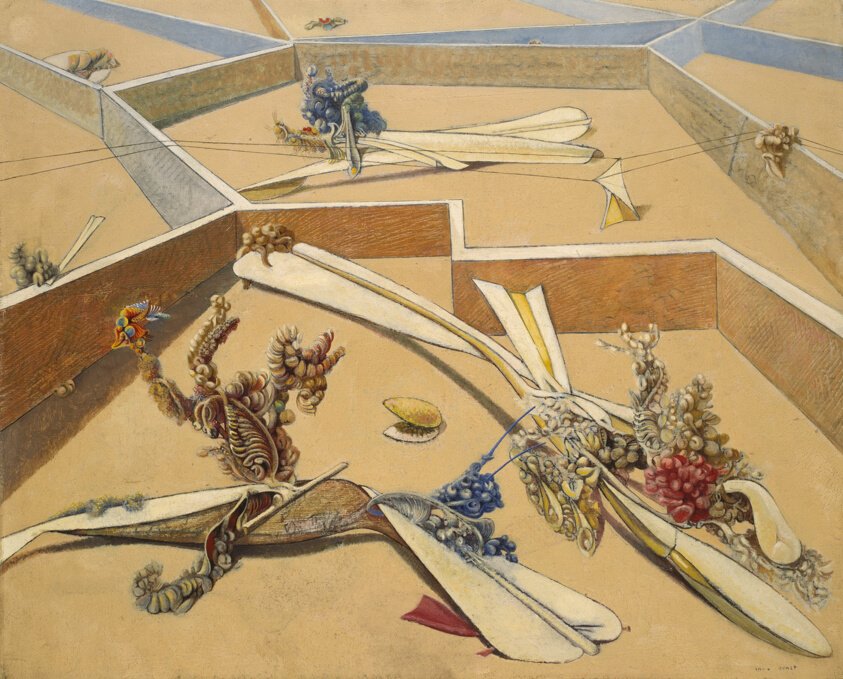
“Step into a dreamlike world where nature takes on an unsettling, almost predatory form. This painting by Max Ernst, a pioneer of Surrealism, challenges our perceptions and invites us to explore the subconscious.”
A strange, almost alien landscape unfolds before us in "Garden Airplane-Trap." Jagged, organic forms rise from a desolate ground, their surfaces textured and mottled as if carved from ancient rock or bone. A pale, luminous orb hovers in the upper left, casting an otherworldly glow that emphasizes the deep shadows and unsettling atmosphere. The title hints at a darker purpose for this surreal garden, suggesting a hidden danger or a deliberate lure within its bizarre beauty. Max Ernst, a key figure in Surrealism, created this work during a period when artists explored the subconscious and dream imagery. The painting’s dreamlike quality, with its familiar yet distorted elements, invites viewers to question what they see and to find meaning in its enigmatic forms.
- Artist
- Max Ernst
- Date
- 1935
- Medium
- Oil on linen
- Location
- Art Institute of Chicago
What to Notice
Five details hide in plain sight. Here’s where to look.
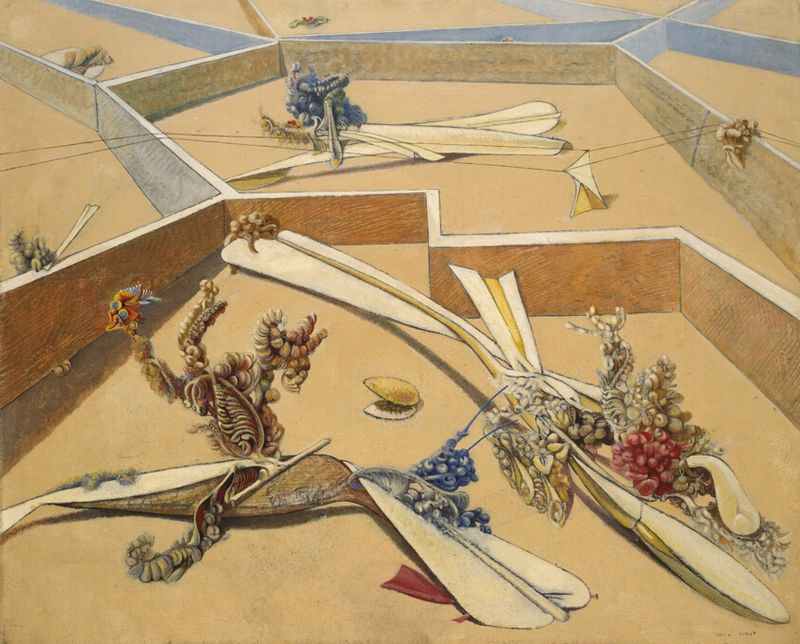
The glowing orb in the upper left, like a distant moon or sun.
The sharp, almost claw-like shapes of the "plants."
The subtle texture on the surface of the organic forms.
The deep shadows that create a sense of depth and mystery.
1 more detail is waiting.
See all 5 in Art Whisper →Stand in front of it and listen
The full narration walks you through Garden Airplane-Trap — the story behind it, the details most visitors miss, and why it matters. Free in the Art Whisper app.
Max Ernst
1891–1976 · CubaMax Ernst, a pioneer of Dada and Surrealism, invented techniques like frottage and grattage, transforming everyday textures into visionary art.
Further Works by Ernst
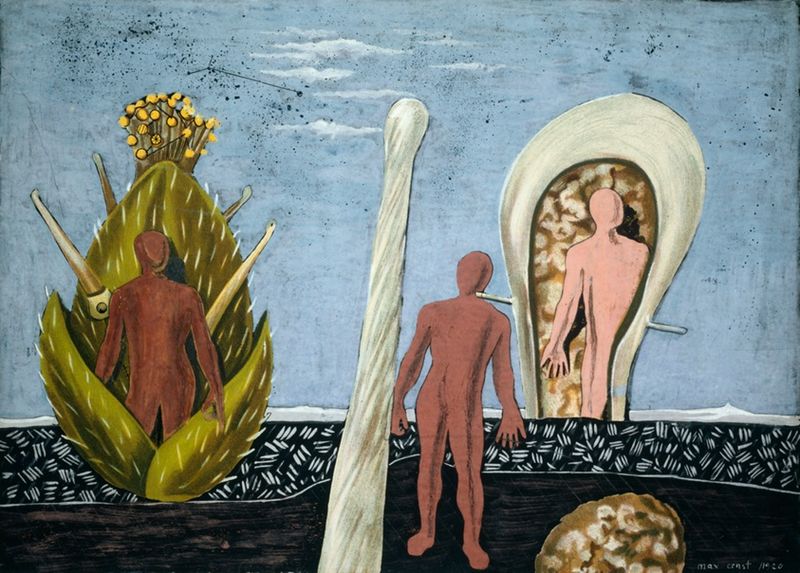 Dada Gauguin
1920 · Art Institute of Chicago
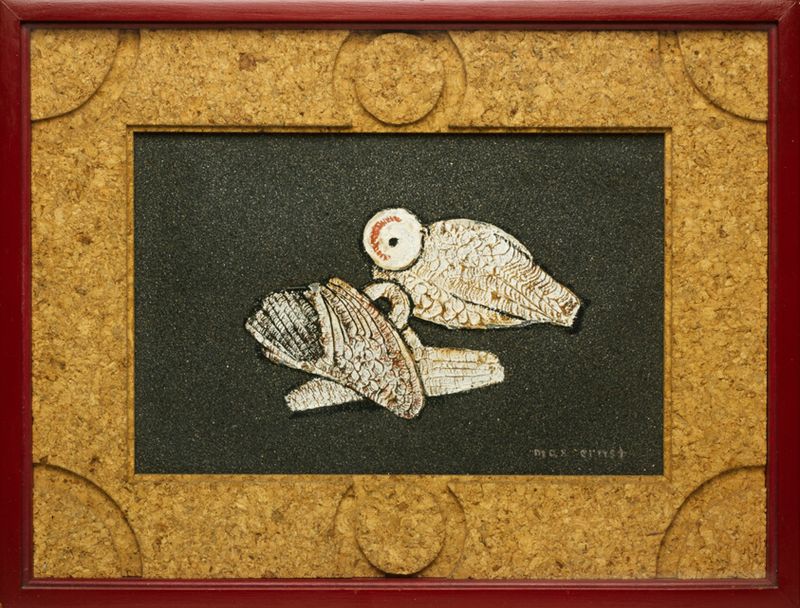 Untitled (Birds)
1924 · Art Institute of Chicago
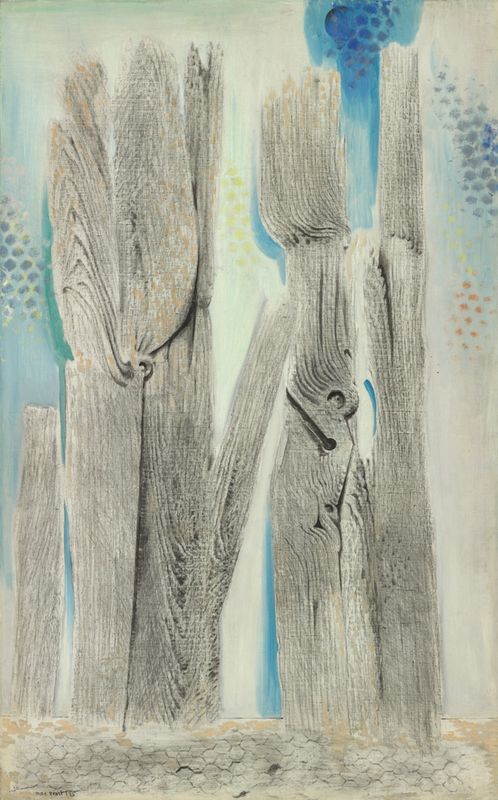 The Blue Forest
1925 · Art Institute of Chicago
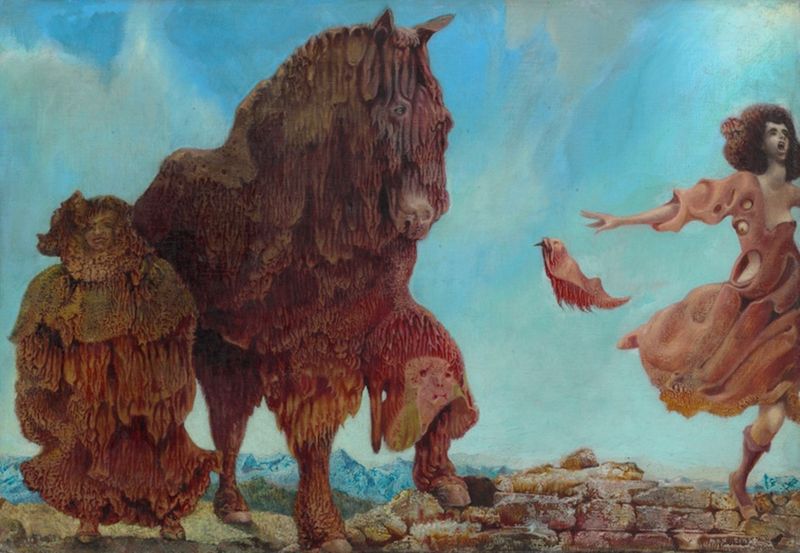 Spanish Physician
1940 · Art Institute of Chicago
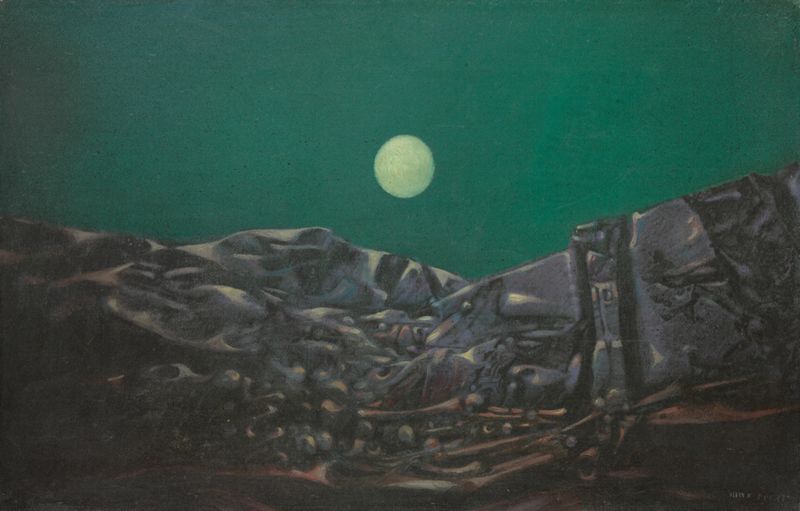 Summer Night in Arizona
1944 · Art Institute of Chicago
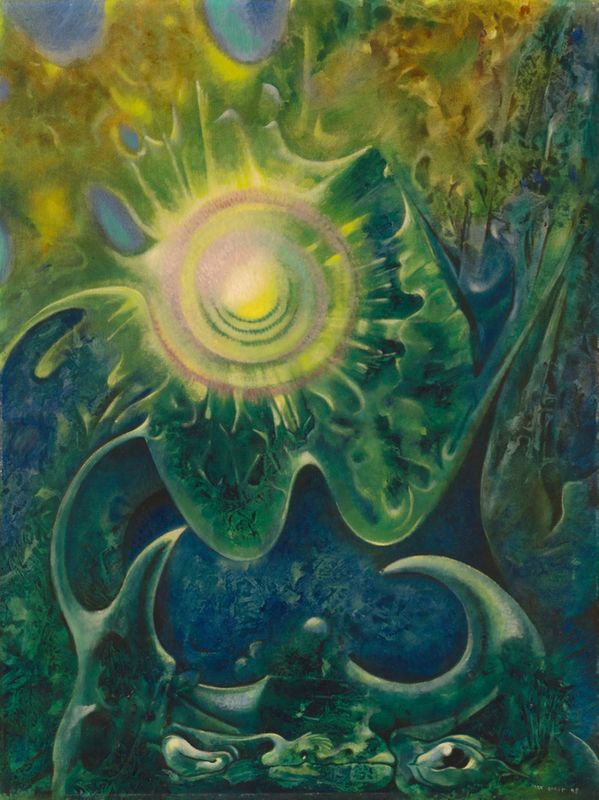 Halleluiah
1948 · Art Institute of Chicago
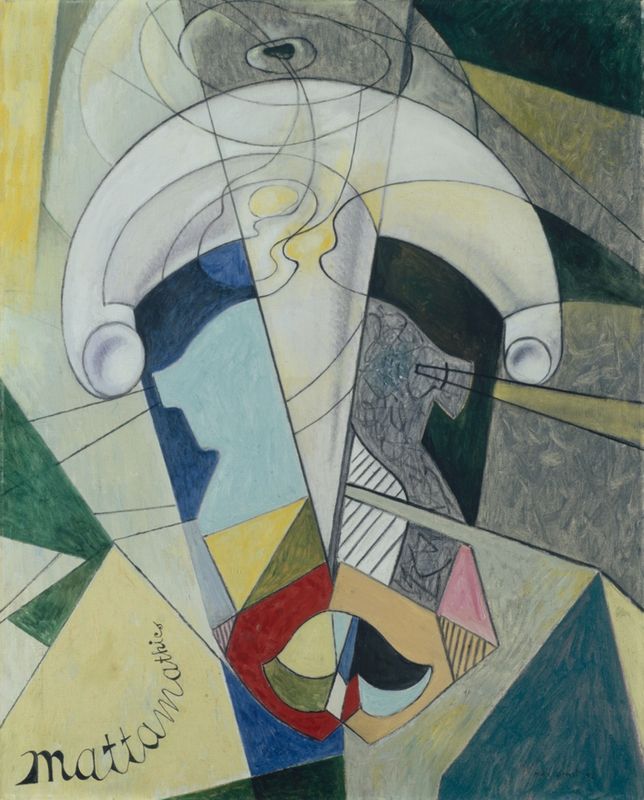 Mattamathics
1948 · Art Institute of Chicago
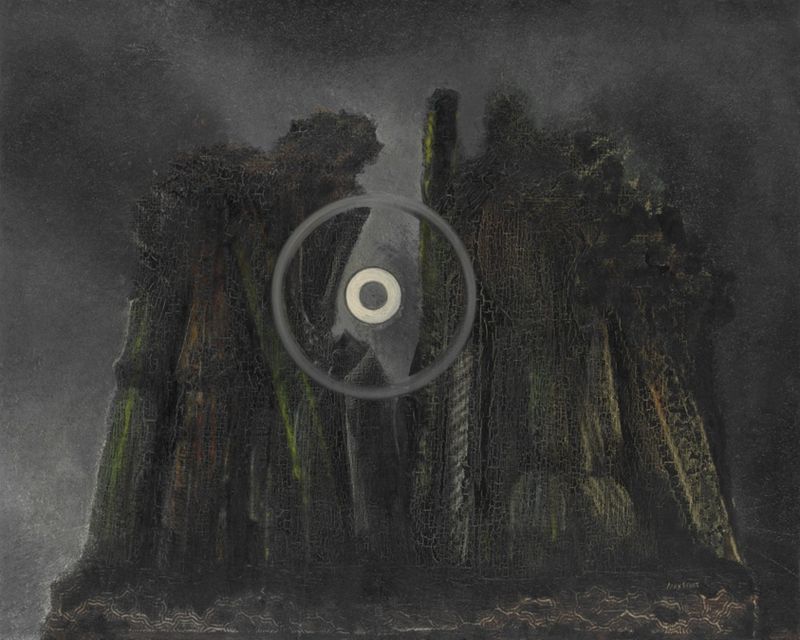 Forest and Sun
National Gallery of Victoria
More from Surrealism
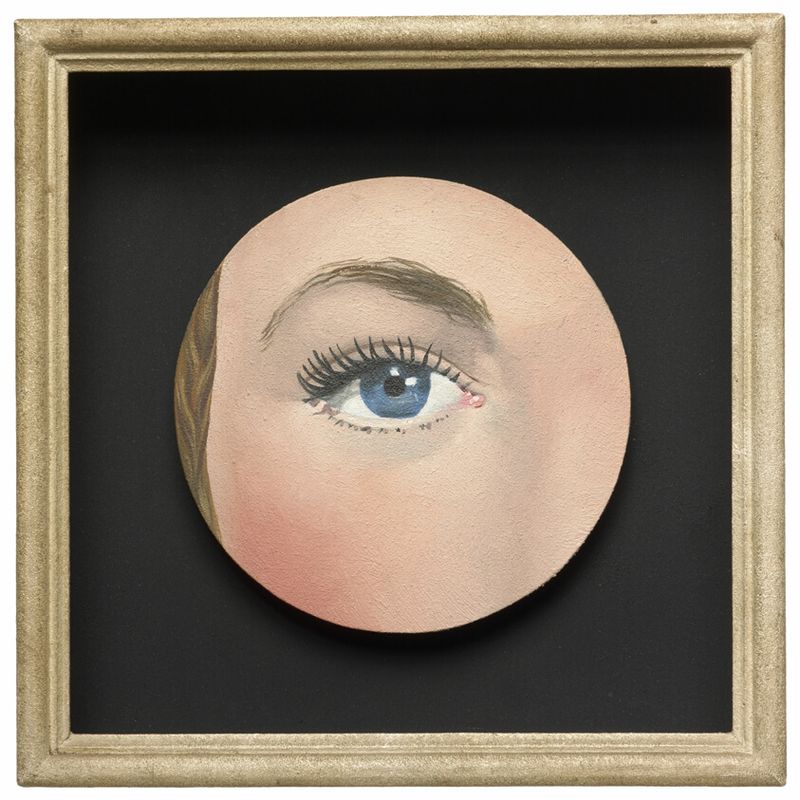
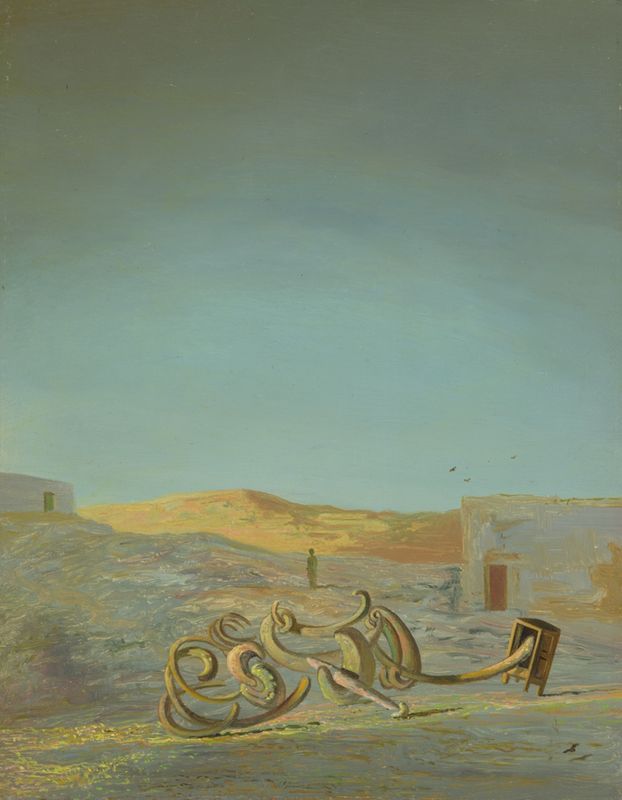
More works to explore
Beyond Ernst and Surrealism: works from the same years.
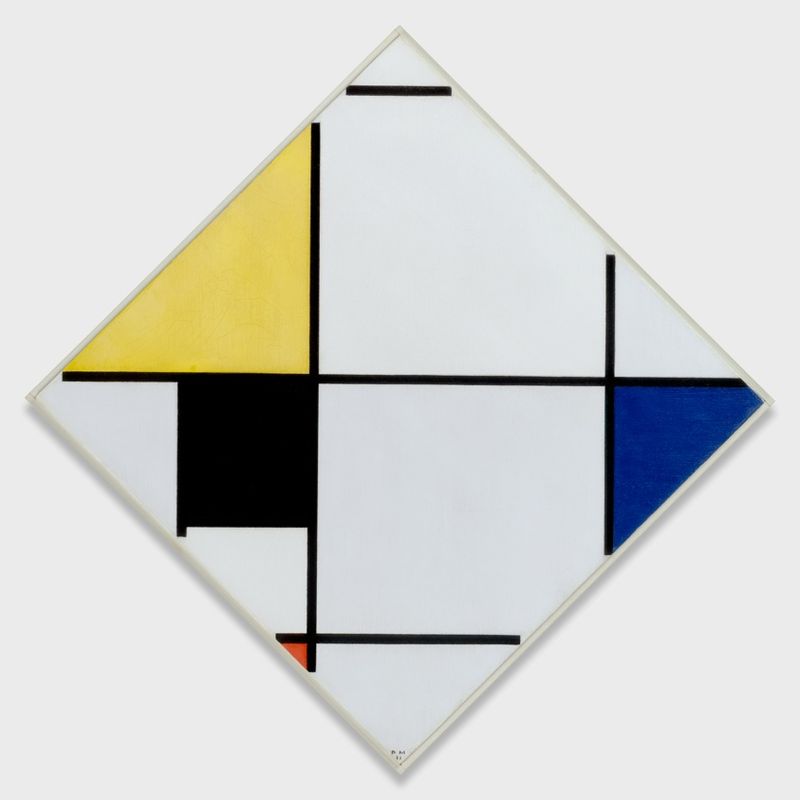 Same era · 1920s–1950s
Lozenge Composition with Yellow, Black, Blue, Red, and Gray
Piet Mondrian · 1921 · Art Institute of Chicago
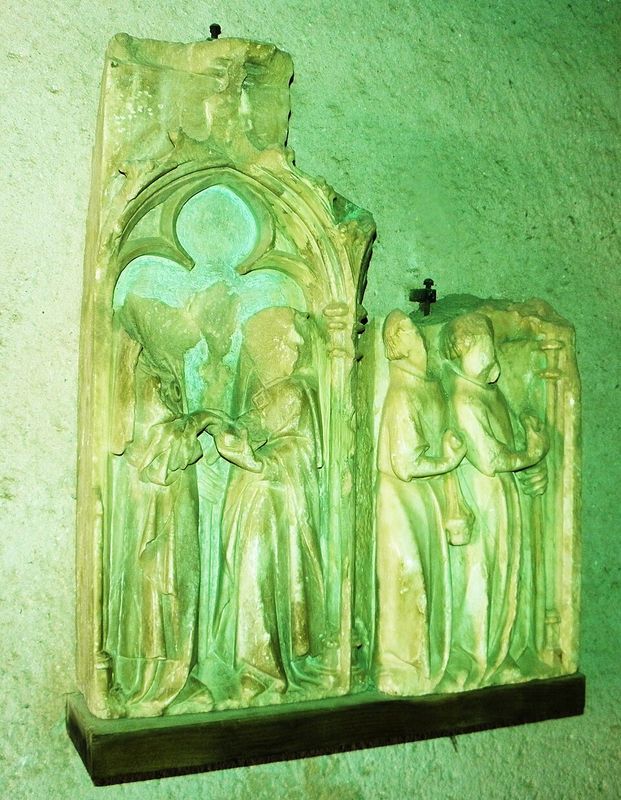 Same era · 1920s–1950s
Deux personnages
Pierre Alechinsky · 1950
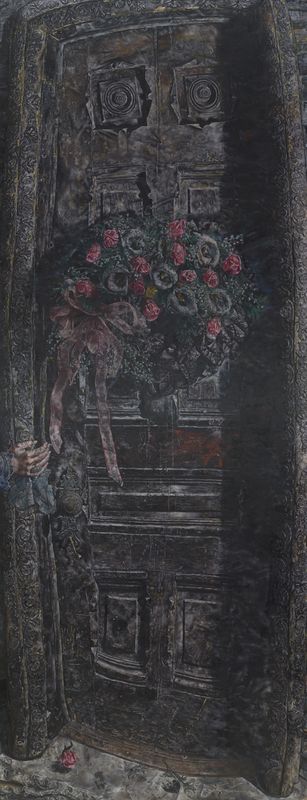 Same era · 1920s–1950s
That Which I Should Have Done I Did Not Do (The Door)
Ivan Puni · 1931 · Art Institute of Chicago
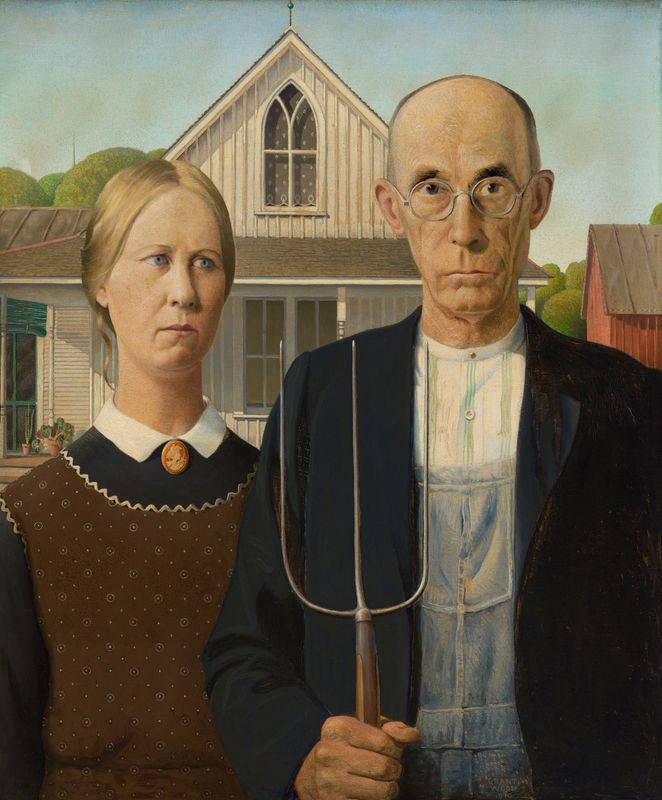 Same era · 1920s–1950s
American Gothic
Okada Saburosuke · 1930 · Art Institute of Chicago
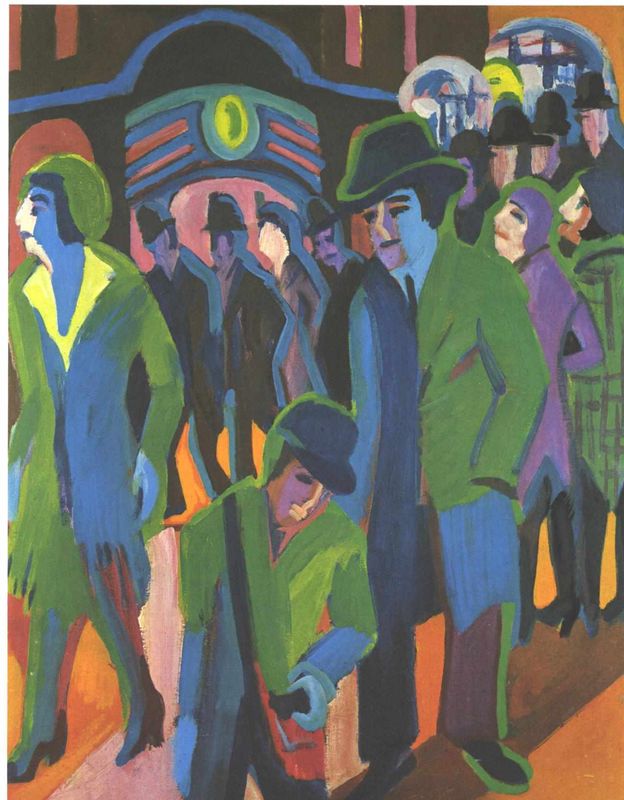 Same era · 1920s–1950s
Straße mit Passanten bei Nachtbeleuchtung
Ernst Ludwig Kirchner · 1927 · Museum Frieder Burda
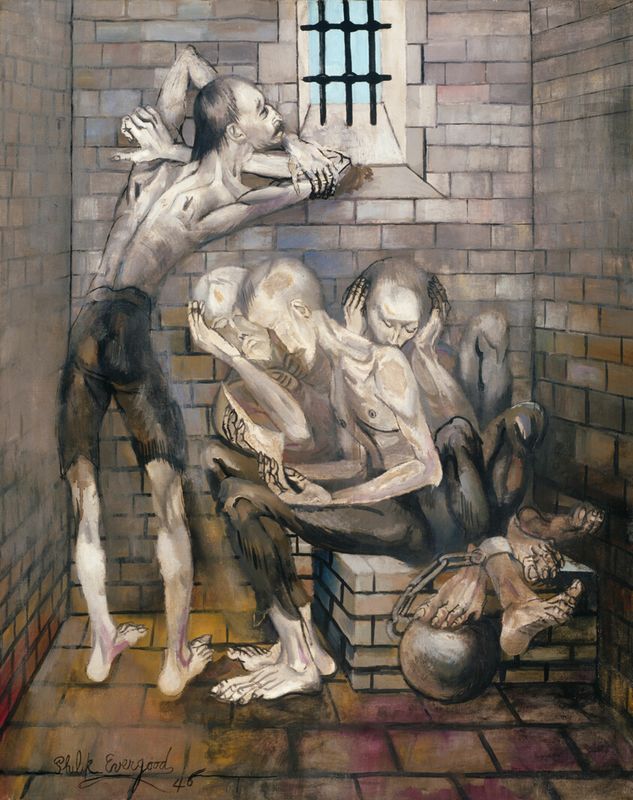 Same era · 1920s–1950s
The Indestructibles
Philip Evergood · 1946 · Art Institute of Chicago
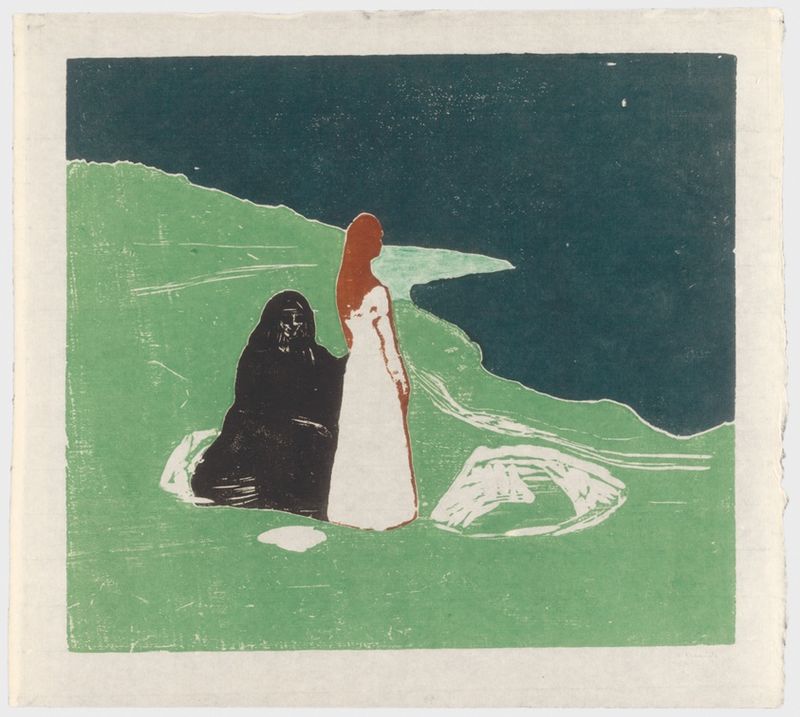 Same era · 1920s–1950s
Two Women on the Shore
Edvard Munch · 1935 · Munch Museum
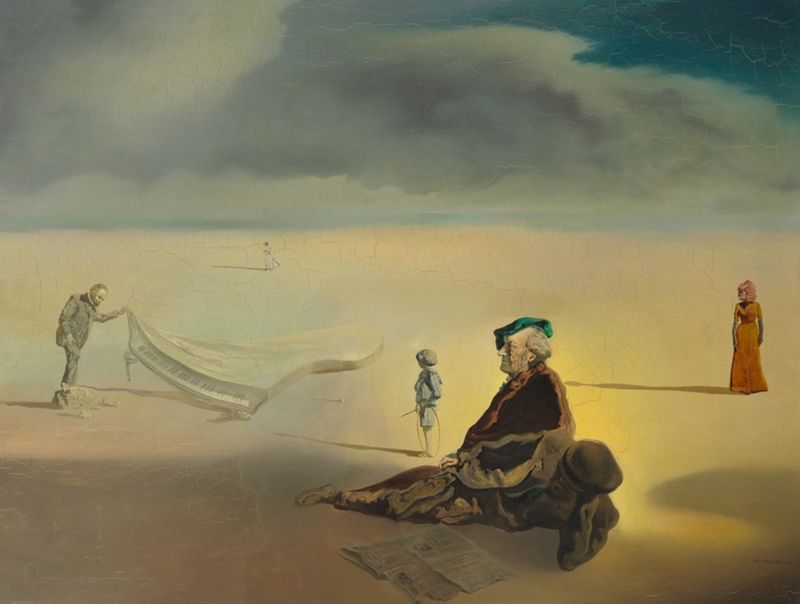 Same era · 1920s–1950s
A Chemist Lifting with Extreme Precaution the Cuticle of a Grand Piano
Salvador Dalí · 1936 · Art Institute of Chicago
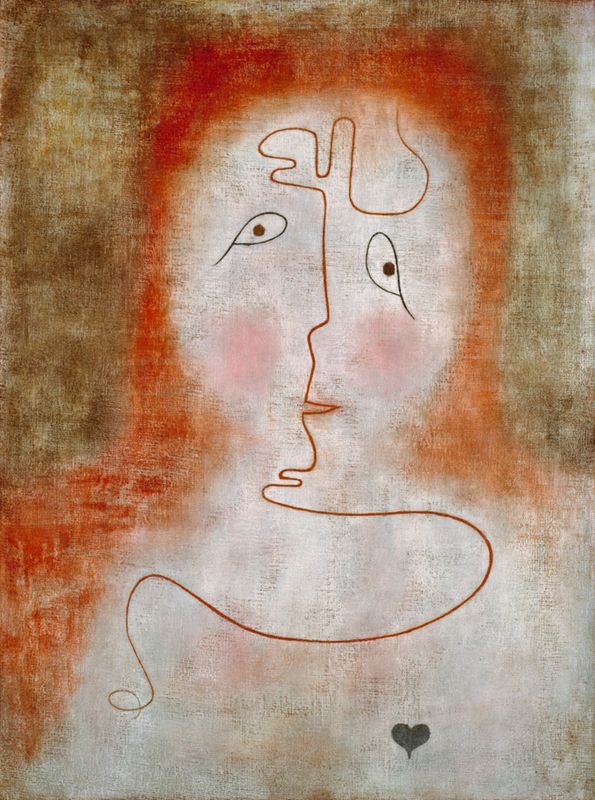 Same era · 1920s–1950s
In the Magic Mirror
Paul Klee · 1934 · Art Institute of Chicago
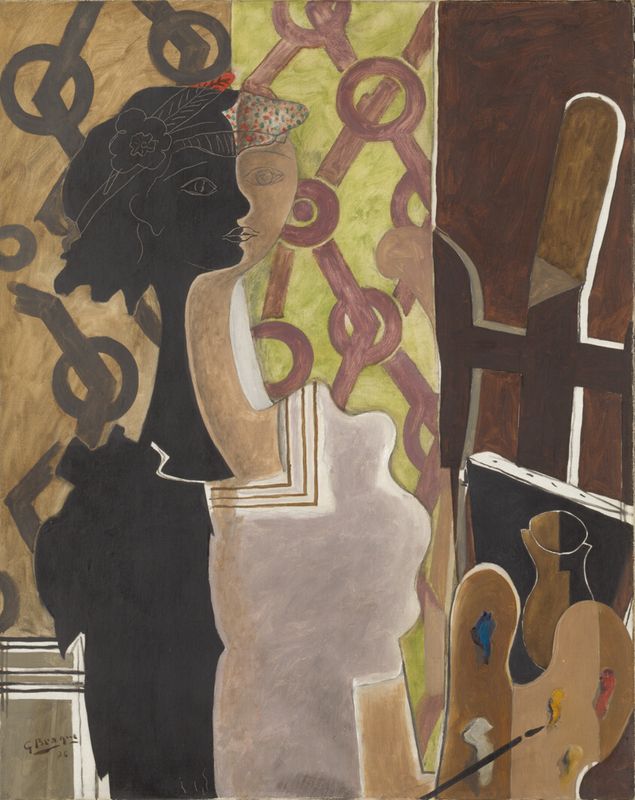 Same era · 1920s–1950s
Woman at an Easel (Green Screen)
Georges Braque · 1936 · Art Institute of Chicago
 Same era · 1920s–1950s
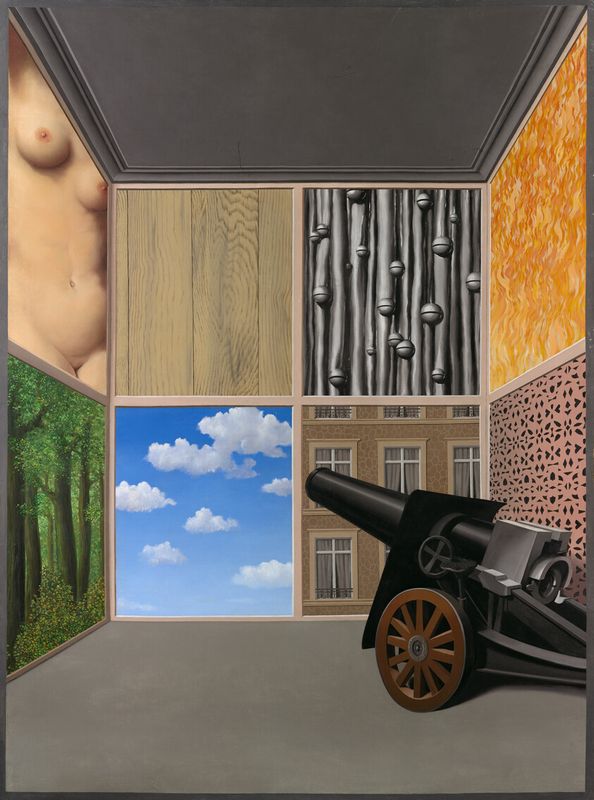
On the Threshold of Liberty
René Magritte · 1937 · Art Institute of Chicago
 Same era · 1920s–1950s
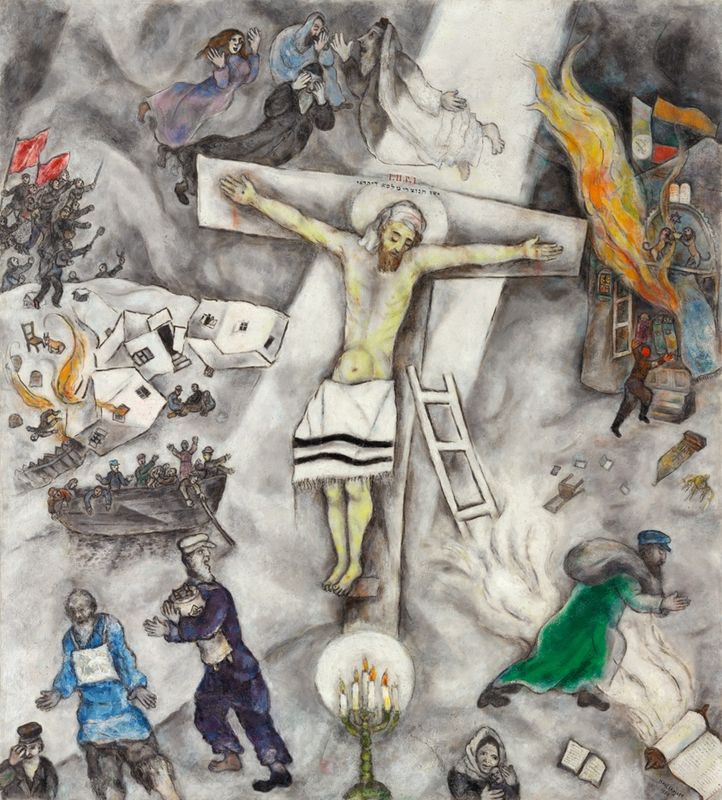
White Crucifixion
Marc Chagall · 1938 · Art Institute of Chicago