The aging hand
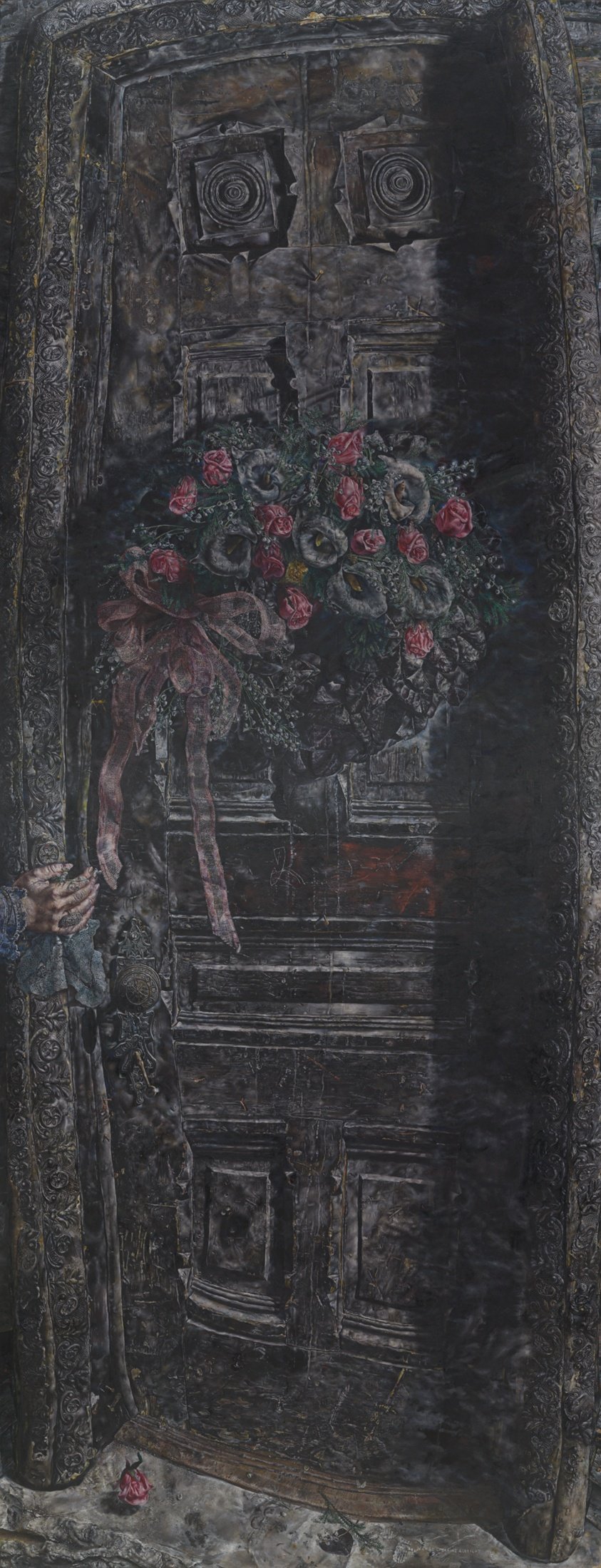
At the far left edge, a hand with a lace cuff grips the edge of the door frame, just above the knob. The hand sits close to the knob without touching it, which fits the painting's title about regret.

“Stop to examine this monumental painting of a weathered door, a profound meditation on choices, regrets, and mortality. The artist spent a decade meticulously crafting every detail, using actual props to create its haunting atmosphere.”
This towering painting, titled with a philosophical phrase, presents a stark, almost confrontational image of a weathered door. The canvas, nearly eight feet tall, is dominated by a decrepit Victorian door, its surface scarred and peeling, flanked by what appears to be a tombstone serving as a threshold. A wrinkled, aged woman's hand, clutching a faded blue handkerchief, rests near the tarnished doorknob, suggesting a moment of hesitation or missed opportunity. The artist, Ivan Puni, considered this his most important picture, meticulously crafting its mesmerizing effect over ten years. He spent weeks collecting the actual props, including the junkyard door and a wax funeral wreath, before embarking on an elaborate charcoal underdrawing. This foundational layer was then covered with the intricate, obsessive detail that defines the painting, with the artist sometimes completing no more than a quarter of a square inch a day. This work serves as a modern memento mori, inviting contemplation on life's choices, regrets, and the passage of time.

Five details hide in plain sight. Pick one and we’ll show you exactly where to look.
At the far left edge, a hand with a lace cuff grips the edge of the door frame, just above the knob. The hand sits close to the knob without touching it, which fits the painting's title about regret.
Below the hand sits an ornate round knob and lock plate, half lost in shadow. It is the way in, and the hand stays just above it.
The big wreath of pink roses and gray lilies hangs at the center of the door. It carries the only strong color in the picture, and a wreath like this can suggest mourning.
A sheer pink ribbon, tied in a bow, drops from the wreath down the dark door. Its limp fall adds to the quiet, heavy mood.
At the bottom edge, one pink rose lies on the stone sill, apparently fallen from the wreath. It is easy to miss, and it adds a quiet note of loss.
The full narration walks you through That Which I Should Have Done I Did Not Do (The Door) — the story behind it, the details most visitors miss, and why it matters. Free in the Art Whisper app.
Russian avant-garde pioneer who organized the legendary 0.10 exhibition, then reinvented himself as a French painter.
Memories of the Past
1927 · Art Institute of Chicago
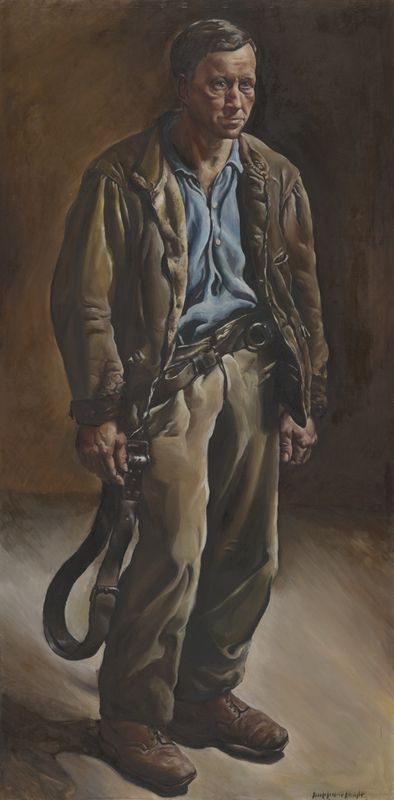
The Lineman
1927 · Art Institute of Chicago
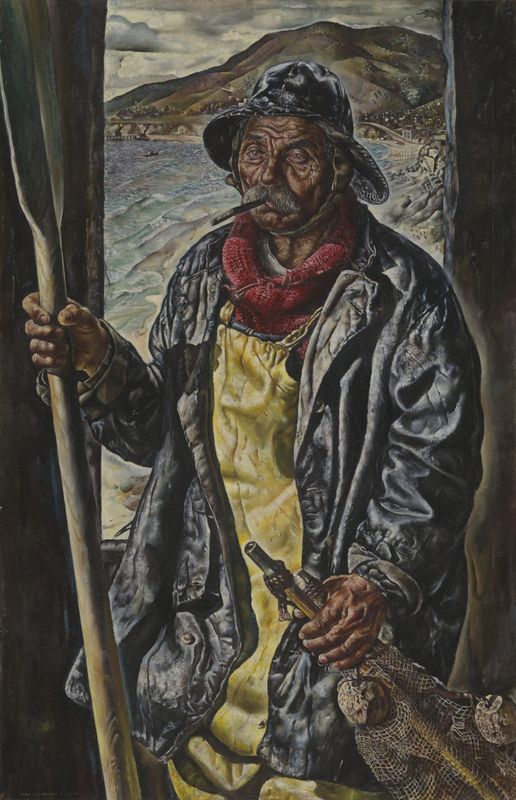
Heavy the Oar to Him Who Is Tired, Heavy the Coat, Heavy the Sea
1929 · Art Institute of Chicago
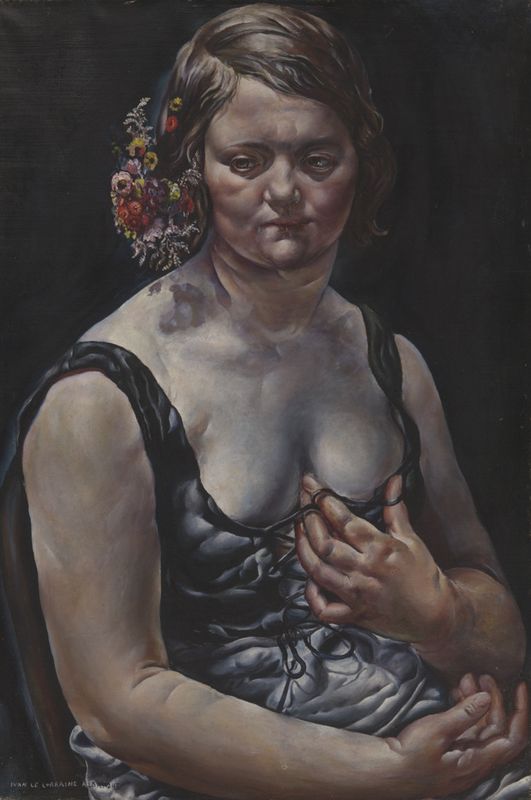
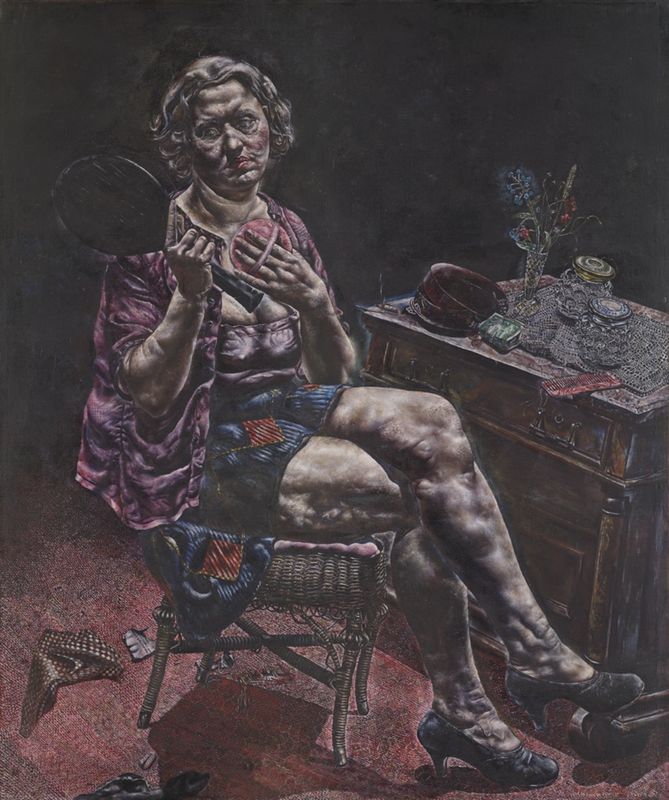
Into the World There Came a Soul Called Ida
1929 · Art Institute of Chicago
And Man Created God in His Own Image
1930 · Art Institute of Chicago
Three Love Birds
1930 · Art Institute of Chicago
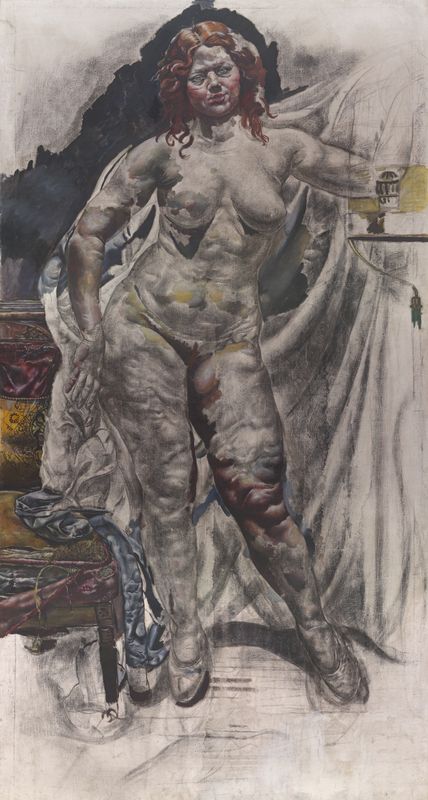
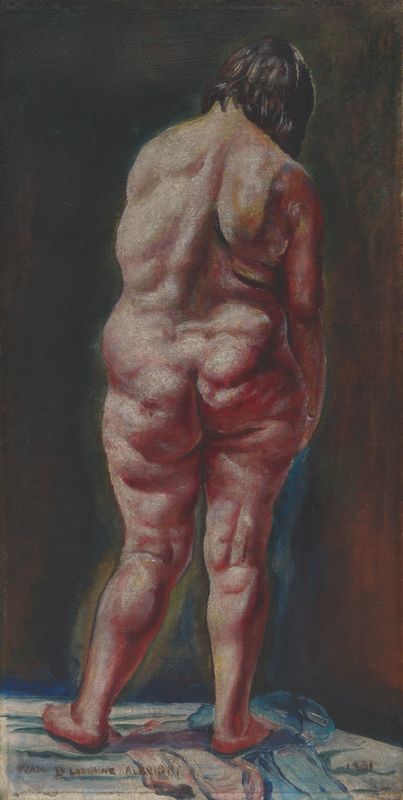
Nude
1931 · Art Institute of Chicago
Divided and Divided
1941 · Art Institute of Chicago
Beyond Puni: works from the same years.
Same era · 1910s–1940s
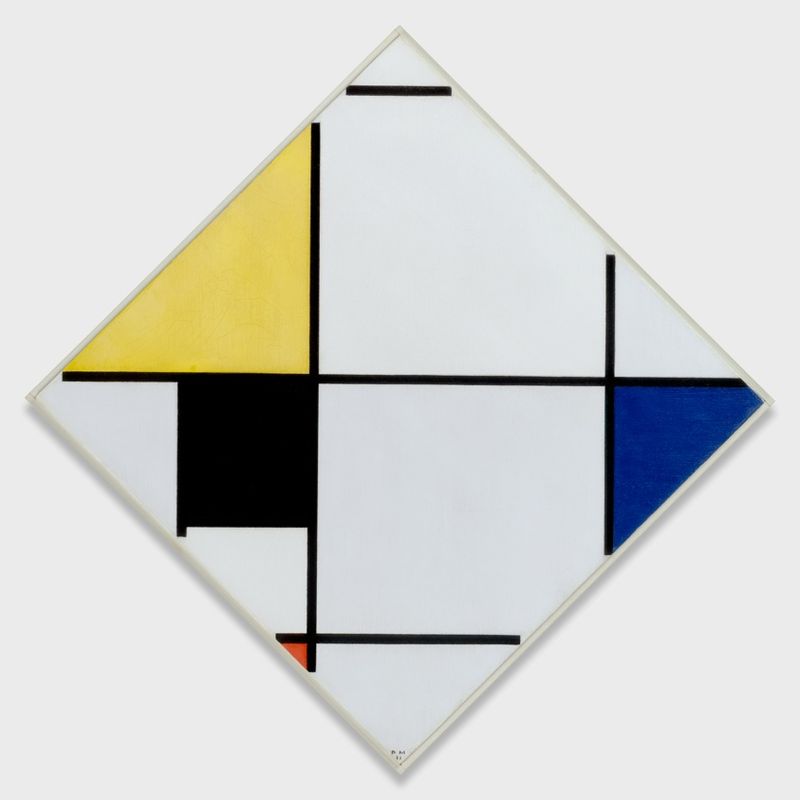
Lozenge Composition with Yellow, Black, Blue, Red, and Gray
Piet Mondrian · 1921 · Art Institute of Chicago
Same era · 1910s–1940s
American Gothic
Okada Saburosuke · 1930 · Art Institute of Chicago
Same era · 1910s–1940s
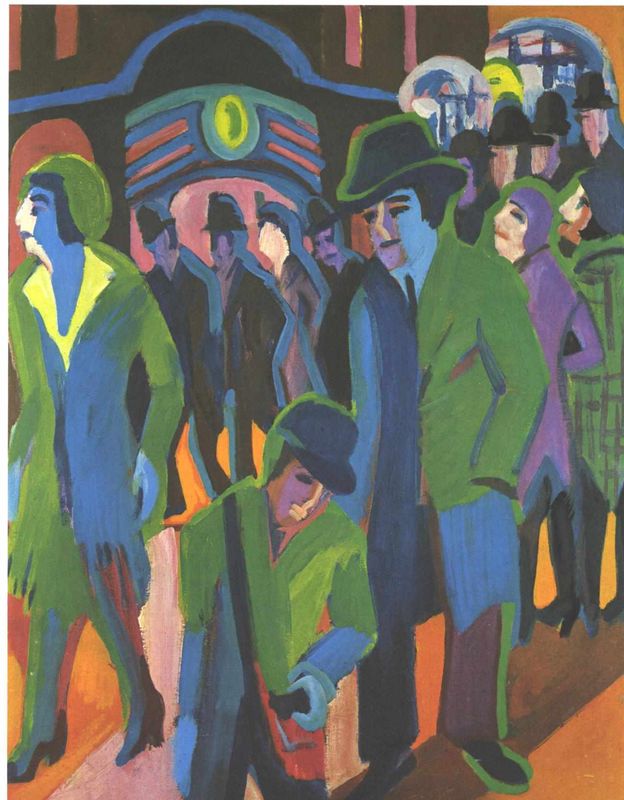
Straße mit Passanten bei Nachtbeleuchtung
Ernst Ludwig Kirchner · 1927 · Museum Frieder Burda
Same era · 1910s–1940s
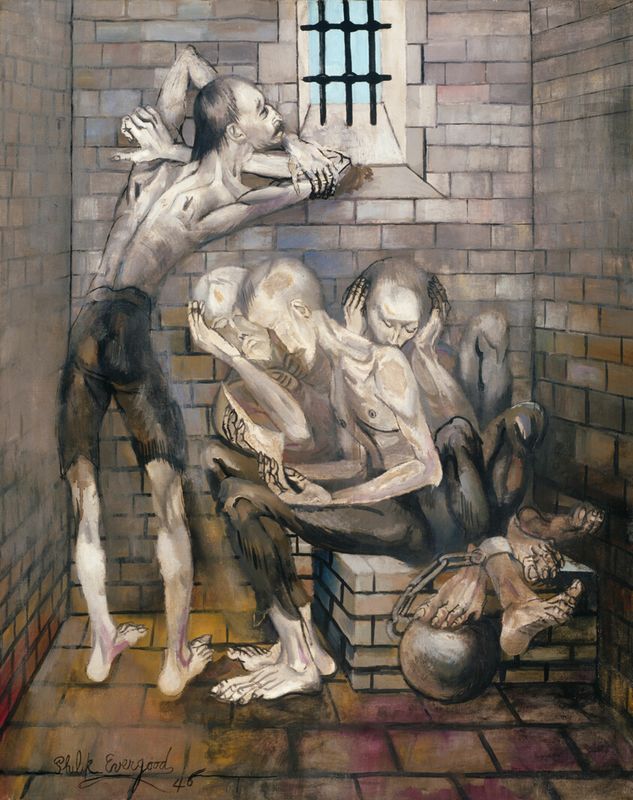
The Indestructibles
Philip Evergood · 1946 · Art Institute of Chicago
Same era · 1910s–1940s
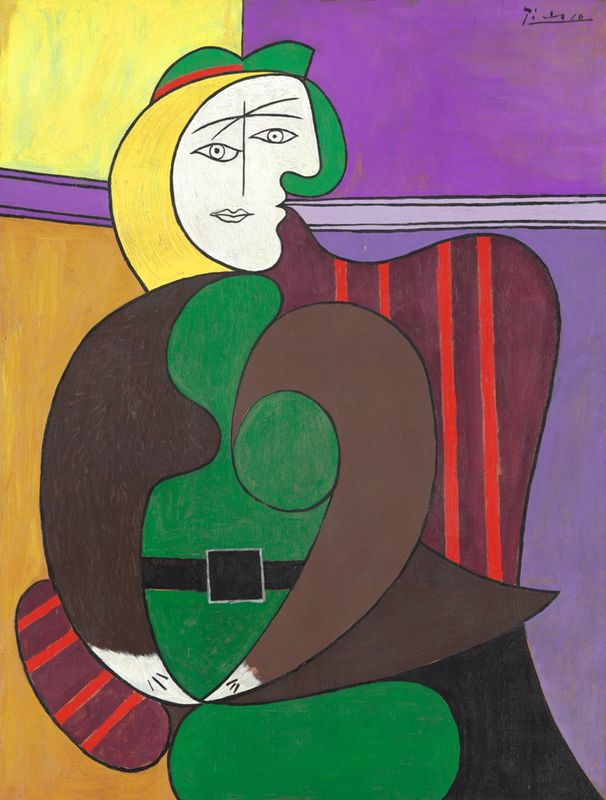
The Red Armchair
Pablo Picasso · 1931 · Art Institute of Chicago
Same era · 1910s–1940s
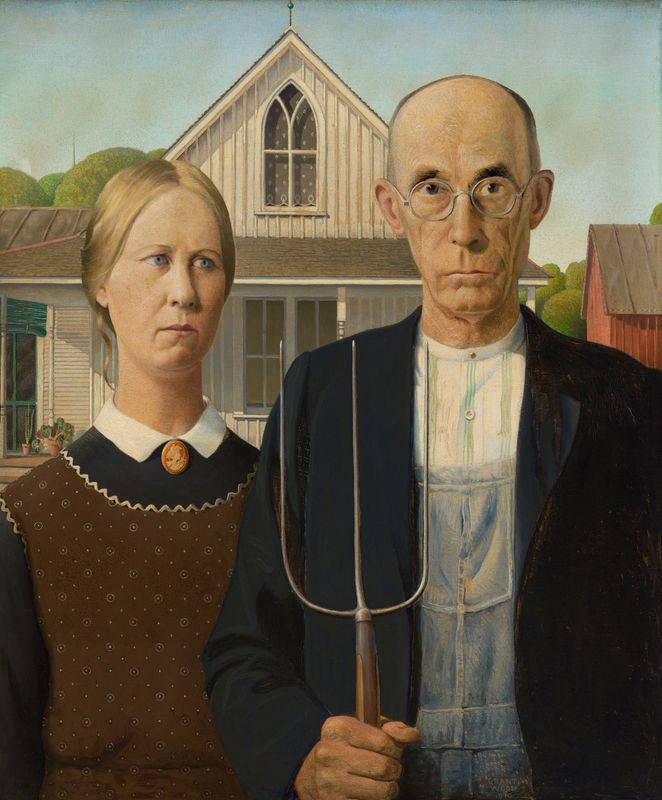
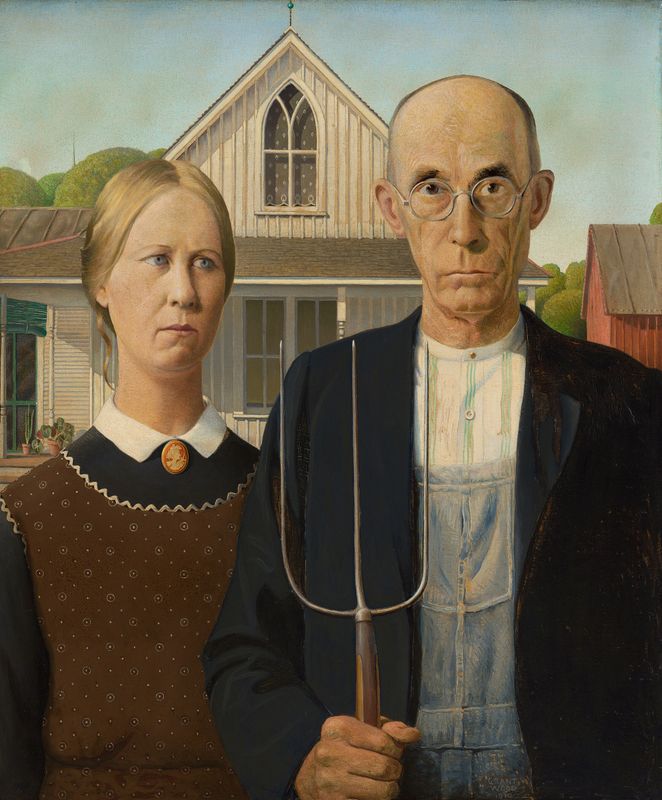
American Gothic
Grant Wood · 1930 · Art Institute of Chicago
Same era · 1910s–1940s
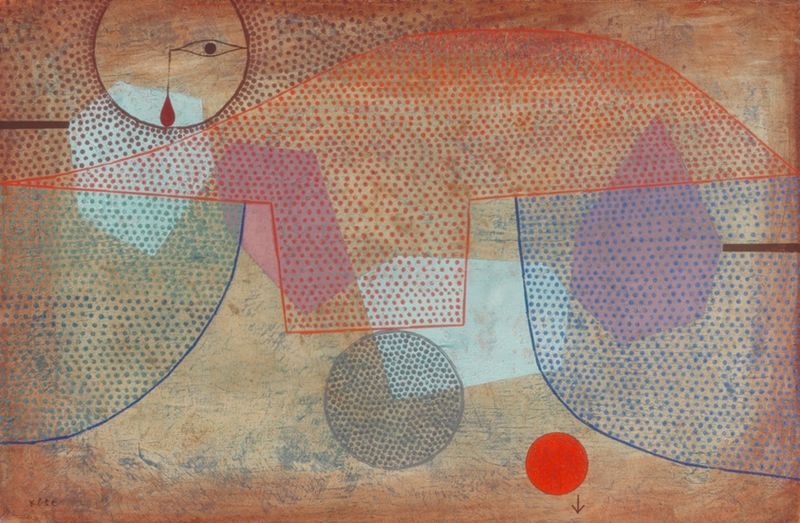
Sunset
Paul Klee · 1930 · Art Institute of Chicago
Same era · 1910s–1940s
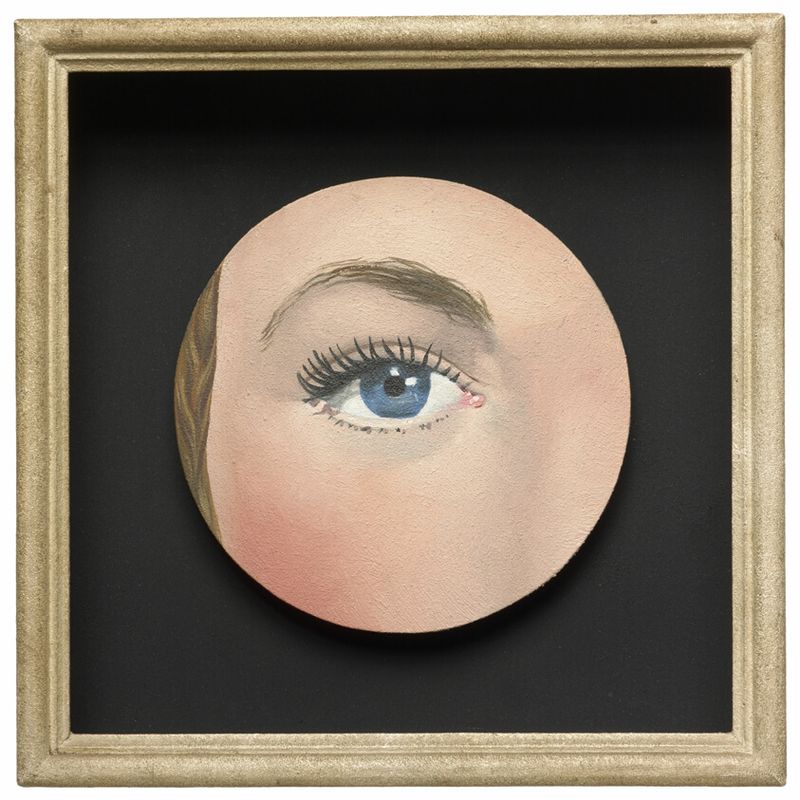
The Eye
René Magritte · 1932 · Art Institute of Chicago
Same era · 1910s–1940s
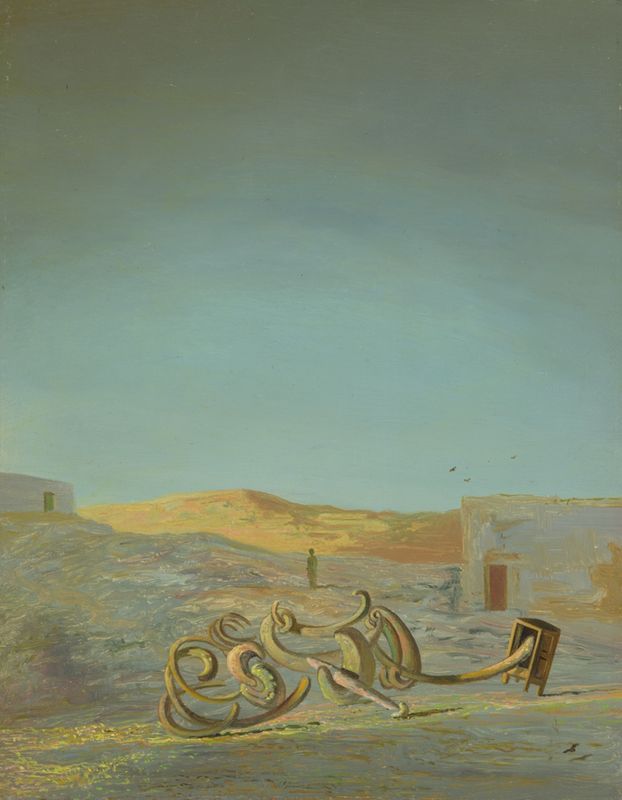
Untitled (Desert Landscape)
Salvador Dalí · 1934 · Art Institute of Chicago
Same era · 1910s–1940s
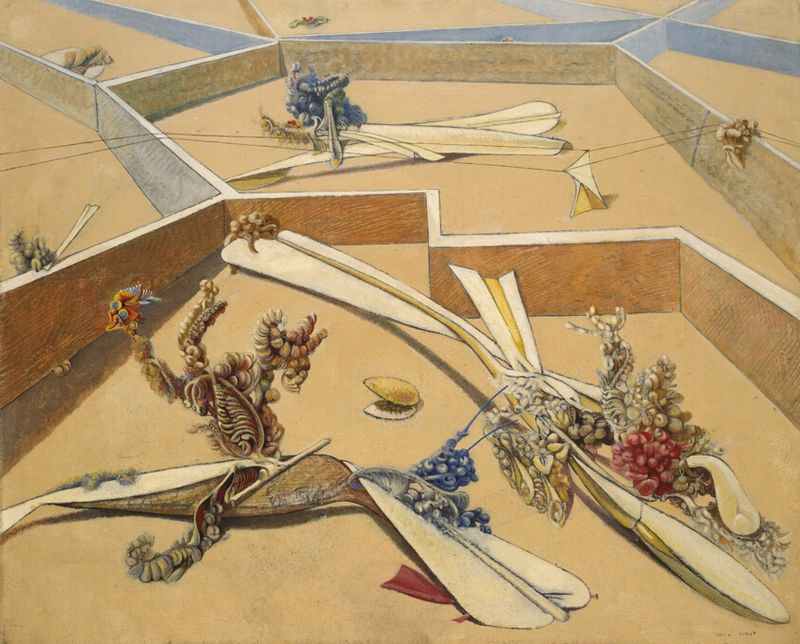
Garden Airplane-Trap
Max Ernst · 1935 · Art Institute of Chicago
Same era · 1910s–1940s
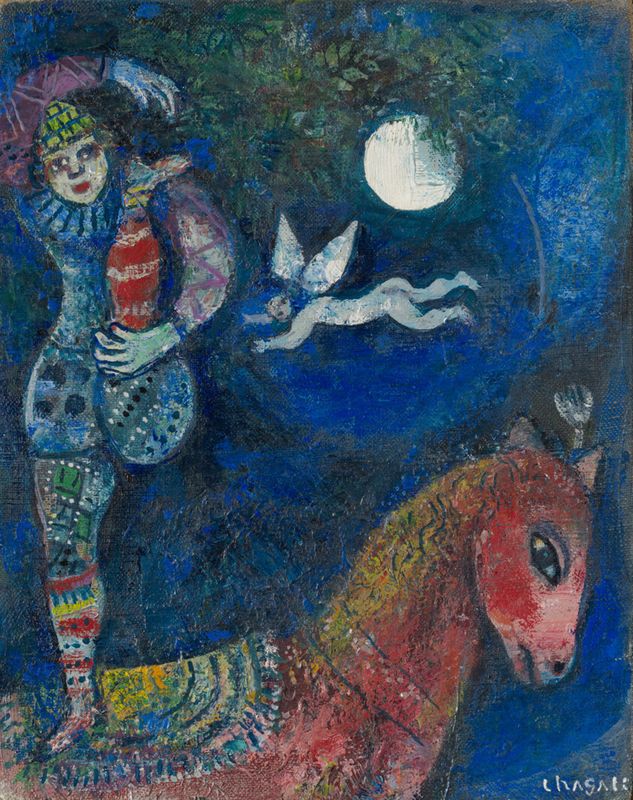
The Circus Rider
Marc Chagall · 1927 · Art Institute of Chicago
Same era · 1910s–1940s
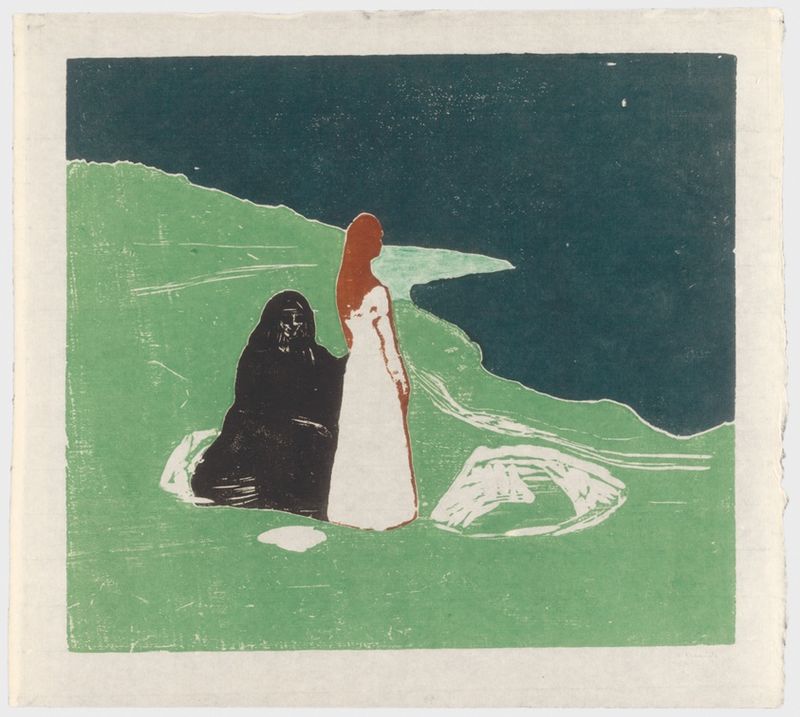
Two Women on the Shore
Edvard Munch · 1935 · Munch Museum