The leaning man
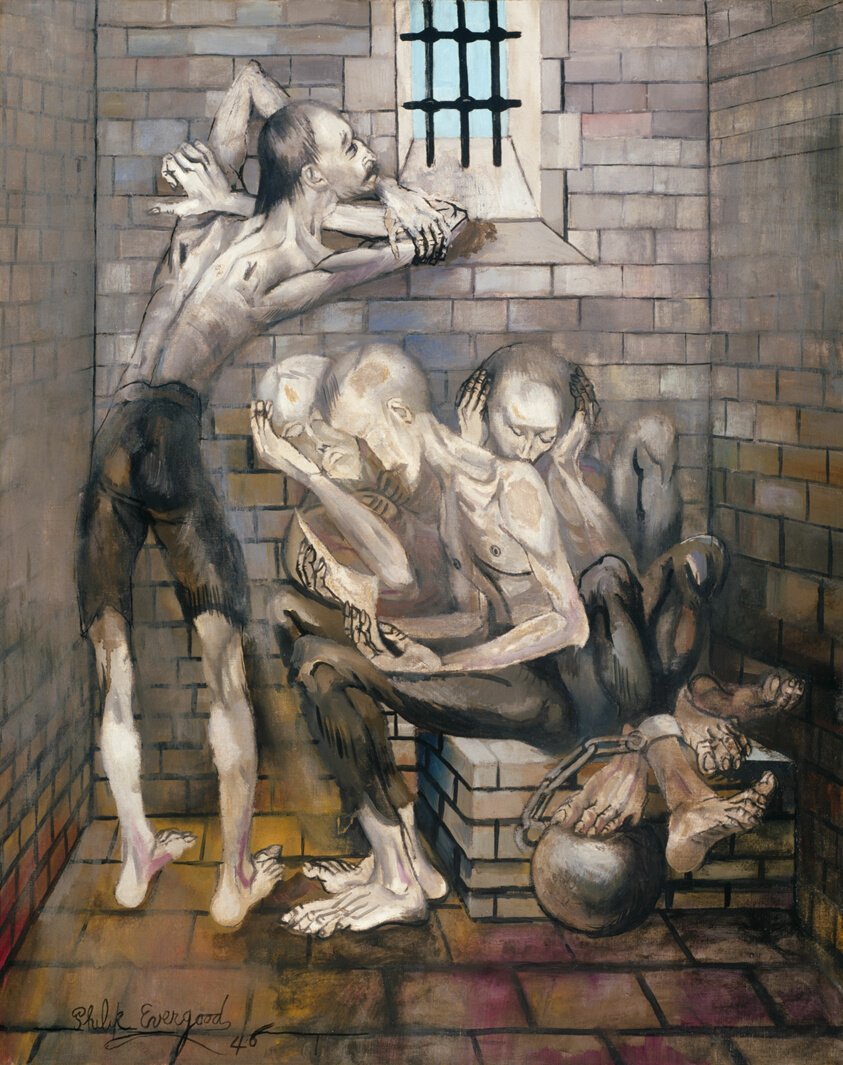
On the left, a gaunt standing man leans against the wall with his head resting on his folded arms, just beneath the window. His ribs and spine show through his thin back, and his posture reads as exhaustion.

“Stop and look at this painting's raw emotion and vivid colors. It captures the resilience of ordinary people facing a world in turmoil, rendered with a uniquely expressive and almost fantastical style.”
In this powerful painting, a group of figures, seemingly in distress, huddle together against a backdrop of swirling, almost apocalyptic colors. The scene is dominated by a central figure, a woman with a determined expression, clutching a child to her chest. Her eyes, wide and intense, draw you into the emotional core of the work. Evergood's distinctively raw and expressive style, characterized by bold lines and a deliberately awkward yet impactful drawing, amplifies the sense of urgency and resilience. The vibrant, unconventional color palette, ranging from fiery oranges and reds to deep blues and greens, creates an atmosphere both chaotic and strangely hopeful. Painted in 1946, at the close of World War II, this work reflects the era's anxieties and the enduring human spirit in the face of immense hardship.

Five details hide in plain sight. Pick one and we’ll show you exactly where to look.
On the left, a gaunt standing man leans against the wall with his head resting on his folded arms, just beneath the window. His ribs and spine show through his thin back, and his posture reads as exhaustion.
The central prisoners form one pile of arms, knees and hands. Their limbs overlap so closely that it is hard to tell where one man ends and the next begins, which makes them read as a single huddled group.
The figure at the back presses both hands to the sides of his head with his eyes cast down. He is partly hidden behind the slumped man in front, so he is easy to miss.
At lower right, a heavy iron ball sits on the floor, linked by a chain to a prisoner's wrist, and his hand rests on it. It is the clearest sign of confinement in the picture.
The small barred window at the top shows a patch of pale blue, the one cool color in a room of browns and grays. It is set high in the wall, well above the prisoners.
The full narration walks you through The Indestructibles — the story behind it, the details most visitors miss, and why it matters. Free in the Art Whisper app.
Philip Evergood, a social realist painter, captured the grit and vitality of American life with a unique blend of reality and fantasy, often with a cartoonish quality.
Beyond Evergood and Social Realism: works from the same years.
Same era · 1930s–1960s
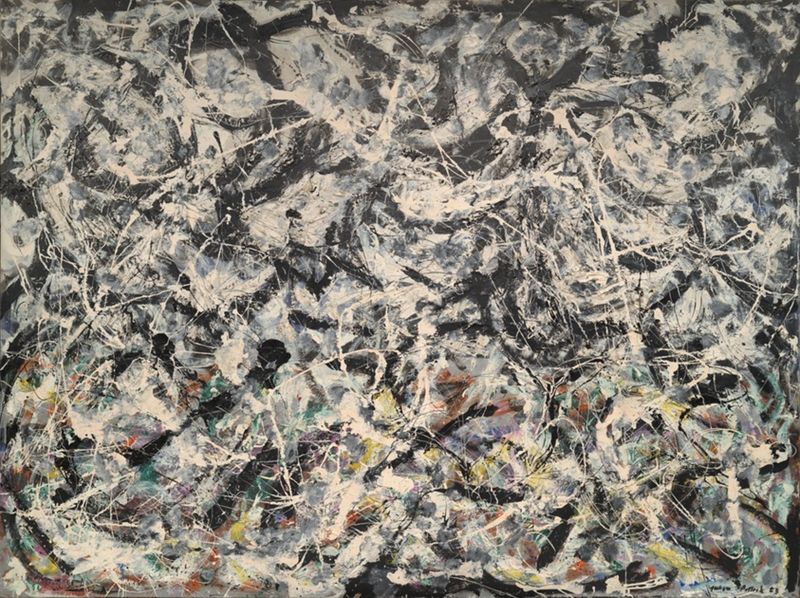
Greyed Rainbow
Jackson Pollock · 1953 · Art Institute of Chicago
Same era · 1930s–1960s
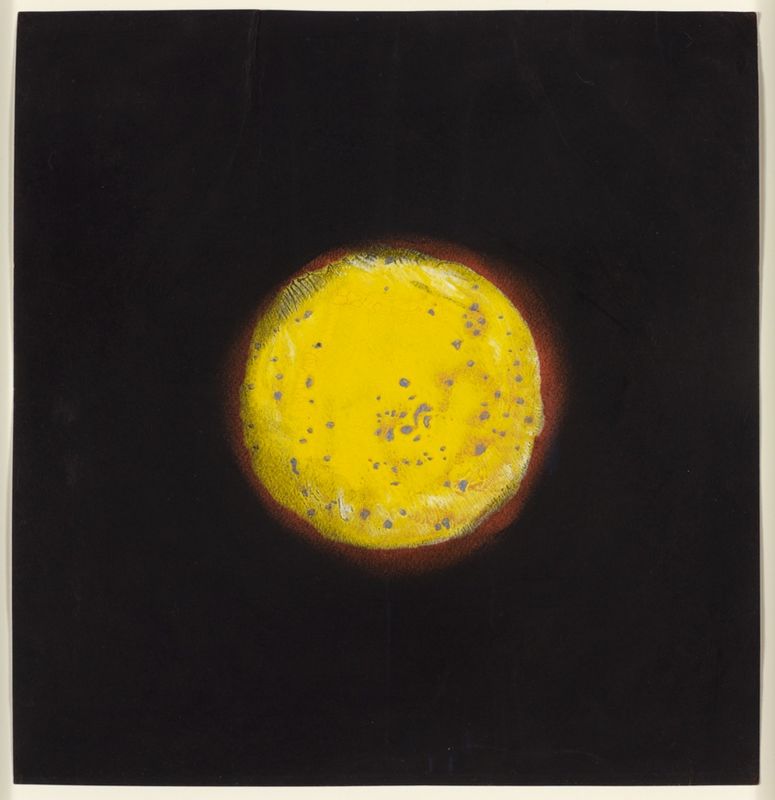
Sun Spot
Yayoi Kusama · 1953 · Art Institute of Chicago
Same era · 1930s–1960s
Deux personnages
Pierre Alechinsky · 1950
Same era · 1930s–1960s
Impregnazione
Piero Manzoni · 1958
Same era · 1930s–1960s
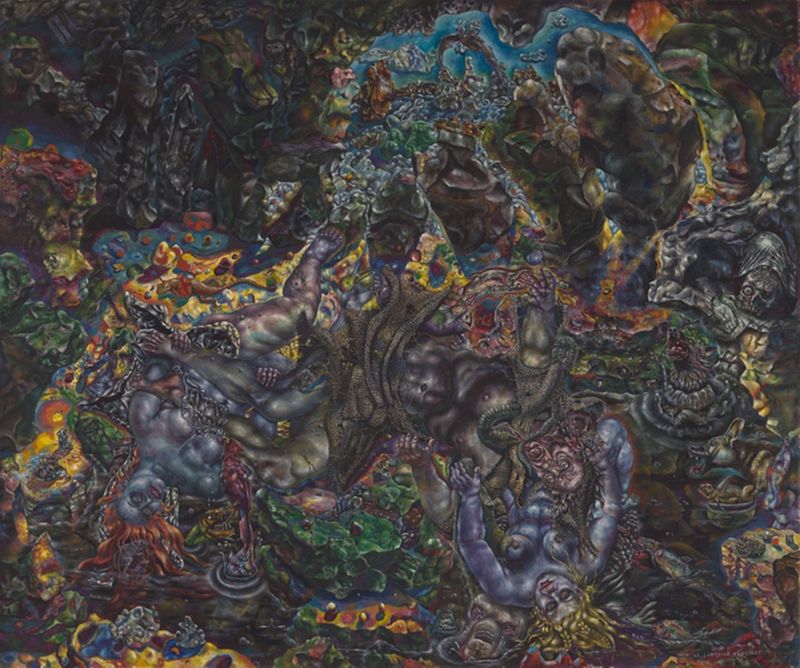
The Temptation of St. Anthony
Ivan Puni · 1945 · Art Institute of Chicago
Same era · 1930s–1960s
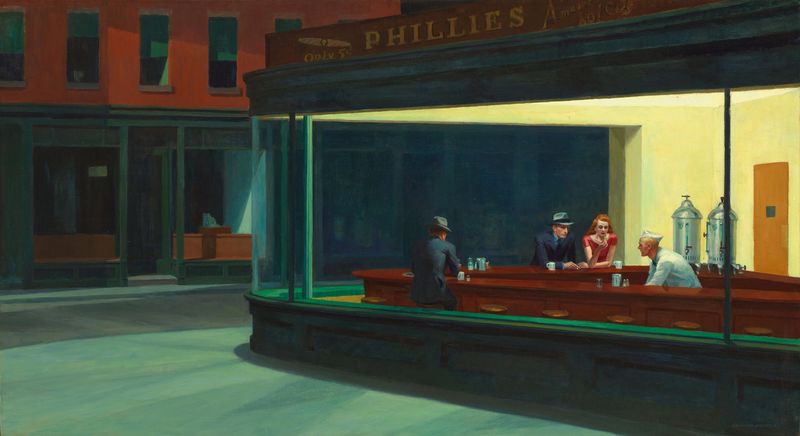
Nighthawks
Okada Saburosuke · 1942 · Art Institute of Chicago
Same era · 1930s–1960s
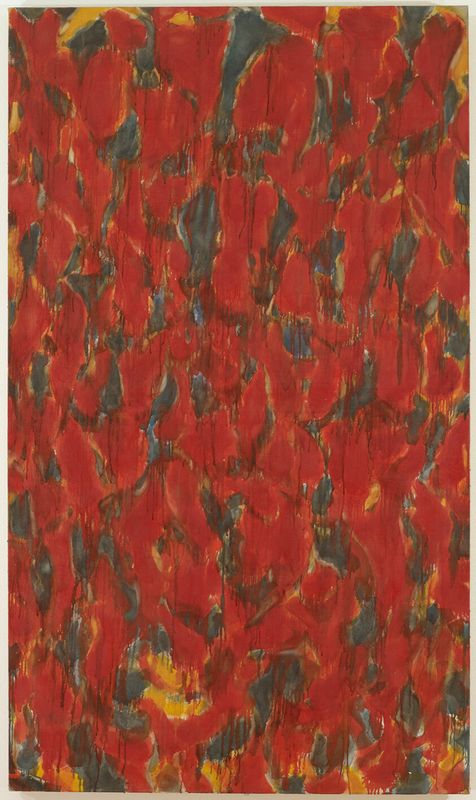
Red No. 2
Sam Francis · 1954 · Art Institute of Chicago
Same era · 1930s–1960s
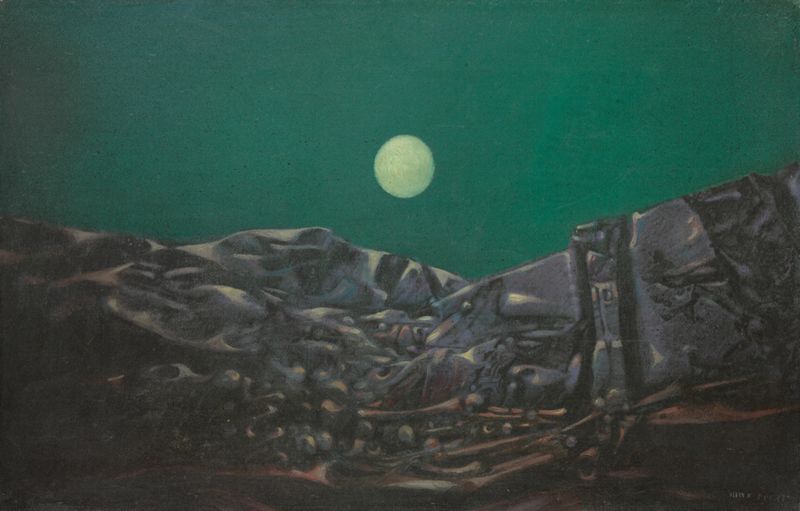
Summer Night in Arizona
Max Ernst · 1944 · Art Institute of Chicago
Same era · 1930s–1960s
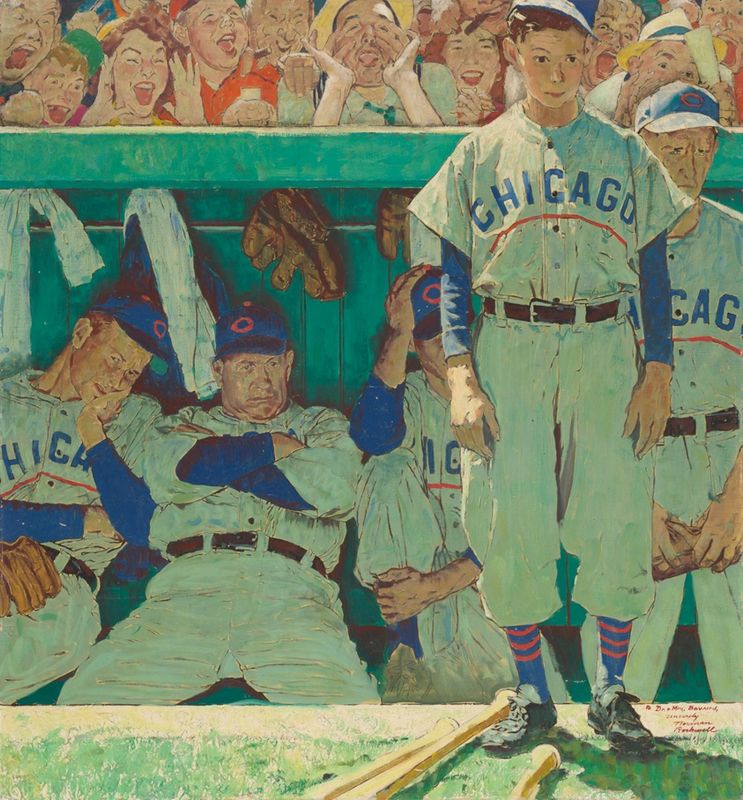
The Dugout
Norman Rockwell · 1948 · Art Institute of Chicago
Same era · 1930s–1960s
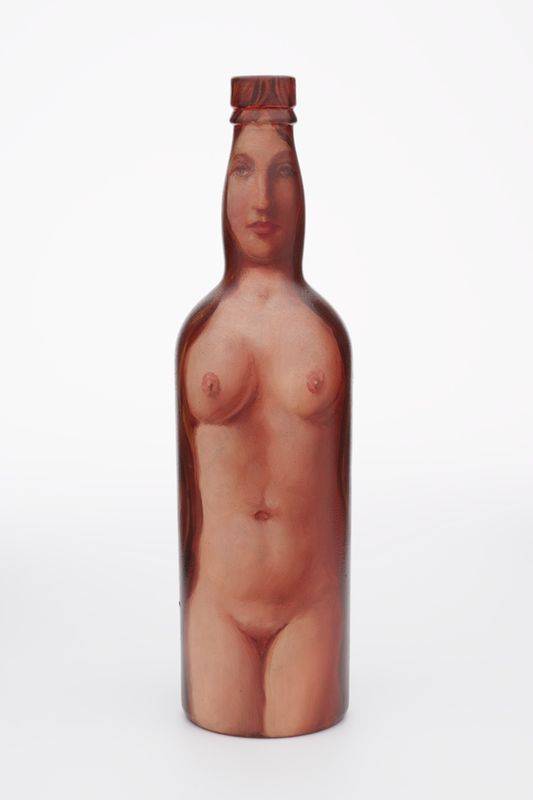
Untitled (Woman-Bottle)
René Magritte · 1943 · Art Institute of Chicago
Same era · 1930s–1960s
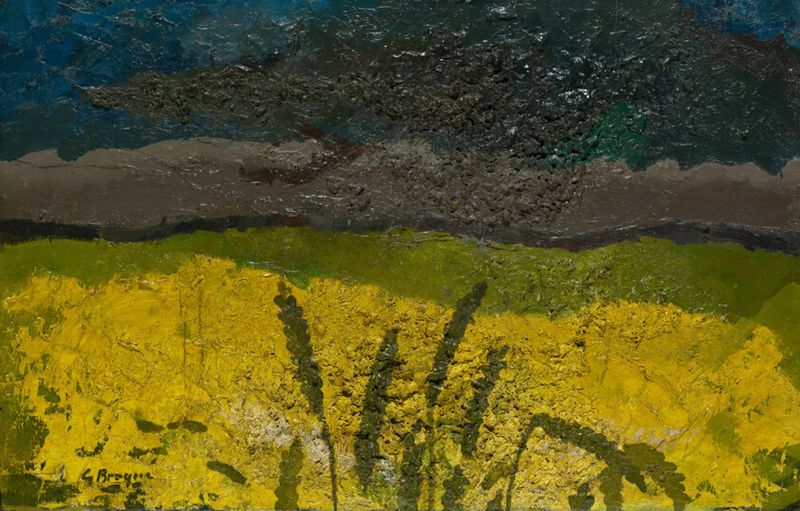
Wheatfield
Georges Braque · 1951 · Art Institute of Chicago
Same era · 1930s–1960s
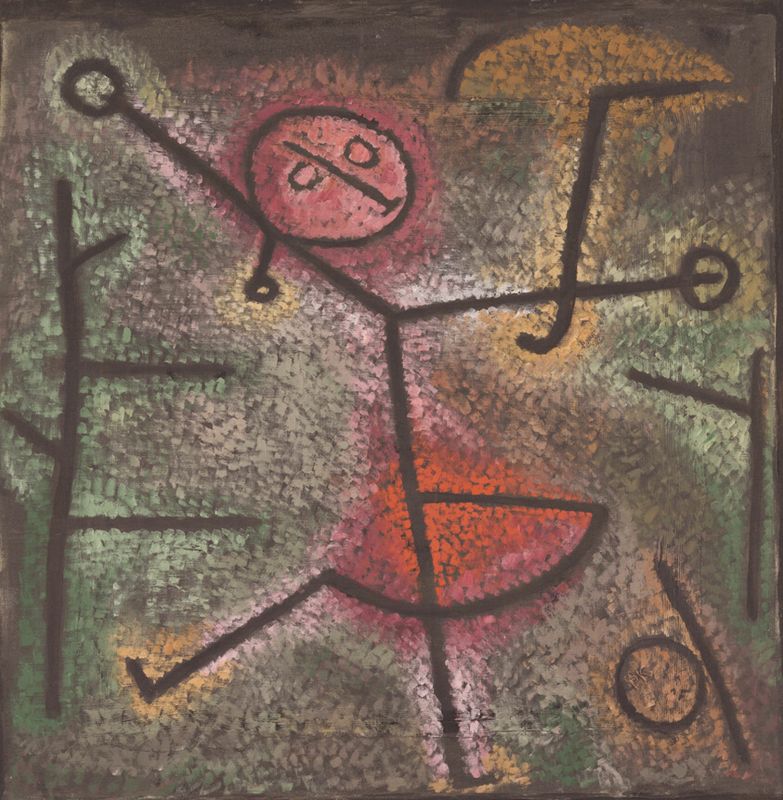
Dancing Girl
Paul Klee · 1940 · Art Institute of Chicago