01
Locomotive in the fireplace
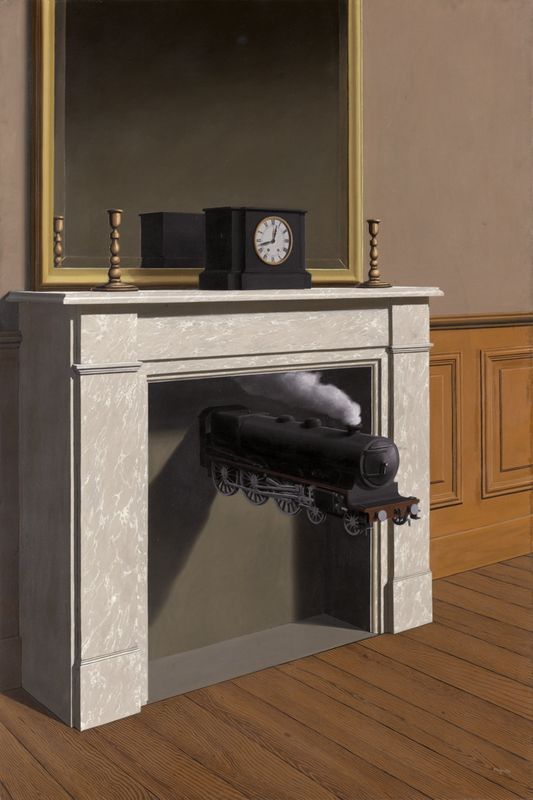
A black steam engine bursts out of the hearth and hangs in the air. Its scale and weight make the calm room feel impossible.
1 of 5 on the painting
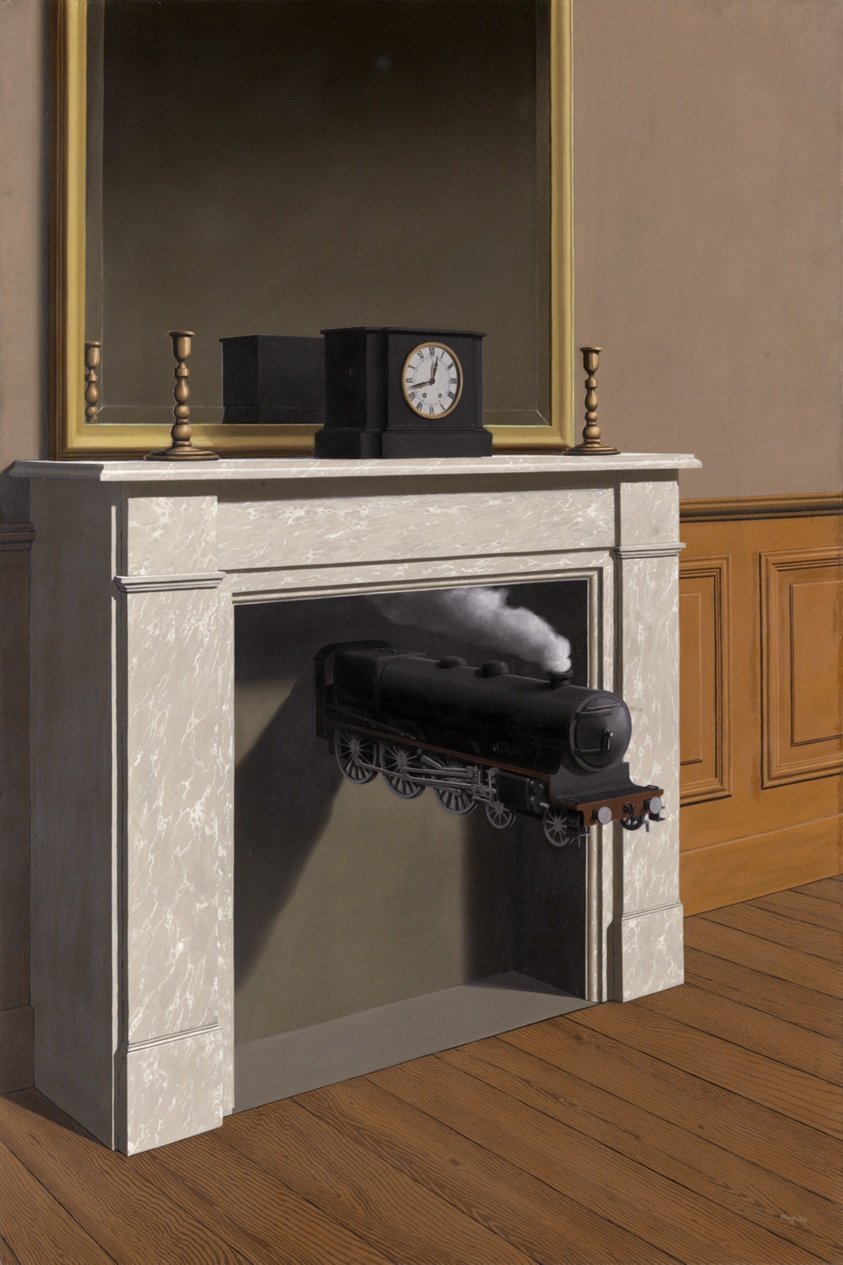
“Stop and look at this painting by René Magritte, where a full-sized train inexplicably emerges from a fireplace. It’s a surreal puzzle that makes you question what you see and how different elements can connect in unexpected ways.”
A powerful, black locomotive bursts from a domestic fireplace, its smokestack spewing a plume of white steam that rises up the chimney. This jarring scene, set in a meticulously rendered empty room, challenges our expectations of reality. Magritte painted this work in 1938, aiming to uncover "poetic secrets" by juxtaposing two wildly different objects: a familiar, cozy fireplace and a symbol of industrial power and movement. The connection, Magritte suggested, lies in the smoke, linking the train's exhaust to the chimney's function. This unexpected pairing invites viewers to ponder the unseen connections between things, making the ordinary feel extraordinary and prompting a deeper, almost philosophical, engagement with the image.
Five details hide in plain sight. Pick one and we’ll show you exactly where to look.
A black steam engine bursts out of the hearth and hangs in the air. Its scale and weight make the calm room feel impossible.
The black mantel clock sits at the center of the mantel, its hands pointing to about a quarter to nine. It names the subject, time, yet it looks calm and still beside the train below.
The big gold-framed mirror shows only a dim, empty space. The clock is not clearly doubled in it, and the candlesticks are not either, which adds to the strange stillness of the room.
The fireplace is rendered in pale gray with soft white veins, smooth and precise. This careful realism makes the impossible train look believable.
A sharp diagonal shadow falls across the back wall of the firebox. It places the train in real space, as if light truly fell on it.
The full narration walks you through La durée poignardée (Time Transfixed) — the story behind it, the details most visitors miss, and why it matters. Free in the Art Whisper app.
René Magritte was a Belgian surrealist master who painted familiar objects in dreamlike, often unsettling, unexpected contexts.
Beyond Magritte and Surrealism: works from the same years.
 Same era · 1920s–1950s
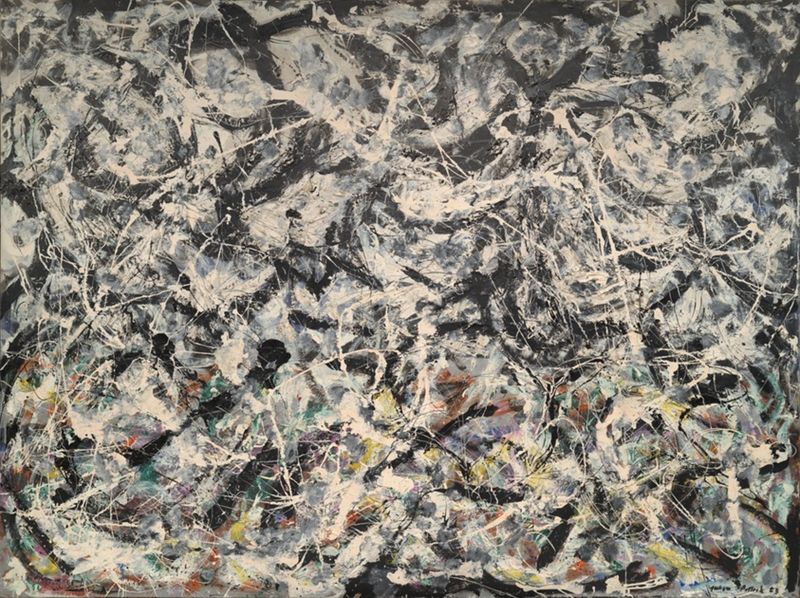
Greyed Rainbow
Jackson Pollock · 1953 · Art Institute of Chicago
 Same era · 1920s–1950s
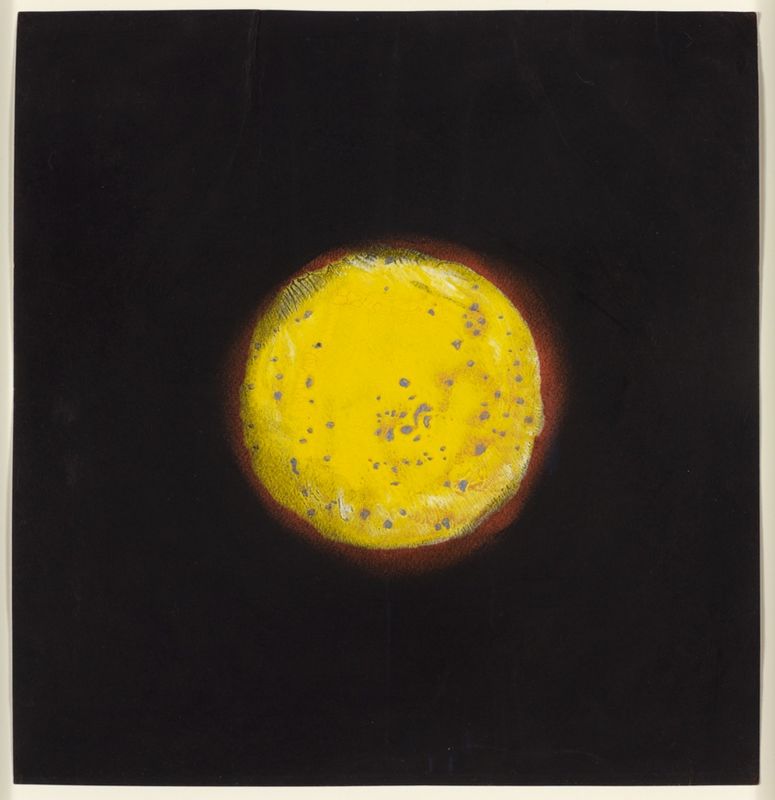
Sun Spot
Yayoi Kusama · 1953 · Art Institute of Chicago
 Same era · 1920s–1950s
Deux personnages
Pierre Alechinsky · 1950
 Same era · 1920s–1950s
Divided and Divided
Ivan Puni · 1941 · Art Institute of Chicago
 Same era · 1920s–1950s
Nighthawks
Okada Saburosuke · 1942 · Art Institute of Chicago
 Same era · 1920s–1950s
The Indestructibles
Philip Evergood · 1946 · Art Institute of Chicago
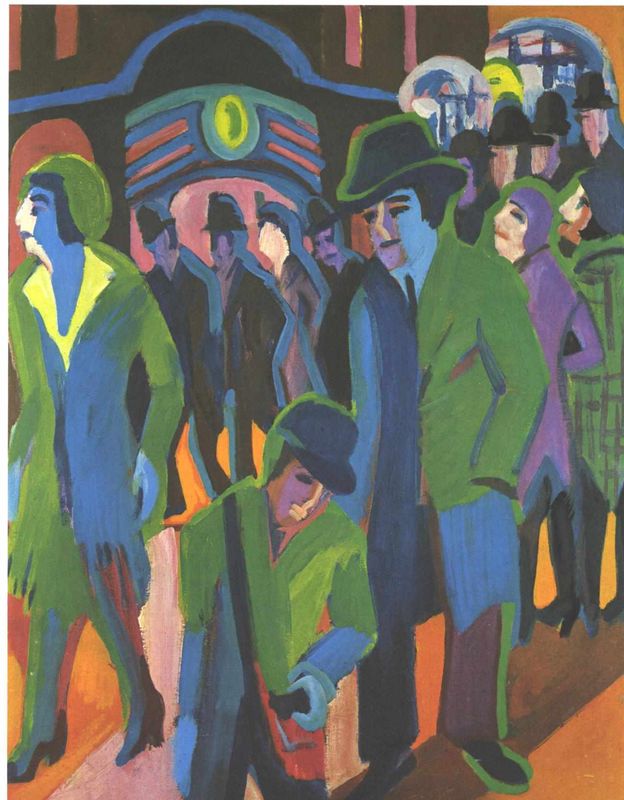 Same era · 1920s–1950s
Straße mit Passanten bei Nachtbeleuchtung
Ernst Ludwig Kirchner · 1927 · Museum Frieder Burda
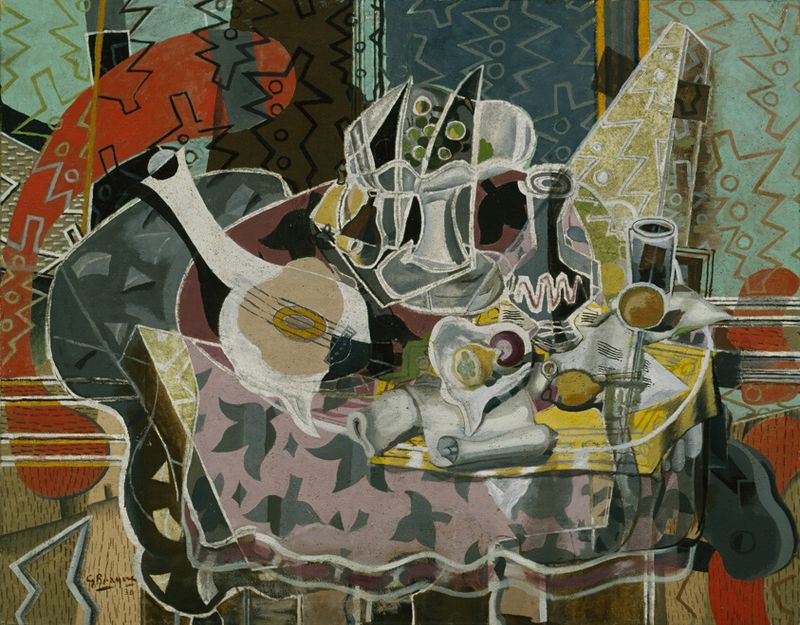 Same era · 1920s–1950s
Still Life with Fruits and Stringed Instrument
Georges Braque · 1938 · Art Institute of Chicago
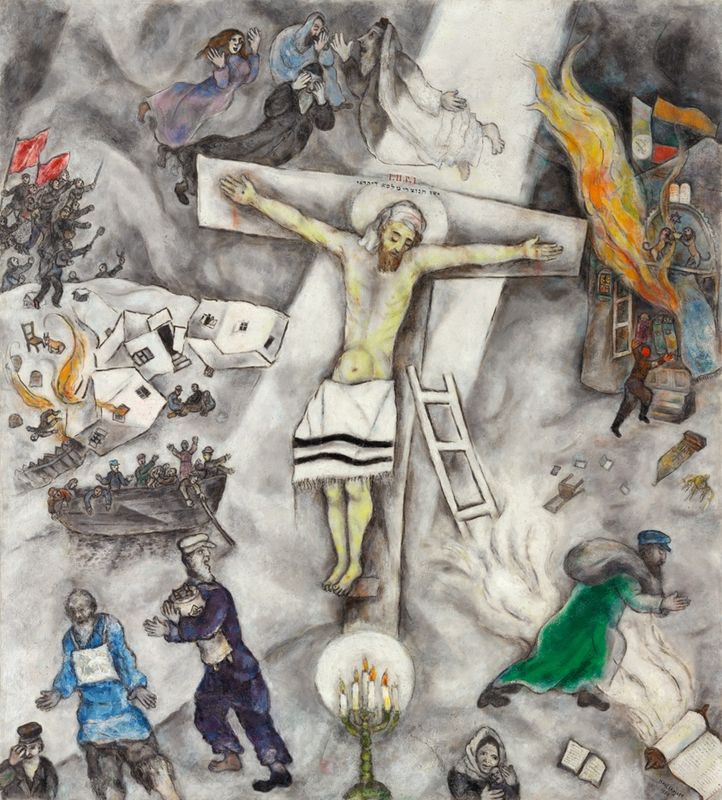 Same era · 1920s–1950s
White Crucifixion
Marc Chagall · 1938 · Art Institute of Chicago
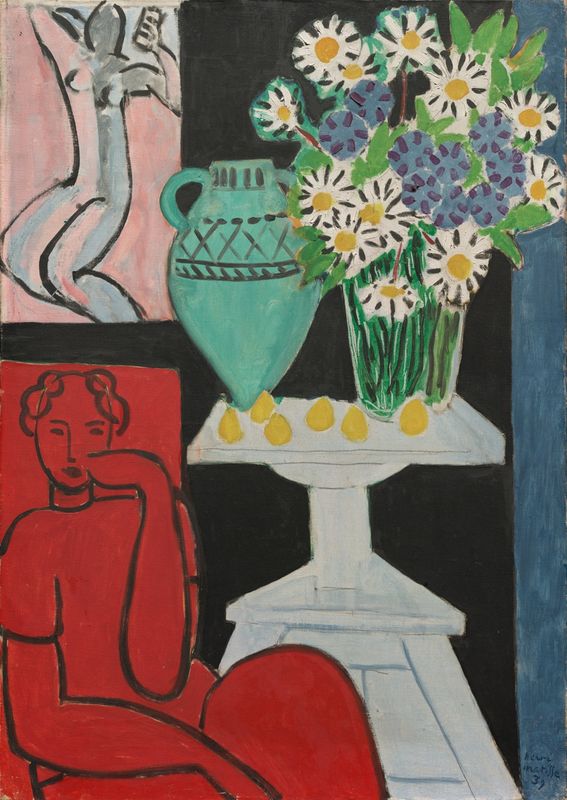 Same era · 1920s–1950s
Daisies
Henri Matisse · 1939 · Art Institute of Chicago
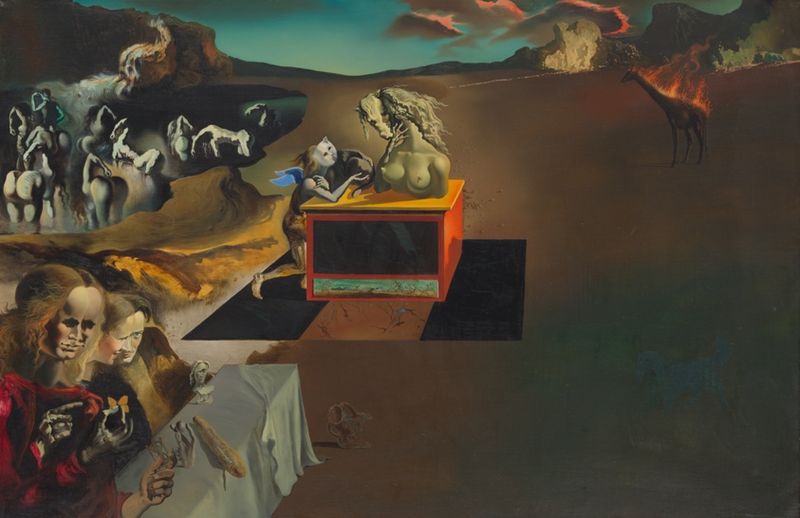 Same era · 1920s–1950s
Inventions of the Monsters
Salvador Dalí · 1937 · Art Institute of Chicago
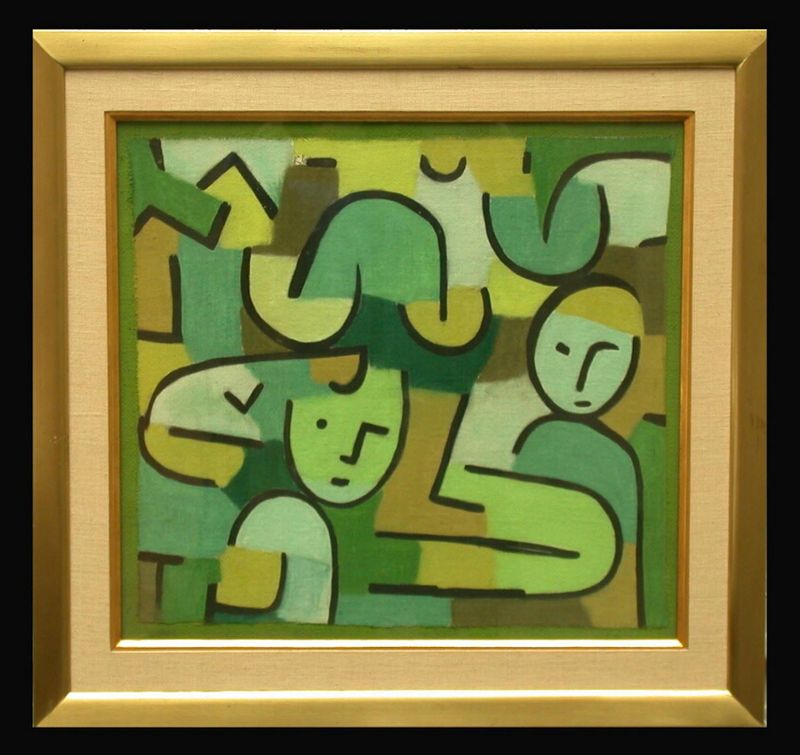 Same era · 1920s–1950s
Women Harvesting
Paul Klee · 1937 · Art Institute of Chicago