
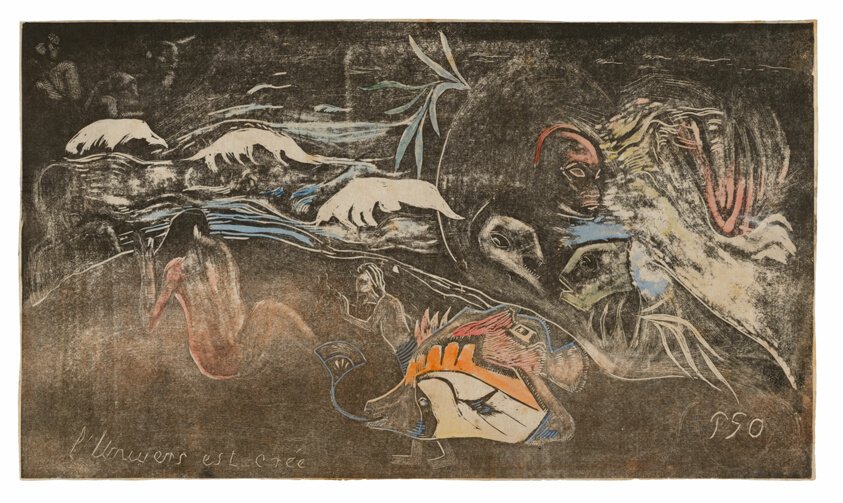
“Witness the universe being born in this vibrant wood-block print, where Gauguin merges Tahitian myth with bold color and form to imagine the moment of creation.”
In this striking wood-block print, Paul Gauguin depicts the very moment of creation, a swirling, primordial scene rendered with a dramatic mix of black and brown inks, accented by vibrant hand-applied watercolors. Two monumental figures, one male and one female, dominate the composition, their forms emerging from a chaotic landscape of organic shapes and vivid hues. The artist's distinctive technique of printing the woodblock twice, combined with selective wiping and the subsequent addition of various watercolors, creates a layered effect, giving the image a raw, almost primitive energy. This work comes from his Noa Noa suite, a series of prints that explored Tahitian myths and spiritual beliefs, reflecting his search for a more authentic, less industrialized world. The print’s bold lines and flattened forms, characteristic of Symbolism, invite contemplation on themes of origin and the sacred, offering a glimpse into a world where humanity and nature are deeply intertwined.
- Artist
- Paul Gauguin
- Date
- 1893
- Medium
- Wood-block print, printed twice in black and brown inks, with selective wiping, and hand-applied orange, yellow, red, two tones of green, two tones of blue, silver-gray and black watercolor, on cream wove Japanese paper laid down on cream laid Japanese paper (a laminate made by the artist)
- Location
- Art Institute of Chicago
- Dimensions
- Image: 20.4 × 35.4 cm (8 1/16 × 13 15/16 in.); Sheets: 20.6 × 35.6 cm (8 1/8 × 14 1/16 in.)
What to Notice
Five details hide in plain sight. Here’s where to look.
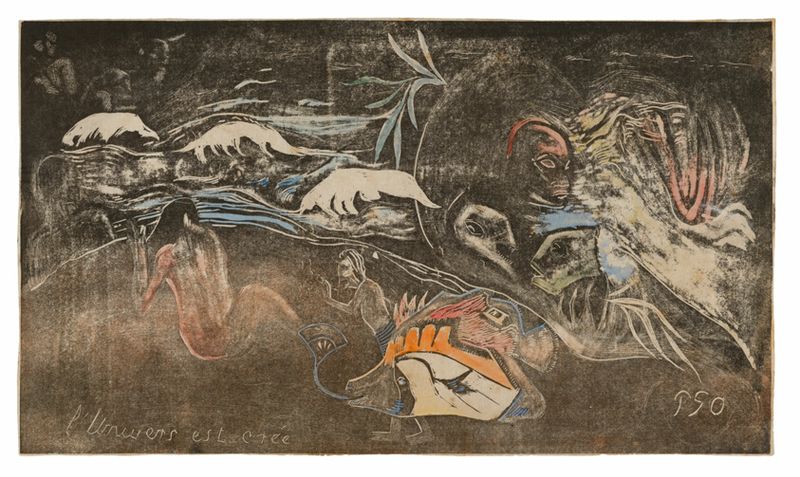
The two figures, one dark and one lighter, emerging from the center.
The swirling, abstract patterns of color that suggest cosmic forces.
The rich texture created by printing the woodblock twice.
The hand-applied watercolors, especially the bright oranges and greens.
1 more detail is waiting.
See all 5 in Art Whisper →Stand in front of it and listen
The full narration walks you through L’univers est créé (The Universe Is Being Created), from the Noa Noa Suite — the story behind it, the details most visitors miss, and why it matters. Free in the Art Whisper app.
Paul Gauguin
1848–1903 · FrancePaul Gauguin, the French Post-Impressionist, abandoned a stockbroker's life for art, famously seeking 'refuge from Western civilization' in Tahiti.
Further Works by Gauguin
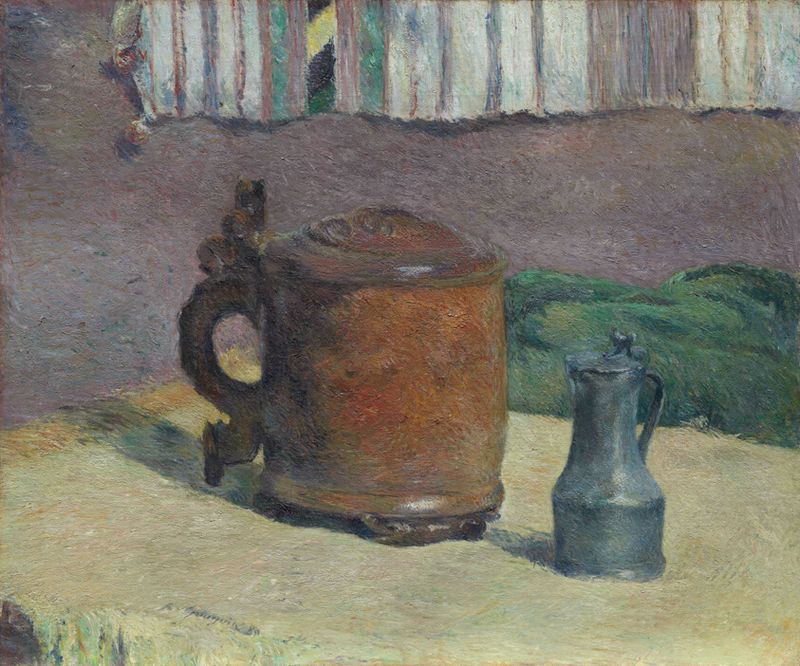 Still Life: Wood Tankard and Metal Pitcher
1880 · Art Institute of Chicago
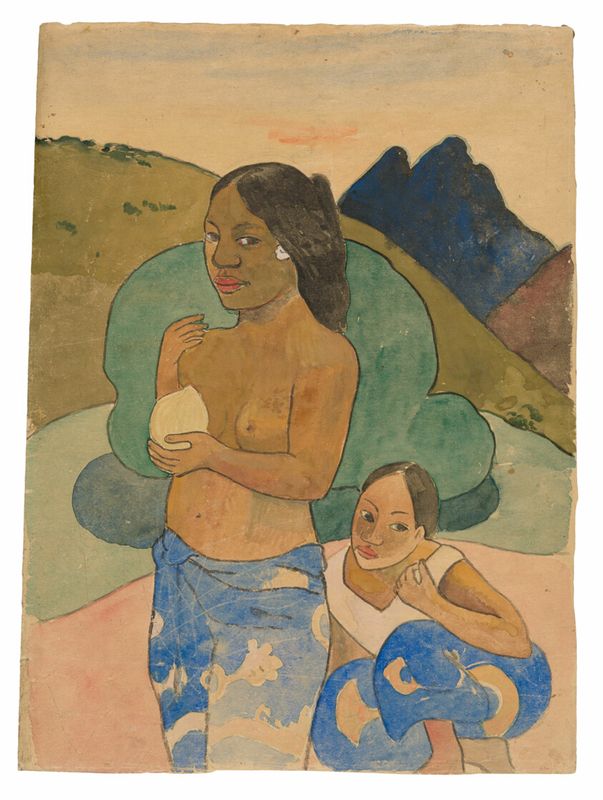 Two Tahitian Women in a Landscape
1887 · Art Institute of Chicago
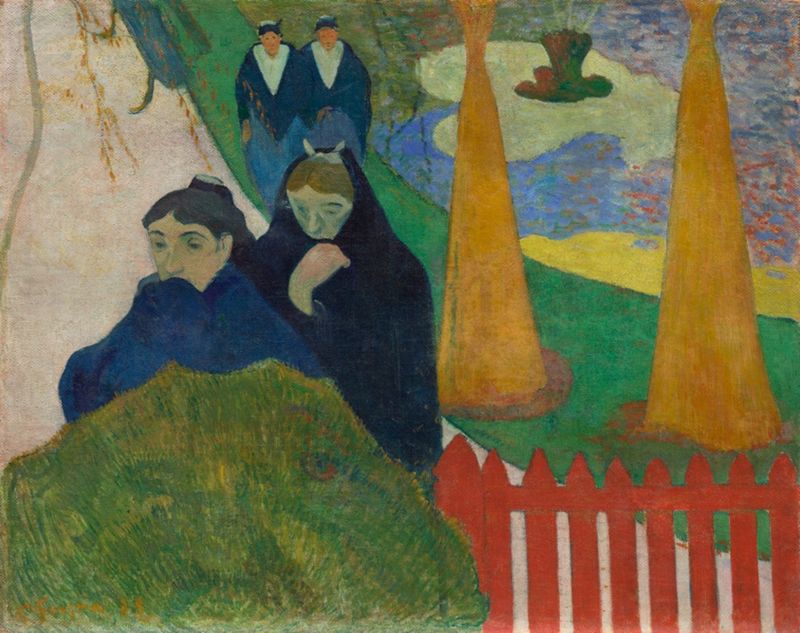 Arlésiennes (Mistral)
1888 · Art Institute of Chicago
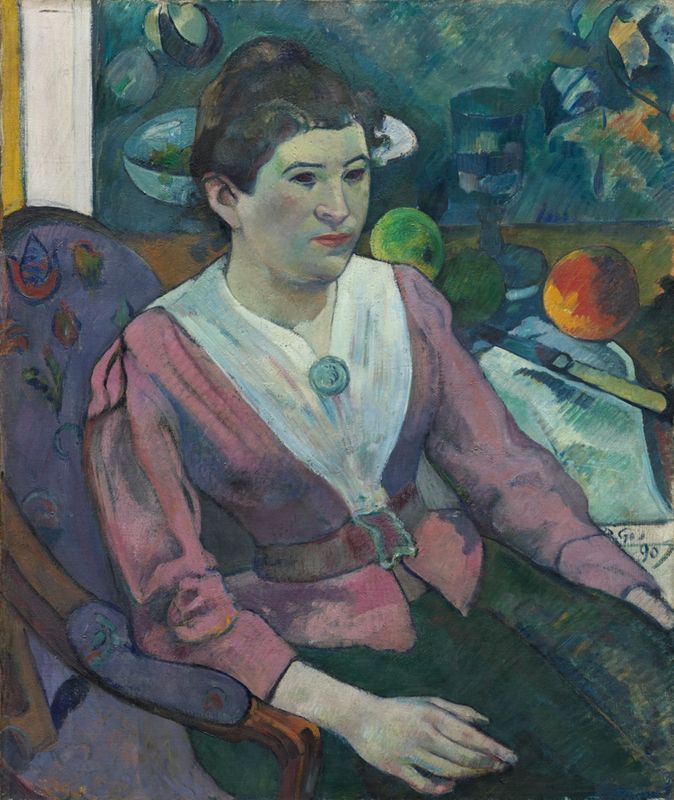 Woman in Front of a Still Life by Cezanne
1890 · Art Institute of Chicago
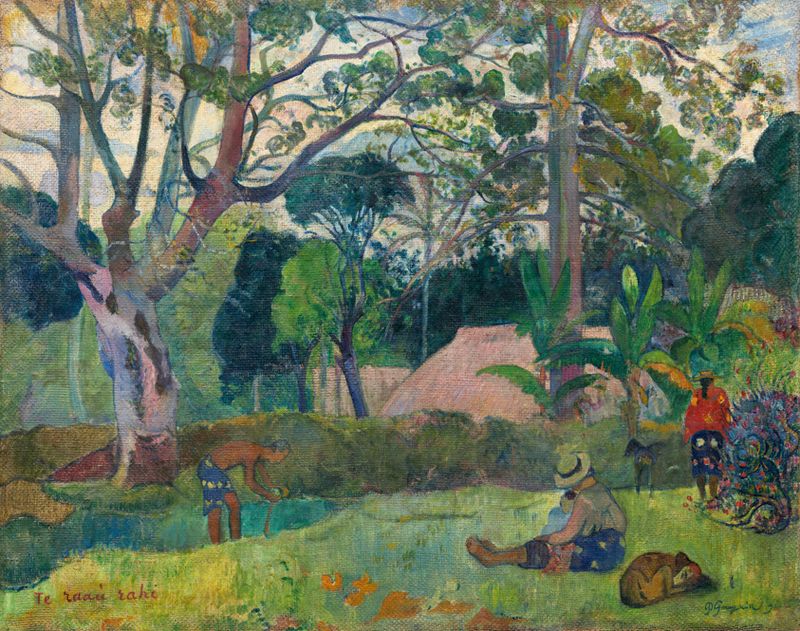 Te raau rahi (The Big Tree)
1891 · Art Institute of Chicago
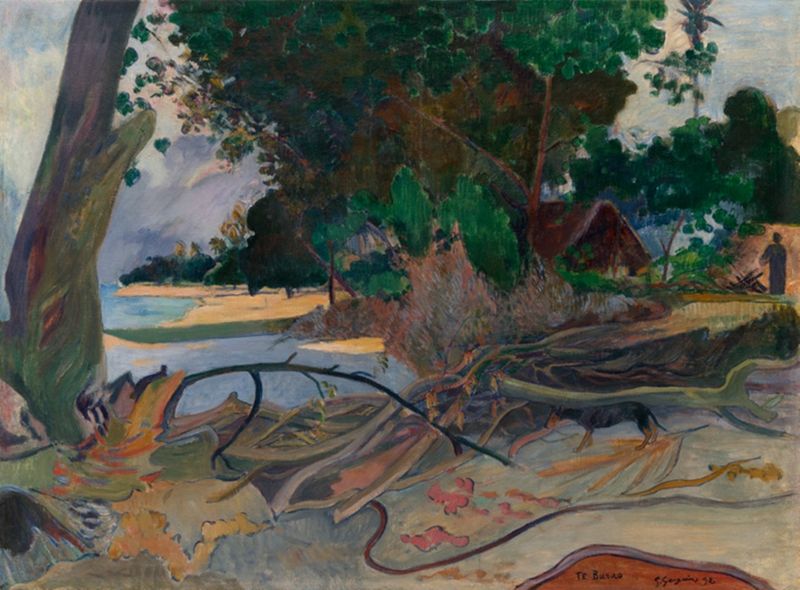 Te burao (The Hibiscus Tree)
1892 · Art Institute of Chicago
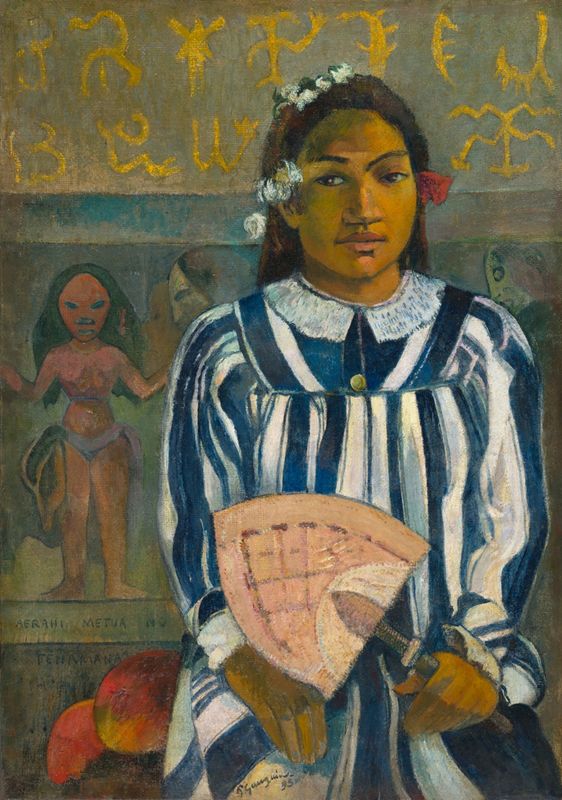 Merahi metua no Tehamana (Tehamana Has Many Parents or The Ancestors of Tehamana)
1893 · Art Institute of Chicago
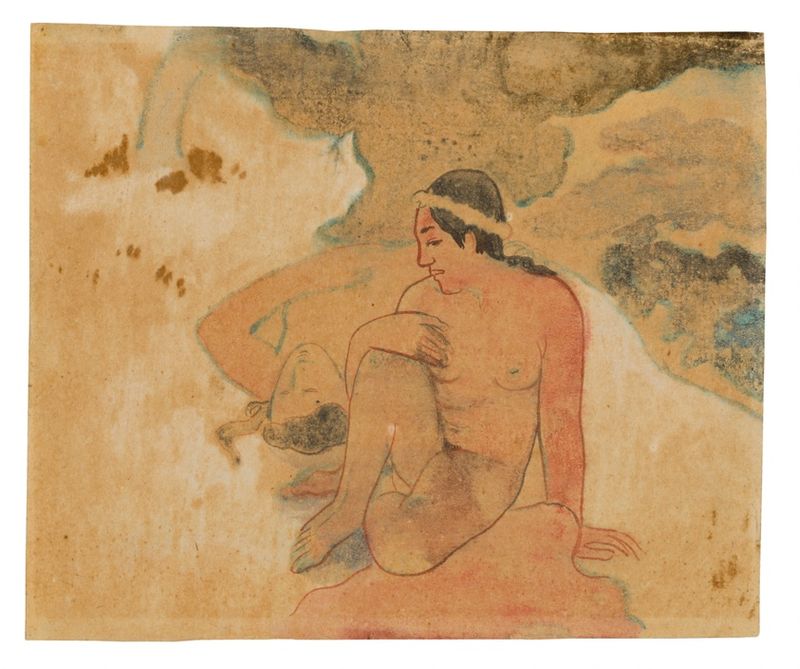 Aha oe feii? (What! Are You Jealous?)
1894 · Art Institute of Chicago
More from Symbolism
More works to explore
Beyond Gauguin and Symbolism: works from the same years, and from the other movements L’univers est créé (The Universe Is Being Created), from the Noa Noa Suite belongs to.
 Same movement · Post-Impressionism
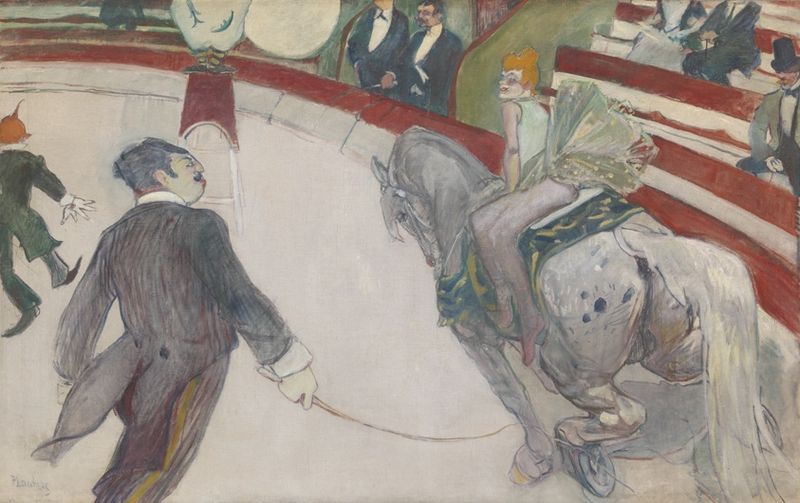
Equestrienne (At the Cirque Fernando)
Henri de Toulouse-Lautrec · 1887 · Art Institute of Chicago
 Same era · 1870s–1900s
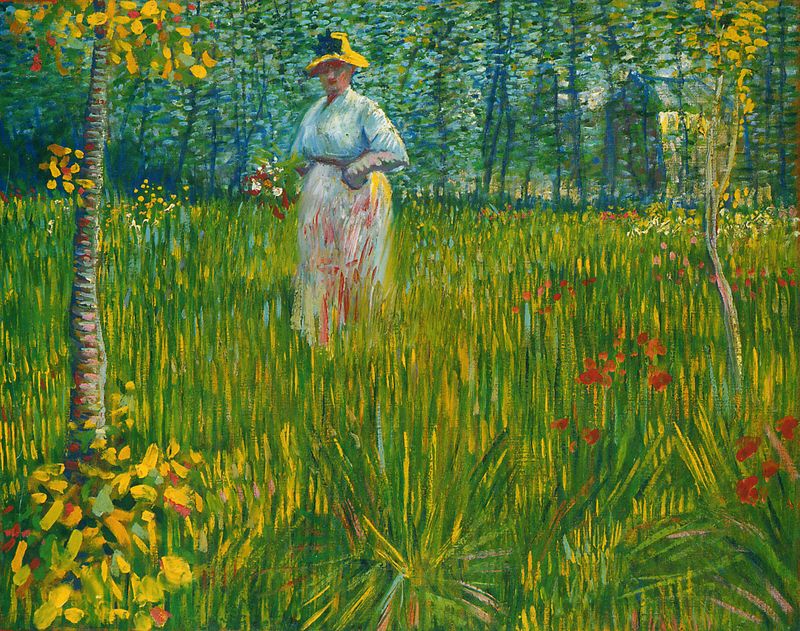
A Woman Walking in a Garden
Vincent van Gogh · 1887 · Frans Buffa & sons
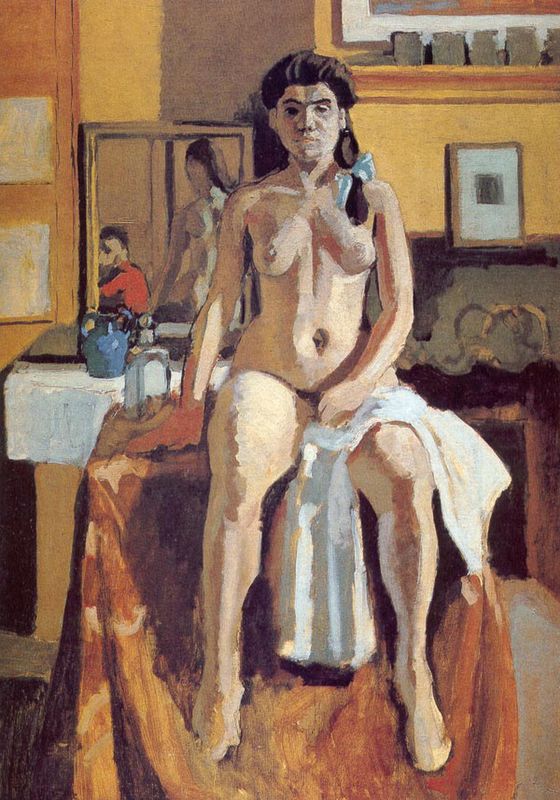 Same movement · Post-Impressionism
Carmelina
Henri Matisse · 1903 · Museum of Fine Arts Boston
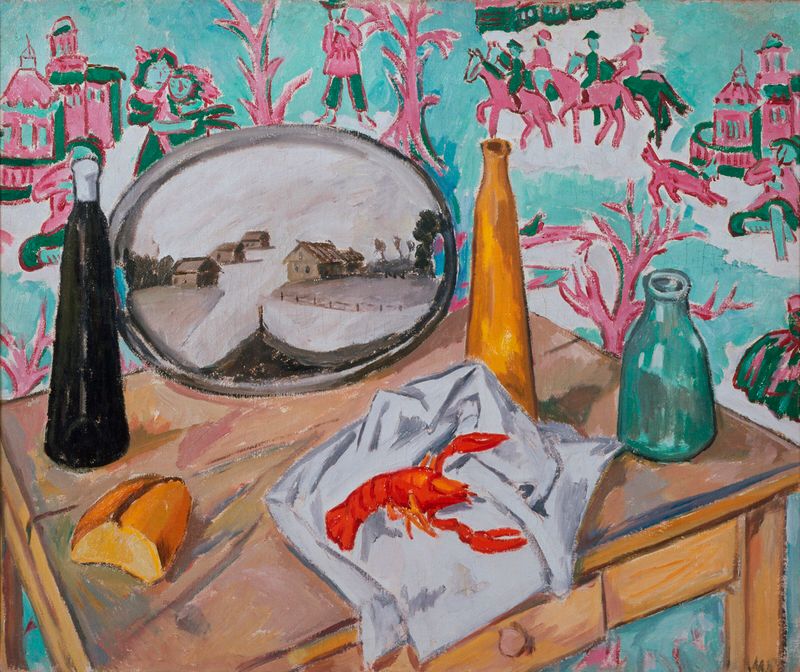 Same era · 1870s–1900s
Still Life with Crayfish
Mikhail Larionov · 1900 · Museum Ludwig
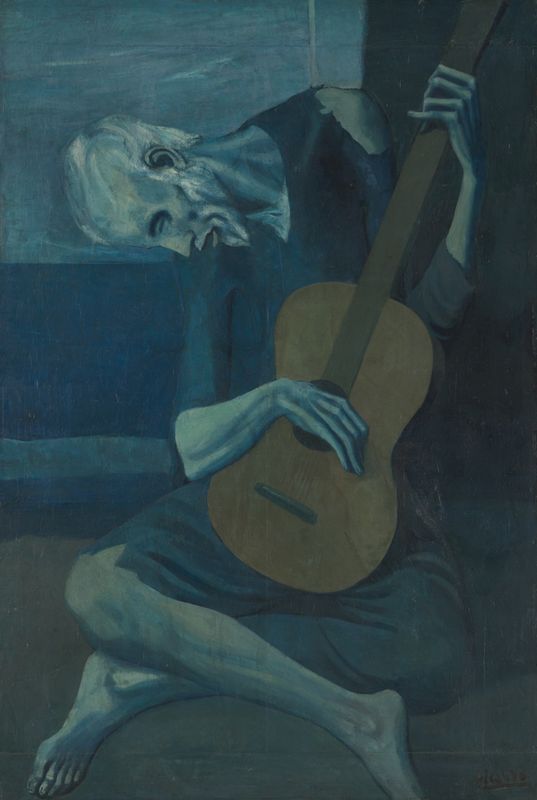 Same movement · Post-Impressionism
The Old Guitarist
Pablo Picasso · 1903 · Art Institute of Chicago
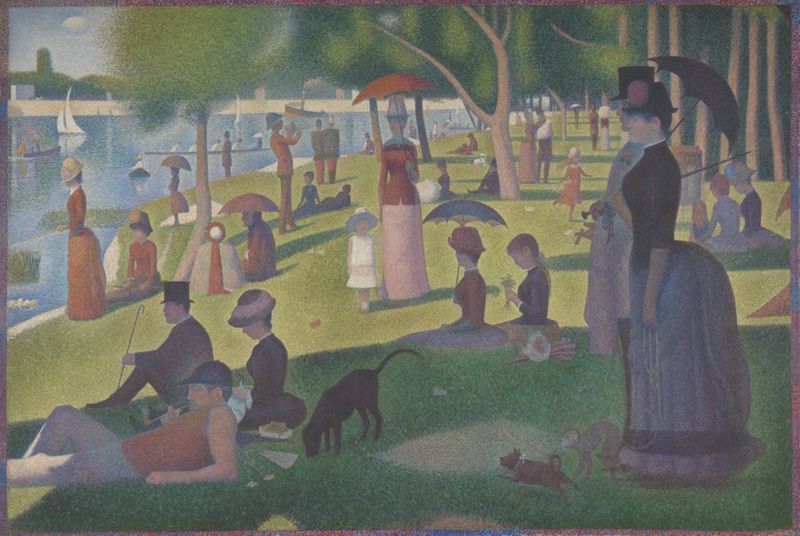 Same era · 1870s–1900s
A Sunday on La Grande Jatte — 1884
Okada Saburosuke · 1884 · Art Institute of Chicago
 Same movement · Impressionism
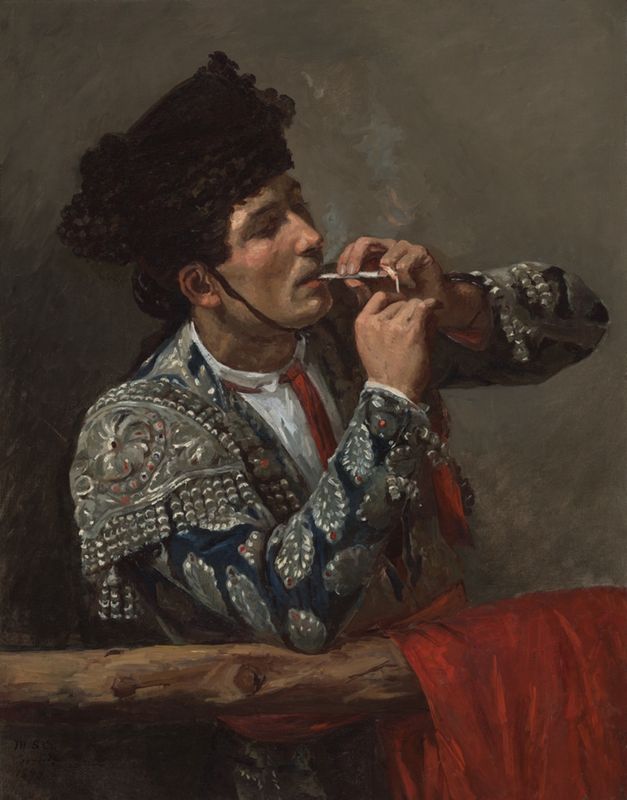
After the Bullfight
Mary Cassatt · 1873 · Art Institute of Chicago
 Same era · 1870s–1900s
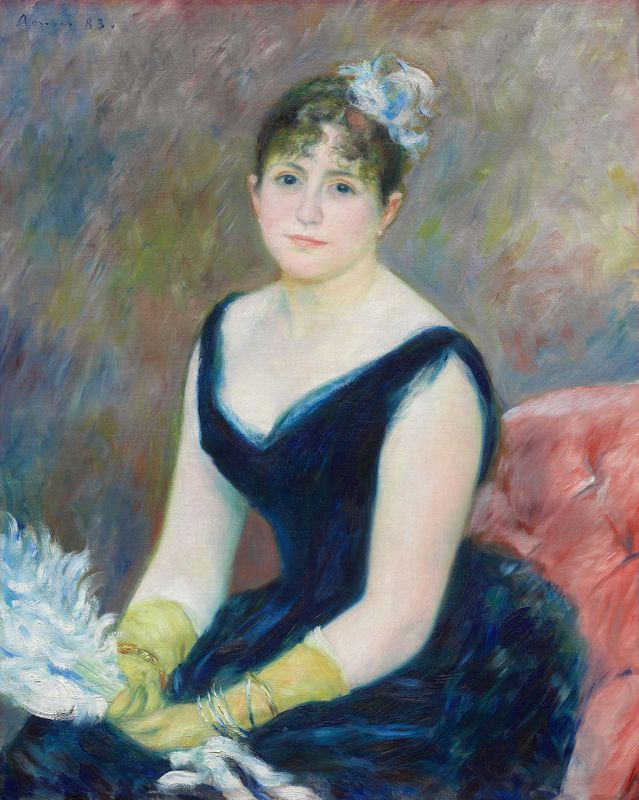
Madame Léon Clapisson
Léon-Victor Dupré · 1883 · Art Institute of Chicago
 Same movement · Impressionism
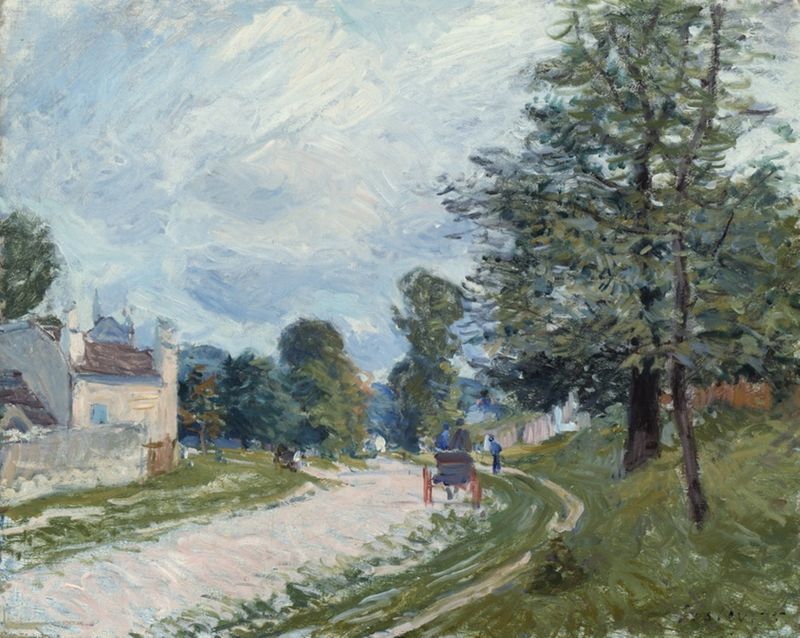
A Turn in the Road
Alfred Sisley · 1873 · Art Institute of Chicago
 Same era · 1870s–1900s
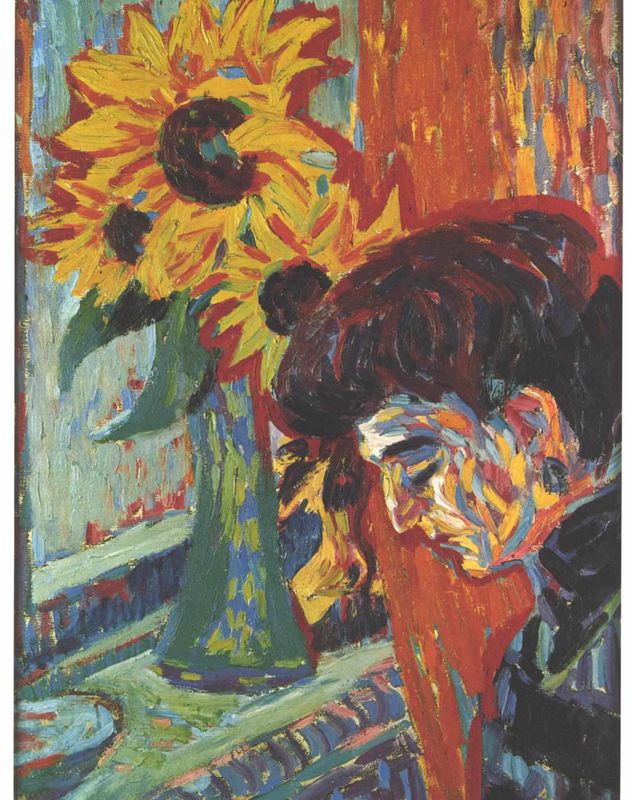
Frauenkopf vor Sonnenblumen
Ernst Ludwig Kirchner · 1906 · Museum Frieder Burda
 Same movement · Post-Impressionism
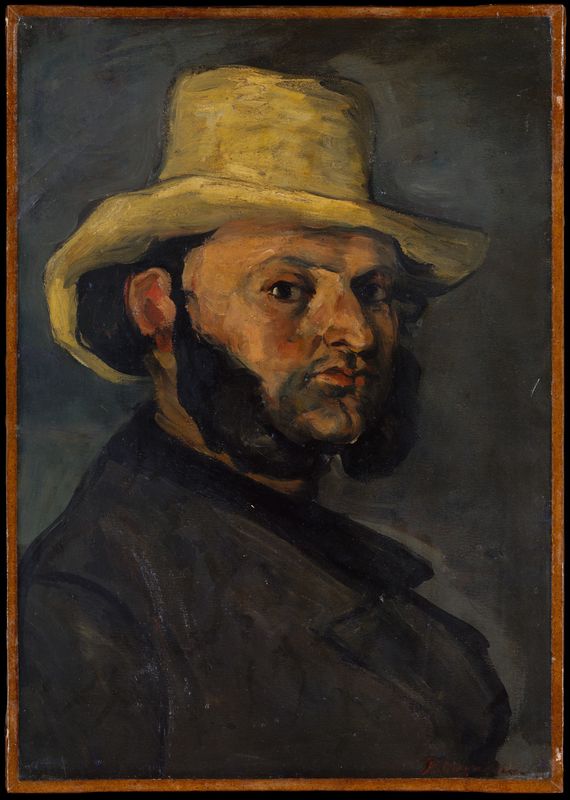
Gustave Boyer (b. 1840) in a Straw Hat
Paul Cézanne · 1870 · The Metropolitan Museum of Art
 Same era · 1870s–1900s
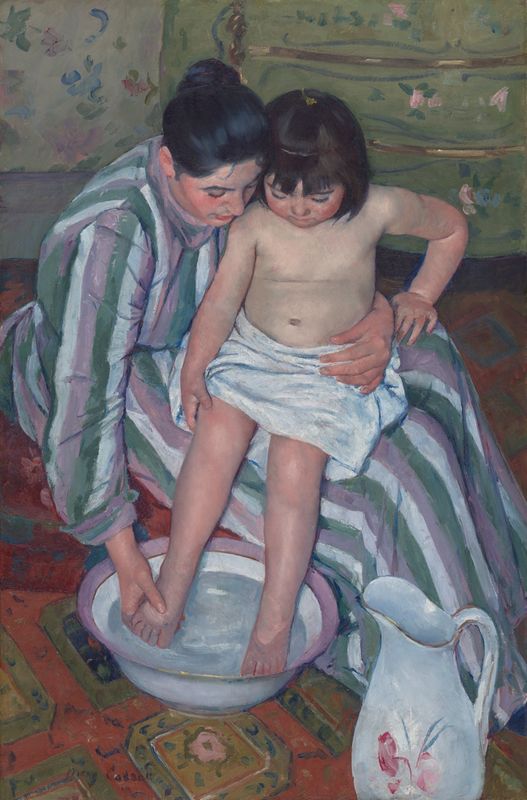
The Child's Bath
Mary Cassatt · 1893 · Art Institute of Chicago
 Same movement · Impressionism
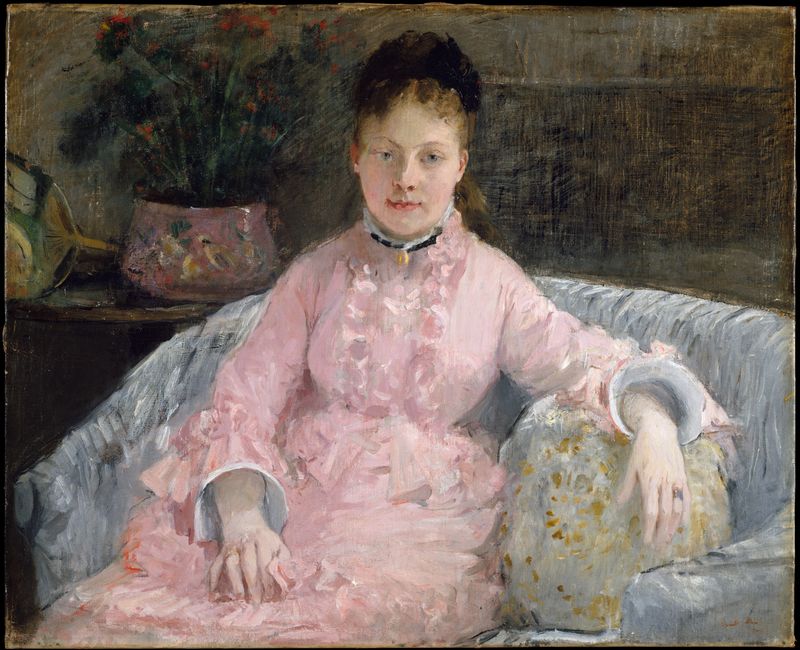
The Pink Dress (Albertie-Marguerite Carré, later Madame Ferdinand-Henri Himmes, 1854–1935)
Berthe Morisot · 1870 · Metropolitan Museum of Art
 Same era · 1870s–1900s
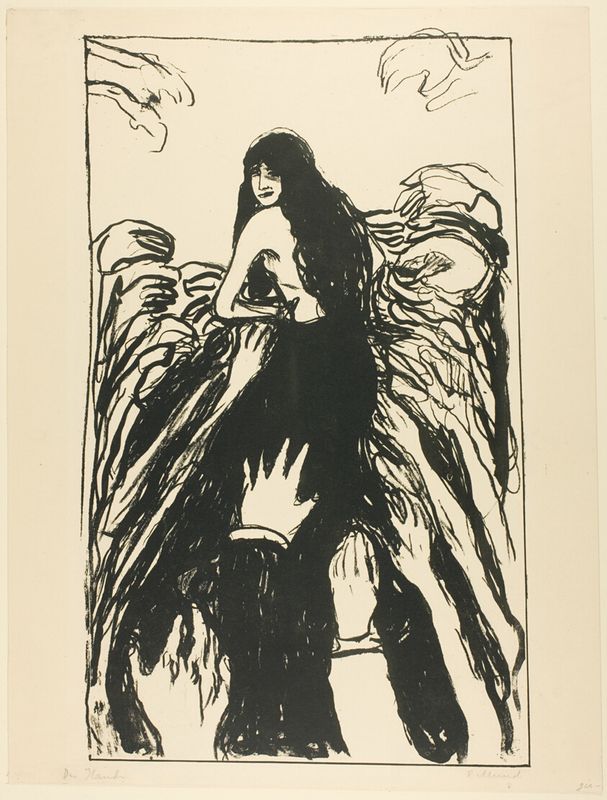
The Hands
Edvard Munch · 1893 · Munch Museum
 Same movement · Impressionism
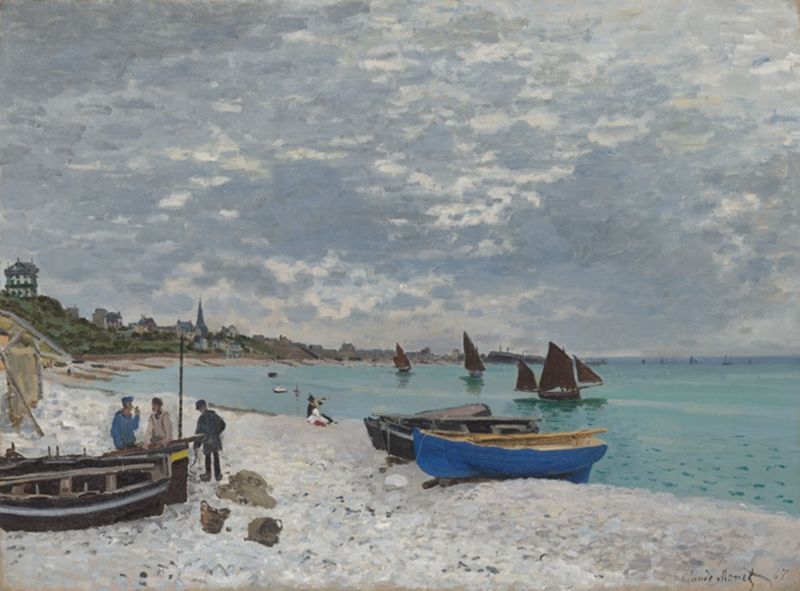
The Beach at Sainte-Adresse
Claude Monet · 1867 · Art Institute of Chicago
 Same era · 1870s–1900s
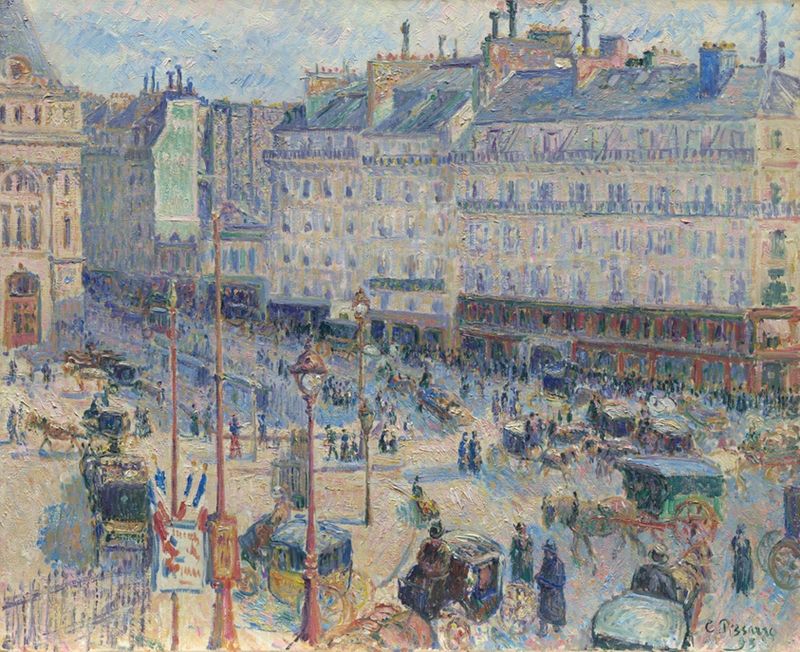
The Place du Havre, Paris
Camille Pissarro · 1893 · Art Institute of Chicago
 Same movement · Impressionism
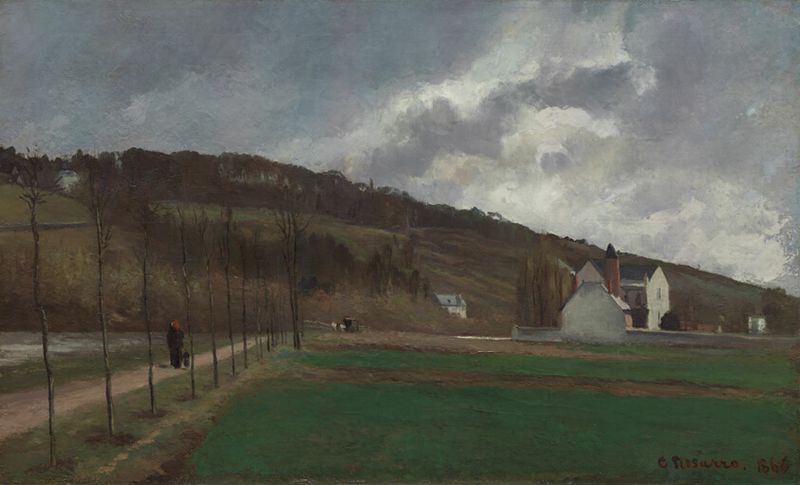
The Banks of the Marne in Winter
Camille Pissarro · 1866 · Art Institute of Chicago
 Same era · 1870s–1900s
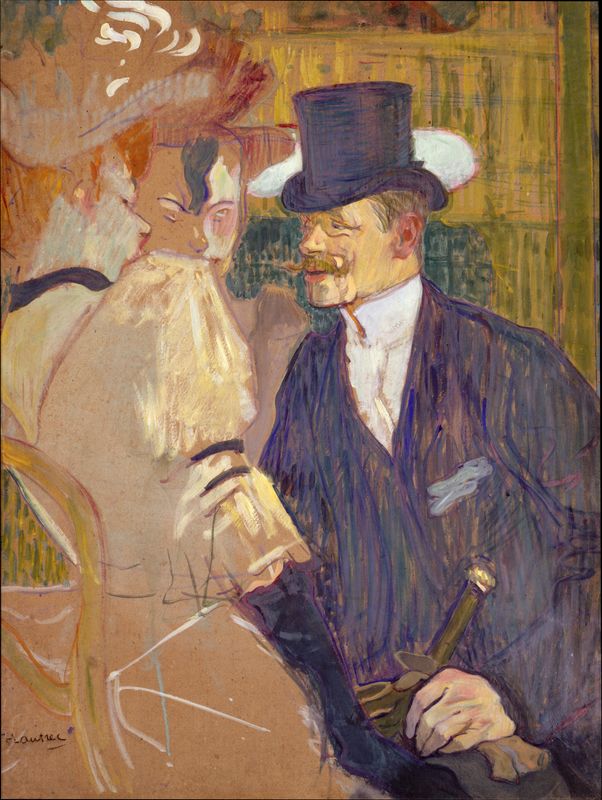
The Englishman (William Tom Warrener, 1861–1934) at the Moulin Rouge
Henri de Toulouse-Lautrec · 1892 · The Metropolitan Museum of Art
 Same movement · Impressionism
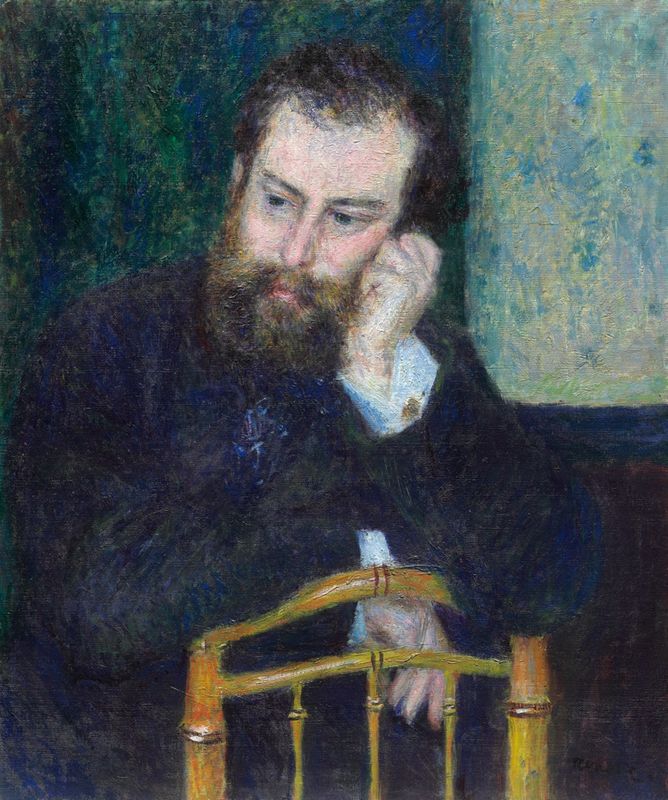
Alfred Sisley
Pierre-Auguste Renoir · 1864 · Foundation E.G. Bührle Collection
 Same era · 1870s–1900s
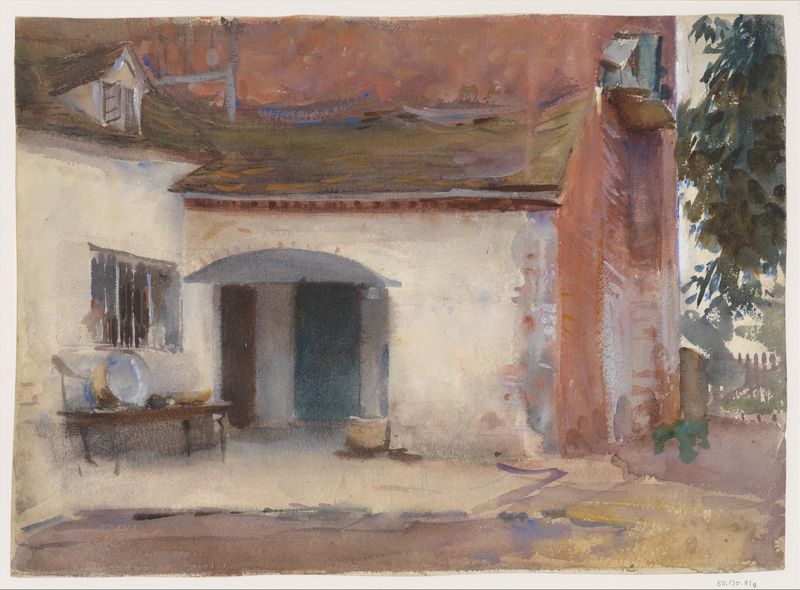
House and Courtyard
John Singer Sargent · 1895 · The Metropolitan Museum of Art
 Same movement · Impressionism
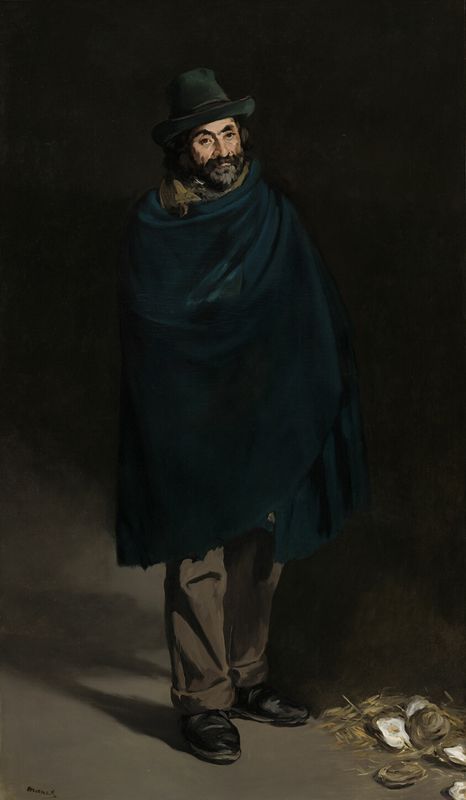
Beggar with Oysters (Philosopher)
Édouard Manet · 1864 · Art Institute of Chicago
 Same era · 1870s–1900s
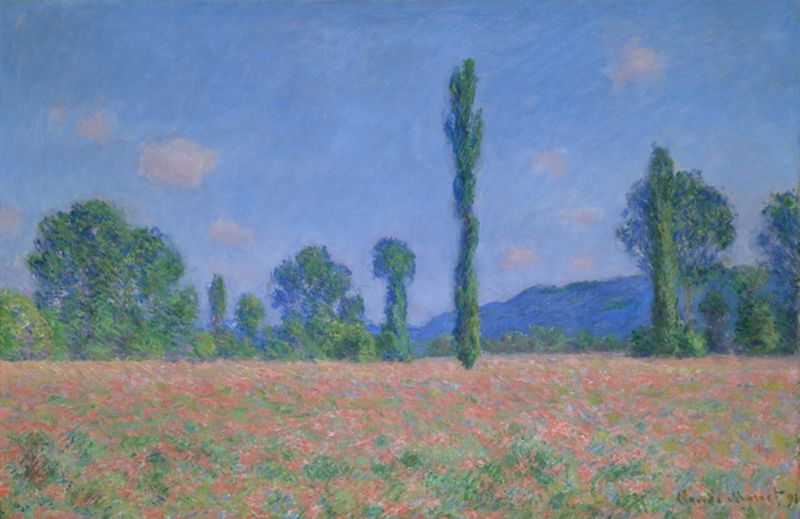
Poppy Field (Giverny)
Claude Monet · 1891 · Art Institute of Chicago
 Same movement · Impressionism
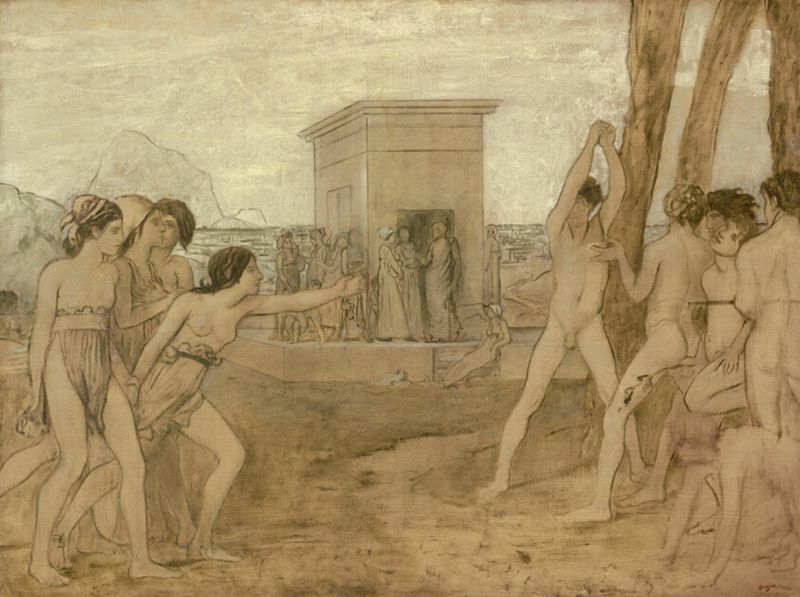
Young Spartan Girls Challenging Boys
Edgar Degas · 1860 · Art Institute of Chicago
 Same era · 1870s–1900s
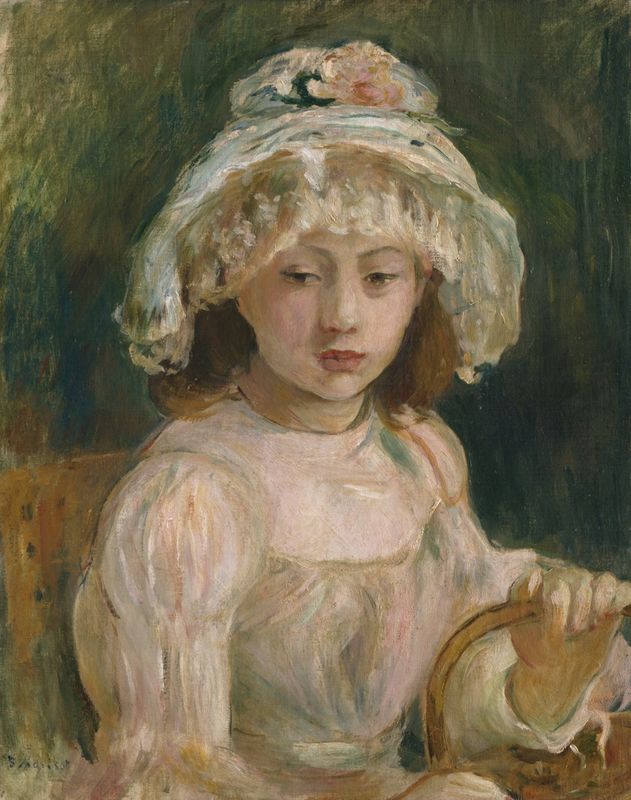
Young Girl with Hat
Berthe Morisot · 1891 · Art Institute of Chicago