
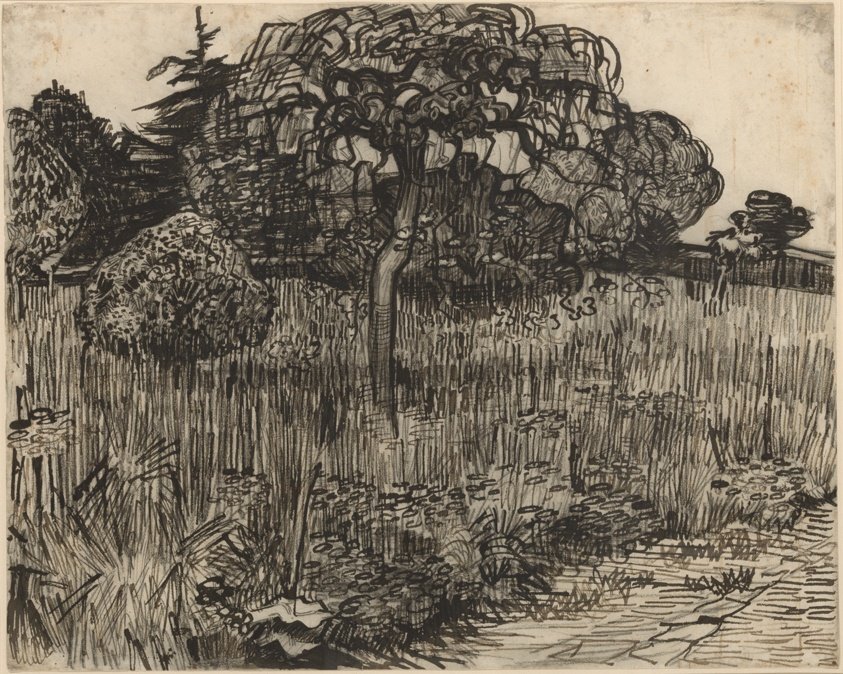
“Stop to appreciate Van Gogh's intense emotional expression in this powerful ink drawing. The "Weeping Tree" embodies a profound sense of melancholy and the raw energy of nature, created during a pivotal period in the artist's life.”
A lone tree dominates the foreground of this drawing, its branches reaching skyward like gnarled arms. The title, "Weeping Tree," perfectly captures the sense of melancholy conveyed by its drooping form, rendered with a vigorous interplay of reed pen and black-brown ink. Van Gogh created this work in 1889, during his voluntary stay at the asylum in Saint-Rémy-de-Provence. While he is often associated with vibrant oil paintings, his drawings from this period, like this one, reveal a profound sensitivity to nature's expressive potential. The energetic lines and swirling patterns, particularly in the tree's trunk and the surrounding landscape, imbue the scene with a palpable sense of movement and emotional intensity. This intimate study of a tree transforms a simple botanical subject into a powerful reflection of inner turmoil and resilience.
- Artist
- Vincent van Gogh
- Date
- 1889
- Medium
- Reed pen and black-brown ink, with black chalk on off-white wove paper
- Location
- Art Institute of Chicago
- Dimensions
- 49.3 × 61.3 cm (19 7/16 × 24 3/16 in.)
- Collection
- Prints and Drawings
- Culture
- Netherlands
- Credit line
- Gift of Tiffany and Margaret Blake
What to Notice
Five details hide in plain sight. Here’s where to look.
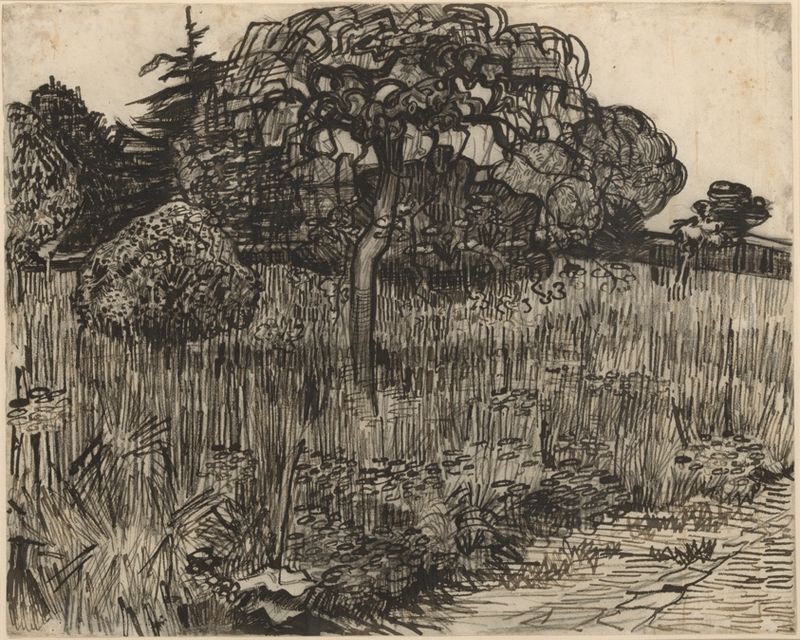
The dense, swirling lines of the tree's trunk and branches.
The delicate, almost trembling quality of the smaller twigs.
The varied textures created by the reed pen and black chalk.
The way the ground seems to ripple with energy around the tree.
1 more detail is waiting.
See all 5 in Art Whisper →Stand in front of it and listen
The full narration walks you through Weeping Tree — the story behind it, the details most visitors miss, and why it matters. Free in the Art Whisper app.
Vincent van Gogh
1853–1890 · Kingdom of the NetherlandsVincent van Gogh, whose vibrant brushwork and bold colors transformed landscapes and portraits, created 2,100 artworks in just over a decade.
Further Works by van Gogh
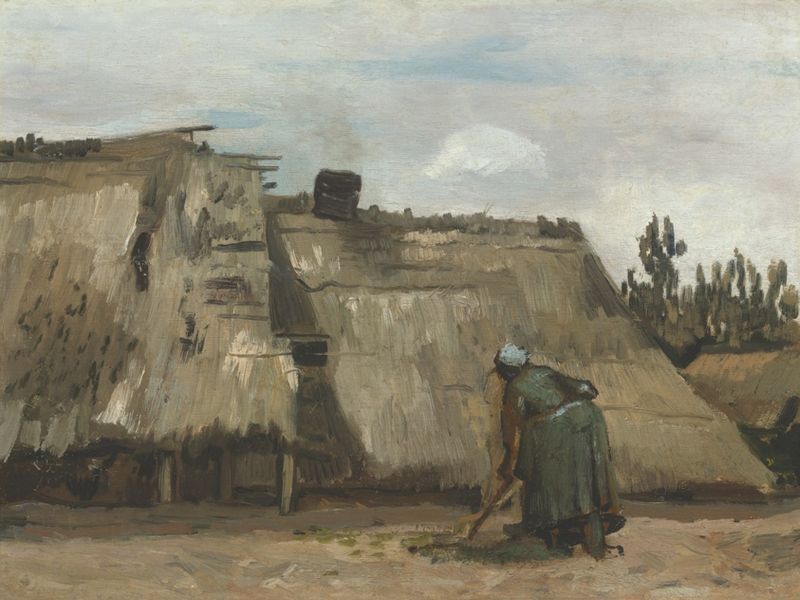 A Peasant Woman Digging in Front of Her Cottage
1880 · Art Institute of Chicago
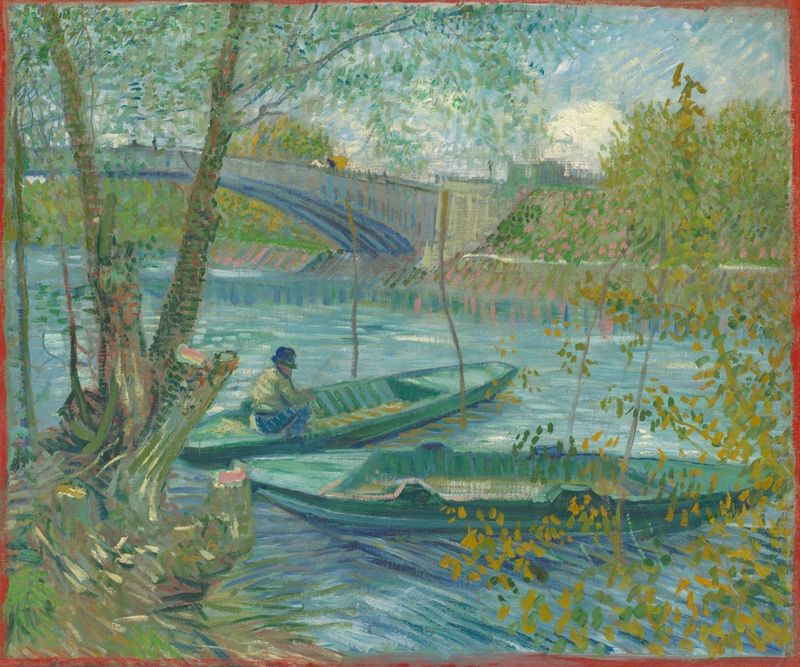 Fishing in Spring, the Pont de Clichy (Asnières)
1887 · Art Institute of Chicago
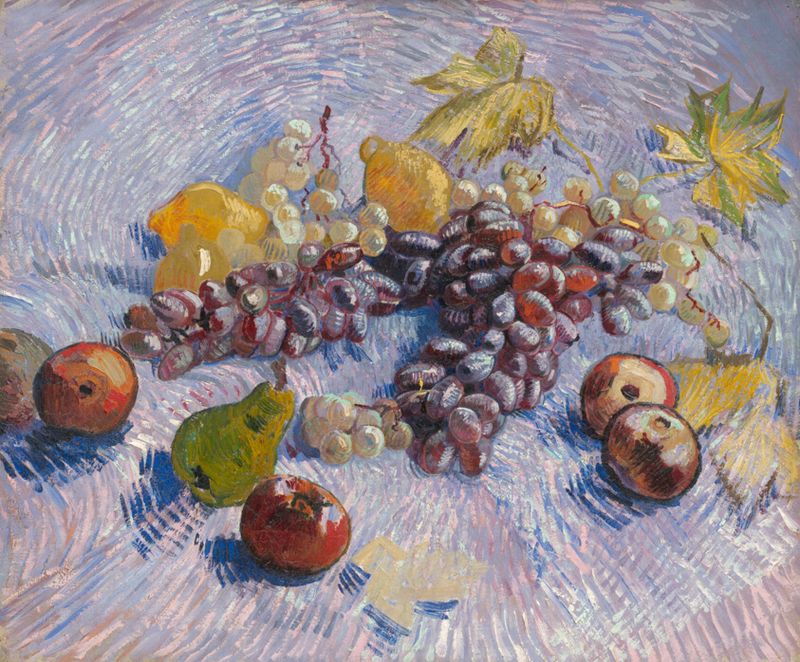 Grapes, Lemons, Pears, and Apples
1887 · Art Institute of Chicago
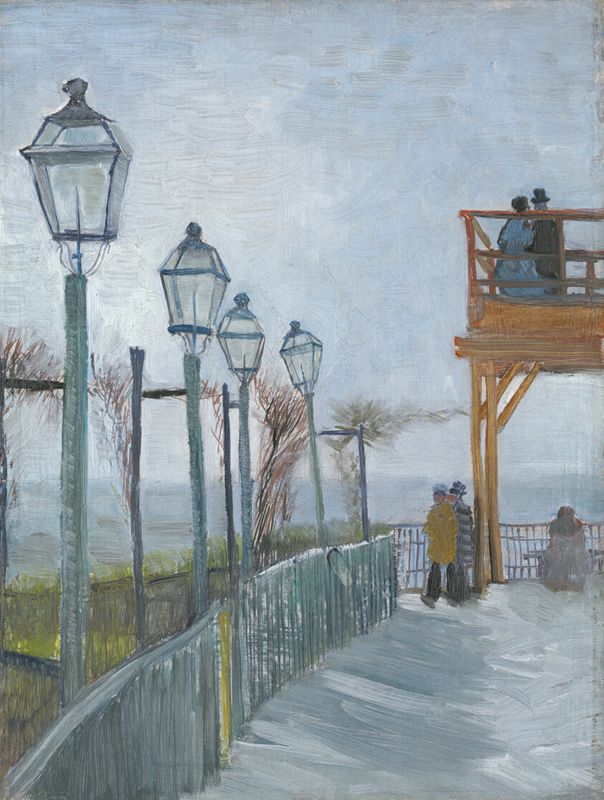 Terrace and Observation Deck at the Moulin de Blute-Fin, Montmartre
1887 · Art Institute of Chicago
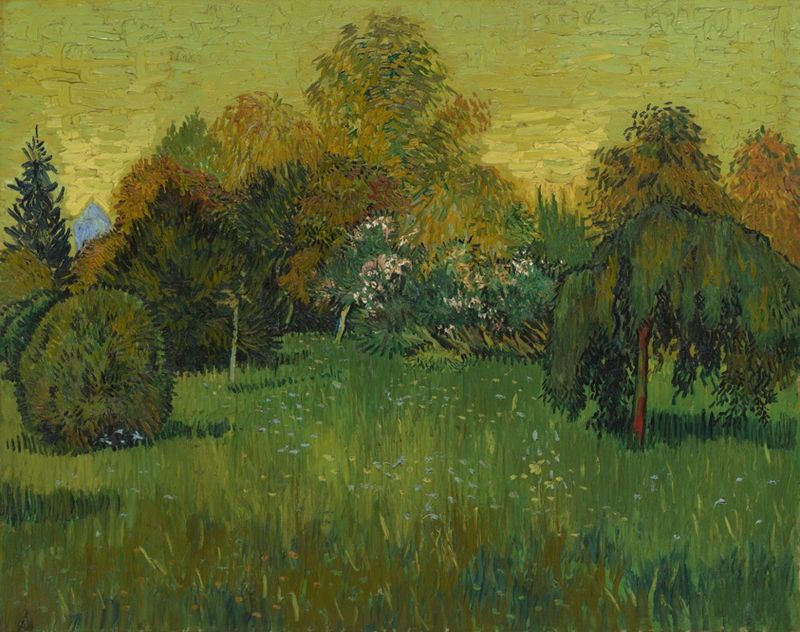 The Poet's Garden
1888 · Art Institute of Chicago
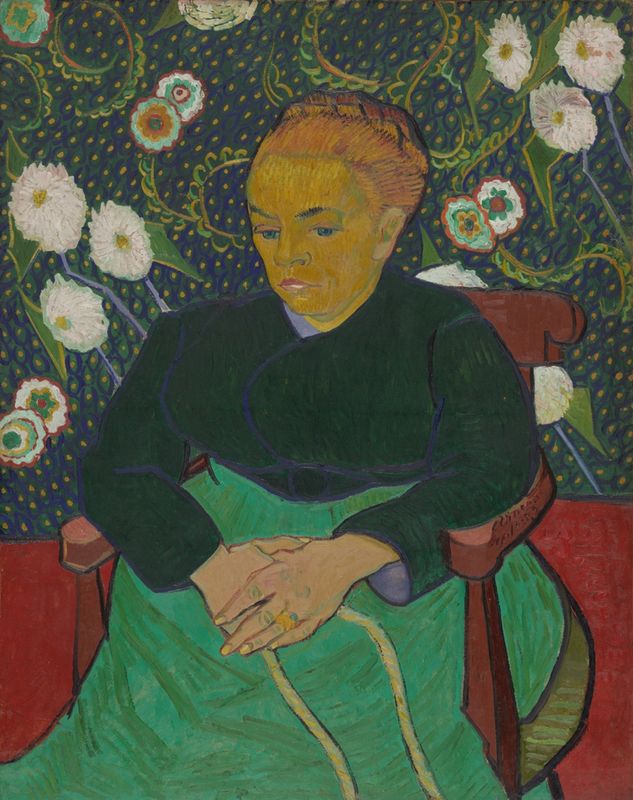 Madame Roulin Rocking the Cradle (La berceuse)
1889 · Art Institute of Chicago
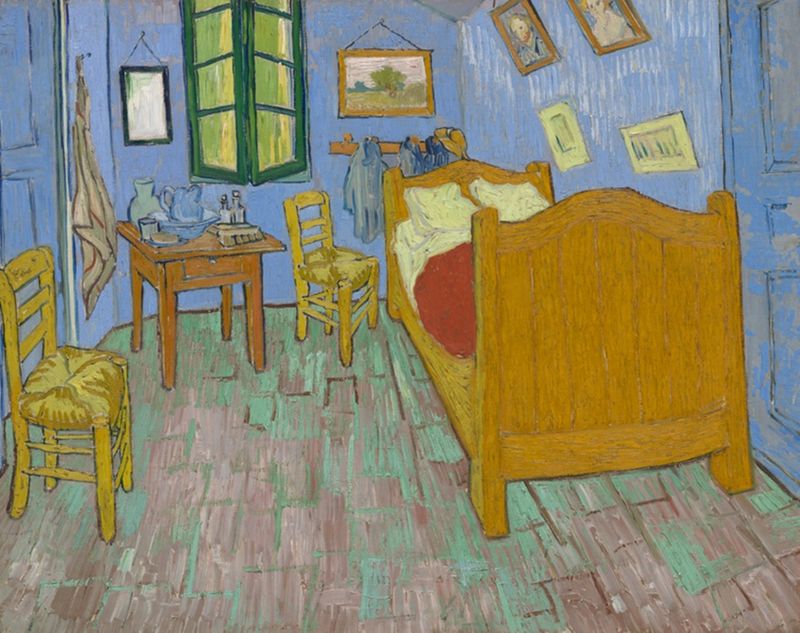 The Bedroom
1889 · Art Institute of Chicago
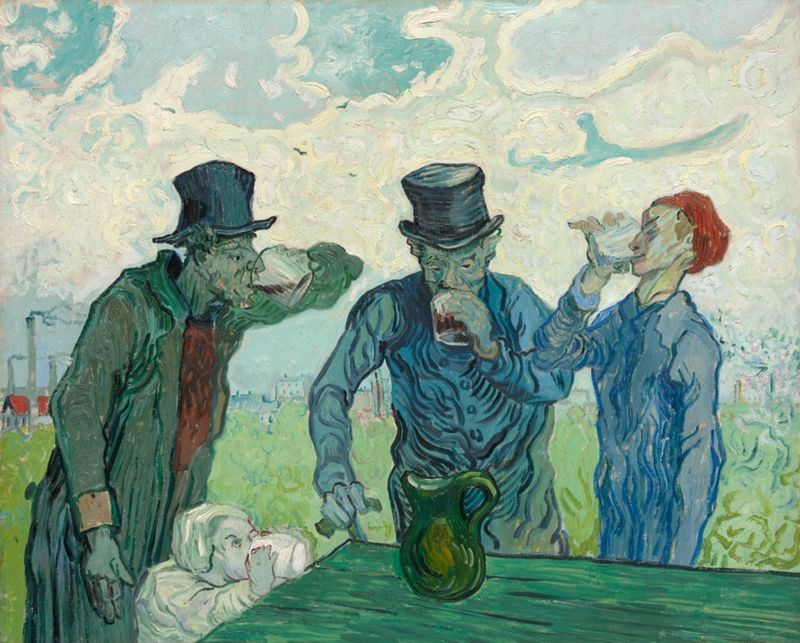 The Drinkers
1890 · Art Institute of Chicago
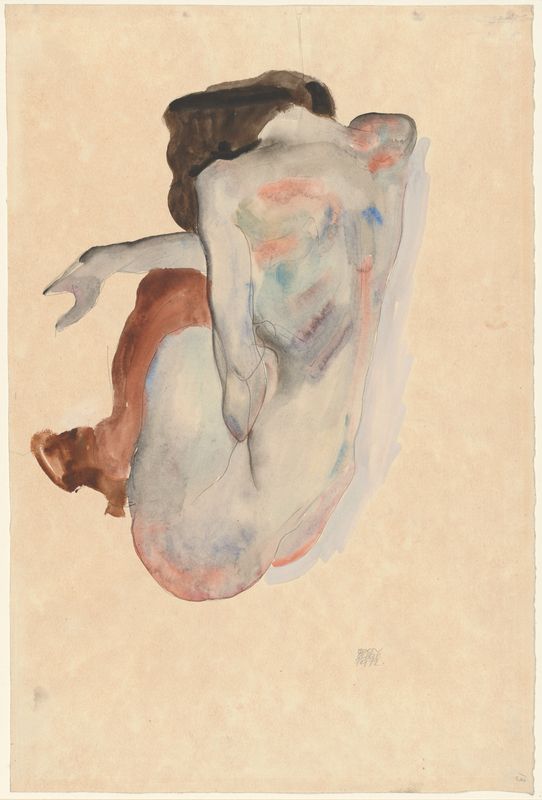
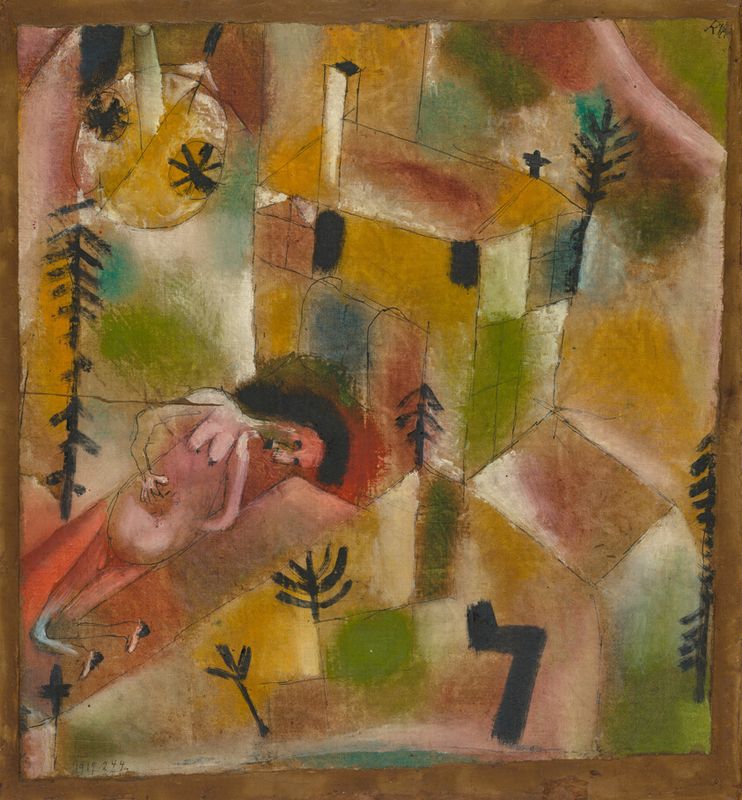
More from Expressionism
More works to explore
Beyond van Gogh and Expressionism: works from the same years, and from the other movements Weeping Tree belongs to.
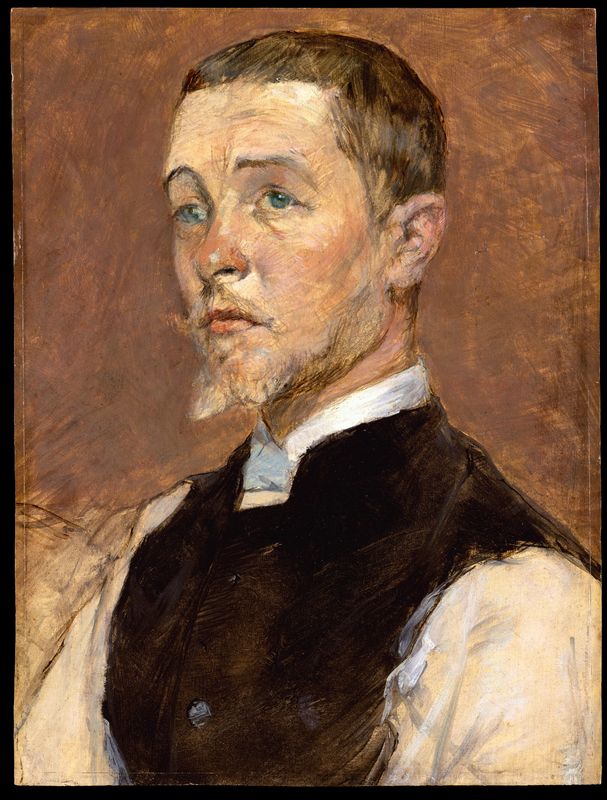 Same movement · Post-Impressionism
Albert (René) Grenier (1858–1925)
Henri de Toulouse-Lautrec · 1887 · The Metropolitan Museum of Art
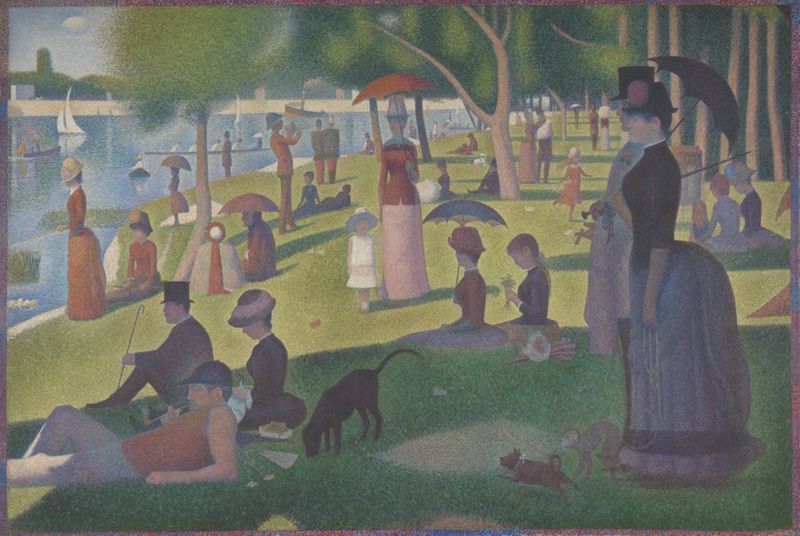 Same era · 1870s–1900s
A Sunday on La Grande Jatte — 1884
Okada Saburosuke · 1884 · Art Institute of Chicago
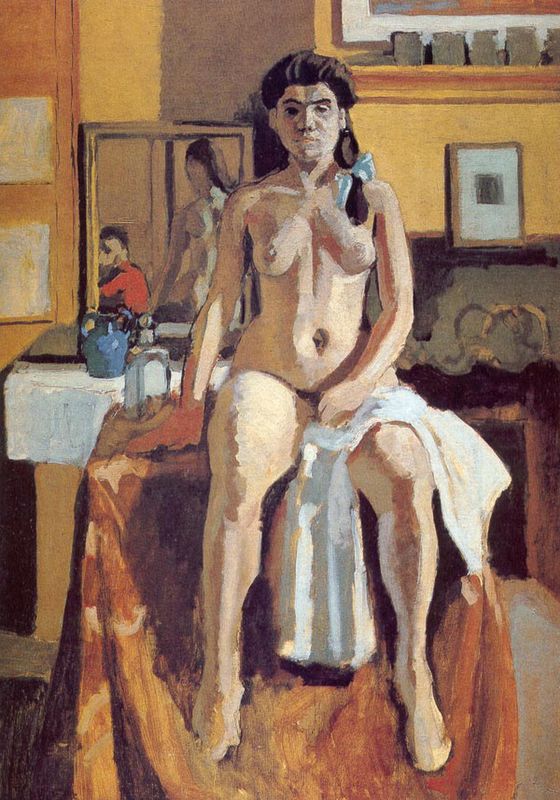 Same movement · Post-Impressionism
Carmelina
Henri Matisse · 1903 · Museum of Fine Arts Boston
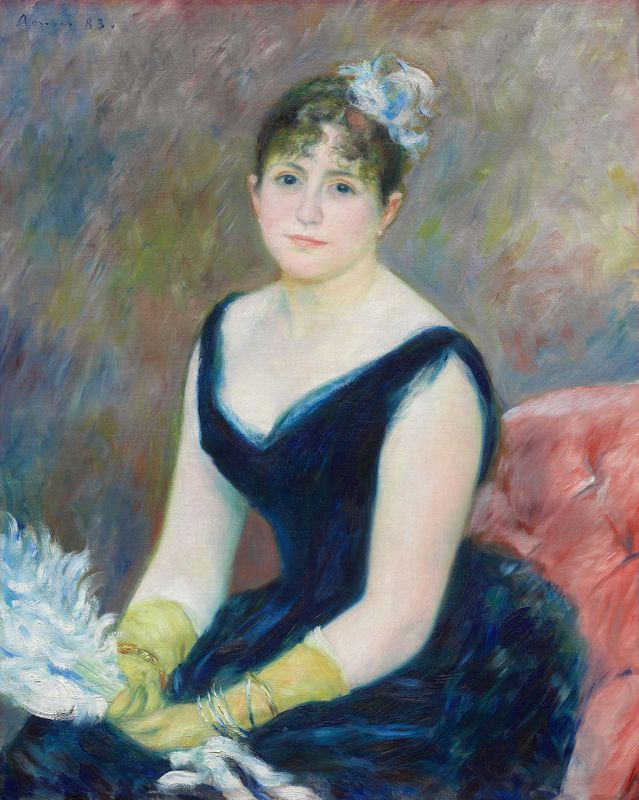 Same era · 1870s–1900s
Madame Léon Clapisson
Léon-Victor Dupré · 1883 · Art Institute of Chicago
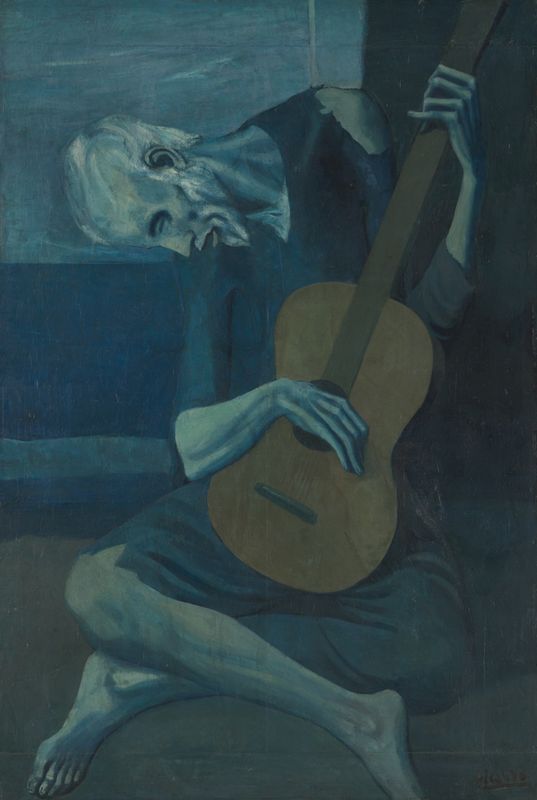 Same movement · Post-Impressionism
The Old Guitarist
Pablo Picasso · 1903 · Art Institute of Chicago
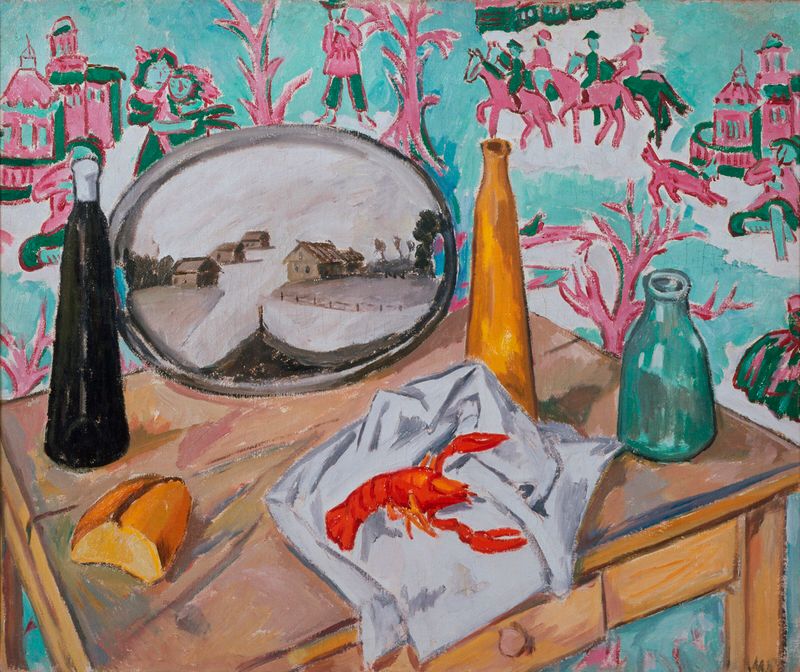 Same era · 1870s–1900s
Still Life with Crayfish
Mikhail Larionov · 1900 · Museum Ludwig
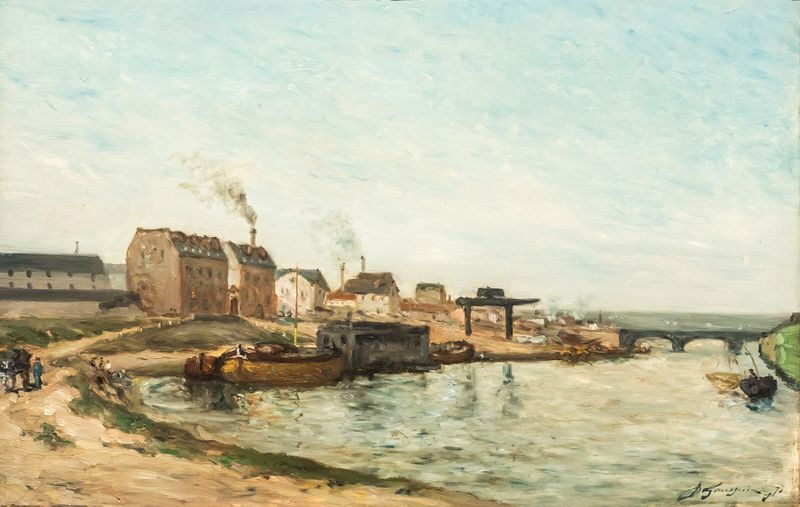 Same movement · Post-Impressionism
The Seine at Pont de Grenelle
Paul Gauguin · 1875 · Wallraf–Richartz Museum
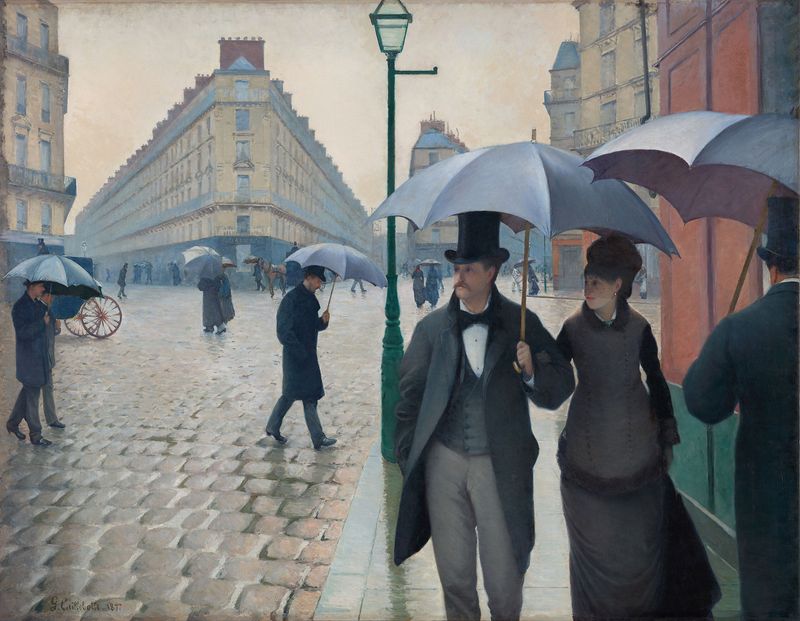 Same era · 1870s–1900s
Paris Street; Rainy Day
Kawabata Gyokushō · 1877 · Art Institute of Chicago
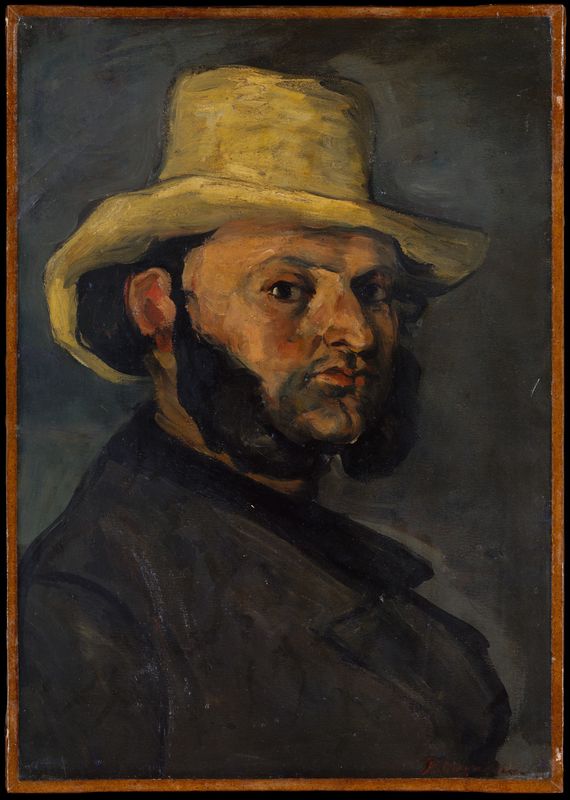 Same movement · Post-Impressionism
Gustave Boyer (b. 1840) in a Straw Hat
Paul Cézanne · 1870 · The Metropolitan Museum of Art
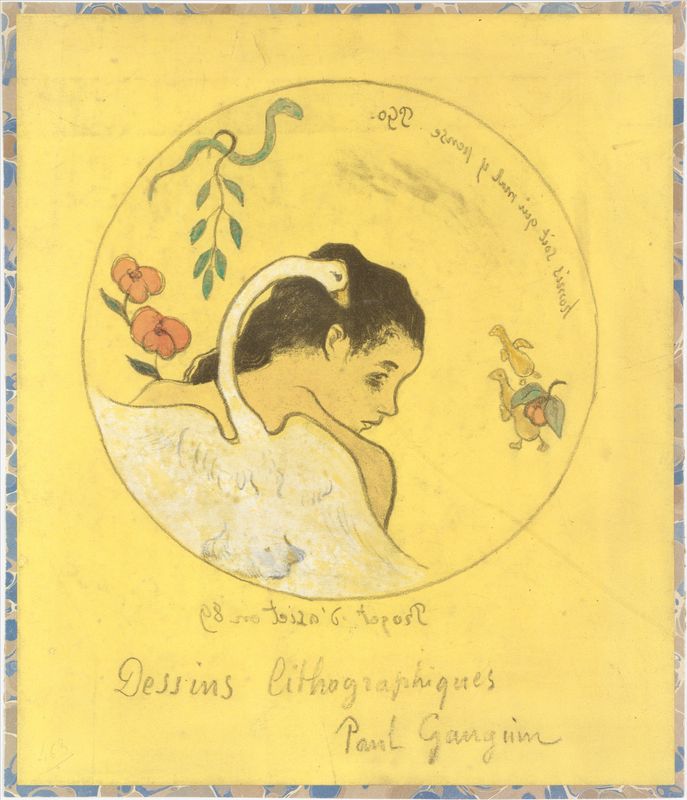 Same era · 1870s–1900s
("Leda") Design for a Plate: Shame on Those Who Evil Think (Honi Soit Qui Mal y Pense) ; cover illustration for the "Volpini Suite" entitled Lithographic Drawings (Dessins lithographiques)
Paul Gauguin · 1889 · The Metropolitan Museum of Art
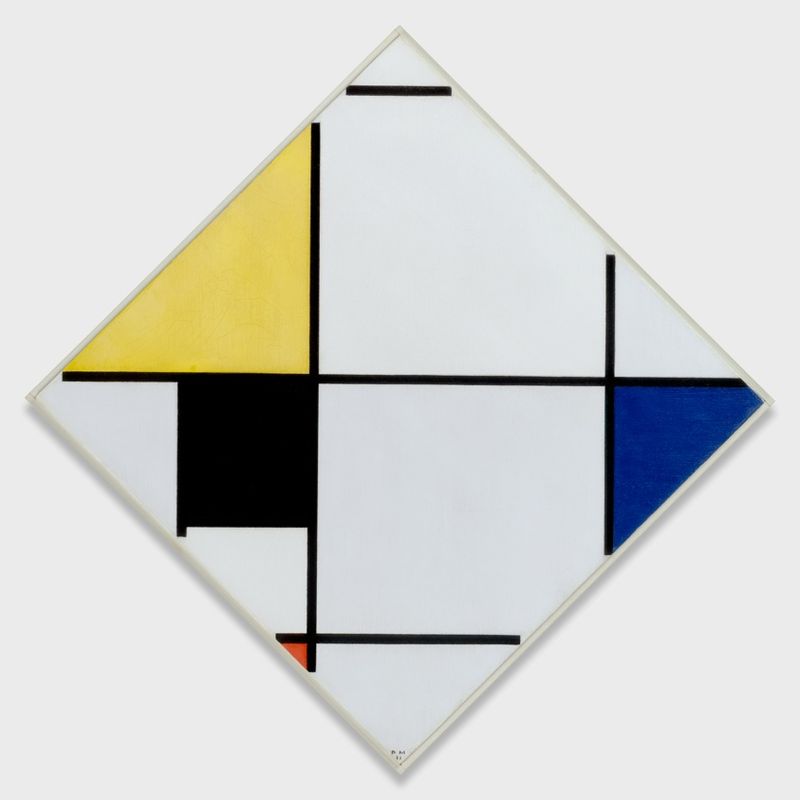 Same movement · Post-Impressionism
Lozenge Composition with Yellow, Black, Blue, Red, and Gray
Piet Mondrian · 1921 · Art Institute of Chicago
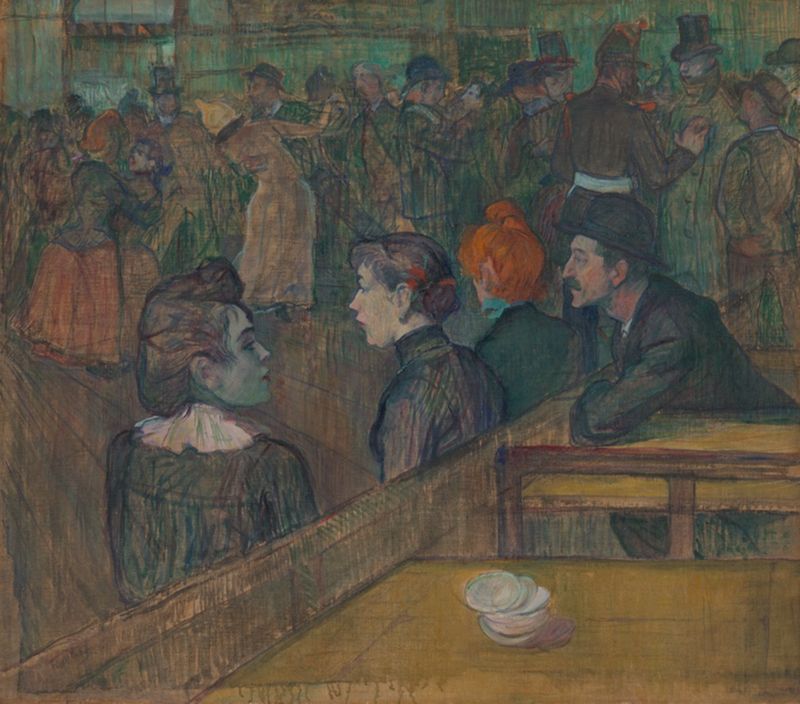 Same era · 1870s–1900s
Moulin de la Galette
Henri de Toulouse-Lautrec · 1889 · Art Institute of Chicago
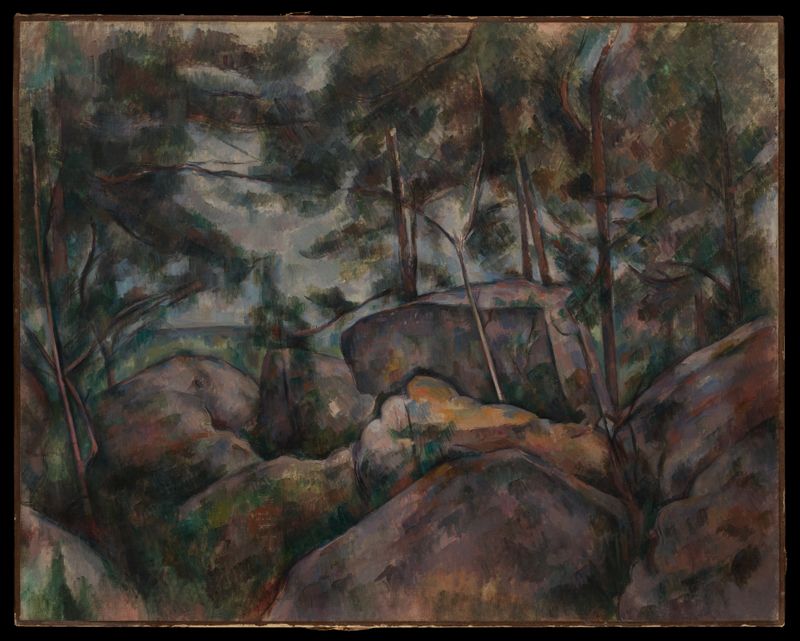 Same era · 1870s–1900s
Rocks at Fontainebleau
Paul Cézanne · 1890 · The Metropolitan Museum of Art
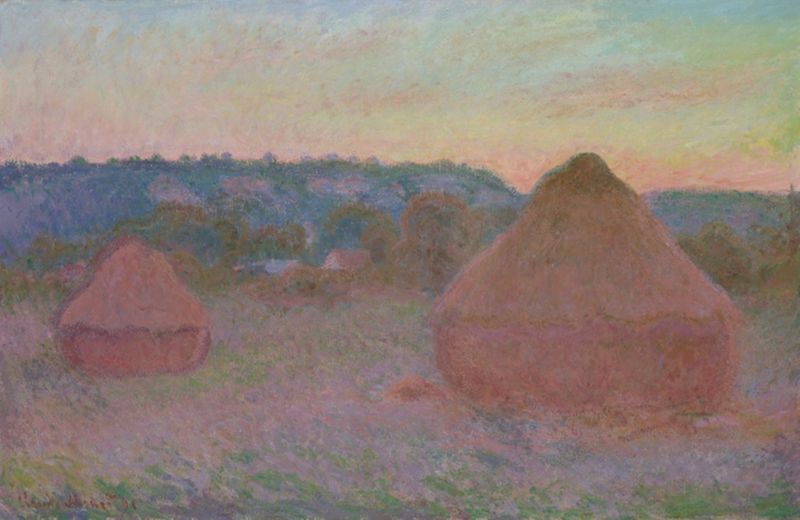 Same era · 1870s–1900s
Stacks of Wheat (End of Day, Autumn)
Claude Monet · 1890 · Art Institute of Chicago
 Same era · 1870s–1900s
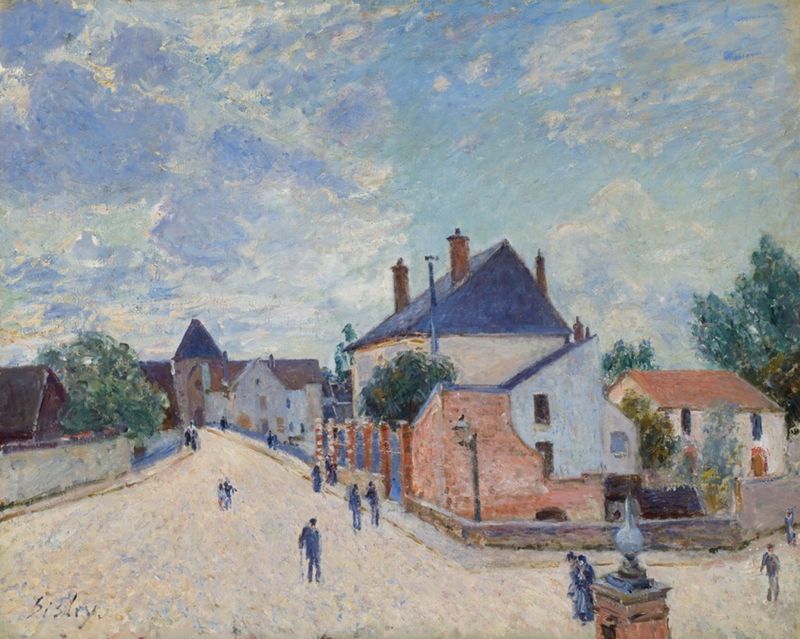
Street in Moret
Alfred Sisley · 1890 · Art Institute of Chicago
 Same era · 1870s–1900s
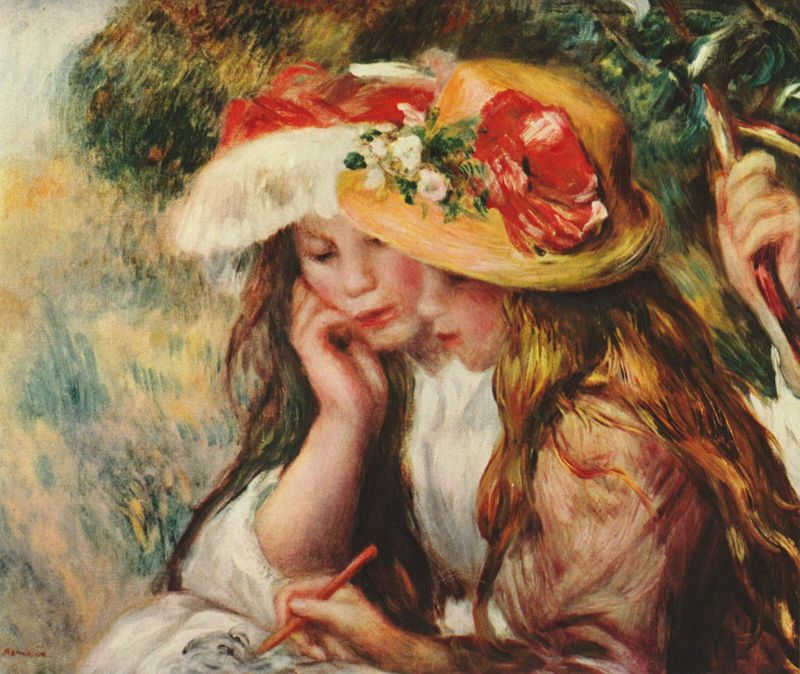
Two Girls Reading in a Garden
Pierre-Auguste Renoir · 1890
 Same era · 1870s–1900s
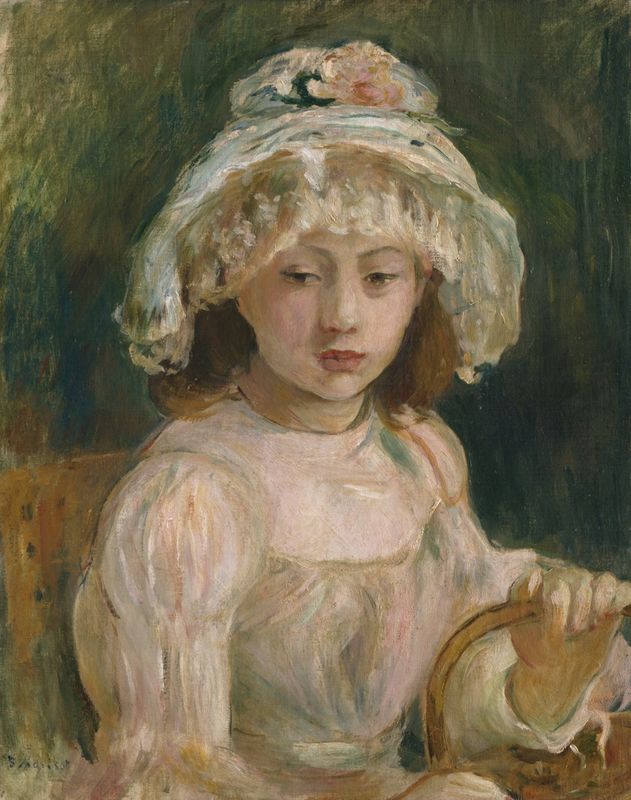
Young Girl with Hat
Berthe Morisot · 1891 · Art Institute of Chicago
 Same era · 1870s–1900s
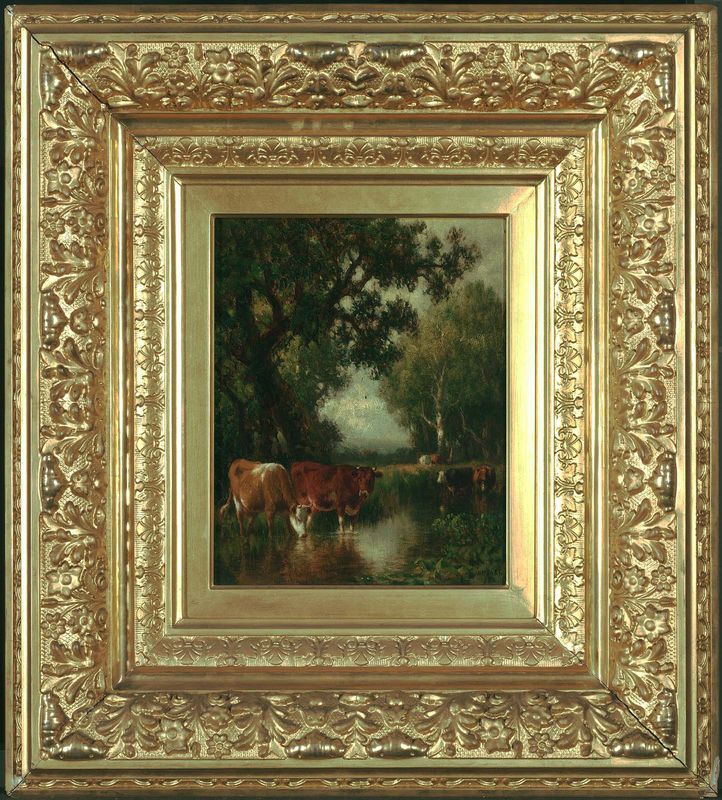
Cows Drinking at a Pool
William Hart · 1886 · Museum of Fine Arts Boston