01Whole painting
Sky over the city
Clouds fill roughly two thirds of the canvas, while the town sits in a thin band below. The sky is as much the subject as Delft itself.

“Stop to appreciate this rare cityscape, a serene and luminous portrait of 17th-century Delft. It's a masterclass in capturing light and reflection, inviting you to step into a moment of quiet Dutch life.”
The tranquil waters of the Kolk harbor reflect the sky, mirroring the clouds and the brick buildings of Delft in this expansive cityscape. Painted from an elevated position, perhaps from an upper window of the Mechelen tavern, the scene captures the artist's hometown with remarkable detail and a diffused, luminous quality. The painting is notable for its masterful rendering of light, which softly illuminates the facades of the buildings and creates a sense of depth and atmosphere. This is one of only a few cityscapes by the artist, and it stands out for its unique perspective and the way it celebrates the city and its bustling trade. The composition, with its quiet figures along the waterfront, invites contemplation, offering a glimpse into 17th-century Dutch life.
Five details hide in plain sight. Pick one and we’ll show you exactly where to look.
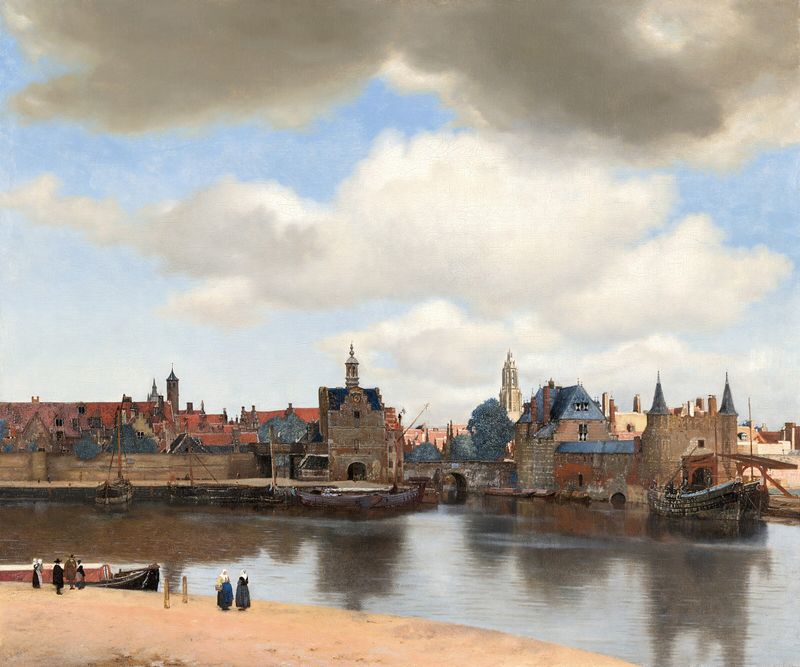
Clouds fill roughly two thirds of the canvas, while the town sits in a thin band below. The sky is as much the subject as Delft itself.
Small figures stand on the sandy shore at lower left, near a moored barge. They give the wide scene a human scale.
The buildings dissolve into soft, stretched reflections across the harbor. Their smeared shapes make the water feel still and wet.
Look at the blue slate roofs and brick walls of the gates, dotted with tiny bright points of paint. They make the surfaces shimmer in the light.
A heavy, weathered boat sits by the Rotterdam Gate. It points to the trade and seafaring that made Delft prosperous.
The full narration walks you through View of Delft — the story behind it, the details most visitors miss, and why it matters. Free in the Art Whisper app.
Vermeer painted just 34 known works, yet became one of history's most beloved masters of light.
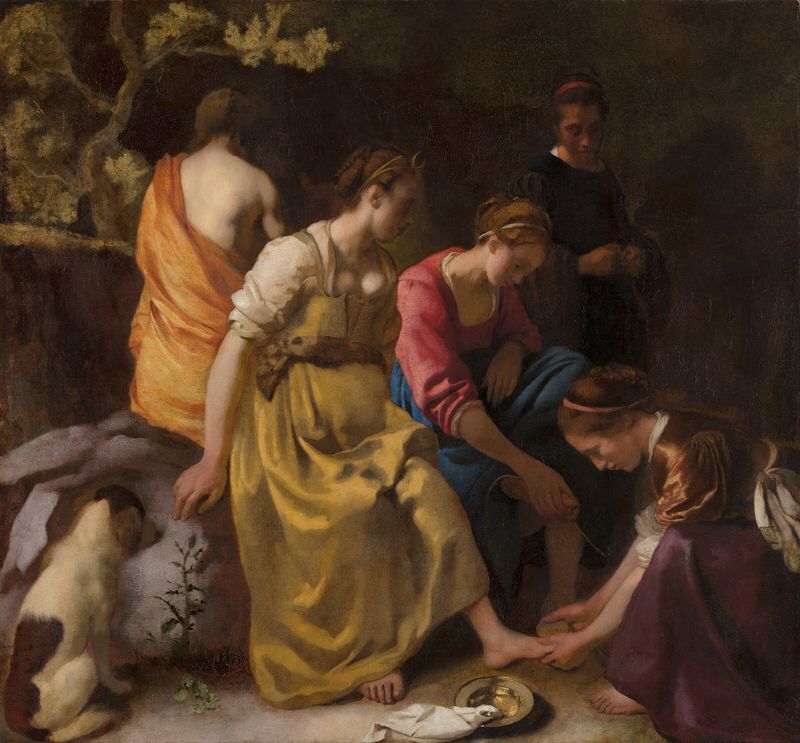 Diana and her Nymphs
1650 · Mauritshuis
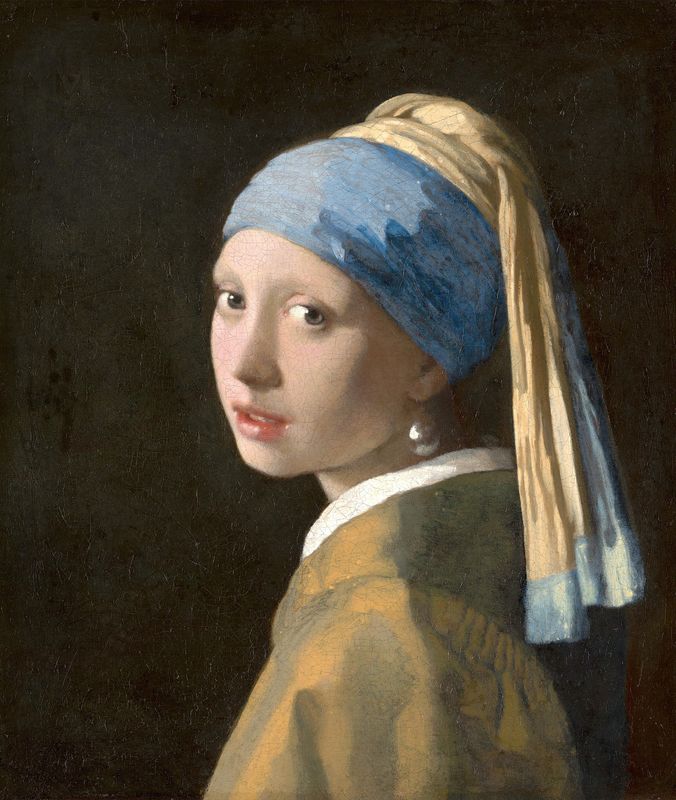 Girl with a Pearl Earring
1665 · Mauritshuis
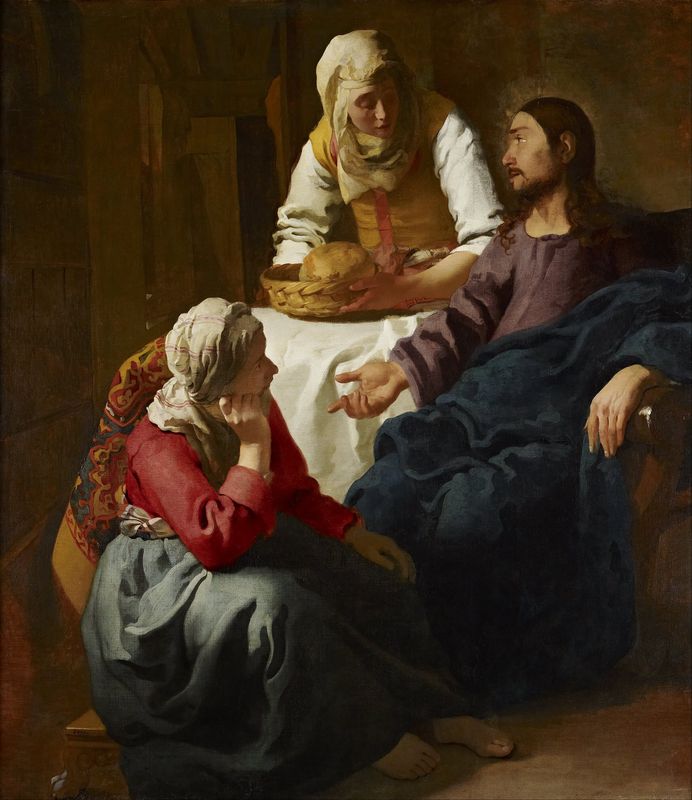 Christ in the House of Martha and Mary
1650 · Scottish National Gallery
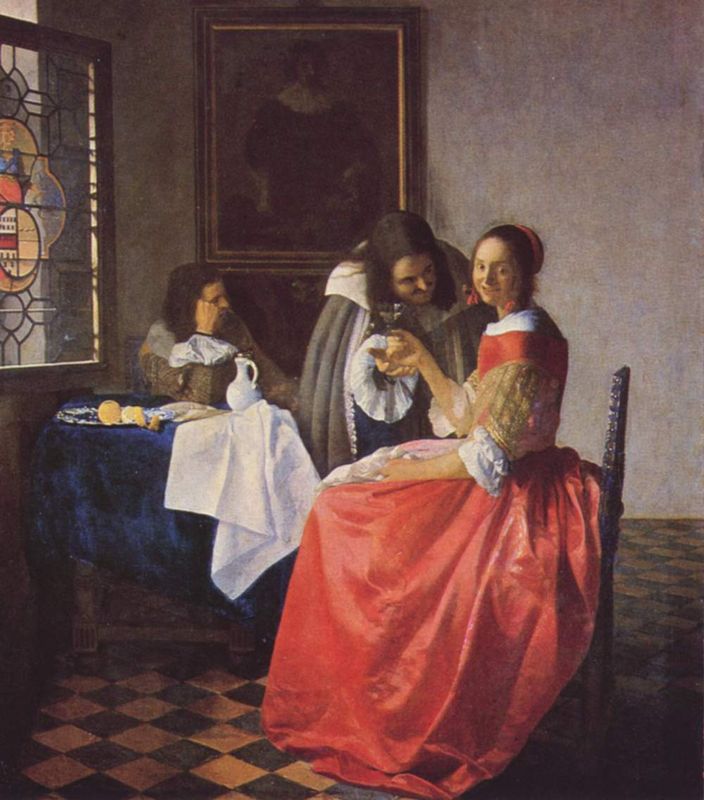 The Girl with the Wine Glass
1650 · Herzog Anton Ulrich Museum
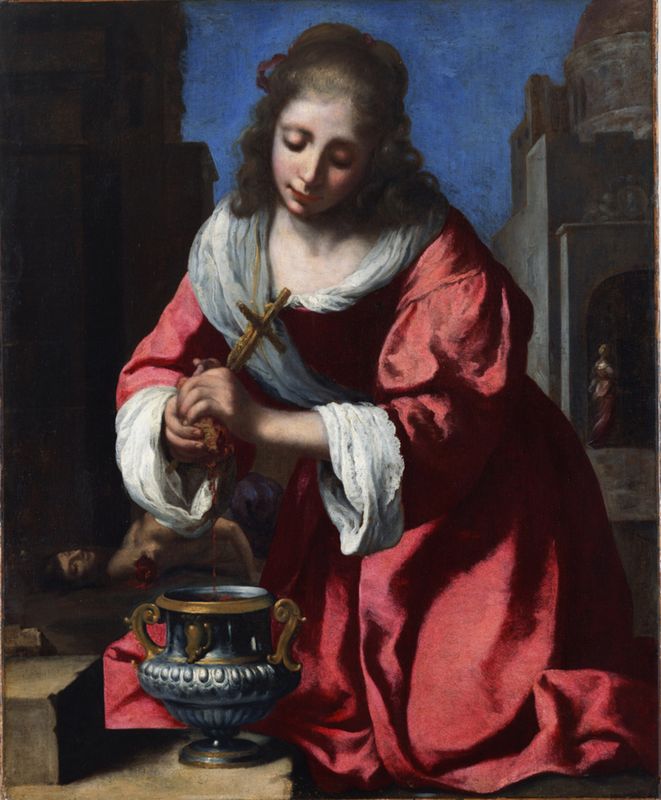 Saint Praxedis
1655 · National Museum of Western Art
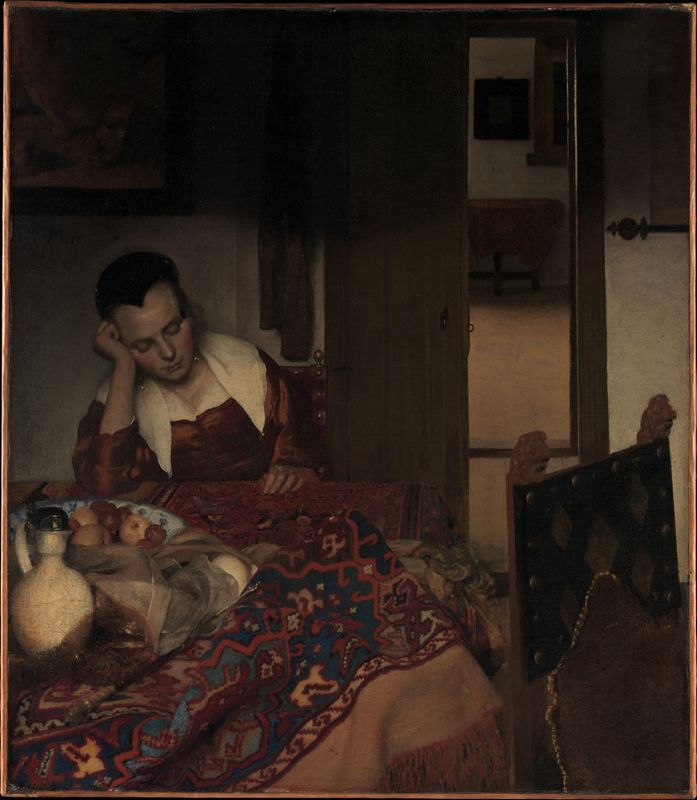 A Maid Asleep
1656 · The Metropolitan Museum of Art
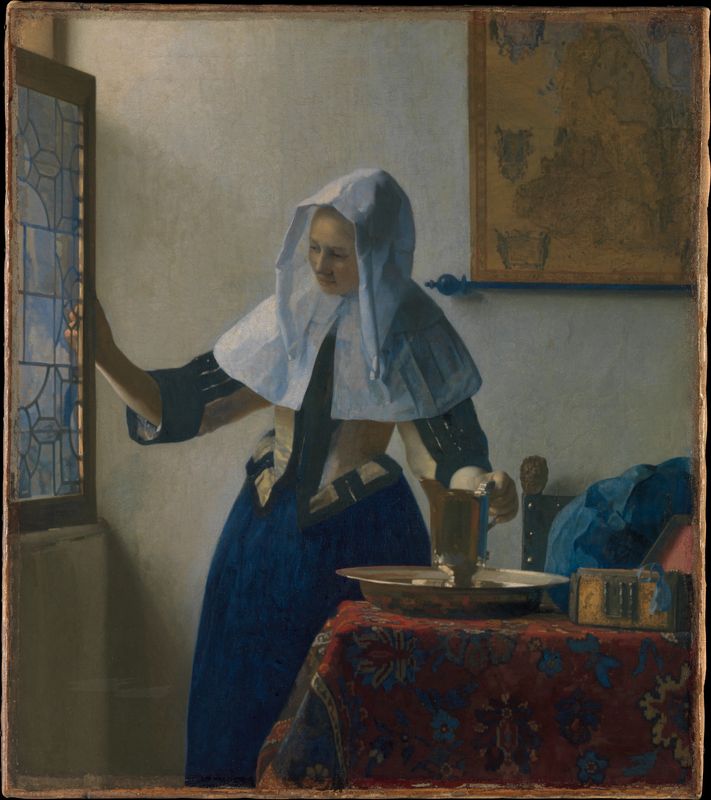 Young Woman with a Water Pitcher
1657 · The Metropolitan Museum of Art
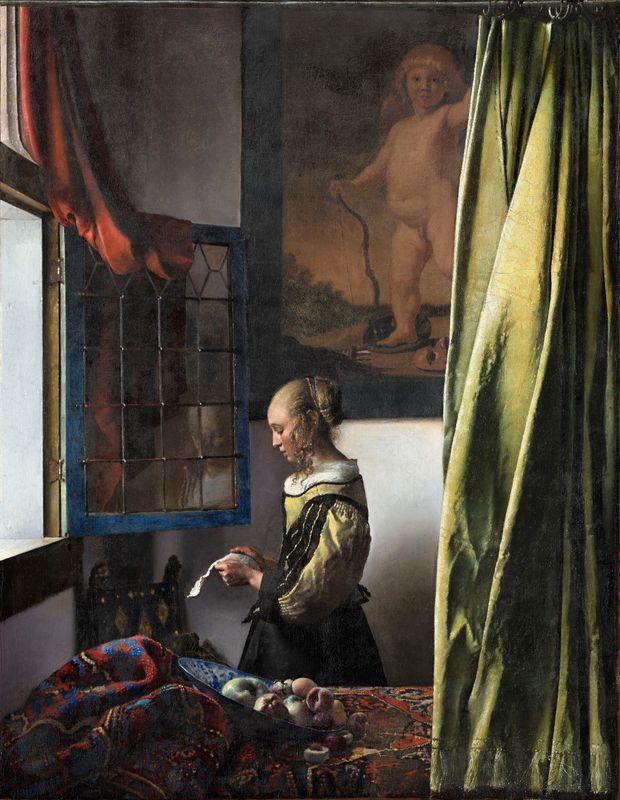 Girl Reading a Letter at an Open Window
1658 · Staatliche Kunstsammlungen Dresden
Beyond Vermeer and Baroque: works from the same years, and from the other movements View of Delft belongs to.
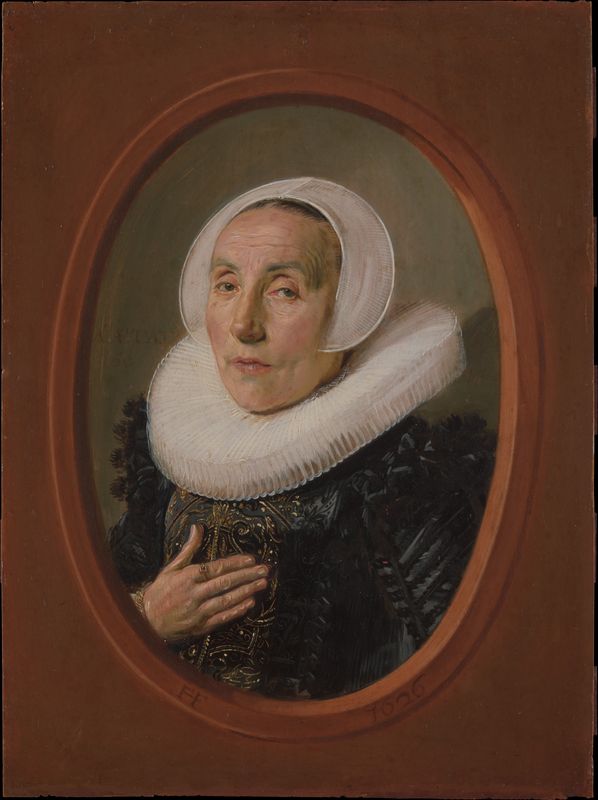 Same movement · Dutch Golden Age painting
Anna van der Aar (born 1576/77, died after 1626)
Frans Hals · 1626 · The Metropolitan Museum of Art
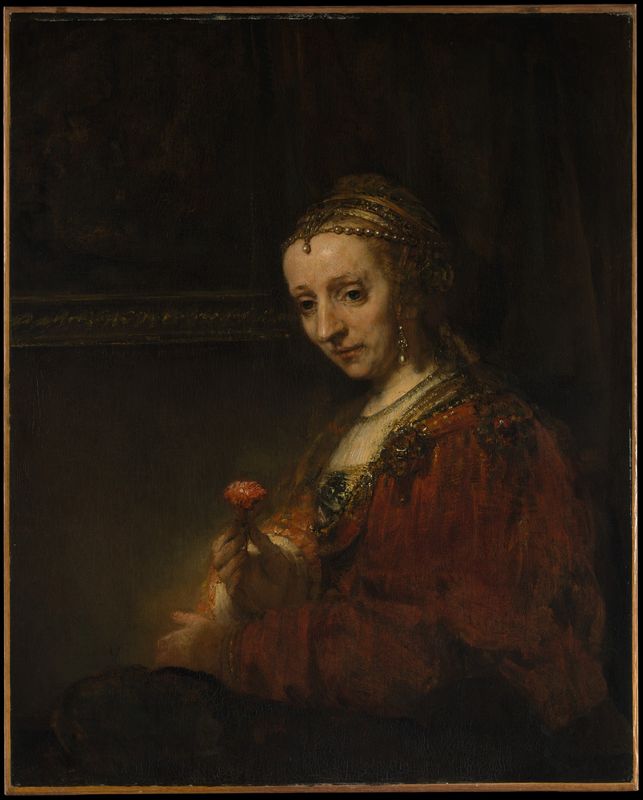 Same era · 1640s–1670s
Woman with a Pink
Rembrandt · 1660 · The Metropolitan Museum of Art
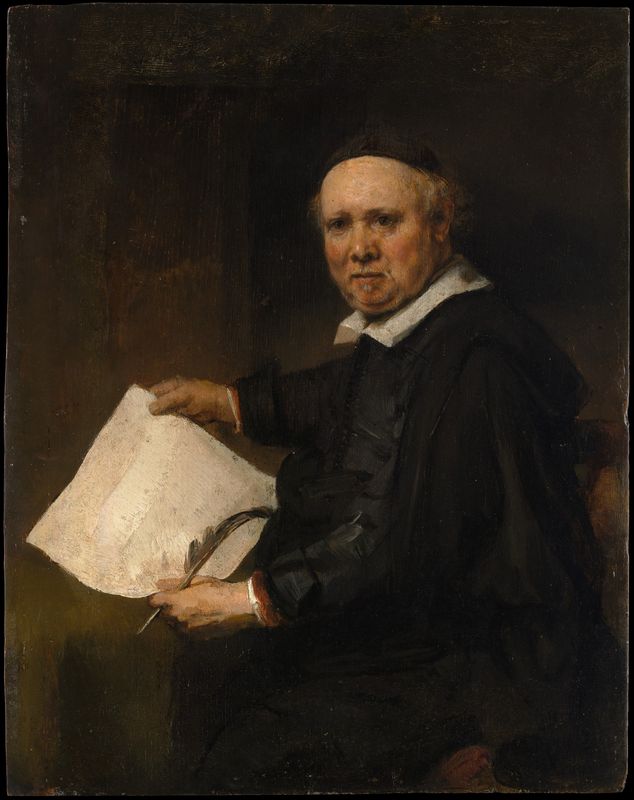 Same movement · Dutch Golden Age painting
Lieven Willemsz van Coppenol (born about 1599, died 1671 or later)
Rembrandt · 1626 · The Metropolitan Museum of Art
 Same era · 1640s–1670s
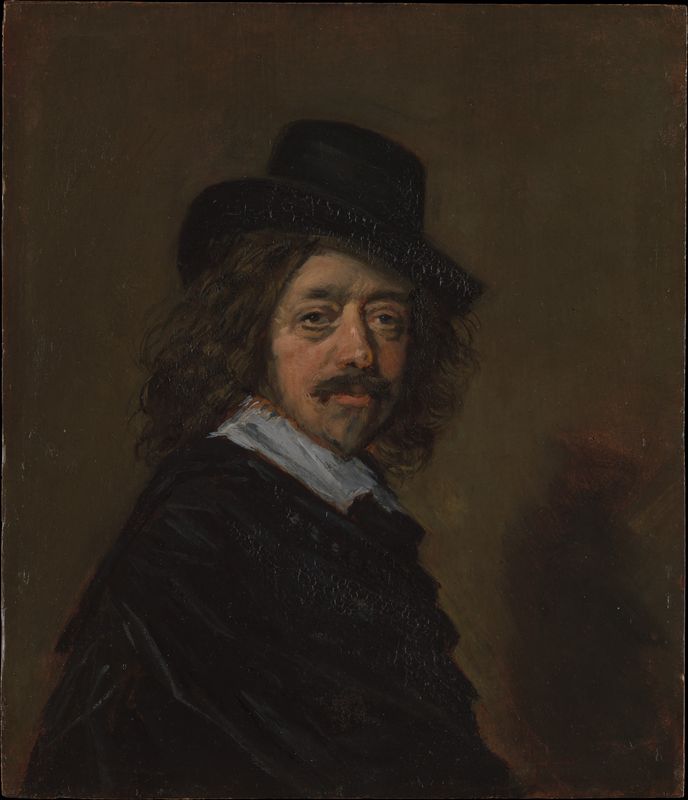
Frans Hals (1582/83–1666)
Frans Hals · 1650 · The Metropolitan Museum of Art
 Same era · 1640s–1670s
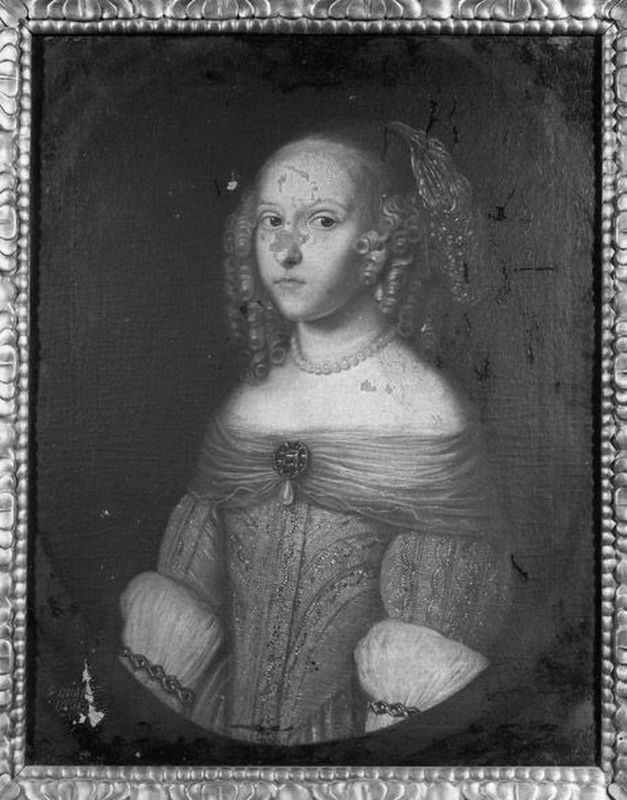
Portrait of a woman, possibly Sophia Eleonore of Hesse-Darmstadt, Landgravine of Hesse-Homburg (1634-1663)
Salomon Duarte · 1661 · Bavarian State Painting Collections
 Same era · 1640s–1670s
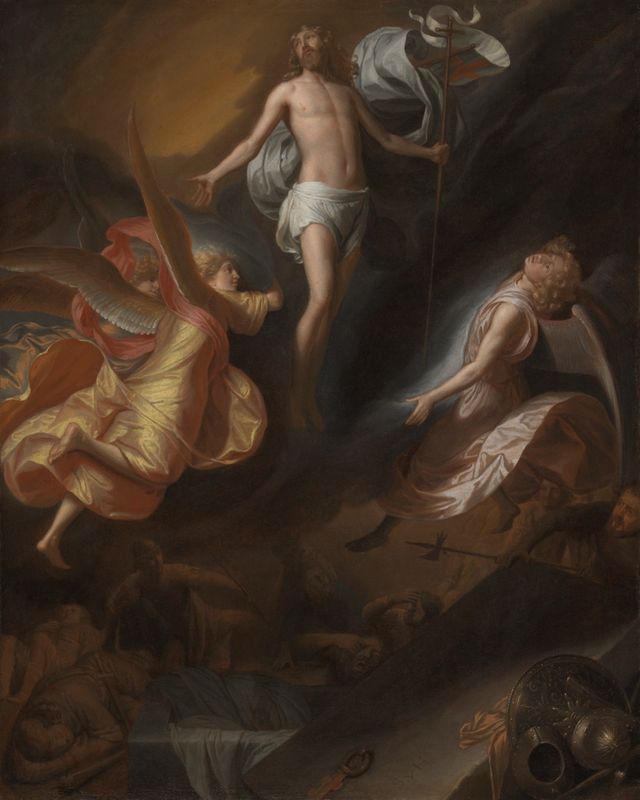
Resurrection of Christ
Samuel van Hoogstraten · 1665 · Art Institute of Chicago
 Same era · 1640s–1670s
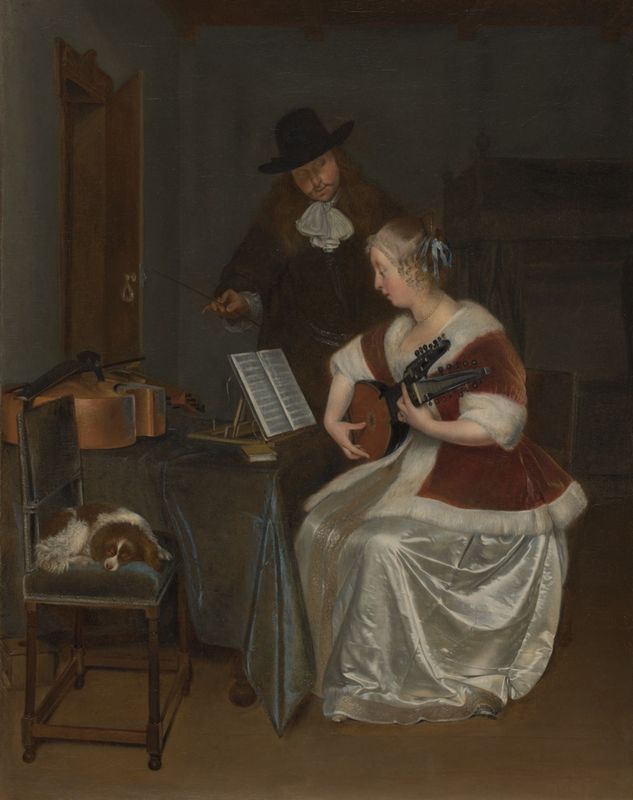
The Music Lesson
Gerard ter Borch the Younger · 1670 · Art Institute of Chicago
 Same era · 1640s–1670s
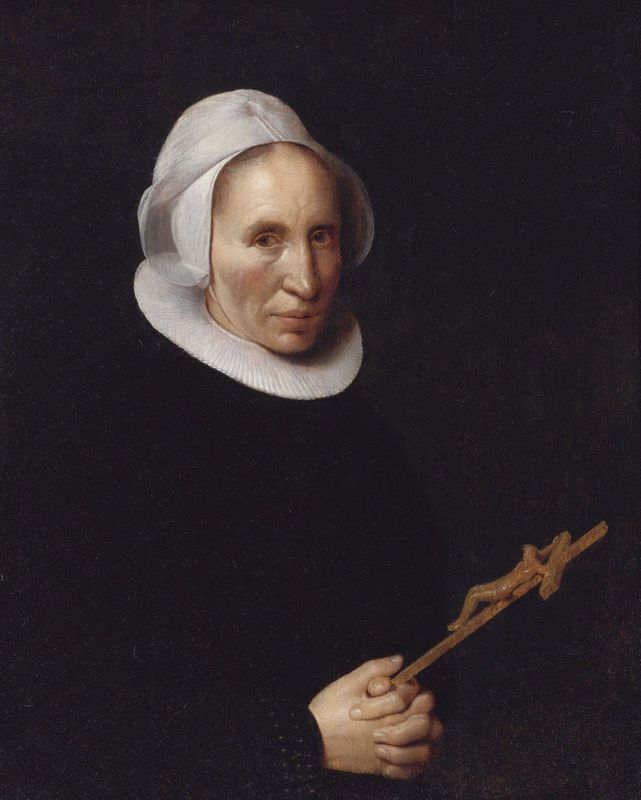
A lady holding a crucifix
Willem van der Vliet · 1650
 Same era · 1640s–1670s
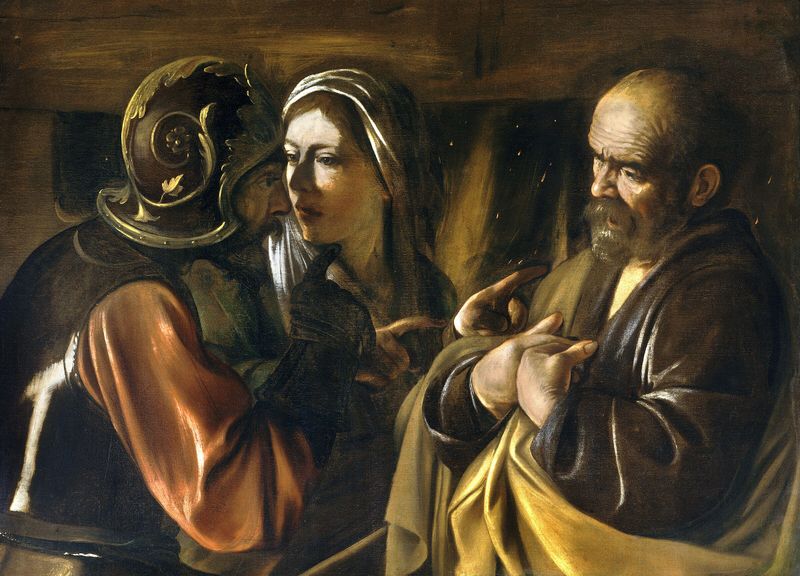
The Denial of Saint Peter
Georges de La Tour · 1650 · Nantes Museum of Arts
 Same era · 1640s–1670s
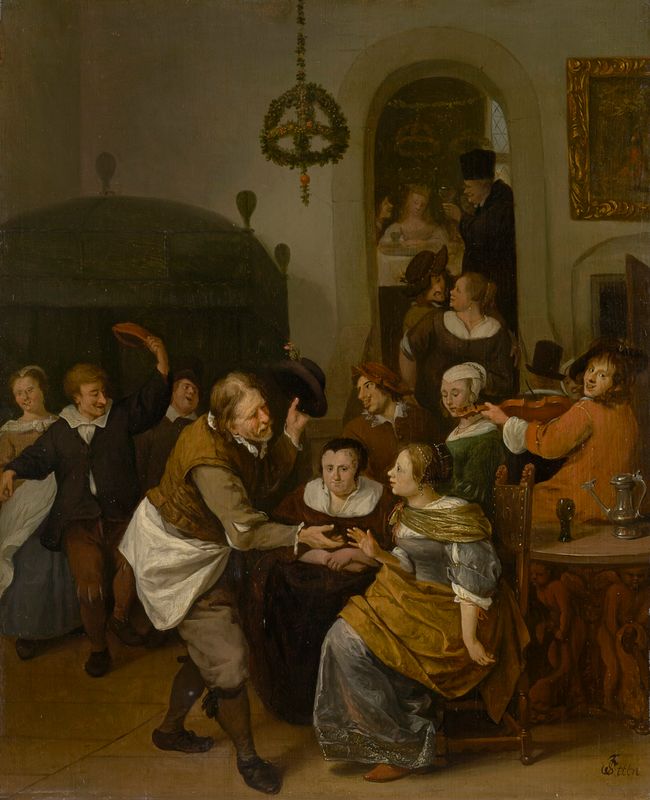
The wedding party
Jan Steen · 1660 · Museum Boijmans Van Beuningen
 Same era · 1640s–1670s
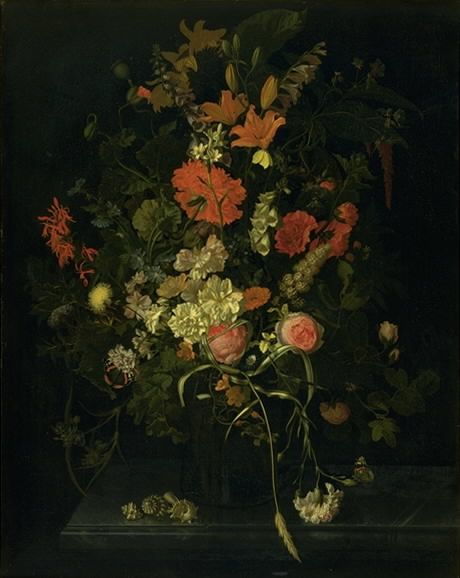
Bouquet of flowers in a glass vase
Jan van Kessel the Elder · 1659 · Suermondt-Ludwig-Museum
 Same era · 1640s–1670s
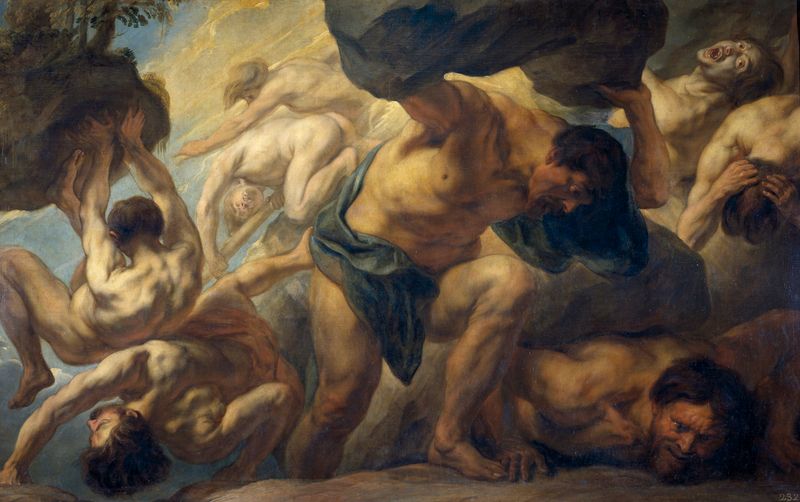
The Fall of the Giants
Jacob Jordaens · 1663 · Art Institute of Chicago
 Same era · 1640s–1670s
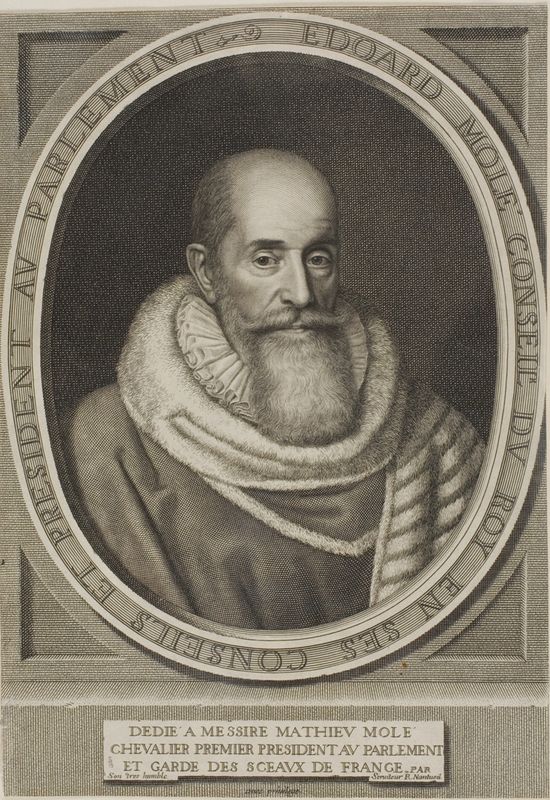
Portrait of Edouard Molé
Robert Nanteuil · 1653 · Art Institute of Chicago
 Same era · 1640s–1670s
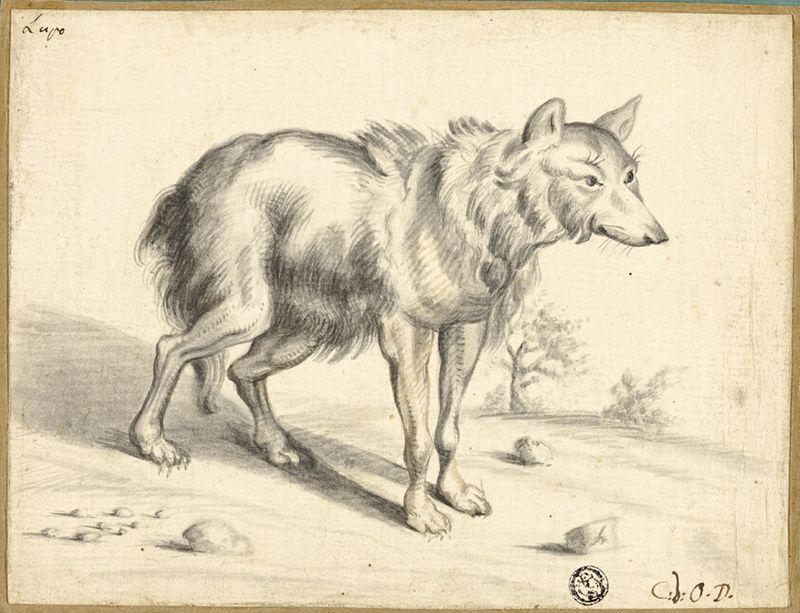
Wolf
Jan van Os · 1655 · Art Institute of Chicago