01
The wary face
Look at the narrow snout, slanted eyes and raised brows. The wolf seems alert and a bit uneasy, almost human in its expression.
1 of 5 on the painting

“This striking 17th-century drawing presents a powerful, solitary wolf with an intense gaze, rendered in delicate brush and wash. It offers a rare glimpse into an animal study by an artist who shares a name with a later, more famous still-life painter.”
A lone wolf strides through a sparse landscape, its gaze direct and intense. Rendered with brush and wash, the animal's powerful form is conveyed through subtle gradations of gray and brown, suggesting the texture of its fur and the underlying musculature. The artist, Jan van Os, captures the wolf in a moment of quiet focus, perhaps mid-hunt or surveying its territory. The delicate medium on ivory laid paper gives the scene an intimate, almost ephemeral quality, drawing the viewer closer to observe the creature's solitary presence. This drawing, created in 1655, predates the more commonly known Dutch flower and fruit still lifes associated with a later painter also named Jan van Os, highlighting a different artistic tradition of animal studies.
Five details hide in plain sight. Pick one and we’ll show you exactly where to look.
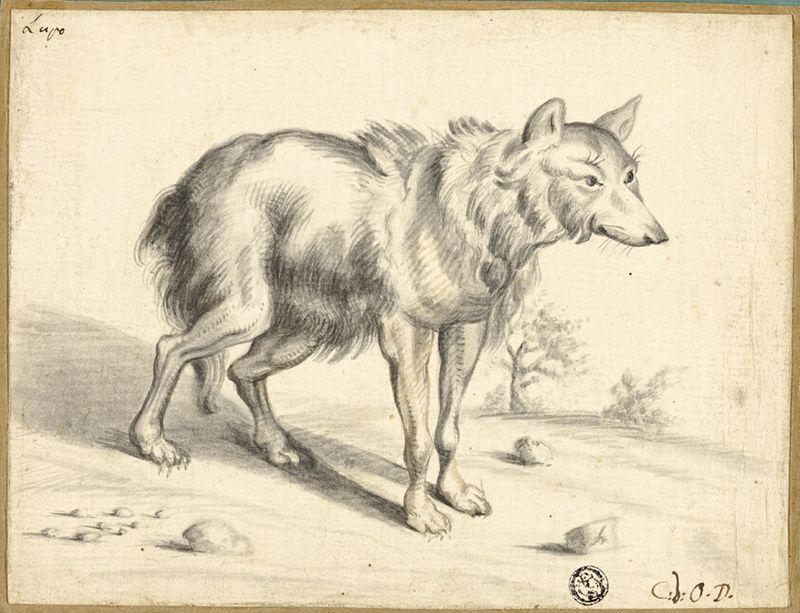
Look at the narrow snout, slanted eyes and raised brows. The wolf seems alert and a bit uneasy, almost human in its expression.
Loose, feathery strokes of gray wash build the thick fur at the neck and chest. The marks seem to follow the direction the hair grows.
The paws are drawn with carefully marked toes and visible claws. The back paw on the left and the front paws near the center show the same close attention.
A broad band of dark wash stretches behind the wolf's legs and across the slope. It anchors the animal to the ground and suggests light coming from the right.
At the top left, the word Lupo (Italian for wolf) is written in ink. At the bottom right are a handwritten inscription and a small round stamp.
The full narration walks you through Wolf — the story behind it, the details most visitors miss, and why it matters. Free in the Art Whisper app.
Jan van Os, a Dutch painter from a renowned artistic family, is celebrated for his vibrant fruit and flower still lifes.
Beyond van Os: works from the same years.
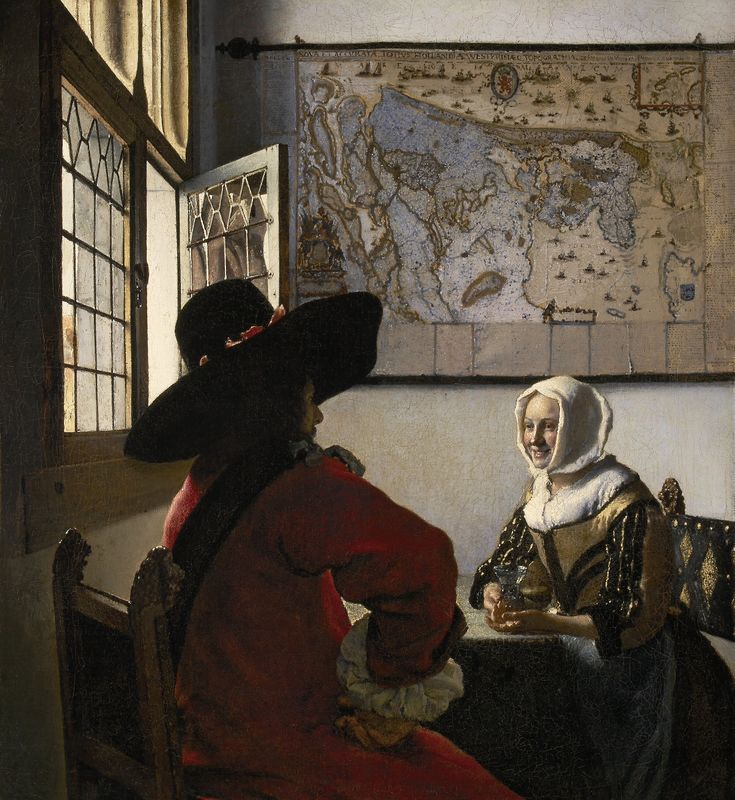 Same era · 1640s–1670s
Officer and Laughing Girl
Johannes Vermeer · 1658 · The Frick Collection
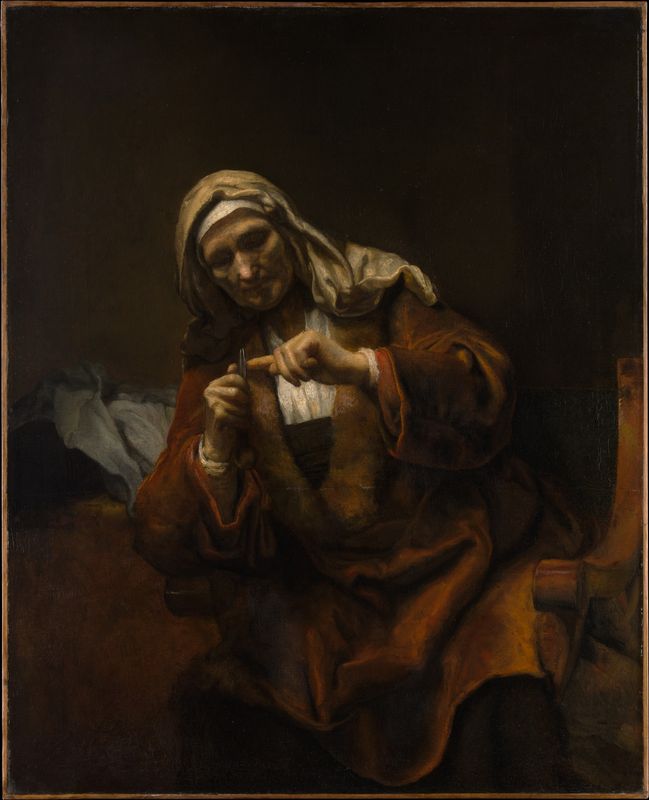 Same era · 1640s–1670s
Old Woman Cutting Her Nails
Rembrandt · 1655 · The Metropolitan Museum of Art
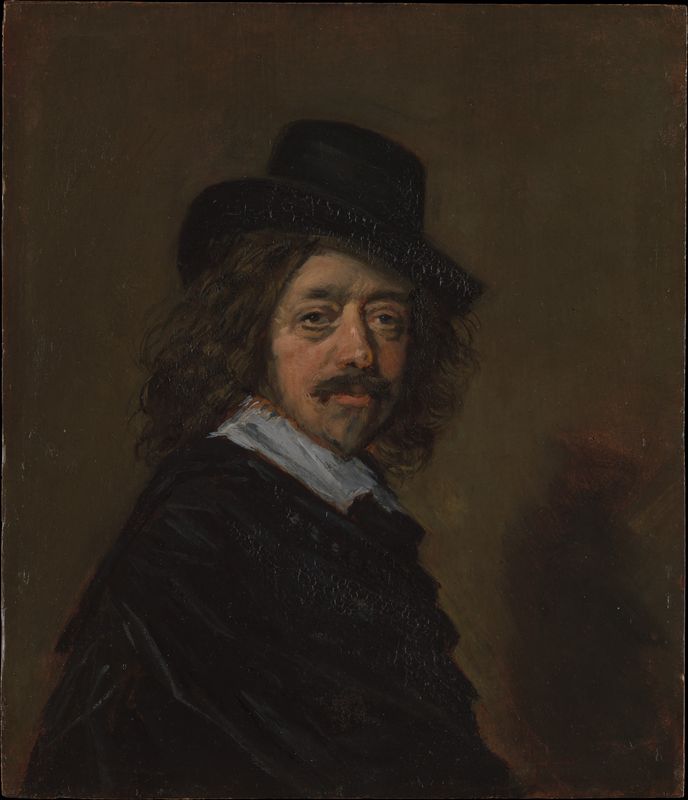 Same era · 1640s–1670s
Frans Hals (1582/83–1666)
Frans Hals · 1650 · The Metropolitan Museum of Art
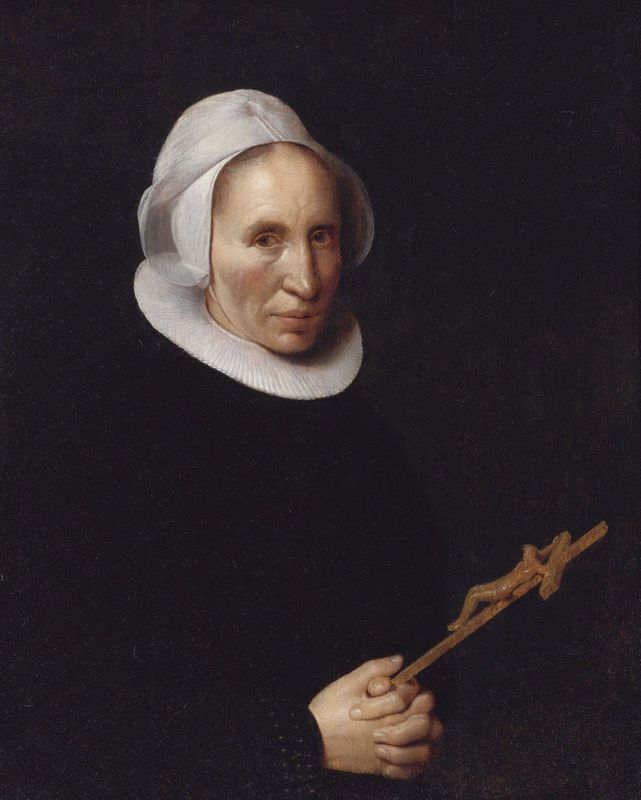 Same era · 1640s–1670s
A lady holding a crucifix
Willem van der Vliet · 1650
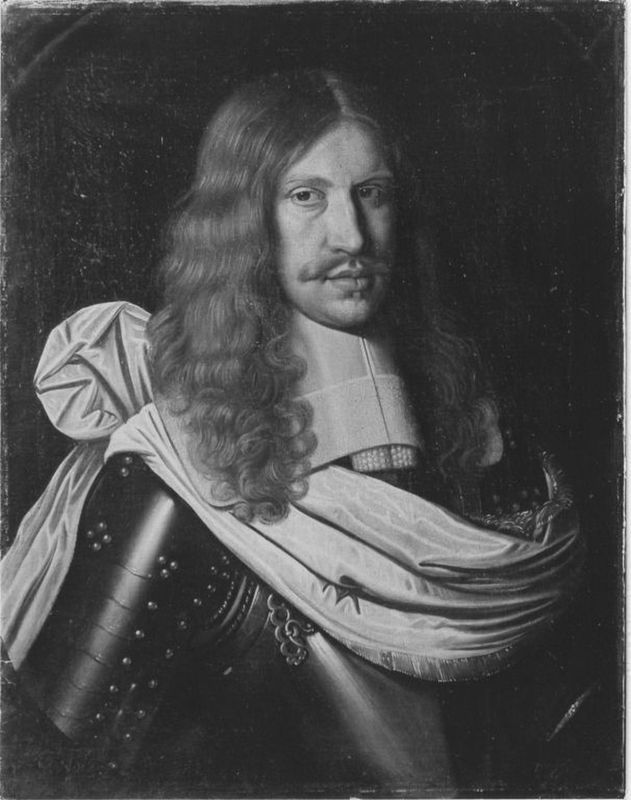 Same era · 1640s–1670s
portrait of Count Ludwig VI. von Hessen-Darmstadt
Salomon Duarte · 1660 · Bavarian State Painting Collections
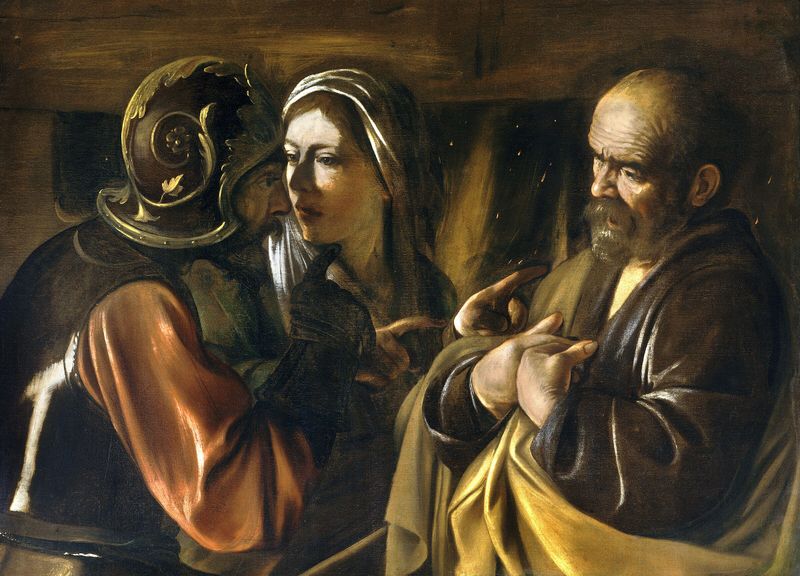 Same era · 1640s–1670s
The Denial of Saint Peter
Georges de La Tour · 1650 · Nantes Museum of Arts
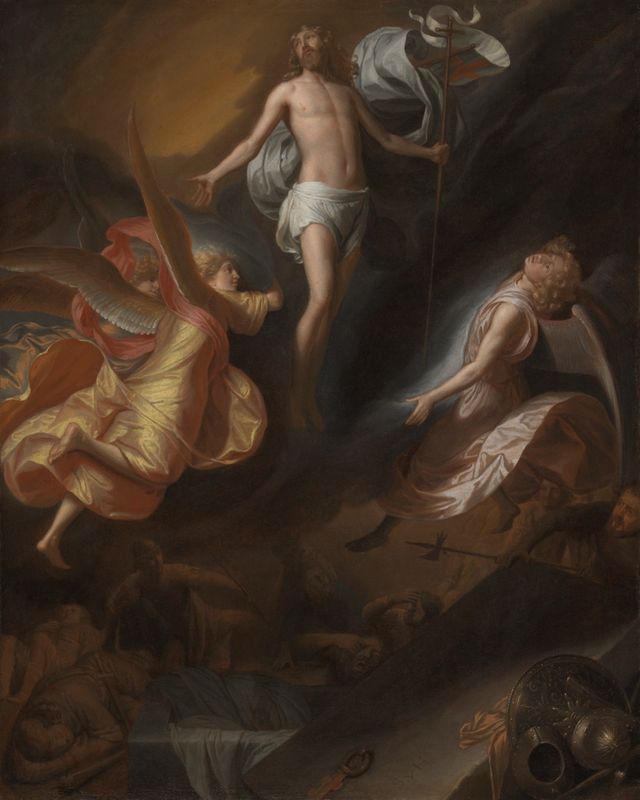 Same era · 1640s–1670s
Resurrection of Christ
Samuel van Hoogstraten · 1665 · Art Institute of Chicago
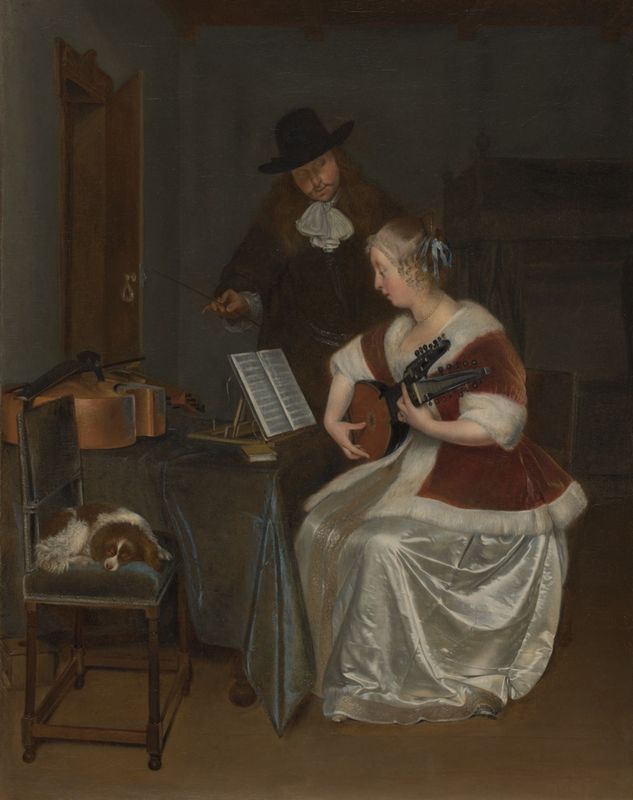 Same era · 1640s–1670s
The Music Lesson
Gerard ter Borch the Younger · 1670 · Art Institute of Chicago
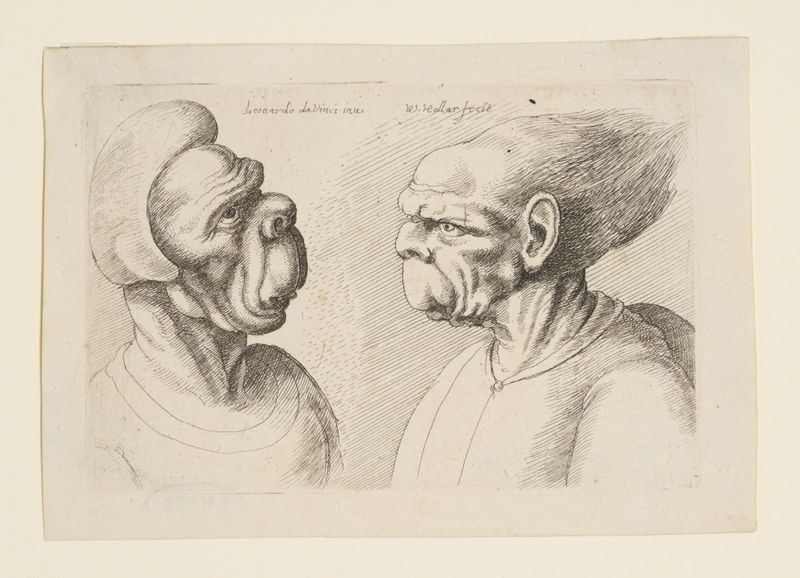 Same era · 1640s–1670s
Two Deformed Heads with Very Long Upper Lips
Leonardo da Vinci · 1645 · The Metropolitan Museum of Art
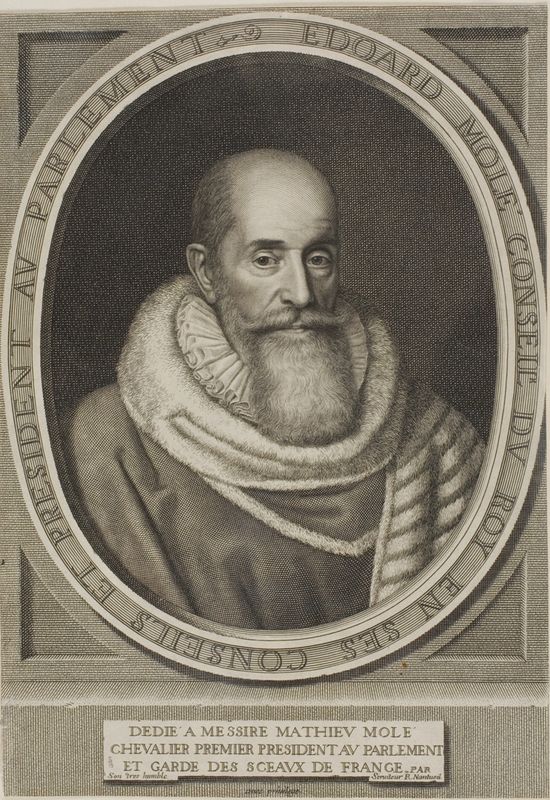 Same era · 1640s–1670s
Portrait of Edouard Molé
Robert Nanteuil · 1653 · Art Institute of Chicago
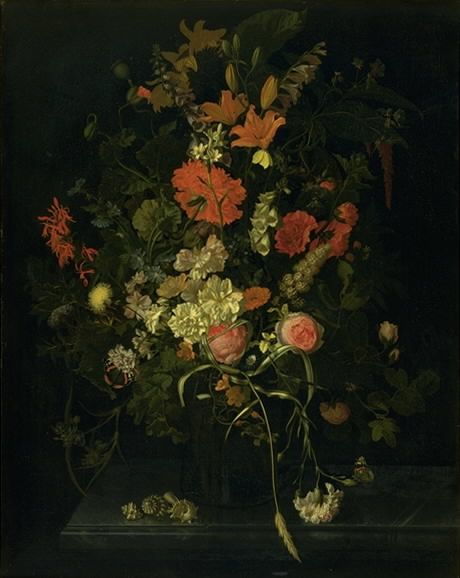 Same era · 1640s–1670s
Bouquet of flowers in a glass vase
Jan van Kessel the Elder · 1659 · Suermondt-Ludwig-Museum
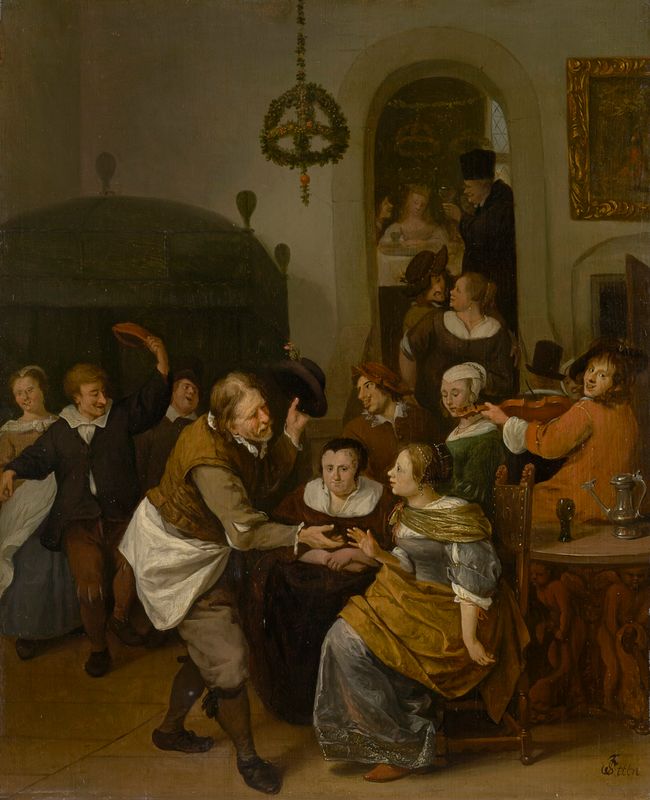 Same era · 1640s–1670s
The wedding party
Jan Steen · 1660 · Museum Boijmans Van Beuningen
