
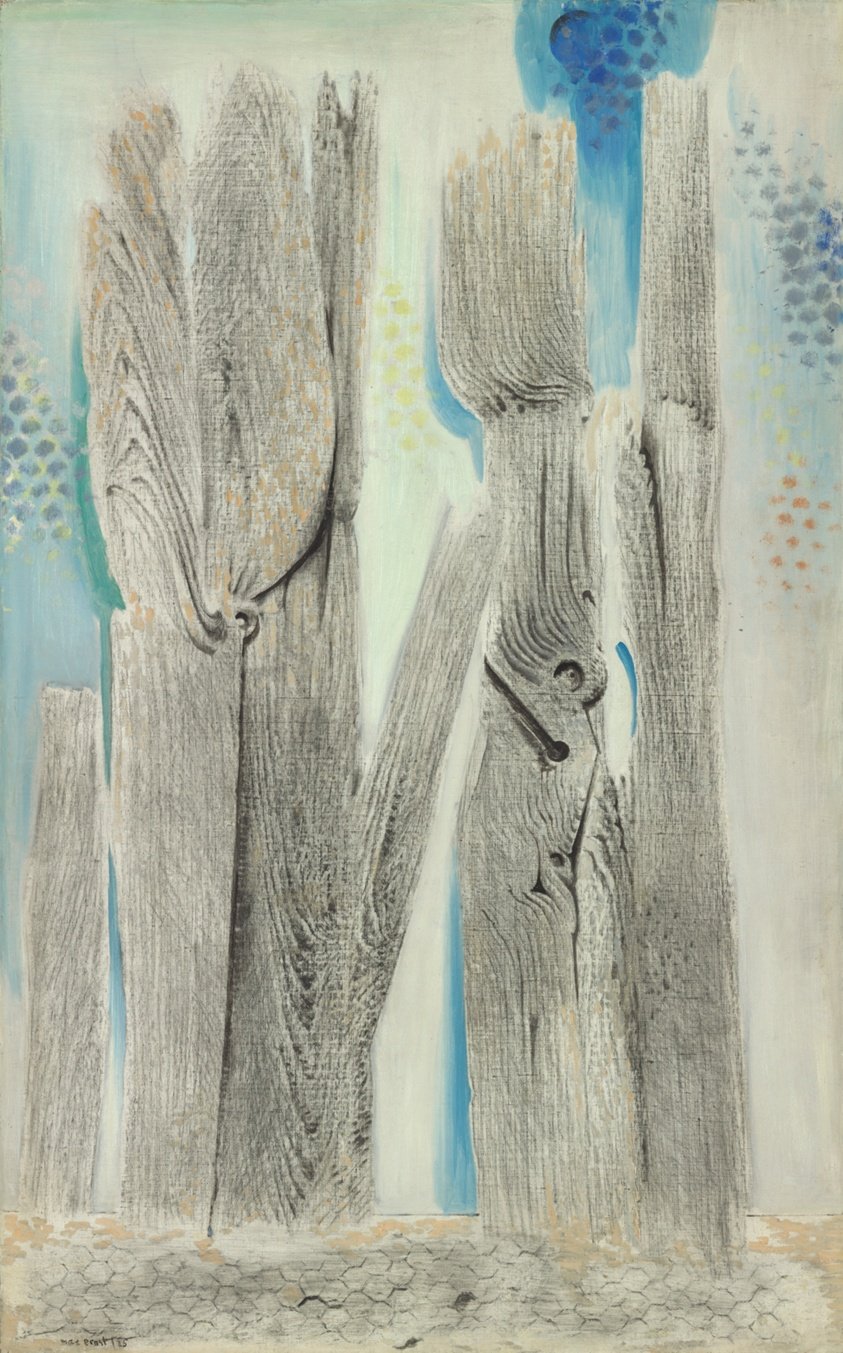
“Step into a dreamlike world where Max Ernst's innovative rubbing technique transforms a forest into a glowing, mysterious landscape that blurs the line between reality and imagination.”
In Max Ernst's "The Blue Forest," a dense, otherworldly landscape unfolds, dominated by towering, skeletal trees rendered in deep blues and grays. The forest floor appears to glow with an inner light, casting an eerie luminescence upward through the gnarled branches. This work, painted in 1925, emerges from the Surrealist movement, which sought to explore the subconscious mind and dream imagery. The technique used here, known as frottage (a rubbing technique), creates a textured, almost organic surface, suggesting forms that are both familiar and entirely alien. It evokes a sense of both wonder and unease, inviting viewers to step into a dreamscape where nature is transformed into something mysterious and profound. The overall effect is one of a primeval, enchanted realm, where the boundaries between reality and imagination blur.
- Artist
- Max Ernst
- Date
- 1925
- Medium
- Oil on canvas
- Location
- Art Institute of Chicago
What to Notice
Five details hide in plain sight. Here’s where to look.
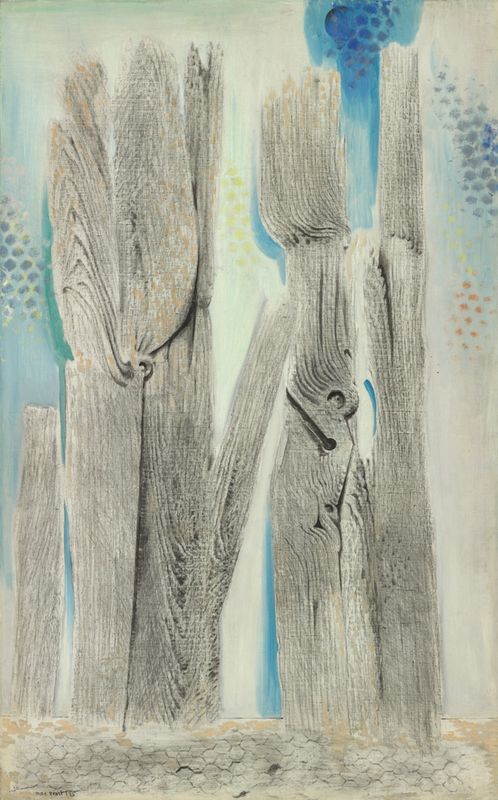
The intricate, almost lace-like patterns on the tree trunks.
The glowing, ethereal light emanating from the forest floor.
The way the branches seem to interlock, forming a canopy.
The subtle variations in blue and gray that define the forms.
1 more detail is waiting.
See all 5 in Art Whisper →Stand in front of it and listen
The full narration walks you through The Blue Forest — the story behind it, the details most visitors miss, and why it matters. Free in the Art Whisper app.
Max Ernst
1891–1976 · CubaMax Ernst, a pioneer of Dada and Surrealism, invented techniques like frottage and grattage, transforming everyday textures into visionary art.
Further Works by Ernst
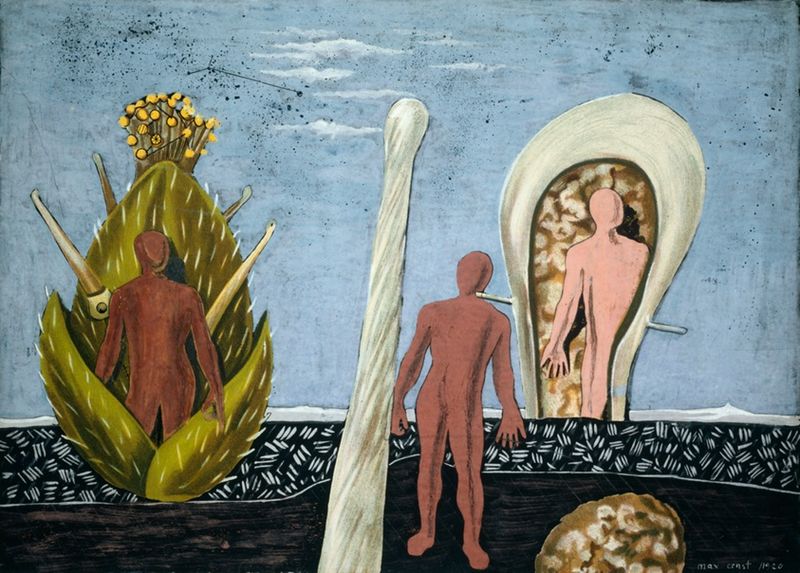 Dada Gauguin
1920 · Art Institute of Chicago
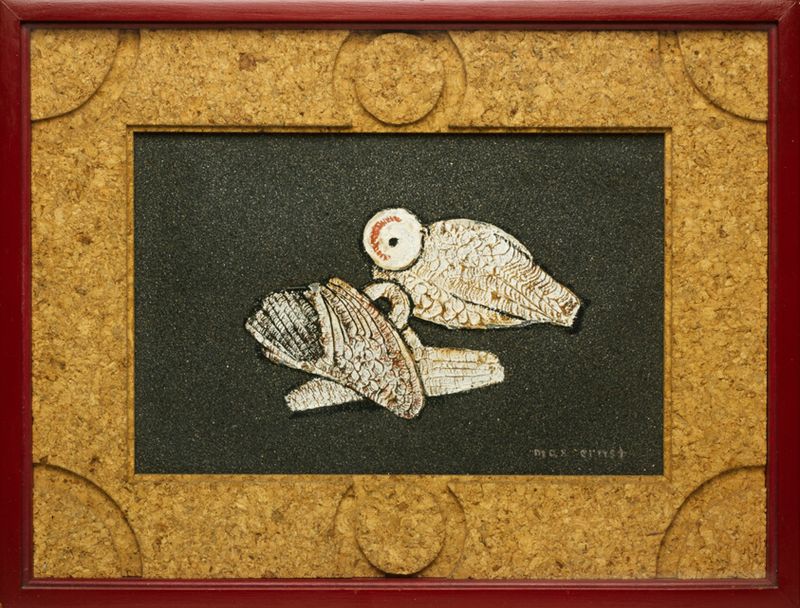 Untitled (Birds)
1924 · Art Institute of Chicago
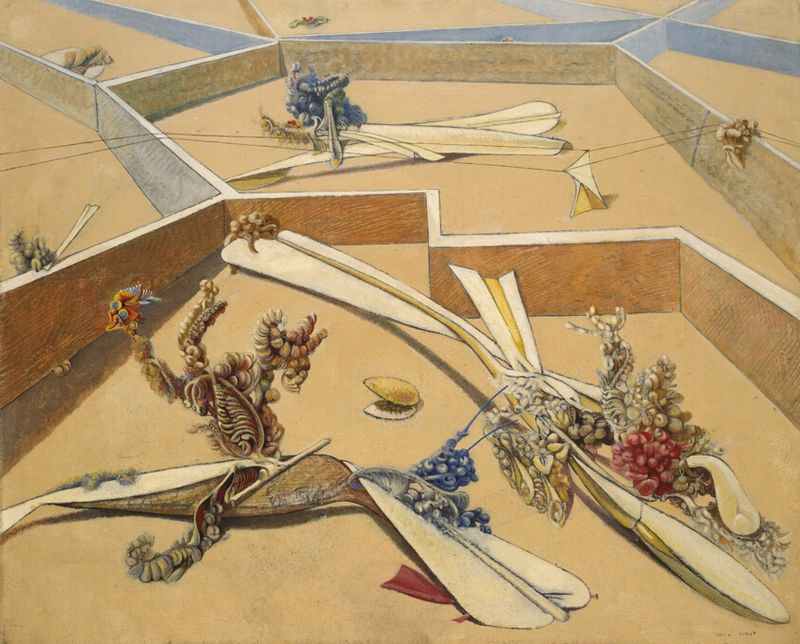 Garden Airplane-Trap
1935 · Art Institute of Chicago
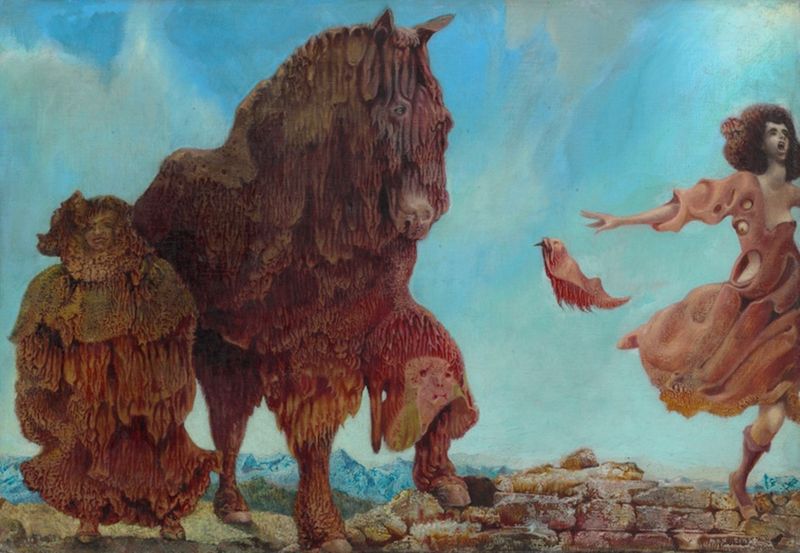 Spanish Physician
1940 · Art Institute of Chicago
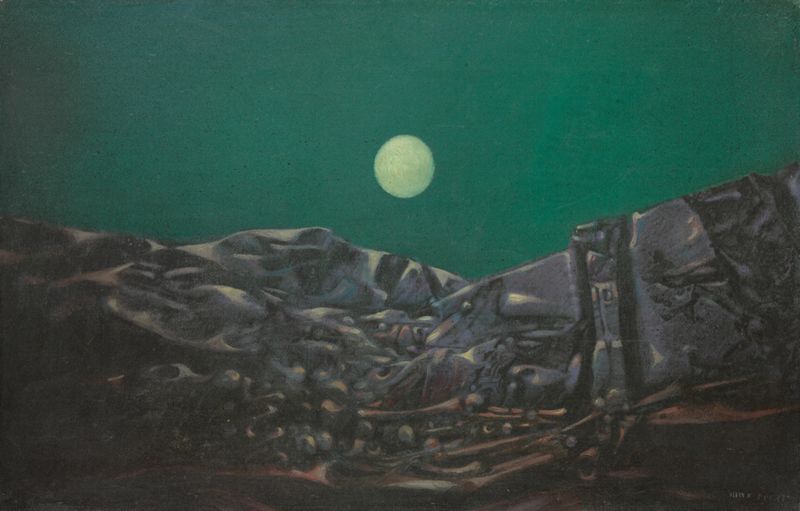 Summer Night in Arizona
1944 · Art Institute of Chicago
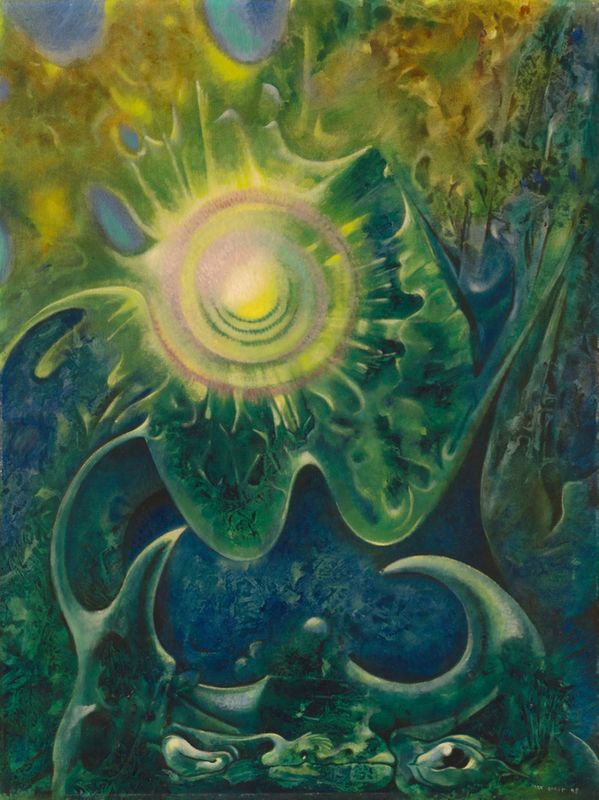 Halleluiah
1948 · Art Institute of Chicago
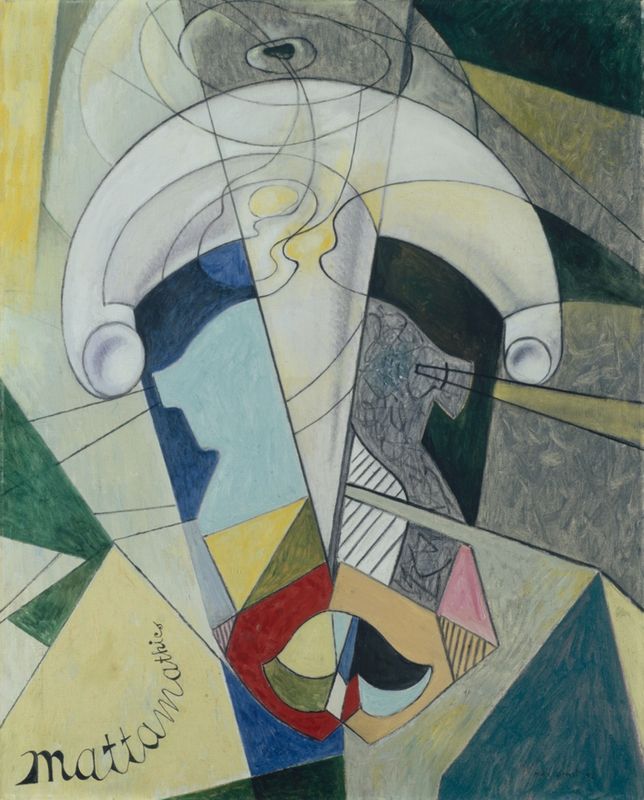 Mattamathics
1948 · Art Institute of Chicago
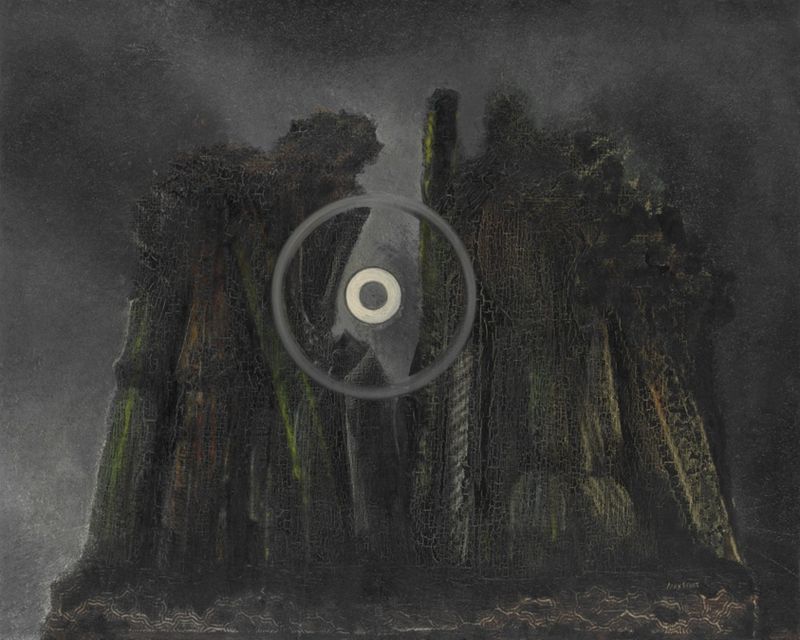 Forest and Sun
National Gallery of Victoria
More from Surrealism
More works to explore
Beyond Ernst and Surrealism: works from the same years.
 Same era · 1910s–1940s
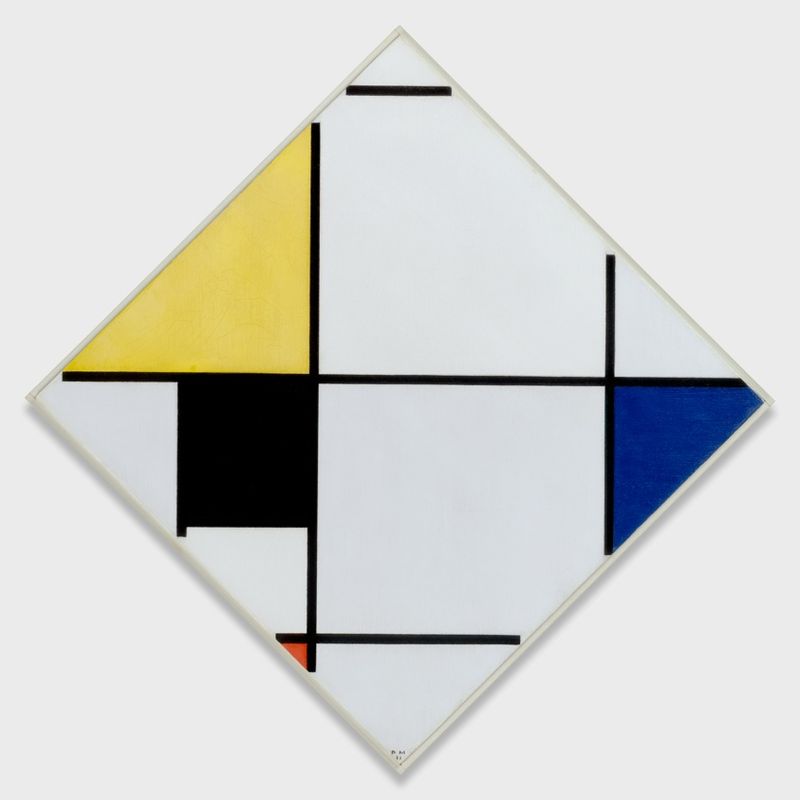
Lozenge Composition with Yellow, Black, Blue, Red, and Gray
Piet Mondrian · 1921 · Art Institute of Chicago
 Same era · 1910s–1940s
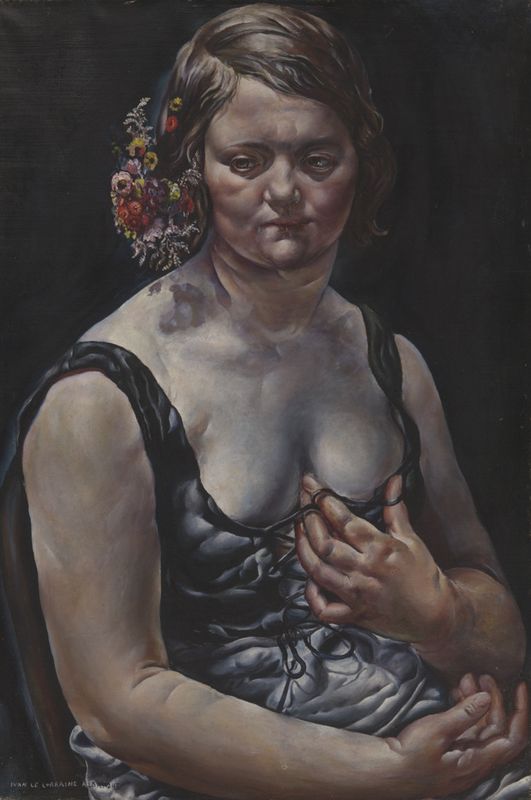
Memories of the Past
Ivan Puni · 1927 · Art Institute of Chicago
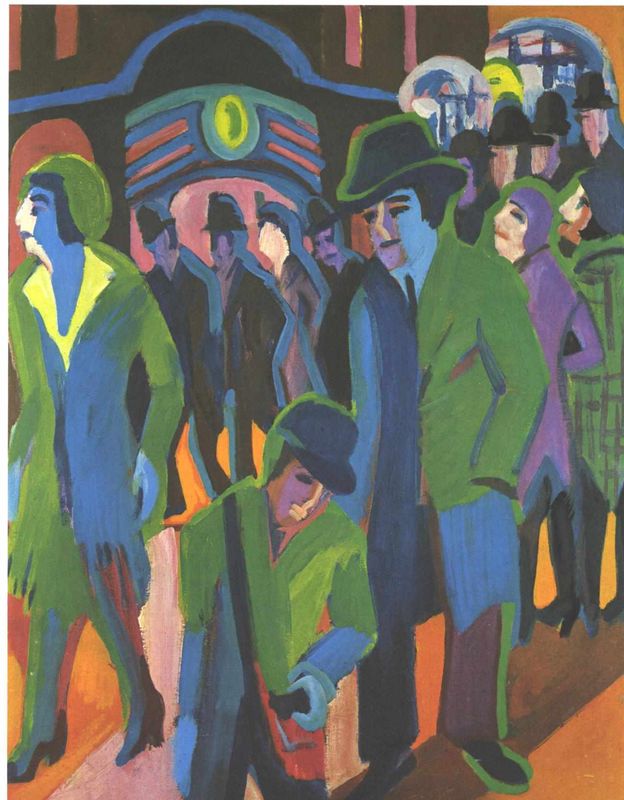 Same era · 1910s–1940s
Straße mit Passanten bei Nachtbeleuchtung
Ernst Ludwig Kirchner · 1927 · Museum Frieder Burda
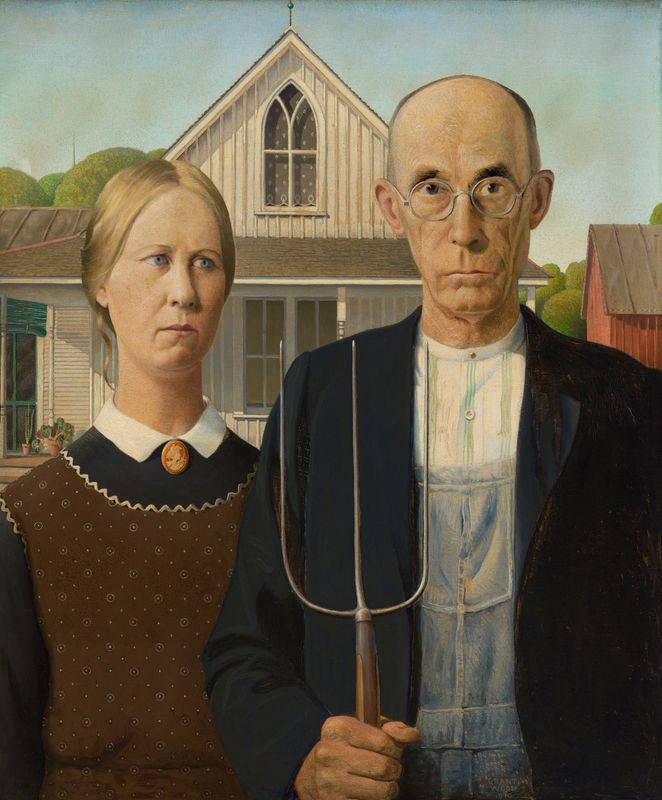 Same era · 1910s–1940s
American Gothic
Okada Saburosuke · 1930 · Art Institute of Chicago
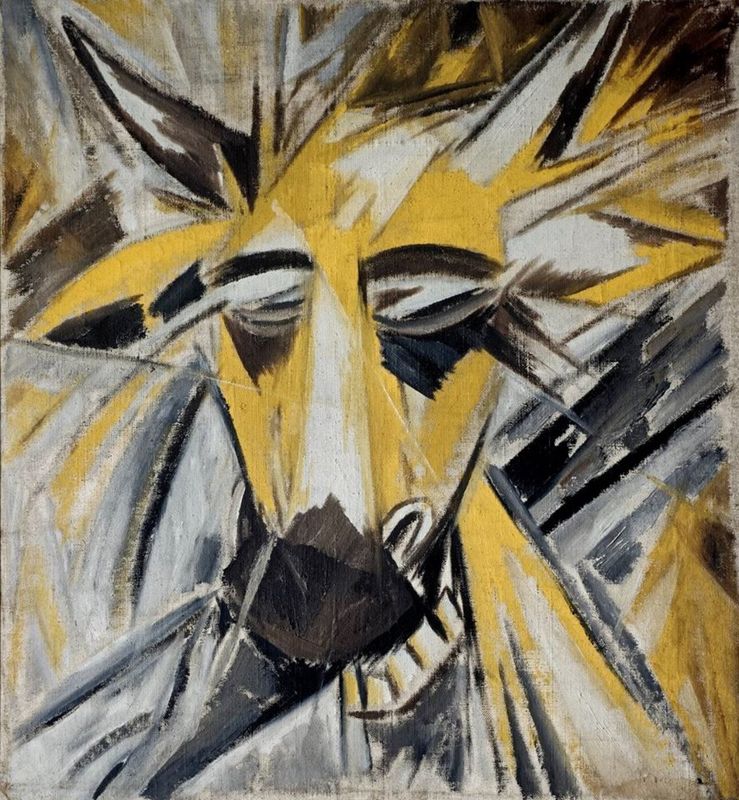 Same era · 1910s–1940s
Bull's Head
Mikhail Larionov · 1913 · Tretyakov Gallery
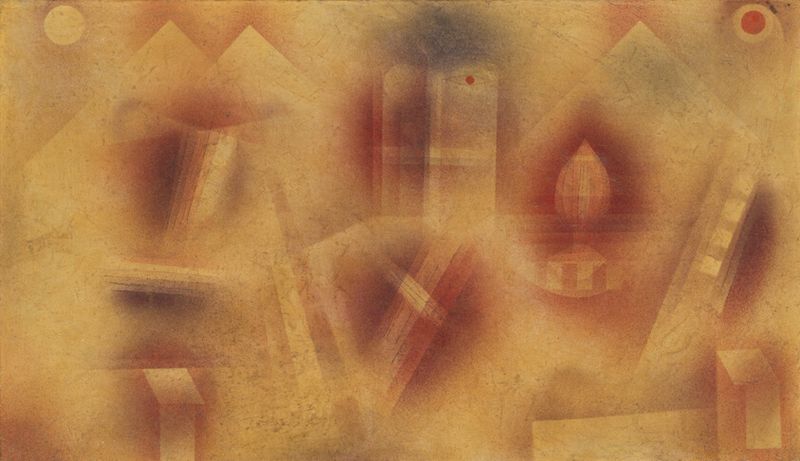 Same era · 1910s–1940s
Still Life with Fragments
Paul Klee · 1925 · Art Institute of Chicago
 Same era · 1910s–1940s
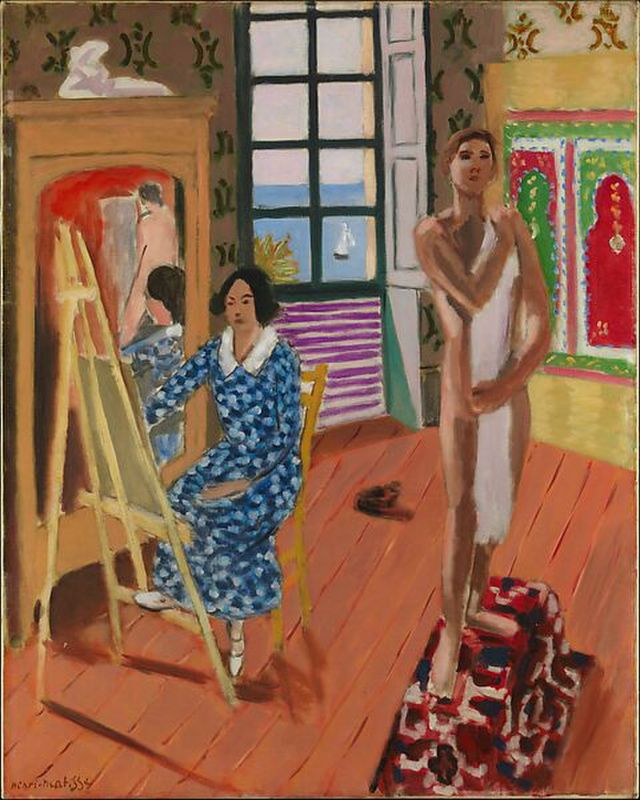
The Three O'Clock Sitting
Henri Matisse · 1924 · The Metropolitan Museum of Art
 Same era · 1910s–1940s
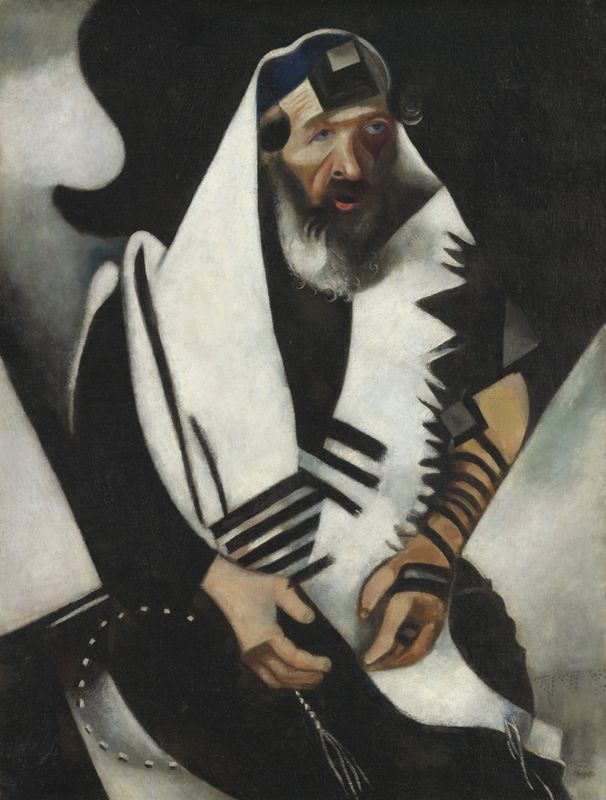
The Praying Jew
Marc Chagall · 1923 · Art Institute of Chicago
 Same era · 1910s–1940s
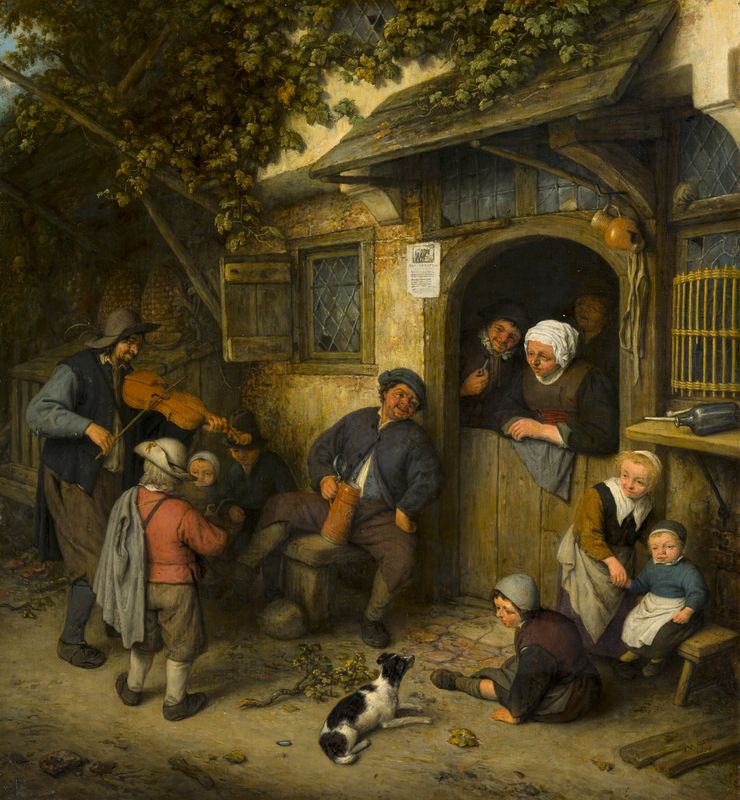
The Fiddler
Norman Rockwell · 1921 · Brandywine Museum of Art
 Same era · 1910s–1940s
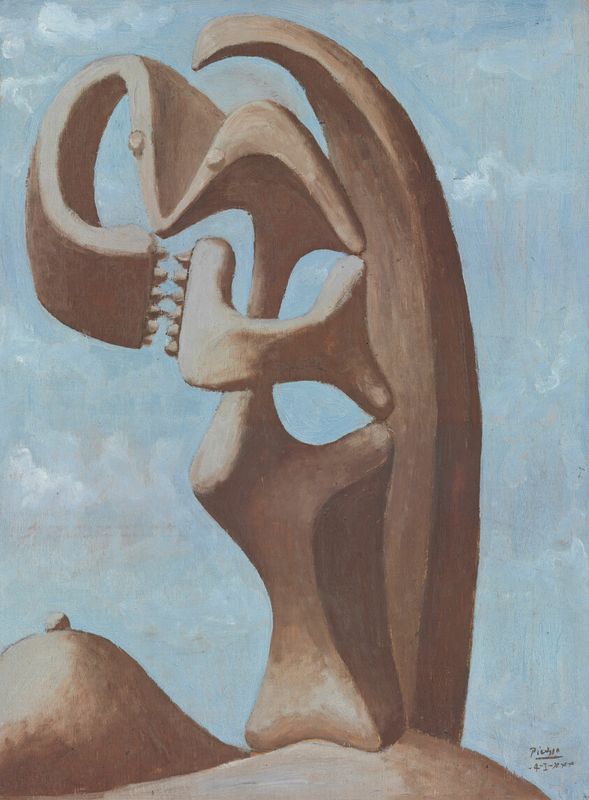
Abstraction: Background with Blue Cloudy Sky
Pablo Picasso · 1930 · Art Institute of Chicago
 Same era · 1910s–1940s
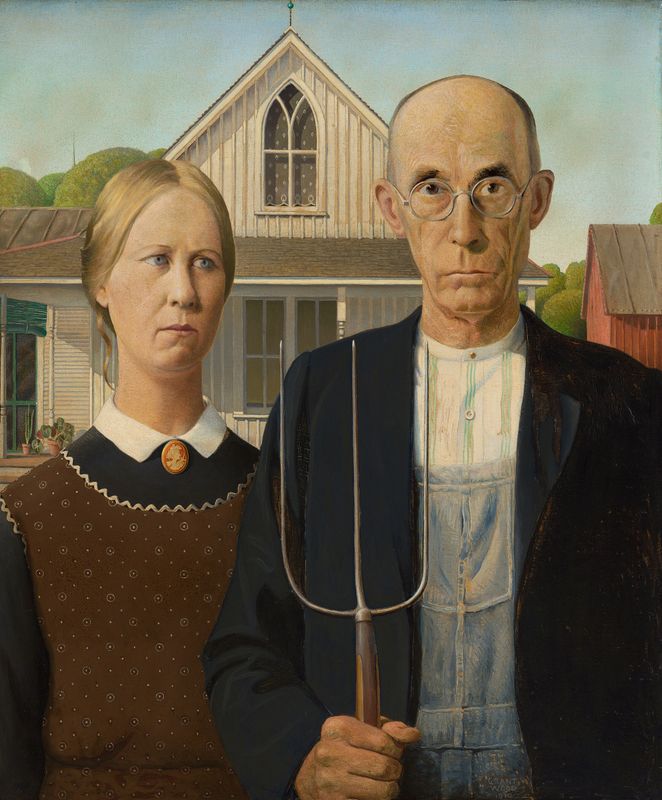
American Gothic
Grant Wood · 1930 · Art Institute of Chicago
 Same era · 1910s–1940s
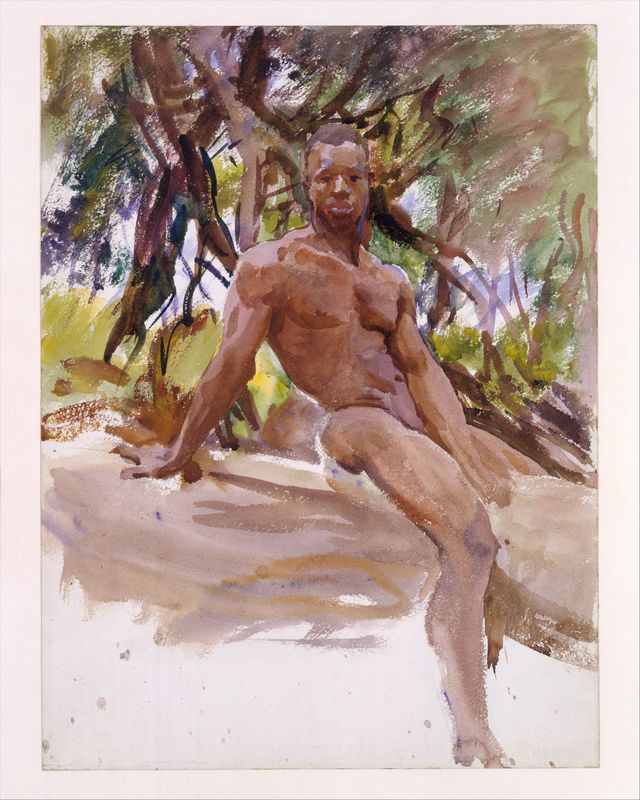
Man and Trees, Florida
John Singer Sargent · 1917 · The Metropolitan Museum of Art