01
The glowing awning
Look at the big yellow awning and wall on the left. Van Gogh makes lamplight feel solid, a warm glow thick enough to lean on.
1 of 5 on the painting
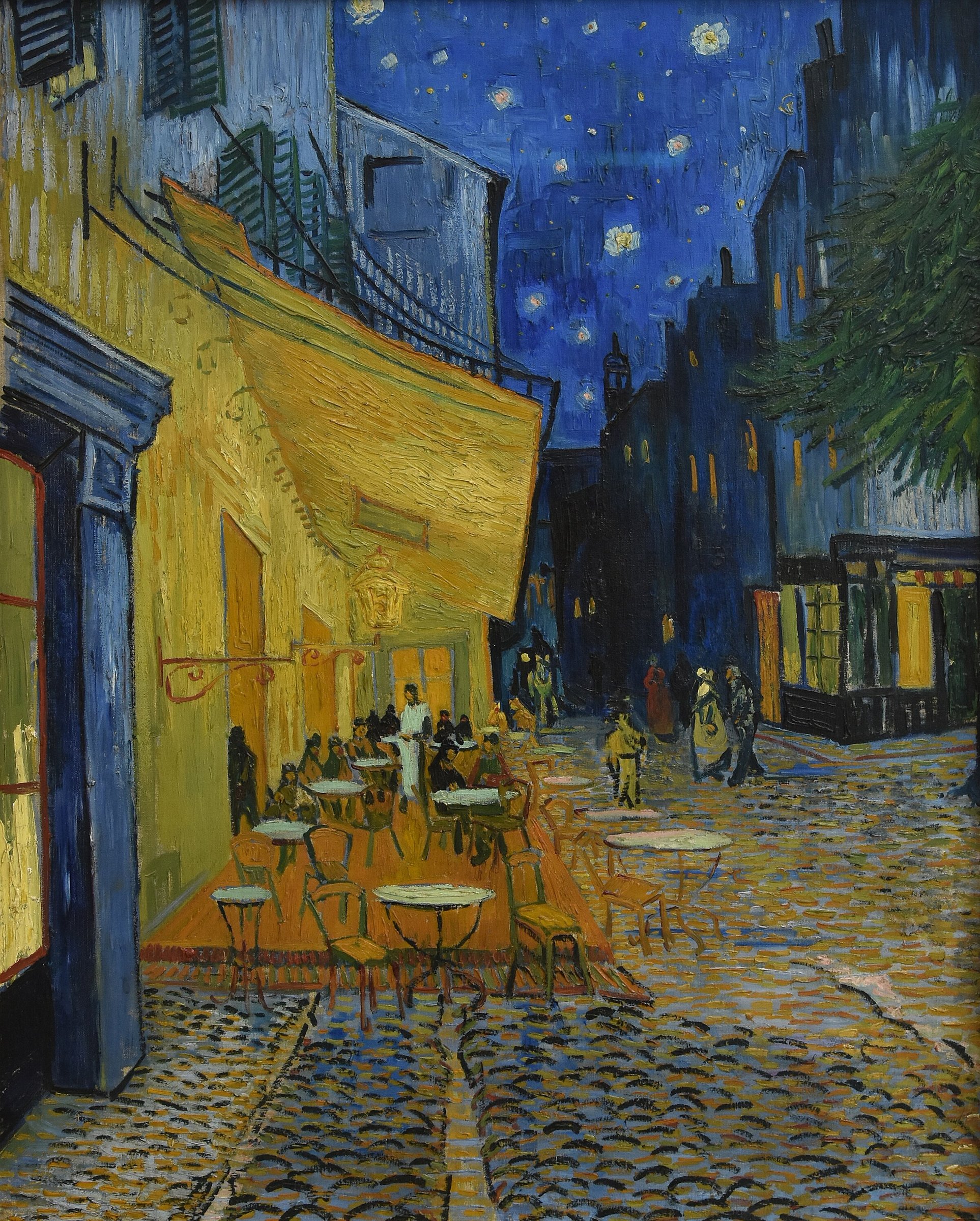
“This painting revolutionizes how night is depicted, using vibrant yellows and blues instead of traditional black to capture the dazzling effect of gaslight on a café terrace in Arles.”
The vivid yellow glow of a gaslit café terrace spills onto the cobblestone street in Van Gogh's 1888 painting, capturing a moment of bustling night life in Arles, France. He painted this scene directly on the spot, preferring to work at night to observe the true colors of artificial light and shadow. The sky above is a deep, starry blue, a stark contrast to the conventional black often used for night scenes at the time. This work offers a unique perspective on night, where the absence of black allows for a rich interplay of blues, violets, and greens, with the café's light rendered in pale sulfur and lemon green. Visitors to Arles can still stand at the north-eastern corner of the Place du Forum, where Van Gogh set up his easel, and imagine the artist observing this very view.
Five details hide in plain sight. Pick one and we’ll show you exactly where to look.
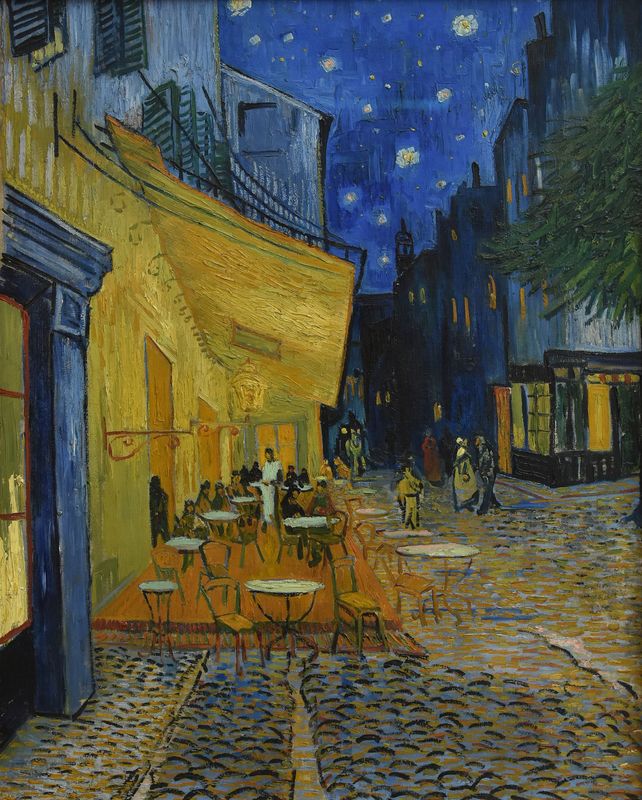
Look at the big yellow awning and wall on the left. Van Gogh makes lamplight feel solid, a warm glow thick enough to lean on.
Find the white-coated figure standing among the tables, most likely a waiter. He is small, yet the brightest figure on the terrace, so he draws the eye.
Down in the street, the paving is built from short curved dabs of blue, orange and cream. They shimmer like wet stones under the lamplight.
Up top, the stars burst as flowery, glowing blobs of yellow and white. The sky is a deep, rich blue, and Van Gogh built the night from color rather than black.
The street narrows into the dark blue buildings, with just a few lit windows. This pulls your eye away from the café deep into the night.
The full narration walks you through Café Terrace at Night — the story behind it, the details most visitors miss, and why it matters. Free in the Art Whisper app.
Vincent van Gogh, whose vibrant brushwork and bold colors transformed landscapes and portraits, created 2,100 artworks in just over a decade.
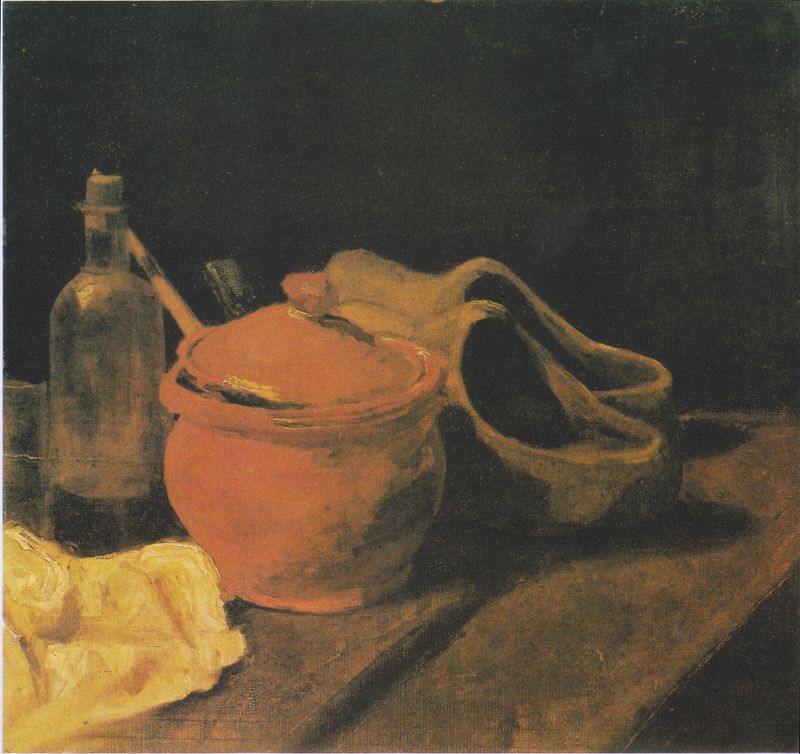 Still Life with Clogs
1881 · Kröller-Müller Museum
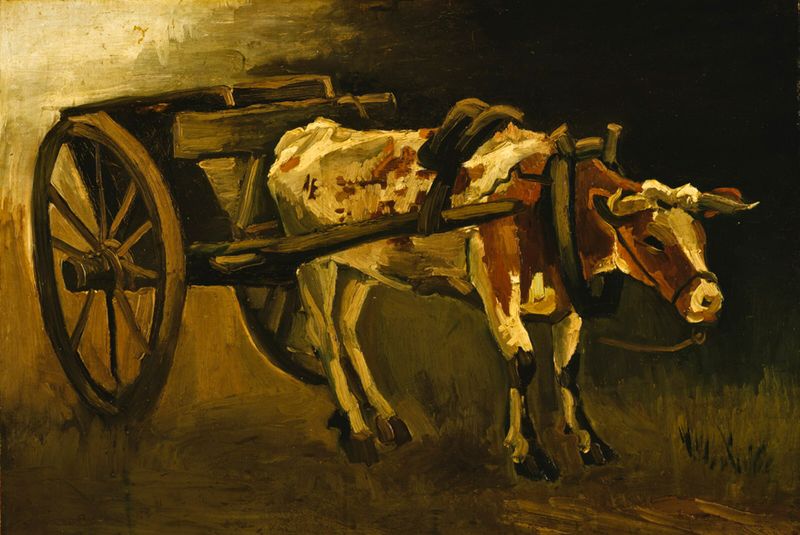 Cart with Red and White Ox
1884 · Kröller-Müller Museum
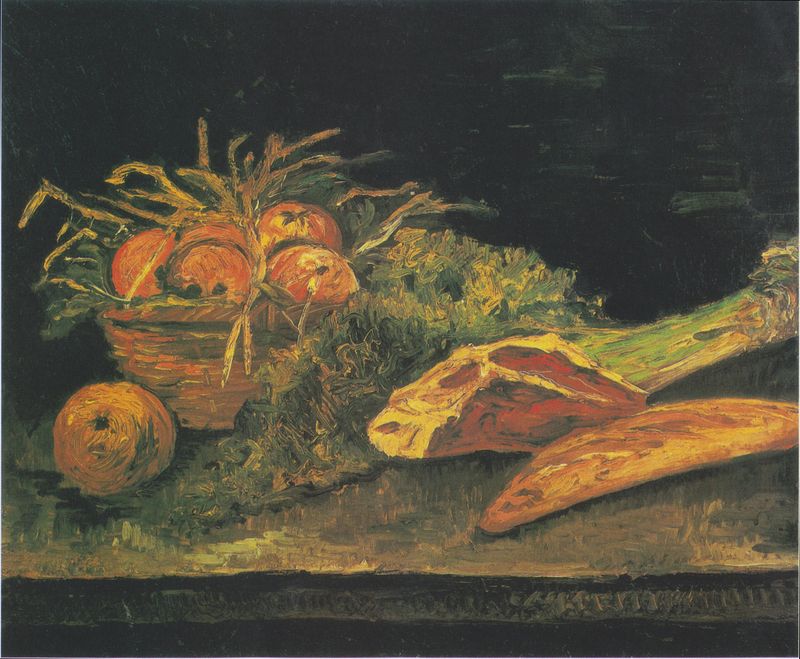 Still Life with Apple Basket, Meat and Bread Rolls
1886 · Kröller-Müller Museum
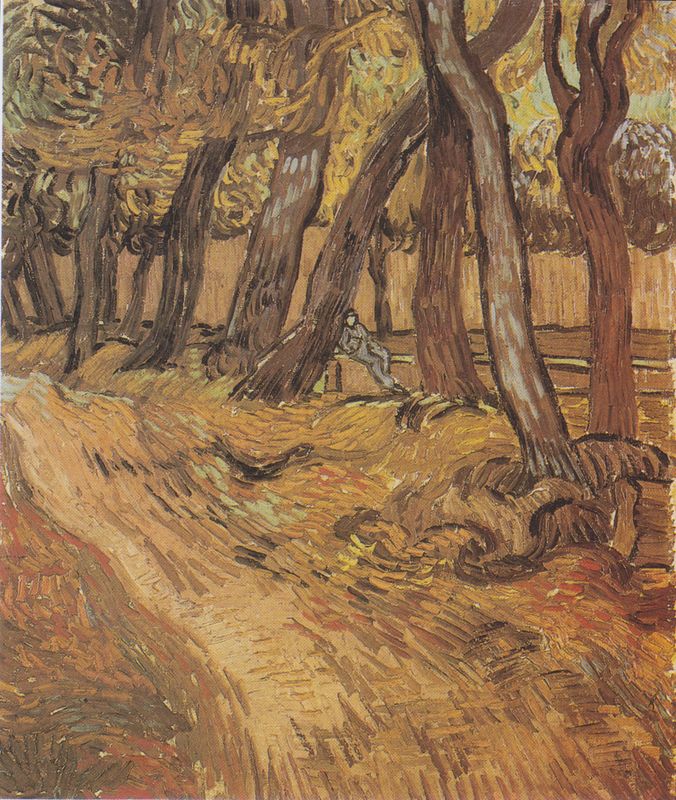 Garden of Saint-Paul Hospital with Figure, The
1889 · Kröller-Müller Museum
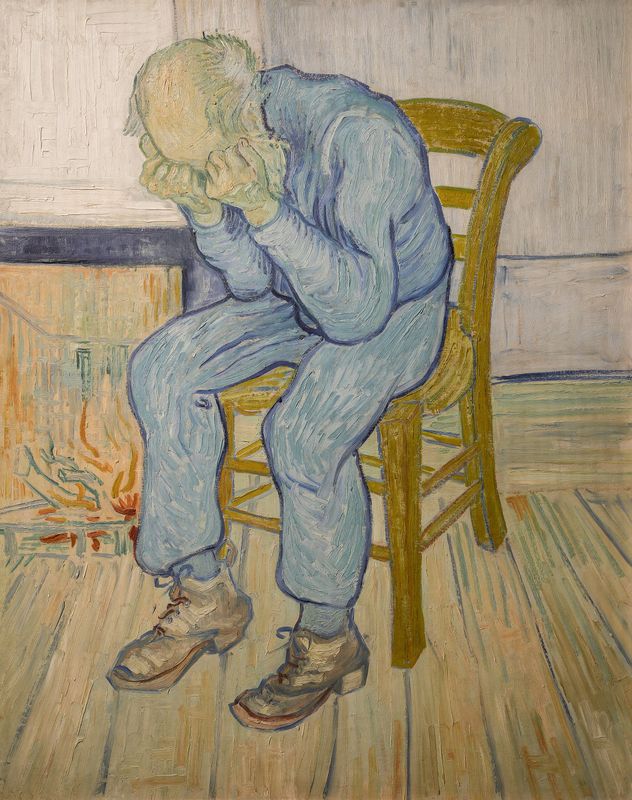 At Eternity's Gate
1890 · Kröller-Müller Museum
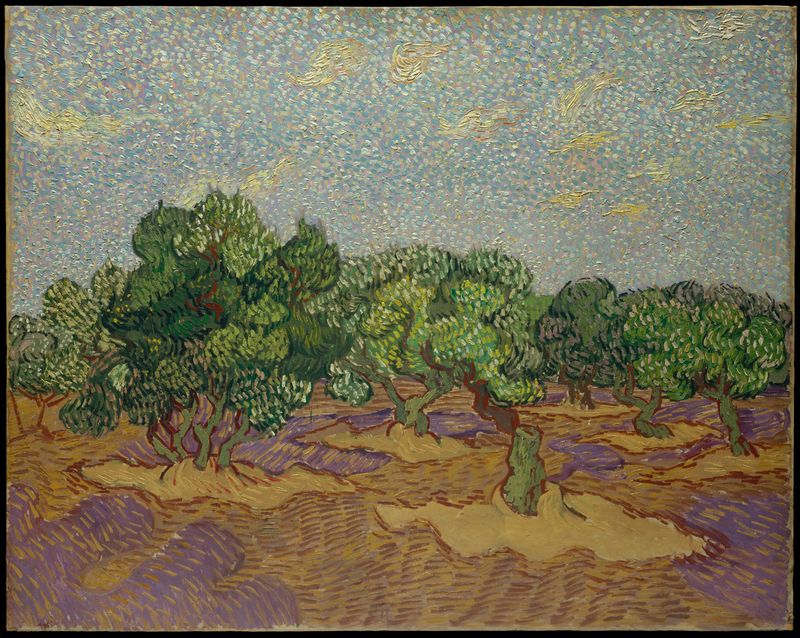 Olive Trees
1853 · The Metropolitan Museum of Art
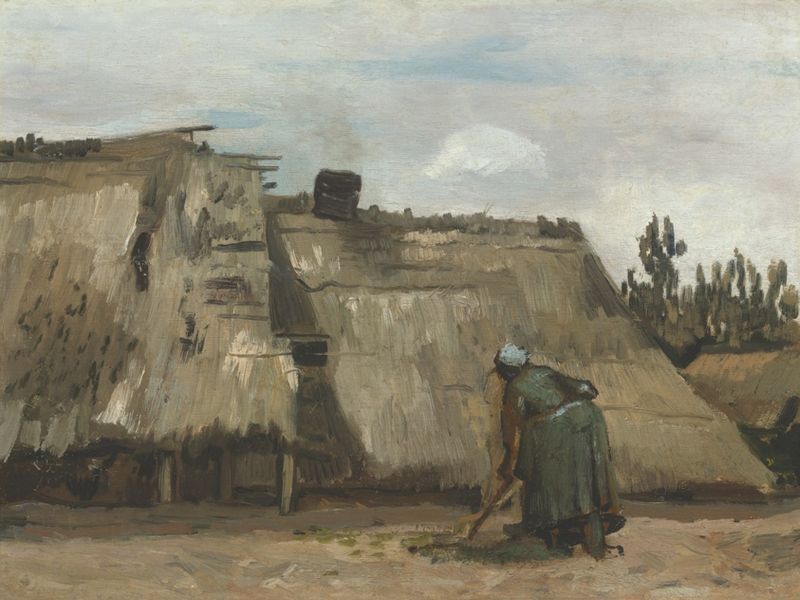 A Peasant Woman Digging in Front of Her Cottage
1880 · Art Institute of Chicago
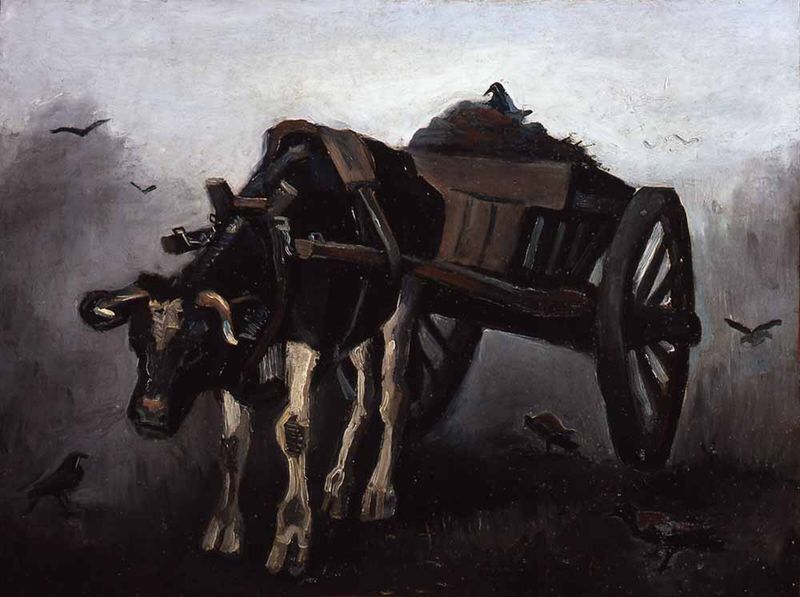 Cart with Black Ox
1884 · Portland Art Museum
Beyond van Gogh and Expressionism: works from the same years, and from the other movements Café Terrace at Night belongs to.
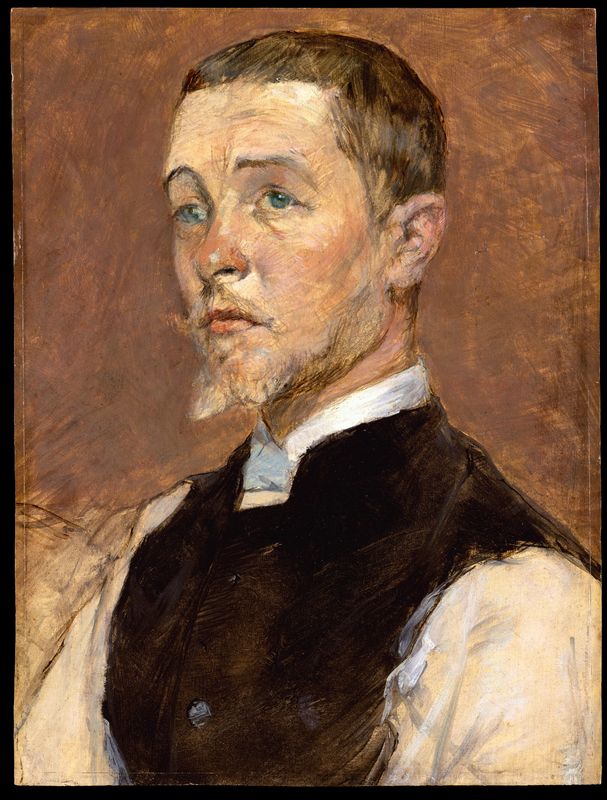 Same movement · Post-Impressionism
Albert (René) Grenier (1858–1925)
Henri de Toulouse-Lautrec · 1887 · The Metropolitan Museum of Art
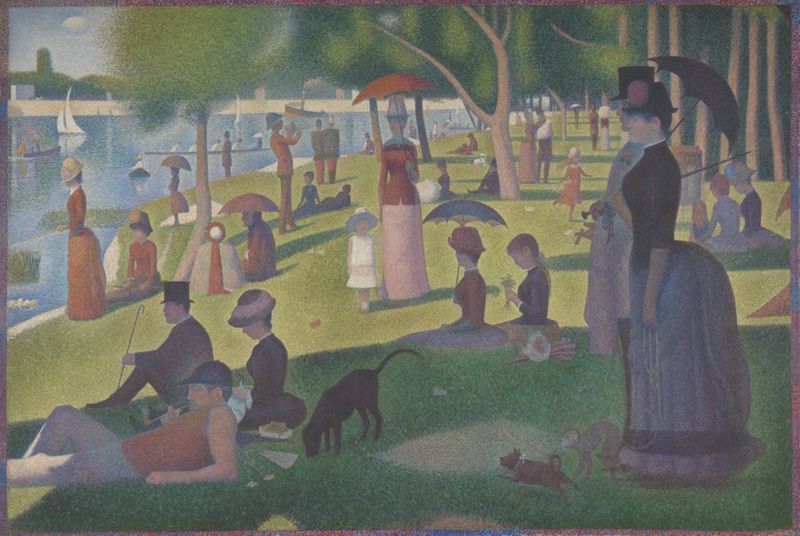 Same era · 1870s–1900s
A Sunday on La Grande Jatte — 1884
Okada Saburosuke · 1884 · Art Institute of Chicago
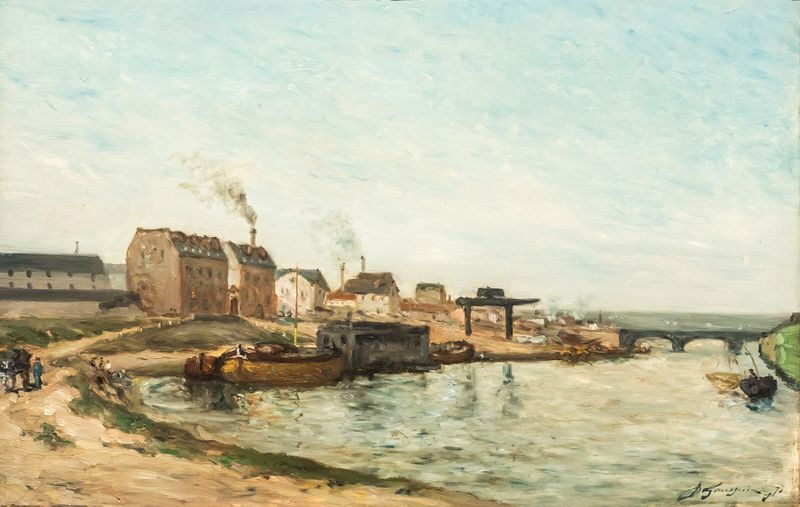 Same movement · Post-Impressionism
The Seine at Pont de Grenelle
Paul Gauguin · 1875 · Wallraf–Richartz Museum
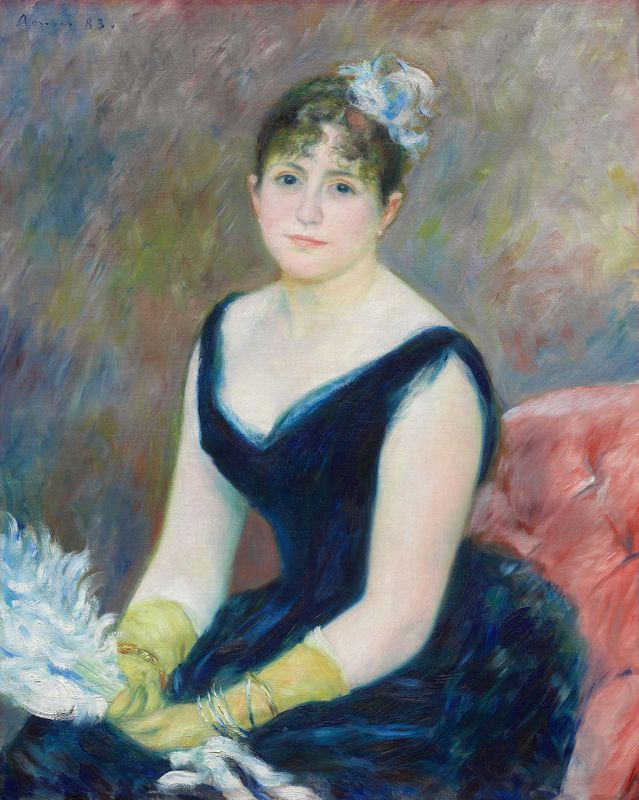 Same era · 1870s–1900s
Madame Léon Clapisson
Léon-Victor Dupré · 1883 · Art Institute of Chicago
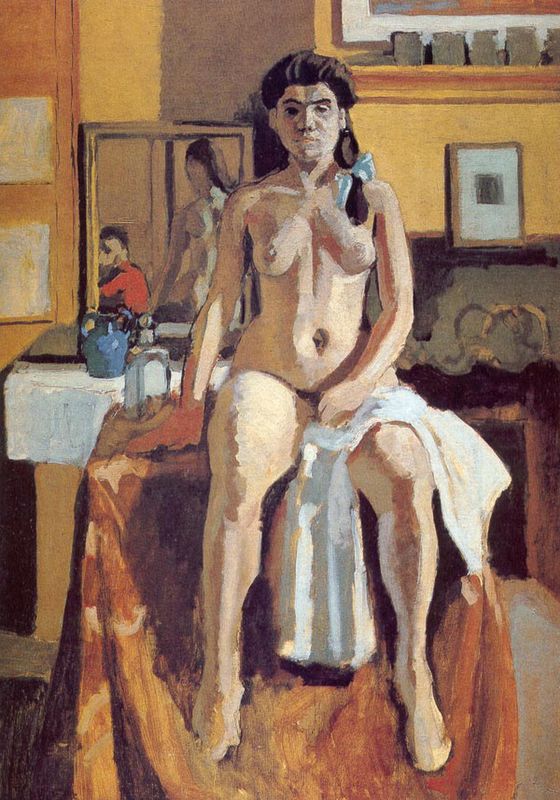 Same movement · Post-Impressionism
Carmelina
Henri Matisse · 1903 · Museum of Fine Arts Boston
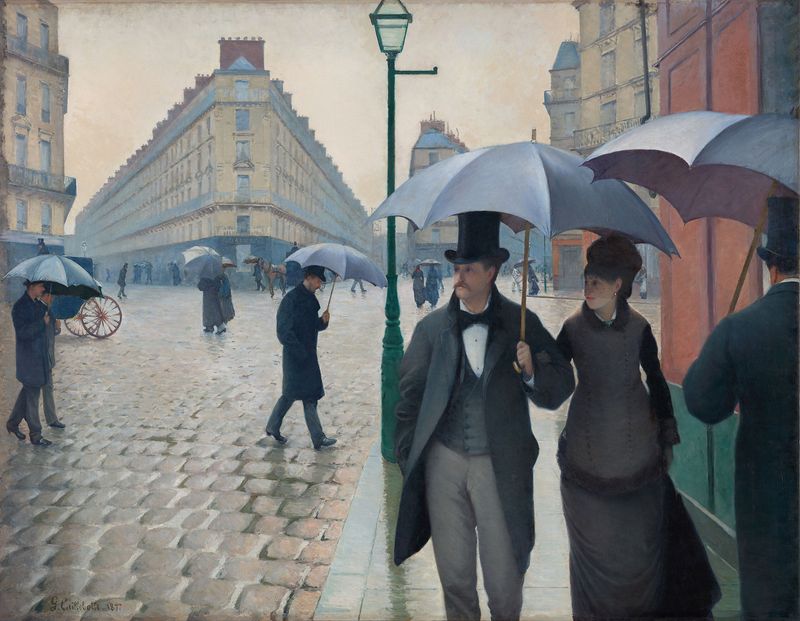 Same era · 1870s–1900s
Paris Street; Rainy Day
Kawabata Gyokushō · 1877 · Art Institute of Chicago
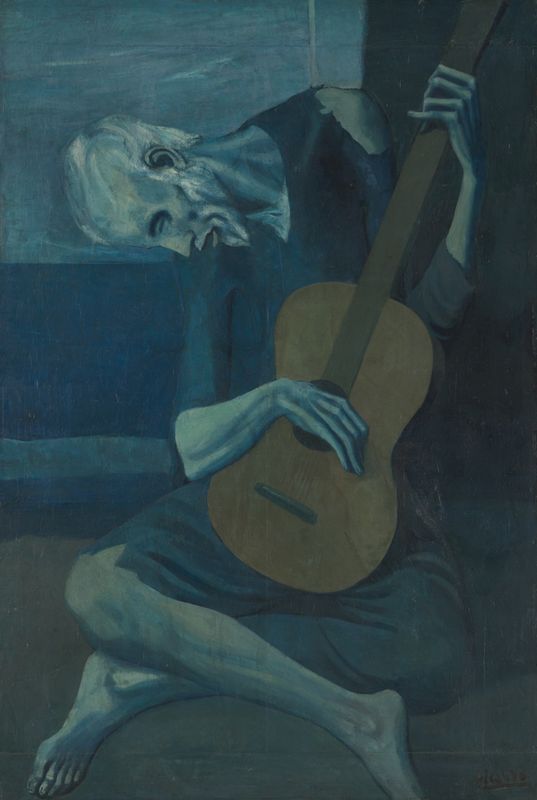 Same movement · Post-Impressionism
The Old Guitarist
Pablo Picasso · 1903 · Art Institute of Chicago
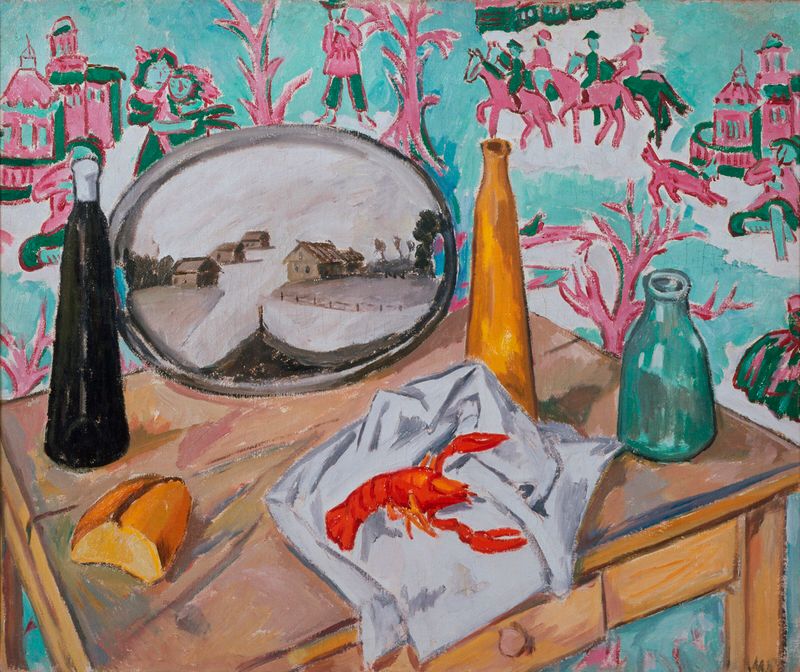 Same era · 1870s–1900s
Still Life with Crayfish
Mikhail Larionov · 1900 · Museum Ludwig
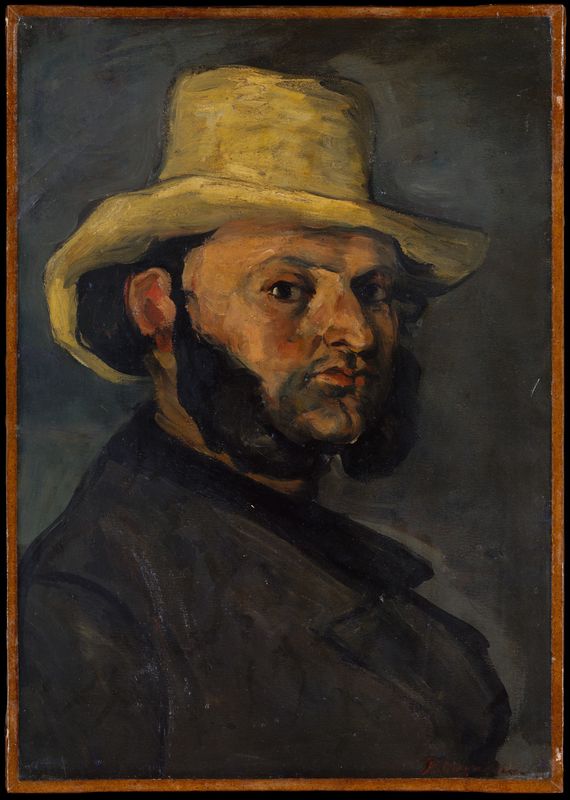 Same movement · Post-Impressionism
Gustave Boyer (b. 1840) in a Straw Hat
Paul Cézanne · 1870 · The Metropolitan Museum of Art
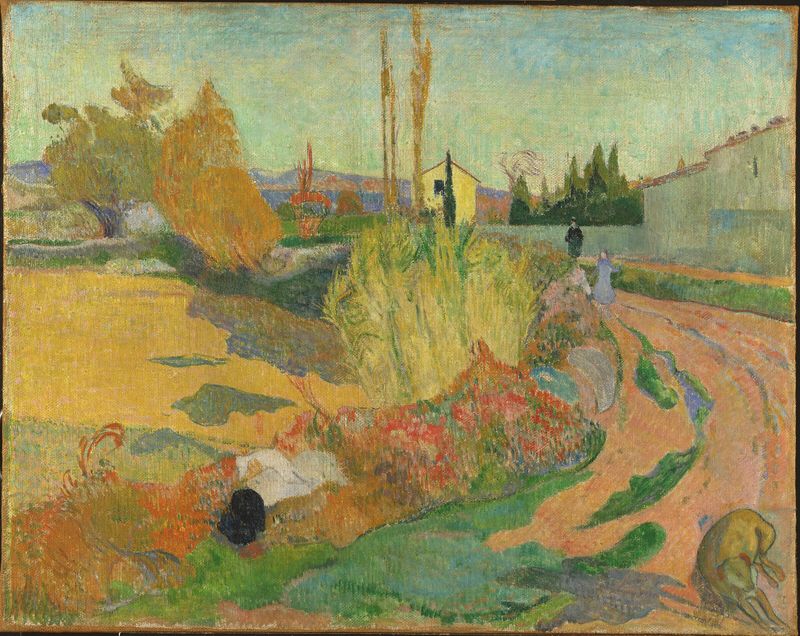 Same era · 1870s–1900s
Landscape from Arles
Paul Gauguin · 1888 · Nationalmuseum
 Same movement · Post-Impressionism
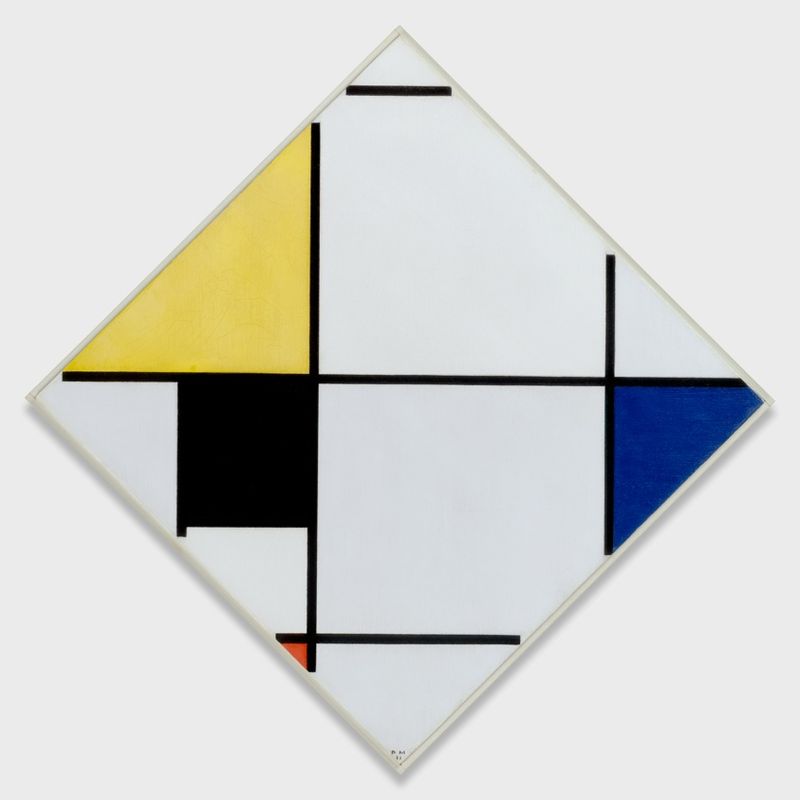
Lozenge Composition with Yellow, Black, Blue, Red, and Gray
Piet Mondrian · 1921 · Art Institute of Chicago
 Same era · 1870s–1900s
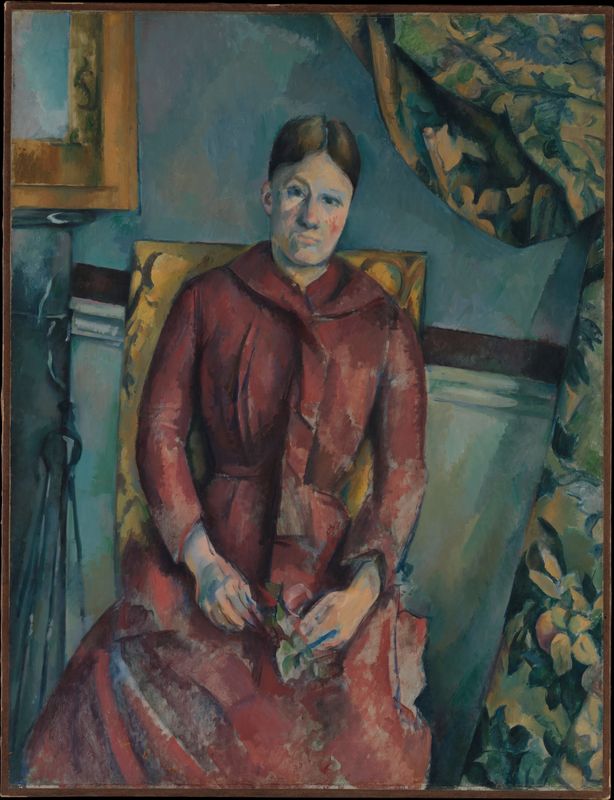
Madame Cézanne (Hortense Fiquet, 1850–1922) in a Red Dress
Paul Cézanne · 1888 · The Metropolitan Museum of Art
 Same era · 1870s–1900s
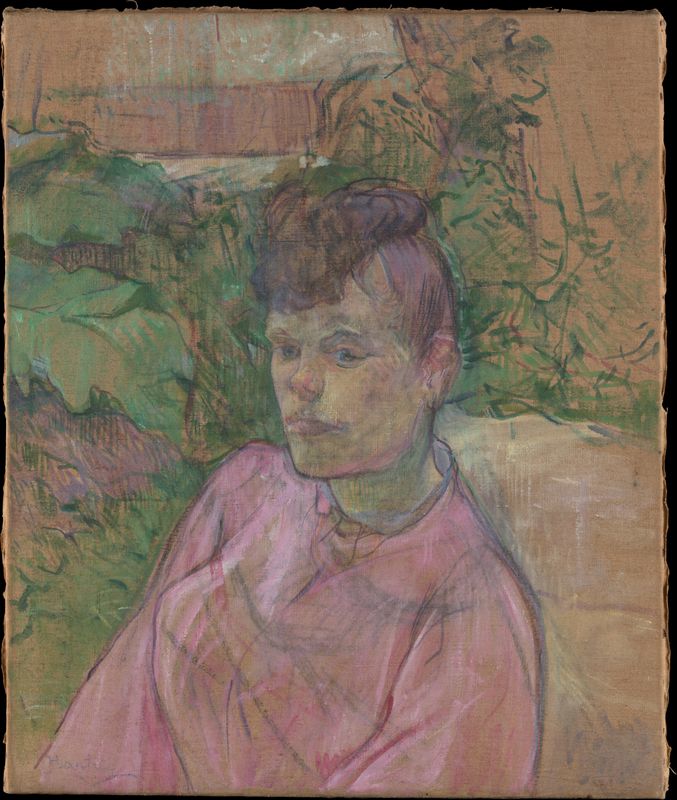
Woman in the Garden of Monsieur Forest
Henri de Toulouse-Lautrec · 1889 · The Metropolitan Museum of Art
 Same era · 1870s–1900s
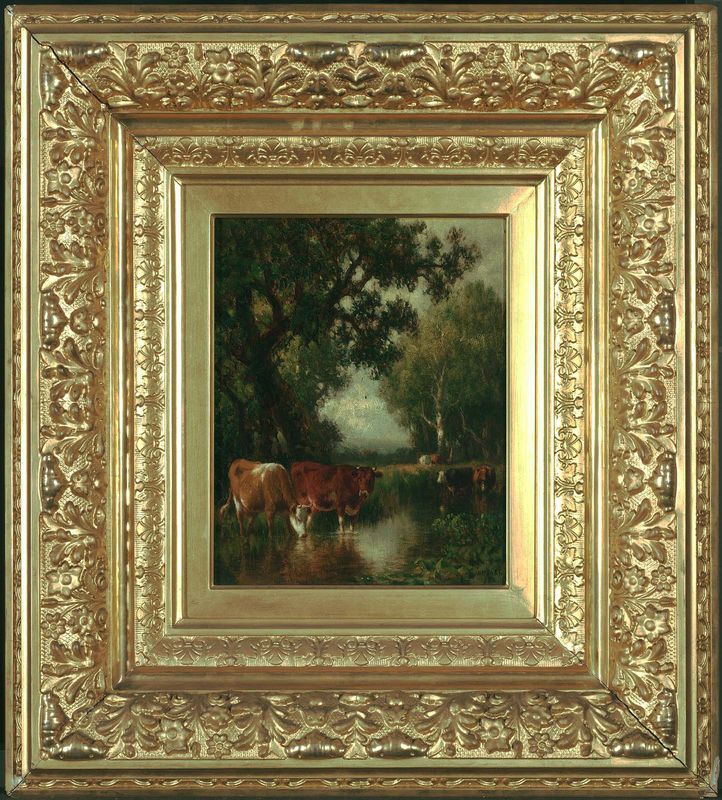
Cows Drinking at a Pool
William Hart · 1886 · Museum of Fine Arts Boston
 Same era · 1870s–1900s
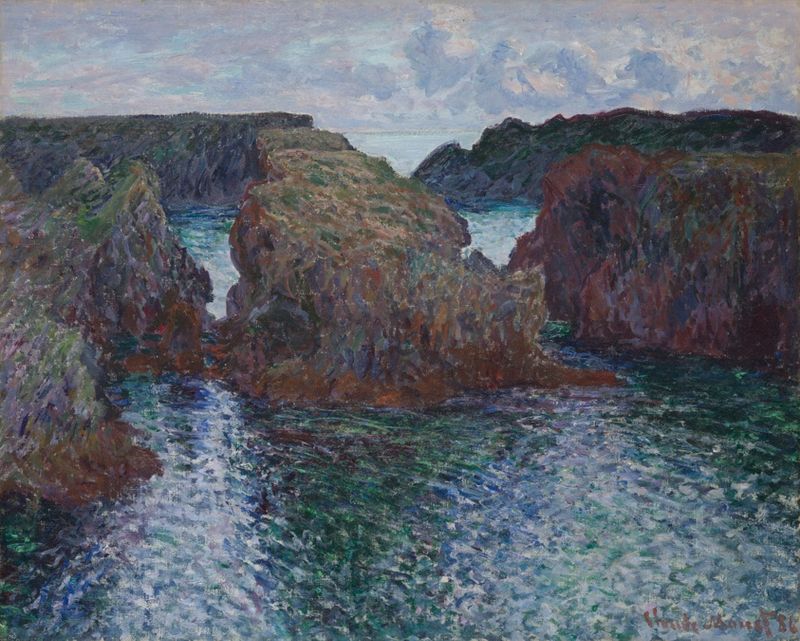
Rocks at Port-Goulphar, Belle-Île
Claude Monet · 1886 · Art Institute of Chicago
 Same era · 1870s–1900s
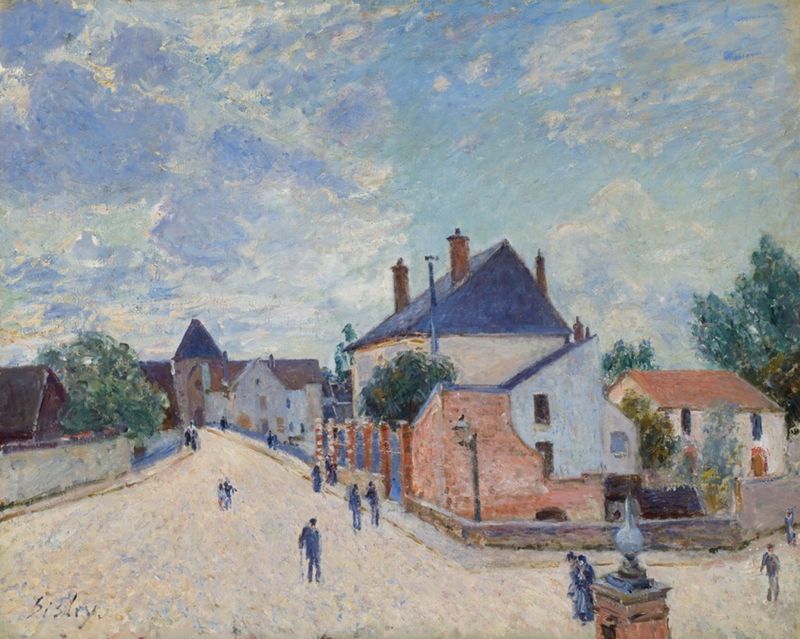
Street in Moret
Alfred Sisley · 1890 · Art Institute of Chicago
 Same era · 1870s–1900s
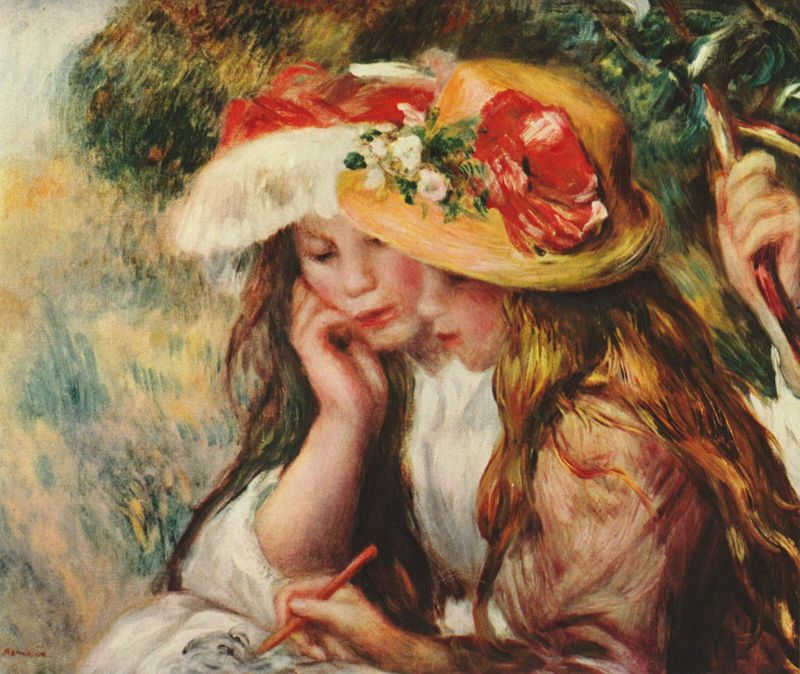
Two Girls Reading in a Garden
Pierre-Auguste Renoir · 1890
 Same era · 1870s–1900s
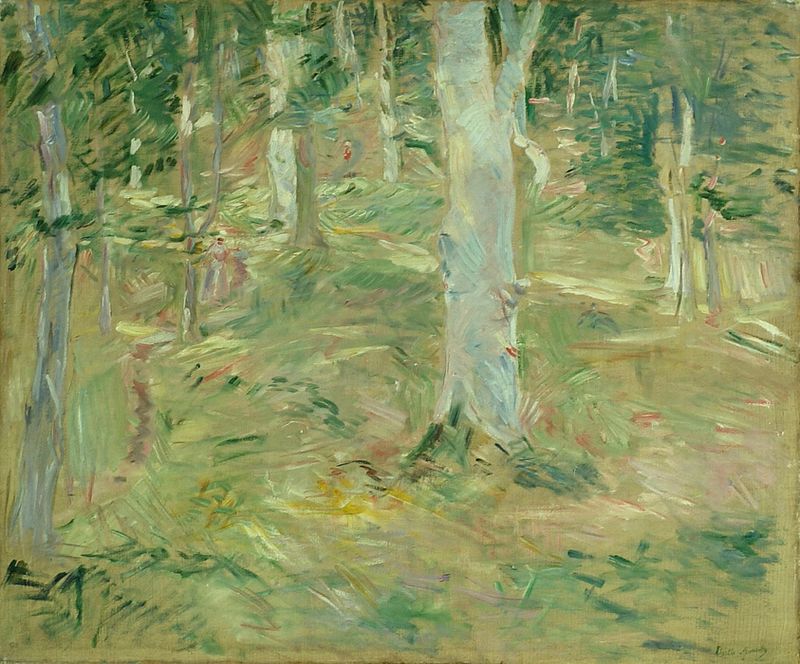
Forêt de Compiègne
Berthe Morisot · 1885 · Art Institute of Chicago