
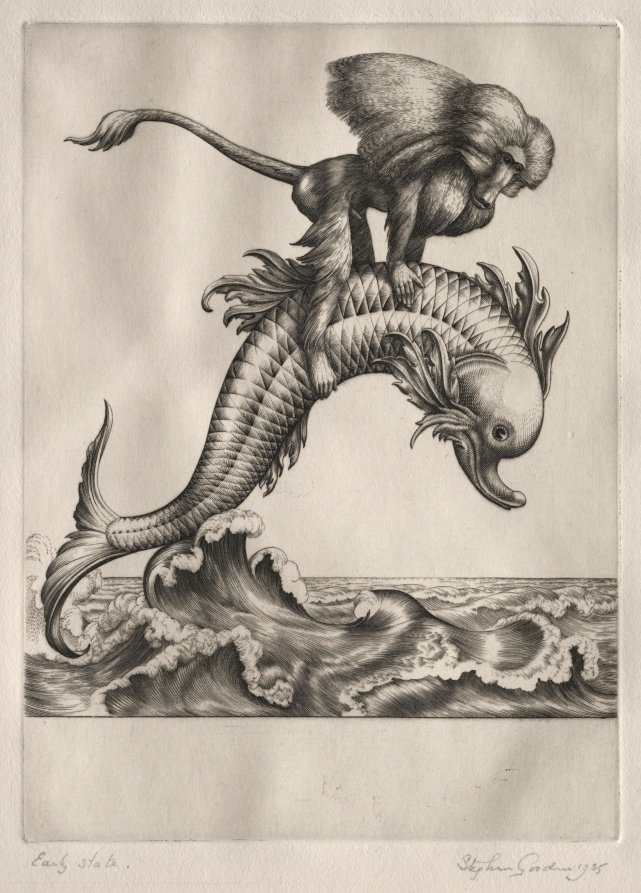
“Stop and look closely at this finely detailed engraving. It captures a whimsical moment from Aesop's Fables, showing a bewildered ape rescued by a dolphin, rendered with remarkable precision and wit.”
This engraving, "An Ape and a Dolphin," brings to life one of Aesop's classic fables with a stark, almost theatrical presentation. The scene unfolds on a small island, where a dolphin, its body elegantly arced, has just deposited an ape onto the shore. The ape, looking rather bewildered, is caught mid-motion, perhaps having just realized the gravity of its predicament. The artist, Stephen Gooden, renders the figures with a meticulous precision, giving the dolphin a sense of powerful grace and the ape a distinctly human-like confusion. The surrounding sea is calm, reflecting a sky that is more suggested than detailed, drawing the viewer's eye directly to the unusual pair. This work, created in 1935, showcases the fine detail and inventive spirit often found in Gooden’s engravings, which frequently illustrated literary works.
- Artist
- Stephen Gooden
- Date
- 1935
- Medium
- engraving
- Location
- Cleveland Museum of Art
- Dimensions
- [object Object]
What to Notice
Five details hide in plain sight. Here’s where to look.
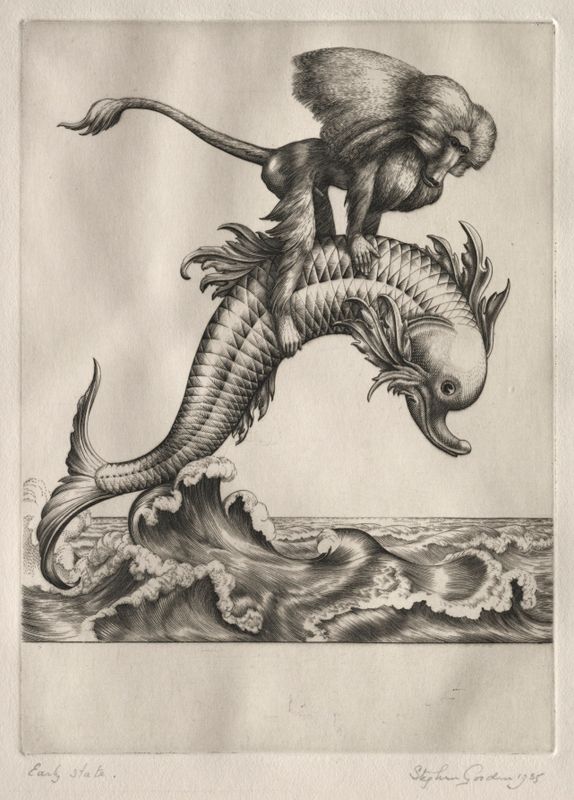
The intricate patterns of the dolphin's scales and the ape's fur.
The ape's human-like expression of surprise or consternation.
The delicate cross-hatching that creates the illusion of shadow and depth.
The small, gnarled tree on the island, a subtle detail in the background.
1 more detail is waiting.
See all 5 in Art Whisper →Stand in front of it and listen
The full narration walks you through Aesop's Fables: An Ape and a Dolphin — the story behind it, the details most visitors miss, and why it matters. Free in the Art Whisper app.
Stephen Gooden
1892–1955 · United KingdomMaster engraver whose St George design for Windsor Castle became the George Medal worn by British heroes.
Further Works by Gooden
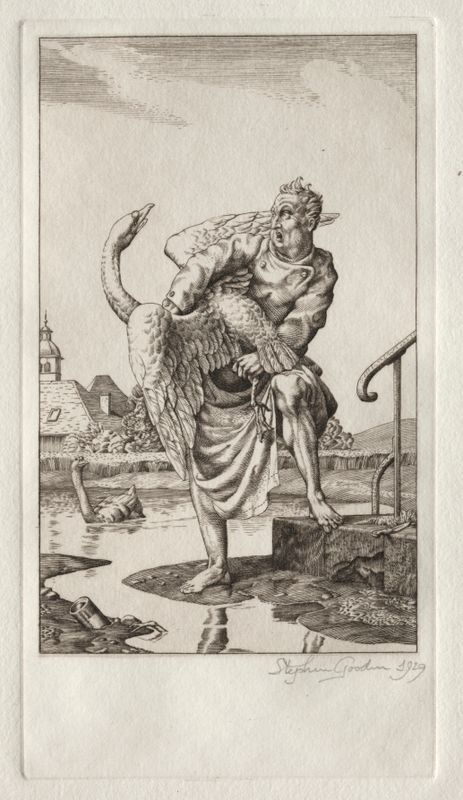 The Fables of Jean de la Fontaine: The Swan and the Cook
1929 · Cleveland Museum of Art
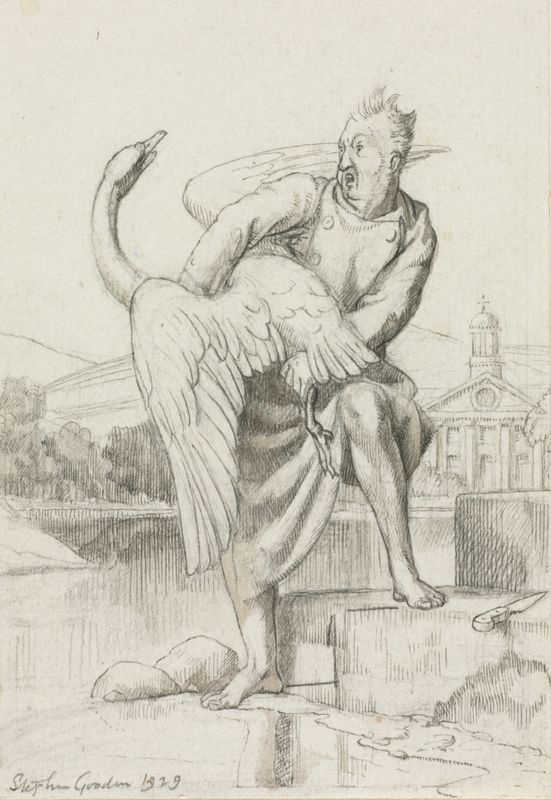 The Swan and the Cook
1929 · Cleveland Museum of Art
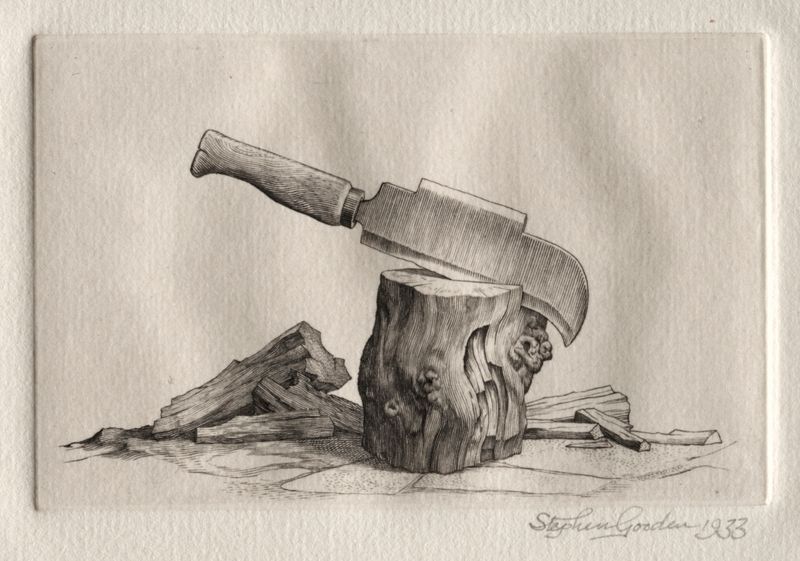 Illustration for "Peronnik the Fool": A Bill and a Wooden Block
1933 · Cleveland Museum of Art
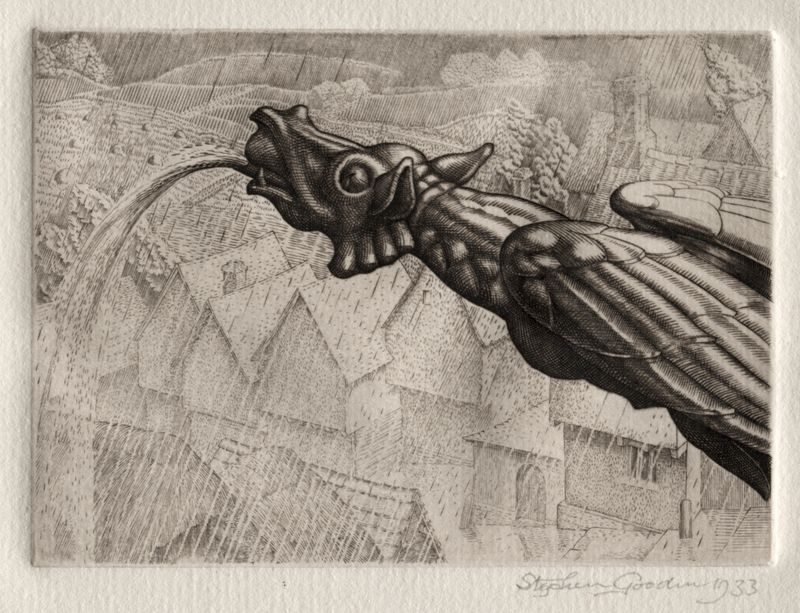 Illustration for "Peronnik the Fool": A Gargoyle
1933 · Cleveland Museum of Art
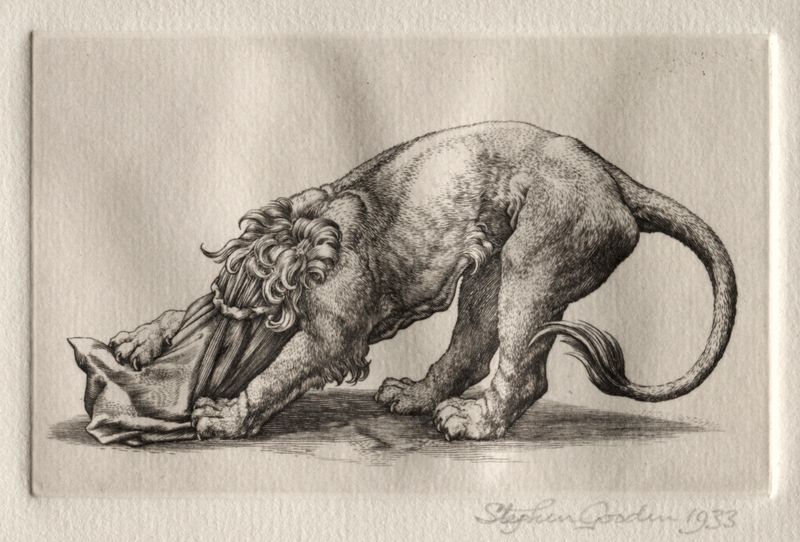 Illustration for "Peronnik the Fool": A Lion Tearing at a Sack
1933 · Cleveland Museum of Art
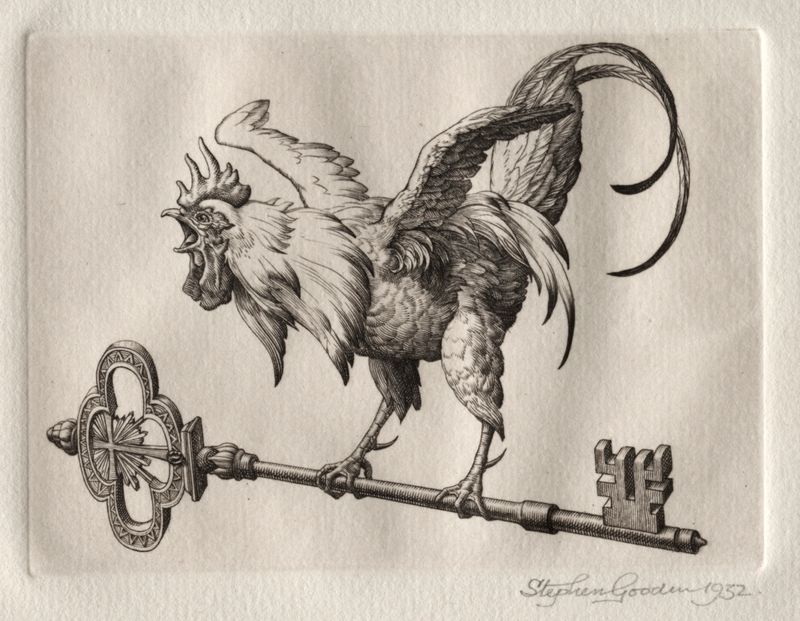 Illustration for "Peronnik the Fool": Cock Key
1933 · Cleveland Museum of Art
 Illustration for "Peronnik the Fool": Frontispiece
1933 · Cleveland Museum of Art
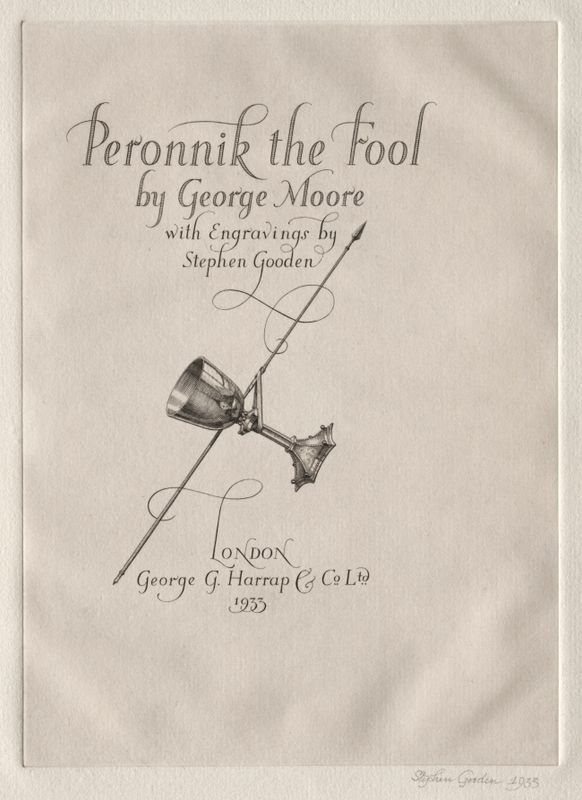 Illustration for "Peronnik the Fool": Peronnik the Fool
1933 · Cleveland Museum of Art
More works to explore
Beyond Gooden: works from the same years.
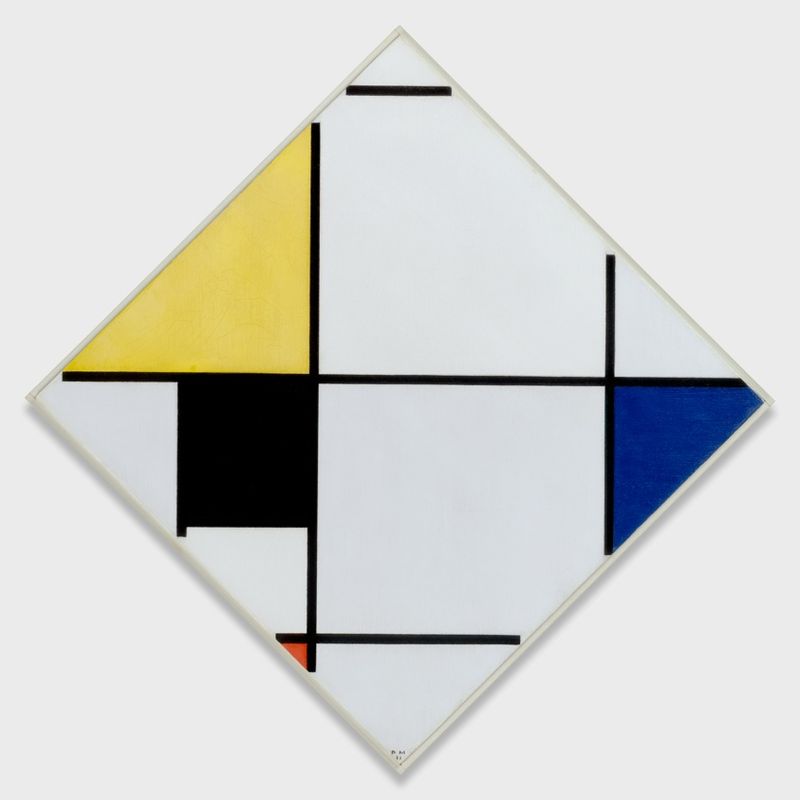 Same era · 1920s–1950s
Lozenge Composition with Yellow, Black, Blue, Red, and Gray
Piet Mondrian · 1921 · Art Institute of Chicago
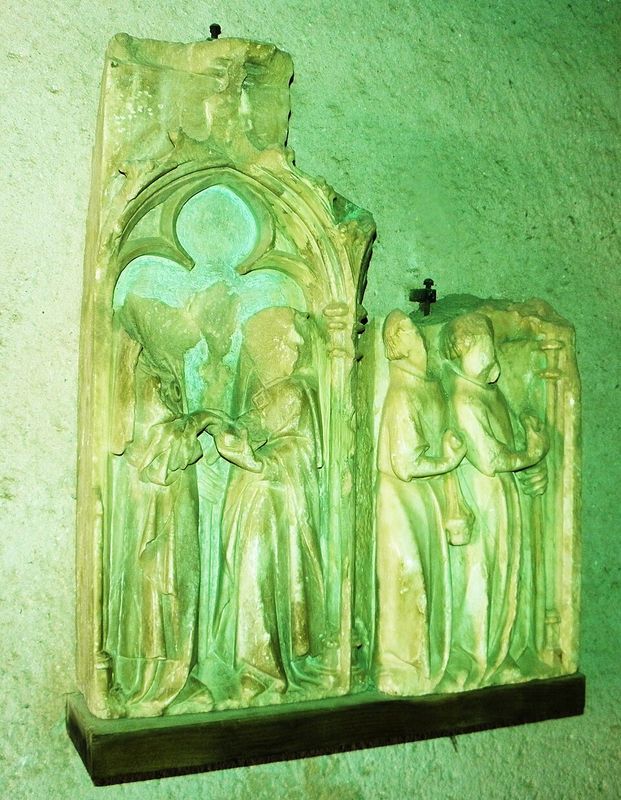 Same era · 1920s–1950s
Deux personnages
Pierre Alechinsky · 1950
 Same era · 1920s–1950s
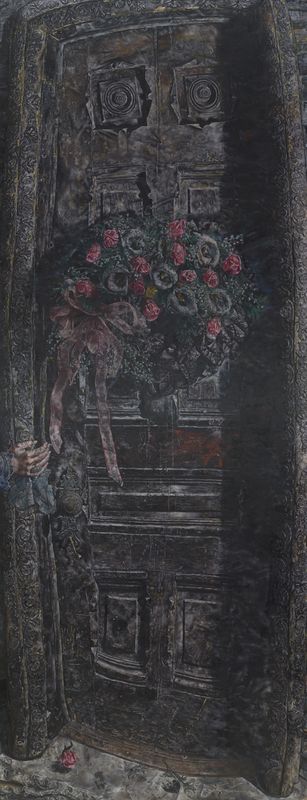
That Which I Should Have Done I Did Not Do (The Door)
Ivan Puni · 1931 · Art Institute of Chicago
 Same era · 1920s–1950s
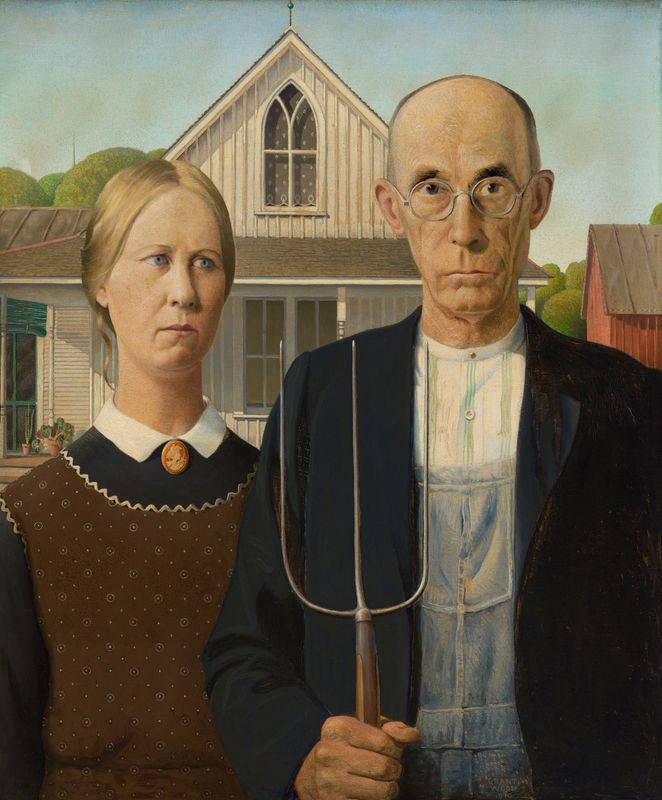
American Gothic
Okada Saburosuke · 1930 · Art Institute of Chicago
 Same era · 1920s–1950s
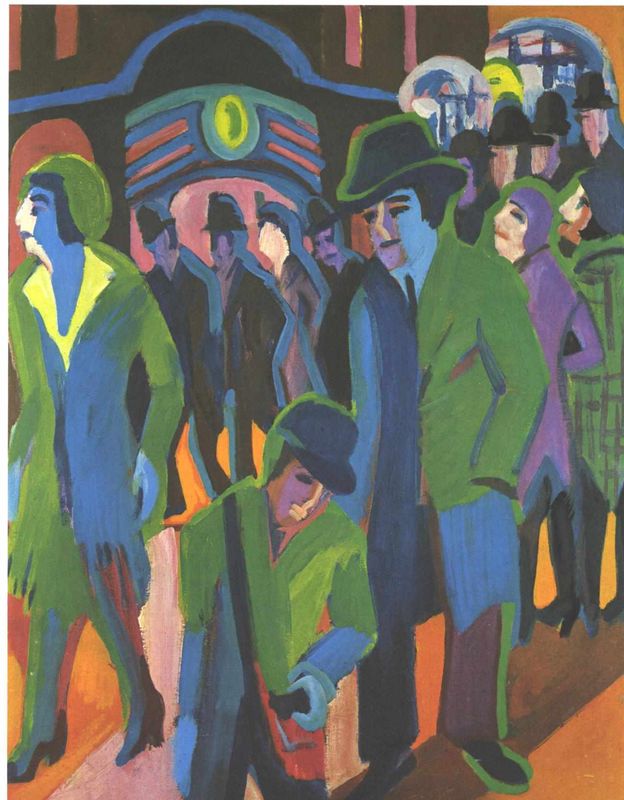
Straße mit Passanten bei Nachtbeleuchtung
Ernst Ludwig Kirchner · 1927 · Museum Frieder Burda
 Same era · 1920s–1950s
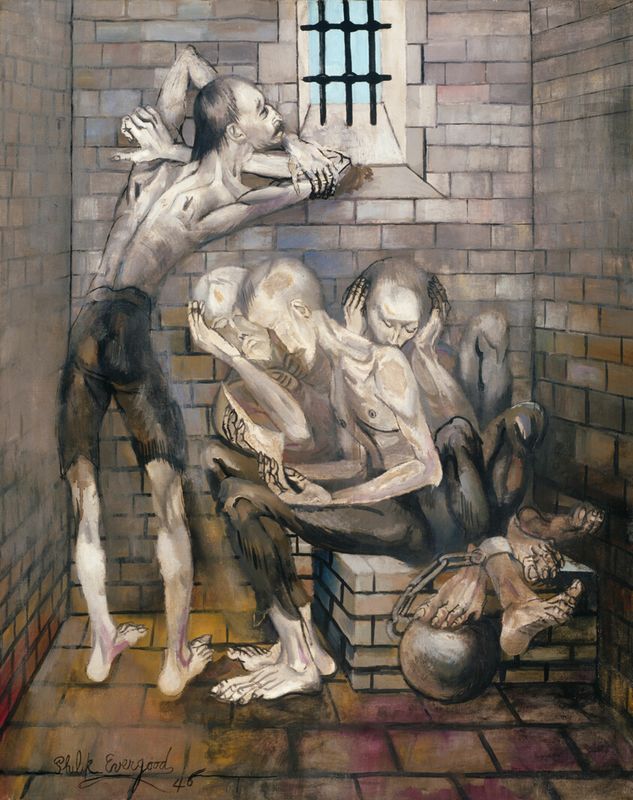
The Indestructibles
Philip Evergood · 1946 · Art Institute of Chicago
 Same era · 1920s–1950s
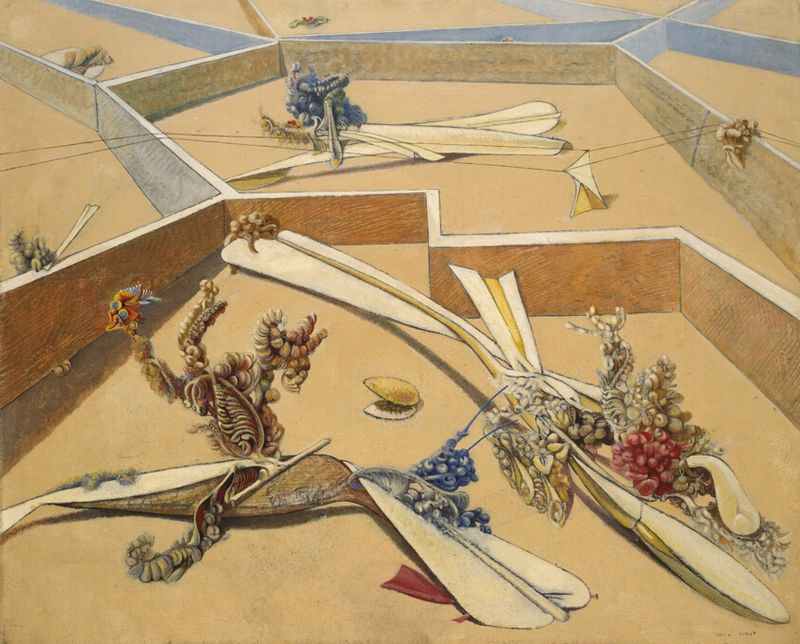
Garden Airplane-Trap
Max Ernst · 1935 · Art Institute of Chicago
 Same era · 1920s–1950s
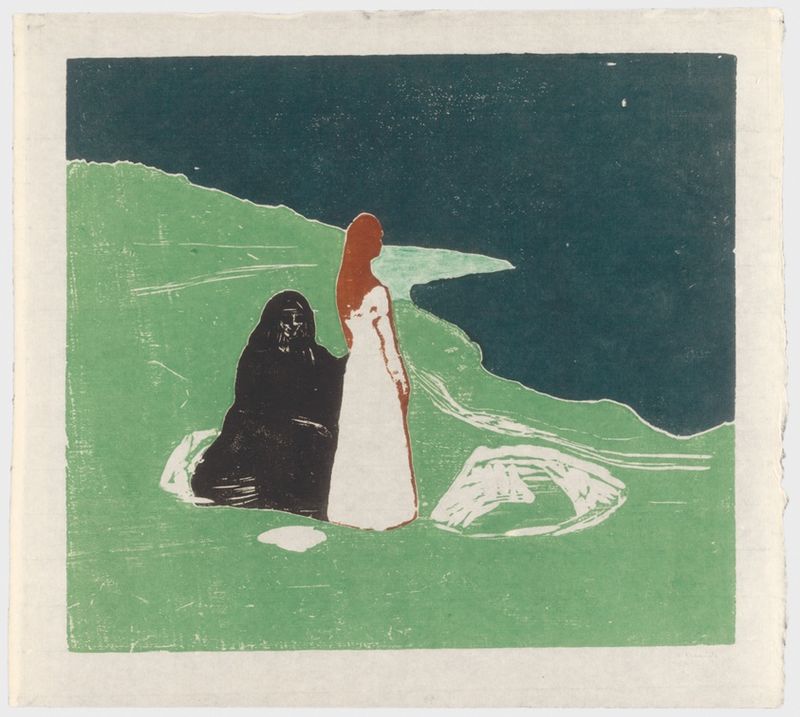
Two Women on the Shore
Edvard Munch · 1935 · Munch Museum
 Same era · 1920s–1950s
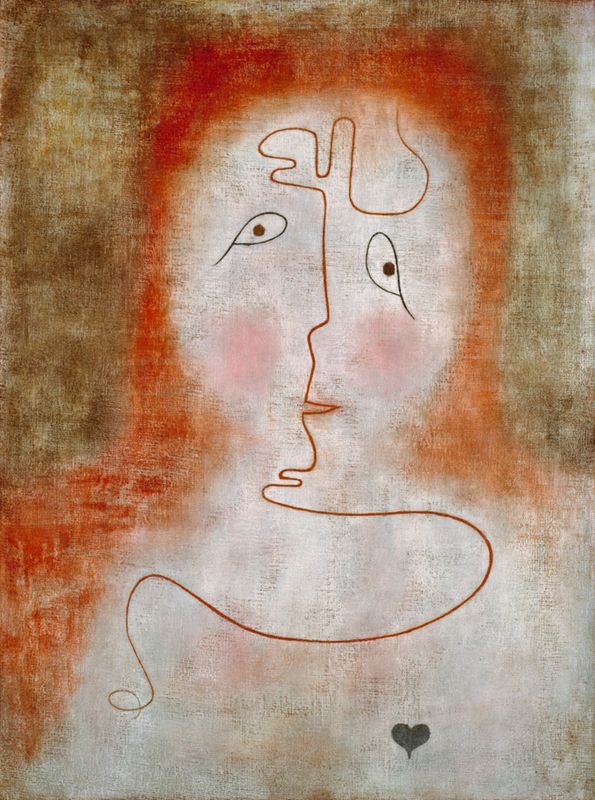
In the Magic Mirror
Paul Klee · 1934 · Art Institute of Chicago
 Same era · 1920s–1950s
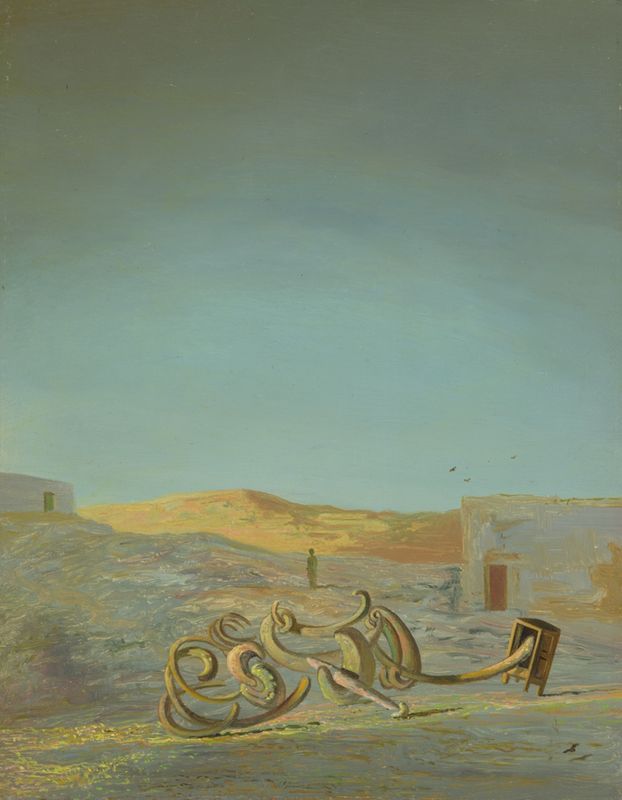
Untitled (Desert Landscape)
Salvador Dalí · 1934 · Art Institute of Chicago
 Same era · 1920s–1950s
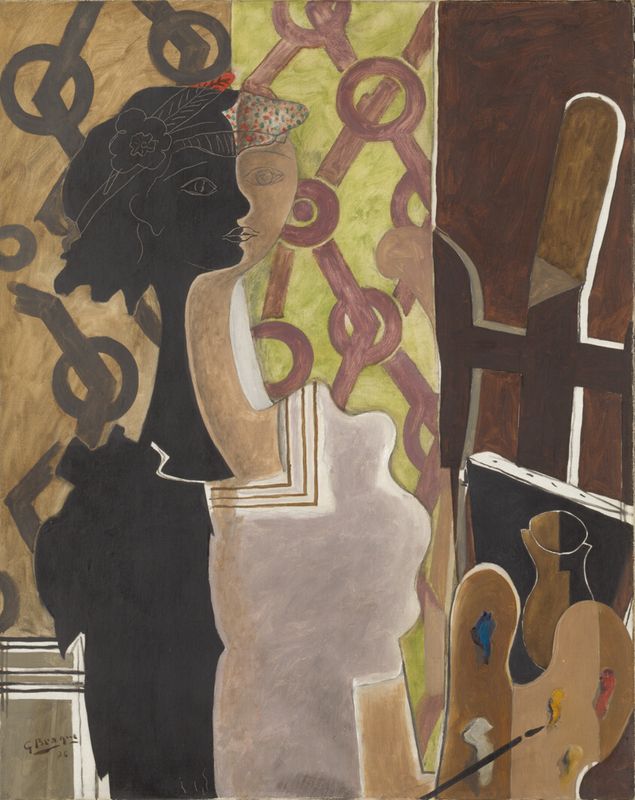
Woman at an Easel (Green Screen)
Georges Braque · 1936 · Art Institute of Chicago
 Same era · 1920s–1950s
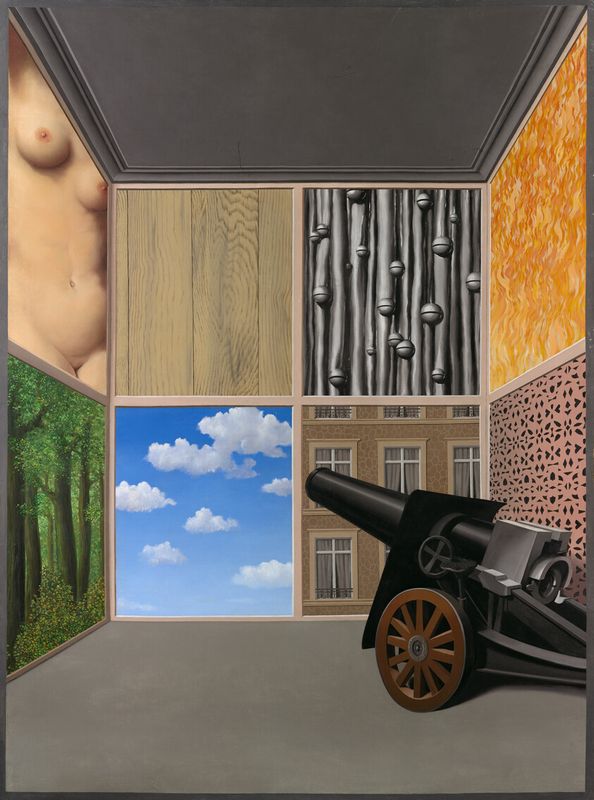
On the Threshold of Liberty
René Magritte · 1937 · Art Institute of Chicago