01
The raised arm
Her arm bends up over her head, hand resting in her hair. It makes a long curve that opens the torso and sets the pose's easy rhythm.
1 of 5 on the painting
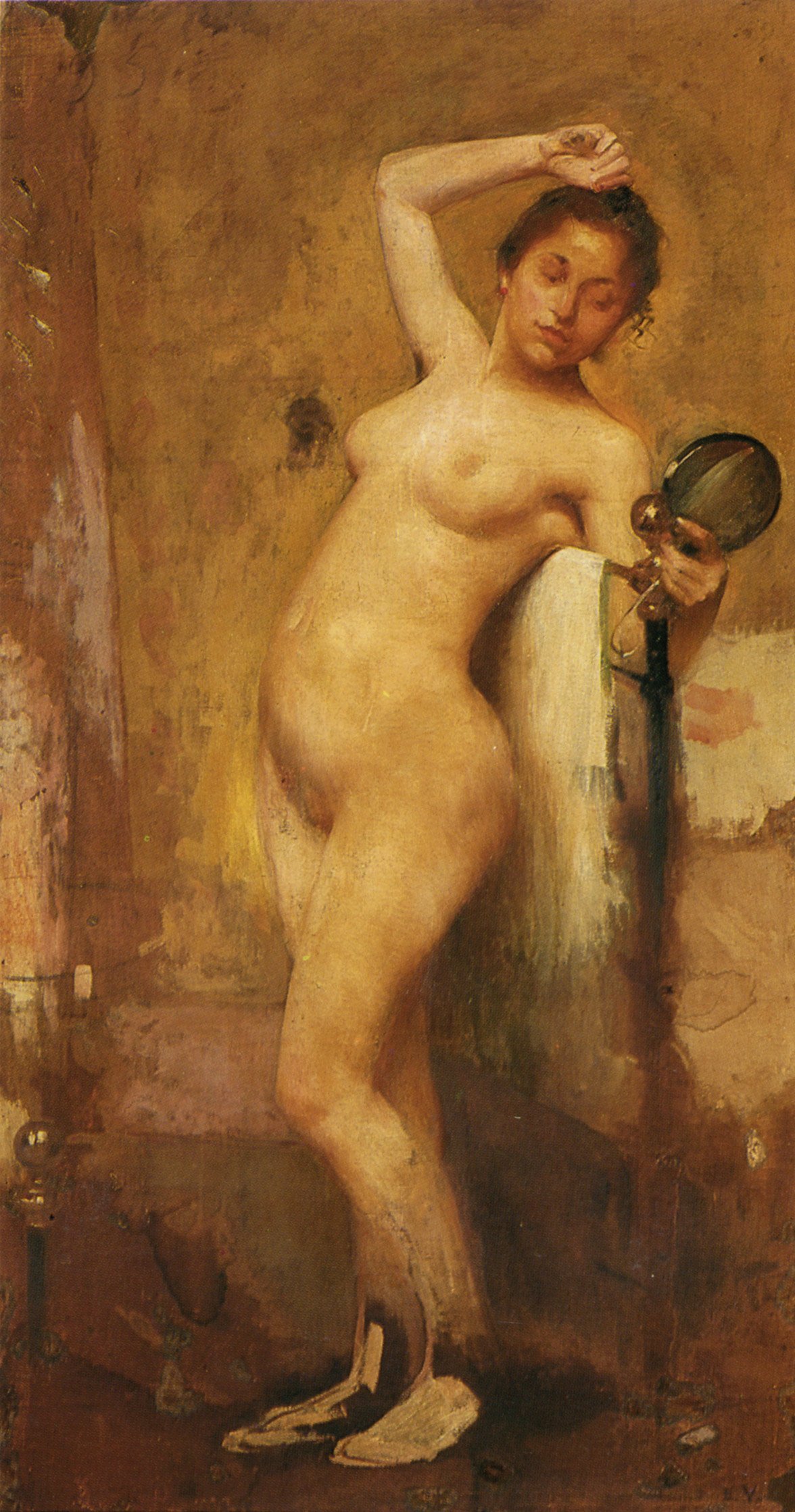
“Stop for this bold, red nude. It's a striking example of Andy Warhol's late-career screenprinting, where he applies his iconic mass-production technique to the human form, making it both intimate and universally anonymous.”
A stark, almost confrontational image, this screenprint on canvas presents a nude figure in a vibrant, almost aggressive red. The body is rendered with Warhol's characteristic silkscreen technique, flattening the form and emphasizing line over volume. Rather than a traditional portrait or study, the figure here is less an individual and more an archetype, a repeated image. The bold red, a color often associated with passion and danger, saturates the canvas, making the figure pop against the background. Created in 1986, this work reflects Warhol's late-career exploration of the human form, continuing his fascination with celebrity and the mass-produced image, but here applied to a more intimate subject. The raw, unvarnished quality of the screenprint process gives the nude a graphic, almost advertising-like presence, stripping away sentimentality.
Five details hide in plain sight. Pick one and we’ll show you exactly where to look.

Her arm bends up over her head, hand resting in her hair. It makes a long curve that opens the torso and sets the pose's easy rhythm.
Her eyes drop toward the mirror, with soft shadows and little detail in the features. It gives a private, unposed moment.
The dark round mirror sits at the right edge, held in her hand. Its murky surface shows no clear reflection, so we cannot tell what she sees.
Pale pinks and creams melt into each other across her hip and torso, with no hard outlines. The body seems to glow against the brown wall.
The cloth hanging by her arm is painted in thick, streaky white. The brush marks stay visible, and the lower end fades into the darker tones behind.
The full narration walks you through Nude (Red) — the story behind it, the details most visitors miss, and why it matters. Free in the Art Whisper app.
Andy Warhol transformed everyday objects and celebrity portraits into iconic art, blurring the lines between high culture and mass media.
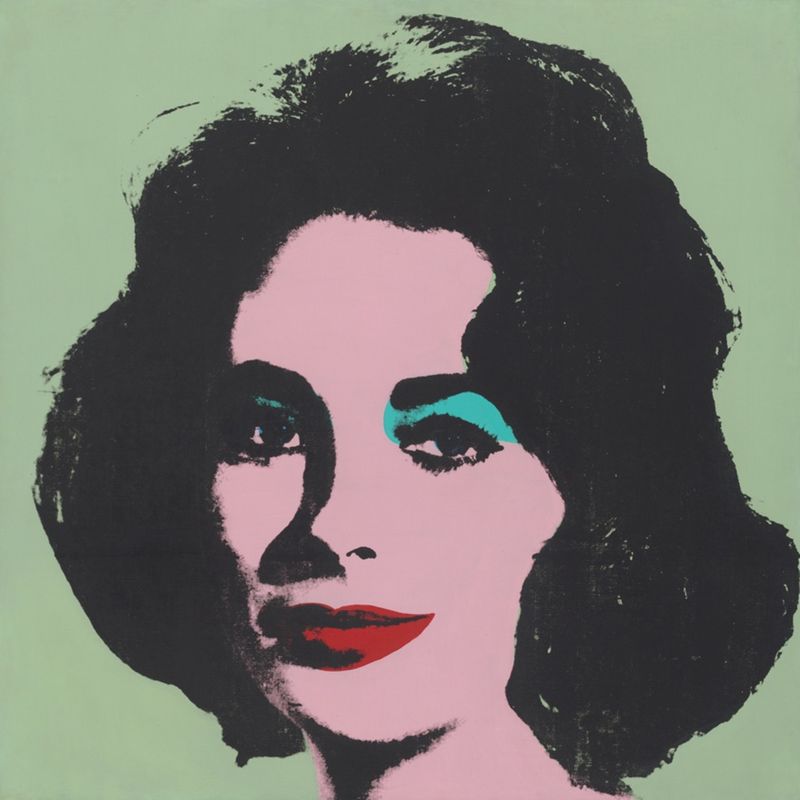 Liz #3 [Early Colored Liz]
1963 · Art Institute of Chicago
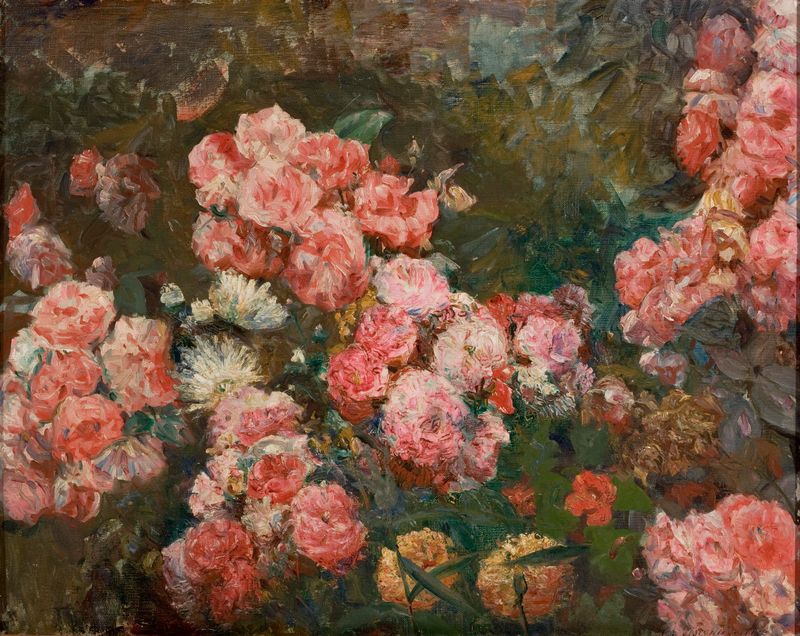 Flowers
1964 · Cleveland Museum of Art
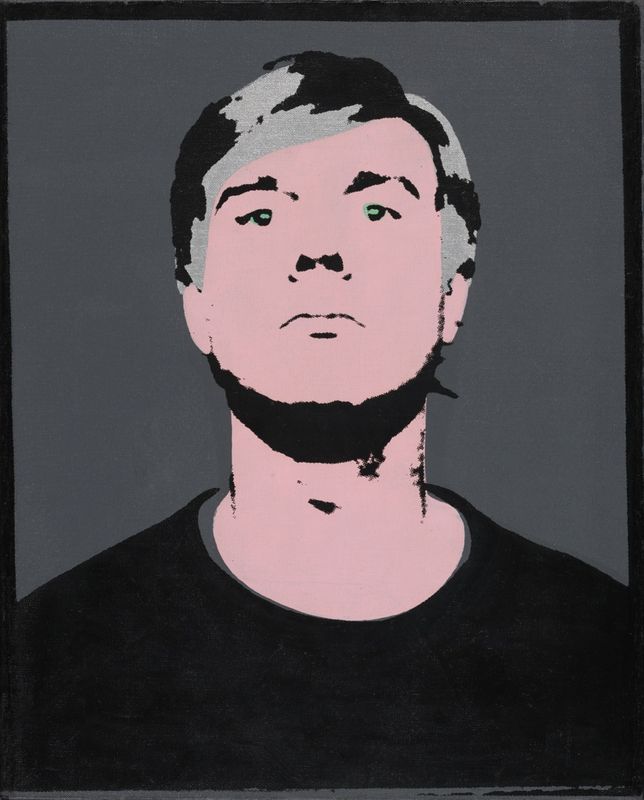 Self-Portrait
1964 · Art Institute of Chicago
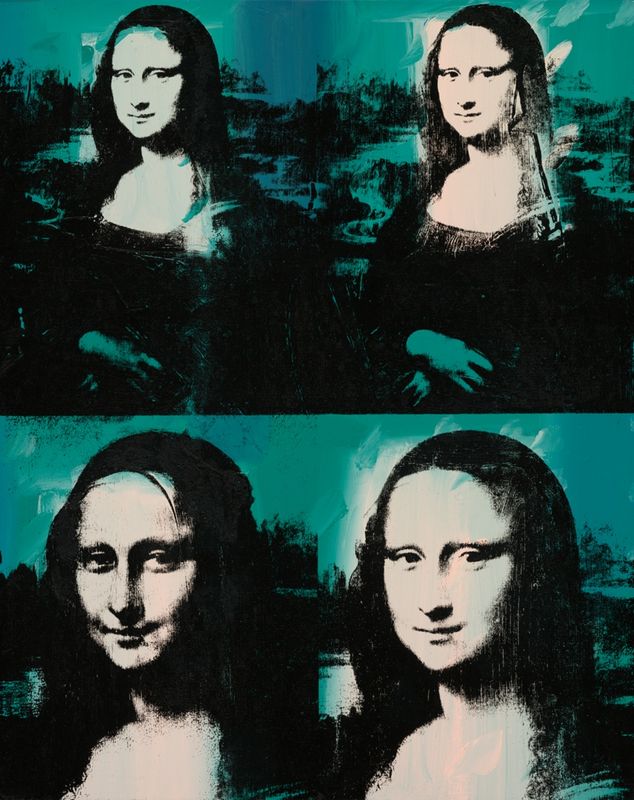 Four Mona Lisas
1978 · Art Institute of Chicago
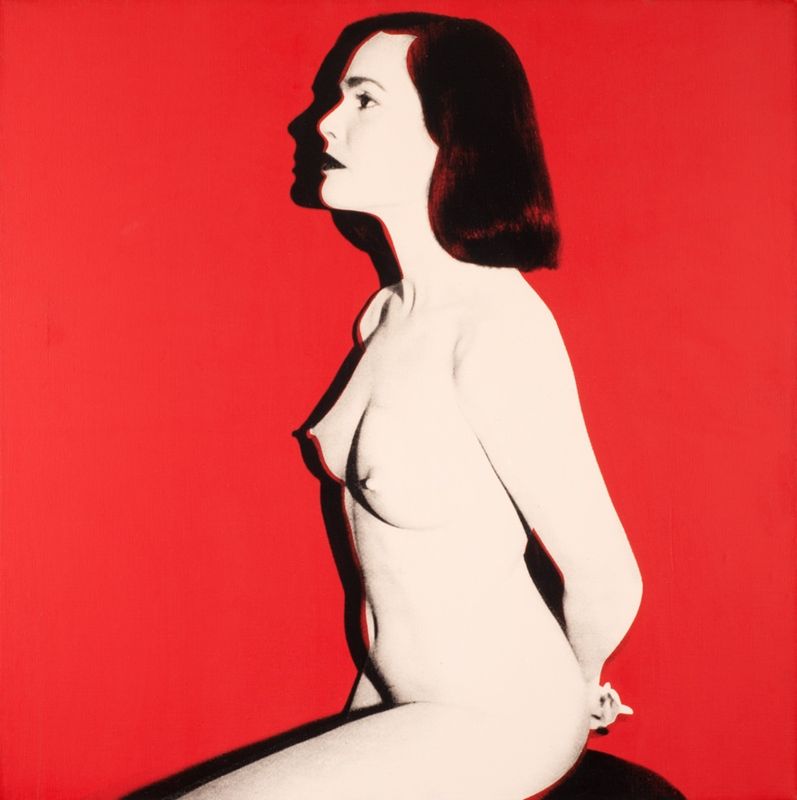 Pat Hearn
1985 · Art Institute of Chicago
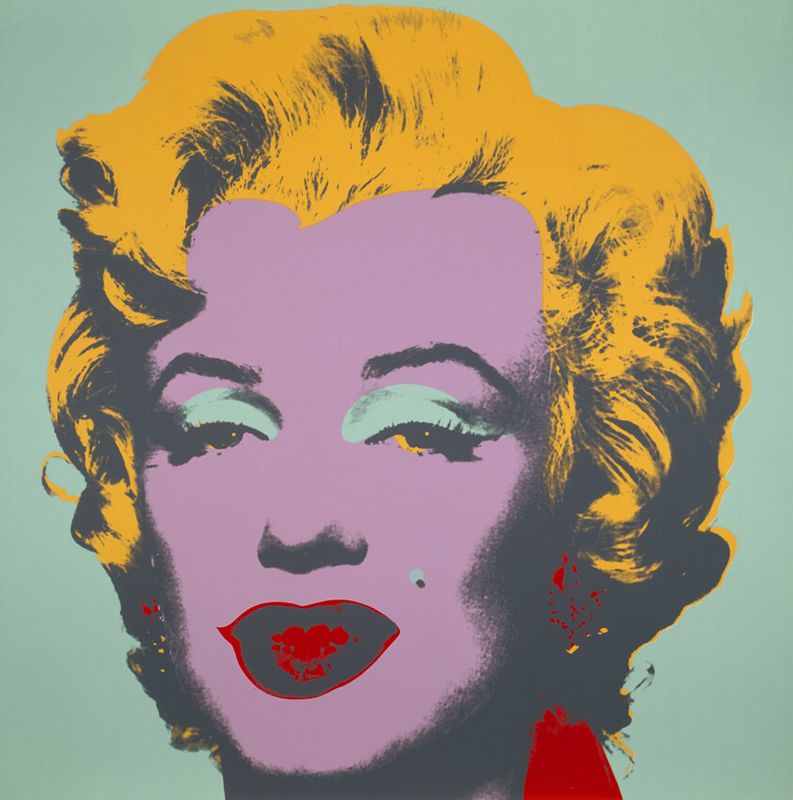 Marilyn Monroe (Marilyn)
1967 · Art Institute of Chicago
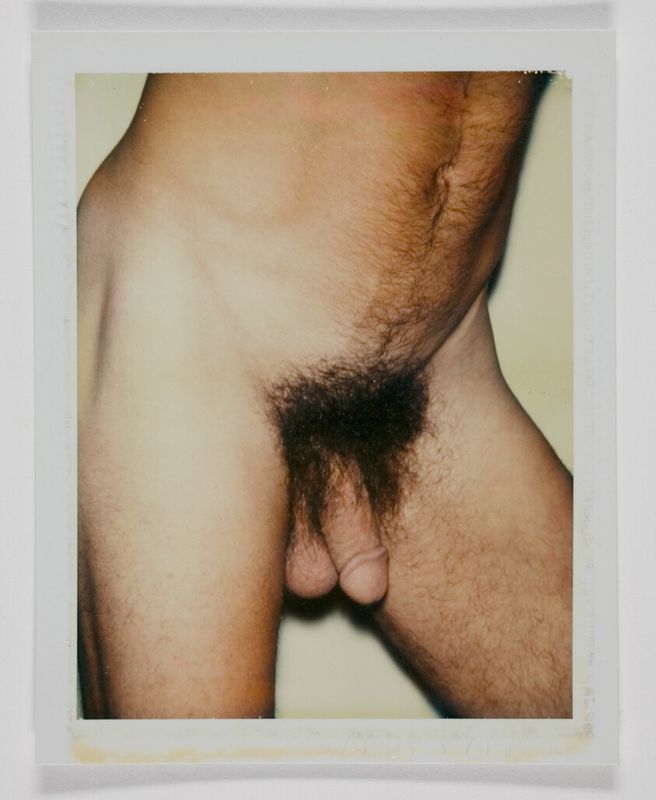 Nude Model (Male)
1977 · Art Institute of Chicago
Beyond Warhol and Postmodernism: works from the same years, and from the other movements Nude (Red) belongs to.
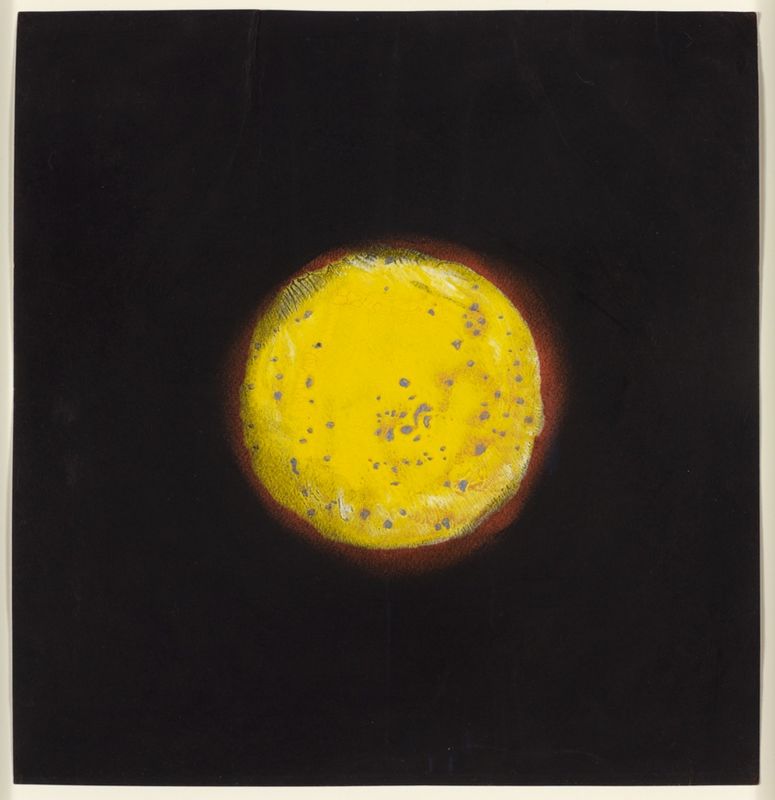 Same movement · Pop Art
Sun Spot
Yayoi Kusama · 1953 · Art Institute of Chicago
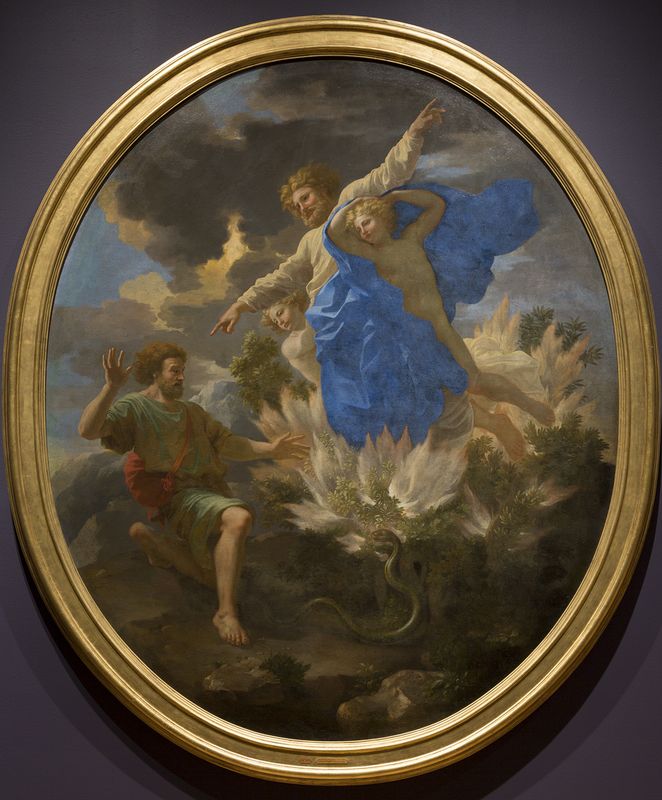 Same era · 1970s–2000s
Moses and the Burning Bush
Keith Haring · 1985 · Crystal Bridges Museum of American Art
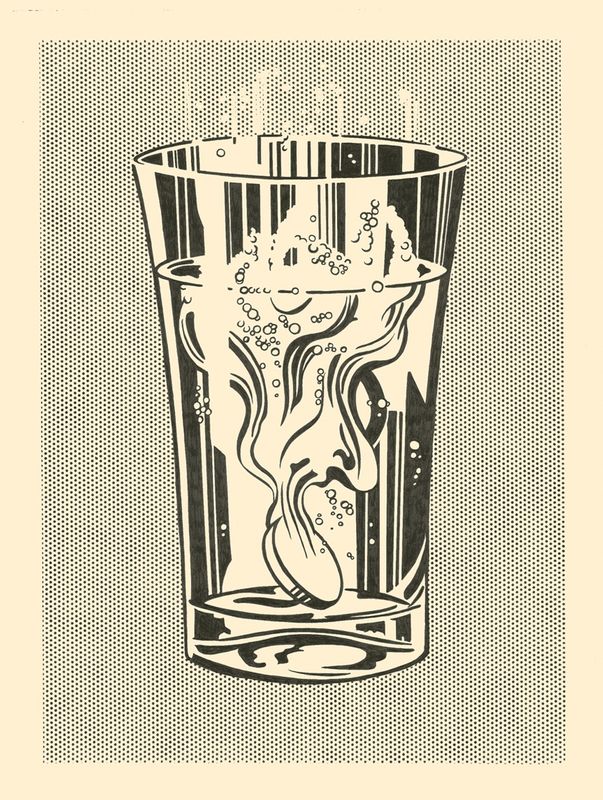 Same movement · Pop Art
Alka Seltzer
Roy Lichtenstein · 1966 · Art Institute of Chicago
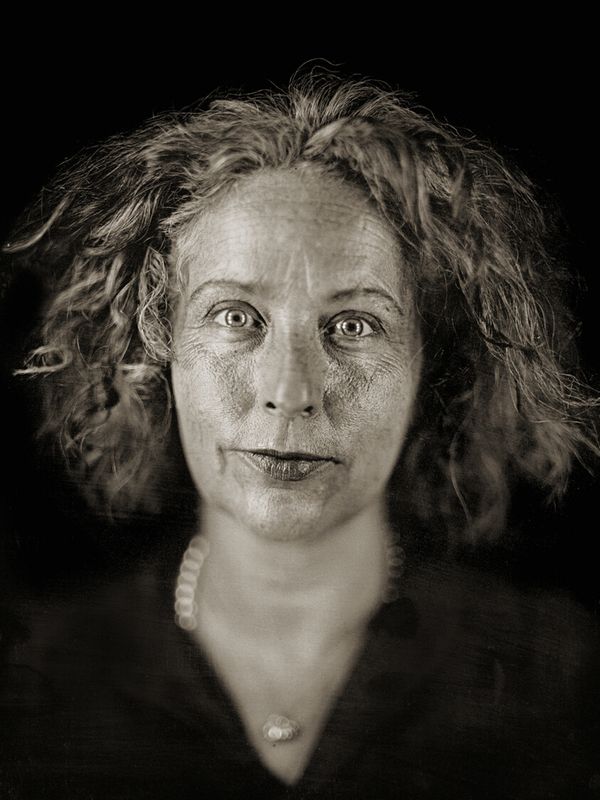 Same era · 1970s–2000s
Kiki (Smith)
Chuck Close · 2000 · Art Institute of Chicago
 Same era · 1970s–2000s
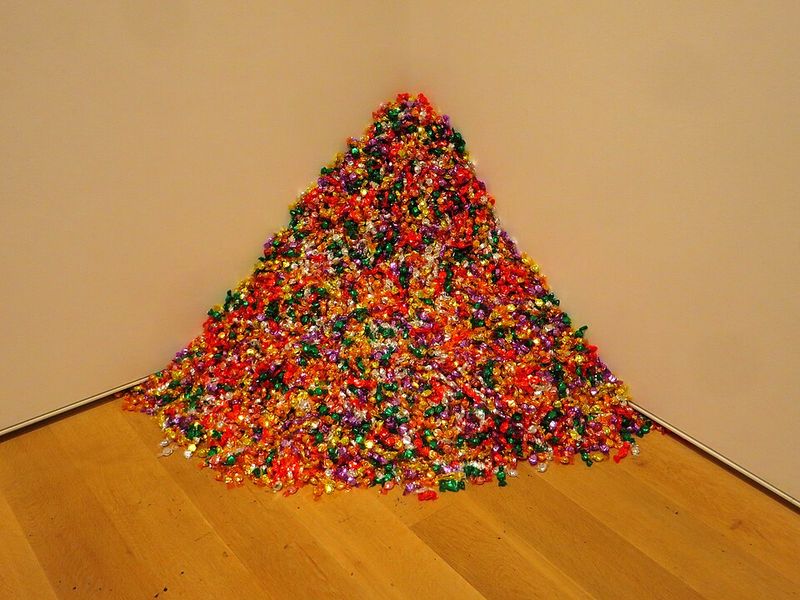
Untitled (Portrait of Ross in L.A.)
Félix González-Torres · 1991
 Same era · 1970s–2000s
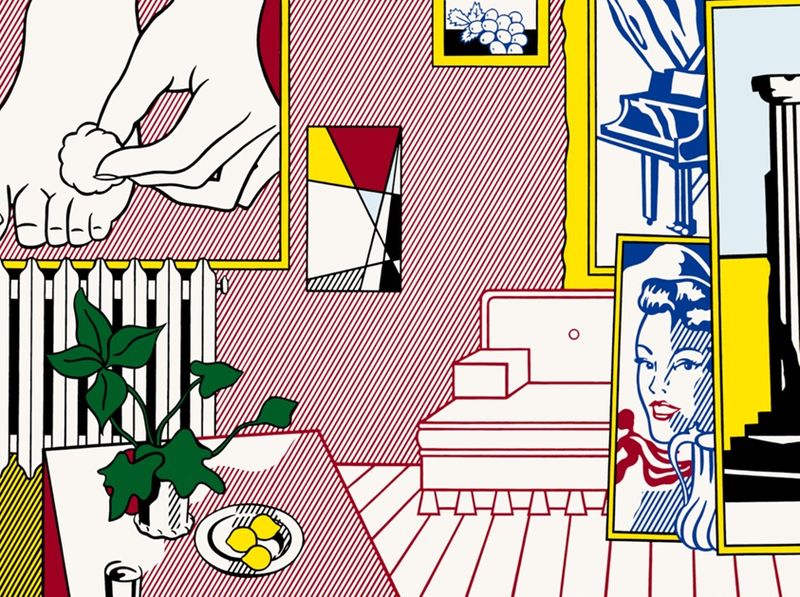
Artist's Studio "Foot Medication"
Roy Lichtenstein · 1974 · Art Institute of Chicago
 Same era · 1970s–2000s
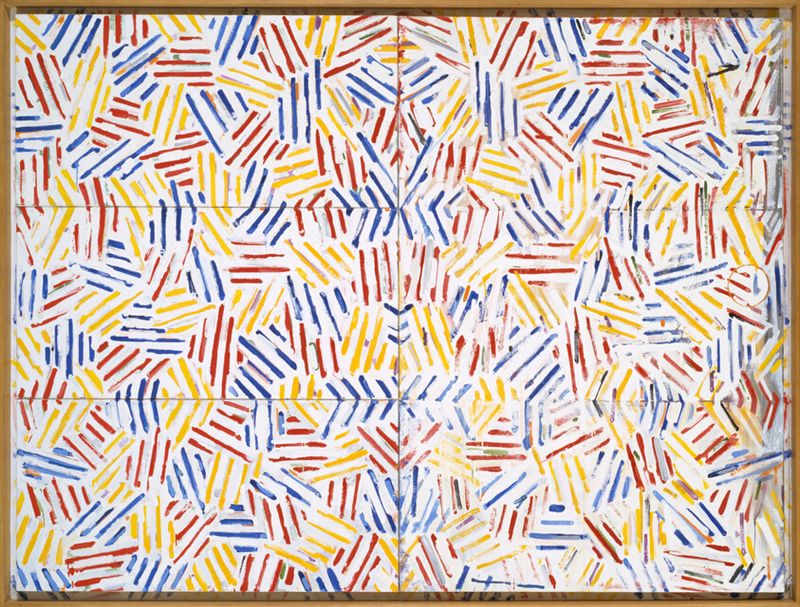
Corpse and Mirror II
Jasper Johns · 1974 · Art Institute of Chicago
 Same era · 1970s–2000s
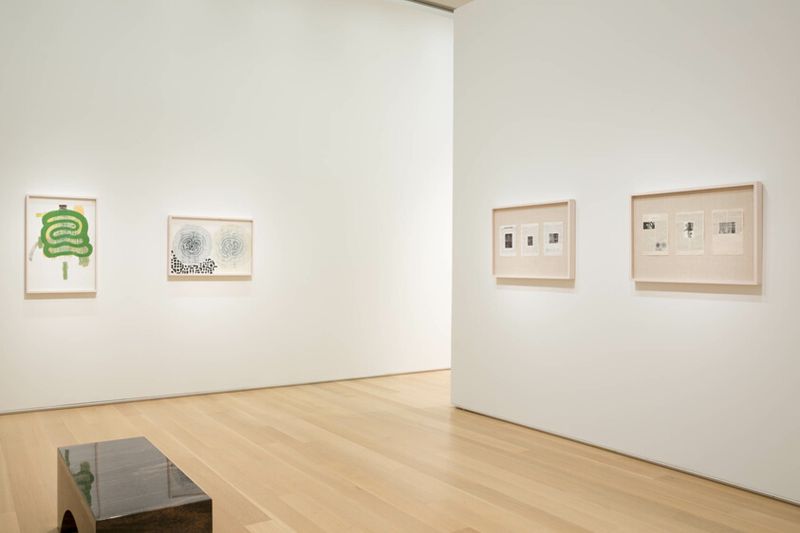
Wu Street
Xu Bing · 1993 · Art Institute of Chicago
 Same era · 1970s–2000s
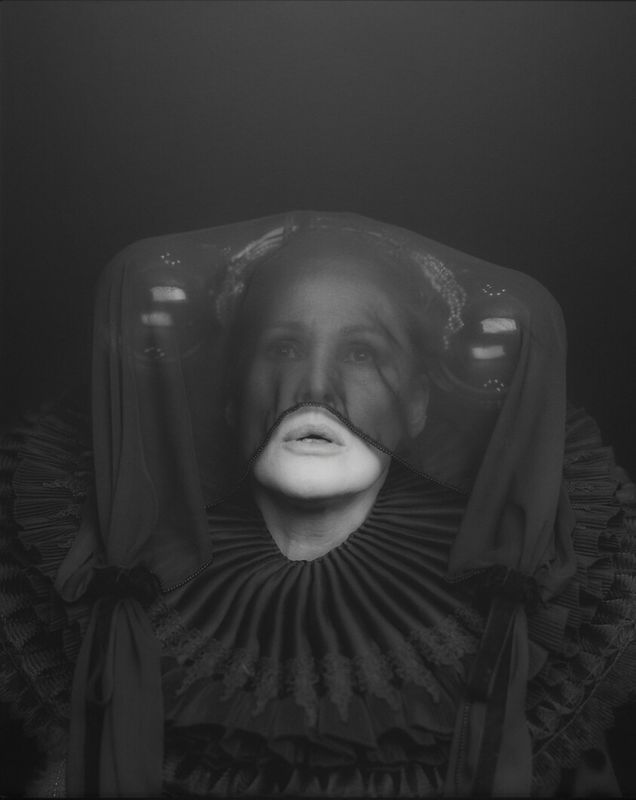
Cremaster 5: The Queen of Chain
Matthew Barney · 1997 · Art Institute of Chicago
 Same era · 1970s–2000s
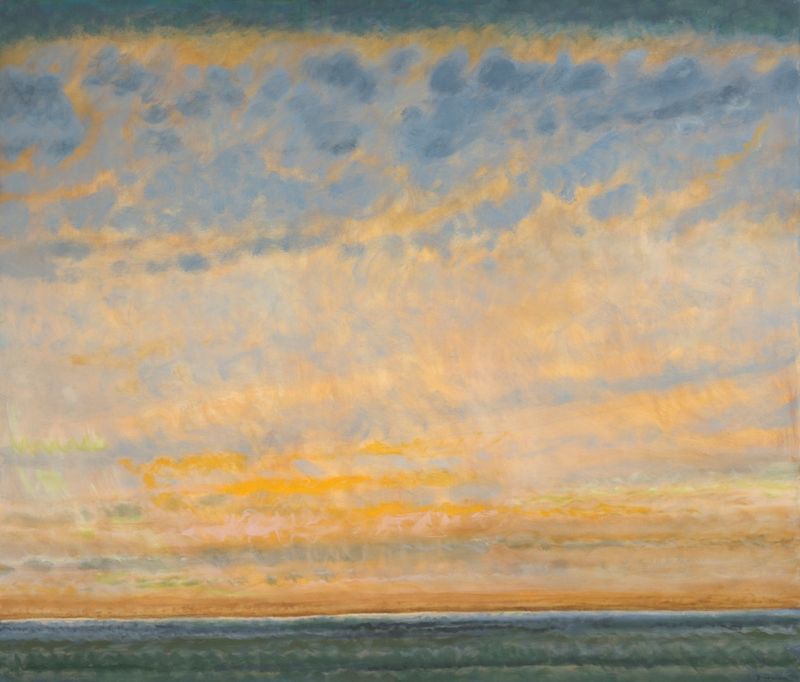
American Horizon
Jane Wooster Scott · 2000 · Art Institute of Chicago
 Same era · 1970s–2000s
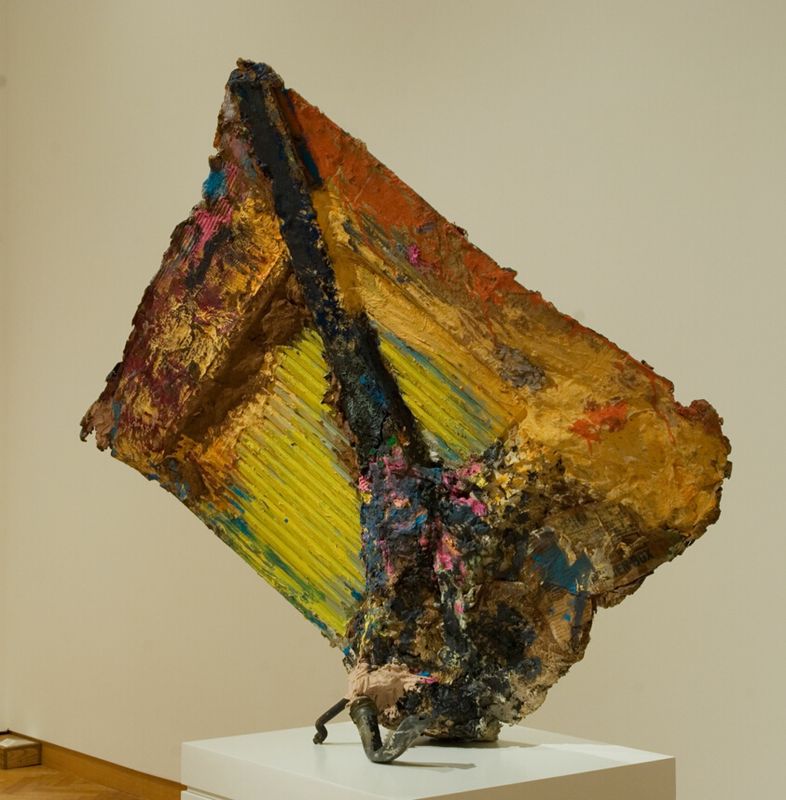
Krach
Philip West · 1987 · Art Institute of Chicago
 Same era · 1970s–2000s
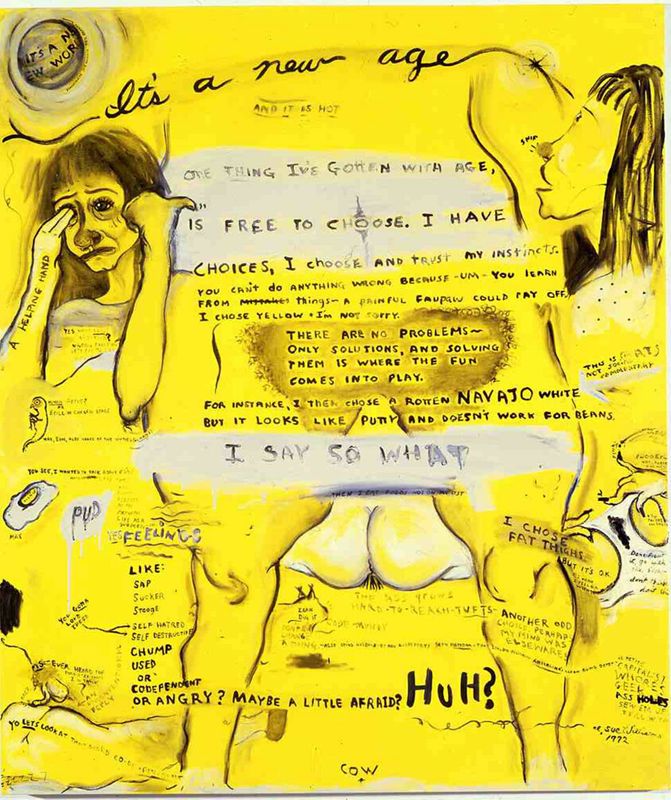
It's a New Age
William Hook · 1992 · Art Institute of Chicago
 Same era · 1970s–2000s
Cremaster 2: Deseret
Birgit Cullberg · 1999 · Art Institute of Chicago
 Same era · 1970s–2000s
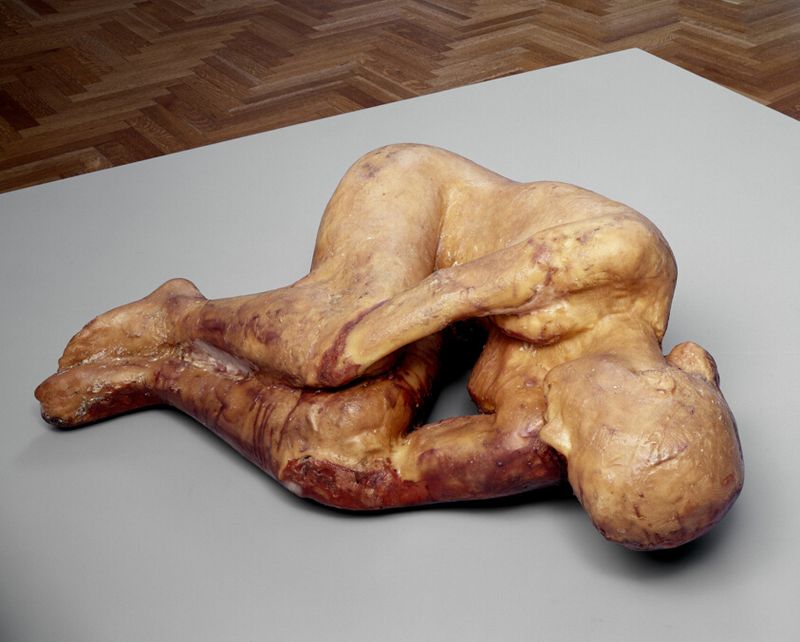
Blood Pool
Kiki Smith · 1992 · Art Institute of Chicago