01
Golden hair
The hair is a flat field of orange-yellow, with gray-black curls printed over it. Color and shadow don't quite line up, which gives it a flickering energy.
1 of 4 on the painting
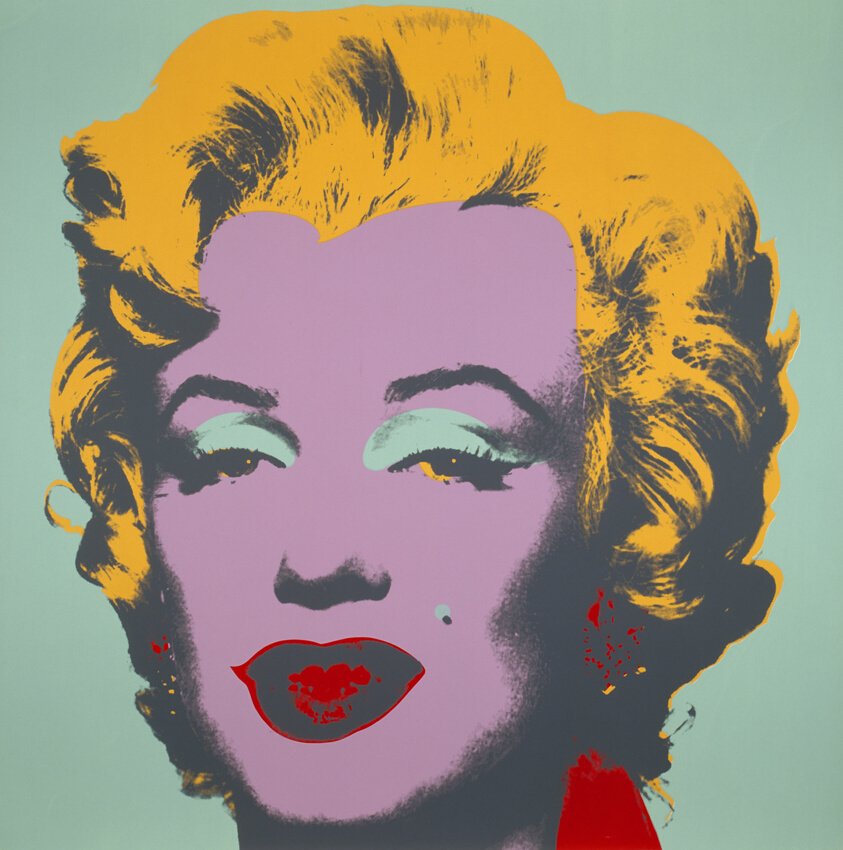
“This iconic print of Marilyn Monroe uses bold, off-register colors to transform a familiar publicity shot, making her face glow with an almost artificial intensity and capturing the essence of celebrity in the Pop art era.”
Marilyn Monroe’s face, vibrant and almost otherworldly, glows from this screenprint, an effect amplified by the use of Day-Glo colors. The image is based on a 1953 publicity photograph from the film Niagara, but here the familiar face is transformed through Warhol’s distinctive process. He embraced the "mistakes" of screenprinting, intentionally allowing the colors to be off-register, creating a dynamic tension between the iconic image and its mechanical reproduction. This technique, alongside the garish, psychedelic palette, makes her face appear perpetually illuminated, as if caught in the afterglow of a flashbulb. This work, part of the first limited-edition print portfolio produced at his studio, Factory Editions, captures the essence of celebrity in the Pop art era, blending mass media imagery with a bold, almost artificial luminosity.
Five details hide in plain sight. Pick one and we’ll show you exactly where to look.
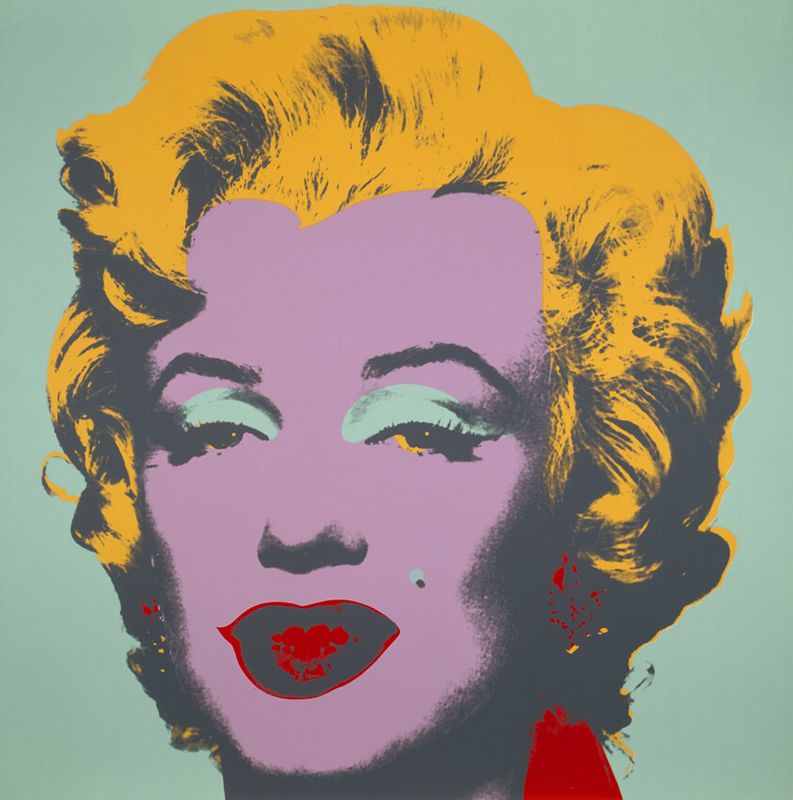
The hair is a flat field of orange-yellow, with gray-black curls printed over it. Color and shadow don't quite line up, which gives it a flickering energy.
The skin is one smooth block of lilac, with the features printed over it in gray. The photograph turns into a graphic, almost like a cutout.
Pale mint shadow sits above each eye like a flat shape of color. It matches the background and gives the gaze a glamorous, mask-like look.
Look at the mouth. The bright red of the lips sits within the dark gray shape and doesn't line up with it exactly, a loose registration that gives the print its handmade, offset feel.
The head fills almost the whole square, centered and staring straight out. Against the cool green, the warm hair and face feel confrontational, like a billboard or a flashbulb glare.
The full narration walks you through Marilyn Monroe (Marilyn) — the story behind it, the details most visitors miss, and why it matters. Free in the Art Whisper app.
Andy Warhol transformed everyday objects and celebrity portraits into iconic art, blurring the lines between high culture and mass media.
Beyond Warhol and Postmodernism: works from the same years, and from the other movements Marilyn Monroe (Marilyn) belongs to.
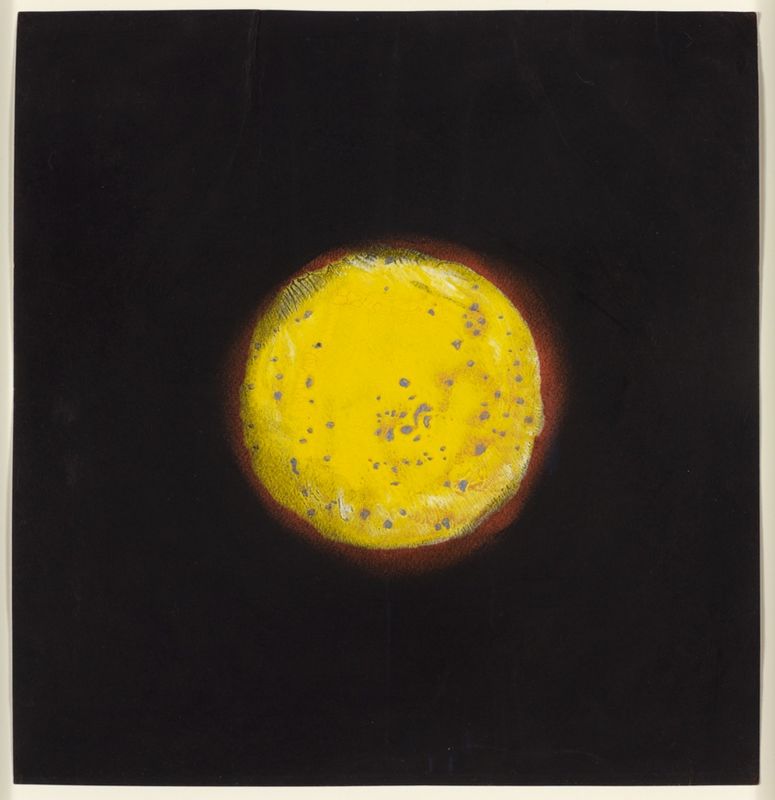 Same movement · Pop Art
Sun Spot
Yayoi Kusama · 1953 · Art Institute of Chicago
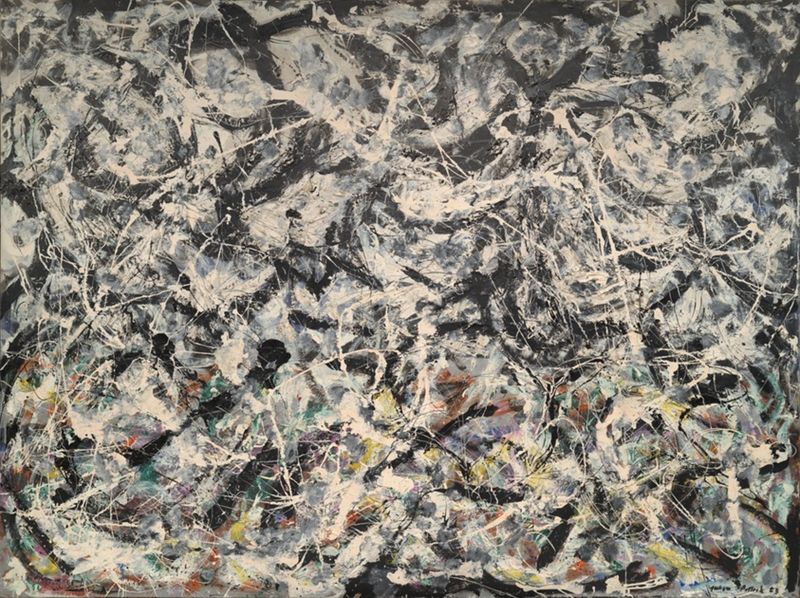 Same era · 1950s–1980s
Greyed Rainbow
Jackson Pollock · 1953 · Art Institute of Chicago
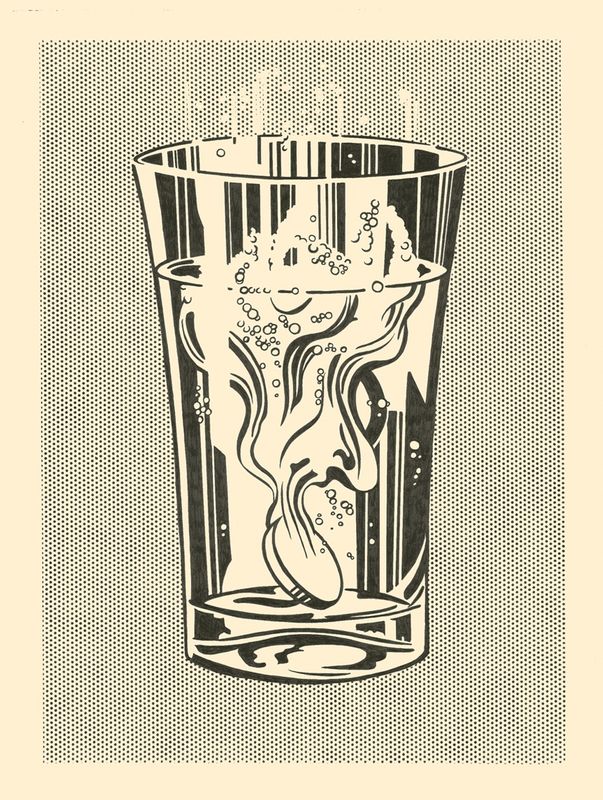 Same movement · Pop Art
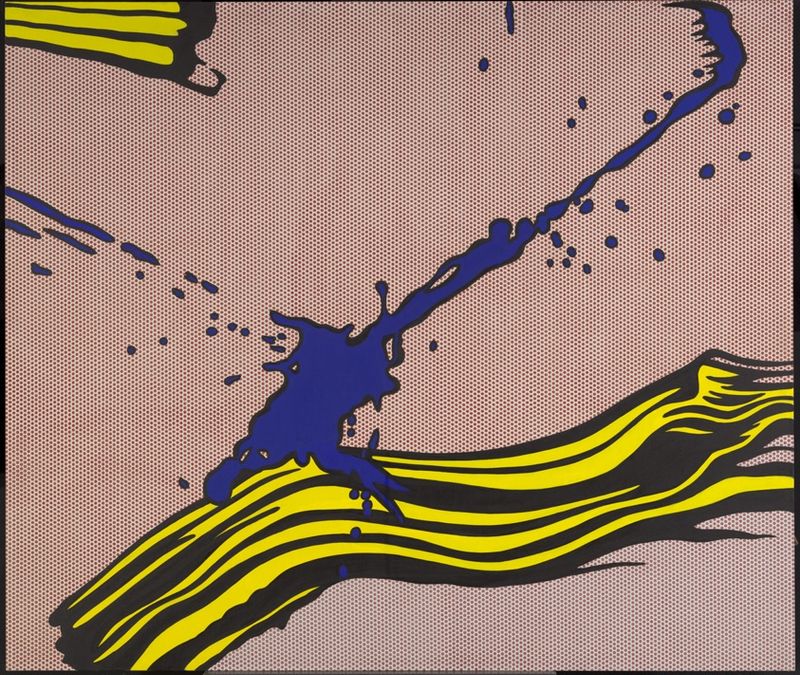
Alka Seltzer
Roy Lichtenstein · 1966 · Art Institute of Chicago
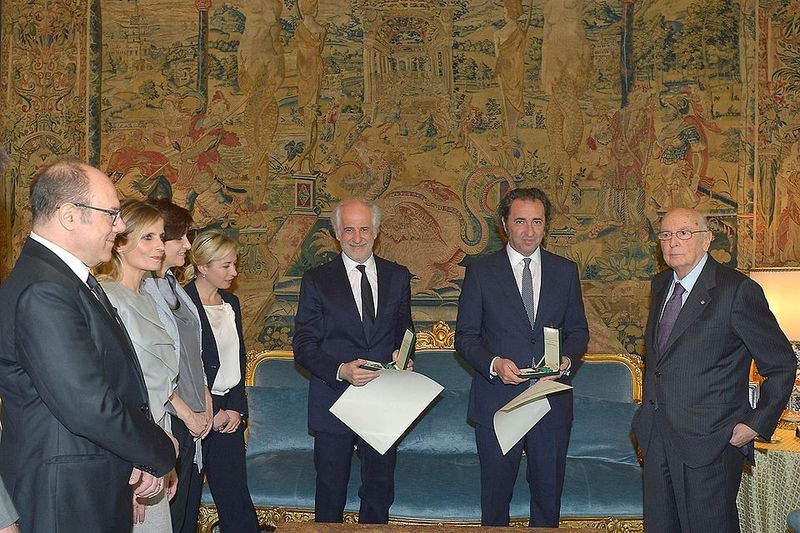 Same era · 1950s–1980s
La grande bellezza
Pierre Alechinsky · 1965
 Same era · 1950s–1980s
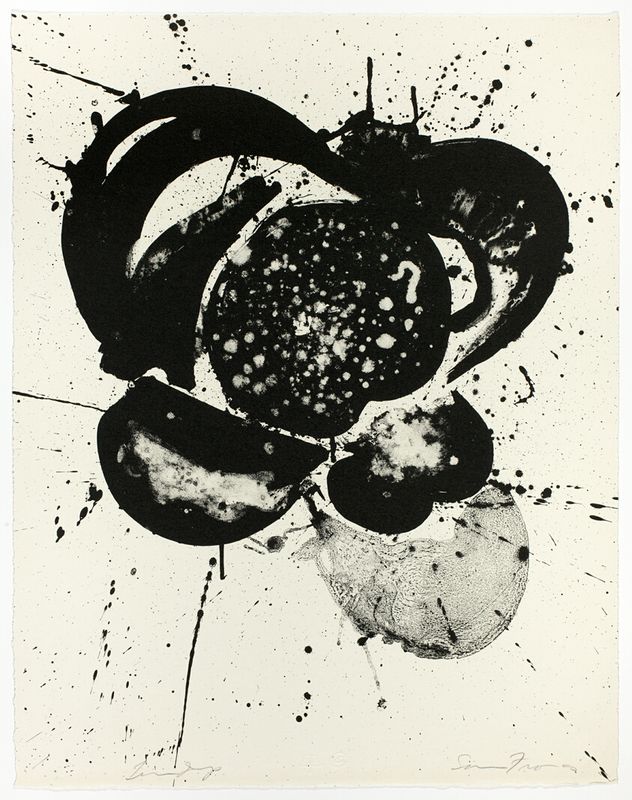
Essai
Sam Francis · 1963 · Art Institute of Chicago
 Same era · 1950s–1980s
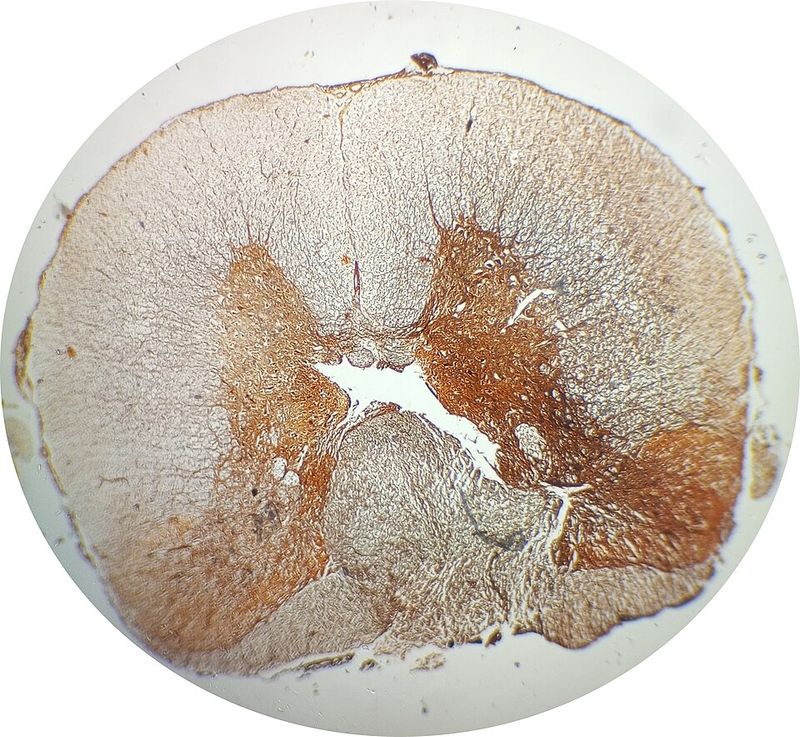
Impregnazione
Piero Manzoni · 1958
 Same era · 1950s–1980s
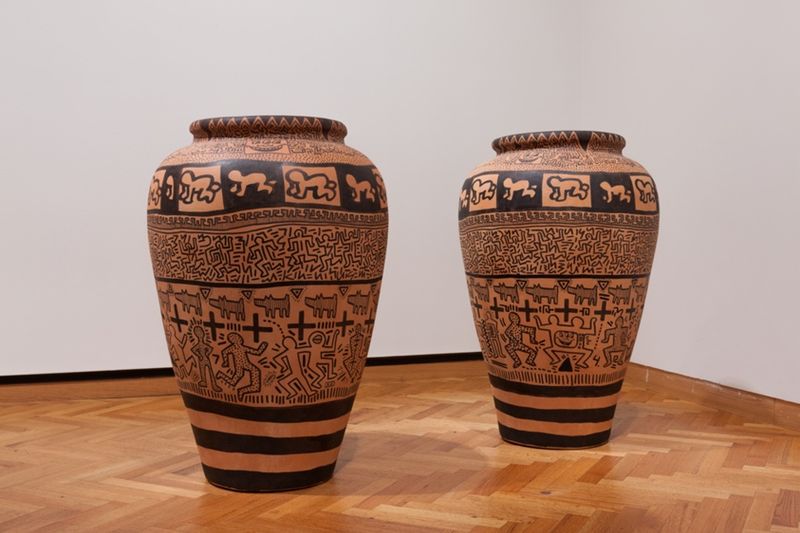
Untitled (Pair of Vases)
Keith Haring · 1981 · Art Institute of Chicago
 Same era · 1950s–1980s
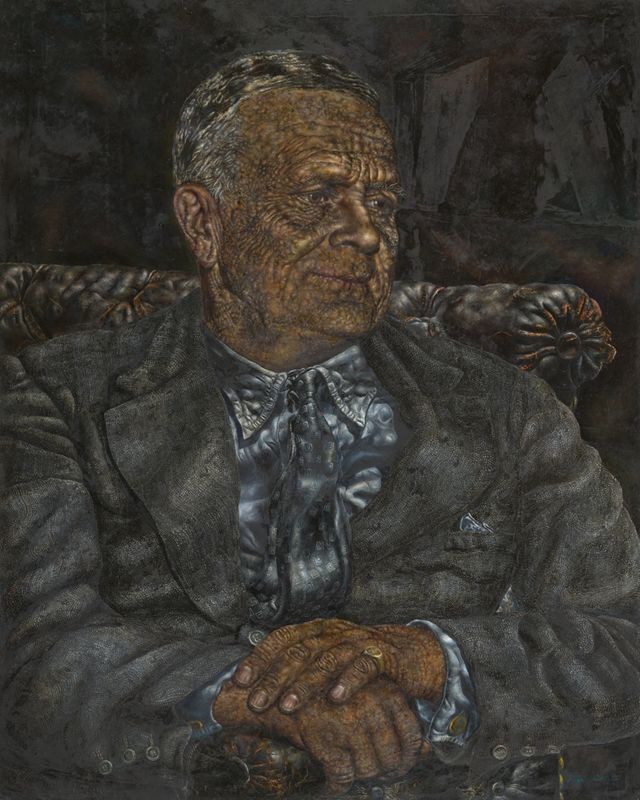
Captain Joseph Medill Patterson
Ivan Puni · 1962 · Art Institute of Chicago
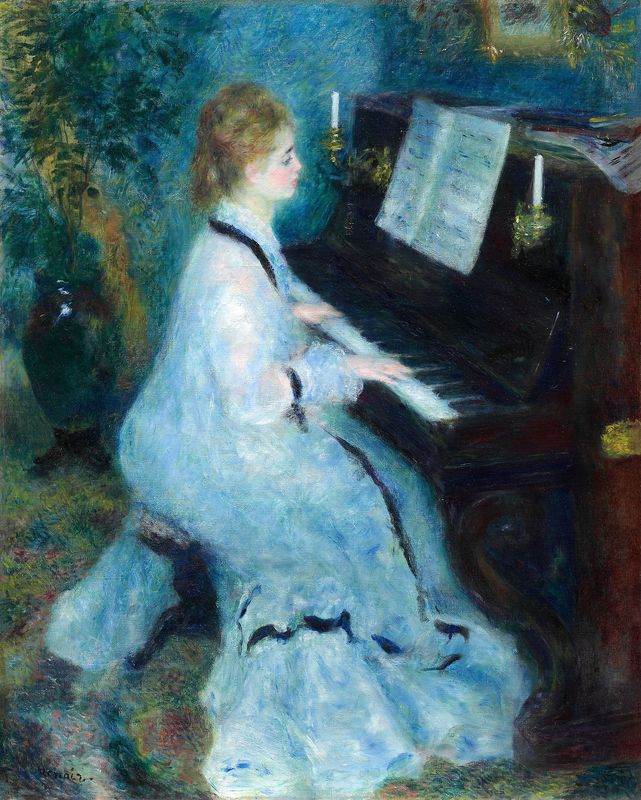 Same era · 1950s–1980s
Woman at the Piano
Philip Evergood · 1955 · Smithsonian American Art Museum
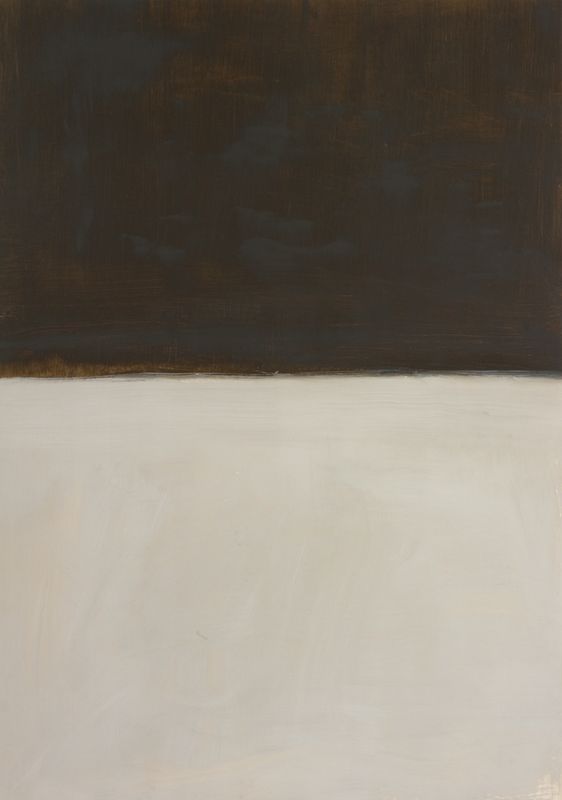 Same era · 1950s–1980s
Untitled (Brown and Gray)
Mark Rothko · 1969 · The Metropolitan Museum of Art
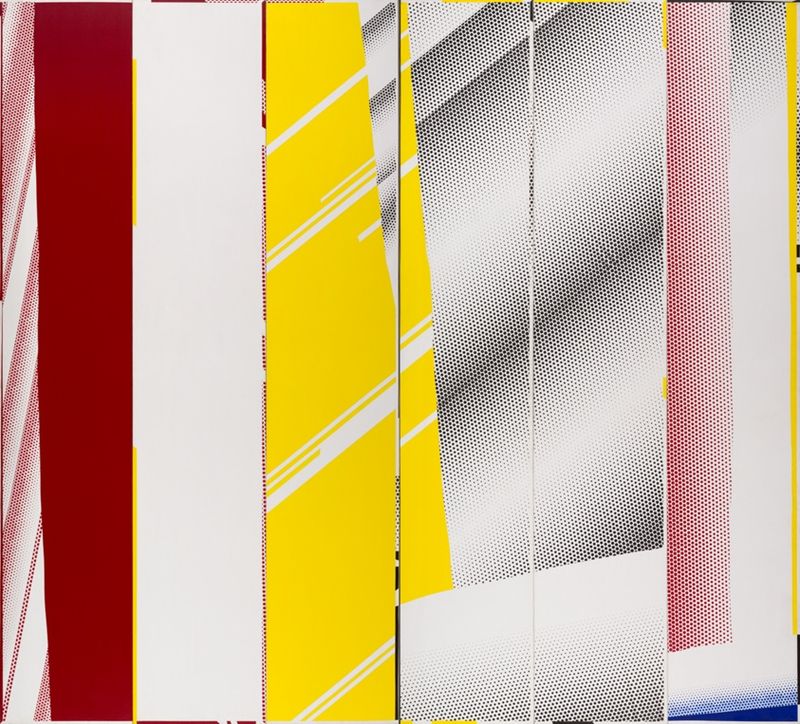 Same era · 1950s–1980s
Mirror #3 (Six Panels)
Roy Lichtenstein · 1971 · Art Institute of Chicago
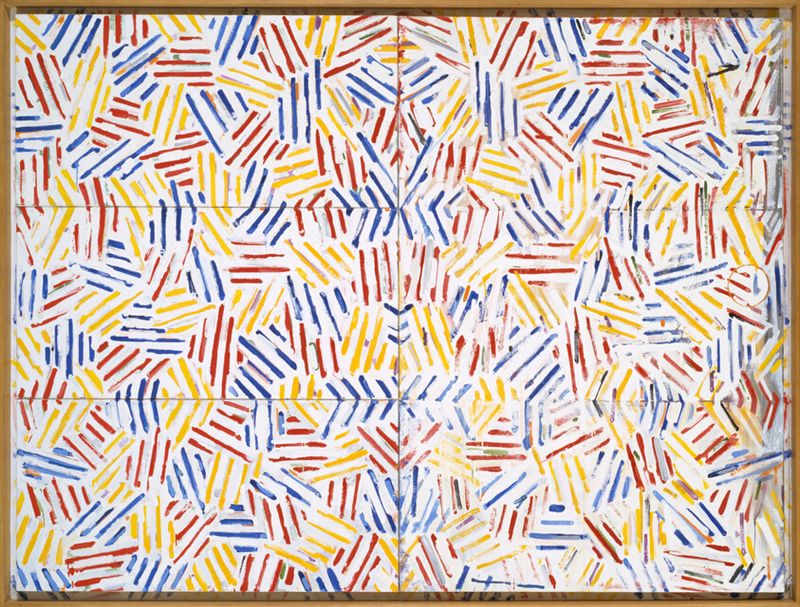 Same era · 1950s–1980s
Corpse and Mirror II
Jasper Johns · 1974 · Art Institute of Chicago
 Same era · 1950s–1980s
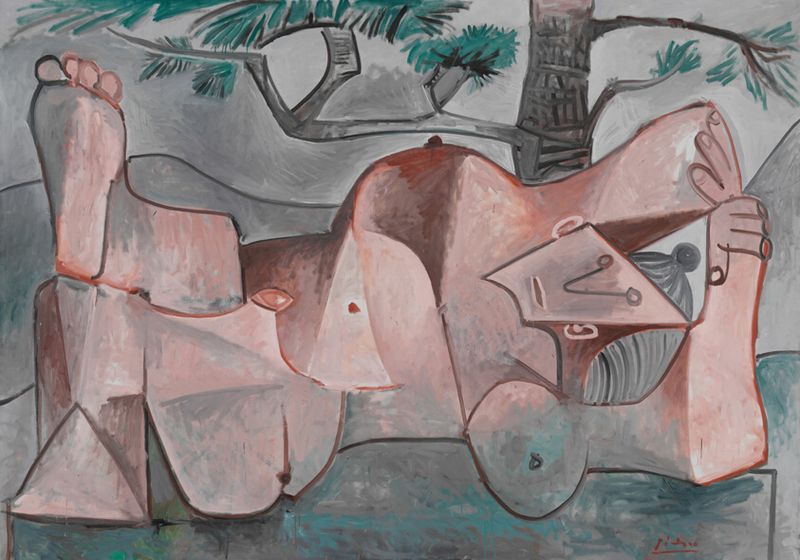
Nude under a Pine Tree
Pablo Picasso · 1959 · Art Institute of Chicago
 Same era · 1950s–1980s
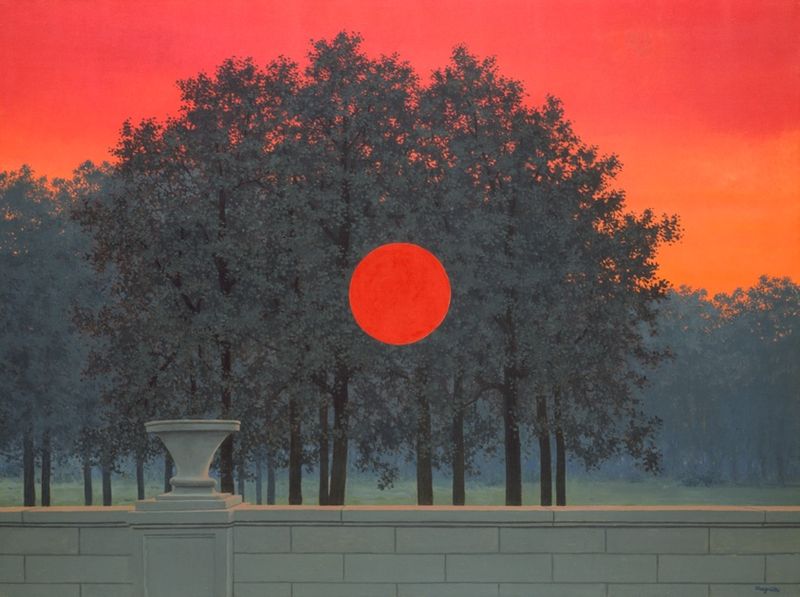
The Banquet
René Magritte · 1958 · Art Institute of Chicago