
“Pop Art exploded onto the scene in the 1950s like a comic book punch to the art world's jaw.”
Imagine walking into a gallery and instead of serious oil paintings of landscapes or portraits, you're confronted with giant Campbell's Soup cans, Marilyn Monroe's face repeated in garish colors, or a comic strip blown up to wall size. That's Pop Art—and it was absolutely revolutionary. Artists looked around at postwar consumer culture—the advertisements, the supermarket shelves, the celebrity magazines—and said, "This is our reality, and it deserves to be art too."
What makes Pop Art so distinctive is its unapologetic embrace of popular culture and mass production. These artists weren't trying to create something elevated or spiritual; they were celebrating (and sometimes critiquing) the everyday images that surrounded Americans in the booming consumer economy. Born primarily in New York and London, the movement rejected the emotional intensity and abstract forms of Abstract Expressionism that dominated the 1940s and early 50s. Instead, Pop artists used flat, bold colors, crisp lines, and commercial printing techniques. Many works look like they could have been printed in a factory—and that was entirely the point.
When you encounter Pop Art in a museum, you'll immediately recognize its visual language because it borrows from the world outside the museum walls. Advertisements, product packaging, celebrity headshots, comic books—all became legitimate subjects. Artists like Andy Warhol, Roy Lichtenstein, and Claes Oldenburg treated these mundane images with the same seriousness that Renaissance painters gave to religious scenes. The result feels accessible, playful, sometimes ironic, and unmistakably modern. Pop Art democratized art by showing that inspiration could come from a Coca-Cola bottle just as easily as from classical mythology.
- Period
- c. 1955–1975
- Peak
- around 1965
- Born in
- New York City, USA
- Key artists
- Andy Warhol, Roy Lichtenstein, Yayoi Kusama
- Came before
- Abstract Expressionism
- Came after
- Minimalism and Conceptual Art
When it happened
- CAME BEFOREAbstract Expressionism
- ~1955 · STARTED
- ~1965 · PEAKED
- ~1975 · ENDED
- CAME AFTERMinimalism and Conceptual Art
What makes it Pop Art
Bold, Flat Colors
Think saturated primary colors with little shading—like images printed in a comic book or advertisement, not painterly.
e.g. Marilyn Diptych by Andy WarholCommercial Imagery & Brand Logos
Actual products, logos, and consumer goods appear as the main subject—soup cans, soda bottles, celebrities as products.
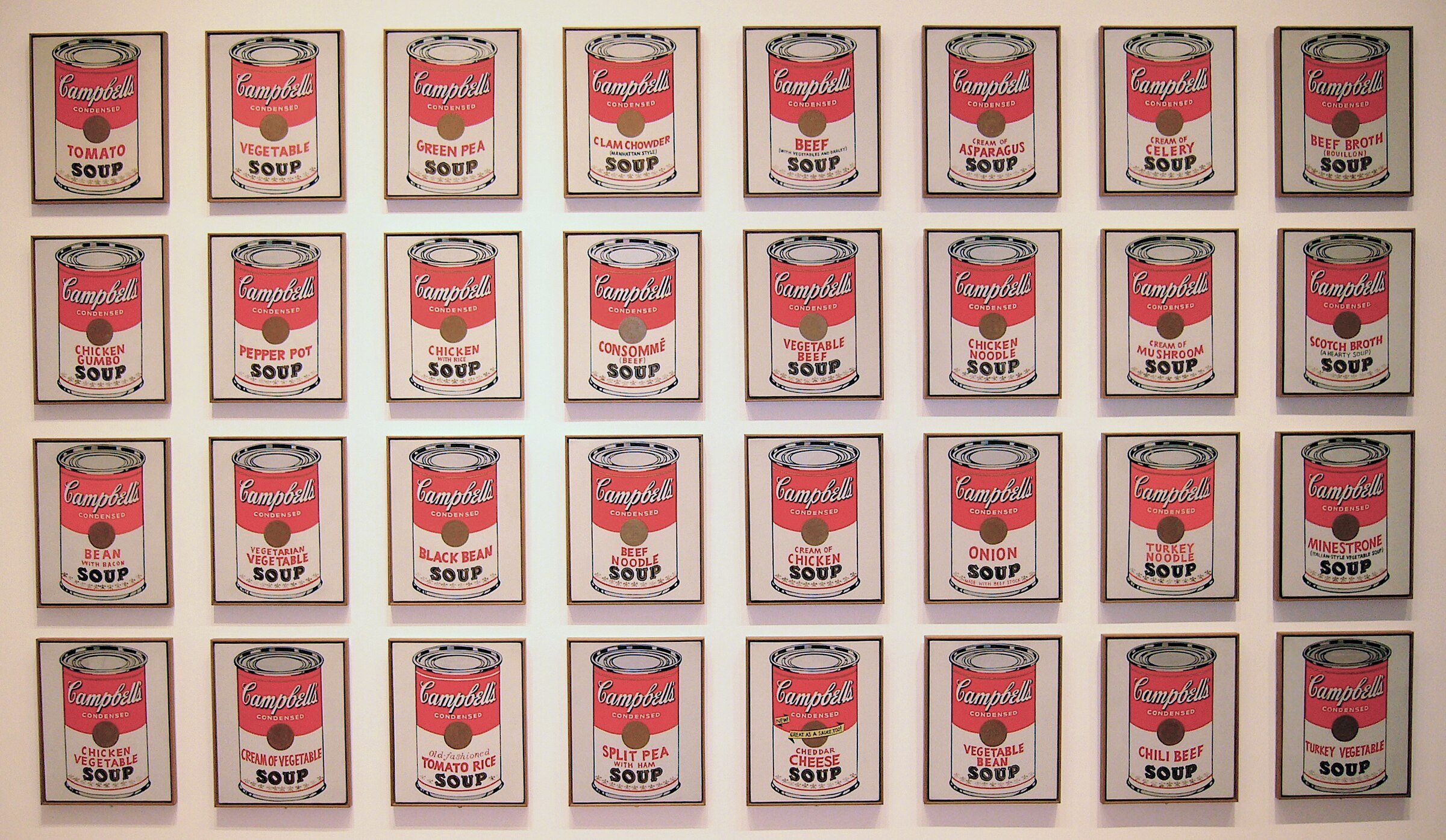
e.g. Campbell's Soup Cans by Andy WarholBen-Day Dots & Comic Book Style
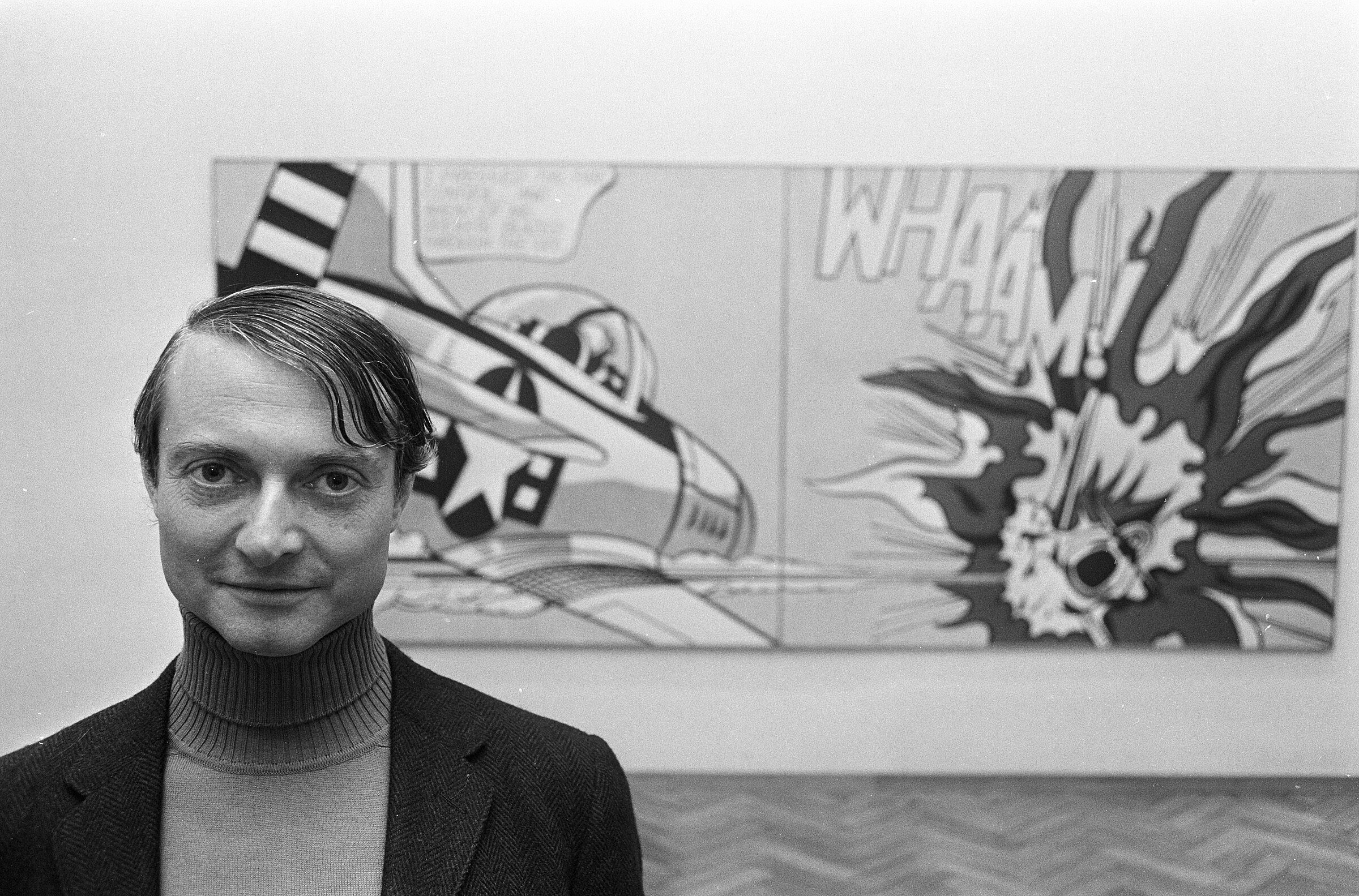
Mechanical printing dots visible up close, thick black outlines, and speech bubbles borrowed from newspaper comics.
e.g. Whaam! by Roy LichtensteinRepetition & Serial Imagery
Same image repeated multiple times in a grid—mimicking mass production and undermining uniqueness.
e.g. 32 Campbell's Soup Cans by Andy WarholDeadpan, Impersonal Technique
No visible brushstrokes or emotional hand—looks machine-made, silkscreened, or commercially printed.
e.g. Green Coca-Cola Bottles by Andy WarholHow to spot Pop Art
Three signs you’re standing in front of one — all easy to see in Dog.
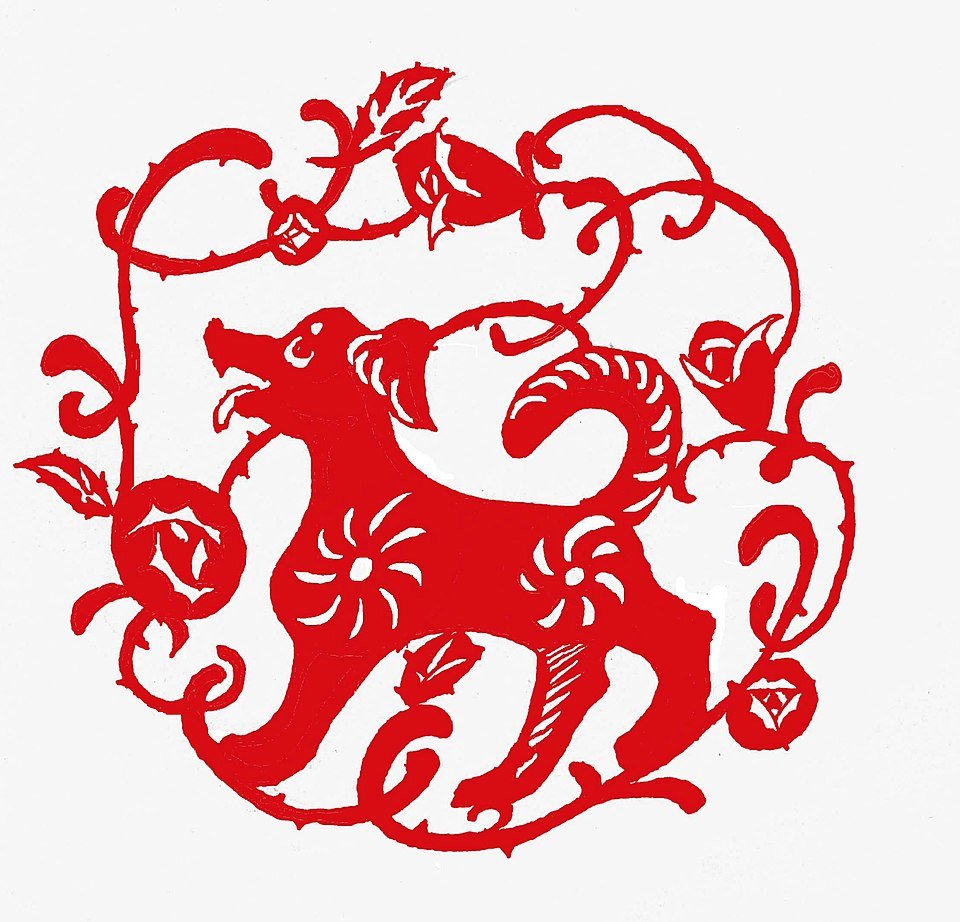
Look for images that seem borrowed from advertisements, product packaging, or celebrity photos—if it looks commercial, it's likely Pop.
Check if colors are flat and bold with hard edges, rather than blended or textured—Pop Art avoids painterly techniques.
Stand close and look for Ben-Day dots (like newsprint) or evidence of silkscreen printing—mechanical reproduction was part of the aesthetic.
Andy Warhol chose Campbell's Soup because he ate it for lunch every day for 20 years—the ultimate ordinary subject elevated to art.
Roy Lichtenstein's comic book paintings were initially despised by critics who called them vulgar copies, not 'real' art.
The term 'Pop Art' may have come from British critic Lawrence Alloway, who used 'pop' to describe mass-produced popular culture products.
The artists who defined it
Works to know
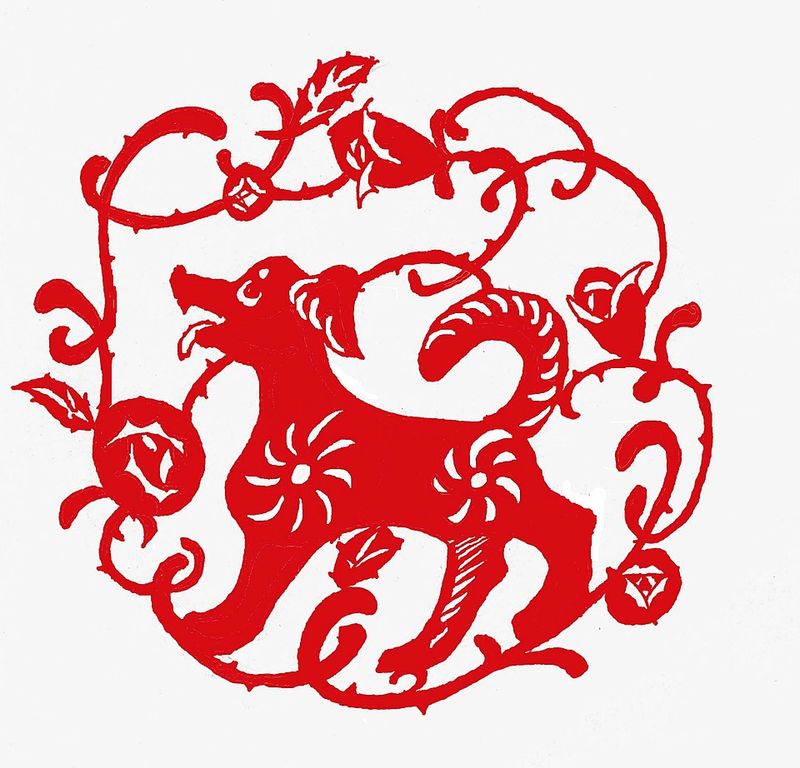 Dog
1950 · Art Institute of Chicago
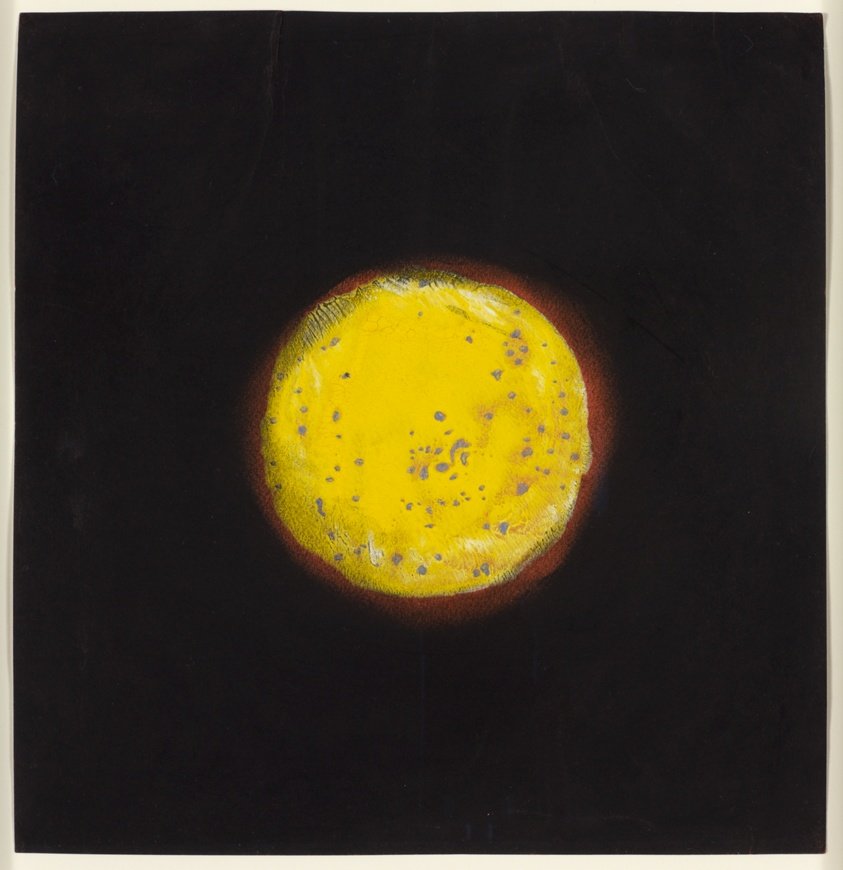
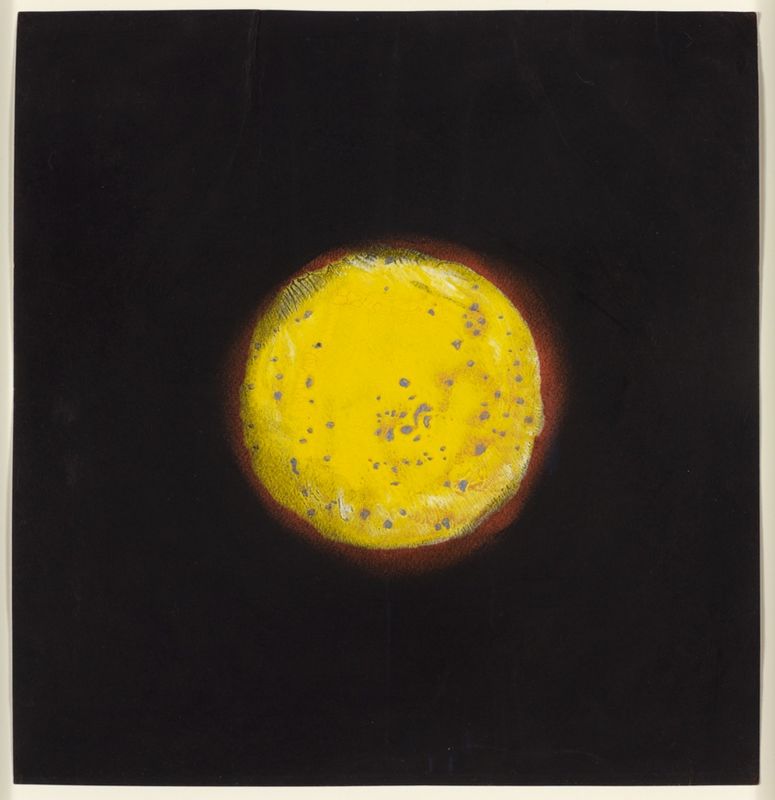 Sun Spot
1953 · Art Institute of Chicago
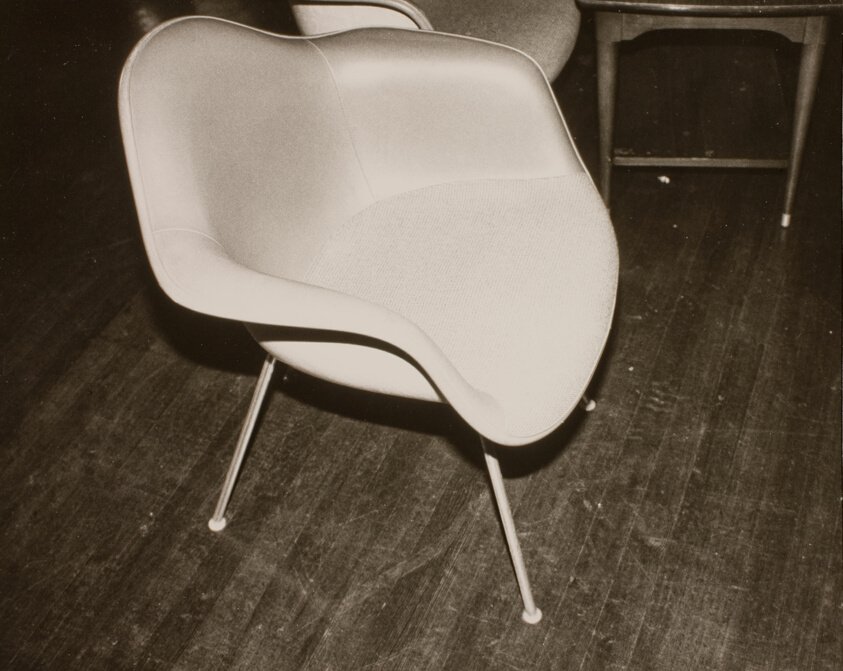
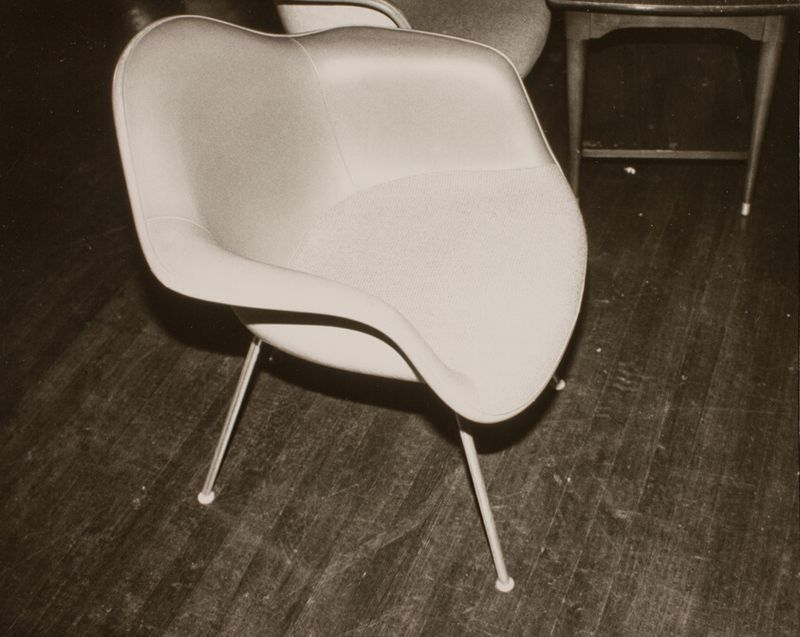 Chair
1960 · Art Institute of Chicago
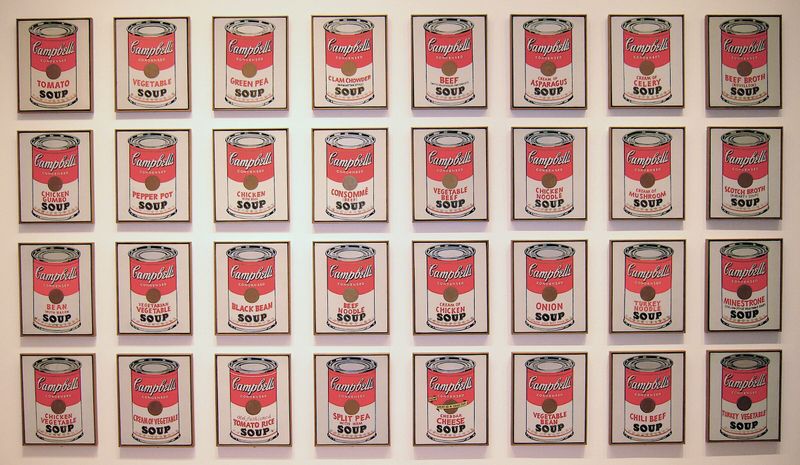 Campbell's Soup Cans
1962 · Museum of Modern Art
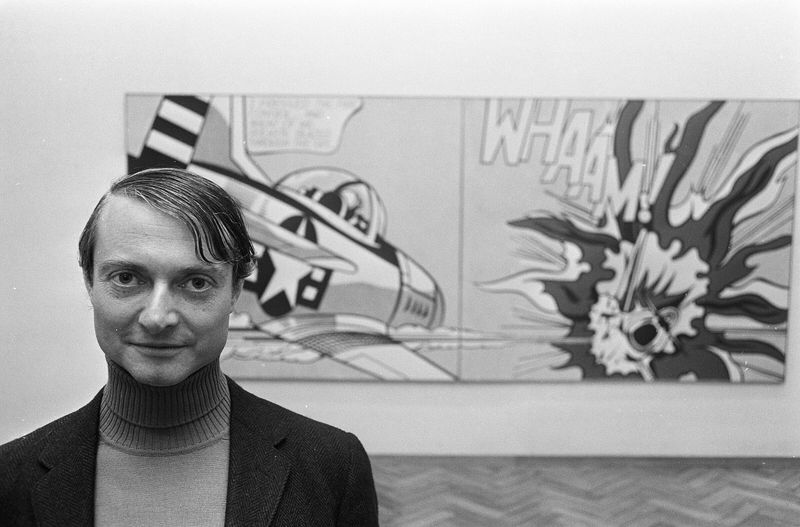 Whaam!
1963 · Tate
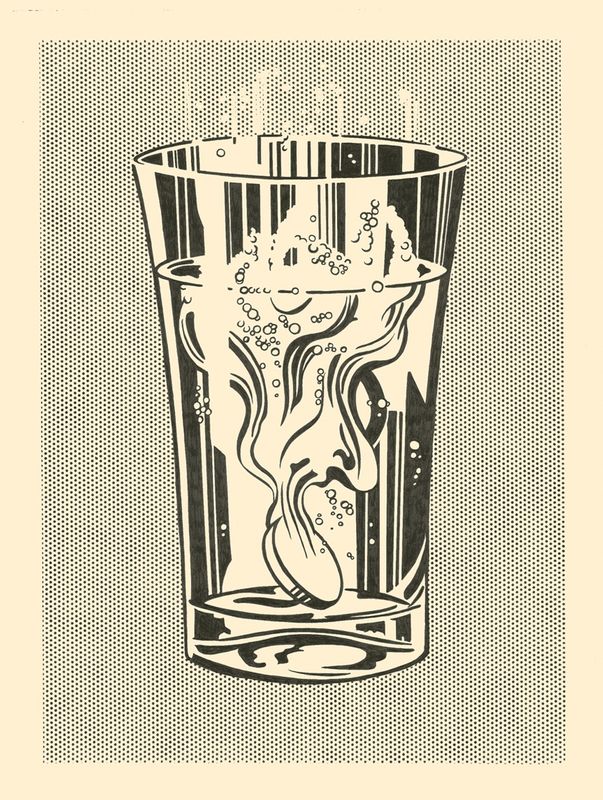 Alka Seltzer
1966 · Art Institute of Chicago
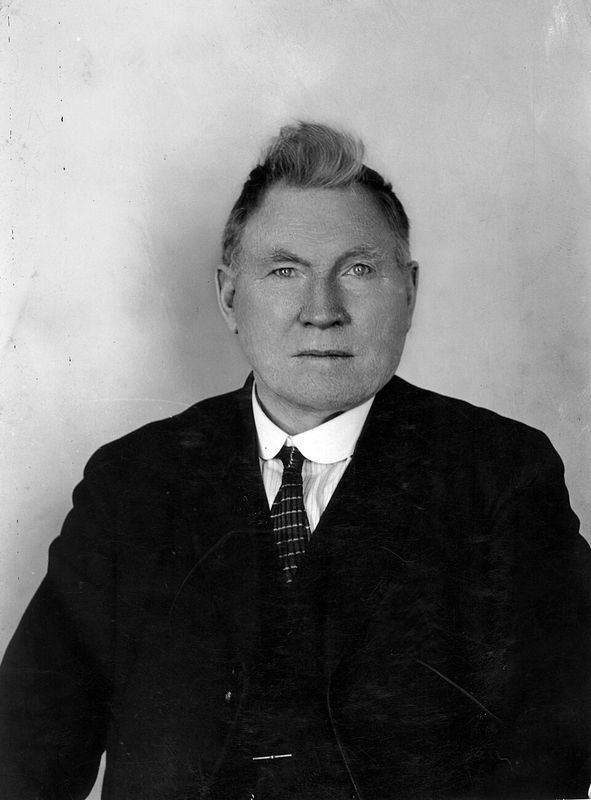 Unidentified Man
1970 · Art Institute of Chicago
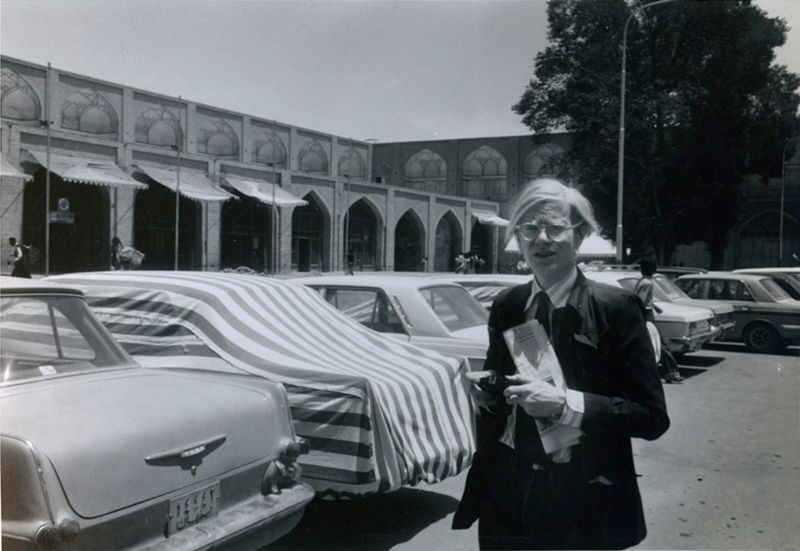 Bob Colacello
1973 · Art Institute of Chicago
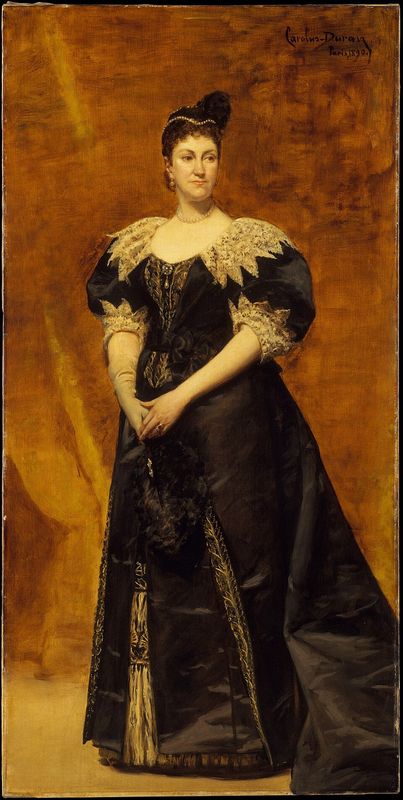 Caroline Law
1975 · Art Institute of Chicago
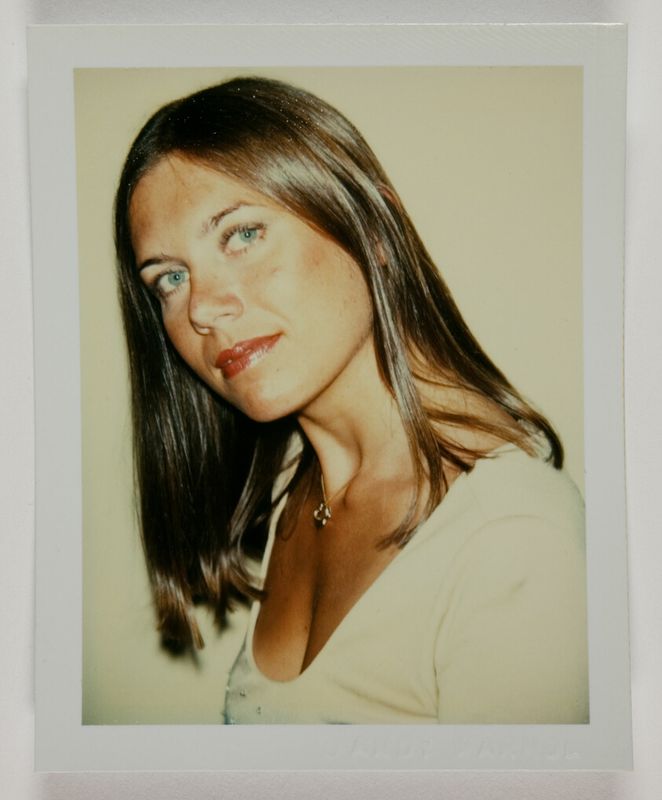 Mary Jean Mitchell Green
1976 · Art Institute of Chicago
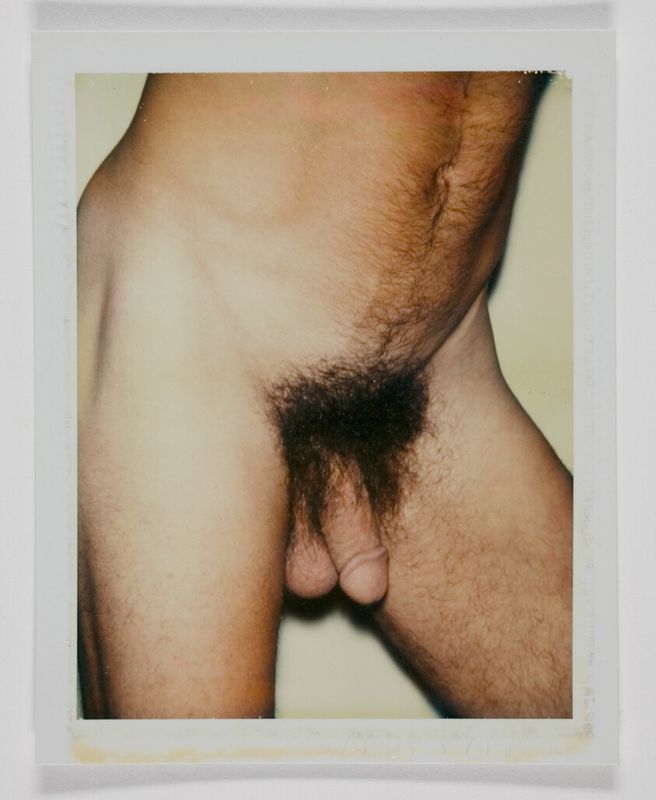 Nude Model (Male)
1977 · Art Institute of Chicago
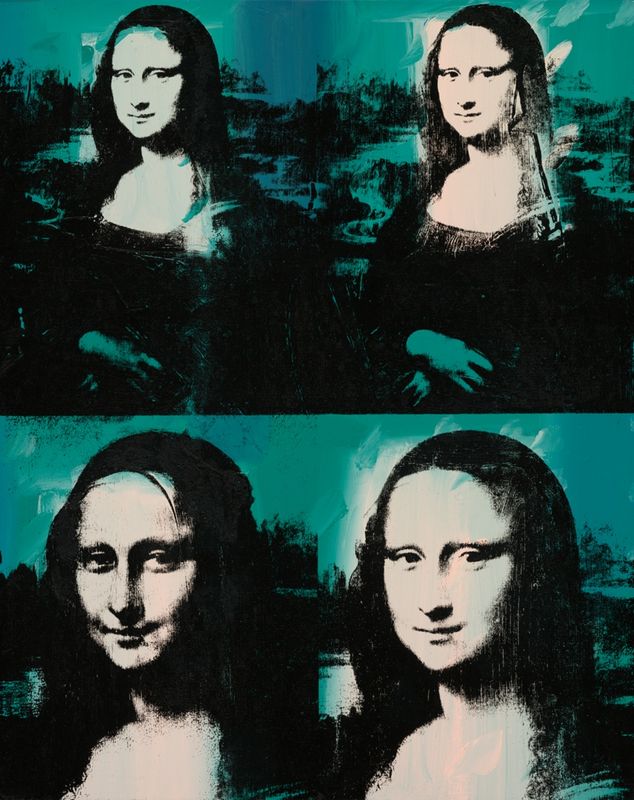 Four Mona Lisas
1978 · Art Institute of Chicago
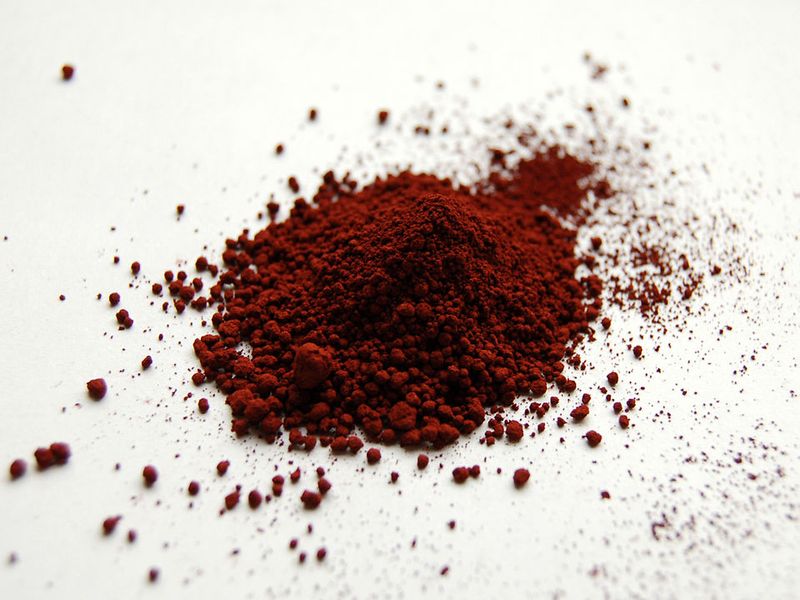 Oxidation
1978 · Art Institute of Chicago
 Eric Jacobson
1979 · Art Institute of Chicago
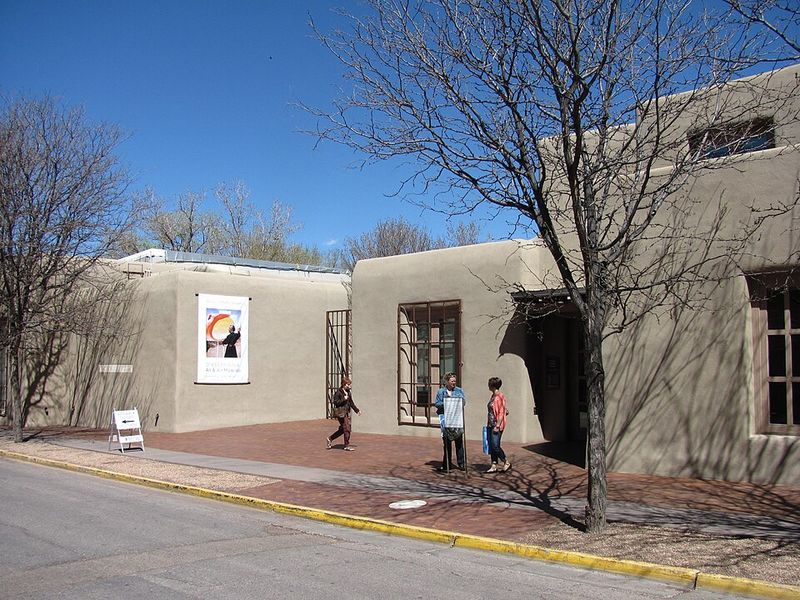 Georgia O'Keeffe
1980 · Art Institute of Chicago
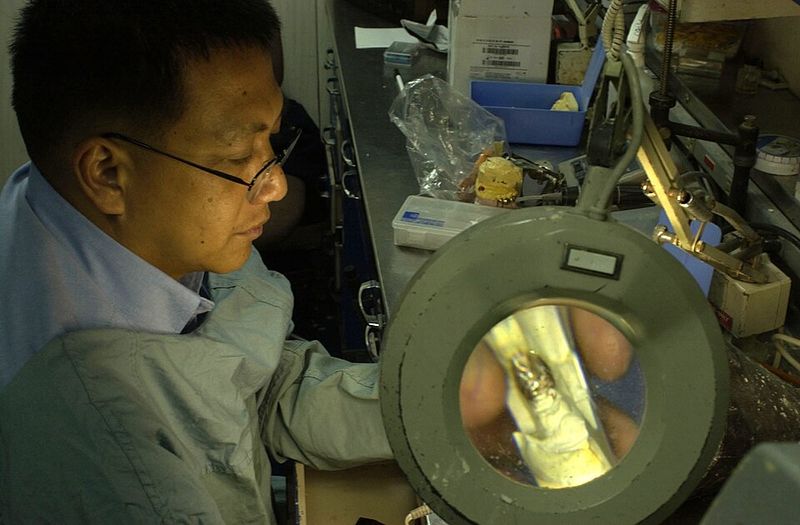 Dental Molds
1982 · Art Institute of Chicago
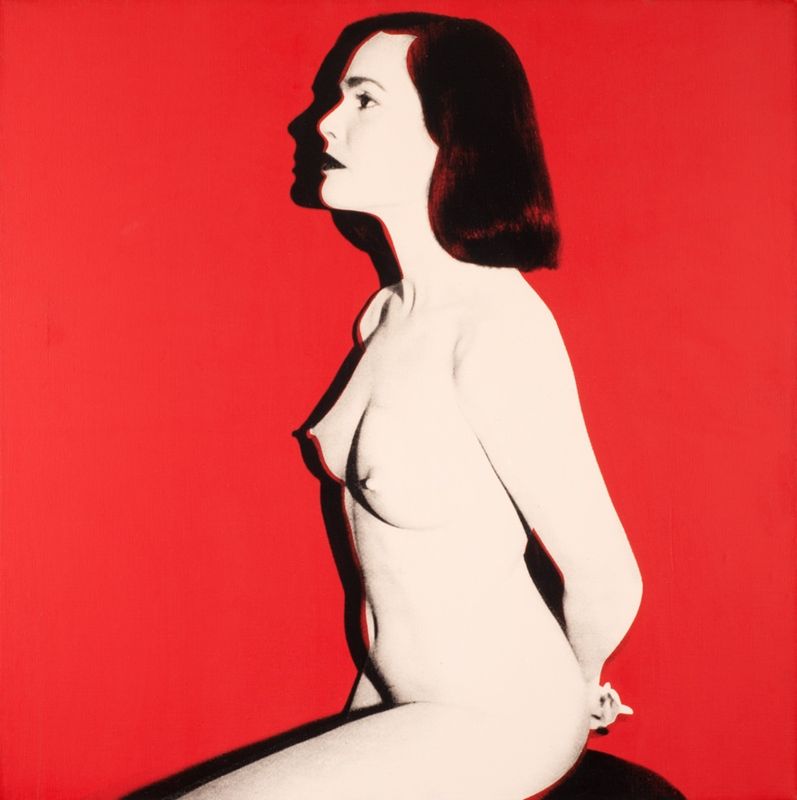 Pat Hearn
1985 · Art Institute of Chicago
 Maria Shriver
1986 · Art Institute of Chicago
Take Pop Art to the museum
Point your phone at any painting and Art Whisper tells you its story — who made it, what to notice, and why it matters. Free to start.