01
Profile face
Follow the sharp profile from forehead to chin. The pale skin and dark lips look cut out against the red, like a stamped emblem.
1 of 4 on the painting
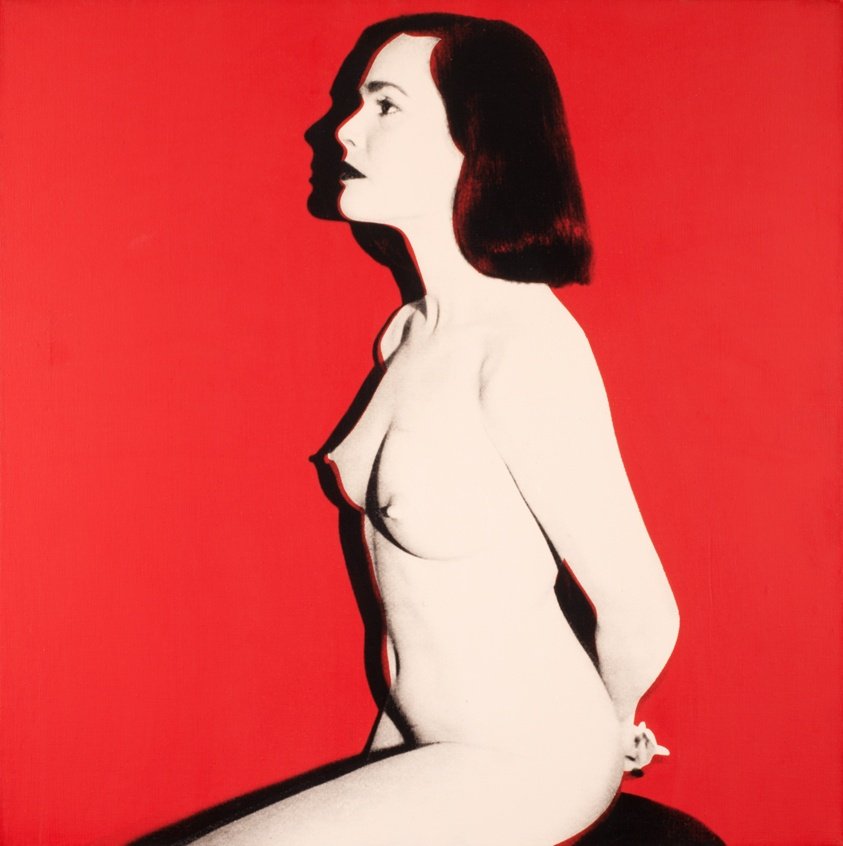
“This vibrant portrait of art dealer Pat Hearn captures her iconic presence through Andy Warhol's distinctive silkscreen technique, transforming her into a striking symbol of the 1980s New York art scene.”
In this striking portrait, Pat Hearn, a prominent New York art dealer, gazes directly out from a field of vibrant pink. Her face, rendered in stark black and white, is a high-contrast silkscreen print, a technique that gives her features a graphic, almost detached quality. Her lips are painted a dramatic, bright red, a detail that pops against the monochromatic treatment of her skin and hair, drawing immediate attention. The overall effect is both glamorous and unsettling, capturing Hearn's assertive presence while also transforming her into an icon, much like the celebrities and consumer products that frequently appeared in art of this period. This work captures Hearn at a pivotal moment, just two years after she opened her influential gallery, showcasing her as a significant figure within the art world.
Five details hide in plain sight. Pick one and we’ll show you exactly where to look.
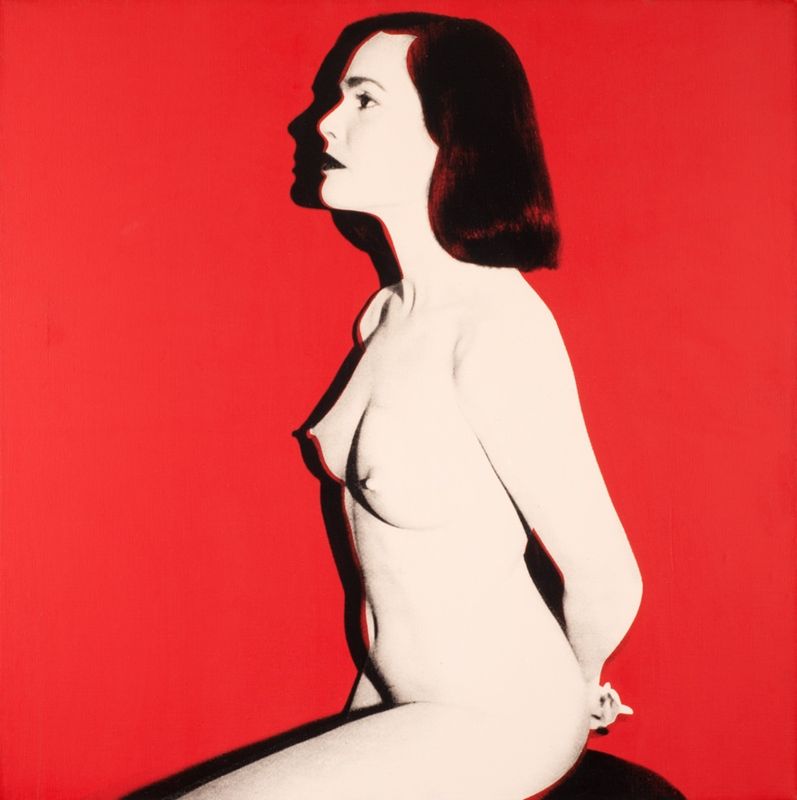
Follow the sharp profile from forehead to chin. The pale skin and dark lips look cut out against the red, like a stamped emblem.
The bobbed hair is almost a solid black shape with only faint red glints. It frames the face and anchors the top of the picture.
Look along her chest and back, where a thin dark and red edge sits slightly off the pale body. It looks like a printing offset, which gives the image a shifting, photographic feel.
Low at the right, her pale fingers clasp behind her back. The small gesture makes the pose feel restrained and gives it a quiet tension.
The saturated red fills the whole square with no horizon or furniture. Nothing competes with the figure, so she reads like a bold graphic sign.
The full narration walks you through Pat Hearn — the story behind it, the details most visitors miss, and why it matters. Free in the Art Whisper app.
Andy Warhol transformed everyday objects and celebrity portraits into iconic art, blurring the lines between high culture and mass media.
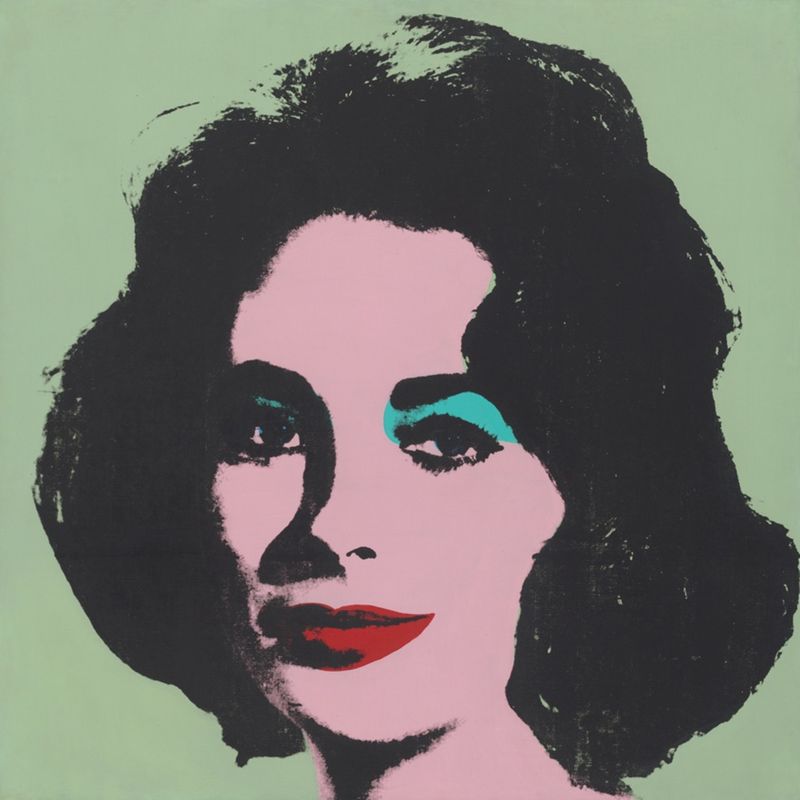 Liz #3 [Early Colored Liz]
1963 · Art Institute of Chicago
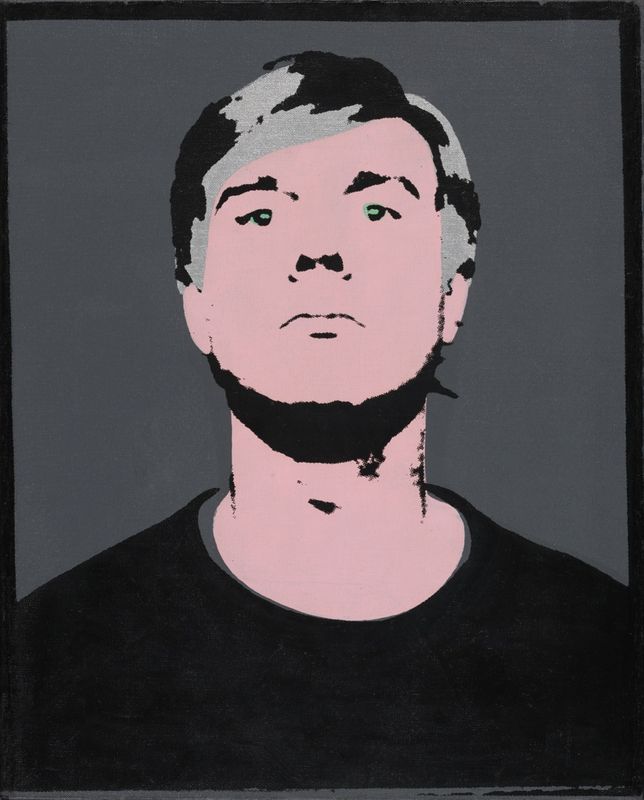 Self-Portrait
1964 · Art Institute of Chicago
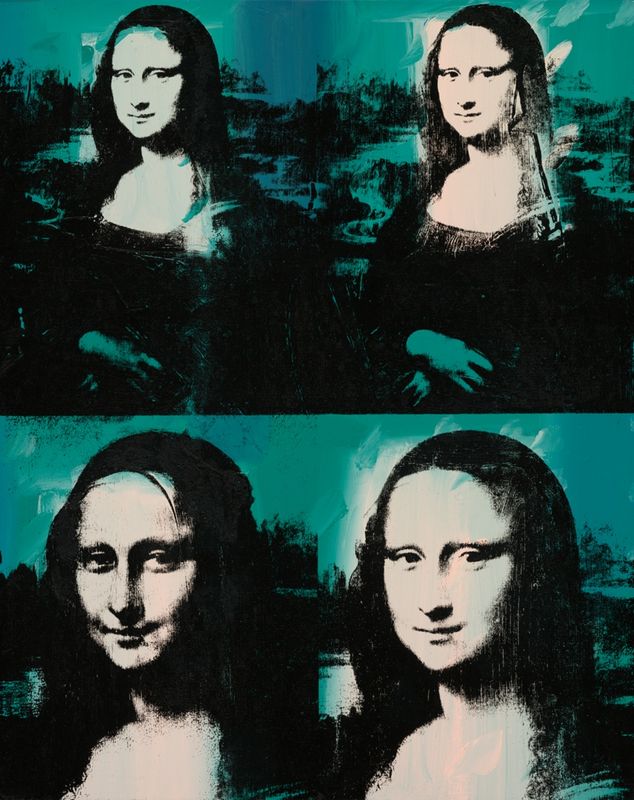 Four Mona Lisas
1978 · Art Institute of Chicago
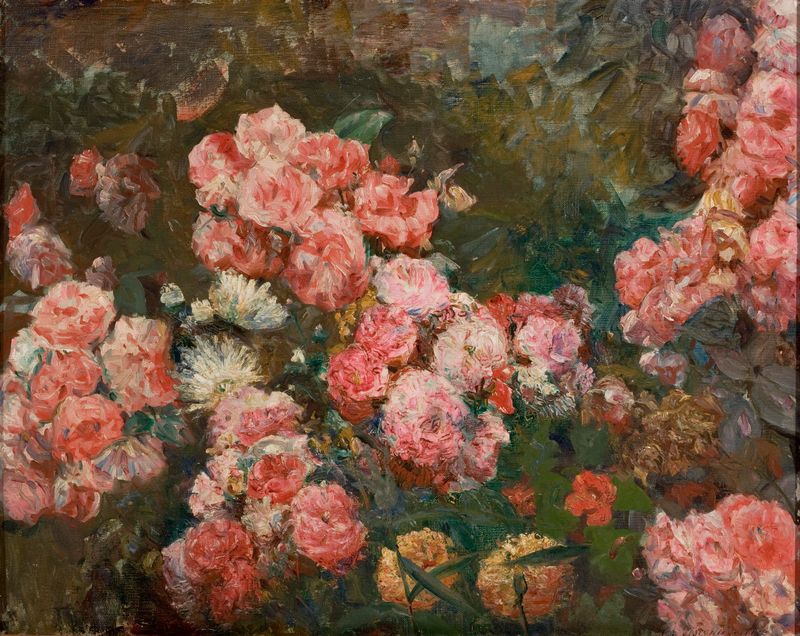 Flowers
1964 · Cleveland Museum of Art
 Nude (Red)
1986
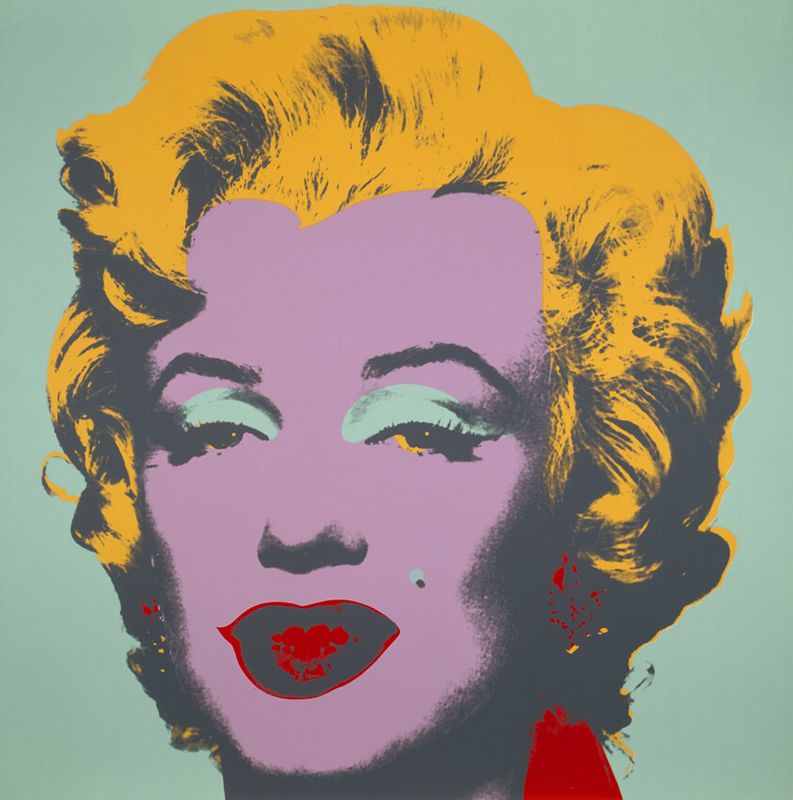 Marilyn Monroe (Marilyn)
1967 · Art Institute of Chicago
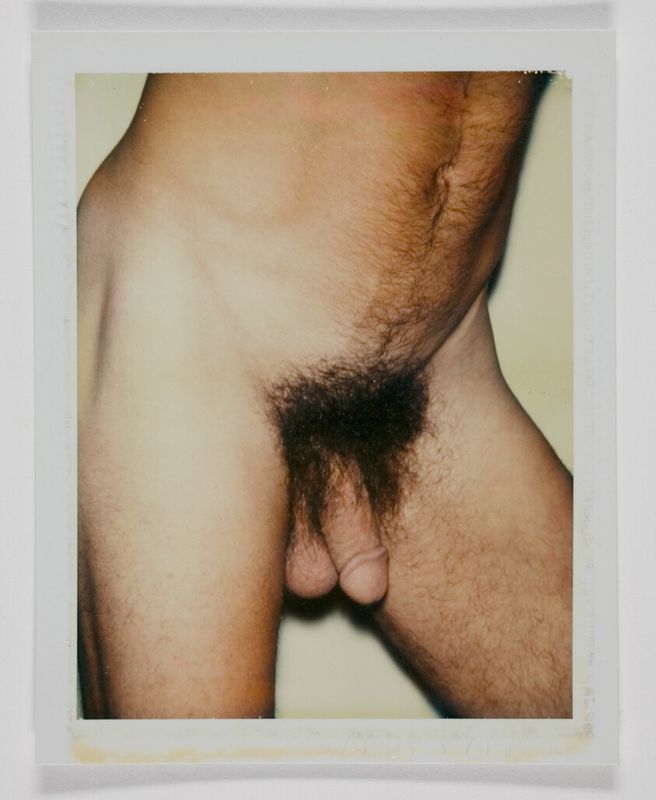 Nude Model (Male)
1977 · Art Institute of Chicago
Beyond Warhol and Postmodernism: works from the same years, and from the other movements Pat Hearn belongs to.
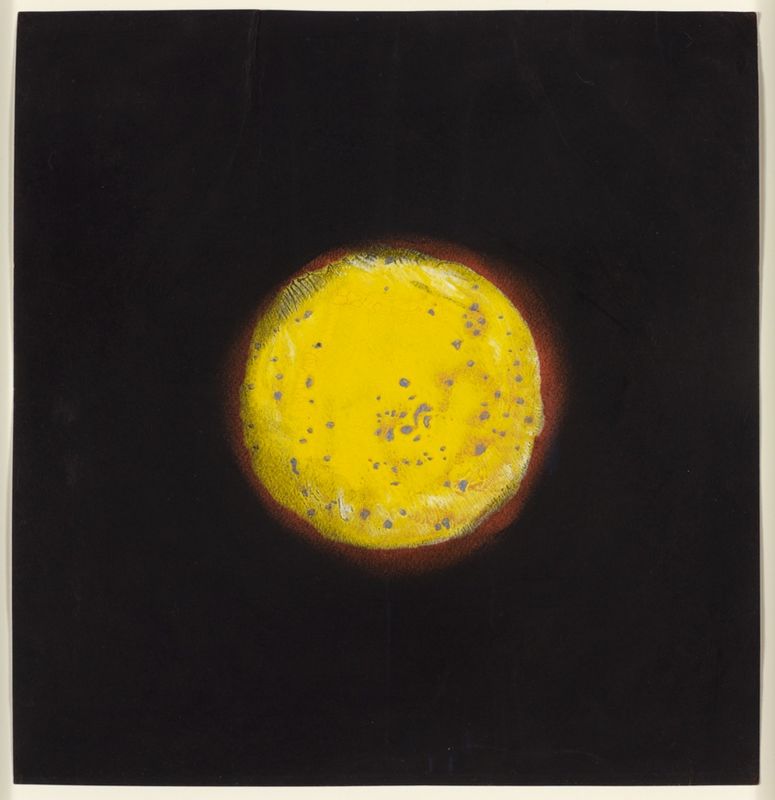 Same movement · Pop Art
Sun Spot
Yayoi Kusama · 1953 · Art Institute of Chicago
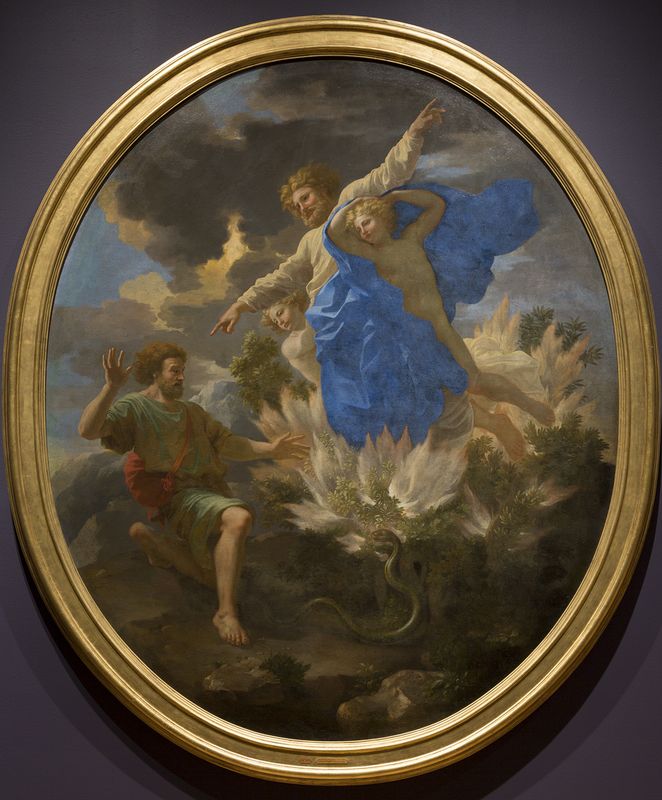 Same era · 1970s–2000s
Moses and the Burning Bush
Keith Haring · 1985 · Crystal Bridges Museum of American Art
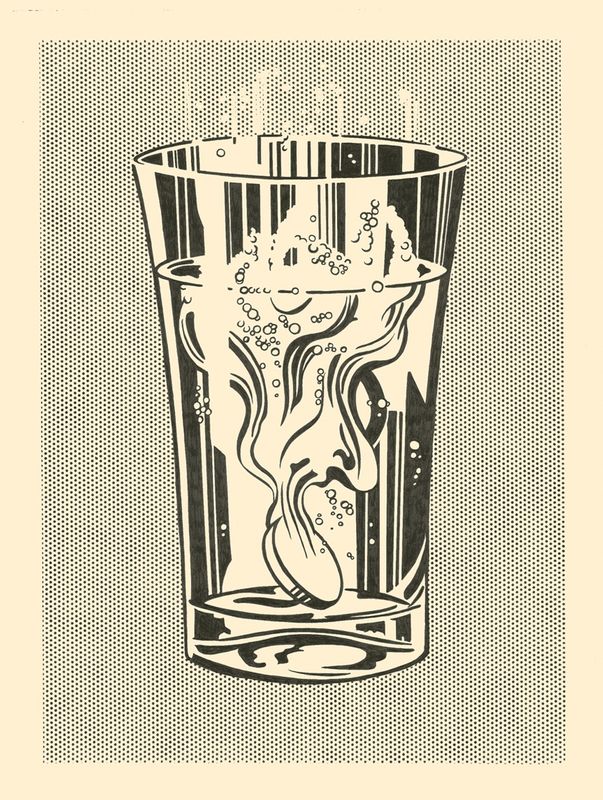 Same movement · Pop Art
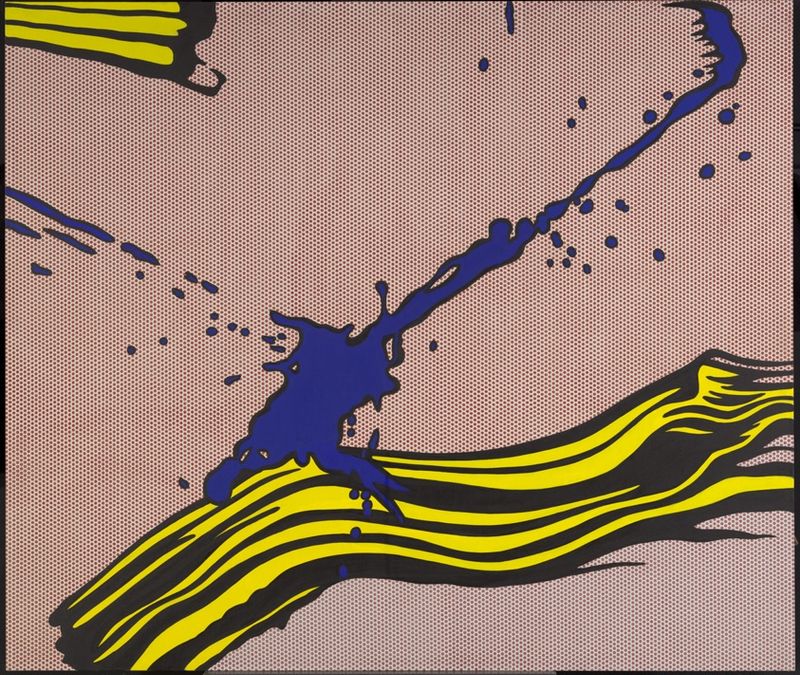
Alka Seltzer
Roy Lichtenstein · 1966 · Art Institute of Chicago
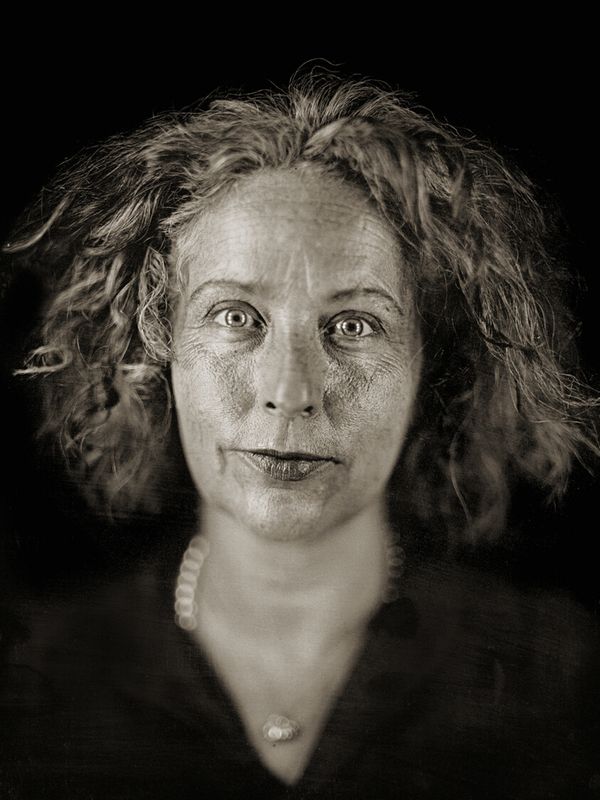 Same era · 1970s–2000s
Kiki (Smith)
Chuck Close · 2000 · Art Institute of Chicago
 Same era · 1970s–2000s
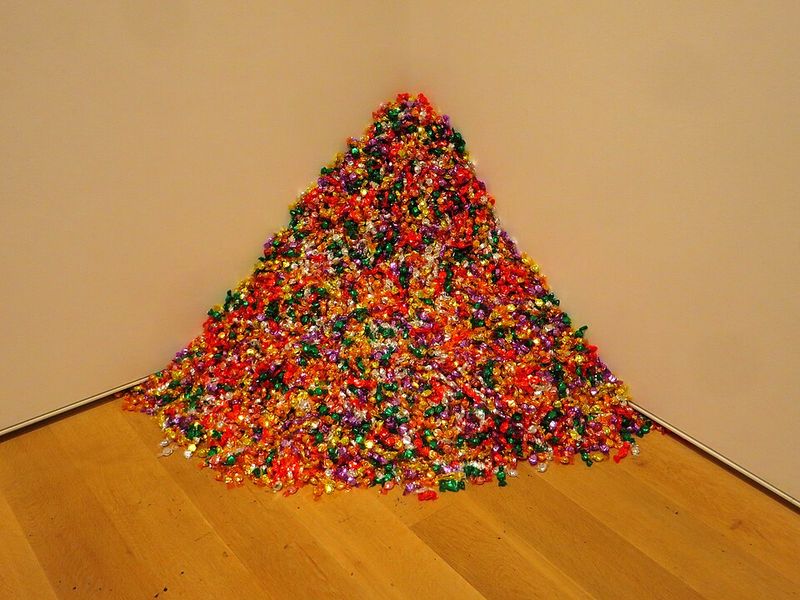
Untitled (Portrait of Ross in L.A.)
Félix González-Torres · 1991
 Same era · 1970s–2000s
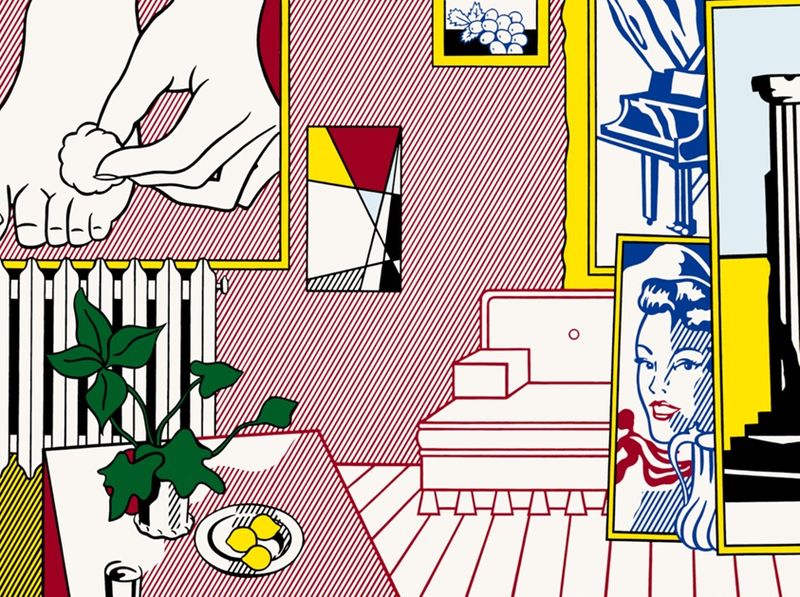
Artist's Studio "Foot Medication"
Roy Lichtenstein · 1974 · Art Institute of Chicago
 Same era · 1970s–2000s
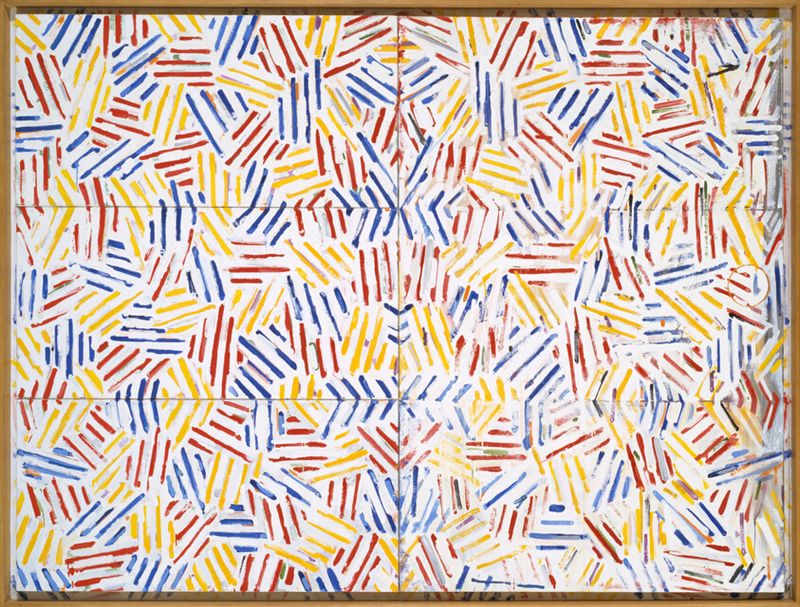
Corpse and Mirror II
Jasper Johns · 1974 · Art Institute of Chicago
 Same era · 1970s–2000s
Wu Street
Xu Bing · 1993 · Art Institute of Chicago
 Same era · 1970s–2000s
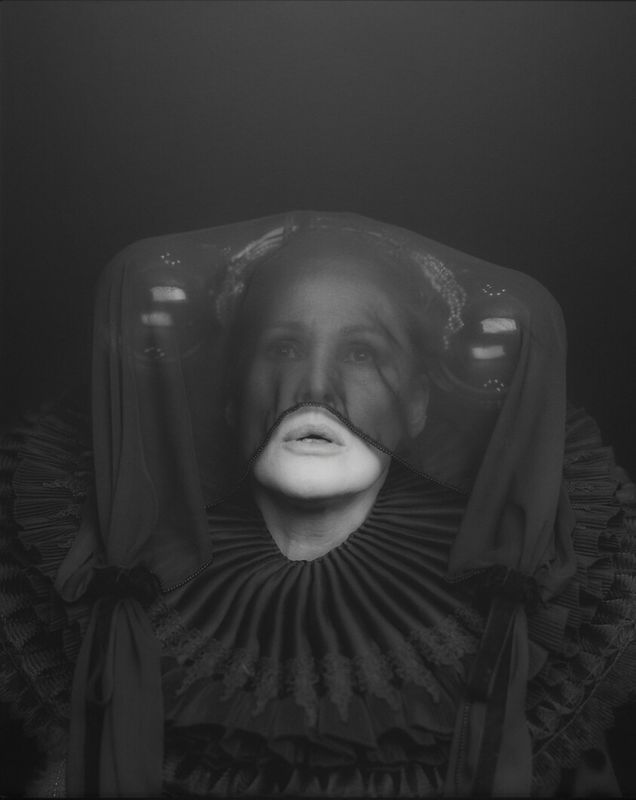
Cremaster 5: The Queen of Chain
Matthew Barney · 1997 · Art Institute of Chicago
 Same era · 1970s–2000s
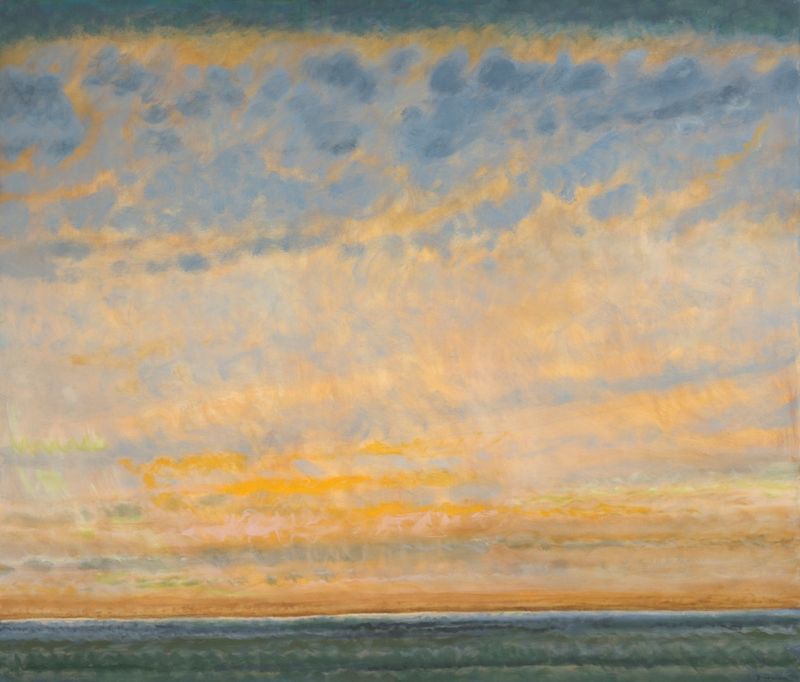
American Horizon
Jane Wooster Scott · 2000 · Art Institute of Chicago
 Same era · 1970s–2000s
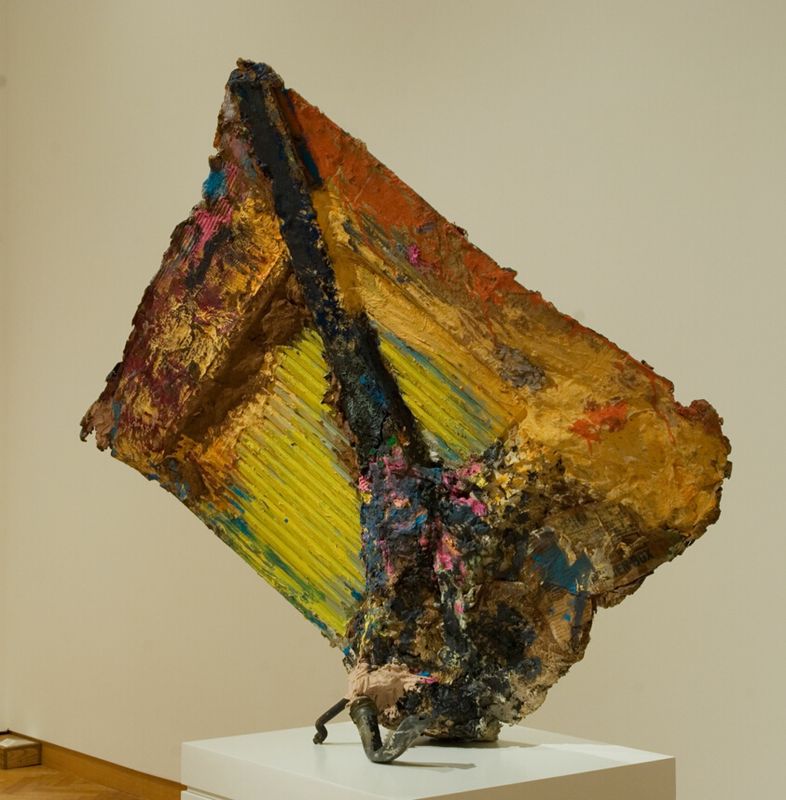
Krach
Philip West · 1987 · Art Institute of Chicago
 Same era · 1970s–2000s
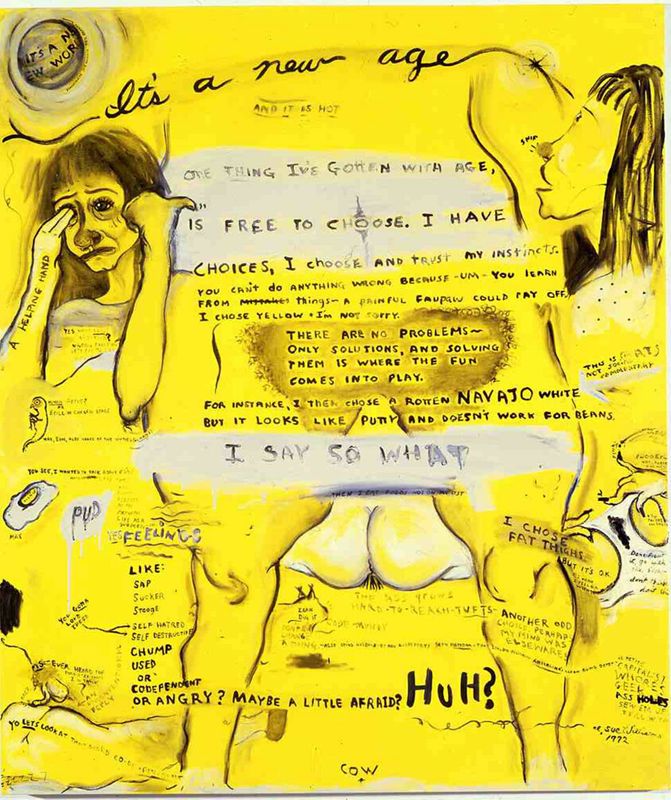
It's a New Age
William Hook · 1992 · Art Institute of Chicago
 Same era · 1970s–2000s
Cremaster 2: Deseret
Birgit Cullberg · 1999 · Art Institute of Chicago
 Same era · 1970s–2000s
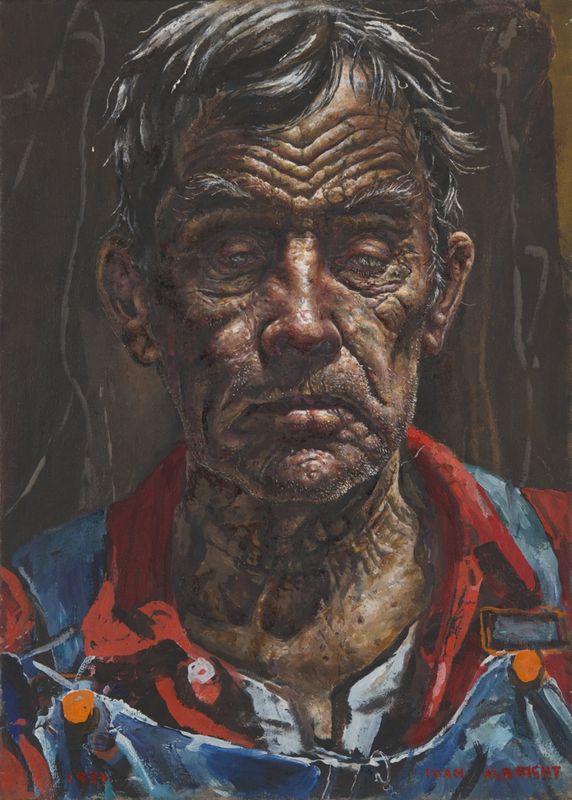
A Face from Georgia
Ivan Albright · 1970 · Art Institute of Chicago