
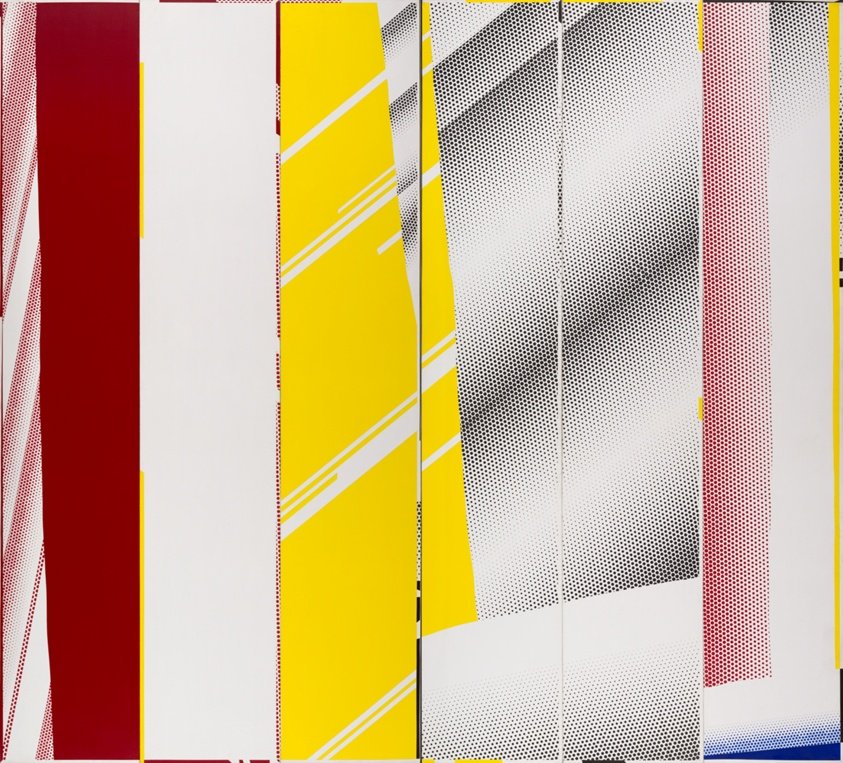
“Step into the world of Pop Art with this striking painting that turns a mirror into a canvas for abstract patterns. Rather than showing a reflection, it explores the visual language of how we perceive light and surfaces.”
This six-panel painting presents an intriguing paradox: it depicts a mirror, yet offers no reflection of the viewer or the room around it. Instead, Roy Lichtenstein uses his signature Pop Art style to render the mirror's surface as a stark, almost abstract composition of Ben-Day dots and diagonal stripes. The panels are joined in two sets of three, forming a wide, horizontal expanse that emphasizes the flatness of the surface. Rather than showing us what a mirror does, this work focuses on what a mirror is as an object, stripped of its function. It invites us to consider the visual language of reflection itself, transforming a common household item into a bold statement about perception and representation. The cool, detached aesthetic, achieved through industrial painting techniques, further abstracts the subject, pushing it beyond mere imitation into the realm of pure visual form.
- Artist
- Roy Lichtenstein
- Date
- 1971
- Medium
- Oil and Magna on two sets of three joined canvases
- Location
- Art Institute of Chicago
What to Notice
Four details hide in plain sight. Here’s where to look.
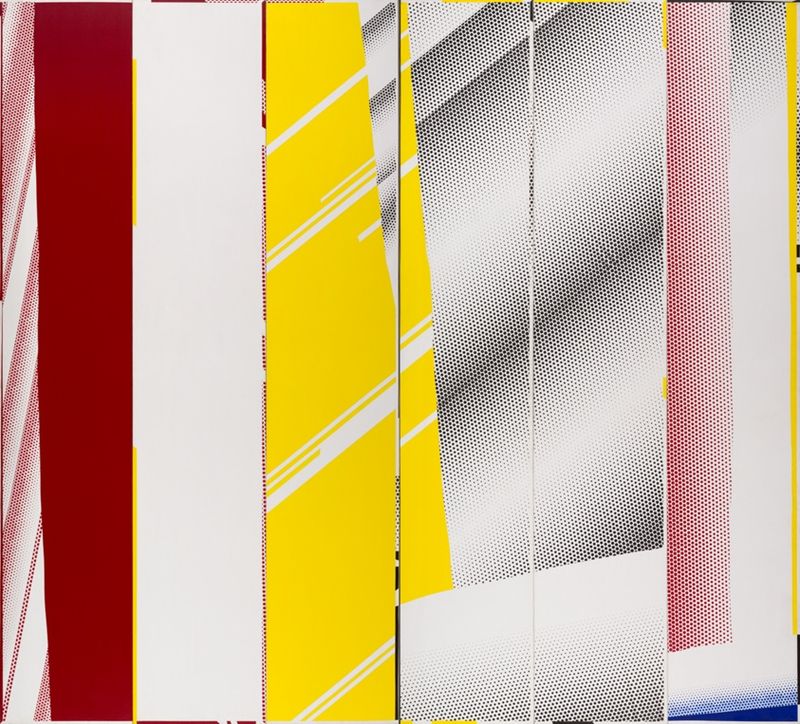
The Ben-Day dots that create the illusion of light and shadow on the reflective surface.
The diagonal stripes that suggest the glint or sheen of glass.
How the six panels are physically joined, creating subtle seams in the composition.
The subtle variations in the dot patterns and stripe angles across the different panels.
Stand in front of it and listen
The full narration walks you through Mirror #3 (Six Panels) — the story behind it, the details most visitors miss, and why it matters. Free in the Art Whisper app.
Roy Lichtenstein
1923–1997 · United StatesRoy Fox Lichtenstein was an American artist. A leading figure of the Pop Art movement, he is best known for his large-scale paintings inspired by comic books, advertisements, and mass-produced imagery. Lichtenstein's art is represented in major museum collections worldwide, and he remains one of the most influential and recognizable artists of the 20th century.
Further Works by Lichtenstein
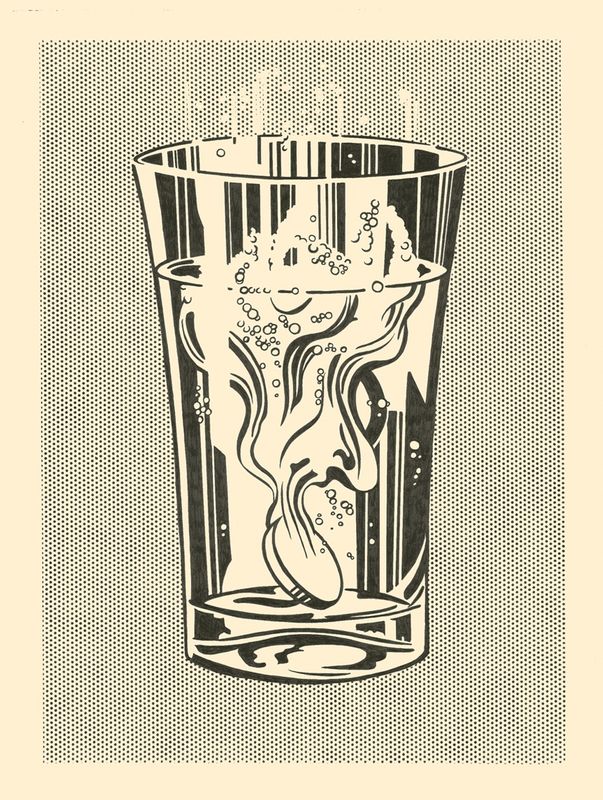
More from Postmodernism
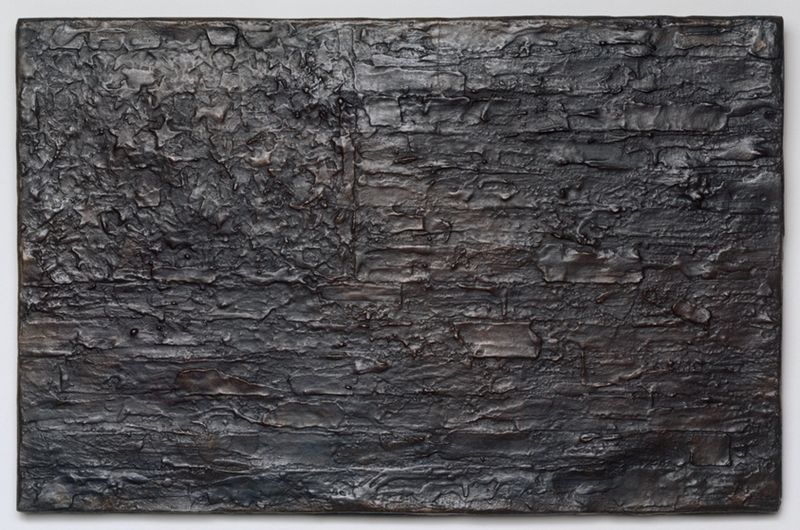
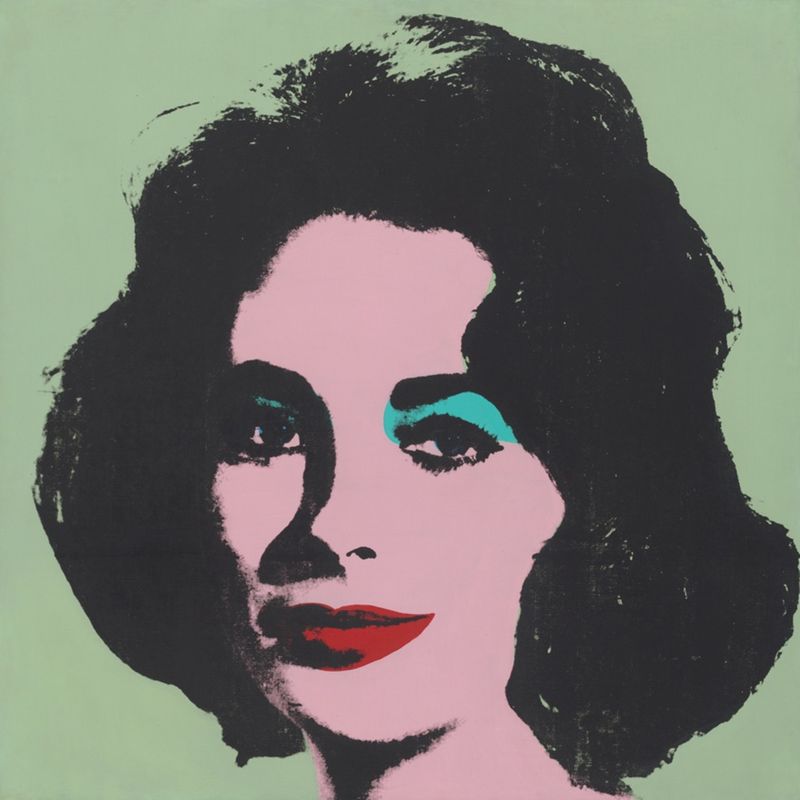
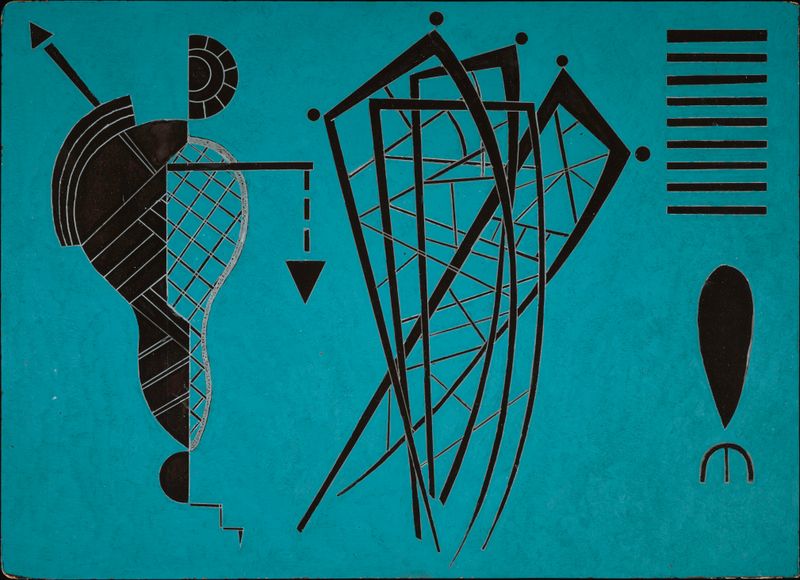
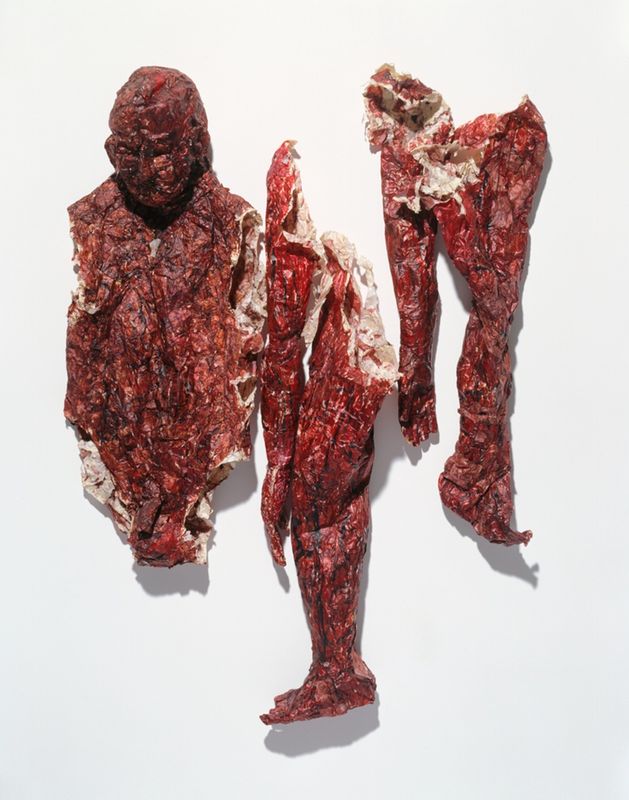
More works to explore
Beyond Lichtenstein and Postmodernism: works from the same years, and from the other movements Mirror #3 (Six Panels) belongs to.
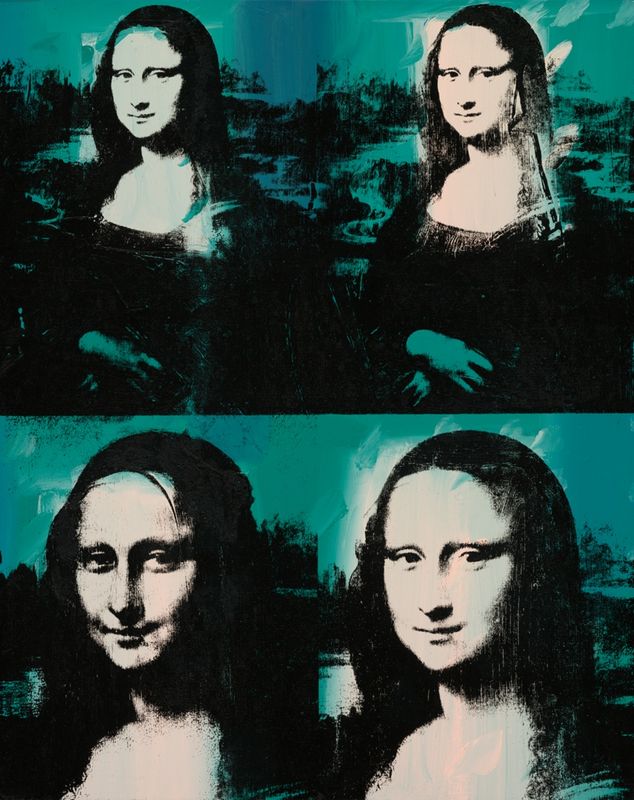 Same movement · Pop Art
Four Mona Lisas
Andy Warhol · 1978 · Art Institute of Chicago
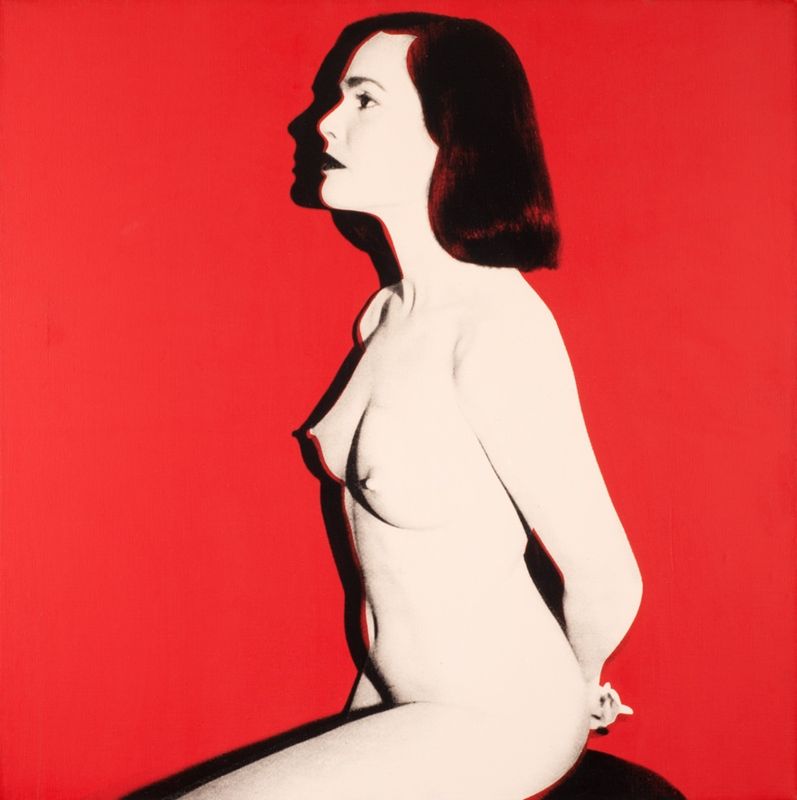 Same era · 1950s–1980s
Pat Hearn
Andy Warhol · 1985 · Art Institute of Chicago
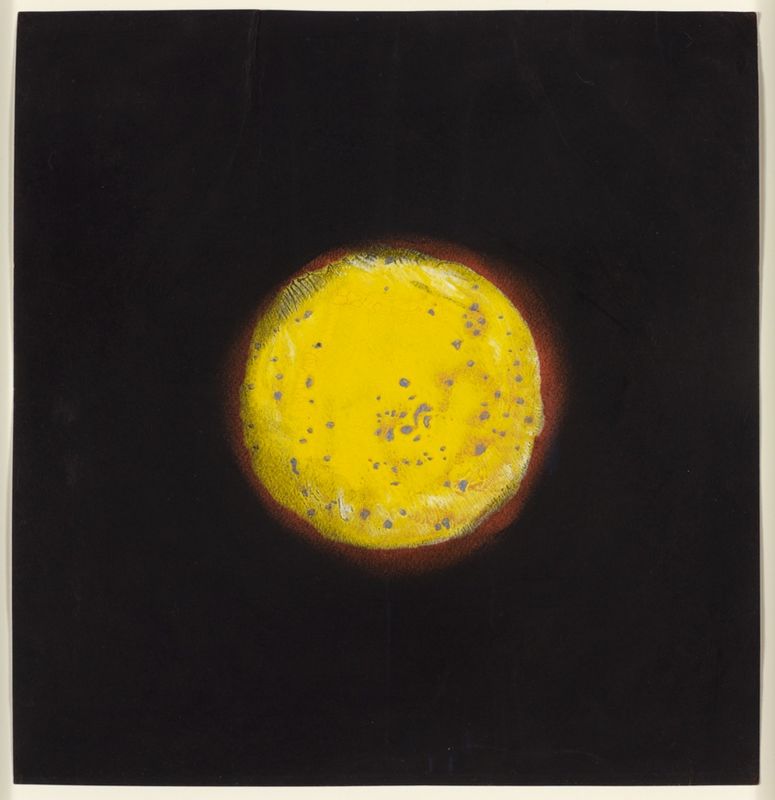 Same movement · Pop Art
Sun Spot
Yayoi Kusama · 1953 · Art Institute of Chicago
 Same era · 1950s–1980s
La grande bellezza
Pierre Alechinsky · 1965
 Same era · 1950s–1980s
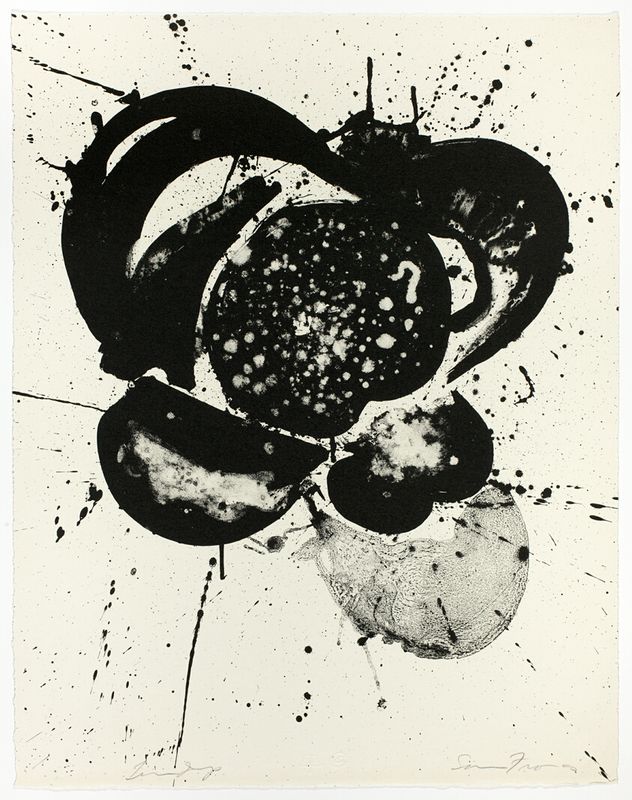
Essai
Sam Francis · 1963 · Art Institute of Chicago
 Same era · 1950s–1980s
Impregnazione
Piero Manzoni · 1958
 Same era · 1950s–1980s
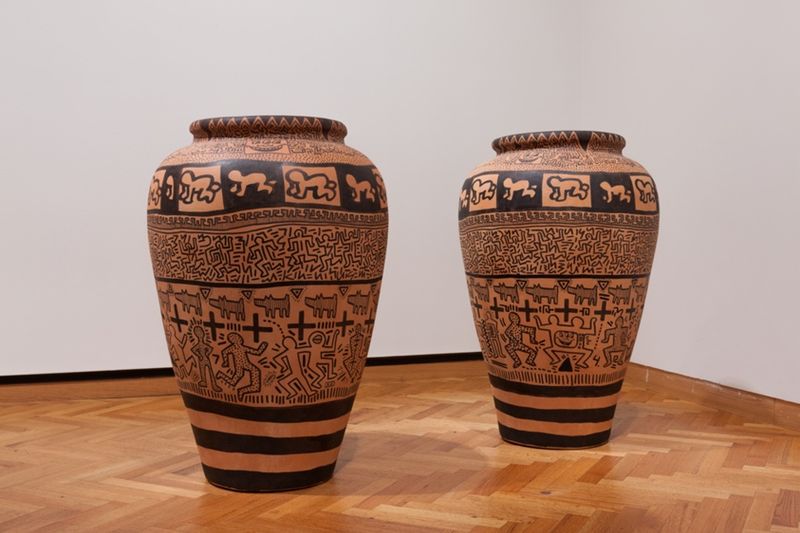
Untitled (Pair of Vases)
Keith Haring · 1981 · Art Institute of Chicago
 Same era · 1950s–1980s
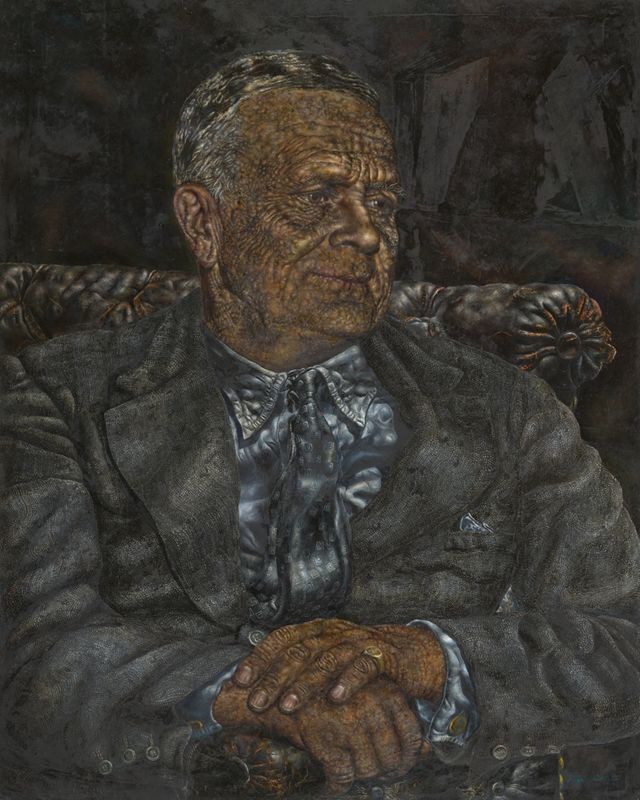
Captain Joseph Medill Patterson
Ivan Puni · 1962 · Art Institute of Chicago
 Same era · 1950s–1980s
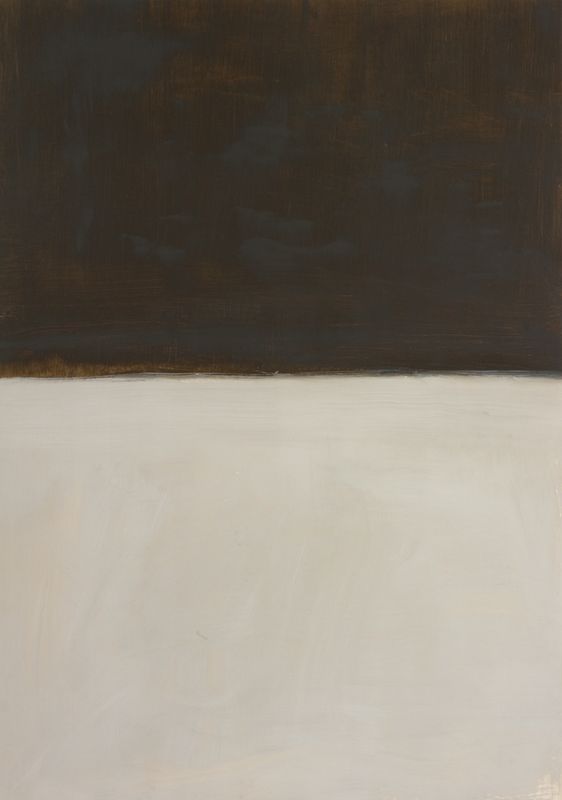
Untitled (Brown and Gray)
Mark Rothko · 1969 · The Metropolitan Museum of Art
 Same era · 1950s–1980s
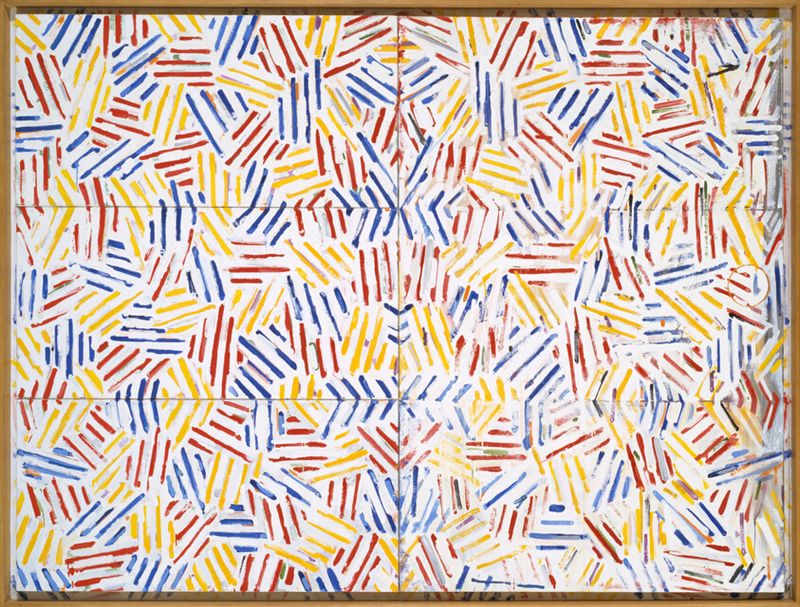
Corpse and Mirror II
Jasper Johns · 1974 · Art Institute of Chicago
 Same era · 1950s–1980s
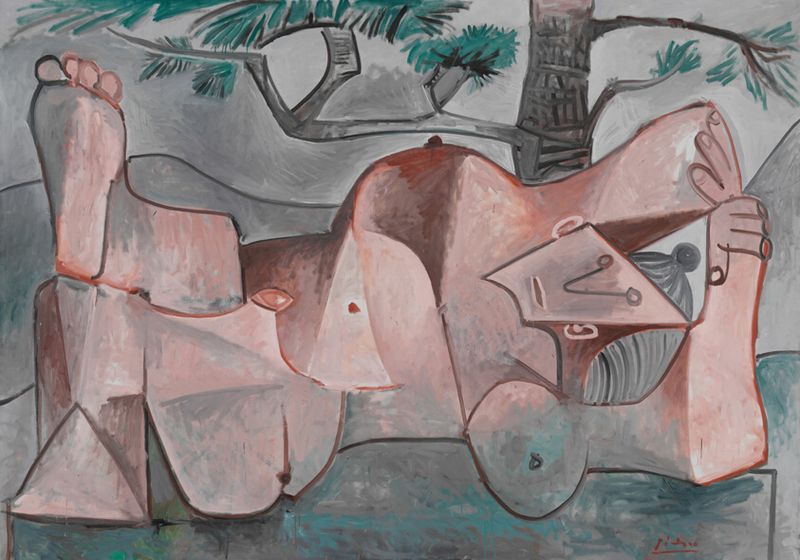
Nude under a Pine Tree
Pablo Picasso · 1959 · Art Institute of Chicago
 Same era · 1950s–1980s
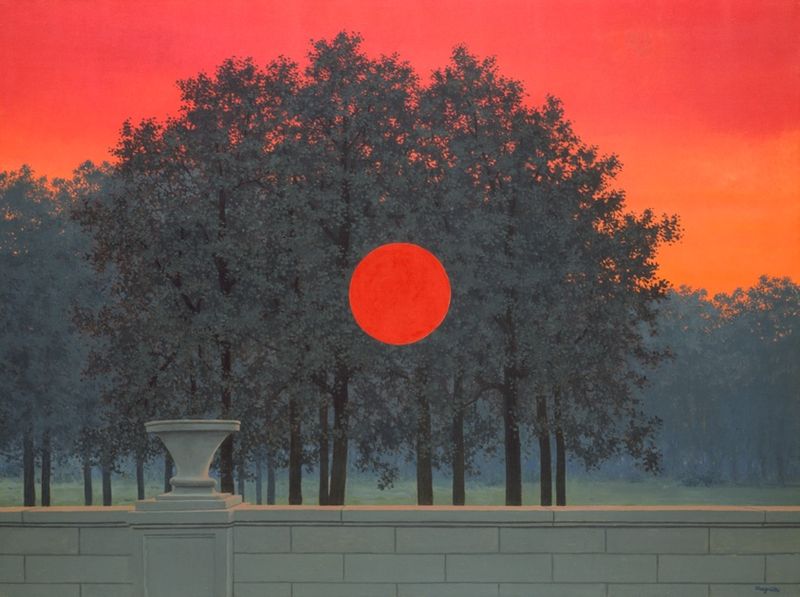
The Banquet
René Magritte · 1958 · Art Institute of Chicago
 Same era · 1950s–1980s
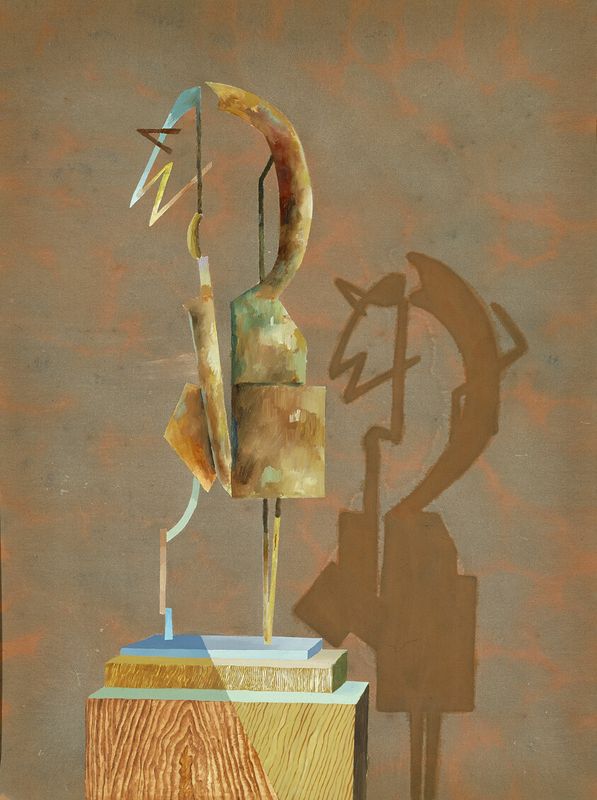
Gonzalez and Shadow
Félix González-Torres · 1972 · Art Institute of Chicago
 Same era · 1950s–1980s
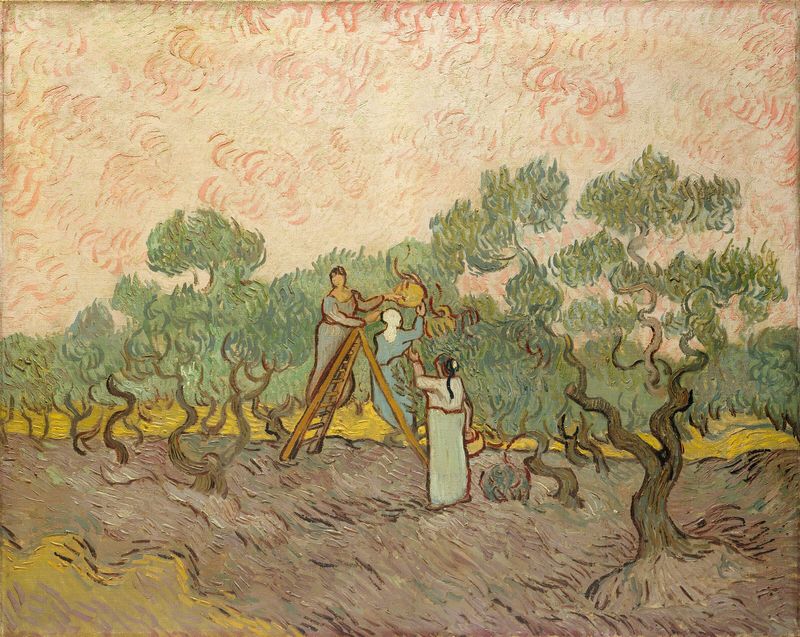
Olive Picking
Reuven Rubin · 1967 · Rubin Museum