01
The calm face
Look at the face first. Fine, tight lines model the cheeks and brow, and the slight smile and steady eyes give him a warm, alert presence.
1 of 5 on the painting
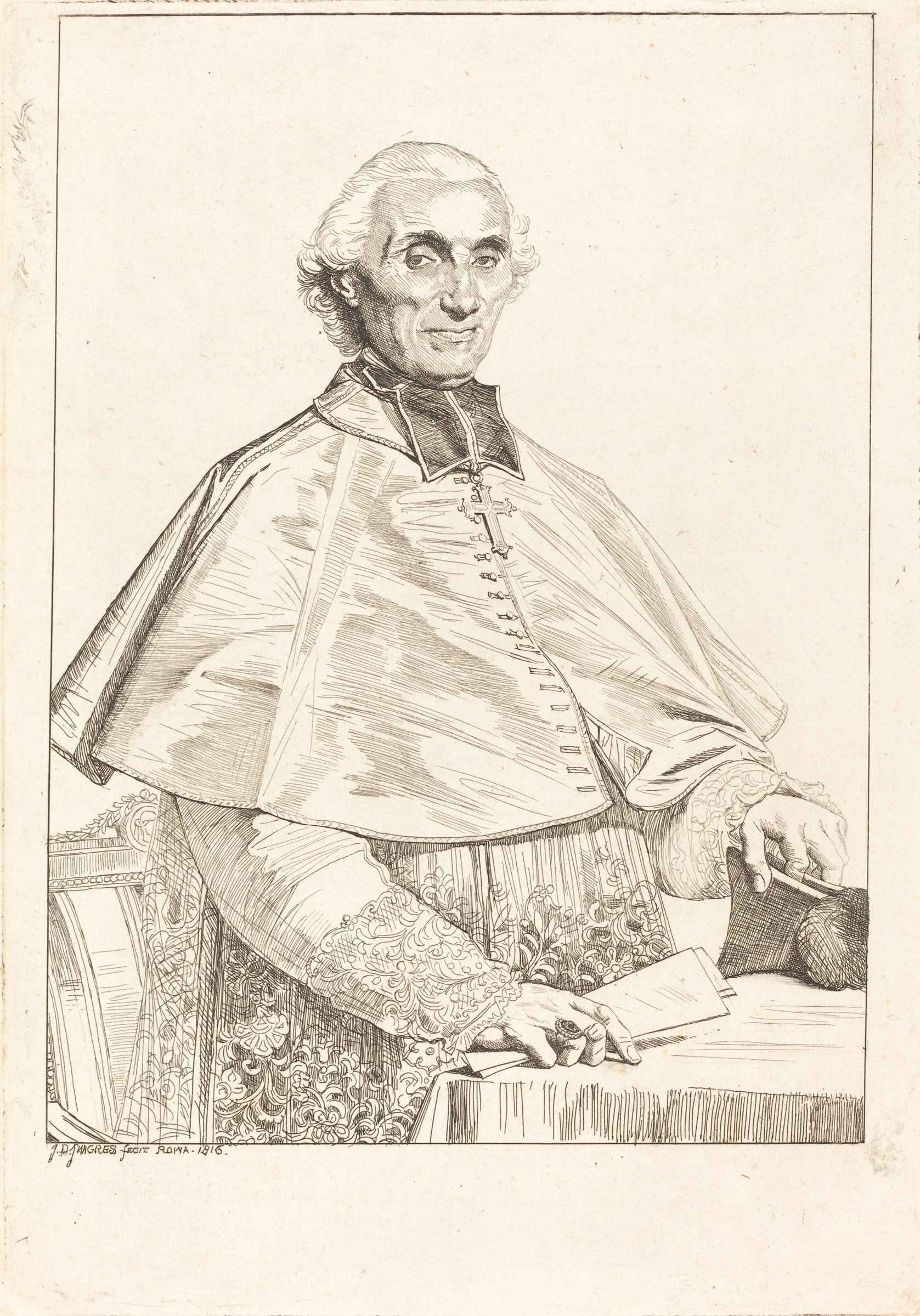
“Stop to appreciate the refined lines of this etching, which captures the dignified presence of a French ambassador with remarkable clarity and detail. It's a testament to the precision of Neoclassical portraiture.”
In this etching, Gabriel Cortois de Pressigny, the French ambassador to Rome, is captured in a moment of quiet dignity. His gaze, directed slightly away from the viewer, suggests a man of contemplation and authority. The crisp lines of the etching medium lend a precise, almost sculptural quality to his features, from the subtle curve of his lips to the defined bridge of his nose. The artist, Jean-Auguste-Dominique Ingres, was working in Rome at this time, and this portrait reflects the Neoclassical ideal of clarity and order. Although the composition is straightforward, the meticulous rendering of the ambassador's clerical attire and the delicate play of light and shadow across his face reveal a deep attention to detail, inviting a close inspection of his character and presence.
Five details hide in plain sight. Pick one and we’ll show you exactly where to look.
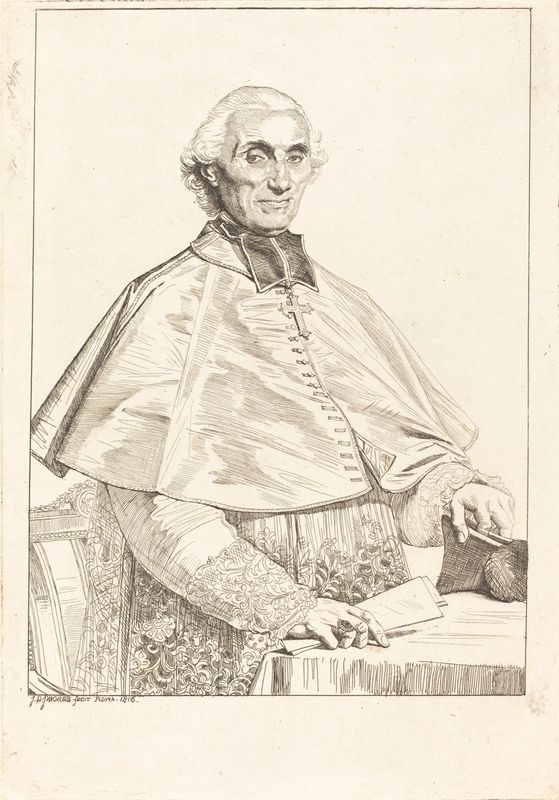
Look at the face first. Fine, tight lines model the cheeks and brow, and the slight smile and steady eyes give him a warm, alert presence.
On the broad cape, parallel hatched strokes and blank paper make the folds look glossy. Dense lines stay in the shadows while bare paper catches the light.
A small cross hangs from the collar and runs down toward the buttons. It is a sign of his church office, and it sits right on the central line of the figure.
Find the cuff at the lower left. Looping, curling lines build a whole lace pattern, and Ingres draws every flourish with the same fine pen-like line.
At the right edge, his other hand rests near a dark hat, drawn in dense cross-hatching. This heavy dark patch anchors the corner and balances the pale cape.
The full narration walks you through Gabriel Cortois de Pressigny — the story behind it, the details most visitors miss, and why it matters. Free in the Art Whisper app.
Jean-Auguste-Dominique Ingres, a French Neoclassical painter, masterfully blended academic tradition with expressive distortions, influencing modernists like Matisse and Picasso.
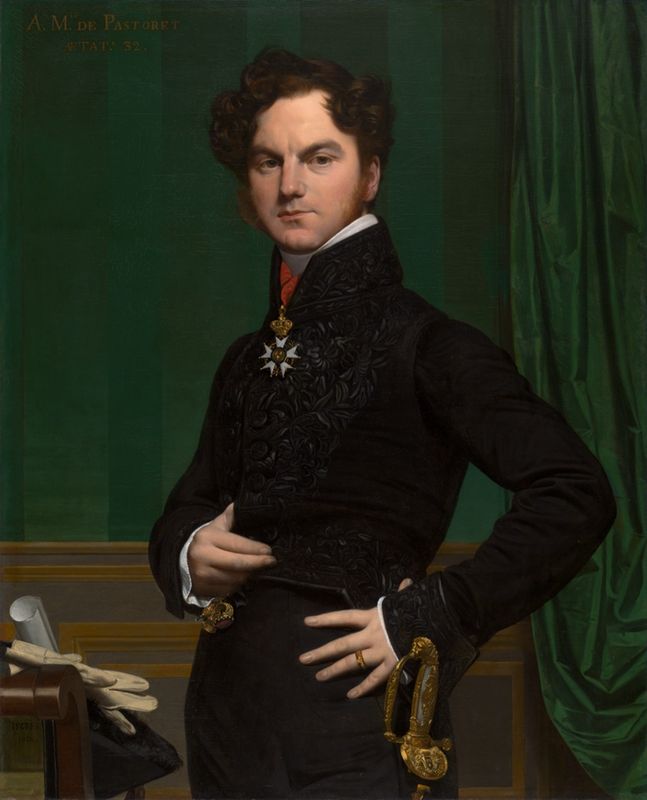 Amédée-David, the Comte de Pastoret
1823 · Art Institute of Chicago
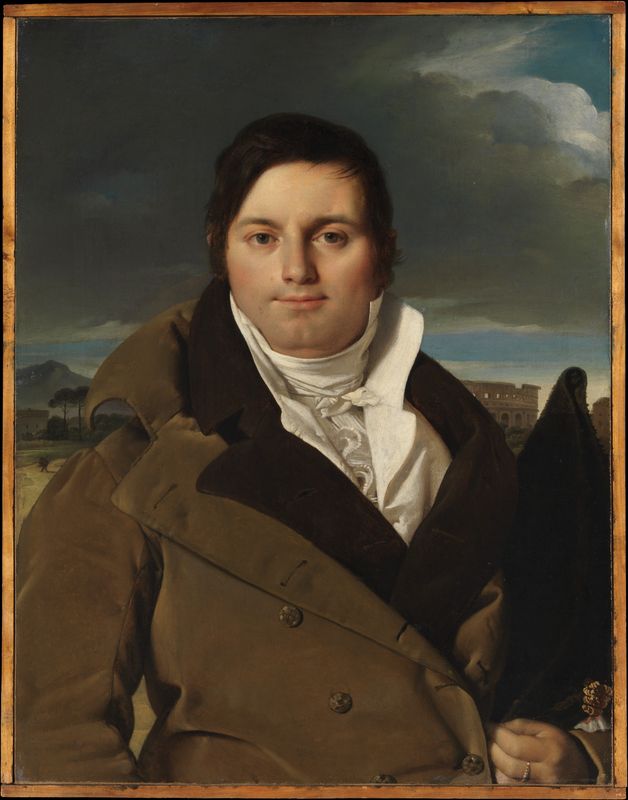 Joseph-Antoine Moltedo (born 1775)
1805 · The Metropolitan Museum of Art
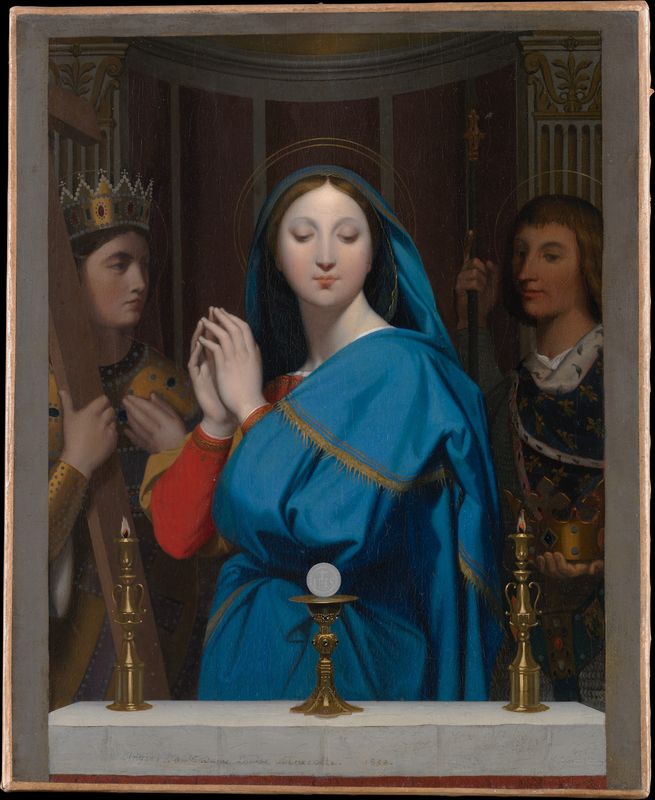 The Virgin Adoring the Host
1841 · Pushkin Museum of Fine Arts
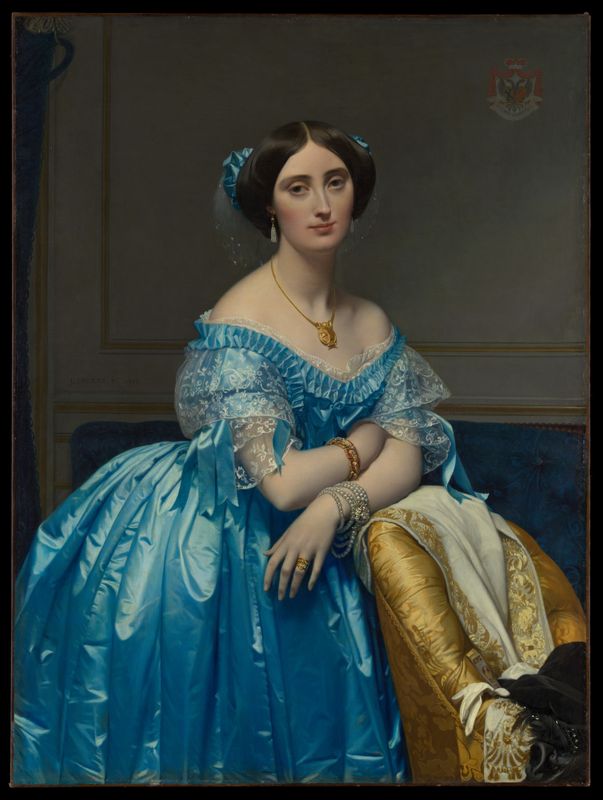 Joséphine-Éléonore-Marie-Pauline de Galard de Brassac de Béarn (1825–1860), Princesse de Broglie
1853 · Metropolitan Museum of Art
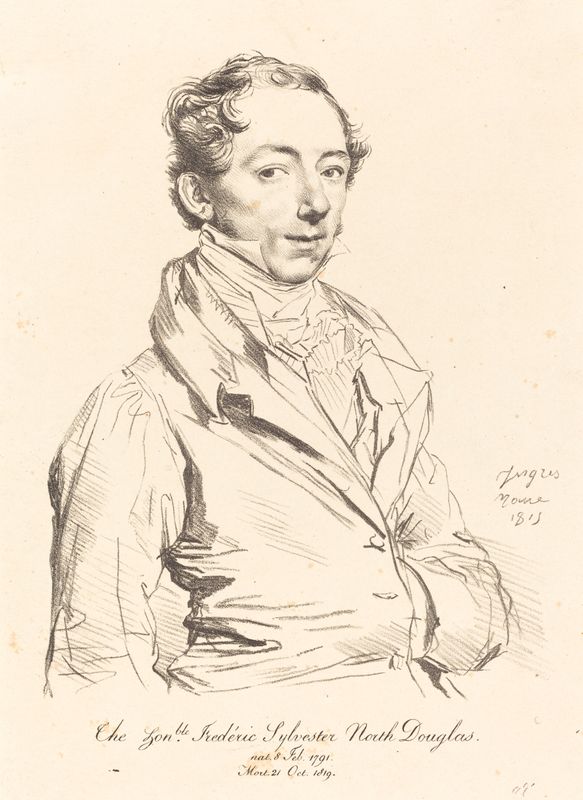 Frederic Sylvester Douglas
1815 · Art Institute of Chicago
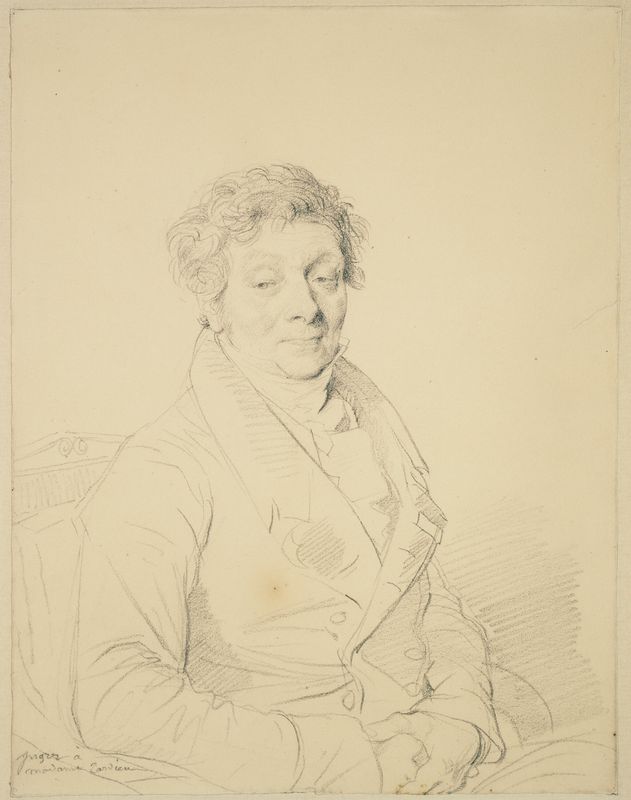 Pierre Alexandre Tardieu
1825 · Art Institute of Chicago
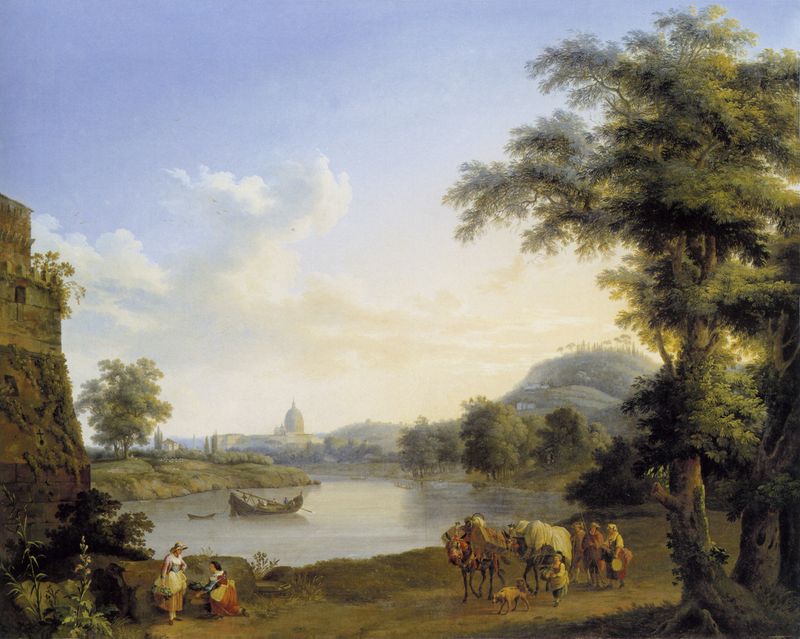 View of Saint Peter's in Rome
Art Institute of Chicago
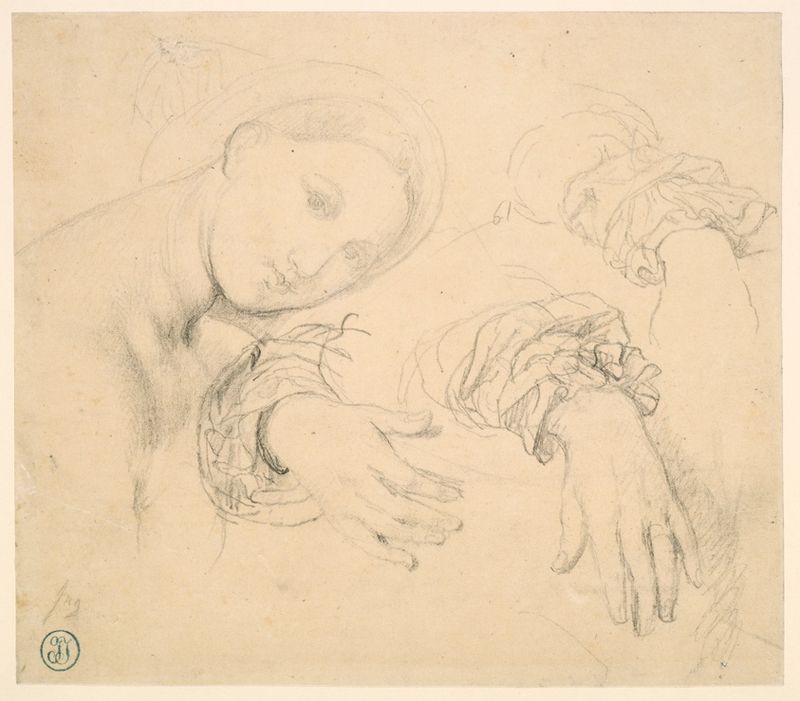 Sheet of Studies with the Head of the Fornarina and Hands of Madame de Senonnes
1814 · Art Institute of Chicago
Beyond Ingres and Romanticism: works from the same years, and from the other movements Gabriel Cortois de Pressigny belongs to.
 Same movement · Academic art
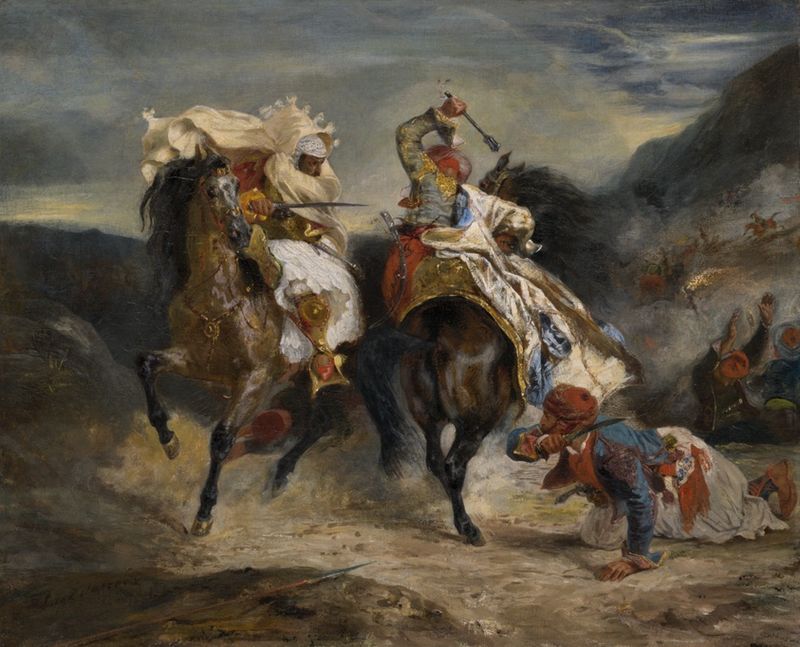
The Combat of the Giaour and Hassan
Eugène Delacroix · 1826 · Art Institute of Chicago
 Same era · 1800s–1830s
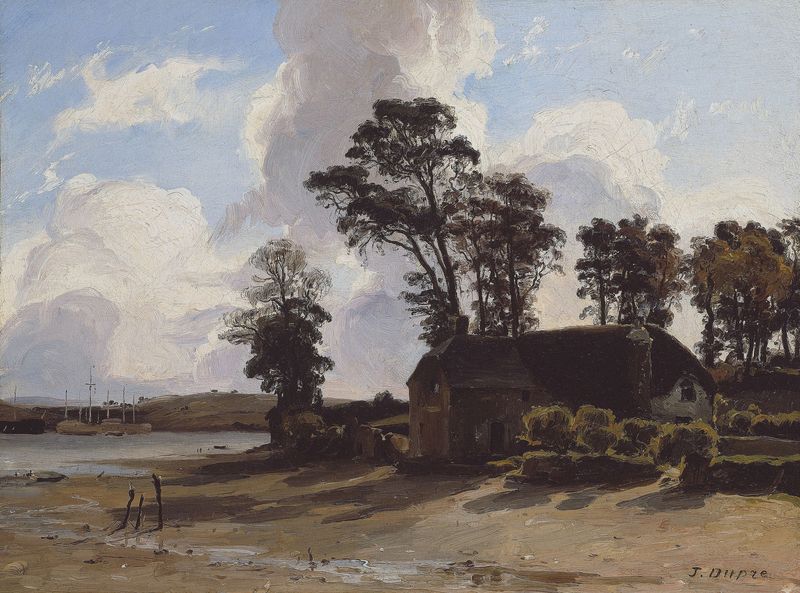
The Estuary Farm
Léon-Victor Dupré · 1831 · Art Institute of Chicago
 Same movement · Neoclassicism
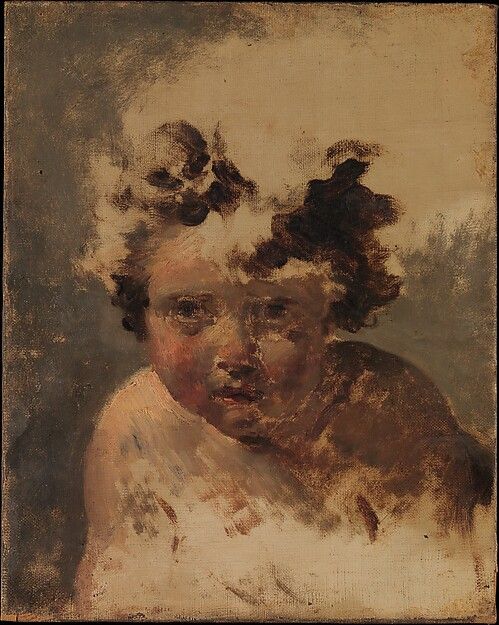
Head of a Child
Jacques-Louis David · 1768 · The Metropolitan Museum of Art
 Same era · 1800s–1830s
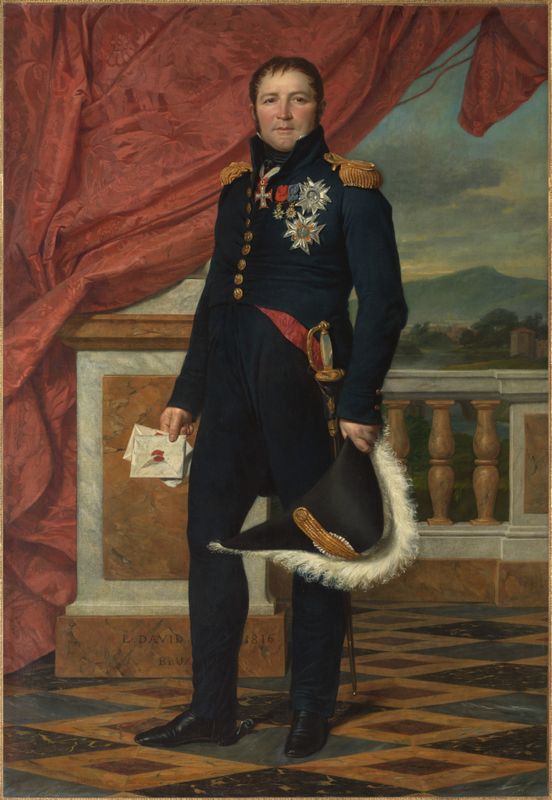
General Étienne-Maurice Gérard (1773–1852)
Jacques-Louis David · 1816 · The Metropolitan Museum of Art
 Same movement · Academic art
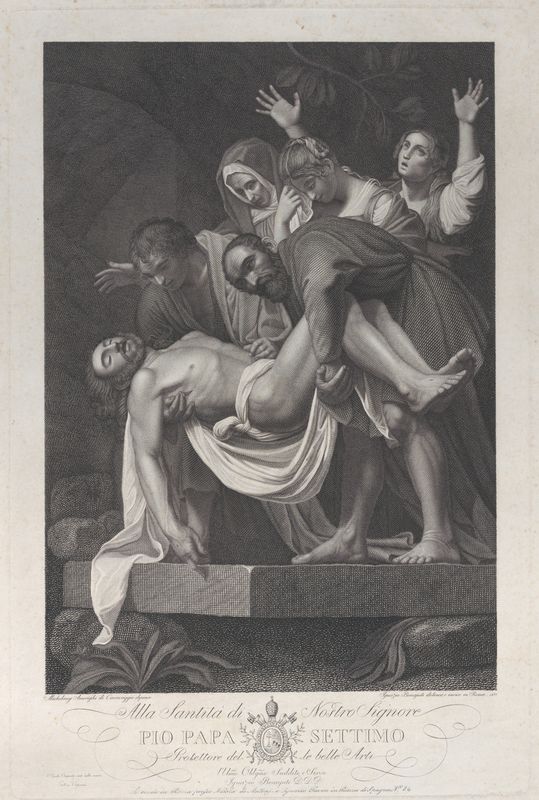
The Entombment of Christ
Caravaggio · 1600 · Pinacoteca Vaticana
 Same era · 1800s–1830s
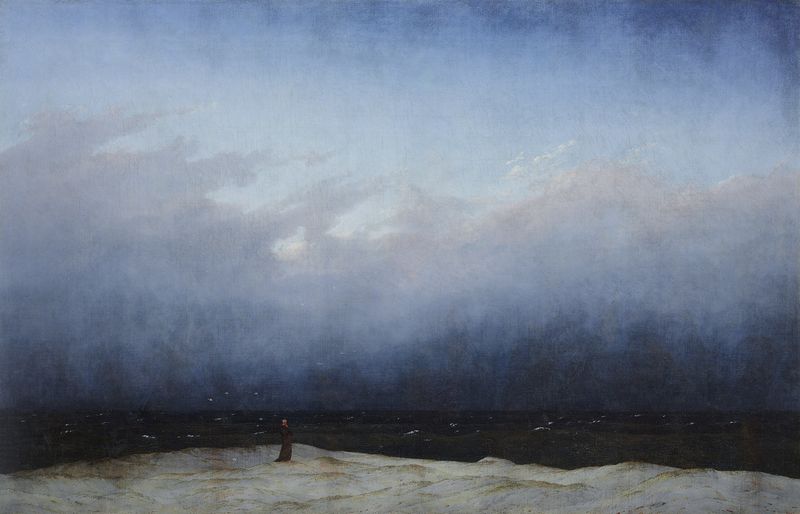
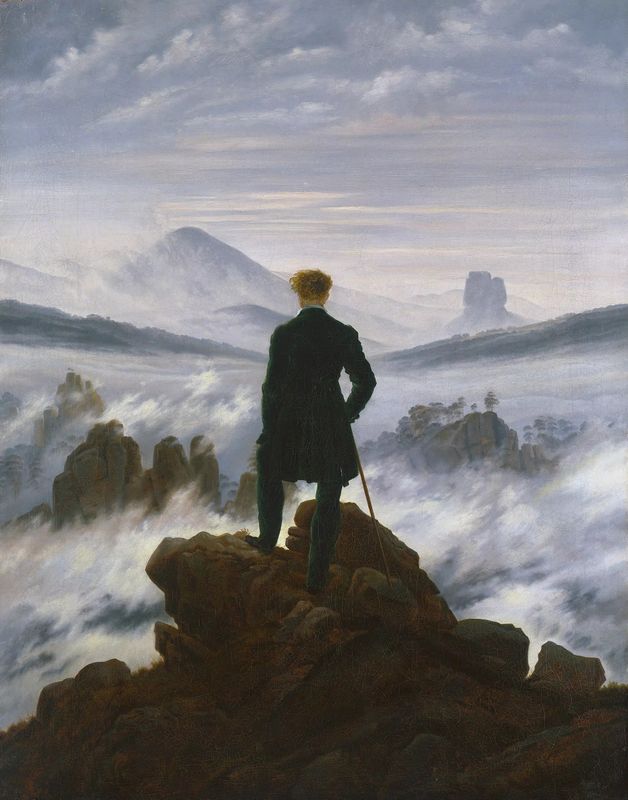
Wanderer above the Sea of Fog
Caspar David Friedrich · 1818 · Hamburger Kunsthalle
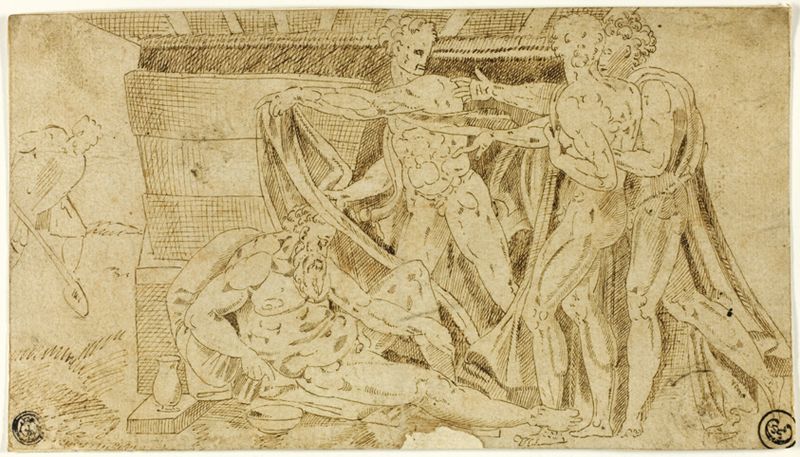 Same movement · Academic art
Drunkenness of Noah
Michelangelo · 1509 · Sistine Chapel
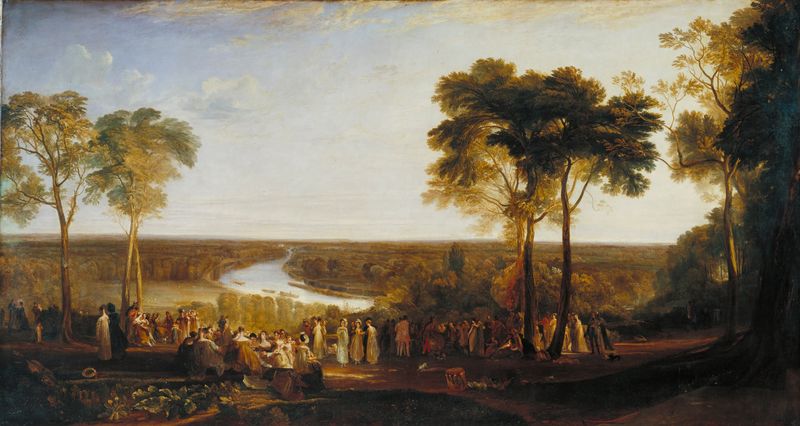 Same era · 1800s–1830s
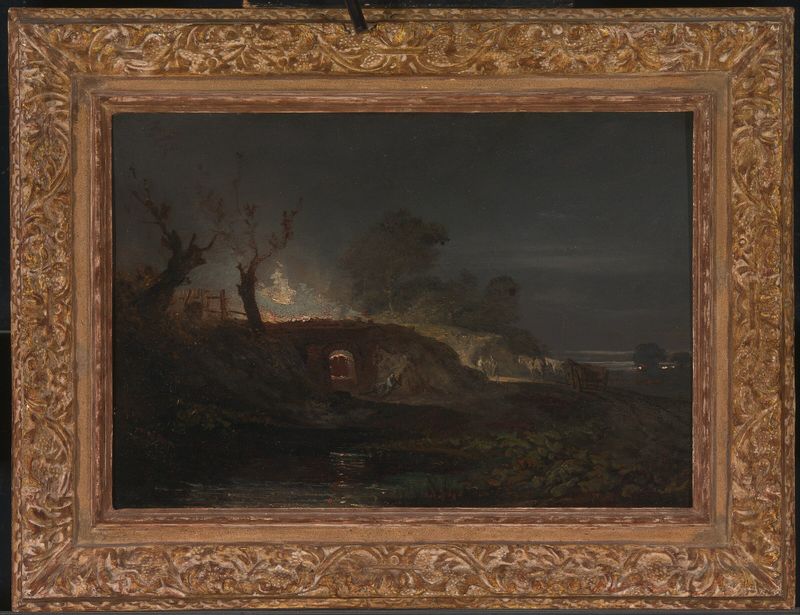
England: Richmond Hill, on the Prince Regent's Birthday
J. M. W. Turner · 1819 · National Gallery
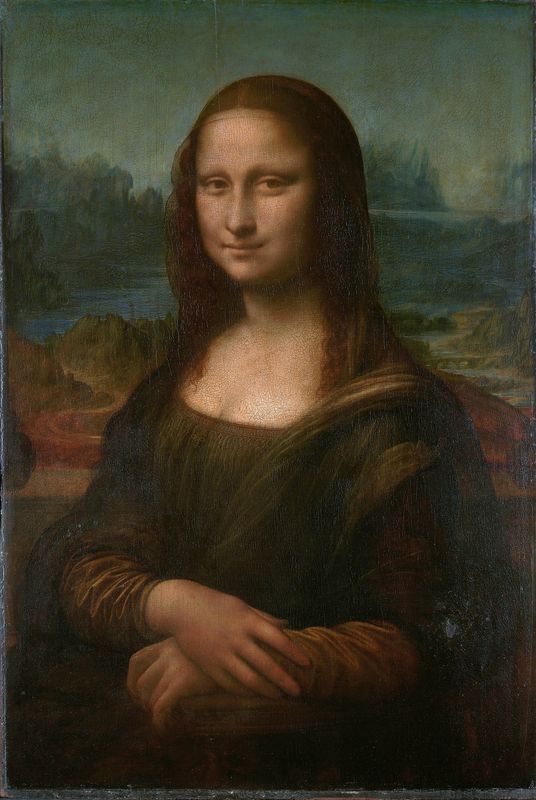 Same movement · Academic art
Mona Lisa
Leonardo da Vinci · 1503 · Department of Paintings of the Louvre
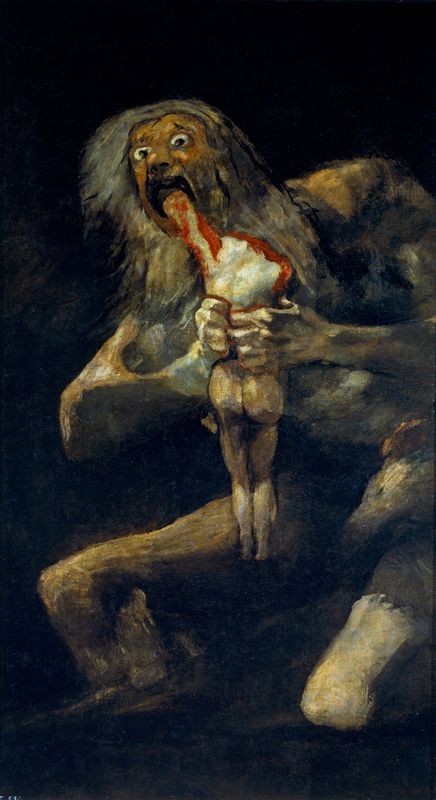 Same era · 1800s–1830s
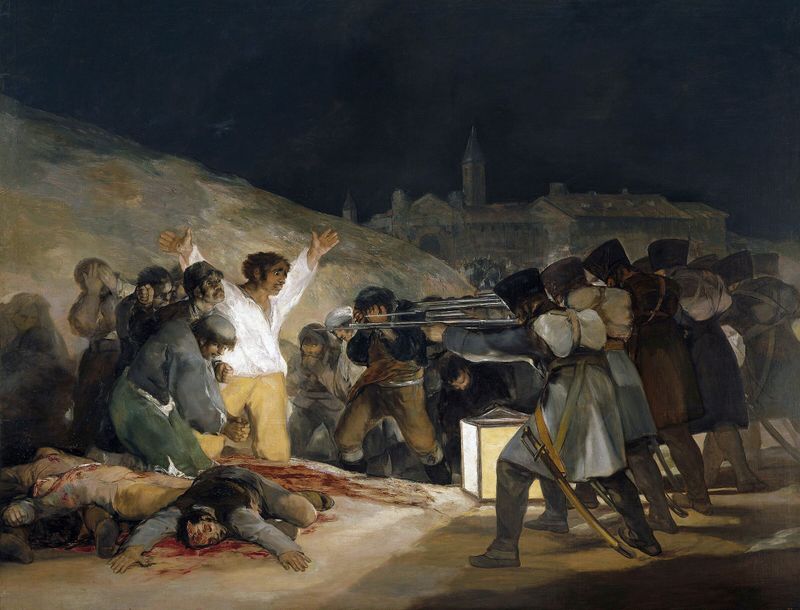
Saturn Devouring His Son
Francisco Goya · 1820 · Museo del Prado
 Same movement · Academic art
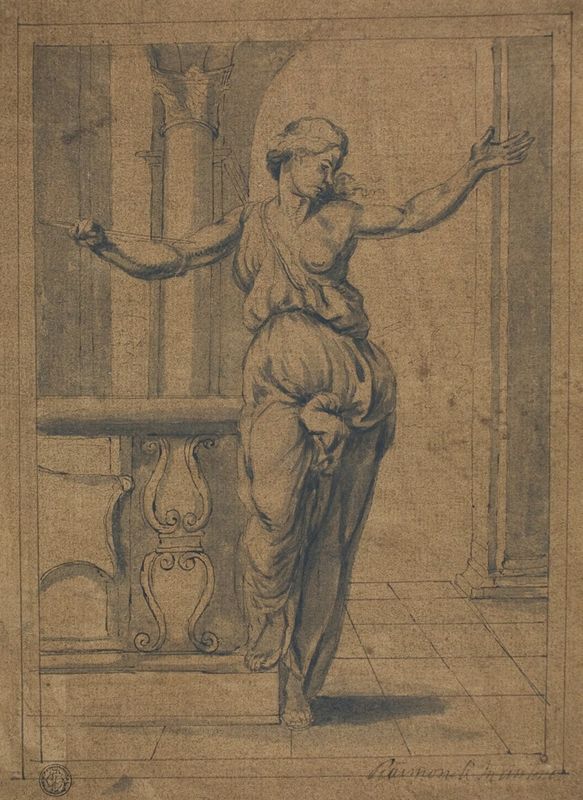
Lucretia
Raphael · Metropolitan Museum of Art
 Same era · 1800s–1830s
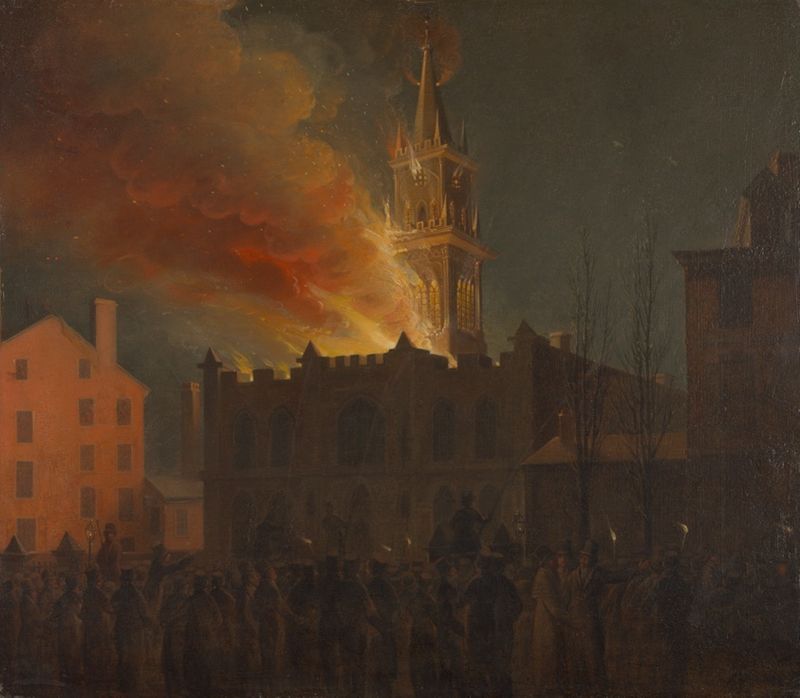
Conflagration of the Masonic Hall, Chestnut Street, Philadelphia, Pennsylvania
Samuel Jones · 1819 · Art Institute of Chicago
 Same era · 1800s–1830s
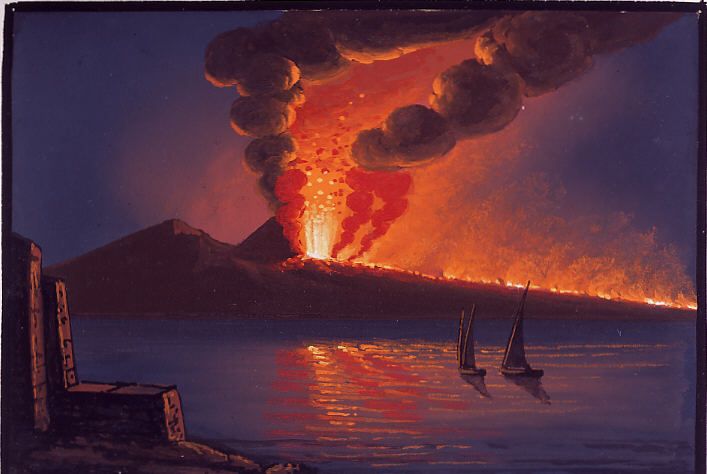
Sketchbook: Souvenir of Naples
Artist Unknown - The Mercat Cross, Aberdeen · 1821 · The Metropolitan Museum of Art
 Same era · 1800s–1830s
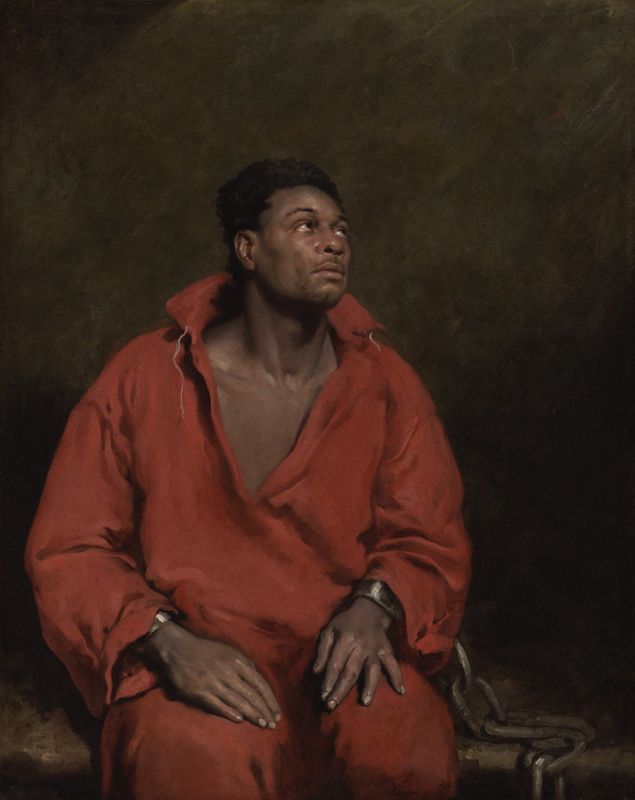
The Captive Slave (Ira Aldridge)
John Philip Simpson · 1827 · Art Institute of Chicago
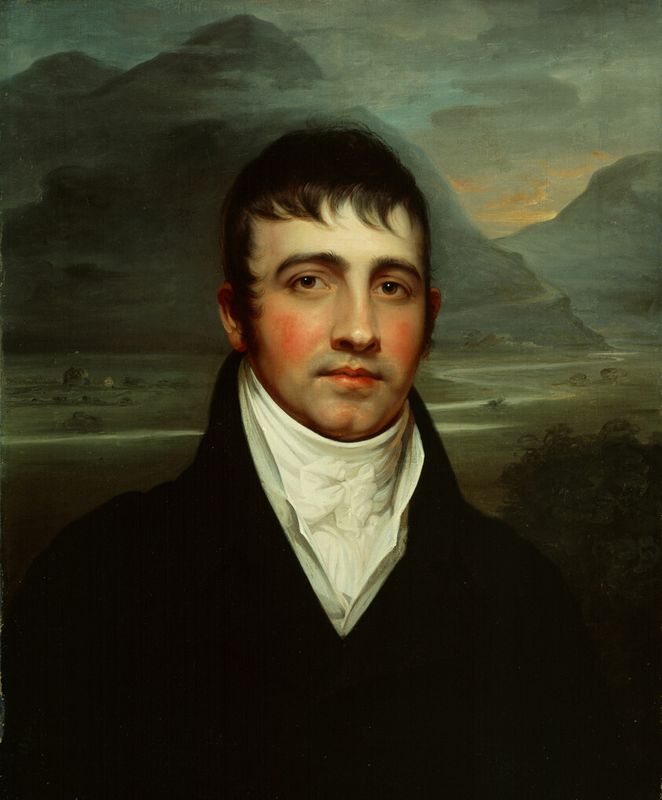 Same era · 1800s–1830s
Samuel Fisher Bradford
Rembrandt Peale · 1803 · Art Institute of Chicago
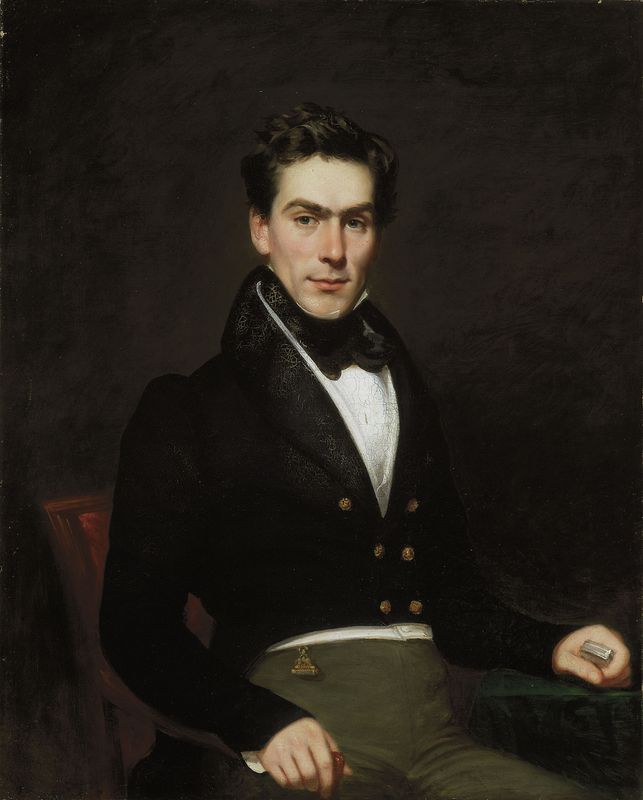 Same era · 1800s–1830s
Mr. James Mackie
Samuel Alcock & Company · 1830 · Art Institute of Chicago
 Same era · 1800s–1830s
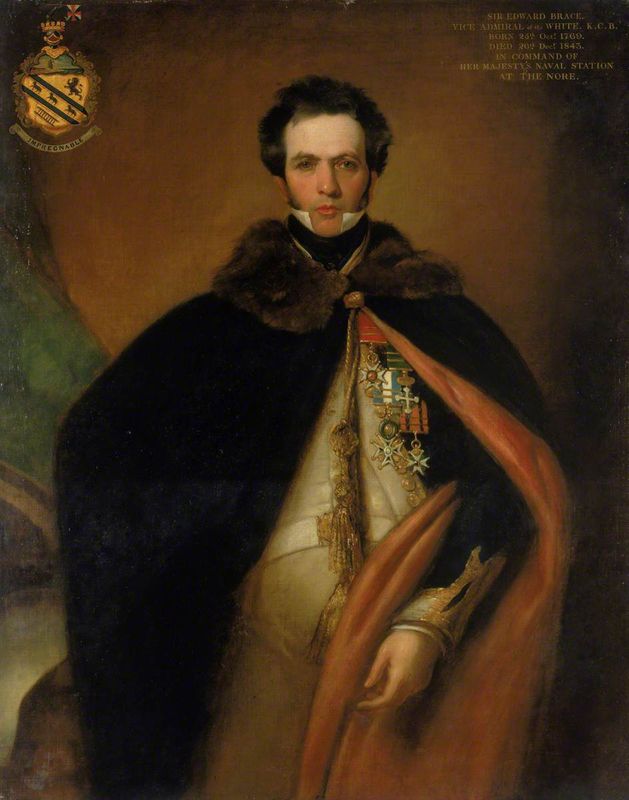
Captain Sir Edward Brace, circa 1769-1843
Thomas Stewardson · 1816 · Royal Museums Greenwich
 Same era · 1800s–1830s
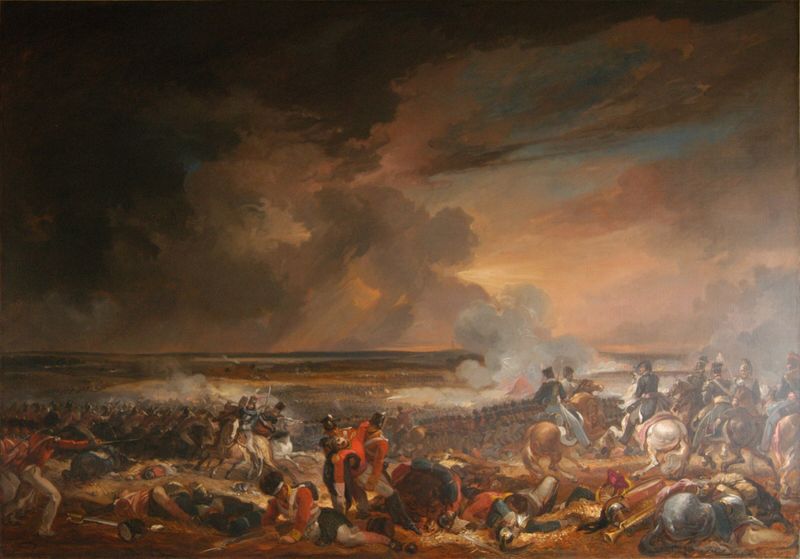
The Battle of Waterloo, 18 June 1815
Samuel Drummond · 1815 · Bradford Museums and Galleries